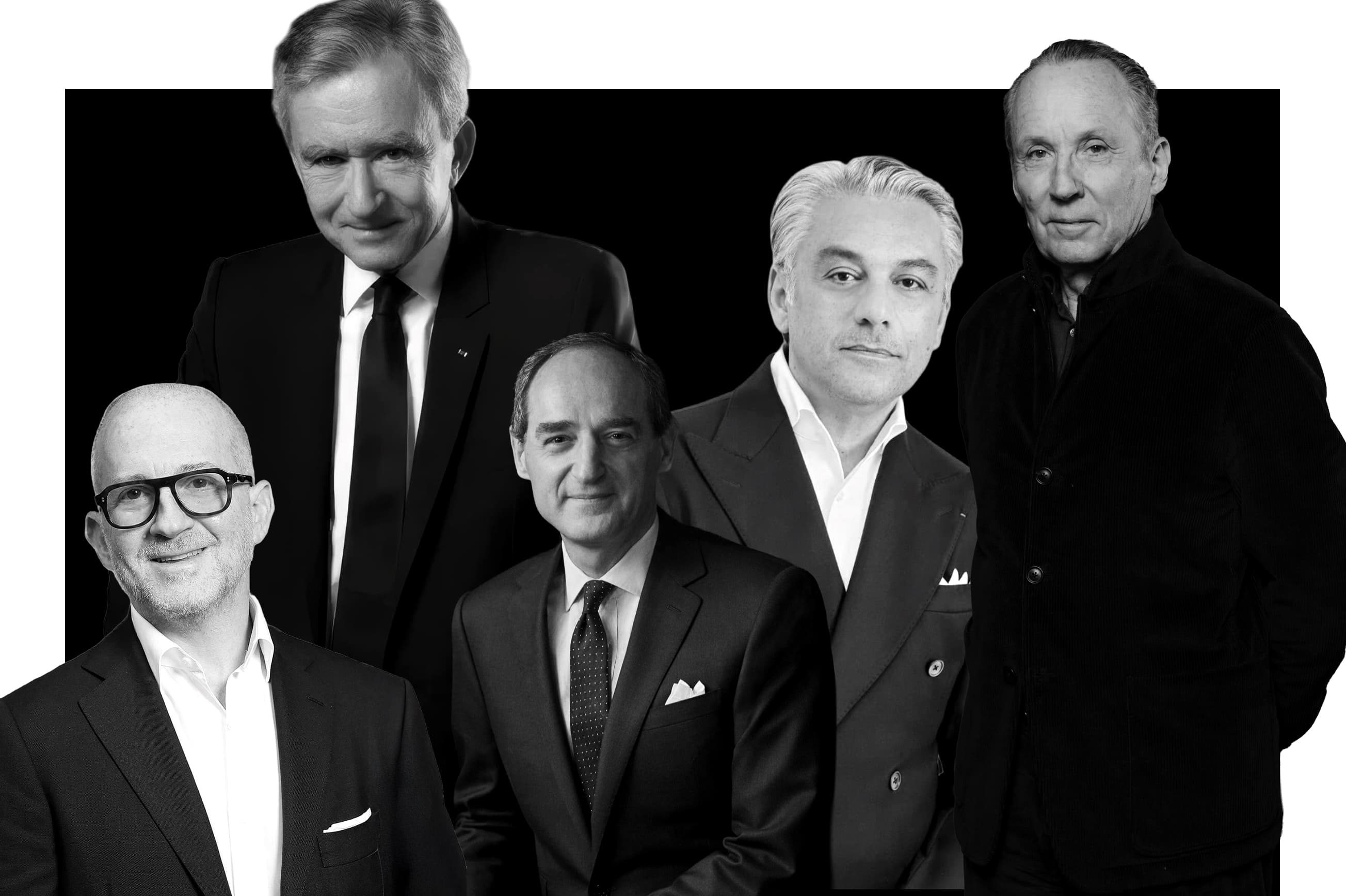
How Leadership, Succession, And Strategy Defined The Year’s Most Influential Figures
Power in fashion isn’t just about scale. It’s about navigating change – economic, creative, generational – and doing it with enough authority and vision to reshape an entire industry. The year 2025 saw legacy empires in flux, public markets tightening, and creative leadership moving faster than ever before. But amid the shakeups and slowdowns, a few CEOs didn’t just hold steady—they made moves that reshaped their companies and, in many ways, the future of fashion.
Here are our picks for The 5 Most Defining Fashion CEOs of 2025:
Bernard Arnault
Chairman & CEO, LVMH

Even among skeptics, Bernard Arnault’s instincts are difficult to dispute; you just have to watch his moves. This past year, as luxury weathered everything from tariff hangovers to cautious consumer sentiment, Arnault executed one of his subtler but smartest transitions yet: a creative refresh at Dior. Maria Grazia Chiuri’s legacy there is undeniable — shepherding Dior from €2.2 billion in annual sales to an estimated €9–9.5 billion — and her shift to Fendi was emotional for many. But the choice of Jonathan Anderson as her successor reveals Arnault’s unique blend of instinct and ambition: he’s betting creativity with a strategic multiplier still matters. It’s a reminder that LVMH’s power isn’t just size, it’s thoughtful evolution.
Inside LVMH’s halls, the executive shuffle didn’t stop there. Pietro Beccari, long revered for his steady leadership at Louis Vuitton, now heads the Fashion Group, reaffirming that trust and continuity still count. At the same time, Damien Bertrand’s rising responsibility — particularly after his successful stint at Loro Piana — signals that the next generation is being readied with care, not chaos. Colleagues speak warmly of this era’s collaborative feel; it’s less about ruthless takeover and more about legacy in motion. If Arnault’s power comes from what he builds, this year showed he’s as committed to “who” as much as “what.”
Gildo Zegna
Chairman & CEO, Zegna Group (soon to be Executive Chairman, 2026)
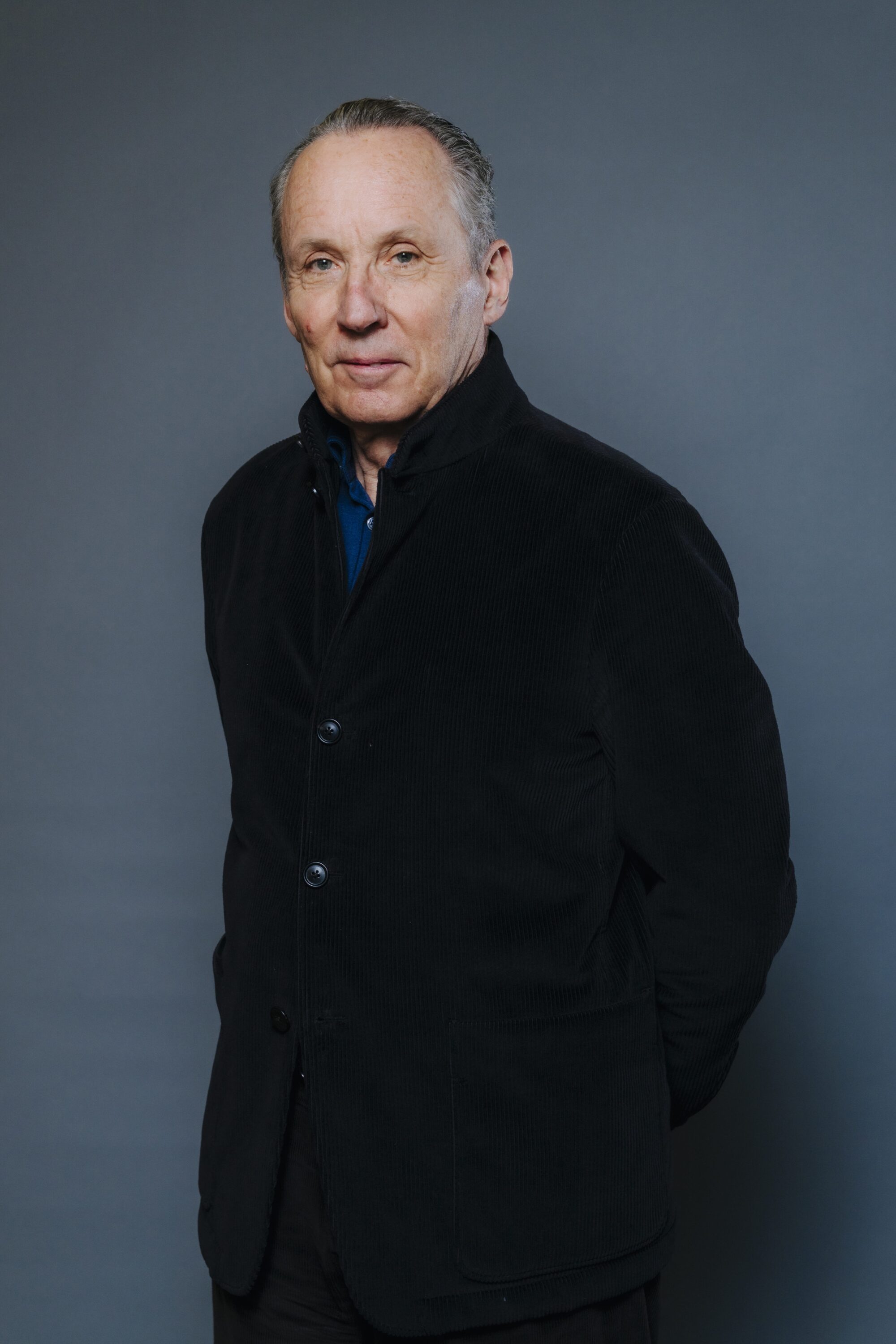
There’s gentle power, and then there’s Gildo Zegna’s kind — the kind that comes from staying true to a brand’s soul while quietly expanding its horizons. For decades he’s guided the Zegna Group not as a conglomerate conqueror but as a steward of craft, capable of honoring tradition while nudging the business into fresh territory. In 2025, that approach reached a new chapter. As the house formalizes a succession plan — with Gianluca Tagliabue set to become CEO and the fourth generation stepping into co‑CEO roles at the Zegna brand — it’s clear this isn’t retirement, it’s evolution. Gildo isn’t fading out; he’s anchoring the house’s heritage and strategic vision while empowering new voices.
What makes his influence noteworthy isn’t headline‑grabbing acquisitions or dramatic pivots — it’s consistency and coherence. While other houses shuffled boards in response to short‑term market pressure, Zegna’s leadership structure clarified a long‑term playbook. This year, the brand doubled down on direct‑to‑consumer strength, sharpened its lifestyle narrative beyond suiting, and kept a firm focus on craftsmanship. That quiet confidence, especially in a moment when many luxury players are reactionary, is a form of power in and of itself: a leadership that reassures clients, investors, and employees alike that steadiness yields strength.
Luca de Meo
Chairman & CEO, Kering
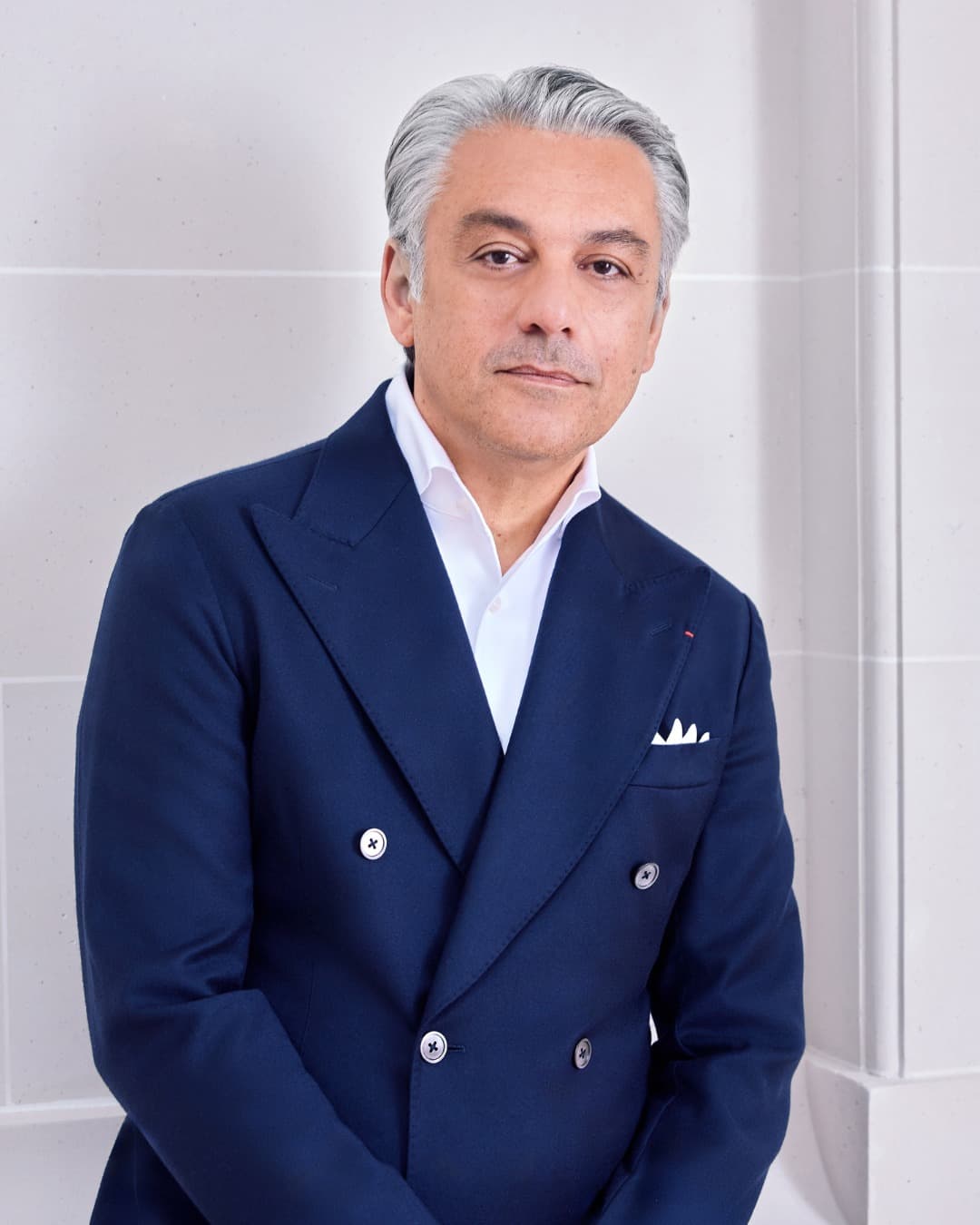
If luxury CEOs were scored on candid memos alone, Luca de Meo would be top of the class. Upon arriving at Kering just months ago, he inherited both expectations and legacies — most notably at Gucci, where momentum had stalled and the group’s valuation had contracted. In 2025, de Meo didn’t just offer platitudes; he delivered a framework he calls ReconKering, an ambitious repositioning that tackles the company’s reliance on a single brand and charts a broader roadmap for healthier growth.
This isn’t the kind of year that yields dazzling sales figures, but de Meo’s influence showed up where it counts: investor confidence, strategic clarity, and operational reset. Gucci’s third‑quarter performance, down “only” 14 percent (better than feared), and the recent share uptick aren’t miracles — they’re signals that steady hands and open strategy can pull a house back from the edge. He’s trimmed excess, rebalanced expectations, empowered leaders like Francesca Bellettini, and even brokered the sale of Kering Beauté to strengthen balance sheets. Where others saw decline, de Meo saw opportunity — and that’s the essence of power.
Joshua Schulman
CEO, Burberry Group
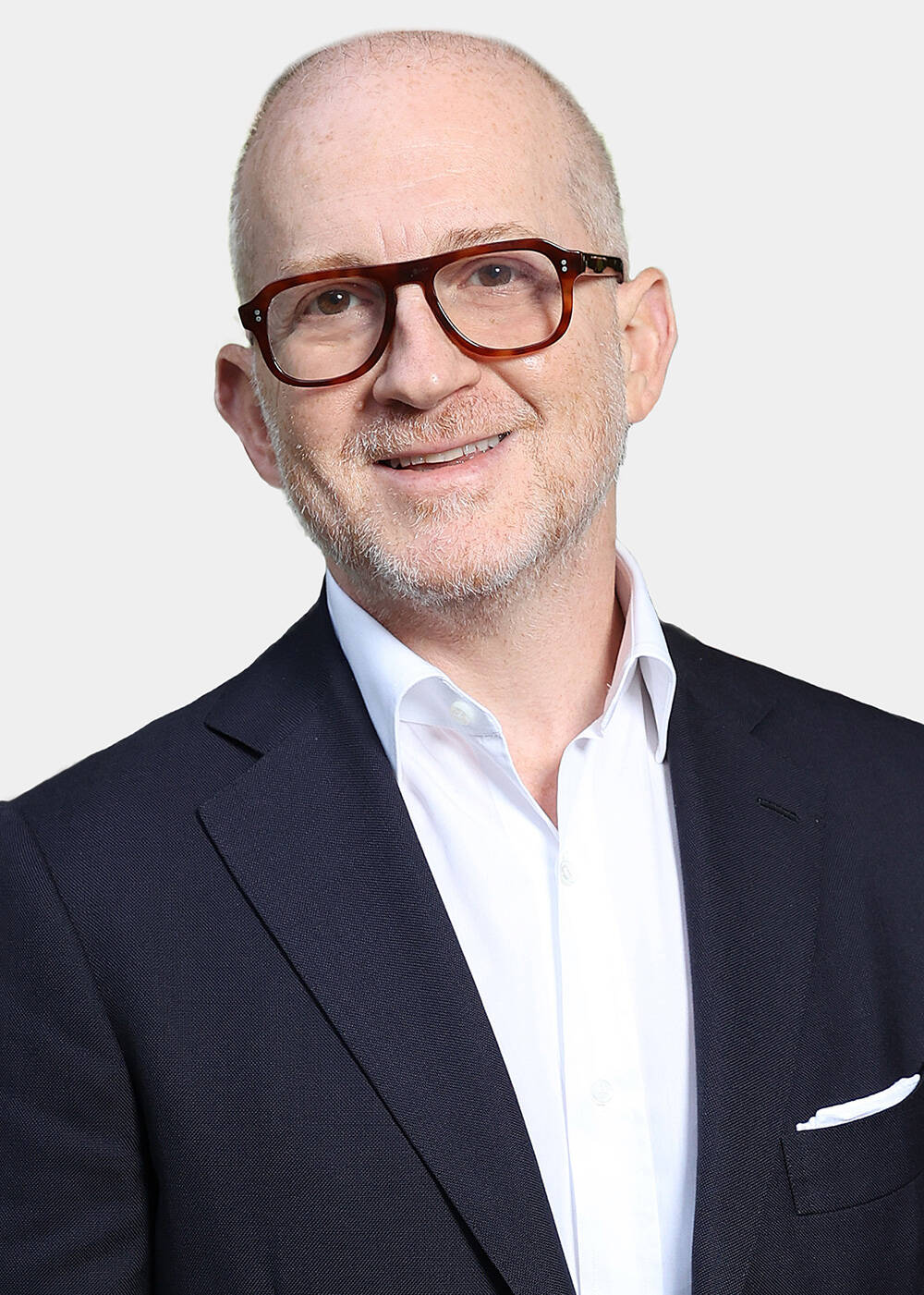
After a rocky few years marked by creative turbulence and uneven performance, Joshua Schulman is bringing clarity—and credibility—back to Burberry. Appointed CEO in 2023, Schulman’s 2025 has been defined by course correction: a sharpened focus on outerwear, a renewed embrace of Britishness, and the beginnings of a disciplined turnaround strategy that’s already yielding results.
This year, Burberry beat profit expectations and announced bold cost-saving measures, including an 18% workforce reduction—decisive, if uncomfortable, moves aimed at restoring margins and investor confidence. Schulman’s leadership has restored internal focus and external confidence, helping stabilize a brand that had drifted in recent years. His steady hand has also allowed creative director Daniel Lee more room to evolve, signaling a healthier balance between business discipline and design experimentation. While challenges remain, Burberry under Schulman feels like a House with its footing back—and a vision beginning to take shape.
Patrice Louvet
President and Chief Executive Officer of Ralph Lauren Corporation
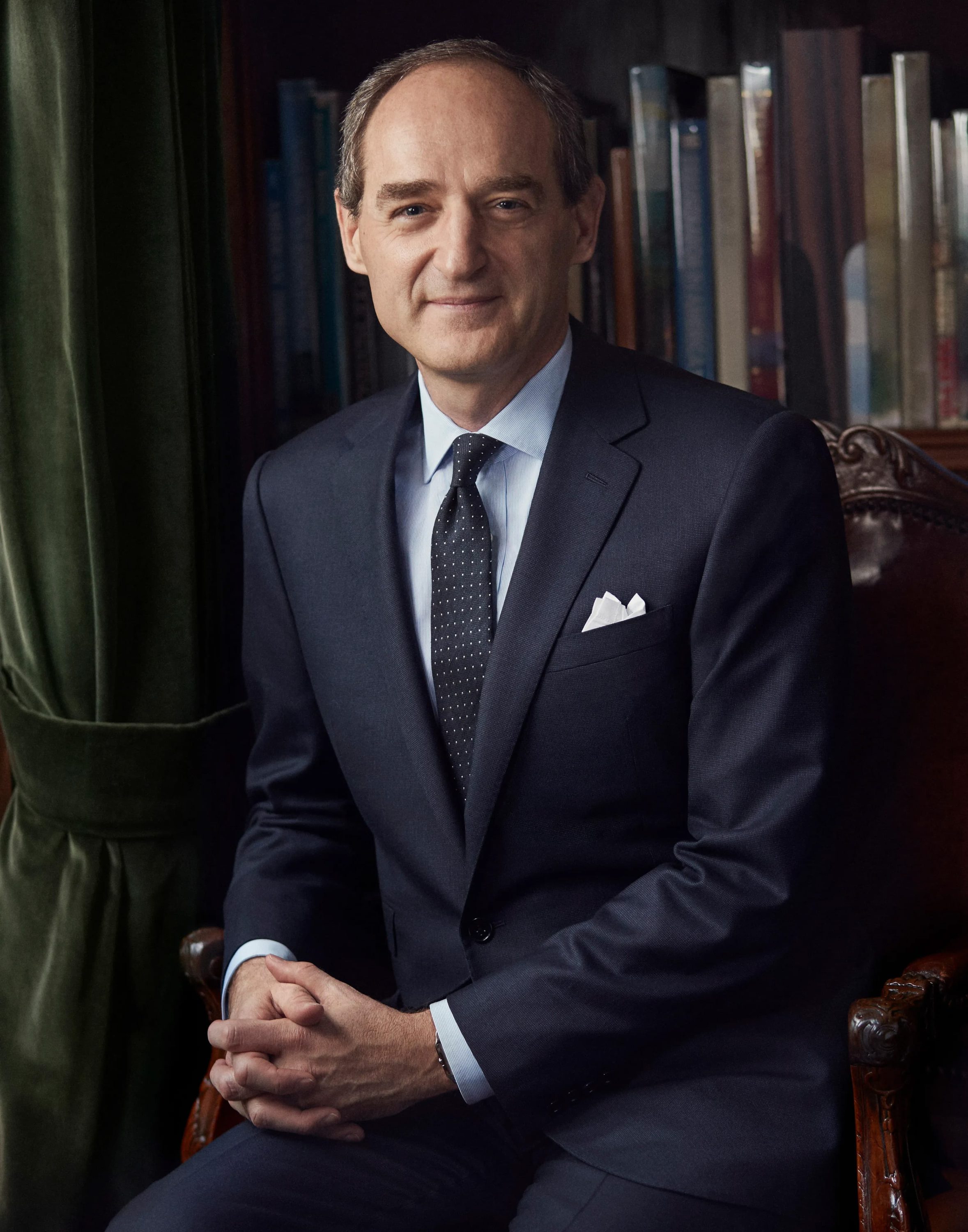
If anyone brought swagger back to Wall Street this year, it was Patrice Louvet. While much of luxury struggled under macroeconomic uncertainty, Ralph Lauren’s share price marched upward like a bespoke blazer commanding attention in a crowd. A $1,000 investment in Ralph Lauren earlier this year would be worth more than $1,500 today — a remarkable performance that speaks to both investor confidence and Louvet’s strategic clarity.
Louvet’s leadership has been quietly effective: he’s balanced brand heritage with smarter global expansion, leaned into premiumization without alienating core customers, and sustained direct‑to‑consumer strength that many rivals would envy. Under his watch, Ralph Lauren hasn’t just sold clothes; it’s sold cultural currency — American elegance that feels as relevant in a Milan flagship as it does in a Madison Avenue penthouse. That resonance, commercial and emotional, is a CEO’s true power. Numbers matter, but so does narrative — and this year, Louvet delivered on both.
Power isn’t always loud. Sometimes it’s measured in who leaves the room more trusted than they entered it. In 2025, these five CEOs didn’t just weather uncertainty – they leaned into it with sharp instincts, bold restructuring, and long-term bets. Some are preparing successors. Others are just getting started. All of them are proving that in fashion, as in business, leadership is more than holding the title. It’s knowing when – and how – to make the next move.