The Top 3 Digital Marketers of 2025
Valentino
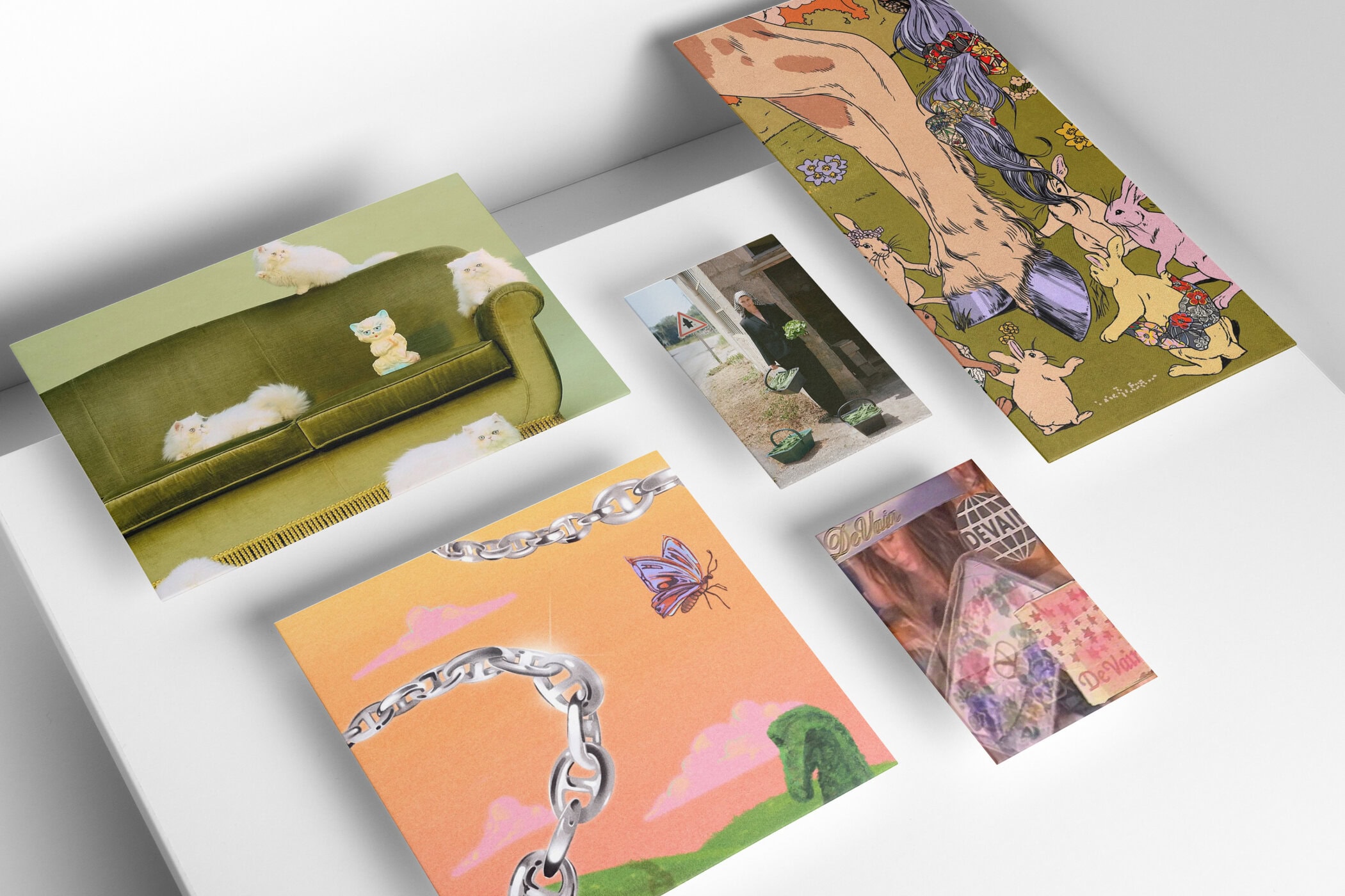
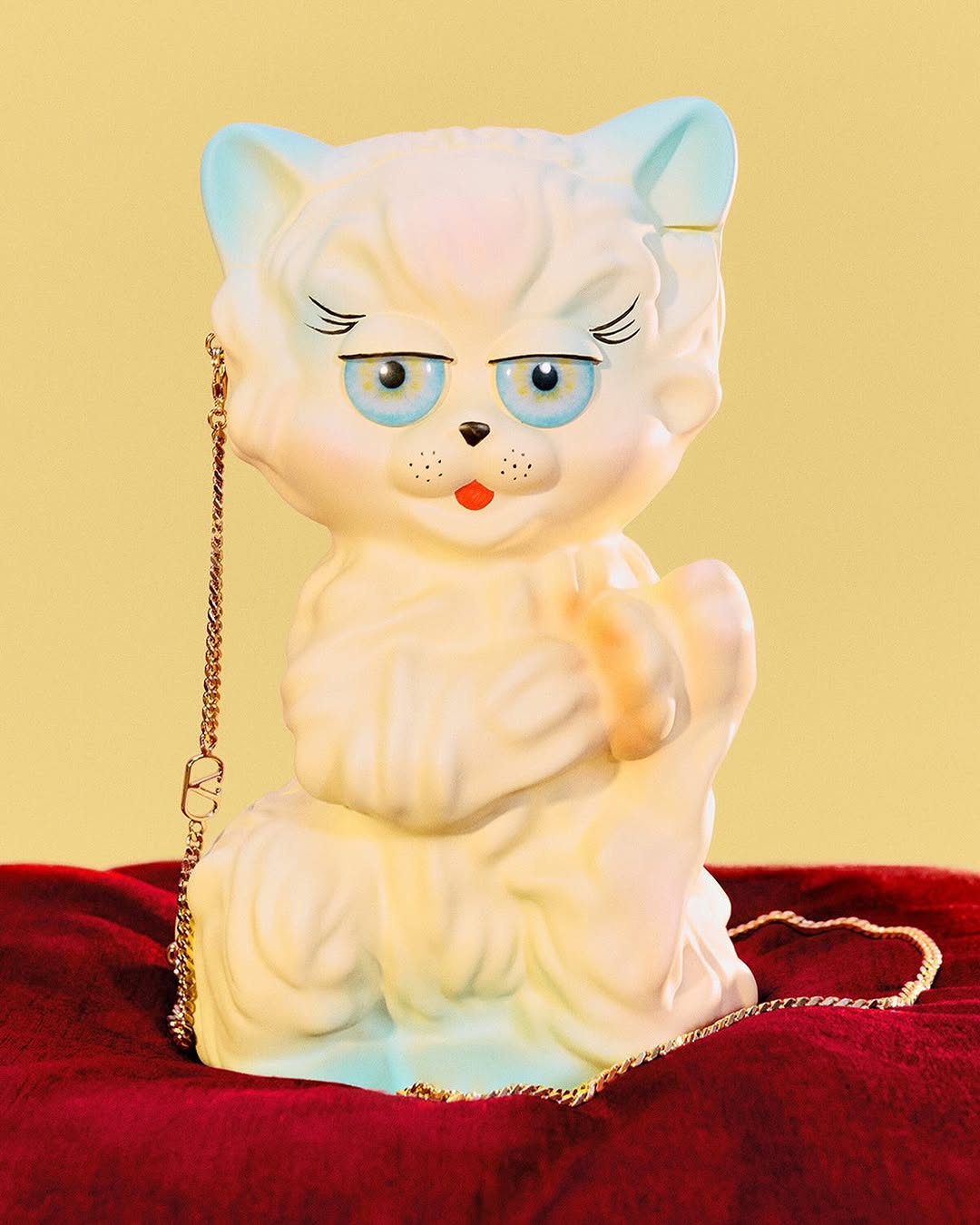
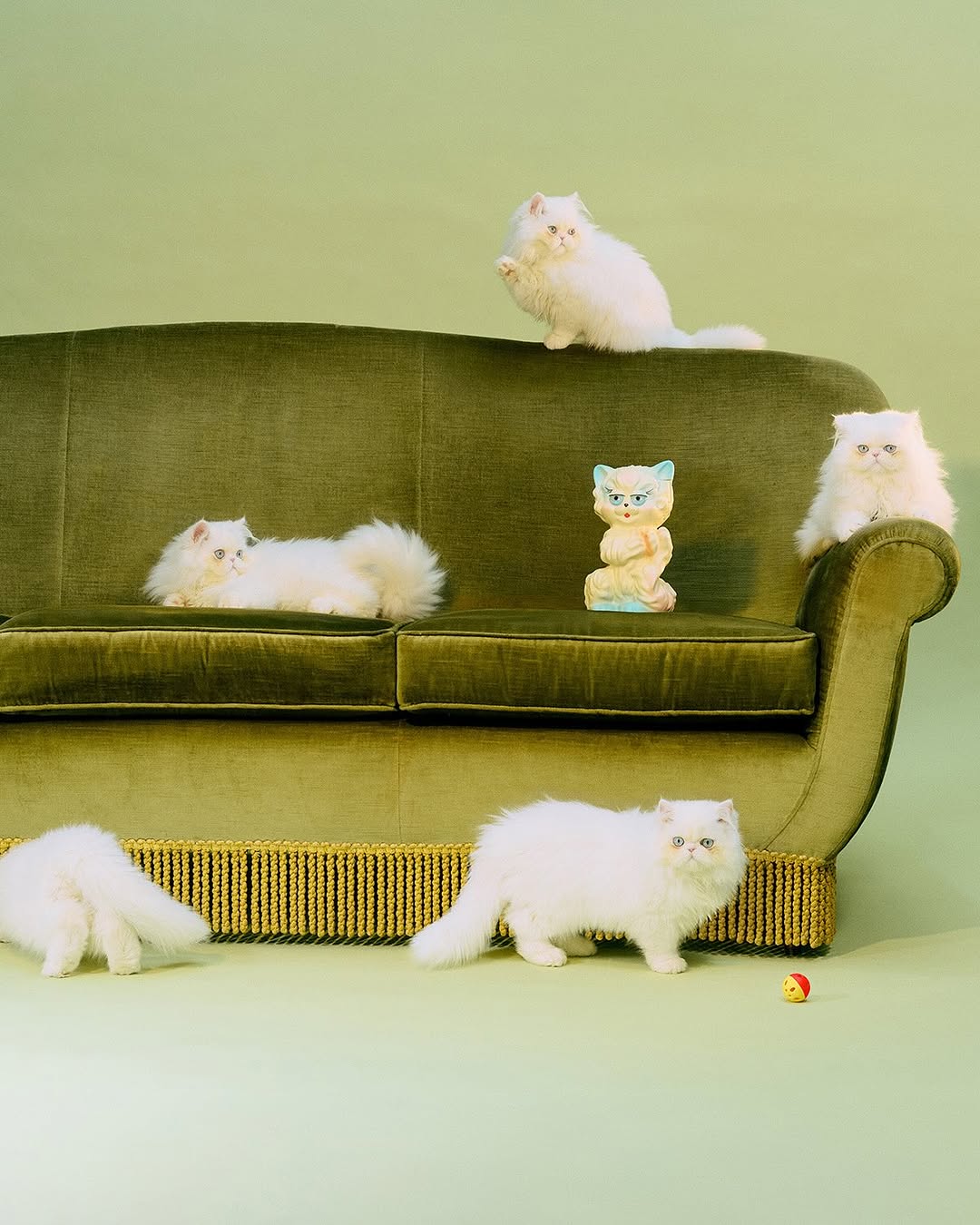
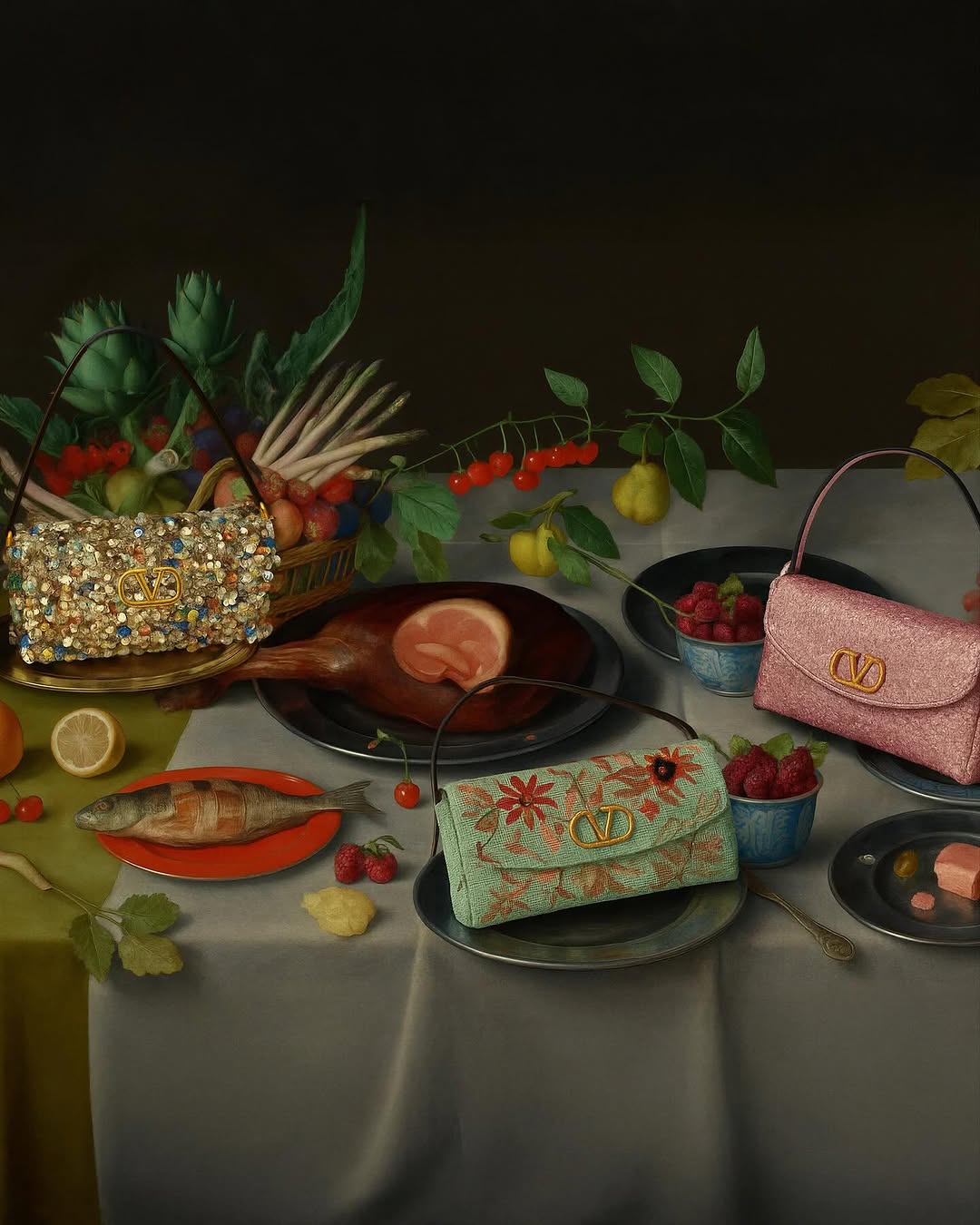
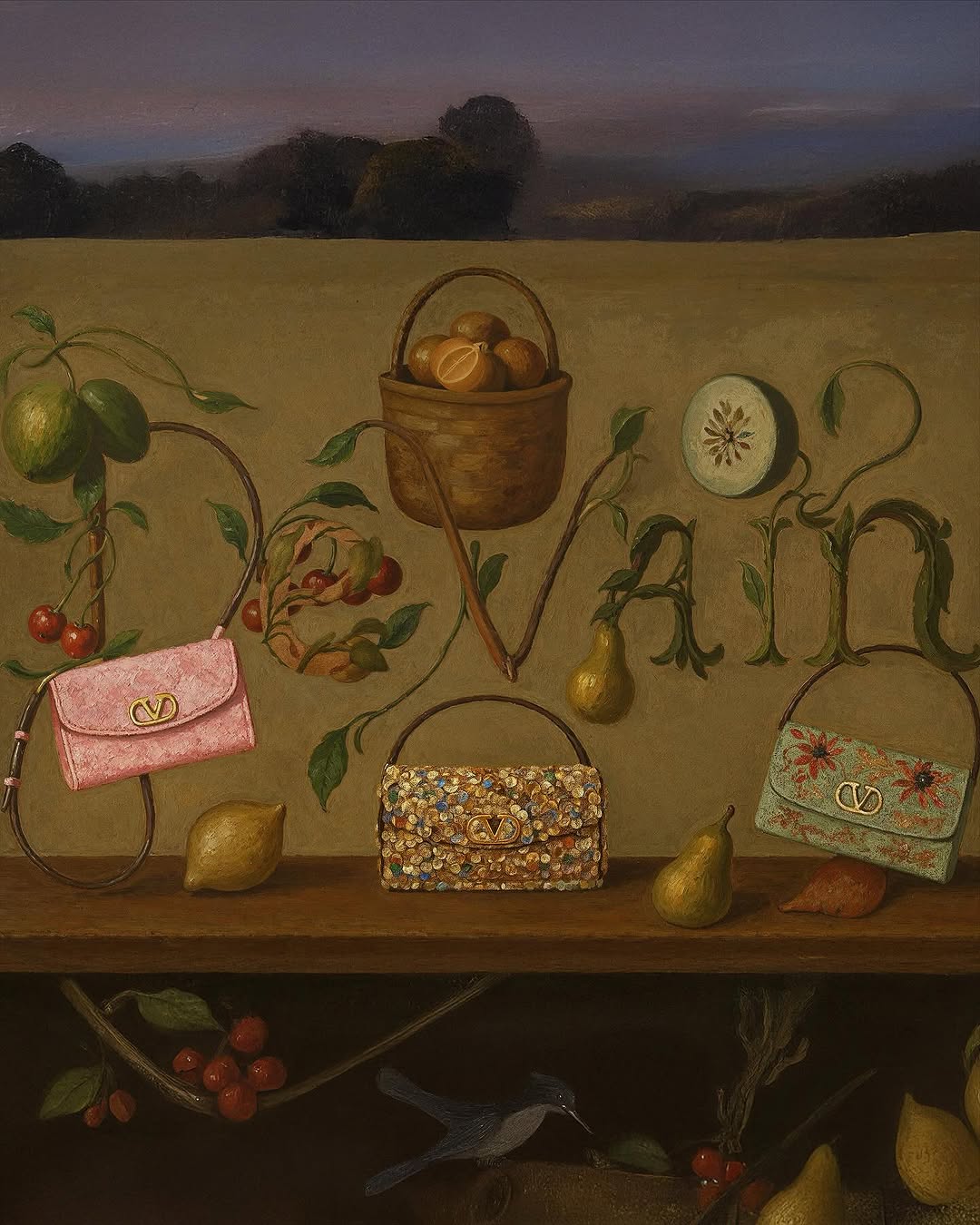
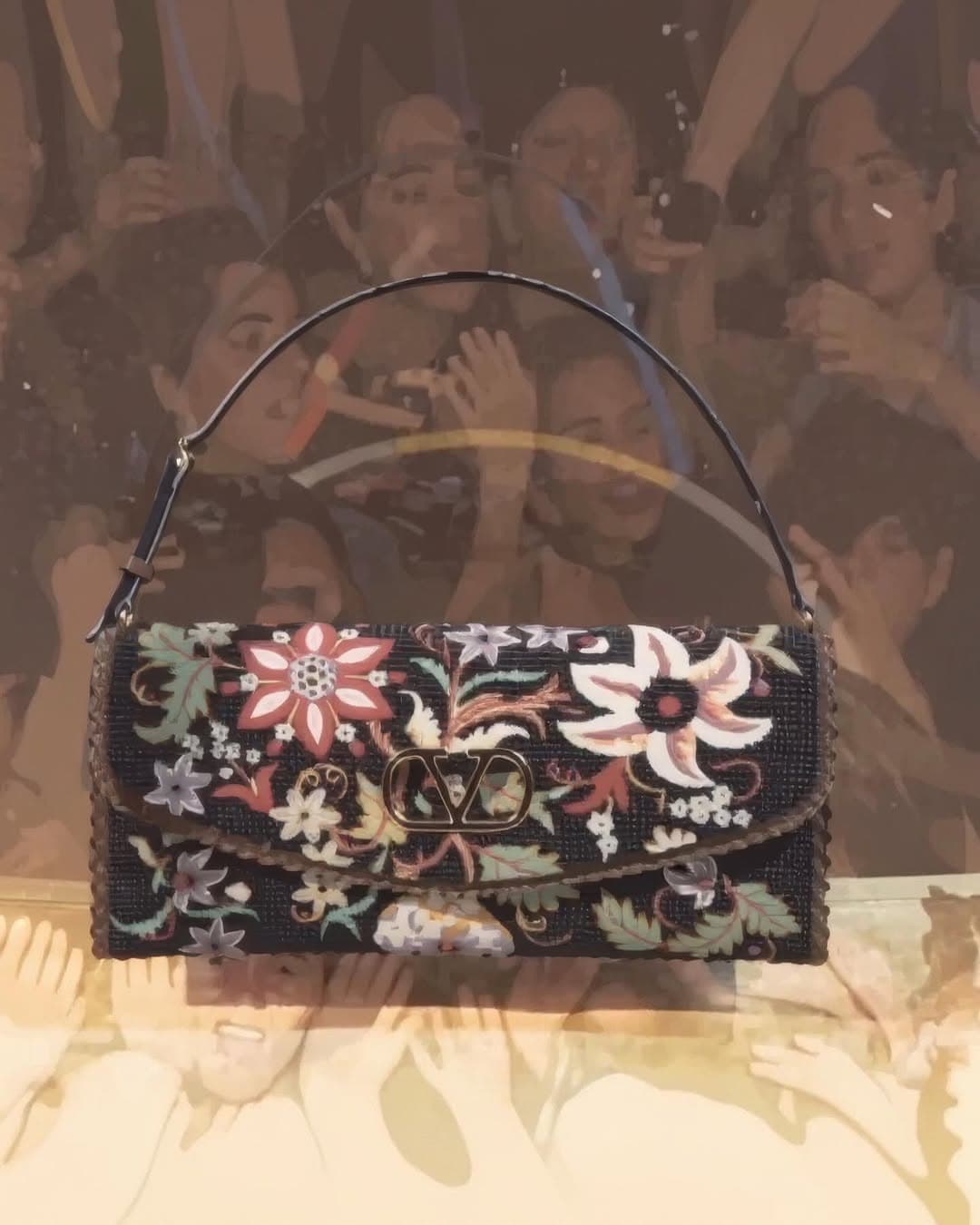
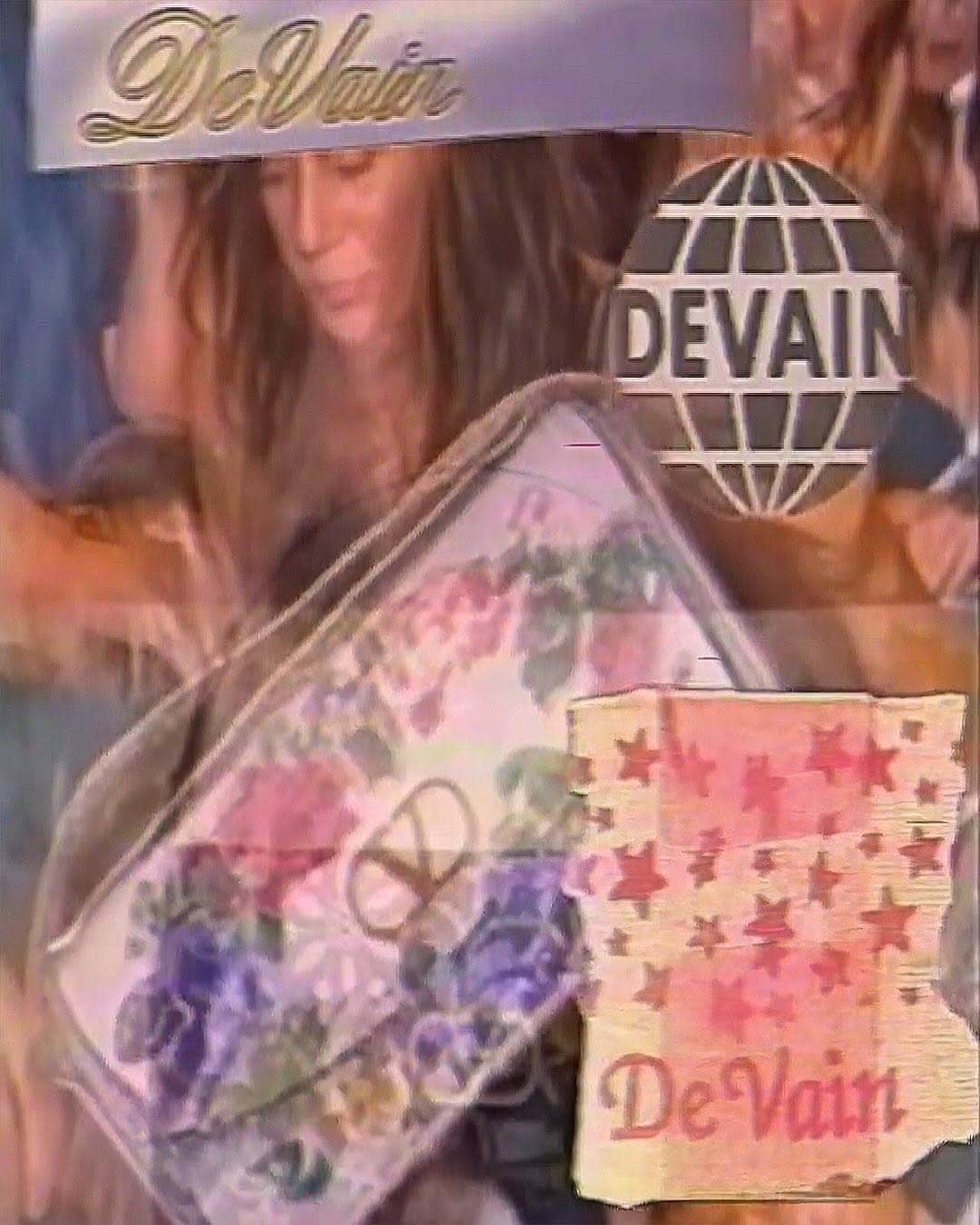
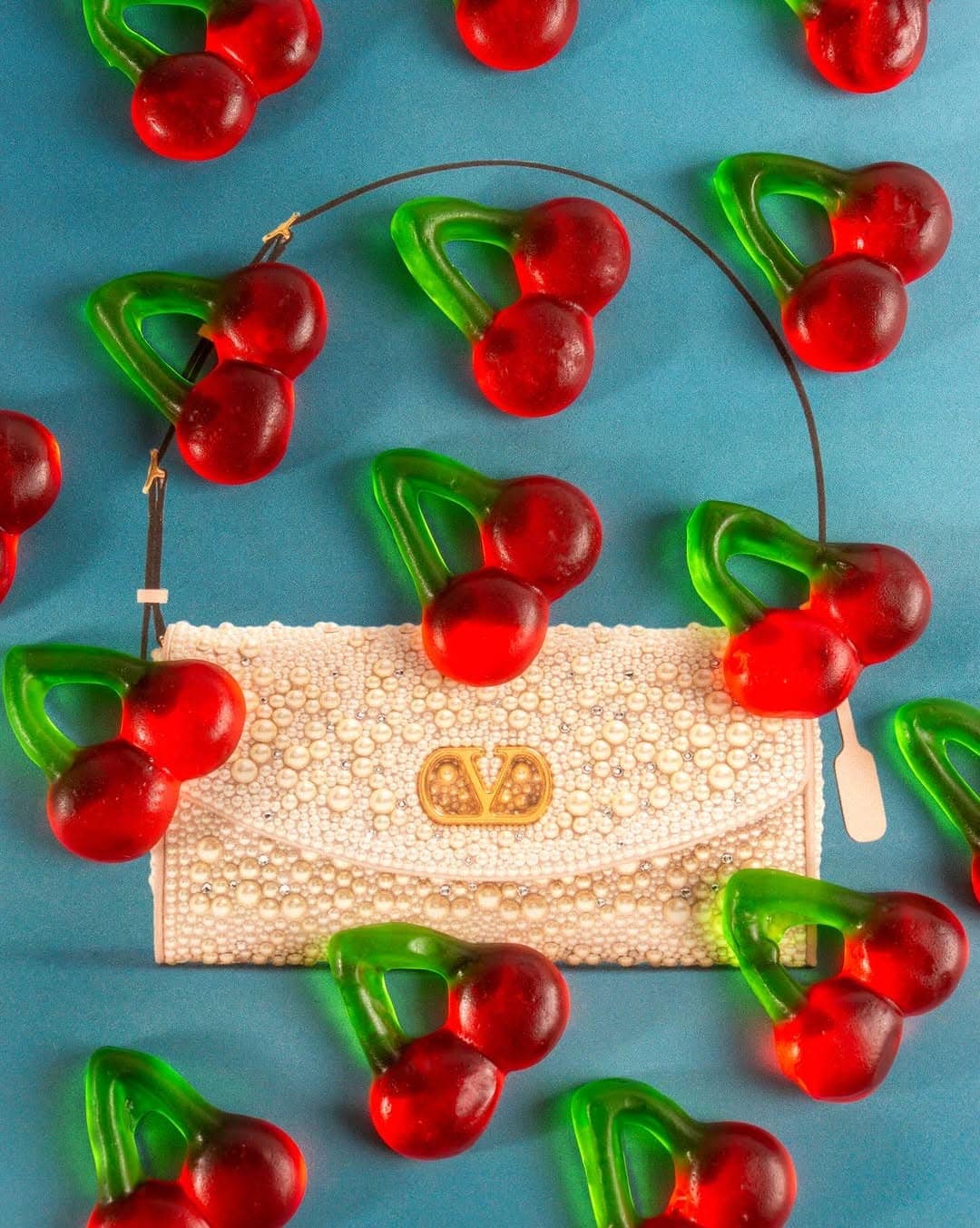
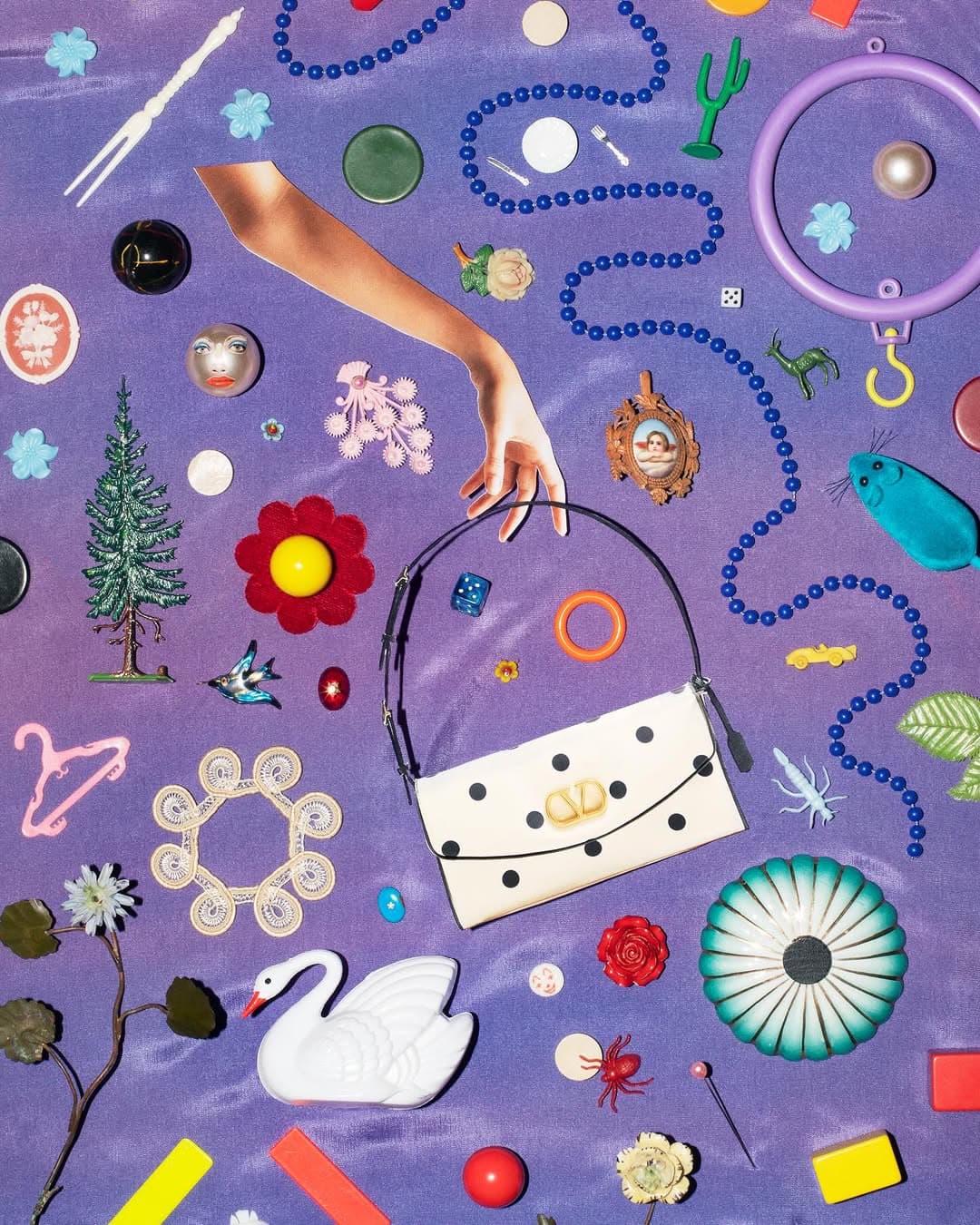
Alessandro Michele’s work at Valentino has been defined by his ability to bridge narrative with tradition—an approach that has long distinguished his creative language. His collections remain rooted in historic references and an affection for the antique, yet are consistently punctuated by moments of provocation and play. This was especially evident in The Valentino Garavani DeVain Digital Creative Project, a series that invited an international group of artists to reinterpret a house accessory through their own visual vocabularies. Opening the project, Paul Octavious imagined the bag embedded within a Renaissance painting, subtly distorting our sense of time and authorship—a gesture that encapsulated Michele’s interest in collapsing past and present. That same instinct surfaced in the house’s embrace of Le Chat de la Maison, a mischievous, larger-than-life feline that appeared both as character and object, collapsing the distance between campaign world and product. While these gestures diverge from the Valentino shaped under Pierpaolo Piccioli, they are unmistakably Michele: evocative, symbolic, and intellectually curious—suggesting a tenure defined less by continuity than by the pursuit of a distinct narrative identity.

Hermes
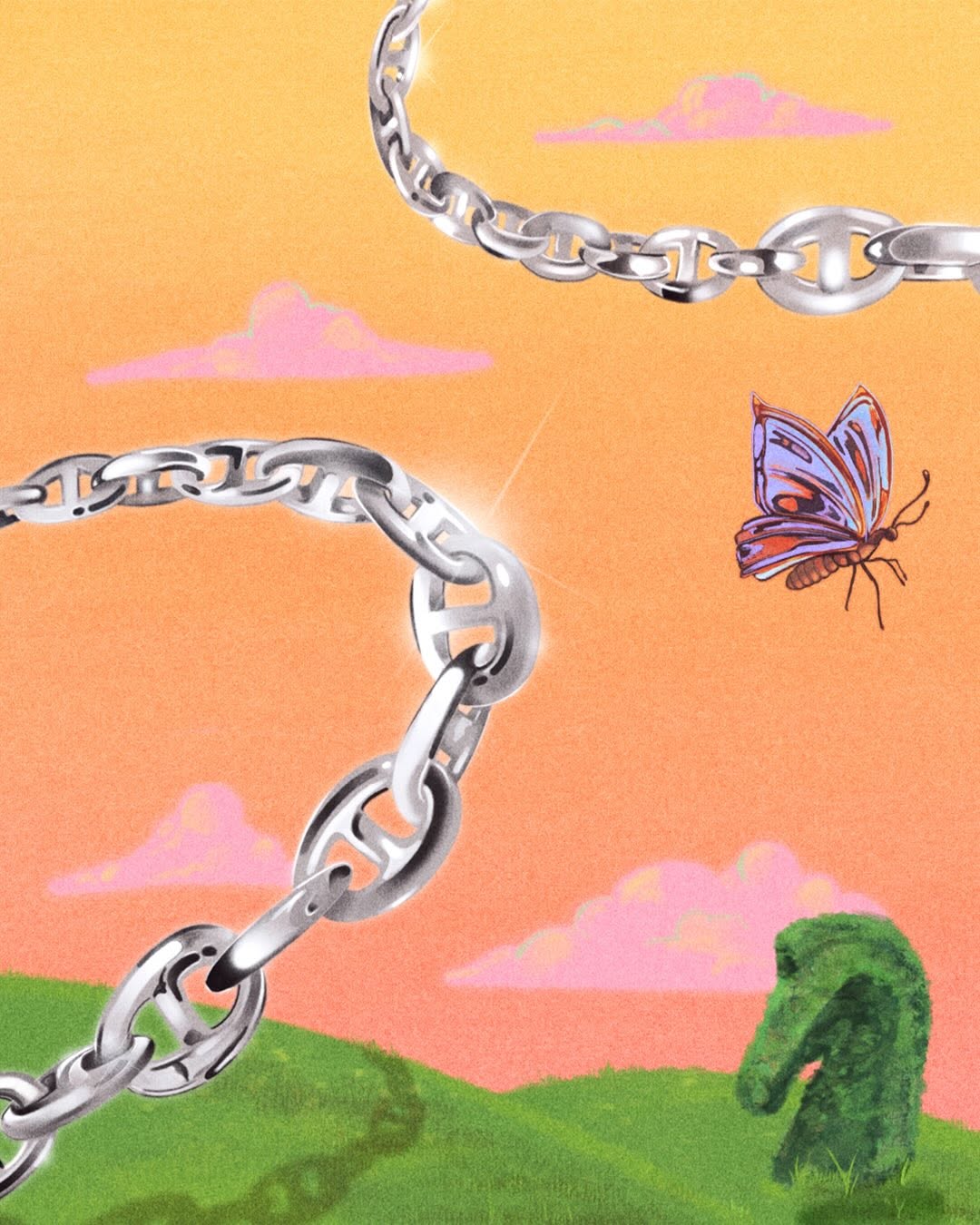
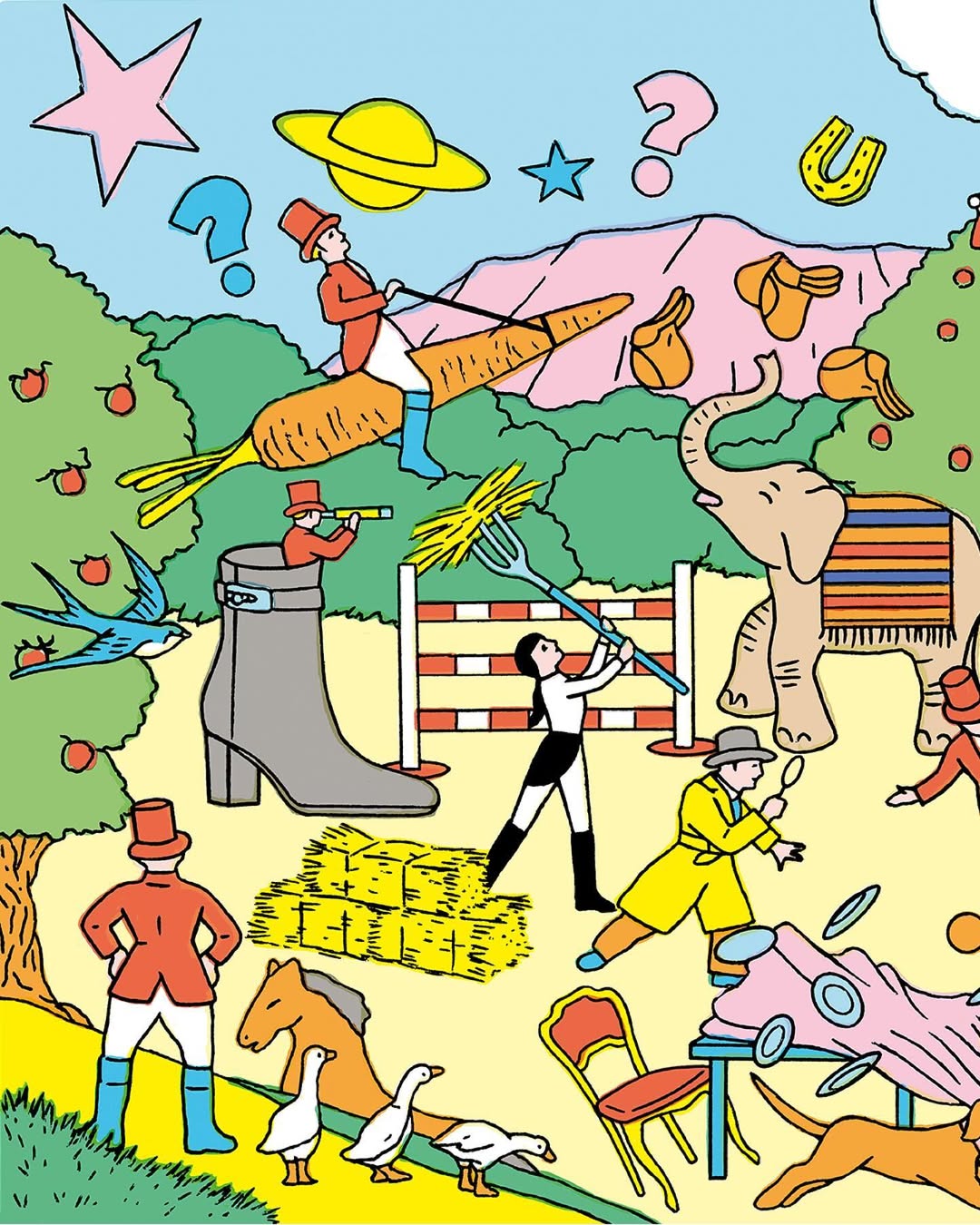
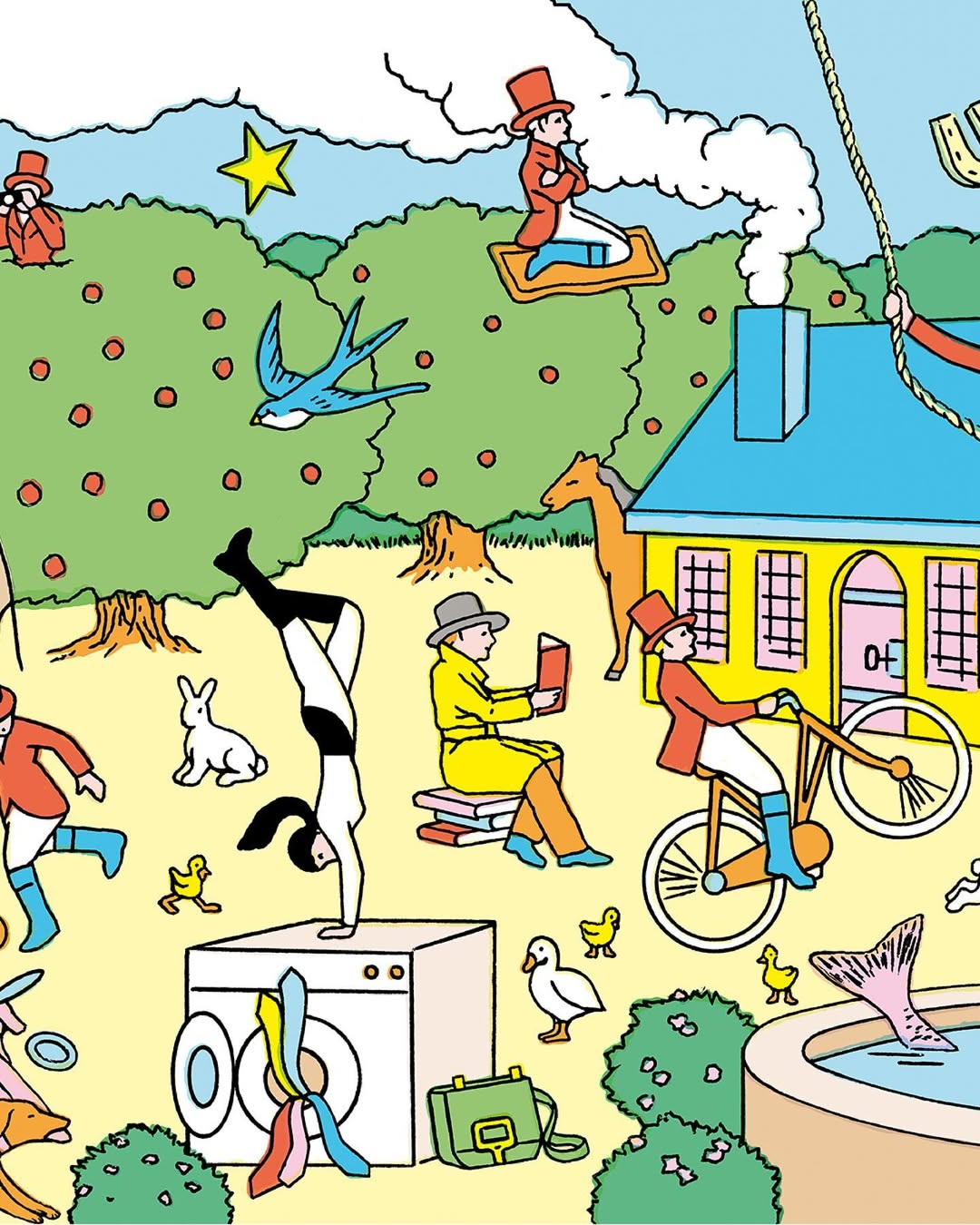
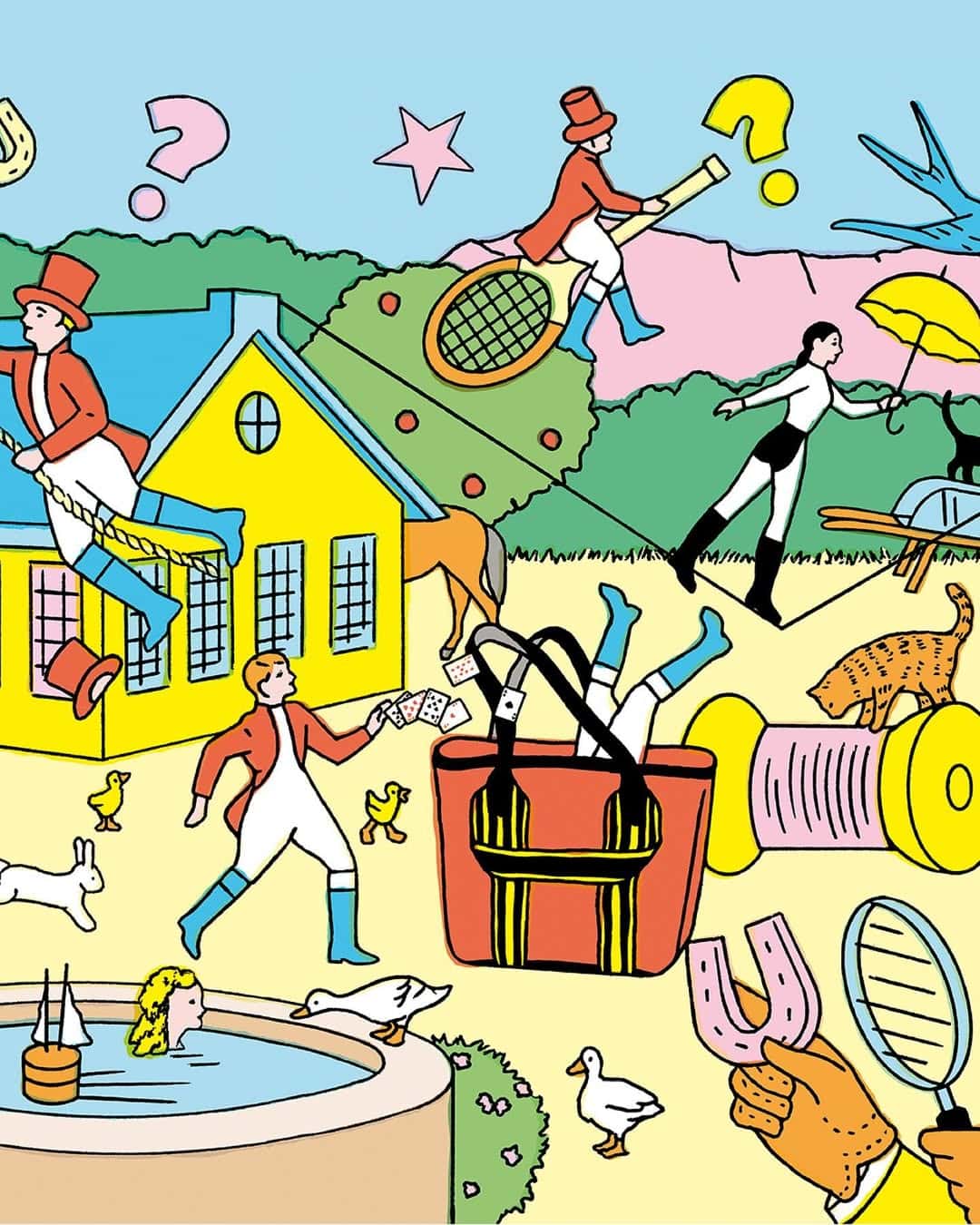
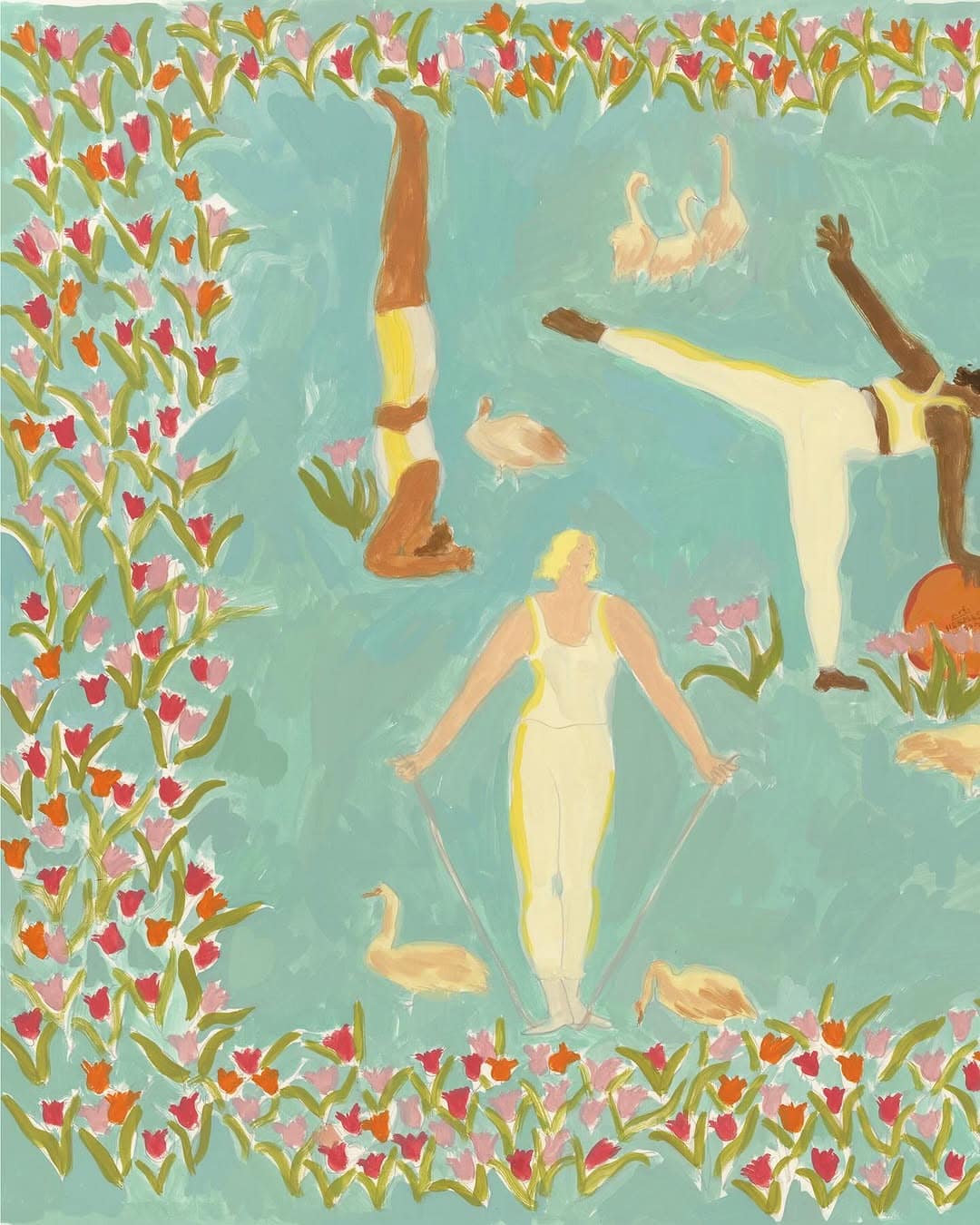
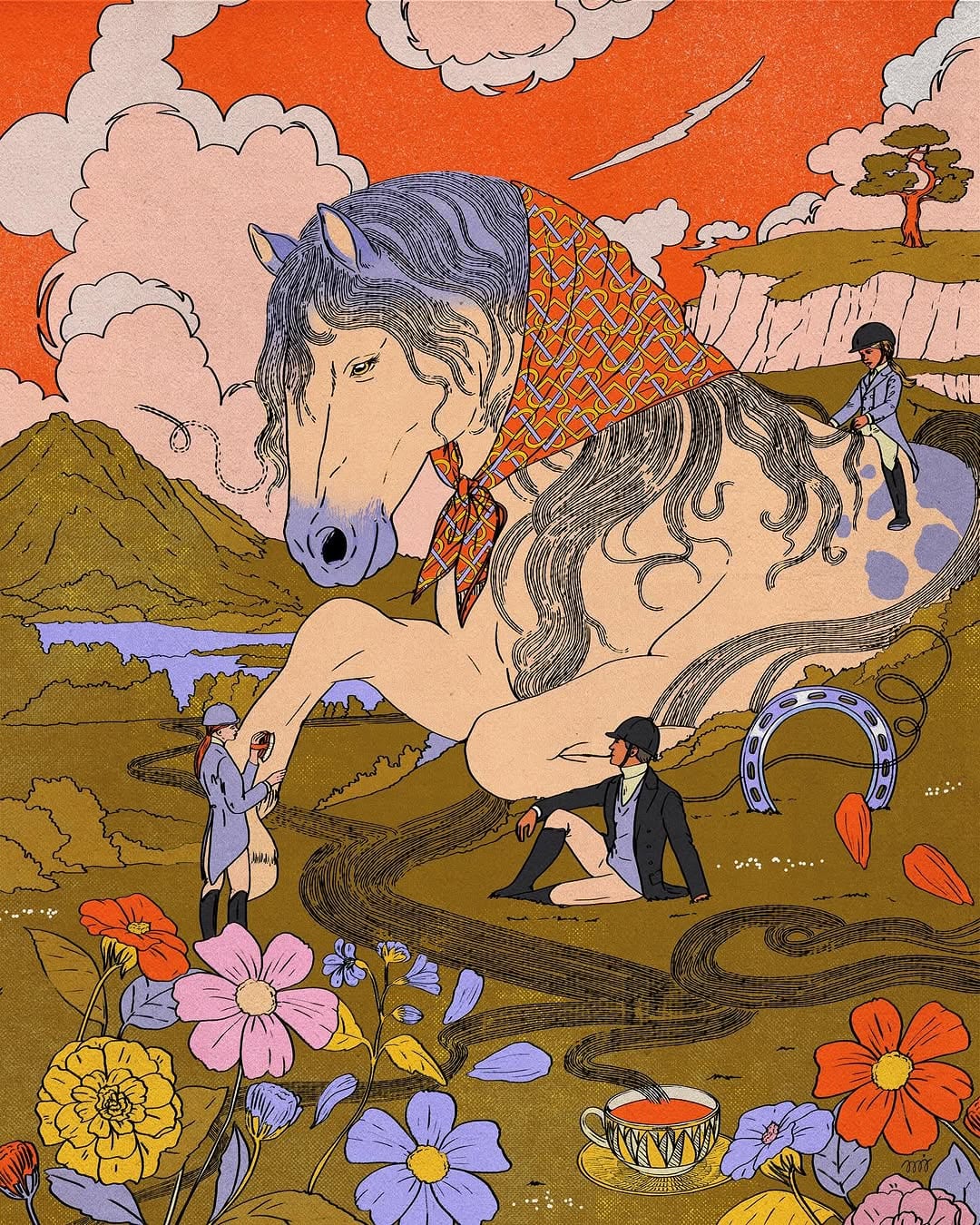
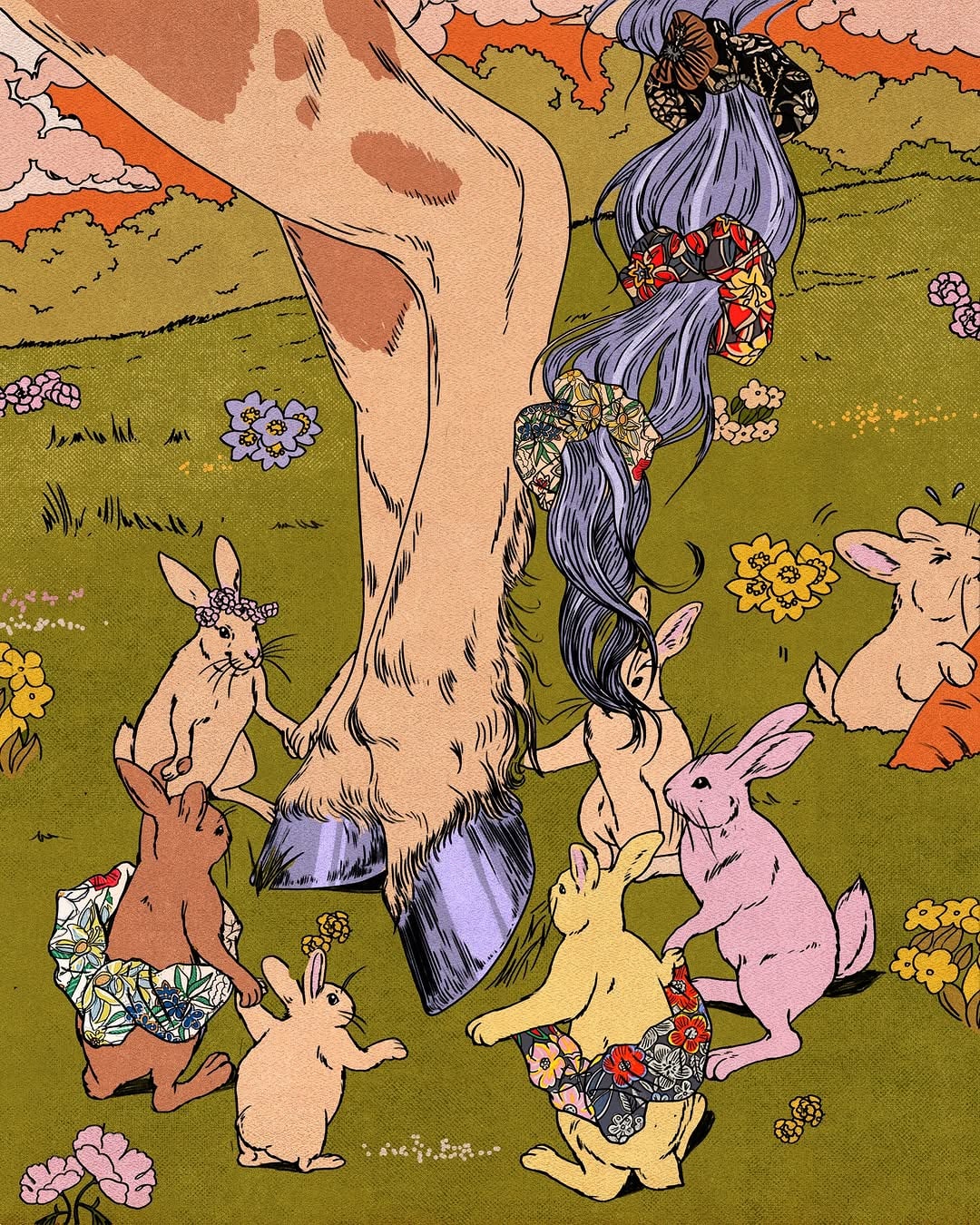
Hermès’s digitally led presence has leaned into color, playfulness, and animation in ways that might initially seem at odds with the house’s heritage-rich identity. In practice, the approach has been remarkably effective. By collaborating with a wide range of artists and artisans, Hermès has built a visual language that feels both evergreen and culturally attuned—each contribution tapping into a different facet of the house’s history, craft, and imagination. Rather than diluting its identity, this multiplicity reinforces it, allowing Hermès to feel youthful without chasing youth. The result is a careful balancing act few houses have mastered: animation that is rich, considered, and unmistakably Hermès, proving that heritage can remain vital when it is continually reinterpreted rather than preserved behind glass.

Jacquemus
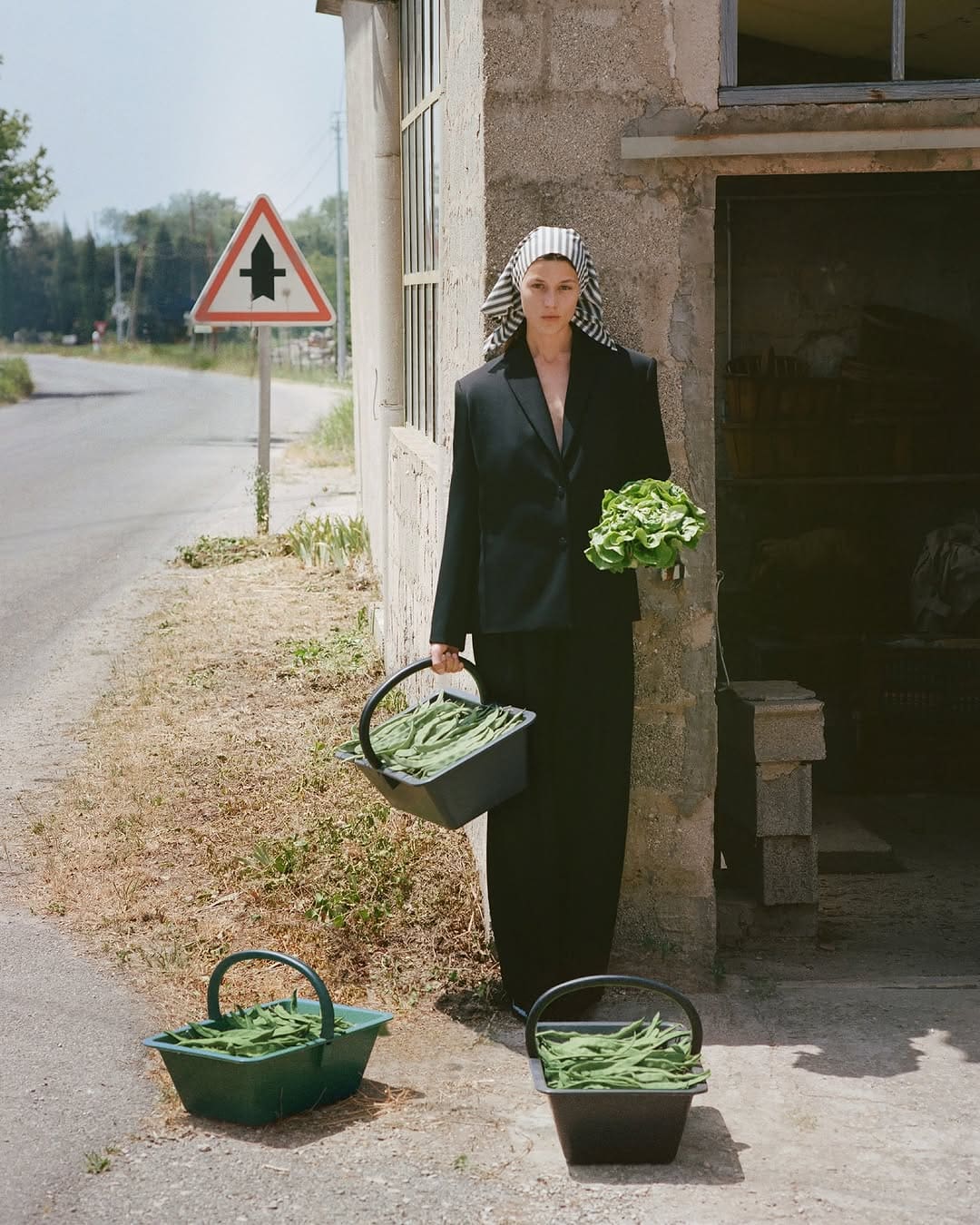
Jacquemus has demonstrated how strategic, imaginative marketing can be a catalyst for becoming a luxury house in its own right. Had the label followed a traditional marketing playbook, it’s unlikely it would be positioned with the same cultural authority it holds today. Instead, through a sustained commitment to innovative communication—paired with intelligent, desirable design—the house has elevated its status on its own terms. On social platforms, particularly Instagram, Jacquemus consistently creates moments that stop the scroll: content that feels memorable, intentional, and attuned to how audiences actually engage. Early adoption of CGI was matched with a keen instinct for when to pivot back toward physicality, grounding digital experimentation in real-world objects and experiences. This ability to move fluidly between the two has kept the brand’s output fresh and unpredictable.
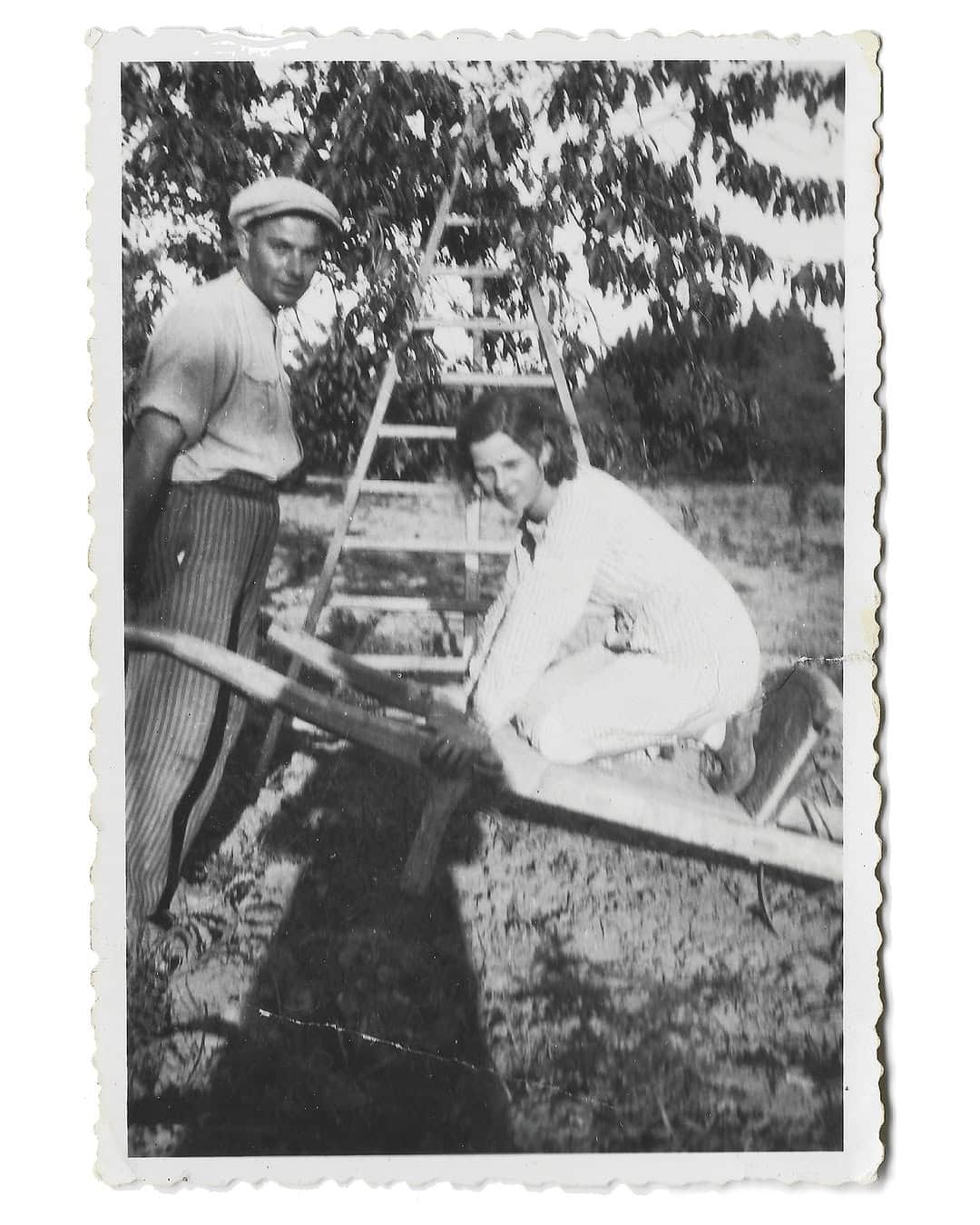
Equally central to Jacquemus’s success is the clarity of its identity. The house is inseparable from its founder, and that proximity has become a strength—inviting audiences to feel as though they are getting to know a person, not just a label. This intimacy, paired with a sharp understanding of platform dynamics and runway amplification, has resulted in marketing that feels both personal and precise. The content is smart, confident, and consistently engaging. Few houses use digital space with this level of intuition. Jacquemus remains compelling because it understands that interest, when sustained with intention, becomes equity.