Where the Industry’s Attention Really Landed
In 2025, the industry’s most consequential conversations unfolded well beyond trend cycles and show counts. The focus shifted decisively toward leadership, how houses navigated transition, where they placed long-term bets, and how clearly they articulated authorship in moments of change. Editors looked past surface aesthetics to assess meaning and continuity. Designers debated the responsibility that comes with inheriting powerful legacies. Marketers tracked not reach, but narrative control. The C-suite paid closest attention to where capital, culture, and credibility were being deployed in tandem.
Across the year, a pattern emerged. Influence increasingly belonged to houses that treated anticipation as a strategy, not a byproduct, using pacing, restraint, and timing to shape conversation. Cultural alignment surfaced as a serious executive tool, with patronage, casting, and storytelling operating as long-term assets rather than seasonal gestures. Physical space regained importance as well, with investments in flagships, wellness, and experiential retail signaling confidence in presence, not just product. Even pauses, the decision to step back from the runway or rethink format, carried weight when executed with intention.
The houses that “won” 2025 understood that momentum today is cumulative. It’s built through infrastructure, clarity of vision, and the discipline to say less while meaning more. In a year defined by transition, leadership emerged as the most powerful differentiator, shaping not only what the industry saw, but what it believed would endure.
Gucci
Winning Through Restraint and Strategic Repositioning
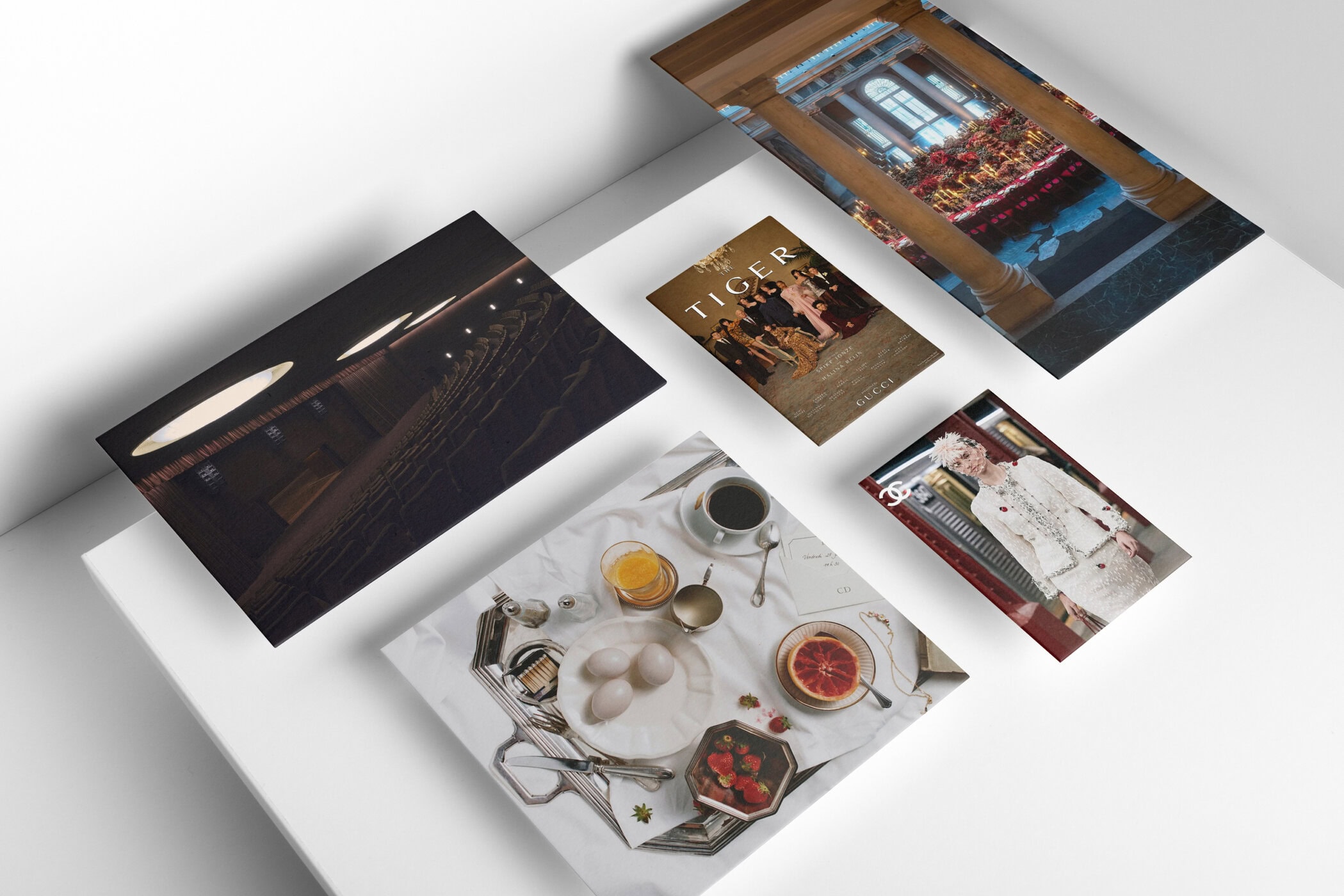
Gucci’s decision to forgo a runway and present a full collection through film landed as a leadership-level move rather than a programming gap. The Tiger, led by Demna, operated as a deliberate pause, one that acknowledged a shifting audience while resisting the pressure to manufacture momentum for its own sake. In an industry conditioned to equate visibility with volume, the choice signaled discipline. Gucci didn’t disappear from the conversation, it redirected it.
The film’s emphasis on imperfection, satire, and social discomfort clarified the thinking behind that restraint. Demna used storytelling as research and orientation, absorbing the house’s legacy while articulating a new emotional register grounded in wit, intellect, and human contradiction. For executives, the takeaway was pointed. Momentum doesn’t require constant output, it requires judgment. By choosing film over spectacle, Gucci demonstrated that control, timing, and clarity of message can sustain relevance more effectively than another turn down the runway.
Dior
Turning Anticipation — and Infrastructure — into Strategic Advantage
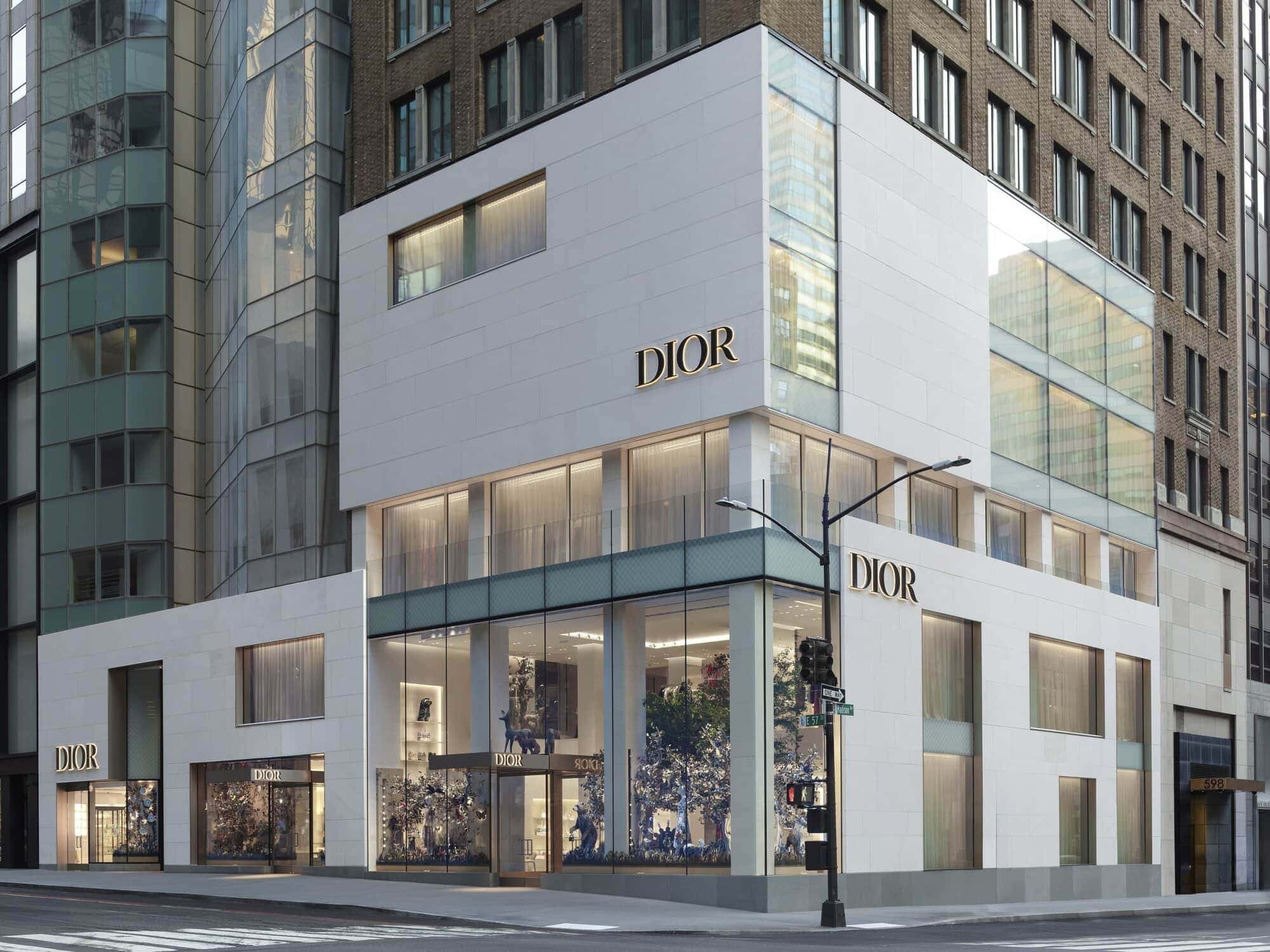
Dior commanded attention through timing as much as spectacle. The carefully paced build toward Jonathan Anderson’s forthcoming menswear debut created a sustained drumbeat that felt measured and intentional. For an industry watching closely, the significance extended beyond a single collection. Anderson’s role in shaping Loewe into a cultural force looms large, and seeing his visual and narrative language begin to surface outside that context has sharpened anticipation further. It signals a shift away from the Maria Grazia Chiuri era and toward a new chapter, one defined by a different kind of authorship and creative cadence.
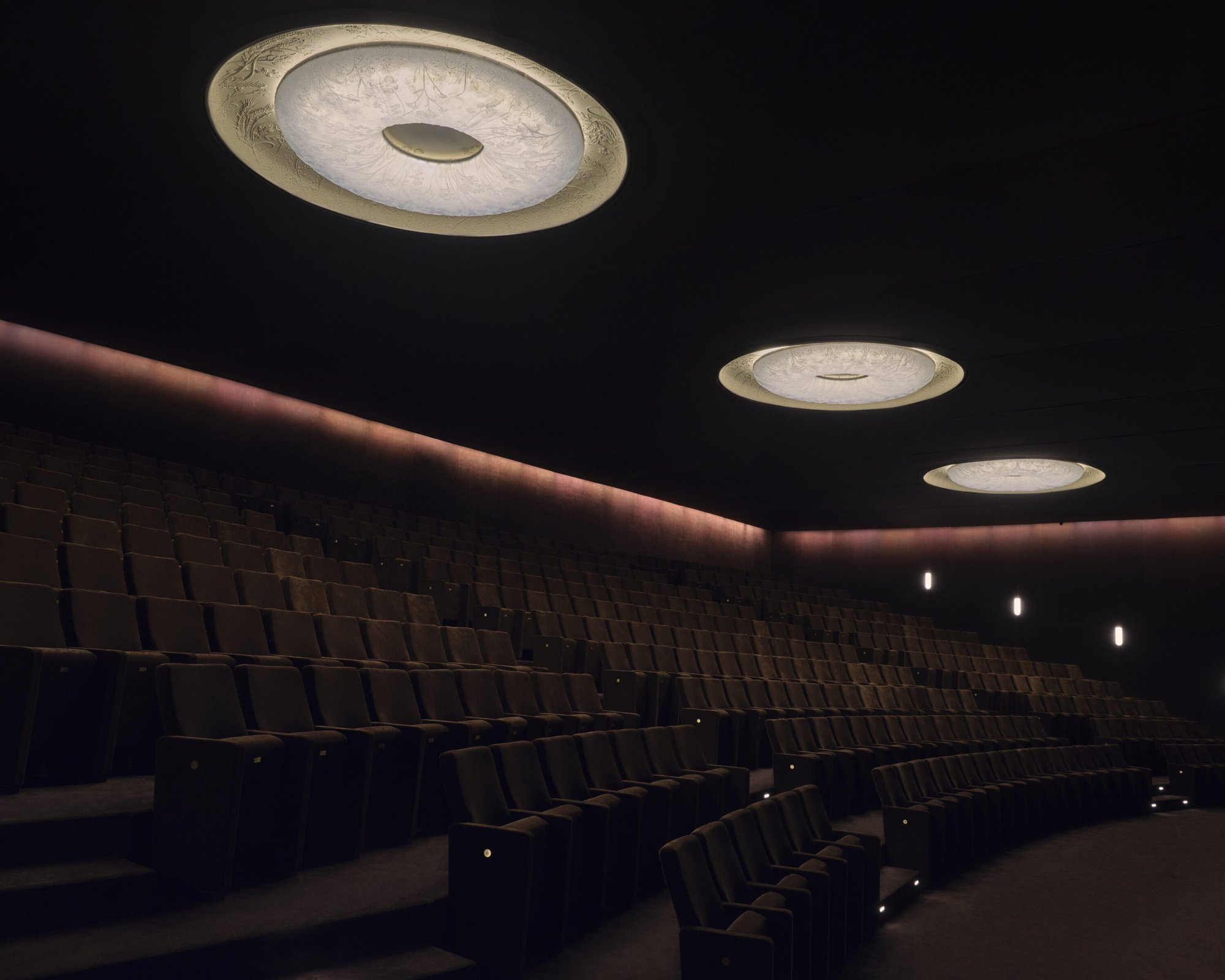
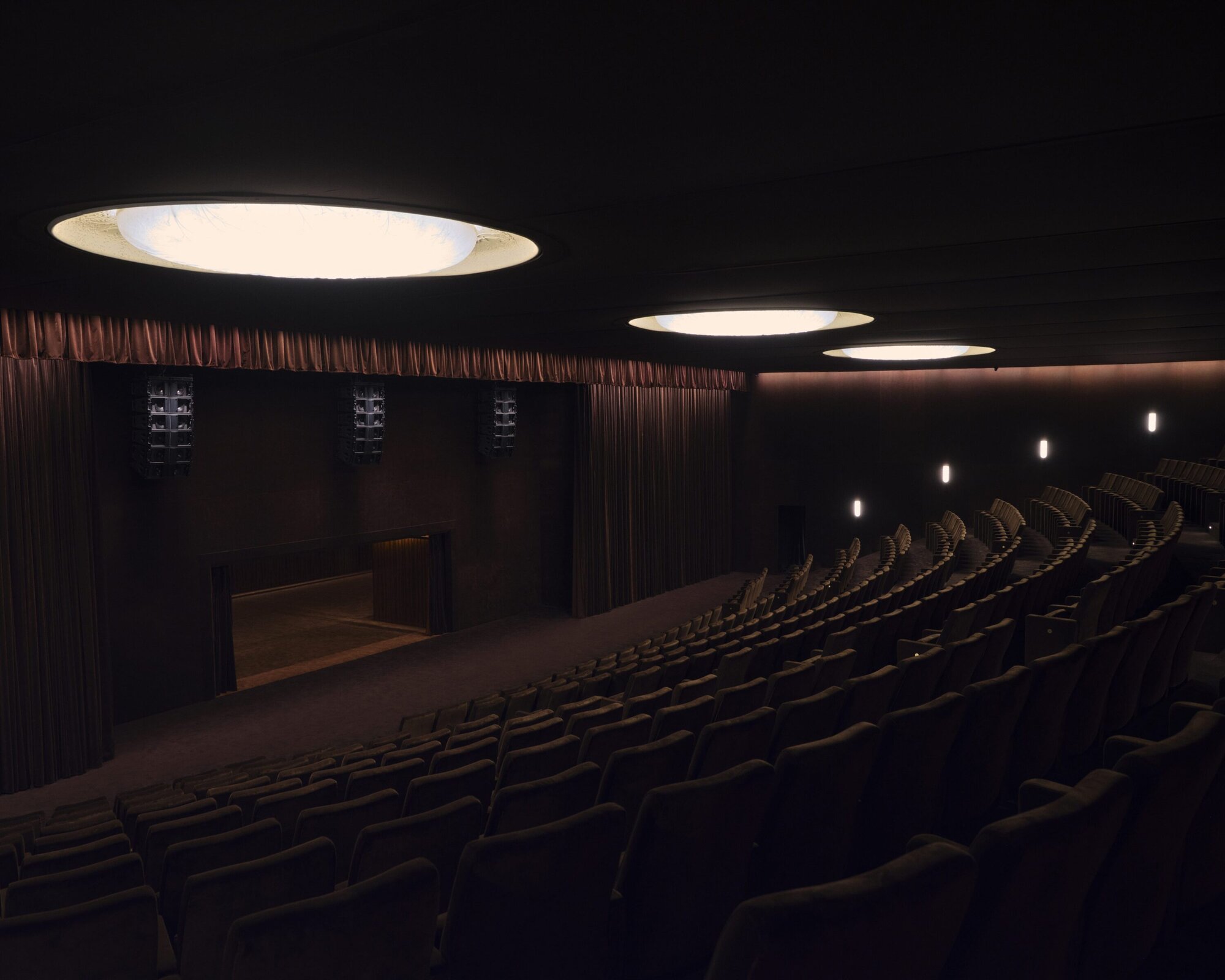
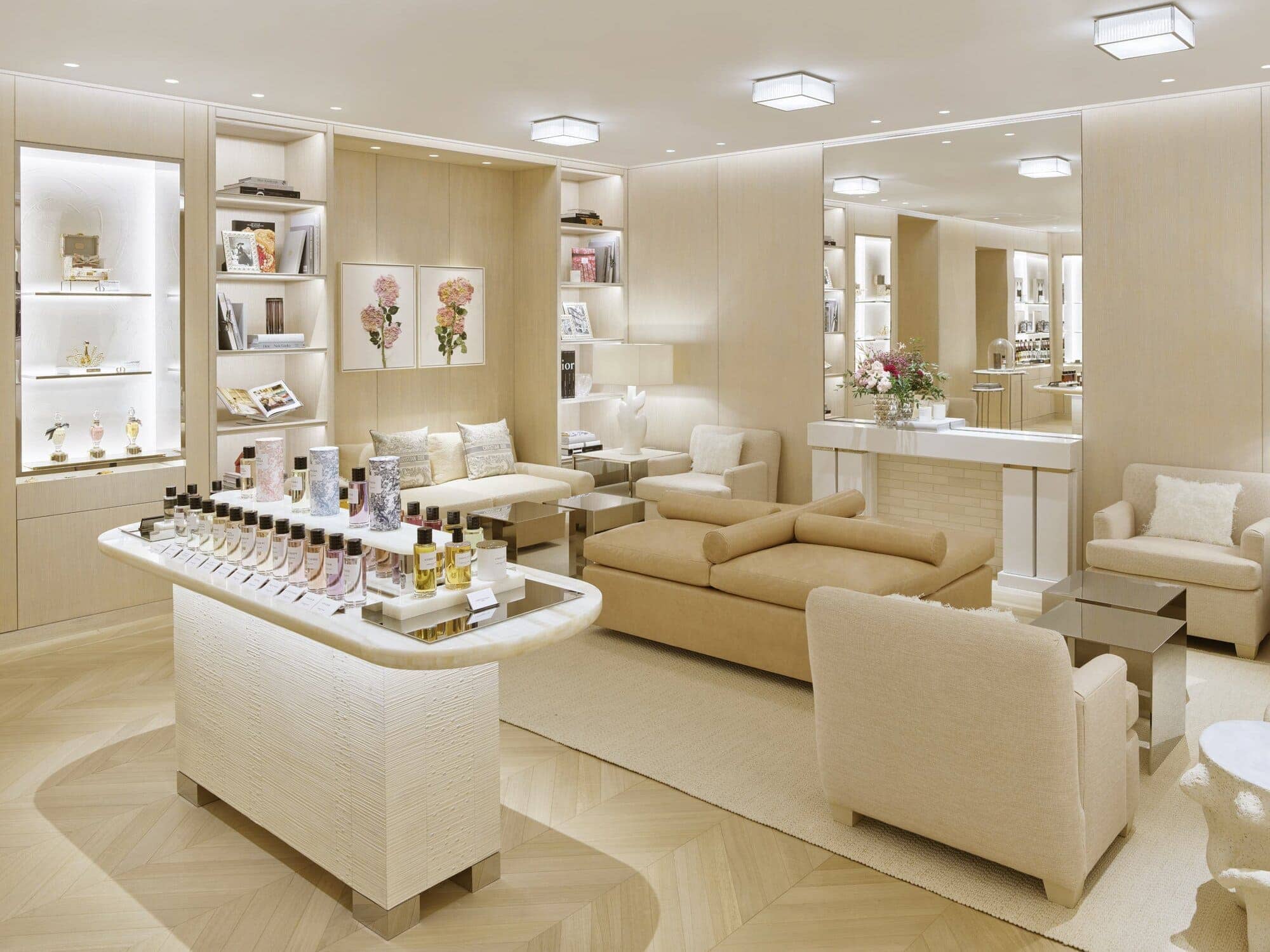
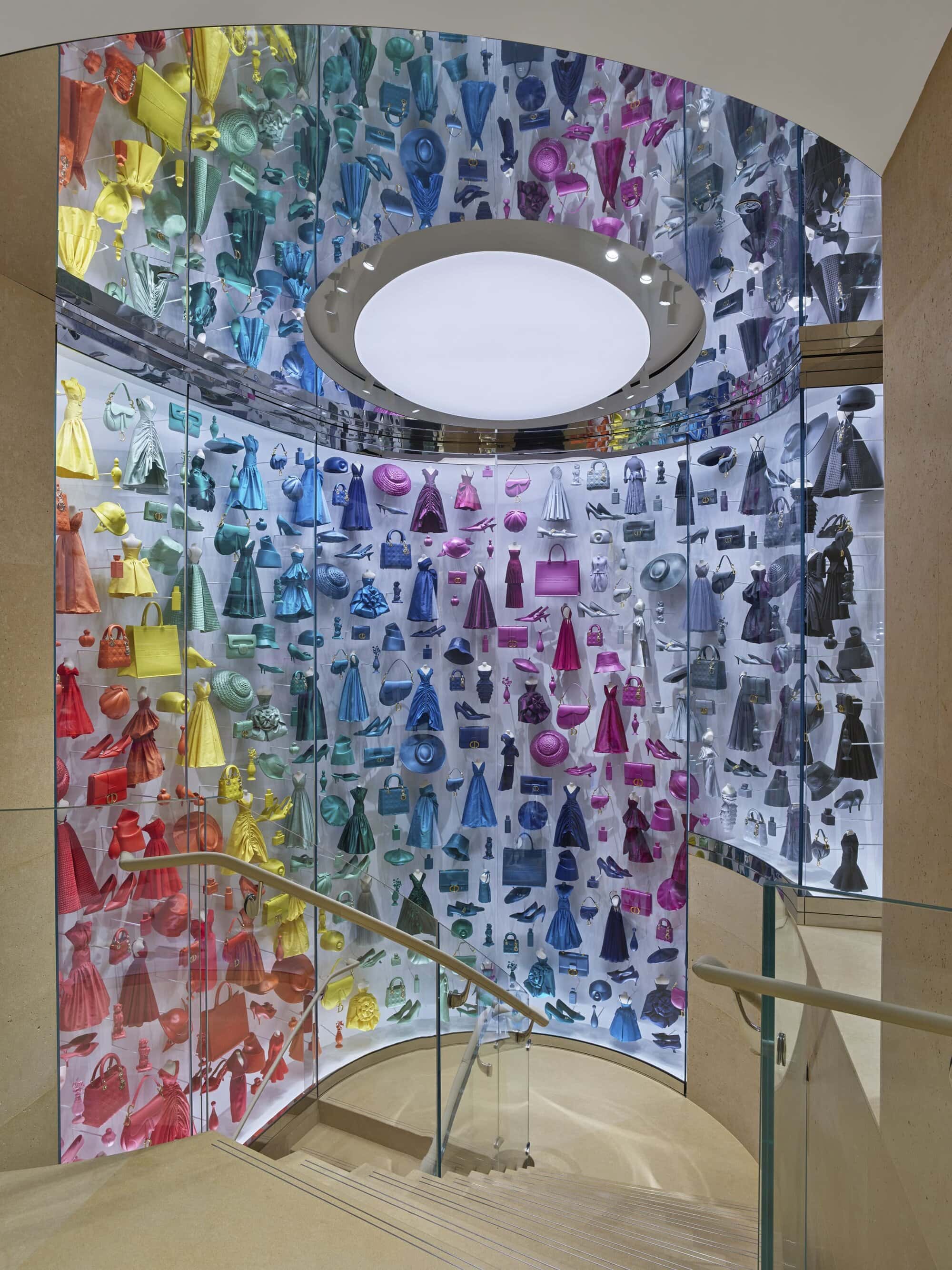
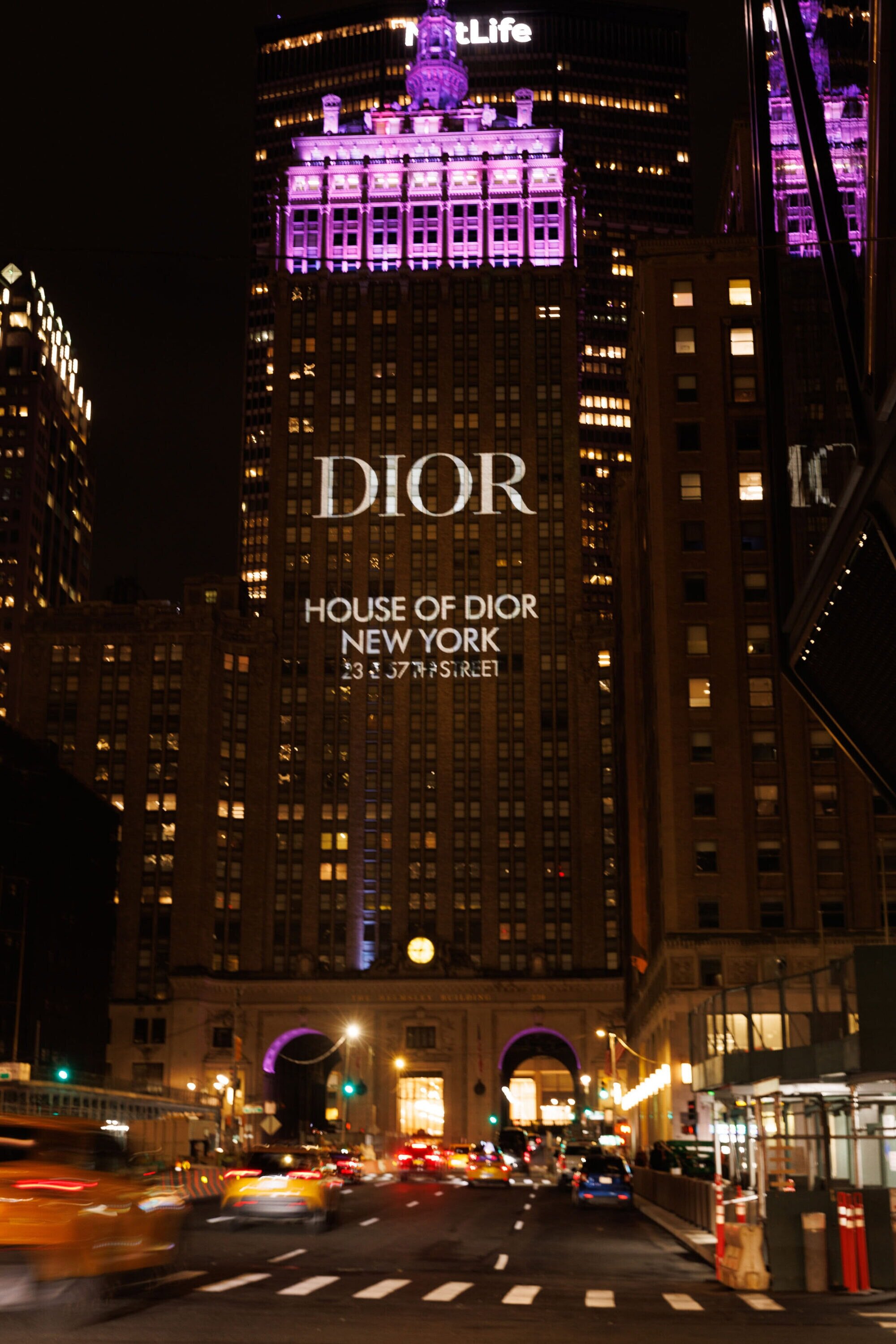
That momentum was reinforced on the ground in New York. The reboot of Dior’s flagship underscored a renewed commitment to immersive retail at a moment when physical space has regained strategic weight. Nearby, the launch of the Dior Spa marked a meaningful expansion of experiential luxury stateside, positioning wellness and beauty as part of a broader lifestyle ecosystem rather than a peripheral offering.
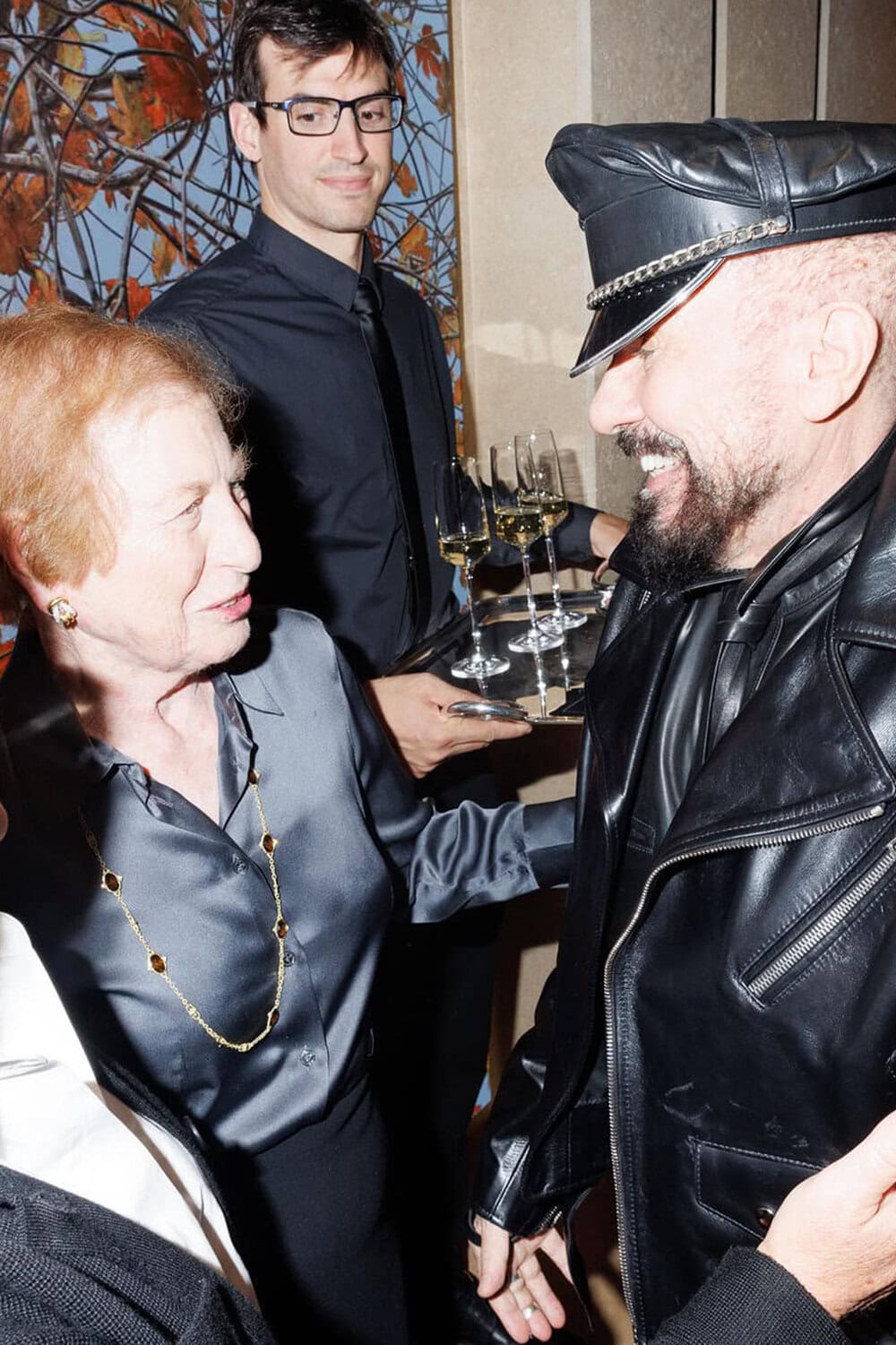
Layered with Warhol-inflected imagery and a precisely managed flow of celebrity arrivals, the picture came into focus. Dior illustrated how narrative, real estate, and experience now operate in concert. For leadership, the message landed clearly. Scale still matters, but orchestration carries greater weight, and when anticipation is supported by infrastructure, it becomes a durable advantage rather than a fleeting moment.
Valentino
Creative Vision & Strategic Signal
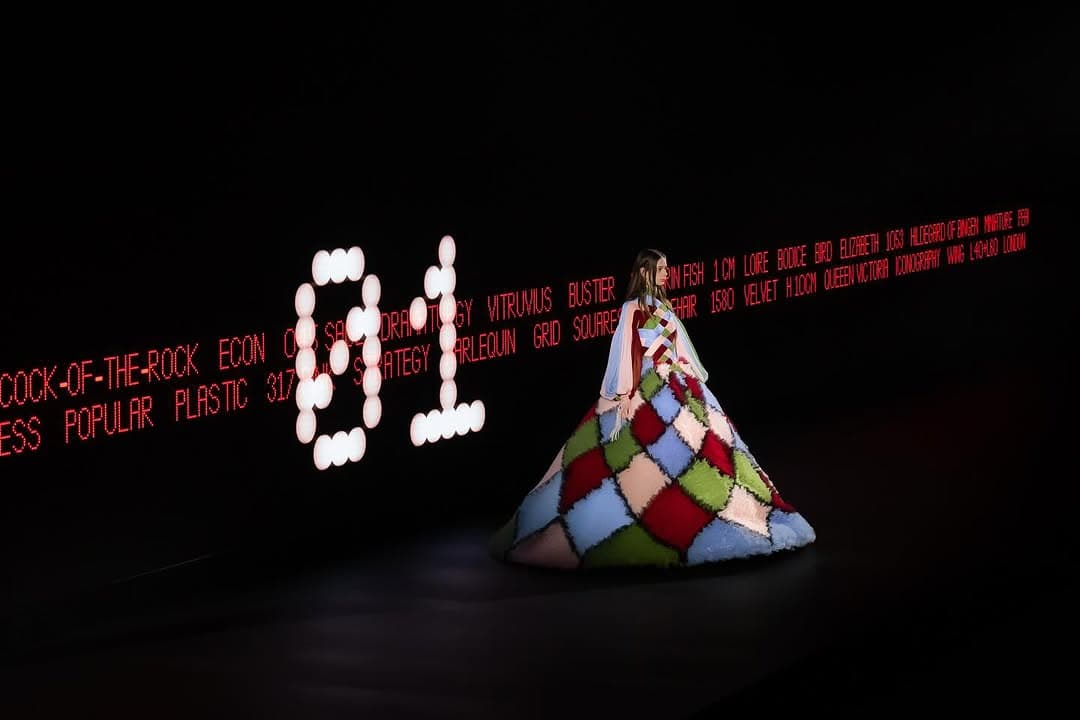
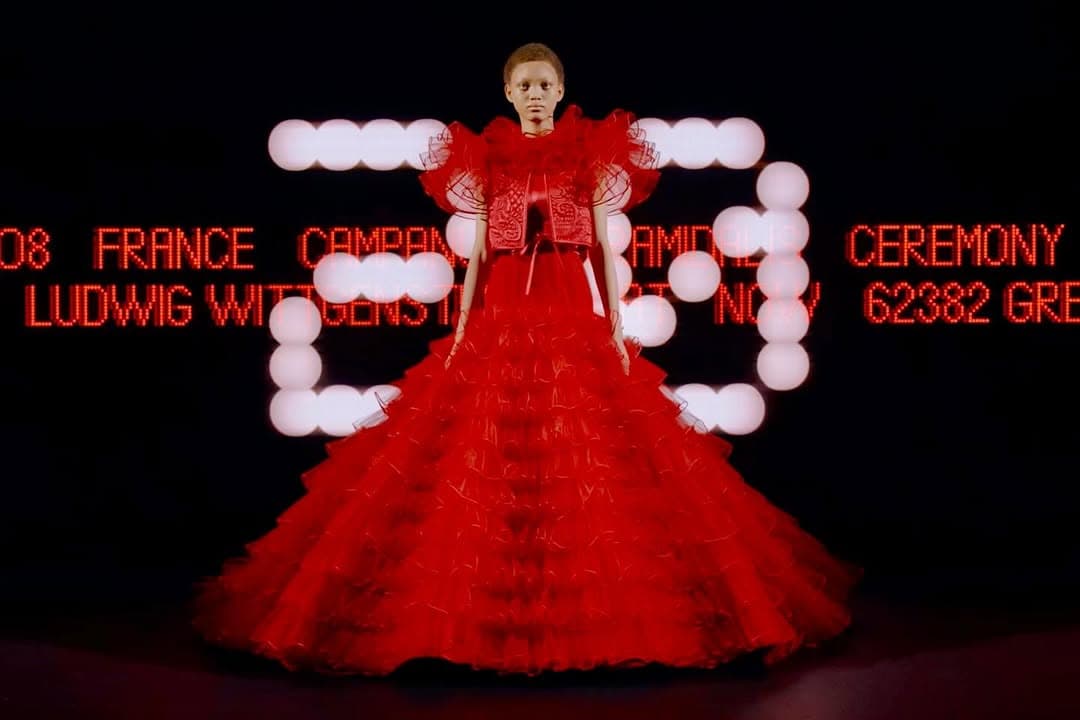
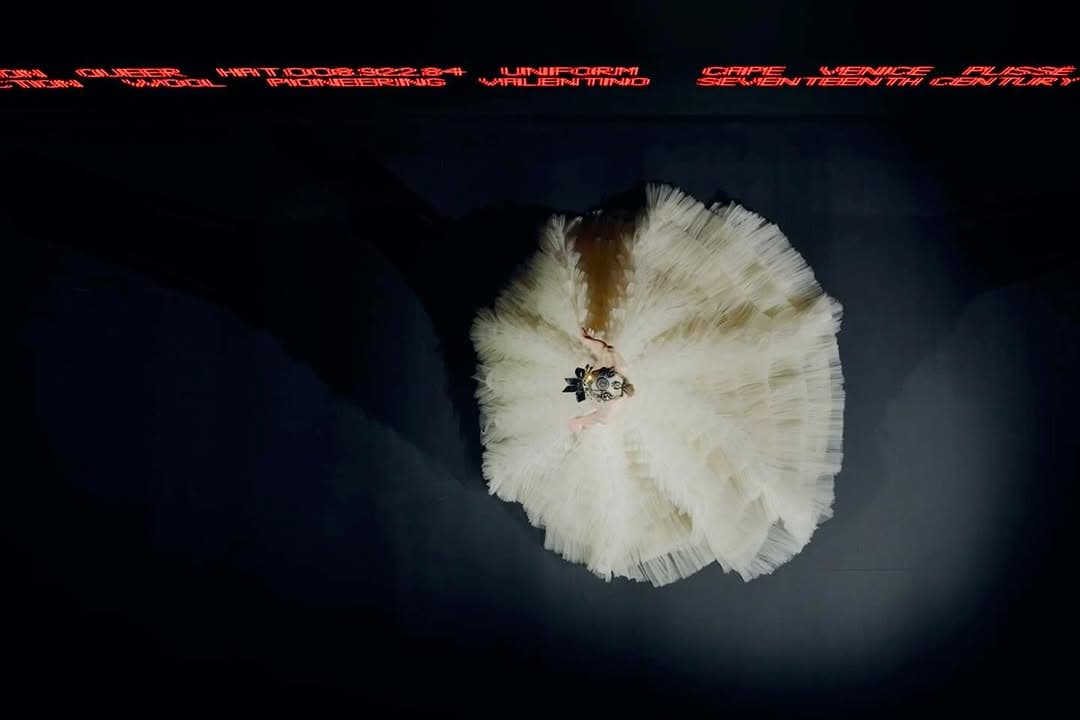
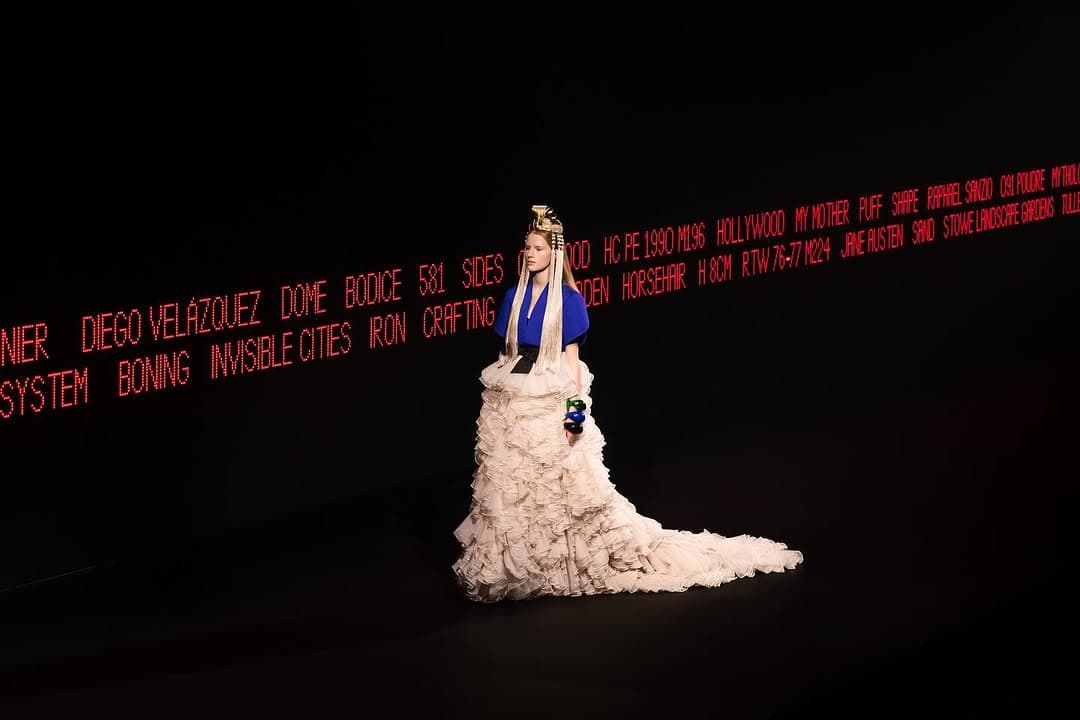
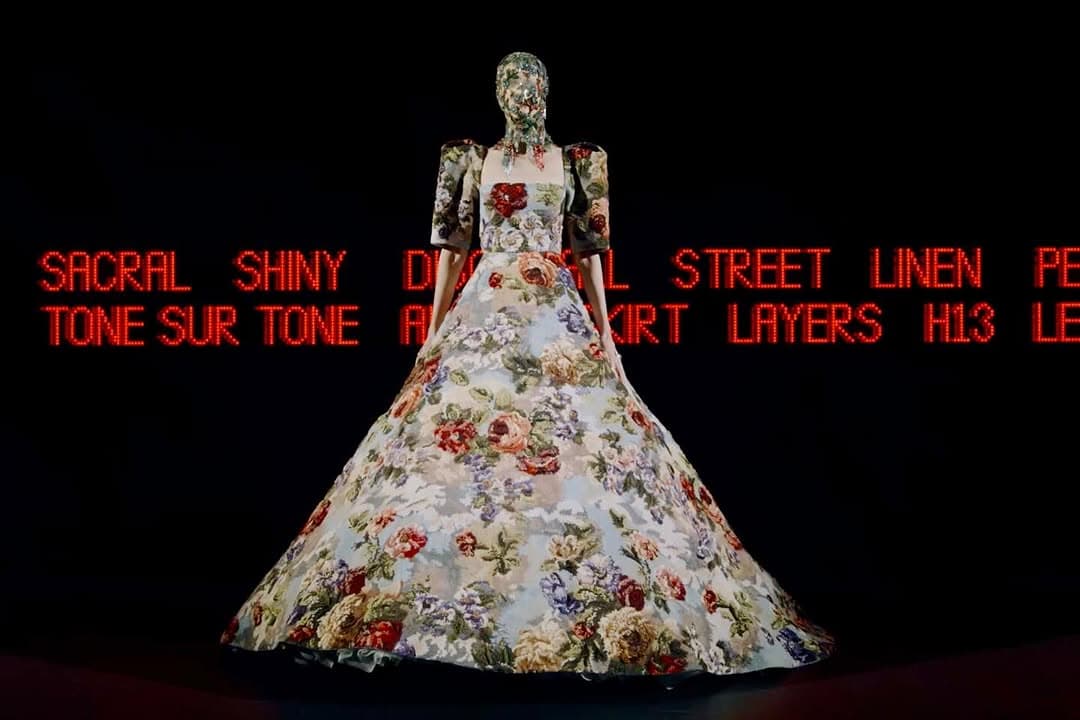
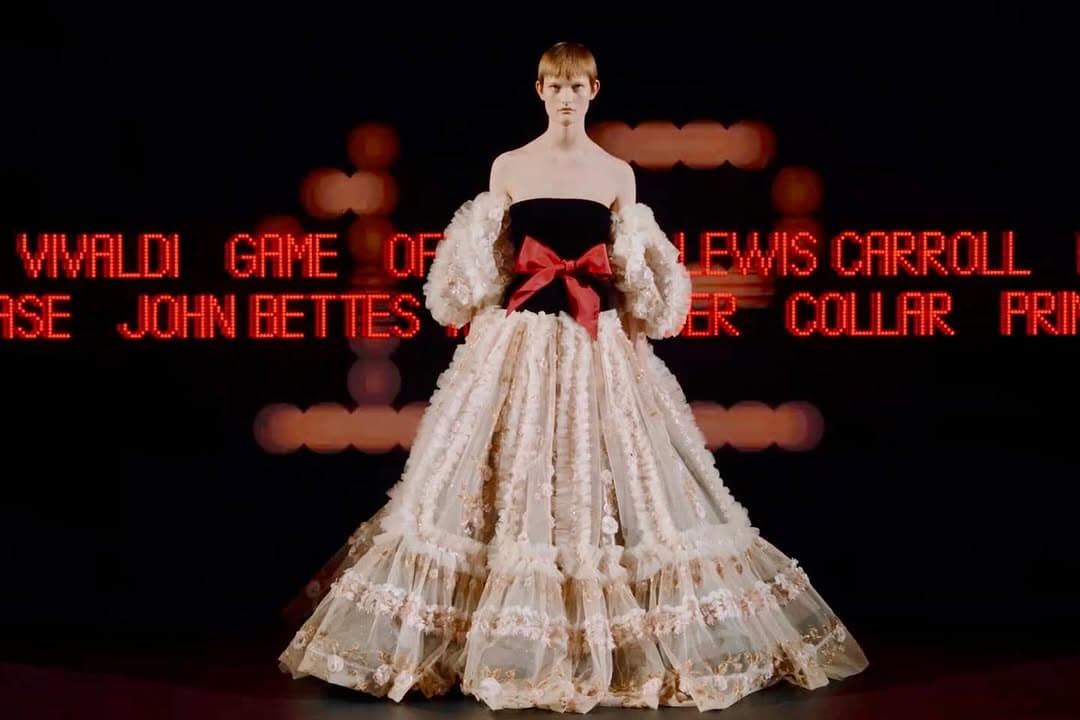
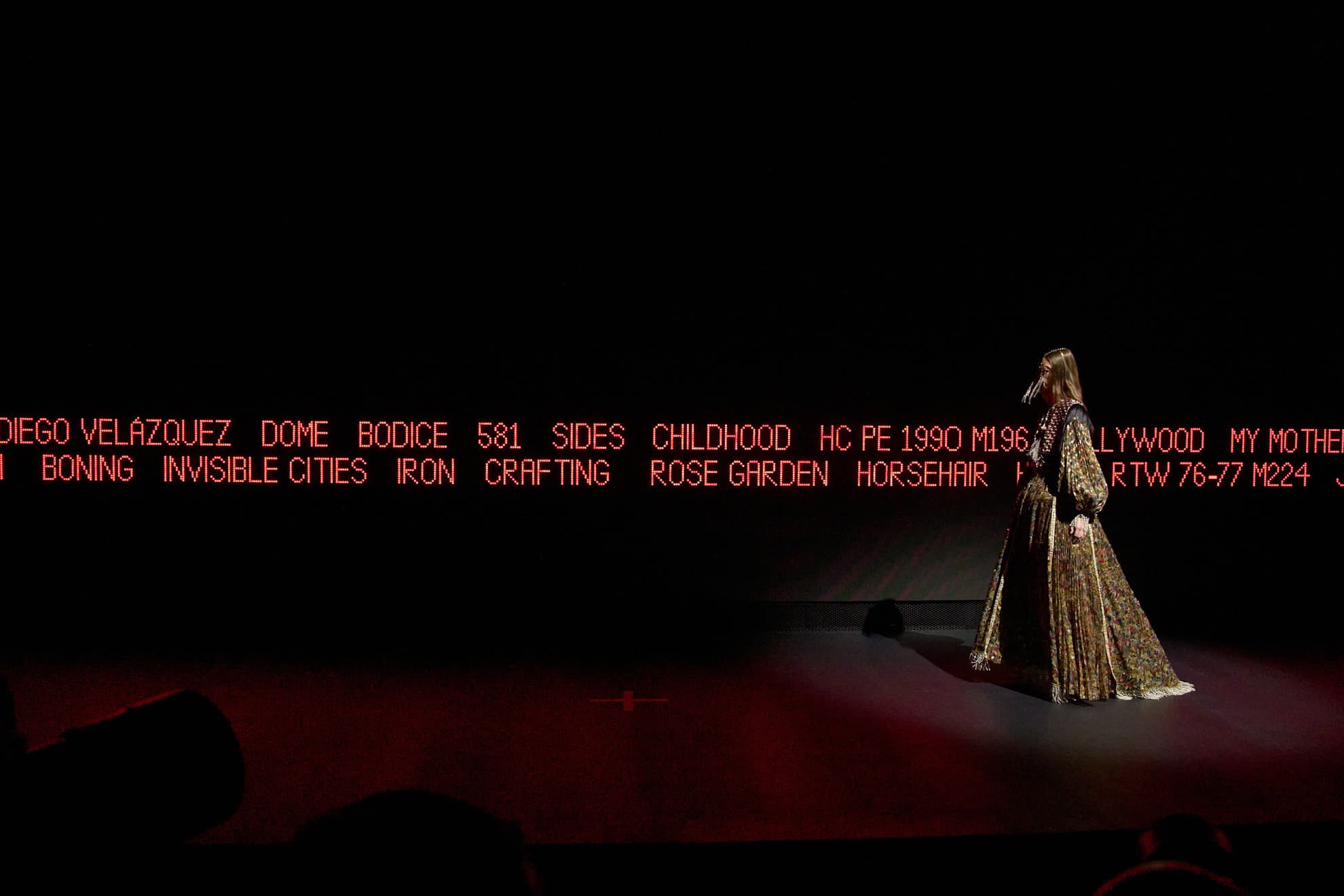
Valentino’s first couture collection under Alessandro Michele quickly became a flashpoint for industry conversation. The response mattered less than the clarity. The collection articulated a point of view with conviction, using couture as a language of authorship rather than a bid for agreement. What emerged was an emotional and intellectual framework that signaled where the house intends to go, not what it intends to sell tomorrow.
Beyond the runway, the house leaned decisively into Michele’s instinct for layered storytelling. Marketing around the collection reflected his sensitivity to narrative, symbolism, and mood, extending couture into a broader cultural dialogue. Experiments with AI-driven storytelling added another dimension, generating conversation and, at times, friction. That tension felt intentional. It positioned Valentino as a house willing to test new forms of expression in service of a larger vision.
For leadership, the takeaway was strategic. Couture functioned as a communication tool, clarifying tone, ambition, and creative authorship at the highest level. In a landscape crowded with noise, Valentino used couture to speak slowly and deliberately, allowing vision to lead and commerce to follow.
Chanel
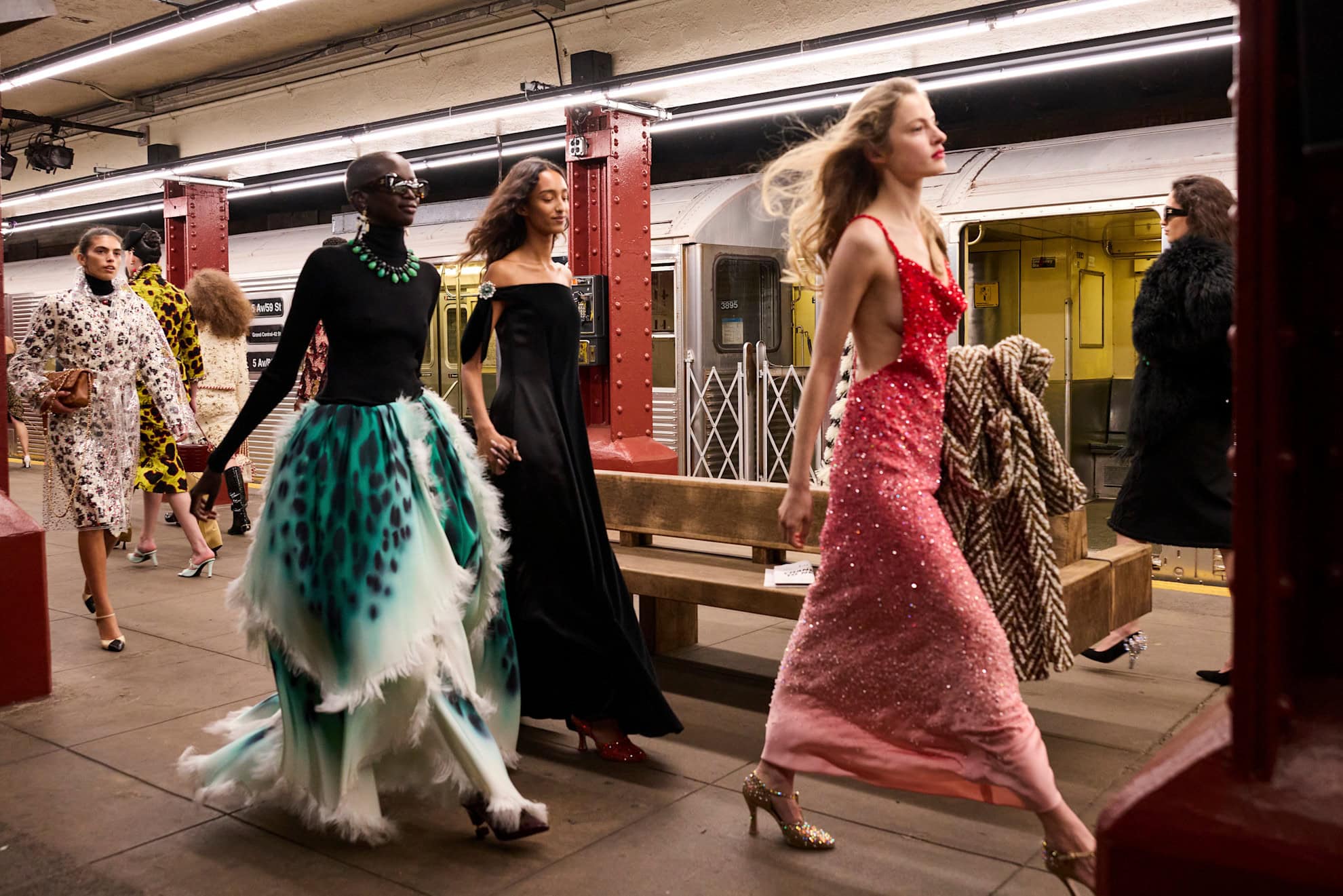
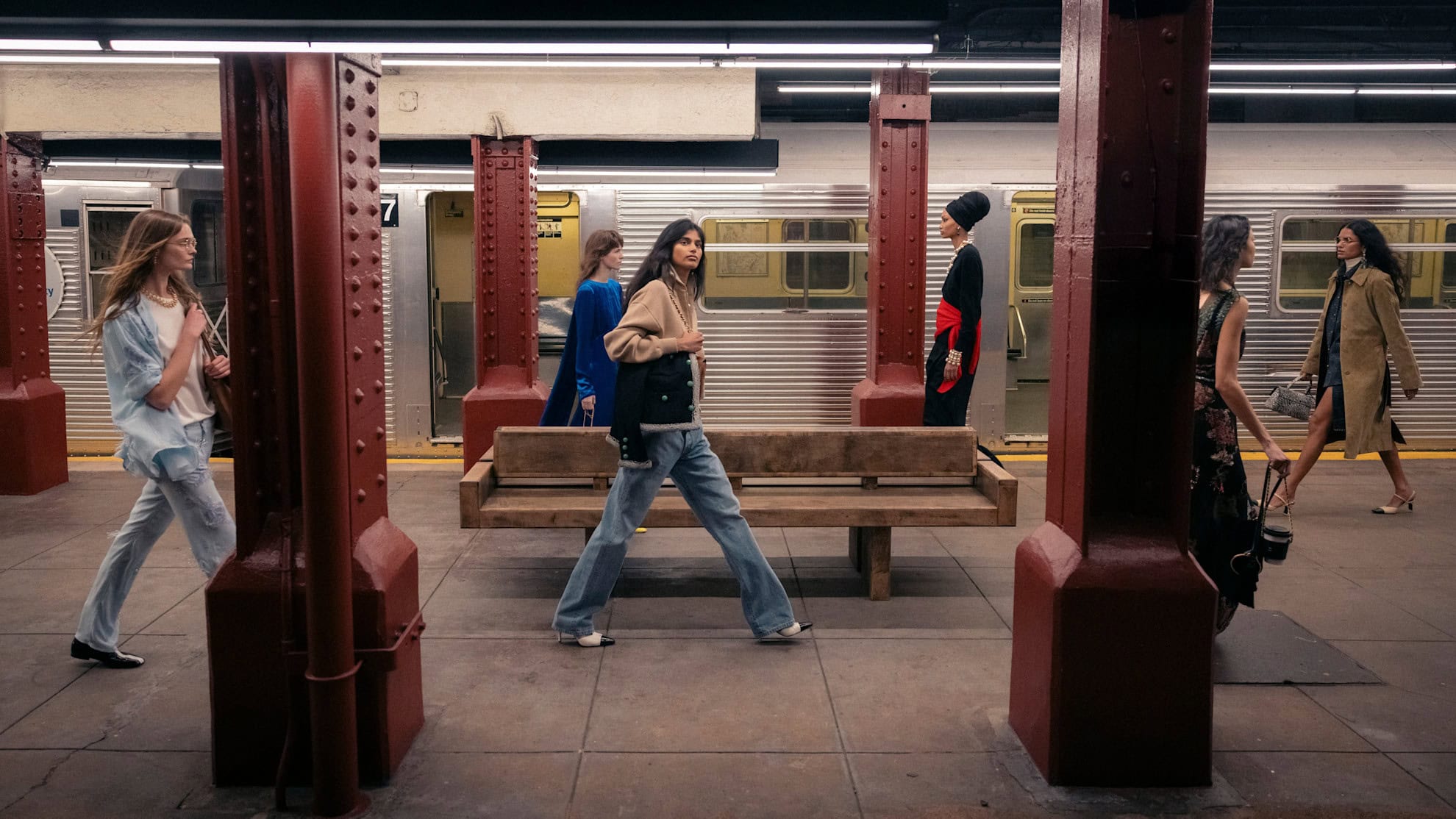
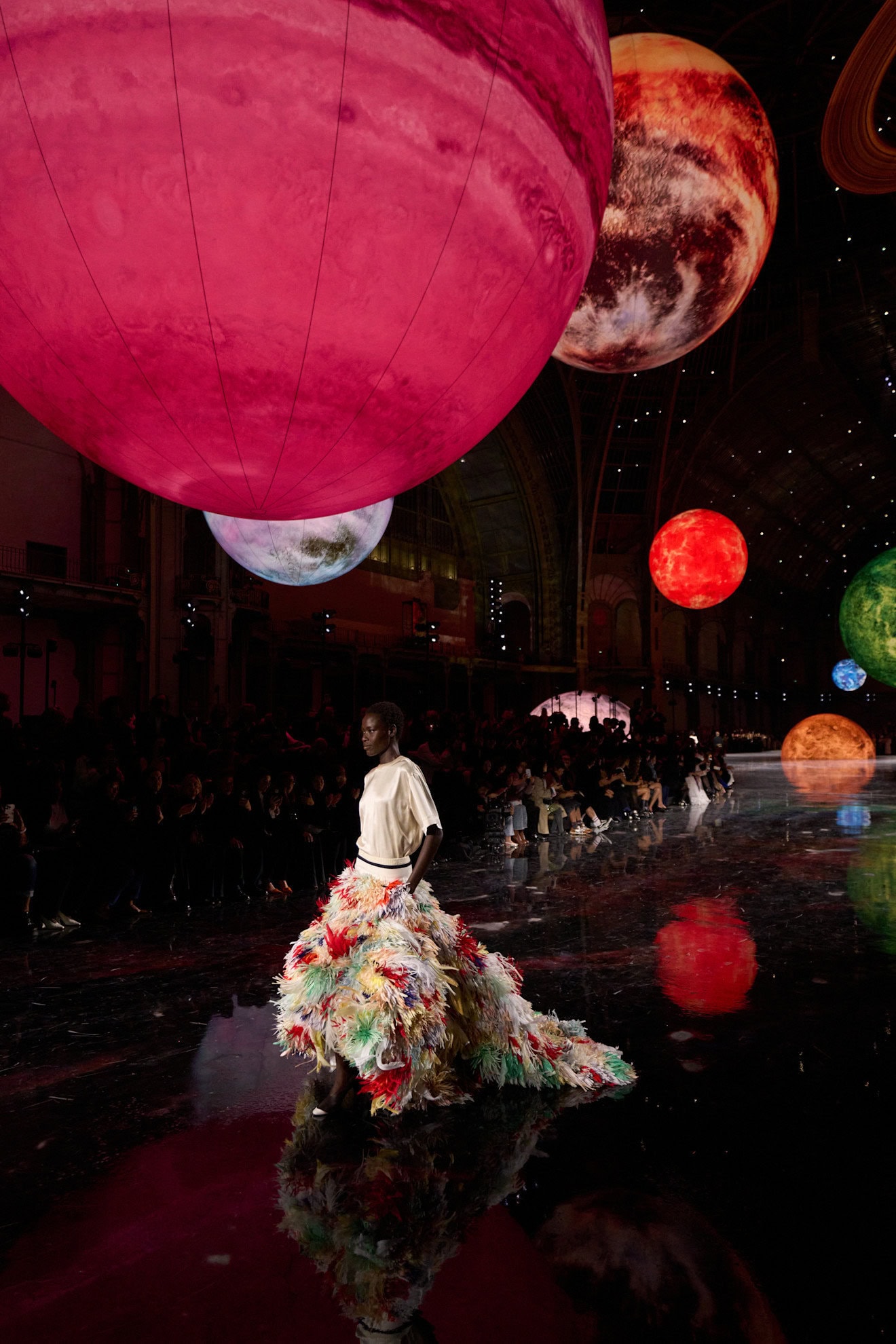
Chanel’s buzz in 2025 was inseparable from transition. The debut of Matthieu Blazy marked a generational shift, one the house handled with quiet authority and measured confidence. Casting Bhavitha Mandava, the first Indian model to open a Chanel show, discovered by Blazy on a New York subway platform a year earlier, underscored the authenticity of their initial meeting. It read as instinct rather than orchestration.
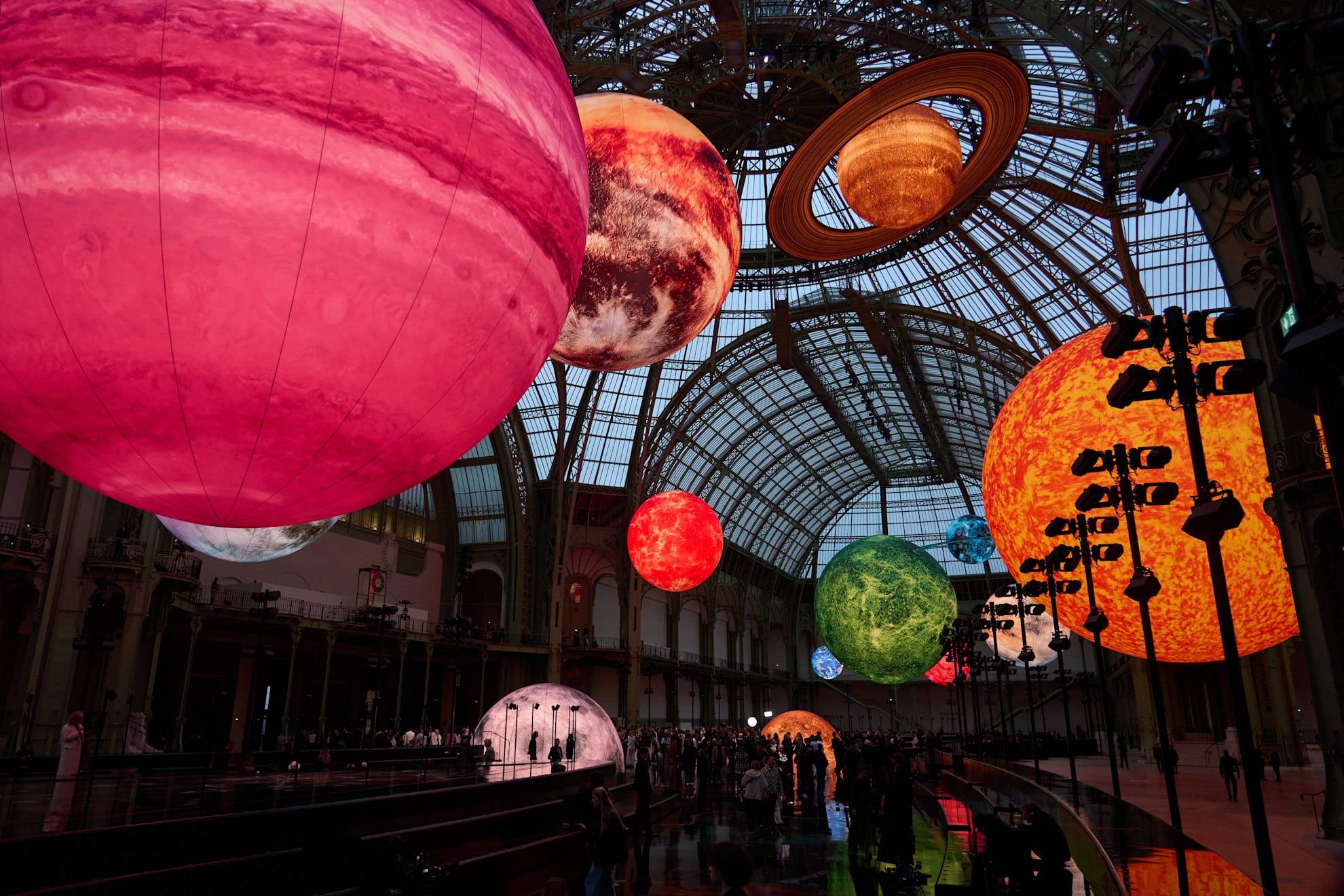
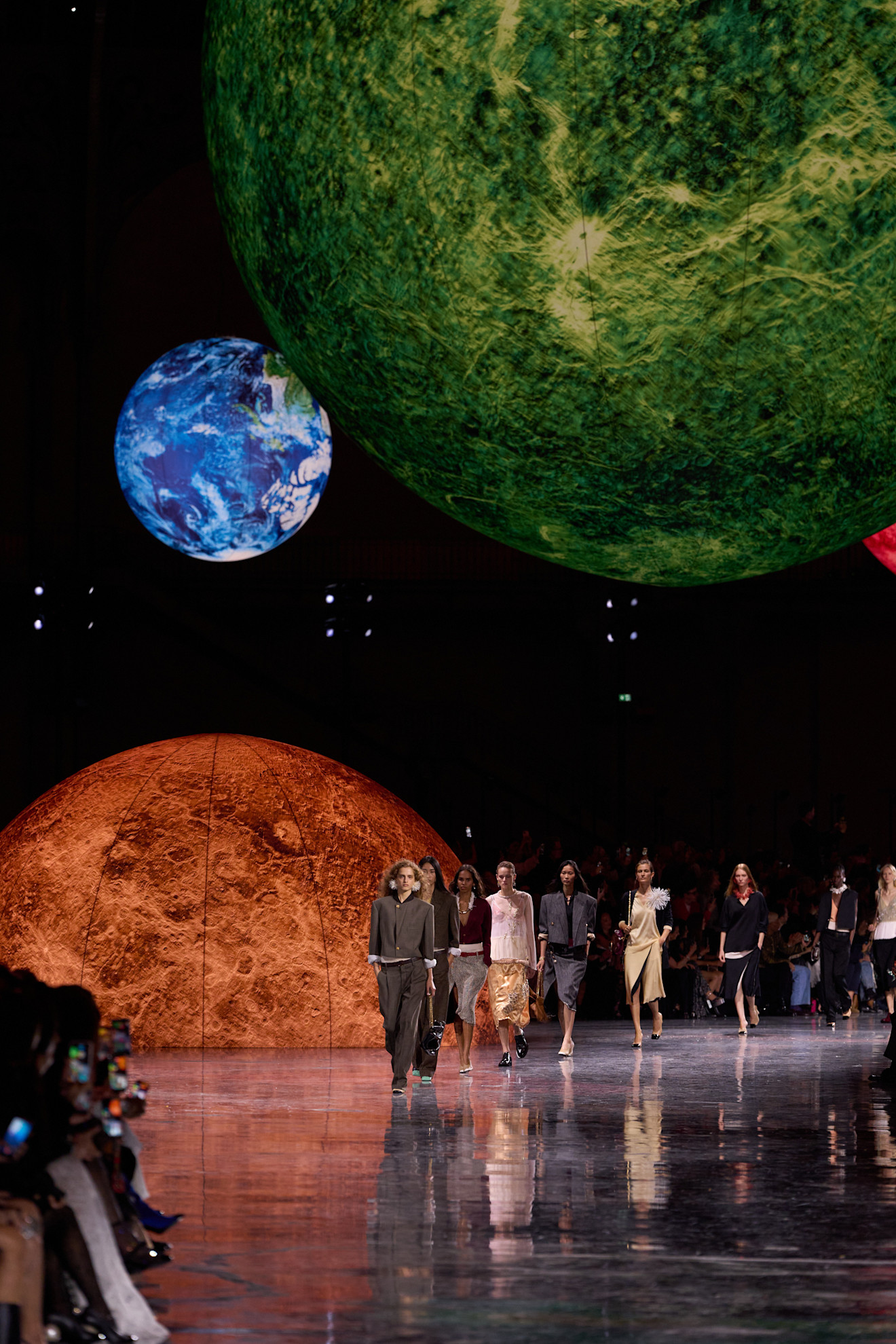
Bureau Betak’s set reaffirmed Chanel’s command of spatial storytelling, while a collaboration with Charvet brought discretion and heritage into sharp focus. Taken together, these decisions framed Blazy’s arrival as a thoughtful recalibration, grounded in continuity and built with endurance in mind.
Saint Laurent
Cultural Alignment as Executive Strategy
Saint Laurent continued to demonstrate how cultural participation works best when it’s sustained, not episodic. Under Anthony Vaccarello, the house has delivered a level of consistency that felt genuinely refreshing in a moment when much of the industry appears restless or overcorrecting. That steadiness has quietly reinforced trust, both creatively and commercially.
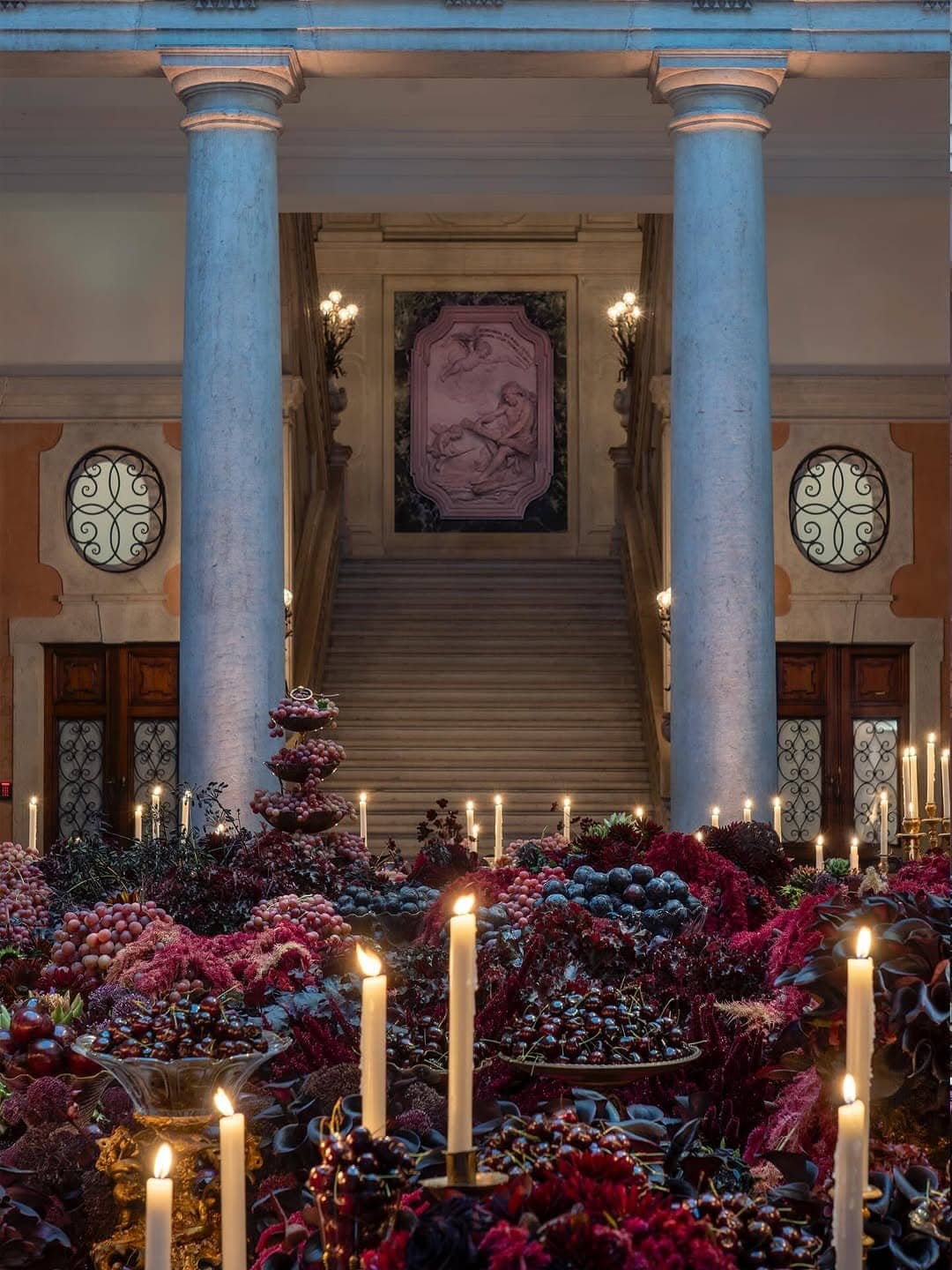
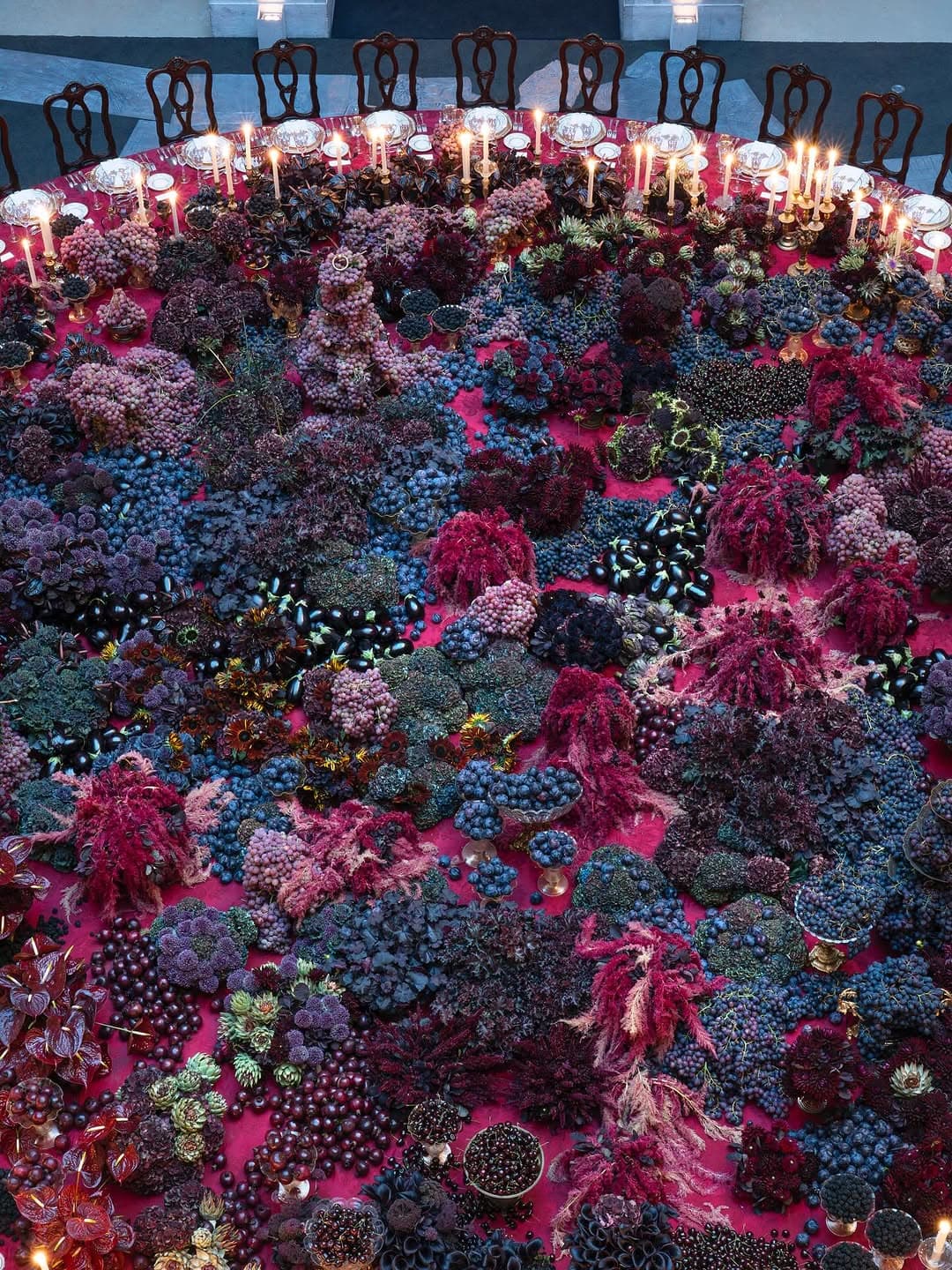
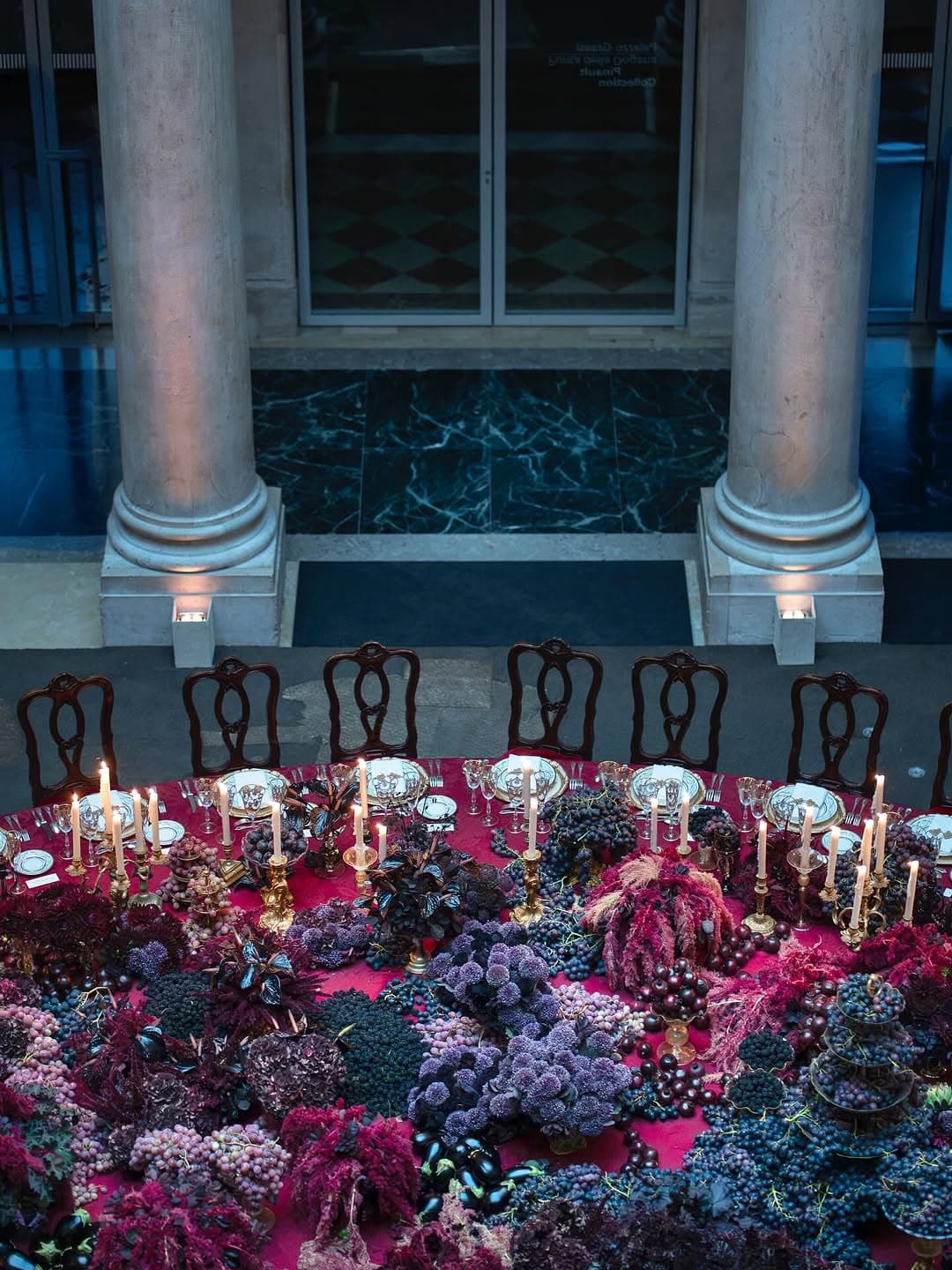
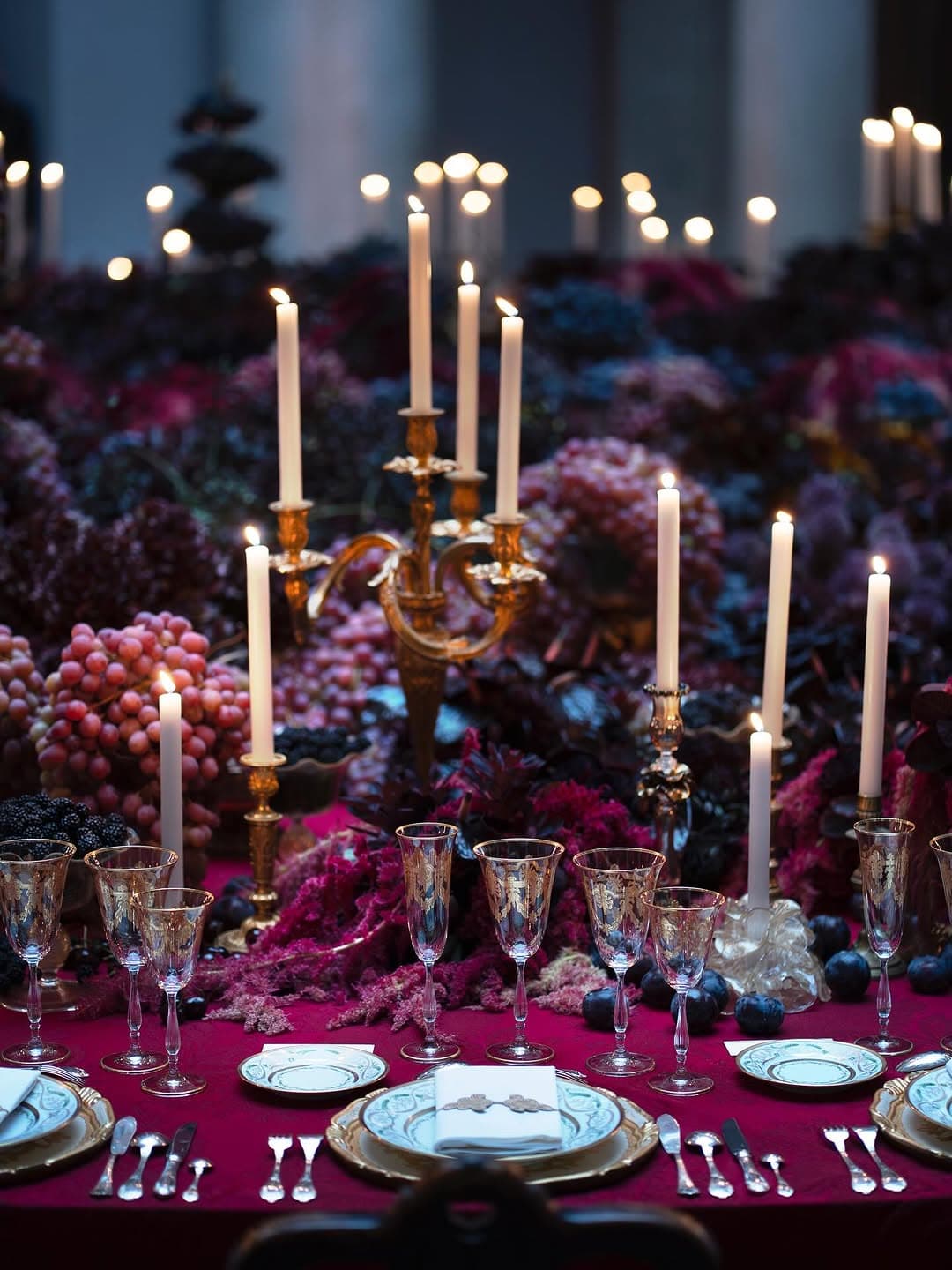
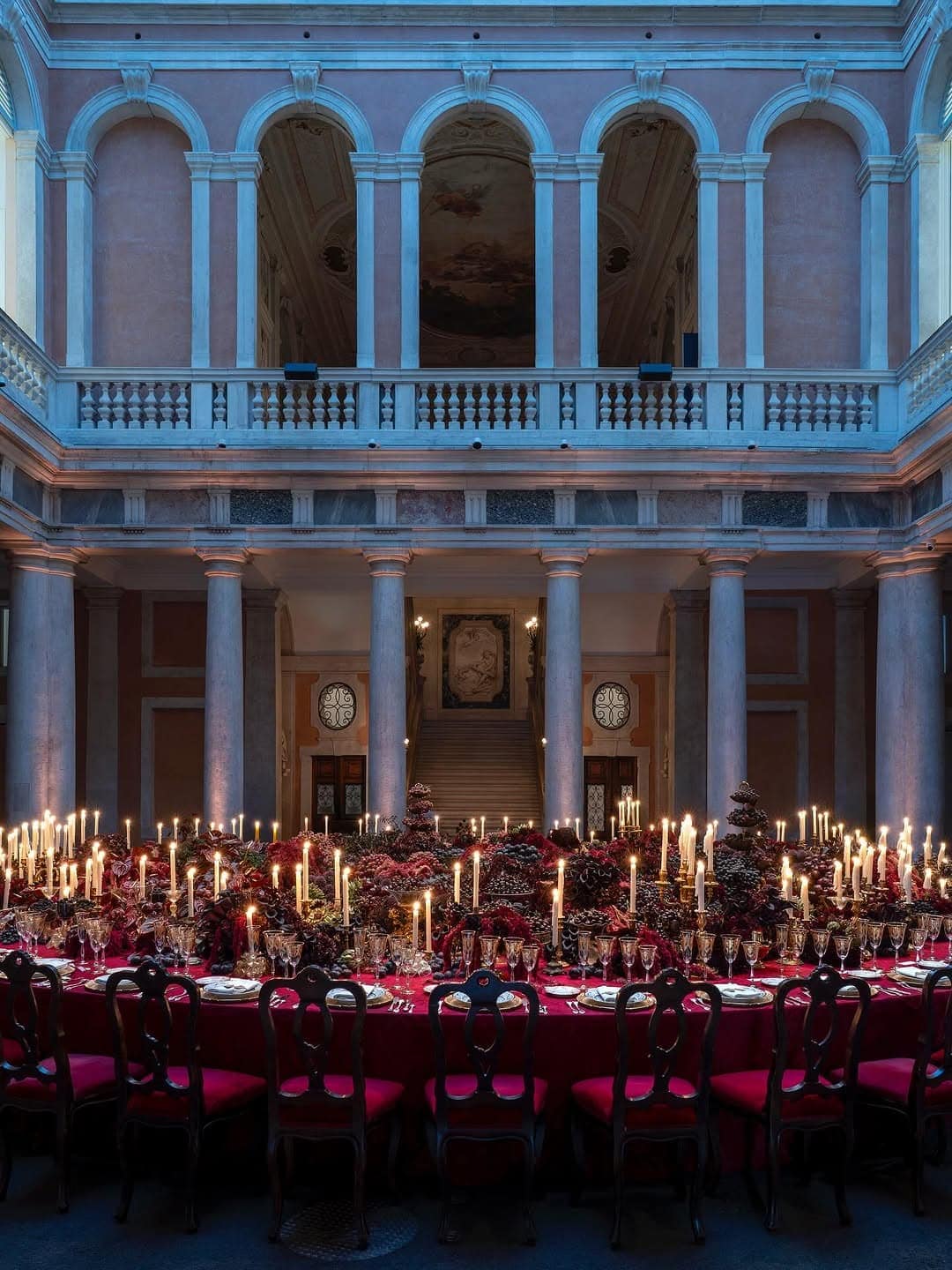
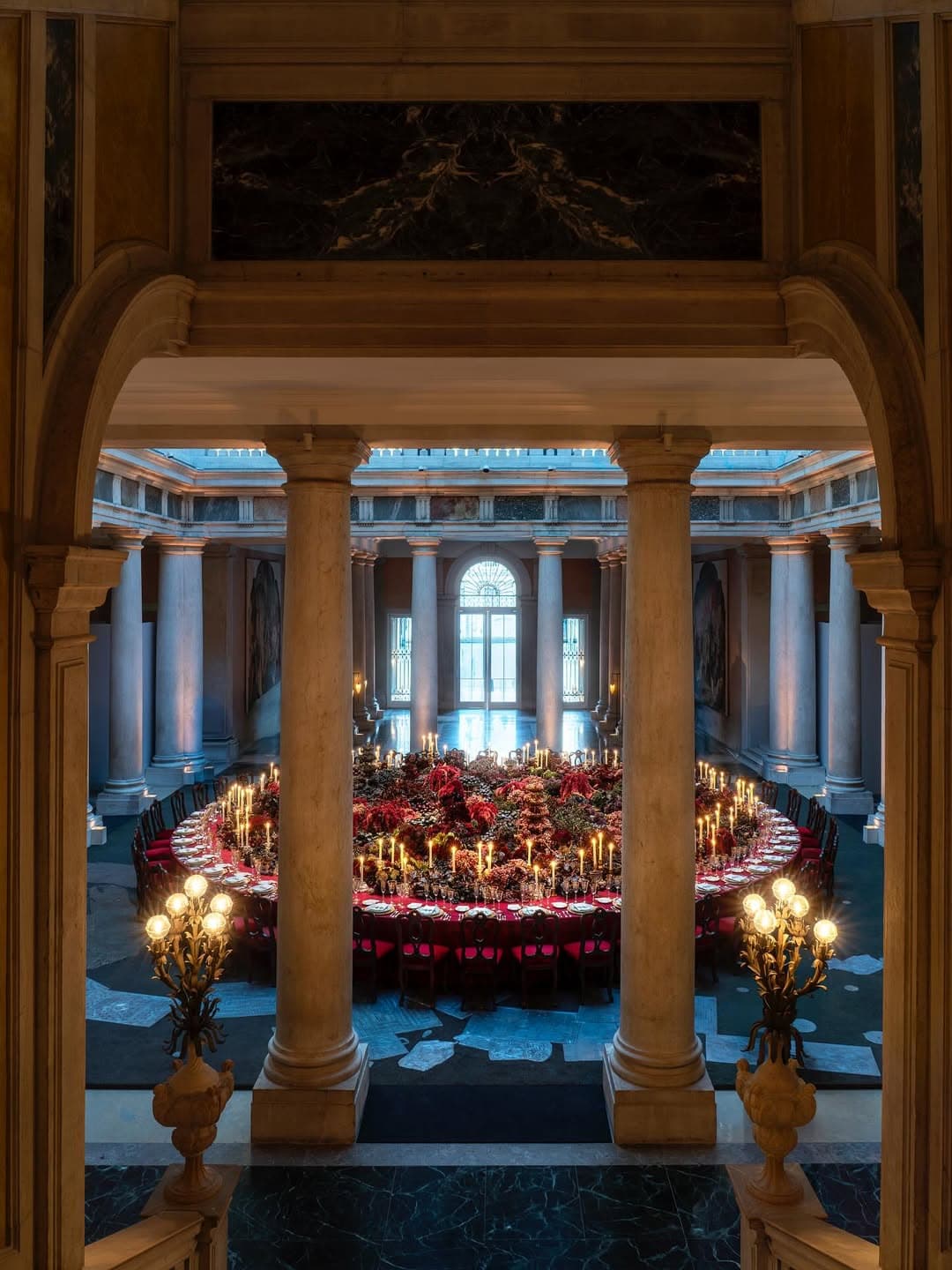
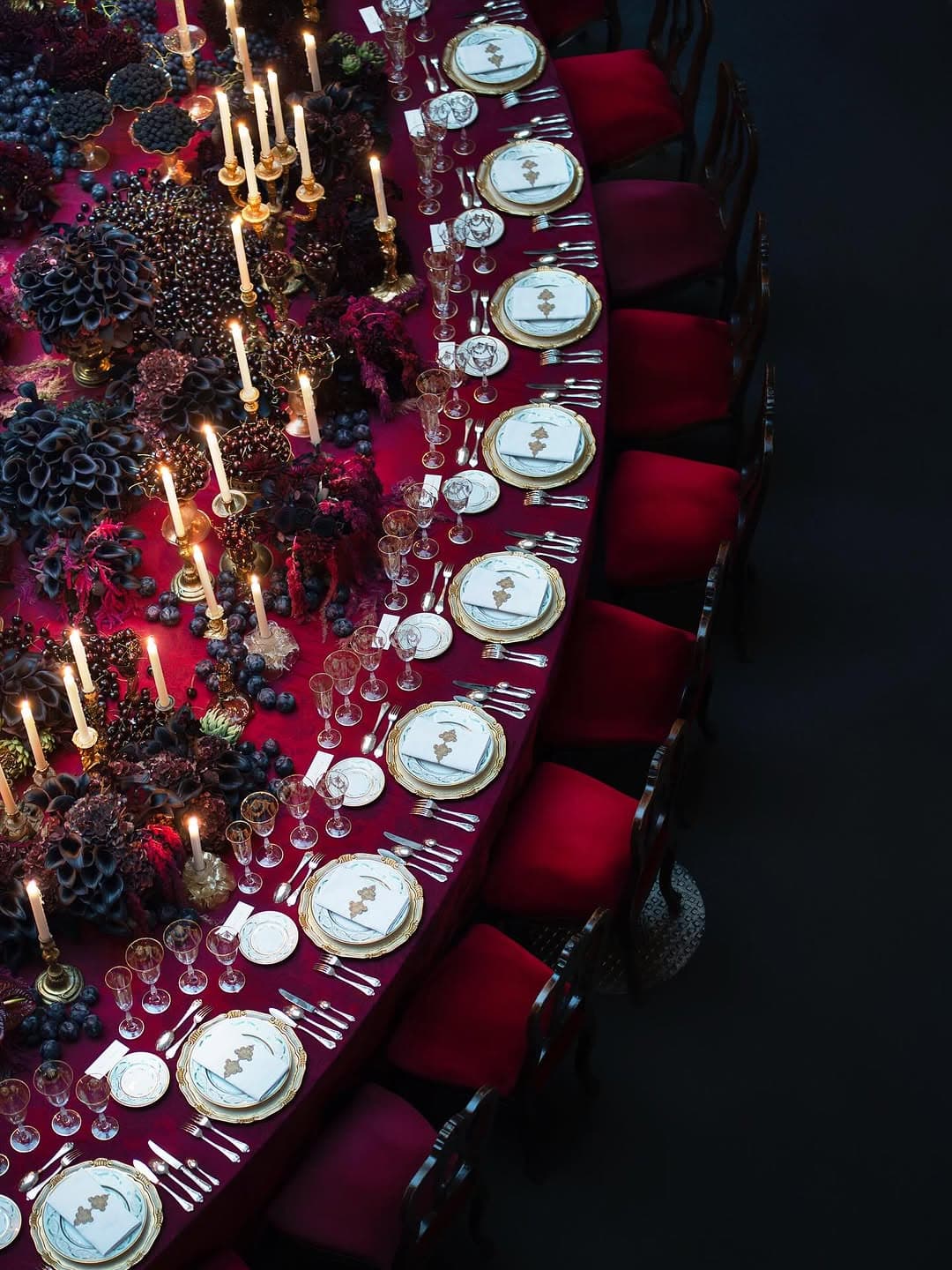
The Venice Film Festival dinner honoring Father Mother Sister Brother became an extension of that clarity. Precise, intimate, and unmistakably aligned with the house’s worldview, it advanced a narrative that already felt coherent rather than introducing a new one. What stood out most was Vaccarello’s continued push forward with clear sight, deepening the codes instead of diluting them. For executives, the signal was unmistakable. Creative clarity, when sustained over time, becomes one of the most valuable forms of cultural capital a house can hold.

Honorable Mentions
Strategic Signals Worth Watching
Fendi: Maria Grazia Chiuri’s appointment marked a real creative inflection point for the house. Paired with a significant flagship redesign, the message landed clearly. Leadership and physical space are being treated as parallel forces shaping Fendi’s next chapter, with expectations rising accordingly.
The Row: The no-seating-assignment show quietly dismantled hierarchy and rethought access. It sparked conversation across editorial, retail, and executive circles, precisely because the provocation was subtle and self-assured.
Jacquemus: The house continued to demonstrate how disciplined, narrative-driven marketing builds equity without the machinery of traditional luxury scale. Clarity and consistency did the heavy lifting.
Bottega Veneta: A stitchless leather bag invitation distilled craft into a strategic signal. Even at invitation scale, the house reinforced craftsmanship as a point of distinction that remains central to its identity.
Rick Owens: Museum recognition affirmed a vision forged outside conventional luxury systems. The moment suggested cultural permanence, not trend validation.
Louis Vuitton: The $150 lipstick launch set off debate around pricing power, access, and elasticity. It became a case study in how far a house can stretch while holding its center.
Schiaparelli: The beating heart moment compressed couture into a single image that took over visual discourse. Precision turned spectacle into memory.
Jimmy Choo: The Sex and the City reboot collaboration showed how nostalgia, when handled with discipline, can still operate as smart business.
Original Birkin Auction: The sale underscored an old truth. Myth, provenance, and scarcity continue to function as luxury’s most durable currencies.