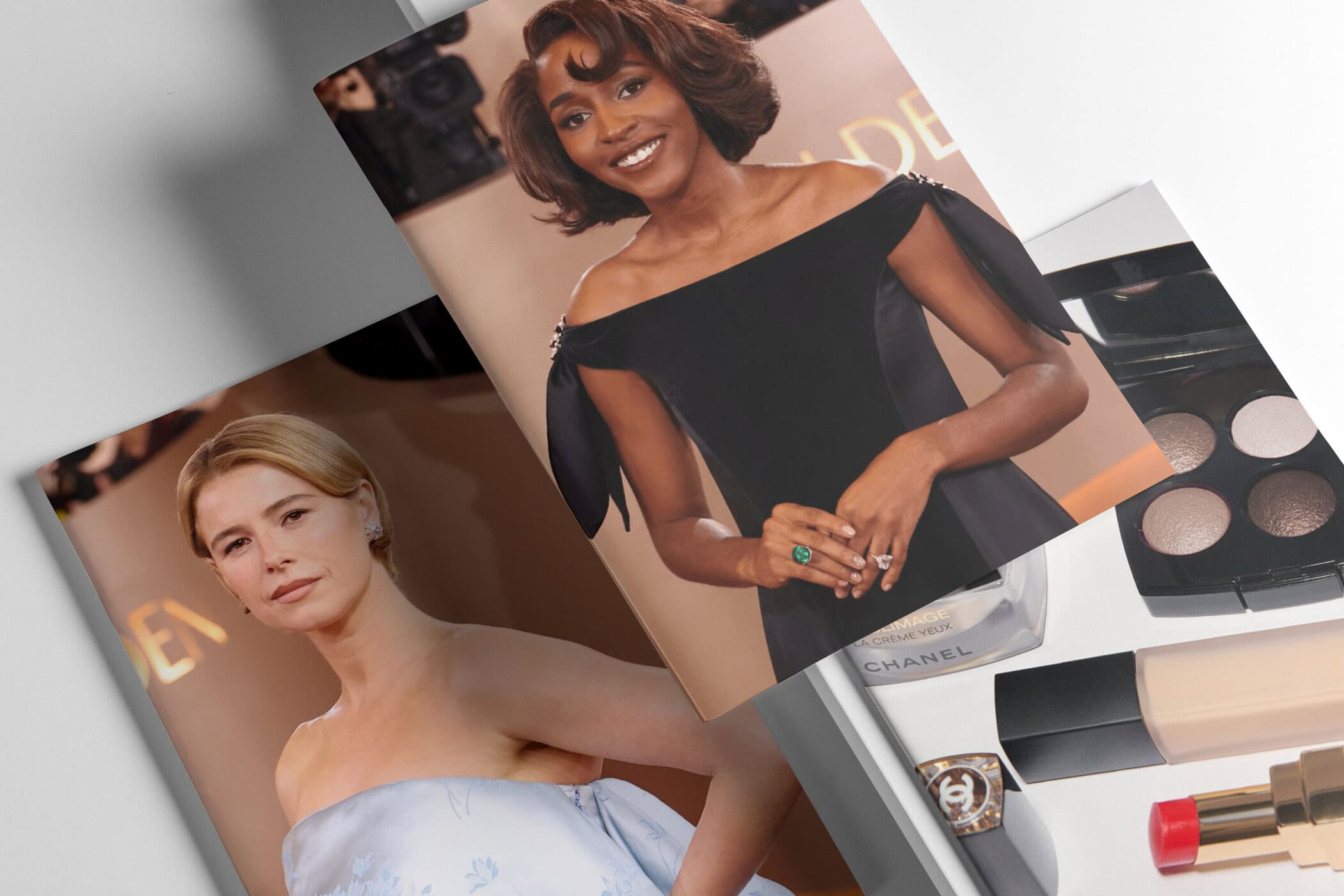
Inside the Thinking and Craft Shaping Today’s Most Considered Looks
By Mackenzie Richard Zuckerman
Red carpet beauty is often treated as a finishing layer—applied once the more consequential decisions have already been made. Yet listening closely to the makeup artists shaping this season’s most closely studied looks reveals something far more instructive. What emerges is beauty understood as authorship, guided by interpretation and a refined sense of judgment. These looks were not assembled at the last moment; they took shape through sustained attention, informed by reference and a clear understanding of how presence is constructed and read.
Working within the visual language of Chanel Beauty, a group of leading artists—Nina Park, James Molloy, Ernesto Casillas, Rachel Goodwin, Pati Dubroff, Tina Turnbow, and Tom Bachik—collectively articulate how carefully considered makeup has become at the highest level. Their work reflects a moment in which beauty carries strategic and cultural weight alongside fashion, shaping image as deliberately as silhouette or casting.
This shift deserves attention. An industry once defined by backstage expertise and informal gatekeeping is increasingly shaped by artists whose points of view are visible, legible, and influential. Figures such as Park, whose approach treats skin as a site of accumulation and restraint, signal a recalibration in taste—one that values discernment, patience, and clarity. For creatives working within beauty today, the red carpet functions as a proving ground: a place where philosophy, technique, and cultural awareness converge, and where authorship is no longer implied, but unmistakably present.
We listen to the leading beauty artists defining this moment through process, reference, and collaboration. It considers what their decisions reveal about evolving ideas of glamour, luxury, and visibility within beauty today. Taken together, these perspectives offer a clear view of how authorship is reshaping red carpet beauty from the inside out.
Authorship Through Reference
For James Molloy, working with Rose Byrne, inspiration arrived through the lens of classic Hollywood. Referencing the glamour of the 1940s, he described wanting to preserve “a luminous, elegant aesthetic centered around a blurred red lip,” allowing softness to carry the expression. By diffusing the edges and pressing pigment into the lips by hand, Molloy transformed a historically bold gesture into something attuned to the present—clearly referencing the past while remaining authentic to the moment. The result reflects a broader philosophy shared by many of today’s leading artists: technique matters most when it disappears into feeling, aided quietly by products designed to support luminosity rather than declare themselves.
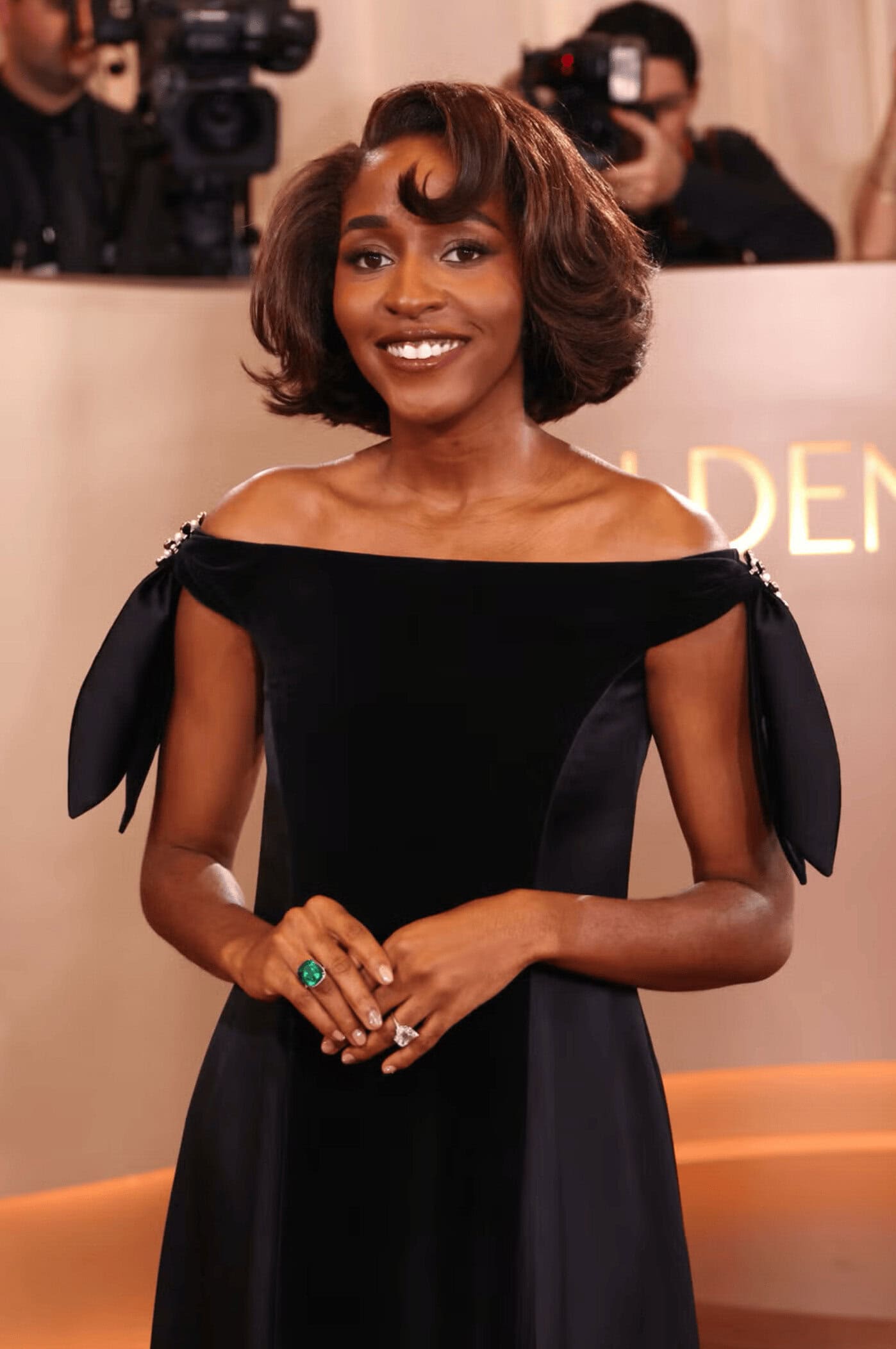
Working with Ayo Edebiri, Ernesto Casillas approached makeup through harmony and structure, drawing directly from the architecture of the gown. “Its deep, elegant hue created the perfect canvas for the plum and mauve shades in the makeup,” he explained, noting how those tones interacted with silver and emerald accents at the shoulders. His emphasis rested on balance—allowing color to echo form, and form to guide placement. The look unfolded with composure, demonstrating how makeup can extend the logic of design rather than compete with it.
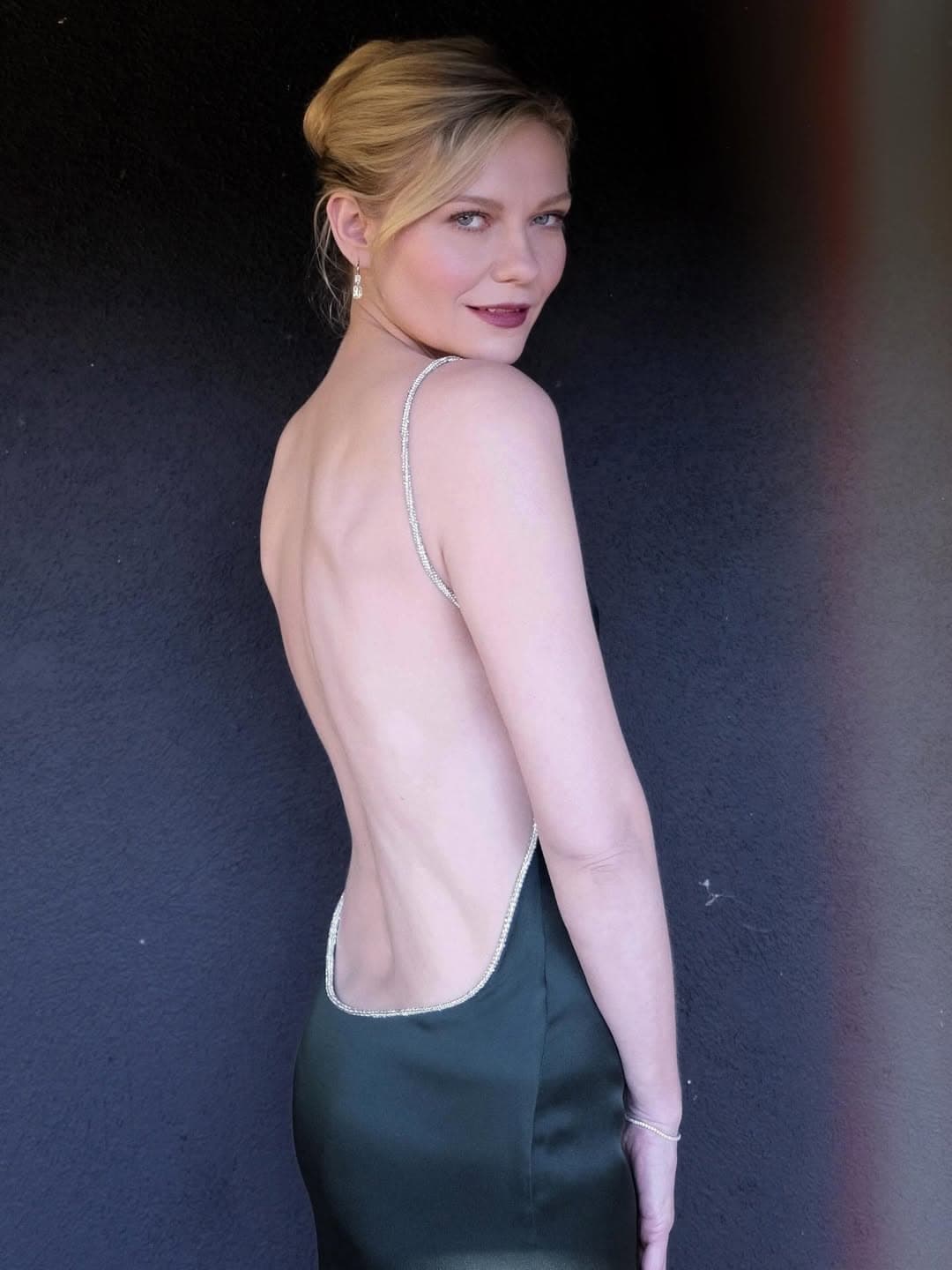
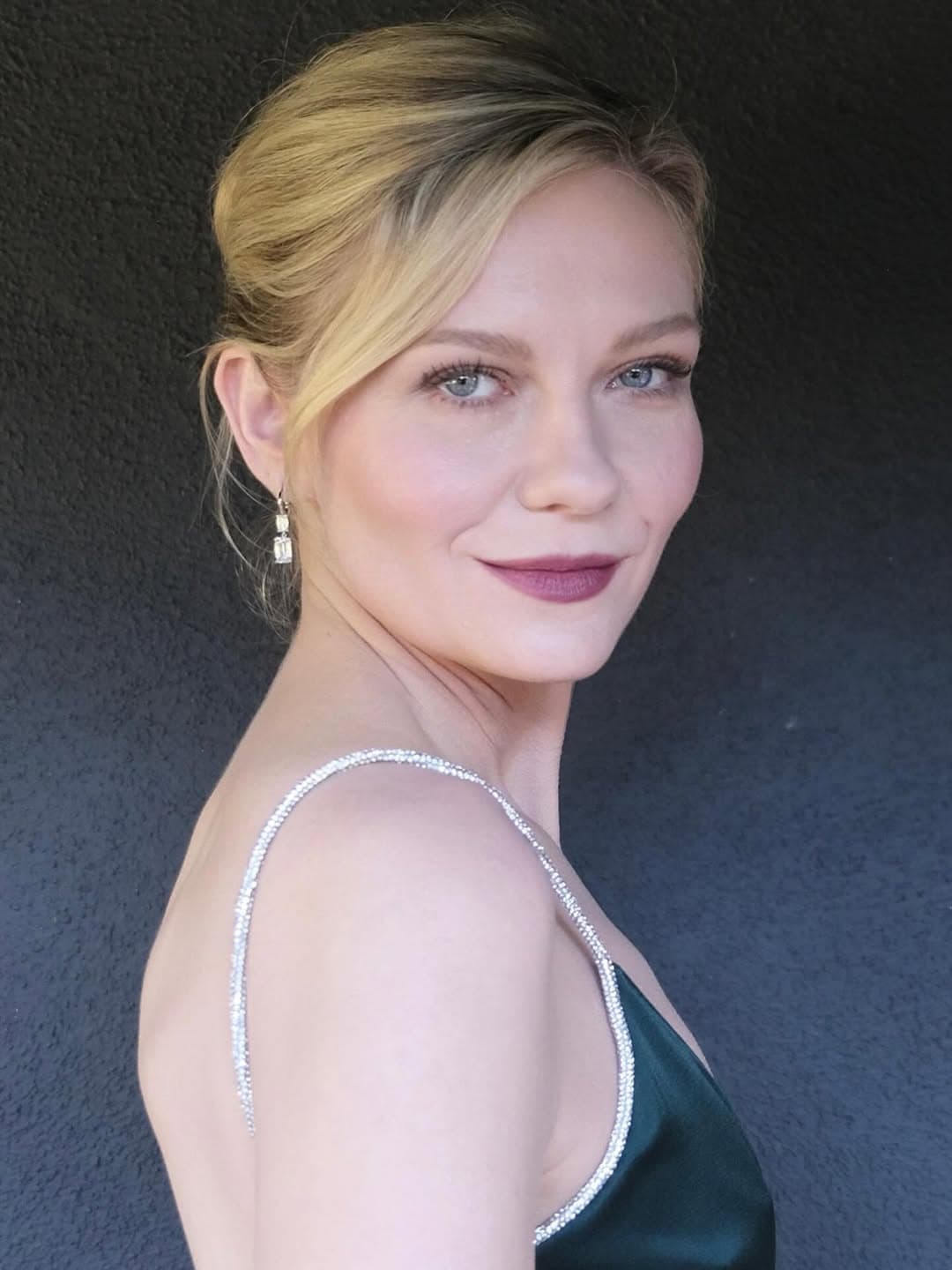
For Kirsten Dunst, Pati Dubroff leaned into a cinematic sensibility shaped by classic film noir. Inspired by sculptural tailoring and deep green fabric, she aimed for something “timeless rather than dramatic,” anchoring the look through the lip. Her approach recalled the stillness of a close-up—measured, intentional, and enduring. The face became a composed frame, capable of holding tension through precision alone.
The Redefinition of Glamour
A broader recalibration of glamour runs through each artist’s perspective. Attention consistently returned to skin that feels alive—hydrated, dimensional, and responsive to light. Working with Jessie Buckley, Nina Park articulated this through layering, explaining how she builds flush and luminosity gradually to achieve what she described as a “within-the-skin” effect. Her process values patience, allowing color to settle and accrue meaning over time. It’s an approach that reflects a larger cultural shift: beauty understood through accumulation and restraint rather than immediacy.
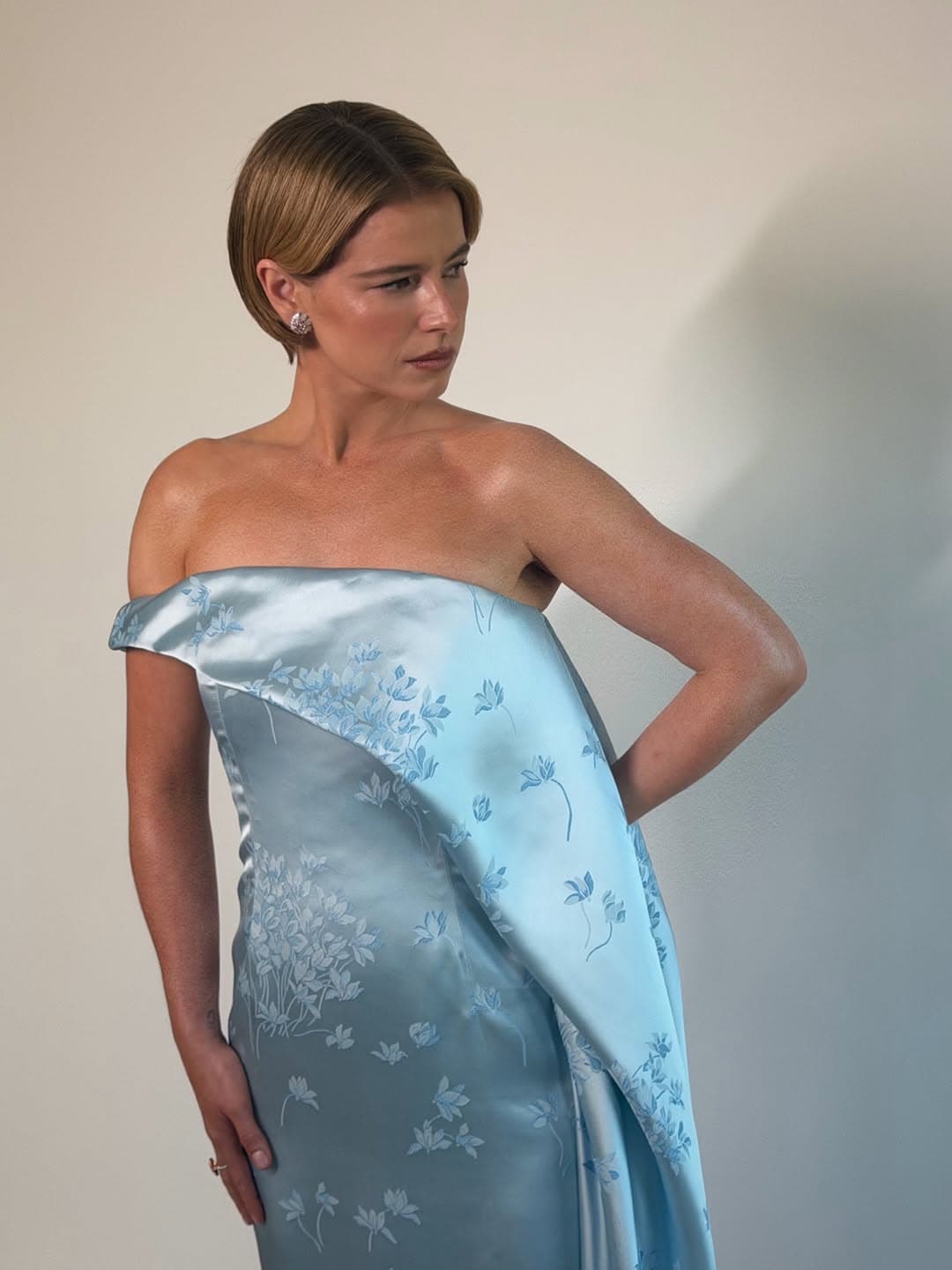
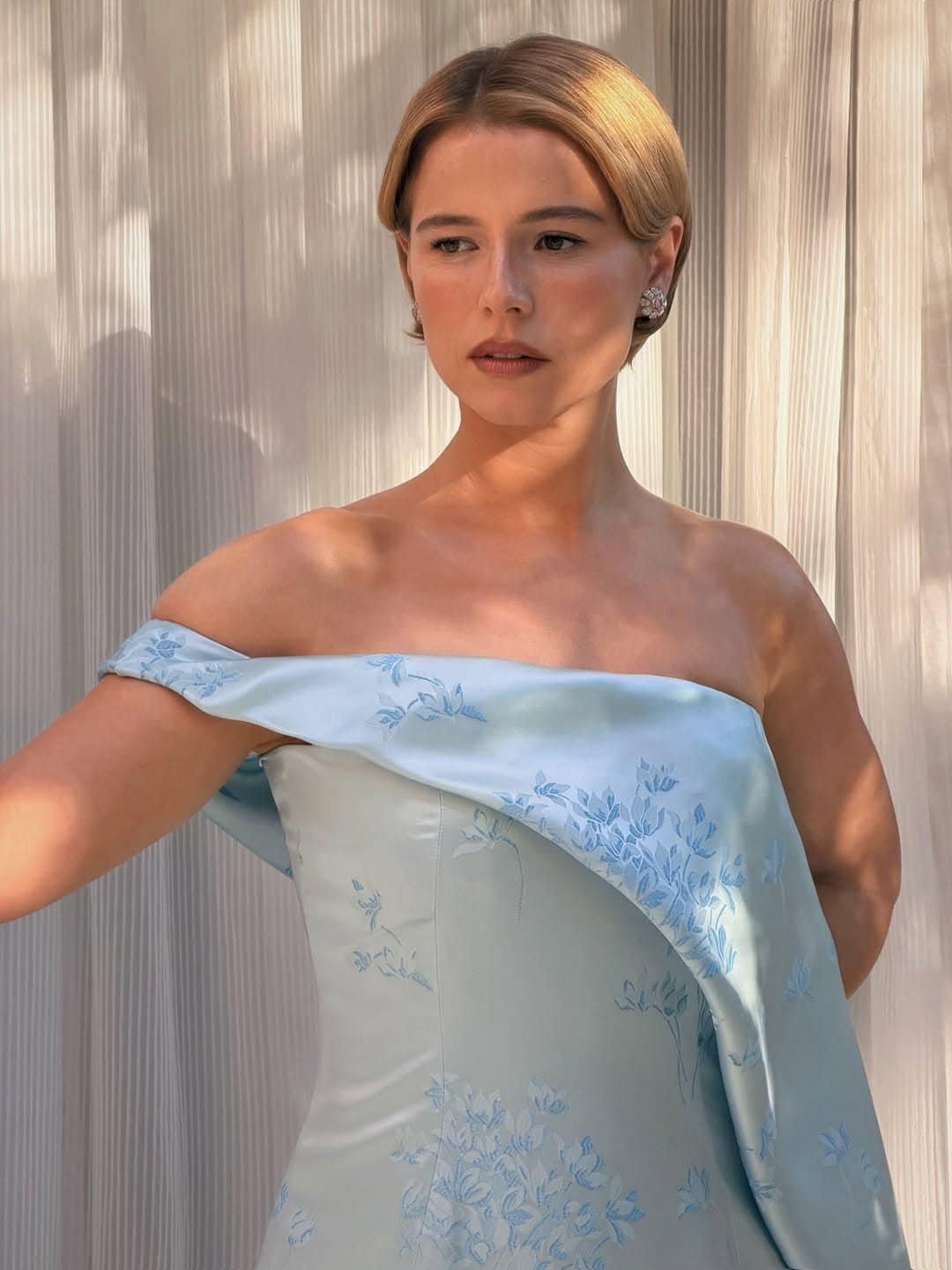
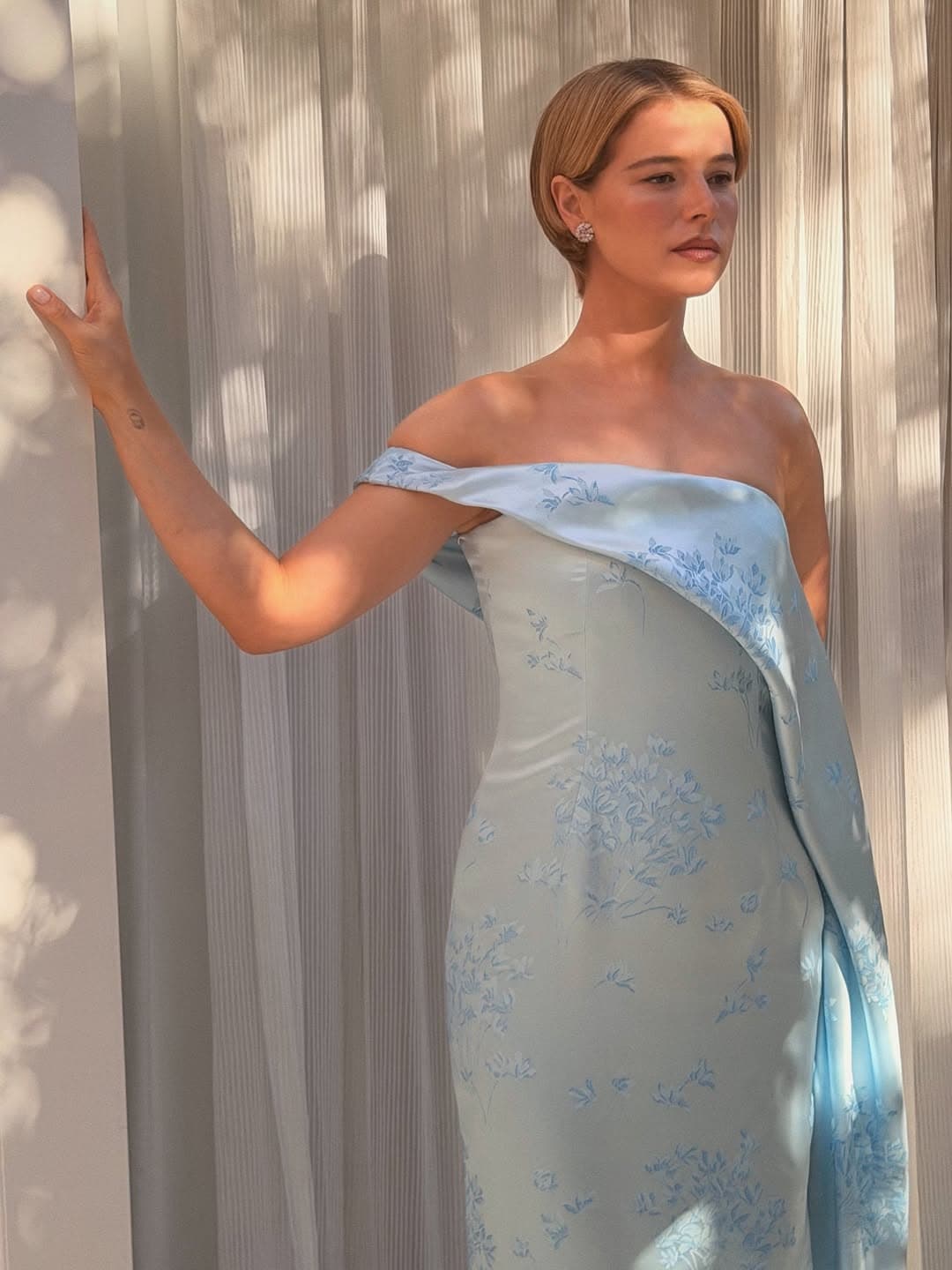
For Mel Robbins, Rachel Goodwin framed her work around function and expression. Inspired by energy rather than aesthetic codes, she focused on keeping the eyes expressive behind glasses, layering liner and shadow to maintain clarity and depth. “I wanted her to feel like her normal, effervescent self, with little more drama,” she noted. The decision reflects a refined understanding of glamour today—one that adapts to real-world context while preserving polish.
Across these conversations, glamour appears as calibration. Texture carries meaning. Restraint sharpens impact. The choices feel deliberate, guided by discernment rather than excess.
Collaboration as Luxury
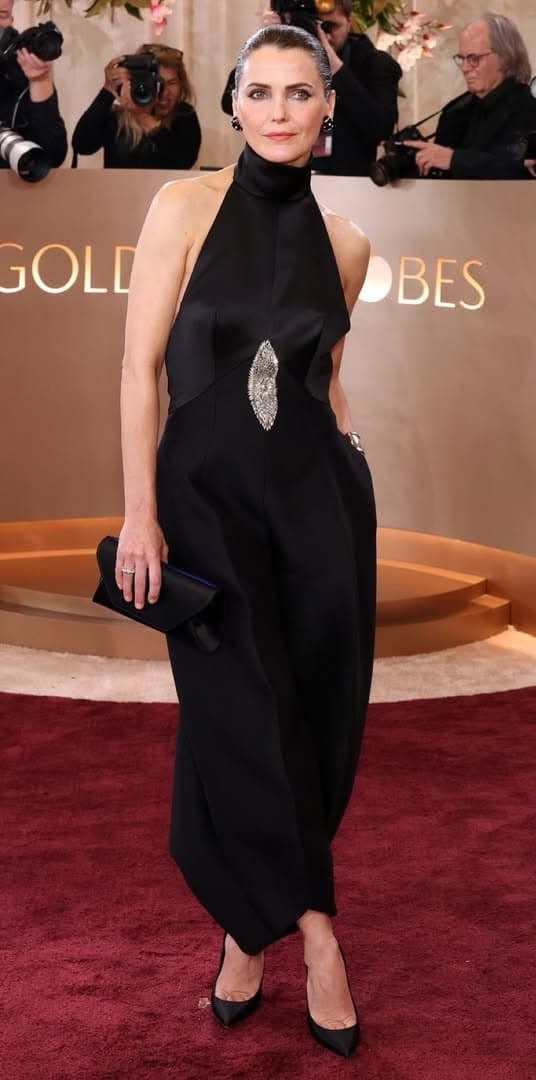
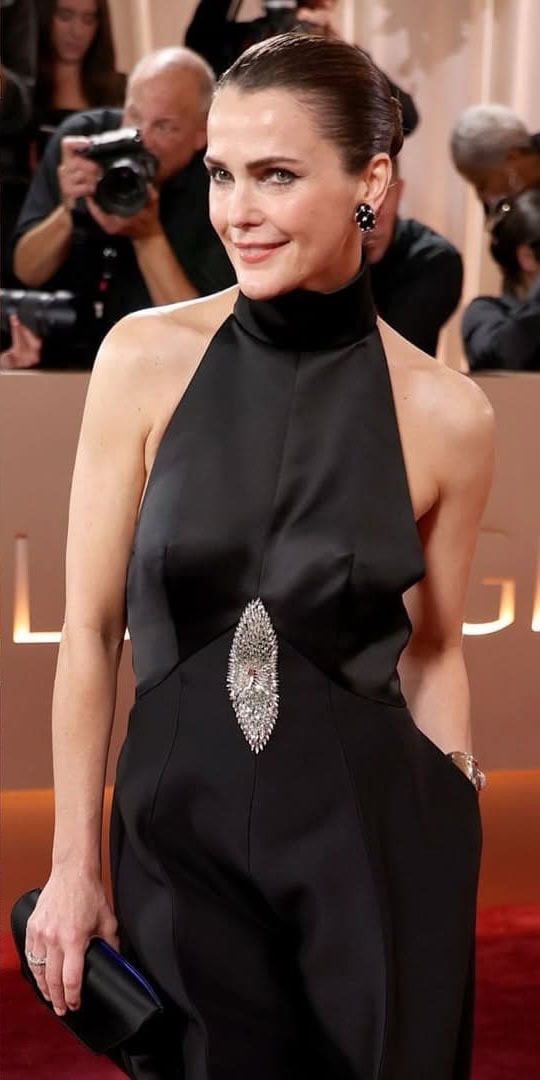
Perhaps the most telling insight lies in how these artists describe collaboration. Working with Keri Russell, Tina Turnbow spoke about responding directly to posture, accessories, and instinct. Shaping an exaggerated cat eye through blended pencil techniques, she extended the eye outward in a way that felt architectural, informed by neckline and silhouette. The look emerged through dialogue, shaped by shared intention rather than prescription.
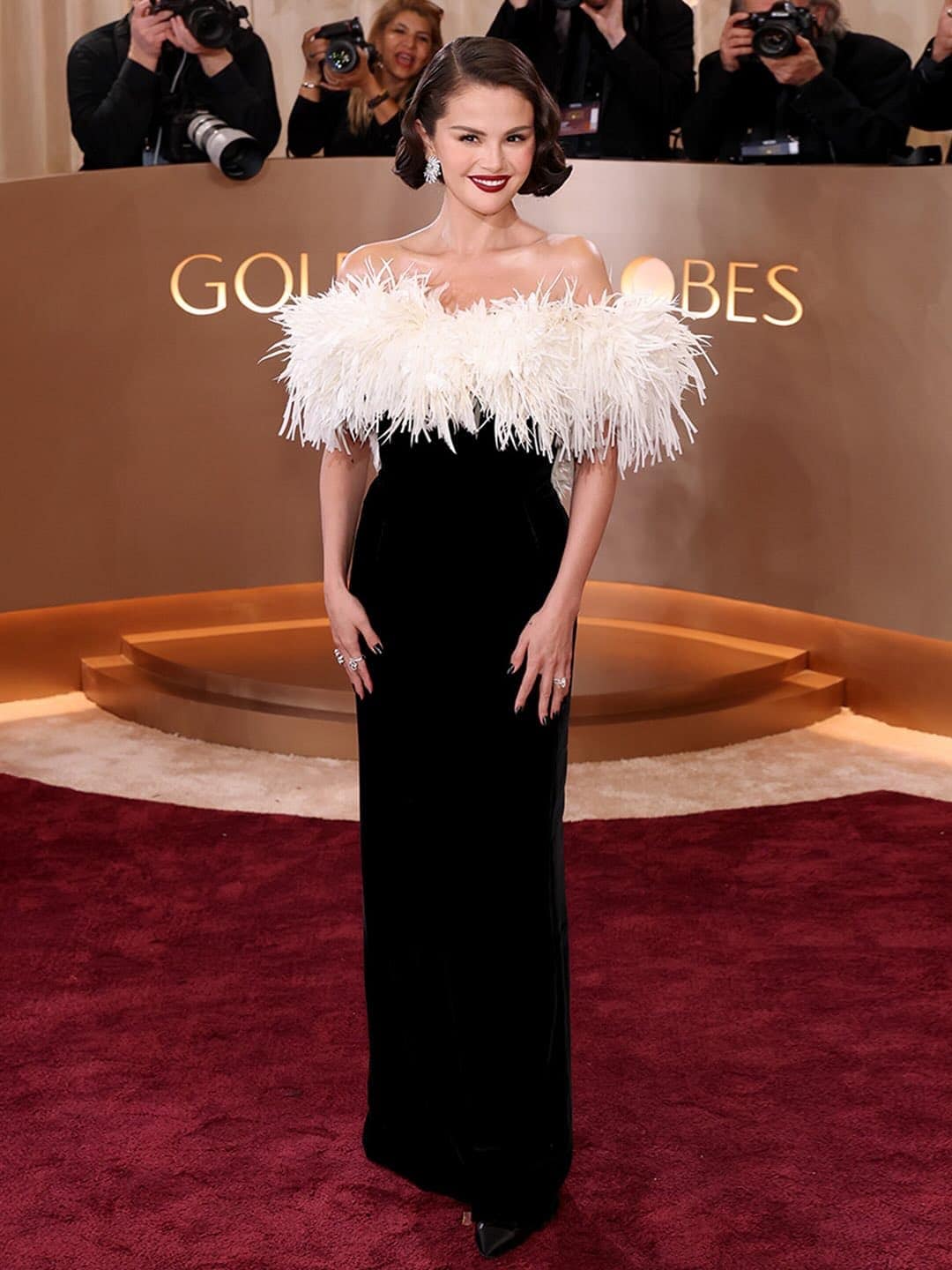
That same sensitivity guided Tom Bachik’s work with Selena Gomez. Treating hands as part of the overall narrative, Bachik blended skincare textures to create a custom treatment that nourished and illuminated the skin before applying color. His approach reframed beauty as holistic, attentive to areas often treated as peripheral. Care itself became the defining gesture.
What unites these approaches is responsiveness. Each artist emphasized listening—reading energy, understanding comfort, recognizing how a person inhabits their look. In this context, luxury reveals itself through attention and adaptability.
Taken together, these perspectives suggest a quiet evolution underway. Authority now stems from judgment. Impact emerges through clarity. The makeup artists shaping today’s red carpet are operating as thinkers as much as technicians, fluent in reference while grounded in reality.
In a culture saturated with image, this measured intelligence feels both timely and enduring. Beauty, at its most compelling, has always belonged to those who understand when to assert and when to recede. This season, the artists did exactly that—leaving space for presence to speak.