Set on Wukang Road, the French house unveils its largest store to date—an intimate residence shaped by culture, craft, and lived-in elegance
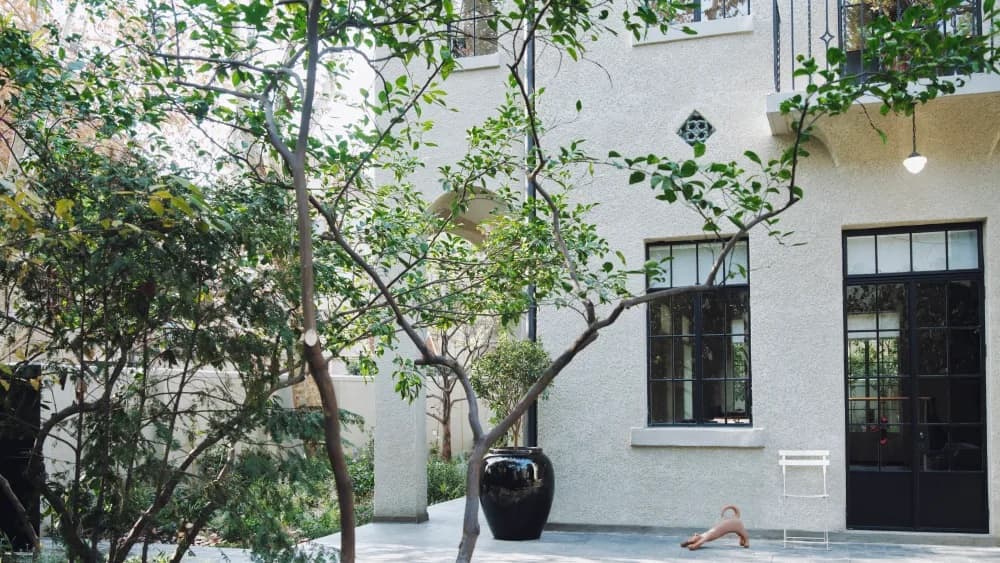
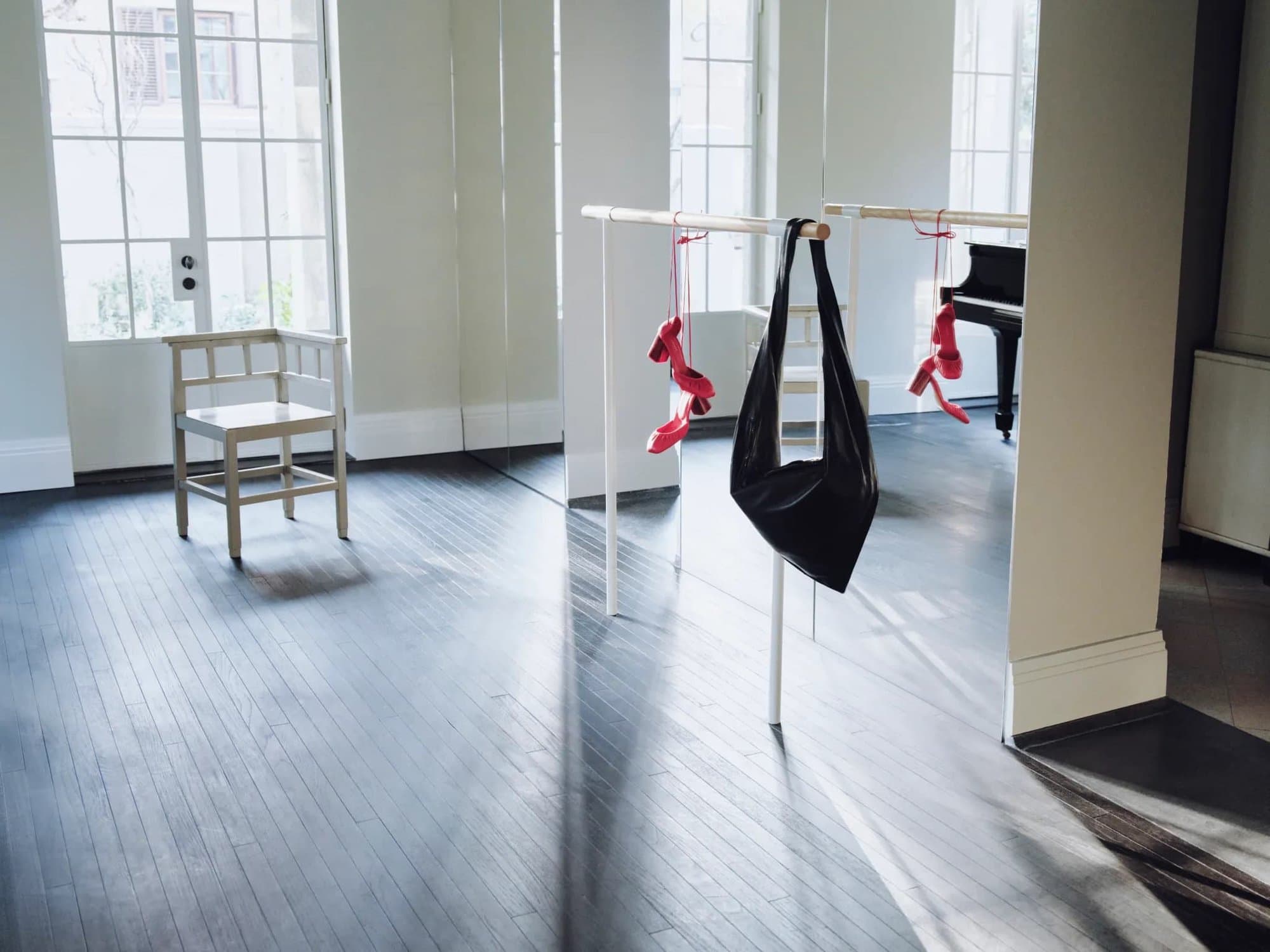
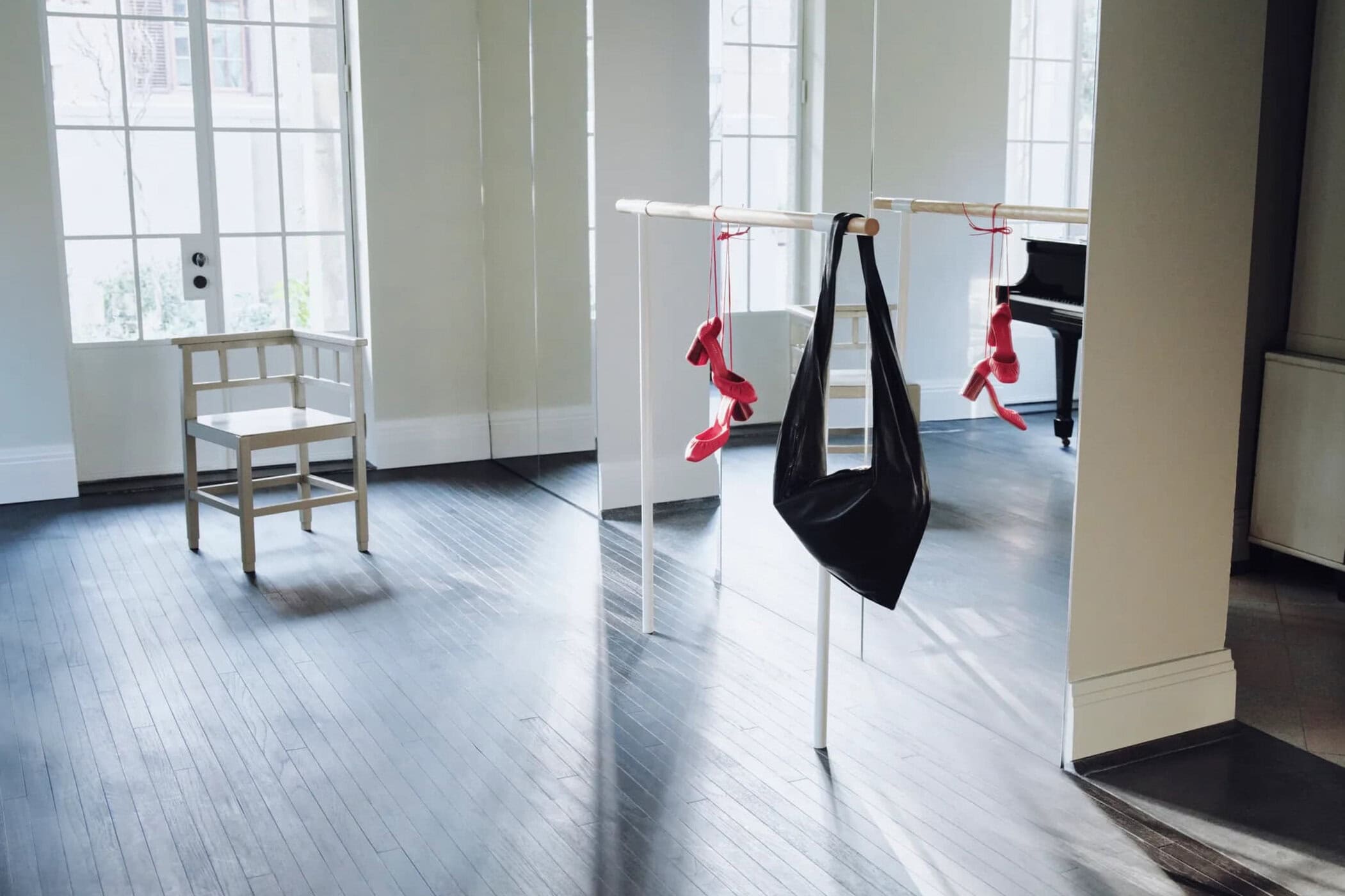
Hidden along a residential stretch of Shanghai’s Wukang Road, Lemaire’s new flagship resists the language of spectacle in favor of atmosphere. The three-story Spanish-style building, originally constructed in 1933, sits amid century-old trees and Art Deco details, reading less like a retail statement than a carefully kept home. A ceramic cat stretches on the patio, while full-height windows reveal a ballet barre, a grand piano, and a thoughtful interplay of Western and Chinese furnishings—signals of a space designed to be inhabited rather than consumed.
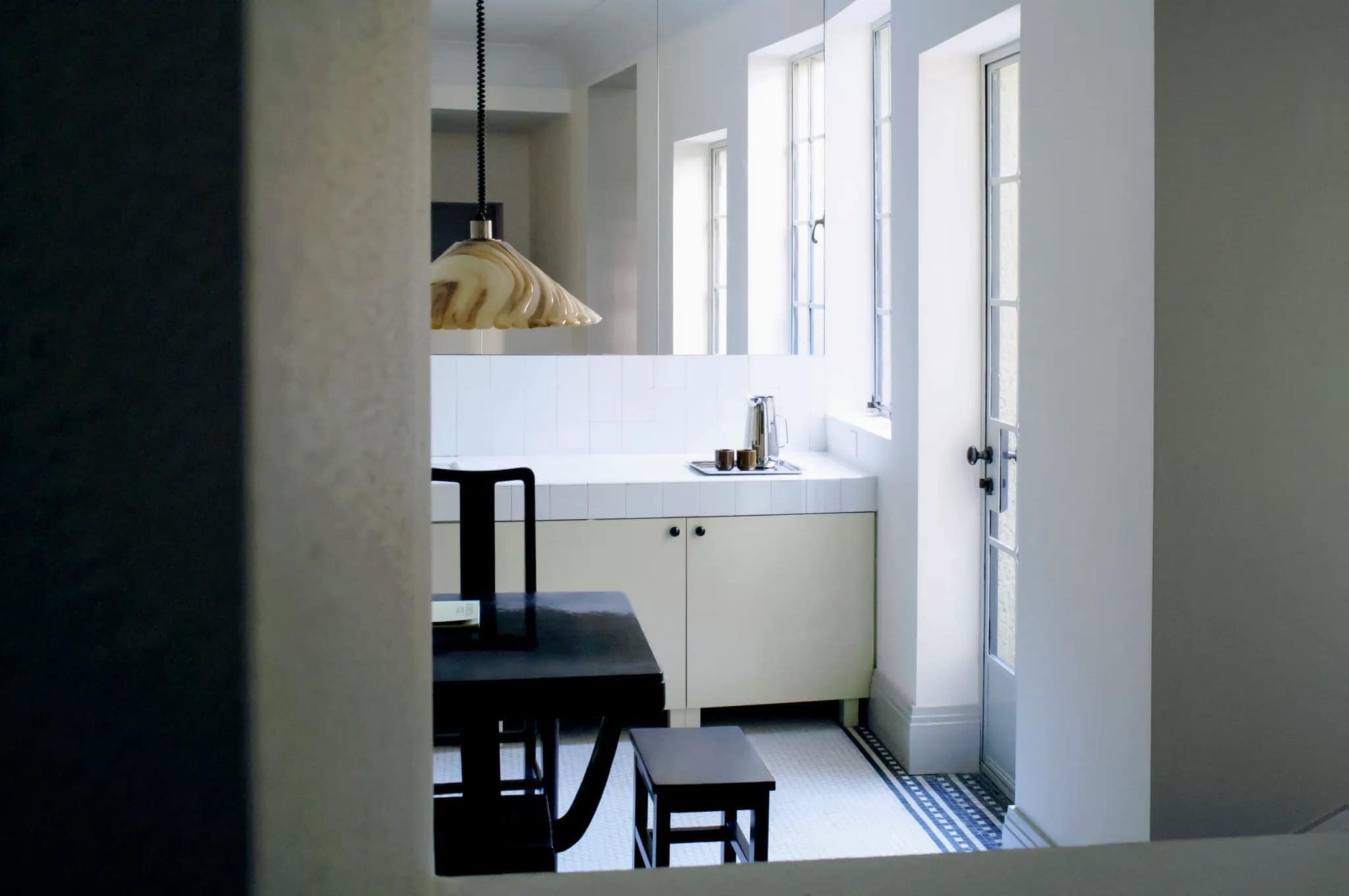
Spanning roughly 4,000 square feet, the interior unfolds as a series of discoveries. Objects both functional and symbolic—an ancient ink stone, a traditional Chinese medicine armrest, an Enzo Mari chair, a vivid sculpture by Nathalie Du Pasquier—are placed with an intuitive, almost domestic ease. The ground floor houses accessories alongside a fully operational kitchen where visitors are invited to pause for tea. A nearby salon, opening onto the garden and pedestrian alley, can be privatized or transformed into an exhibition space, reinforcing the house’s interest in cultural exchange over transactional flow.
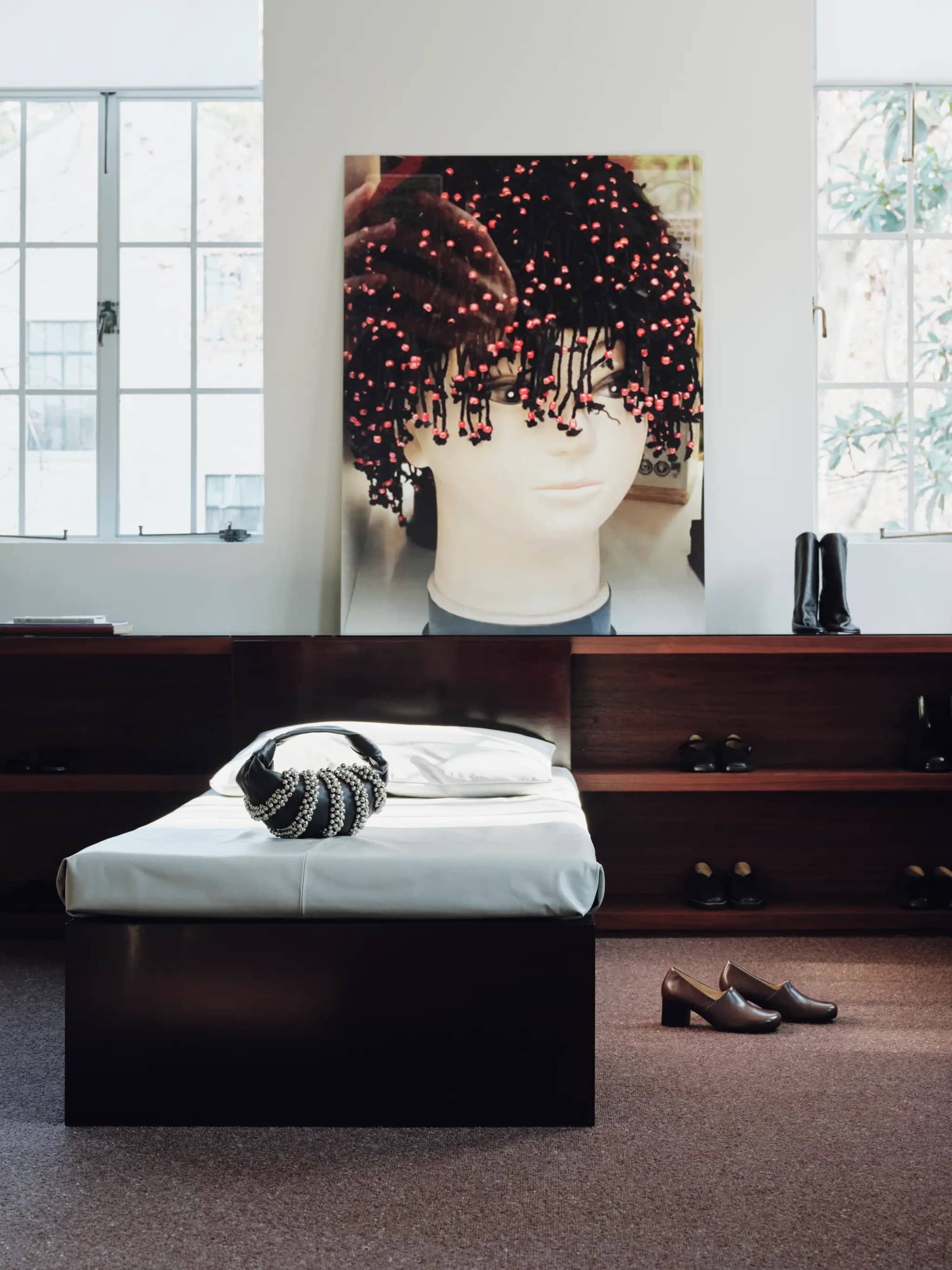
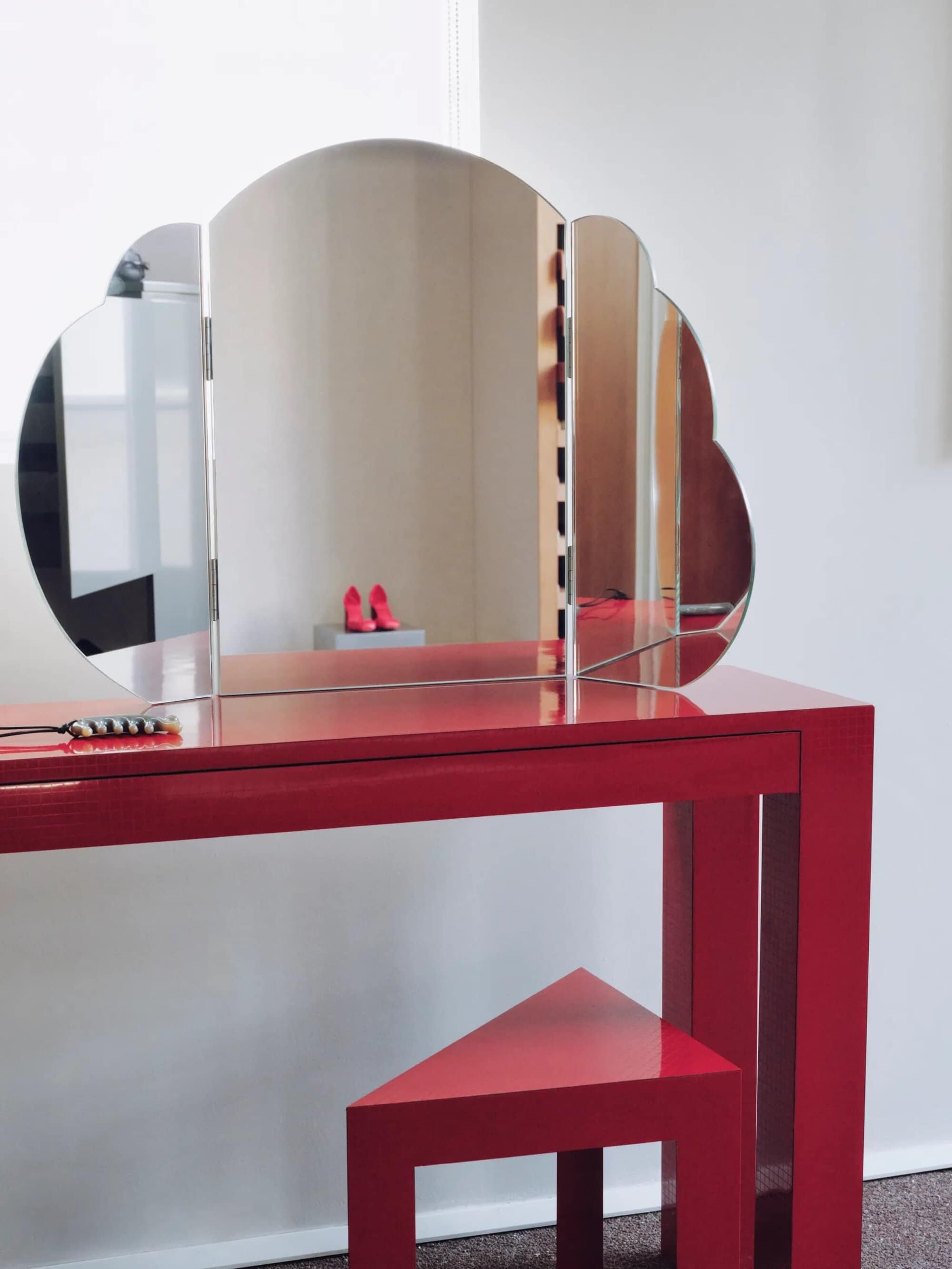
Upstairs, the mood shifts subtly with each level. Women’s collections occupy the first floor, grounded by thick chocolate wool carpeting and expansive garden views, anchored by a large-scale photograph by co-artistic director Sarah-Linh Tran and a leather-clad daybed that lends the space a modern boudoir sensibility. Menswear resides above, where lighter furnishings offset a dark, beam-exposed ceiling. A Jean Nouvel table, a divan finished with a custom bamboo sleeping mat, mirrored panels, and cashmere curtains create a setting that balances precision with softness—even extending to a discreet tiled bathroom tucked into the corner.
More than Lemaire’s largest flagship to date, the Shanghai opening signals a measured expansion across Asia. The brand already operates in Chengdu and has plans for Beijing, while Japan—another key market—recently welcomed a Tokyo flagship as Lemaire moves to take over local distribution. In Shanghai, visitors book appointments via the brand’s WeChat Mini Program, underscoring an approach that values intention and intimacy. In a city accustomed to retail theater, Lemaire offers something rarer: a place to slow down, observe, and stay awhile.