Geoffroy van Raemdonck appointed CEO to navigate Chapter 11 restructuring
Key Takeaways:
- Saks Global files for Chapter 11 with over 10,000 creditors and $1.75B in debtor-in-possession financing
- Former Neiman Marcus CEO Geoffroy van Raemdonck steps in as CEO
- Vendors—including Chanel, Kering, Richemont—owed millions
- Restructuring follows a troubled Neiman Marcus acquisition and industry-wide luxury slowdown
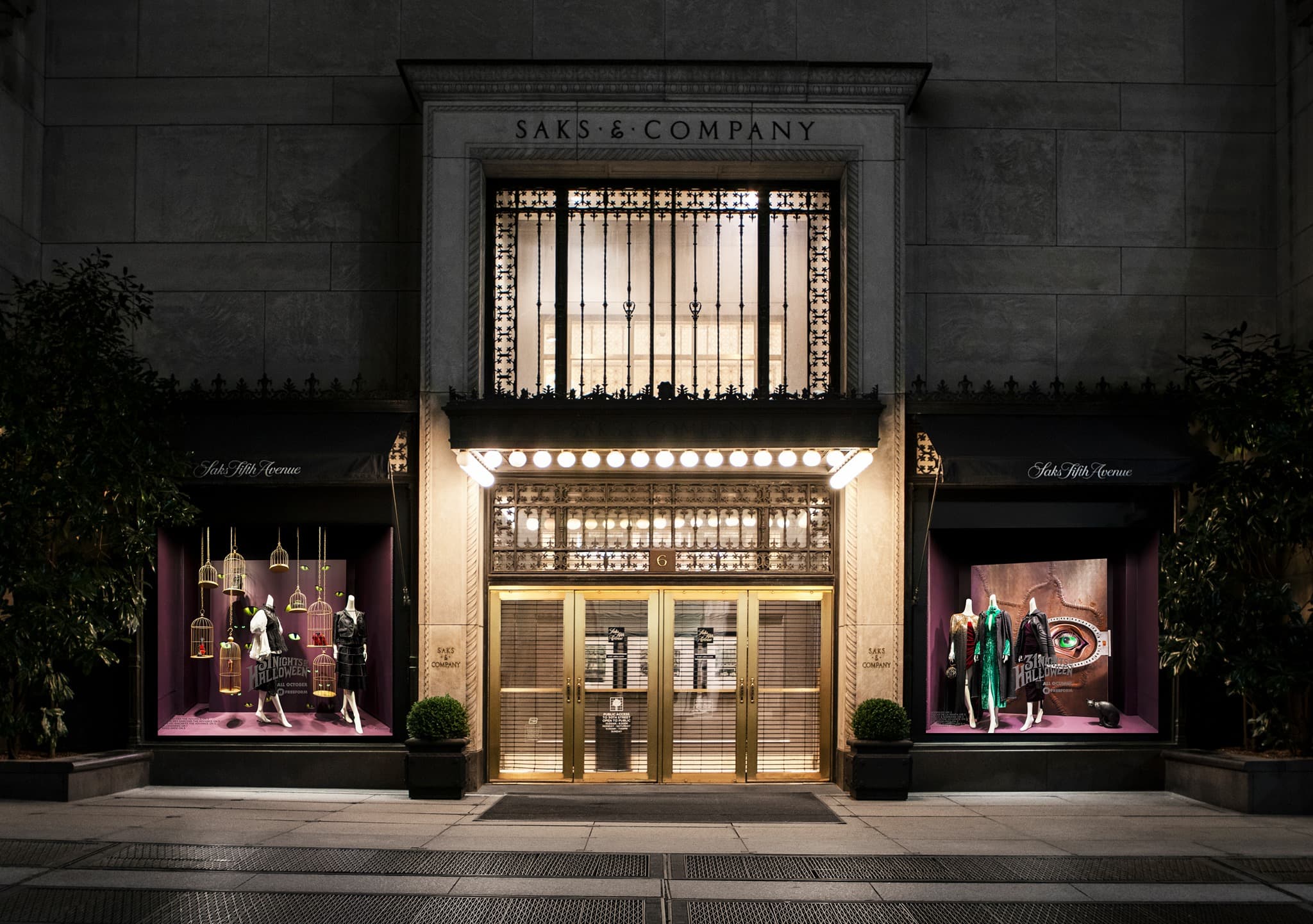
Saks Global, the parent company of Saks Fifth Avenue, has filed for Chapter 11 bankruptcy just over a year after acquiring Neiman Marcus Group in a $2.7 billion deal. The move marks a dramatic turn for the luxury retailer, which had hoped consolidation would fortify its position in a softening market. Instead, the combined entity collapsed under the weight of debt, deteriorating vendor relationships, and executional challenges.
To lead the company through its restructuring, Saks Global has appointed Geoffroy van Raemdonck—former CEO of Neiman Marcus Group—as its new chief executive officer. He replaces Richard Baker, whose vision of a unified luxury retail empire has now unraveled. The company also announced new leadership appointments: Darcy Penick as president and chief commercial officer, and Lana Todorovich as chief of global brand partnerships.
Backed by $1.75 billion in financing from existing bondholders, Saks Global will continue operations through bankruptcy proceedings. Still, the fallout is severe: over 10,000 creditors are now subject to judicial mediation, and the company’s liabilities—including $2.2 billion in bonds and $600 million from an August refinancing—cast doubt on recoveries, particularly for unsecured vendors.
Those owed range from major conglomerates to emerging labels. Chanel is reportedly owed $136 million, with Kering, Capri Holdings, Richemont, and others also facing substantial unpaid balances. Many smaller designers who shipped product on delayed payment terms may never recover what they’re owed.
Saks’ difficulties intensified following its Neiman Marcus acquisition, as vendor payments slowed and the flow of merchandise into stores dwindled. Attempts to restore stability—including shifting some vendors to concession models and trimming brand rosters—failed to reignite growth. The strain was felt internally, too, with multiple rounds of leadership turnover and strategic reversals over the past decade.
While bankruptcy offers an opportunity to restructure leases and pare down unprofitable locations, the full extent of store closures remains uncertain. Speculation has already begun around the future of Bergdorf Goodman and potential bids from Authentic Brands Group or Amazon, which partnered with Saks in the Neiman deal.
For now, Saks Global’s bankruptcy highlights the fragility of legacy department store models in today’s luxury landscape—and the risks of betting on scale without operational clarity. The court process will determine what survives of Baker’s retail ambitions, but the damage to vendor trust and industry confidence may take far longer to repair.