One Look at a Time
Review of Valentino Spring 2026 Couture Fashion Show
By Mackenzie Richard Zuckerman
Alessandro Michele’s sophomore couture outing for Valentino was always going to be a moment. But its biggest surprise may have been what it didn’t do.
For a designer known for maximalist storytelling and rich references, this collection was unexpectedly quiet – more sacred than sensational. It wisely moved away from being an assertion of authorship and towards a reverent continuation of the house itself. This felt more Valentino than Michele. More about the atelier than the auteur.
To some, that may have read as a lack of identity – or a lack of coherence. But coherence wasn’t the point. Not in the traditional, visual sense. This was a show about perception. A meditation on what it means to see in an age of saturation, speed, and surface scrolling. The collection didn’t demand to be consumed – it respectfully asked to be considered.
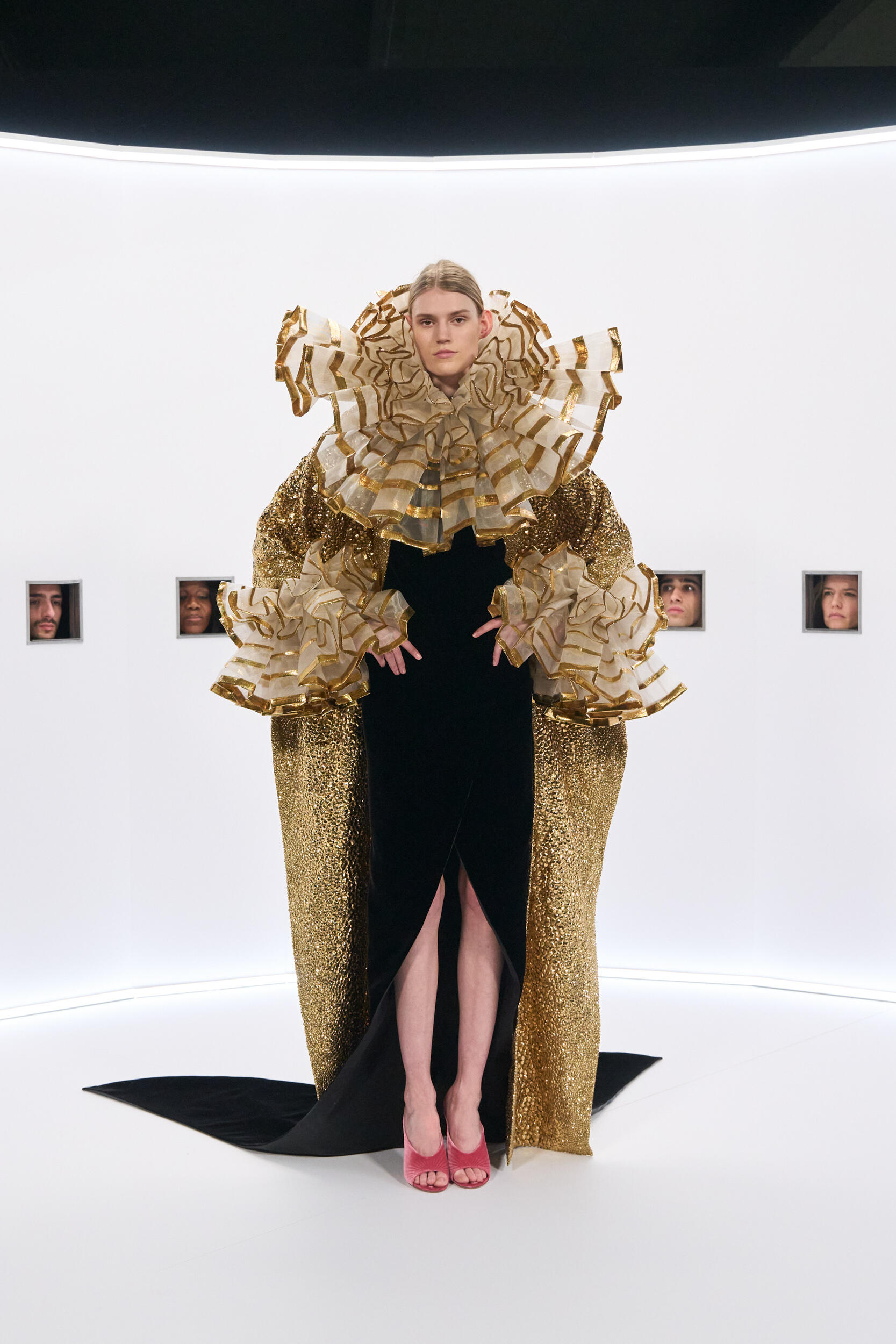
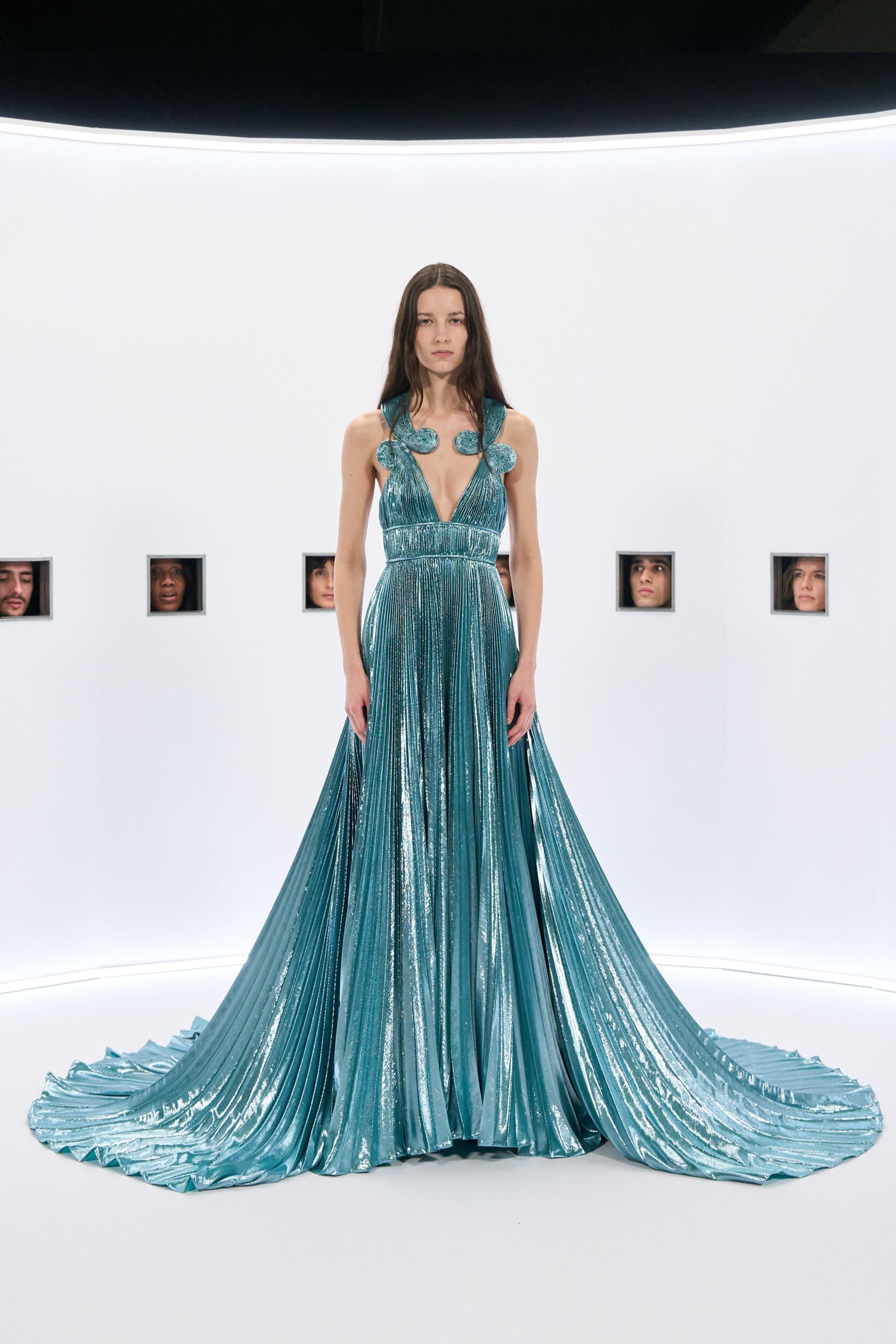
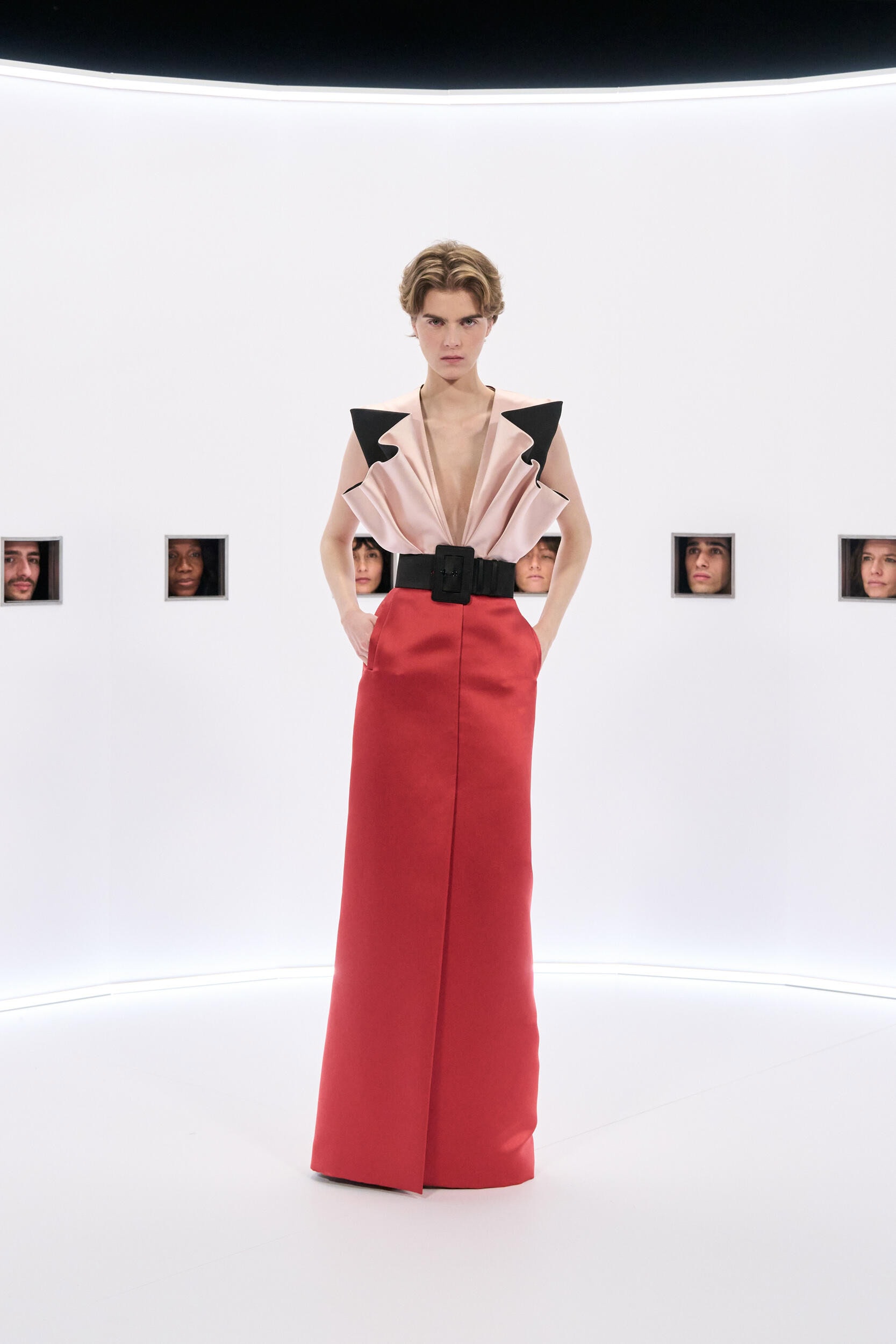
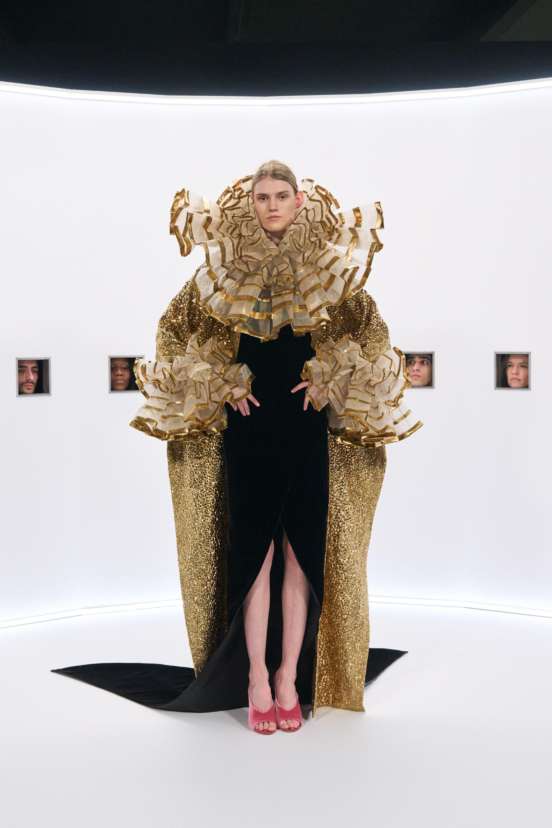
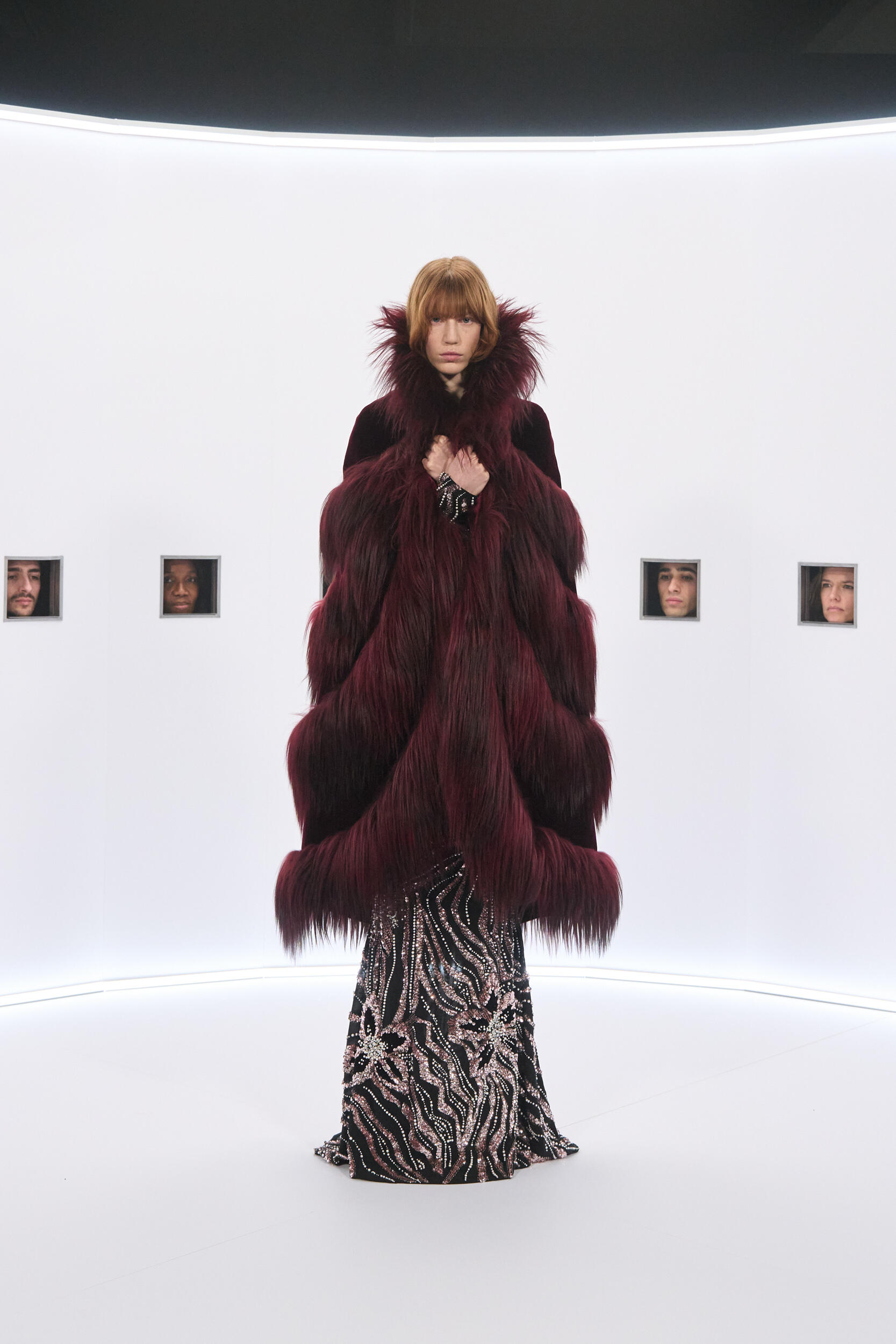
Michele described the show as a “restoration of wonder” – a cinematic experience inspired by the Kaiserpanorama, a 19th-century carousel-like device that offered each viewer a slightly different vantage point. Watching together, but never quite the same. It’s a quietly radical metaphor for couture – and for this show in particular. That concept was brought to life through the staging: audience members were seated before oversized viewing frames, watching each look emerge one by one. It transformed the act of watching into a ritual and allowed the emotional pacing of the collection to unfold slowly and deliberately.
So – can a collection linger longer by refusing to reveal itself all at once?
THE COLLECTION
THE VIBE
Reverent Composition & Fragmented Harmony
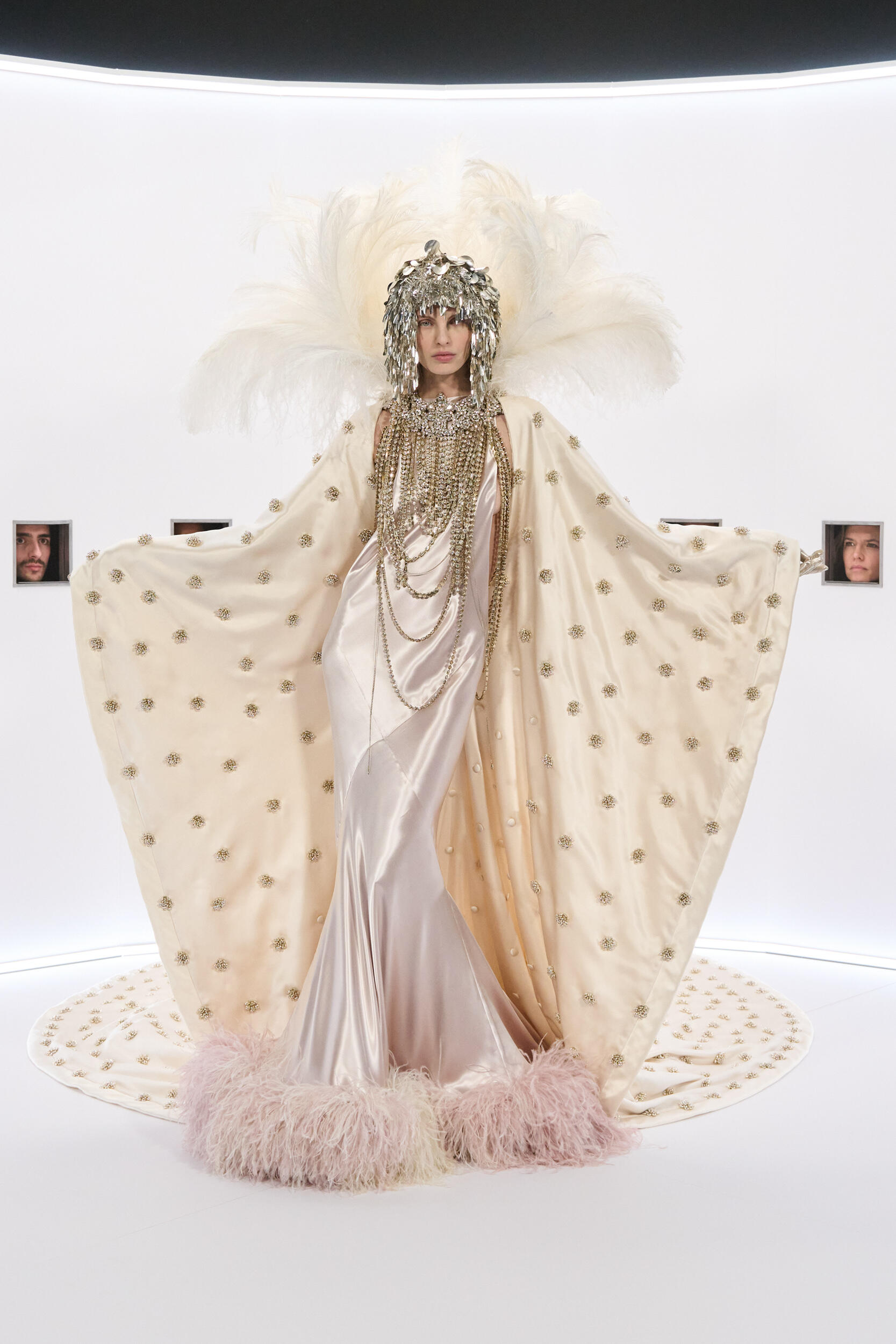
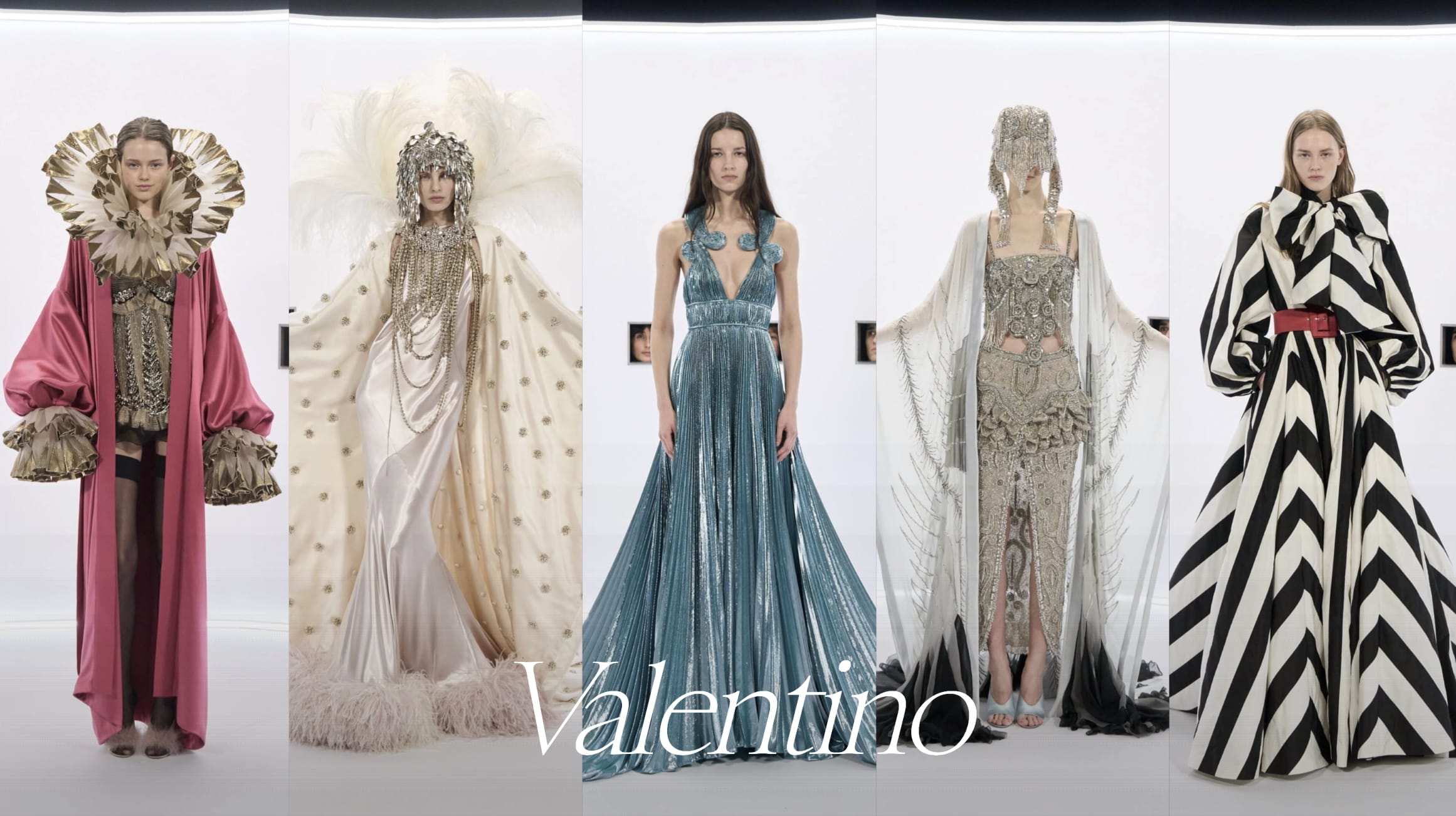
If the collection felt inconsistent, that was by design. Michele wasn’t working toward cohesion in the conventional sense – he was building a carousel of couture, where garments emerged like vignettes from a dream, each with its own rhythm and internal logic. What unified them wasn’t silhouette or palette, but an emotional register: reverence, introspection, and the allure of looking slowly.
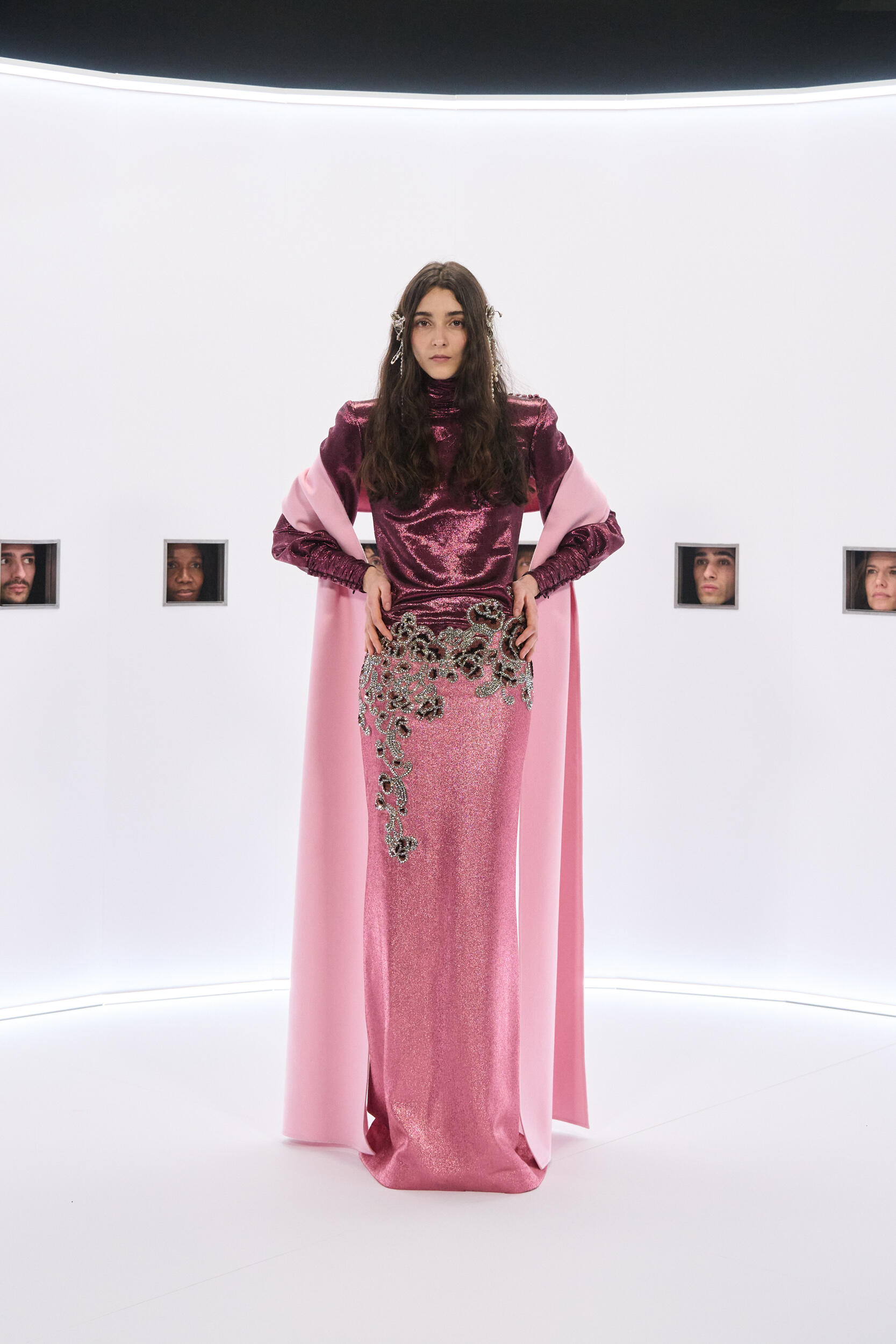
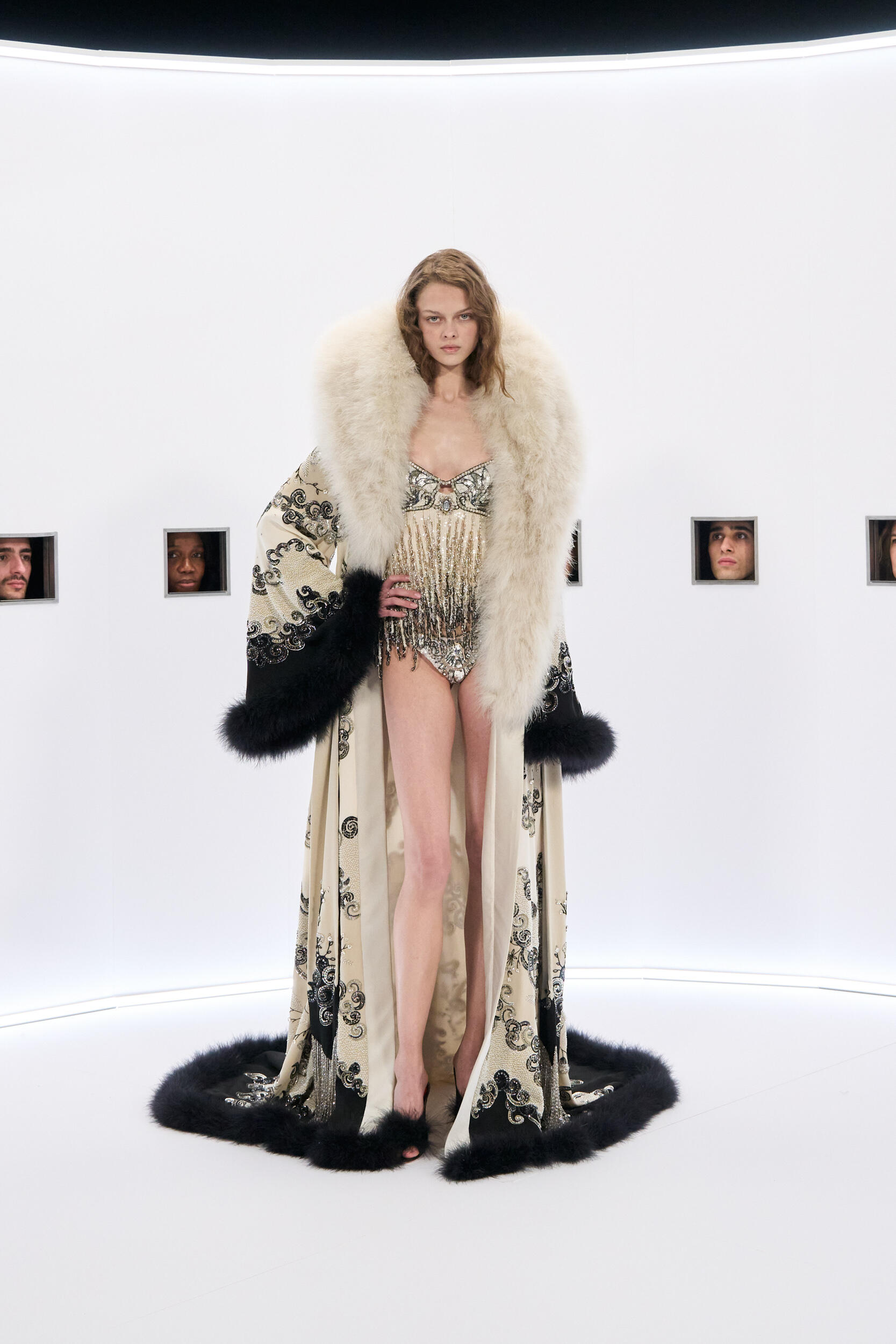
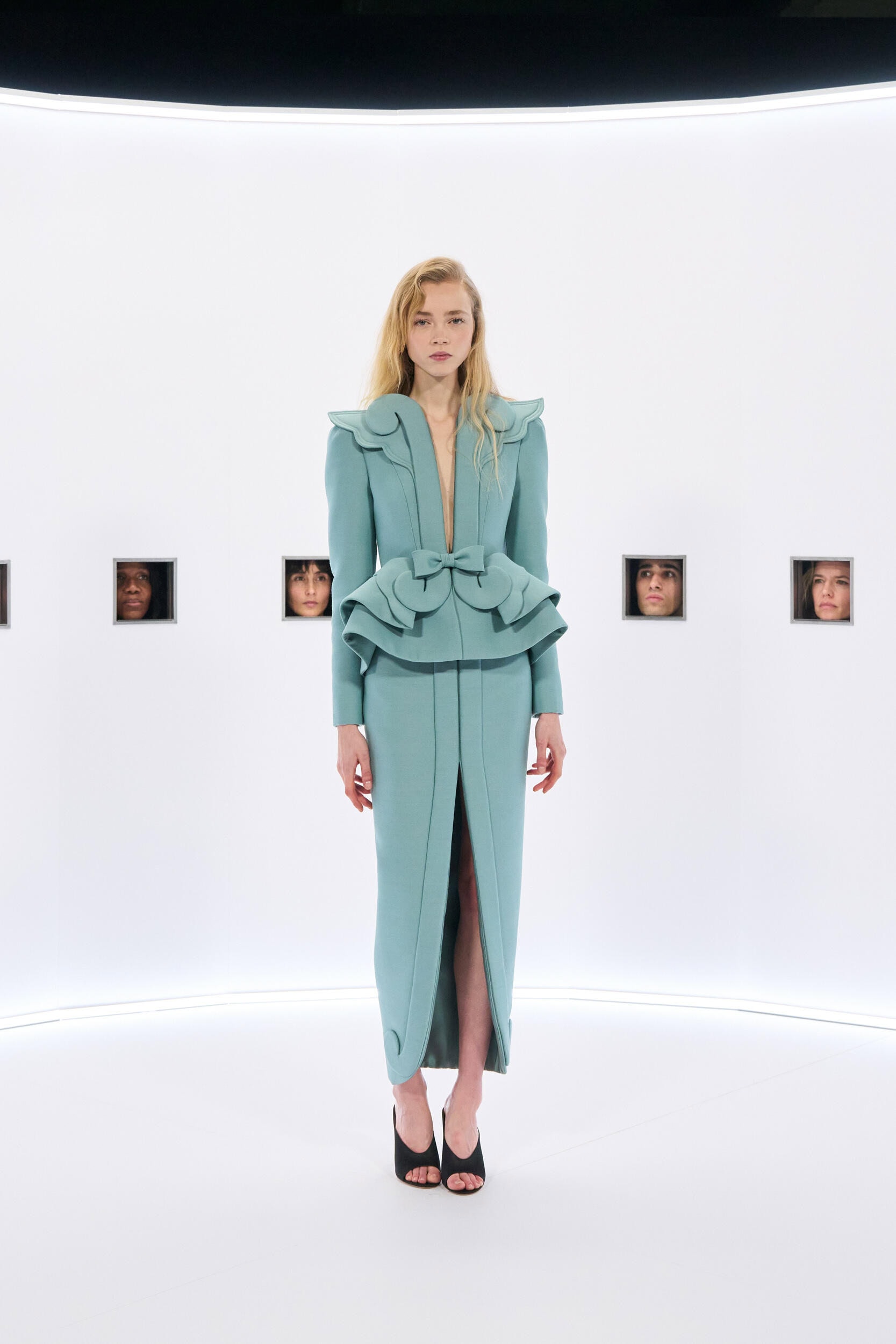
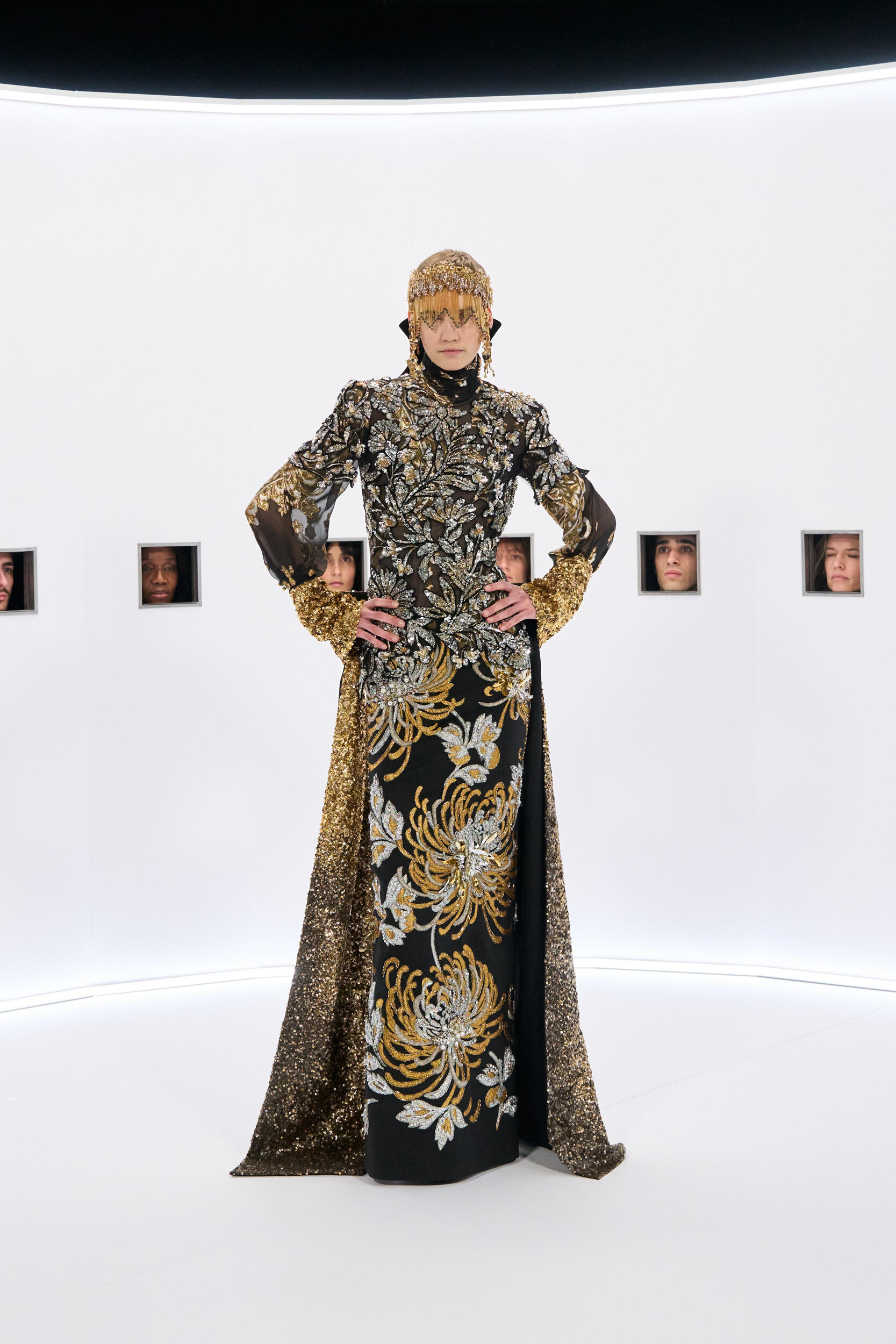
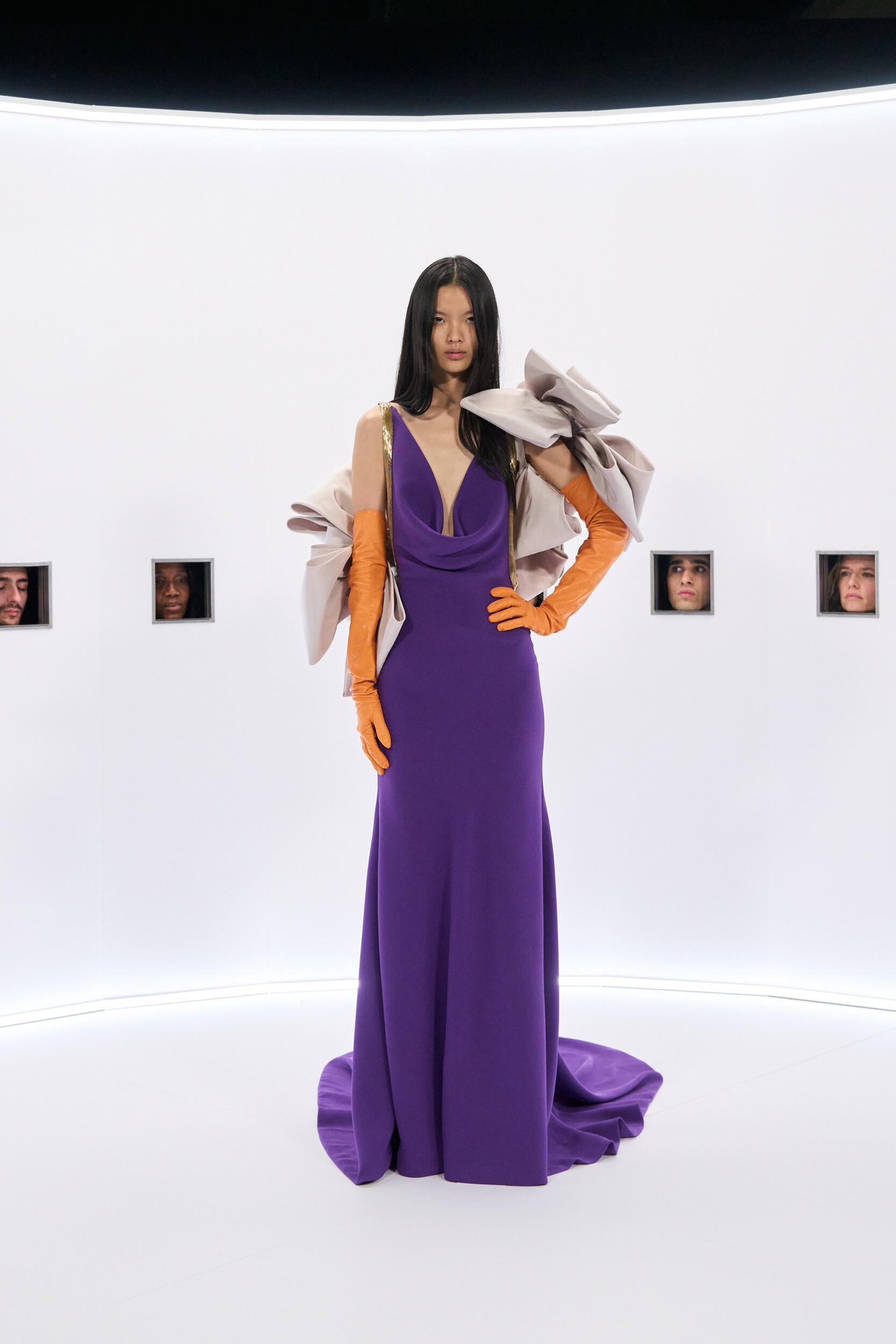
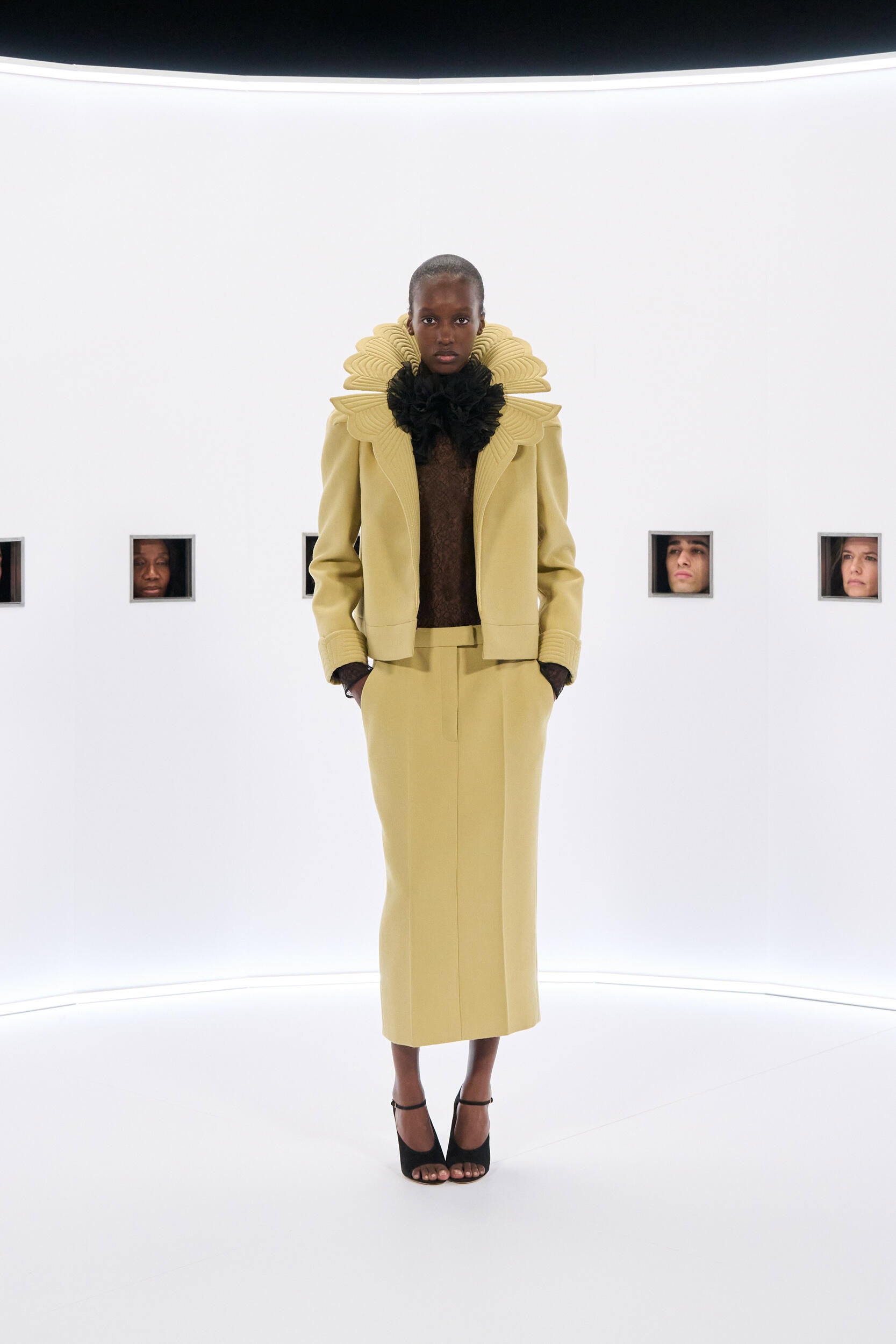
That spirit animated the experience. Some looks championed fabric itself – gathered skirts, sculptural puffed sleeves, and rich cloth left deliberately bare, confident that the material alone could carry the moment. Others leaned into ornamentation, drenching the body in beadwork and ecclesiastical flourishes. Both gestures – restraint and excess – were executed with sincerity. Even the most elaborate looks felt slowed down, resisting immediacy. Michele invited us not to scan, but to stay. This was couture designed to hold your gaze – and to reward that stillness.
Let’s clarify – the collection wasn’t a thesis – it was a peep show, in the most poetic sense: an invitation to linger, to contemplate, to look again. Within that framework, Michele offered moments of sincere beauty: glimmers of Old Hollywood, flickers of ecclesiastic romanticism, silhouettes that floated between fantasy and function. He resisted the urge to dominate. Instead, he made space for ambiguity – for viewers to draw their own conclusions. Not every look was meant to dazzle; some were meant to haunt, to sit unresolved in the mind. That’s a harder trick to pull off – and arguably a more lasting one.
THE DIRECTION
THE QUOTE
I wanted to oblige people to see again – to stop, to feel, to care. Couture lets us dream with our hands. It’s not about speed or spectacle; it’s about looking closely, like watching a film in the dark. That shimmer, that intimacy – that’s where fashion becomes magic.
— Alessandro Michele
THE WRAP UP
Michele’s couture this season reframed the idea of attention – circling it, refracting it, complicating it. For a designer so often associated with extravagance, the restraint here felt revelatory. Yes, there were gestures of grandeur. But the real power lay in how often he pulled back – how often he let fabric, form, or mood do the speaking.
The show wasn’t meant to cohere in the traditional sense – and that’s precisely where its meaning lived. Michele offered a different framework for couture this season: one built on slowness, subjectivity, and emotional proximity. The absence of a singular – perhaps more immediately obvious – message wasn’t a shortcoming. It was a provocation. In a landscape that too often conflates clarity with value, Michele asked us to sit with opacity – and to treat beauty as something worth decoding.
For Valentino, this may mark a period of quiet redefinition. If the house continues down this path, the conversation around it may shift – not just about what it looks like, but about what it feels like. That’s a different kind of power. And one that doesn’t fade as quickly from view.