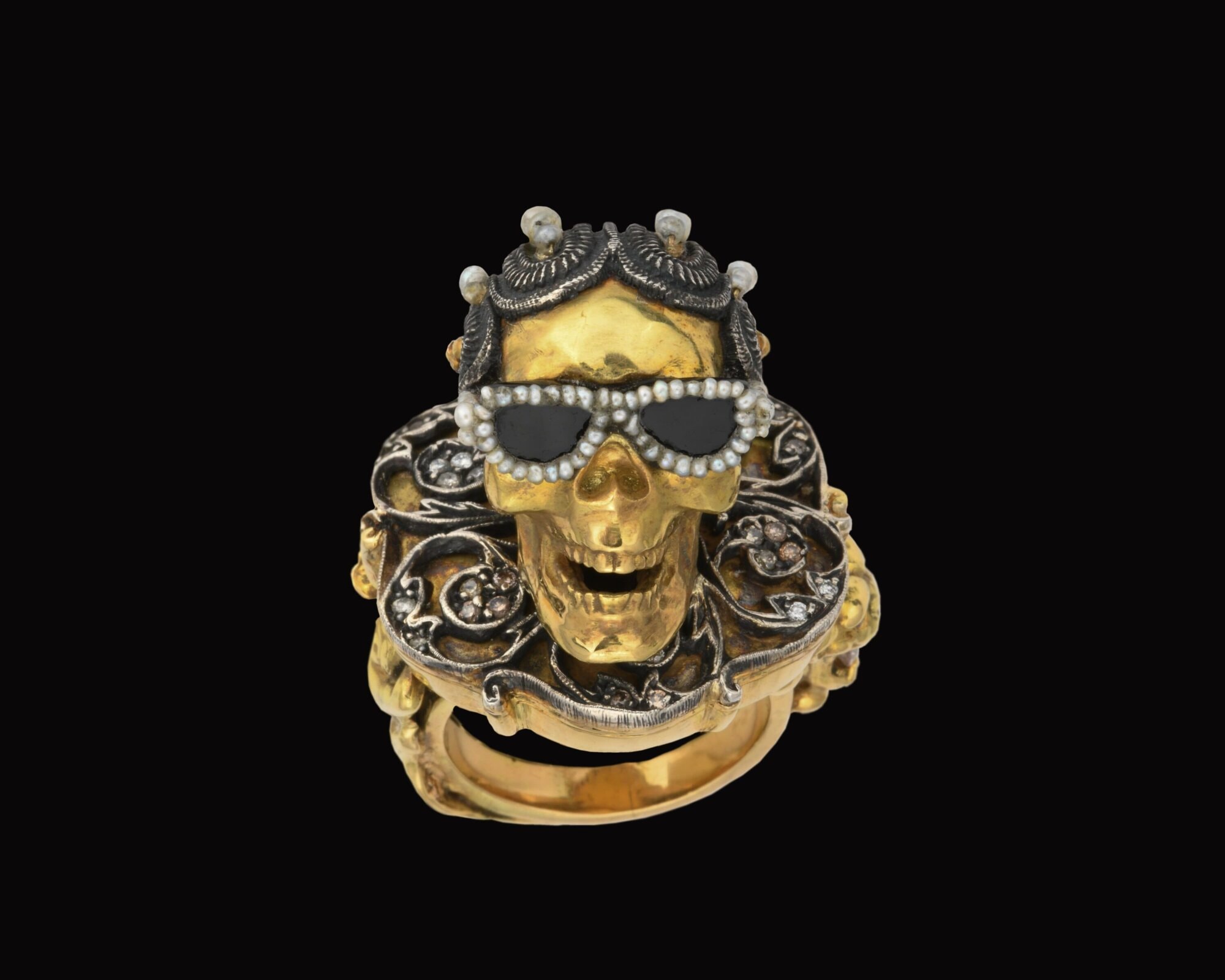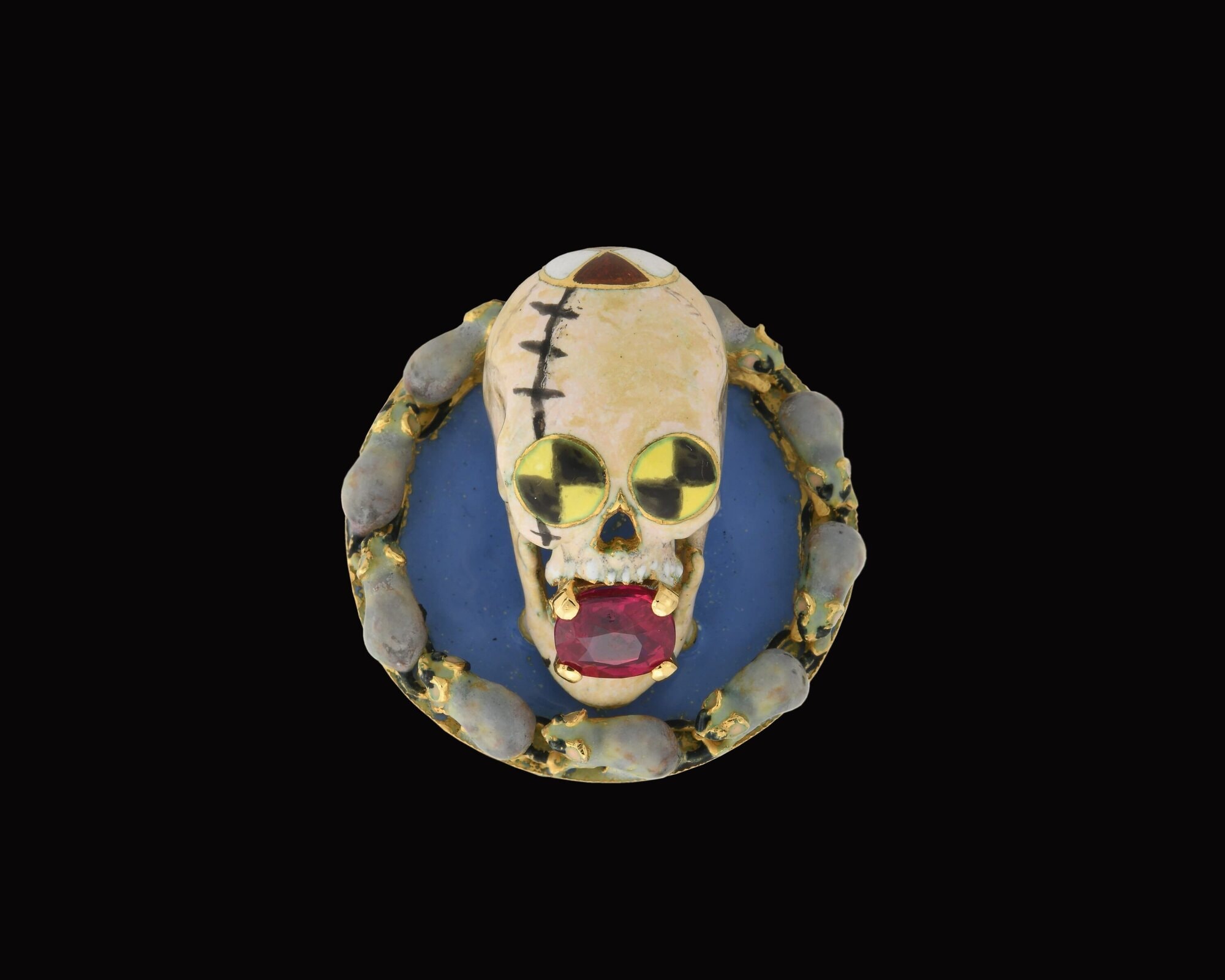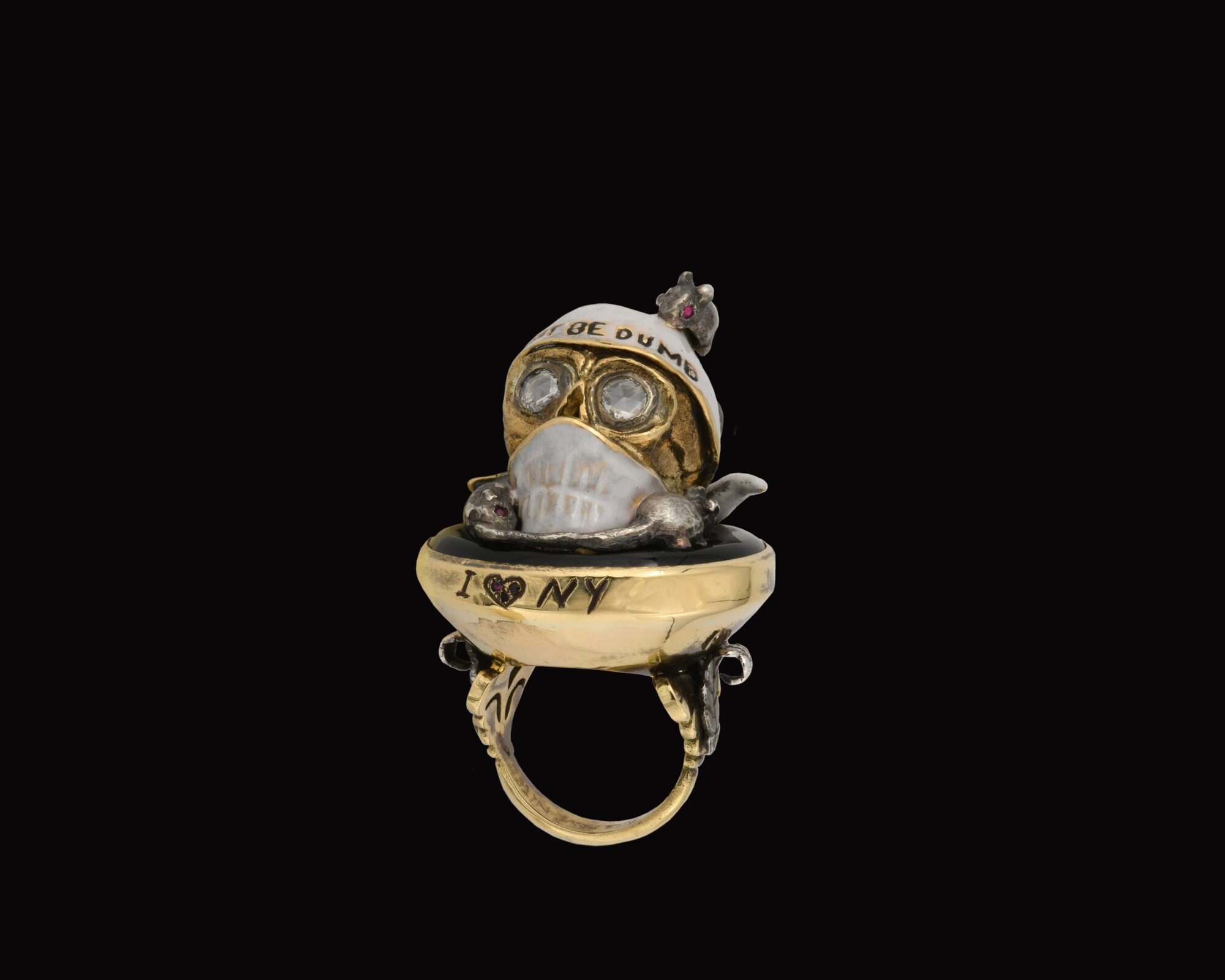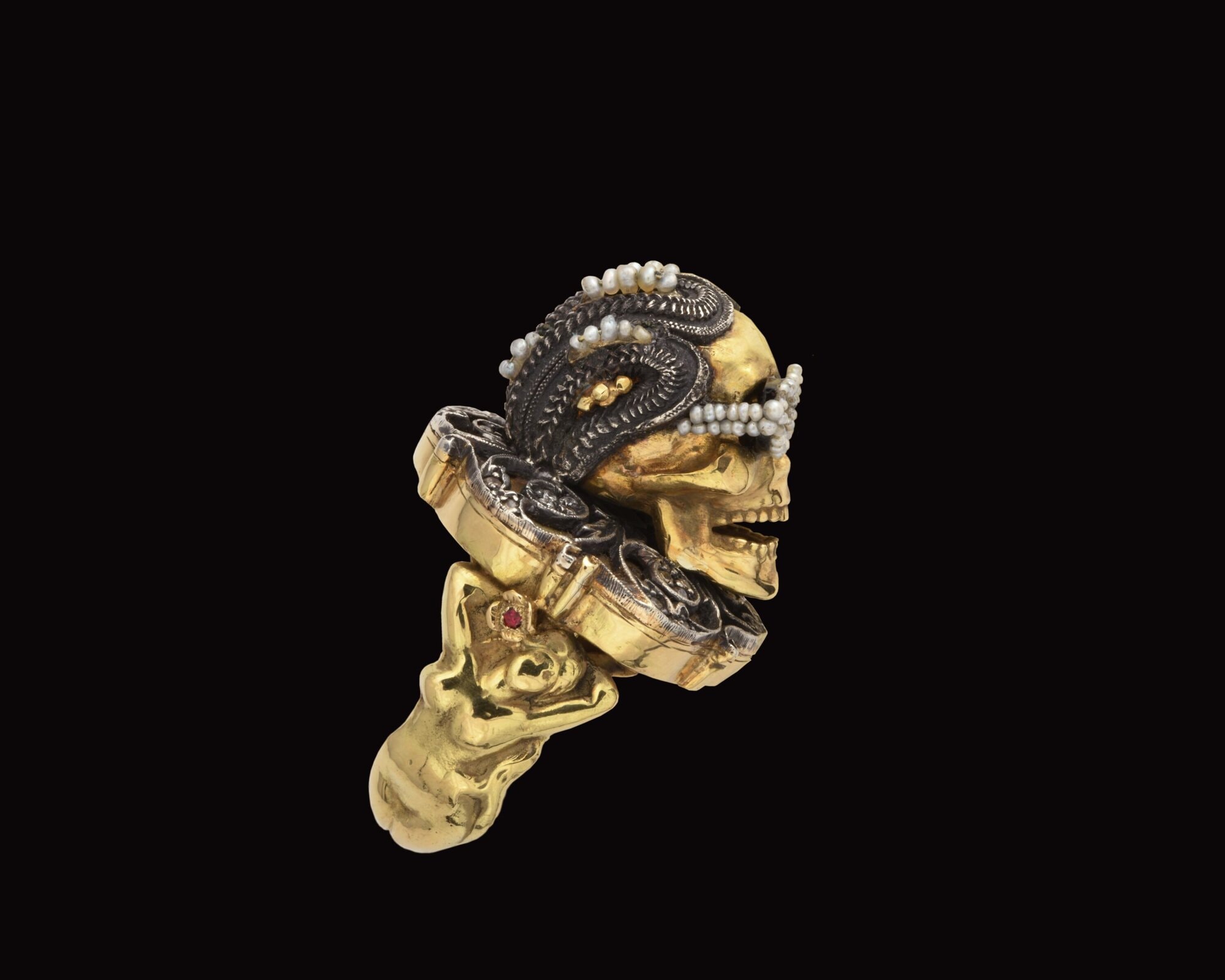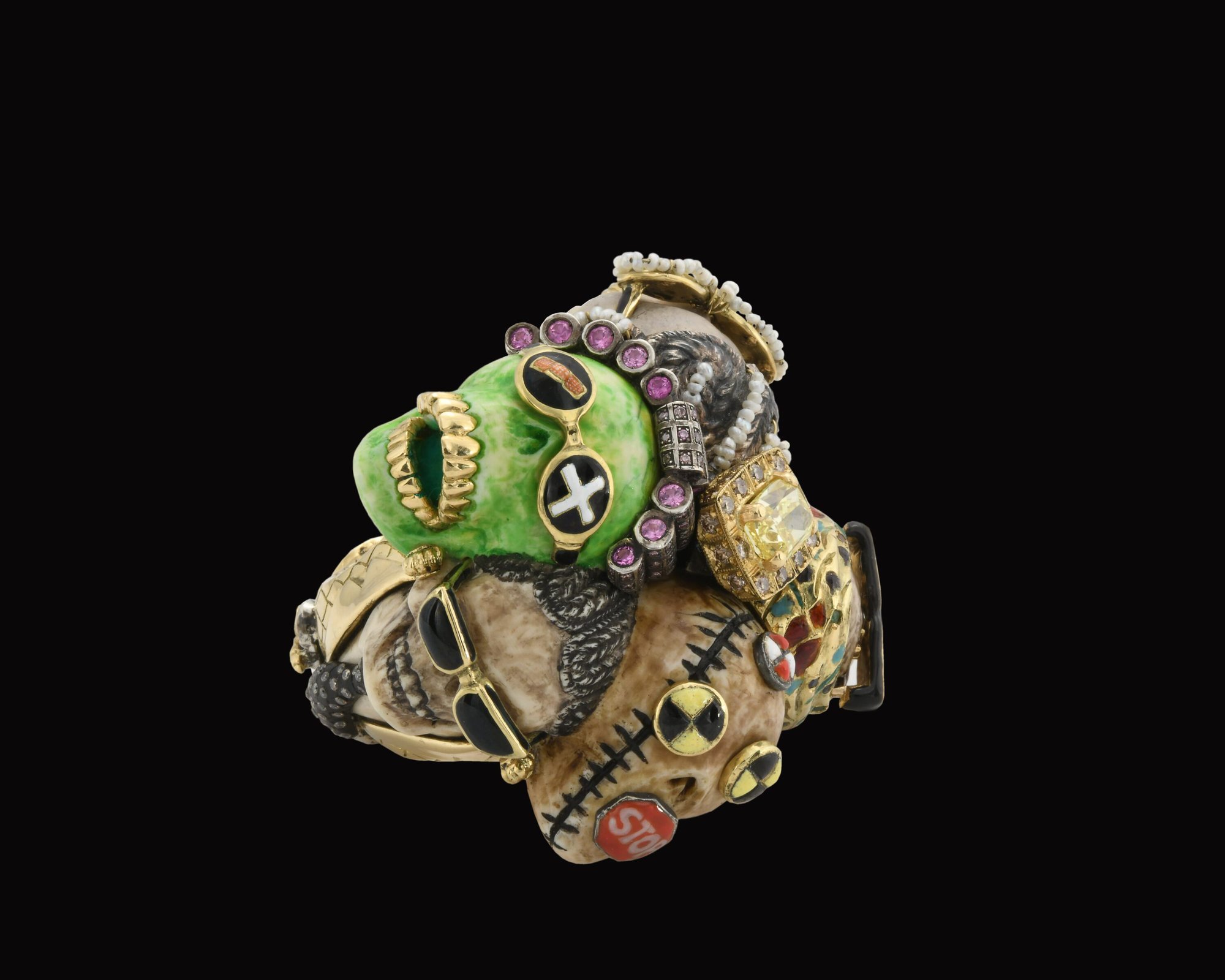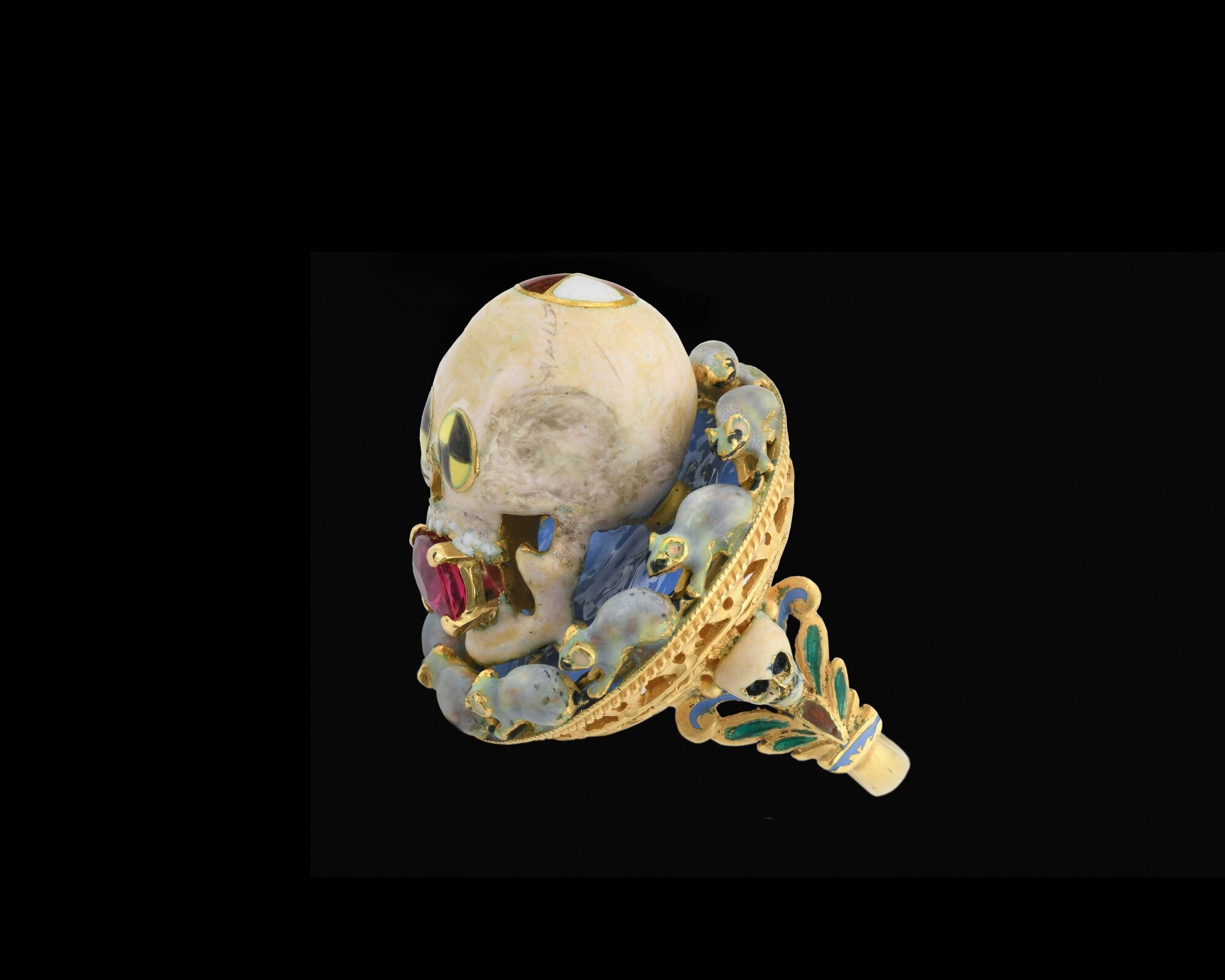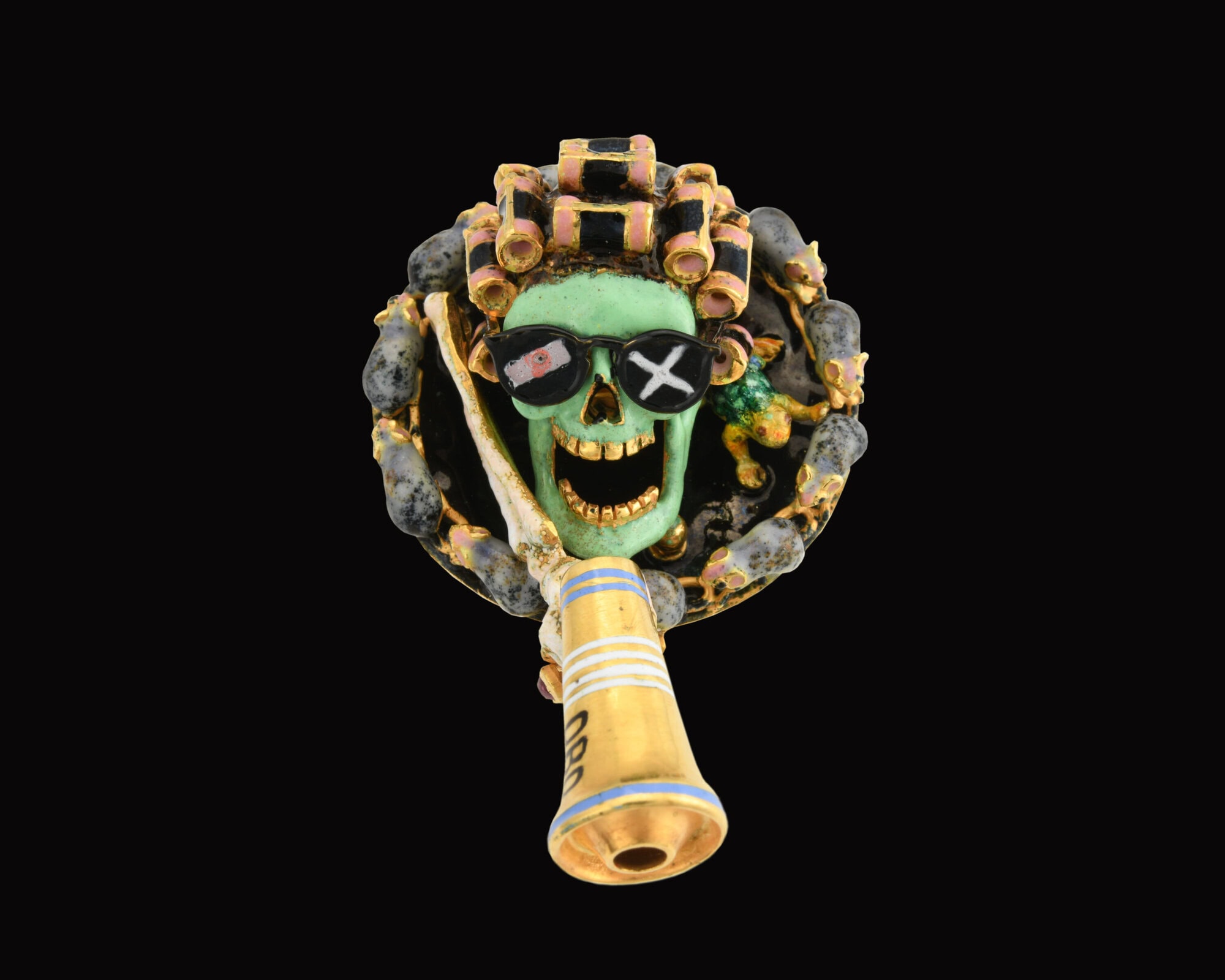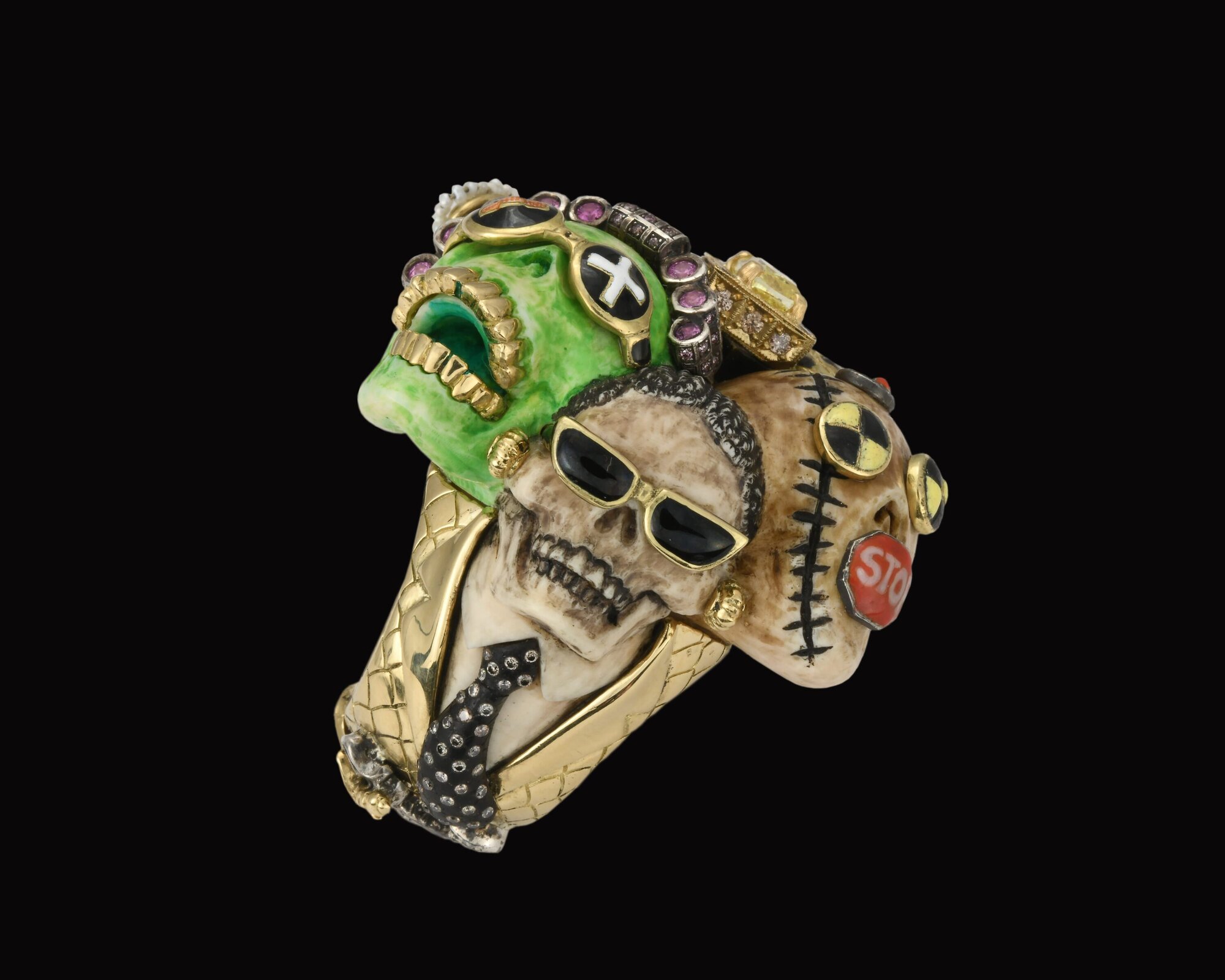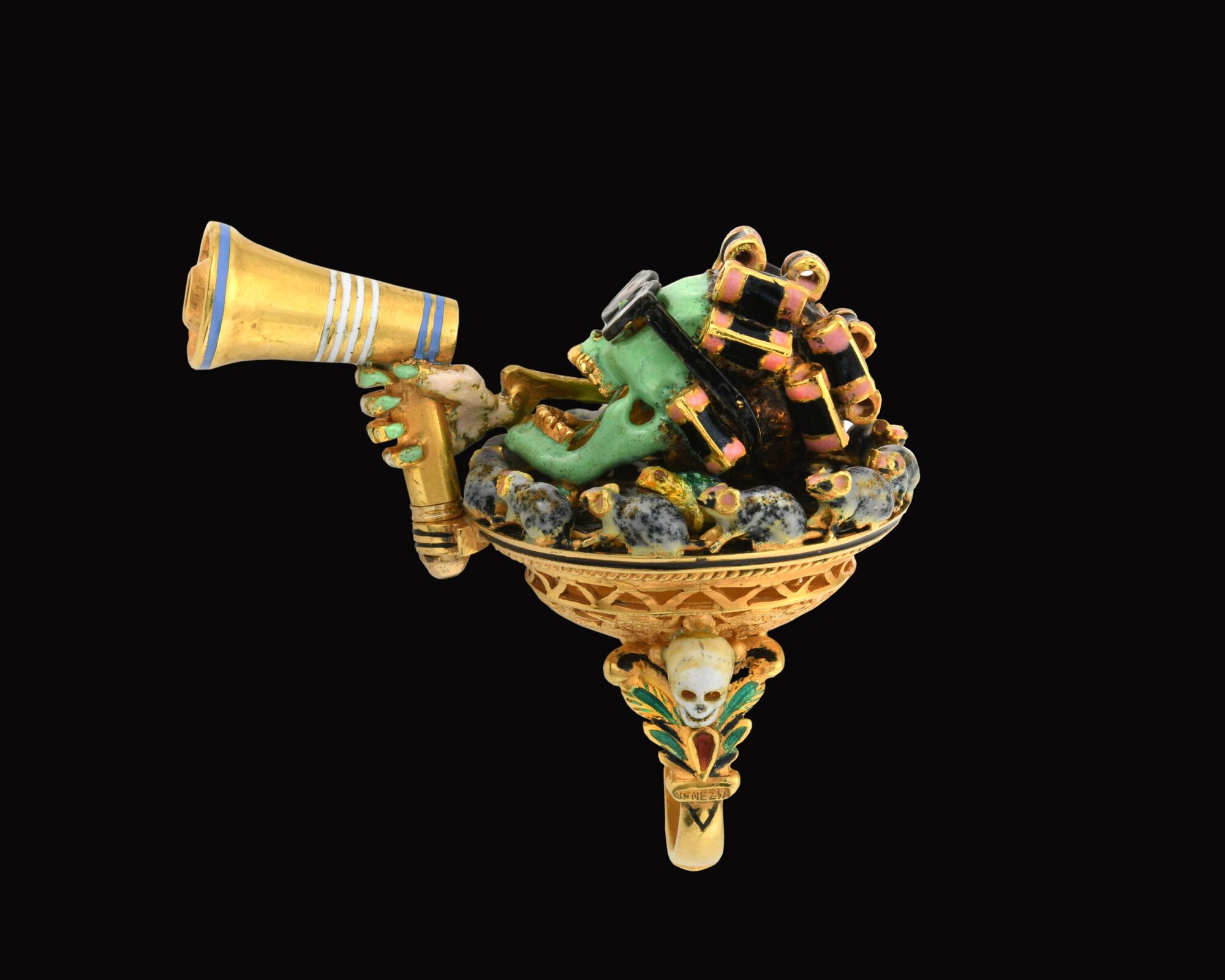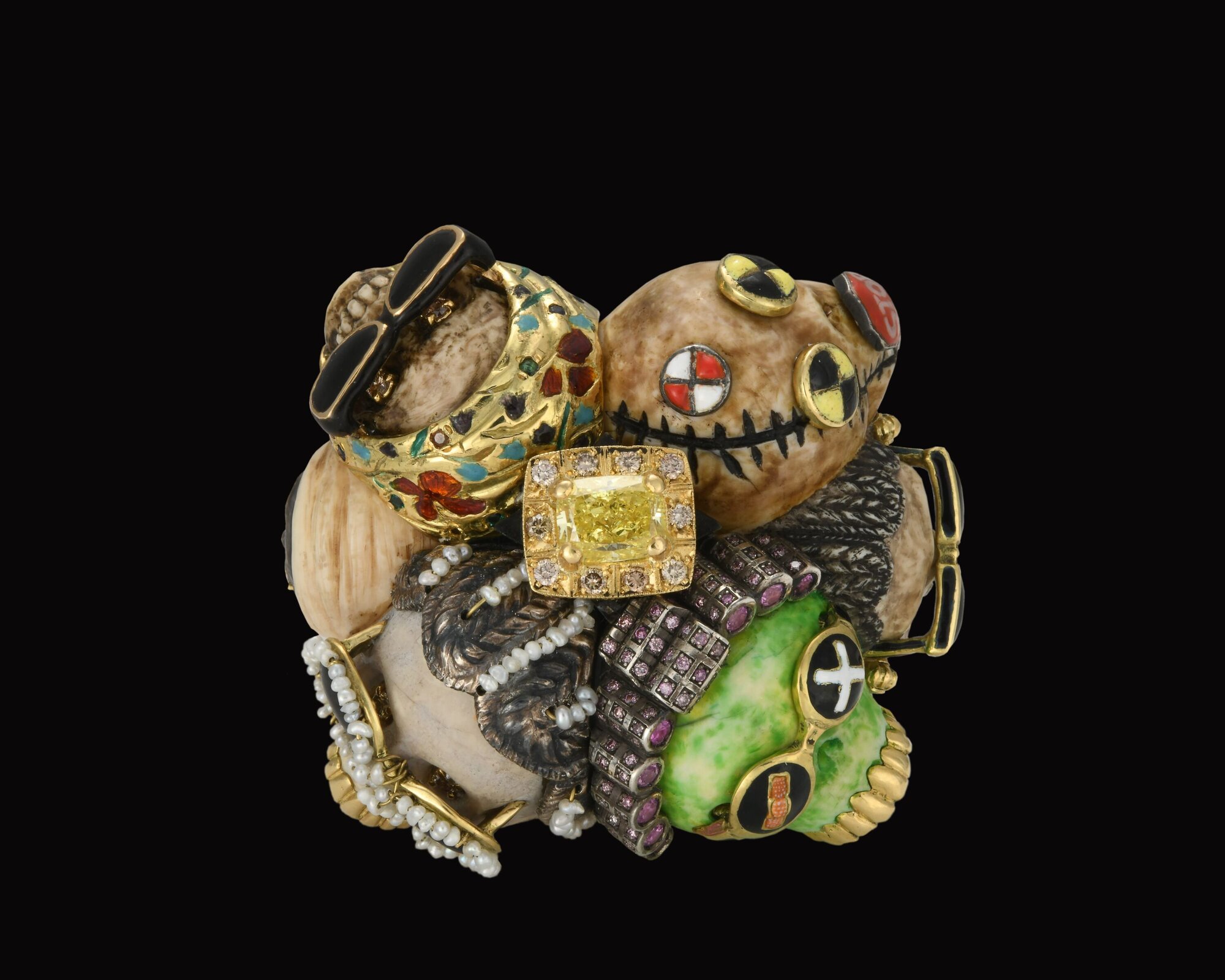
A meeting of contemporary style and centuries-old Venetian craftsmanship
For more than 150 years, Gioielleria di Codognato has stood just steps from Piazza San Marco, not merely as a jewelry house but as a cultural constant woven into the fabric of Venice itself. Founded in 1866 by Simeone Codognato, the maison emerged at a moment of profound historical and artistic transition—Venice newly annexed to the Kingdom of Italy, archaeology reshaping Europe’s imagination, and goldsmithing poised for reinvention. Simeone’s early instinct to move from dealing art objects to crafting his own creations proved prescient, as his workshop began translating the rediscovery of Etruscan antiquity into a distinctive language of jewelry that felt at once scholarly and seductive.
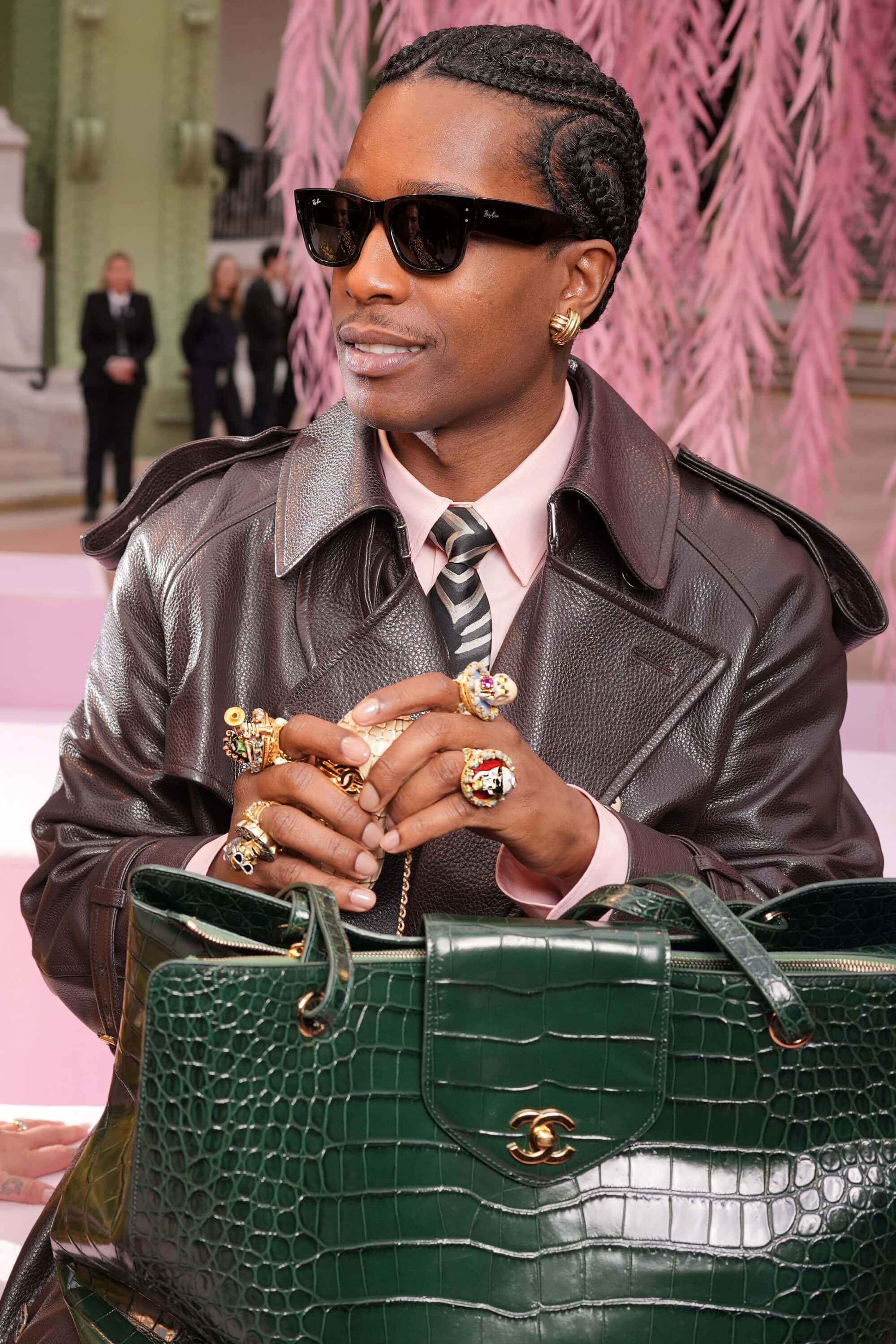
That dialogue between art, history, and modernity only deepened under subsequent generations. Attilio Codognato, who assumed leadership in 1958, brought with him an eye sharpened by contemporary painting and a collector’s sensibility attuned to cultural shifts. His windows became curatorial statements, reflecting not trends but personal conviction. Over decades, Casa Codognato quietly accumulated a clientele that read like a roll call of cultural and social history—Italian and Russian royalty, Maria Callas, Coco Chanel, Elizabeth Taylor—figures drawn not by spectacle, but by an intimacy of craft and intellect. The house’s role as official goldsmith to the Basilica of San Marco further cemented its position as a guardian of Venetian material culture.
With Attilio’s passing in 2023, stewardship now moves to the fifth generation, as his children Mario and Cristina Codognato commit to preserving the singular ethos that has defined the maison since the 19th century. In an era of global expansion and replication, Codognato remains resolutely anchored: the historic Venice boutique stands as the sole authorized point of sale worldwide. It is a deliberate choice, underscoring a belief that true luxury is inseparable from place, continuity, and time. At Codognato, history is not archived—it is worn, lived with, and carried forward, one meticulously crafted piece at a time.