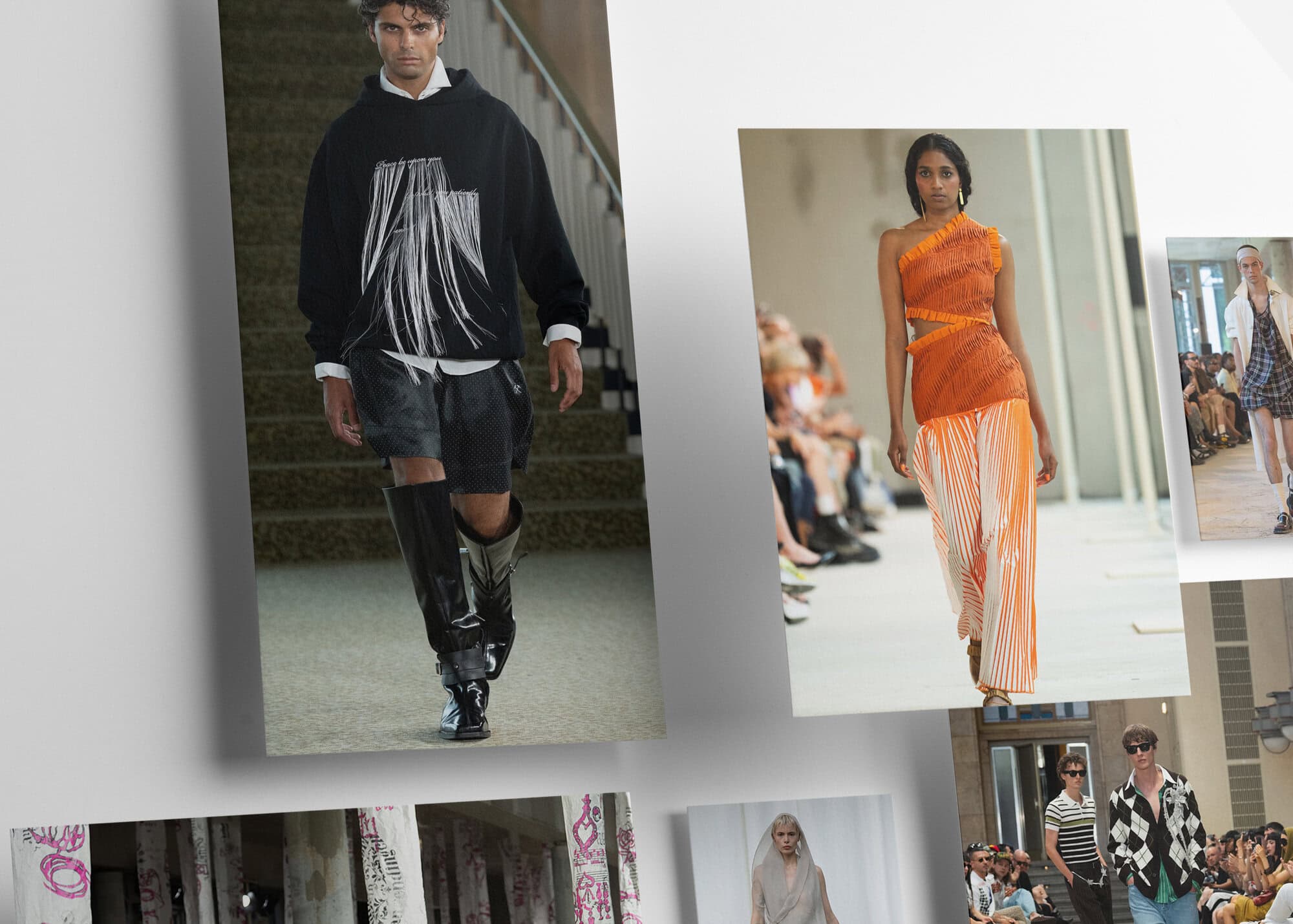
Berlin Fashion Week celebrates plurality
By Dao Tran
When I first started covering Berlin Fashion Week for The Impression, it was a question of identifying one show worth writing about a day. Then I started doing a recap because there were more exciting brands. This season, I found it hard to do a selection because there are so many good reasons to come to Berlin Fashion Week (BFW) now. Intervention, the platform curated by Mumi Haiati of Reference Studios, continues to raise the global profile and relevance of BFW with shows from Kenneth Ize (Nigeria), BUZIGAHILL (Uganda), JOHN LAWRENCE SULLIVAN (Japan), and GmbH as well as initiating TED Talks and a pop-up Doofer Street Market. BFW is a great place to discover new and emerging talent who have different approaches, as Tim Blanks agreed while walking around the Berliner Salon at the Gemäldegalerie, a showcase of artists working at the intersection of fashion and art.
Below are the stories and collections I found especially moving and compelling, the directional design that legitimates Berlin Fashion Week’s place on the calendar, and the ones to watch.
GmbH
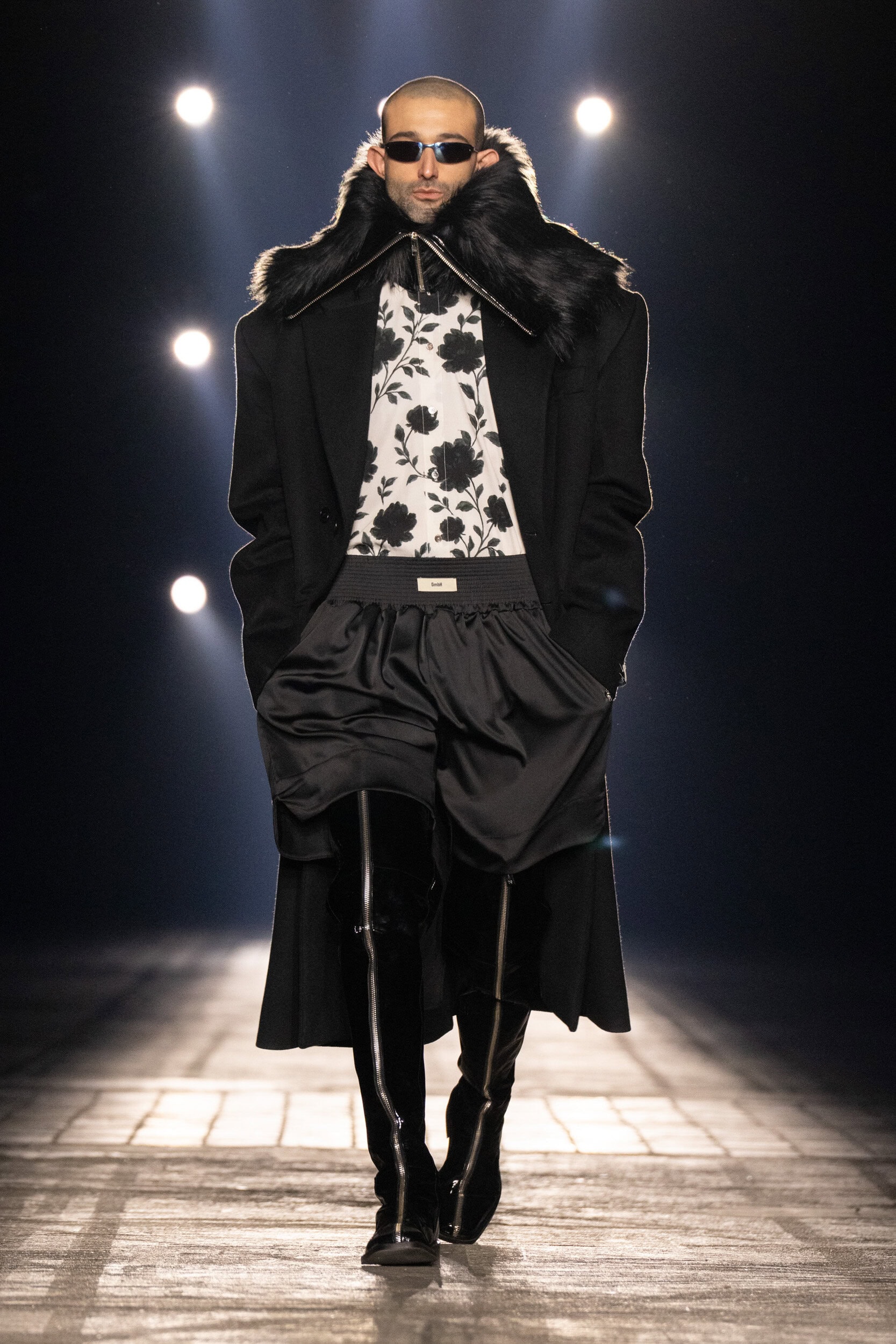
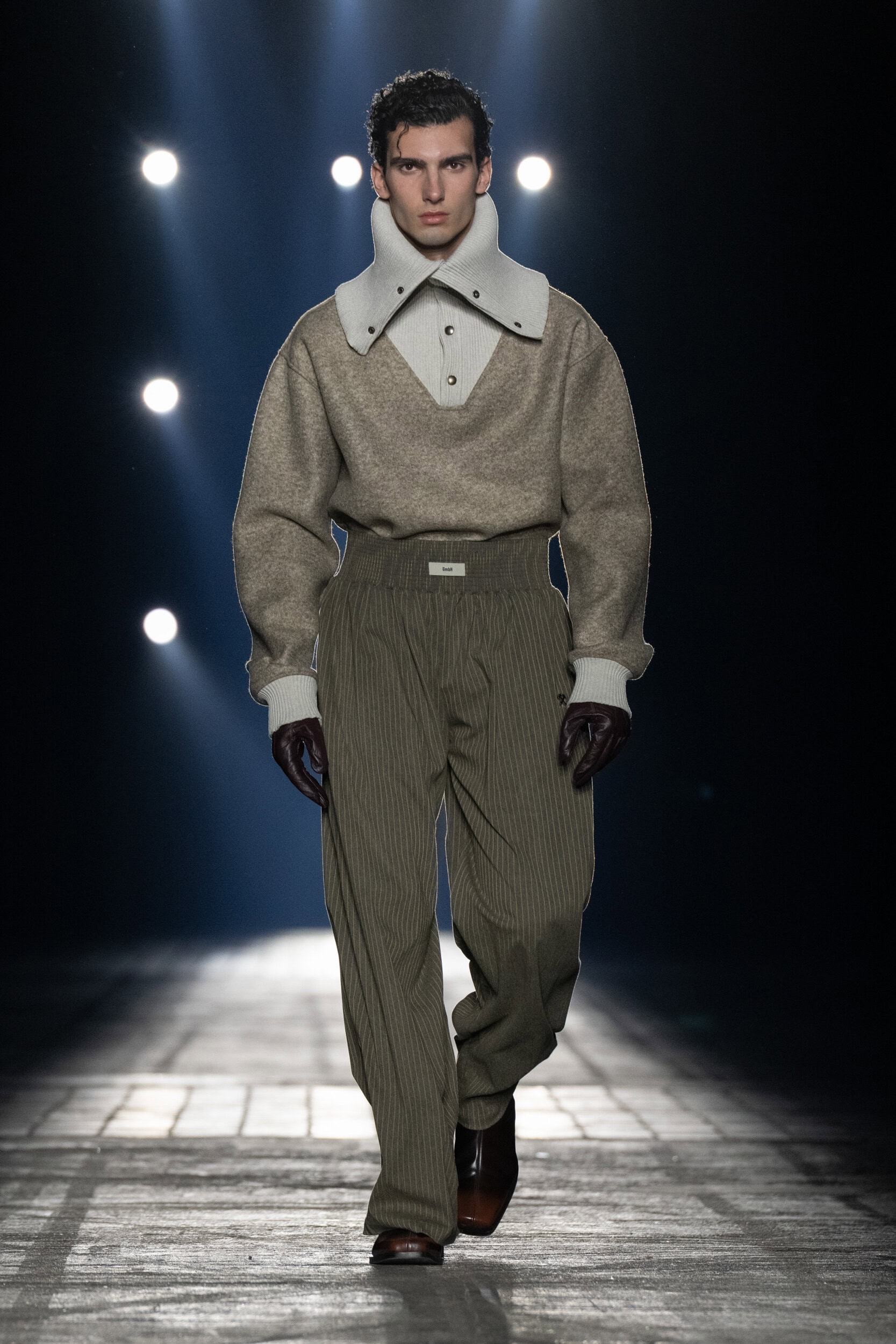
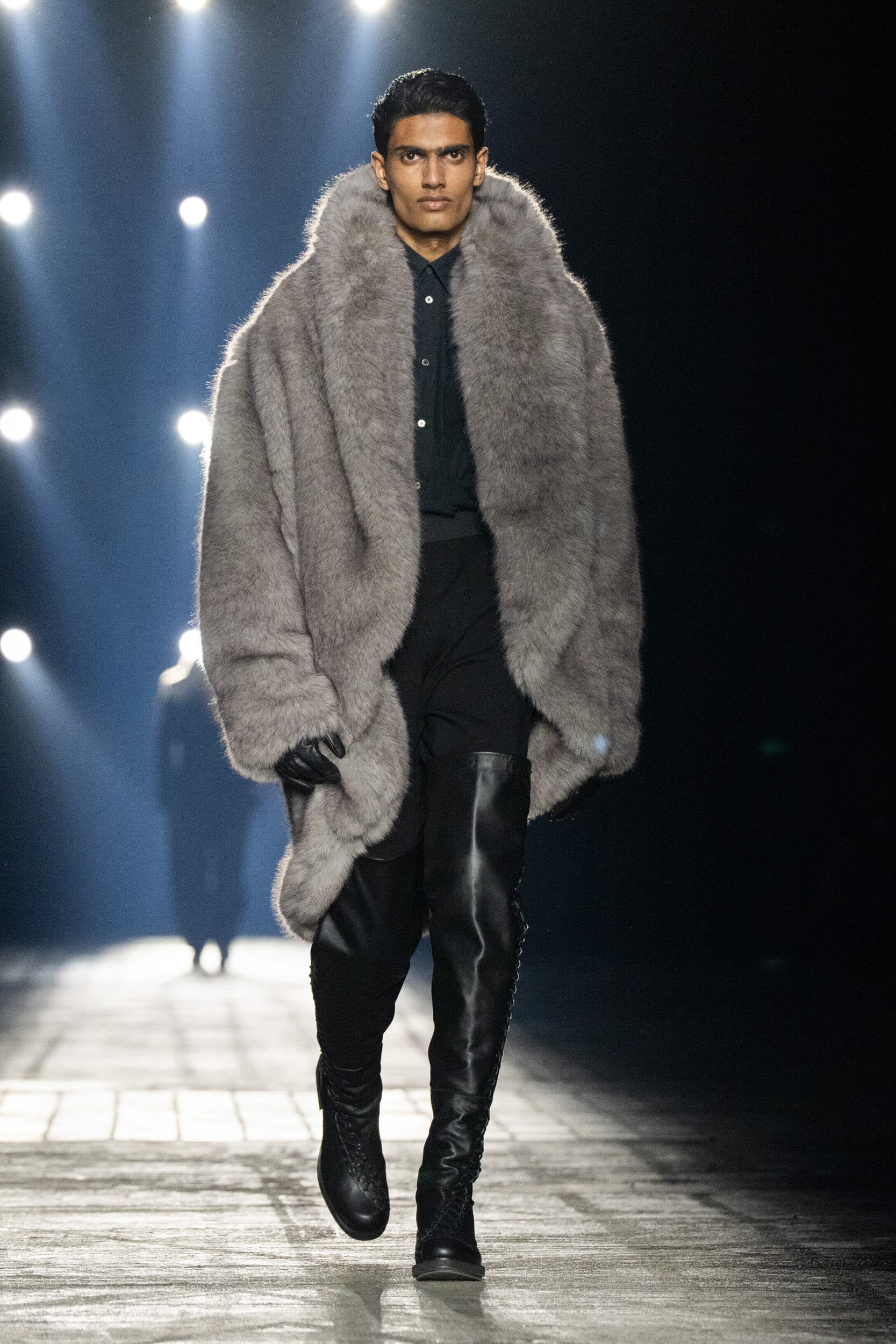
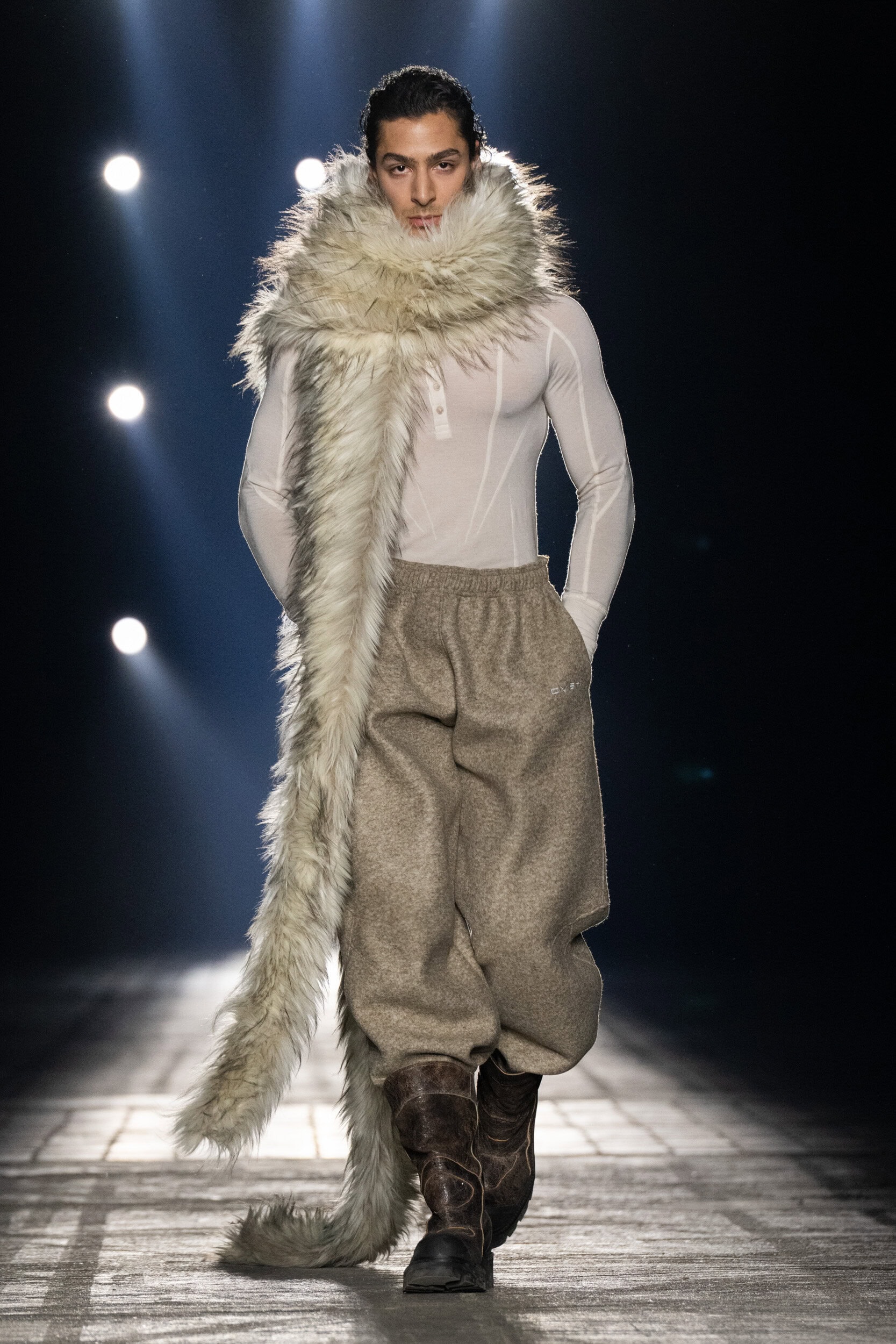
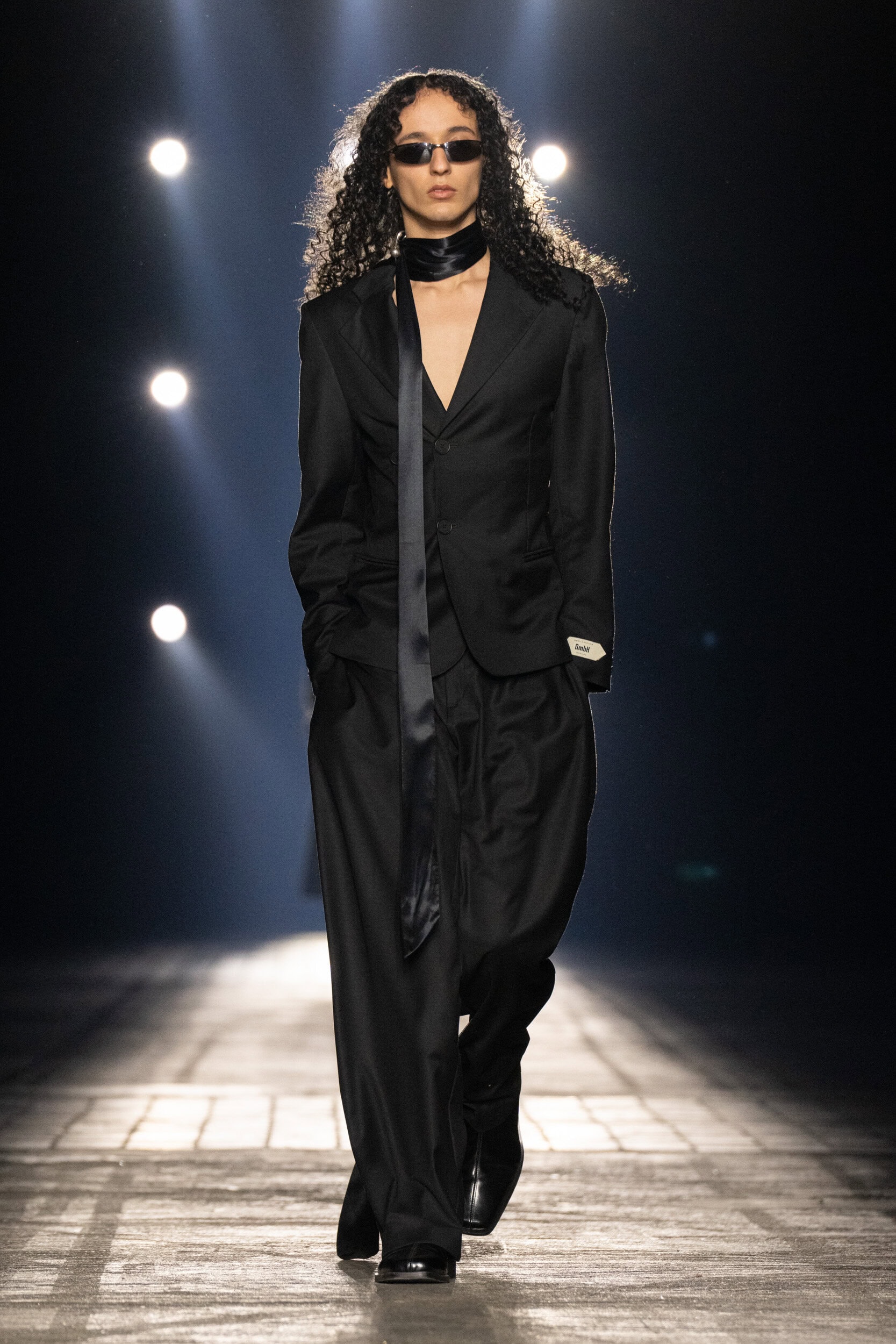
GmbH’s work resonates and is so important for the moment for the same reason Willy Chavarria’s does: They elevate their people to main characters. They write their own stories and assert their own dignity and identity. With a design approach that sees clothes as codes and signifiers of belonging, Serhat Işık and Benjamin Huseby take a stand against erasure and offer other models of masculinity. They process the difficulty of keeping a sense of hope and humanity in the current times, the generational trauma of the migrant experience, and the queer struggle by living their authenticity and finding the beauty in it. We have been sold a lie, packaged in the noble sentiment that “all men are created equal,” yet our reality is not built on egalitarianism. Post colonial structures continue to suppress minorities, see them as lesser and make them feel lesser, denigrate their traditions, erase their language and culture and what makes them who they are through pressure to assimilate. The result is a narrow Western hegemony that does not value other voices and no longer even pays lip service to diversity. Bad Bunny has broken through with music, let’s do it with fashion.
GmbH shared four poems that anchored them through these times and issued a warning against history repeating itself with the title of the show, “Doppelgänger.” They look to the experimental music scene in Berlin in the 1980s as a time of counterculture and utopian aspirations. It’s interesting because the harem pants, tucked in sweater, boa, leather and boots are both queer coded and Muslim coded. Apparently, that sweet spot is fashion.
Orange Culture
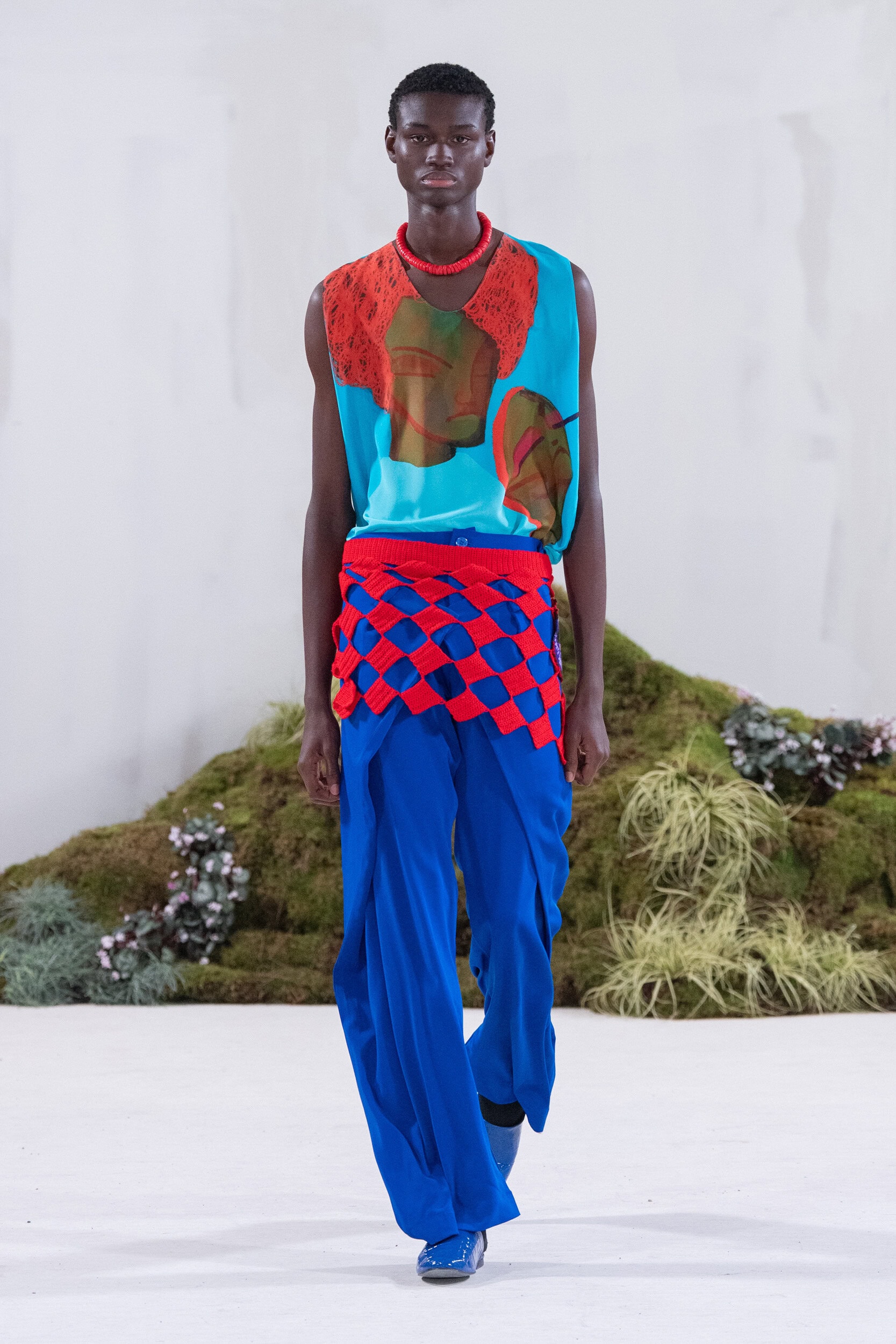
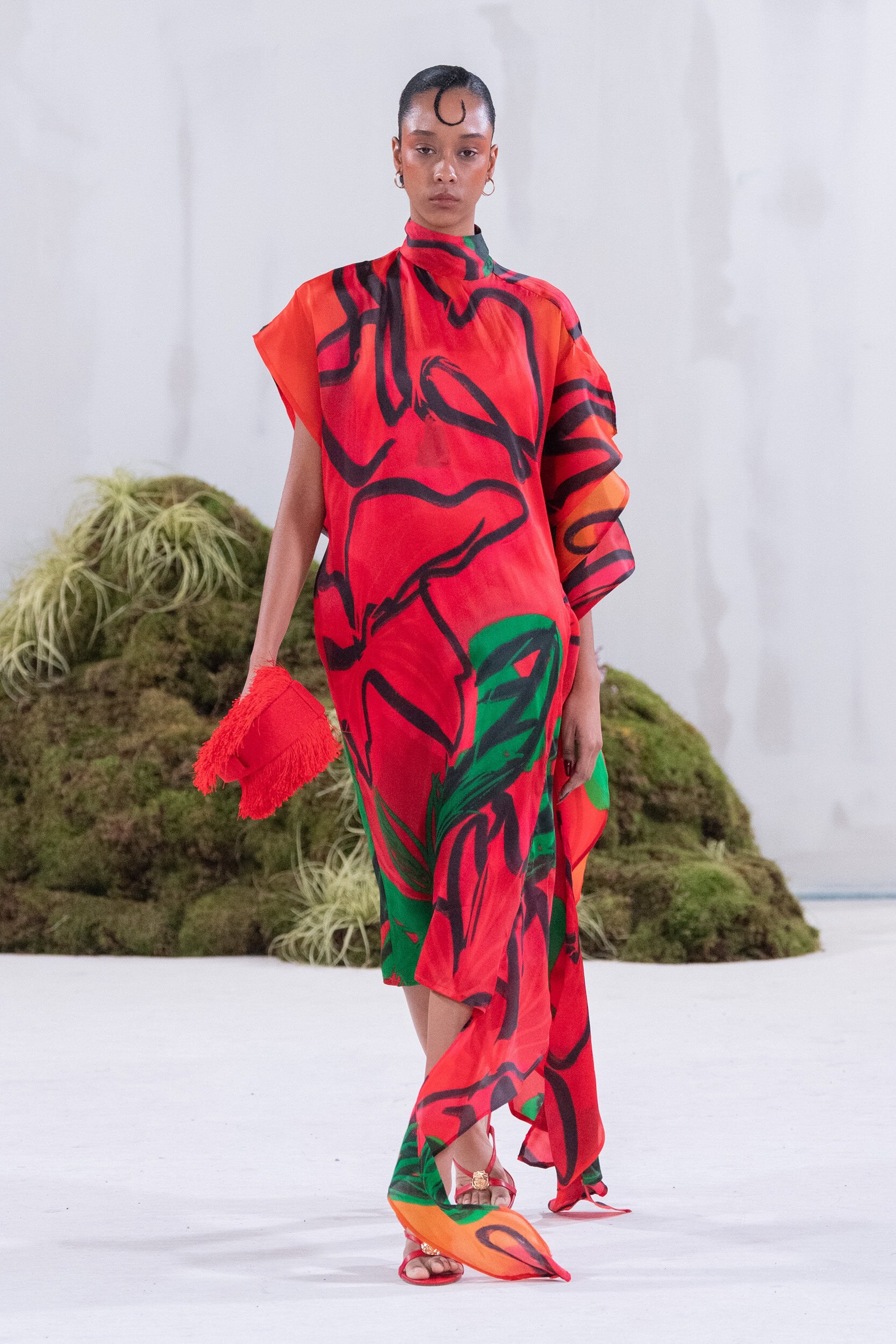
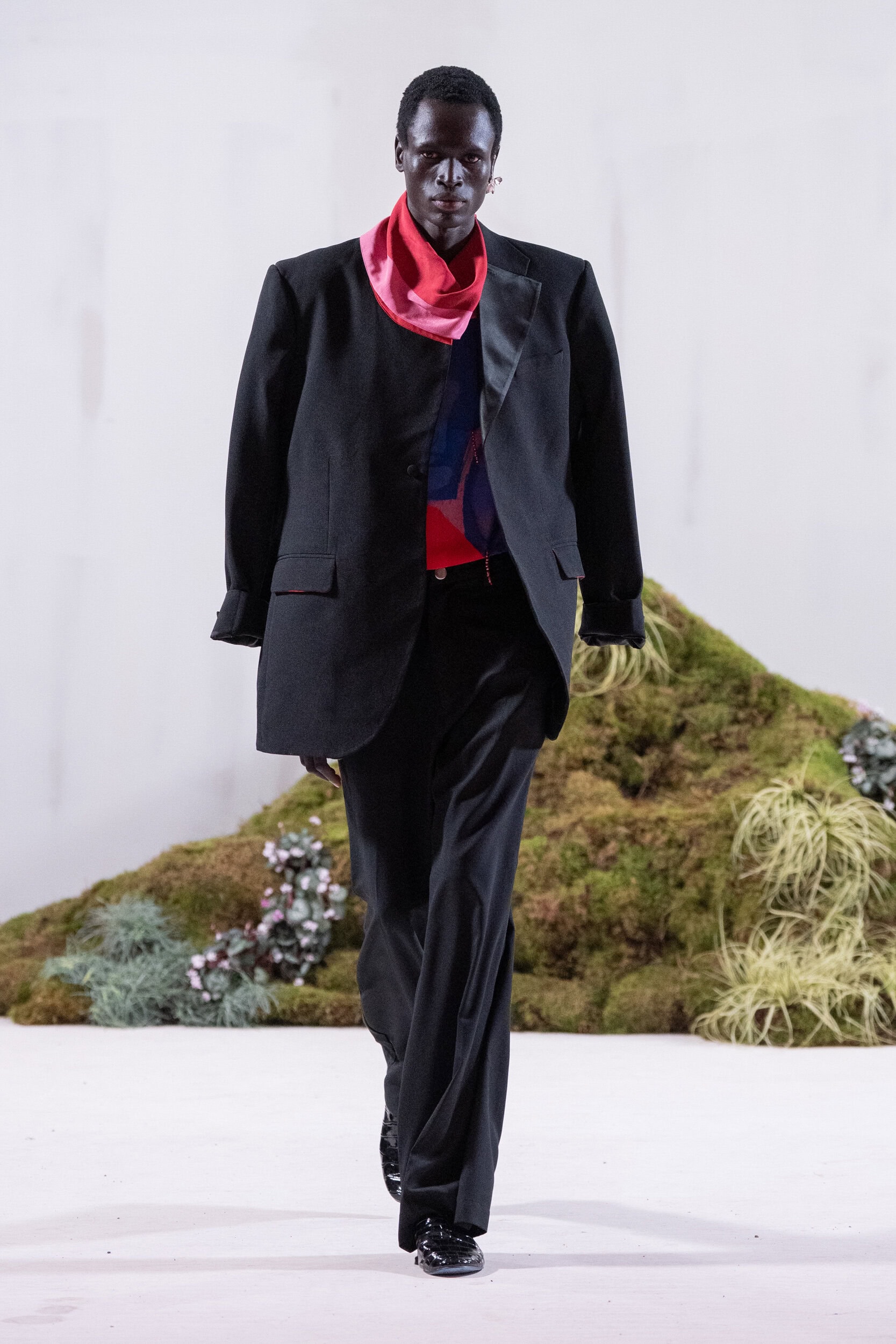
The saturation of the hues! The colors and fabrics and the way they move give the garments this kinetic energy that is very visceral; this collection doesn’t touch you, it grabs you. Call it magic or the work of Nigerian artisans, these hand-dyed fabrics convey an aura. Adebayo Okelawal’s work altogether is such a sensorial and synesthetic experience, with sound suggesting the play of light and color weaving around and chasing each other through the dappled light of leaves in the backyard, color carrying the emotional imprint of warm memories, silhouettes embodying loved ones. The collection was titled “Backyards of Memory” and conceived as a continuation of the previous collection, which was dedicated to the designer’s mother after her loss. While that one was all in white, envisaging a heavenly peace, this one is vibrant with color from fond memories of childhood in the safety and life of the backyard, filled with joy and laughter and love. Paolo Sisiano produced a wonderful print depicting mother and child that is a work of art in itself.
Kenneth Ize
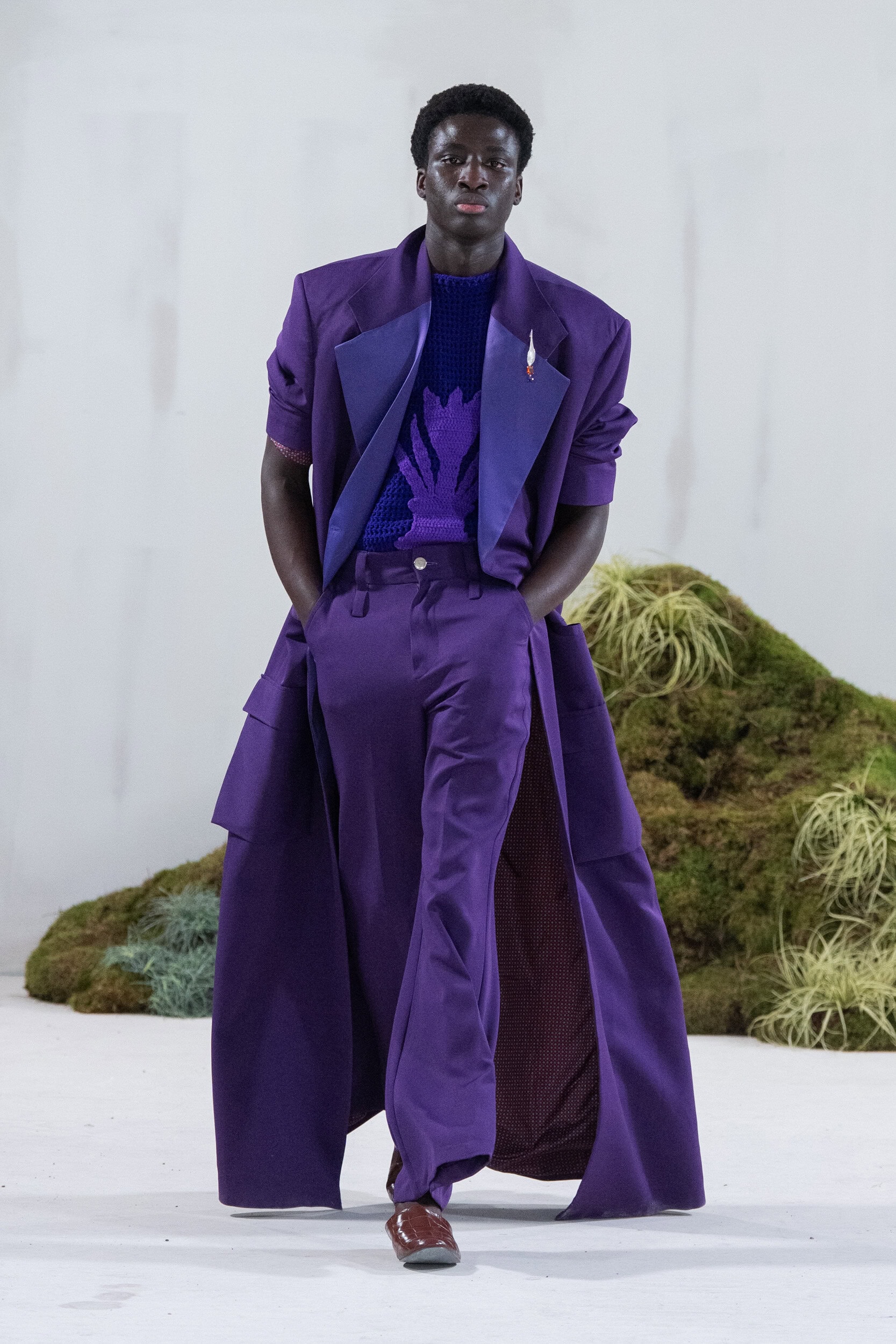
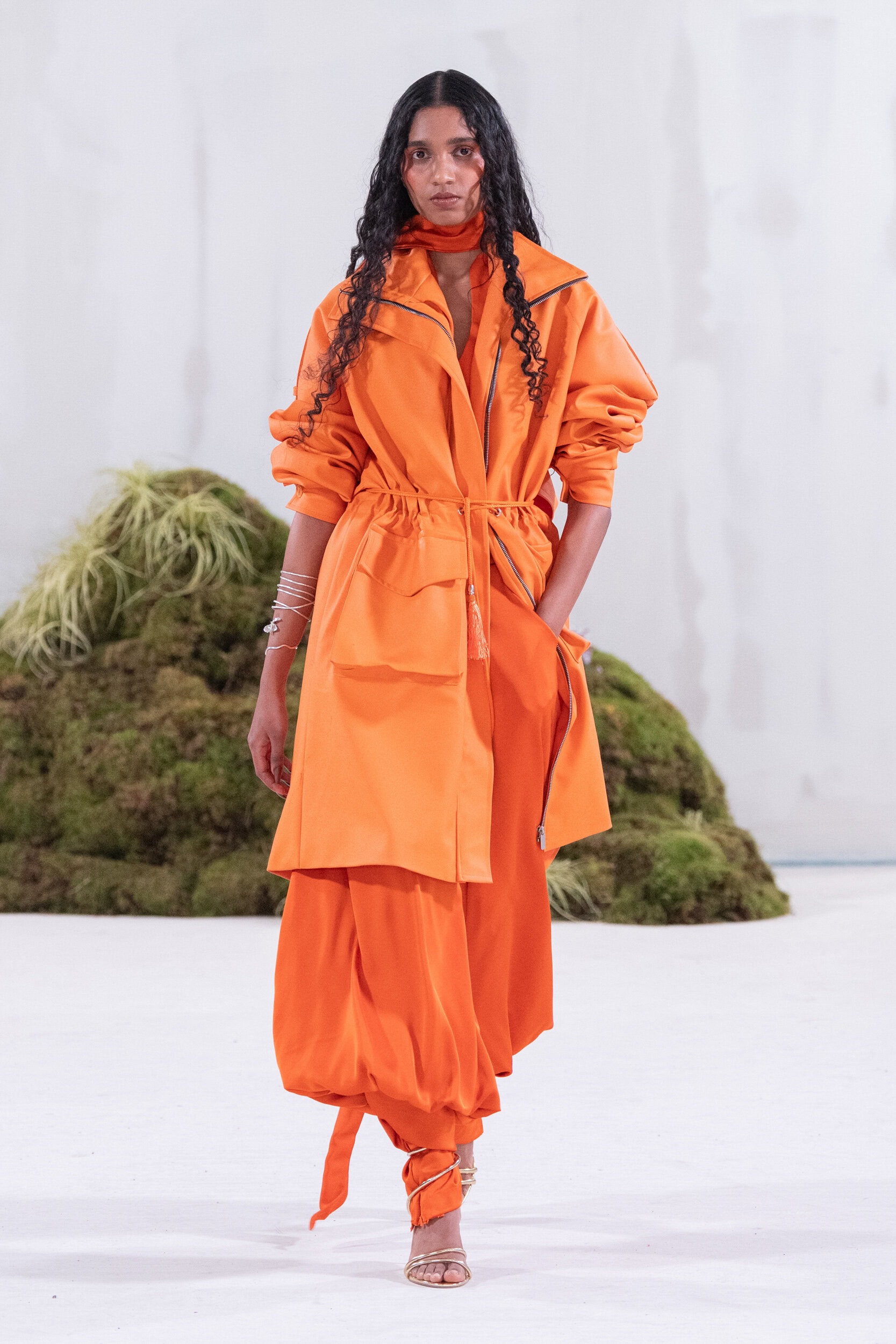
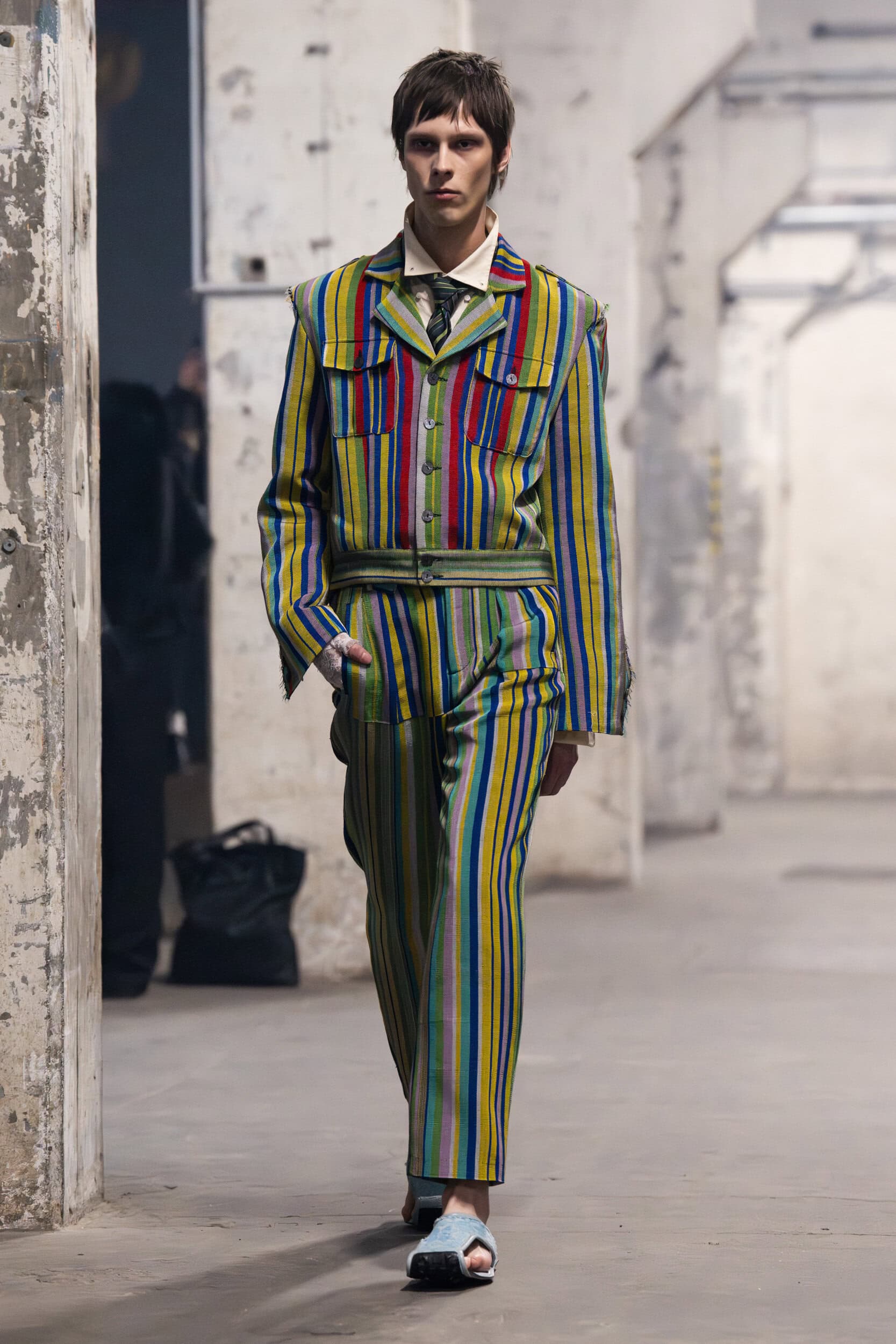
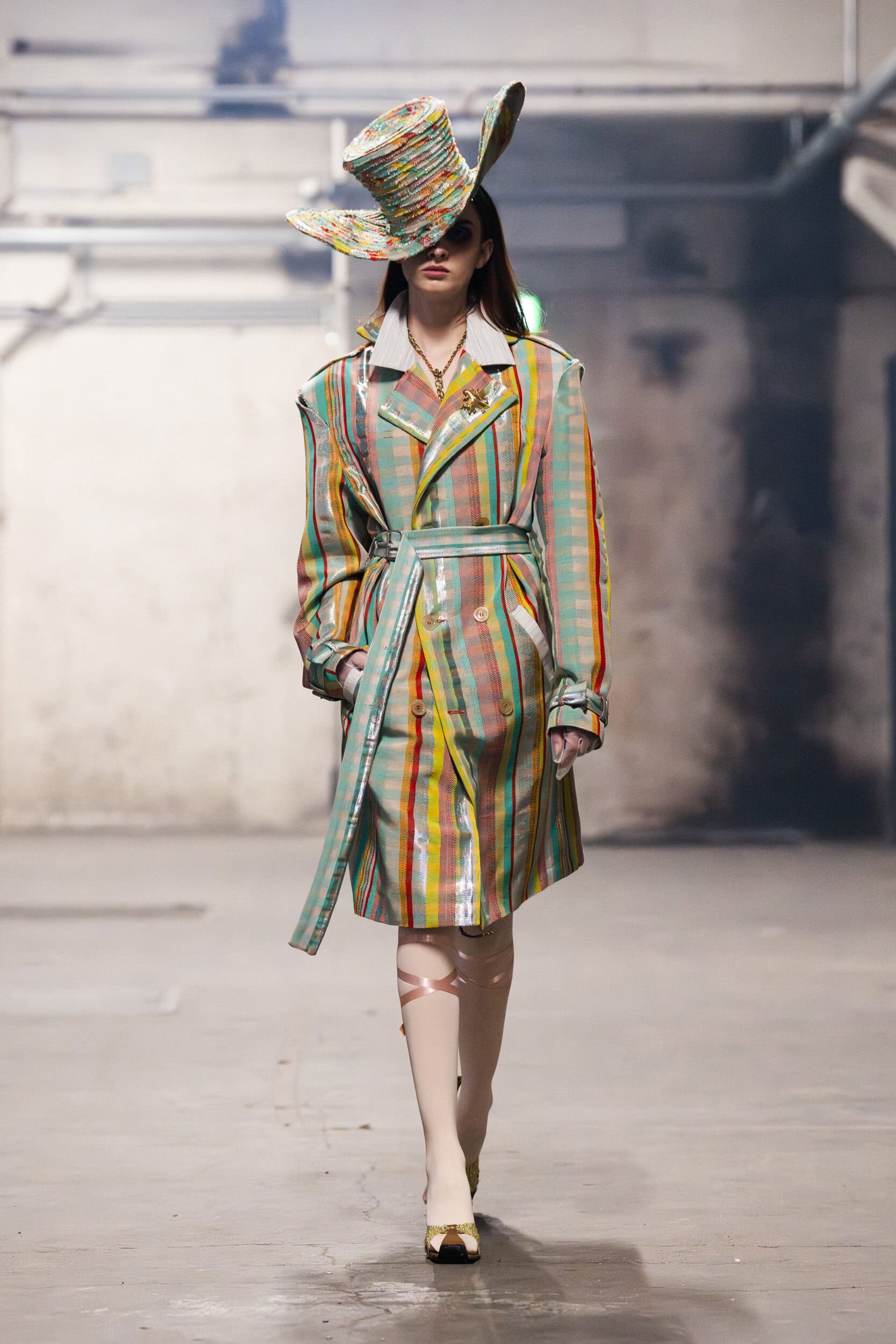
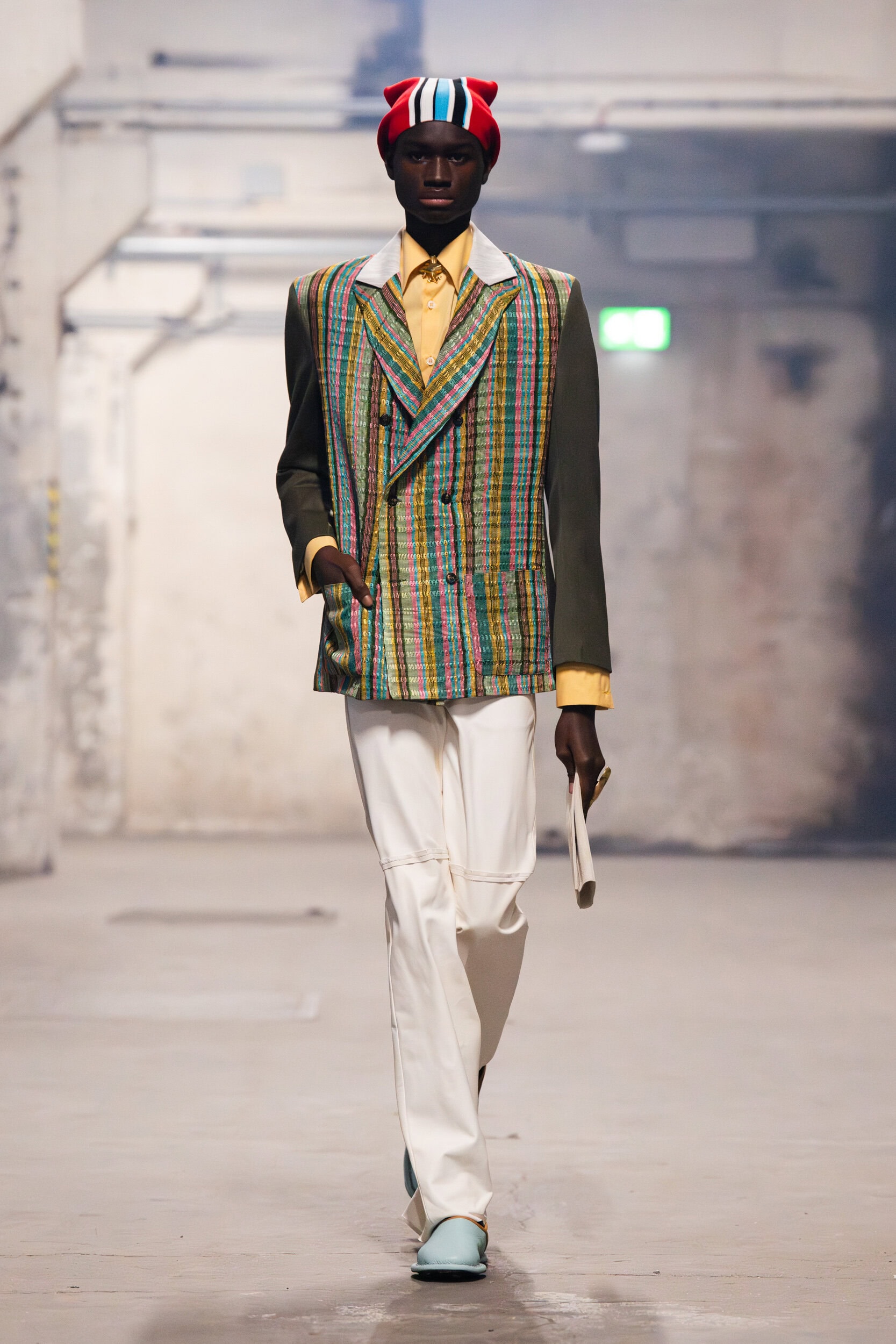
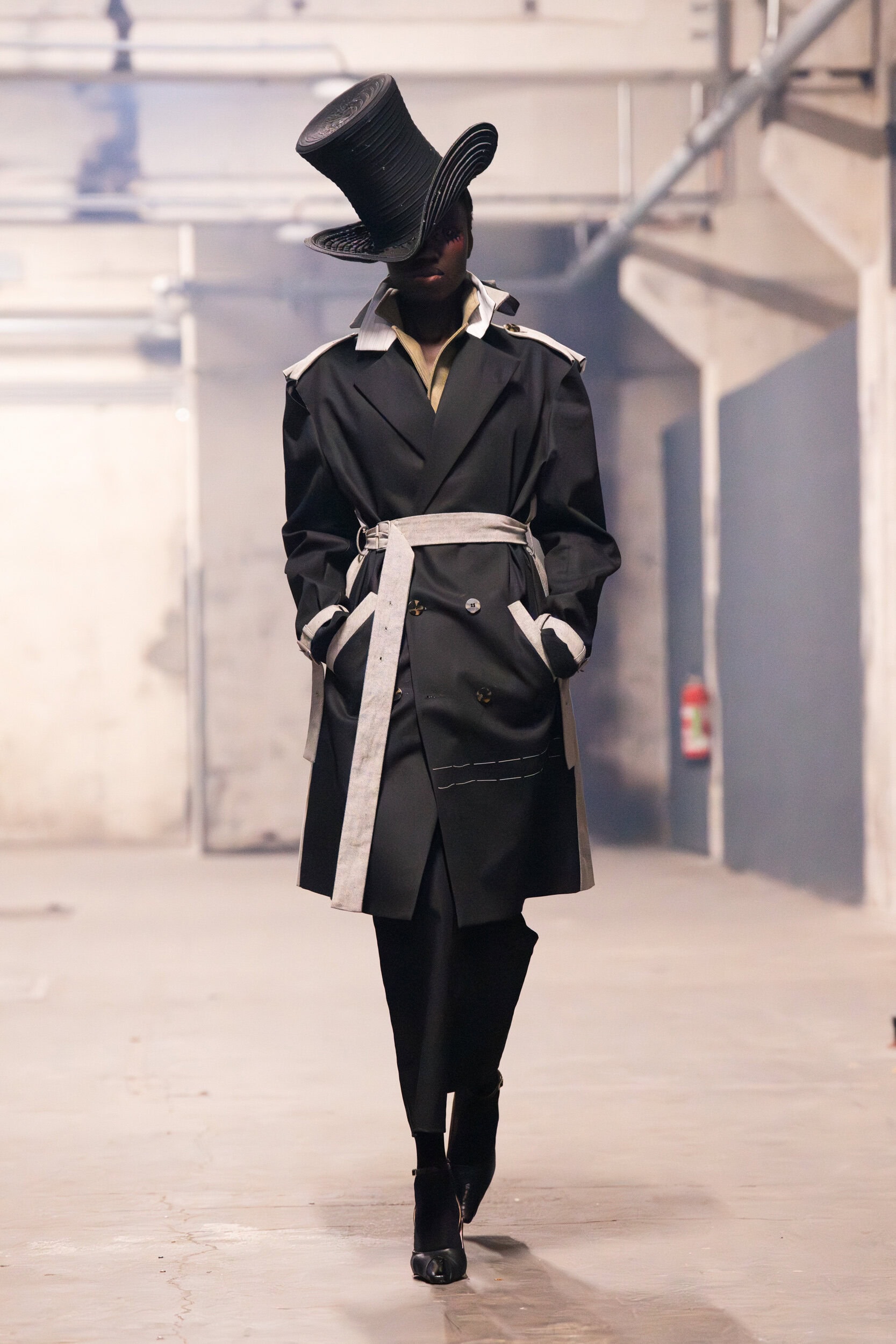
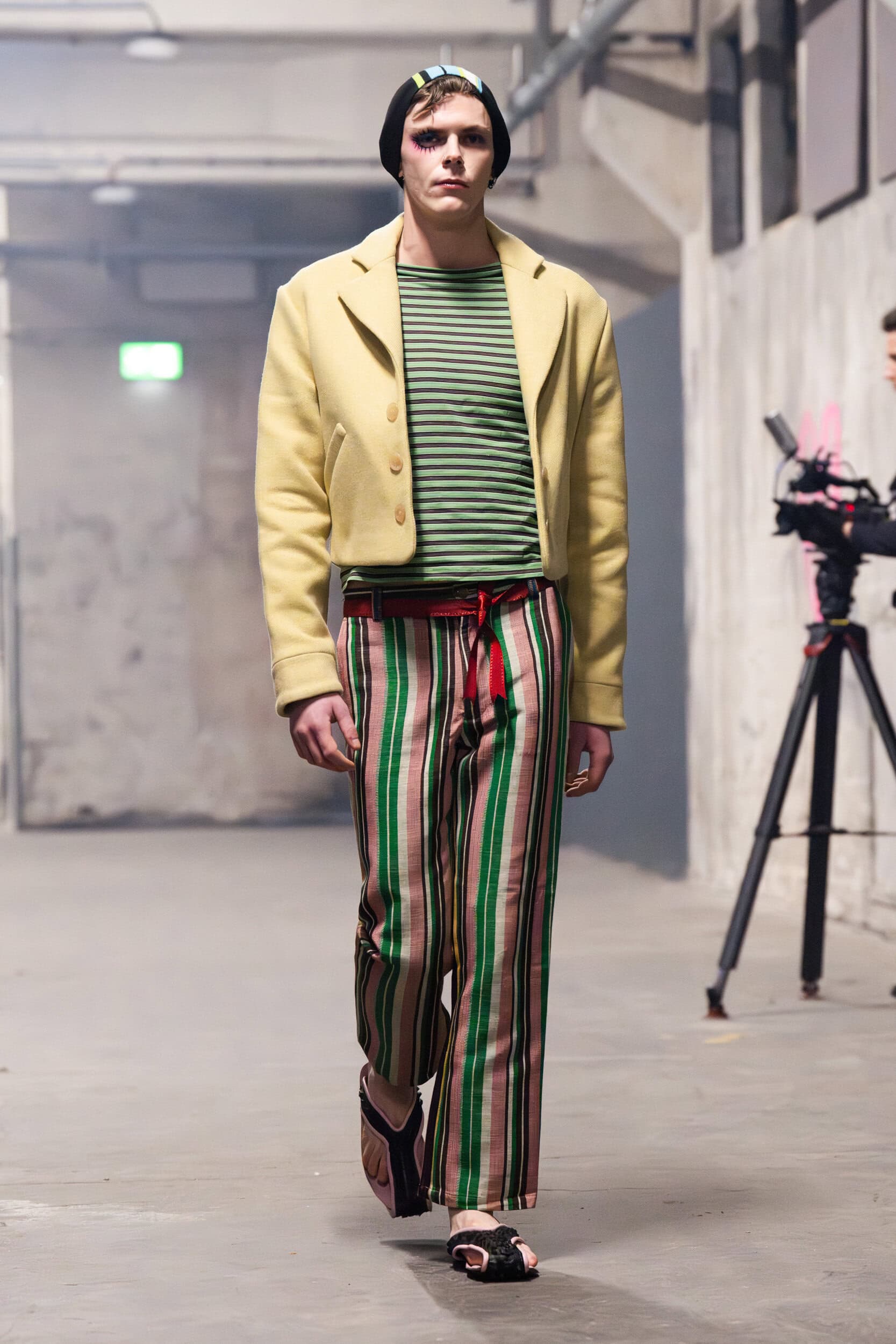
So happy and excited that Kenneth Ize staged his comeback in Berlin! When I congratulated him after the show, he related that he’s been doing a PhD and wants to produce a book about African identity crisis in African diaspora. “The work that I do kind of reflects that. I want people to see what we have and how we also include people in our own culture.” It’s great that we can tell that story and show that richness because his handle on colors, his sensibility for their combinations and mastery of fabrication is unique and needs to exist in this world. He produces the fabrics himself, weaving into the aso oke, velvet, wool, and denim stories of travel, exchange, and human connection. The garments have this vibrancy and iridescence that are infectiously happy-making, befitting the title Joy. It was a feeling so welcome in these grey days of the cold snap and the treacherous ice. Not to mention the tailoring! It’s giving sapeur. Move over, Thom Browne. [Sorry, I know that’s from Congo, but I use it here as the particular African je nais sais quoi way of dressing so dapper.] Need to see Erykah Badu and Teyana Taylor in Kenneth Ize.
Buzigahill
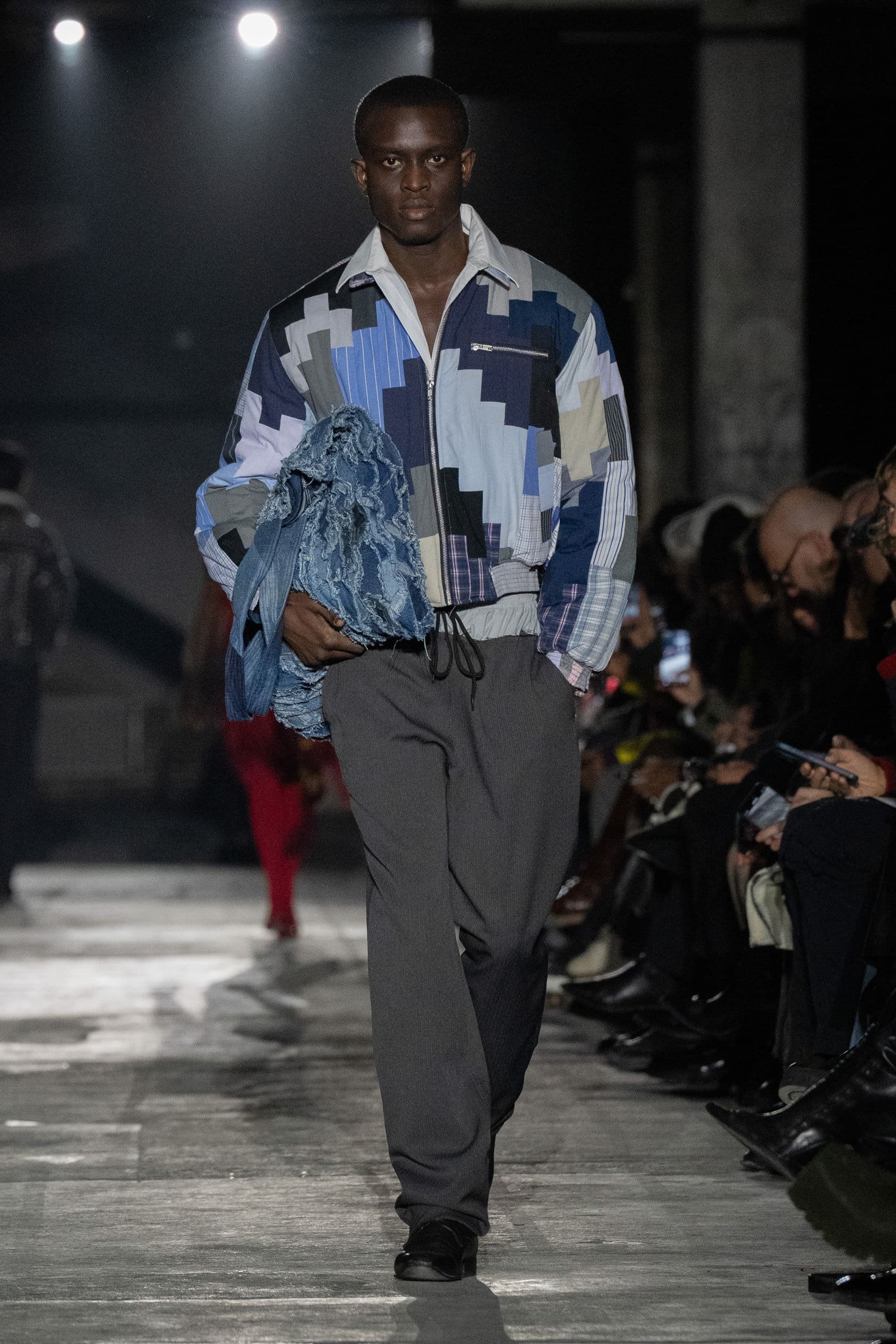
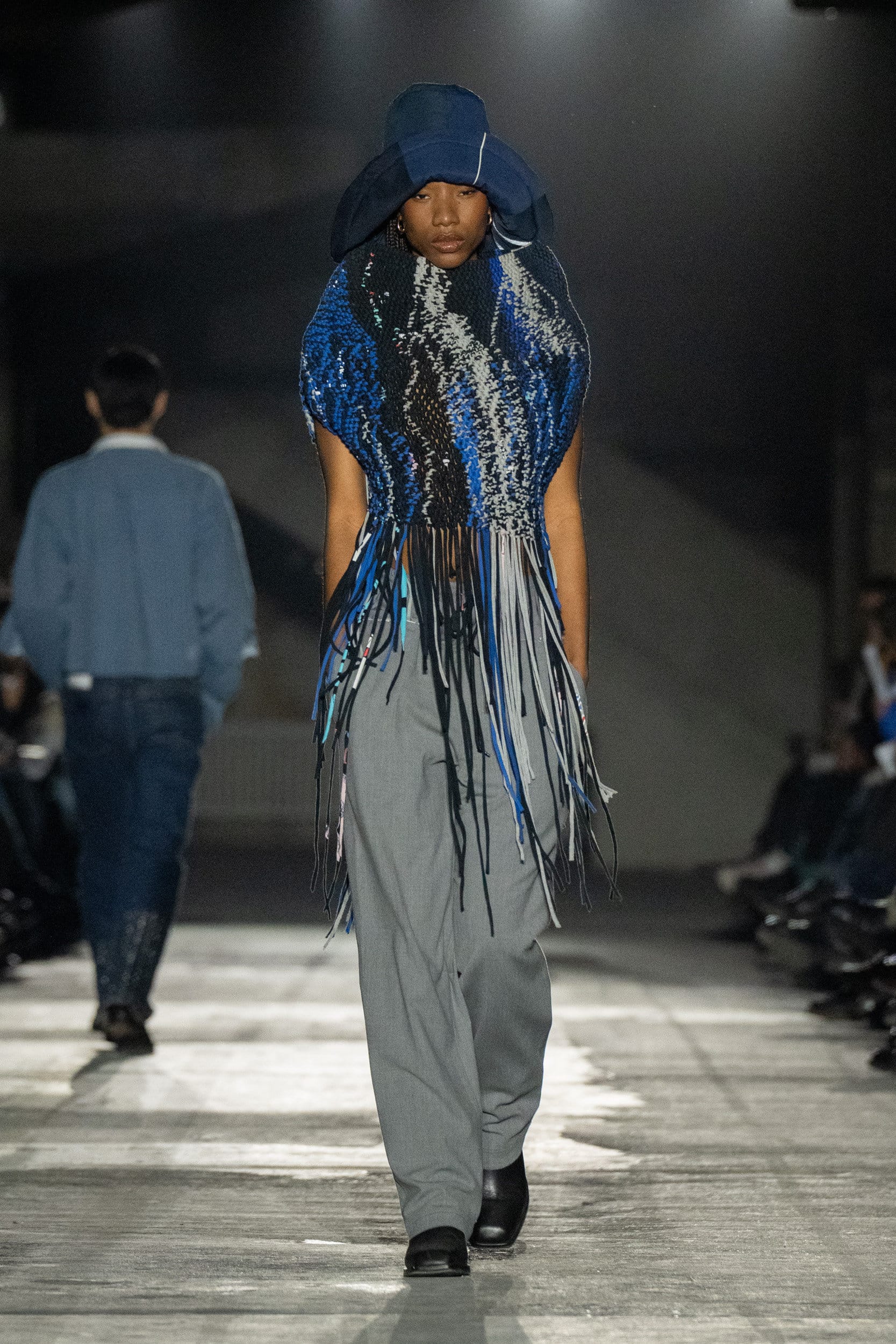
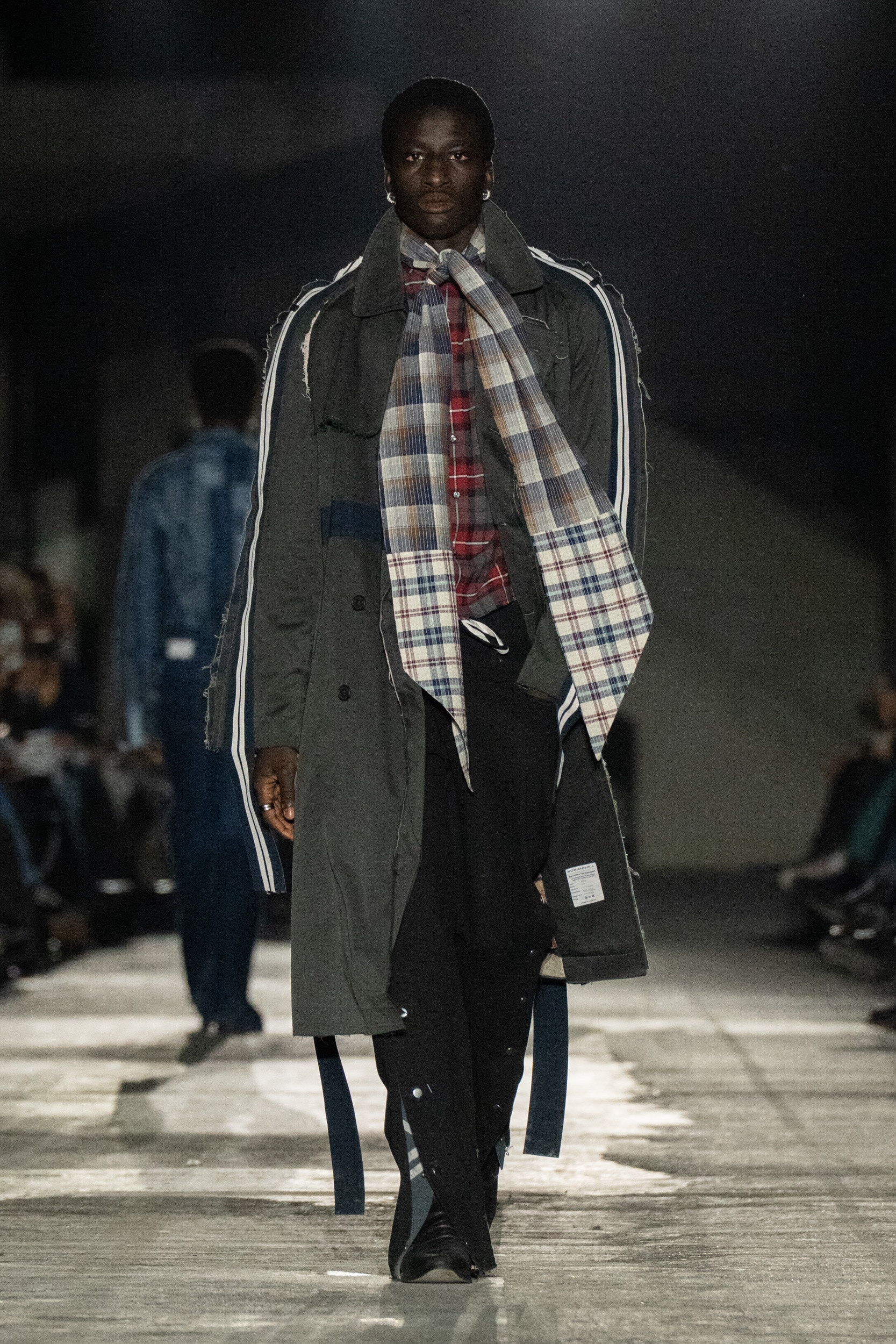
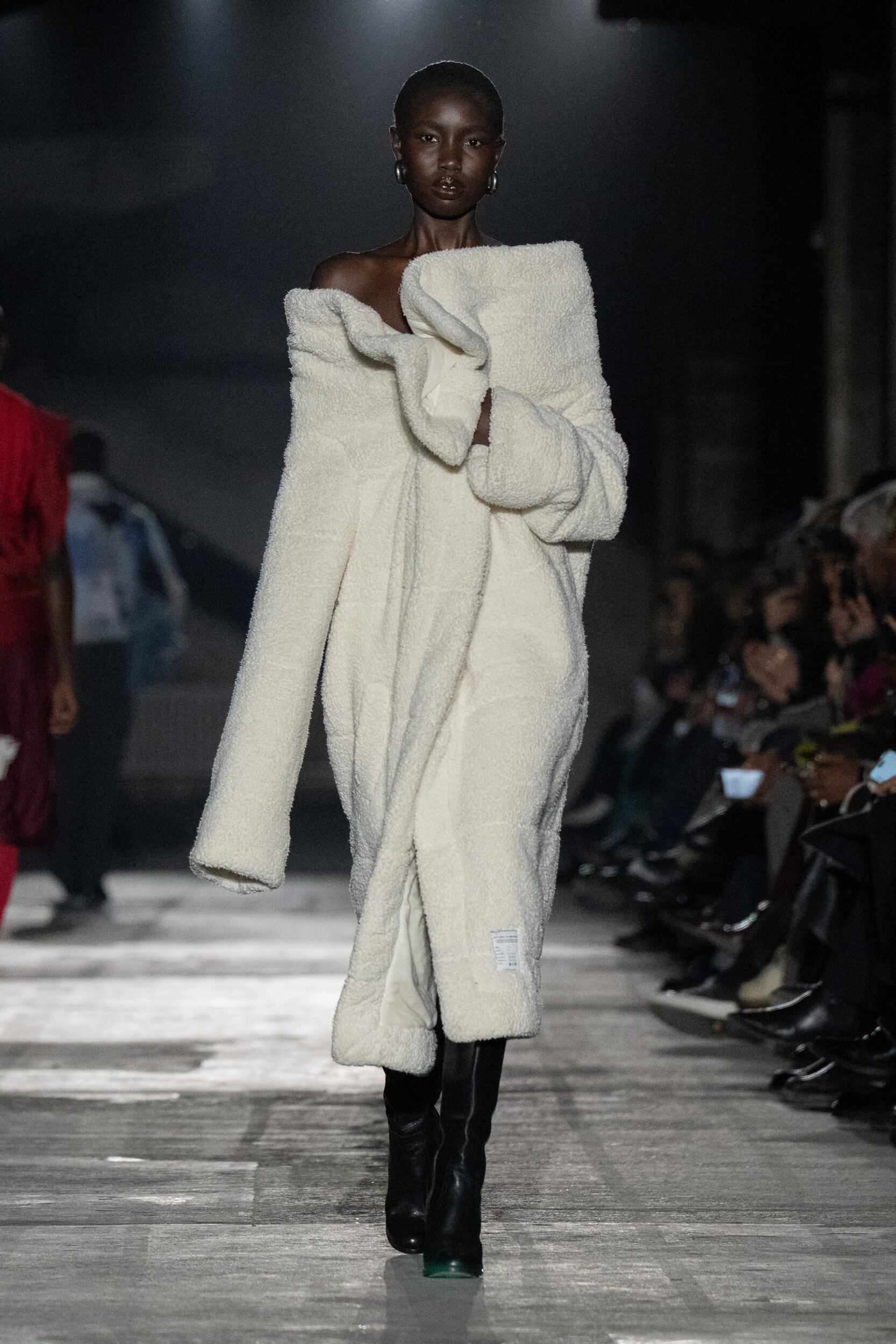
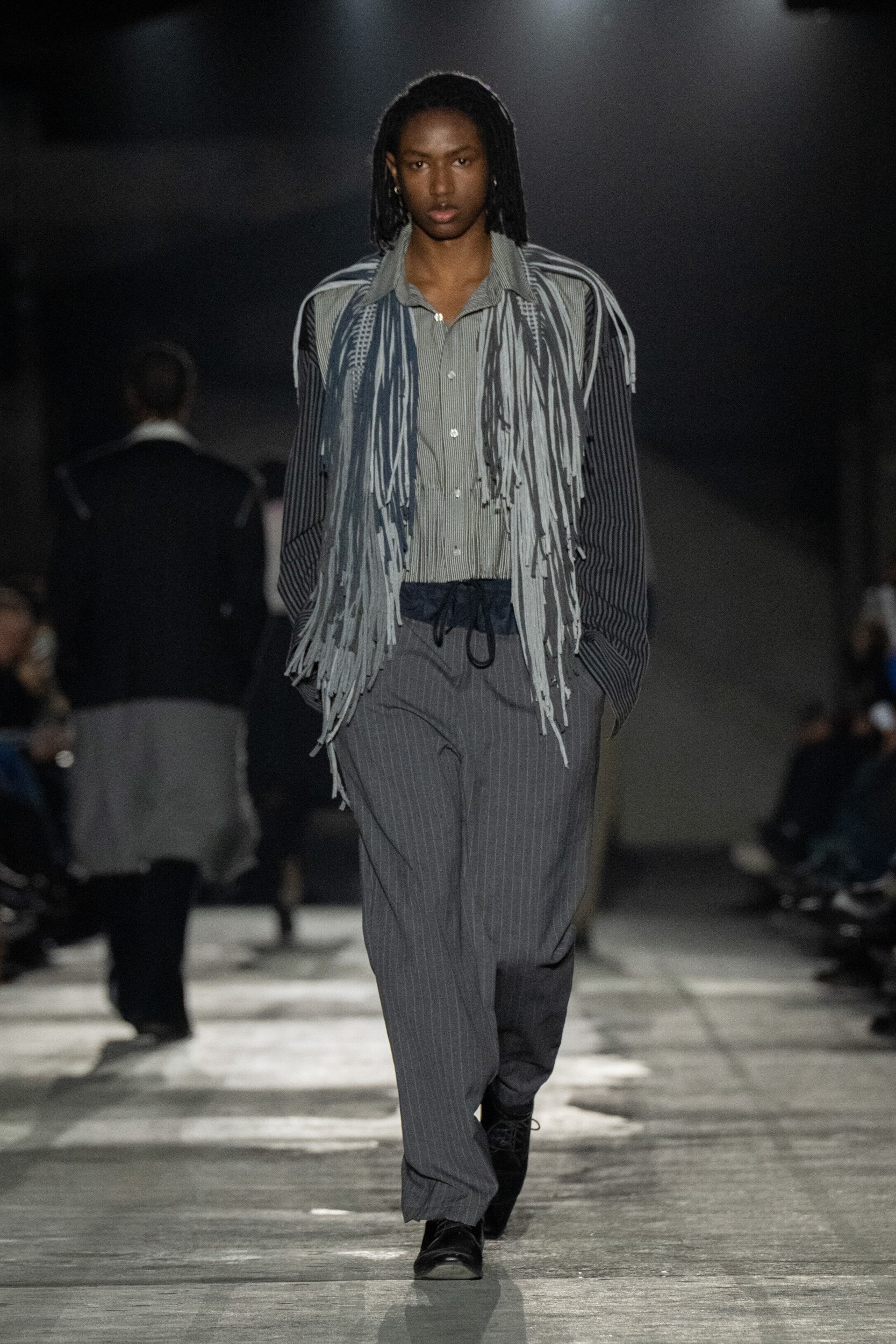
Founder Bobby Kolade tells a different story of African fashion, where 80% of clothing purchases in Uganda is secondhand. We have enough clothing for the next six generations yet keep churning out more and Africa is left holding the ball because it is the last in the chain. He combats this with his ongoing project called Return to Sender, in which he sources materials from Owino Market in Kampala, Uganda, and Gikomba Market in Nairobi, Kenya and creates circularity by upcycling them and exporting them back out to the Global North. As he explained over a lunch meeting, the collections are numbered because they started out as drops, production being constricted by what they got at the markets, what the secondhand distributors let through to Africa. Furthermore, they are based on the idea of wardrobe building rather than setting trends because they are built on what fashion has already produced.
I had to ask him about the patchwork because it was so well made and, indeed, the puzzle bomber takes 45 hours to quilt 300 rectangles from shirt cutoffs in a puzzle format, extract the padding from the blankets, and line with material from shirts, while the waterfall bag made from over 400 denim cutoffs takes 33 hours. Overall, the kind of work and number of hours that goes into each piece is impressive, with the most time-consuming being the shield top, clocking in at 80 hours to hand-cut fringes from 16 t-shirts and tightly knot them to create the thick texture. This is not deconstruction for deconstruction’s sake; it’s not a design exercise, but an ideological position and a creative talent.
Lou de Bètoly
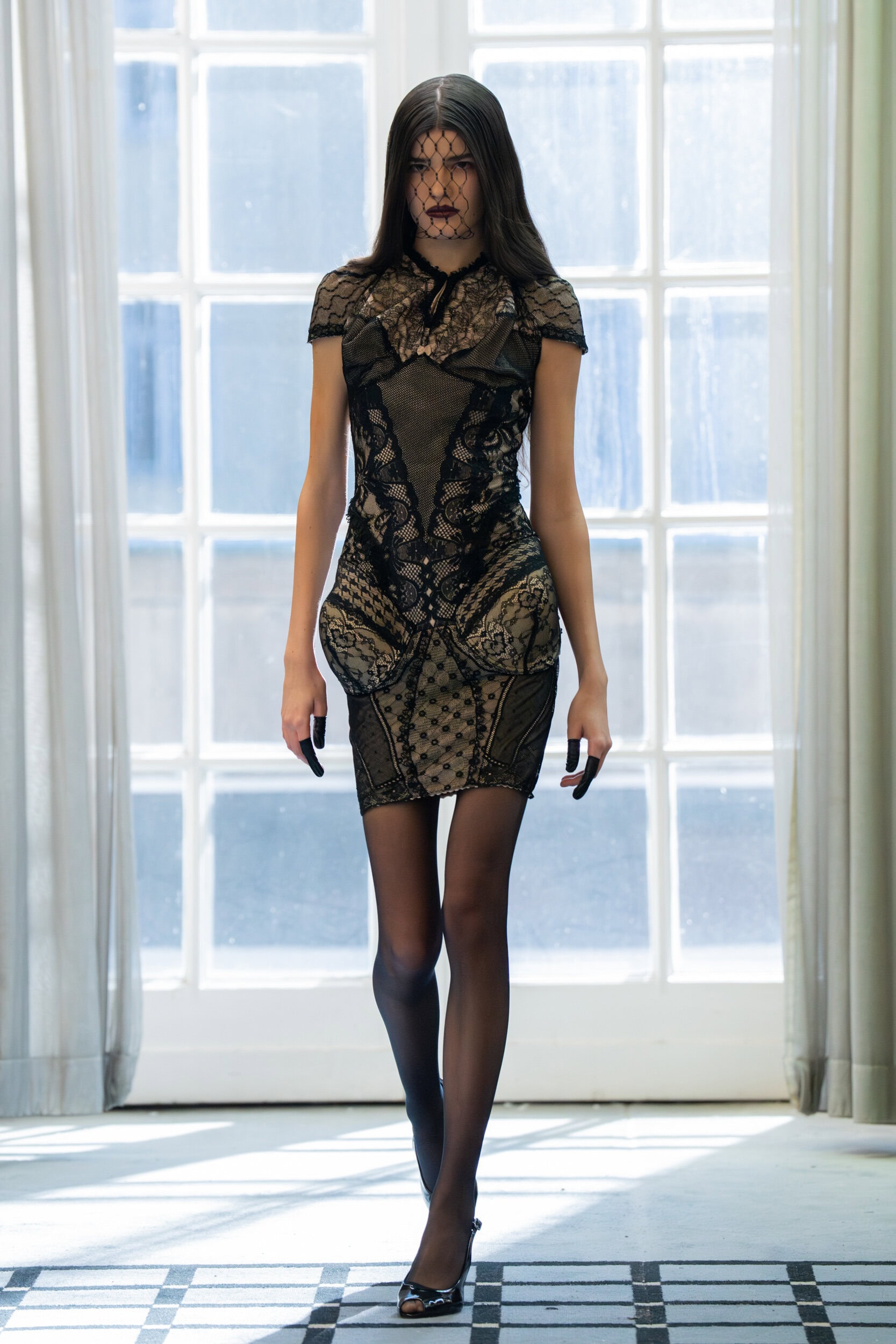
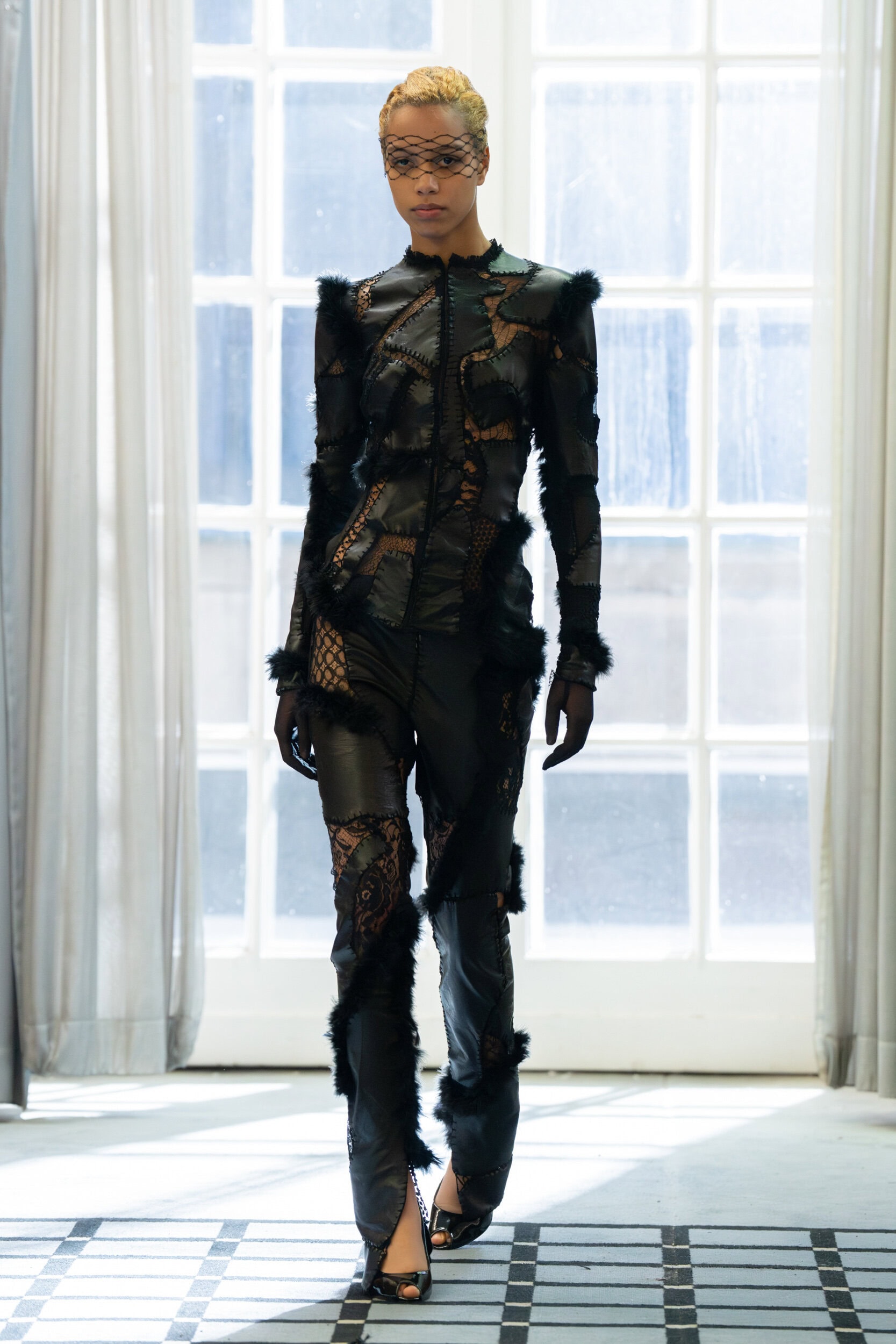
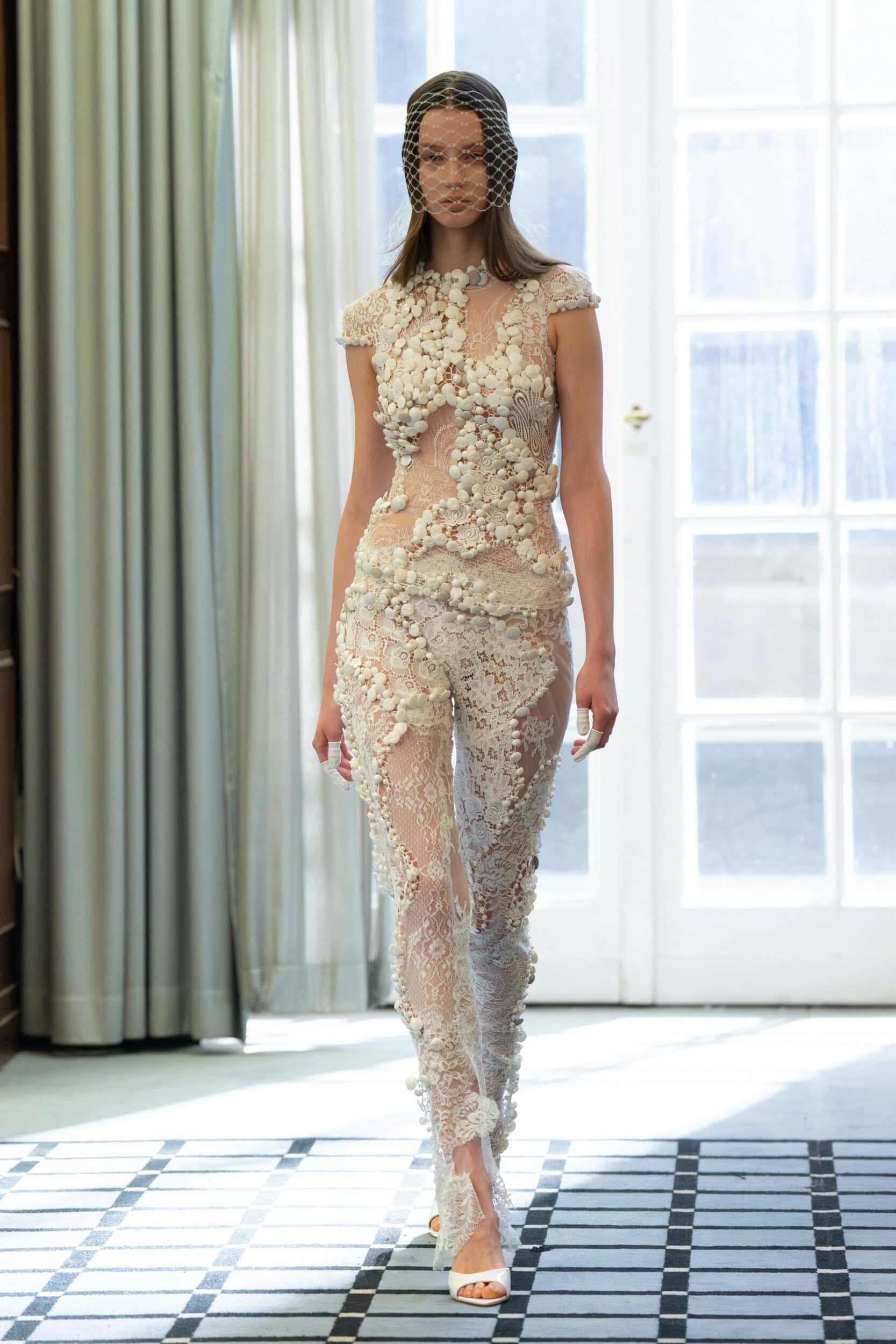
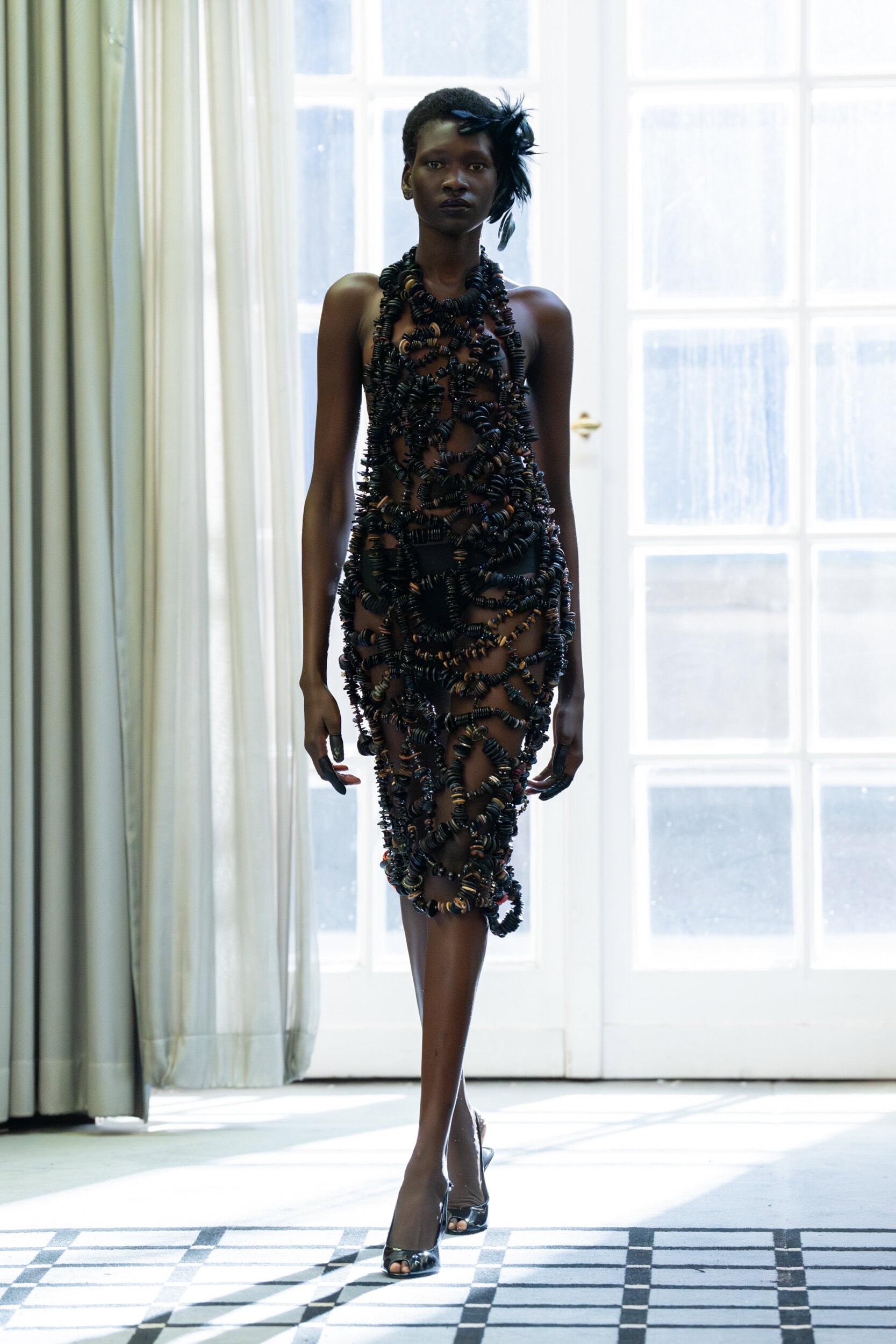
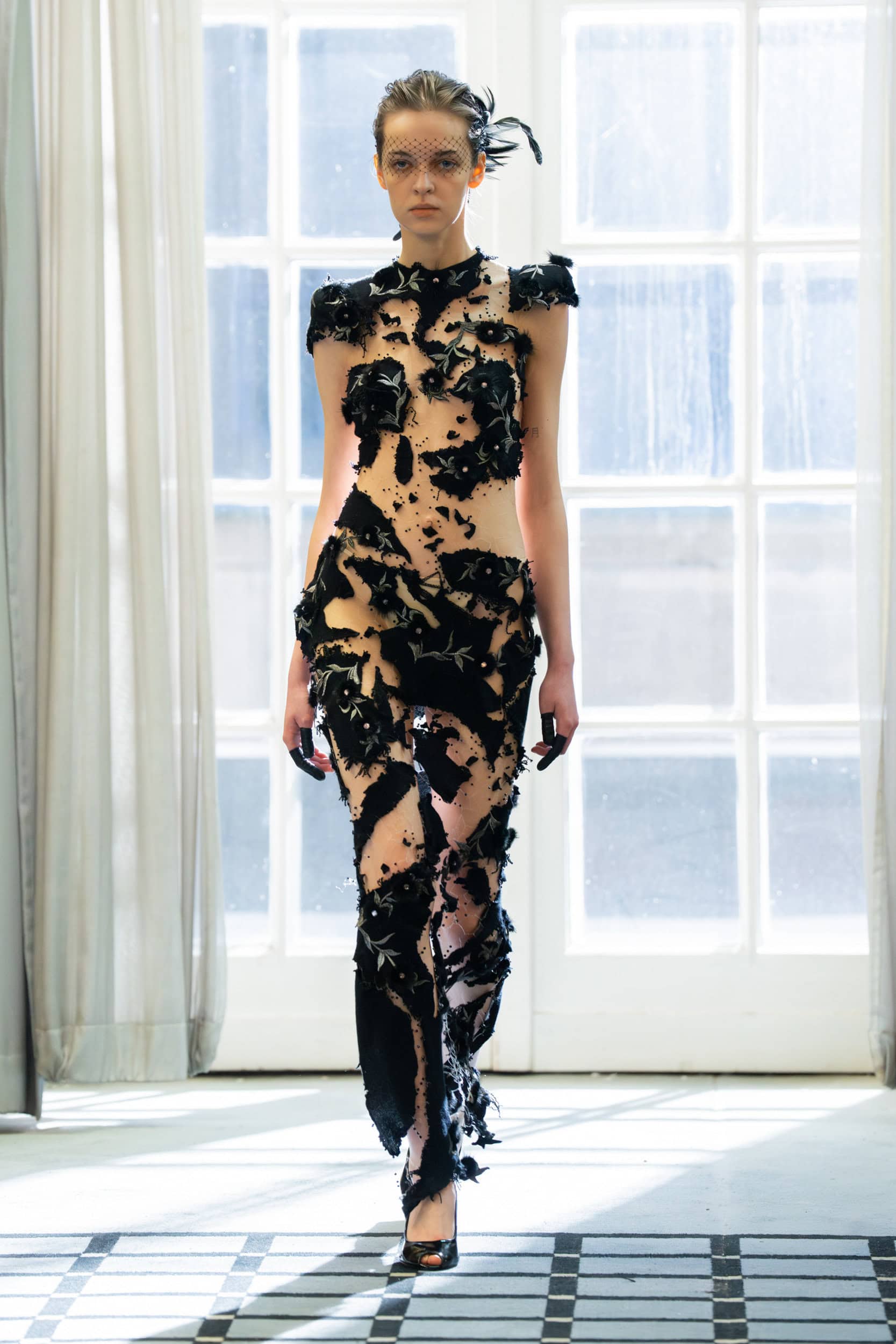
Lou de Bètoly also works with deconstruction and upcycling materials such as vintage lingerie, lace, bags, and buttons she has collected from markets since childhood, now lovingly going through them with her own four-year old daughter and building them into her collection. It takes time to build this trove of treasures as it does to work them through heritage traditions such crocheting, knitting, embroidery, and weaving into the ephemeral works of art that they are. She also works outside of the trend cycle, often skipping a season because of the very time-consuming process behind her handcrafted pieces. That’s because she’s not trying to reinvent the wheel, but rather take a page from Raymond Queneau’s playbook Exercises in Style, in which a story is told in 99 different ways. We’re here for it. FKA Twigs needs to rock Lou de Bètoly on the red carpet.
Side note: This may be the only show I’m not mad at the lack of body diversity on the runway. Otherwise, it is shockingly and disappointingly disappearing even from Berlin runways, which have been historically diverse. Berlin Fashion Week: Bring back diversity! It is your strength and your truth.
Kasia Kucharska
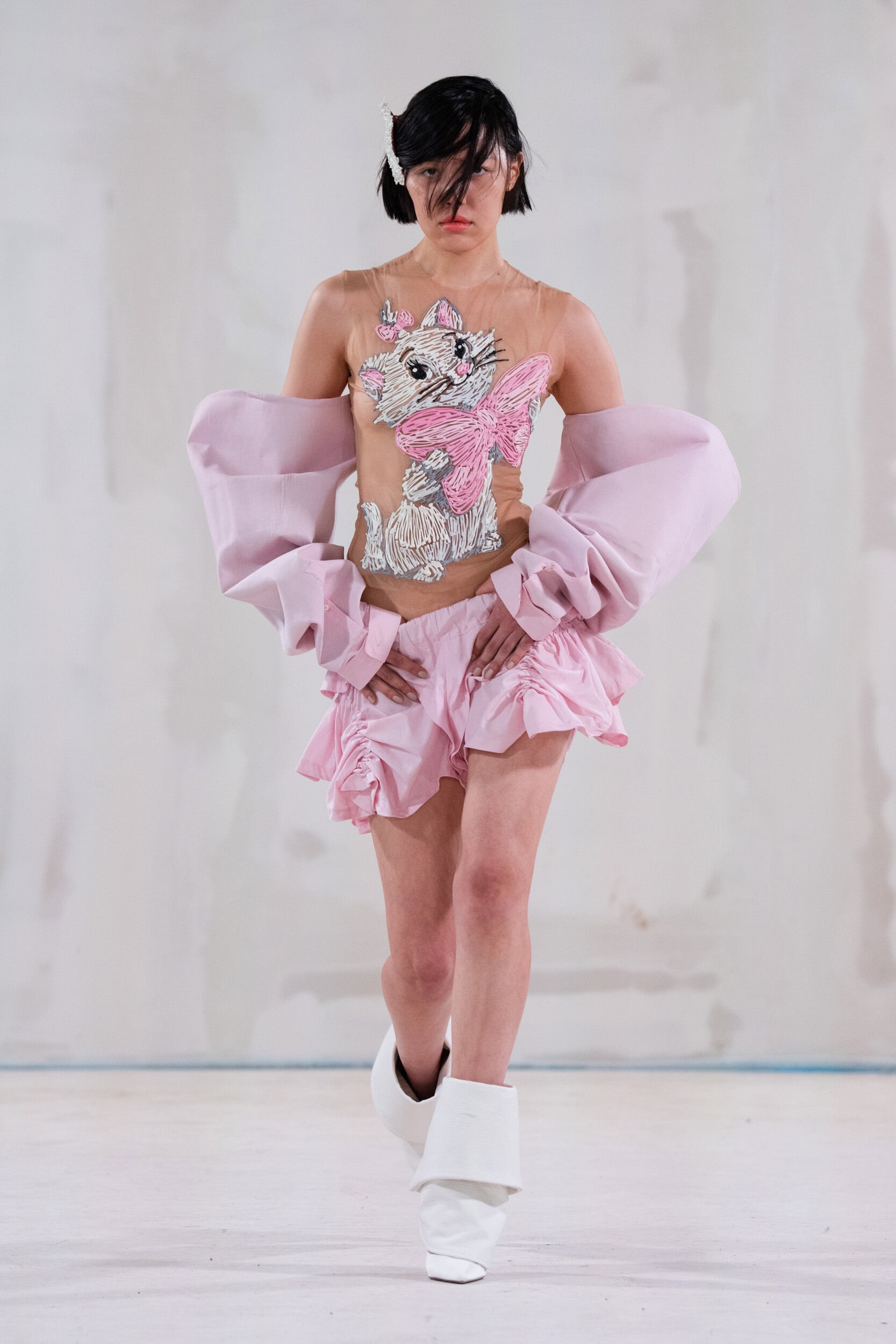
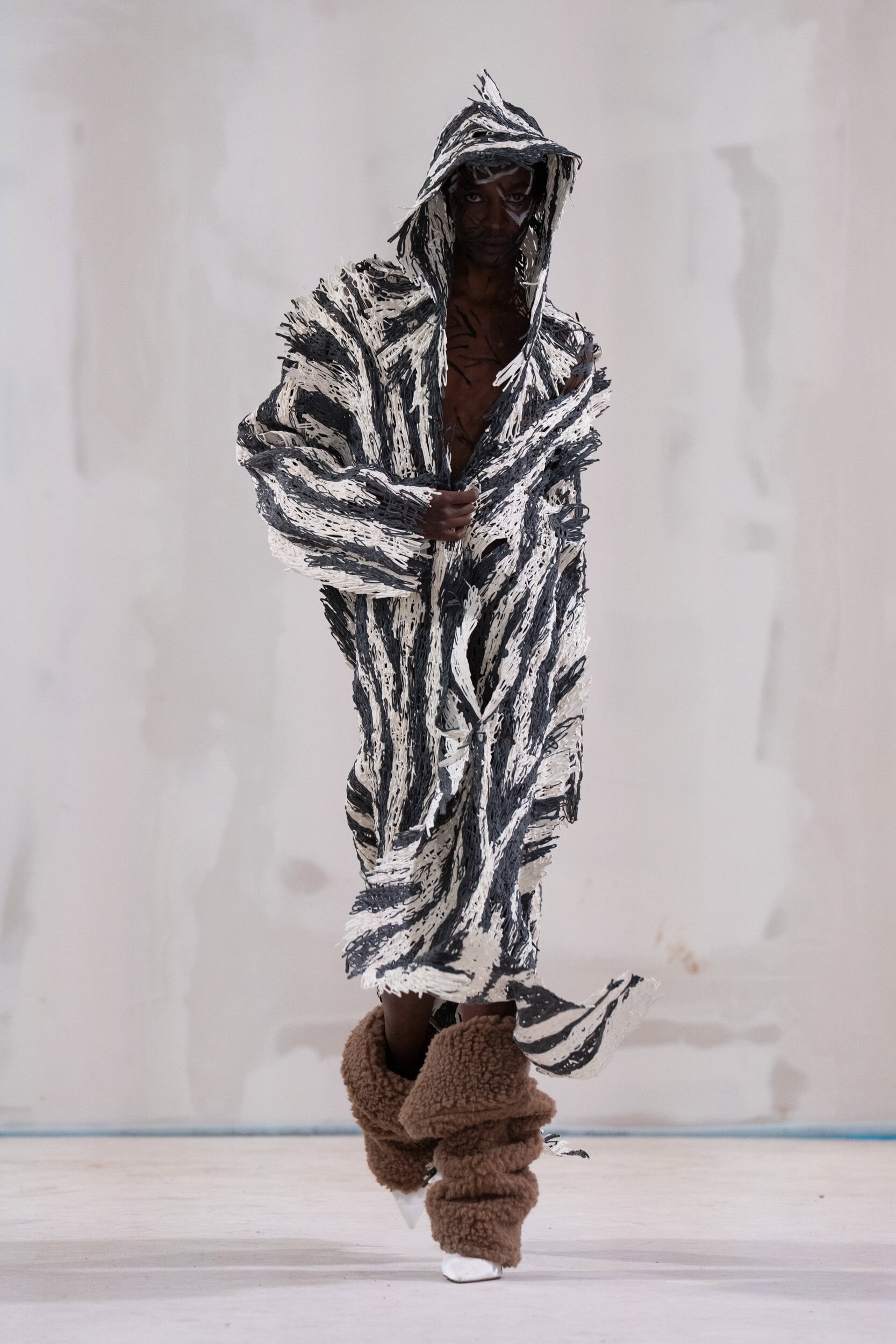
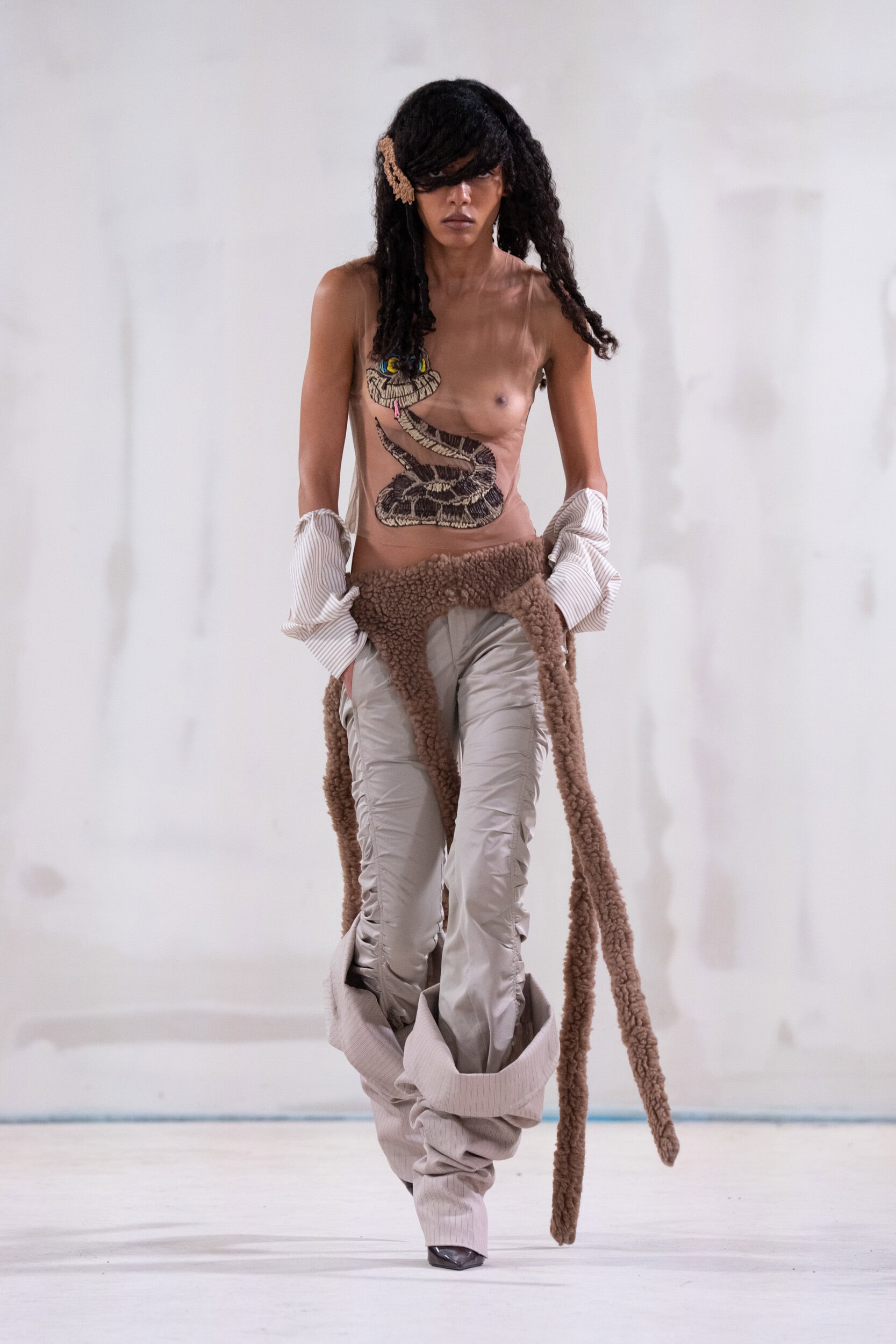
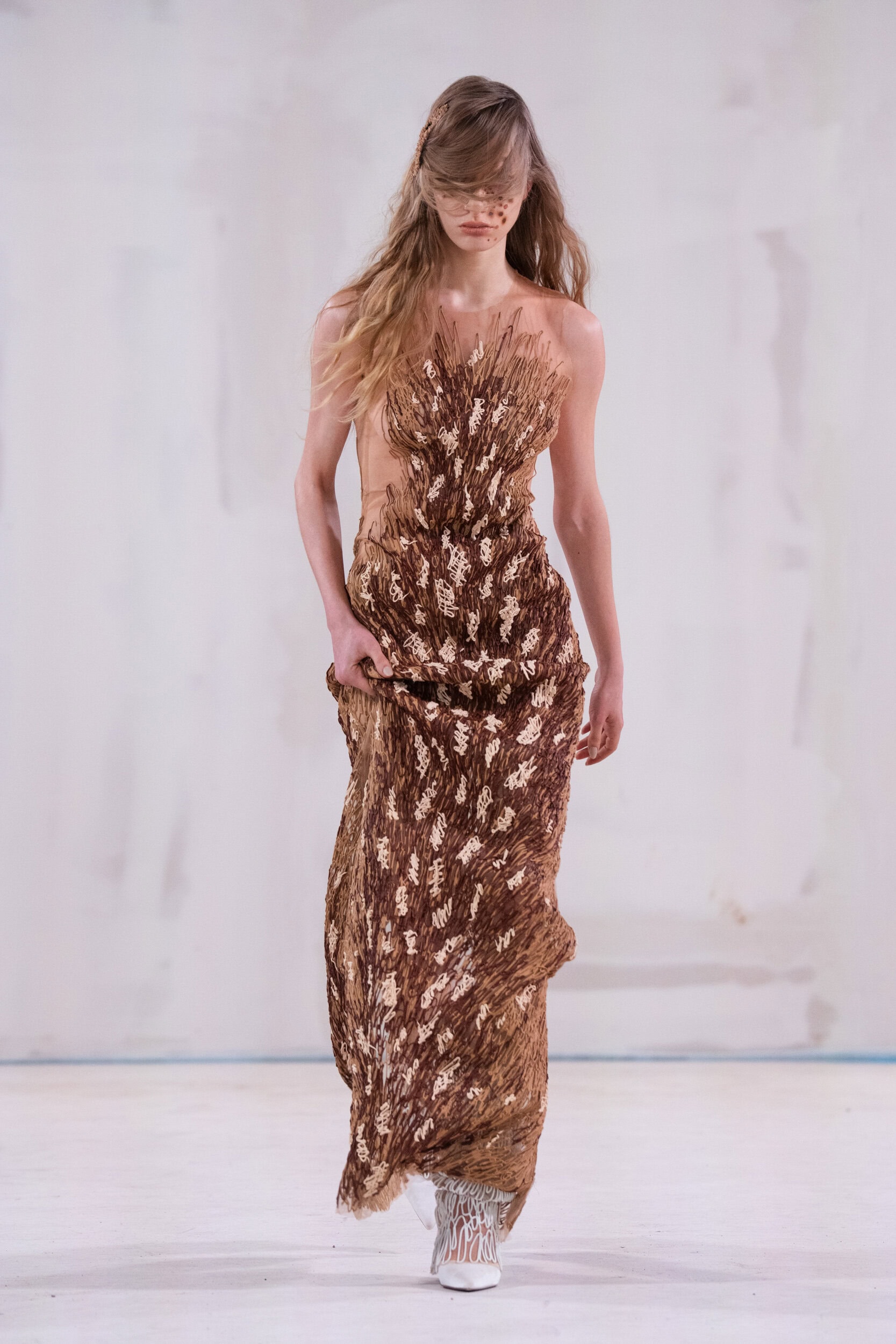
Kasia Kucharska’s second collection maps the beautiful and challenging chaos of becoming a young mother and that emotional landscape. As she explained in a heartfelt conversation before the show, it’s a combination of “all different sorts of emotions – love and security. Fear, because you want to be protective but then you also need to be protected. I was very scared of becoming a mother, but nature is so crazy with helping you so everything will be fine.” Therefore the elements of plush and pink, yet with the control and precision of the tailoring in the shirting and shorts, and efficiency in mind as they can be tied instead of fussing with buttons. While we were talking, as if to illustrate the distraction she has to deal with, her husband and daughter joined us, but baby Mathilda just spread warm smiles on everyone’s faces.
As does the collection, which is fun and playful. “It’s also inspired by heroes from my childhood,” Kasia explained. “The very early characters I remember from movies and what they represent. There’s a lot of Disney characters from movies like Bambi, The Jungle Book, or 101 Dalmatians. From Jungle Book, I love the snake for example, he was very hypnotizing, kind of a bad character.” Not only do the characters show up as motifs, but also as snake print or deer print. The unique 3D-printed latex process she developed give them a wiggle when they walk, much to the audience’s delight.
Richert Beil
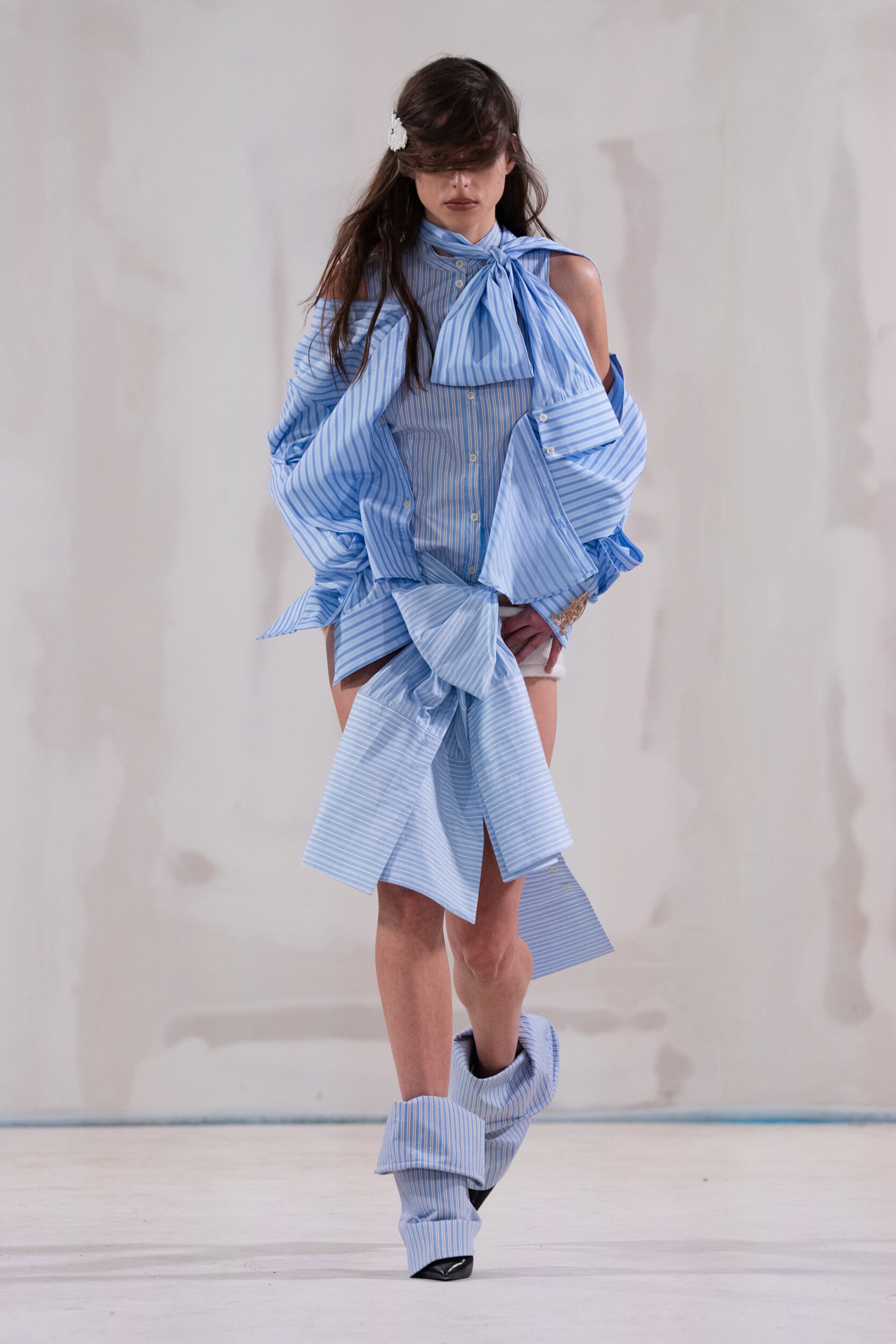
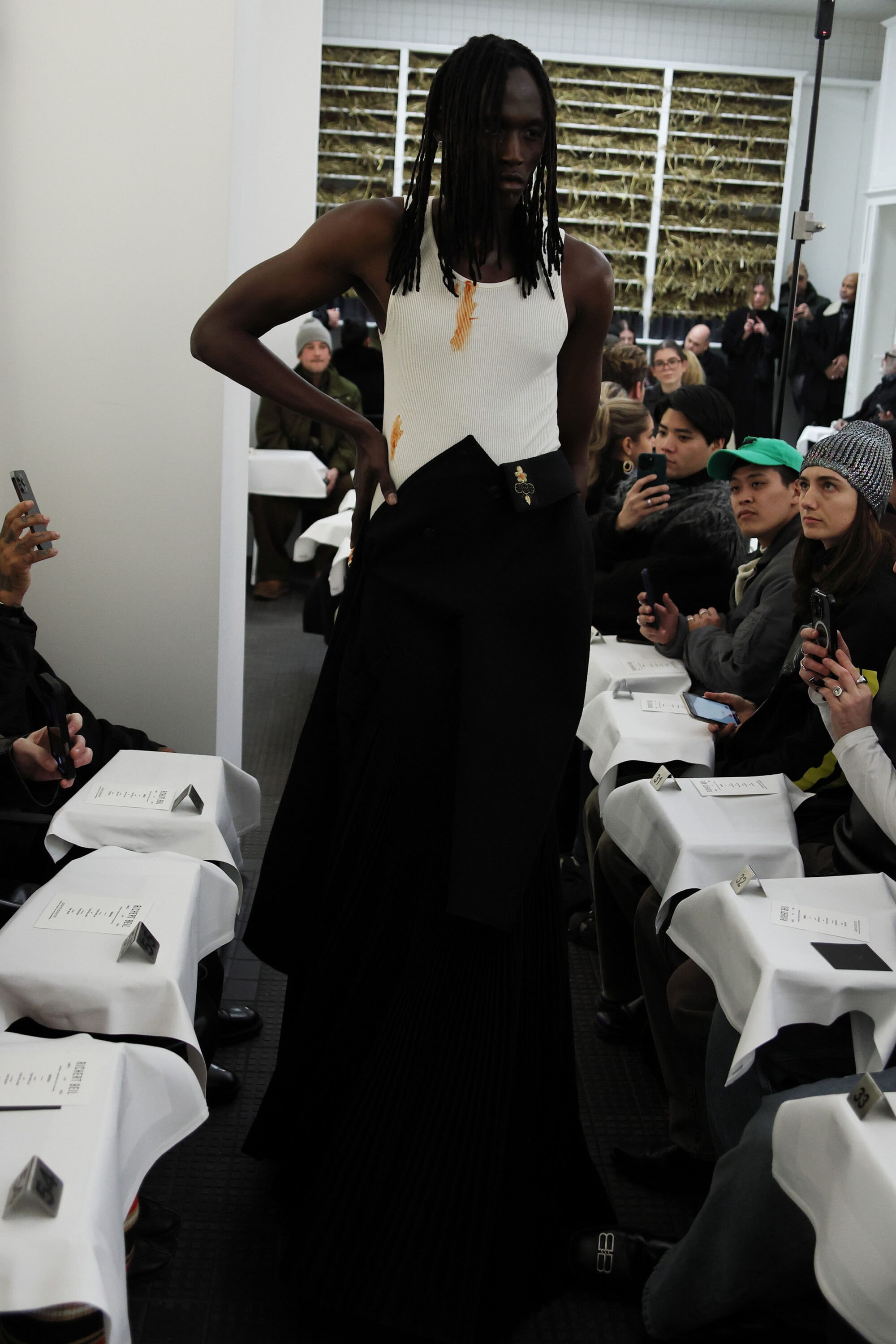
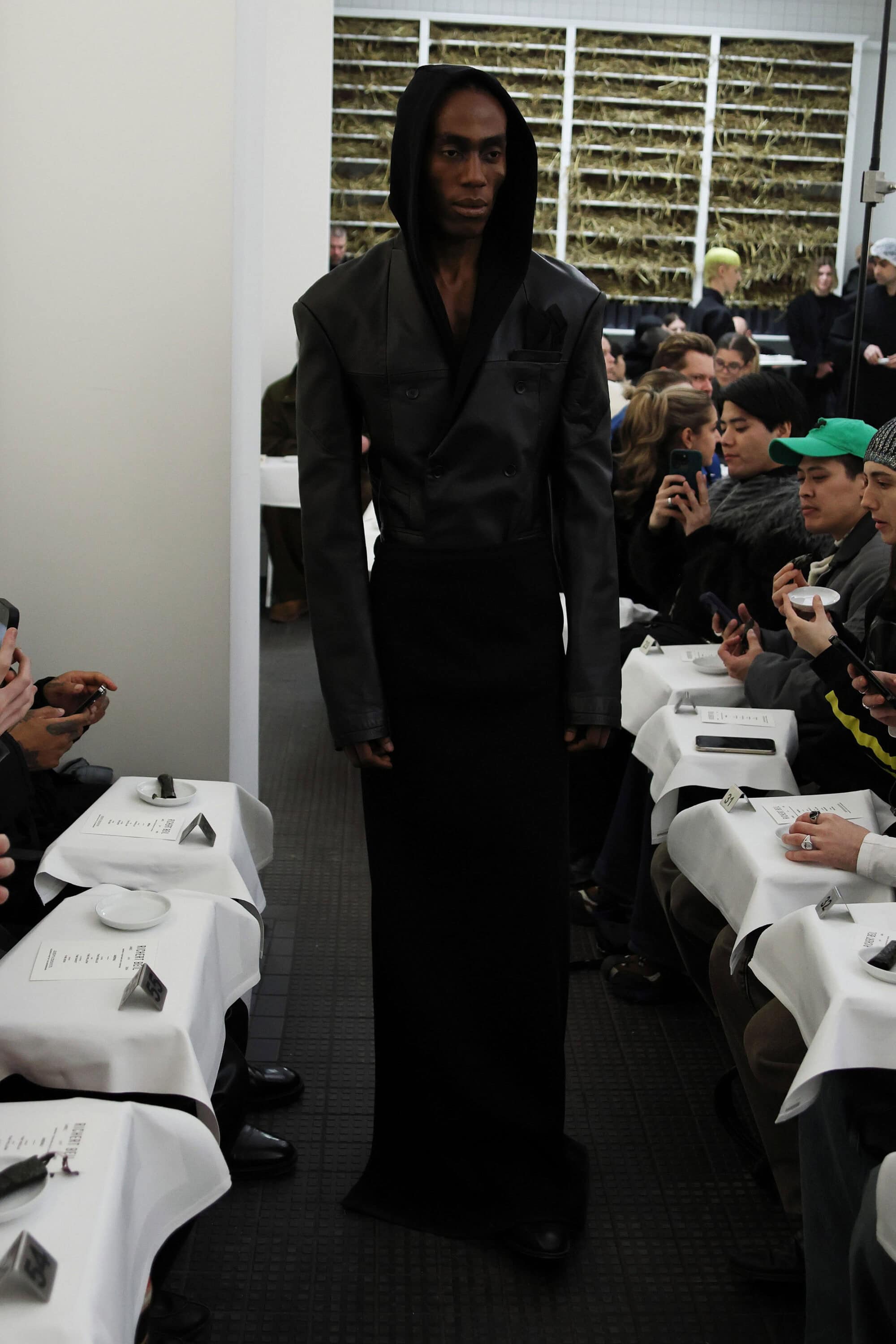
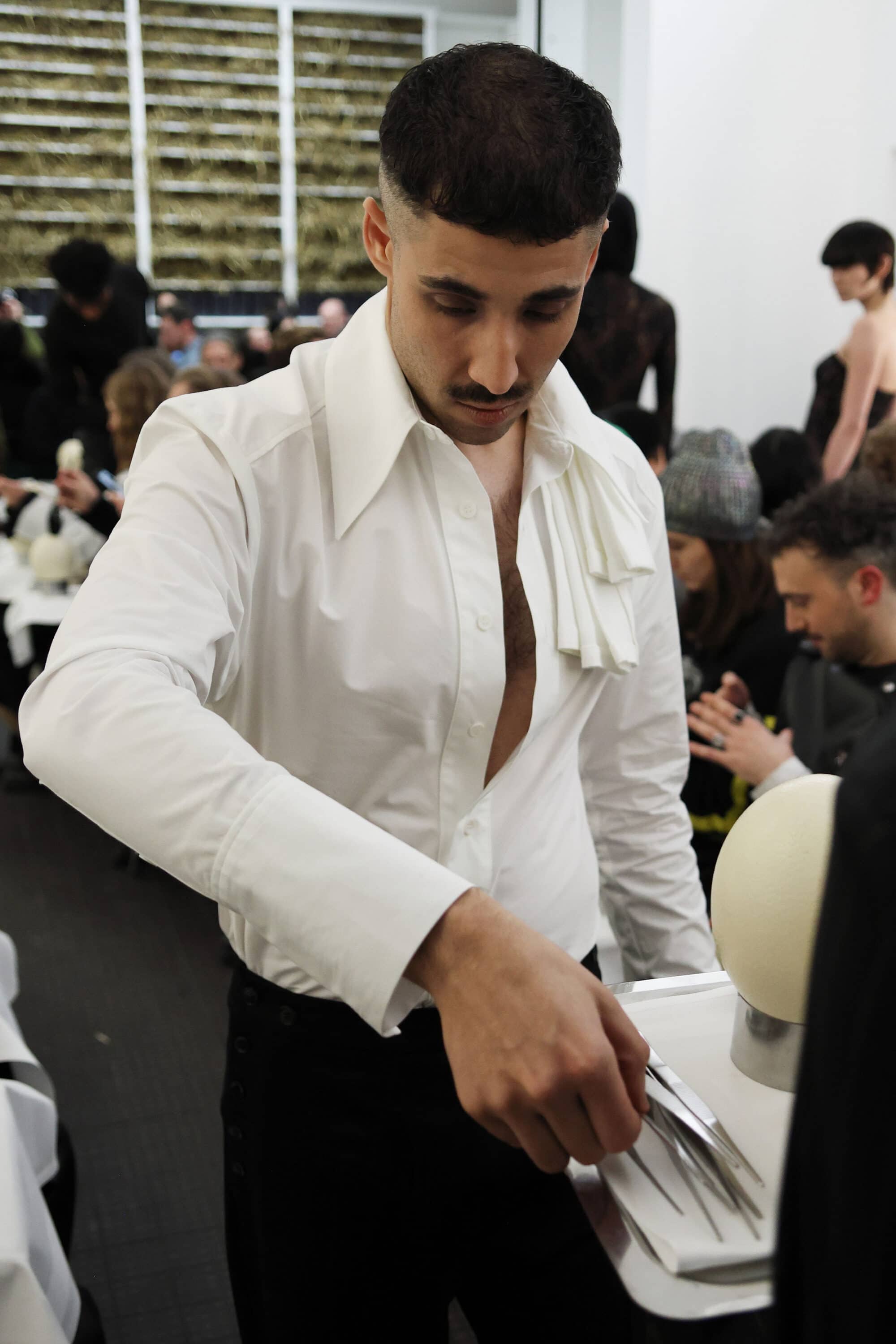
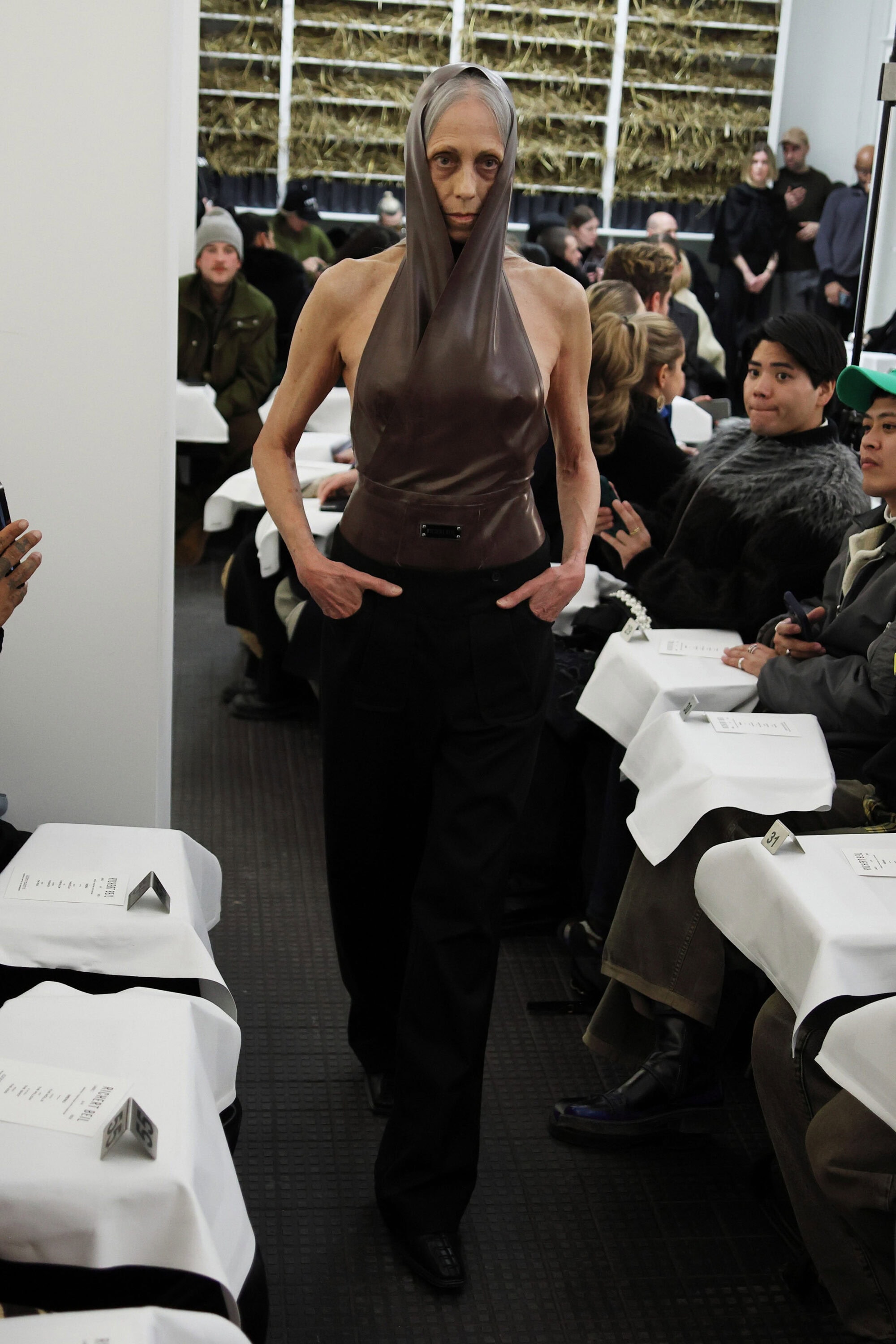
Served with a four-course menu at individual seats with a tray table, Richert Beil’s show “Landei” was a manifesto against today’s drive for speed and spectacle. The word “Landei” denotes being a country bumpkin or provincial. Founders Jale Richert and Michele Beil try to reclaim it and stay true to themselves and their community. They serve a niche and their nonconformist creative practice is independent of seasonal cycles. They uphold their commitment to sustainability and craftsmanship, and aren’t trying to chase eyeballs and economies of scale. Similar to other work mentioned above, this is their nonapologetic expression of identity and plurality. This is Berlin.
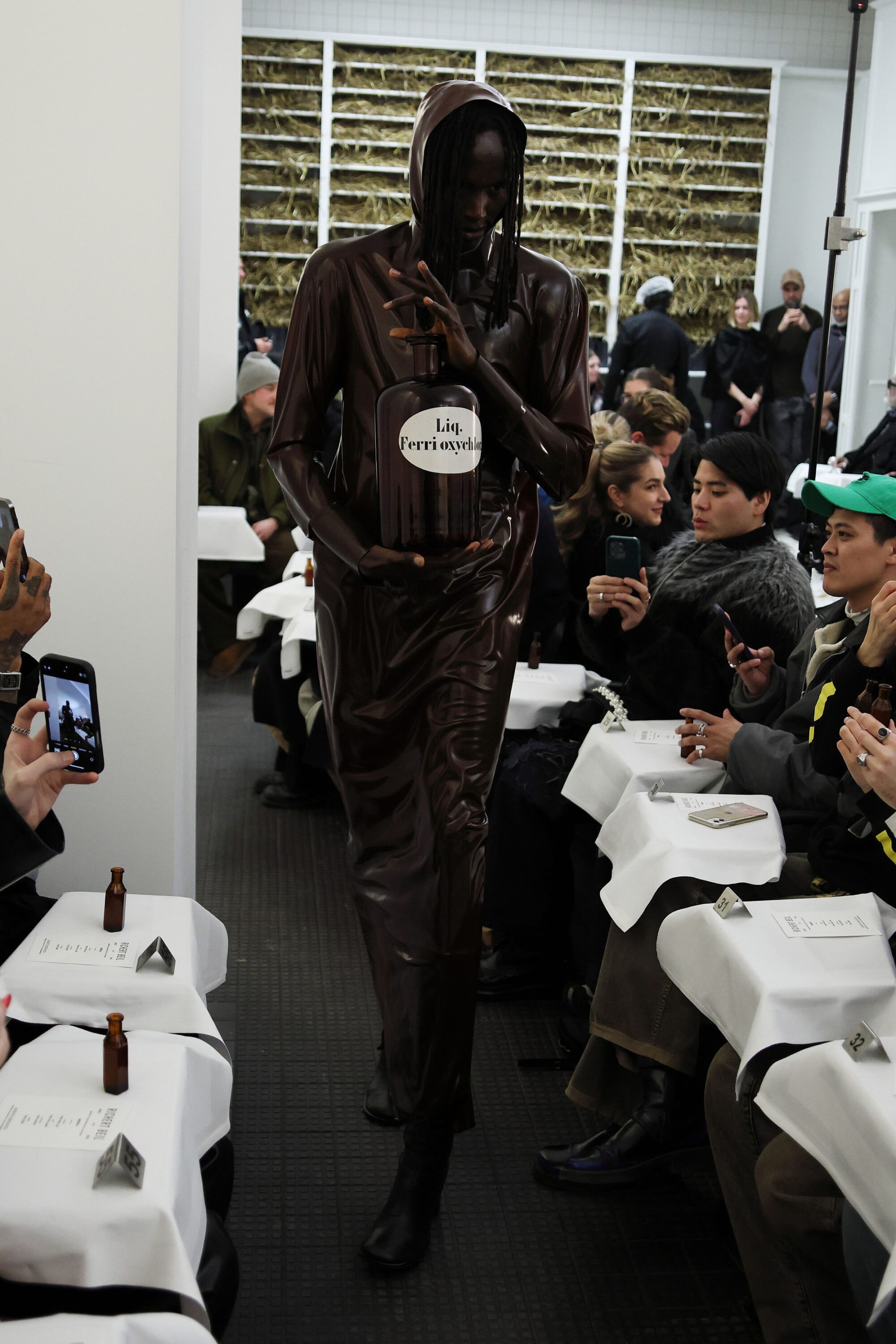
The collection featured subversive deconstruction of the restaurant experience, with napkin embellishments on the shirts and pants, tablecloth skirt and dress, as well as a literally cheeky take on an apron coat. The third course was a shot served in little brown vials as a figure in full latex look carried a large bottle of poison around – suggestive because their space was a former pharmacy. “Dessert” played on the concept of the beloved Kinder “Überraschungsei,” a chocolate egg with a surprise in it. Guests were served an ostrich egg with tongs, to discover a pair of black lace panties inside. What a way to close the evening and Berlin Fashion Week.
Berlin brands always worth seeing
Marke, Haderlump, and SF1OG have nicely matured into Berlin Fashion Week stalwarts delivering consistently great shows and strong collections that demonstrate a signature POV and lane.
Marke
Mario Keine’s poetic take on modern tailoring is bespoke in quality and luxurious in fabrication. A well articulated design language that would be a good fit for Milan, actually.
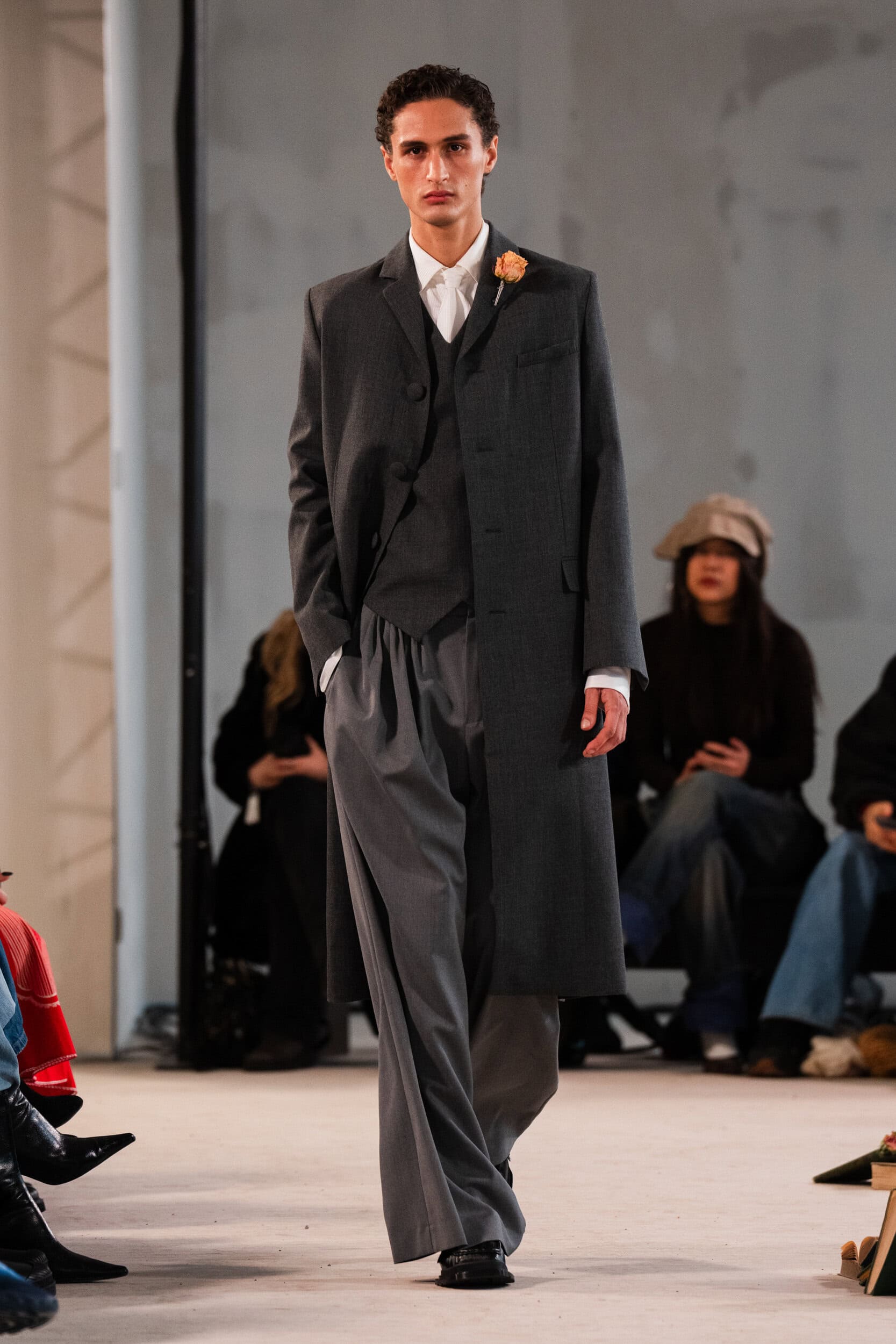
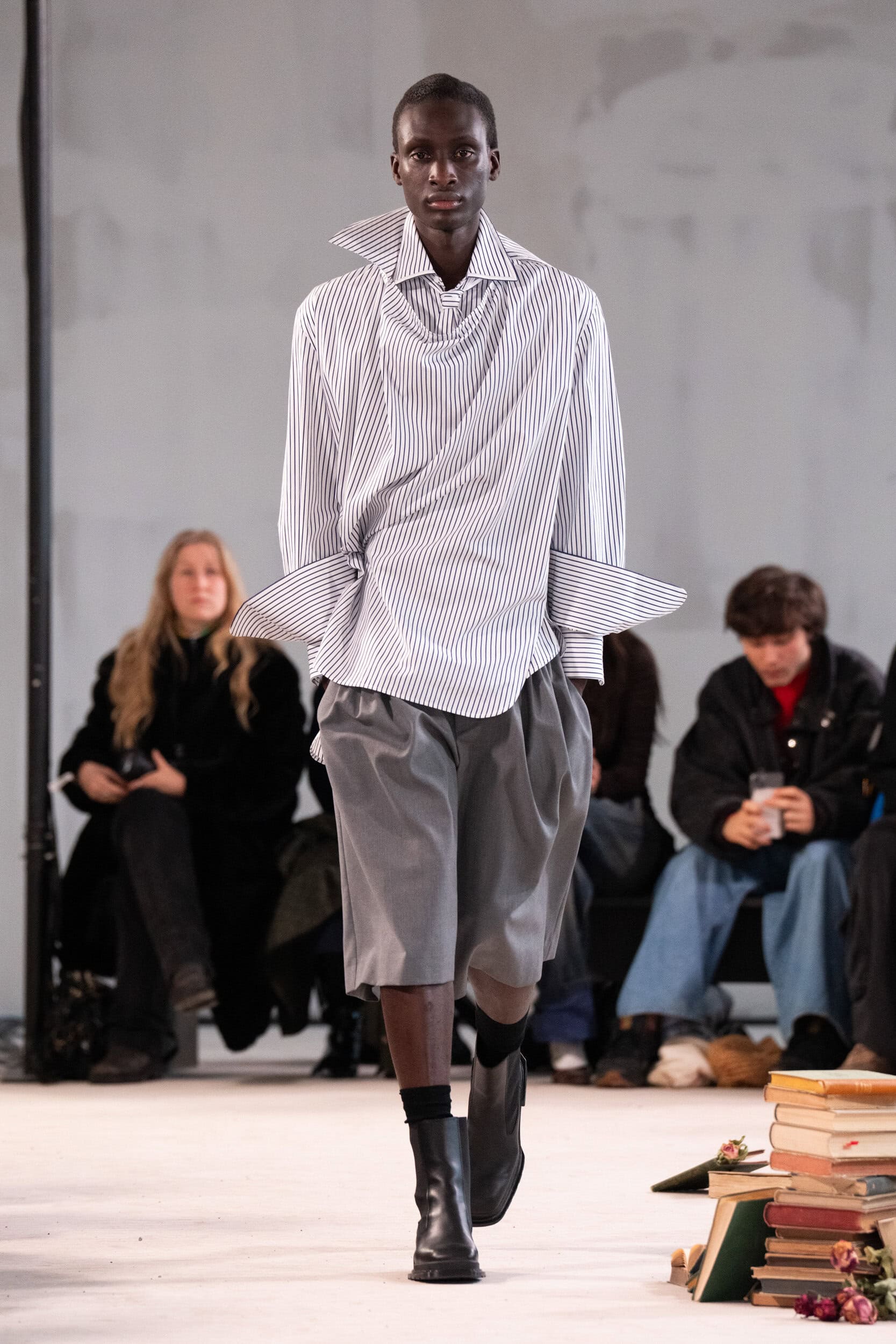
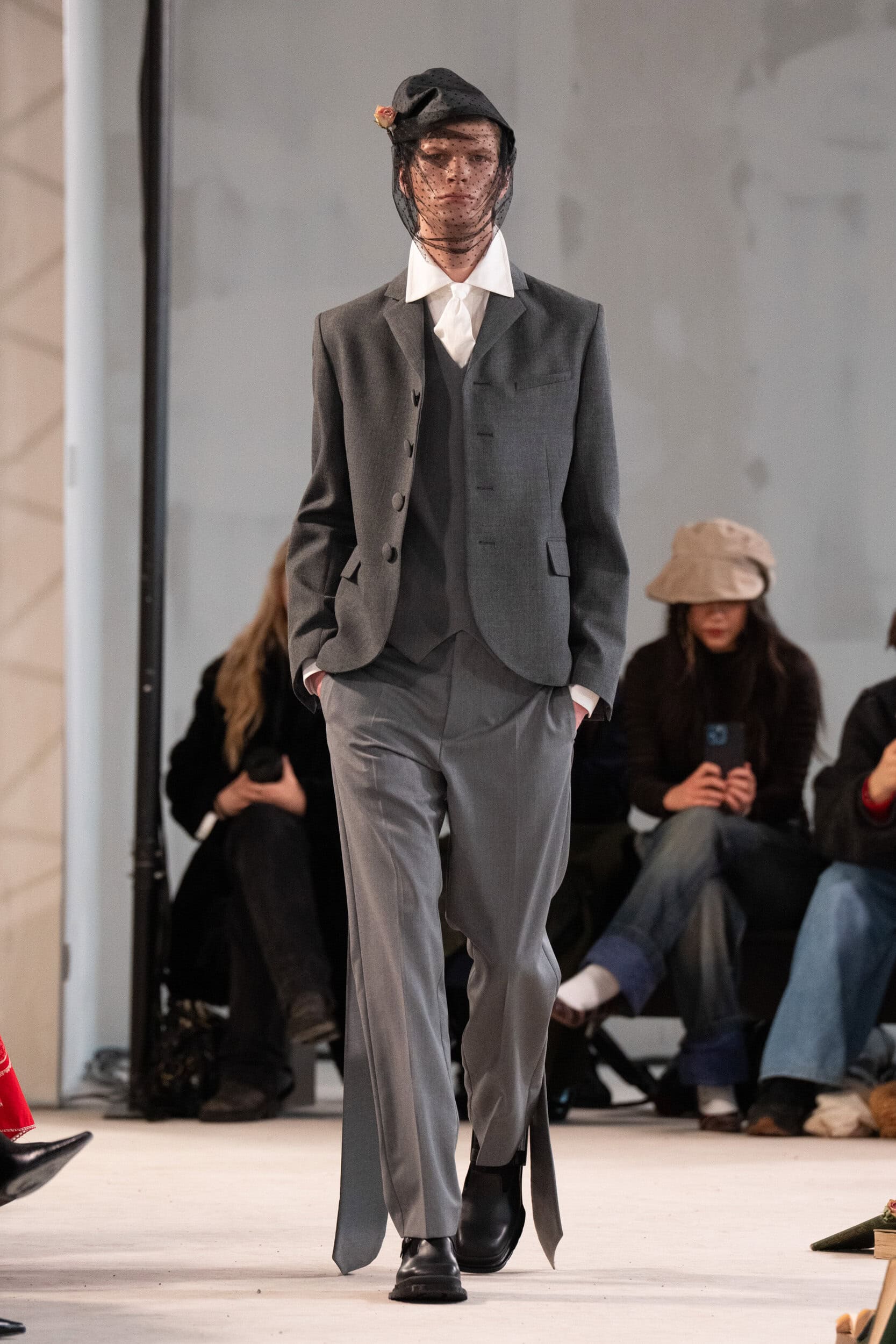
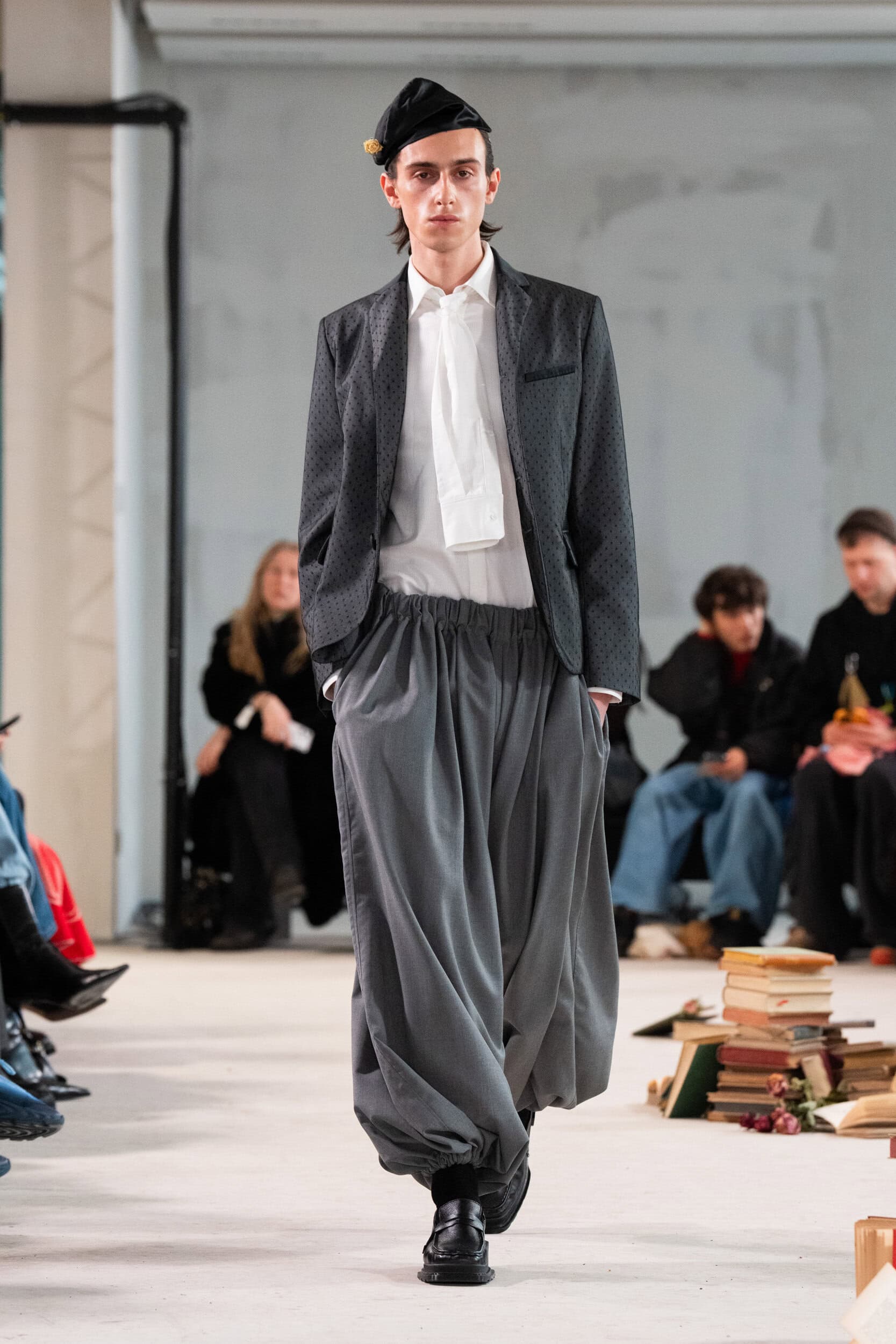
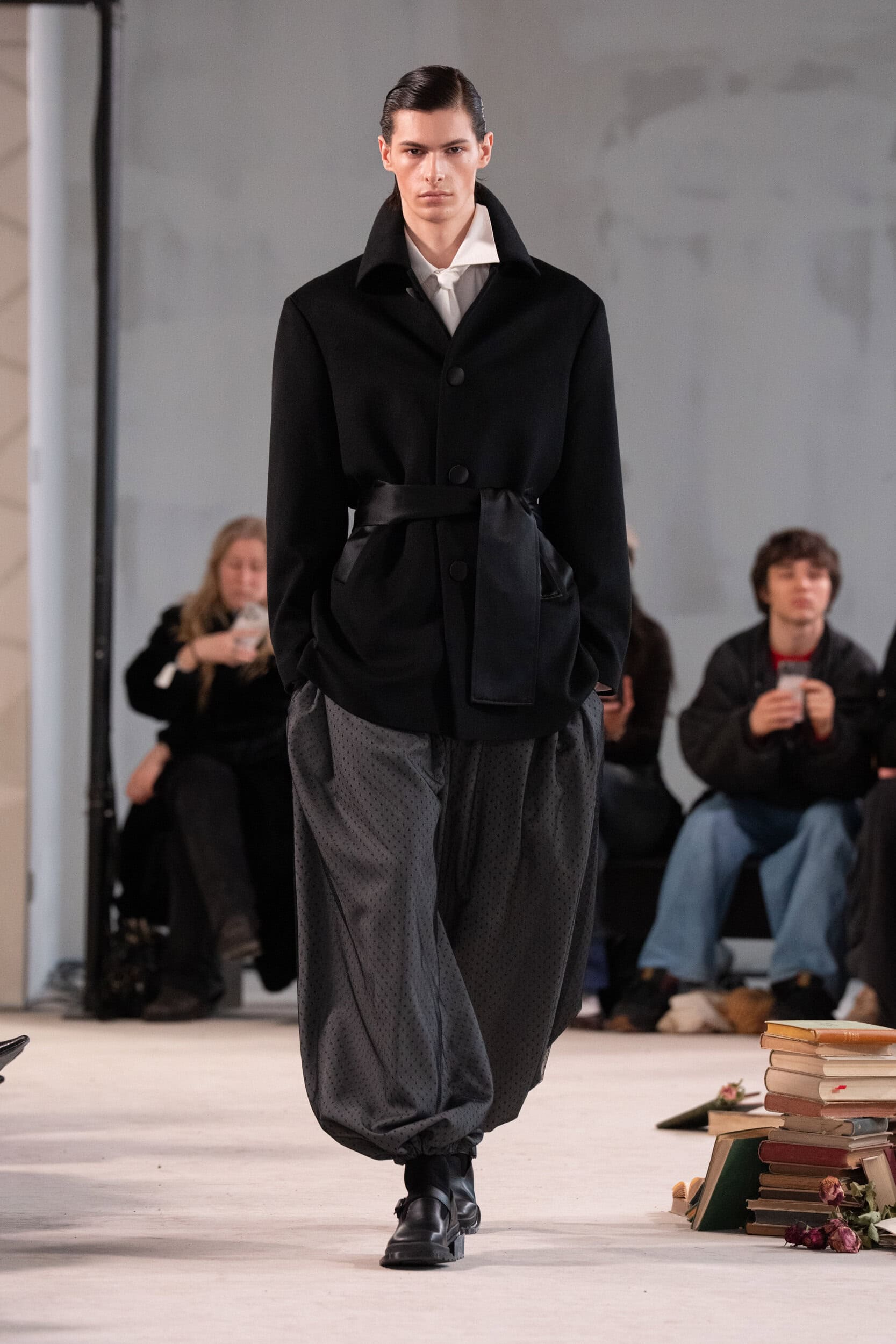
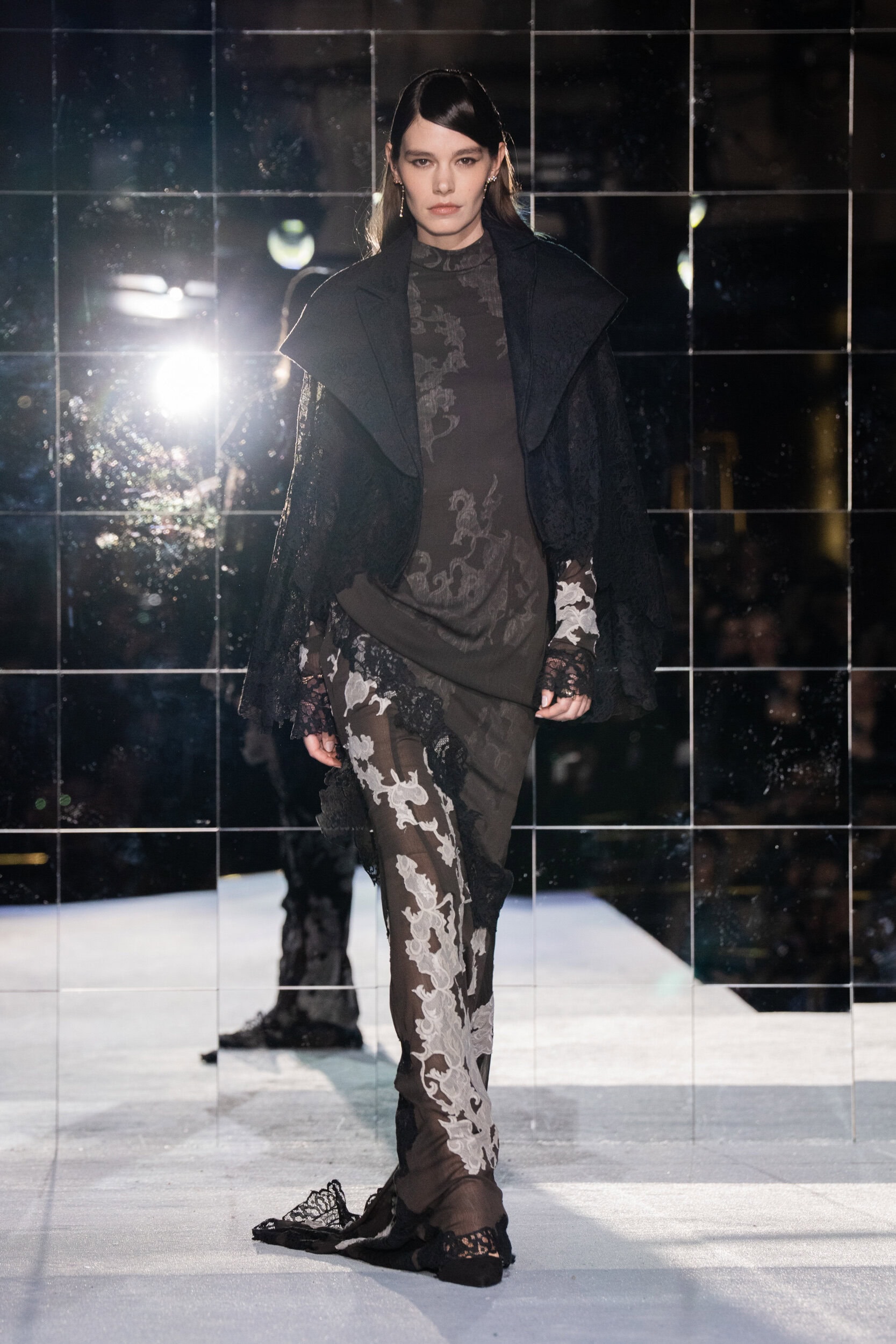
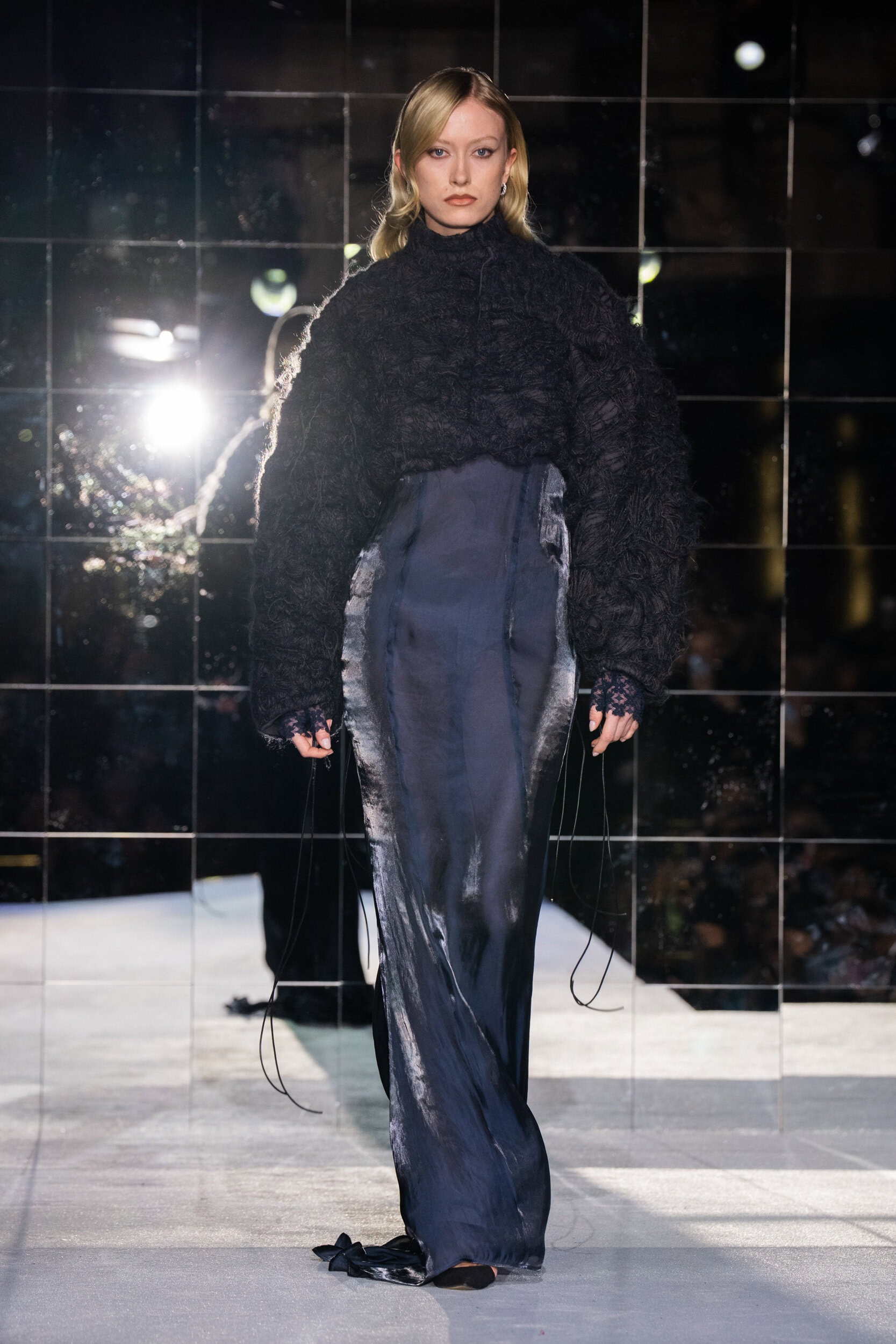
Haderlump
Brooding urban romantic who owns volumes and draping gets a Marlene Dietrich glow up. This season, they expand their evening offering with a more refined and elegant aesthetic and fancier fabrics like lace.
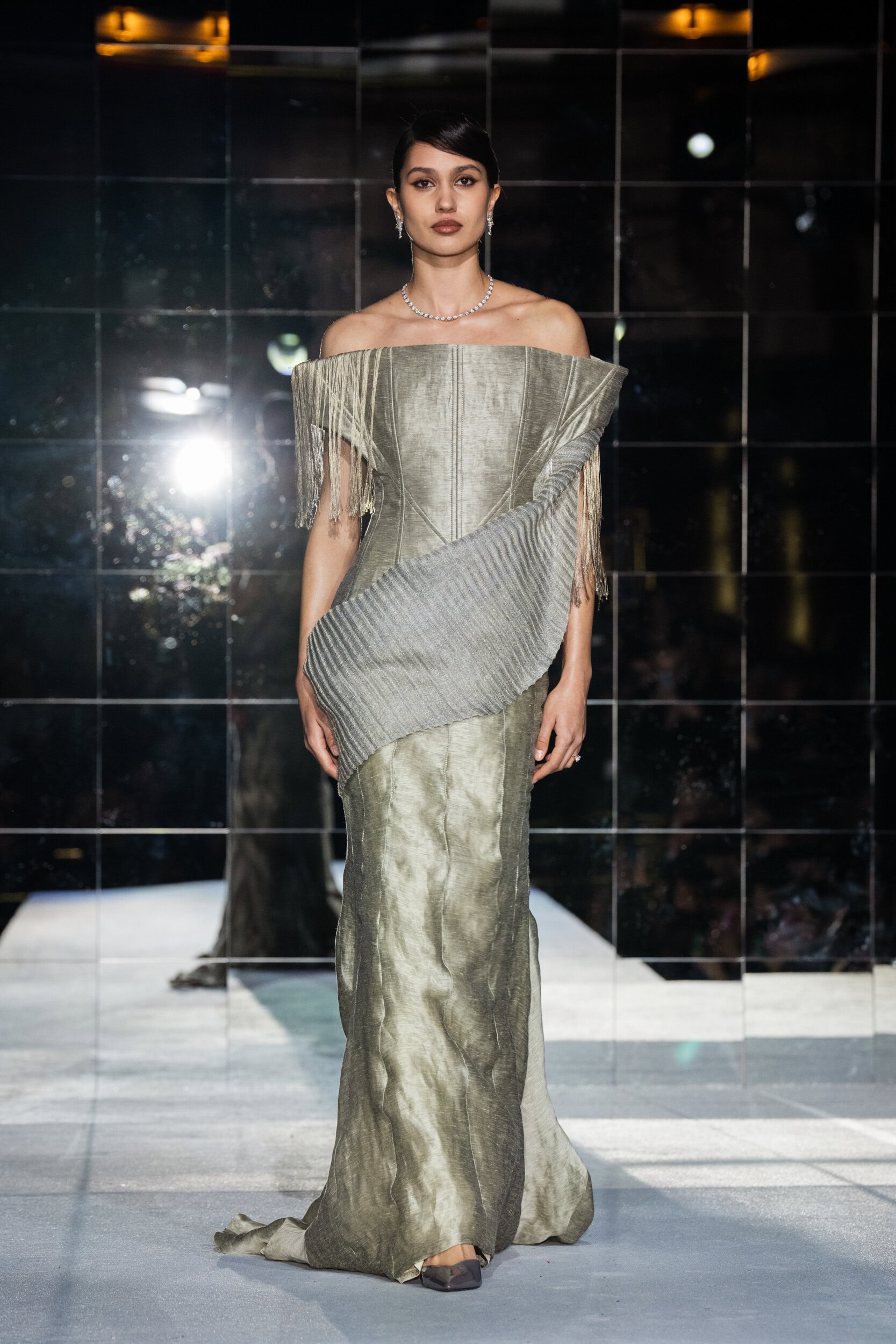
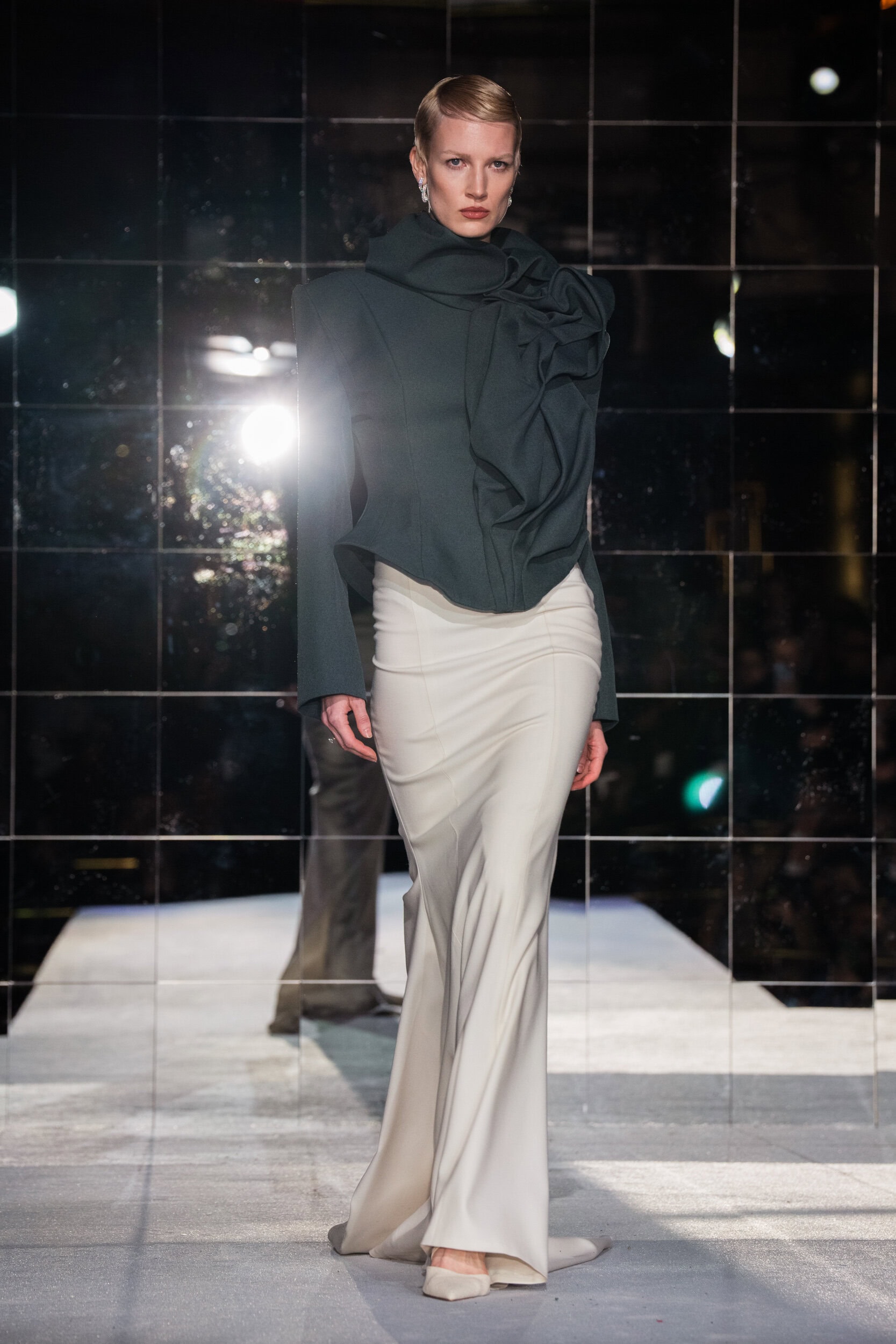
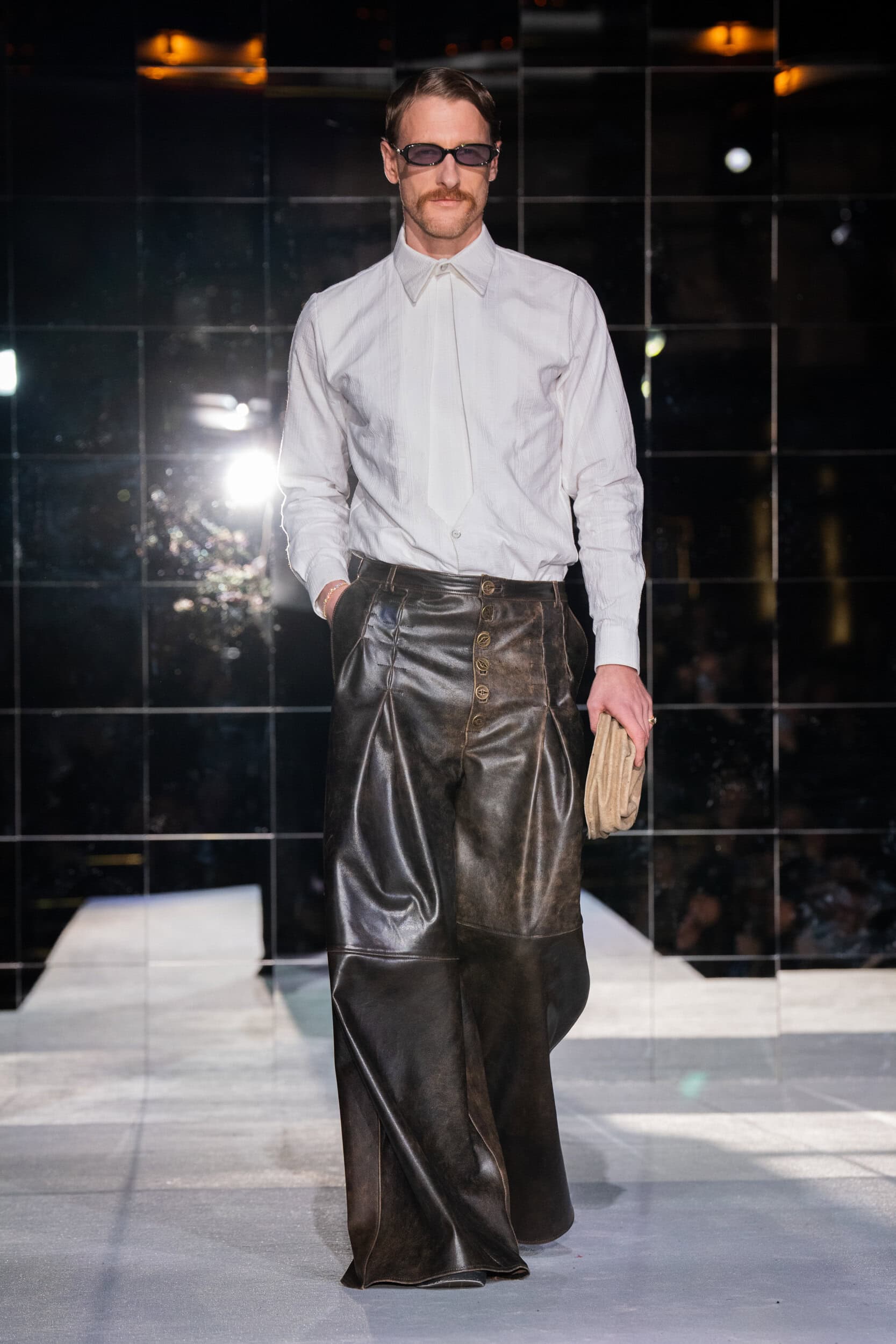
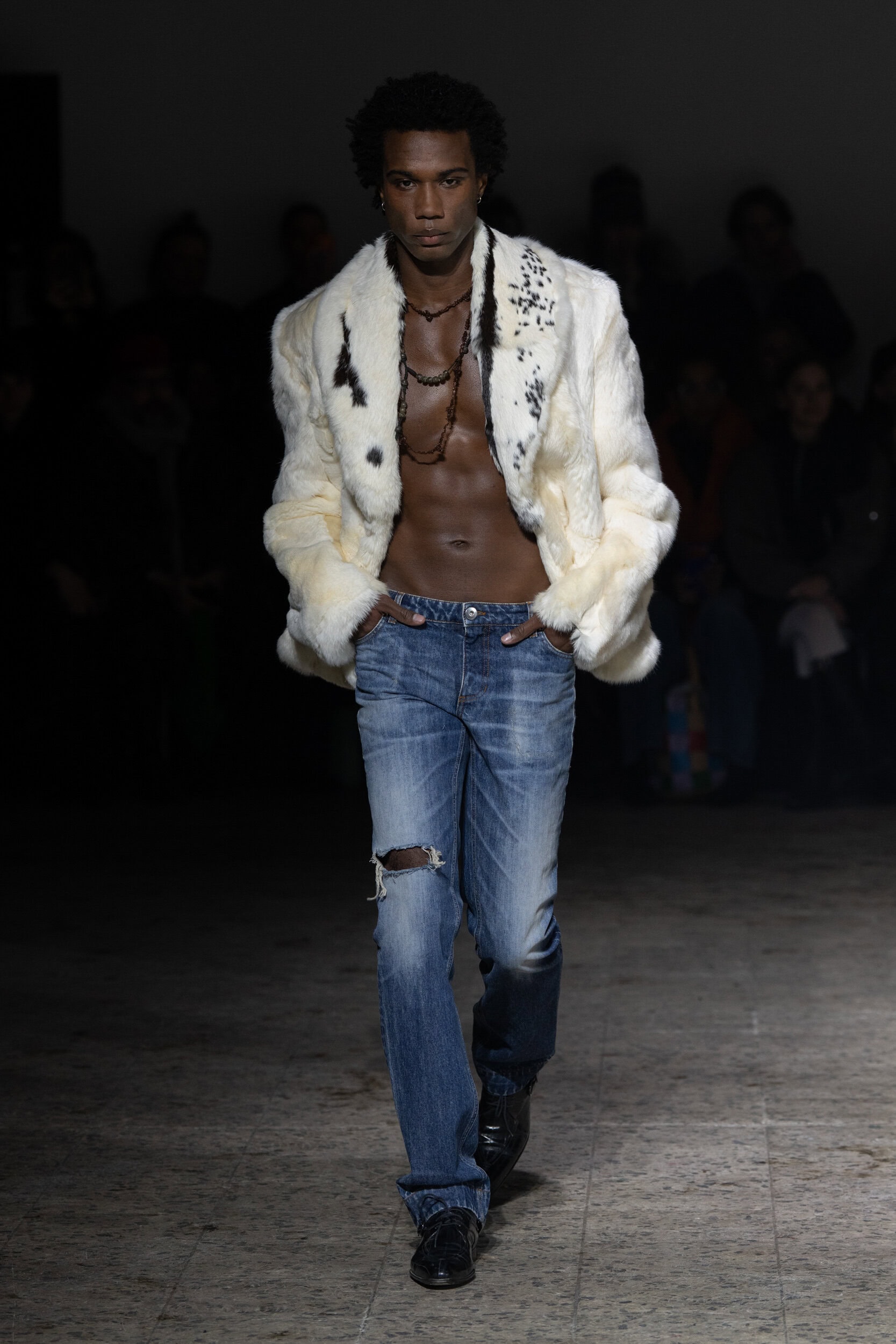
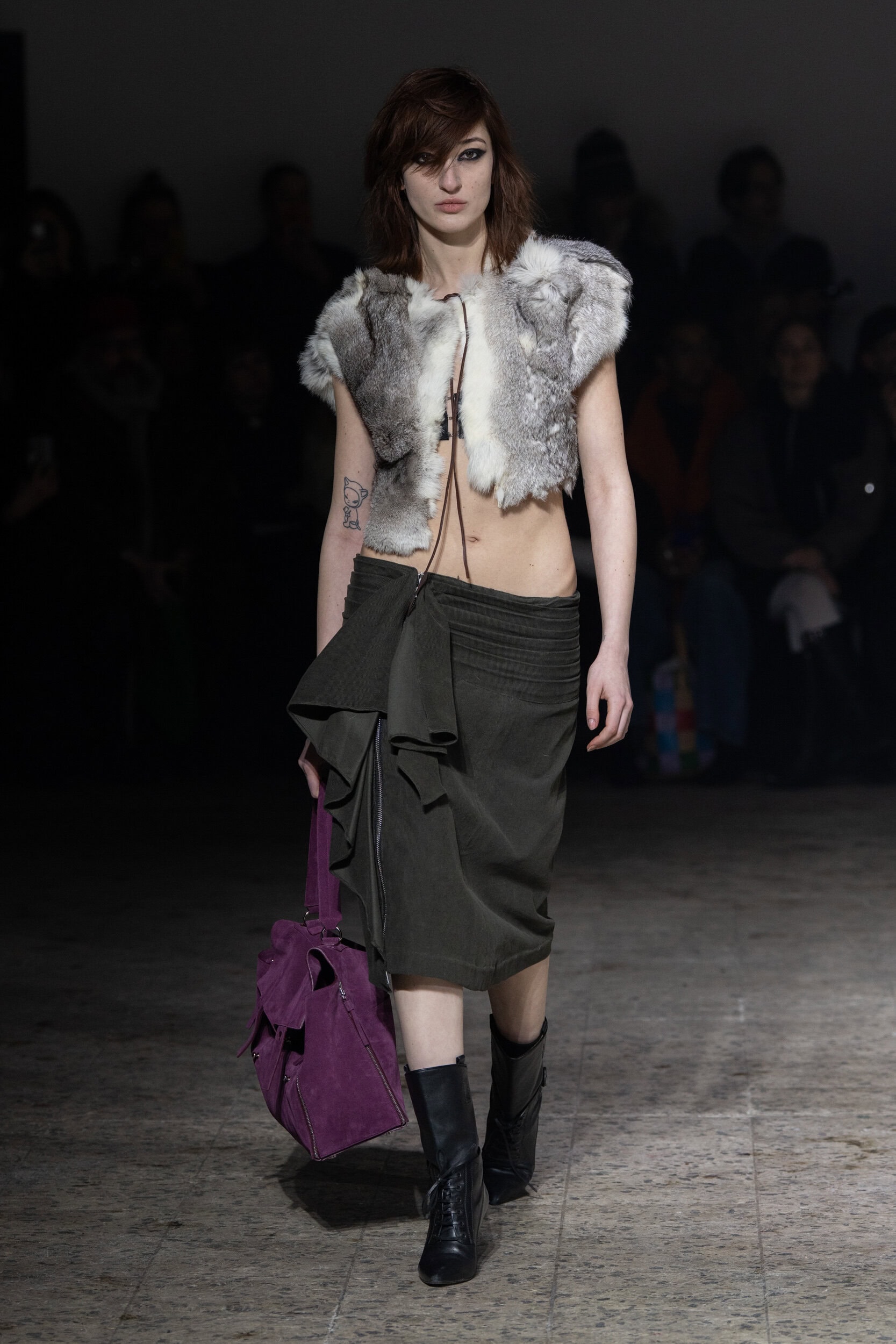
SF1OG
Emo indie counterculture is alive and kicking. They get full arthouse cred for integrating screens showing iconic scenes from Buñuel’s surrealist cinema into some of the garments!
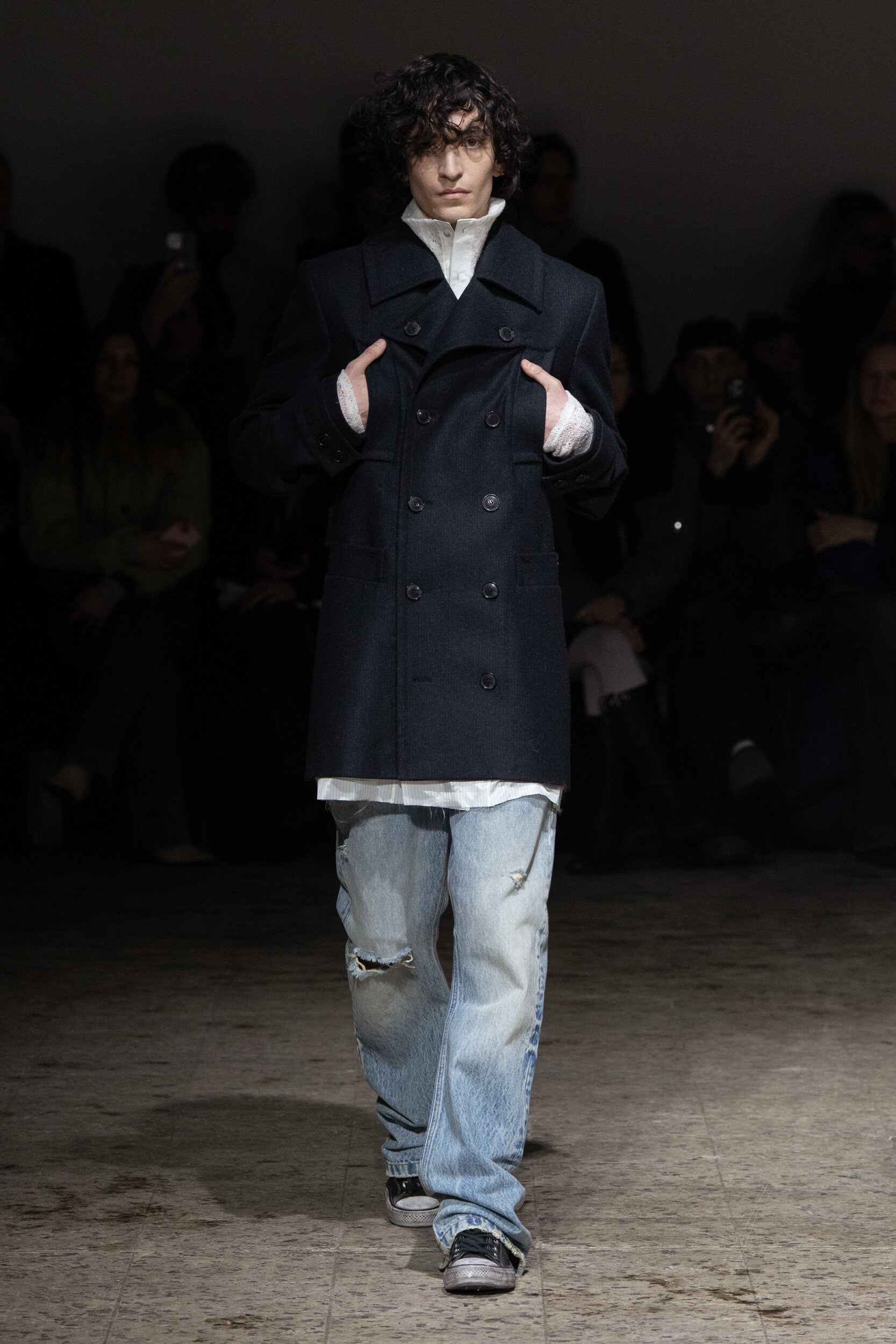
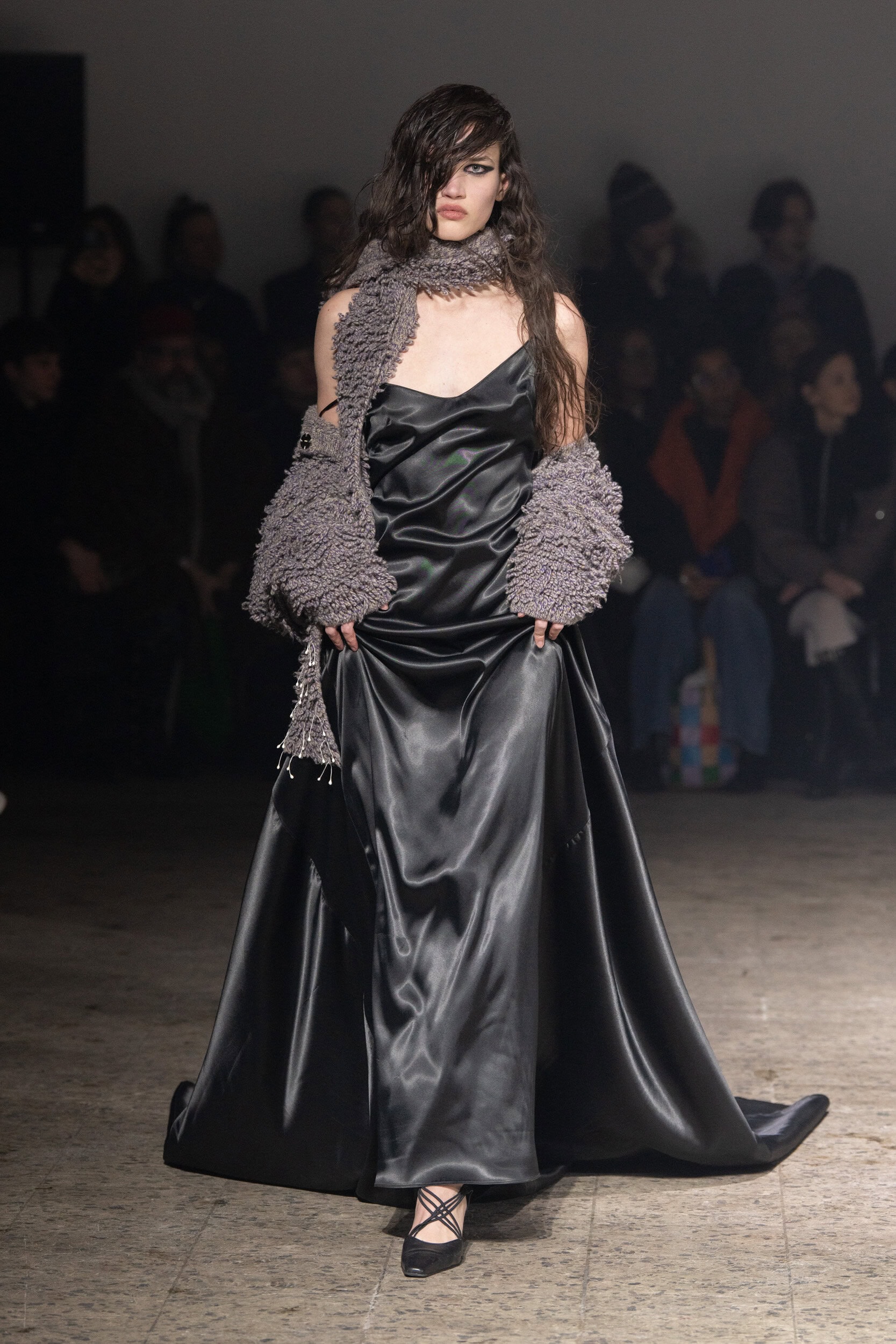
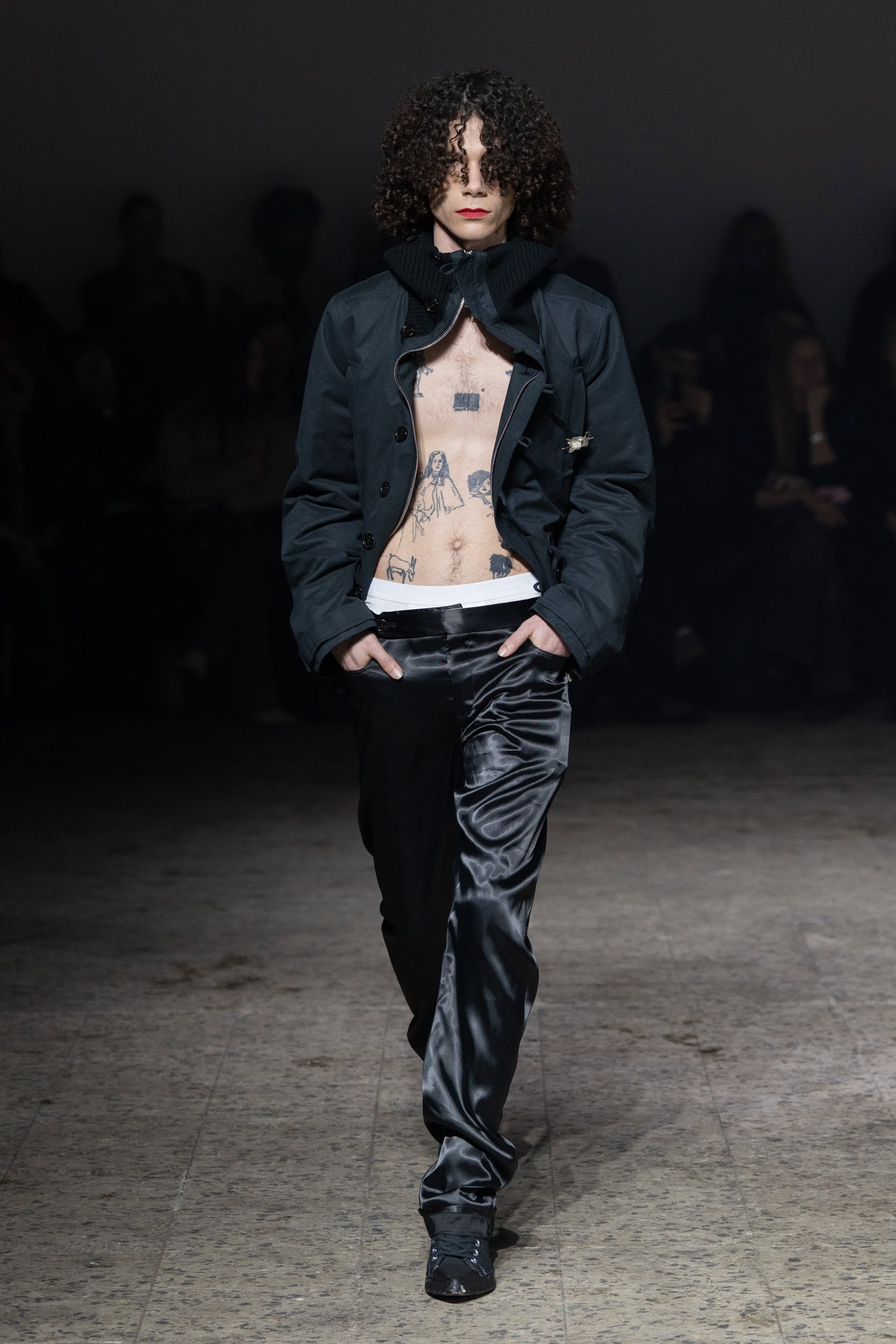
William Fan
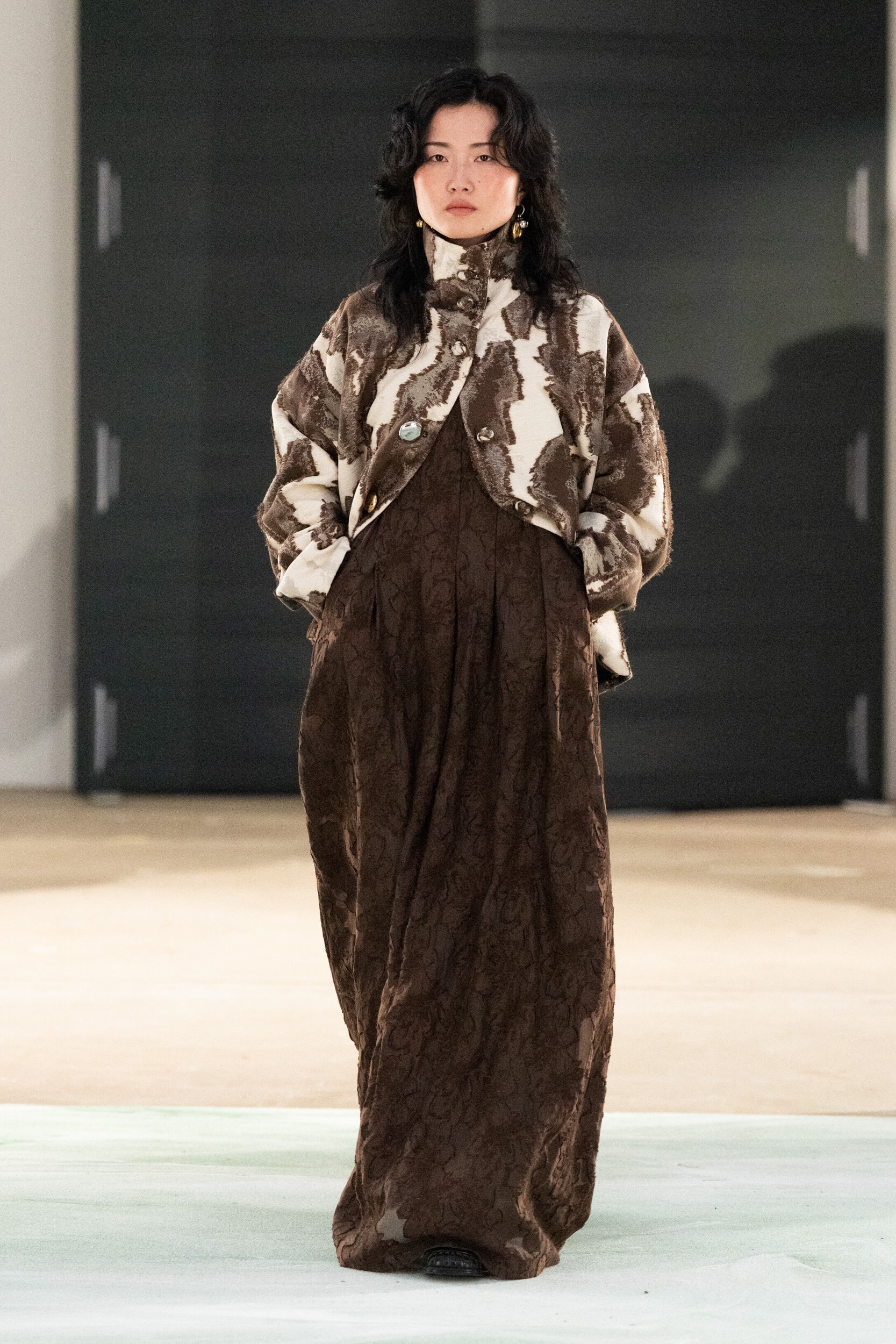
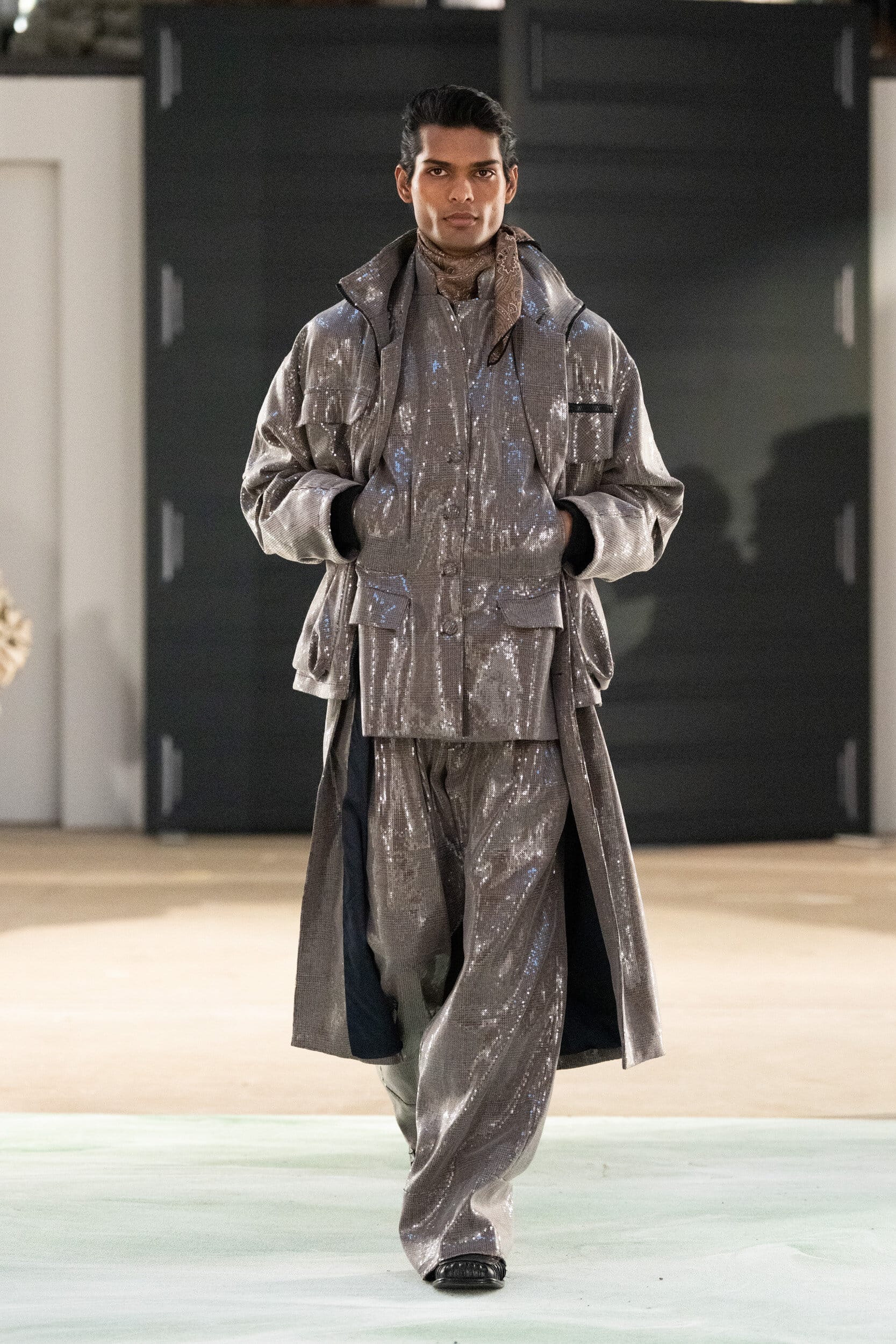
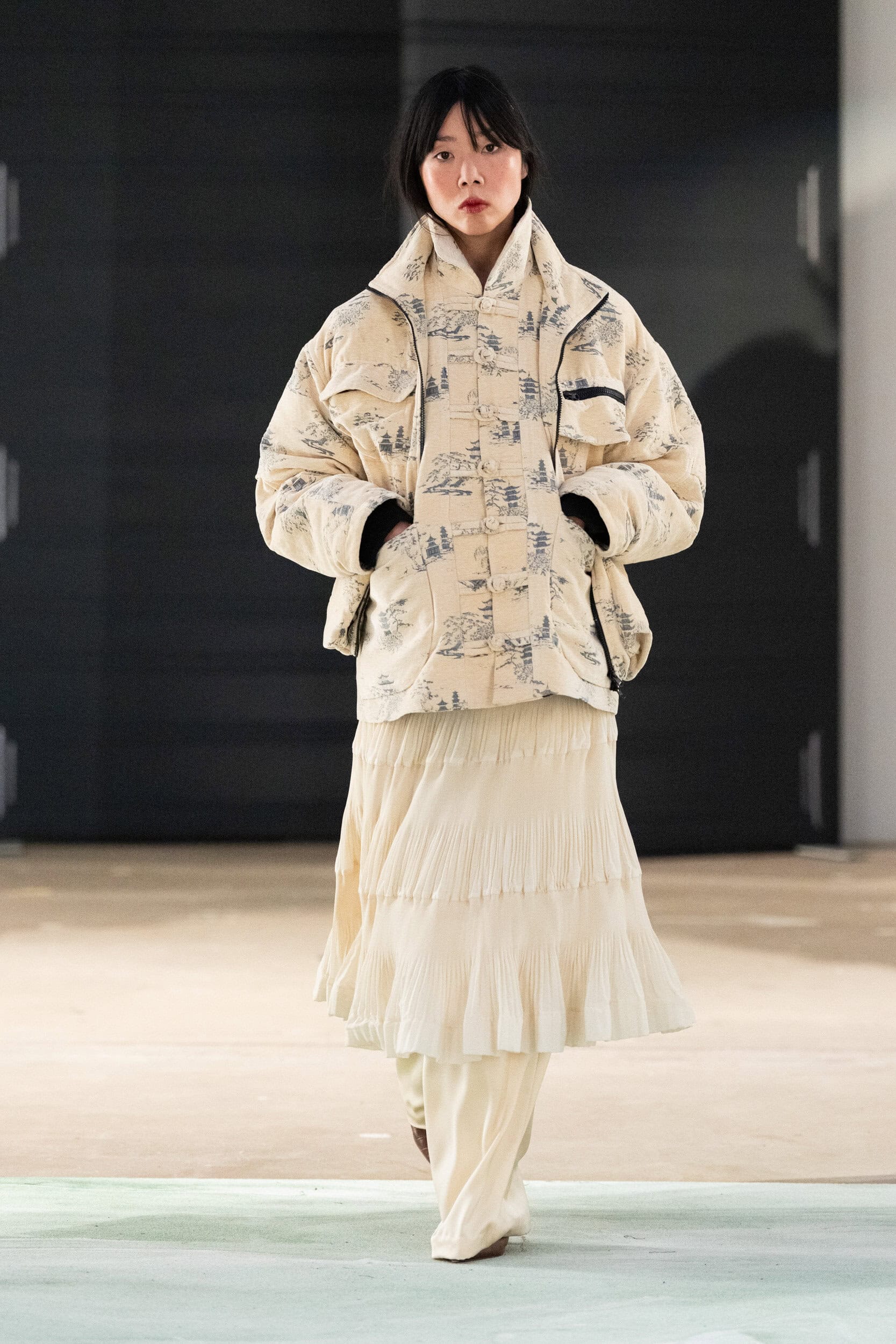
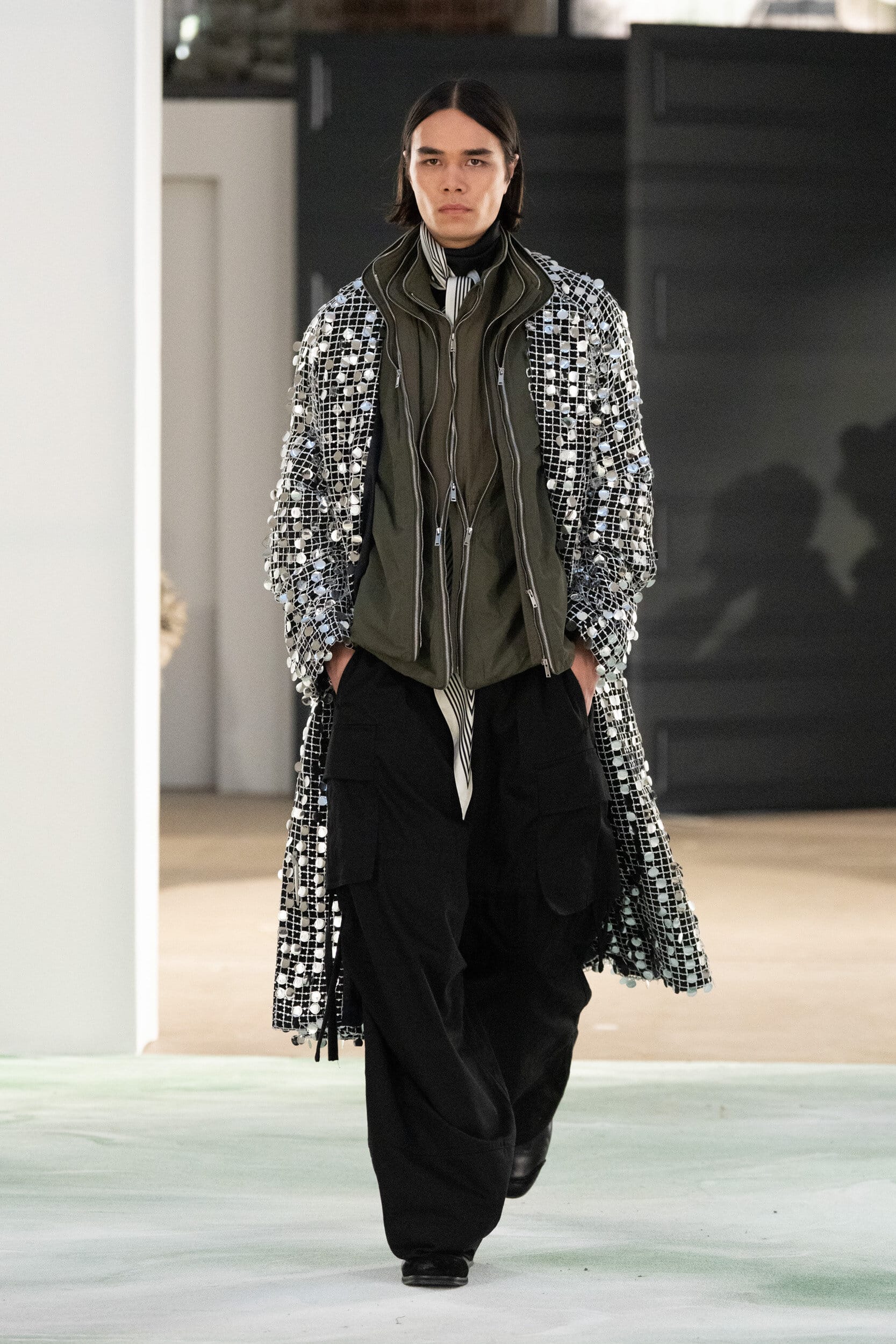
William Fan is a Berlin institution because his signature tailoring, layering, and styling offers an East/West mashup that fits like yin and yang. My favorite collection of his to date, perfect with Susie Bubble closing the show.
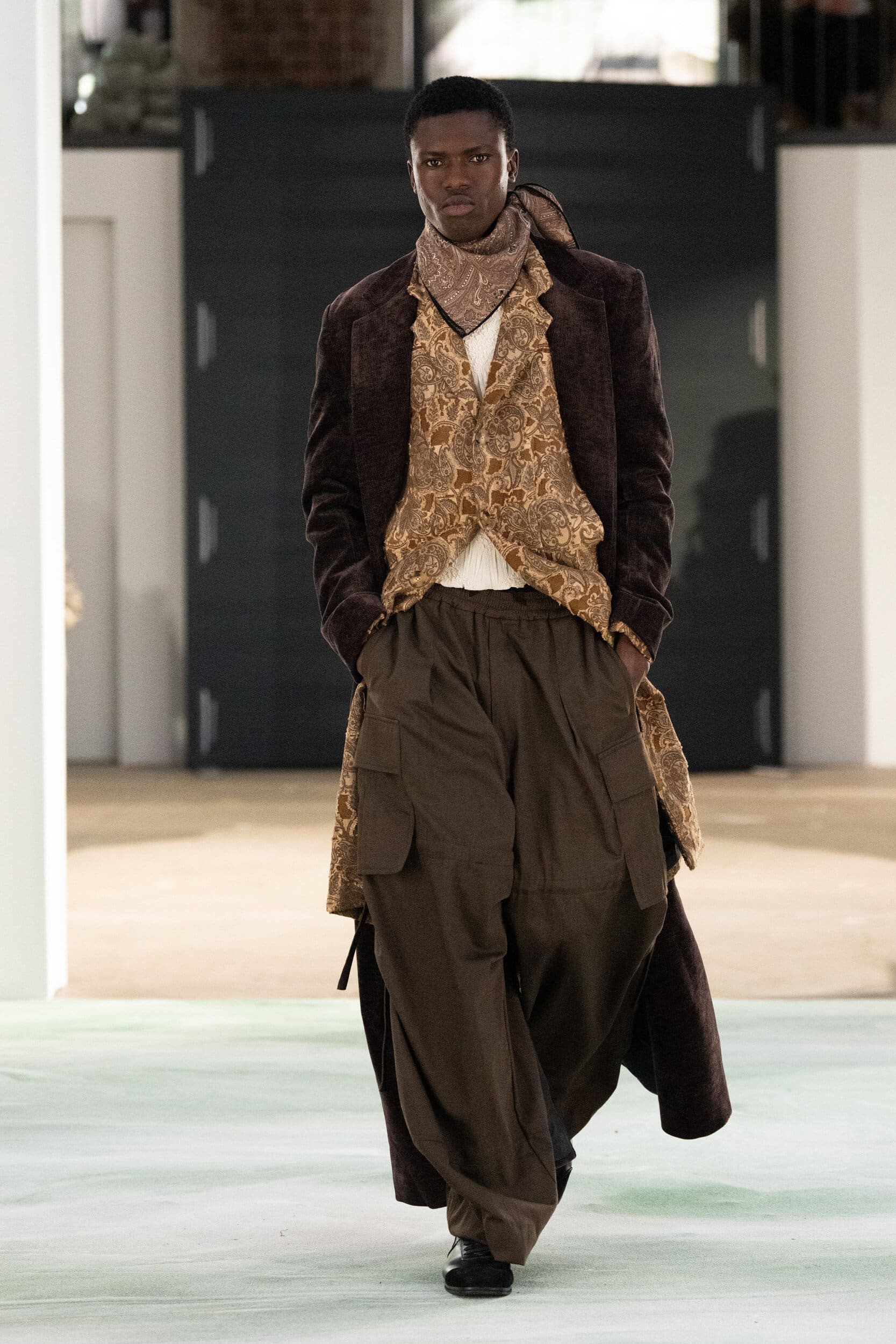
Ones to watch
Laura Gerte
The Berlin cool girl exploring themes of female empowerment through the trope of the female villain. #hotgirlsummer against the rise of the patriarchy.
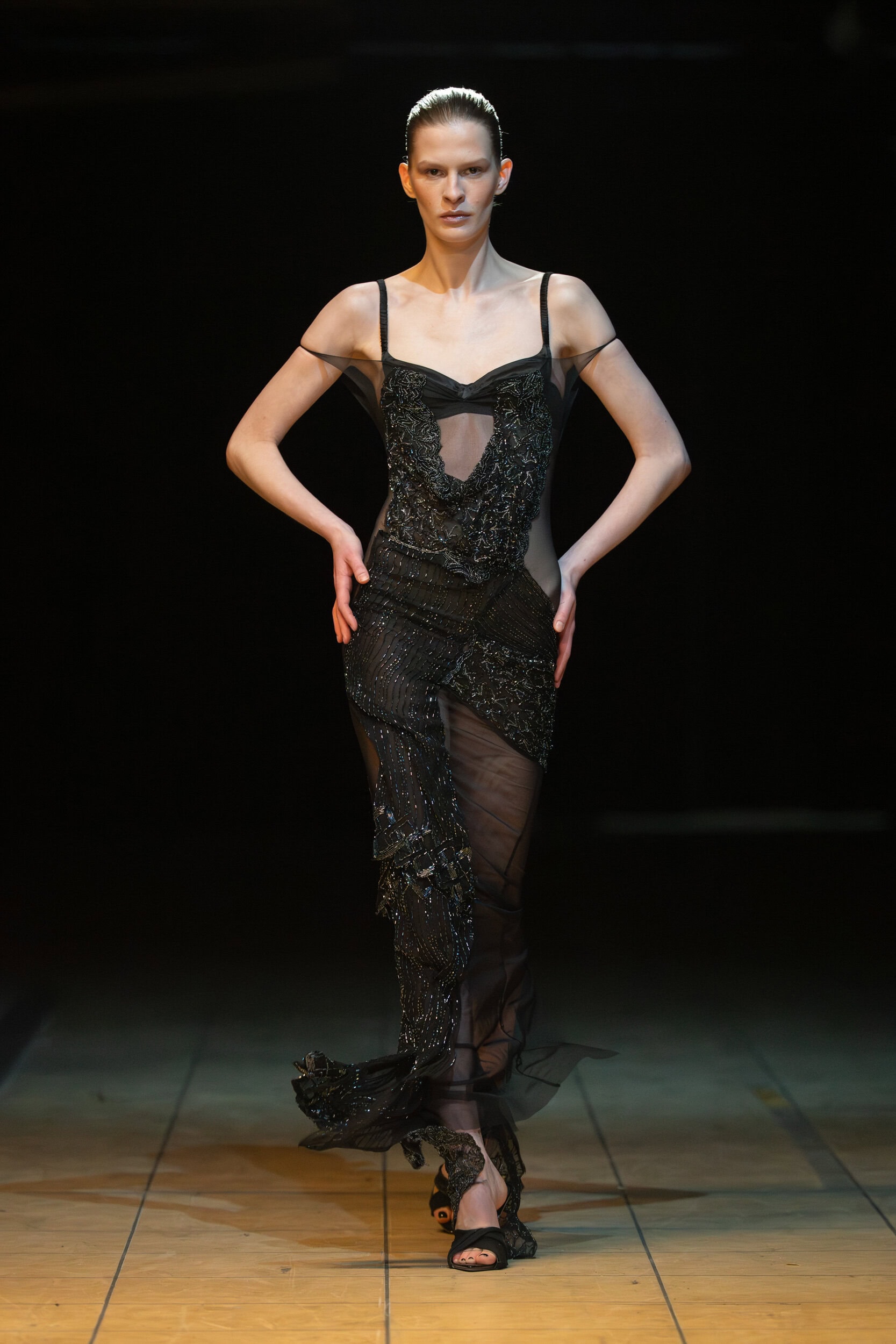
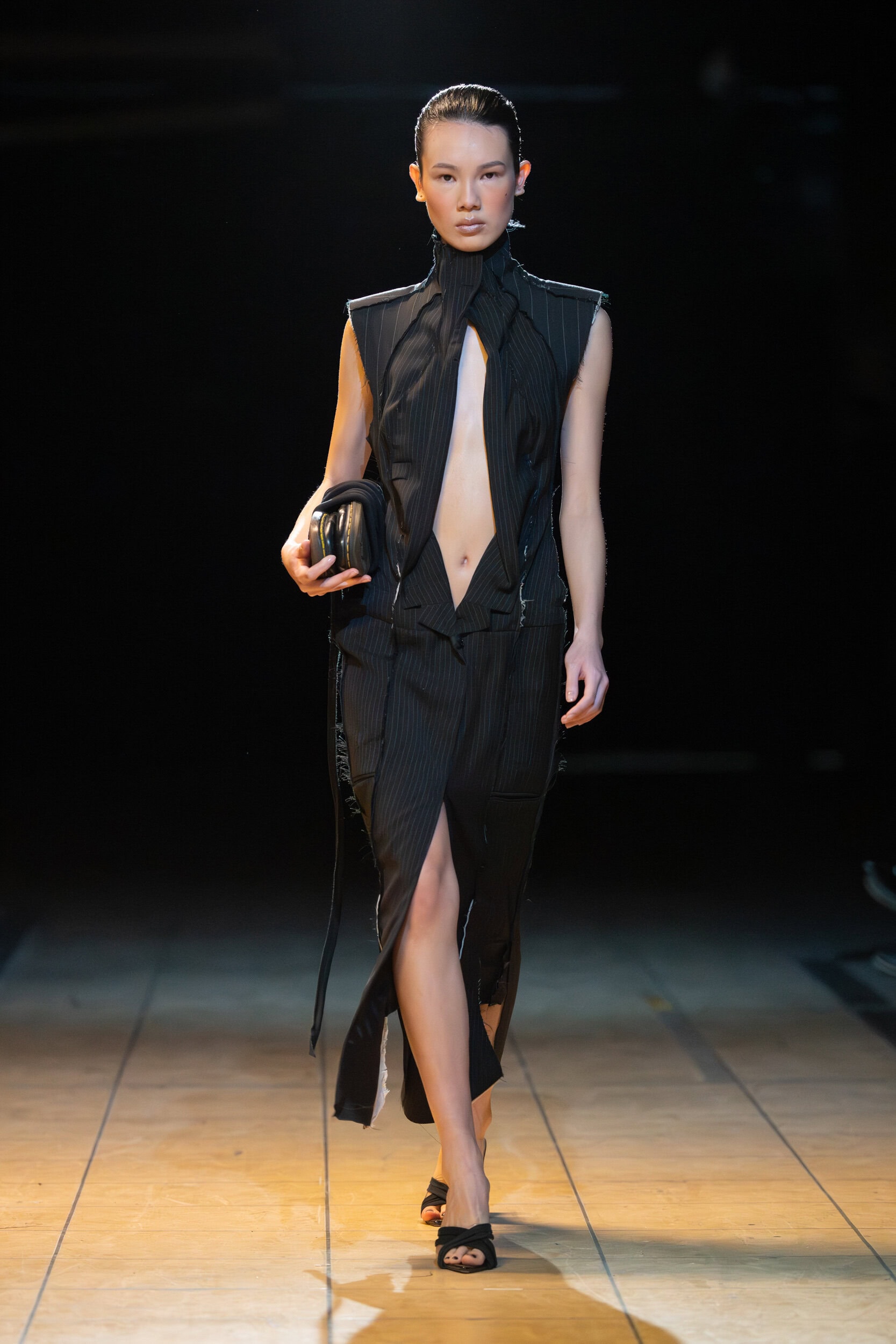
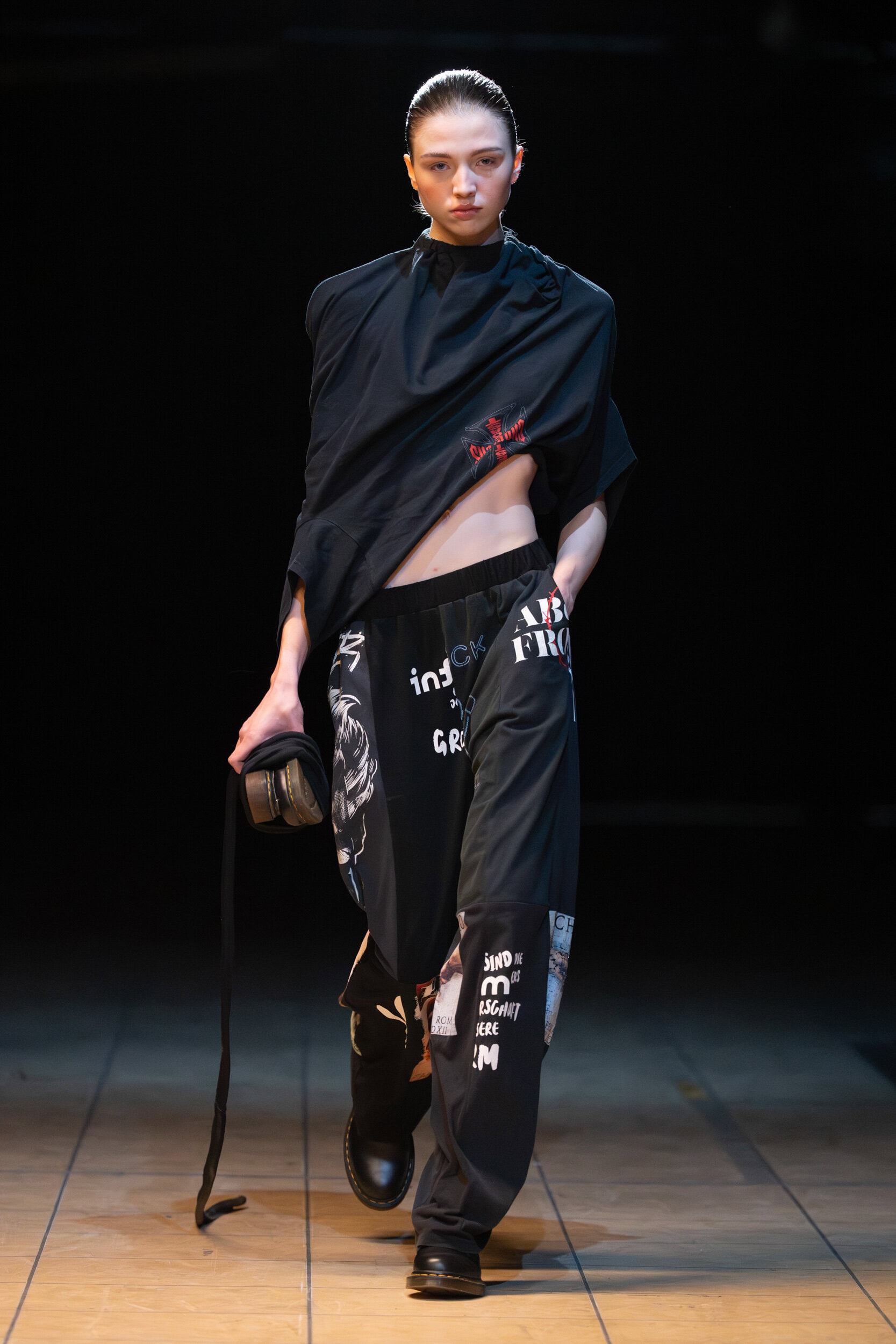
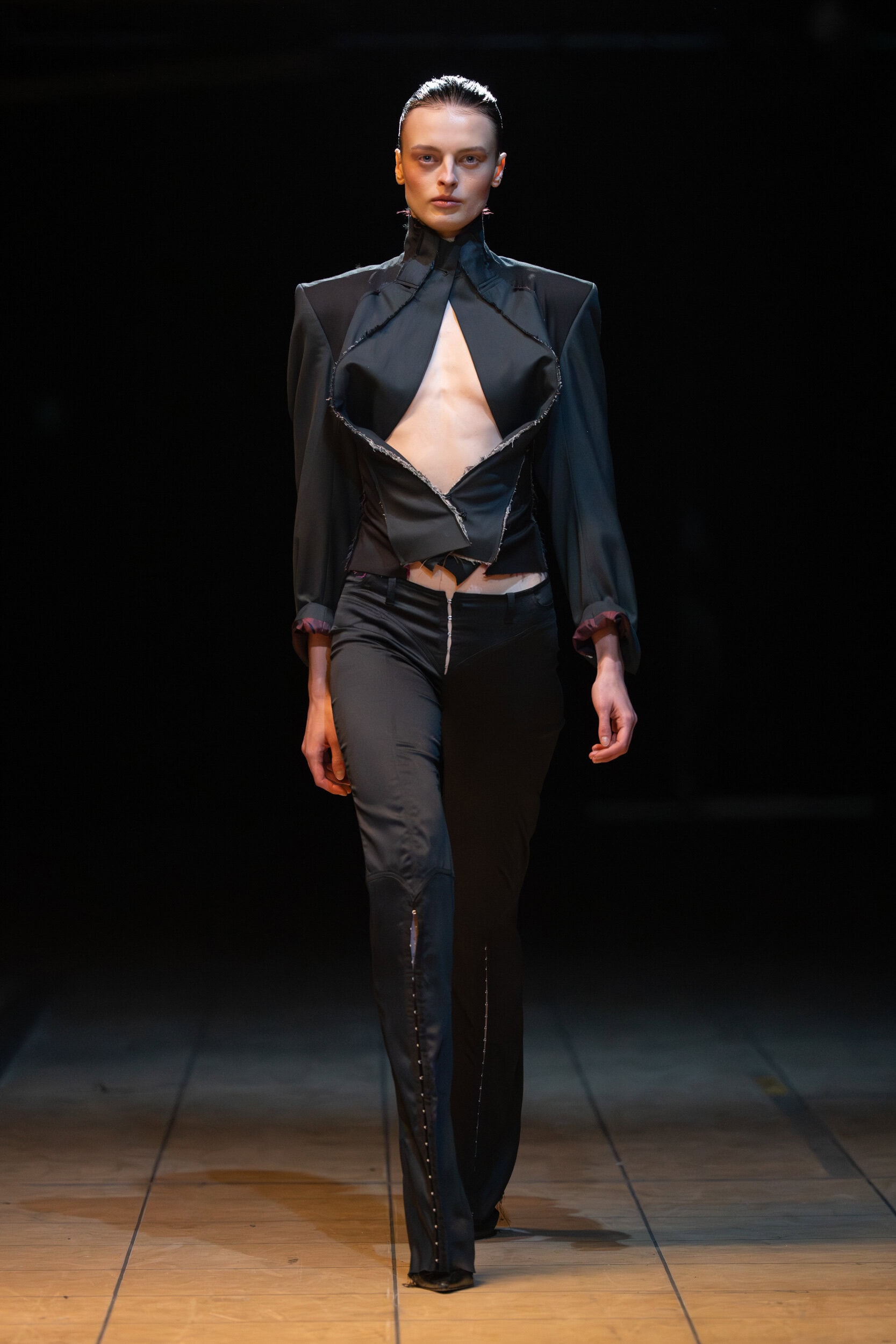
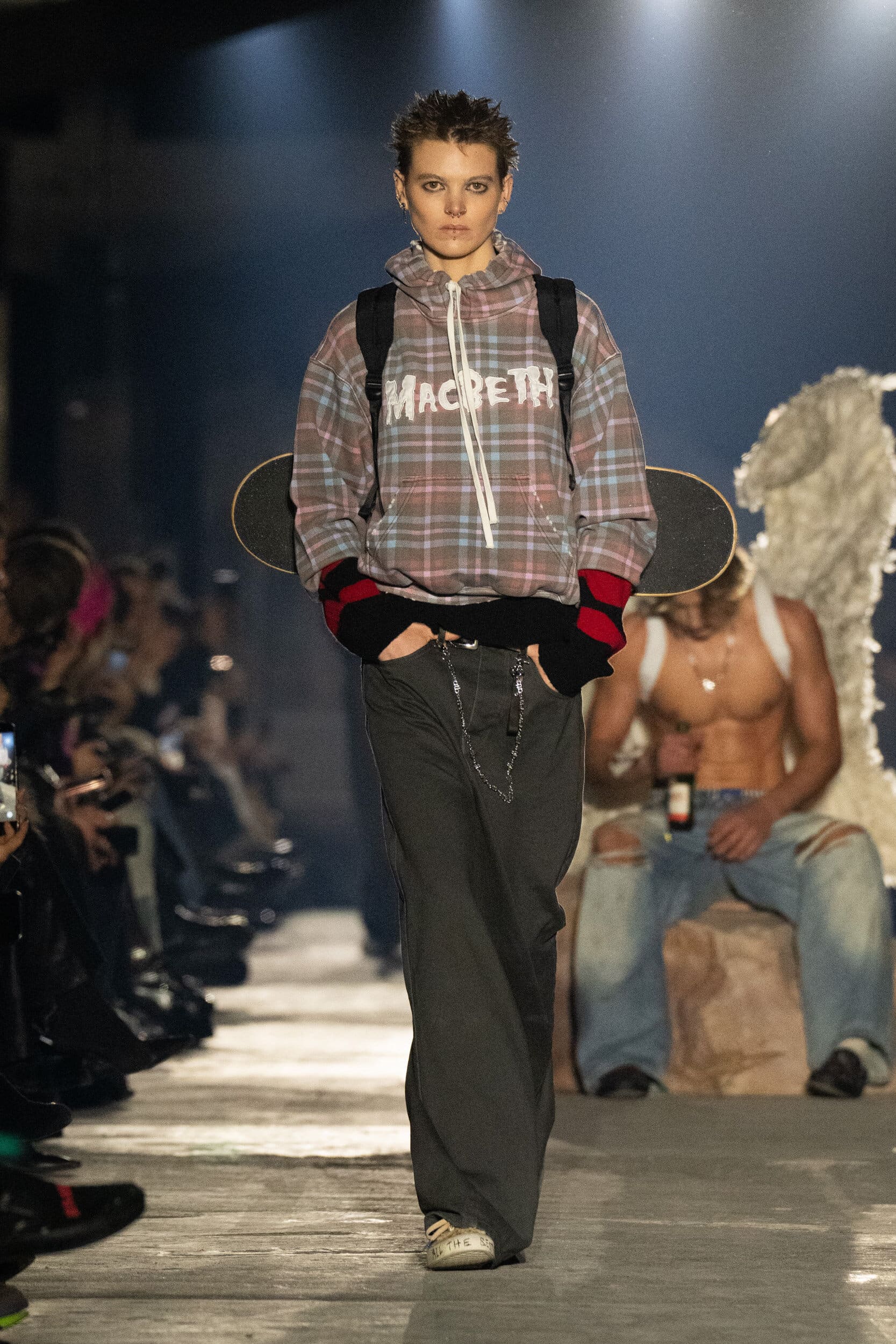
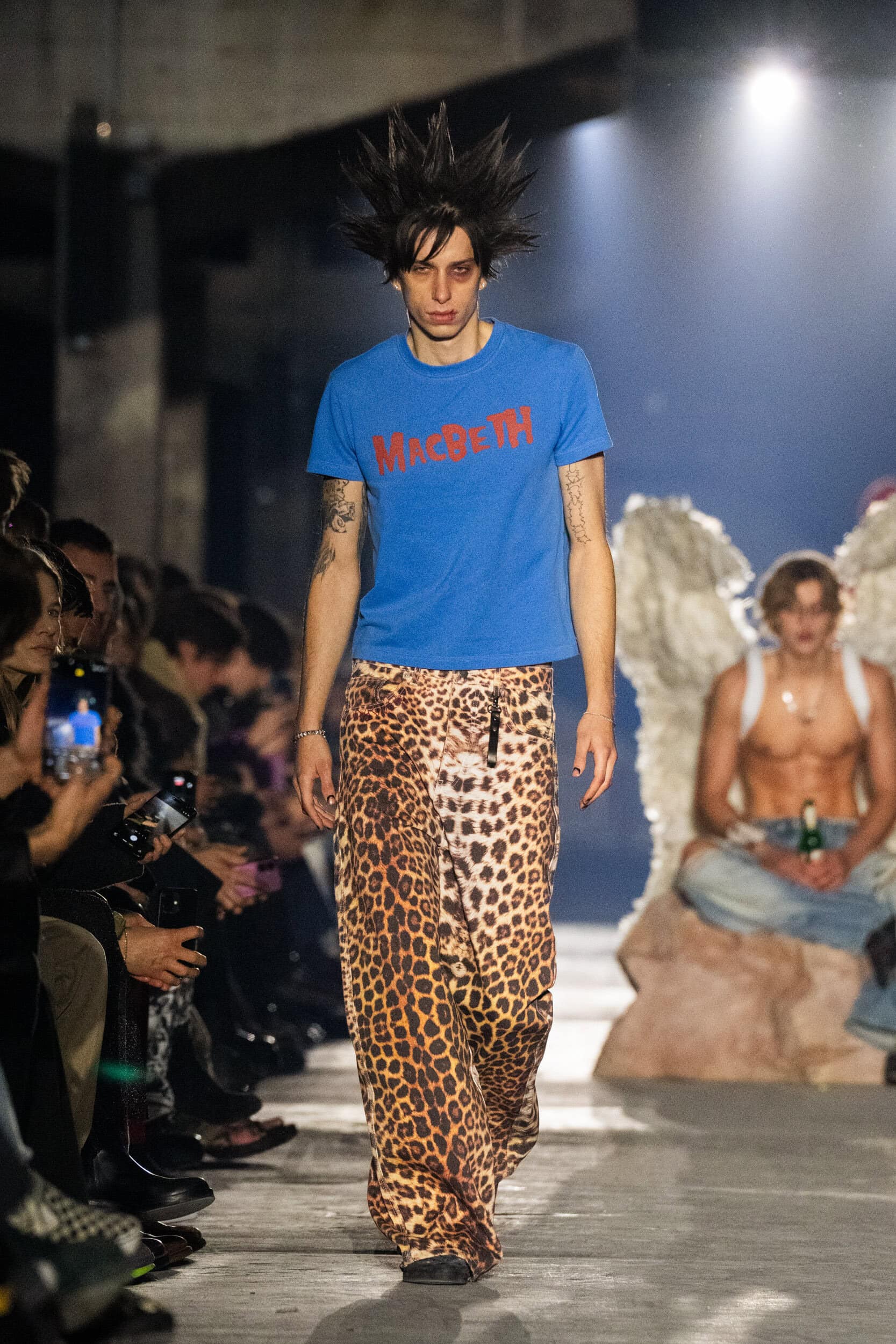
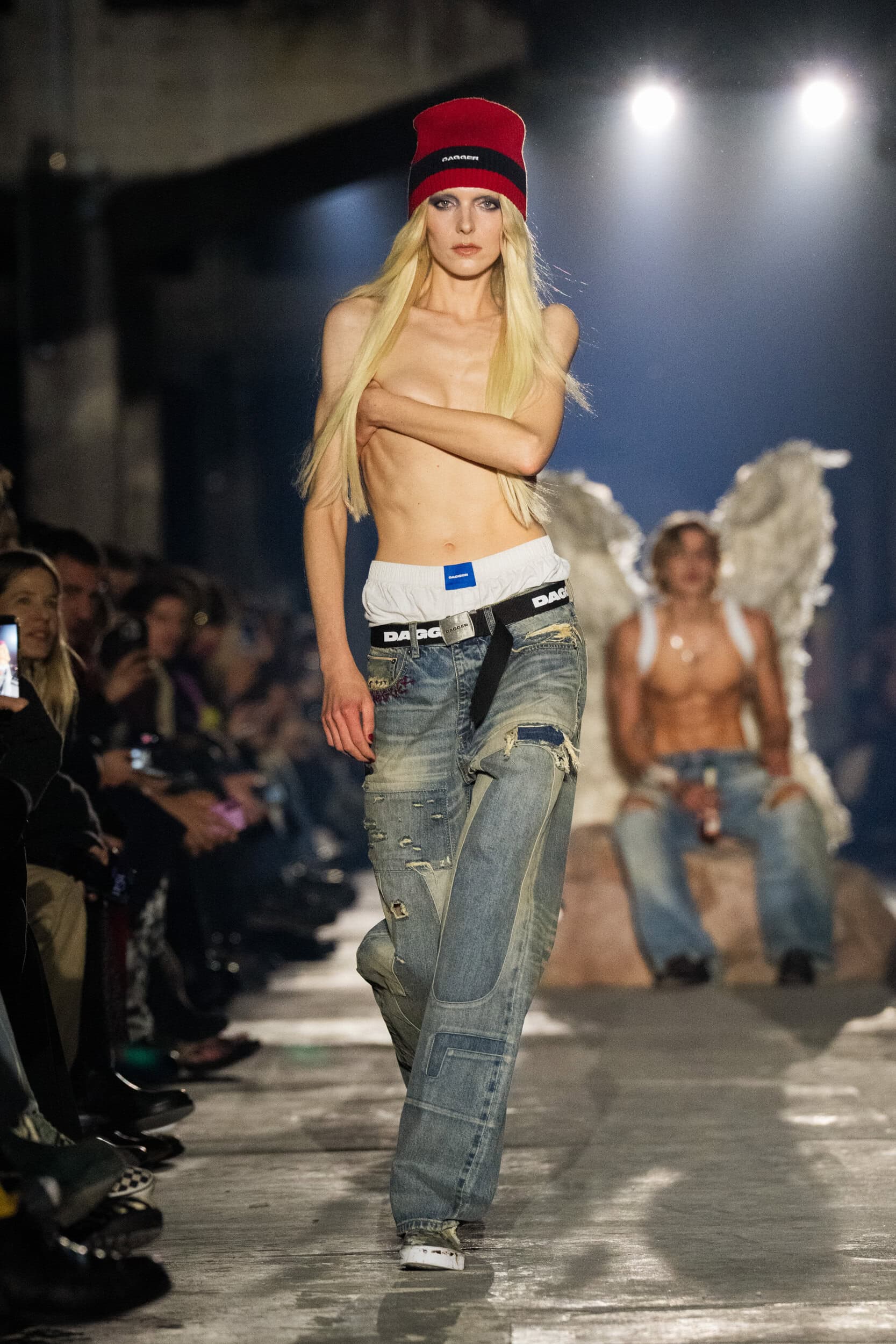
Dagger
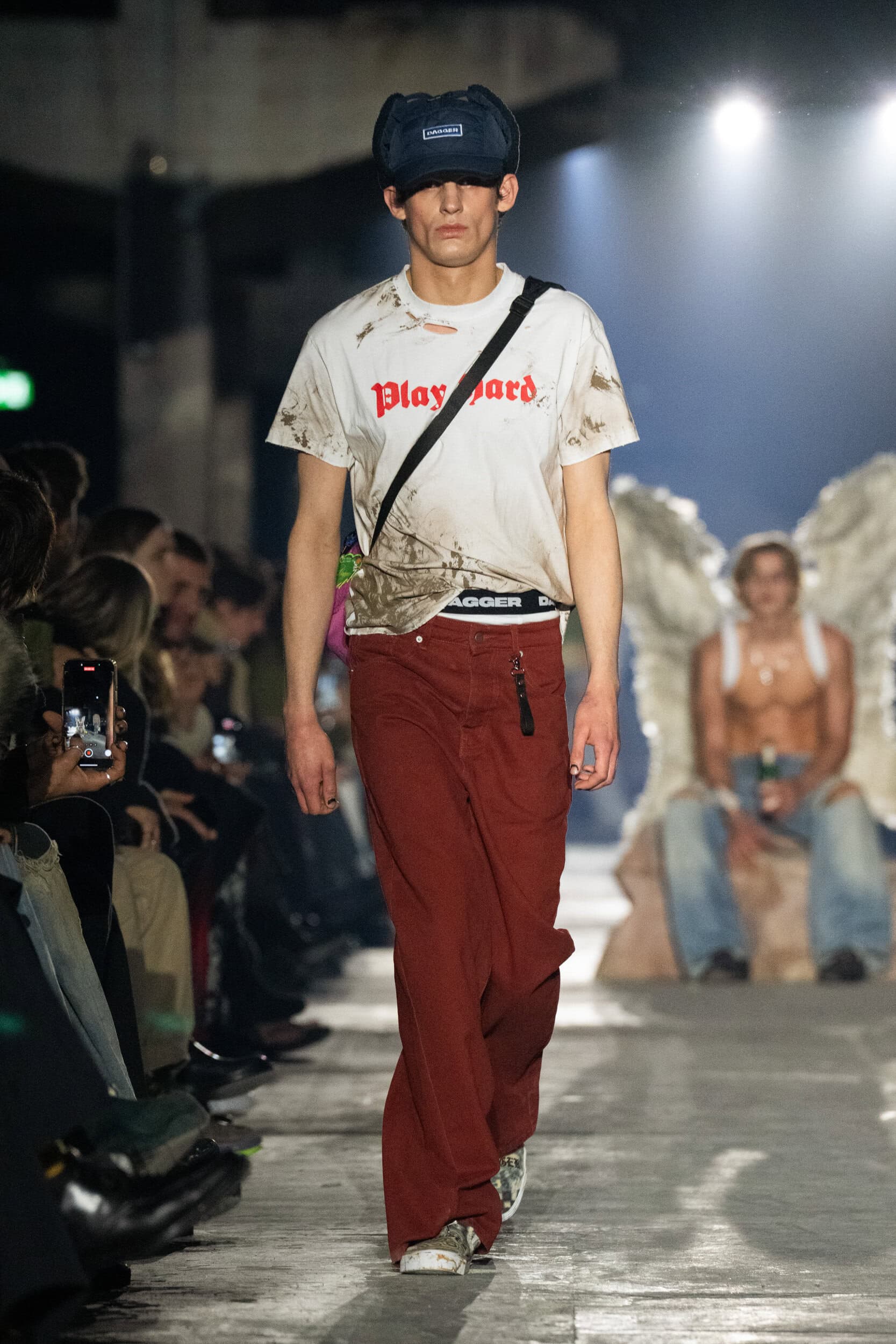
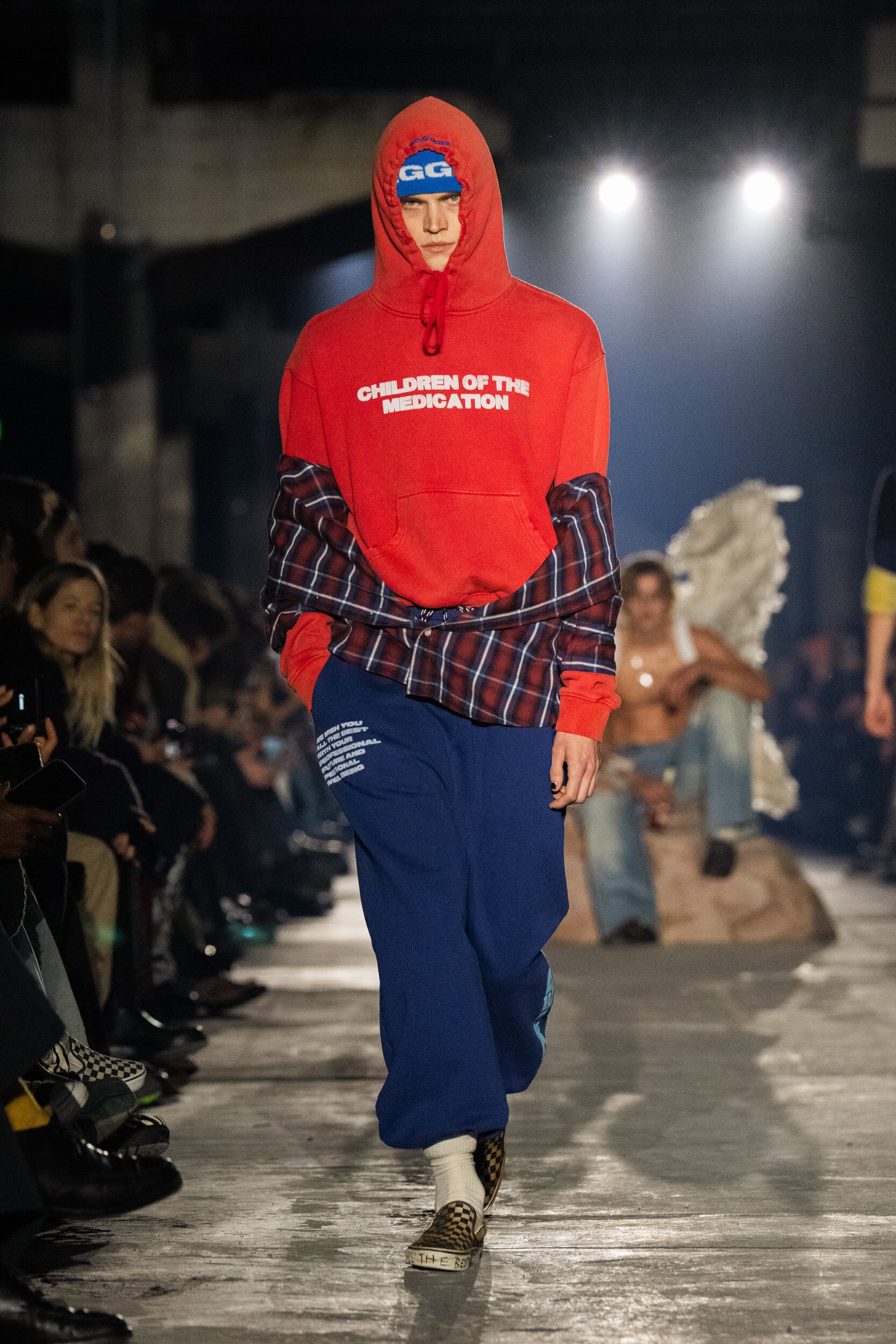
Who doesn’t love a cute skater boy? Especially when he looks like that perfectly cast angel drinking a beer in the middle of the runway. Founder Luke Rainey was fired with the phrase “All the best,” which he printed on t-shirts in his kitchen and turned into a thriving brand carried in 2o tier one stores internationally, including Dover Street Market. The buyer sitting next to me said he could sell that whole collection and I believe him.
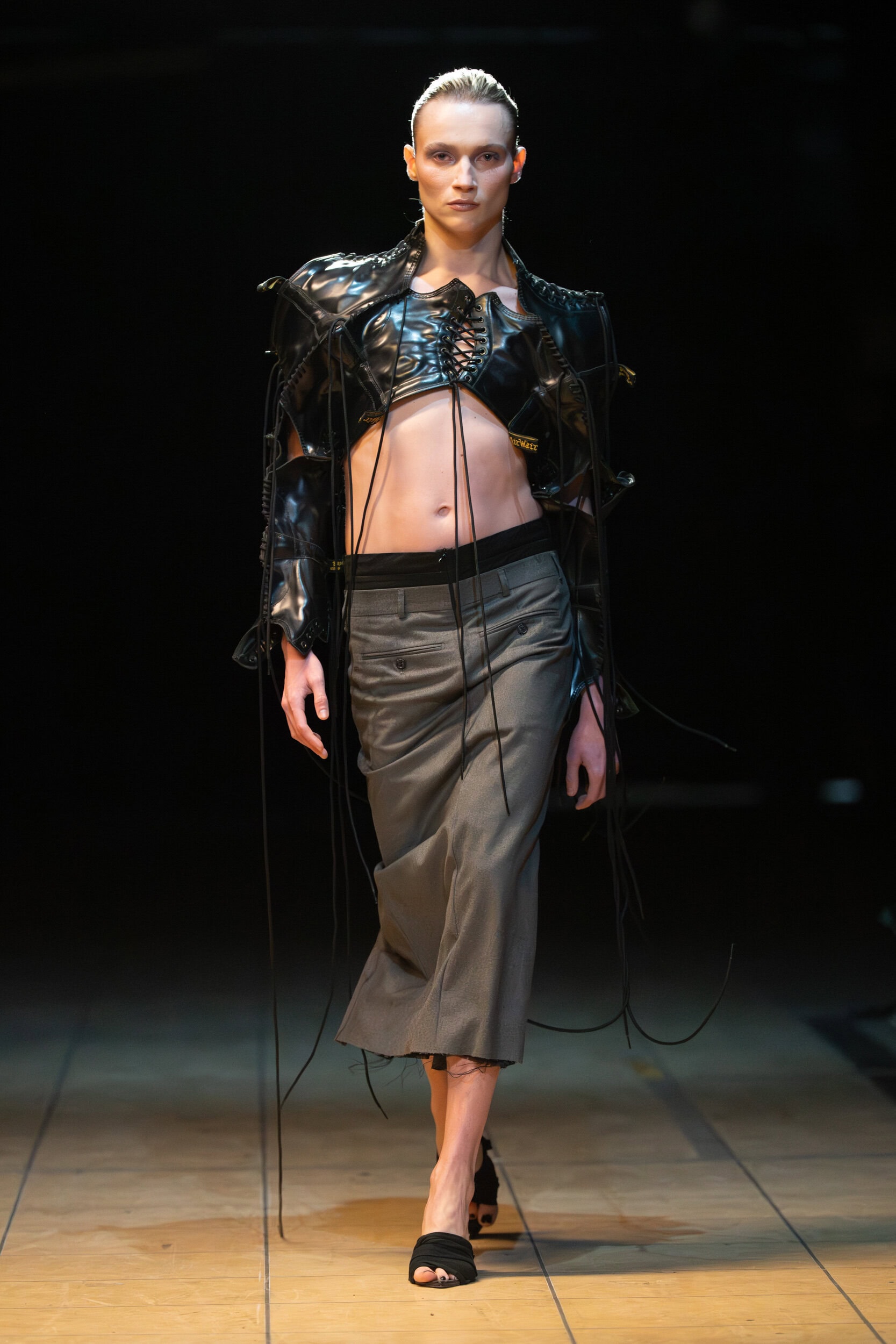
Unvain
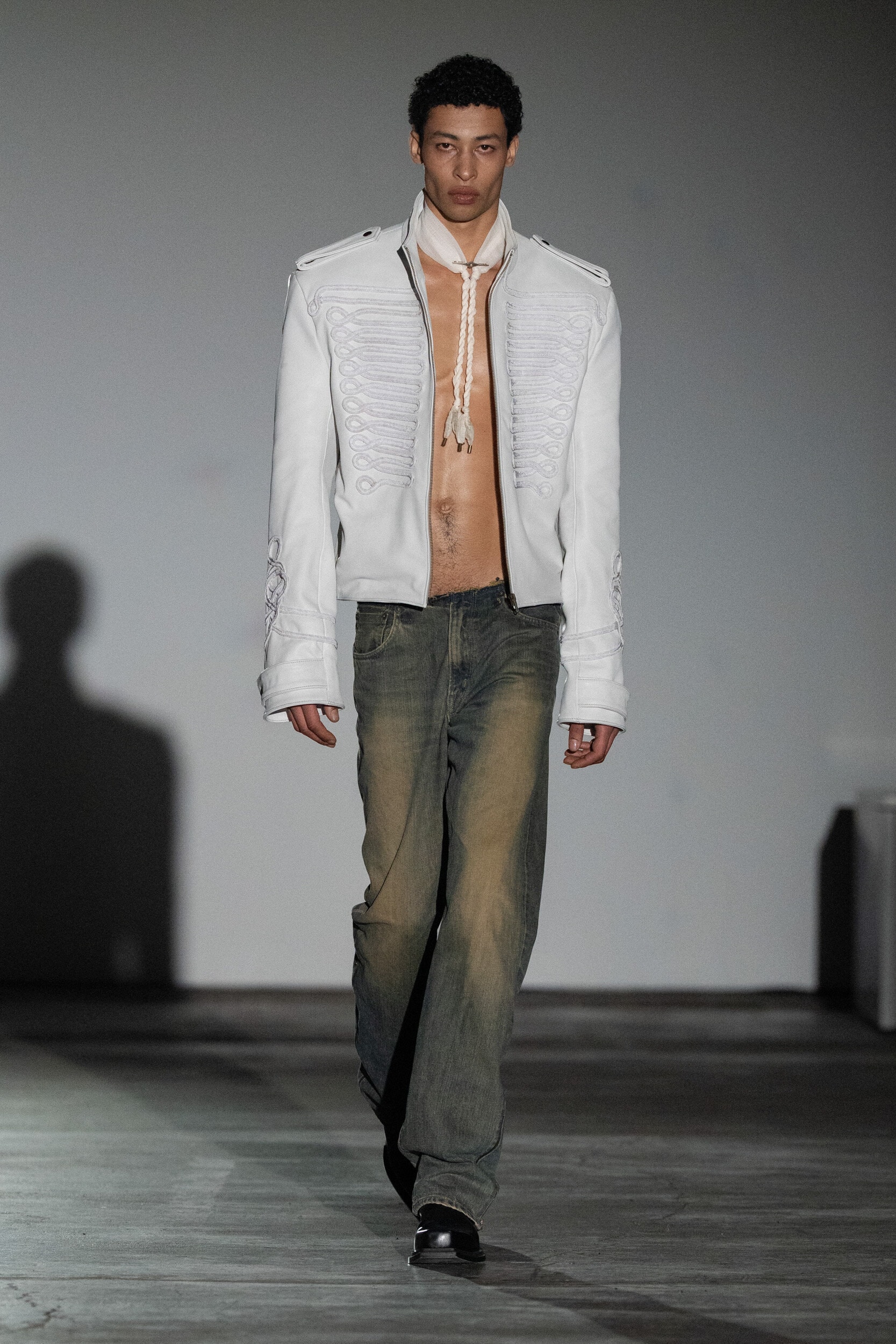
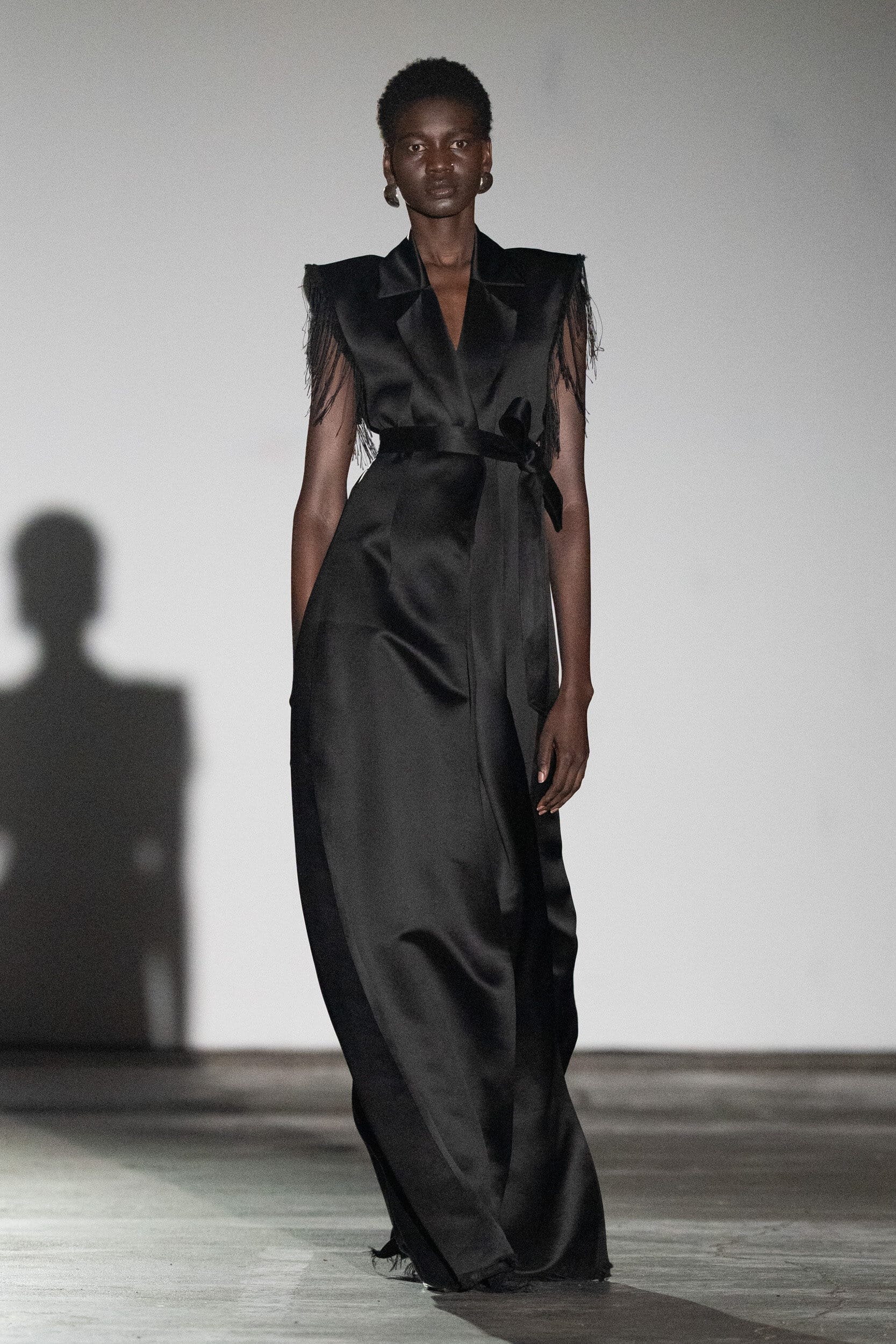
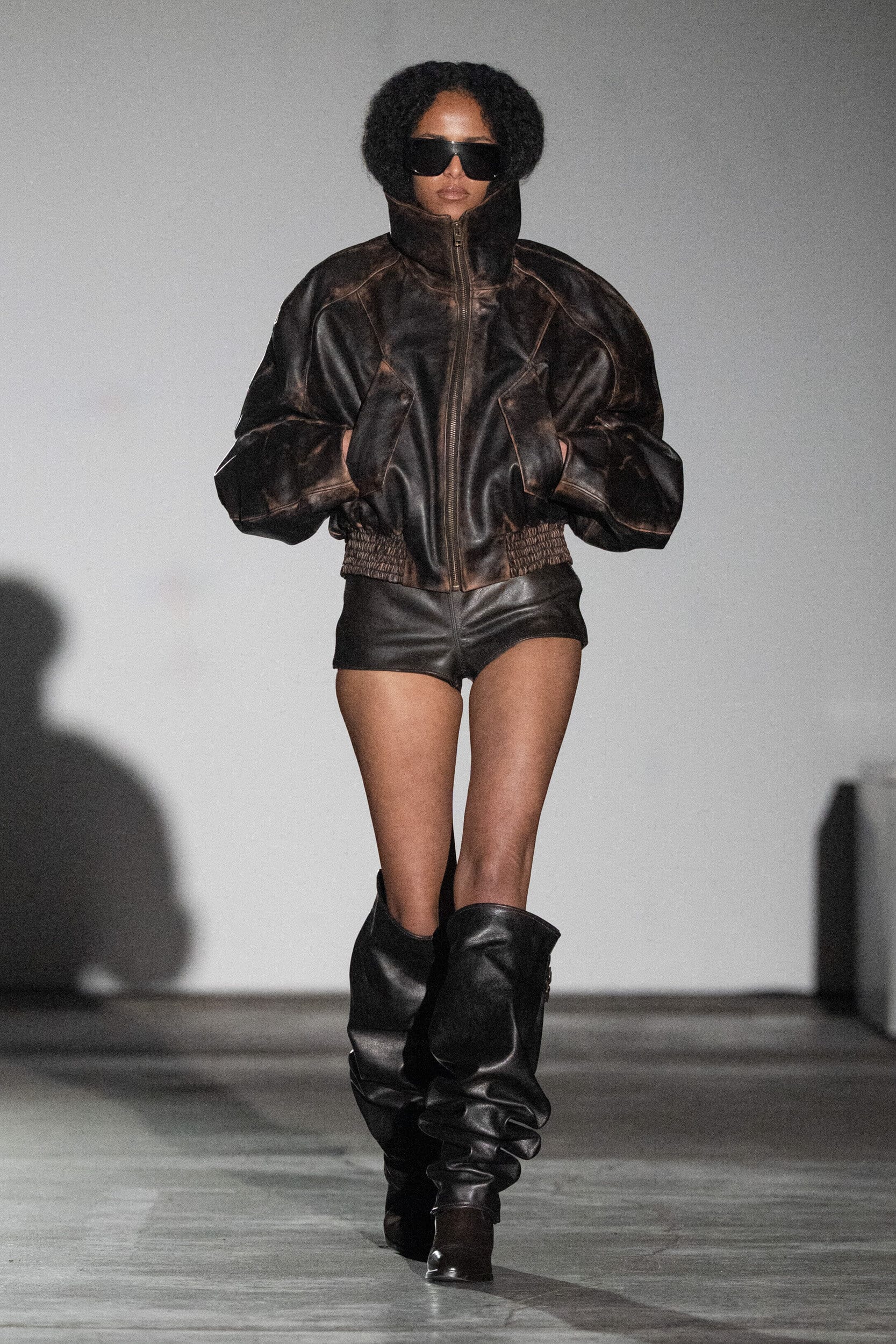
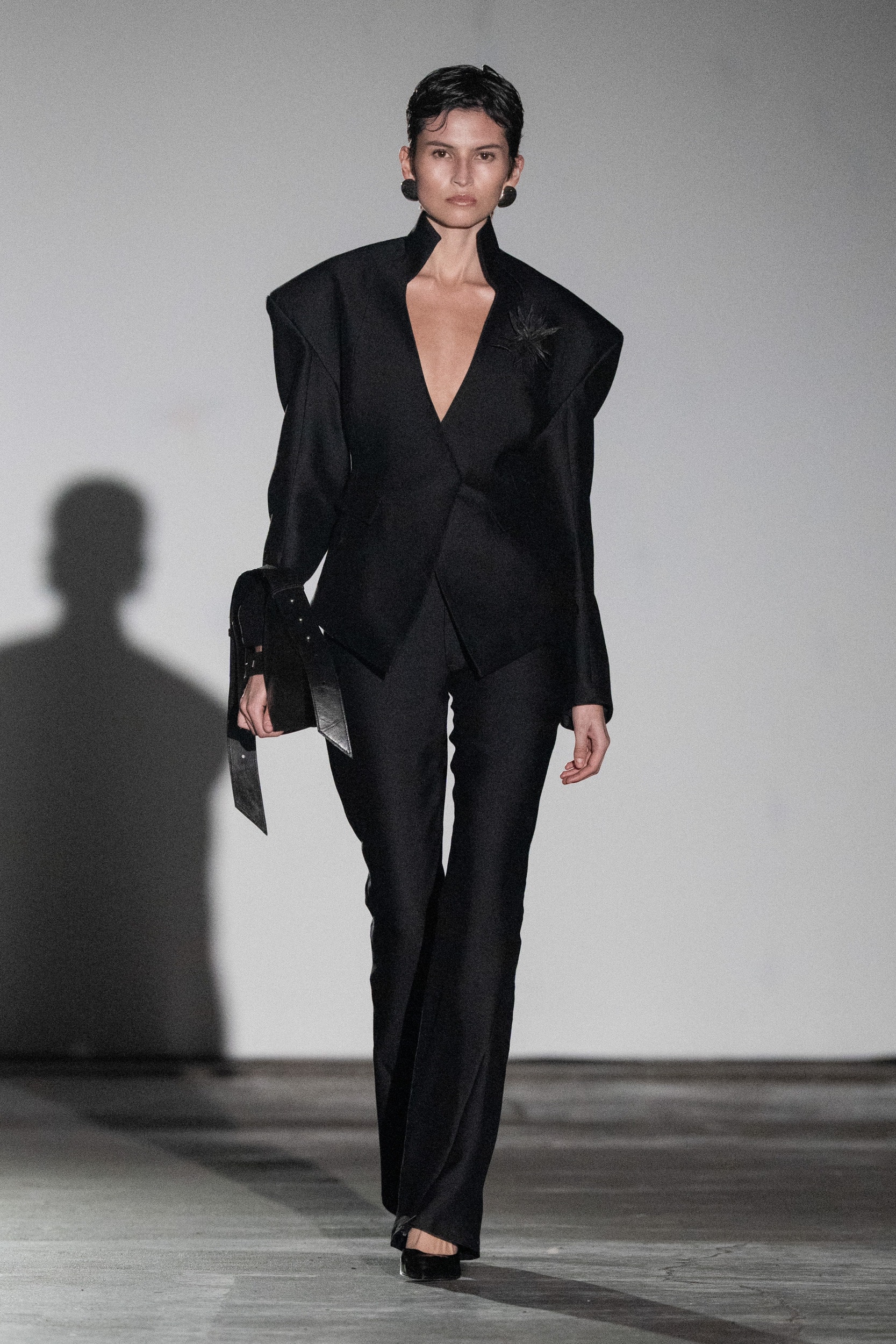
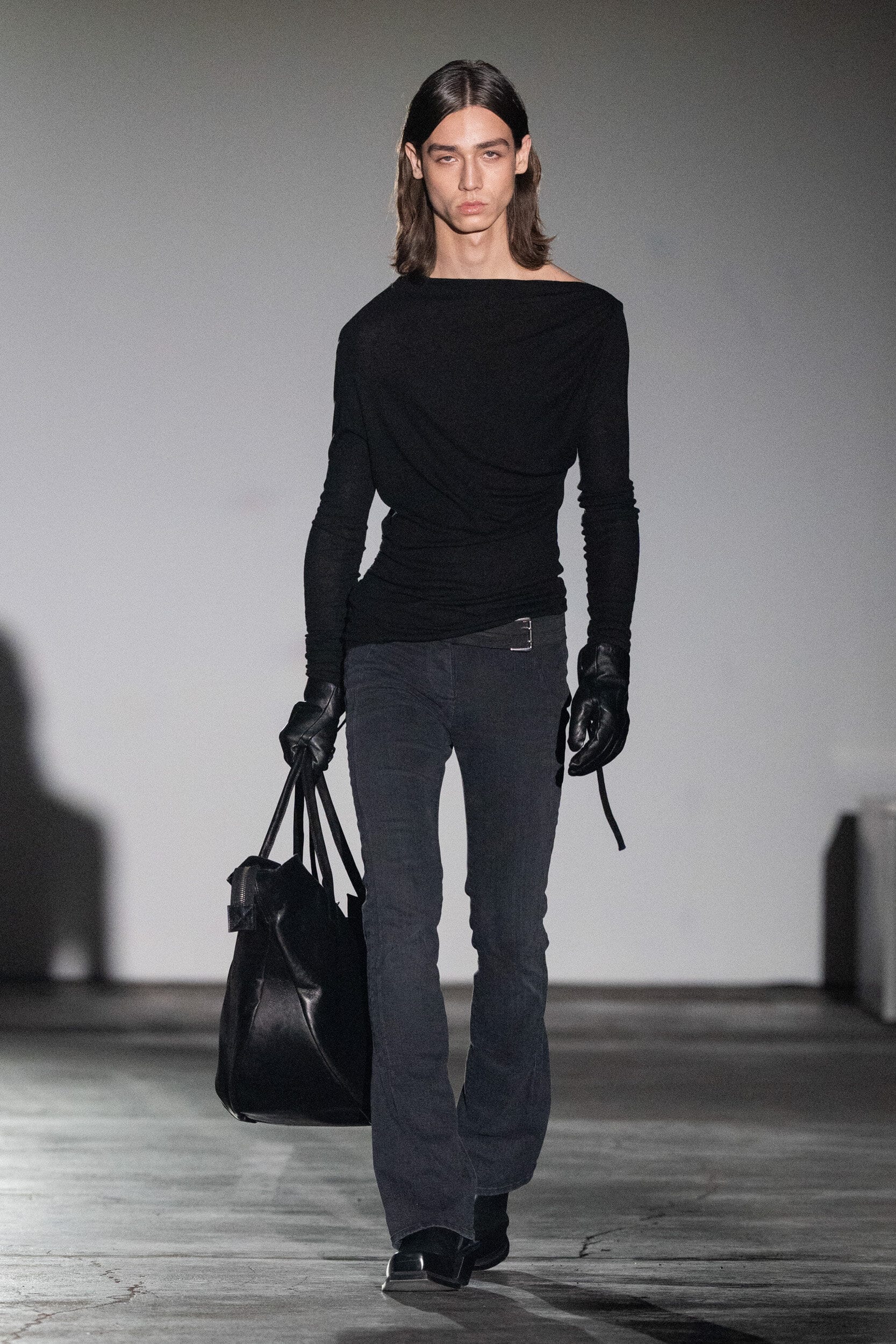
Strong debut, looking forward to seeing more. The leathers are perfectly worn, the deconstructed tuxedo with open pant legs make for a really smart take on an evening dress, the big shoulder is not just oversized but an architectural element. Again, very sellable. We like a lot.
Berlin Fashion Week will hopefully show you something you haven’t seen before, touch you, and make you look forward to coming back. In a city of diversity such as Berlin, everyone has a story because more than half the residents are not from here, and thirty percent have a migrant background. Stories of home, stories of identity, stories of community. There are so many different worlds here and they’re all free to live their truth; as much as we have taken that for granted, we live in different times now. That’s why it’s all the more important to platform different communities and also different countries, show different visions of fashion, celebrate and support plurality instead of feed the hegemony. Berlin Fashion Week says I see you. I honor you. And I like your style.