Review of Maison Margiela ‘joy’ Spring 2026 Ad Campaign with models Max Richter, Association Orchestre à l’École
There’s something quietly subversive about a brand like Maison Margiela choosing joy as its thesis. Not irony, not provocation—but joy, in motion, in sound, in collective rhythm. With the Spring 2026 campaign film “Joy,” the house enlists composer Max Richter to lead not just an orchestra, but a gentle reframing of Margiela’s often cerebral universe. The hook is deceptively simple: what if deconstruction could feel… light?
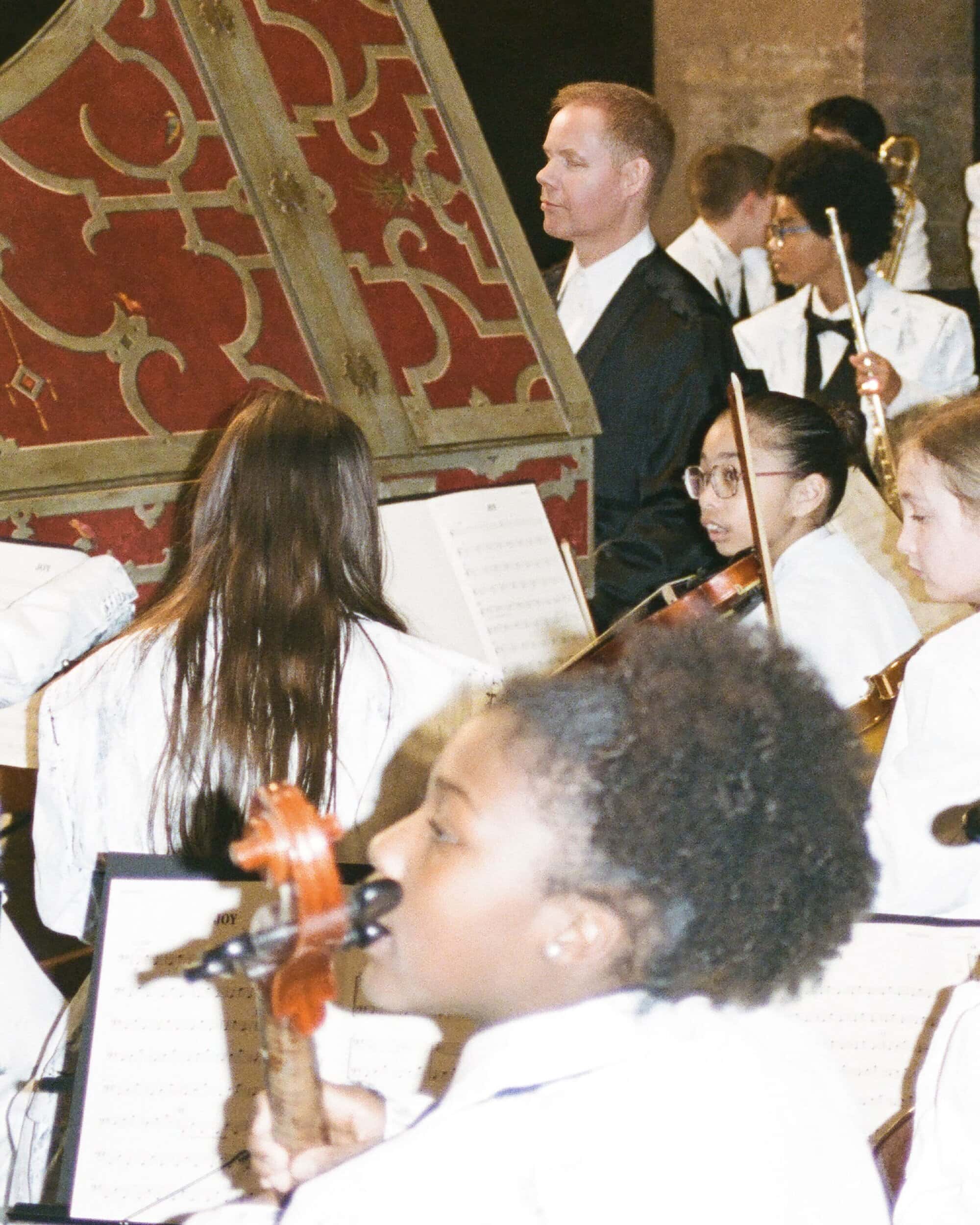
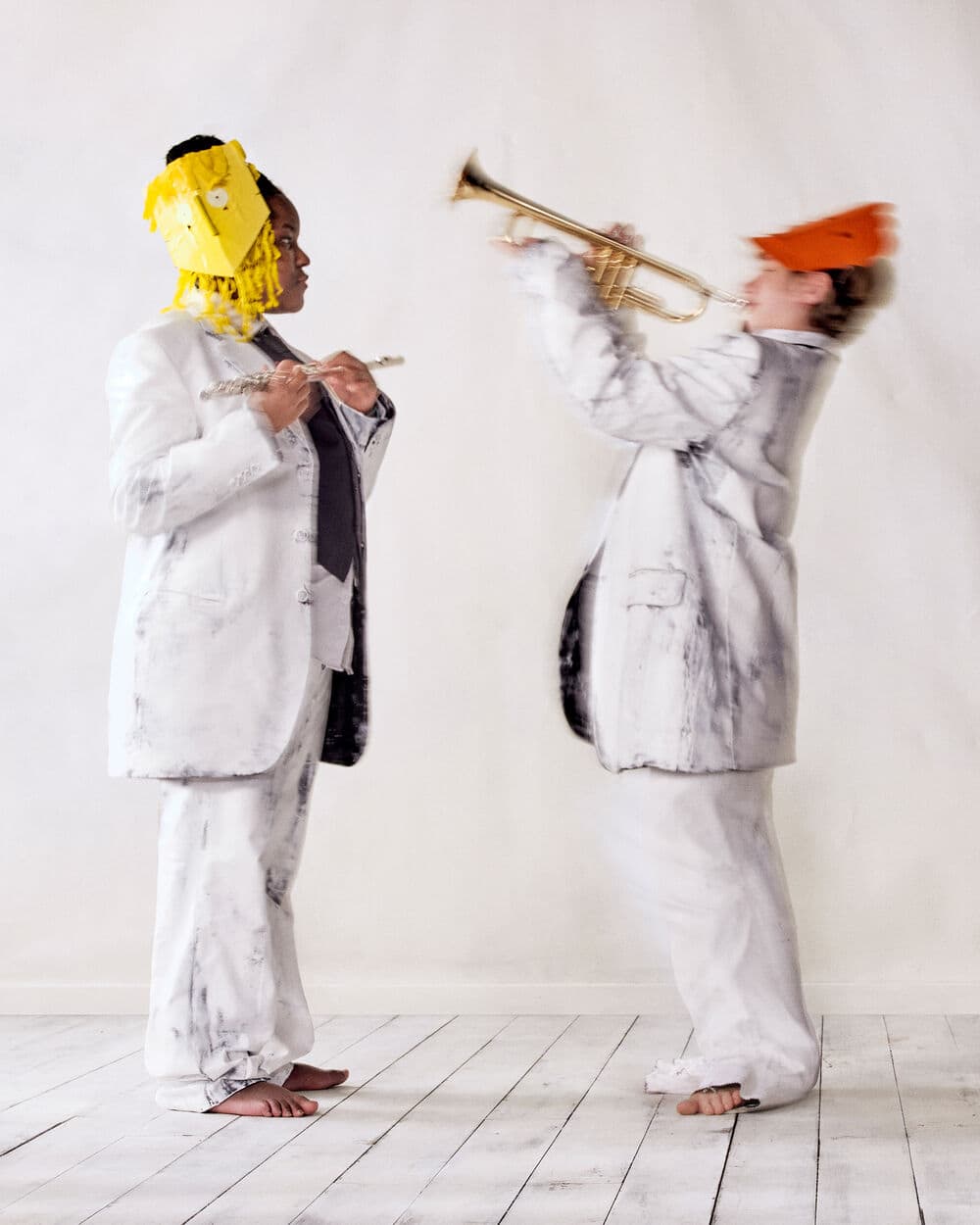
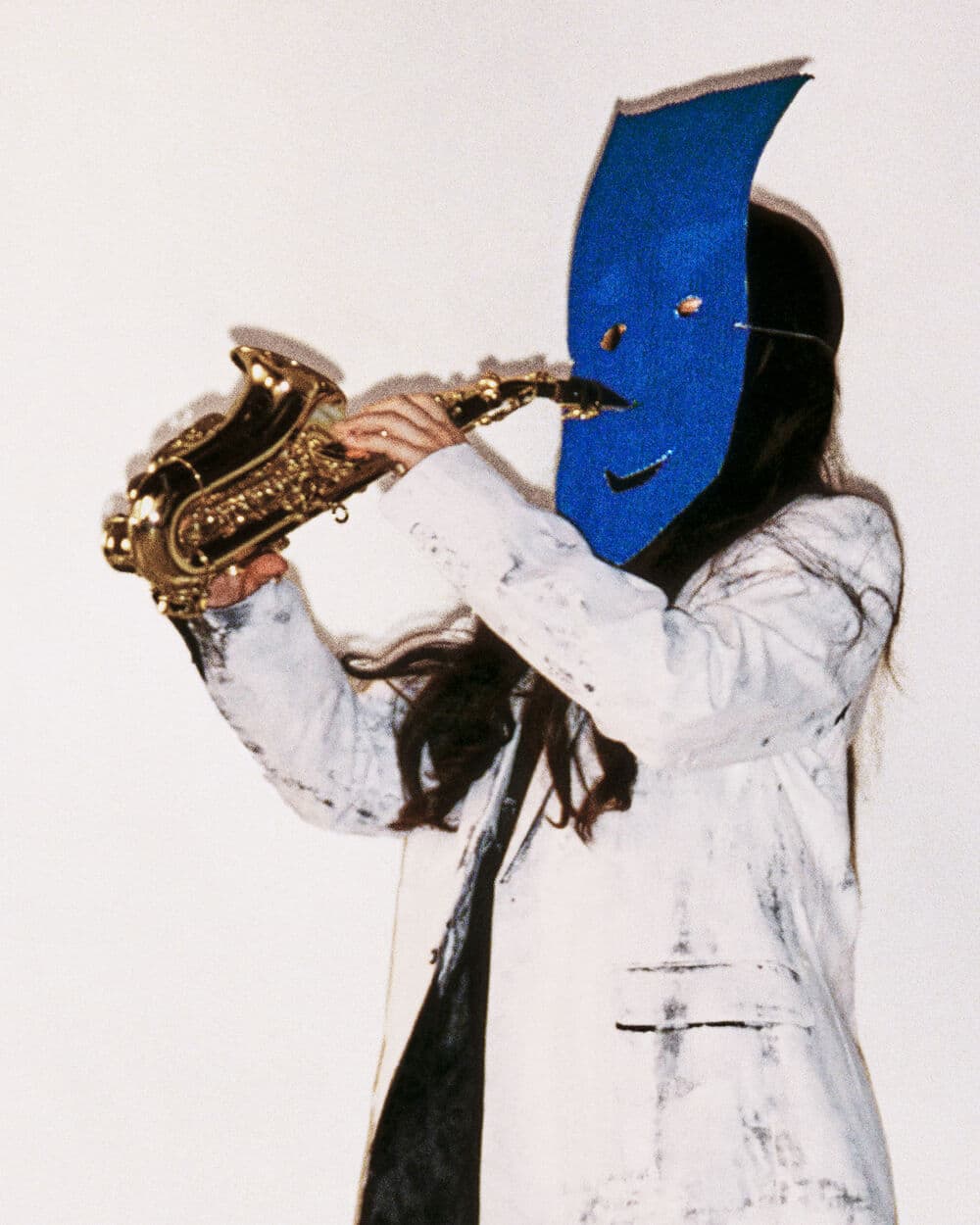
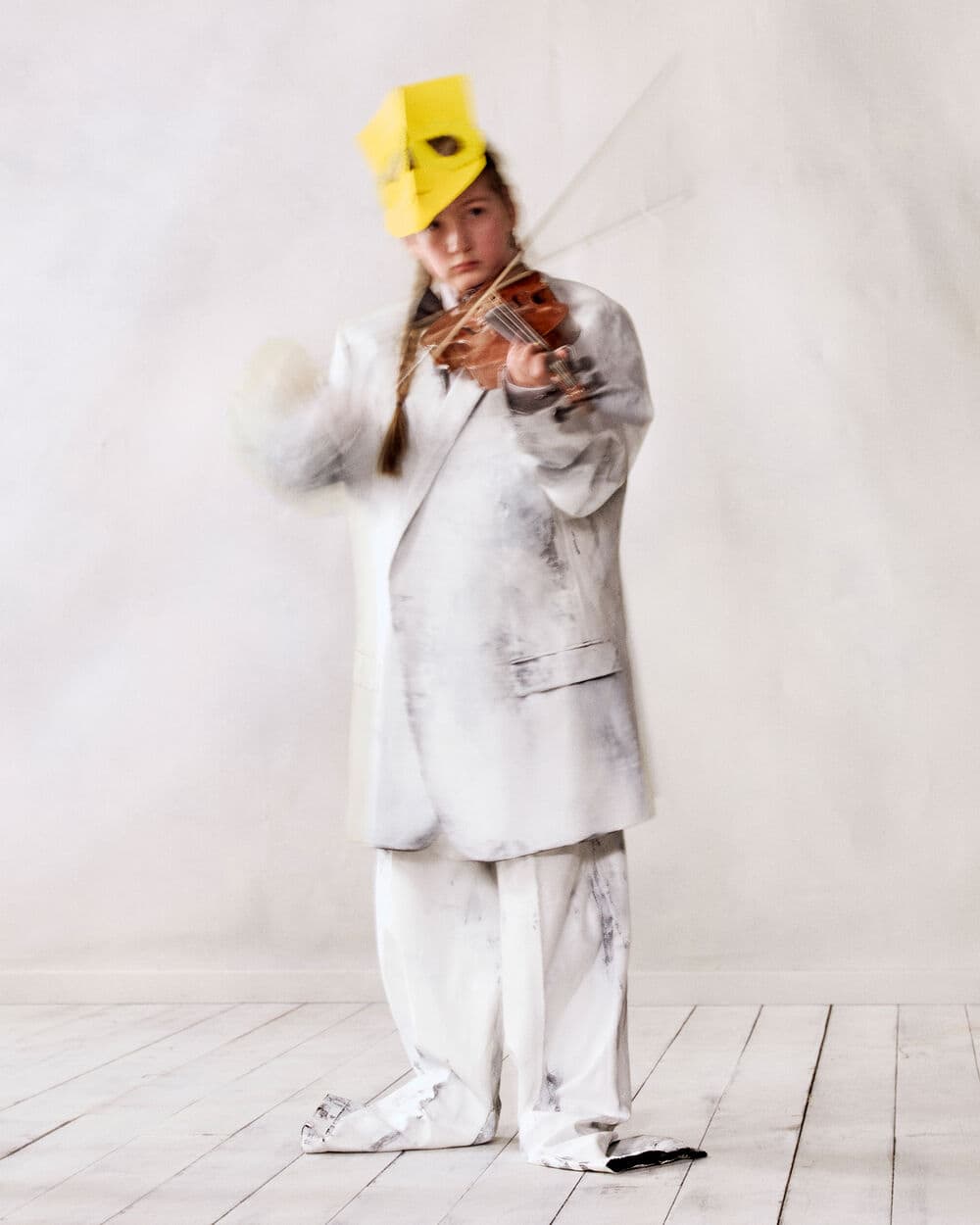
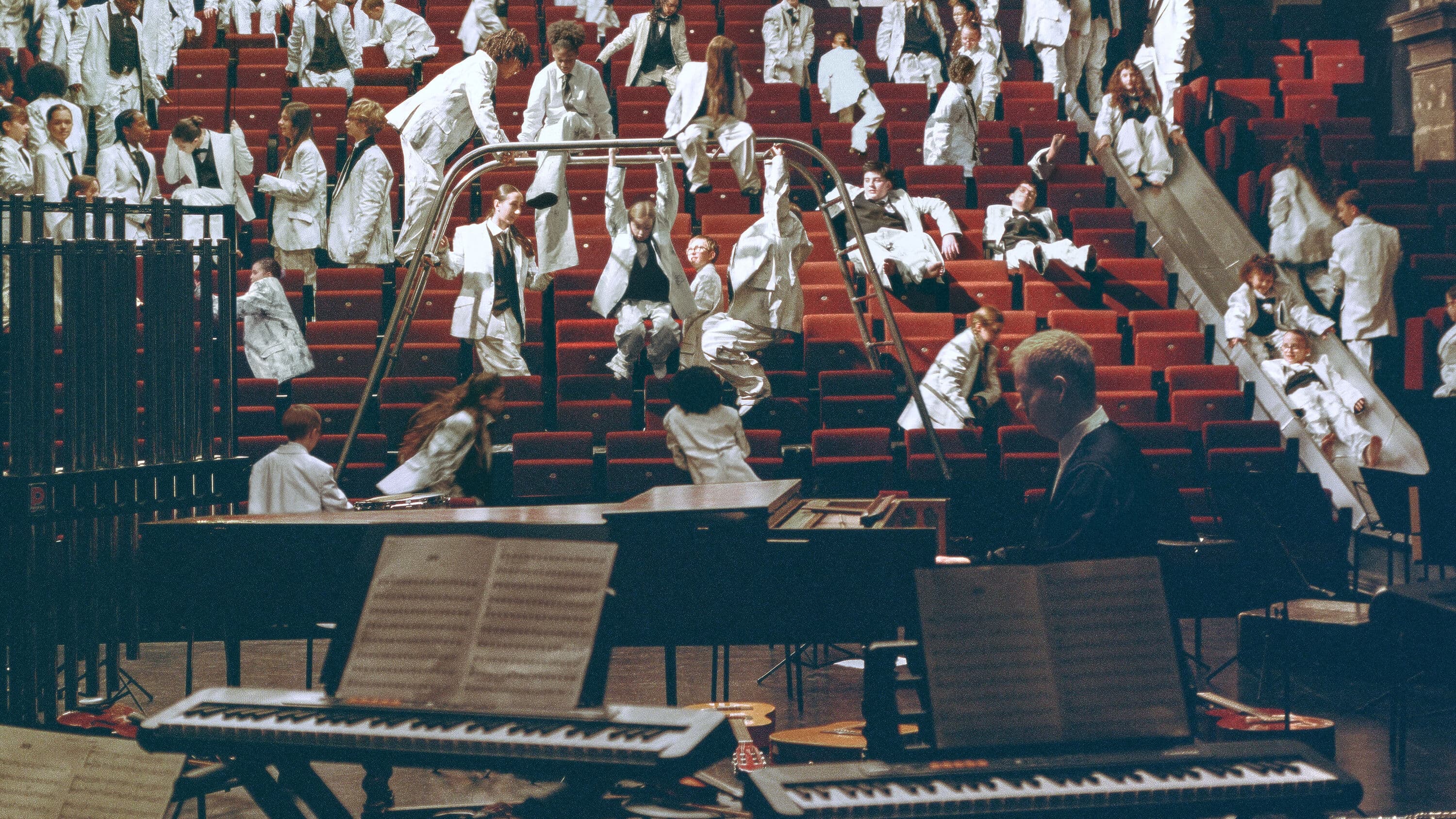
Set within the storied walls of the Théâtre de la Villette, the film opens with a sense of restraint—an empty concert hall, poised and proper. But as Richter begins to play, the space softens, then playfully unravels. A swing cuts through the formality, a slide disrupts symmetry, and a climbing frame inserts childlike irreverence into an otherwise disciplined setting. The orchestra, composed of young musicians from Association Orchestre à l’École, becomes both performer and participant in this unfolding narrative. Dressed in Margiela’s signature Bianchetto-treated tailoring, their uniforms feel at once uniform and individual—blank canvases animated by movement and sound. It is here the campaign finds its visual language: structure loosened by spontaneity, precision interrupted by play.
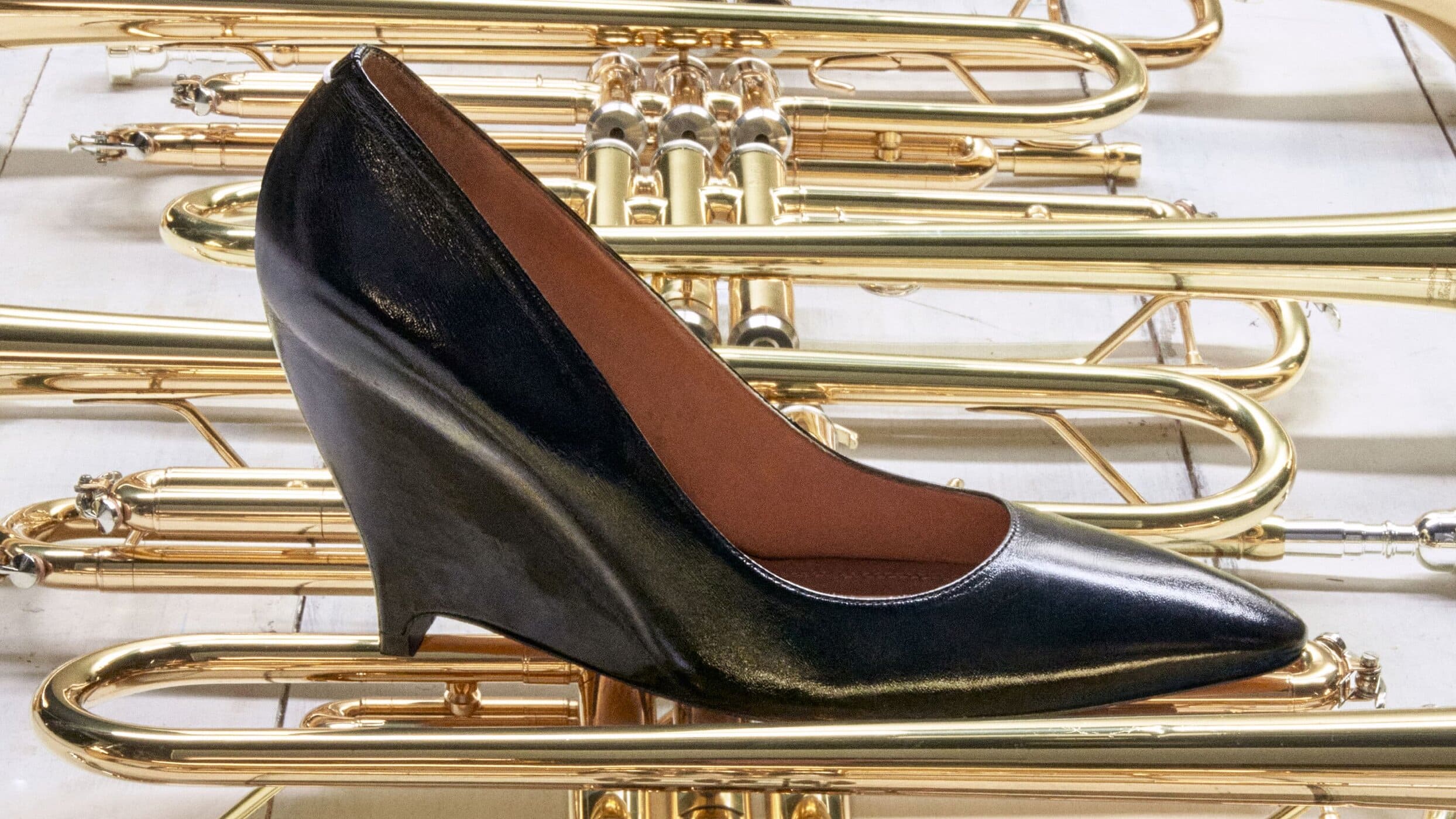
Conceptually, the alignment is strong. Margiela’s long-standing dialogue between control and chaos finds a new medium in music—arguably its most collaborative form. Richter’s original score acts as both anchor and catalyst, reinforcing the idea that creation is rarely solitary. There is also a clever mirroring of the runway’s “night at the opera” theme, translated here with a lighter, more accessible touch. Where the collection proposed tension, the campaign offers release. The inclusion of accessories—the reissued heel-less shoe and the Box Bag—feels almost secondary, though intentionally so. They exist within the world rather than interrupt it, which, from a branding perspective, signals confidence.
And yet, one wonders if the restraint is also where the campaign holds itself back. For a house built on radical gestures, “Joy” plays surprisingly safe in its visual execution. The transformation of the space, while charming, never fully tips into the unexpected absurdity Margiela has historically mastered. There’s a sense that the concept could have been pushed further—more distortion, more tension between the polished and the playful. The emotional clarity is undeniable, but the intellectual provocation feels slightly softened, perhaps in service of broader accessibility.
Still, there is something undeniably compelling in this pivot. In an industry often preoccupied with spectacle, “Joy” suggests that intimacy—shared, practiced, and performed—can be just as powerful. It’s a reminder that Margiela’s strength has never been فقط in disruption, but in its ability to recontextualize the familiar. Here, a concert becomes a playground, discipline becomes dialogue, and joy becomes something constructed, not assumed.
And perhaps that’s the quiet triumph: in choosing harmony over dissonance, Maison Margiela doesn’t abandon its language—it simply plays it in a different key.
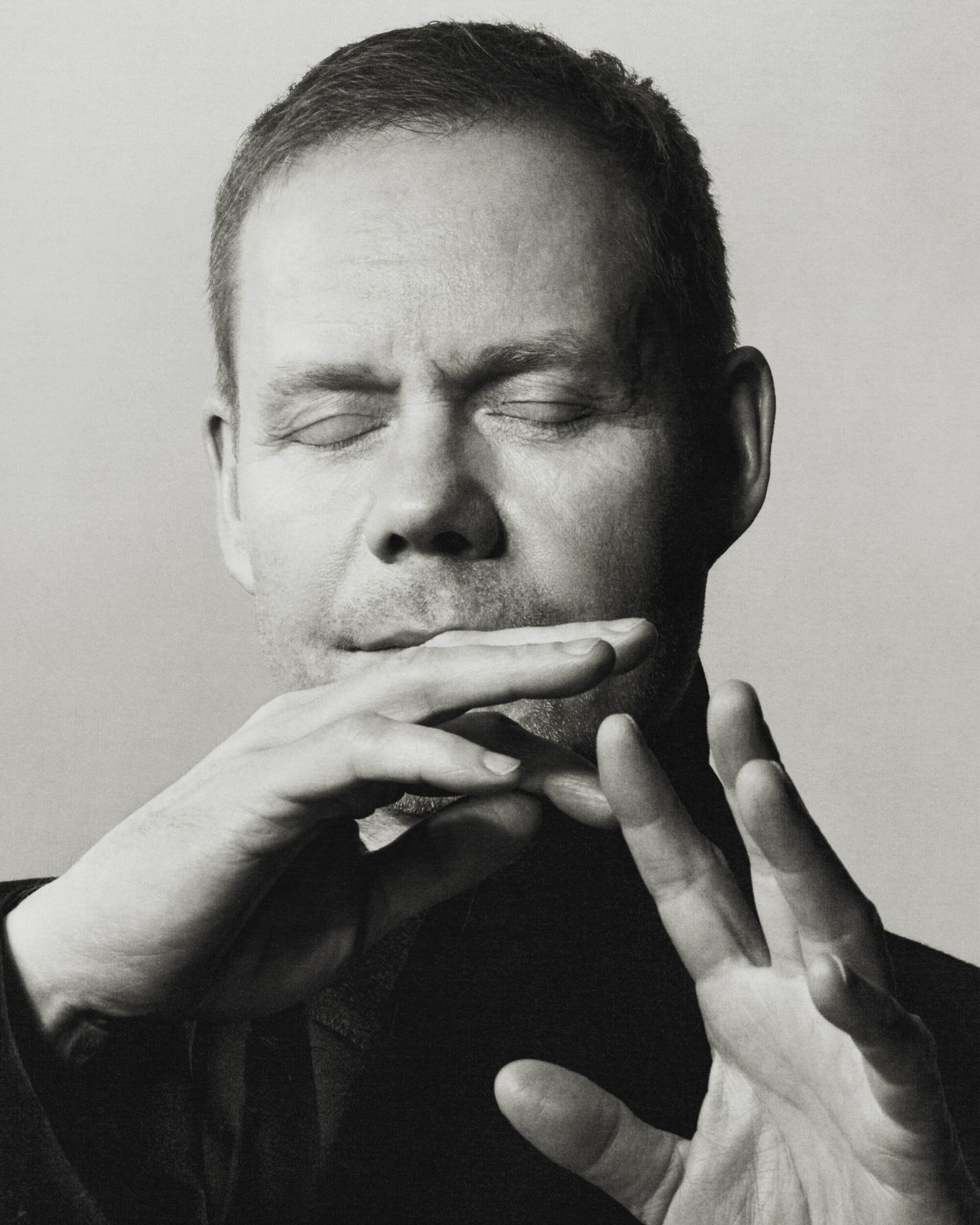
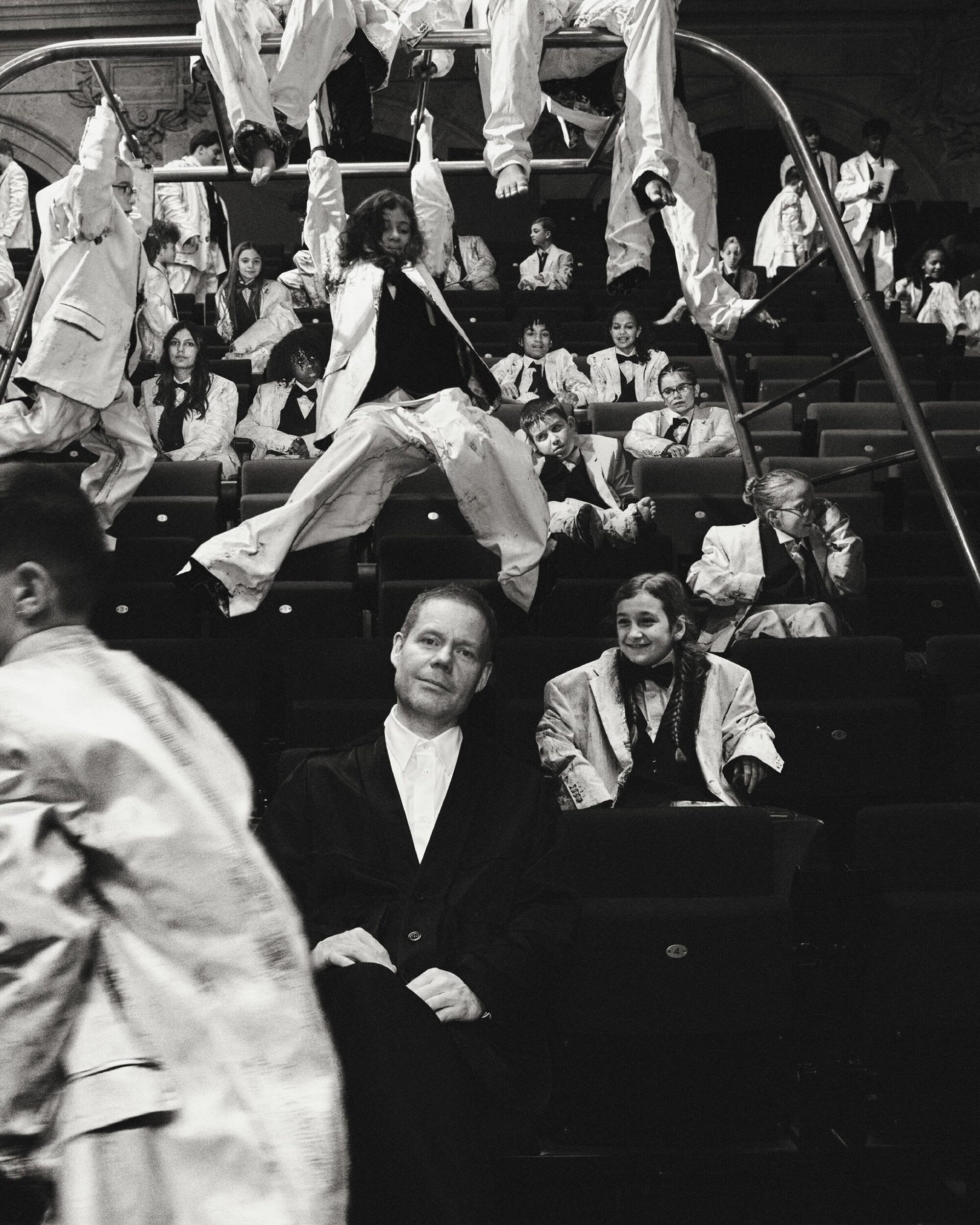
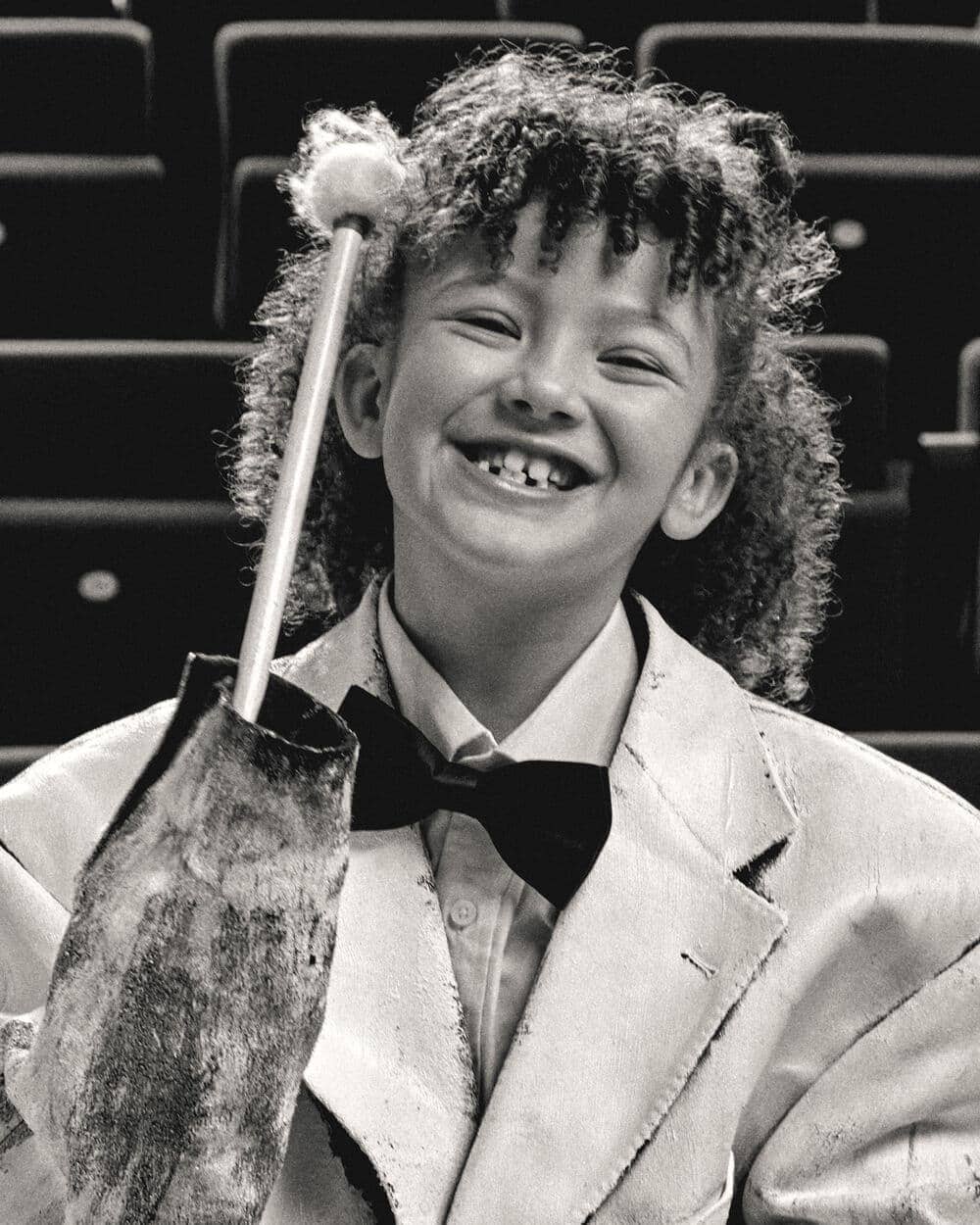
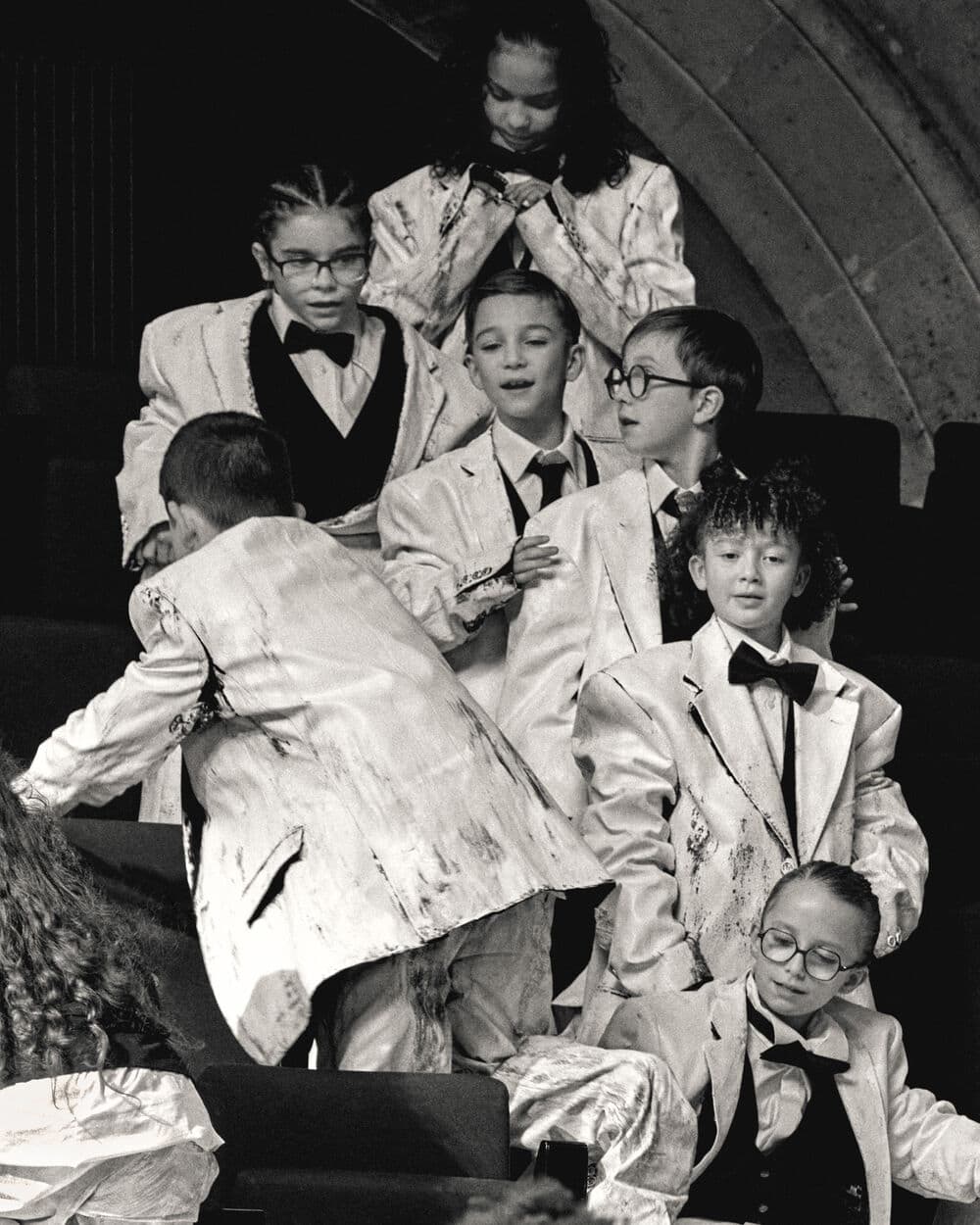
Models | Max Richter, Association Orchestre à l’École
Location | Théâtre de la Villette, Paris