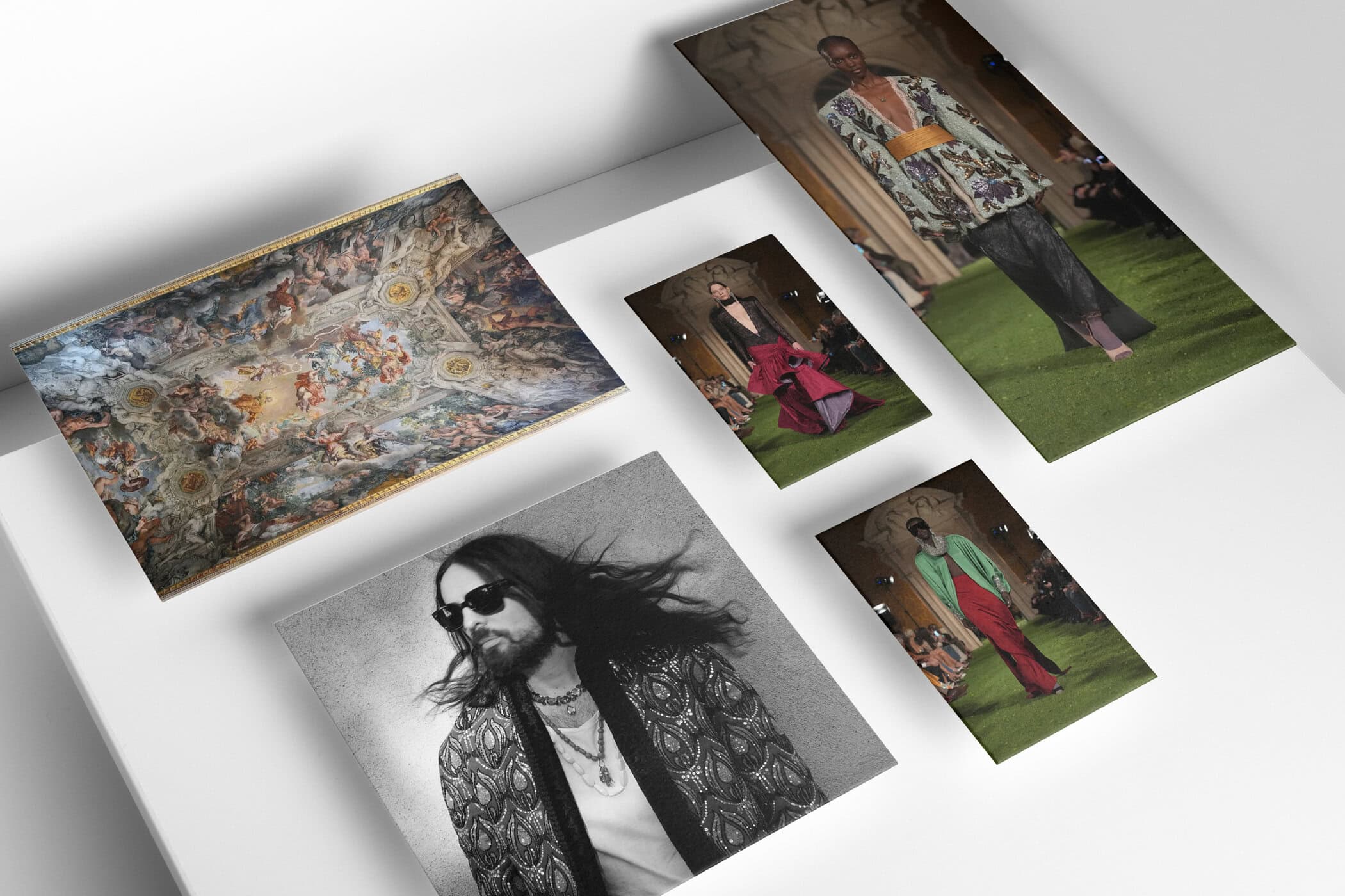
At Palazzo Barberini In Rome, Alessandro Michele Reflects On Freedom, Memory, And The Restless Pursuit Of Beauty
By Kenneth Richard
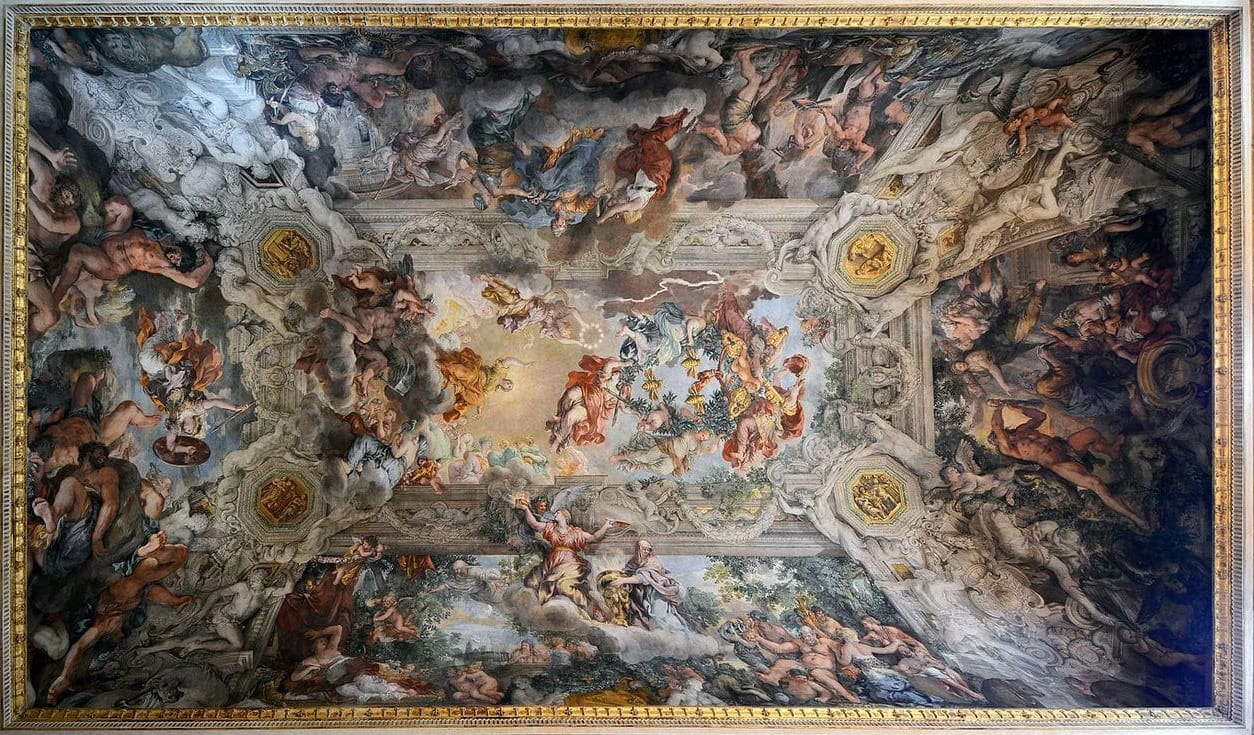
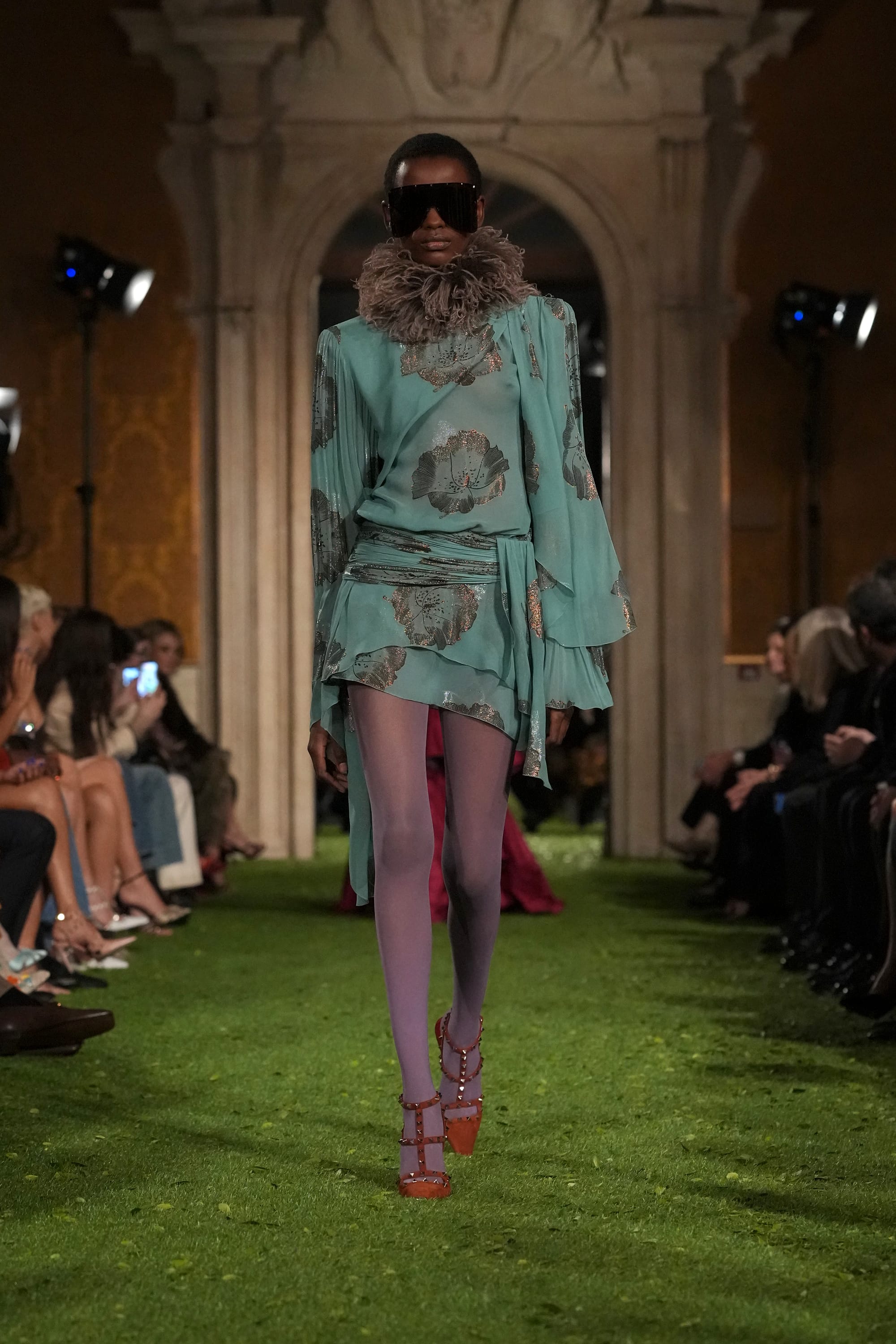
Two days after Paris Fashion Week closed its final chapter, Valentino’s Alessandro Michele opened another—this time in Rome, beneath one of the most spectacular ceilings in Italian art. Inside Palazzo Barberini, where Pietro da Cortona’s immense fresco The Triumph of Divine Providence swirls across the sky of the room, nearly seven hundred guests gathered as rain darkened the city outside. Gwyneth Paltrow sat among them. But Michele seemed almost grateful for the storm.
“The dark made inside maybe more kind of poetic and spectacular,” he said afterward. “The outside was so dark, very unexpected in Rome. But inside… the ceiling was amazing.”
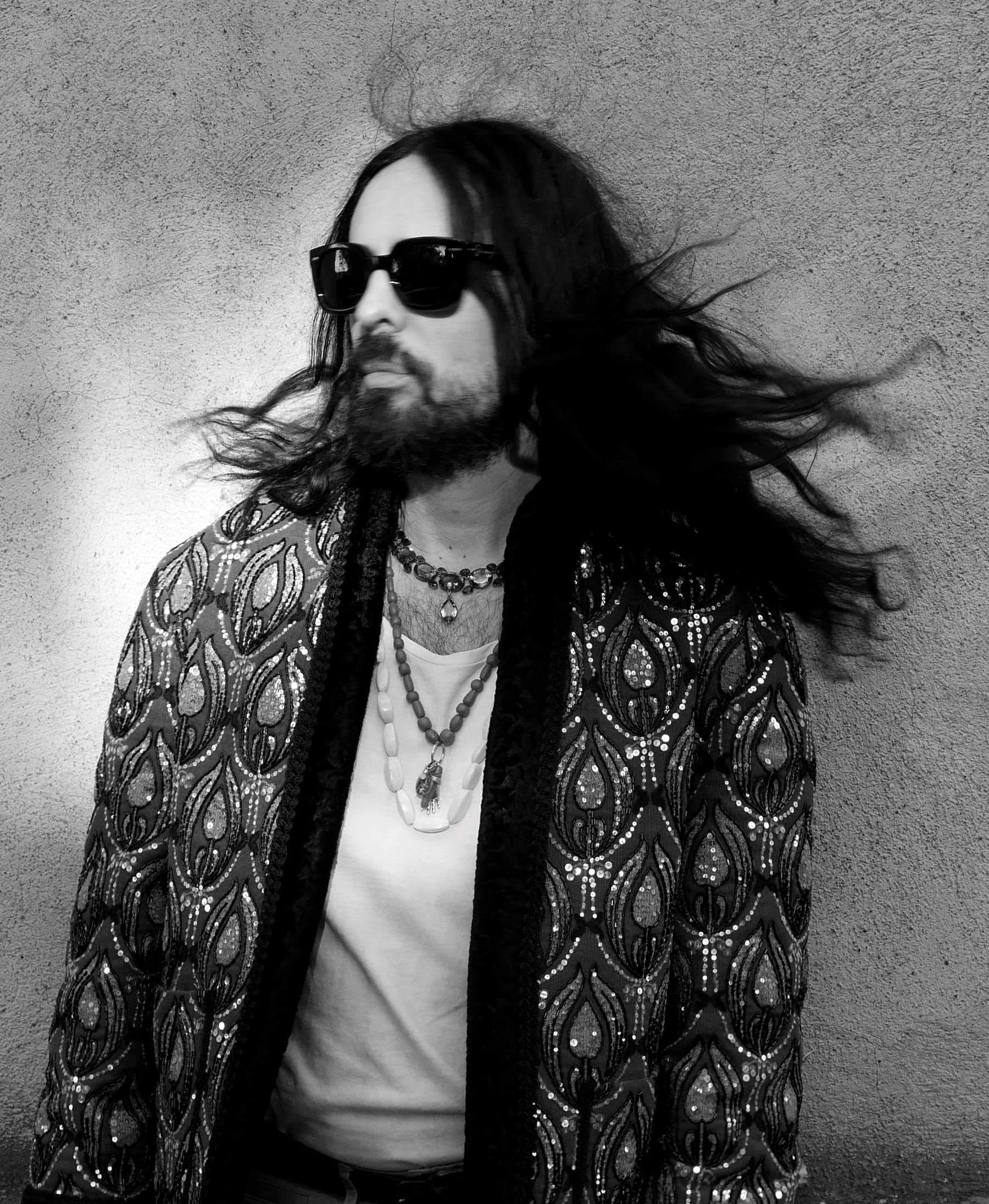
For Michele, the show was never only about clothes. It was about tension—between past and present, rationality and excess, the architecture of a palace and the imagination of a designer. These opposing forces have long animated his work, but at Valentino they take on a particular resonance. The house carries one of the most recognizable visual languages in fashion history, and Michele approaches it not as a code to obey but as a conversation to continue.
It’s about Valentino. It’s about beauty. It’s about the tension between me and the brand and the conversation between us.
He chose Palazzo Barberini precisely for that dialogue. The building itself embodies contradiction: monumental Baroque drama layered with moments of austere clarity. Michele spoke about the palace almost as if it were a metaphor for his role as creative director.
“This place has inside these two incredible artists,” he said, referring to the visual dialogue between its architectural interventions. “On one side you have this intriguing movement, and on the other the rationality. This is almost my job—to create the tension and the dialogue between different things.”
That search for dialogue led him back to a moment in Valentino’s own past. Michele has been looking at the late 1980s and early 1990s, a period when Valentino Garavani himself was still deeply involved in every gesture of the house.
“It was a moment nobody really tried to discover inside the brand,” Michele said. “Valentino was still working like crazy and making, from his hands, beauty.”
For Michele, the period carries a particular clarity. The fashion language of that era was bold and unmistakable; each brand possessed its own identity without ambiguity. It was also, he remembers, a time animated by optimism.
The eighties were the time of positivity, of shining things. There was a culture of incredible things.
He remembers the decade personally. As a teenager watching the world around him transform, he saw women asserting a new control over their presence and their bodies—something he believes Garavani’s work instinctively captured.
“Women were really conscious about their presence, their body,” he said. “After the seventies there was this moment where they were so in control. That is something that I really like.”
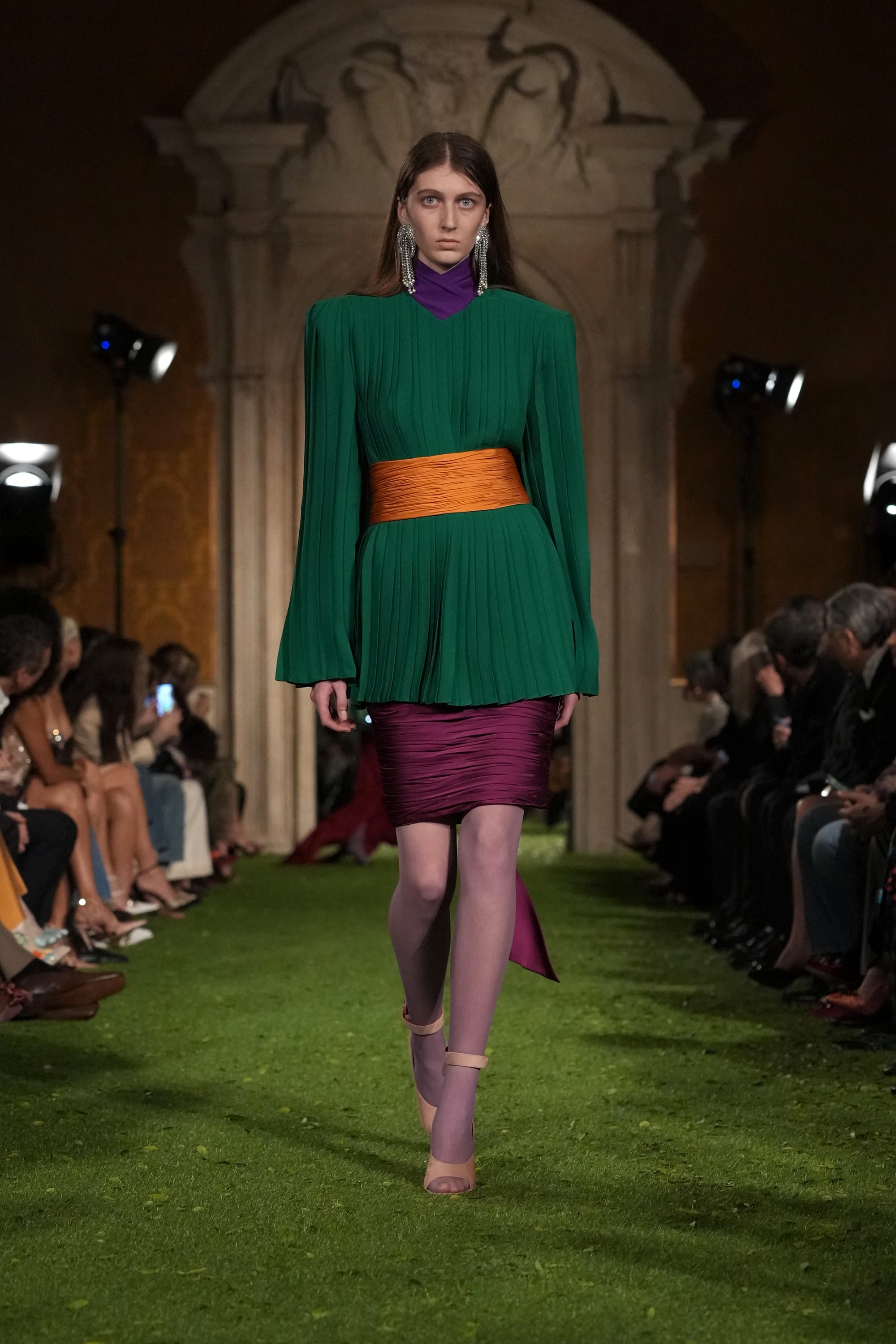
In Garavani’s hands, Michele sees the creation of something almost mythic. Pleats, draping, and sculptural construction formed a kind of visual language that elevated the wearer beyond the everyday.
“Maybe he didn’t know it,” Michele reflected, “but he was building the idea of a goddess—putting the woman in the center of the world.”
That sense of elevation remains fundamental to Michele’s interpretation of the house. Yet it must also coexist with the unmistakable codes that define Valentino. Among them, none is more powerful than its most famous color.
“I’m trying always to keep a red dress,” he said. “It means life and richness.”
Red, he admits, is difficult. Its intensity is almost overwhelming, but that difficulty is precisely what makes it essential. At Valentino it functions almost like a signature or emblem—what Michele compares to the GG monogram from his years at Gucci.
“It’s the code of the brand,” he said. “It’s so intense.”
If the collection itself explored memory, Michele’s reflections often drifted toward something more philosophical. Beauty, he believes, cannot be fixed or preserved. It is always moving just out of reach.
“Beauty is very complicated,” he said quietly. “Because it is always changing. I’m always running after beauty.”
The chase is part of the attraction. To pursue beauty is to accept a constant state of uncertainty—both comfort and discomfort at the same time.
“I like that,” he said.
In a cultural moment he describes as strangely passive, Michele sees his work as a small act of resistance. Fashion, at its best, remains a declaration of individuality.
“I think we have to fight to do what we want to do,” he said. “We have to fight to say what we want to say, and be sincere with ourselves.”
Asked what continues to sustain him—what feeds his happiness after decades in fashion—his answer came without hesitation.
“Freedom,” he said.
It is a simple word, but in Michele’s world it carries extraordinary weight. Freedom to interpret history. Freedom to question beauty. Freedom to intervene in one of fashion’s most storied houses while still honoring the spirit that built it.
Under the frescoed sky of Palazzo Barberini, with rain falling quietly over Rome outside, that freedom felt almost tangible—suspended somewhere between the grandeur of the past and the possibility of what might come next.