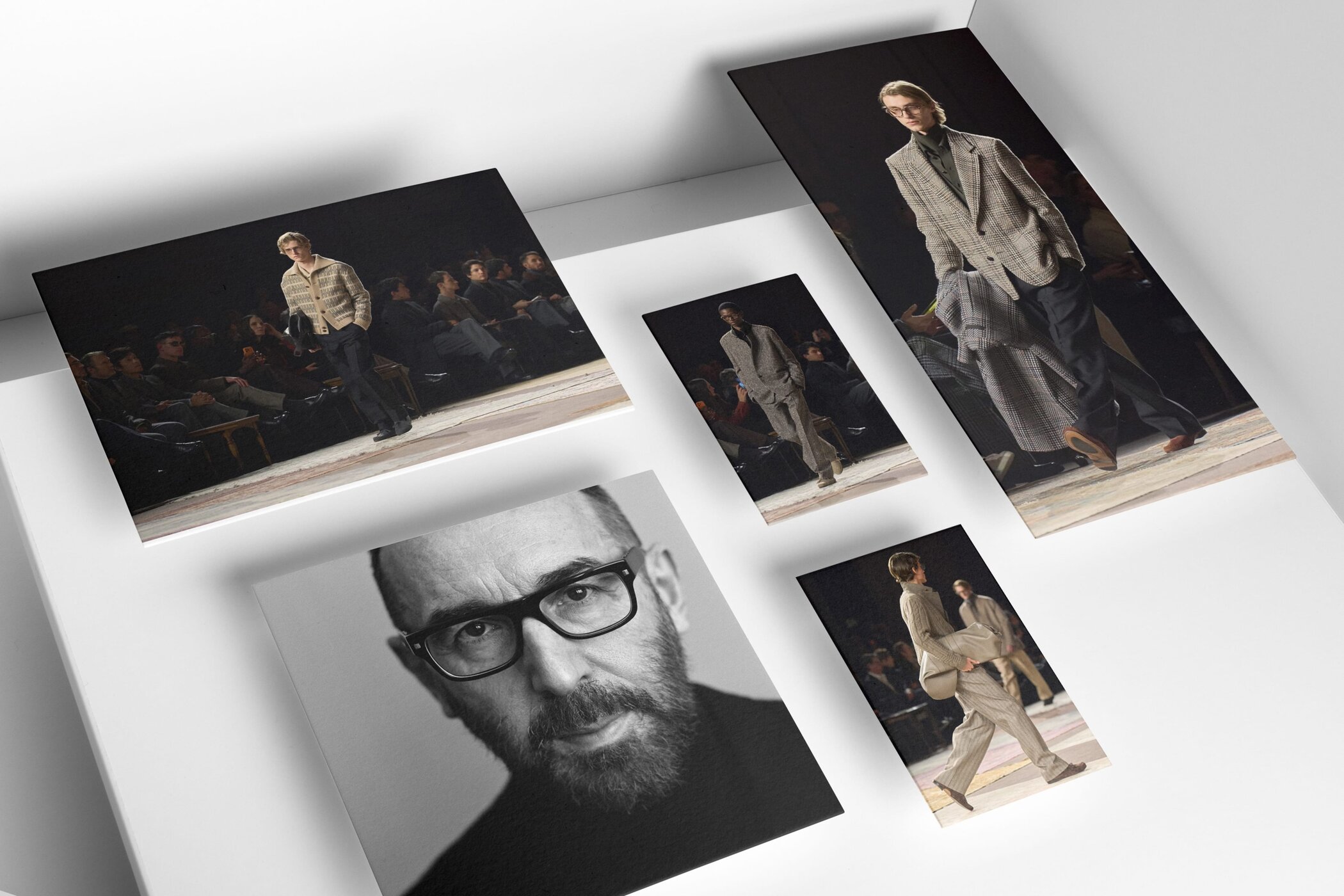
As The House Enters A New Era Of Leadership, Sartori’s Fall 2026 Collection Draws Timelessness From Memory, Silhouette From Soul, And Elegance From Evolution
By Kenneth Richard
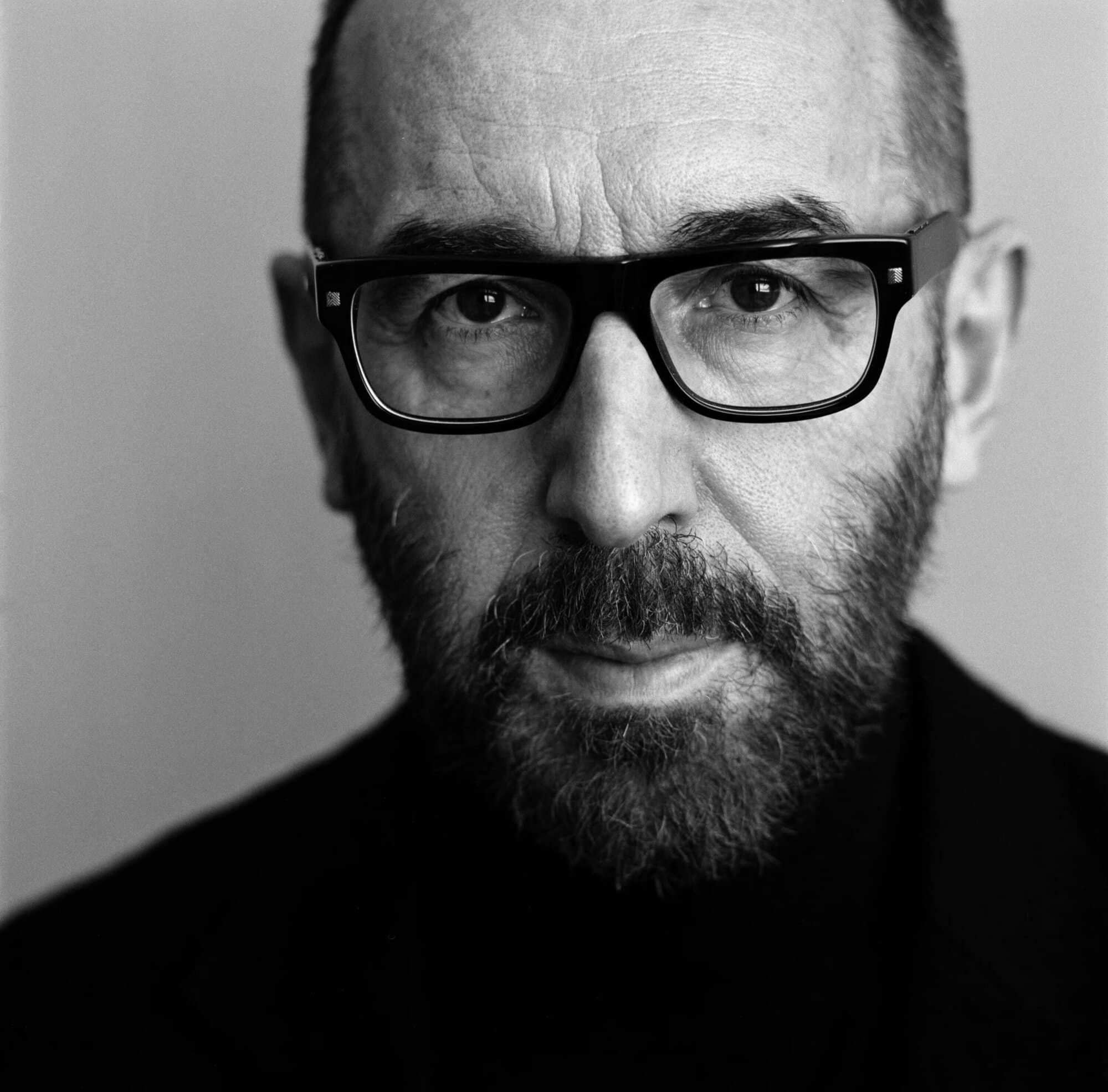
Legacy is never a straight line. It moves in layers — some inherited, some chosen. For Alessandro Sartori, Artistic Director of Zegna, this season marked a quiet but powerful inflection point. The house’s Fall 2026 collection arrived just as Gildo Zegna, longtime CEO and architect of the brand’s global expansion, passed the baton to his two sons, Angelo and Edoardo Zegna, as co-CEOs. And in a kind of poetic symmetry, Sartori offered a wardrobe designed not just for this moment, but for all the ones that came before it — and all that might follow.
We redesigned the full wardrobe with this mindset: to keep, to hold, to pass down.
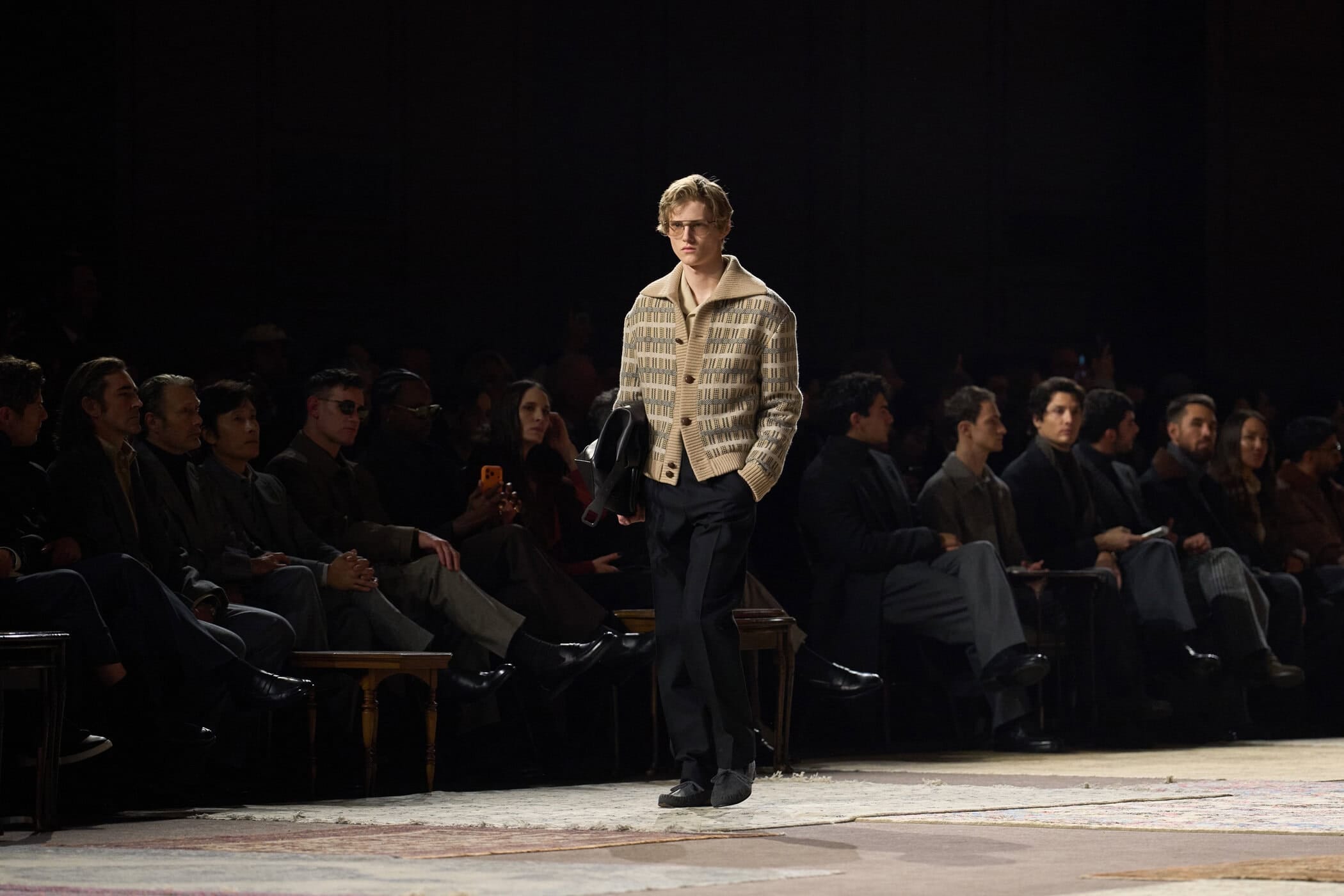
But this story isn’t just about the clothes. It’s about a designer who has grown into one of the industry’s most quietly influential voices. Sartori doesn’t chase spectacle. His influence comes through accumulation: in the fabric innovations he pioneers, in the slow, intentional refinement of silhouette, and in the emotional depth he insists clothing must carry. At a time when much of fashion feels breathless, Sartori is building something with breath in it.
I want people to collect our clothes like watches. To wear them for years. To pass them on.
Zegna, under his artistic leadership, has become a blueprint for a new kind of luxury house — one where control over production isn’t just a flex, but a creative principle; where innovation doesn’t shout, it whispers; and where the customer isn’t chased, but respected.
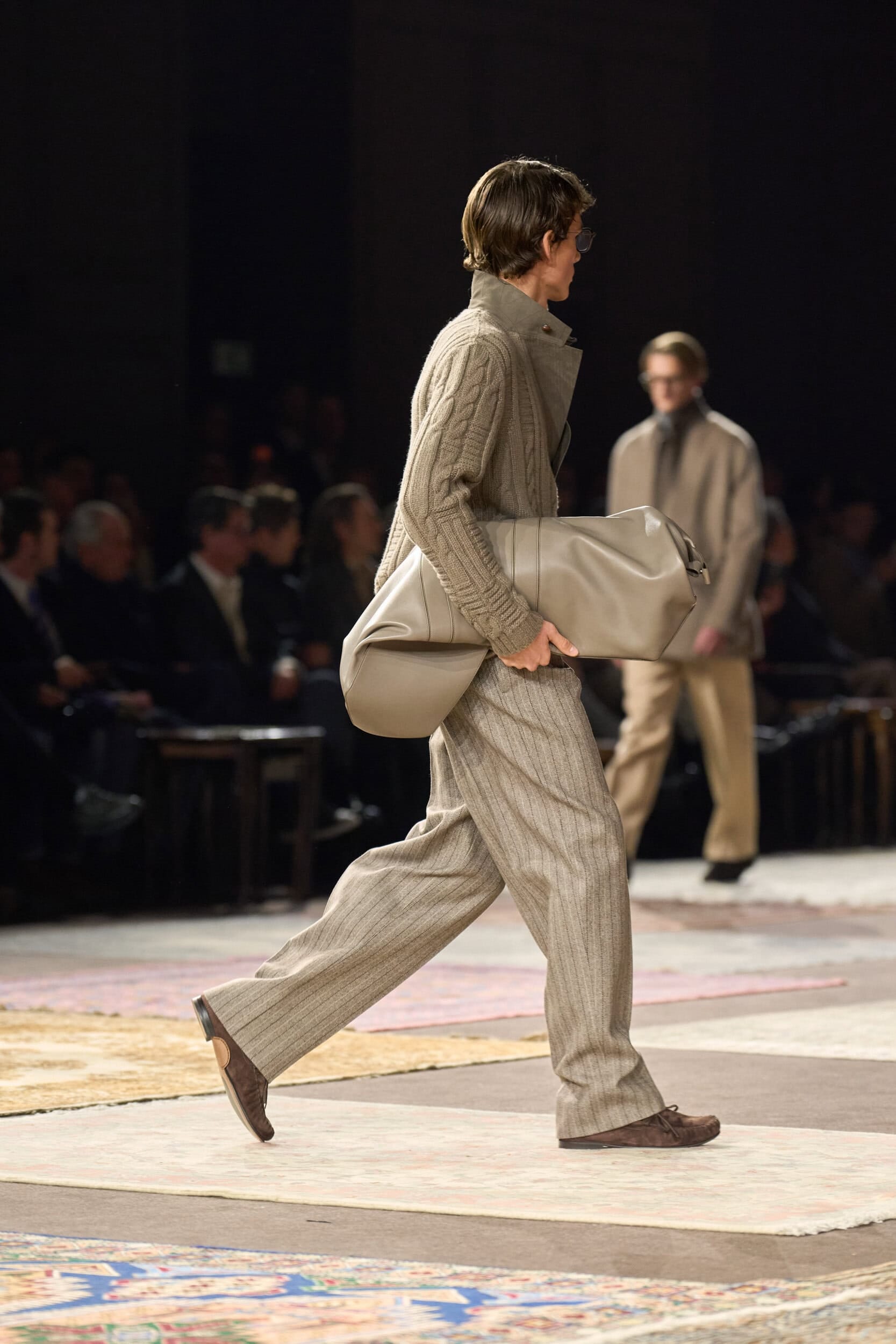
I don’t want to change the man. I want to make him the best version of himself.
This season’s elongated jacket — with squared shoulders, deeper volume, and graceful length — is a prime example. It’s a reset, not a reinvention. Sartori designed it to align with past collections, ensuring today’s pieces could live easily alongside garments from three, five, even ten years ago. Continuity, not churn.
I’m constantly styling old and new together. It’s not about seasons. It’s about permanence.
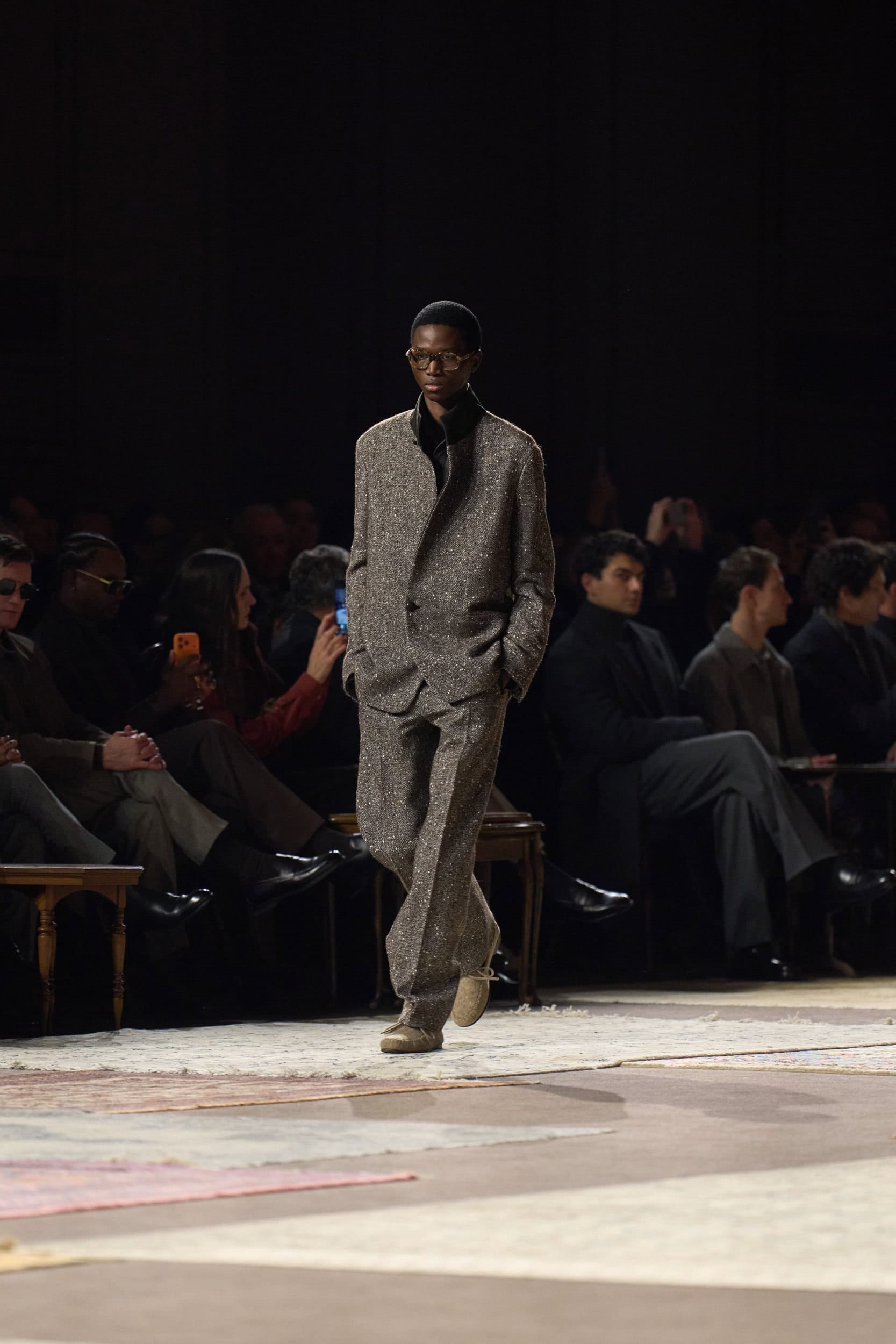
He speaks of customers with a kind of reverence rarely heard in fashion anymore — not as demographics, but as collectors, individuals with taste, history, and emotional investment in what they wear. And he designs accordingly. The wool-cashmere-paper blend in this season’s suiting is one example of the technical freedom that comes from Zegna’s vertically integrated production. Sartori calls it “having a garden behind the kitchen.” That is: the luxury of creating ingredients yourself, and the discipline to do it with care.
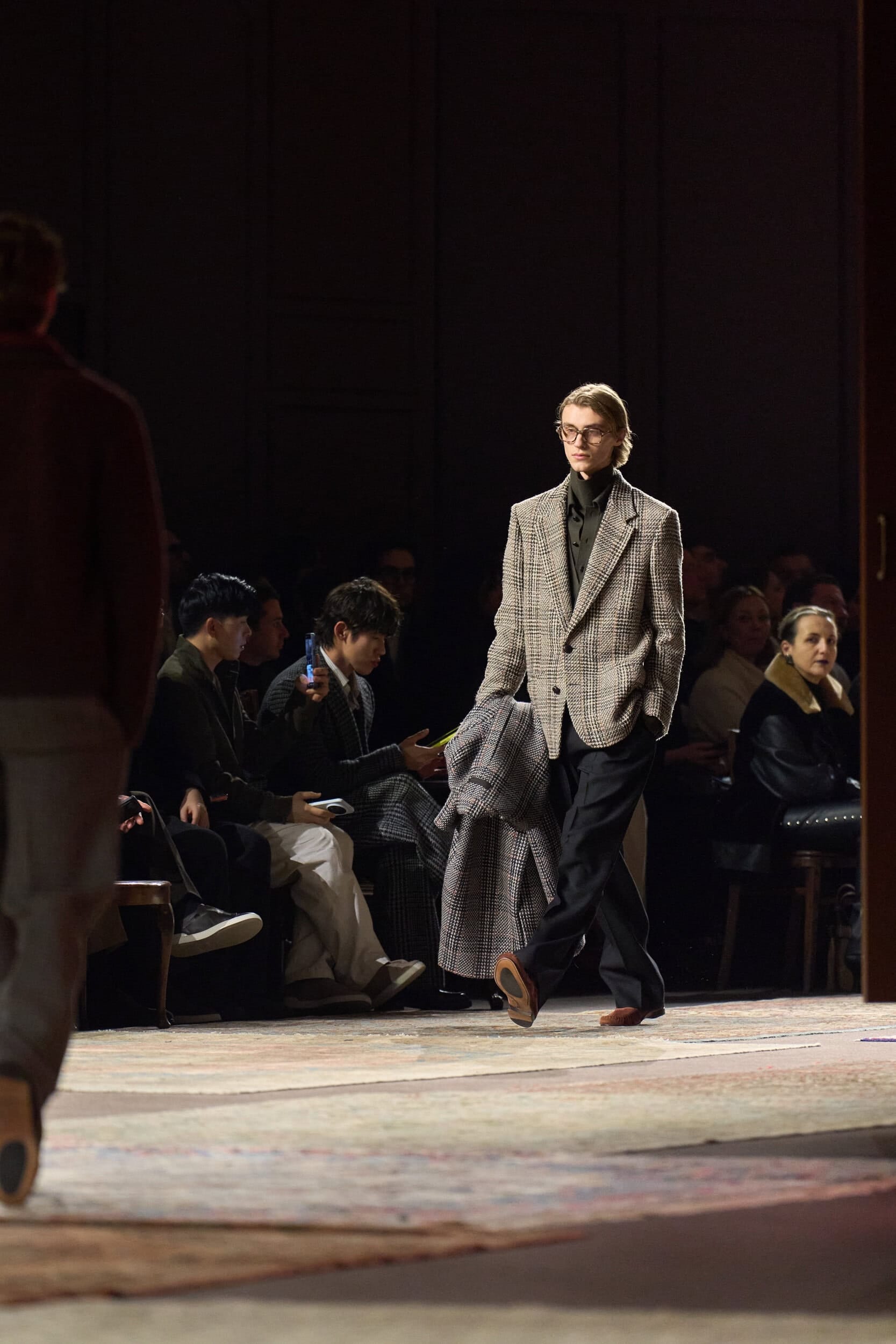
This personal sense of permanence also shaped the season’s emotional core. Sartori’s father passed when he was young, but discovering one of his striped suits years later proved formative. “I matched it to a photo of him,” he recalled. “It was like the clothes were speaking.”
That moment — the quiet realization that fashion can hold memory — is the thread that runs through his work. Even the show’s title, Memoria, speaks to this inheritance. “It’s more than a fashion piece,” he said. “It’s a value. I want to give it to my son, or my niece, or someone I love.”
As the Zegna family steps into a new era of co-CEO leadership, the brand feels both incredibly grounded and uniquely future-facing — a house where meaning isn’t outsourced, but built into every stitch. Sartori’s vision isn’t one of disruption, but of devotion: to the craft, to the customer, and to a quieter, more lasting idea of style.
That’s the real value. To design something you’ll want to keep. To hold. To give.