Curated Commerciality
Review of AMI Fall 2026 Men’s Fashion Show
By Angela Baidoo
The moment a brand is called ‘Cool’ there is no doubt that it will gradually start to lose its credibility among those who discovered, supported, and bought into its secret sauce when it was in its infancy. Admittedly, it is a difficult balancing act to retain ‘Coolness’ when reaching for and attaining a certain level of commerciality. As positive as that may be for the bottom line, it is then that the masses descend and suddenly your products are pulled to feature in Netflix romcoms.
Social media has, without a doubt, made it so that nothing stays fresh for long and aesthetics are algorithmized in weeks. So fast is the churn that some trends may seem more popular than they actually are. And at a time when the consumer is demanding more differentiation and less like-for-like, brands like AMI may need to rethink their playbook.
THE COLLECTION
THE VIBE
Algorithmic Aesthetics, A Retail-Ready Case Study
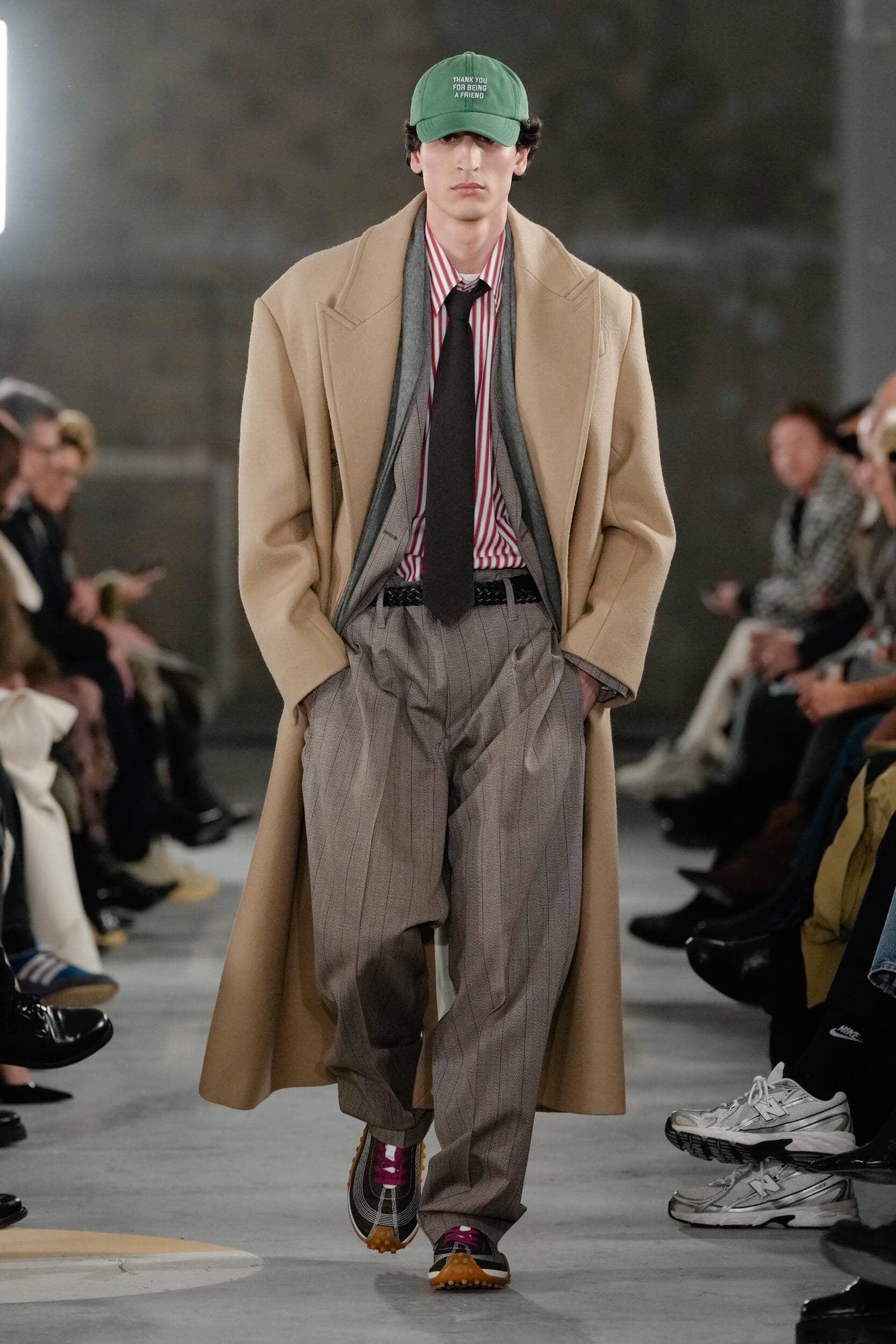
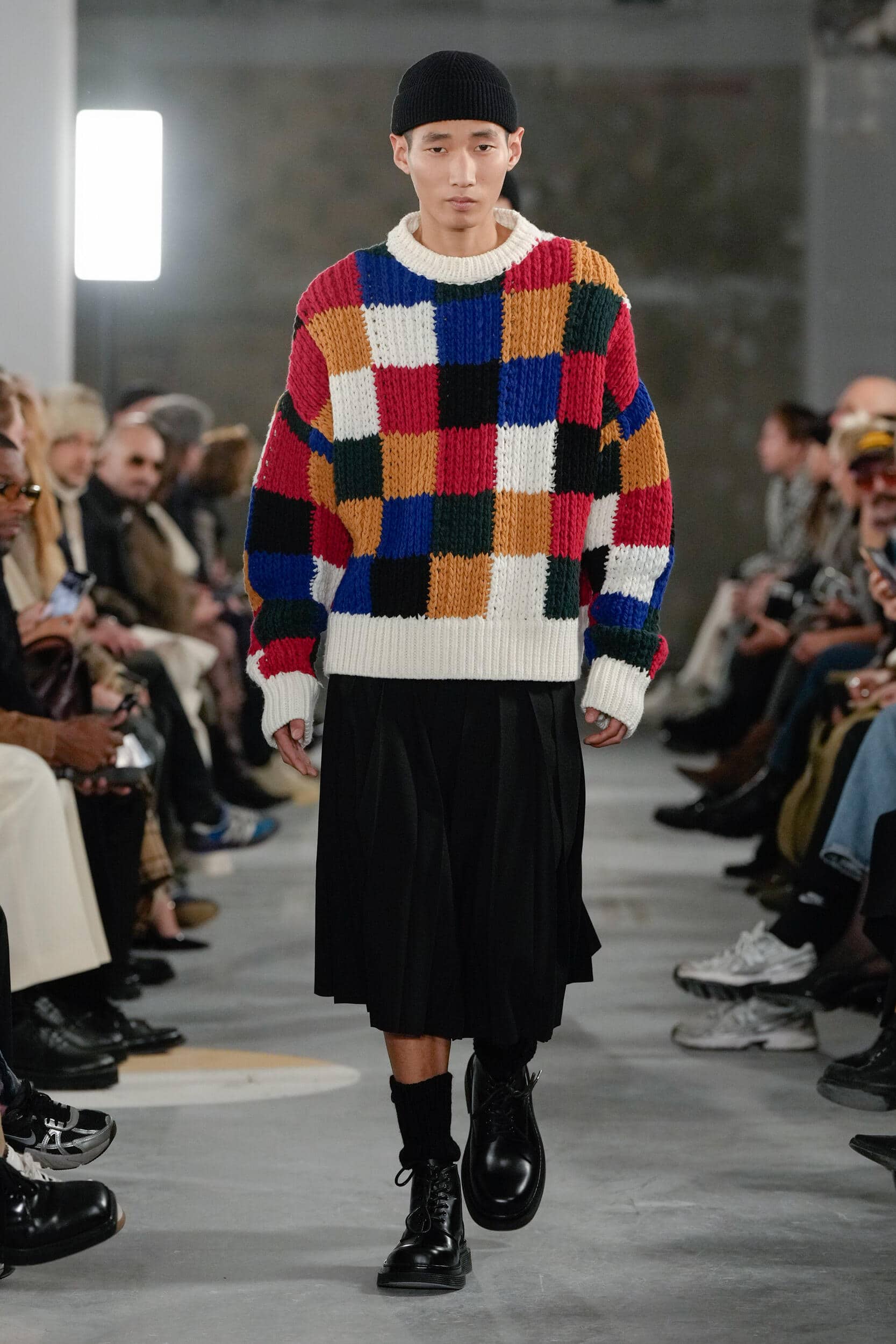
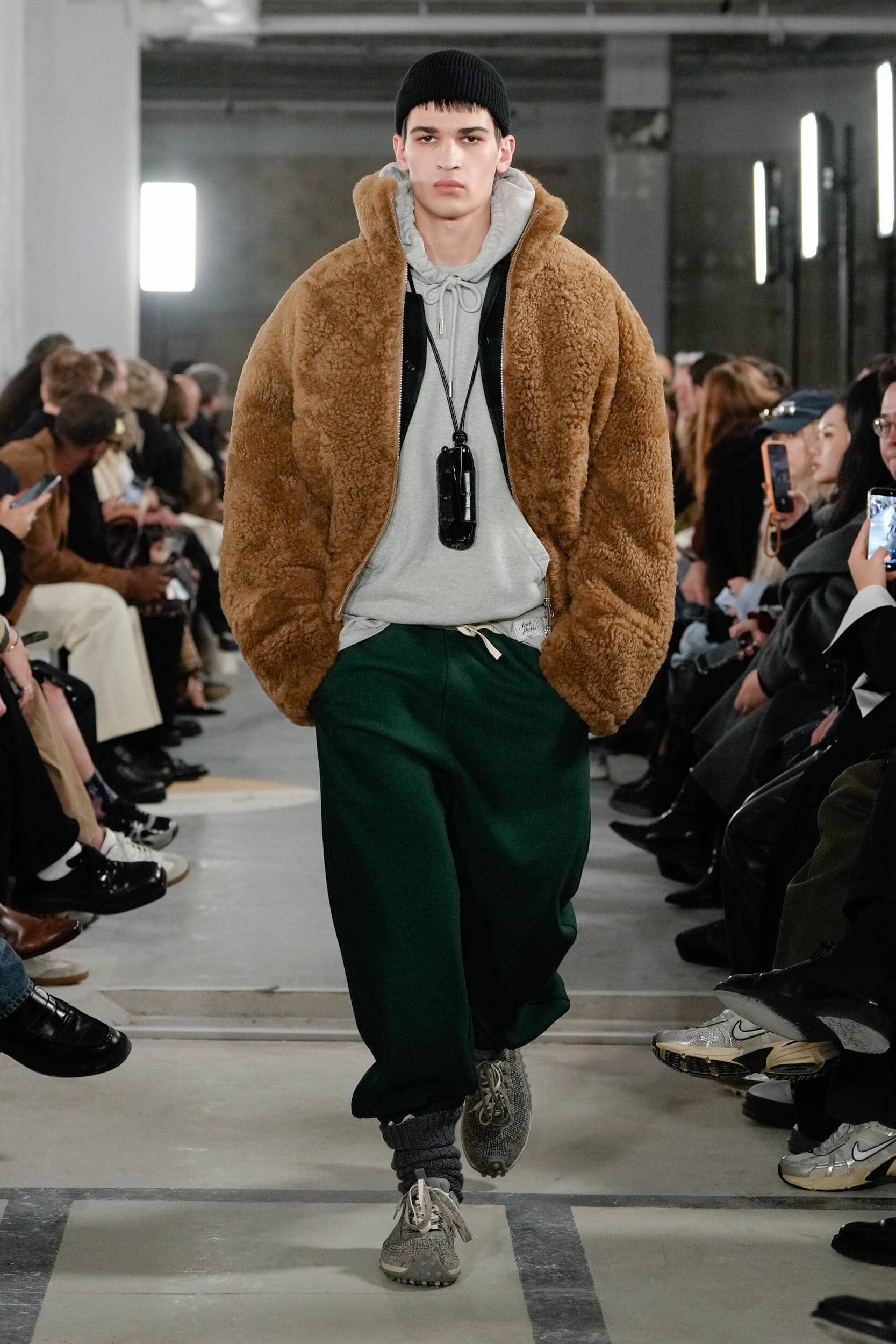
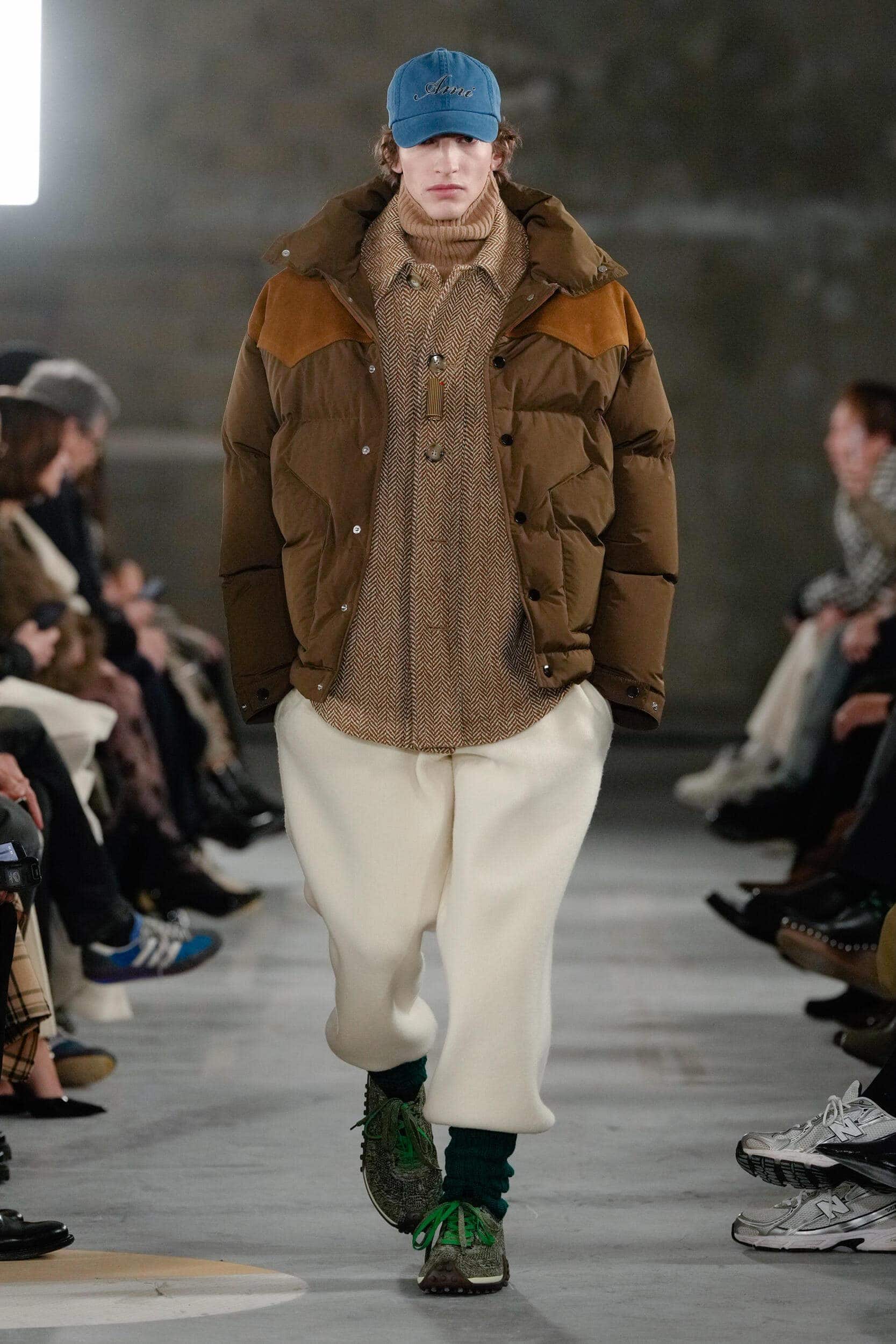
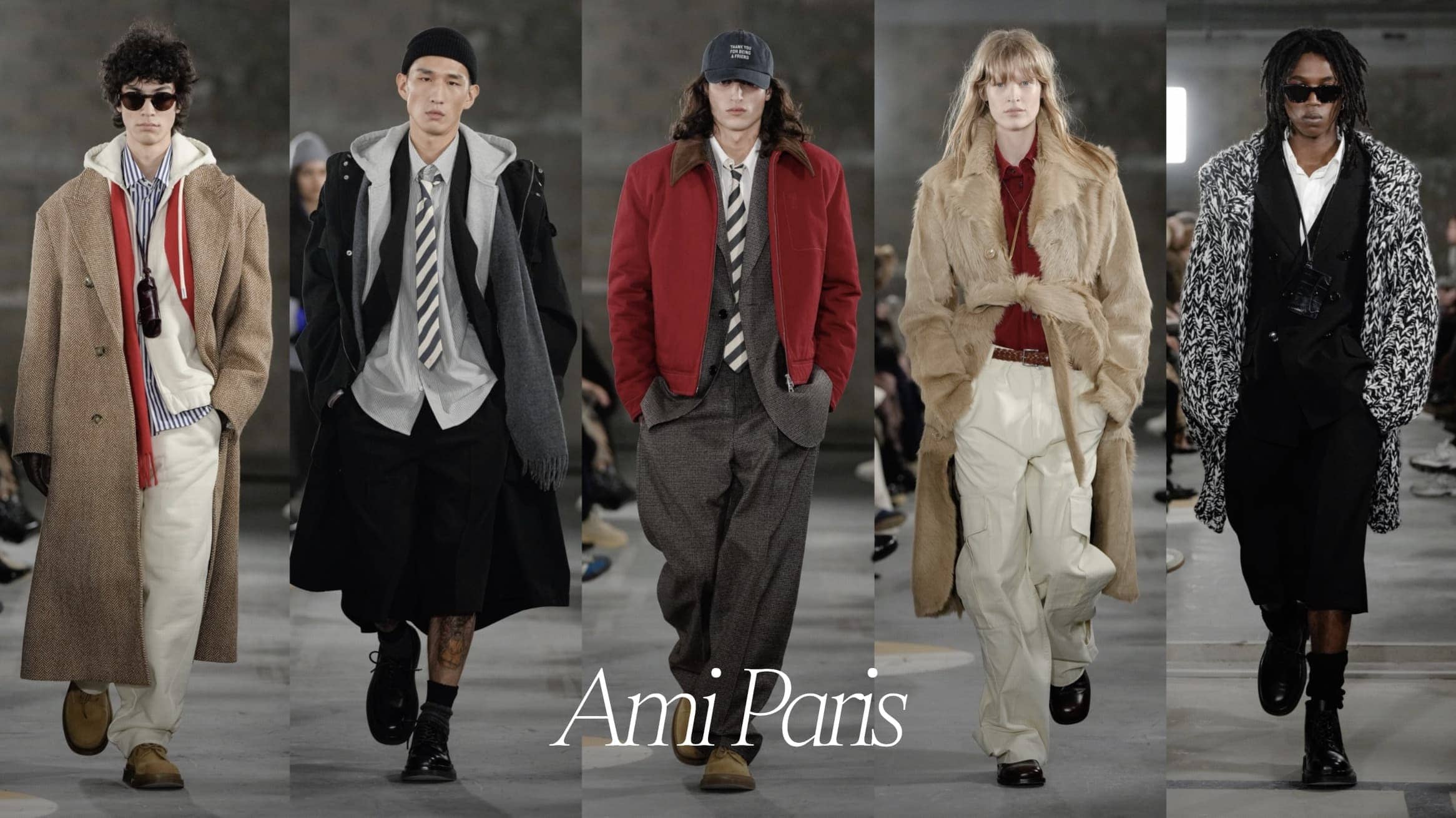
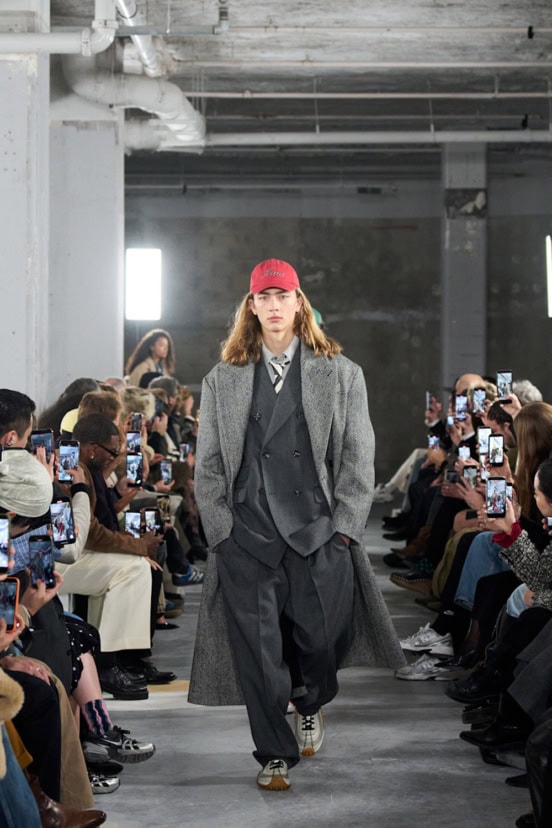
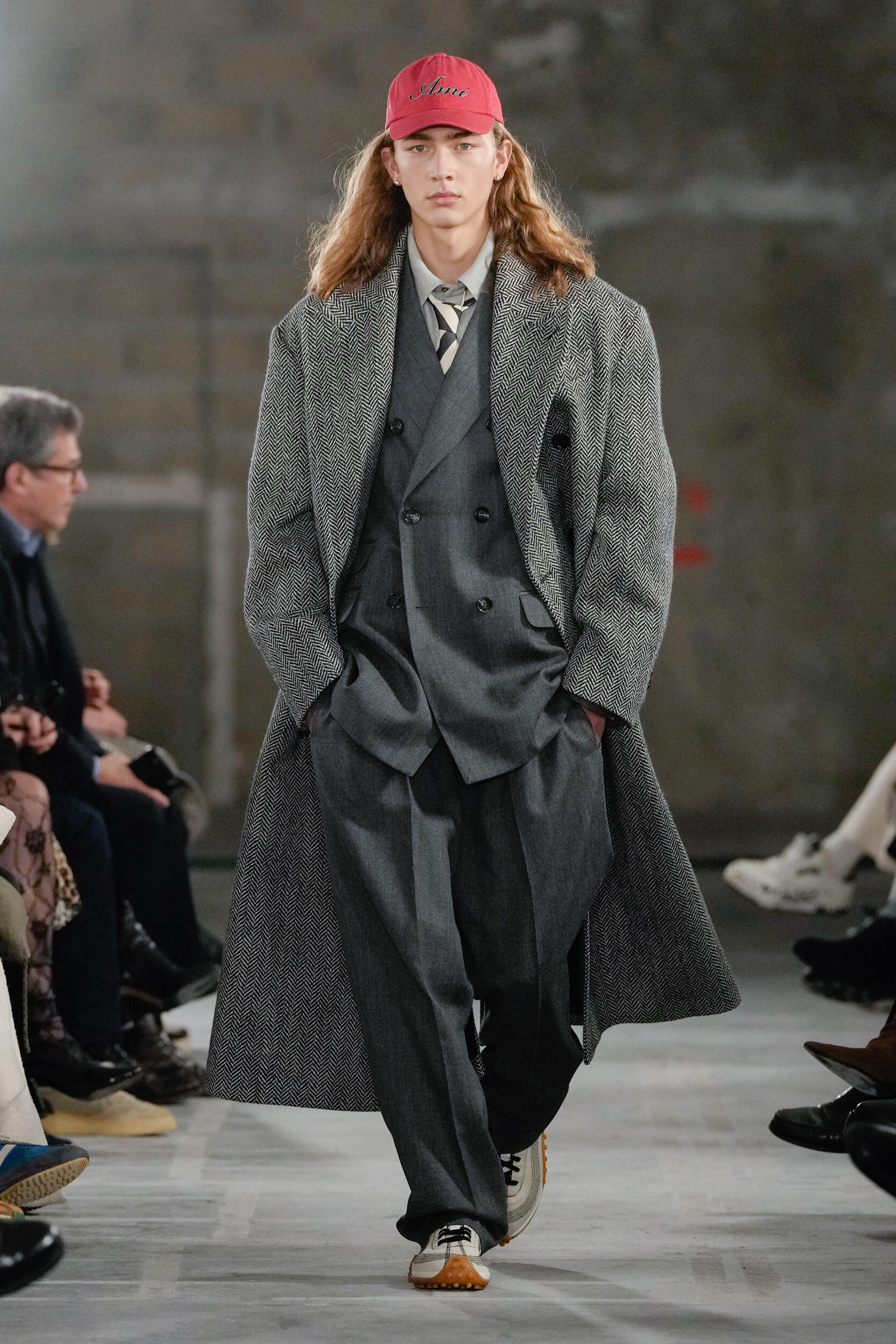
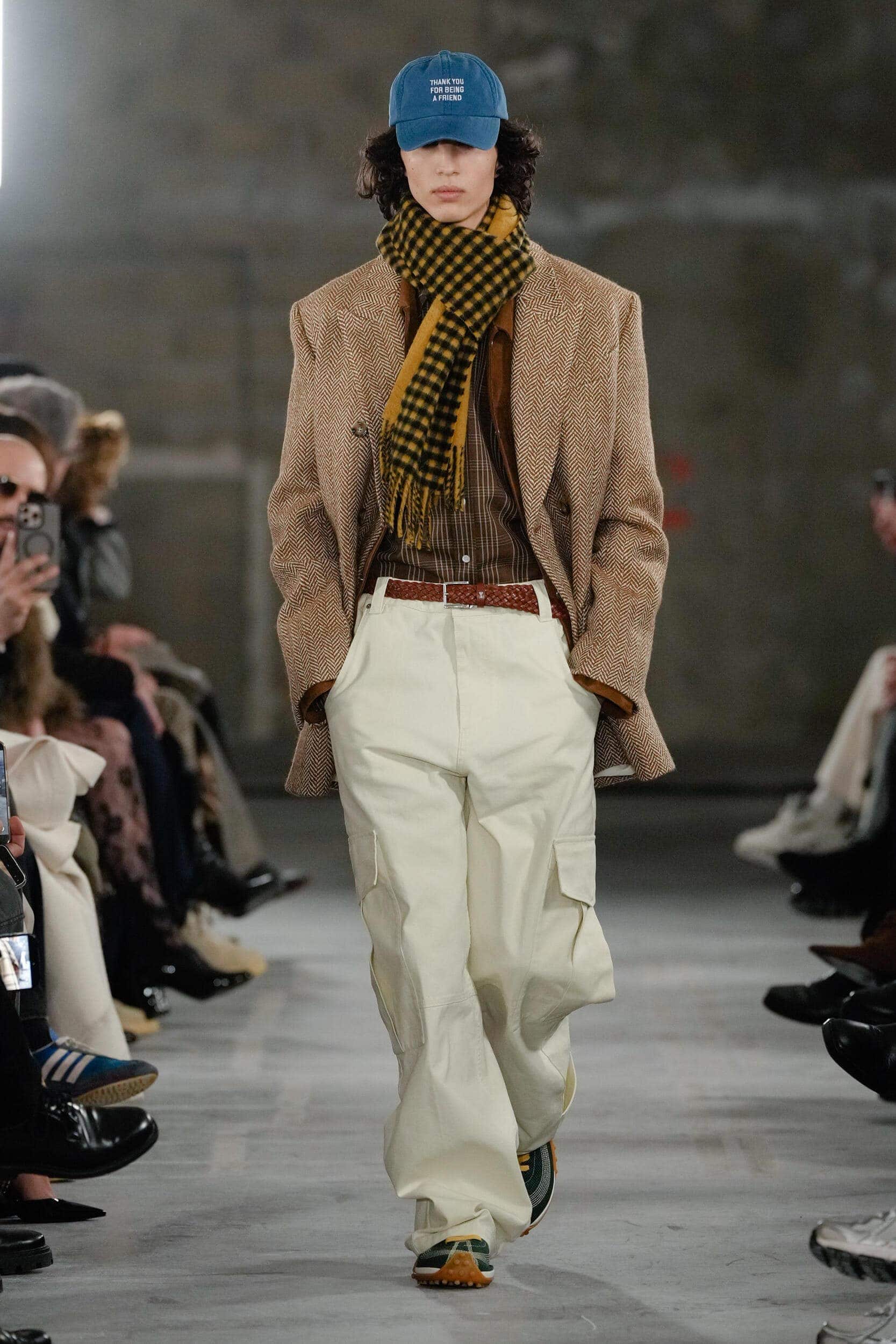
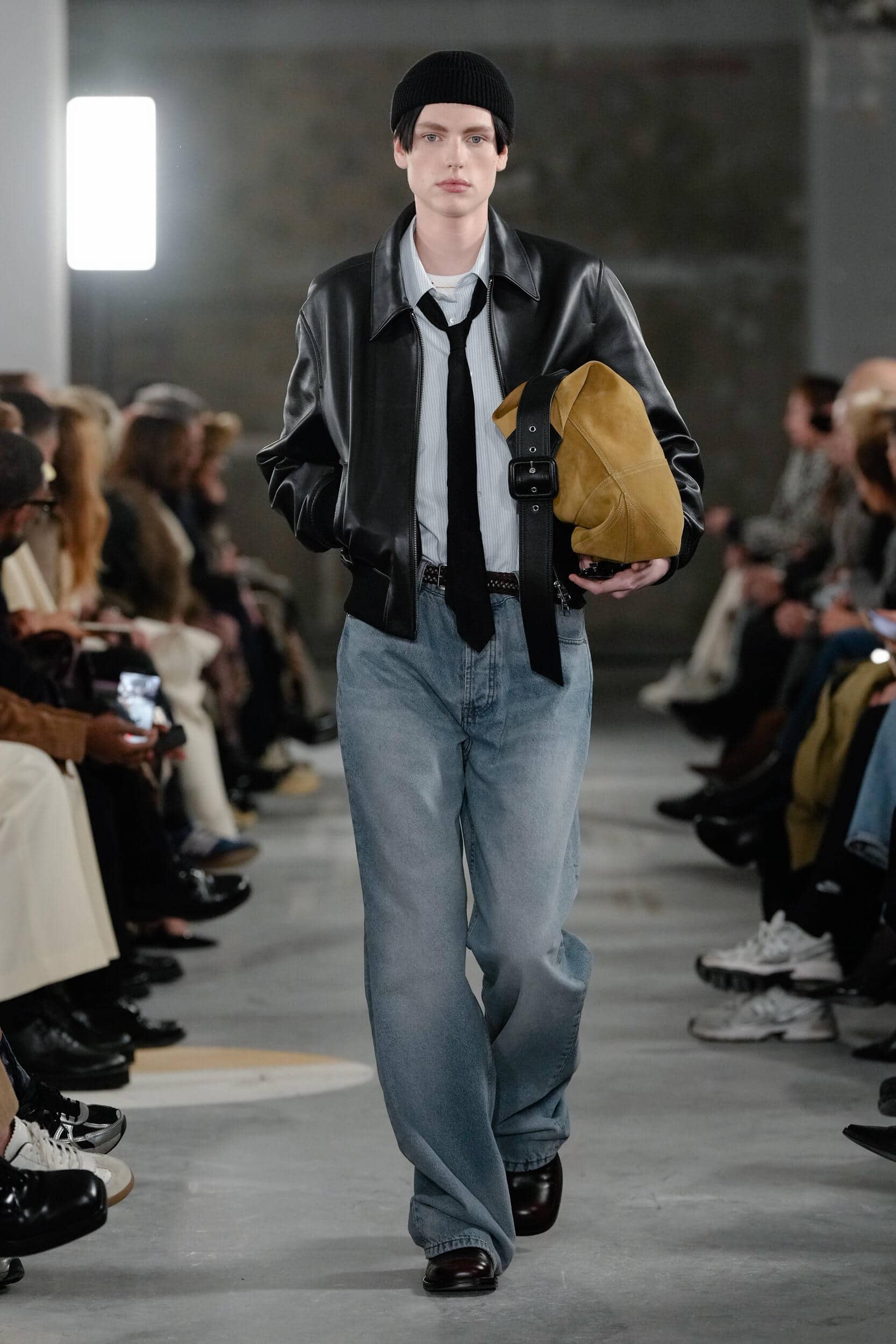
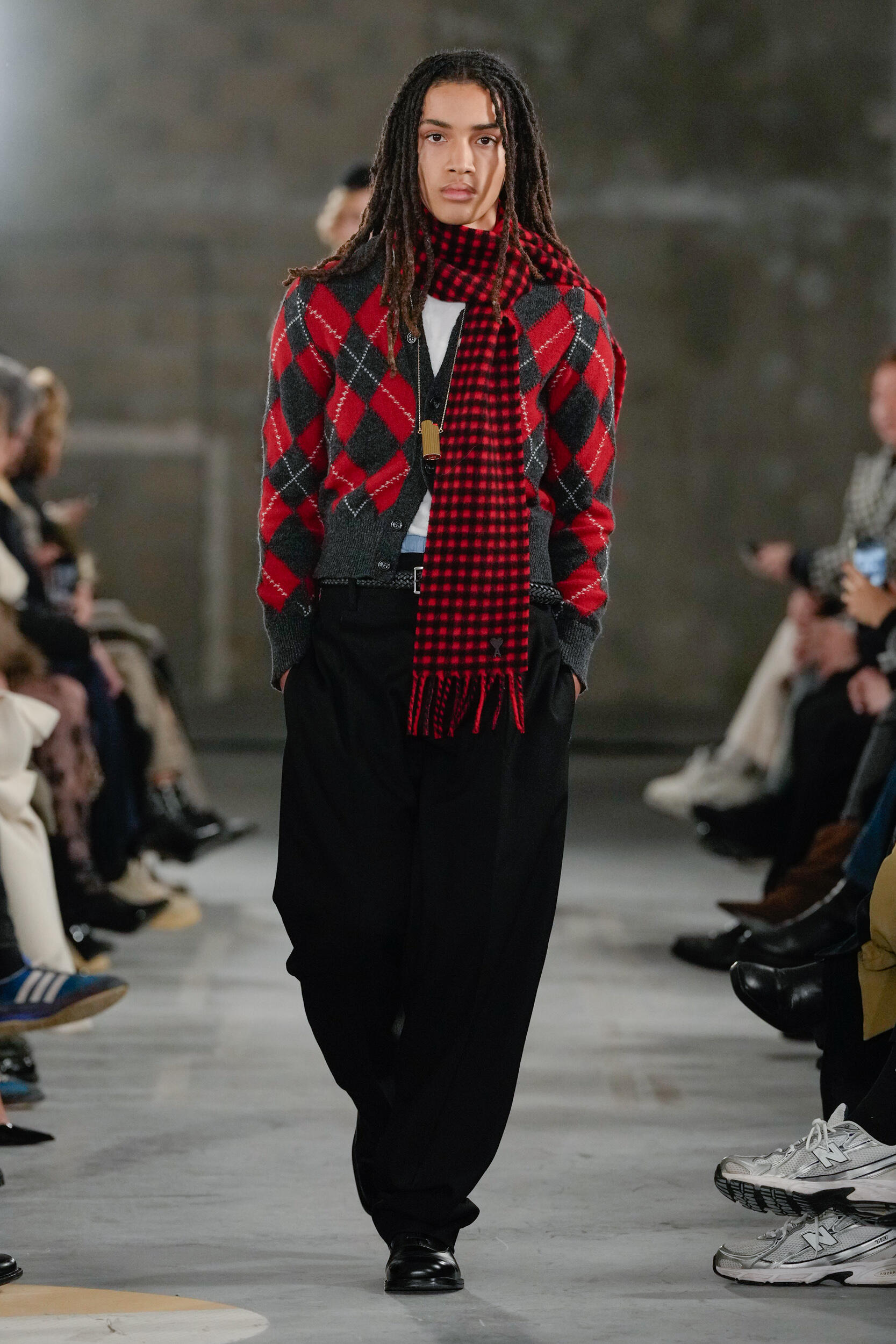
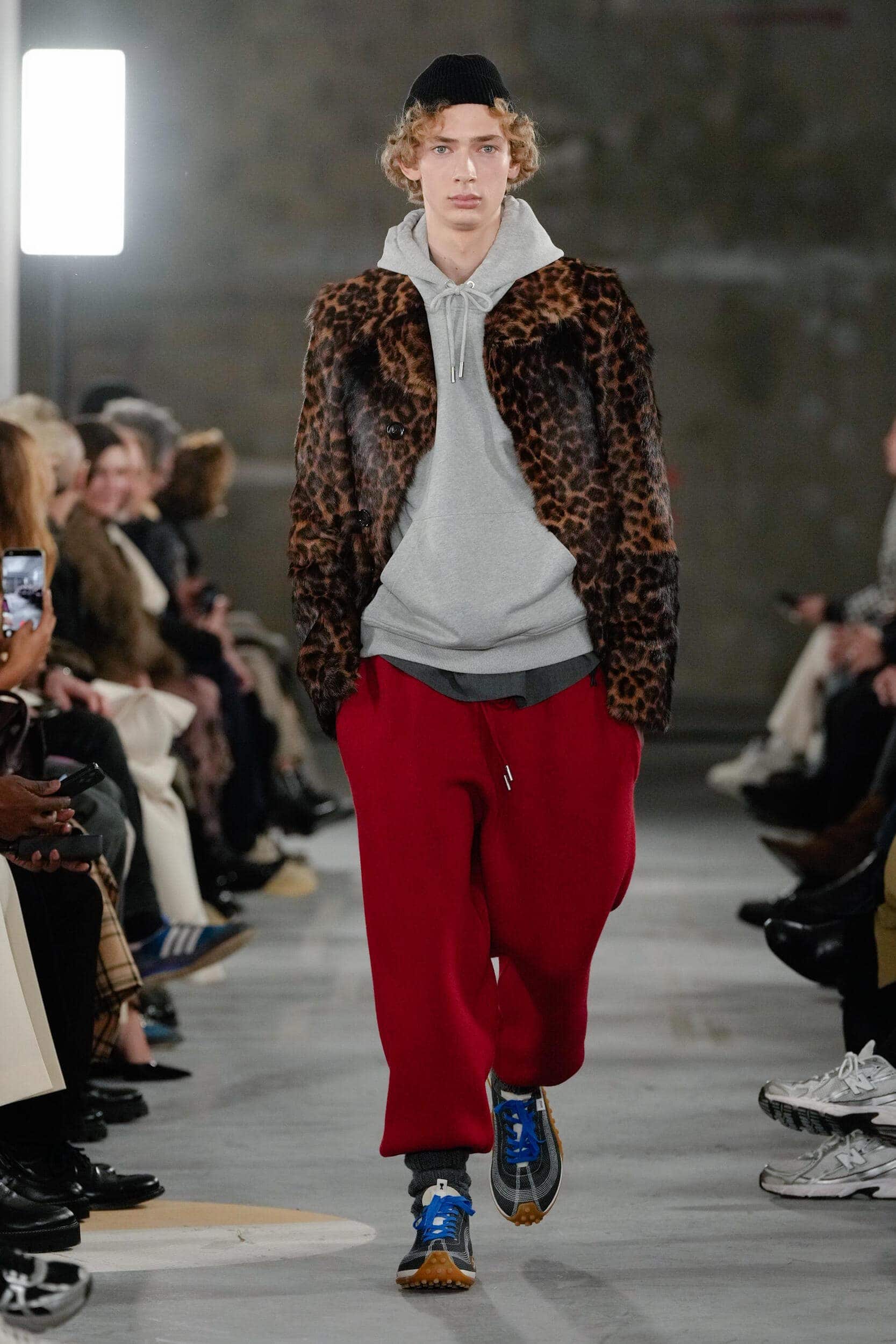
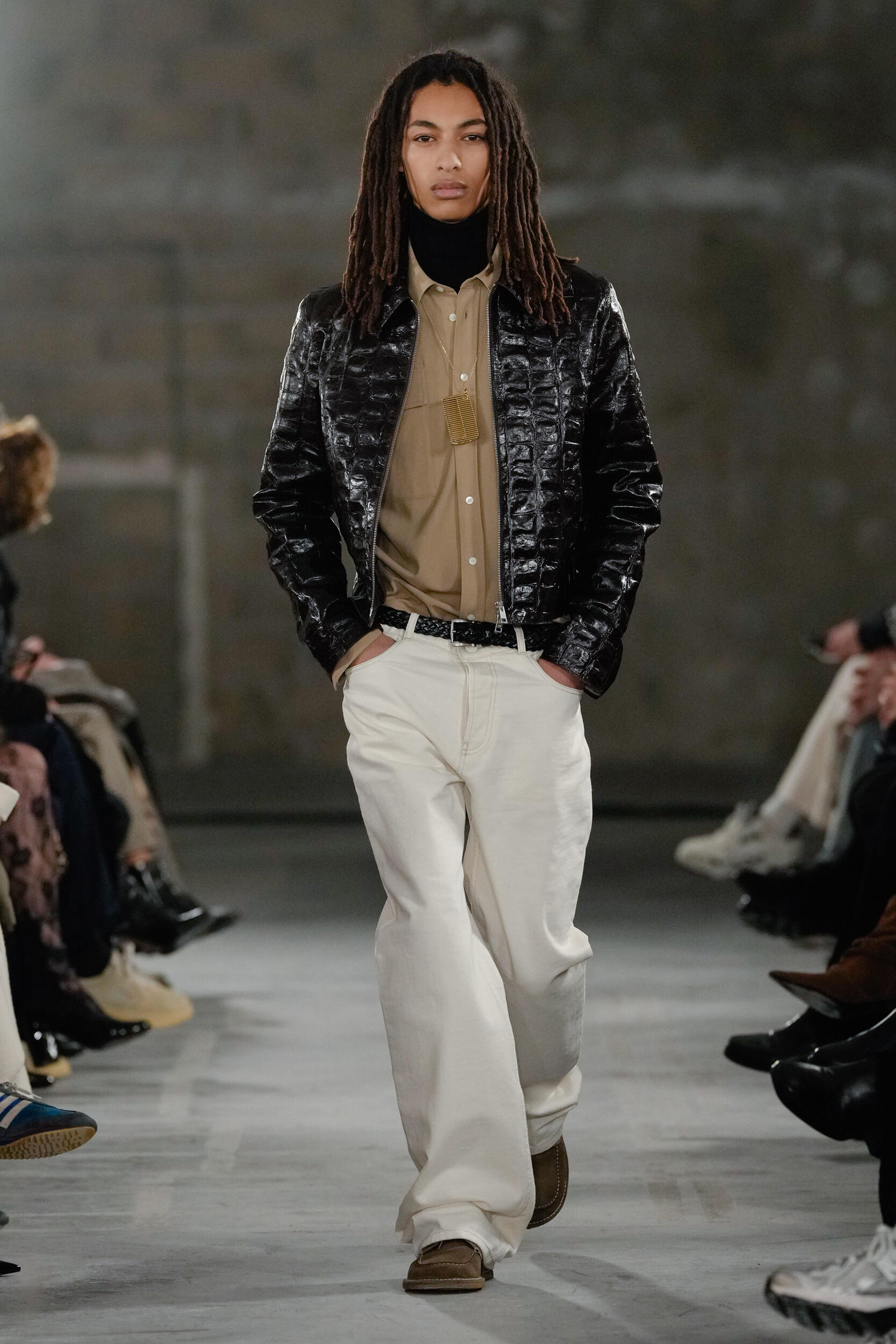
In the context of AMI, the Parisian brand founded by Alexandre Mattiussi and touted as embodying what it is to be cool and French (in a casual off-duty sense), the brand been unwittingly making the case for adopting a new approach to how it presents its collections with every show it stages. Fall 2026 was no exception, set in a stripped back concrete space, that felt misaligned, the show was a lesson in how to sell really nice clothes, nothing more, nothing less. What was a blend of French-coded preppy and paint-by-numbers streetwear couldn’t have been more ready for the retail floor. The very reason AMI needs a re-think on its show strategy. As if the brand insists on remaining a part of the calendar, then a ‘see-now, buy-now’ model would be a better fit for clothes that don’t truly require a six month wait time.
A destination show, customer-focussed trunk show, or tie-in’s during major events such as the upcoming Super Bowl or FIFA World Cup where an activation could centre around serving the brands fans – and making sales – would be smart pivots. For a brand with a heightened awareness of the need to be both cool yet approachable, coveted by the right crowd yet commercial, this season was another example (also see spring 2026 for further evidence) of commerciality taking too much of the limelight. And when compared with the rest of the season, the pervading sense of an encroaching homogenisation has been invariably formalwear coded, a concern the brand may have to address as it is not an area where it authentically sits, least they run the risk of alienating their core customer.
THE DIRECTION
THE WRAP UP
If the men’s season is becoming a test case for maintaining relevancy, then brands need to push to bring new ideas to the front. There has to be an element of fantasy or a spark of something to test the boundaries of the viewer when it comes to their own personal style.
A place on the calendar has to mean something, and the clothes in a runway show should provoke an emotion in each audience member. Yet fall 2026 was a repeat of AMI’s mantra from spring i.e. to create a wardrobe of ‘Real clothes, for real presence’, but whether the reality of the urgency to create ‘real’ clothes that will matter in a year or two has landed, still remains to be seen.