Review of Burberry Summer 2026 Ad Campaign by Creative Director Daniel Lee with models Twiggy, Filip Bryndza, Sora Choi, Ella Dalton, Shuqi Lan, Ahmed Richards, Raika Sales, Maya Wigram, Sonny Ashcroft, Albert Cocker
Burberry’s Summer 2026 campaign opens with a familiar British hum — not quite a guitar riff, more the low-frequency buzz of anticipation before a live set. Under the creative direction of Daniel Lee, the house turns its attention to music not as a reference point, but as a cultural engine: something that shapes identity, style, and belonging in equal measure. Fronted by an intentionally eclectic cast — from Twiggy to Sora Choi, Maya Wigram to Sonny Ashcroft — the campaign sets out to map the enduring love affair between British fashion and British sound. The hook is clear and clever: this isn’t about nostalgia, it’s about transmission.
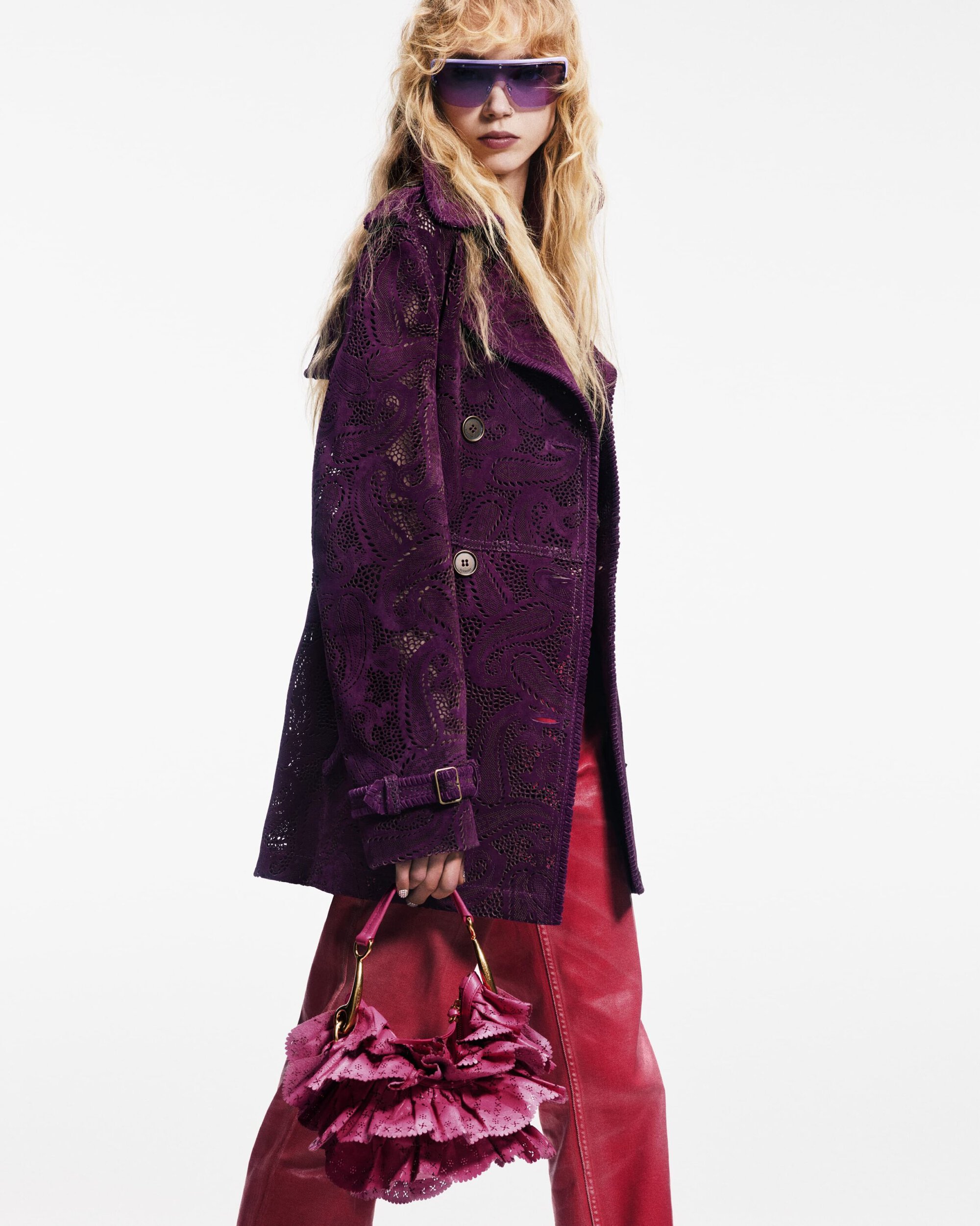
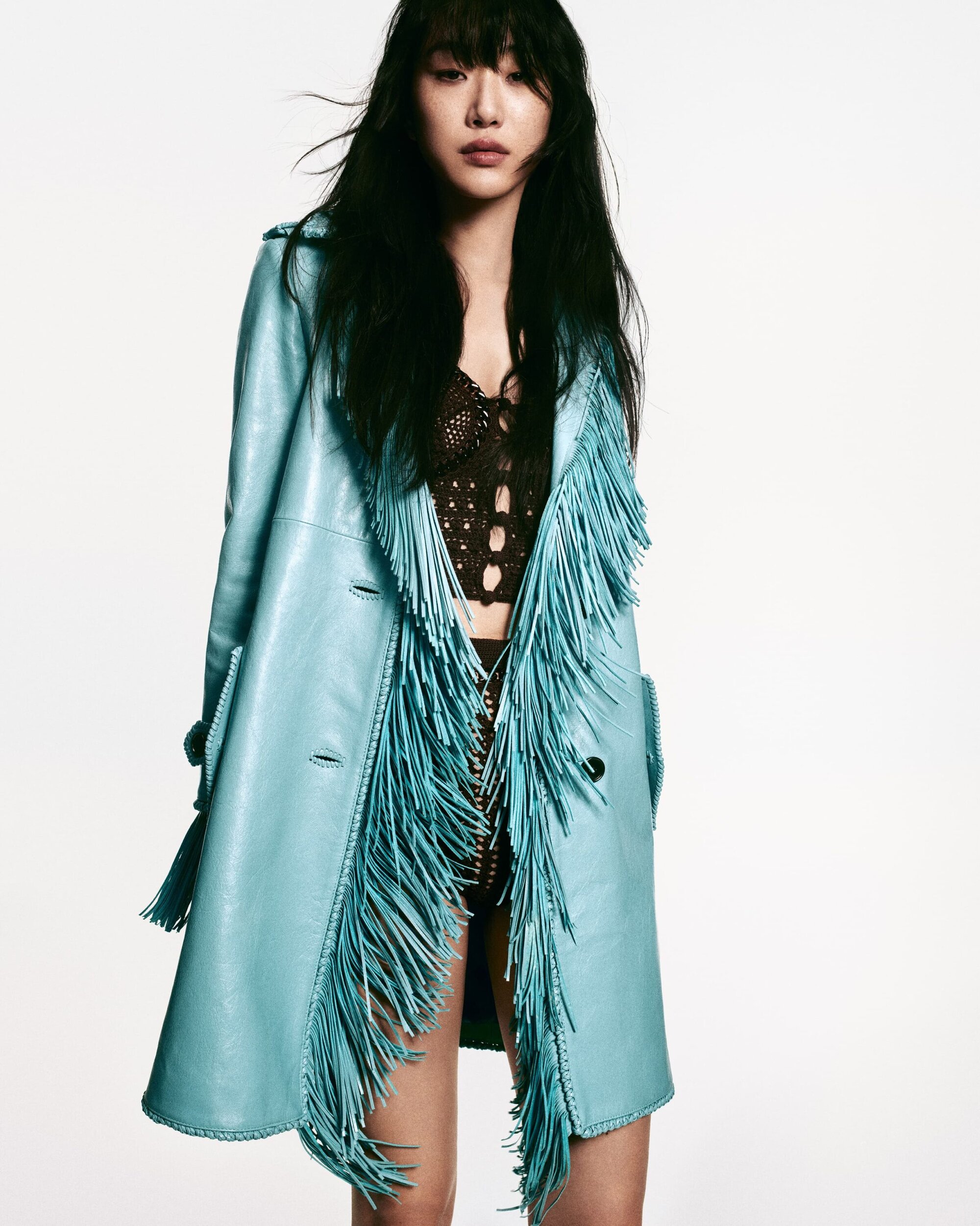
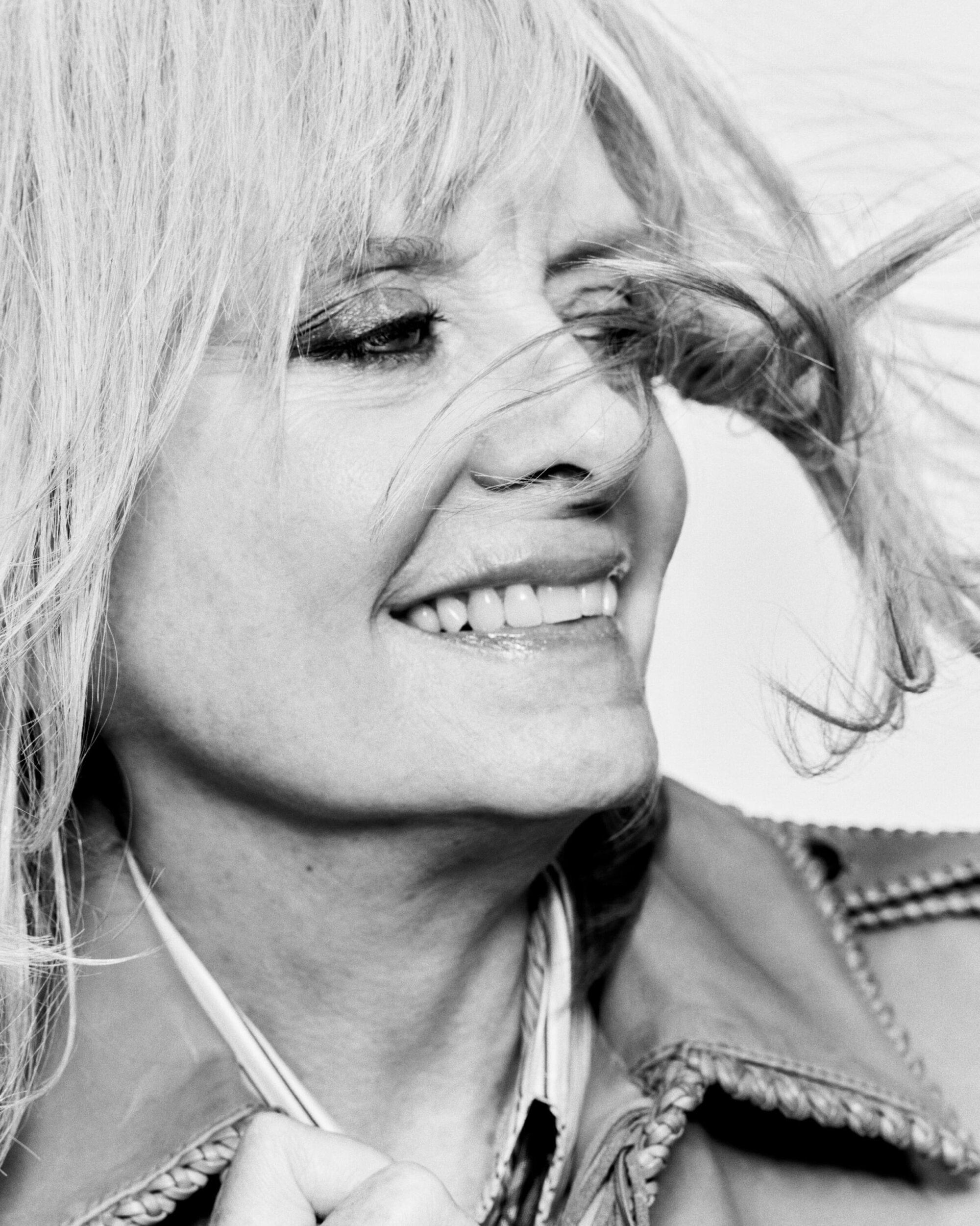
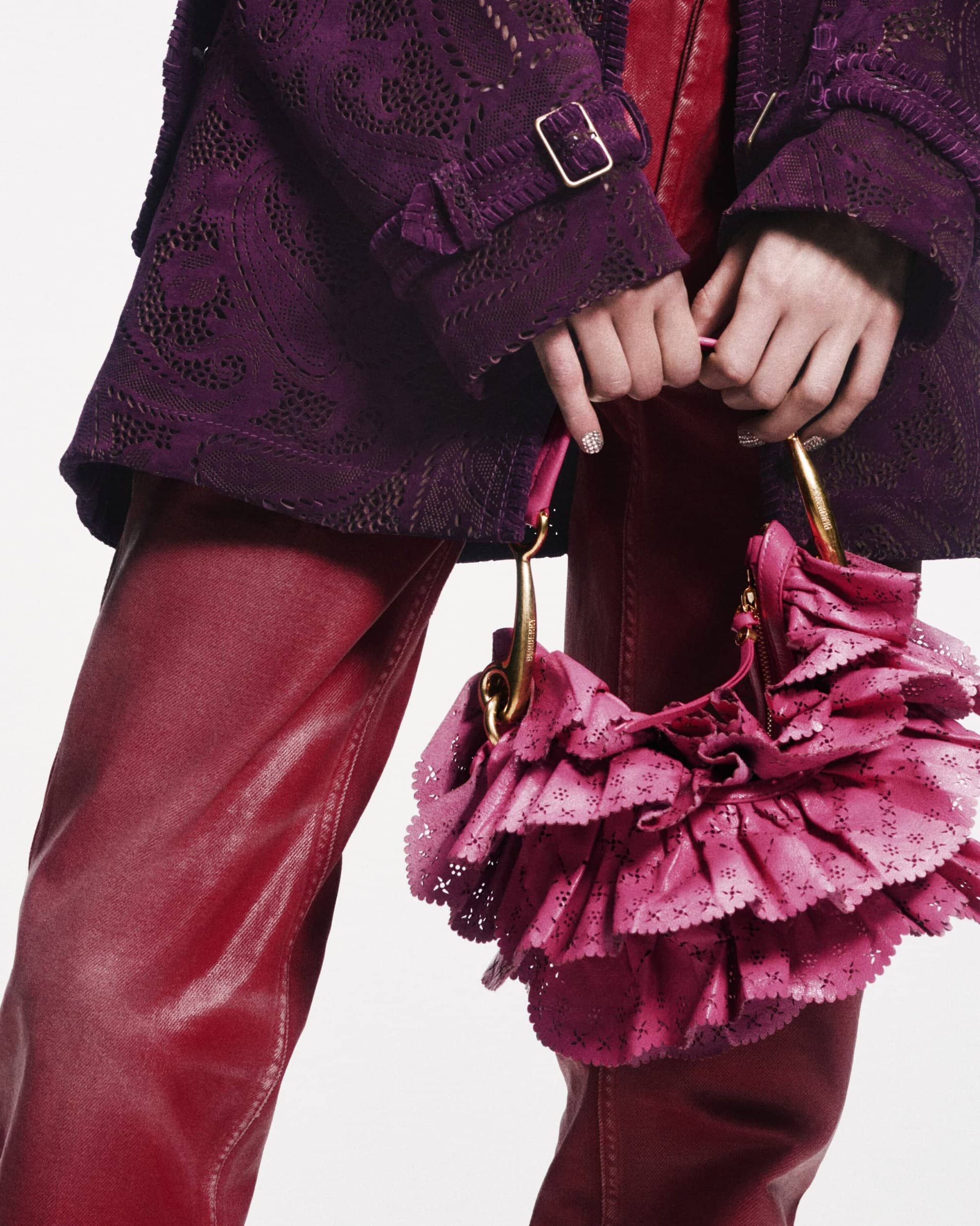
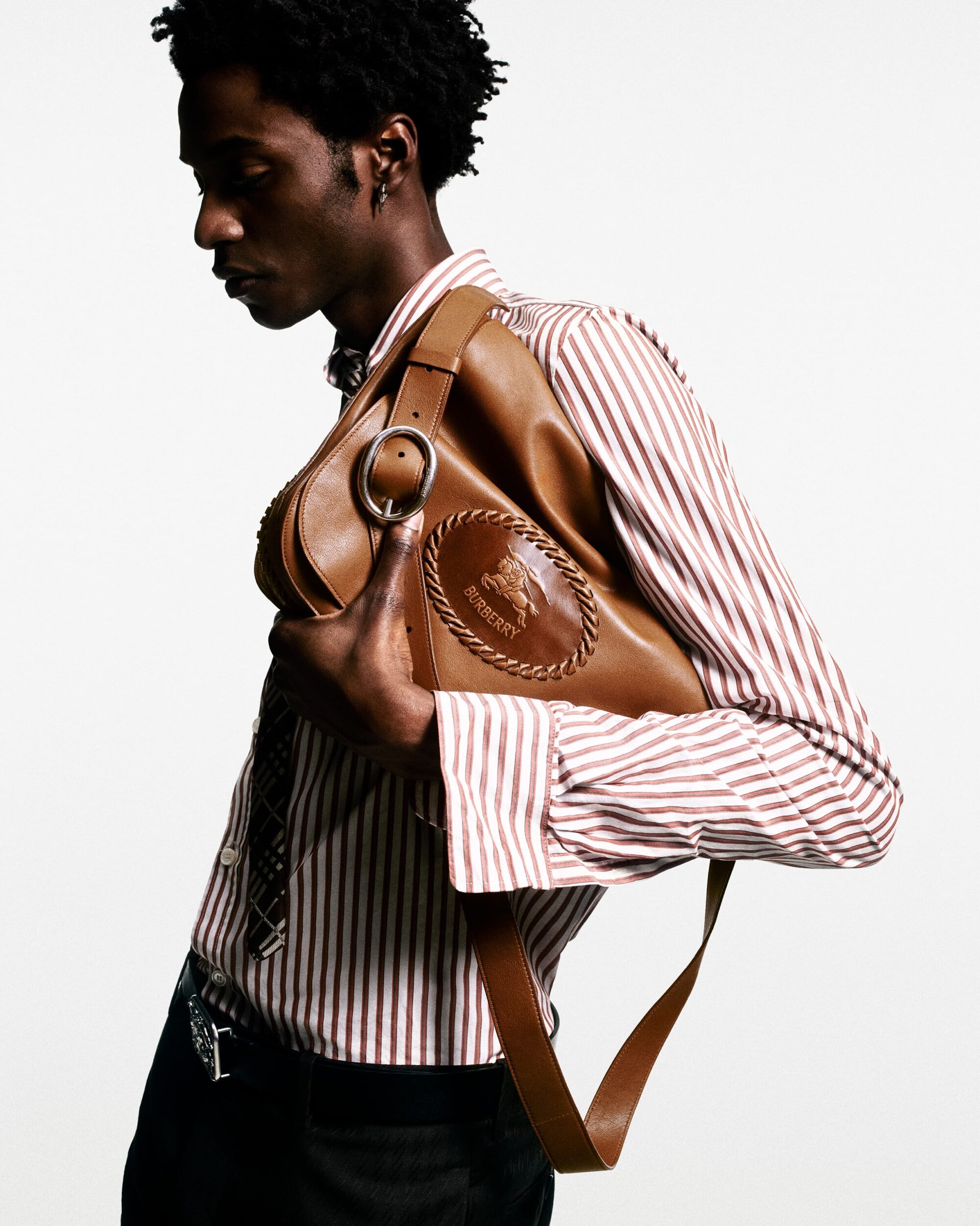
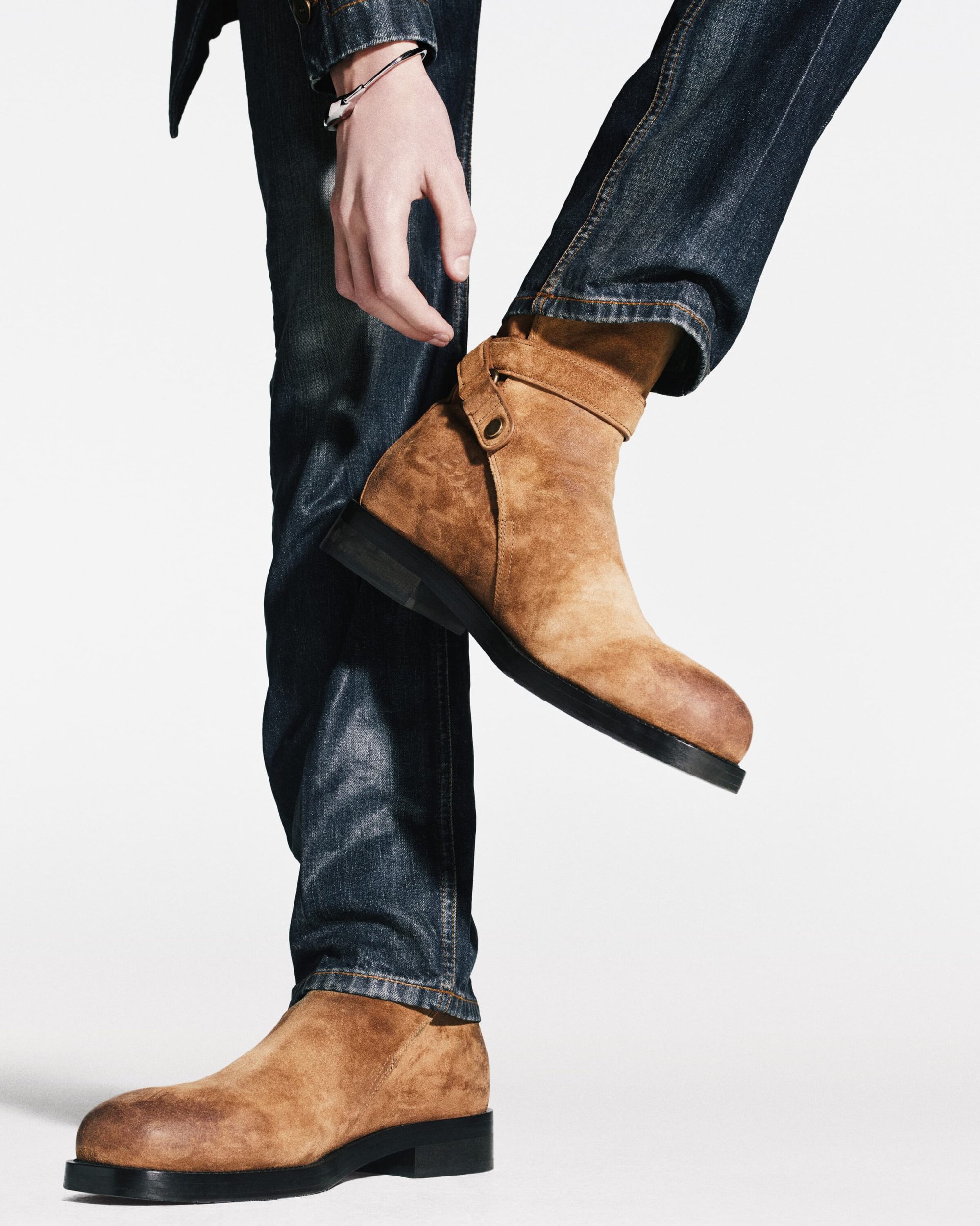
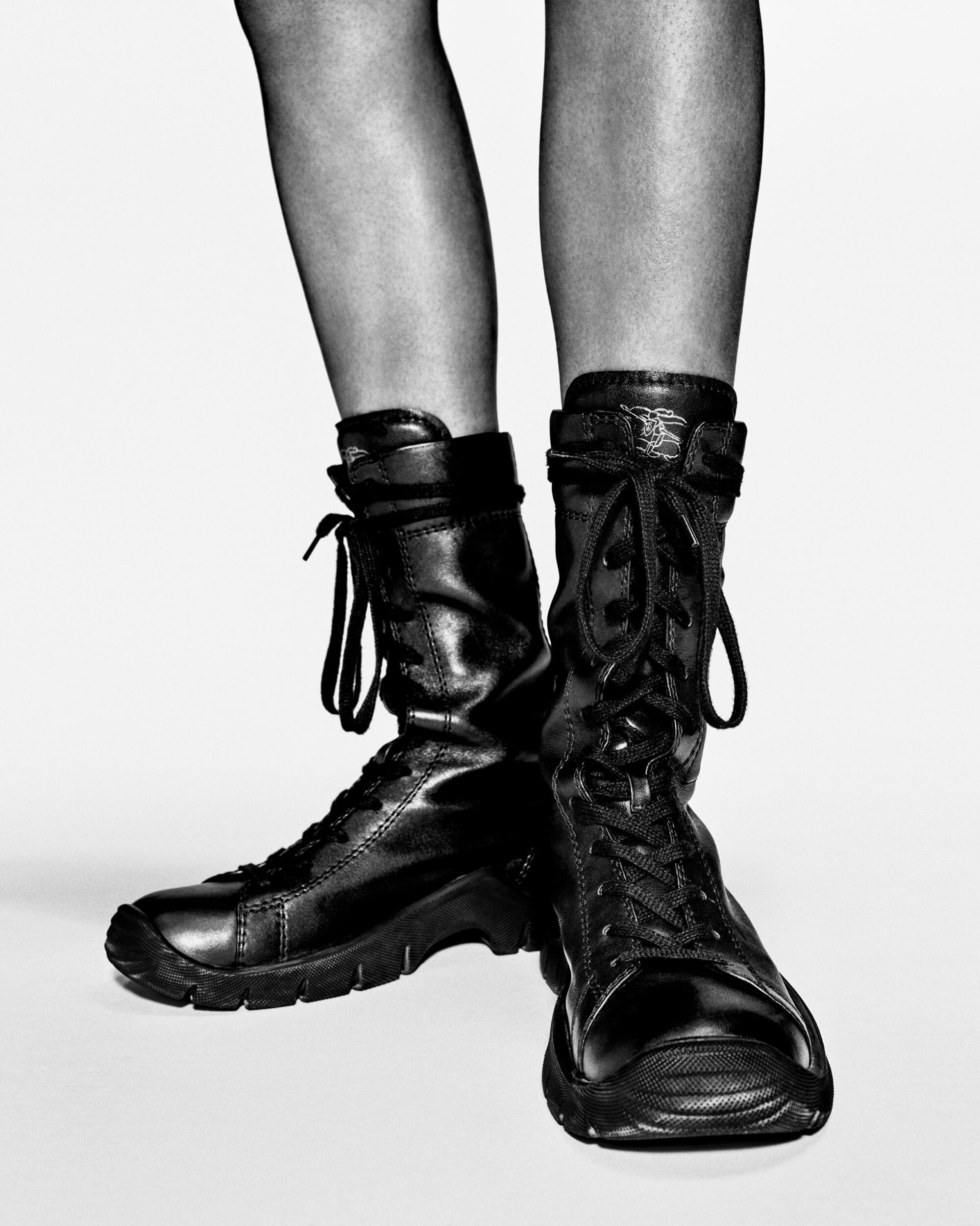
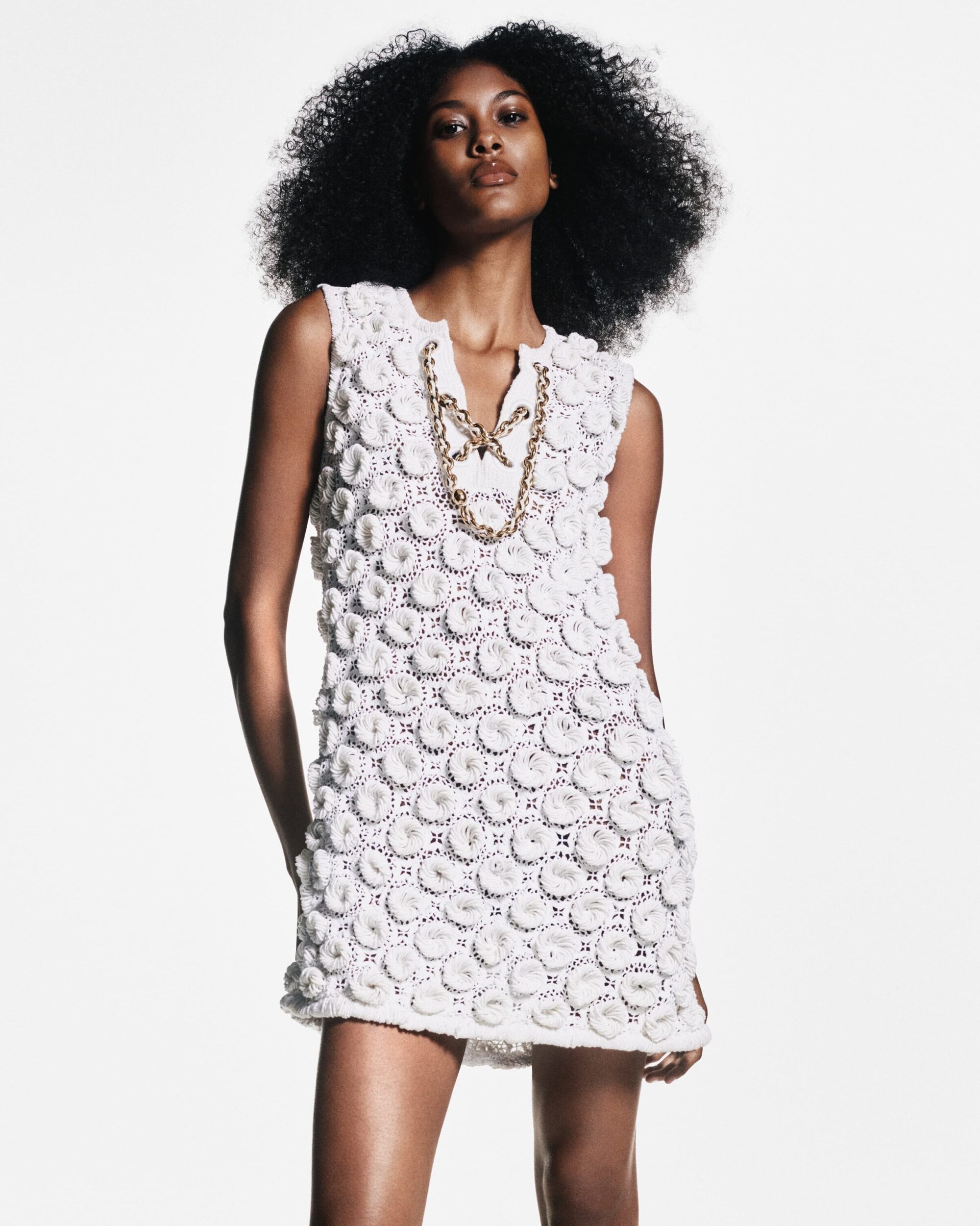
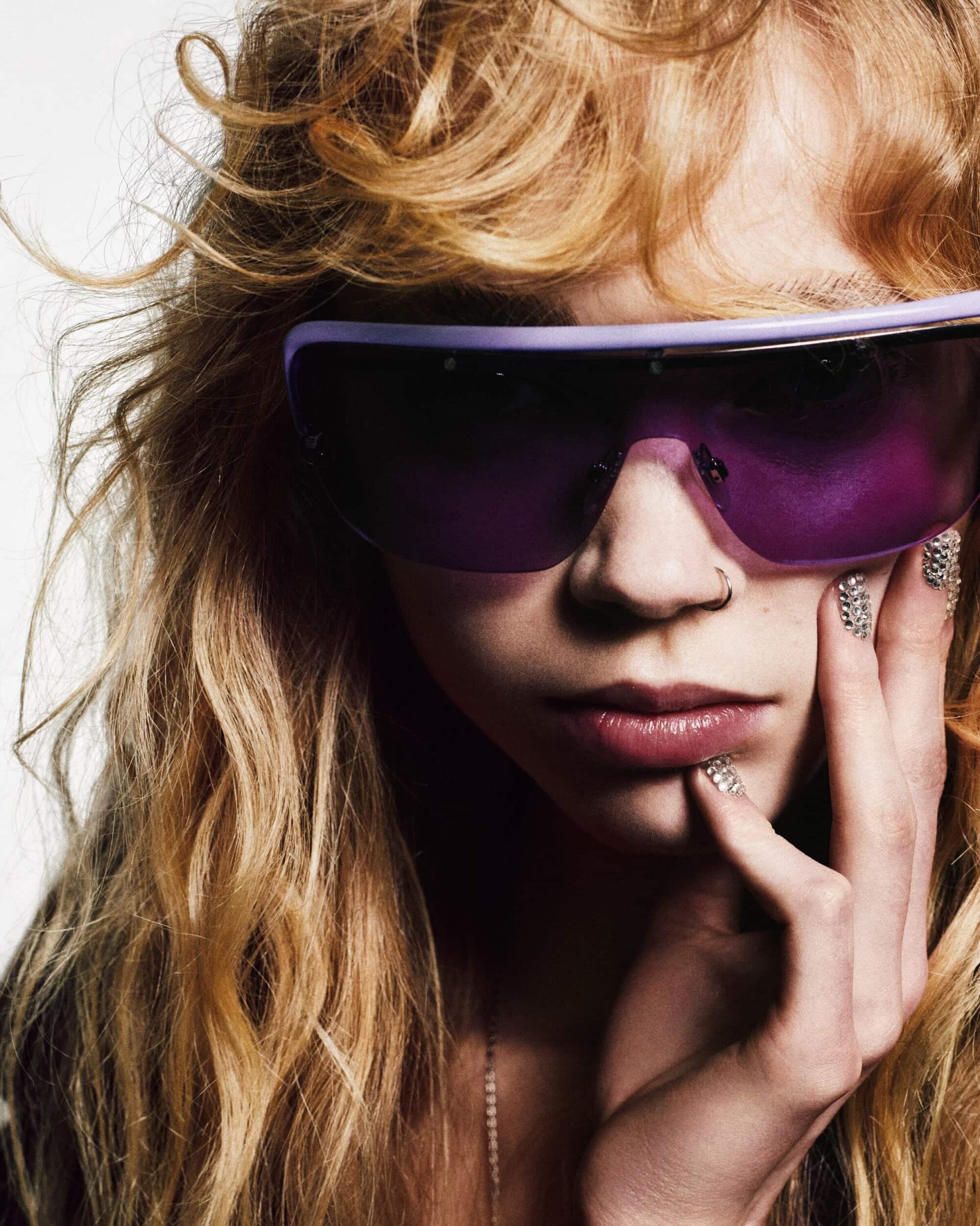
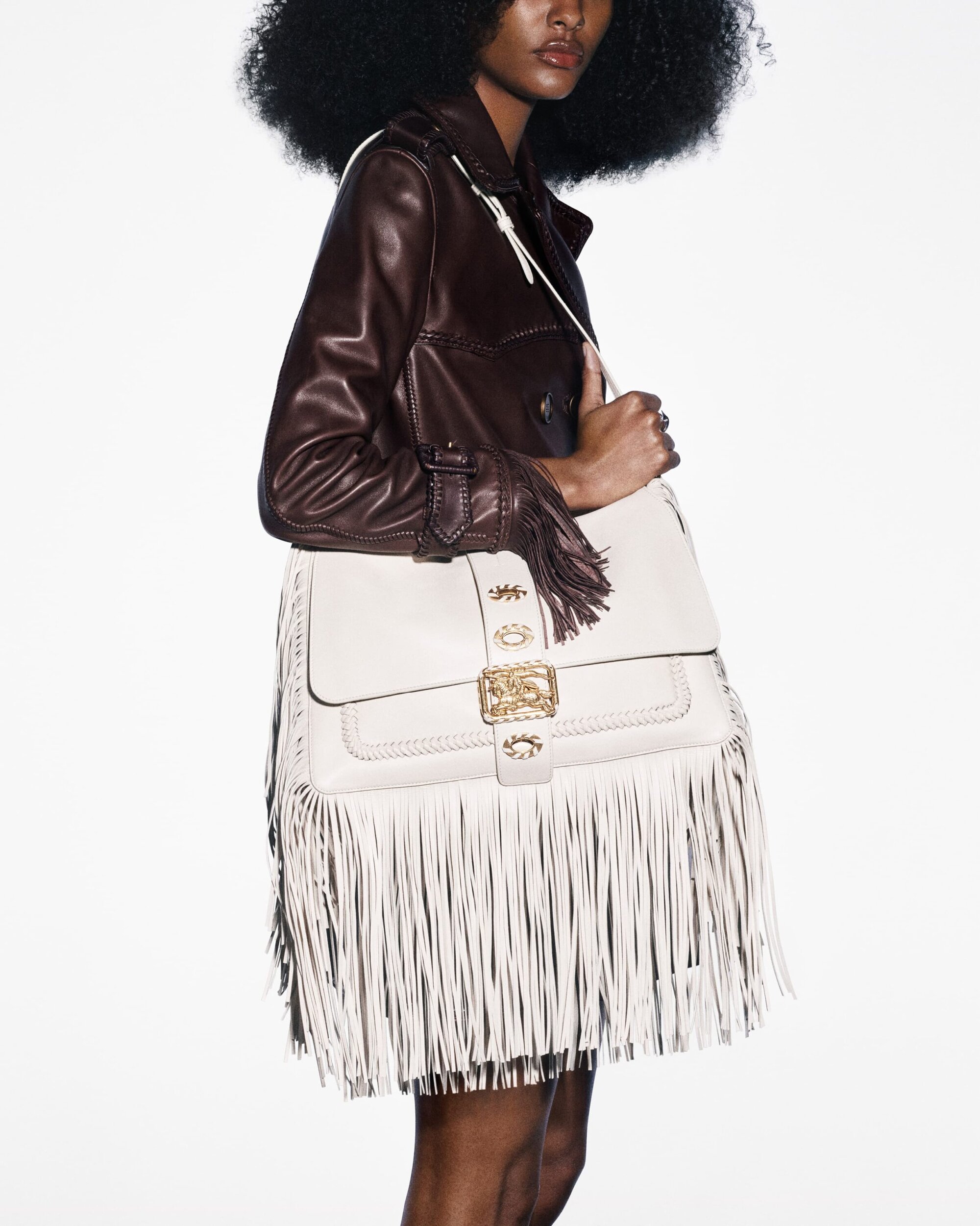
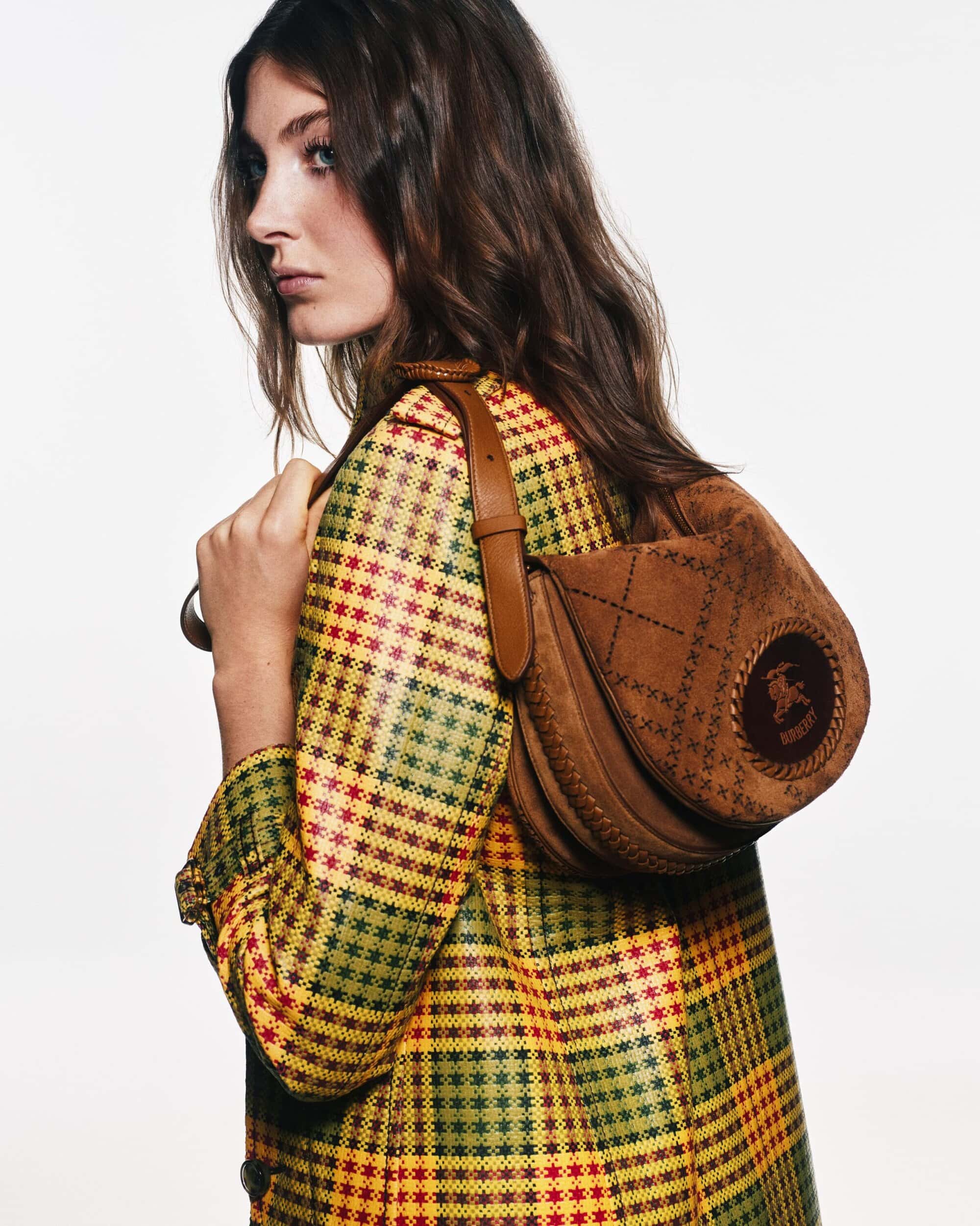
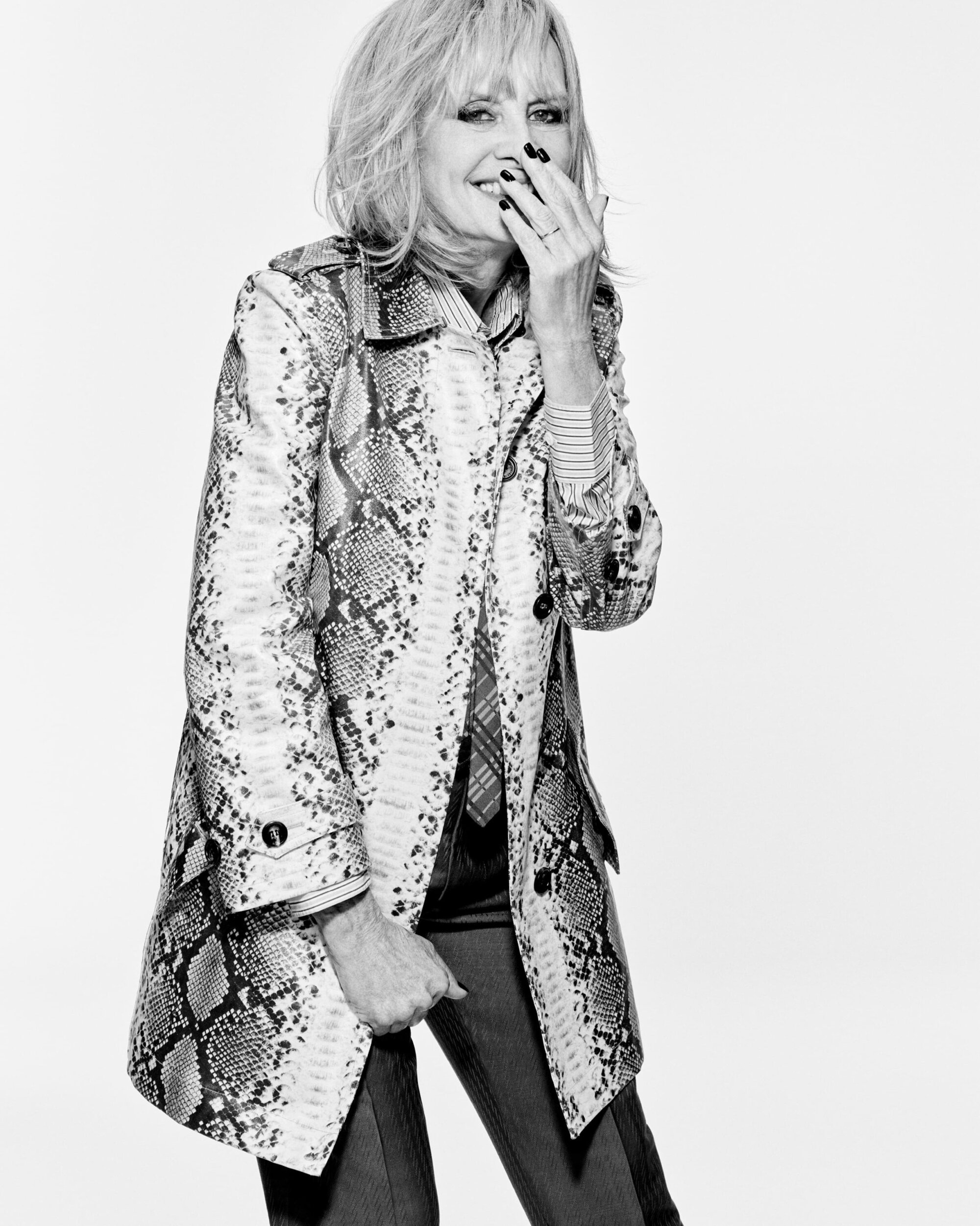
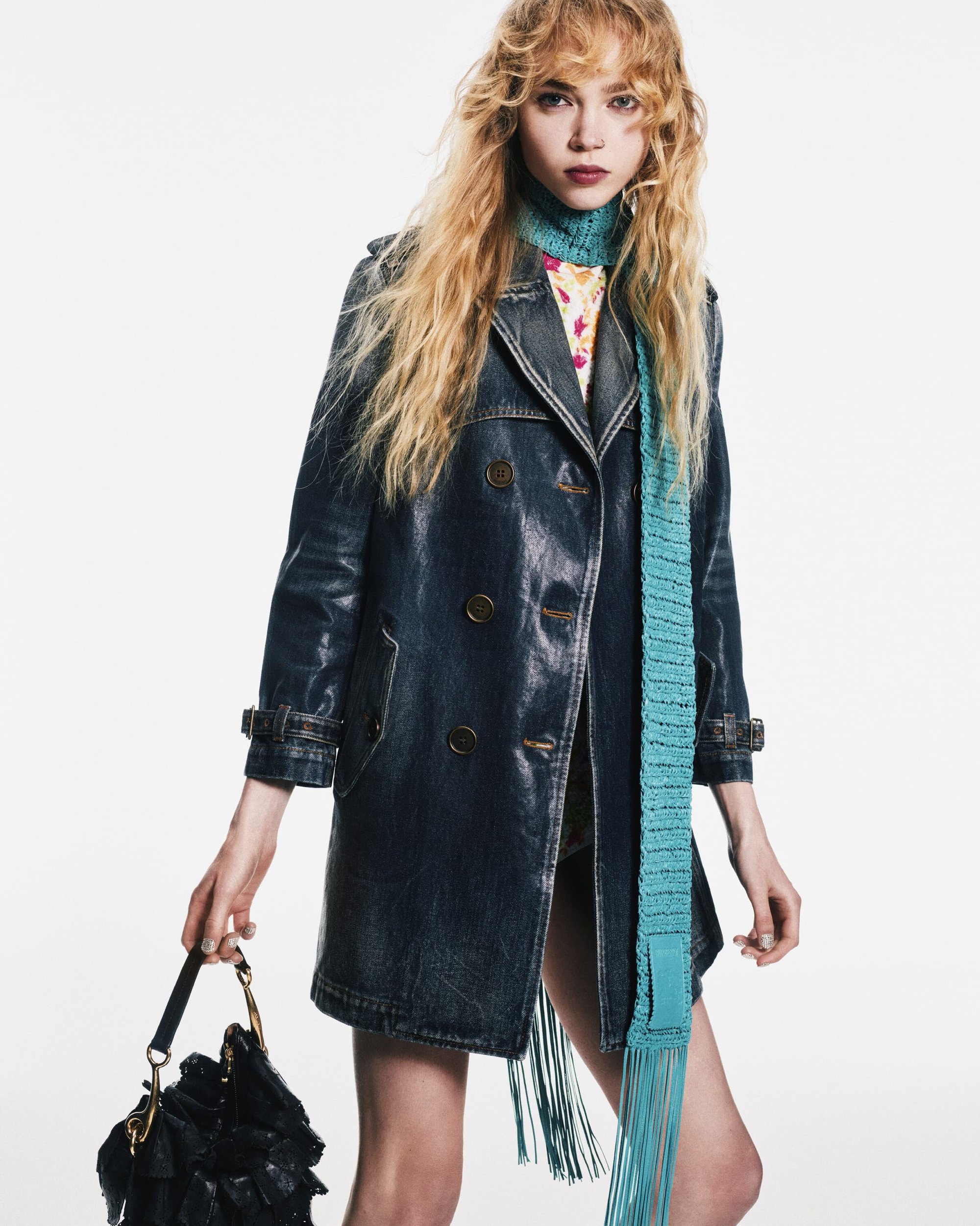
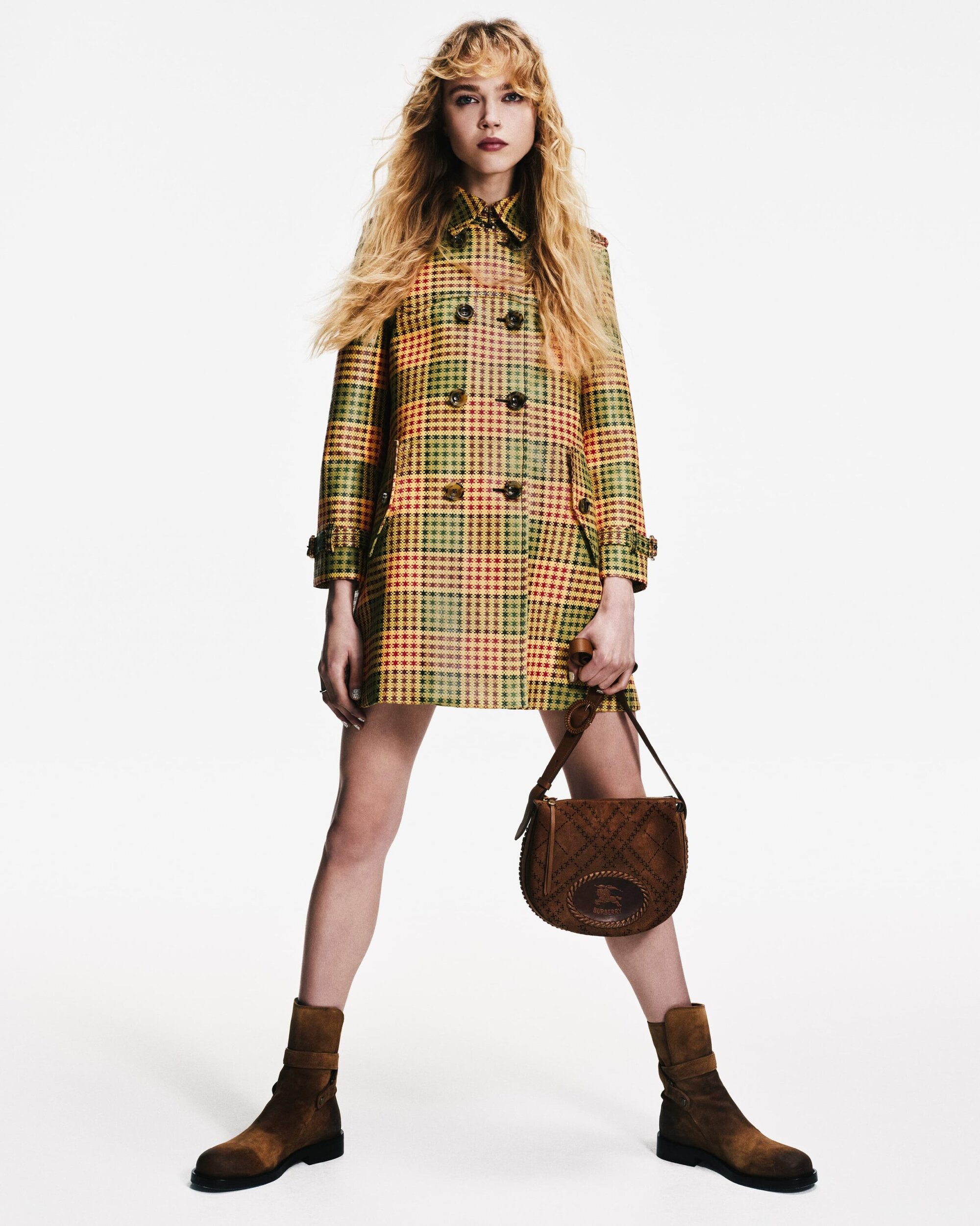
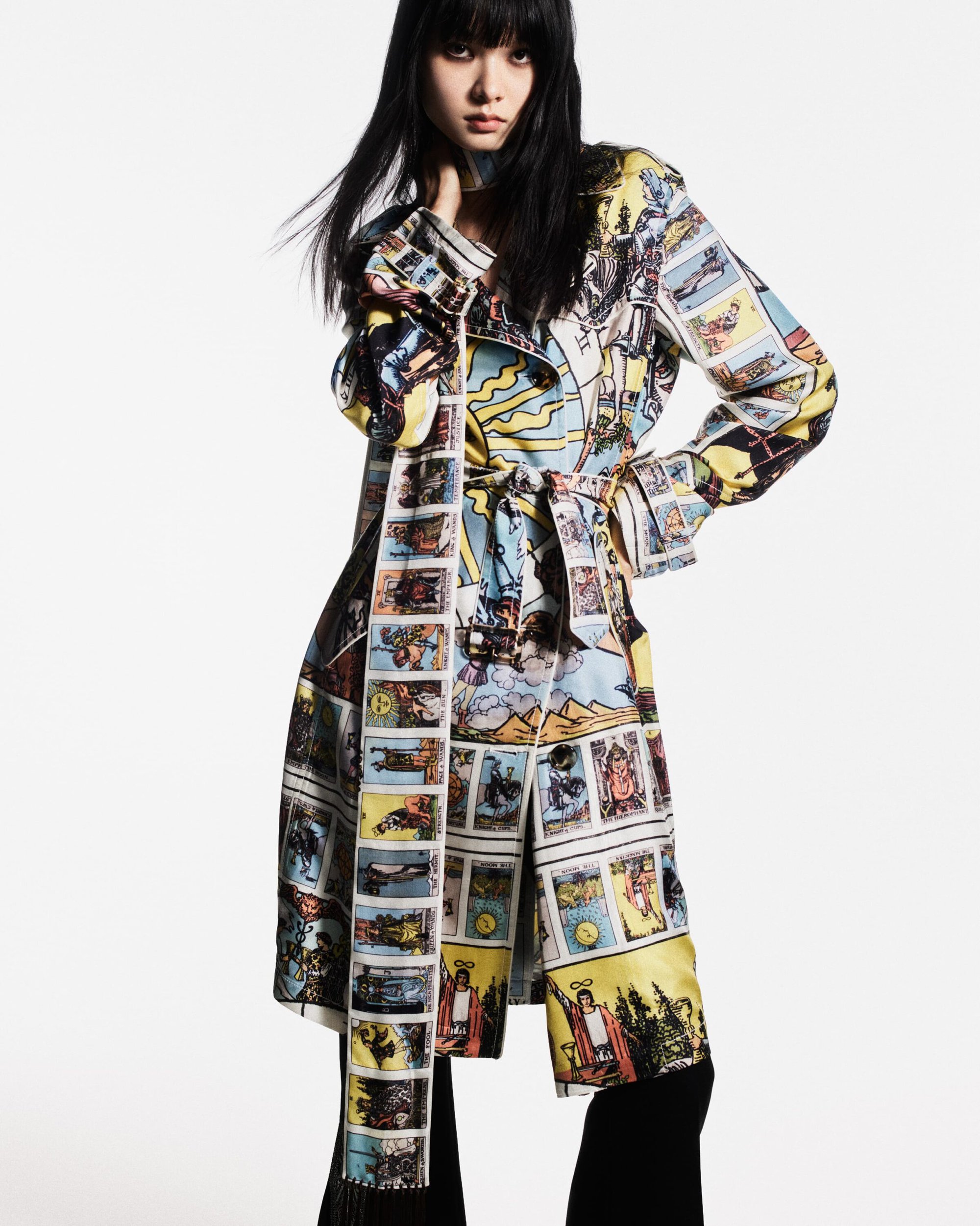
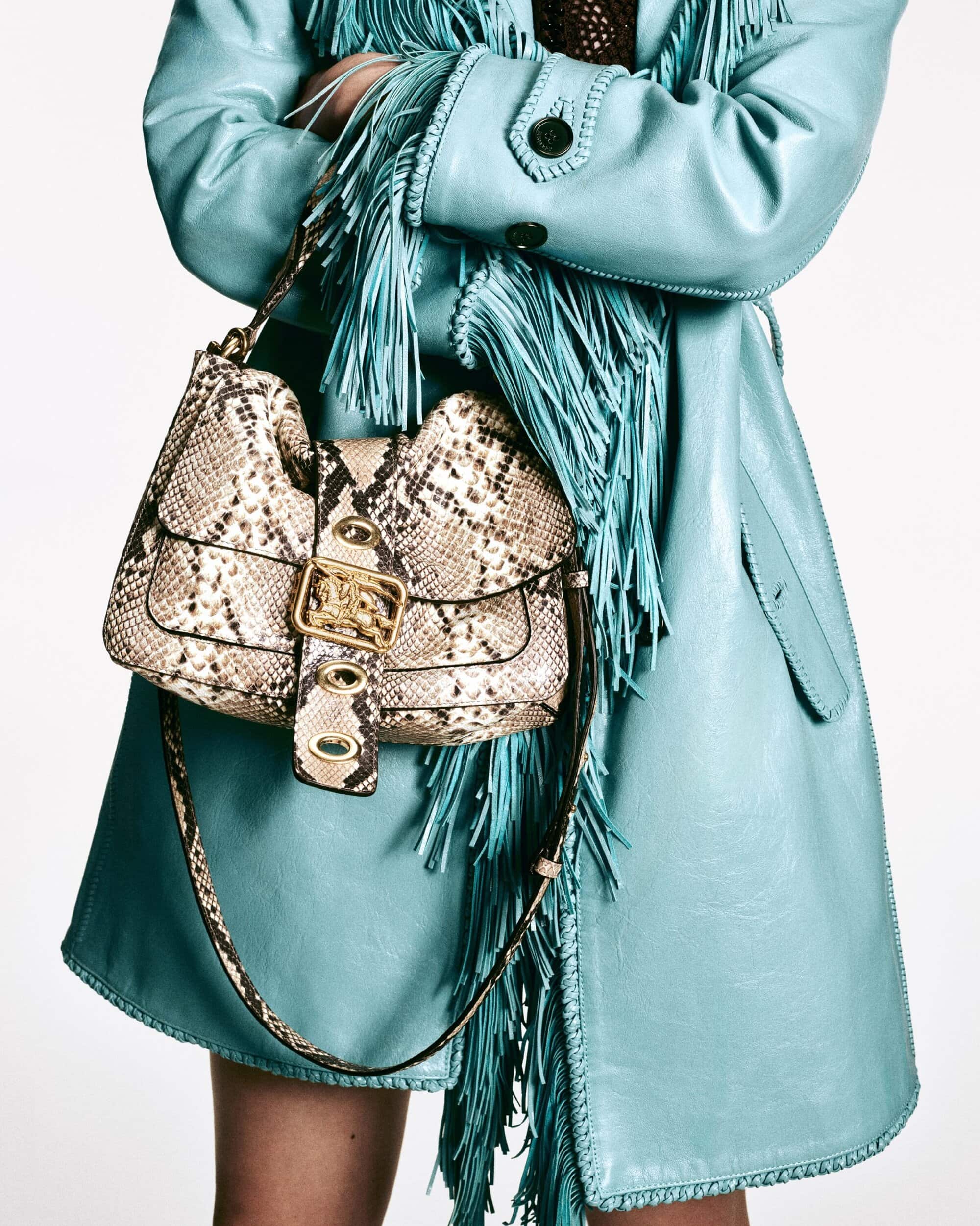
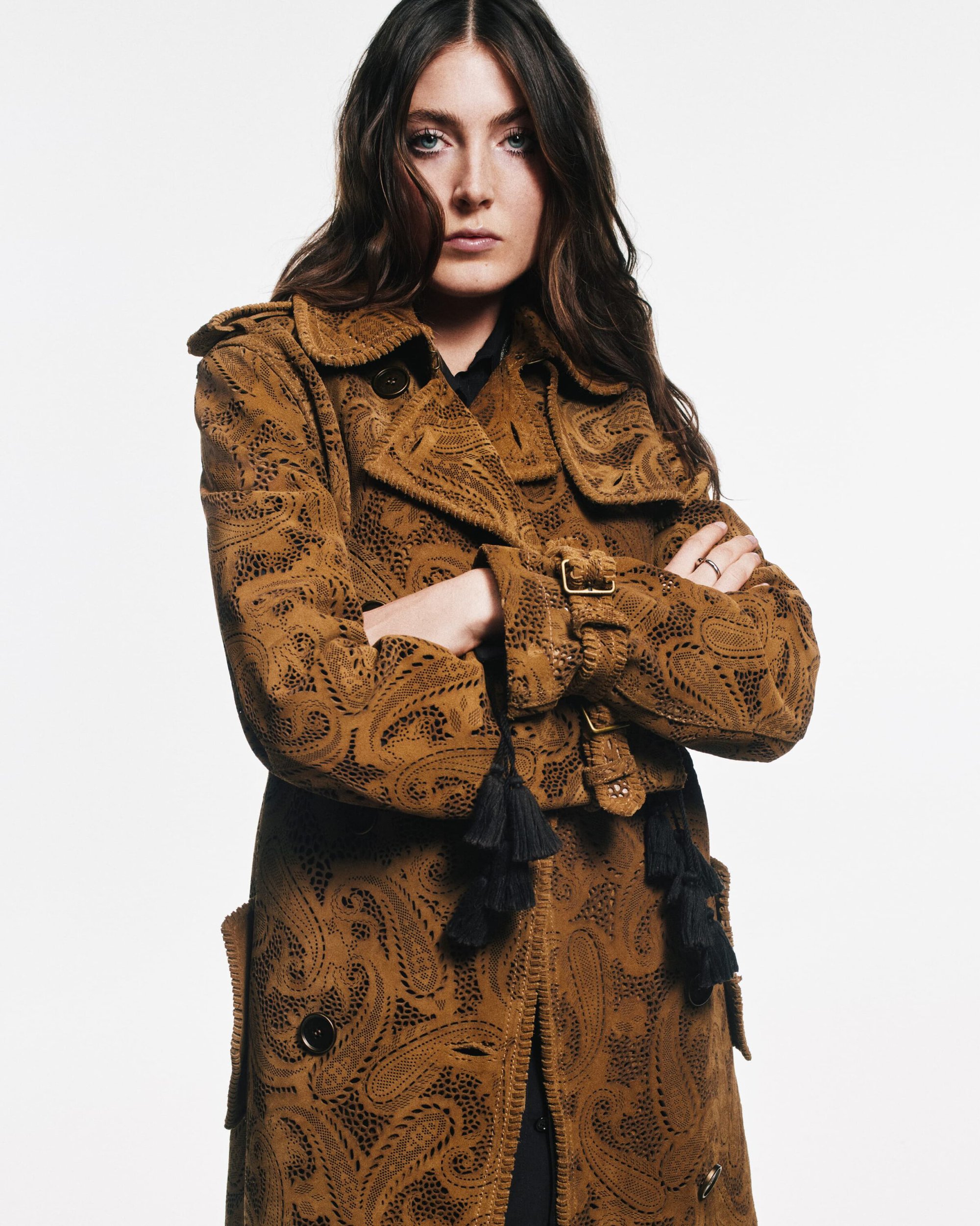
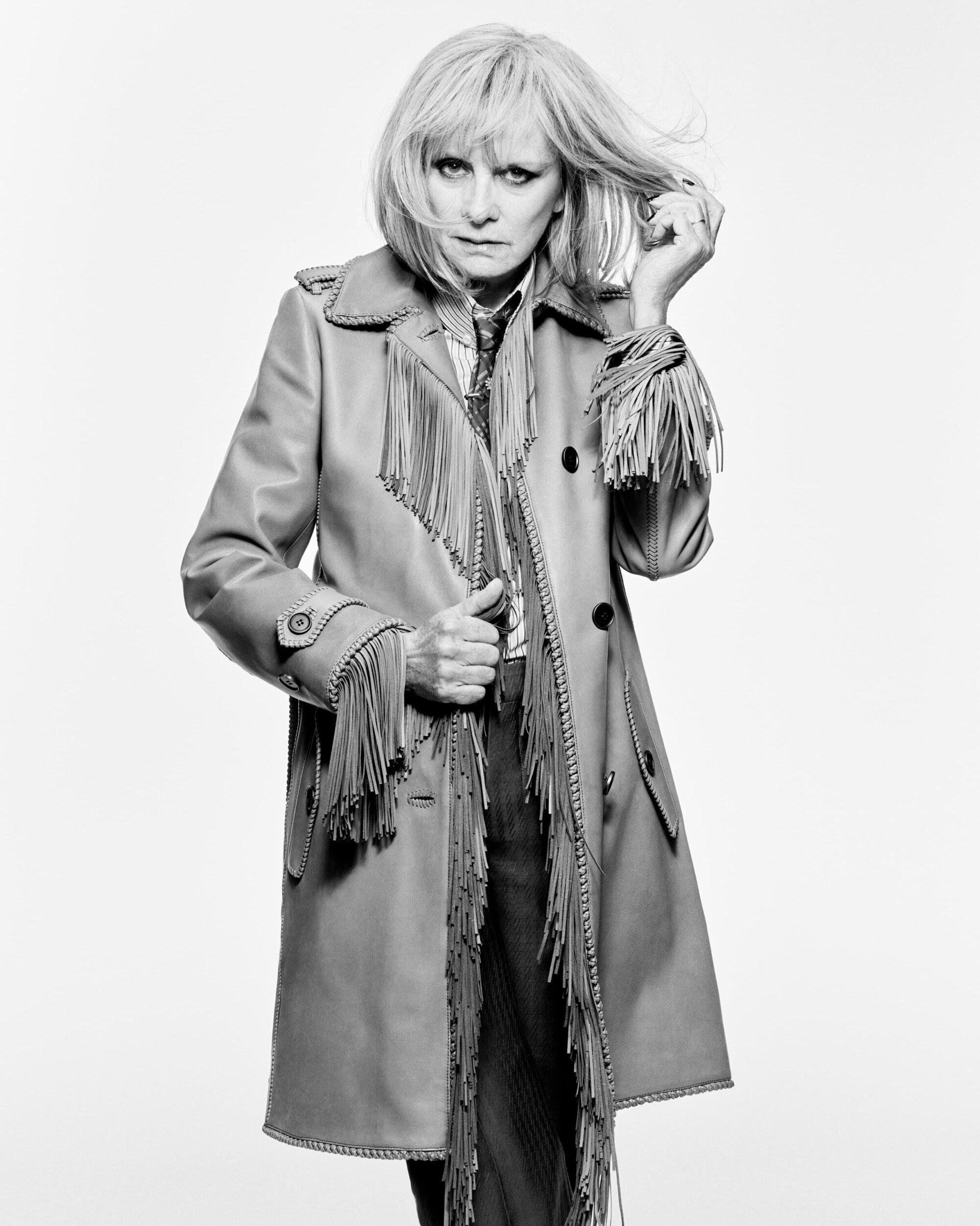
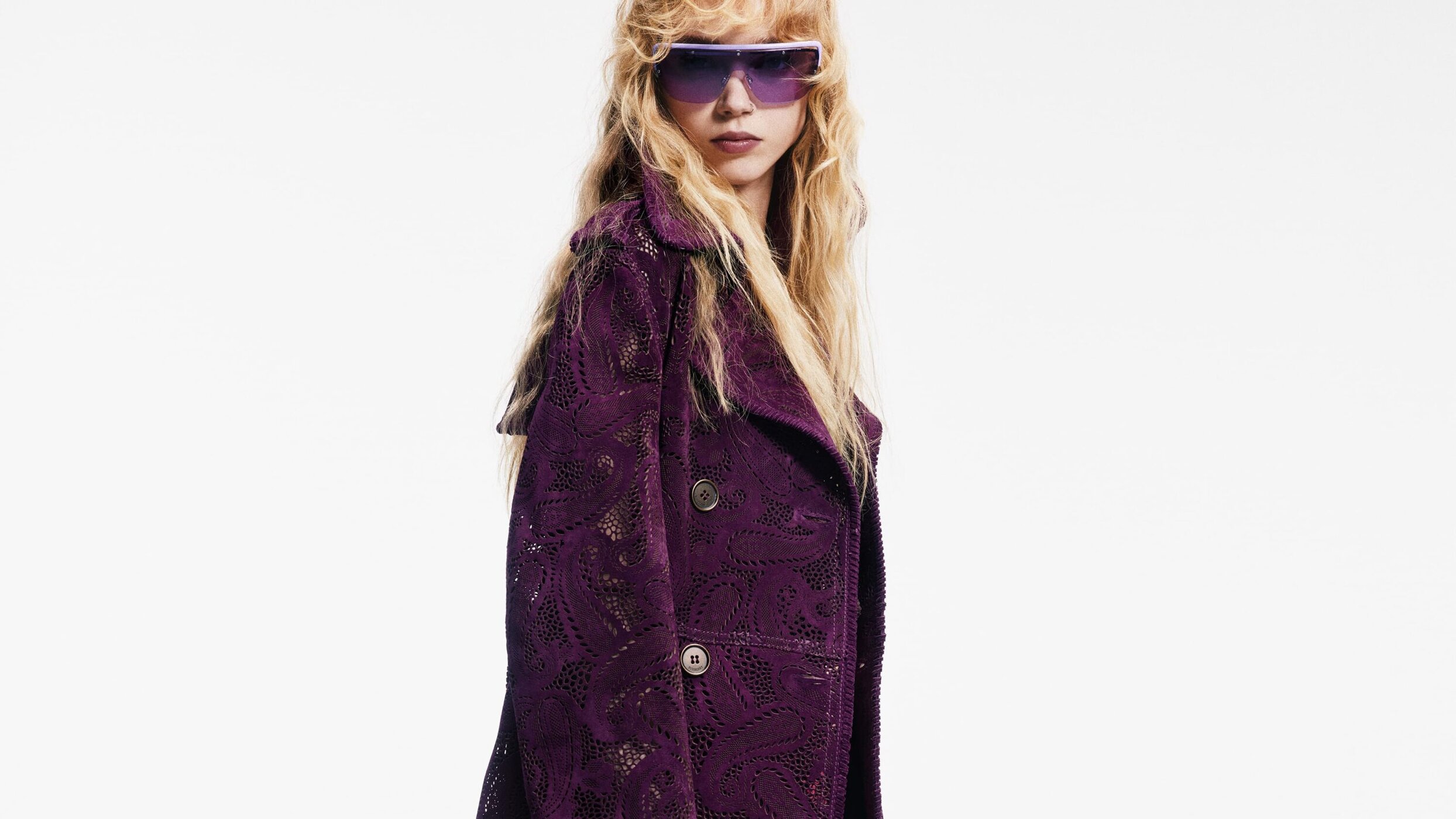
The imagery pulses with that idea. Lee’s Burberry places its characters in a shared rhythm, where generations, subcultures, and personal histories overlap without hierarchy. Twiggy, the original mod-era muse, wears a fringed leather trench with the same ease that younger cast members inhabit laser-cut suede, shaggy haircuts, and oversized scarves. There’s a deliberate looseness to the styling — coats swing, fringe moves, silhouettes breathe — evoking the lived-in reality of summer festivals rather than the polished fantasy of backstage glamour. Mud-ready boots, crocheted dresses, macramé textures, and chainmail circles ground the visuals in tactility, reminding us that music culture is felt as much as it’s seen.
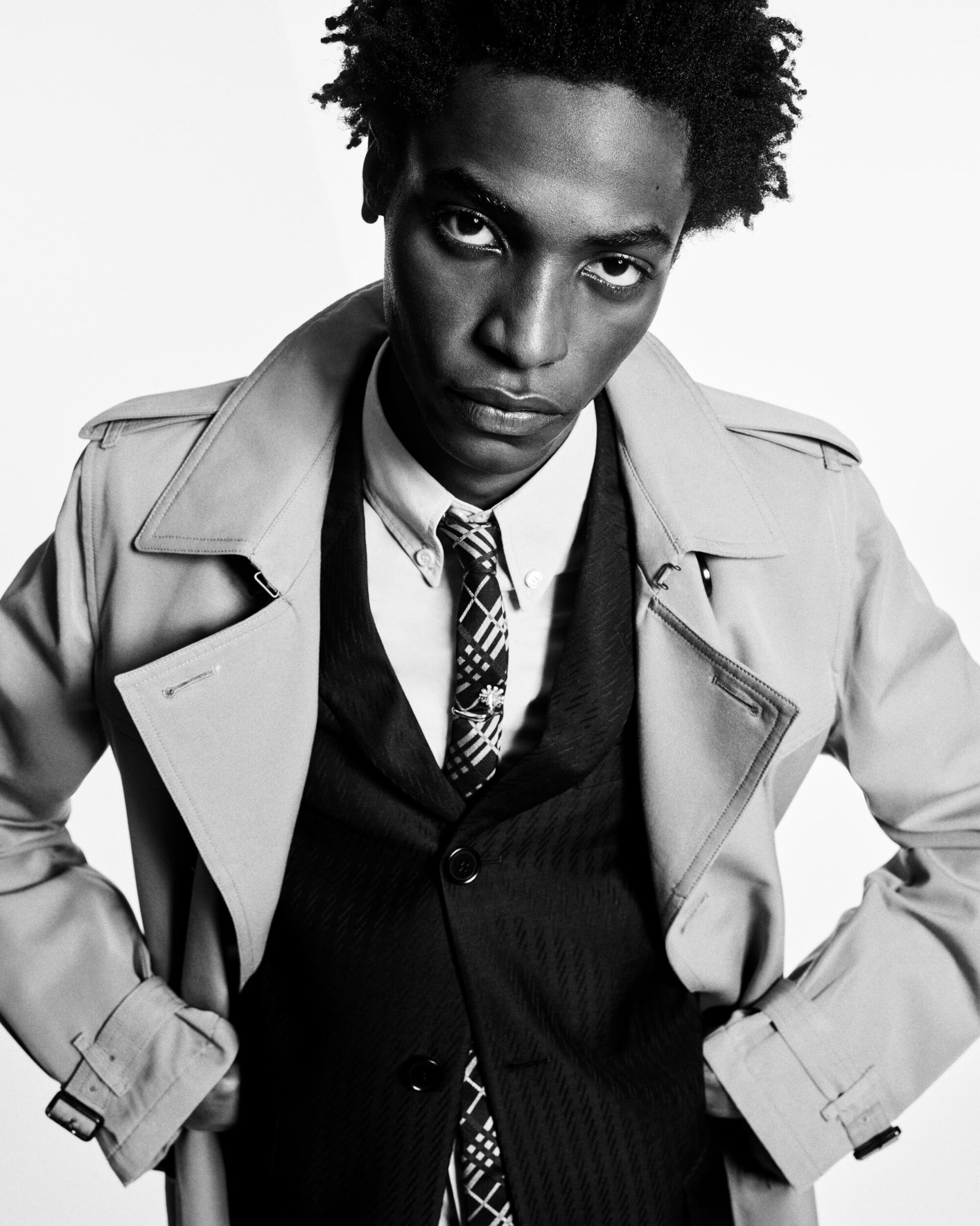
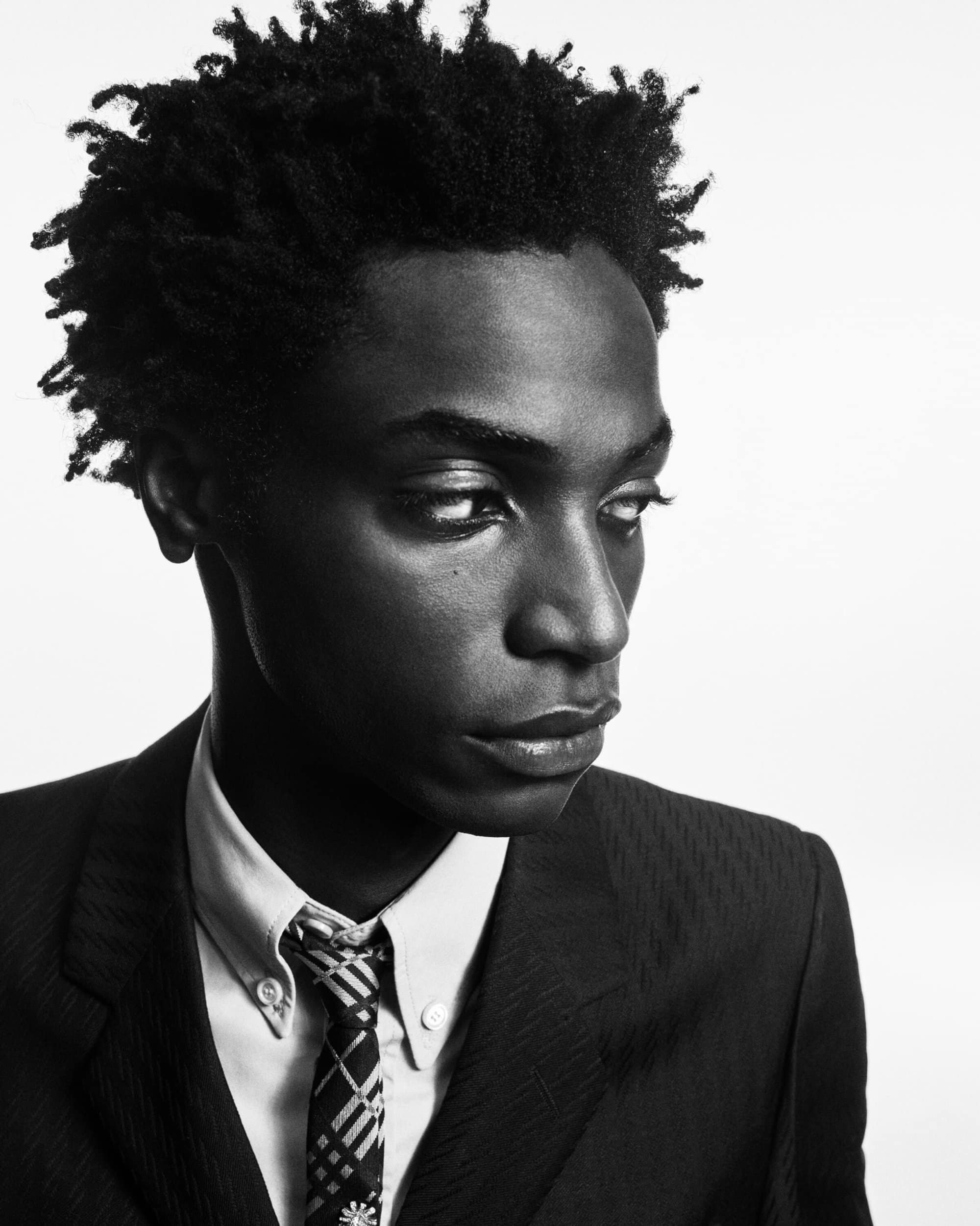
Lee’s storytelling leans heavily on atmosphere, and largely succeeds. The references — British summer festivals, Quadrophenia: A Mod Ballet, the mythology of bands like The Verve and Pulp — are woven into the campaign without becoming costume. Checks appear in Pop Art brights; kilts are reimagined with sequins; suits slim down with a ’60s sensibility and a modern sheen. The clothes don’t cosplay eras so much as sample them, remixing familiar codes into something fluid and contemporary. It’s a confident exercise in cultural continuity rather than revivalism.
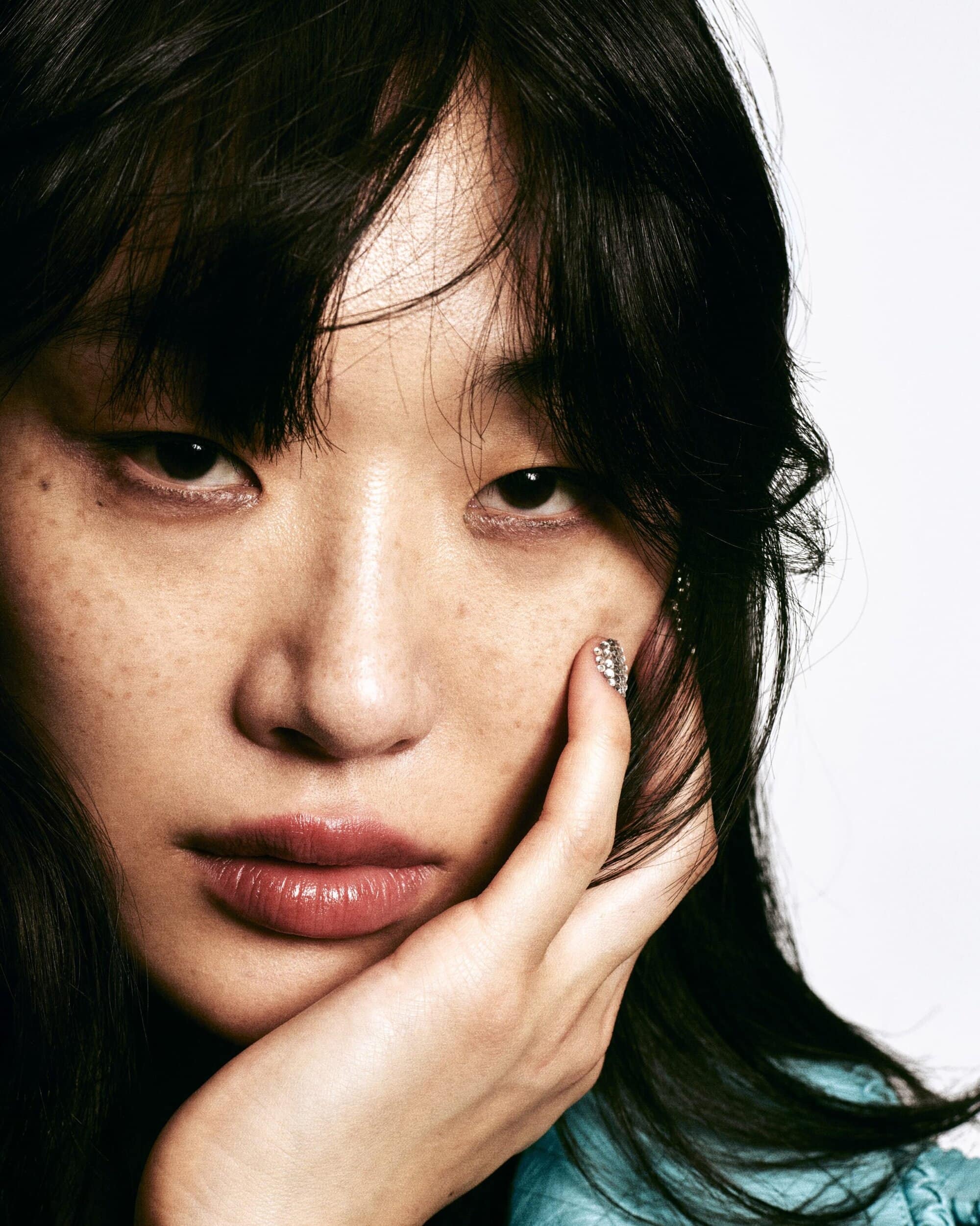
One of the campaign’s greatest strengths is its casting philosophy. By placing Twiggy alongside next-generation figures with deep musical lineage, Burberry reinforces Lee’s interest in lineage without elitism. Music, as Lee notes, “pushes boundaries, blurs lines and defines the codes of fashion.” That sentiment lands convincingly here — especially in the way the campaign resists a single point of view. Everyone belongs, but no one is flattened into a type. The effect feels democratic in spirit, even if carefully curated in execution.
If there’s an opportunity for refinement, it lies in narrative focus. The campaign is rich with ideas — music, heritage, festivals, Britishness — and at times the abundance risks diluting emotional specificity. One almost wishes for a tighter storyline or a recurring visual motif to anchor the energy. Still, this generosity of reference is also part of the campaign’s charm; it mirrors the chaos and joy of live music itself, where meaning emerges through accumulation rather than precision.
In the end, Burberry’s Summer 2026 campaign doesn’t try to define British culture — it lets it play. By framing fashion as something you move in, sweat in, dance in, and pass down, Lee positions the house not as a curator of the past, but as an amplifier of shared experience. It’s loud without shouting, referential without reverence. Like the best gigs, it leaves you slightly disheveled — and very much wanting more.
Creative Director | Daniel Lee
Models | Twiggy, Filip Bryndza, Sora Choi, Ella Dalton, Shuqi Lan, Ahmed Richards, Raika Sales, Maya Wigram, Sonny Ashcroft,
Location | United Kingdom