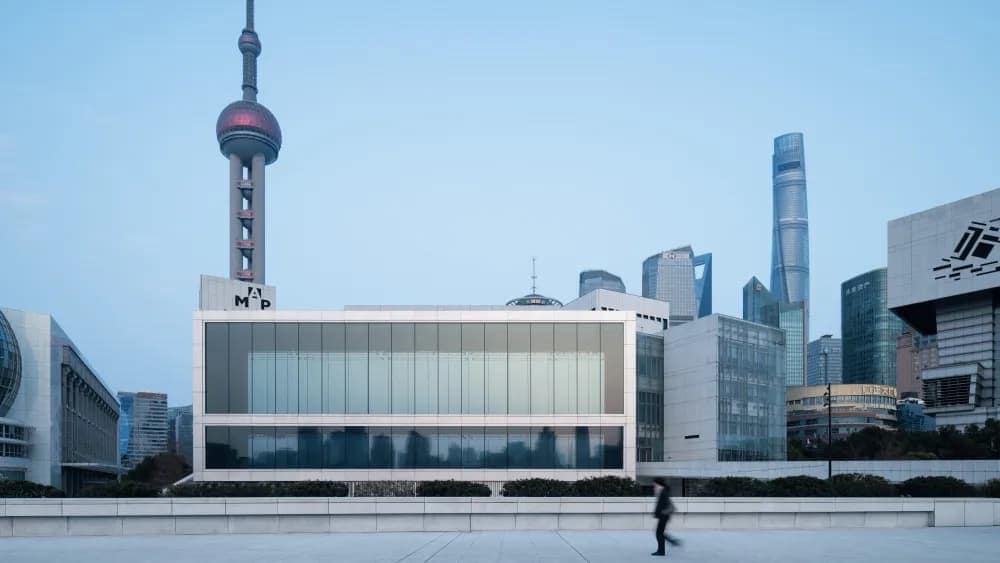
An immersive program at the Museum of Art Pudong brings Métiers d’Art into conversation with contemporary Chinese creativity
Chanel continues to extend the cultural reach of its Métiers d’Art ecosystem, bringing its traveling La Galerie du 19M initiative to Shanghai this fall. Hosted at the Museum of Art Pudong, the program unfolds as both exhibition and experience, positioning craftsmanship not as static heritage but as a living, evolving dialogue. Following previous chapters in Dakar and Tokyo, this latest iteration signals a deepening engagement with Asia—one that feels less like a presentation and more like a conversation in progress.
Occupying the museum’s third floor, the Shanghai edition is conceived as an immersive journey through the house’s network of specialist ateliers. Visitors are invited to move fluidly between observation and participation, encountering techniques that span embroidery, pleating, and featherwork while engaging directly with the processes behind them. At the heart of the program is a retrospective dedicated to Lesage, tracing the storied embroidery house’s evolution from its early 20th-century origins to its ongoing role within Chanel’s creative universe. Here, craftsmanship is framed not only as legacy, but as continuity—an unbroken thread connecting past to present.
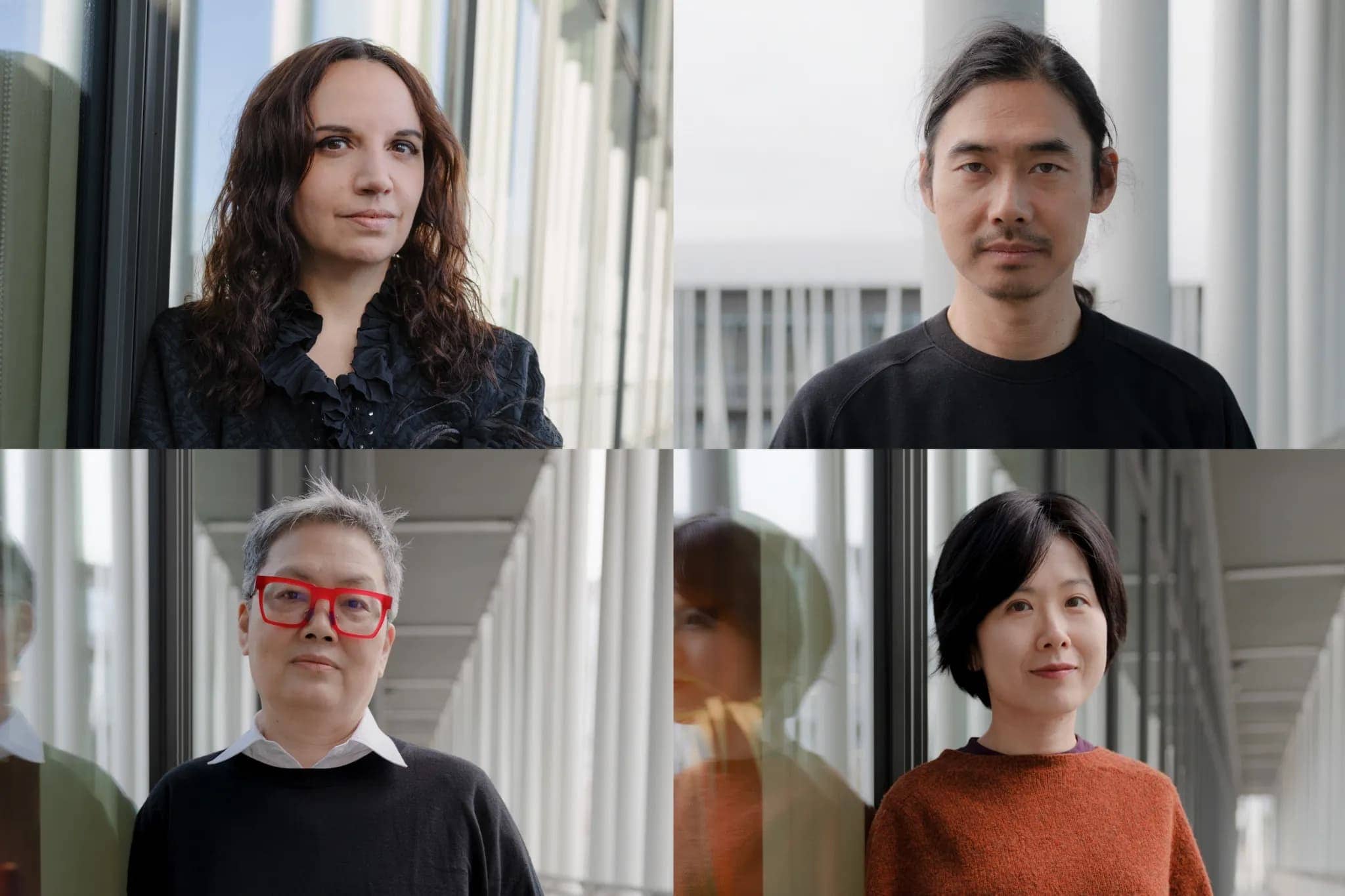
What distinguishes this chapter is its emphasis on exchange. Curated through a collaboration of Chinese and French creative voices, the exhibition places Chanel’s métiers in dialogue with local practices, allowing for a nuanced interplay between tradition and innovation. Rather than positioning savoir-faire as a singular, European narrative, the project opens it up as a shared language—one shaped by geography, culture, and contemporary interpretation. The inclusion of workshops and public programming further reinforces this approach, inviting audiences to engage not just intellectually, but materially.
This outward-facing strategy reflects a broader recalibration within luxury, where visibility of process has become as important as the final product. By foregrounding the time, skill, and human touch embedded in each creation, Chanel subtly reframes value in an era increasingly defined by speed and automation. The Shanghai program, in this sense, functions as both cultural initiative and quiet manifesto—an assertion that craft remains central to the future of fashion, not merely its past.
As Le19M continues its global journey, its impact lies not in spectacle, but in its ability to foster connection—between disciplines, cultures, and generations of makers. In Shanghai, Chanel offers more than an exhibition; it offers an invitation. One that suggests that true luxury is not only seen, but understood—best appreciated up close, and perhaps even better, by hand.