Before the Color Came In
Review of Coach Fall 2026 Fashion Show
By Mackenzie Richard Zuckerman
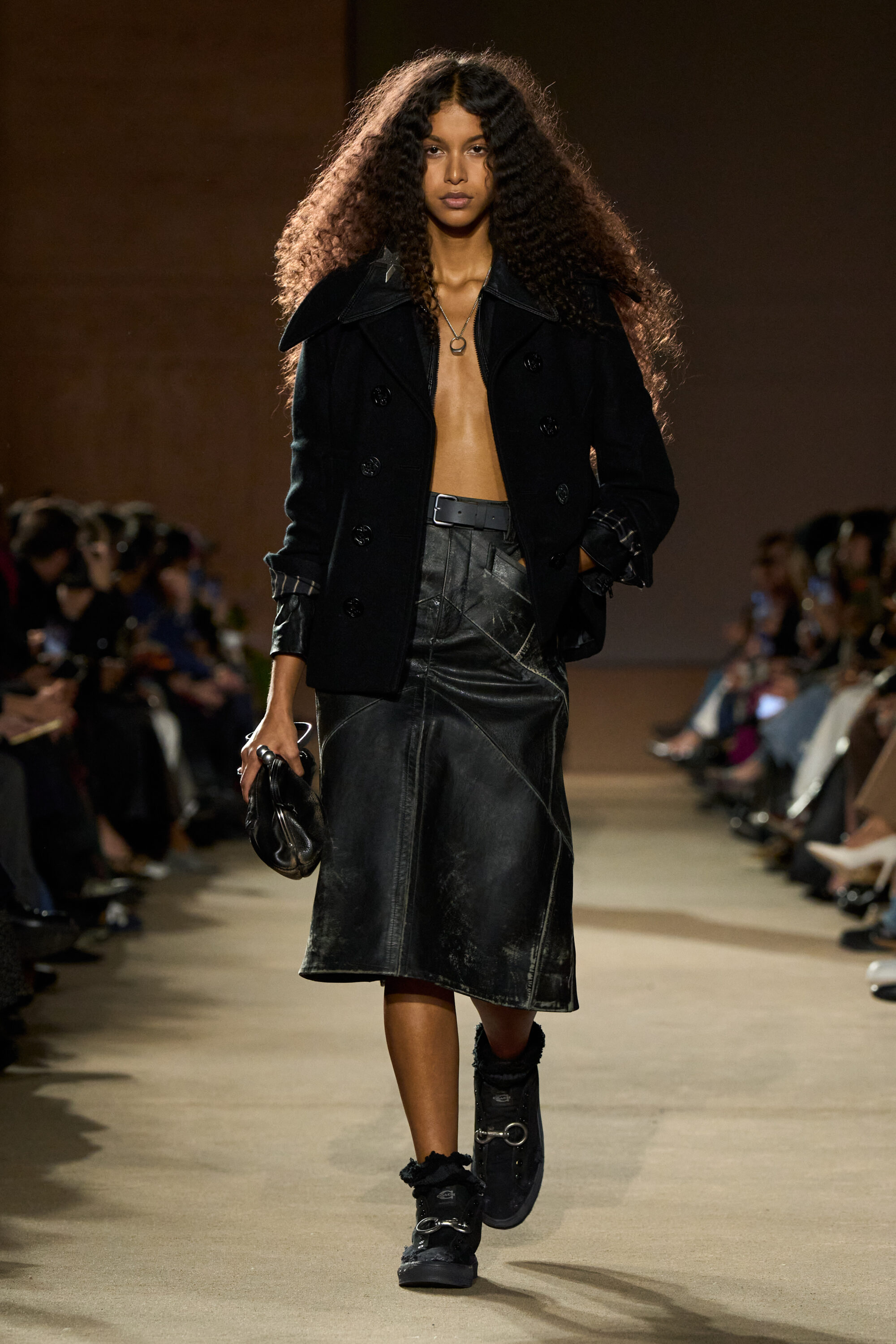
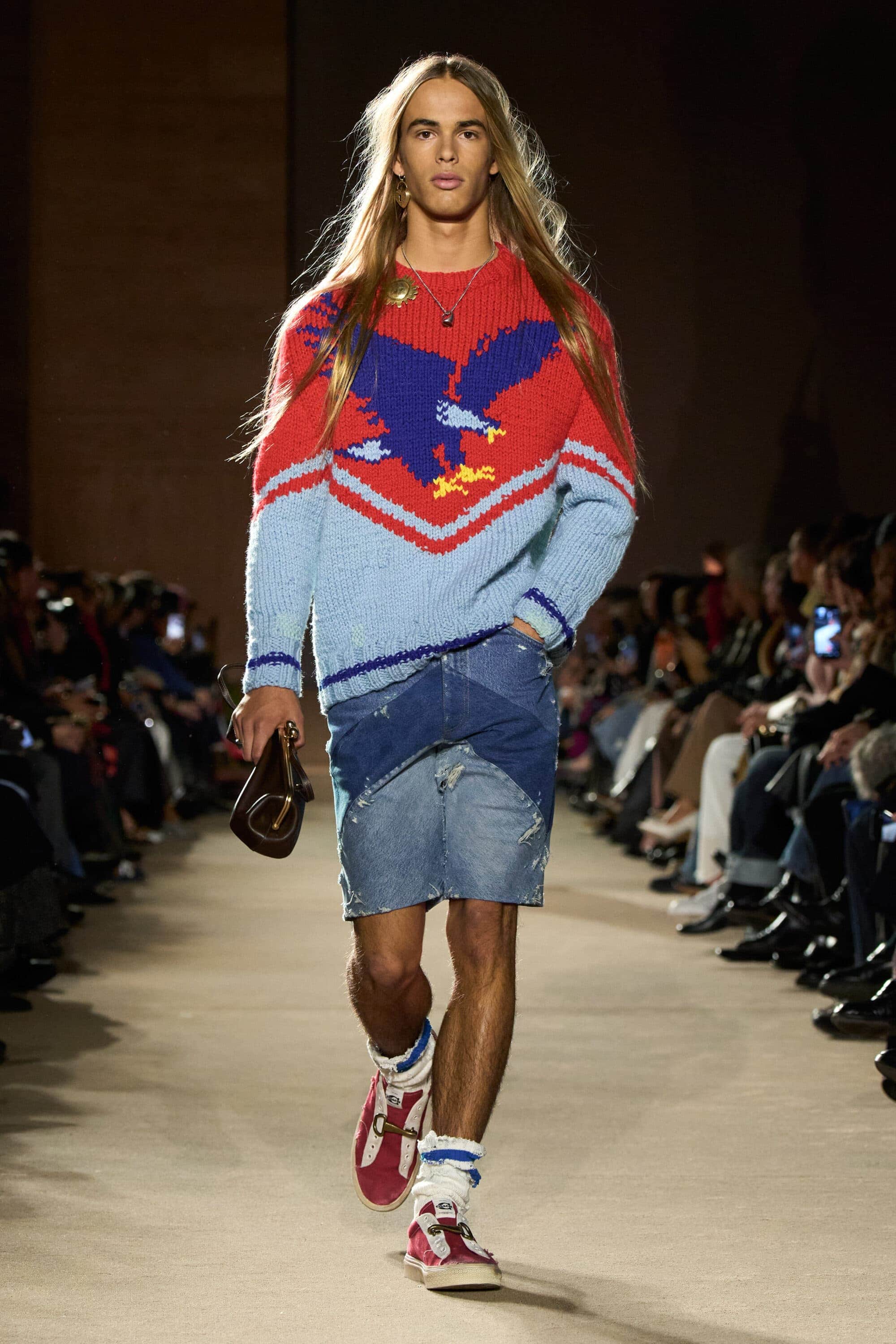
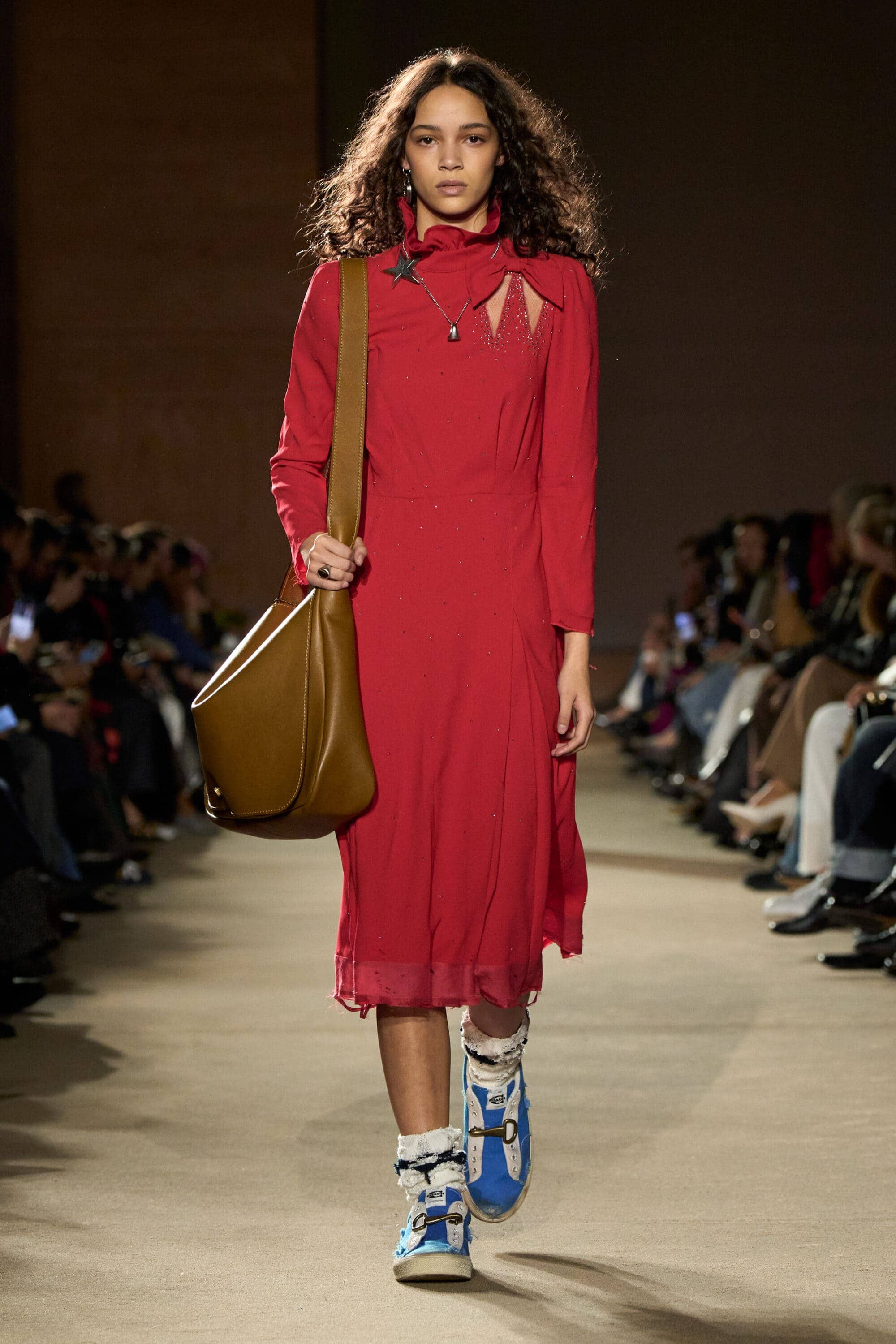
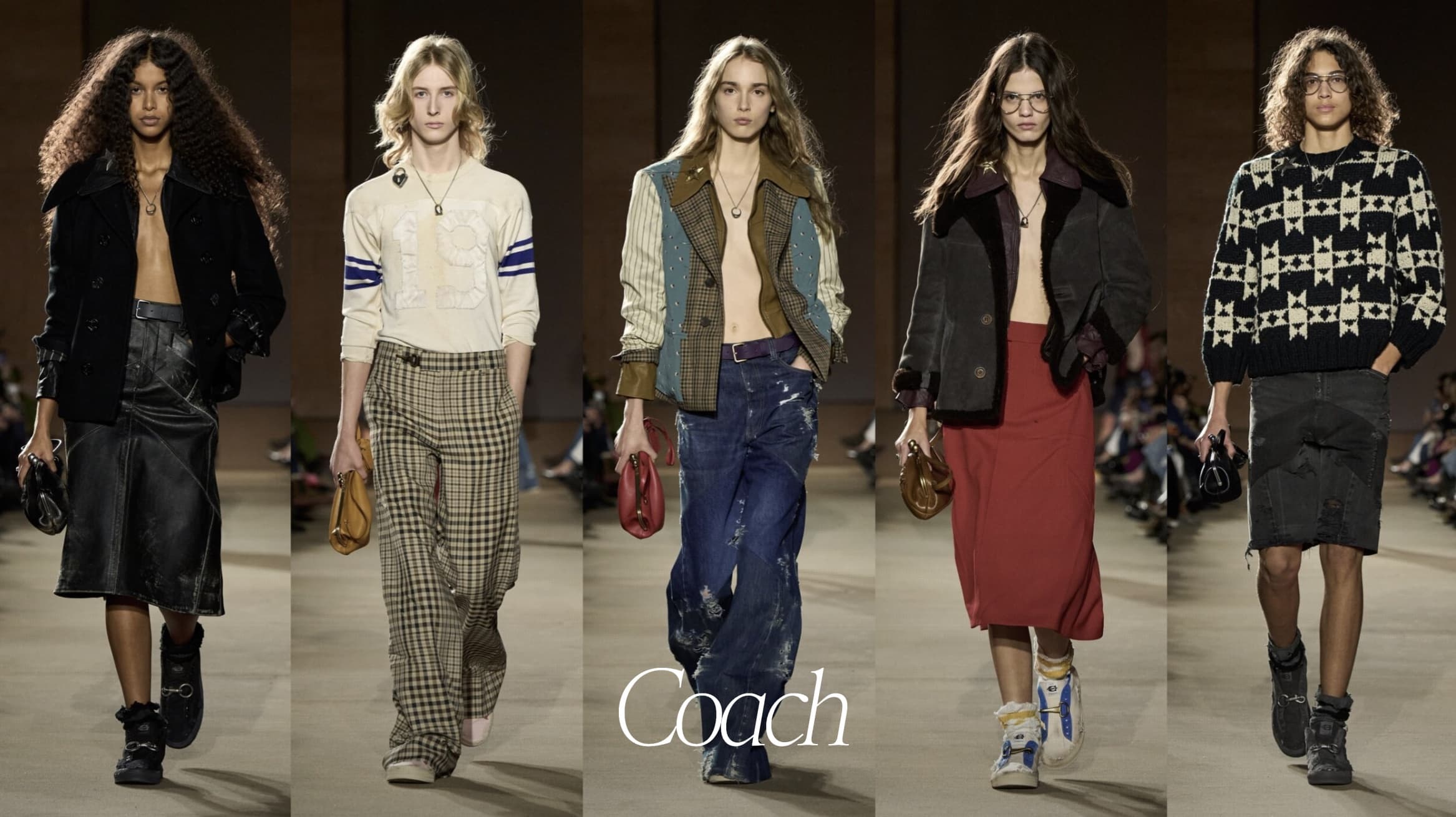
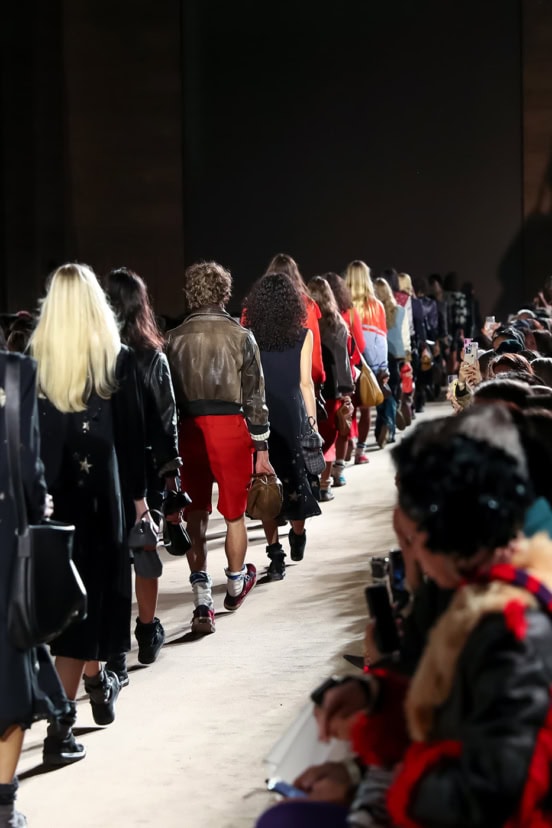
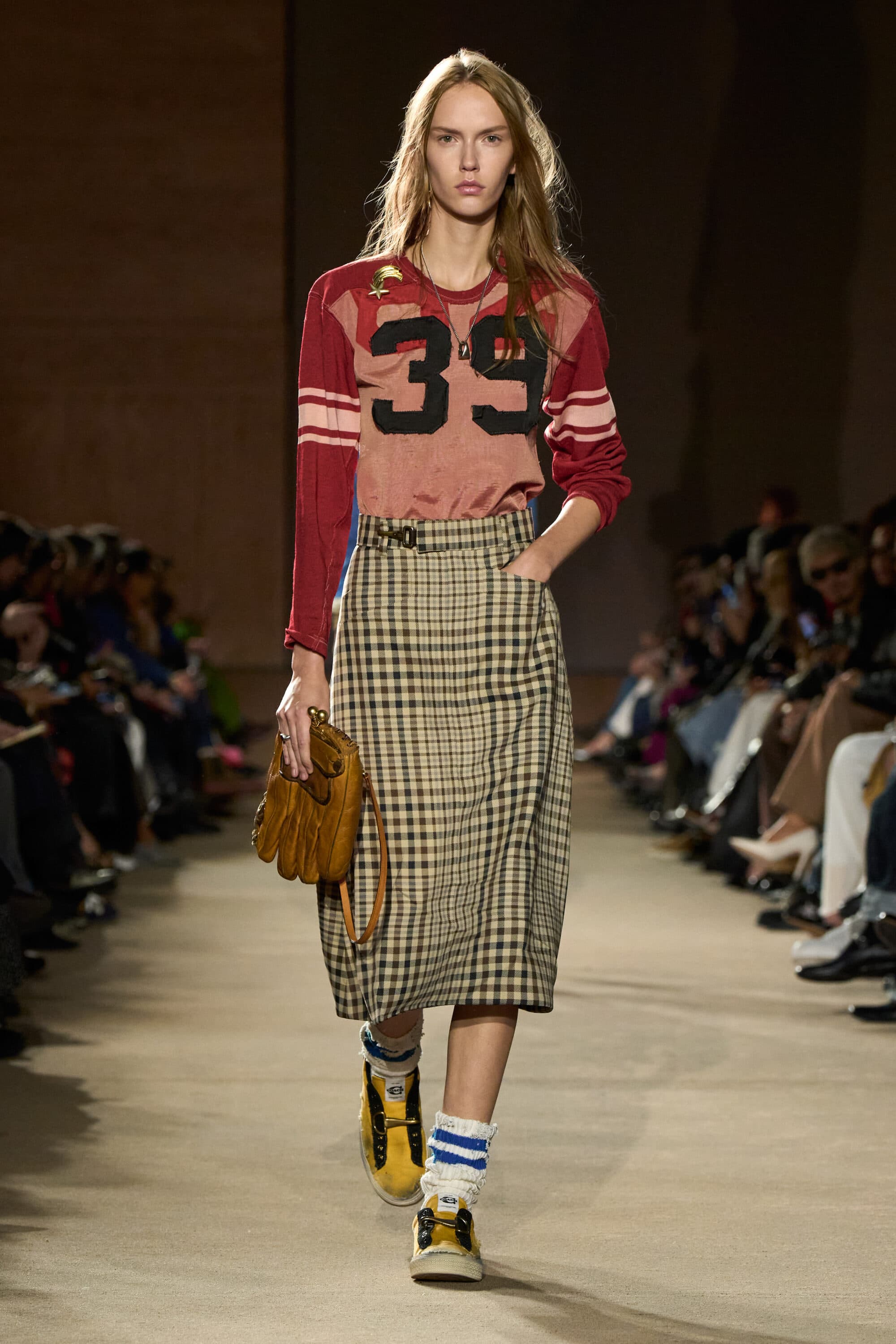
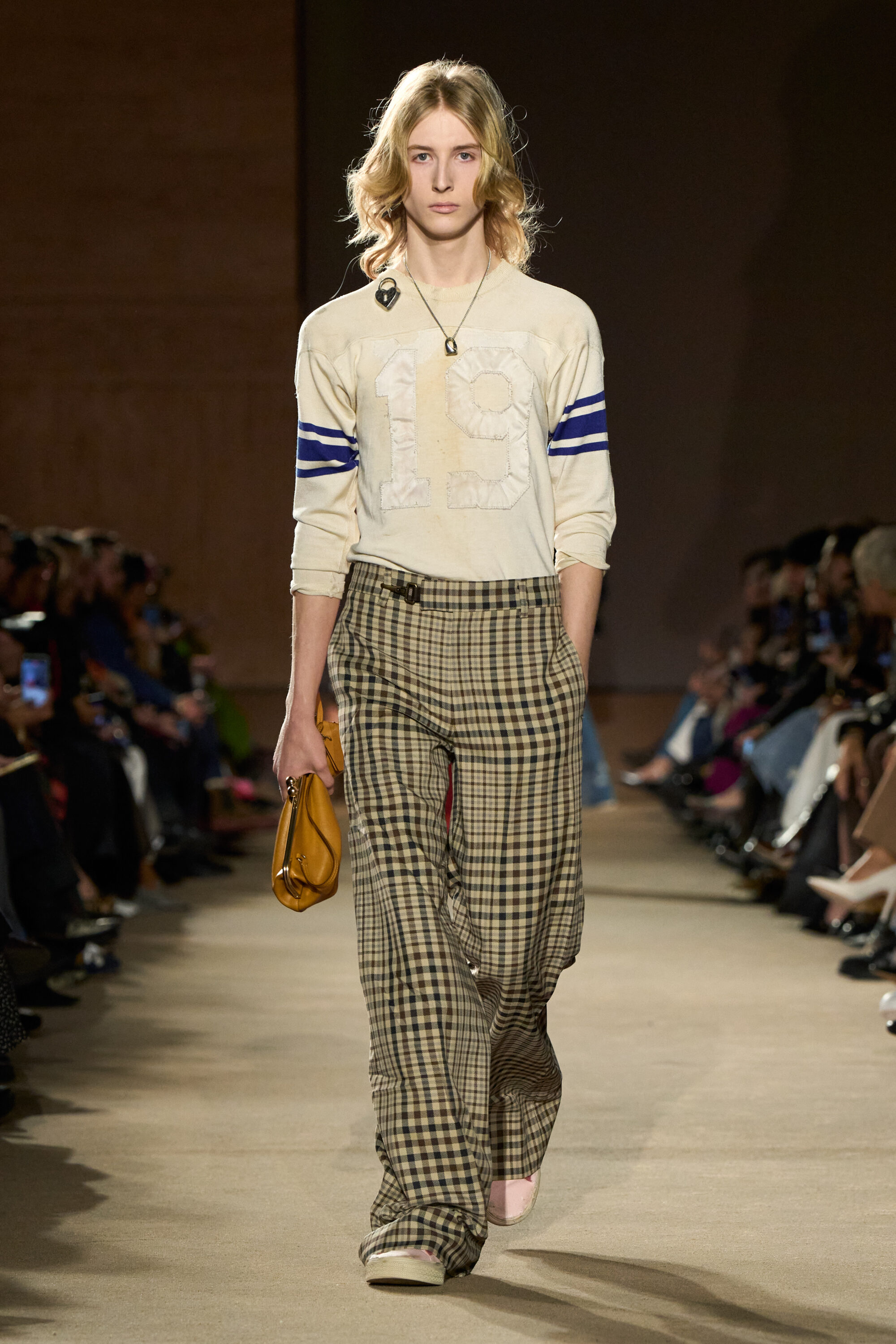
Coach knows its audience, and under Stuart Vevers, it continues to deliver for them with clarity and charm. This season leaned into youthful energy once again, tapping into a world of Americana references, varsity silhouettes, and that easygoing, downtown polish the house has made its own. From the beginning, the show felt like a natural continuation of Spring 2026: same city-cool attitude, same themes of personalization, nostalgia, and emotional wearability. But while last season struck an impressive balance between playful youth and quiet sophistication, Fall 2026 felt more one-note.
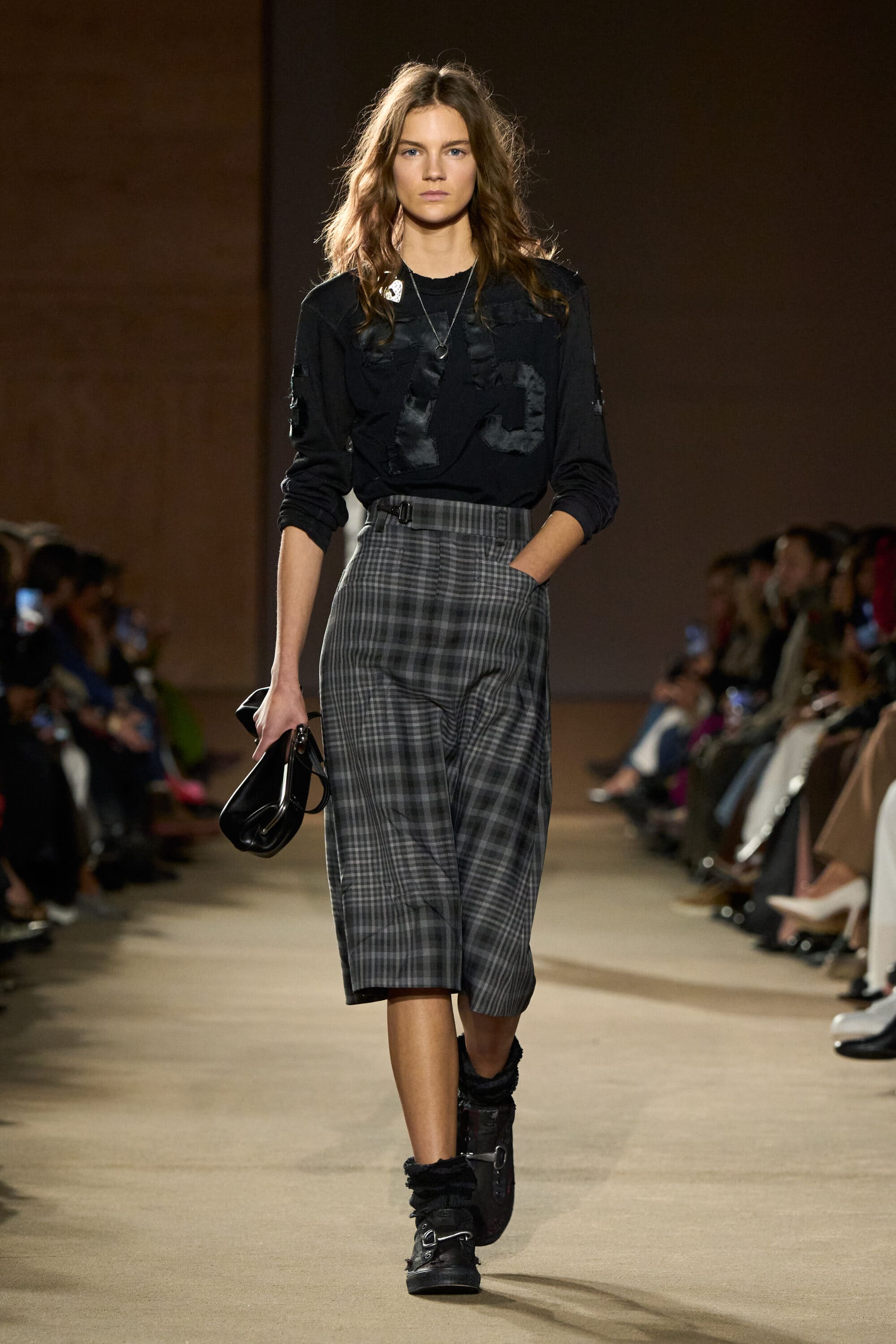
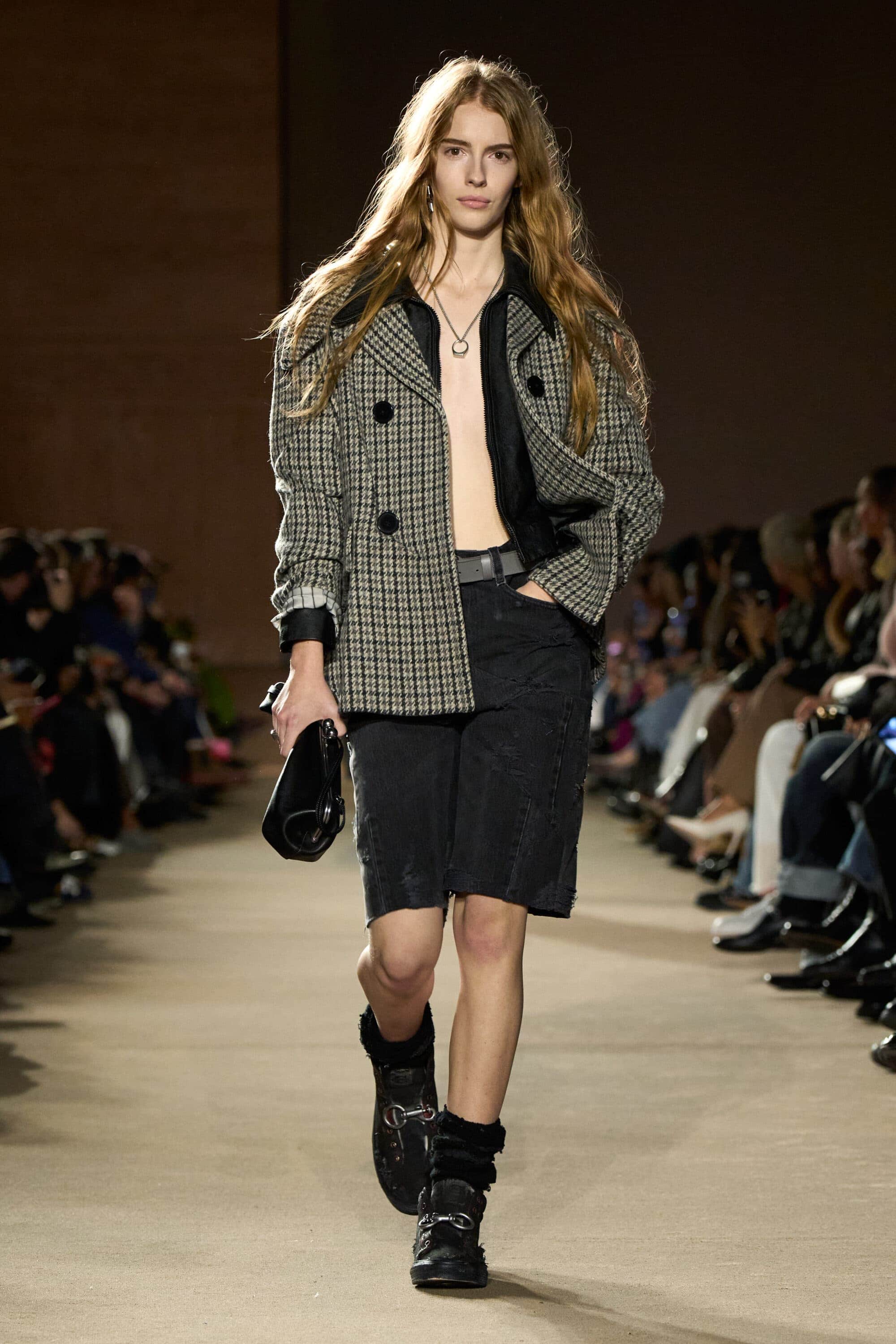
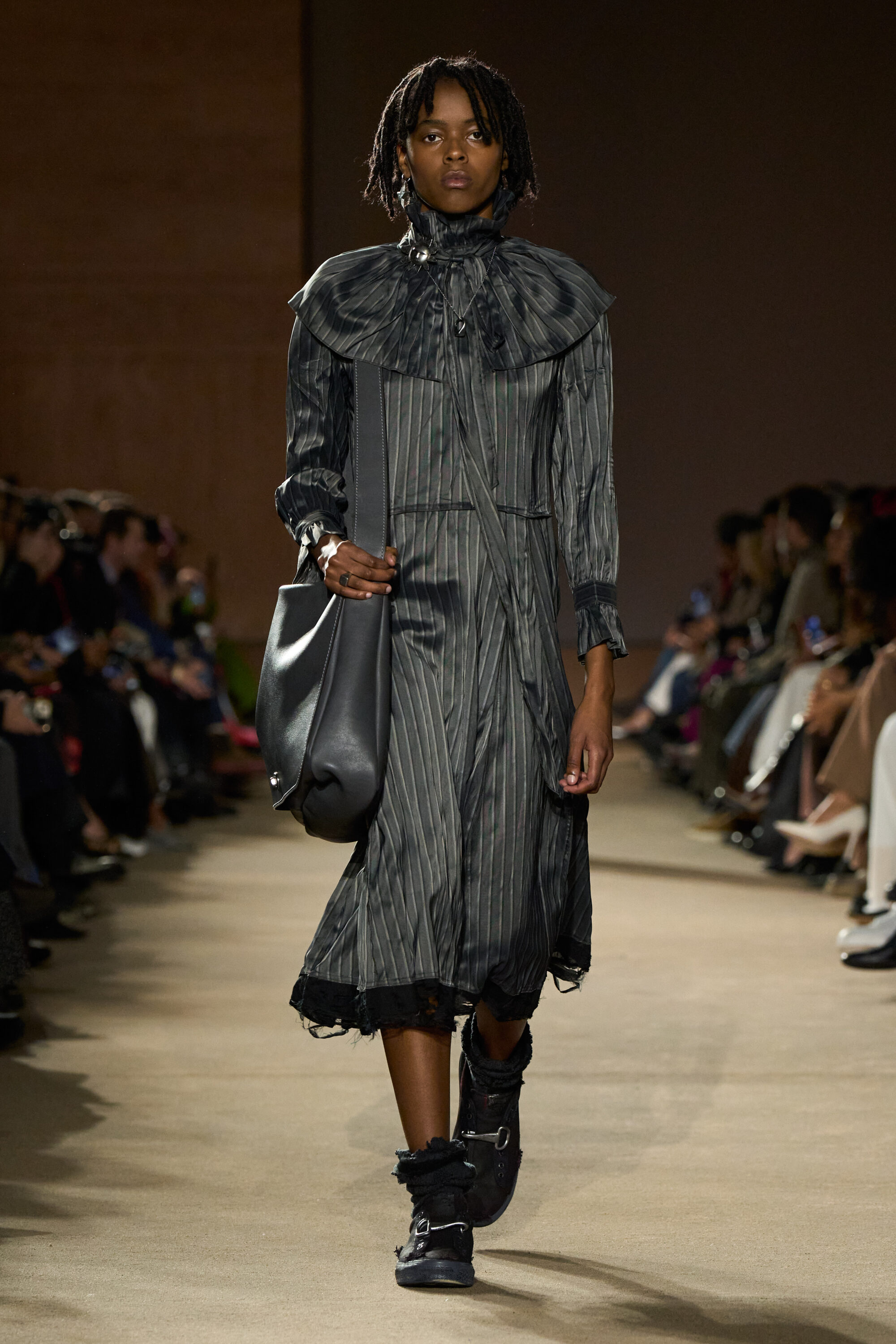
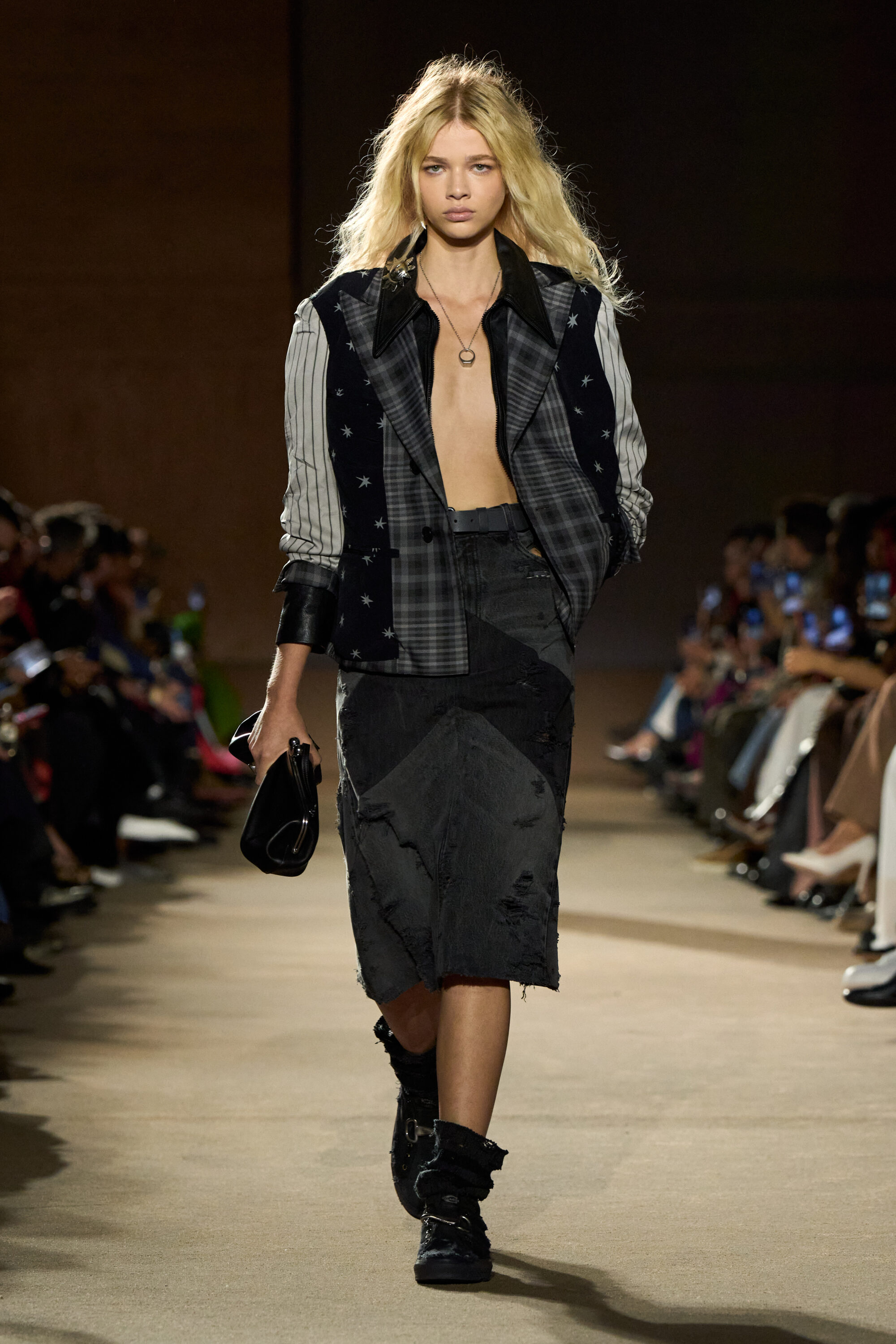
It wasn’t for lack of intent. The moodboard included nods to The Wizard of Oz, 70’s skate culture, and Lauren Bacall – suggesting a dreamlike blend of fantasy and vintage glamour – but those references didn’t register strongly in the clothes themselves. The collection stayed firmly grounded in the Coach vocabulary: sporty layers, sweet-but-not-precious dresses, worn-in leathers, and thoughtful casting choices that emphasized individuality. But as the show progressed, the pacing and palette began to blur. Red accents popped, but other hues lacked dimension. Several key motifs, like celestial prints and moon dresses, were repeats from previous seasons. They’ve been successful before, but here, they felt a touch too familiar.
THE COLLECTION
THE VIBE
Familiar Codes & Youthful Ease
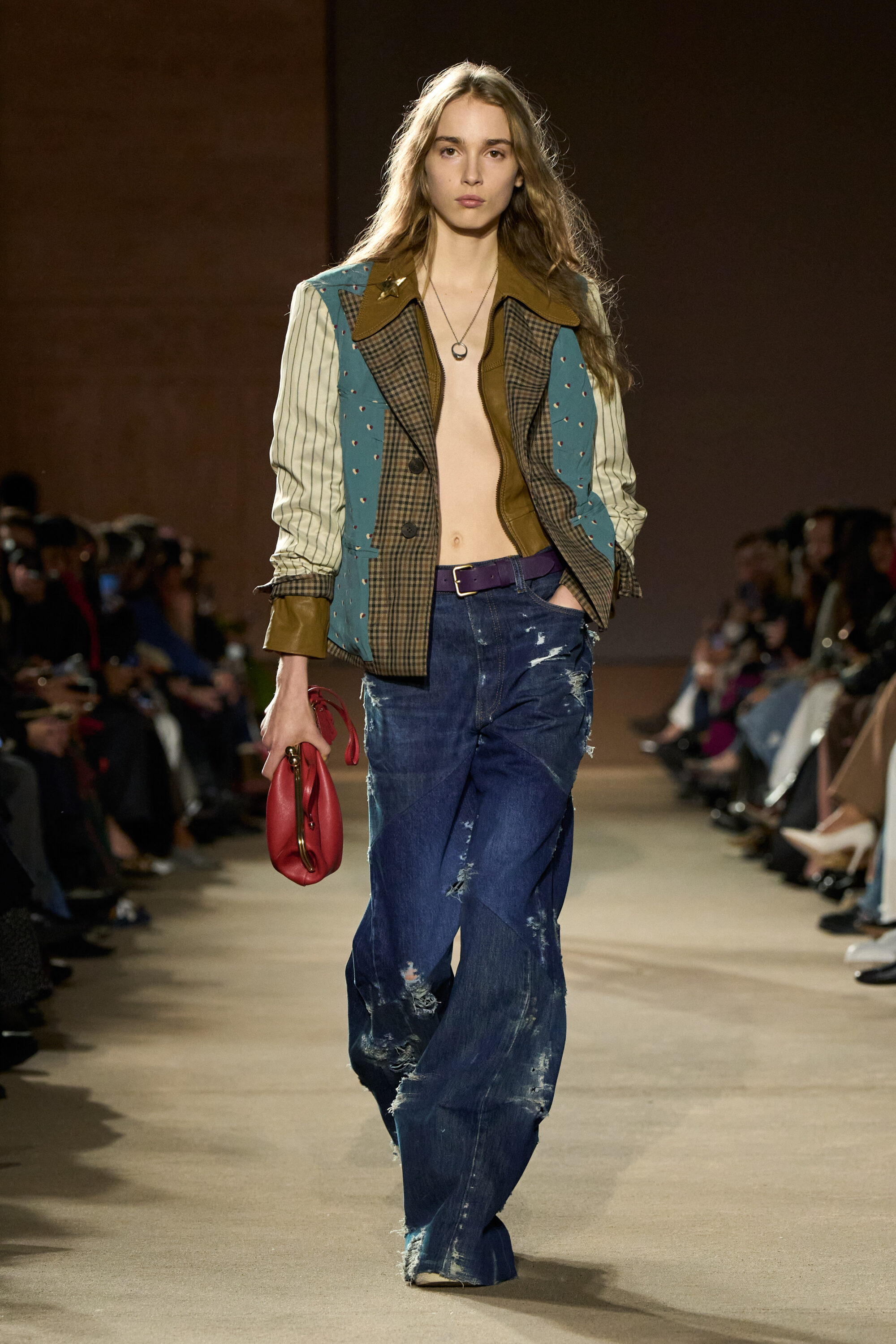
There’s a lot to admire in Vevers’ vision. He’s built a world of “American cool with feeling” – a house that values personality over polish and offers Gen Z and millennial consumers a friendly, crafted entry point into luxury. That tone is clear and consistent. But clarity shouldn’t become constraint. For a house that prides itself on expressive individuality, this collection occasionally felt too focused on a single type of consumer. A broader casting mix – especially across age –might help reflect the full range of the Coach woman’s life, not just her coming-of-age moment.
Coach thrives when it delivers evergreen pieces that feel both modern and heirloom-worthy, and that magic was somewhat missing this time. Last season’s strength came from the synergy between styling and color – looks that felt collectible, wearable, and emotionally durable. Fall 2026, in contrast, played it safer. The varsity jackets, leather outerwear, and chunky knits all did their jobs, but few pieces truly surprised.
Still, Vevers understands the codes he’s working with. The dream Coach sells remains enticing: a creative, confident New Yorker who moves through the world with humor, heart, and a sense of self. The house’s commitment to accessibility, sustainability, and personal style remains commendable and effective. Now, the challenge may be to stretch that vision further.
THE DIRECTION
THE QUOTE
“The collection started from an eclectic American mood board – film noir, kids skating in the ’70s, and even the black-and-white opening of The Wizard of Oz. I was watching it with my kids over Christmas, and seeing their reaction to that moment – when the world shifts into color – reminded me how powerful contrast can be. I wanted to bring that same sense of magic into the show. Casting new faces was part of that too. When you put clothes on someone you haven’t seen before, there’s less context and it feels more honest. From there, everything came together instinctively: soft, squishy bags, upcycled footballs and baseball gloves turned into frame bags, all grounded in a single patinaed leather. It’s that mix of toughness and tenderness that feels very true to Coach.”
– Stuart Vevers
THE WRAP UP
Coach is nailing the brief for Gen Z and millennial consumers. The next question is how the house can stretch to meet a wider range of aspirations without losing its spark. Adding nuance, surprise, and new symbols could reenergize the narrative. After all, self-expression isn’t just about youth. It’s about evolution. Coach has the vocabulary to grow with its audience, not just mirror them.