The Rhythm of a Day
Review of Courrèges Fall 2026 Fashion Show
By Mackenzie Richard Zuckerman
Under Nicolas Di Felice, Courrèges has become one of Paris’s most disciplined design languages. Season after season, the designer has refined the house’s modern codes – sharp silhouettes, sculptural minimalism, and a cool, aerodynamic sensuality that feels unmistakably contemporary.
For Fall 2026, however, Di Felice approached the collection from a quieter starting point. Rather than pushing outward conceptually, he turned inward, imagining what he described as “24 hours in the life of a Courrèges woman.” The idea framed the show as a meditation on daily routine: waking up, stepping outside, navigating the city, moving through the rhythms that shape everyday life.
It’s a thoughtful premise, and one that aligns with the designer’s broader interest in precision and clarity. Yet compared with the sharper conceptual leaps that have defined previous seasons, this collection felt more introspective – a moment of recalibration rather than expansion. The question, then, is whether that restraint ultimately deepens Courrèges’ language, or simply pauses its momentum.
THE VIBE
Precision, Restraint, & Routine
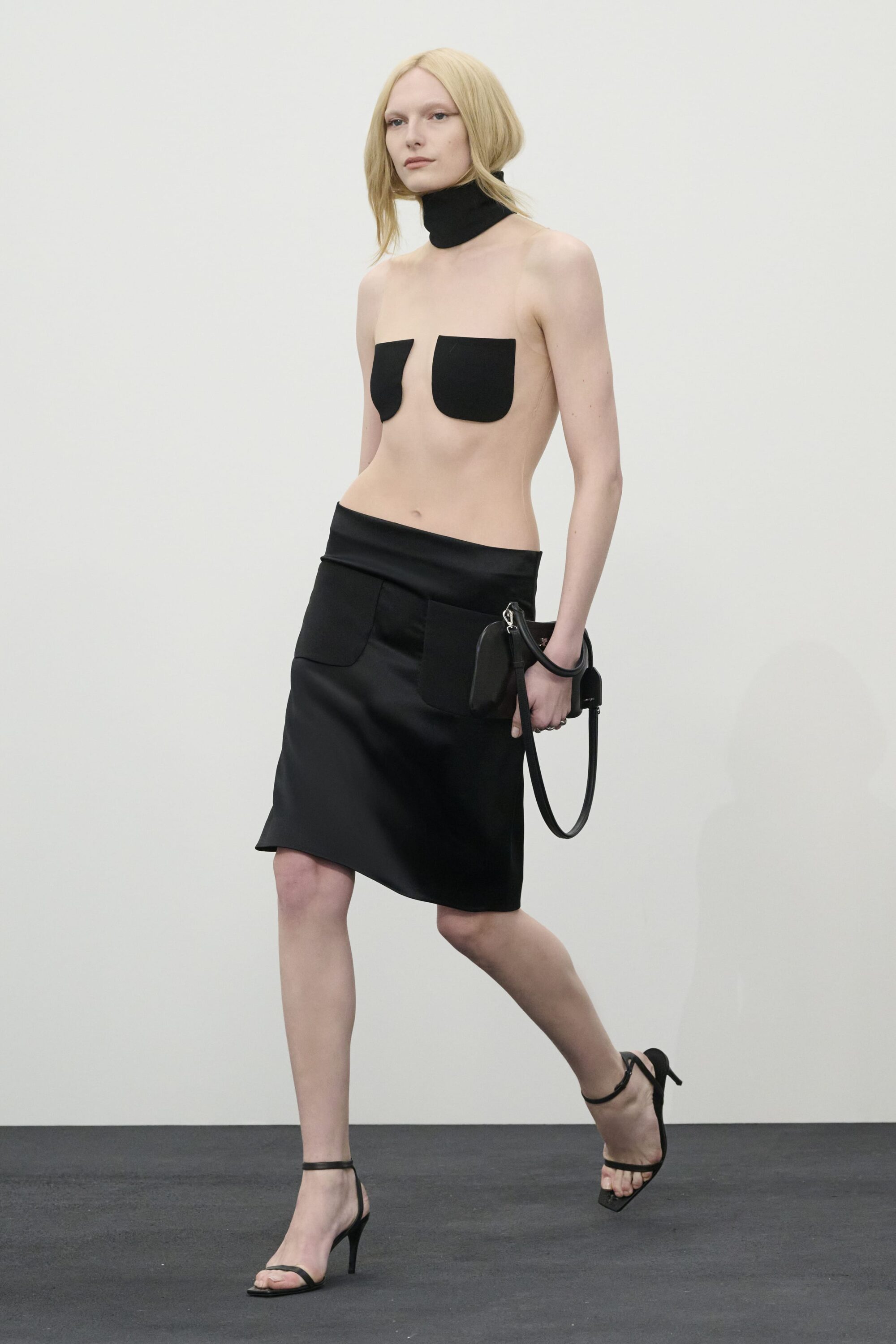
Di Felice built the show around the choreography of a day.
Guests received analog alarm clocks as invitations — objects once considered obsolete but now quietly resurfacing in a digital age. The soundtrack followed a similar logic, layering everyday sounds: sheets shifting, keys turning in a door, footsteps on pavement, the distant rhythm of the Paris métro.
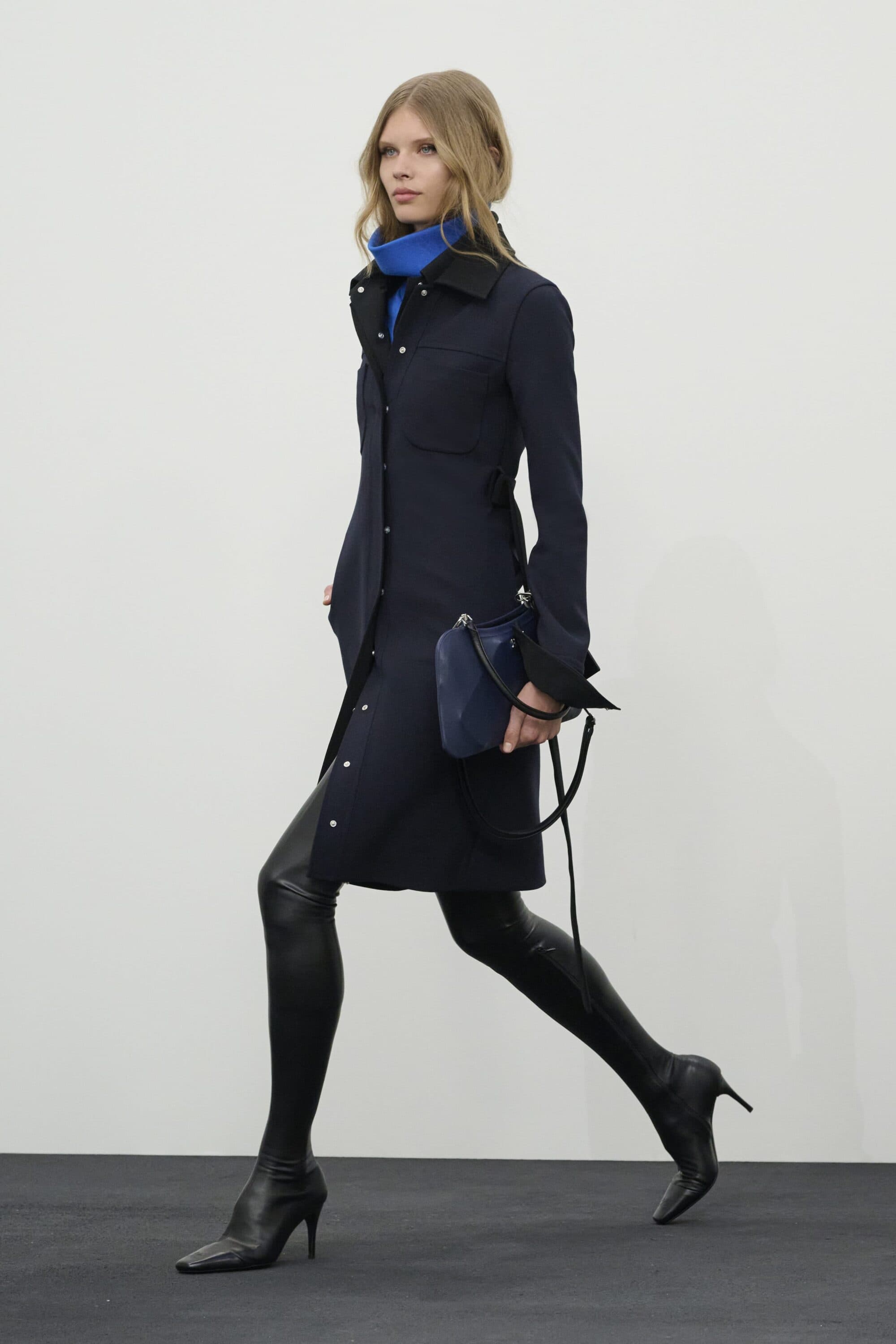
These references created a narrative about routine and physical presence in the city. Even the silhouettes reflected that structure. The collection expanded the Courrèges wardrobe beyond its more iconic night-driven looks, presenting pieces that could move through different moments of the day.
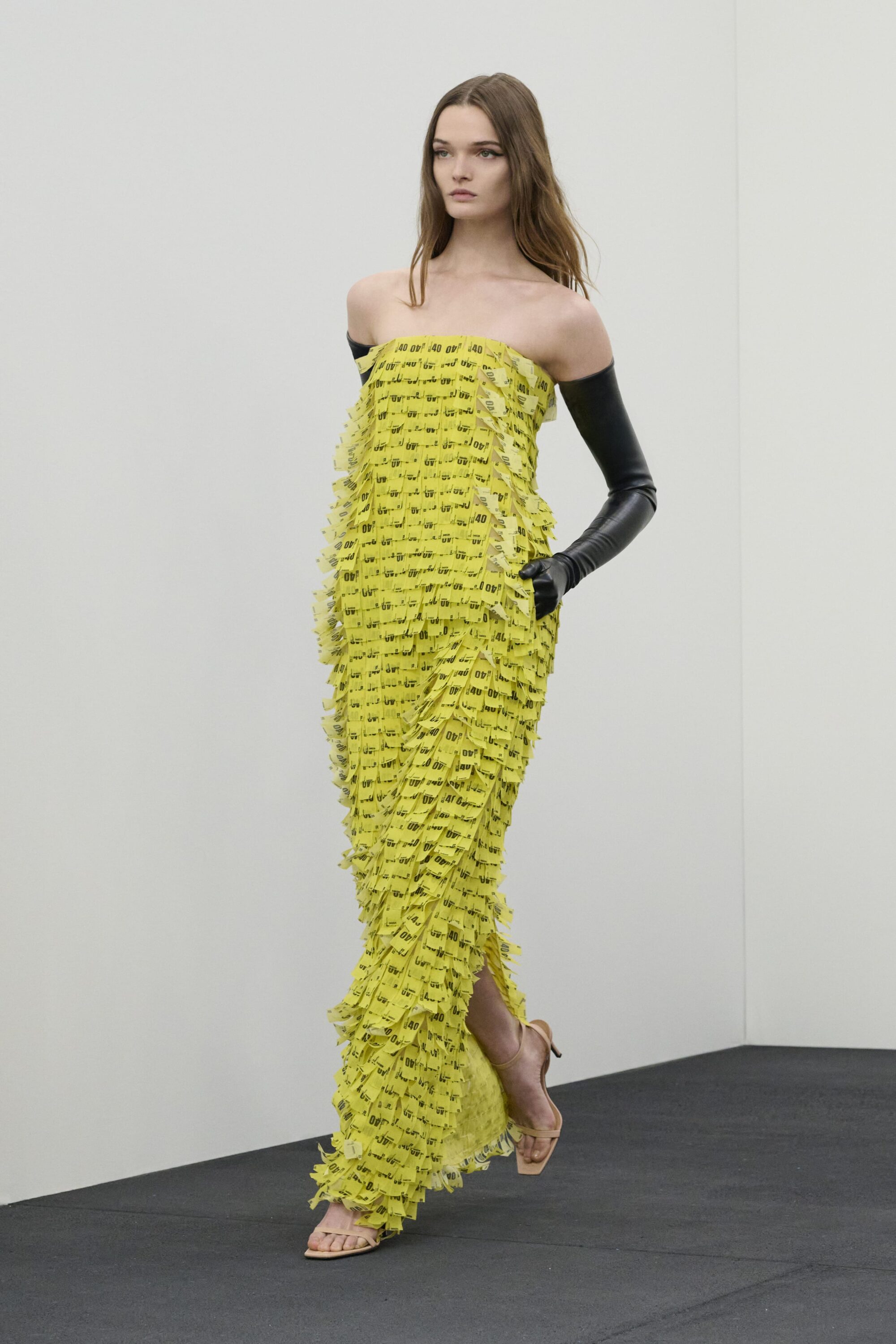
There were nods to urban life throughout — including silhouettes referencing métro tickets, another everyday object slowly disappearing as France transitions toward digital systems. Like the alarm clock, the reference wasn’t nostalgic so much as reflective, crystallizing small artifacts of daily life before they vanish.
The mood remained calm and controlled. Di Felice cited the films of Chantal Akerman as an influence — cinema known for its deliberate pacing and close observation of ordinary moments. In a fashion landscape that often prizes spectacle and acceleration, the reference suggests a conscious slowing down.
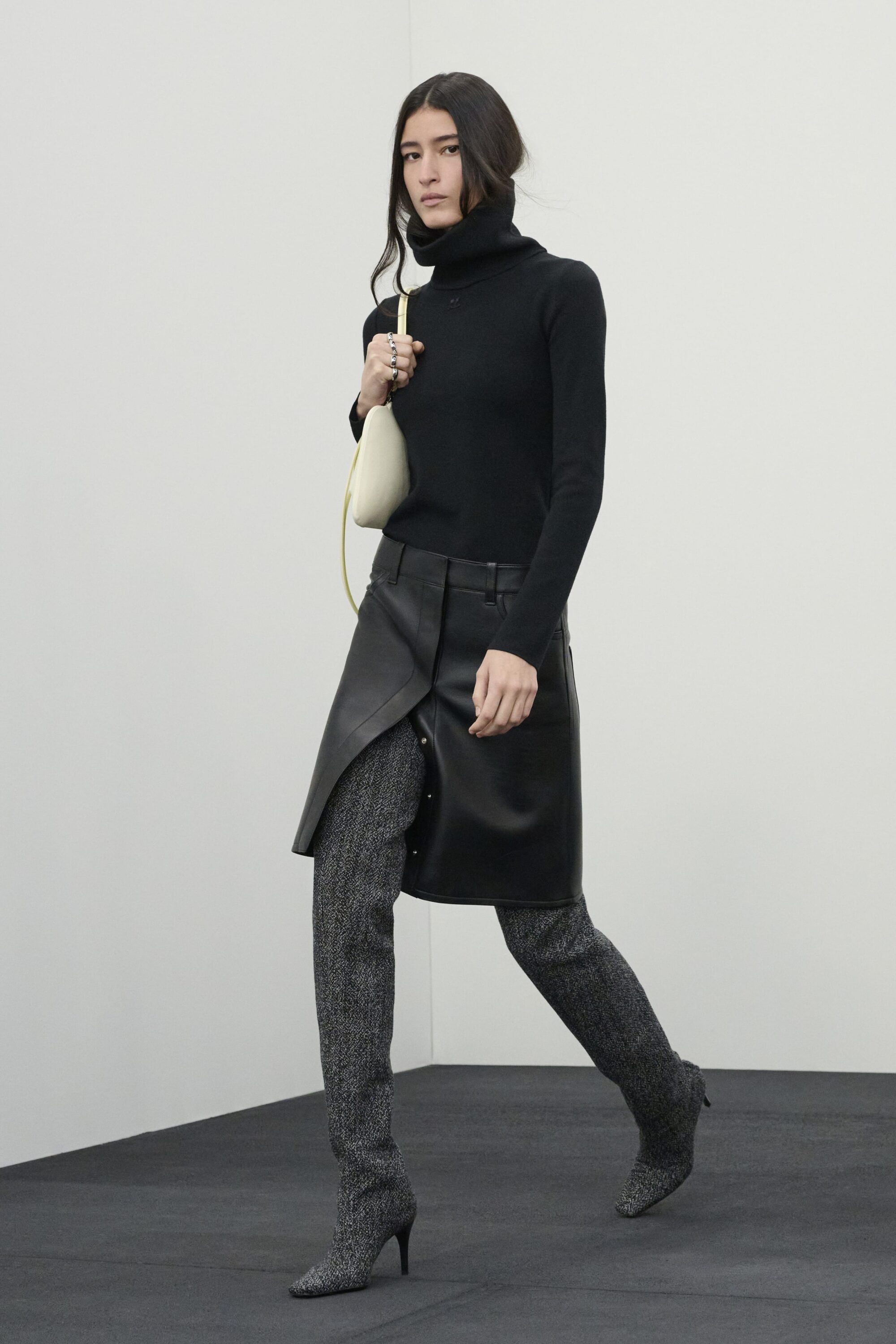
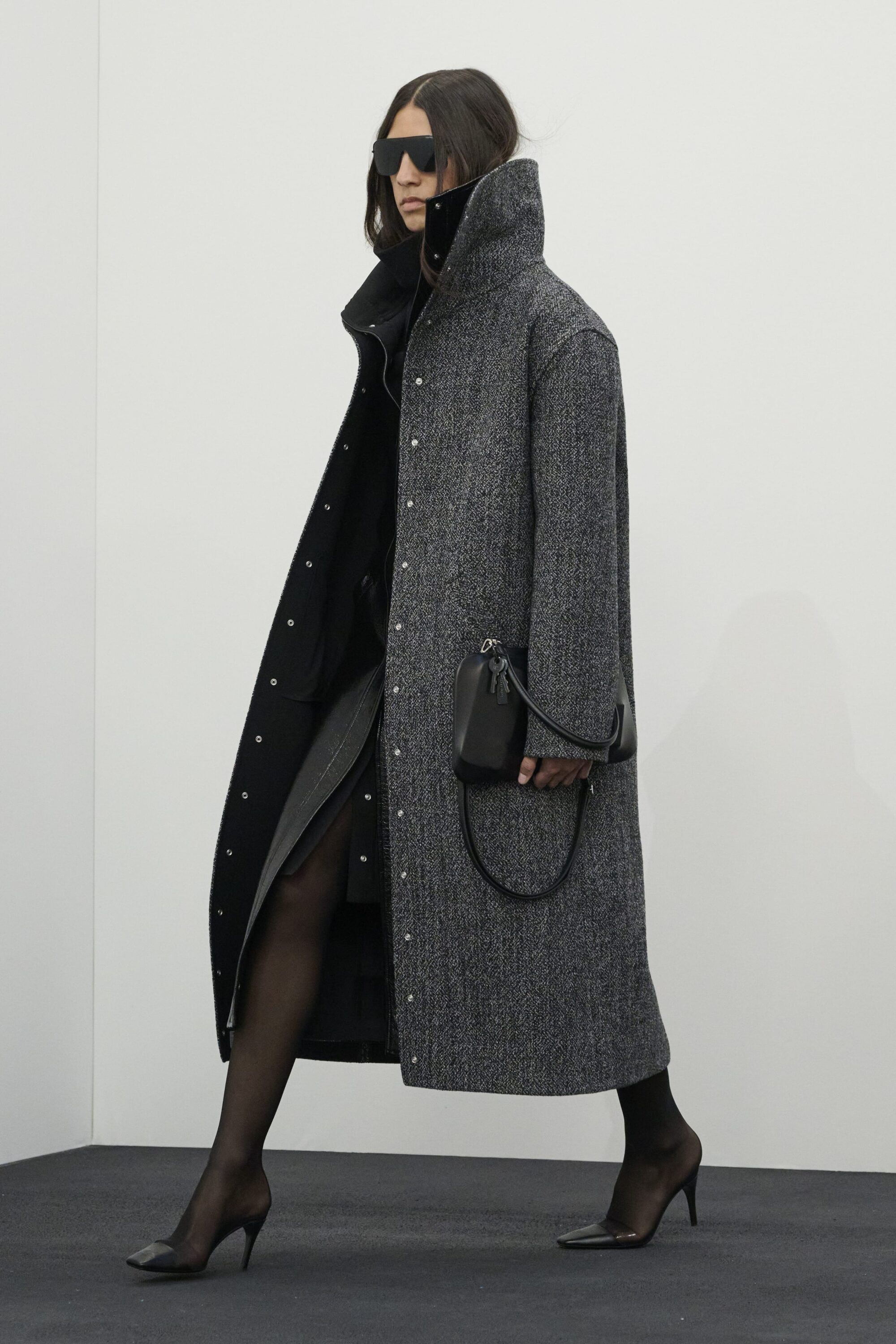
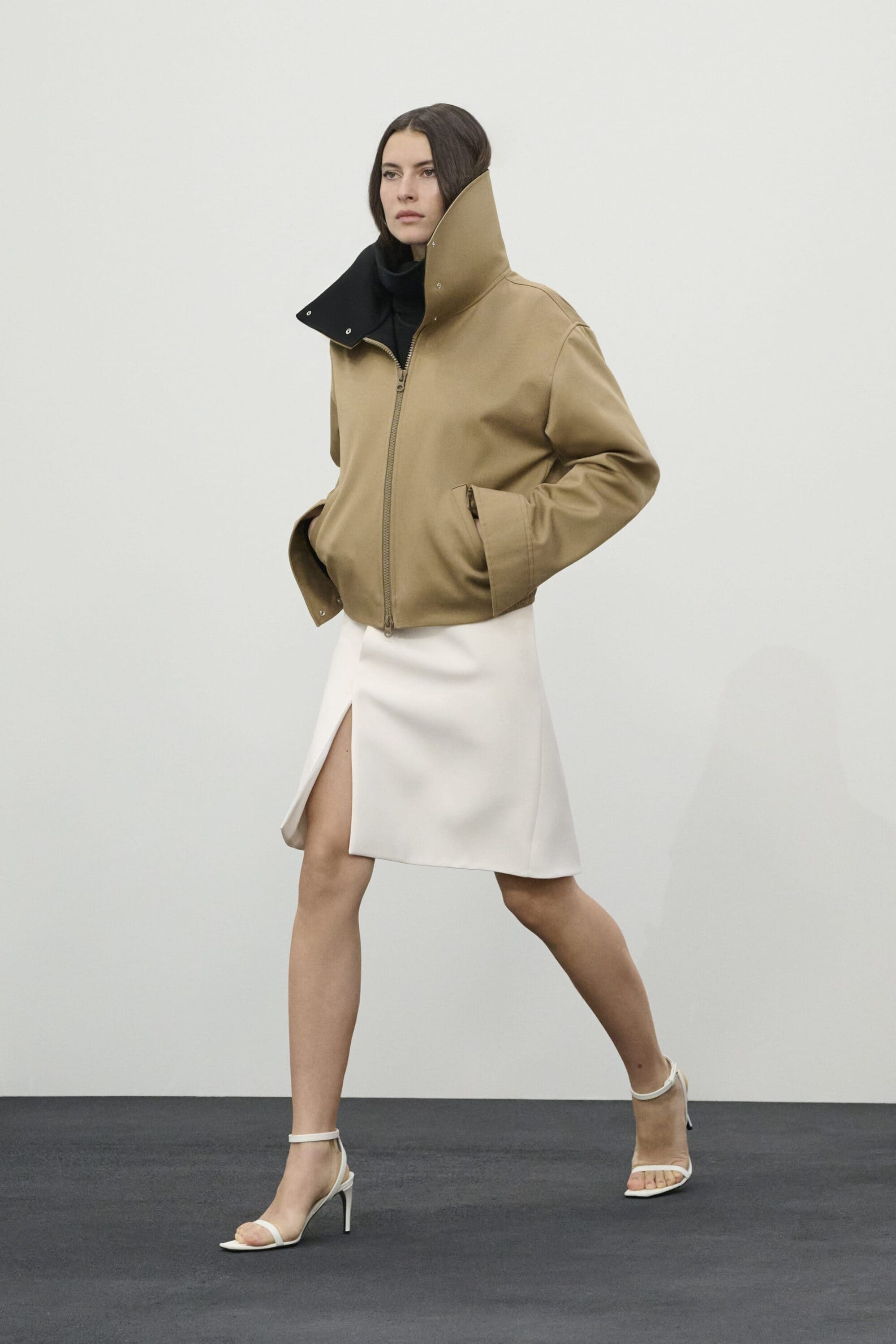
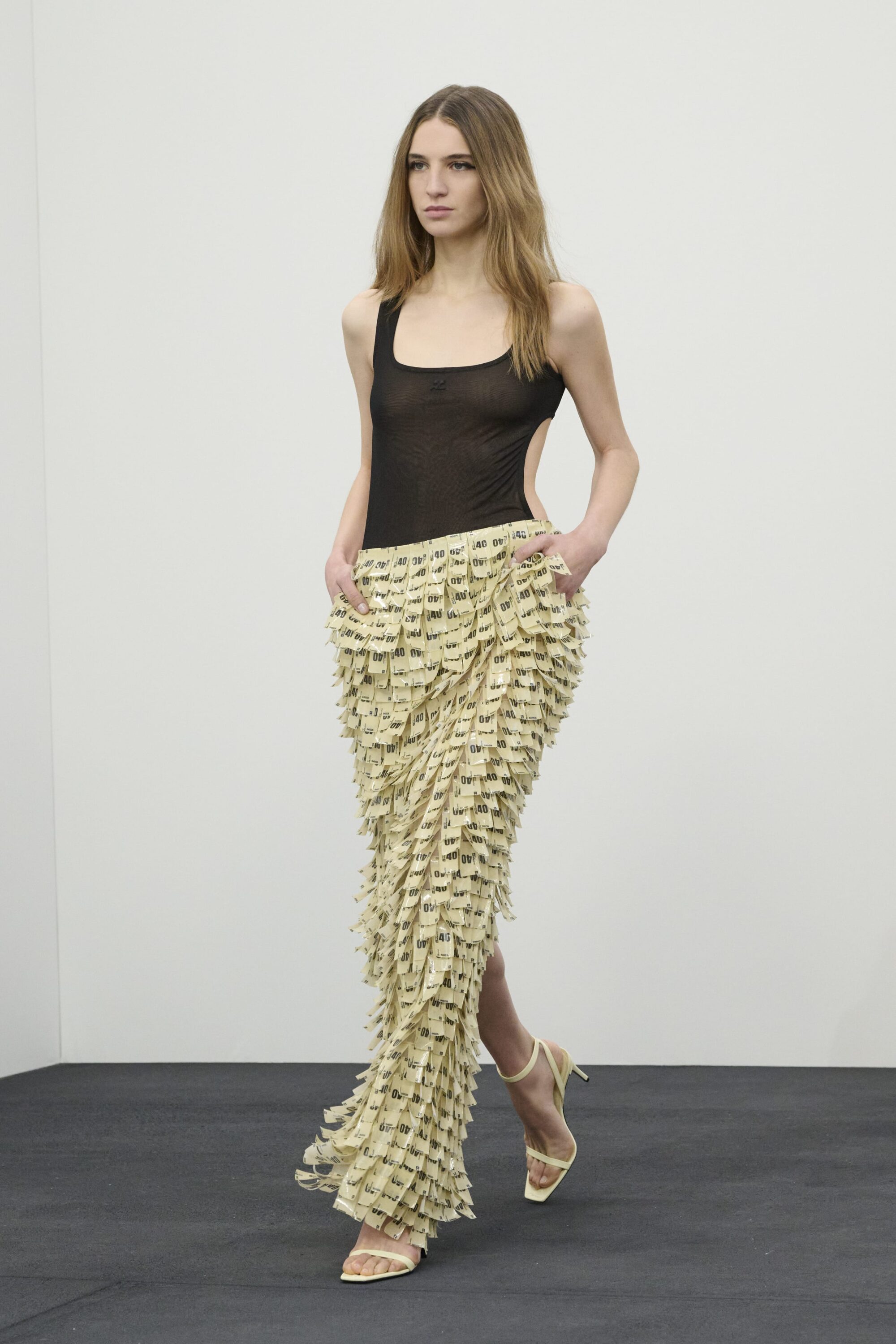
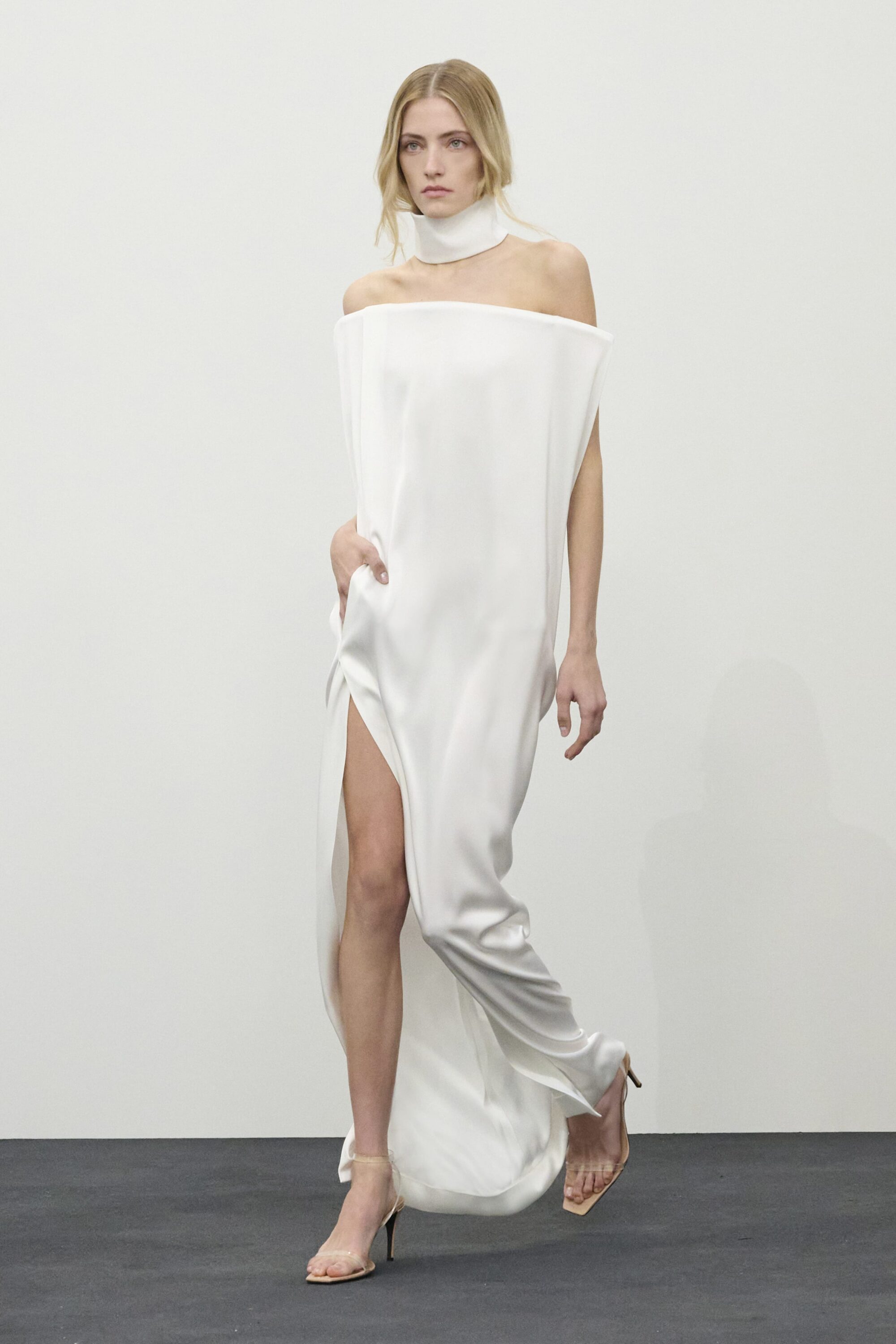
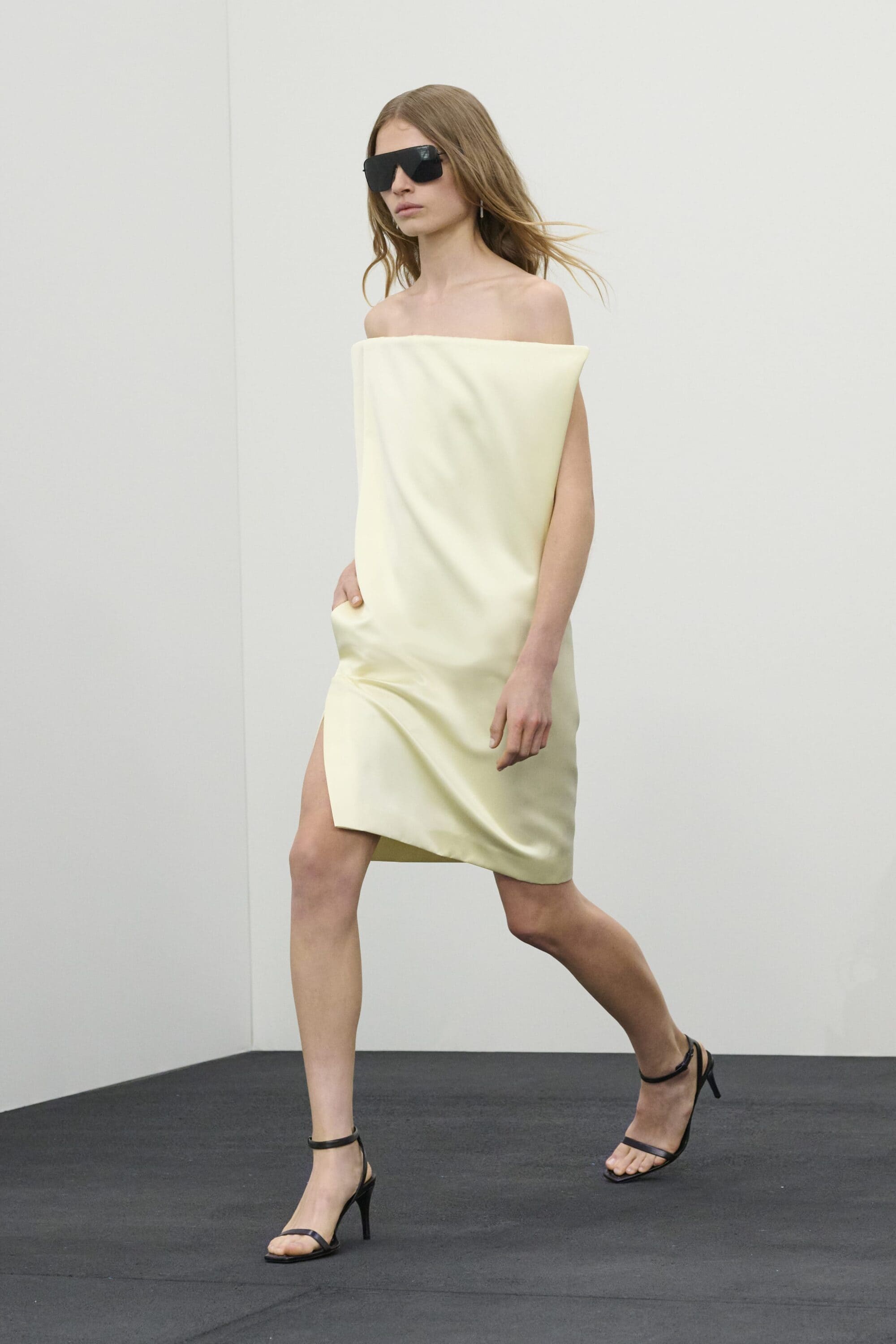
That restraint, however, also shaped the collection’s overall impact.
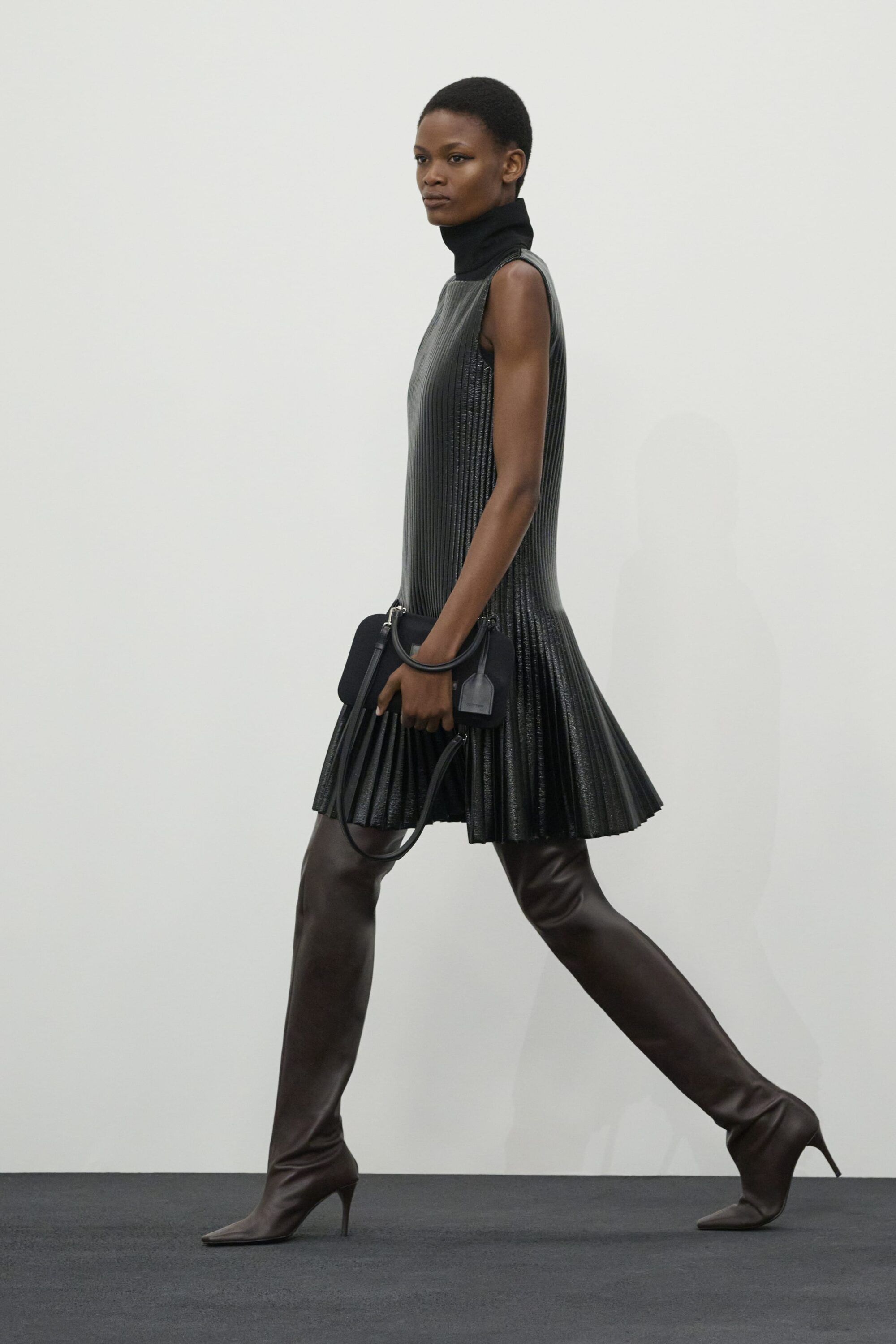
Many of the silhouettes revisited the codes Di Felice has already established so successfully at Courrèges: body-skimming dresses, sleek outerwear, sculpted vinyl pieces, and the house’s signature streamlined tailoring. The precision of these garments remains impressive, and the clarity of the brand’s identity is undeniable.
Yet the runway rarely delivered the sense of discovery that has made some of Di Felice’s earlier collections feel so energizing. The designer spoke about returning to the “essence” of the clothes — reducing detail and focusing on pure structure — but that same minimalism occasionally left the collection feeling more restrained than revelatory. This is not to suggest that collections should be judged purely by entertainment value. Rather, Di Felice has delivered such engaging and incisive work in the past that this outing inevitably feels measured against the high standard he has already established for the house.
Commercially, the approach makes sense. A “day in the life” framework naturally produces a fuller wardrobe, and many of these pieces are likely to resonate strongly with Courrèges’ growing audience. But from a runway perspective, the collection felt more like consolidation than forward movement.
THE WRAP UP
Still, the strength of Courrèges under Di Felice lies in its consistency. Few houses in Paris today possess such a clearly defined modern identity.
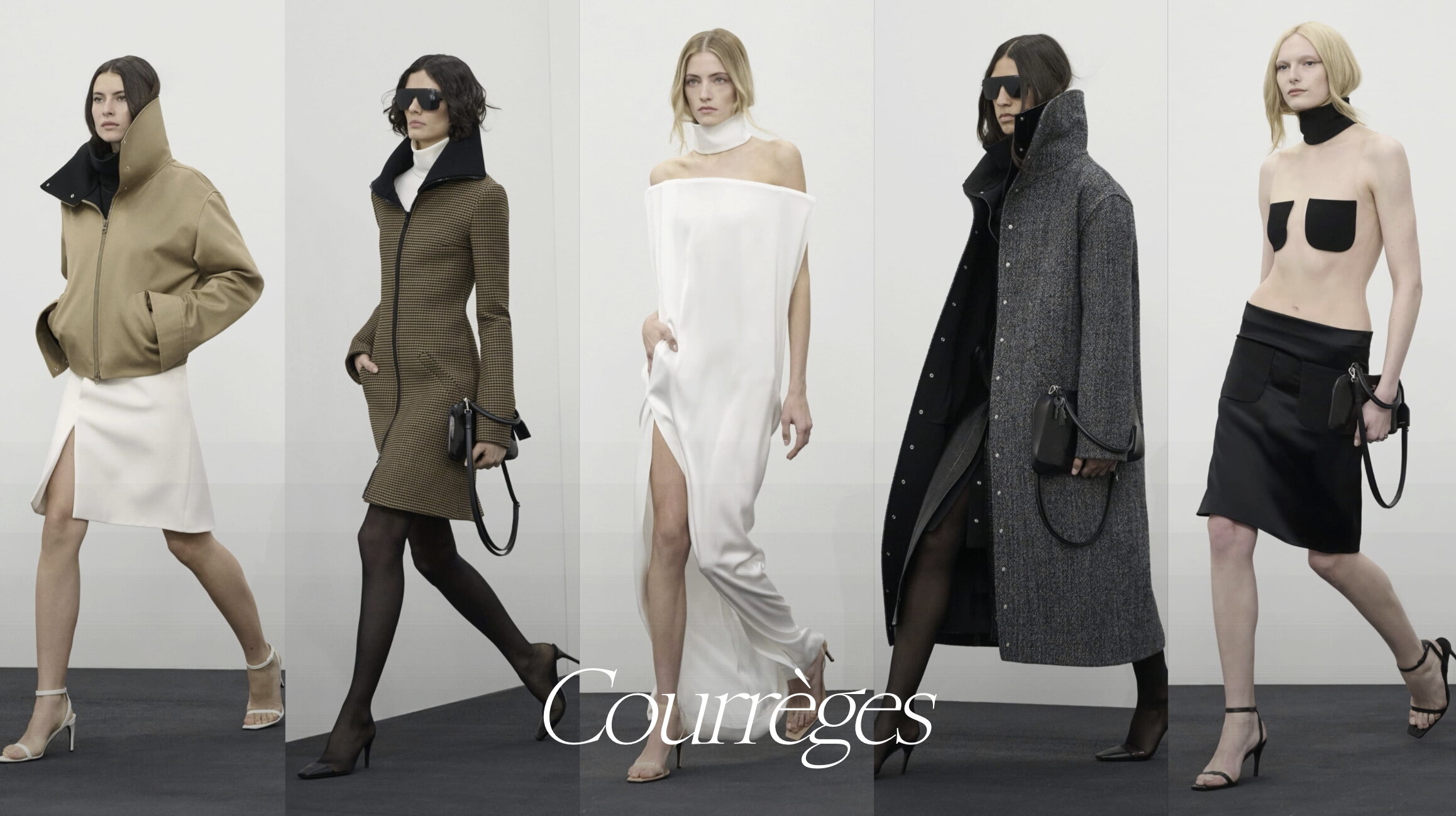
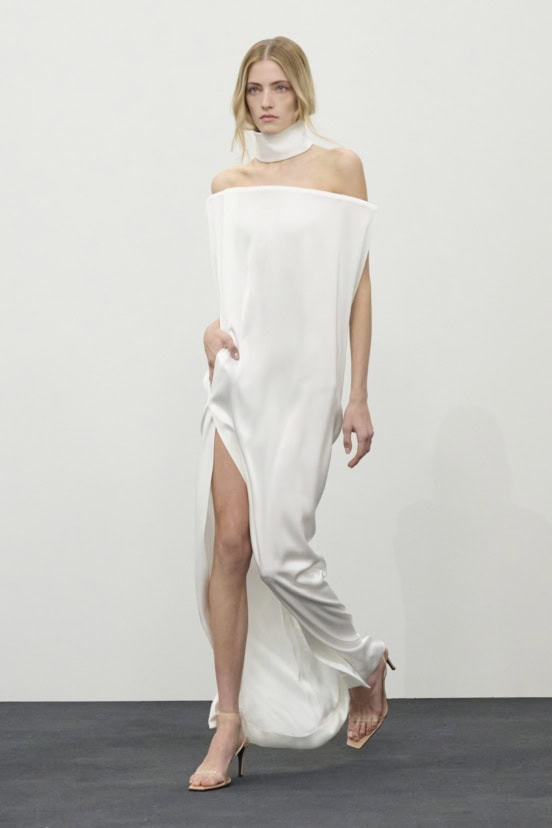
The collection closed in white — a color André Courrèges once treated not simply as aesthetic choice but as a symbol of light and modernity. For Di Felice, it also carried a quieter meaning: peace.
That moment captured the spirit of the season. Fall 2026 may not push the conversation forward as dramatically as some of the designer’s previous outings, but it reinforces the clarity and discipline that have become his signature. At Courrèges, the language is now firmly established. The question moving forward is how far Di Felice chooses to stretch it.