A limited-edition release transforms an iconic silhouette into a canvas for legacy, gesture, and cultural memory
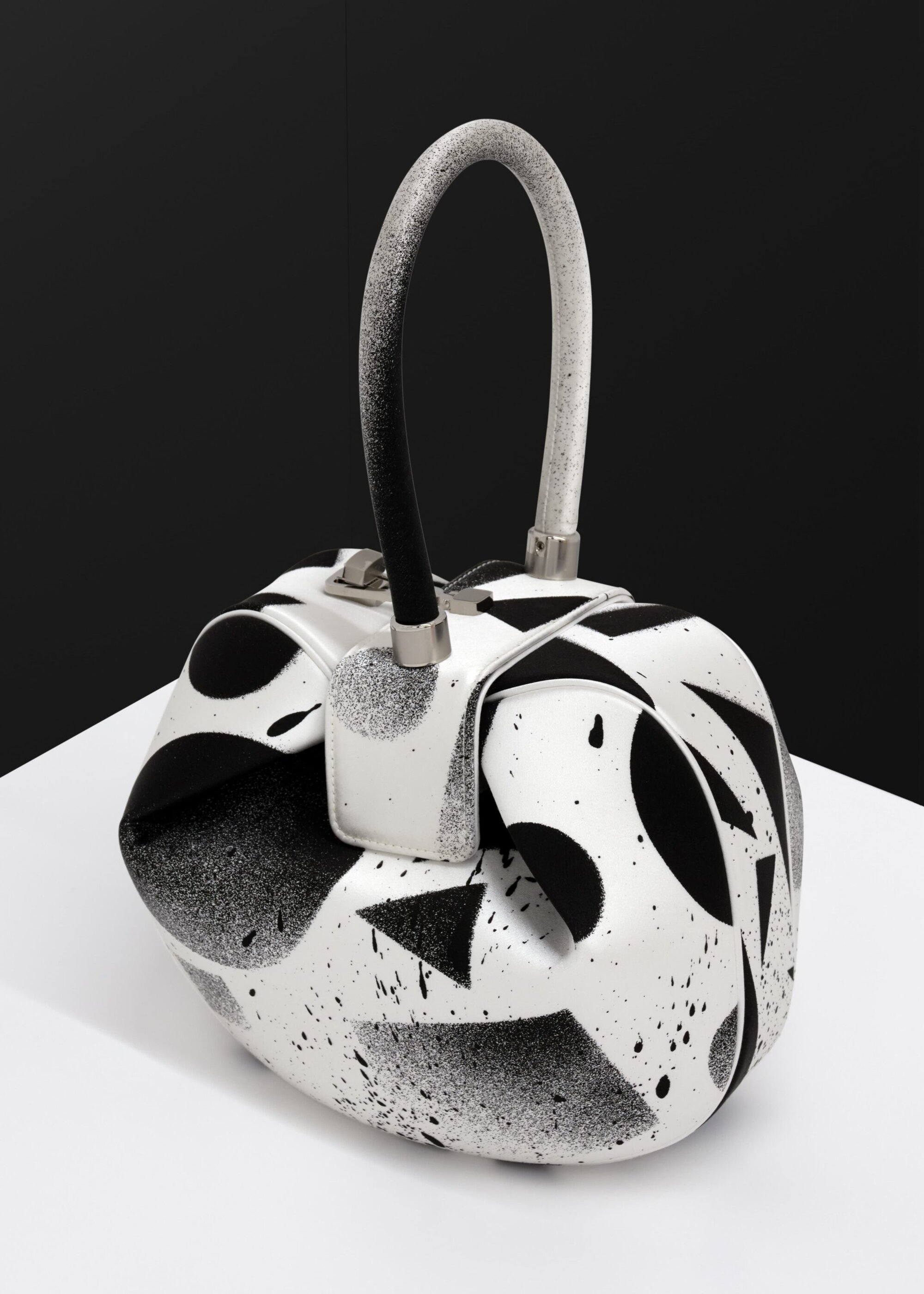
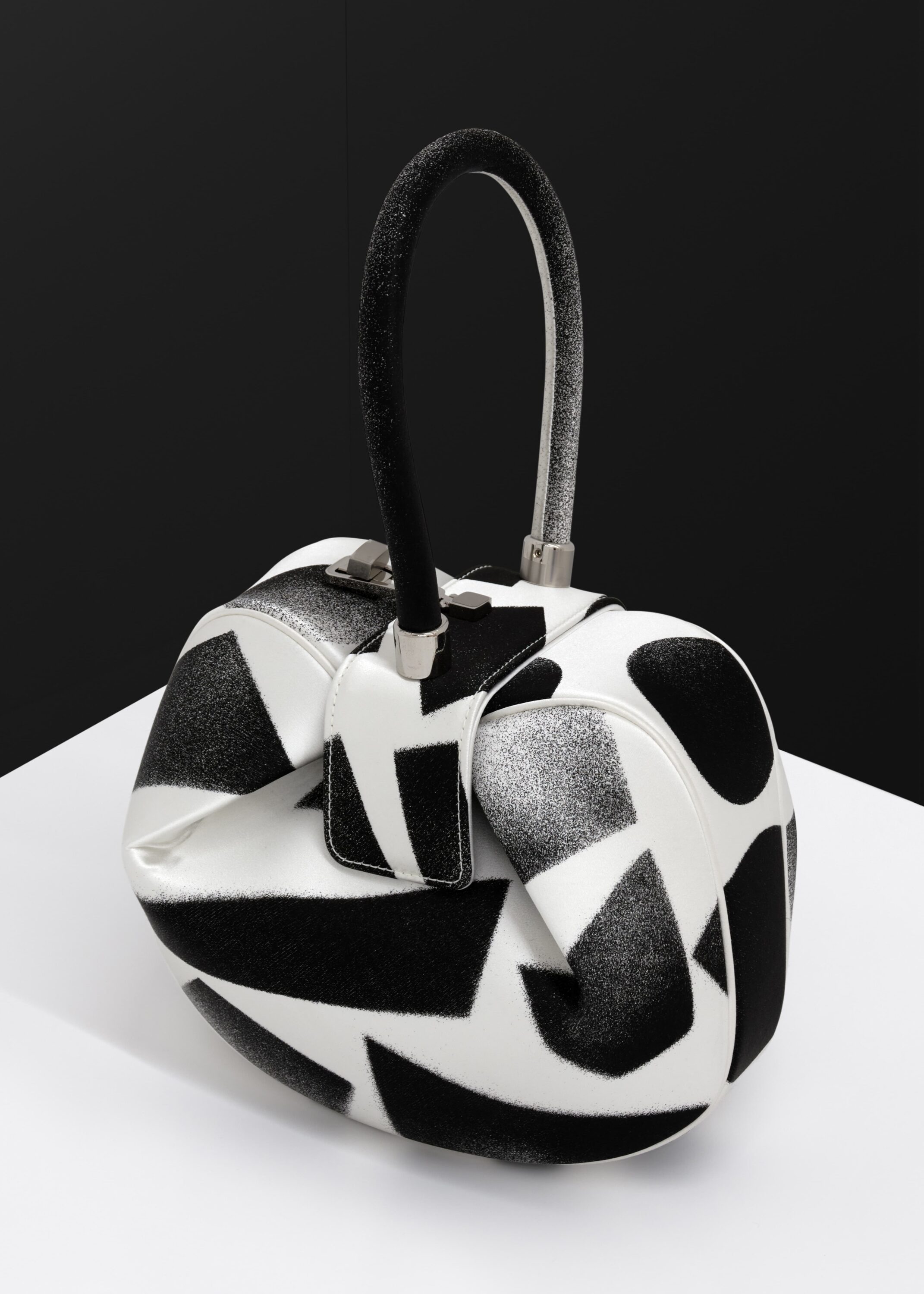
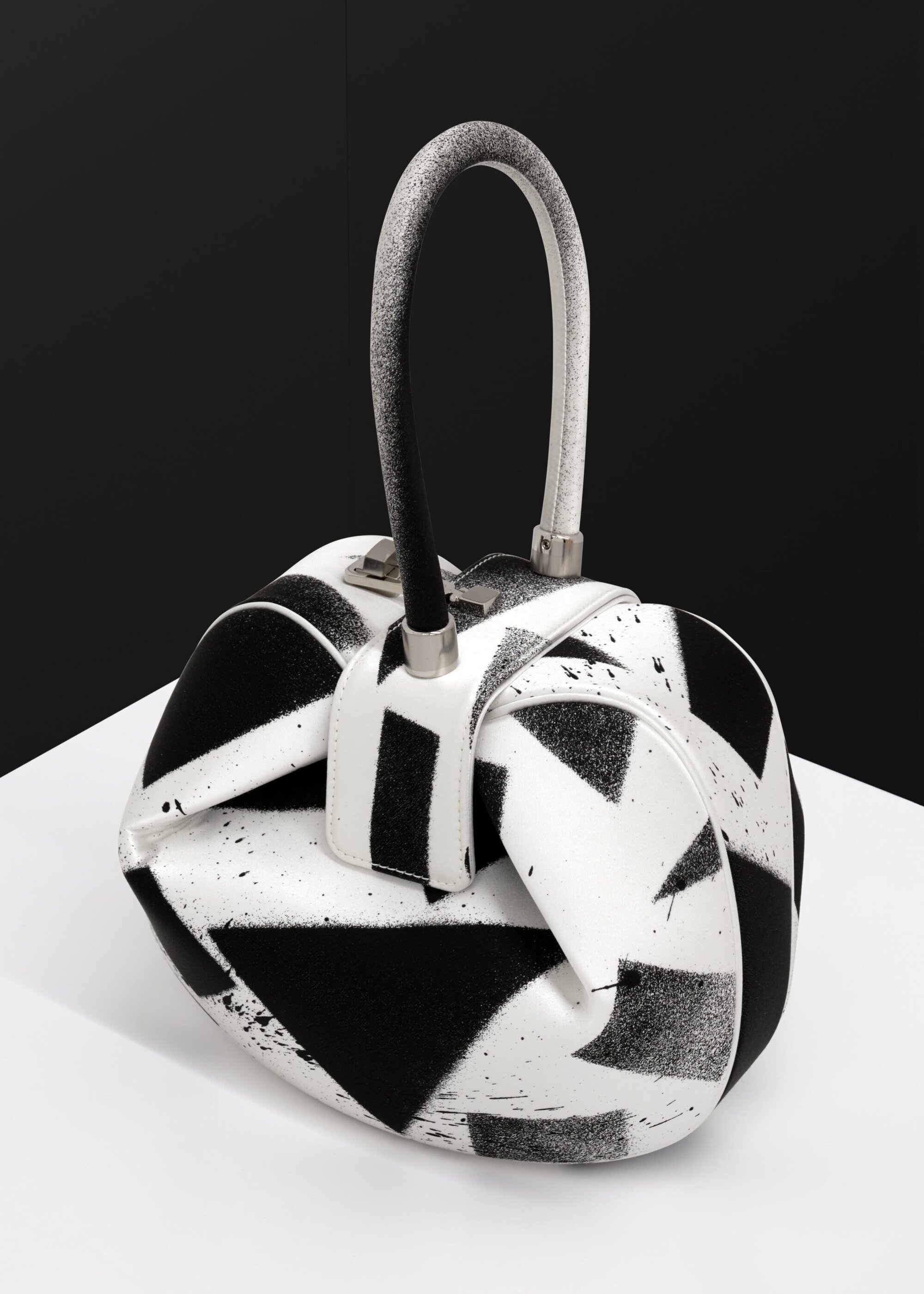
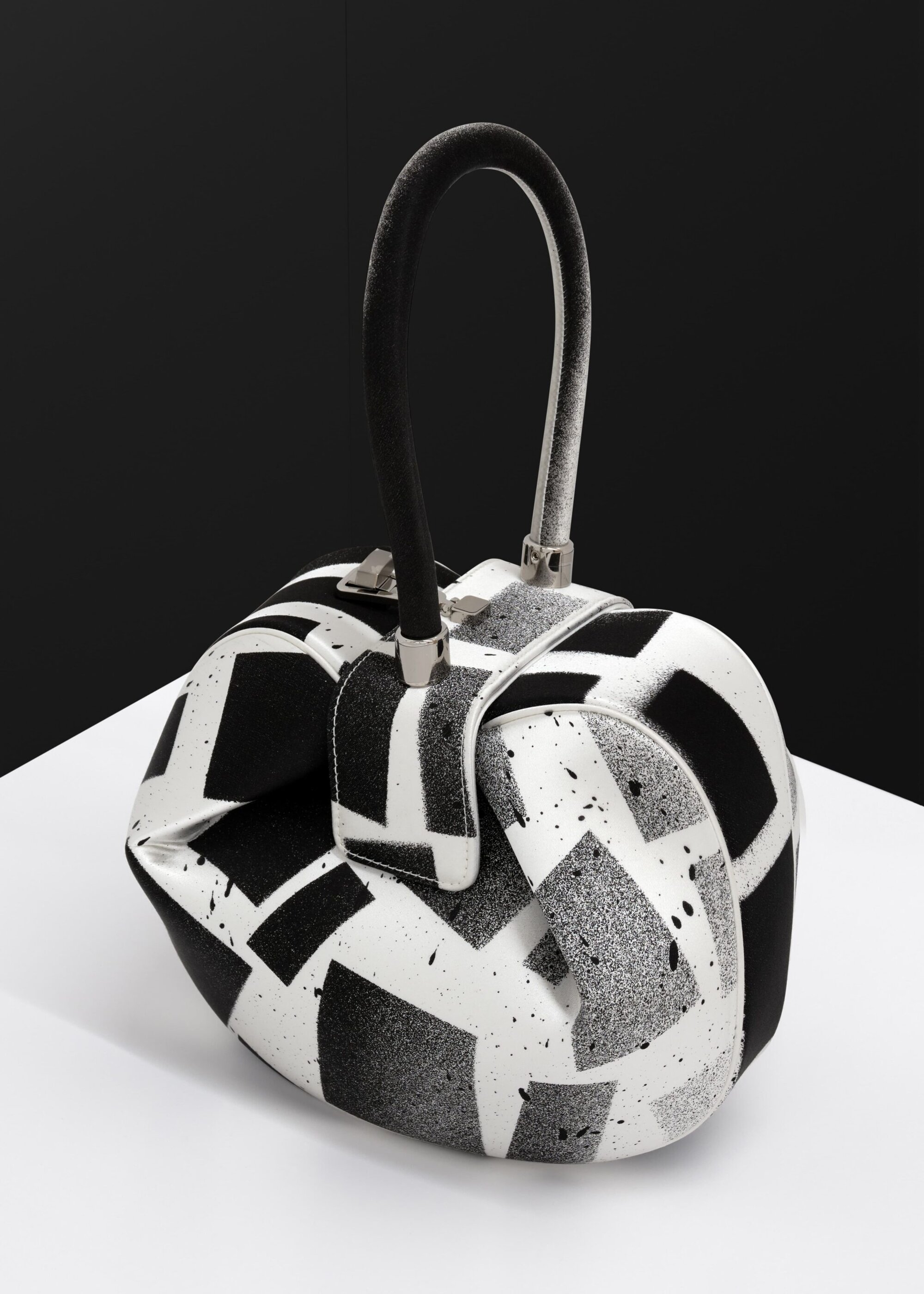
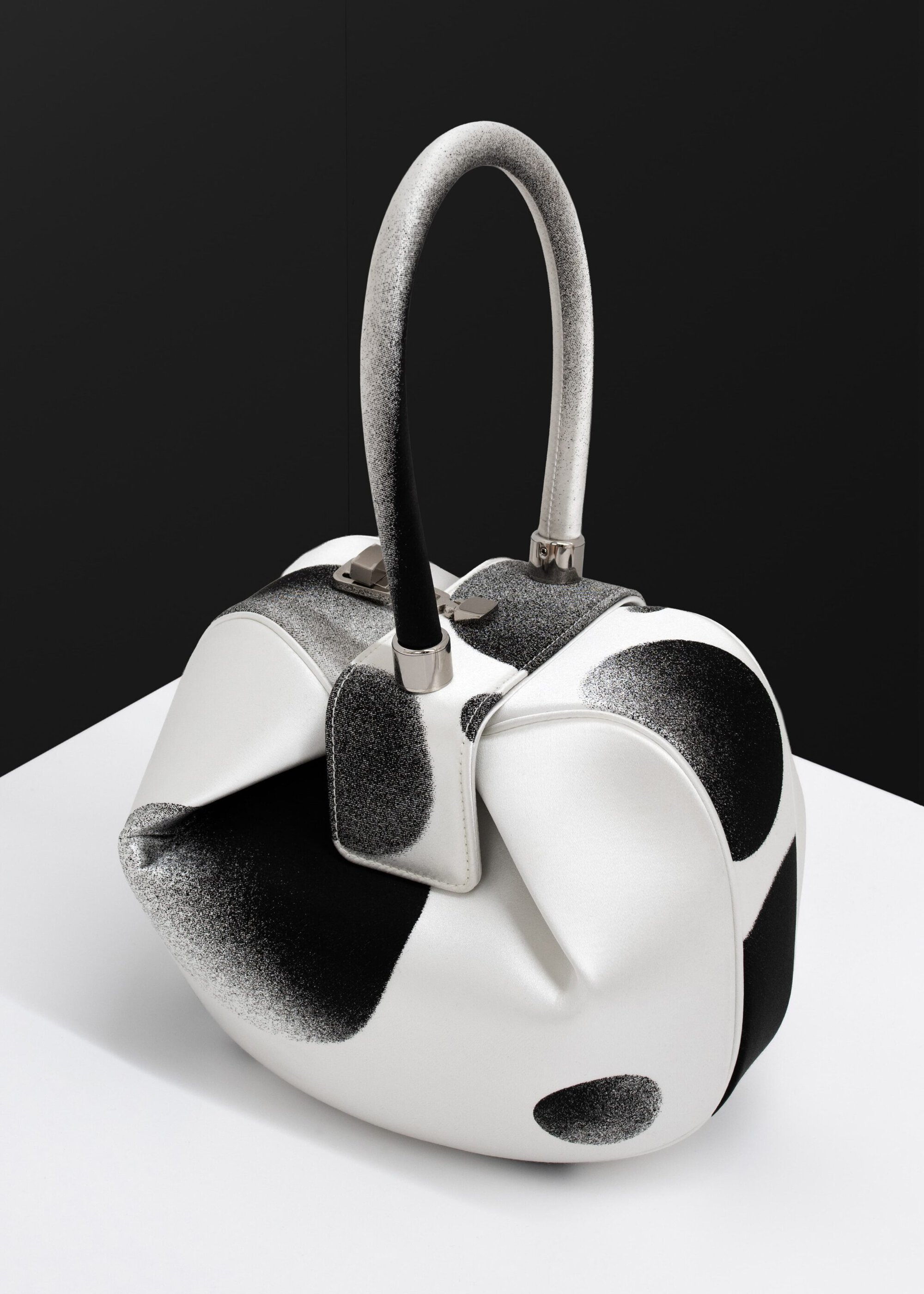
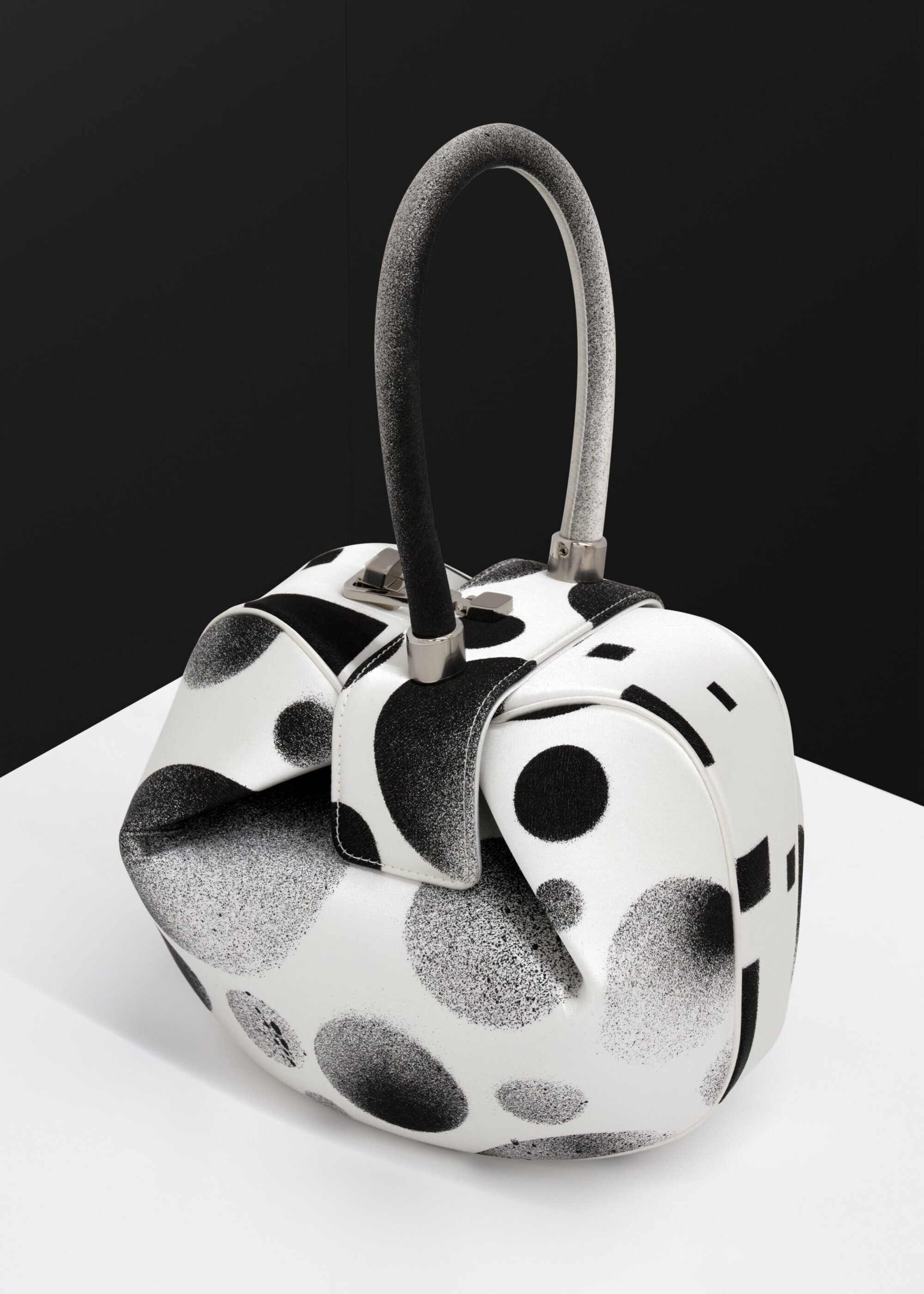
In a collaboration that feels less like a product launch and more like a quiet manifesto, Gabriela Hearst joins forces with artist Adam Pendleton to reframe the boundaries between fashion and fine art. Centered on the house’s signature Nina bag, the project introduces a tightly curated series of hand-painted editions that elevate the accessory into something more contemplative—an object that carries not only essentials, but intention. Rooted in a shared reverence for Nina Simone, the initiative positions the bag as both tribute and vessel, where cultural memory and material form intersect.
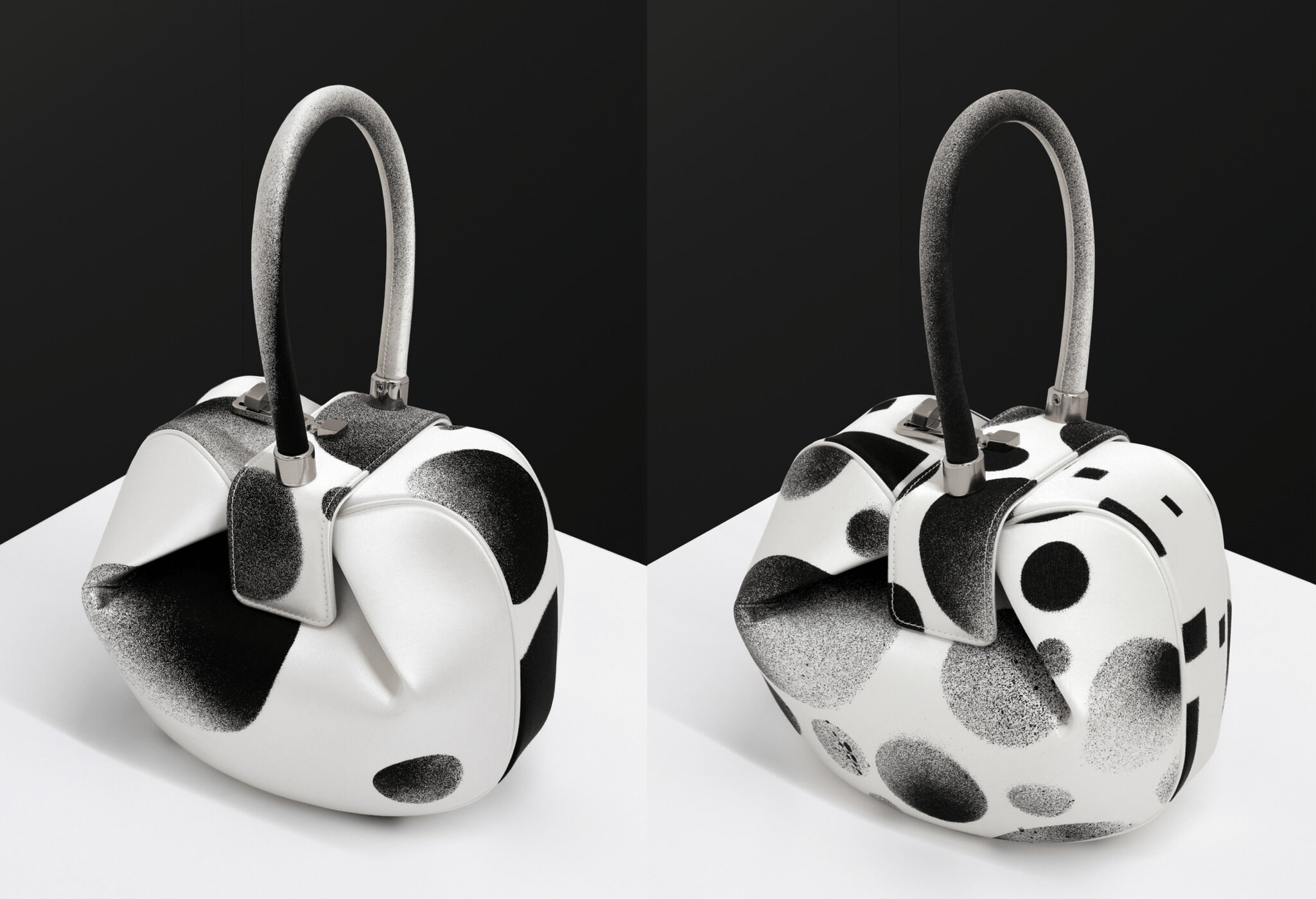
Each piece in the series is treated as singular, resisting replication in favor of nuance. Pendleton’s visual language—layered, gestural, and deliberately abstract—unfolds across the surface of the bag with a sense of controlled spontaneity. The effect is quietly striking. Rather than overwhelming the silhouette, the artwork integrates into it, allowing Hearst’s disciplined approach to craftsmanship to hold the composition together. The result is a tension between structure and expression, where the bag exists simultaneously as design object and painted surface.
What resonates most is the project’s sense of purpose. In an industry often drawn to spectacle, this collaboration opts for intimacy, grounding its narrative in both artistic dialogue and cultural preservation. Proceeds directed toward the safeguarding of Nina Simone’s childhood home lend the work a dimension that extends beyond aesthetics. It becomes participatory—an invitation to engage with history not as something static, but as something carried forward. There is a clarity in this intention that feels aligned with Hearst’s longstanding commitment to thoughtful luxury.
If there is a question lingering, it lies in accessibility. With such a limited number of pieces, the project inevitably exists within a rarefied space, more collectible than communal. Yet perhaps that exclusivity is part of its language—an echo of the singularity it seeks to preserve. In the end, the Nina bag does not attempt to resolve the tension between art and fashion; it inhabits it. And in doing so, it reminds us that some objects are not meant to be owned so much as understood.