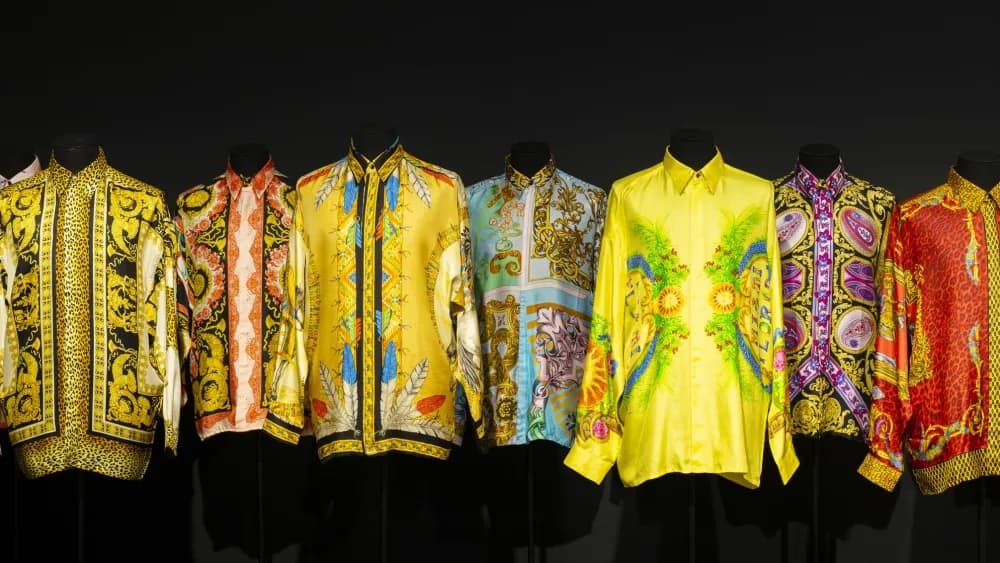
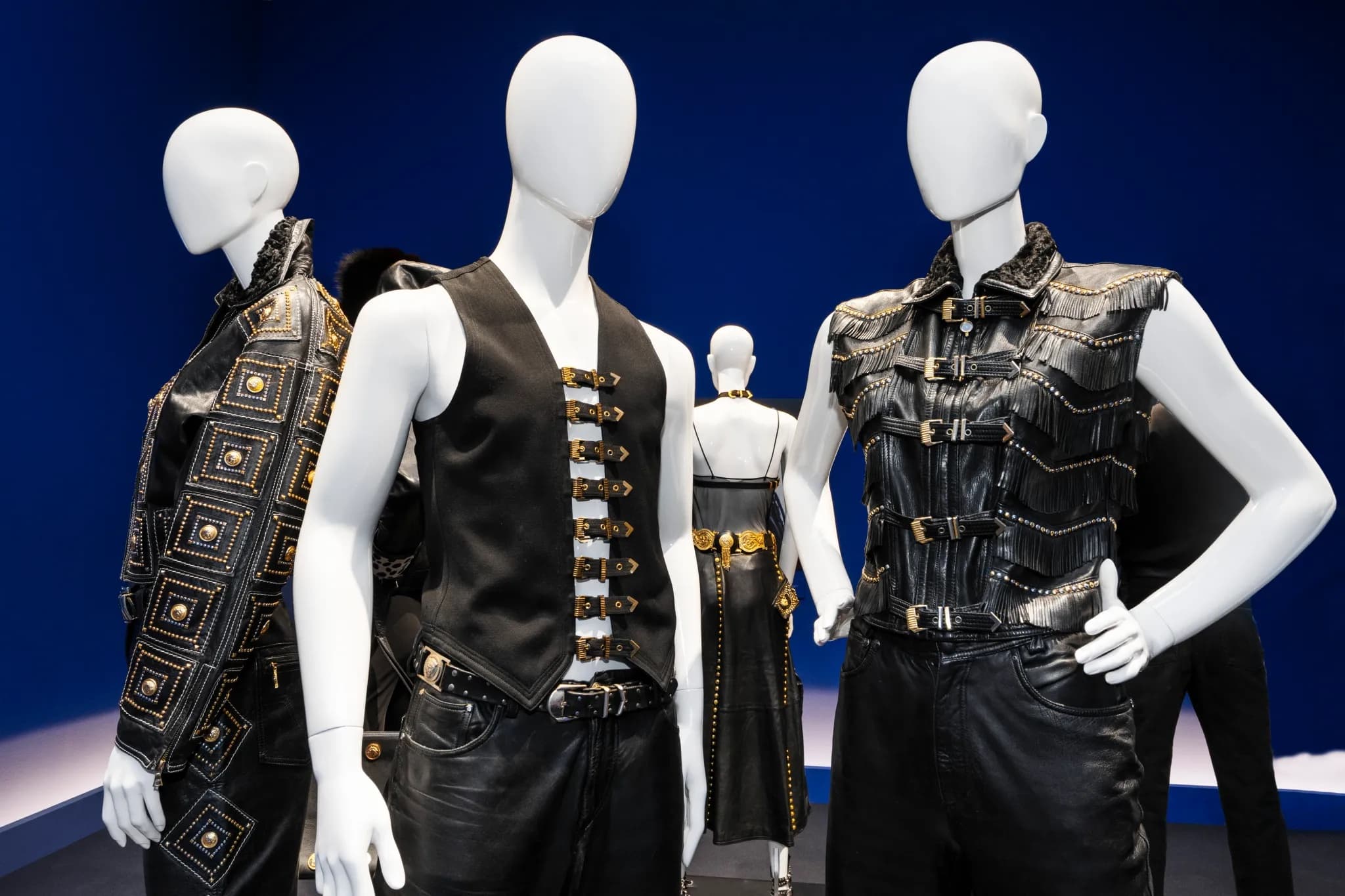
Musée Maillol turns to fashion for the first time, tracing the designer’s enduring legacy through nearly 450 works
Paris prepares to revisit one of fashion’s most magnetic forces as Gianni Versace takes center stage at Musée Maillol this summer. Opening June 5, the retrospective marks a notable shift for the institution—long associated with photography and fine art—into the realm of fashion. Nearly three decades after Versace’s passing, the exhibition arrives not as a moment of nostalgia, but as a reassertion of his ongoing cultural resonance.
Spanning close to 450 pieces, the exhibition assembles a vivid cross-section of Versace’s creative universe. Garments, sketches, accessories, and archival imagery unfold alongside rare video materials, offering a layered portrait of a designer who blurred the boundaries between fashion, art, and popular culture. From his early influences in Calabria to his embrace of spectacle and sensuality, the presentation traces a trajectory that feels as expansive as it is immediate.
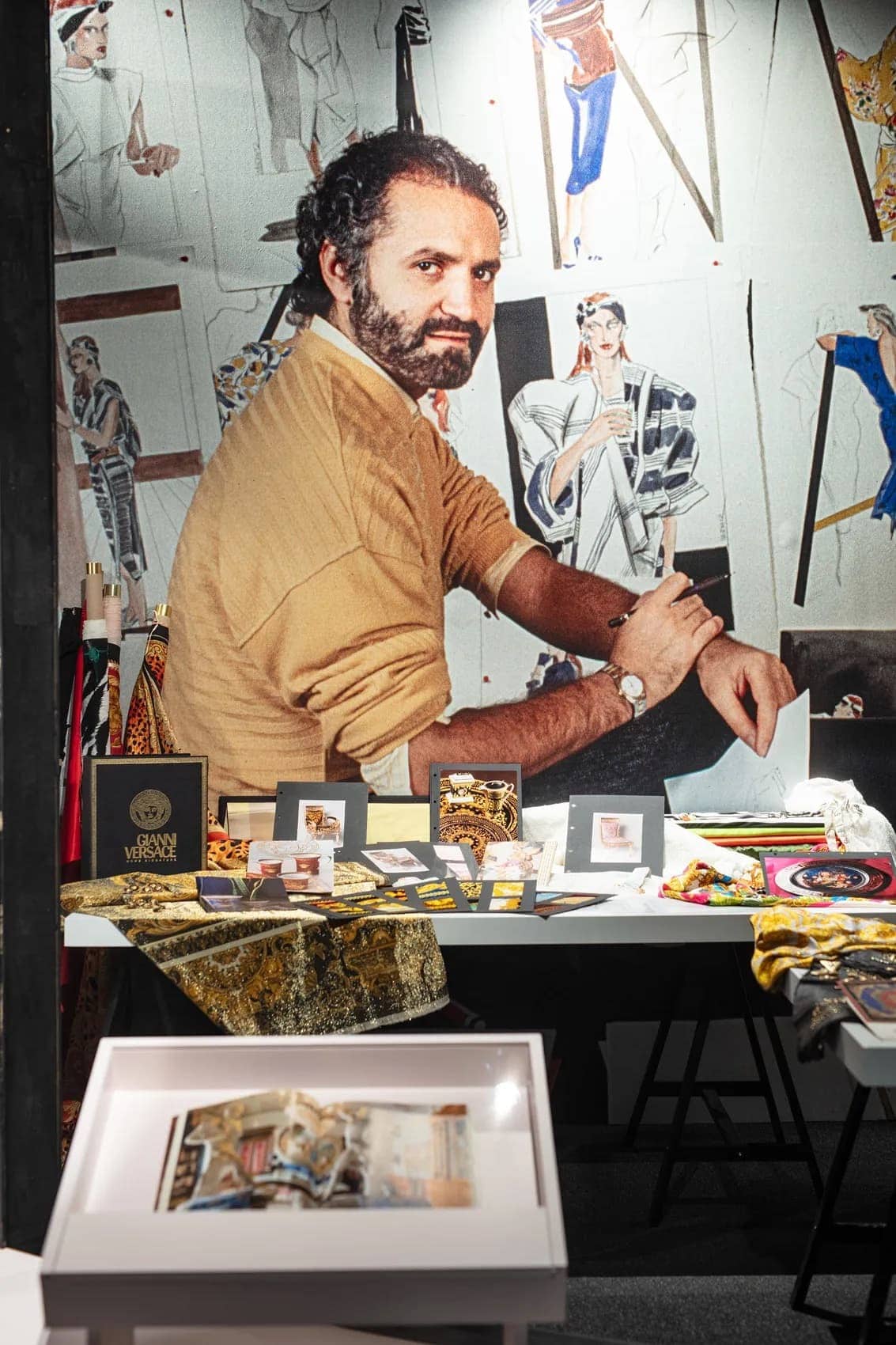
The scenography leans into that theatricality. Conceived with a pop-inflected sensibility, the exhibition channels the bold visual language that defined Versace’s work—where color, pattern, and excess were never incidental, but integral. Equally present is the social landscape that shaped his rise: the era of the supermodel, the symbiotic relationship with music icons, and the designer’s instinct for aligning fashion with the pulse of contemporary life. His connection to Paris itself also surfaces, recalling the moment he brought his couture collections to the city at the close of the 1980s.
What emerges is less a retrospective in the traditional sense and more a living dialogue between past and present. Versace’s vision—rooted in contradiction, where classicism meets provocation—continues to echo across today’s fashion landscape. In stepping into fashion for the first time, Musée Maillol does more than expand its programming; it acknowledges a truth the industry has long understood. Some legacies don’t fade—they simply wait for the right stage to reappear, louder than ever.