Review of Giorgio Armani Spring 2026 Ad Campaign by with Photographer Oliver Hadlee Pearch with models Vittoria Ceretti, Clément Chabernaud, Aboubakar Conte, Zhaoyi Fan, Greta Hofer
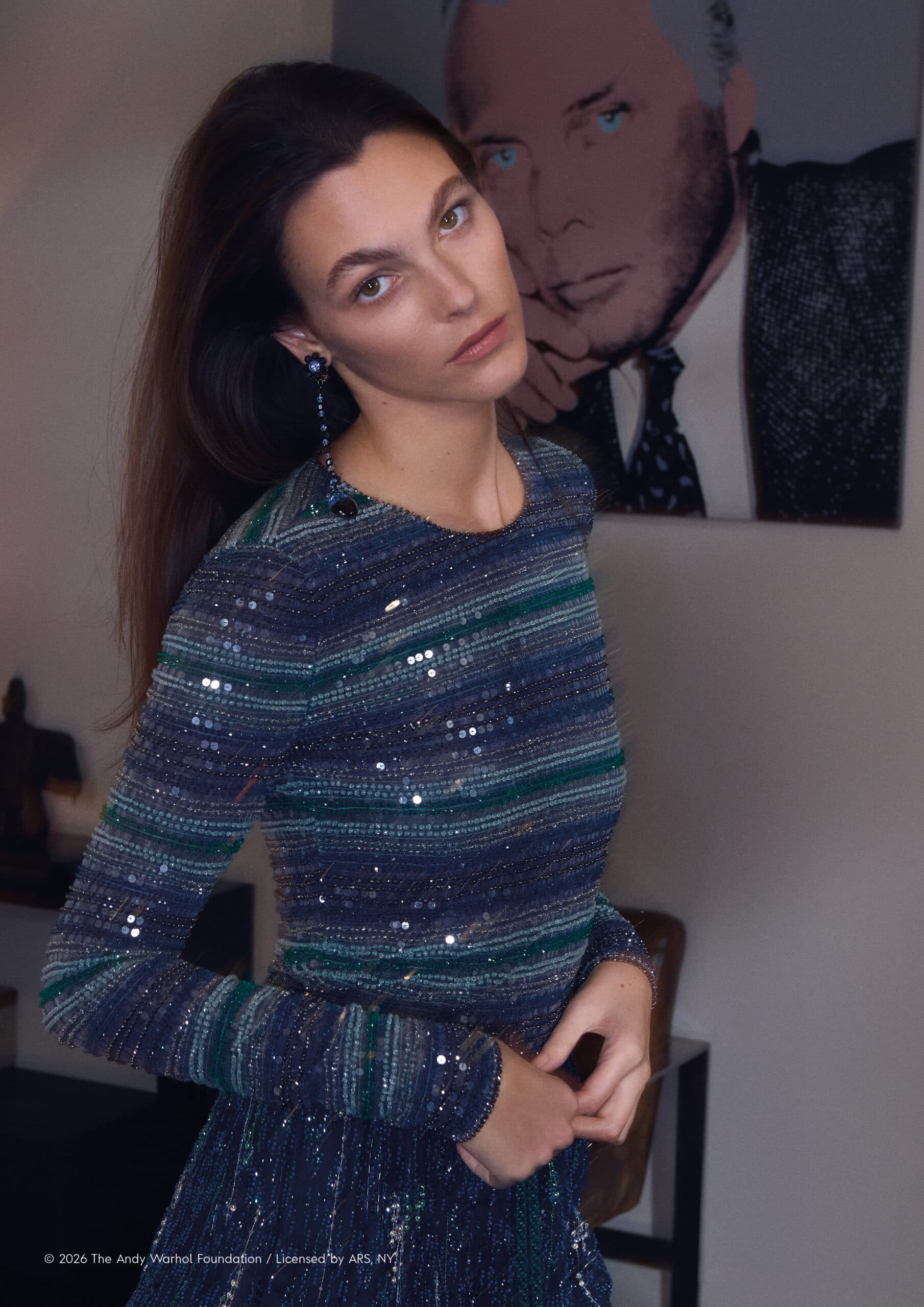
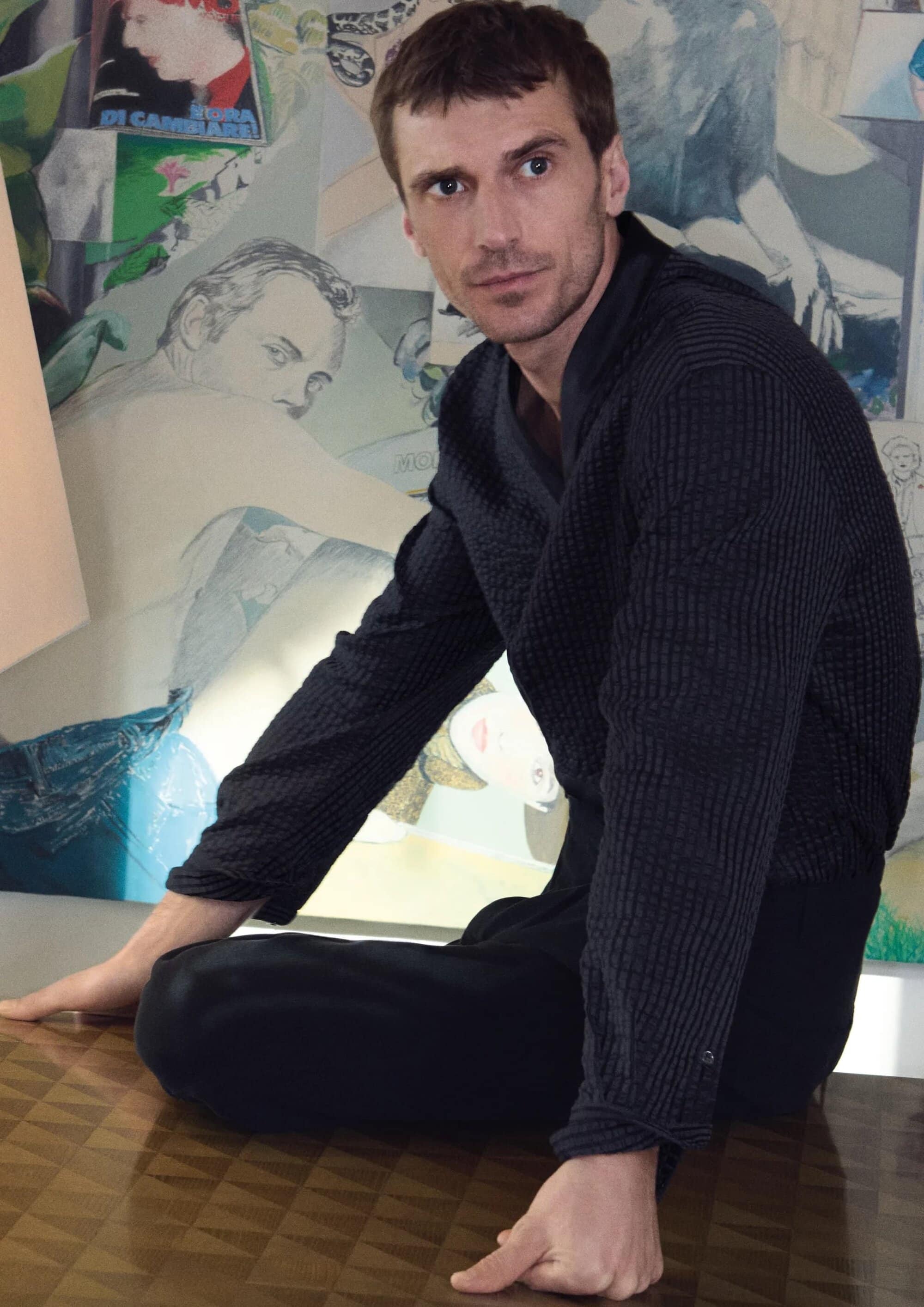
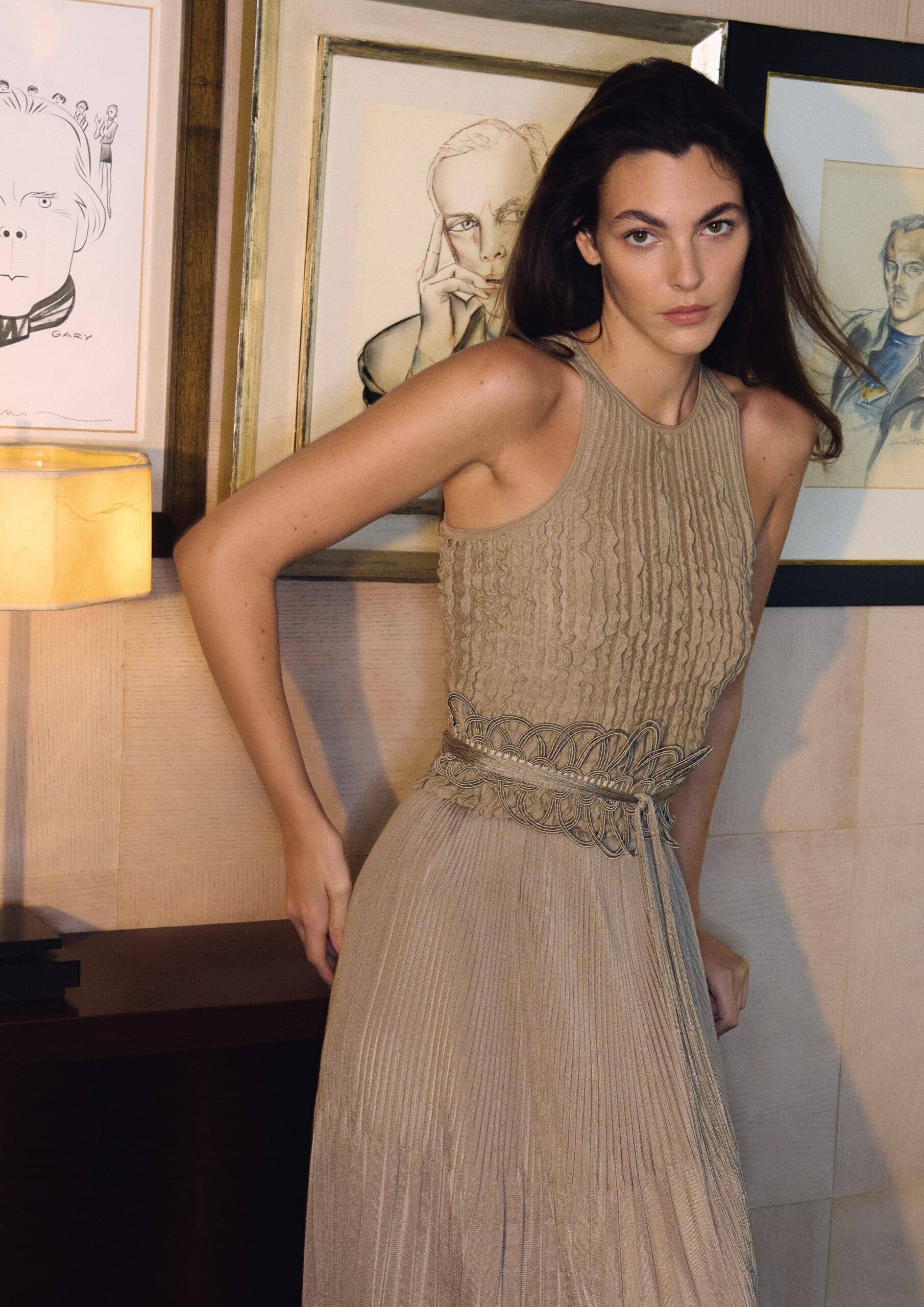
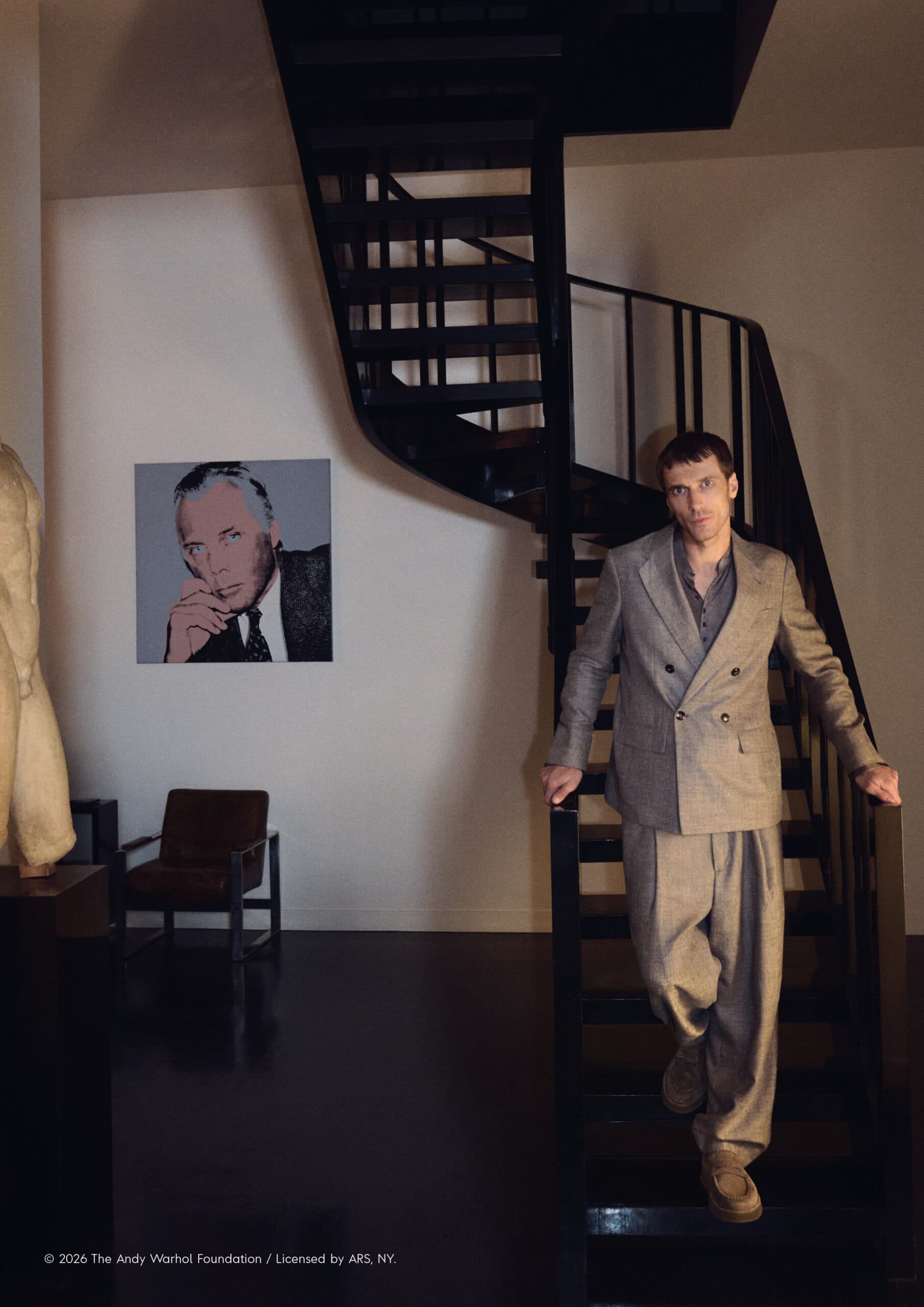
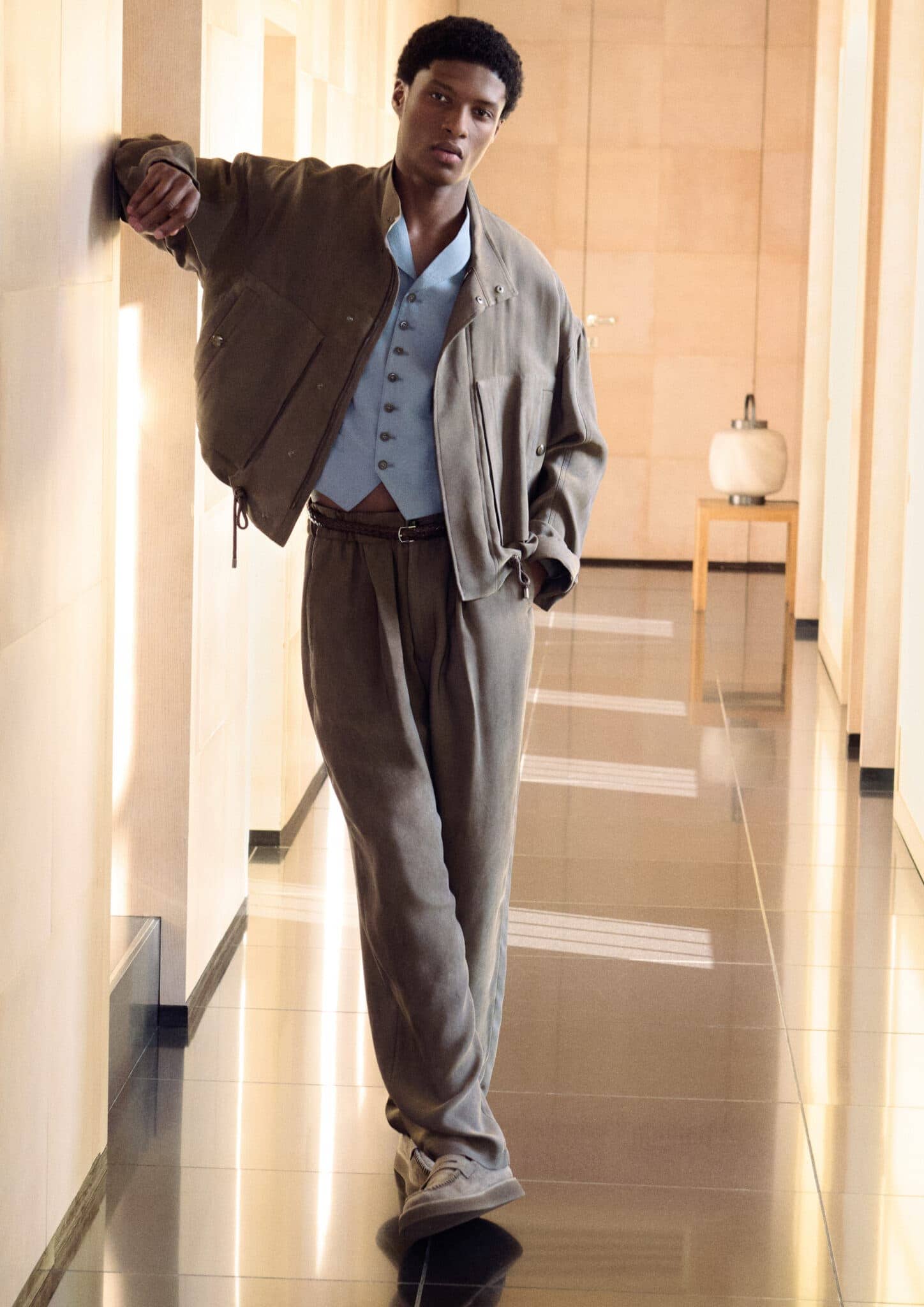
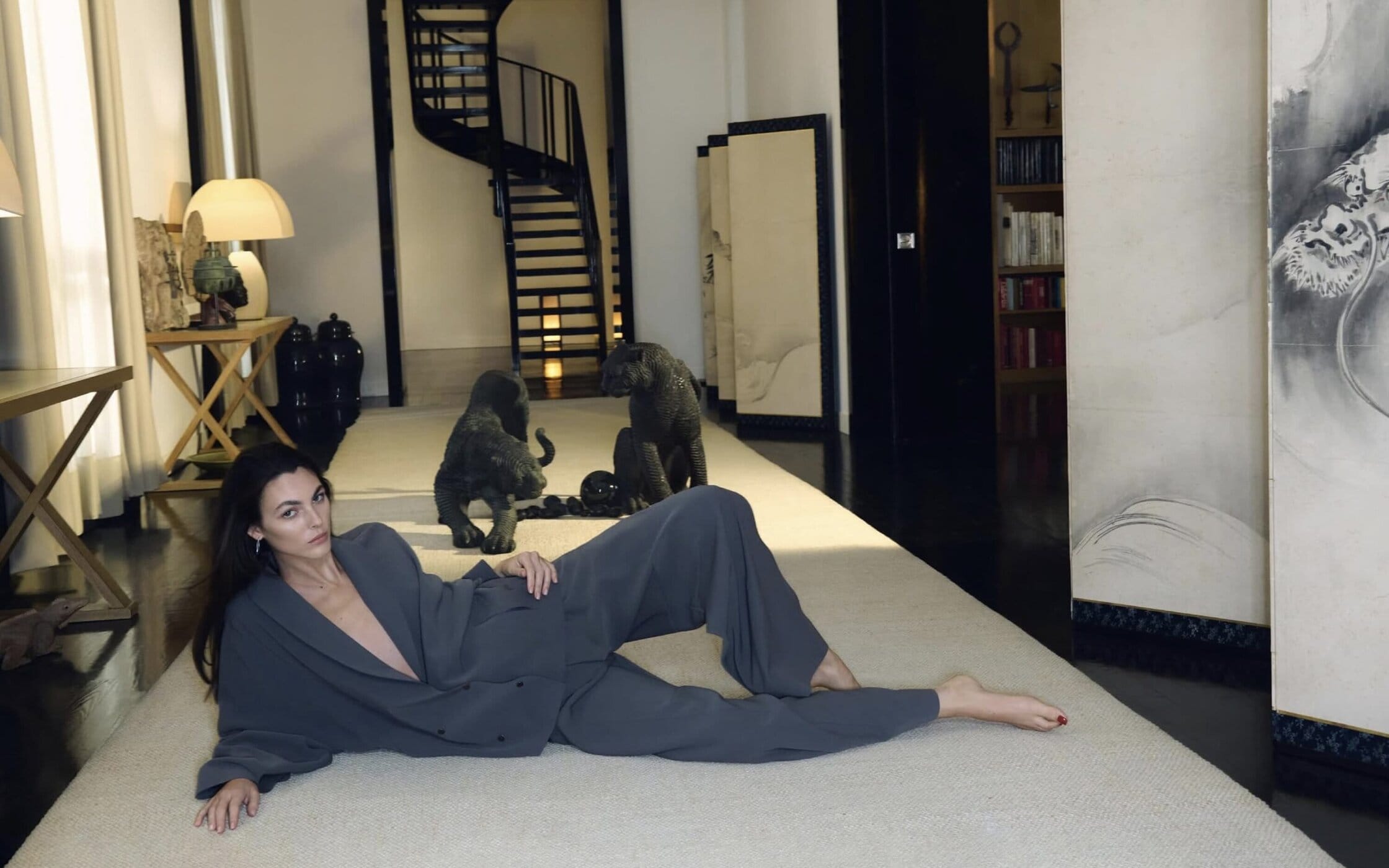
There are campaigns that sell clothes, and then there are campaigns that hold space. The Spring 2026 Giorgio Armani campaign belongs firmly to the latter. Photographed by Oliver Hadlee Pearch and fronted by Vittoria Ceretti and Clément Chabernaud, this body of work marks the final fashion collection conceived by Giorgio Armani before his death on September 4. The setting alone signals gravity: for the first time, an Armani campaign is shot inside the designer’s private residence on Via Borgonuovo in Milan. It’s an intimate choice—almost disarmingly so—and one that immediately reframes the images as something closer to a farewell letter than a traditional seasonal statement. If fashion often chases spectacle, Armani’s final word is a whisper, delivered from home.
The imagery unfolds between interiors and garden, placing Ceretti and Chabernaud amid the designer’s own objects: sculptural furnishings, Asian-inspired screens, lacquered shelves heavy with books, soft cream sofas, a fireplace that feels less staged than lived-in. The apartment doesn’t function as a backdrop so much as a collaborator. It holds Armani’s aesthetic DNA—restraint, balance, serenity—without needing to announce it. Even the presence of additional cast members, including Aboubakar Conte, Zhaoyi Fan, and Greta Hofer for the eyewear imagery, never disrupts the calm. Instead, they move through the space as if temporarily borrowing it, aware they are guests in a larger story.
What the campaign does exceptionally well is communicate continuity. This is not nostalgia for nostalgia’s sake, nor a museum-like freezing of the house codes. The clothes—fluid tailoring, softened structure, the familiar Armani ease—feel fully alive within these rooms. Shooting in the residence subtly asserts that the brand’s future is not severed from its past. That Leo Dell’Orco, Armani’s longtime partner and menswear designer, continues to live in the apartment reinforces this sense of lineage rather than closure. The campaign’s greatest strength lies in its refusal to dramatize loss; instead, it treats legacy as something quietly ongoing, embedded in taste, proportion, and atmosphere.
If there is any tension here, it’s a gentle one. The campaign’s intimacy may resist immediate spectacle in a digital-first fashion landscape that often rewards instant visual impact. Yet that restraint feels intentional, even defiant. Armani never chased trends, and this final gesture doesn’t start now. The images ask viewers to slow down, to notice details—the way light moves across fabric, the dialogue between garment and environment, the stillness that allows elegance to register. In doing so, the campaign trusts its audience, assuming patience and emotional intelligence rather than demanding attention.
In the end, Spring 2026 reads less like a campaign and more like a philosophy lesson in how to exit with grace. By opening his doors, Giorgio Armani closes a chapter not with grandeur, but with clarity. The message is unmistakable: style doesn’t need to shout to endure. Sometimes, it simply invites you in.
Designer/brands | Giorgio Armani
Photographer | Oliver Hadlee Pearch
Models | Vittoria Ceretti, Clément Chabernaud, Aboubakar Conte, Zhaoyi Fan, Greta Hofer
Location | Via Borgonuovo, Milan