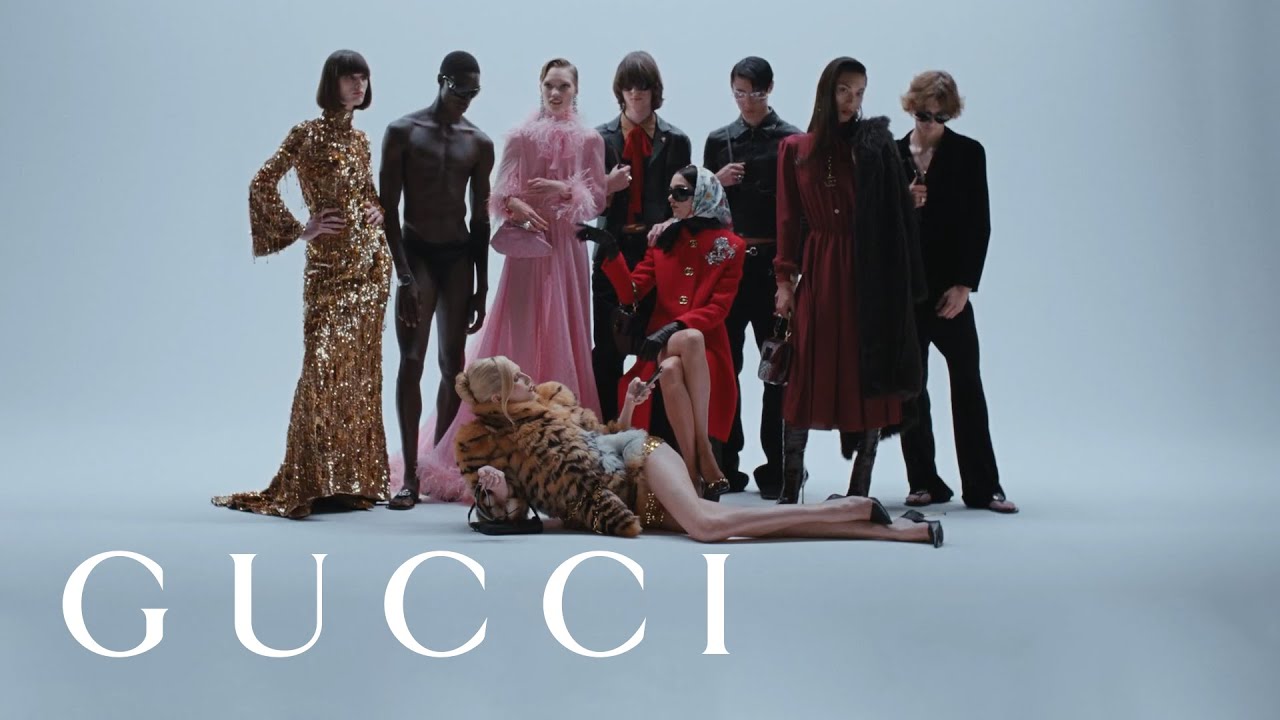
Review of Gucci ‘La Famiglia’ 2026 Ad Campaign by Gucci Creative Director Demna with Photographer Catherine Opie with models Alex Consani, Cheng Xu, Dongliang He, Francois Deaconu, Henry Rank, Keygon Baxter, Khadim Sock, Kit Butler, Lila Moss, Loic Paulmier, Maartje Convens, Mariacarla Boscono, Mathilda Gvarliani, Michael Oder, Moutti Khatri Foltz
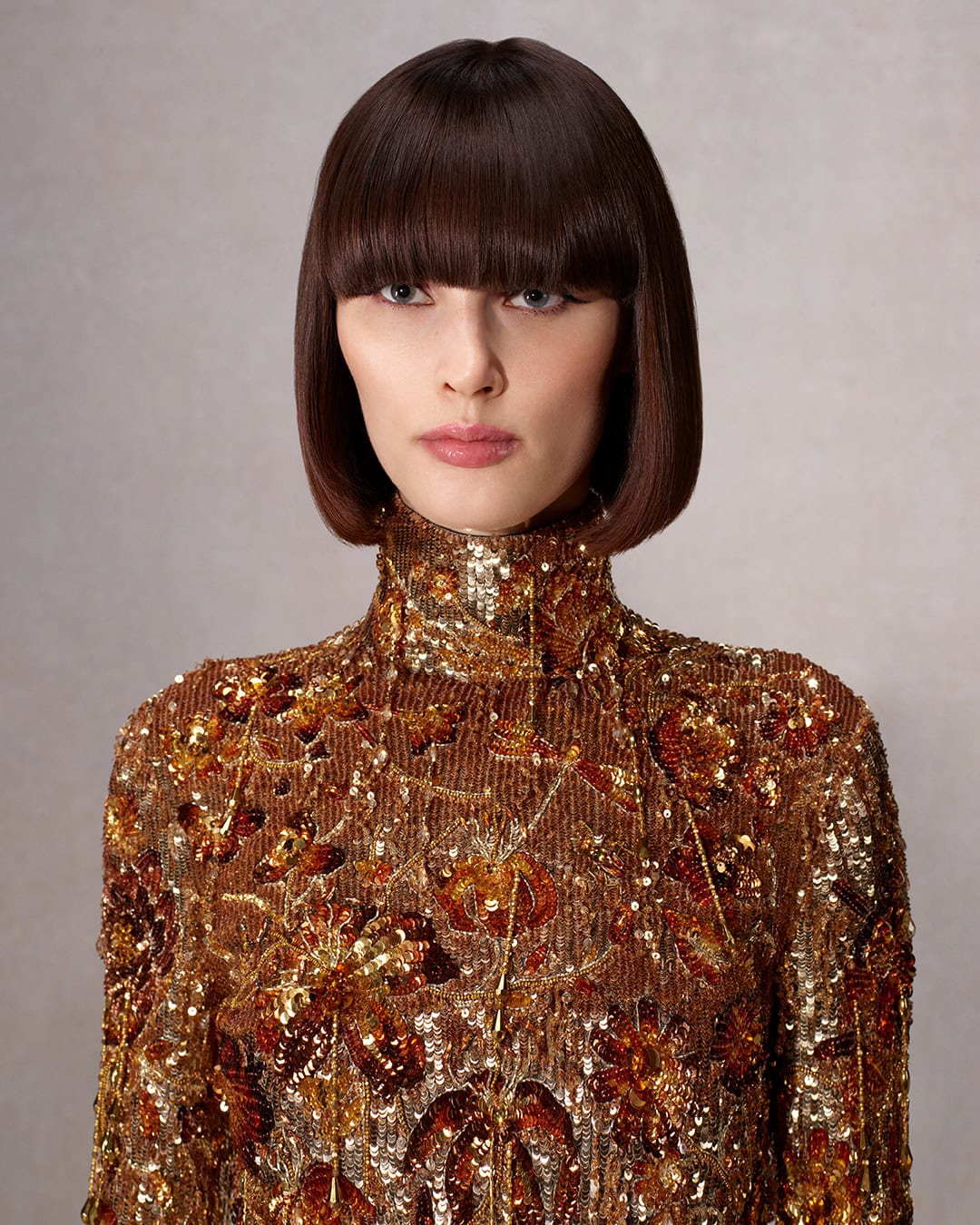
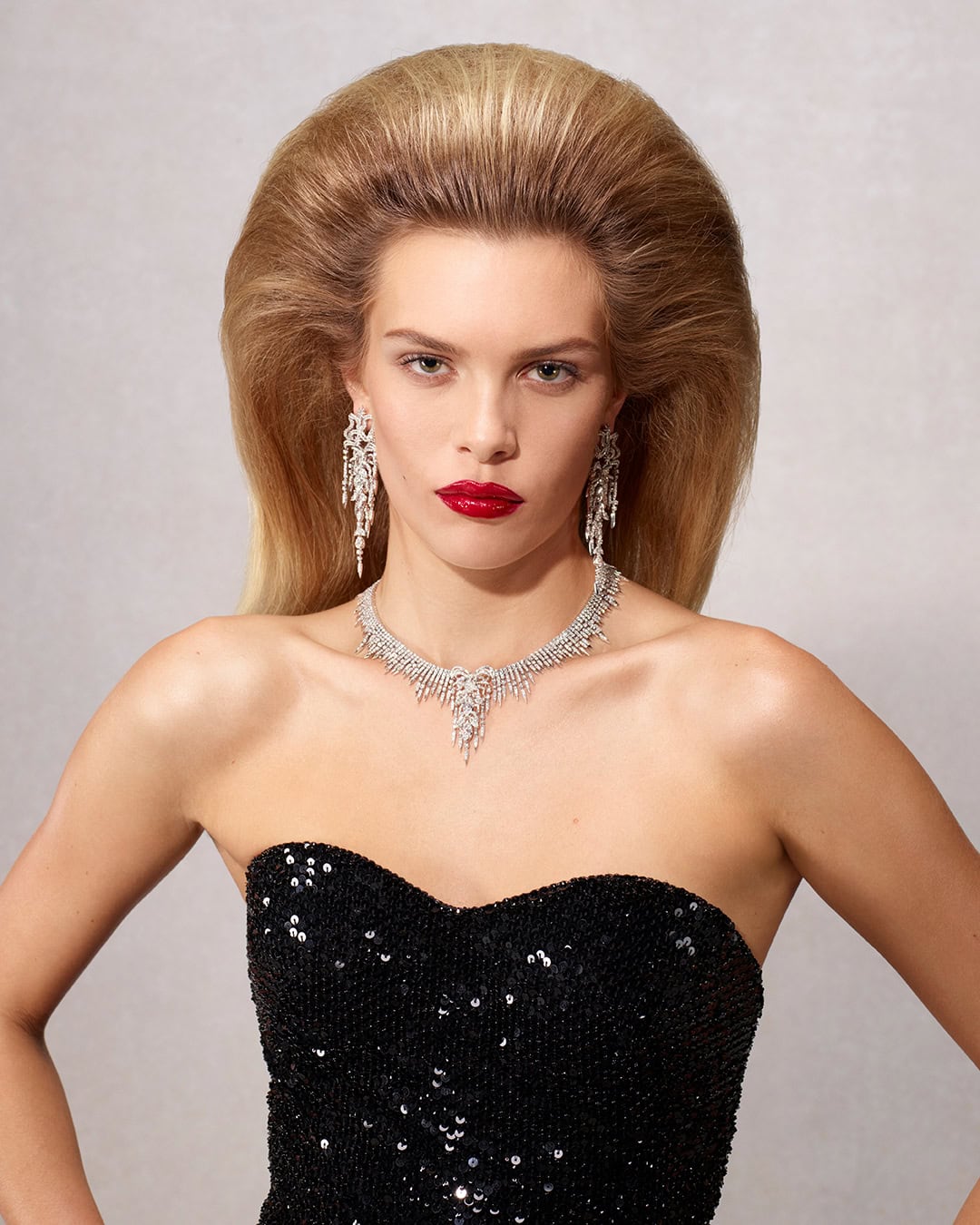
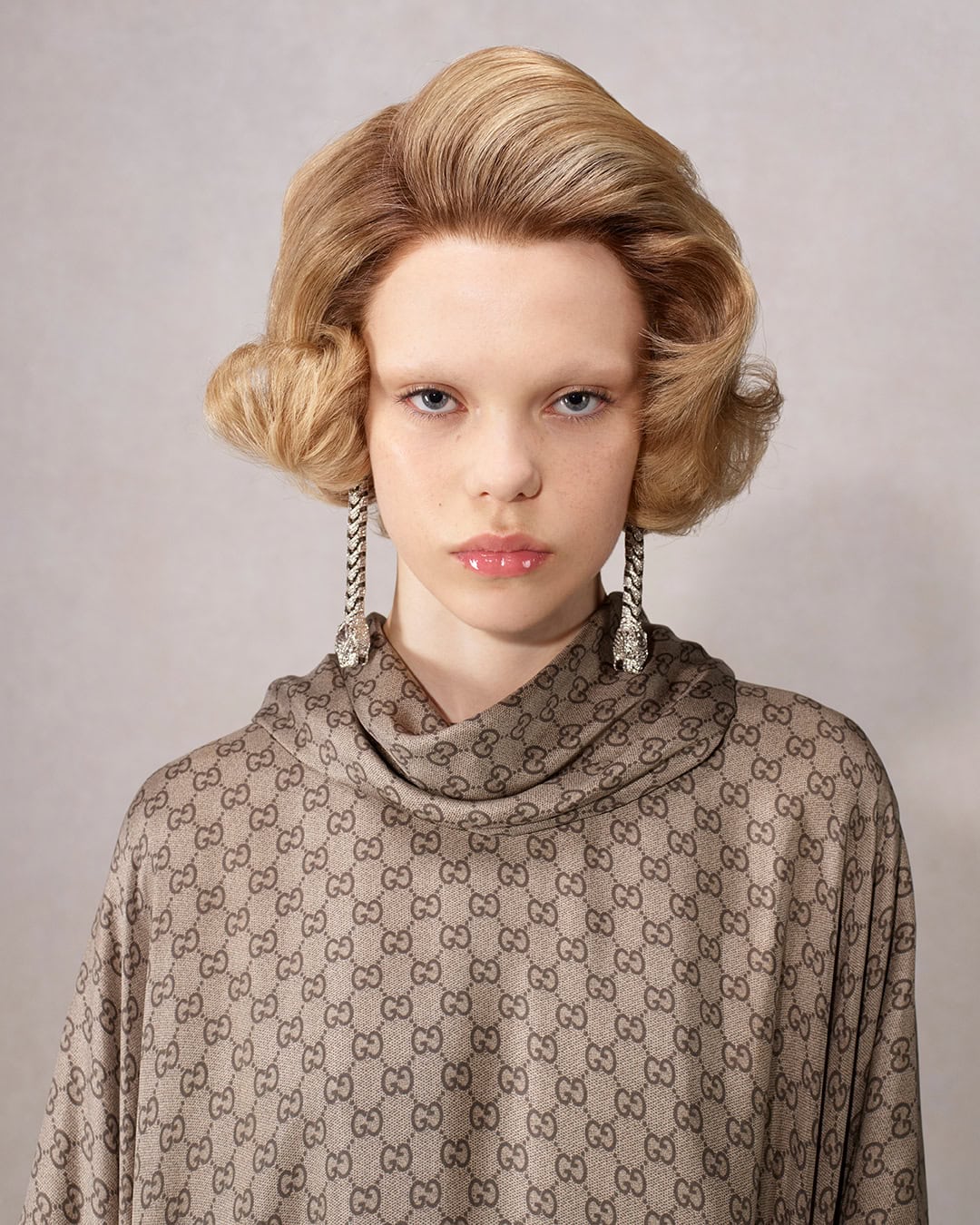
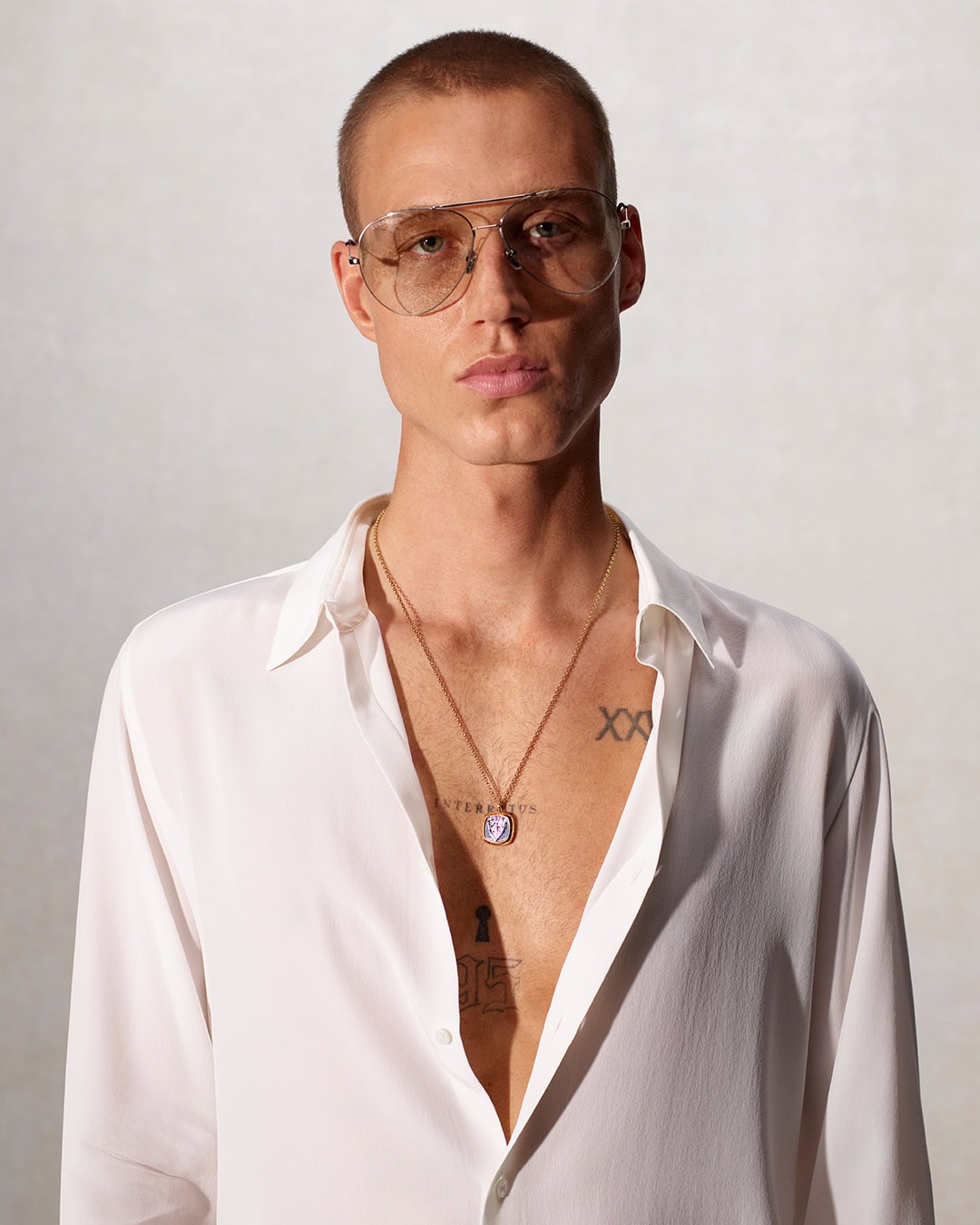
Gucci introduces La Famiglia, a campaign that arrives with a clear mandate and a heavier burden. This is the house’s first sustained visual statement under Demna, following a debut film that hinted at ambition, tension, and a recalibration of Gucci’s codes. Shot by Catherine Opie, the campaign positions itself as a portrait of characters rather than a narrative, a family album rendered in studio light, gestures paused mid-thought. The hook is implicit: a new era, assembled one persona at a time.
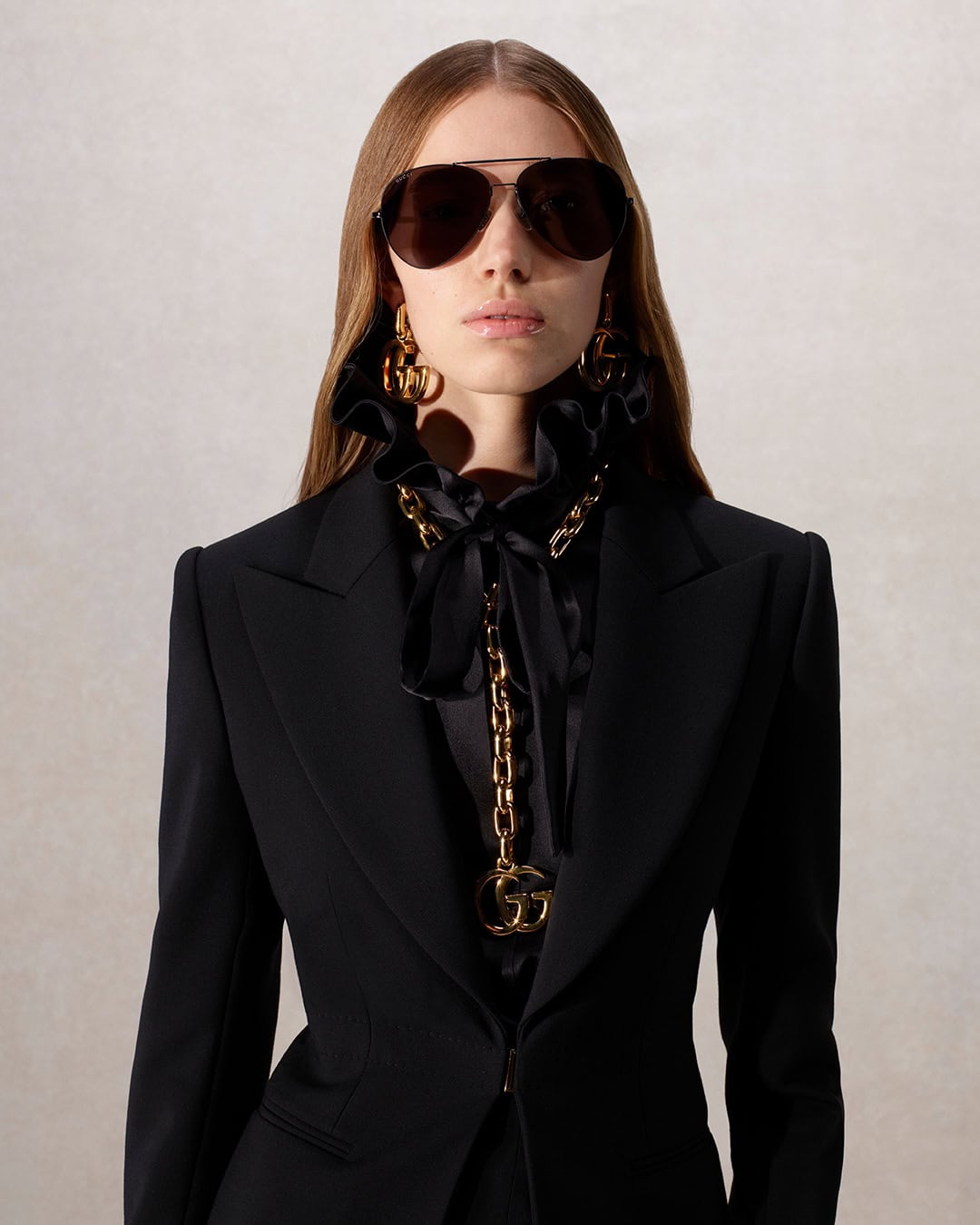
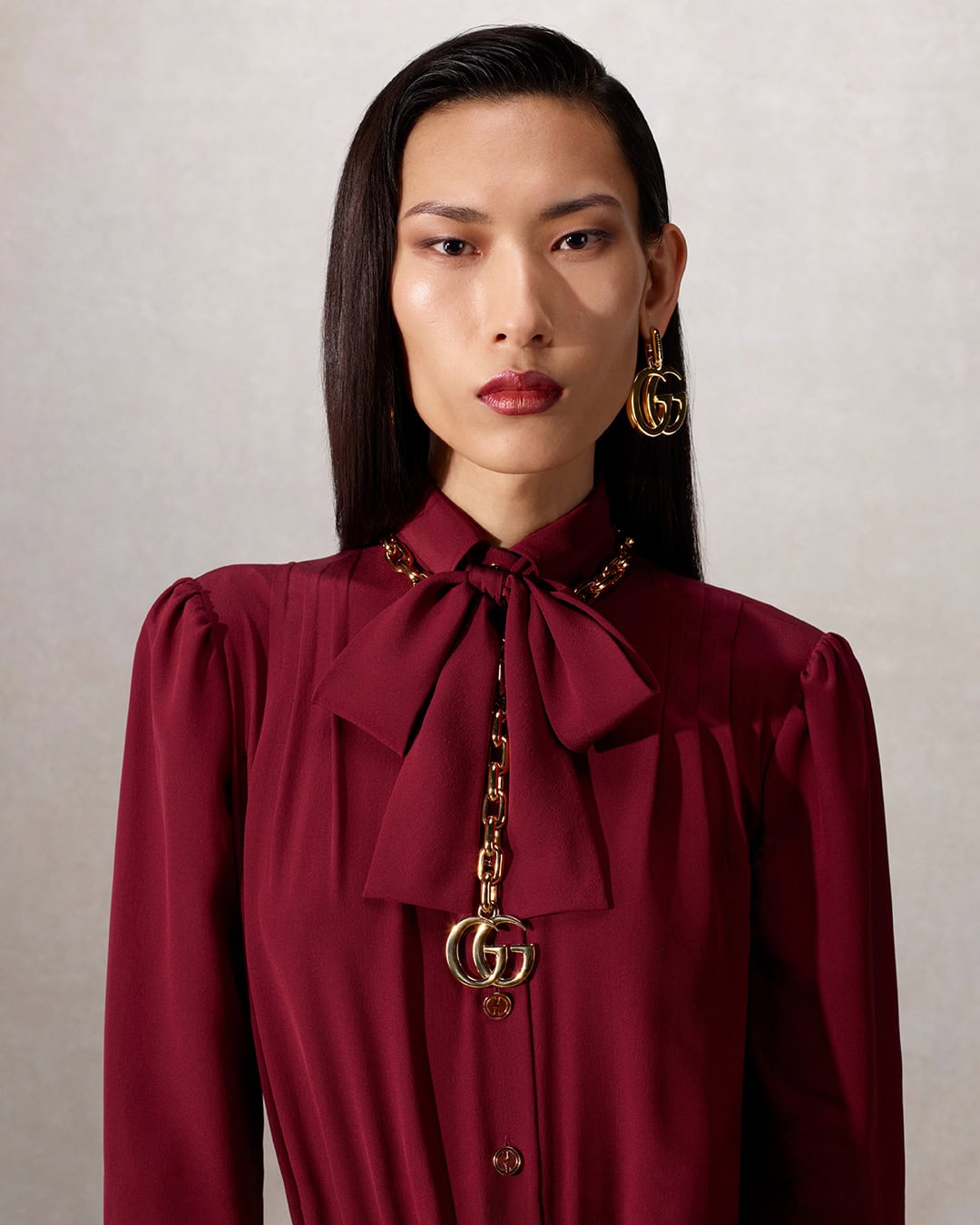
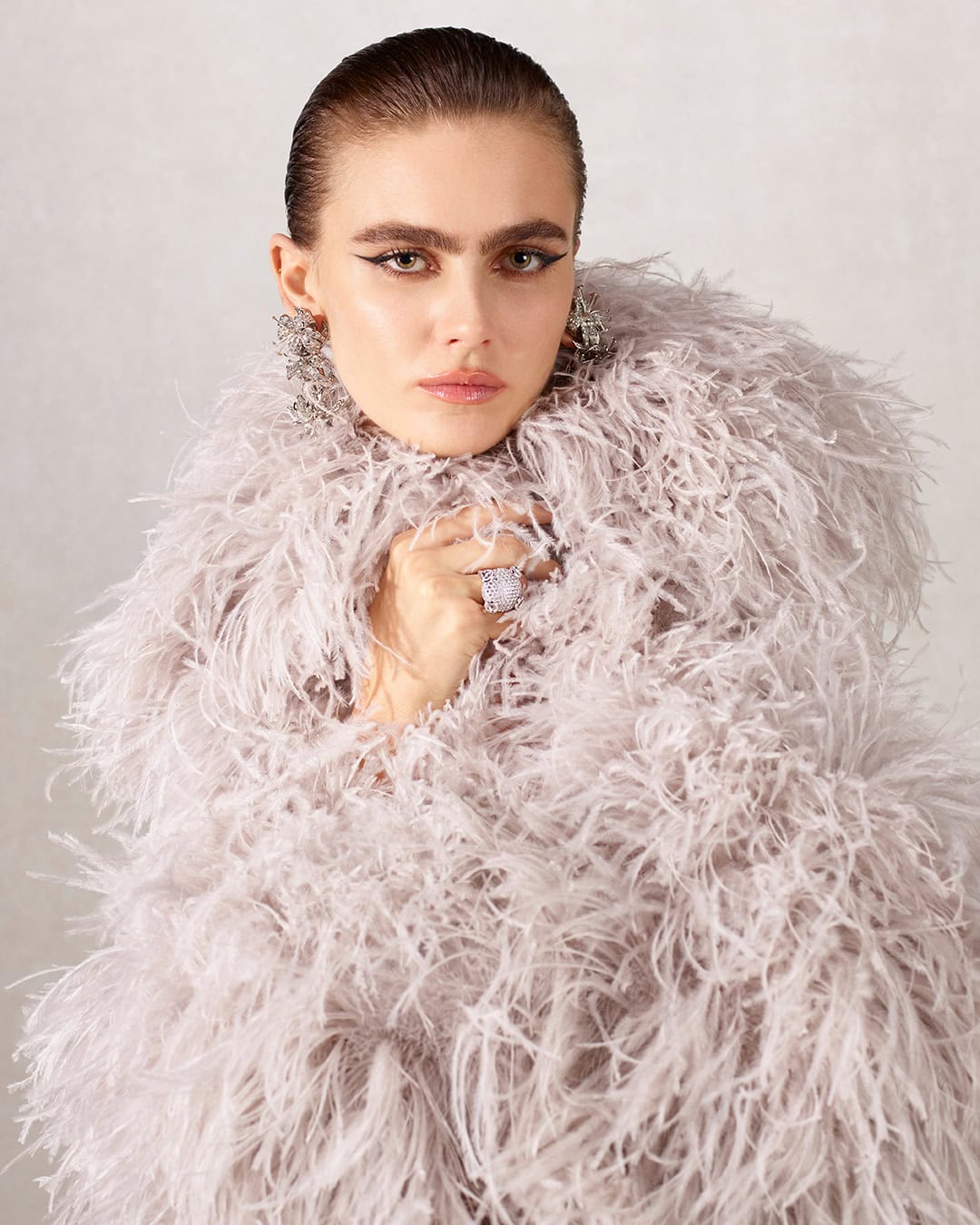
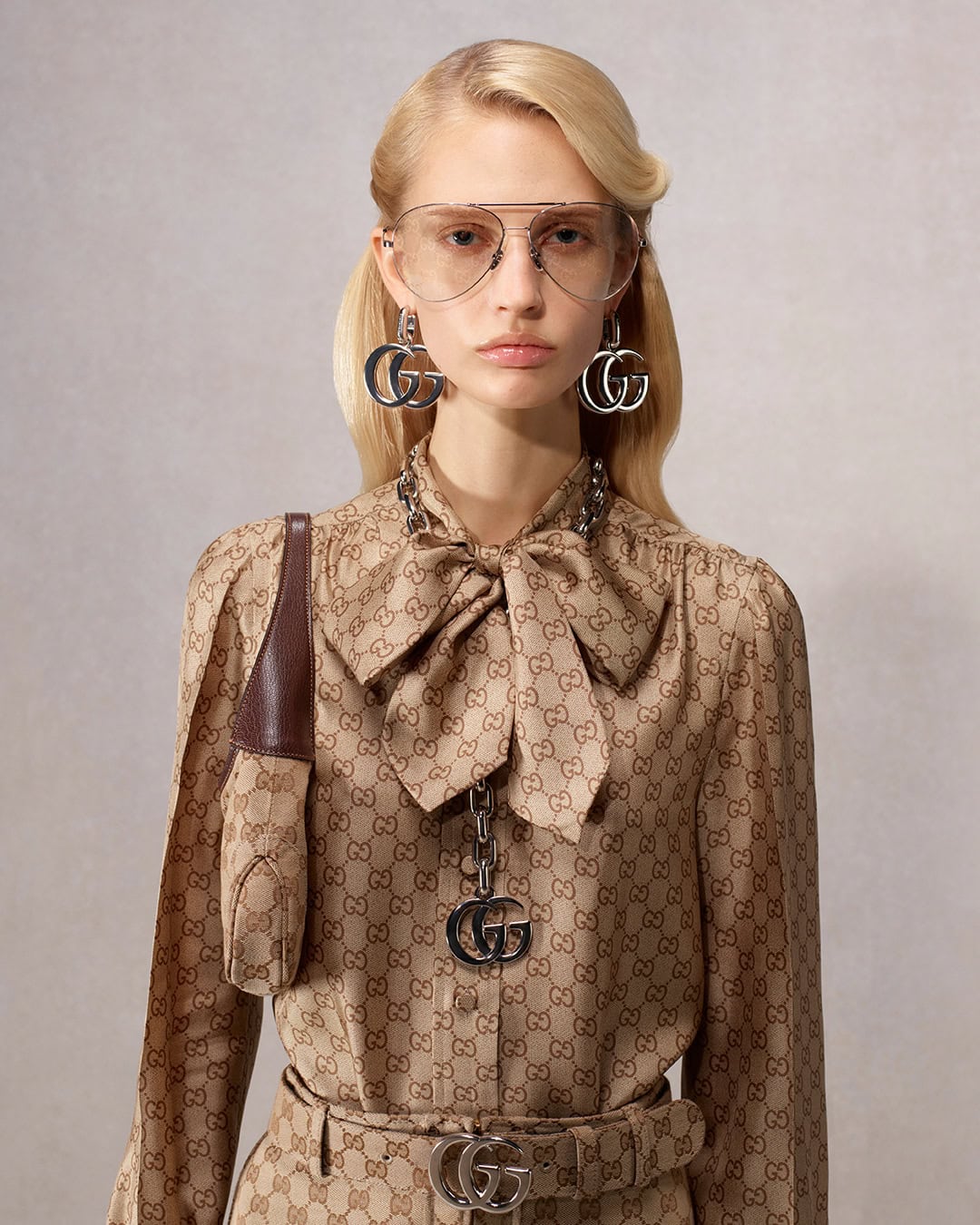
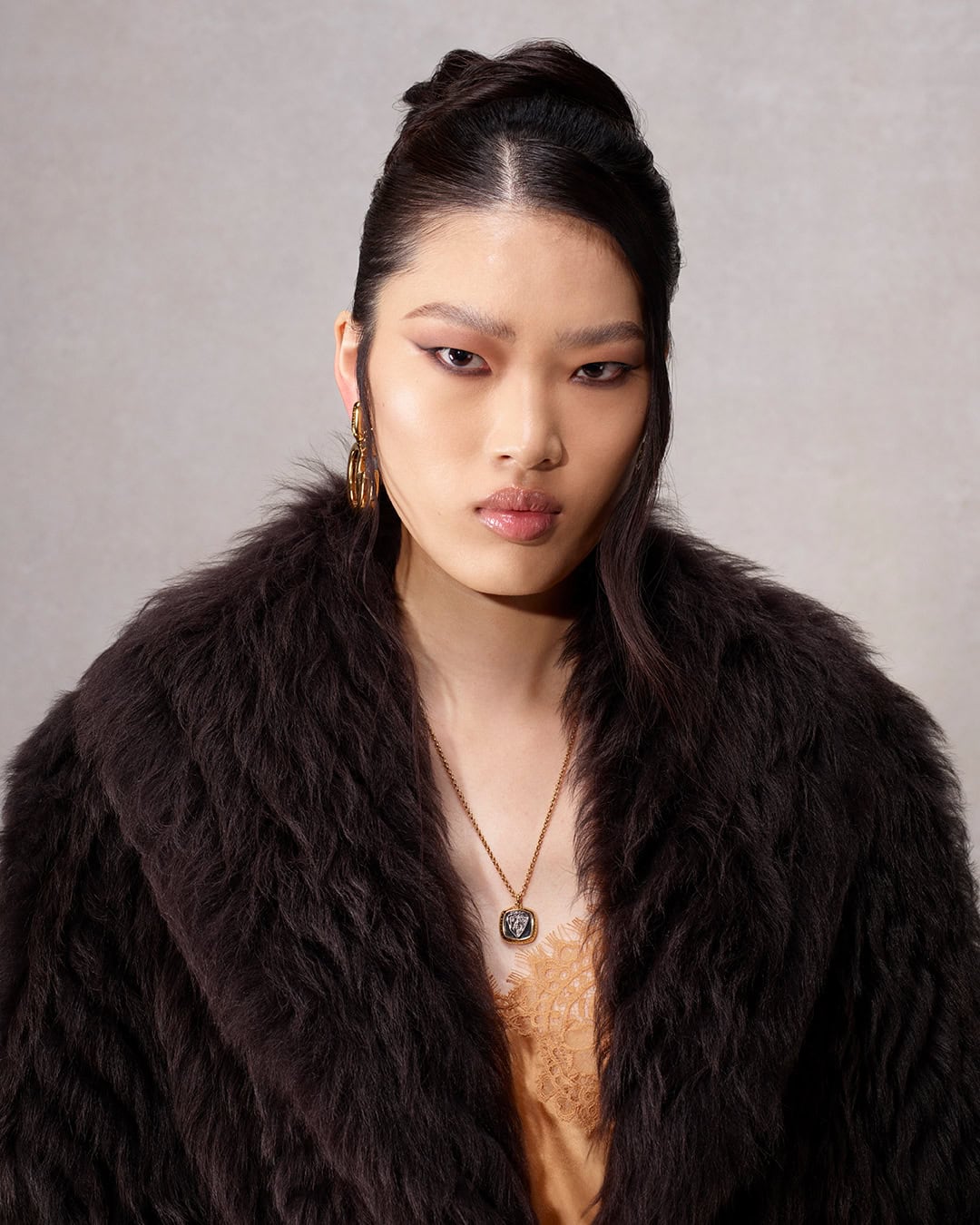
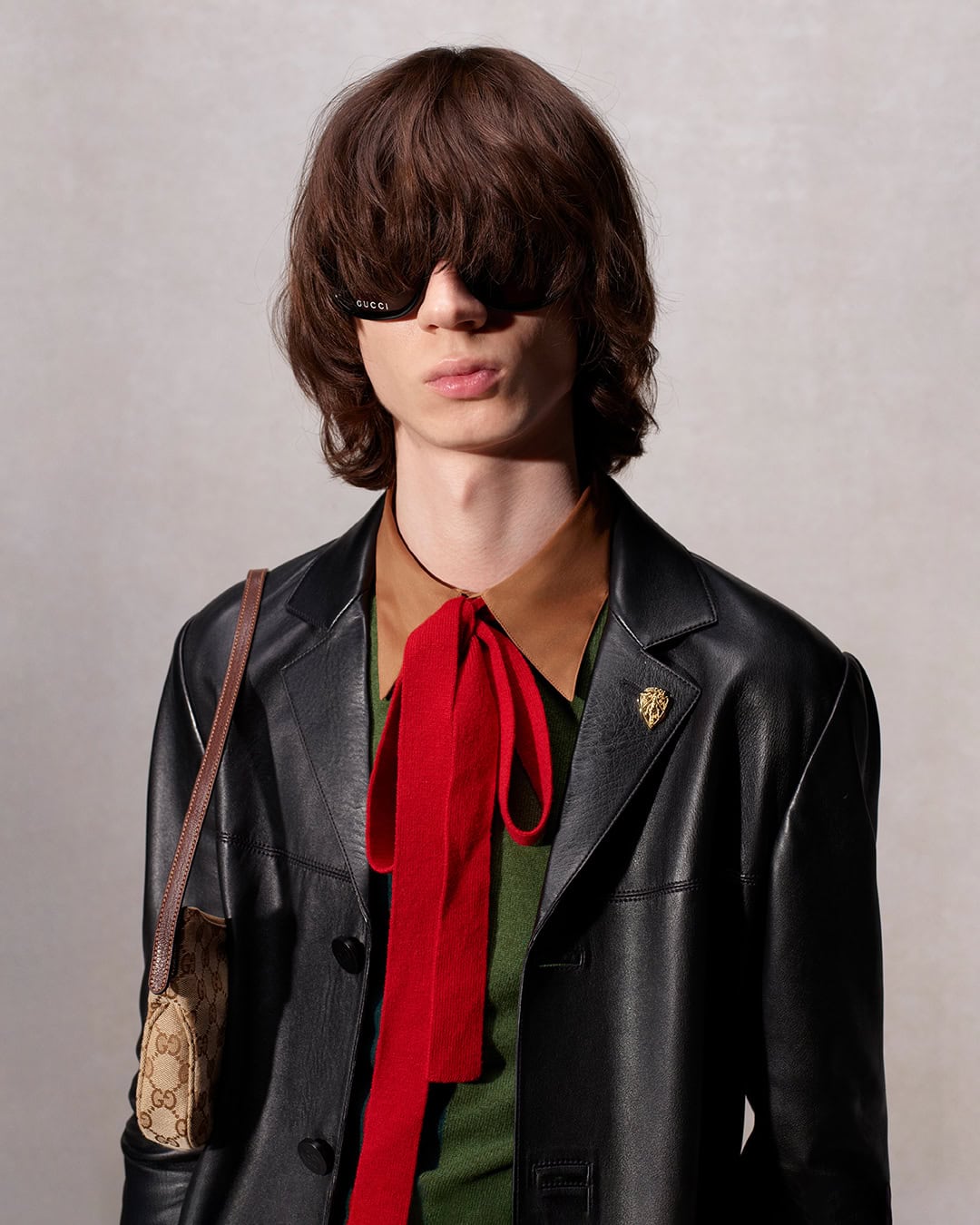
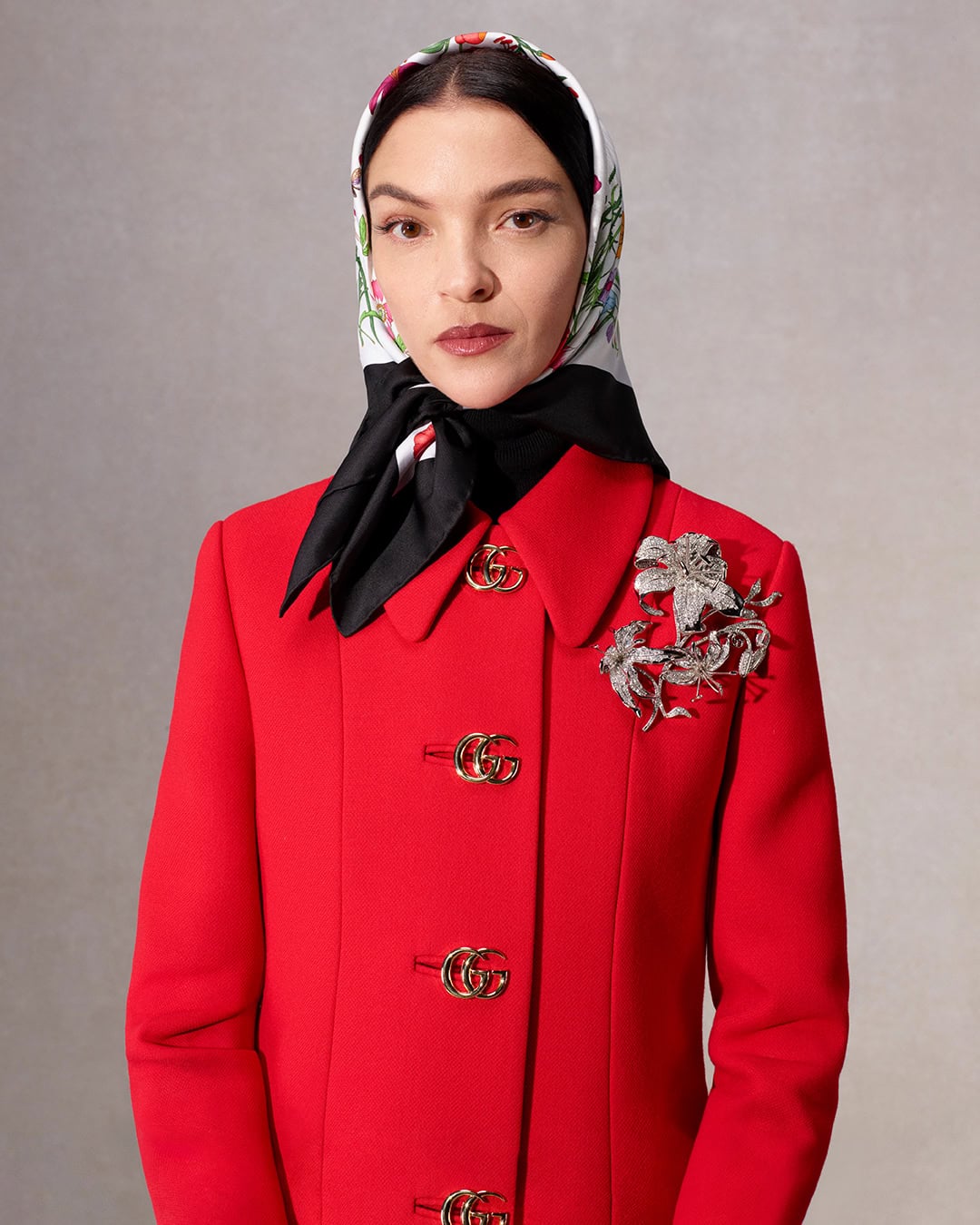
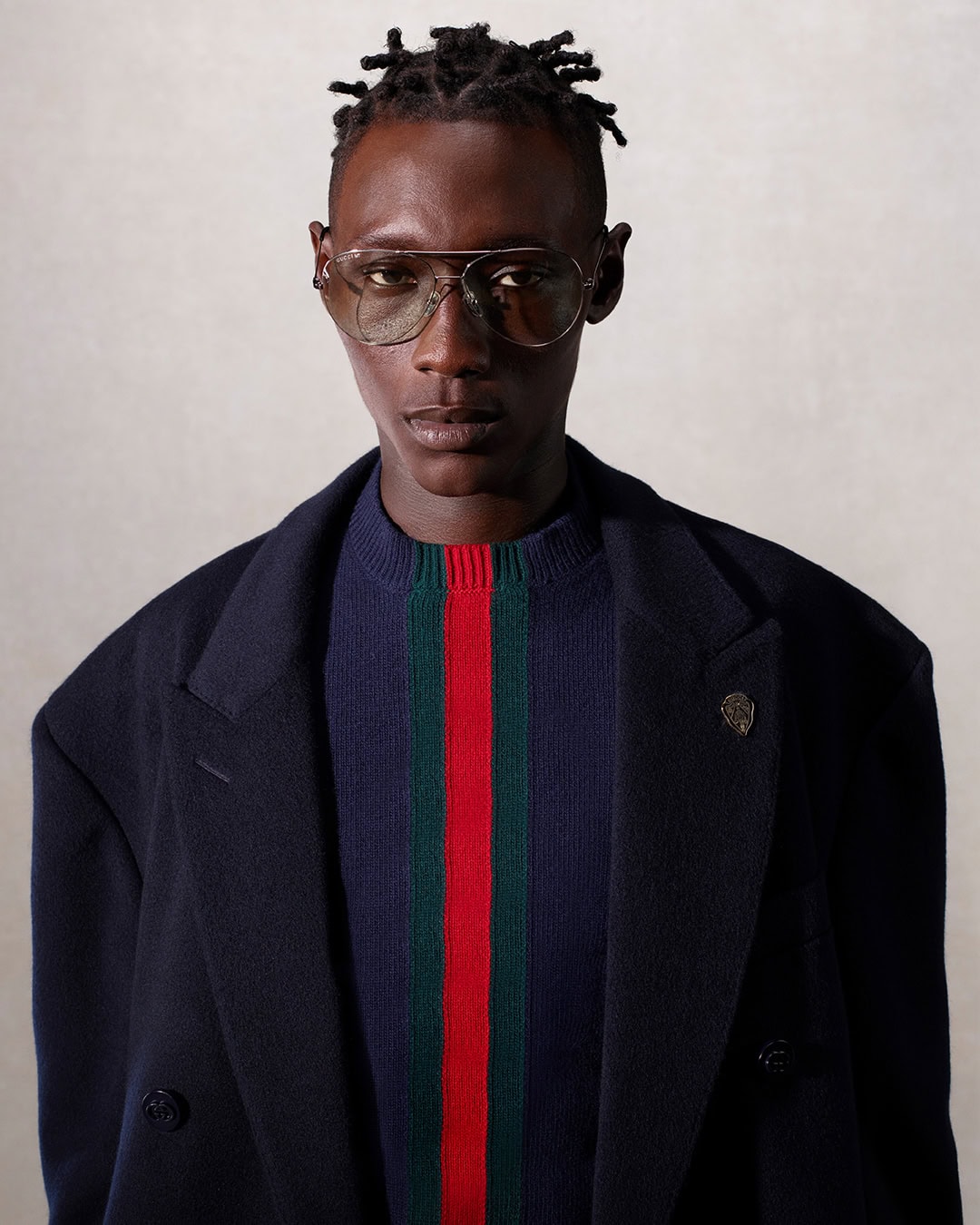
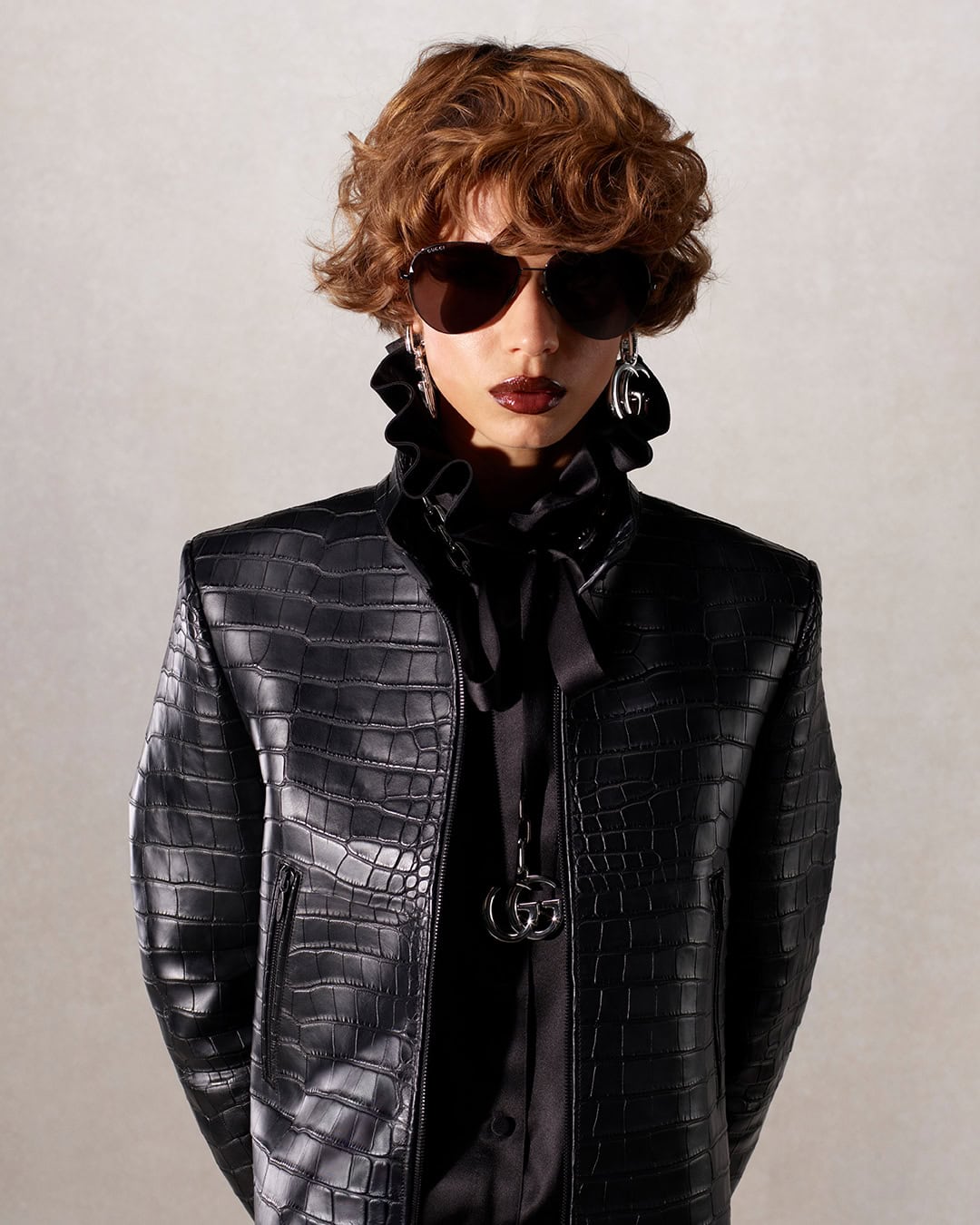
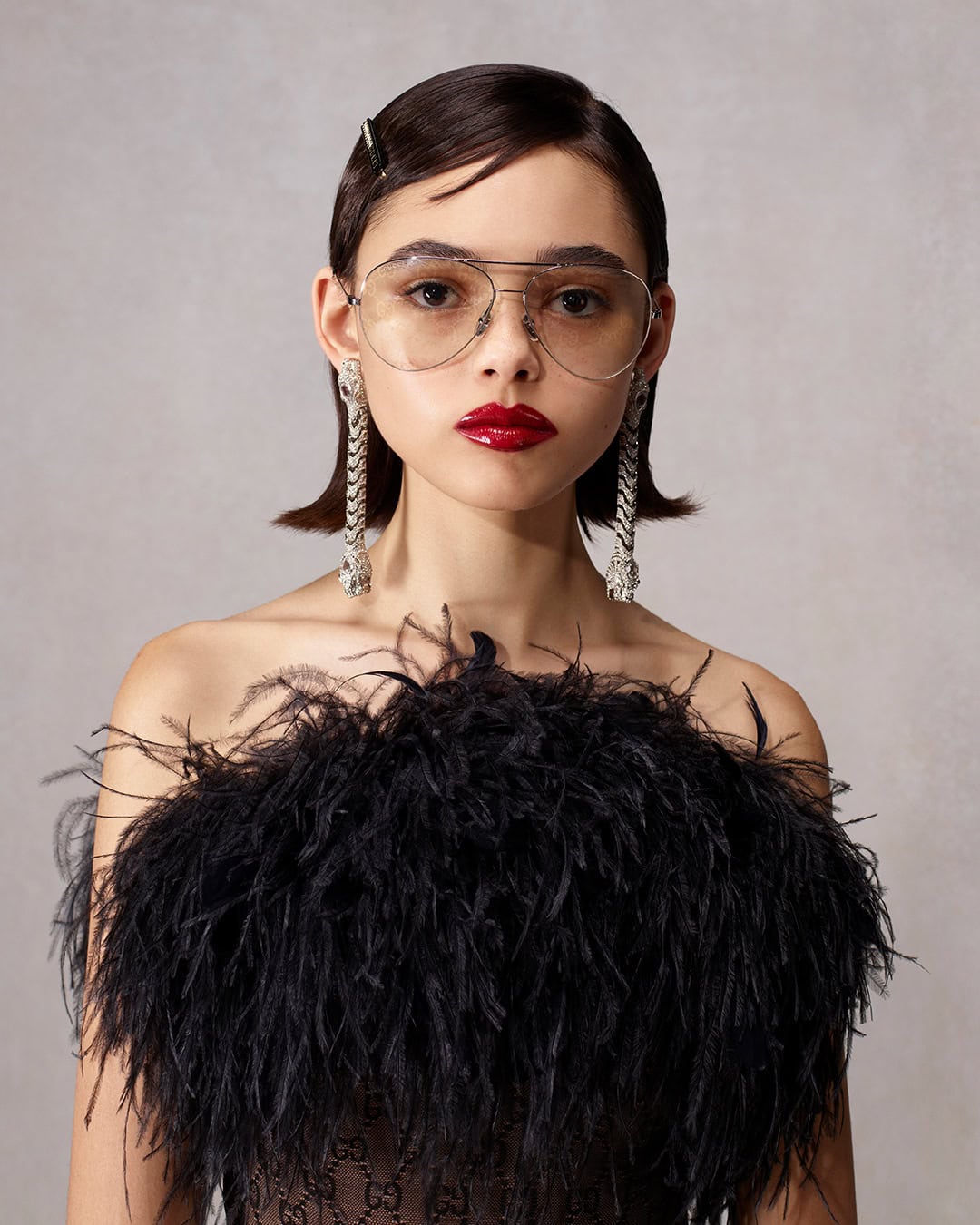
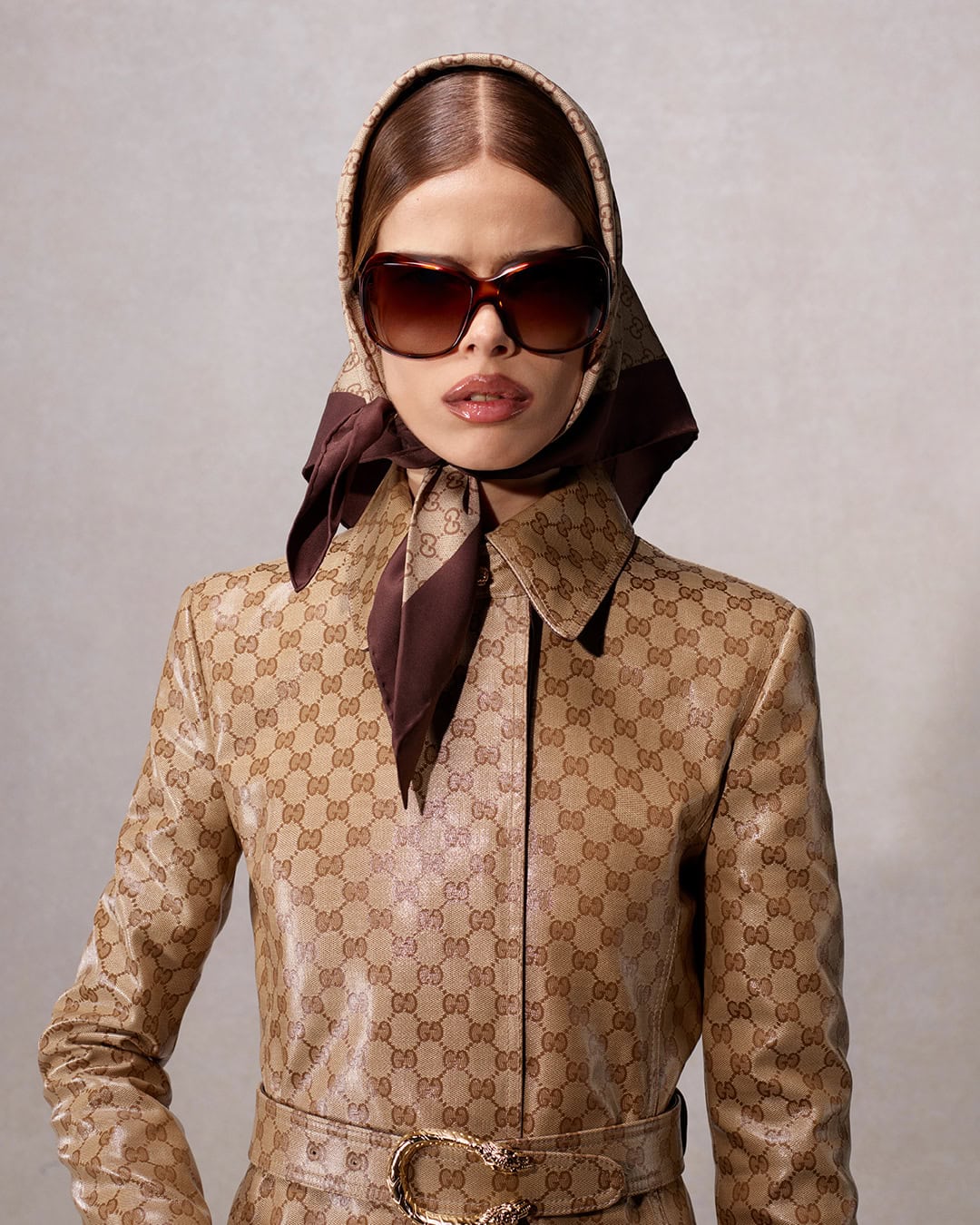
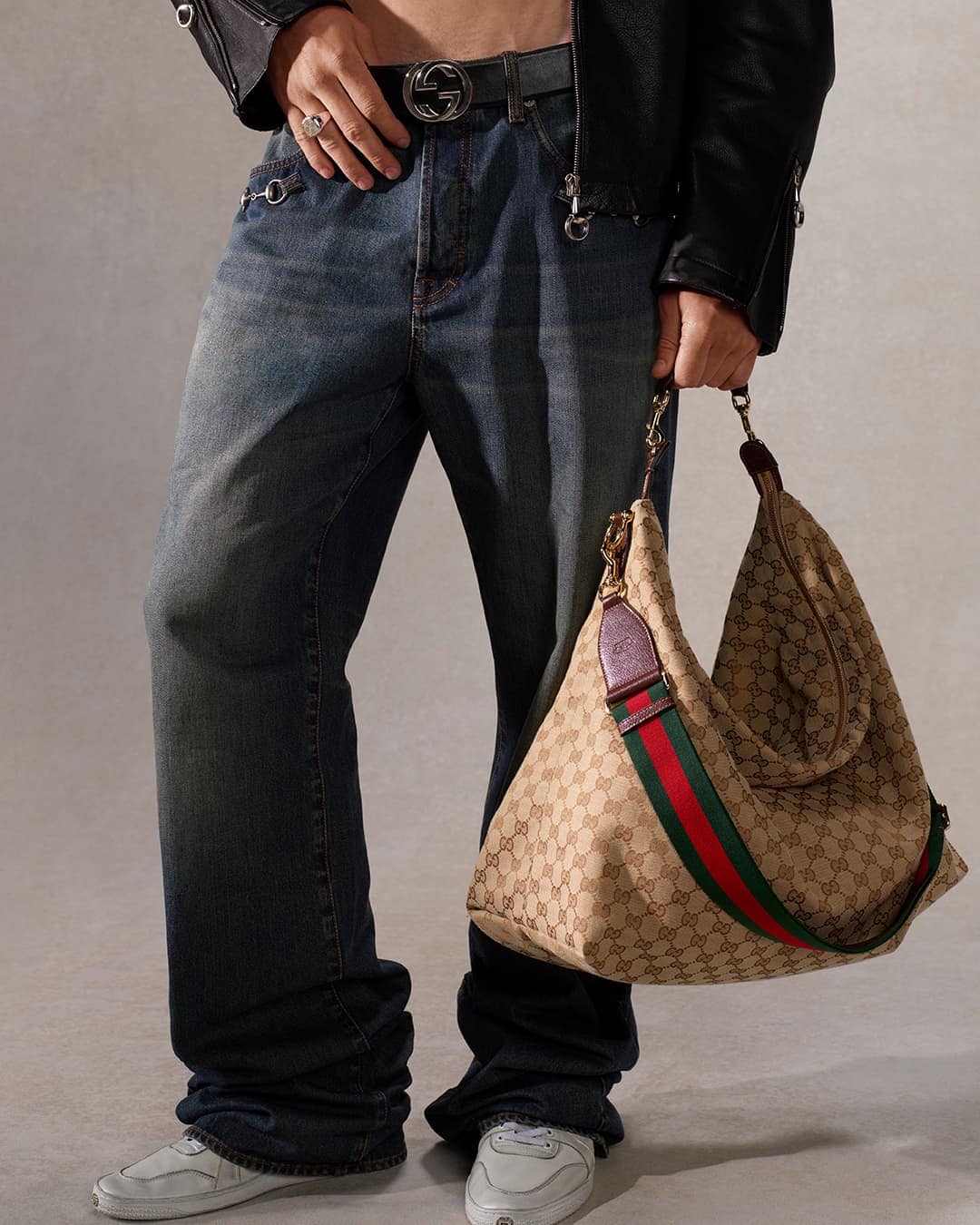
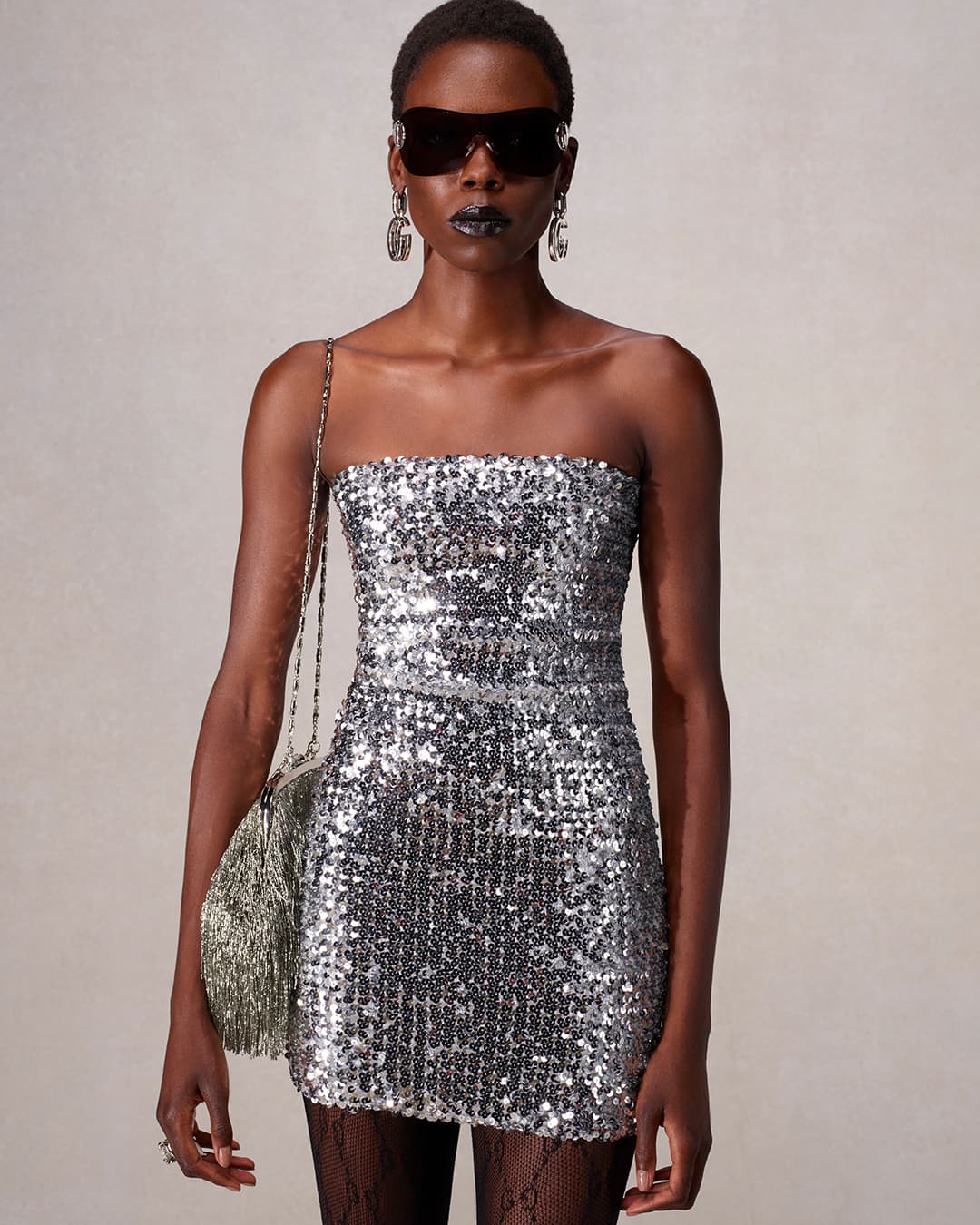
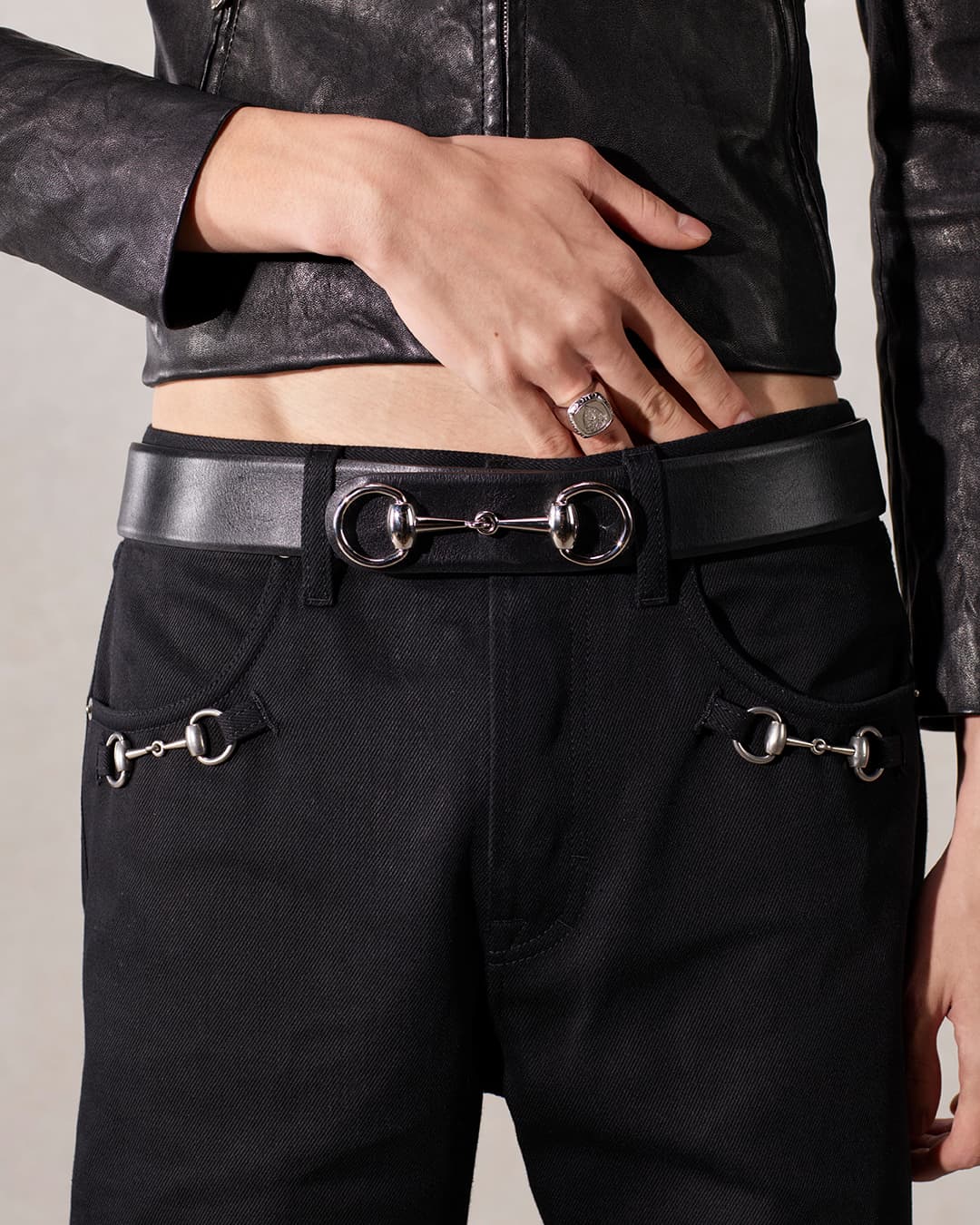
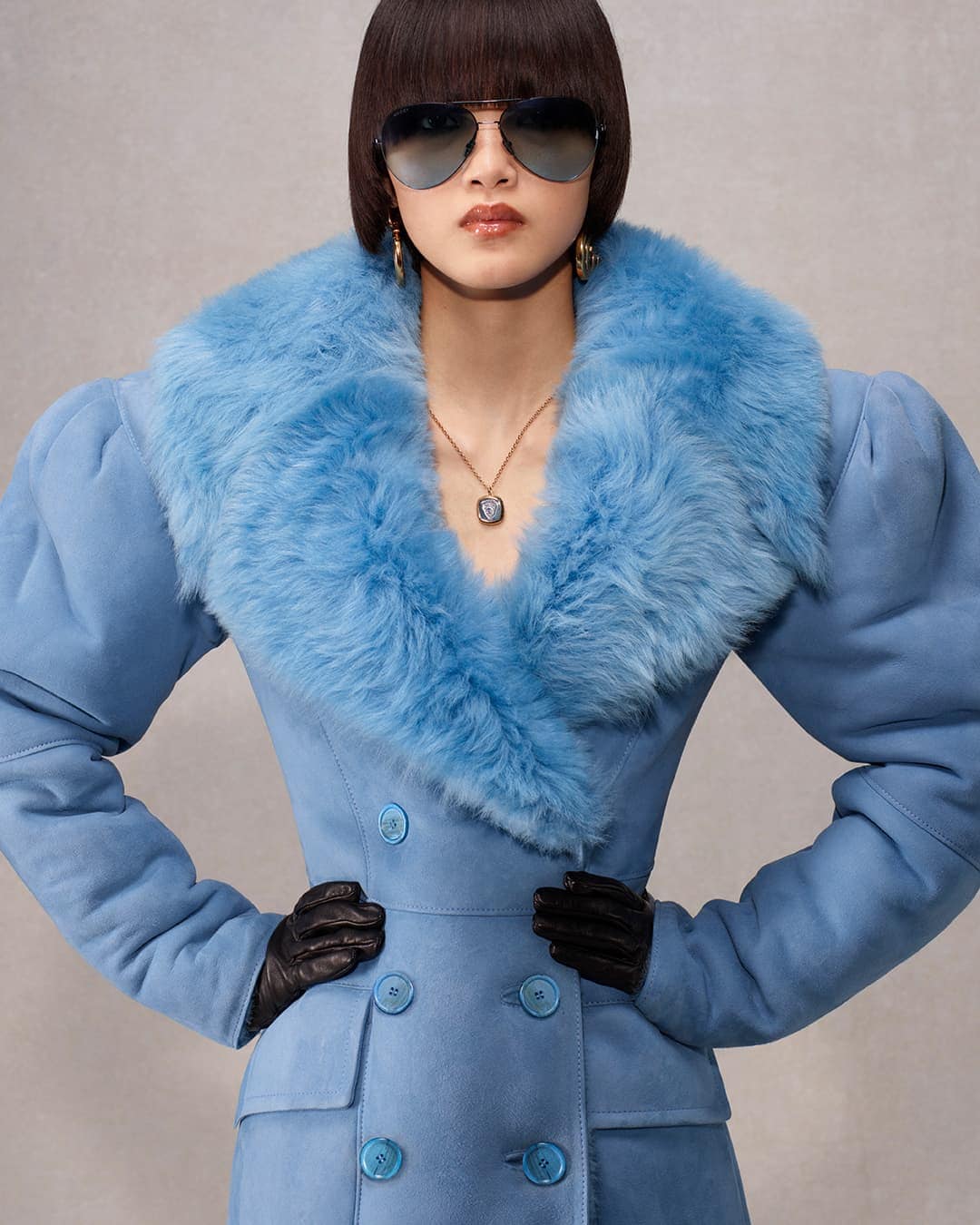
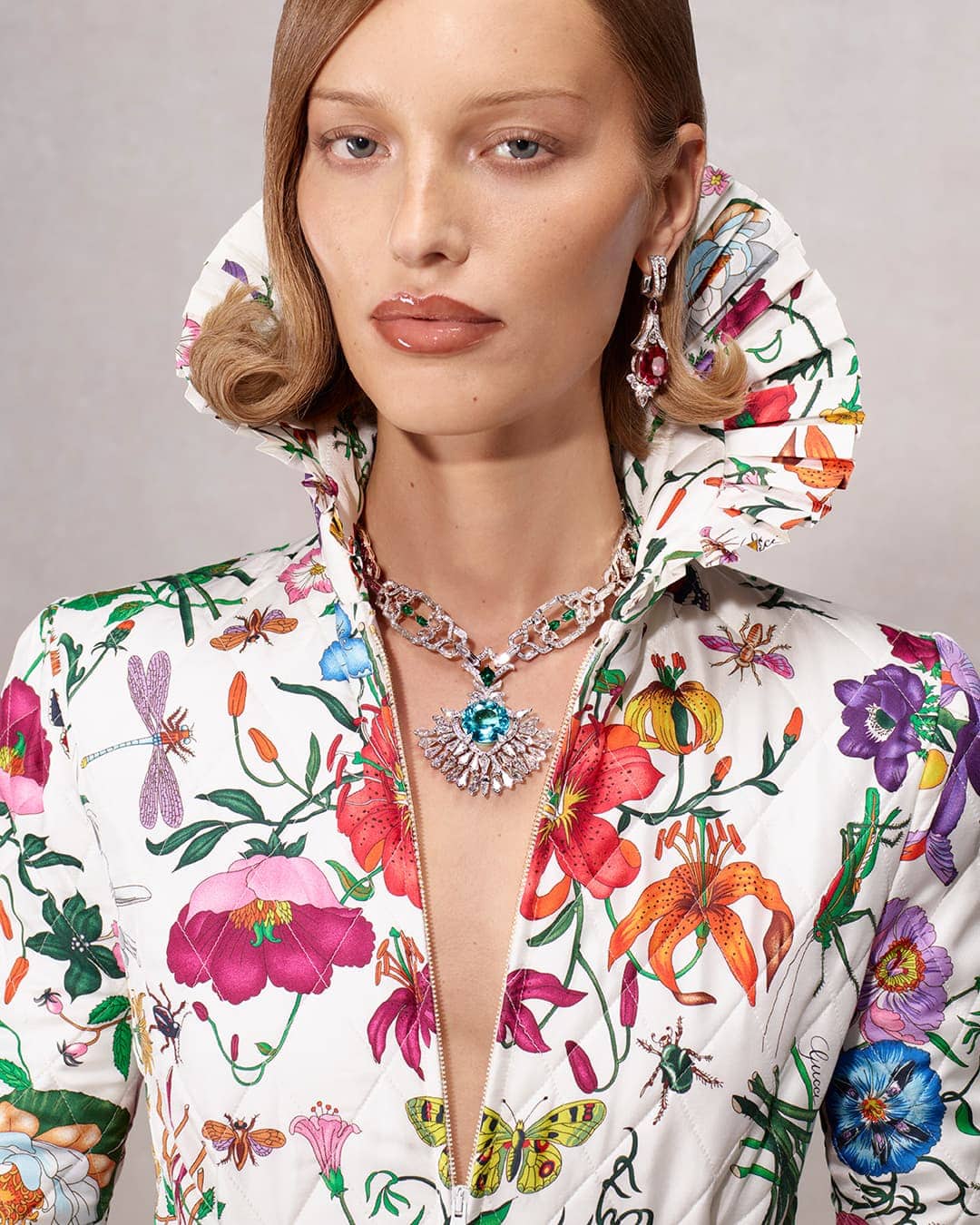
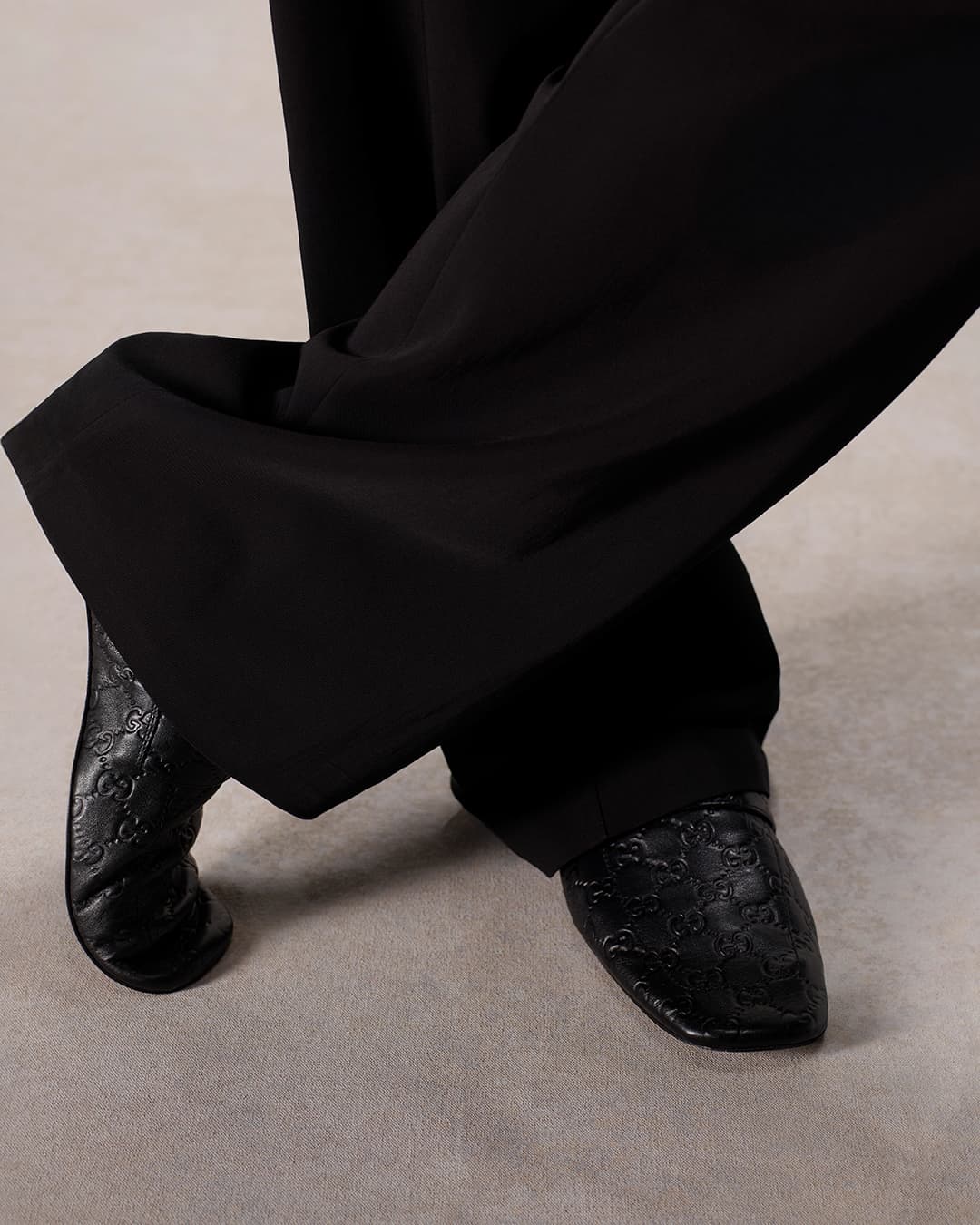
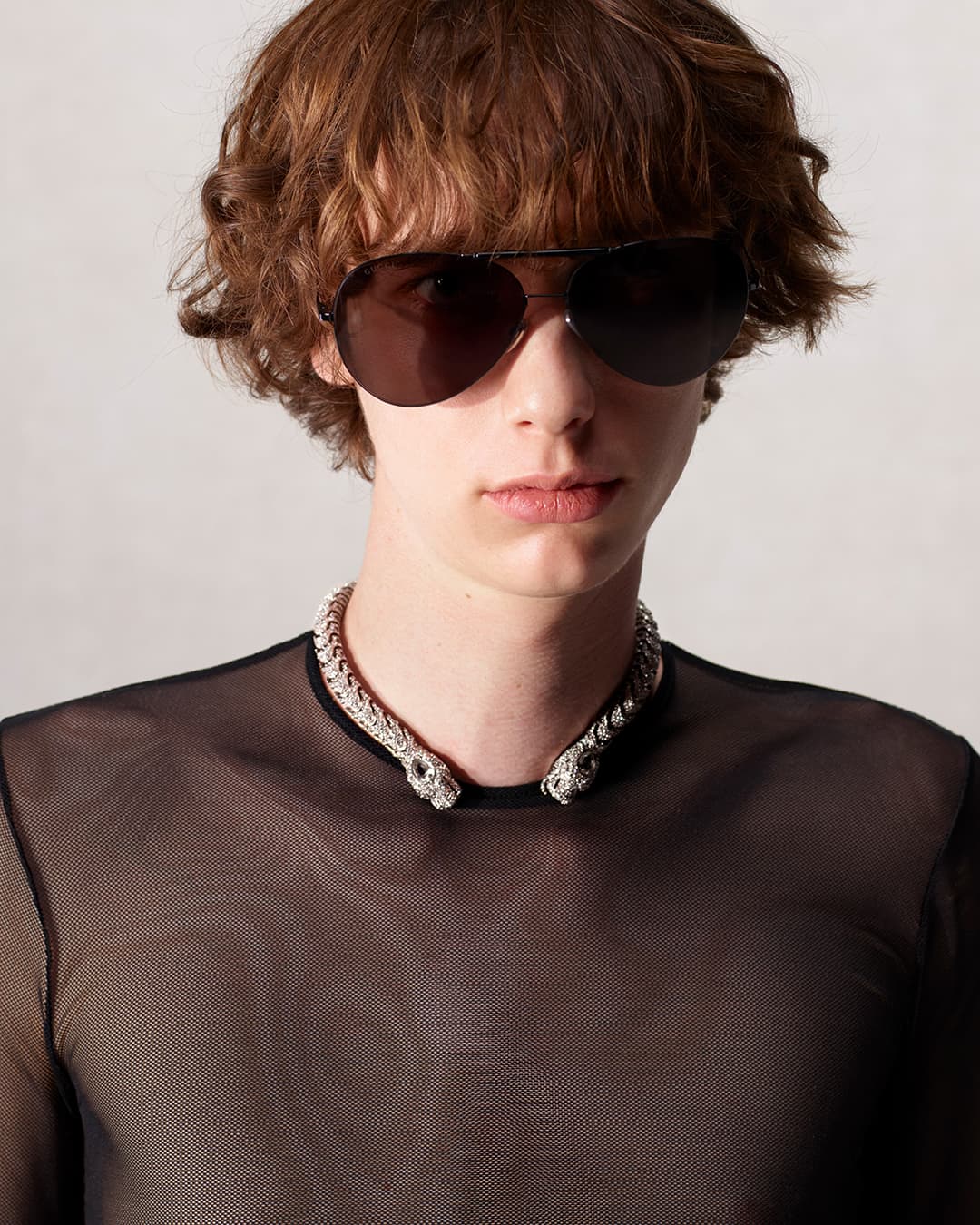
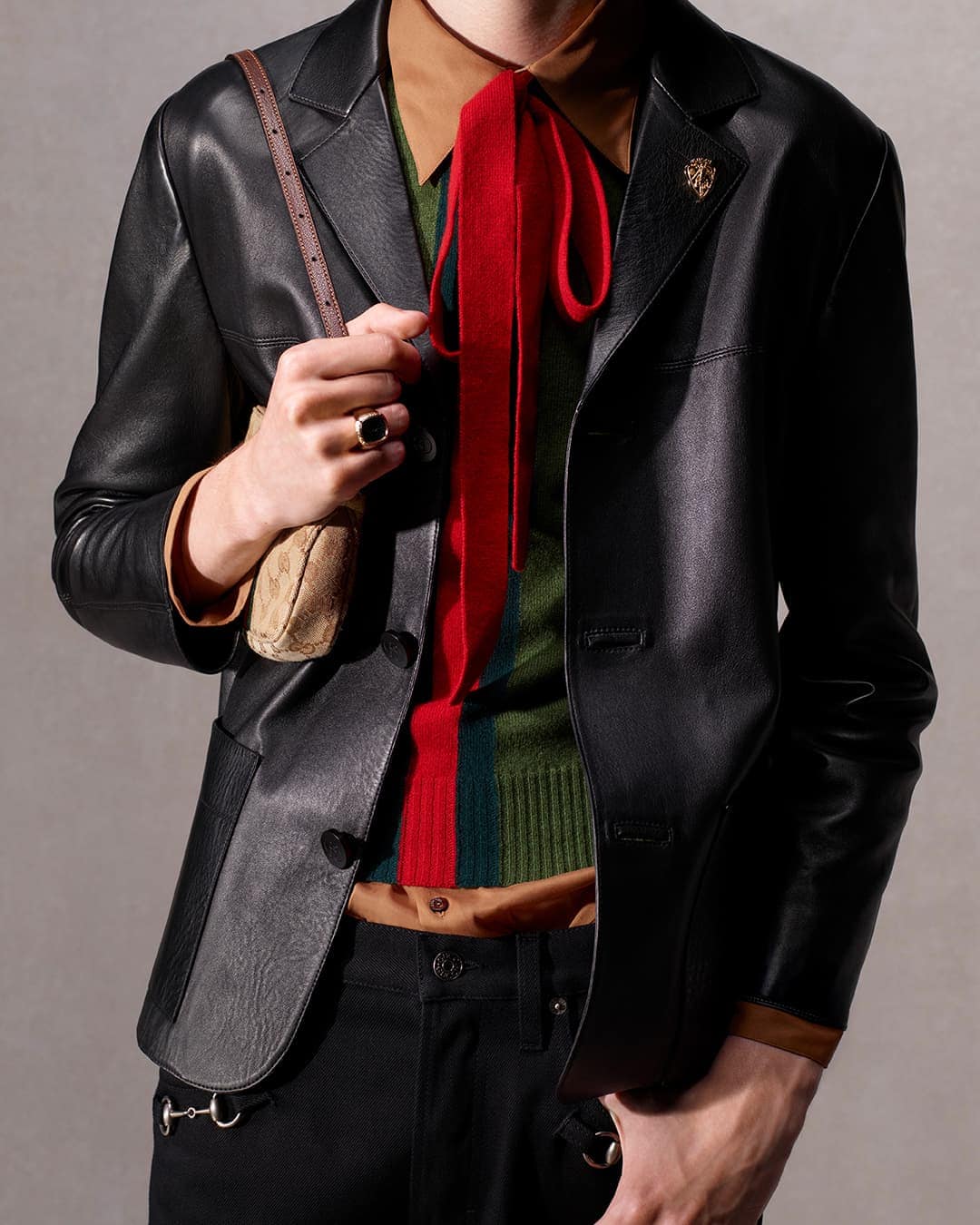
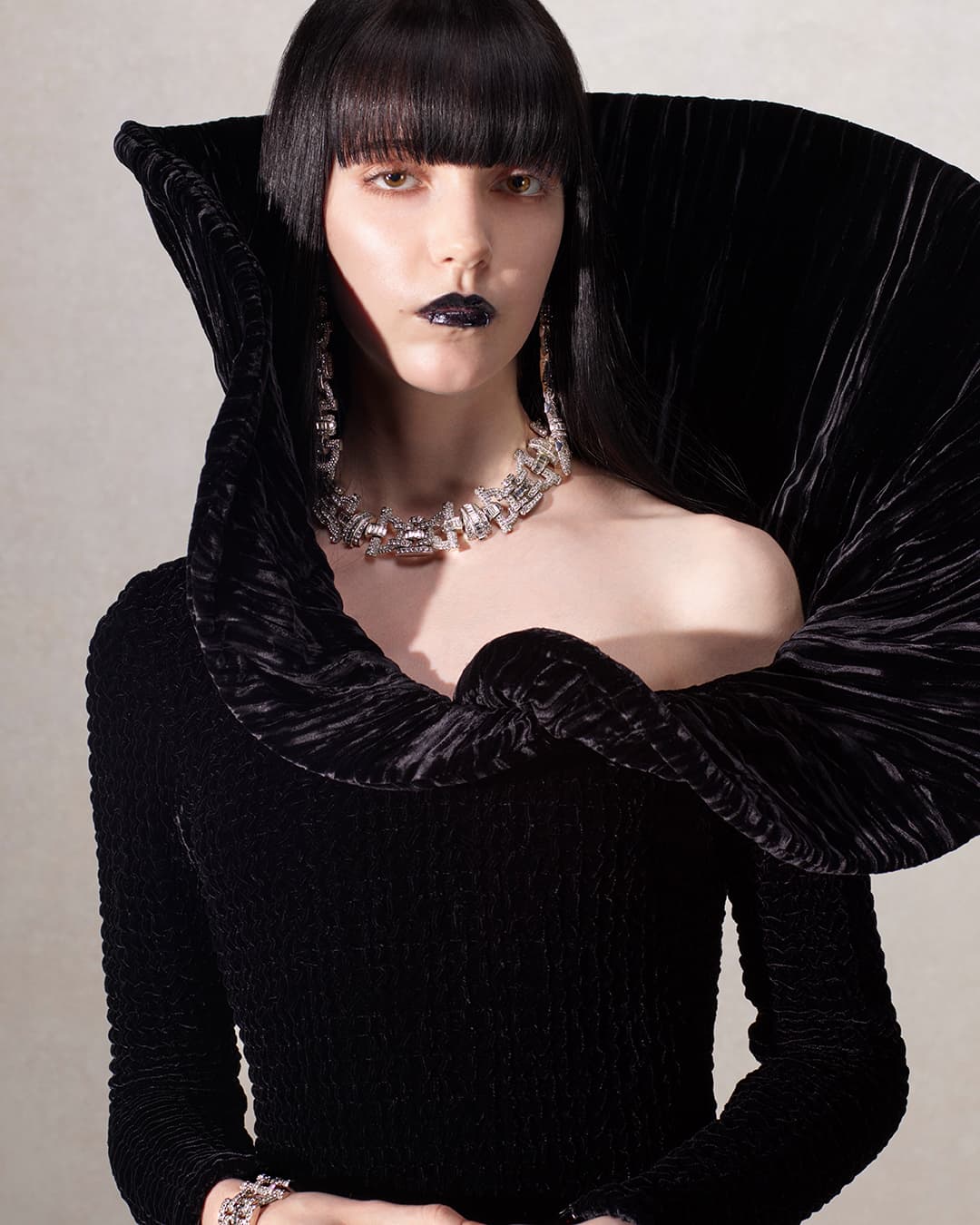
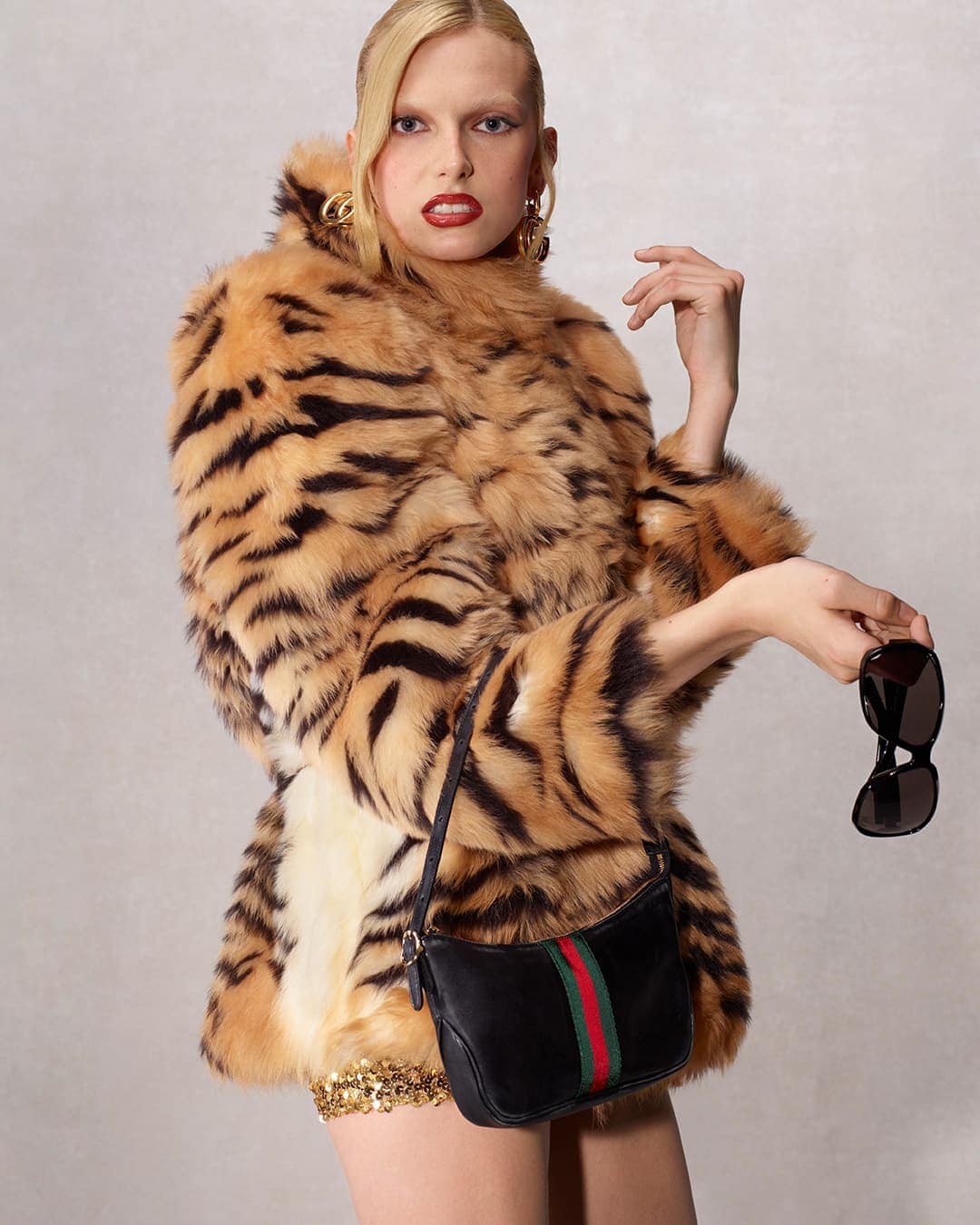
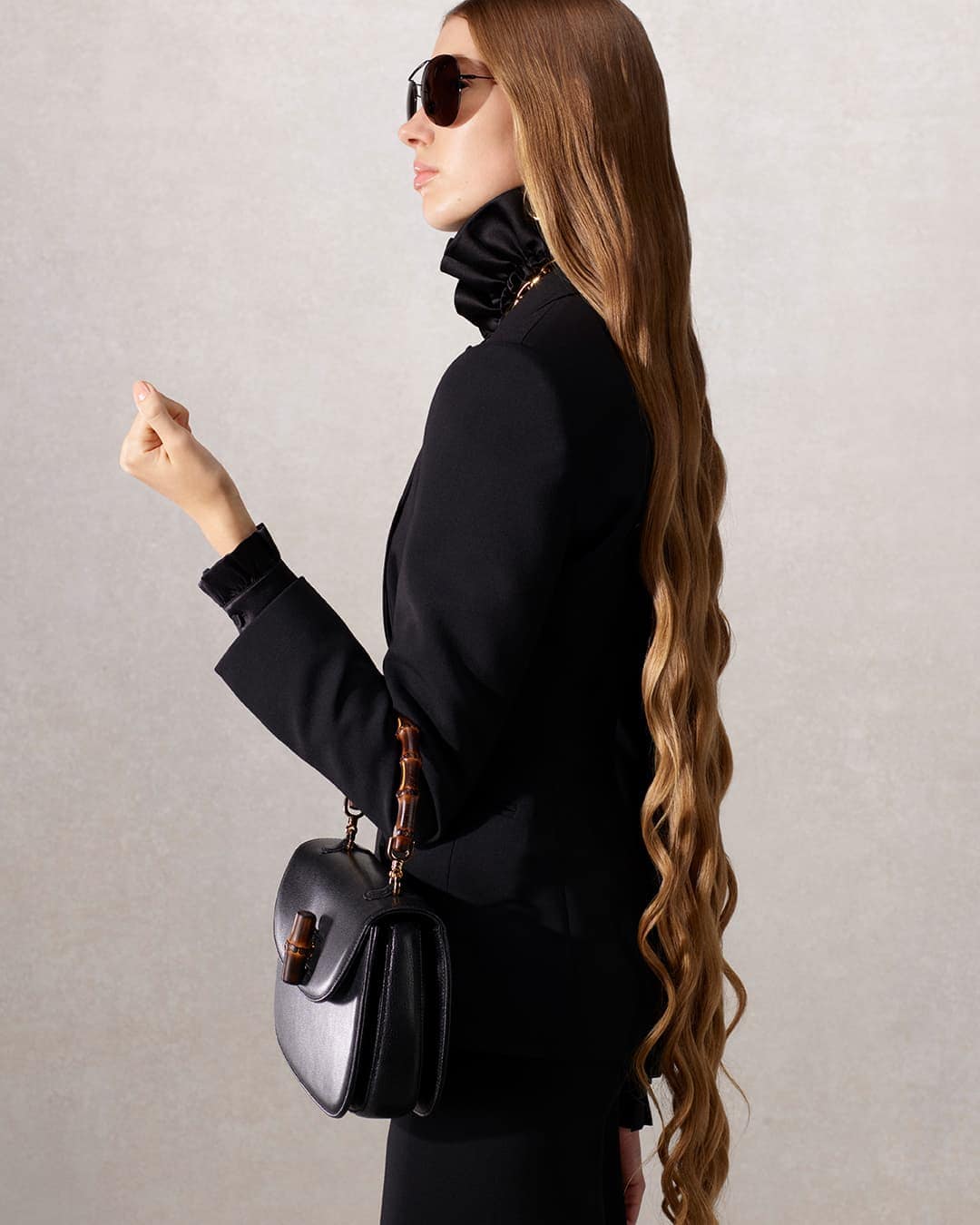
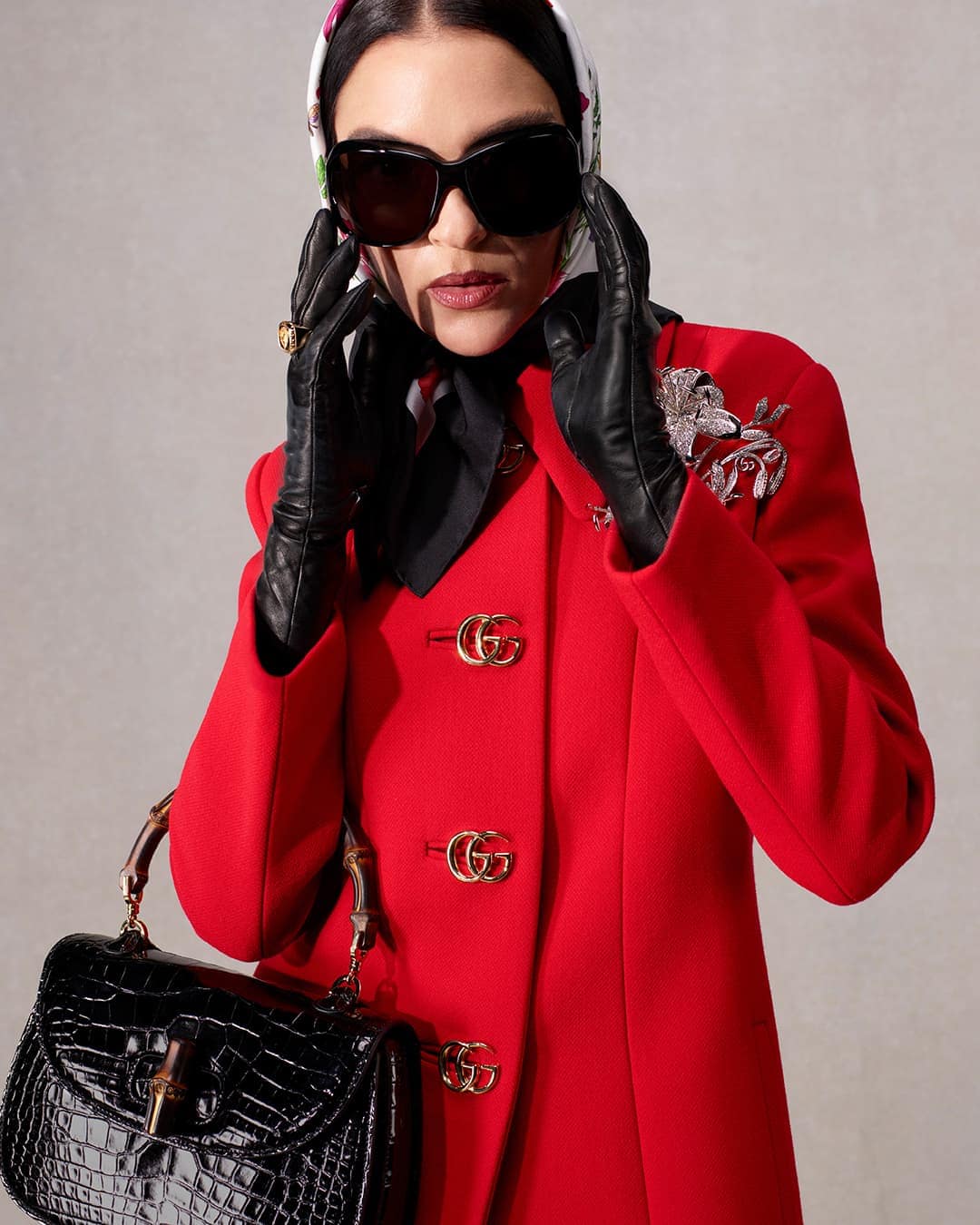
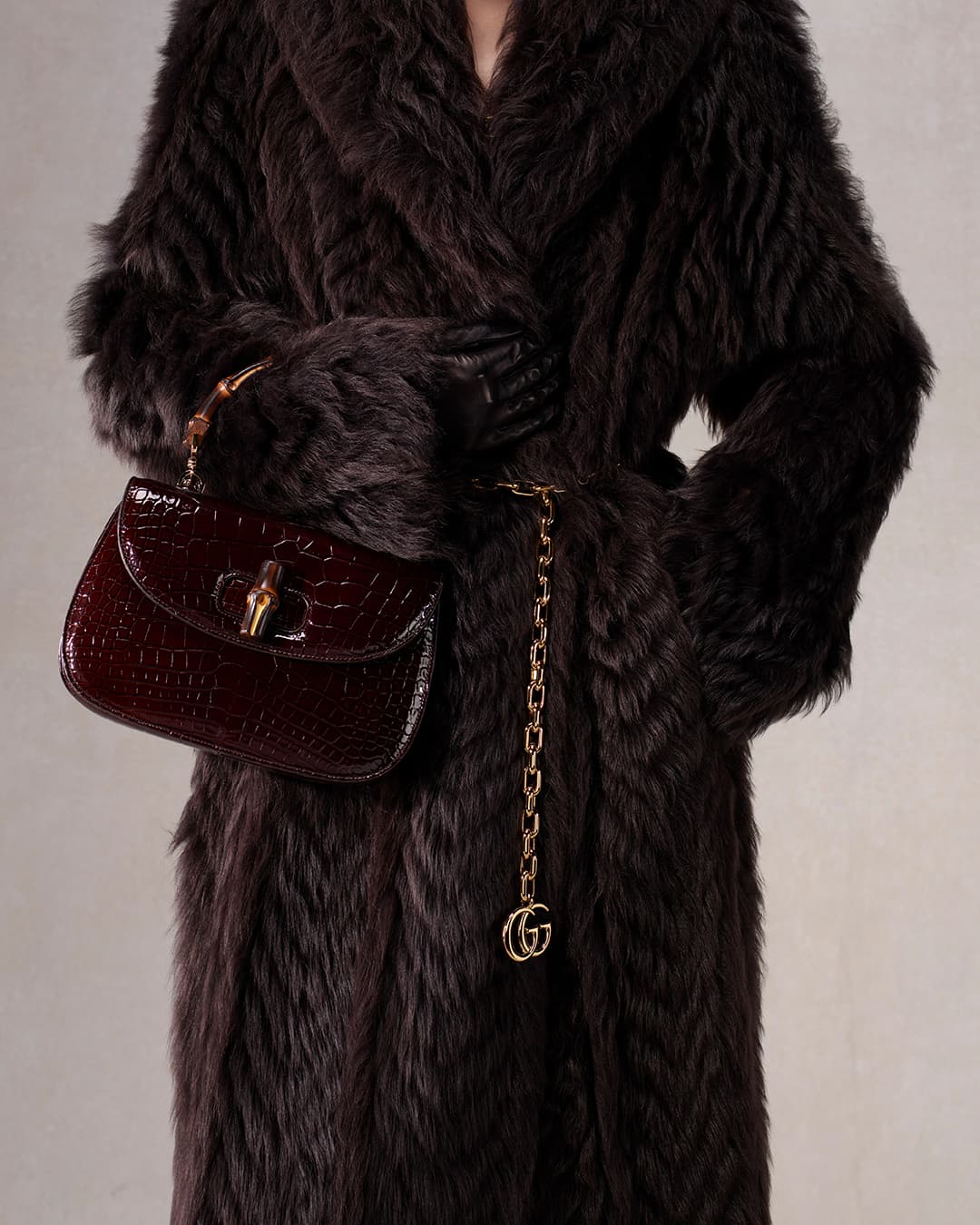
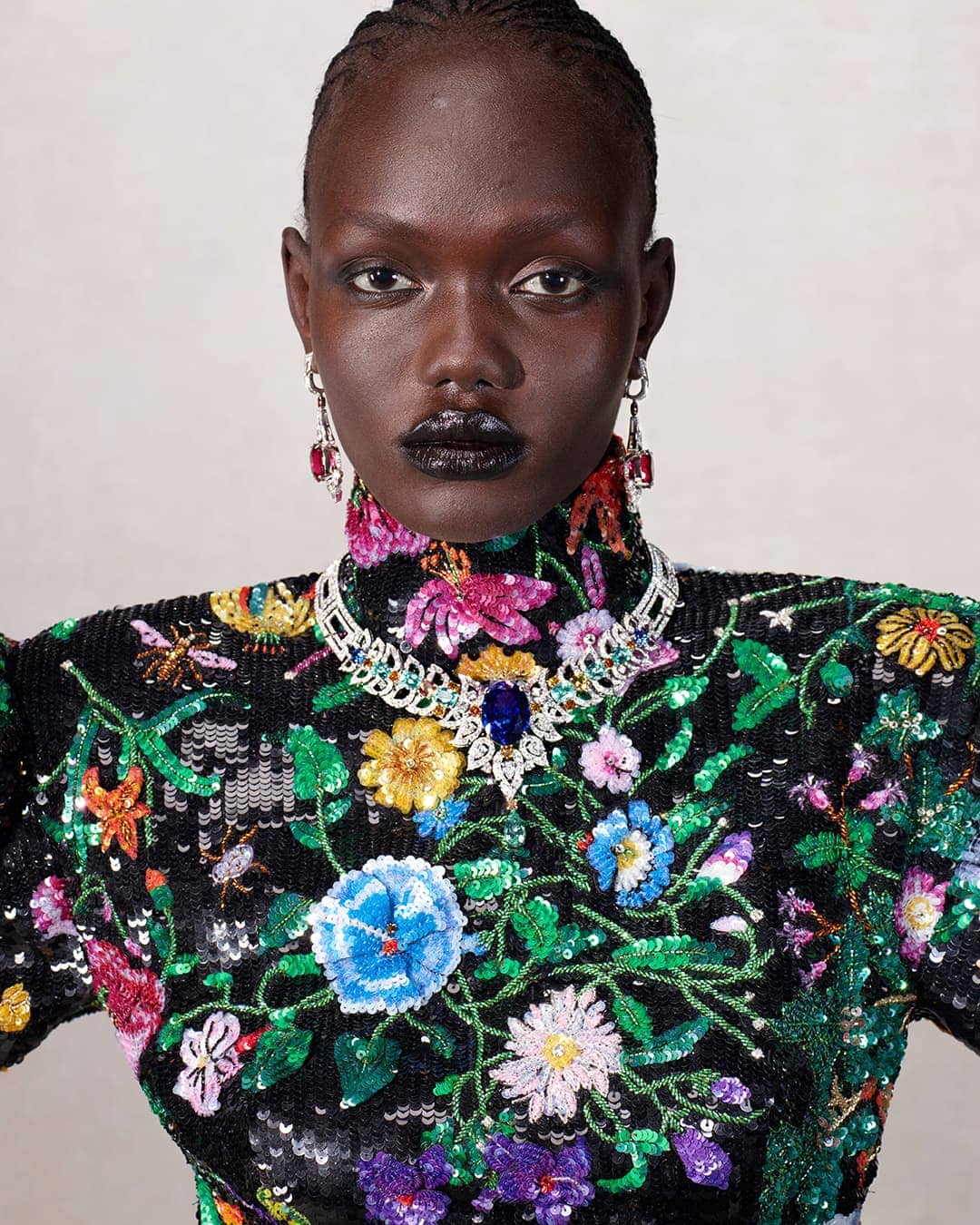
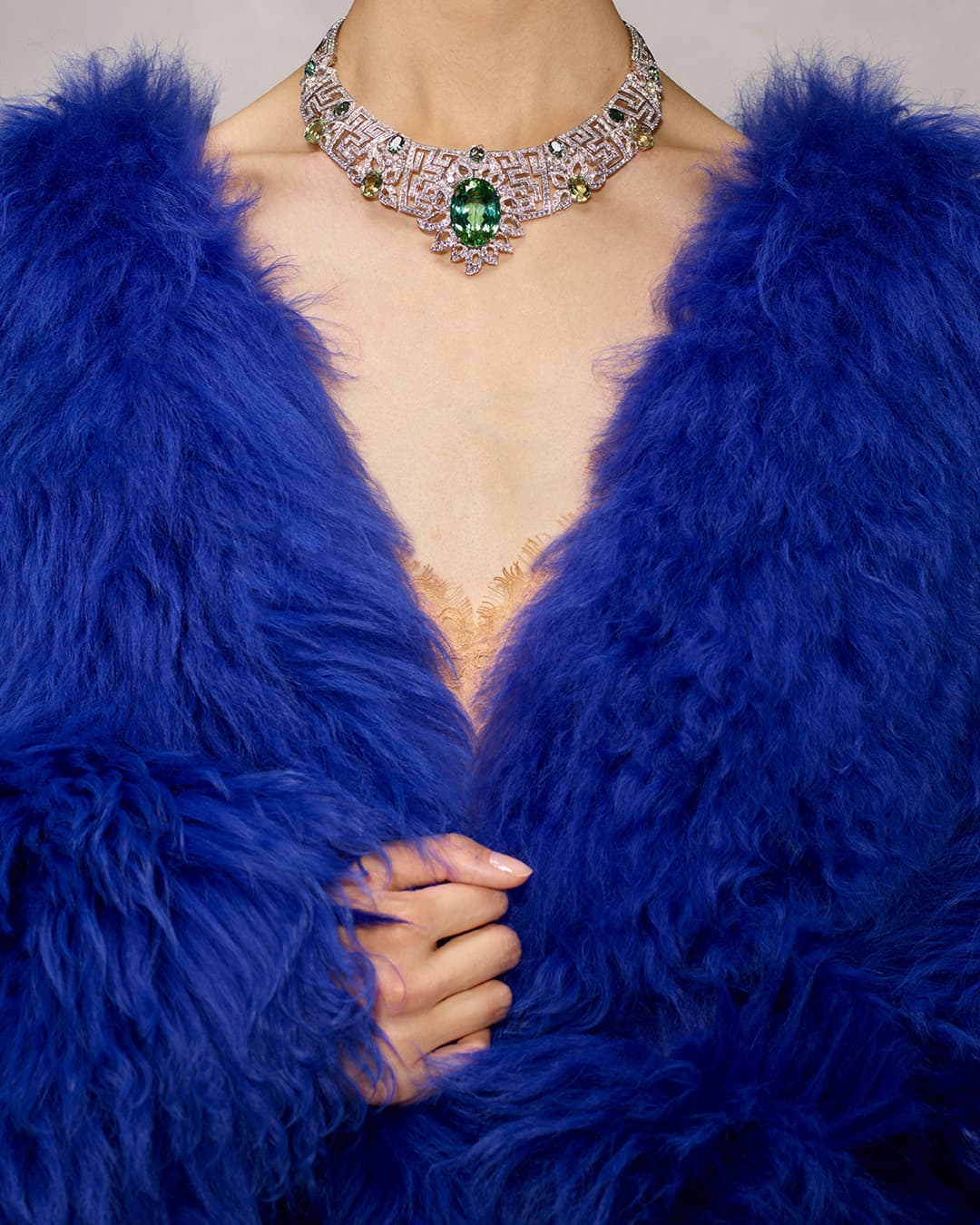
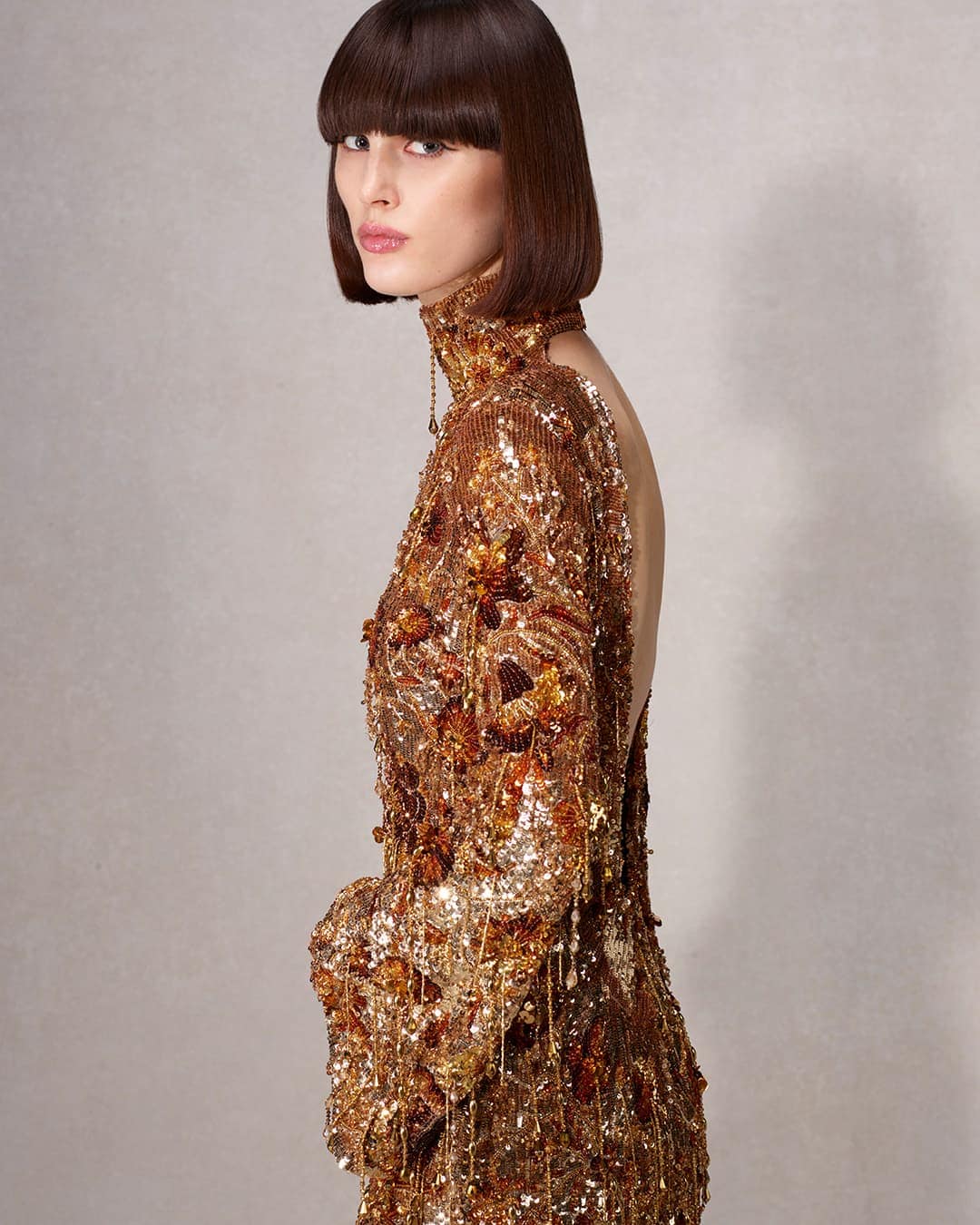
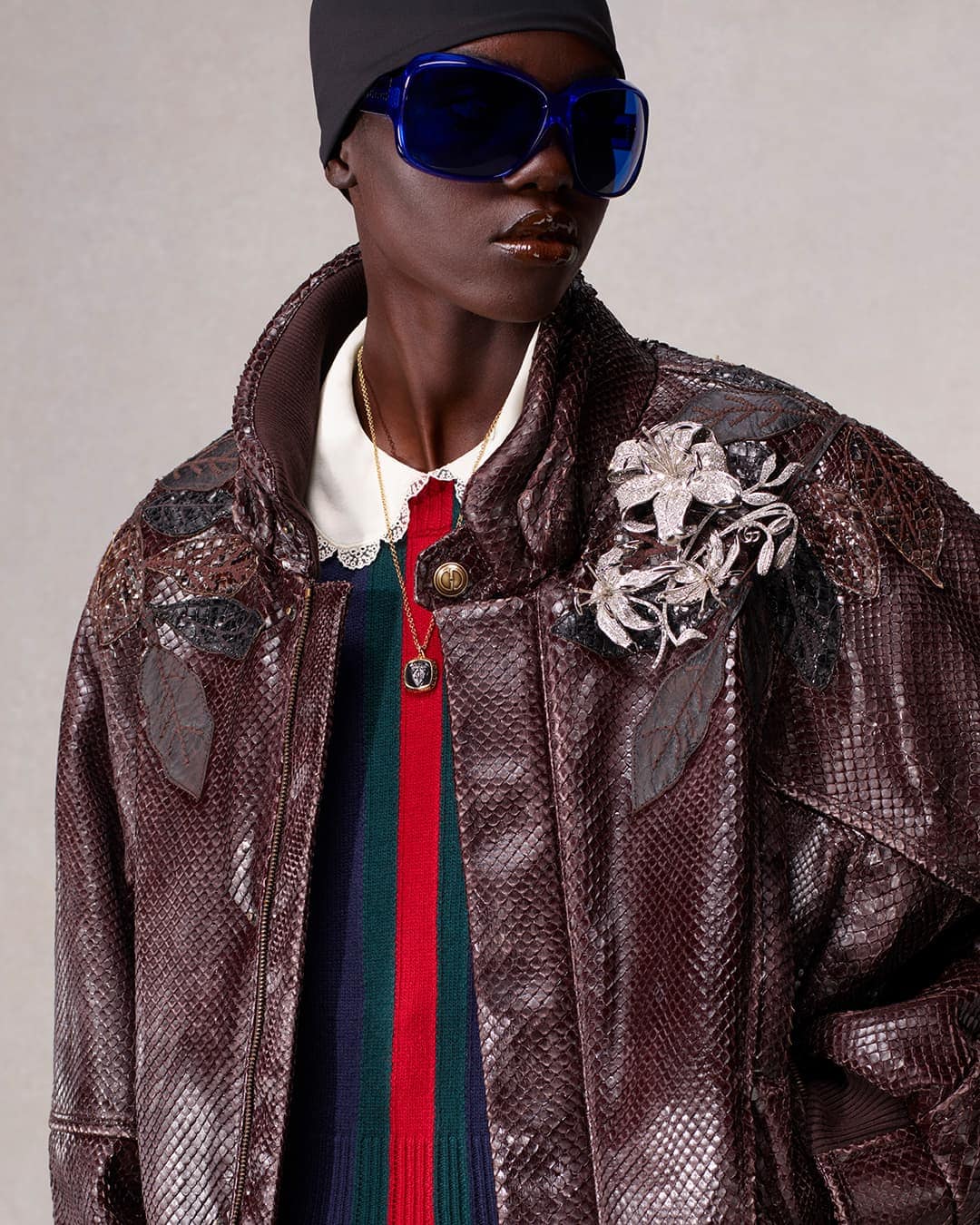
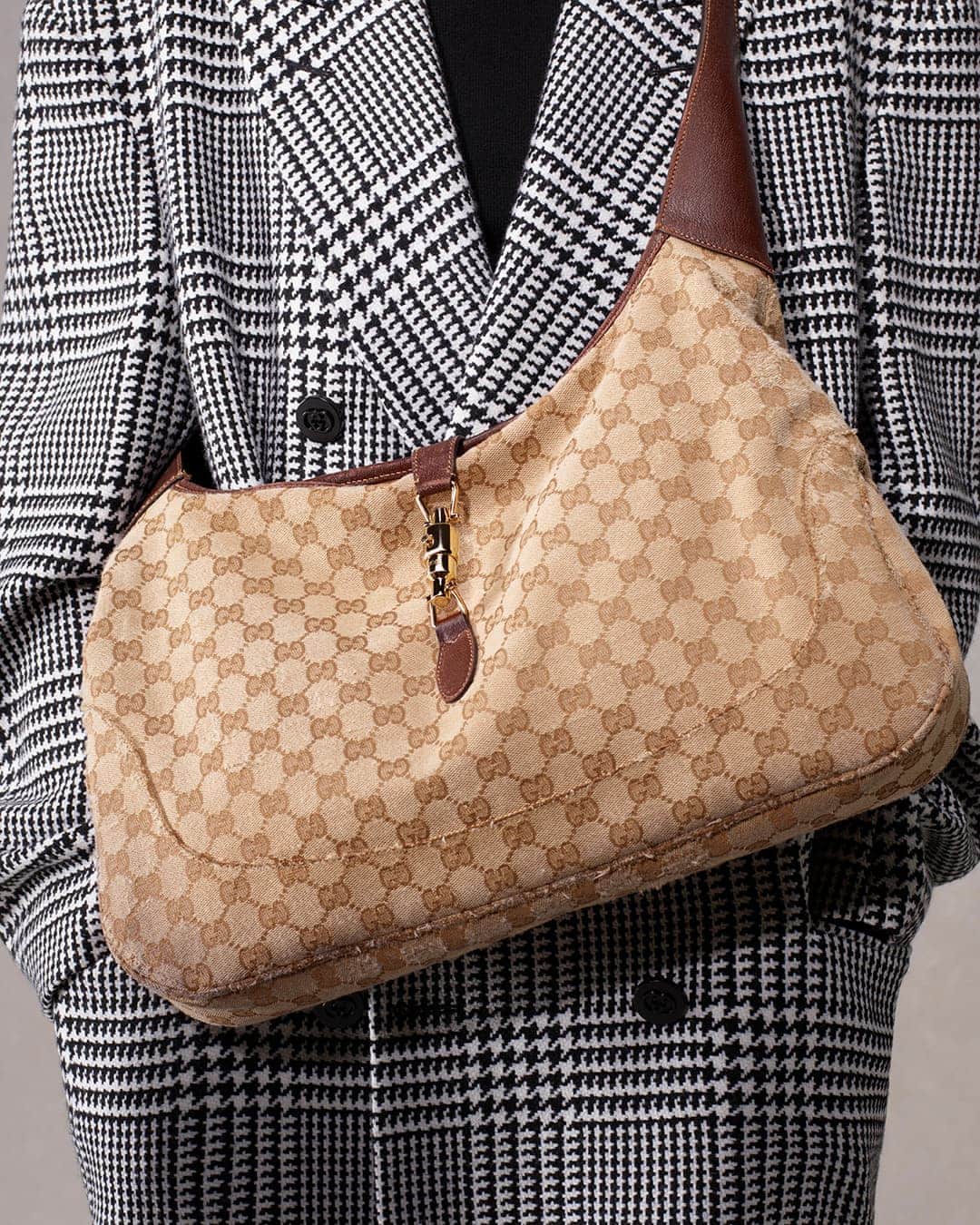
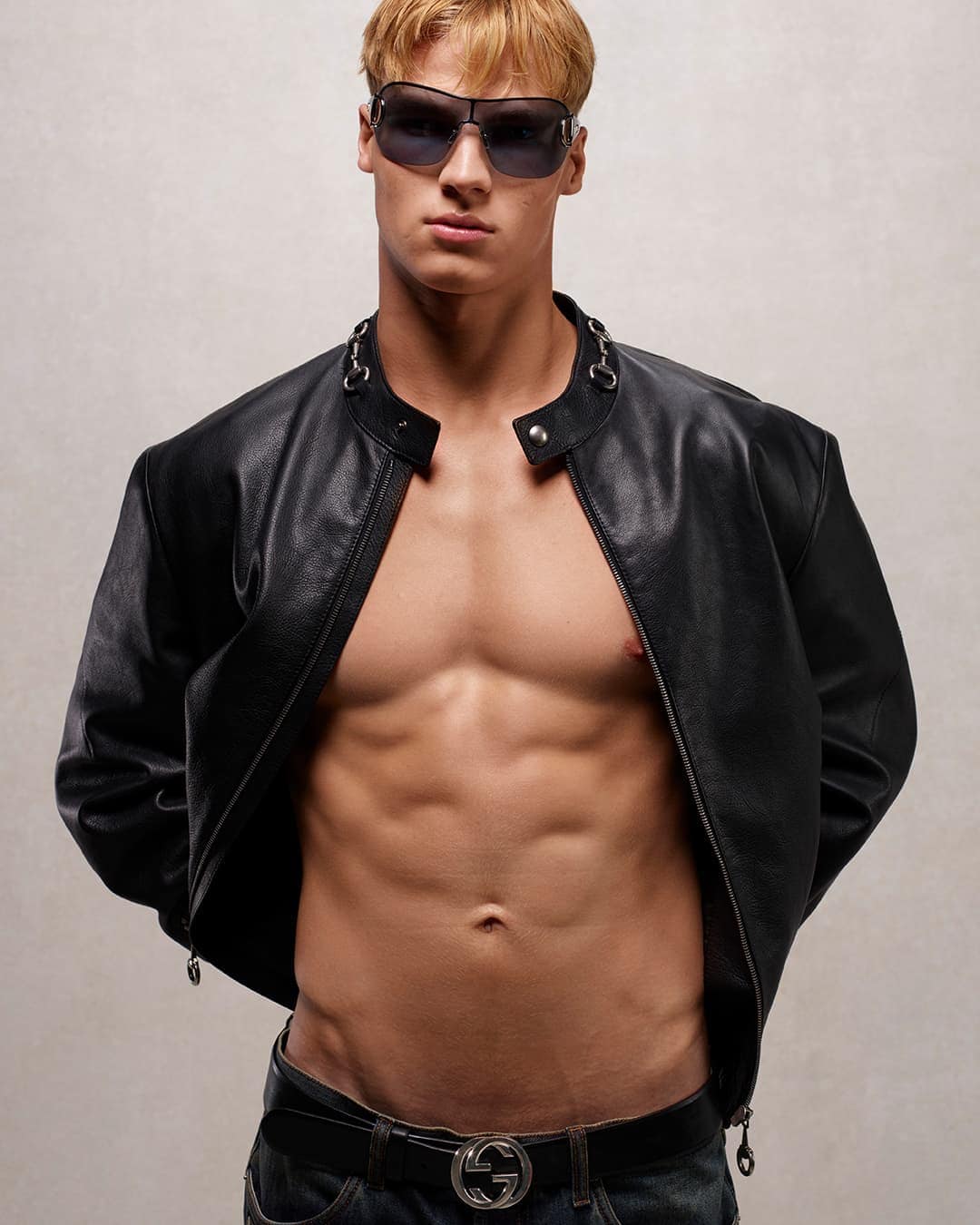
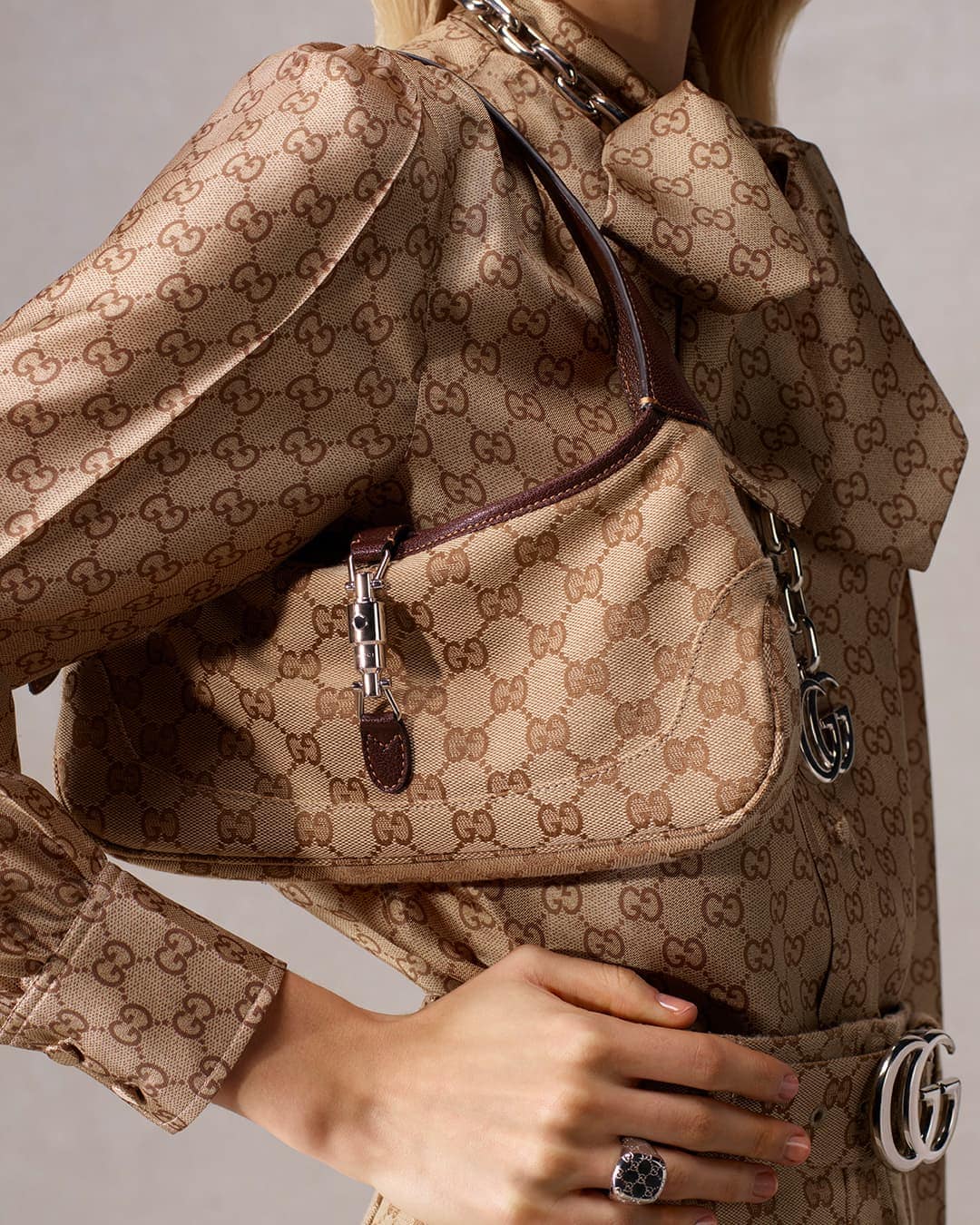
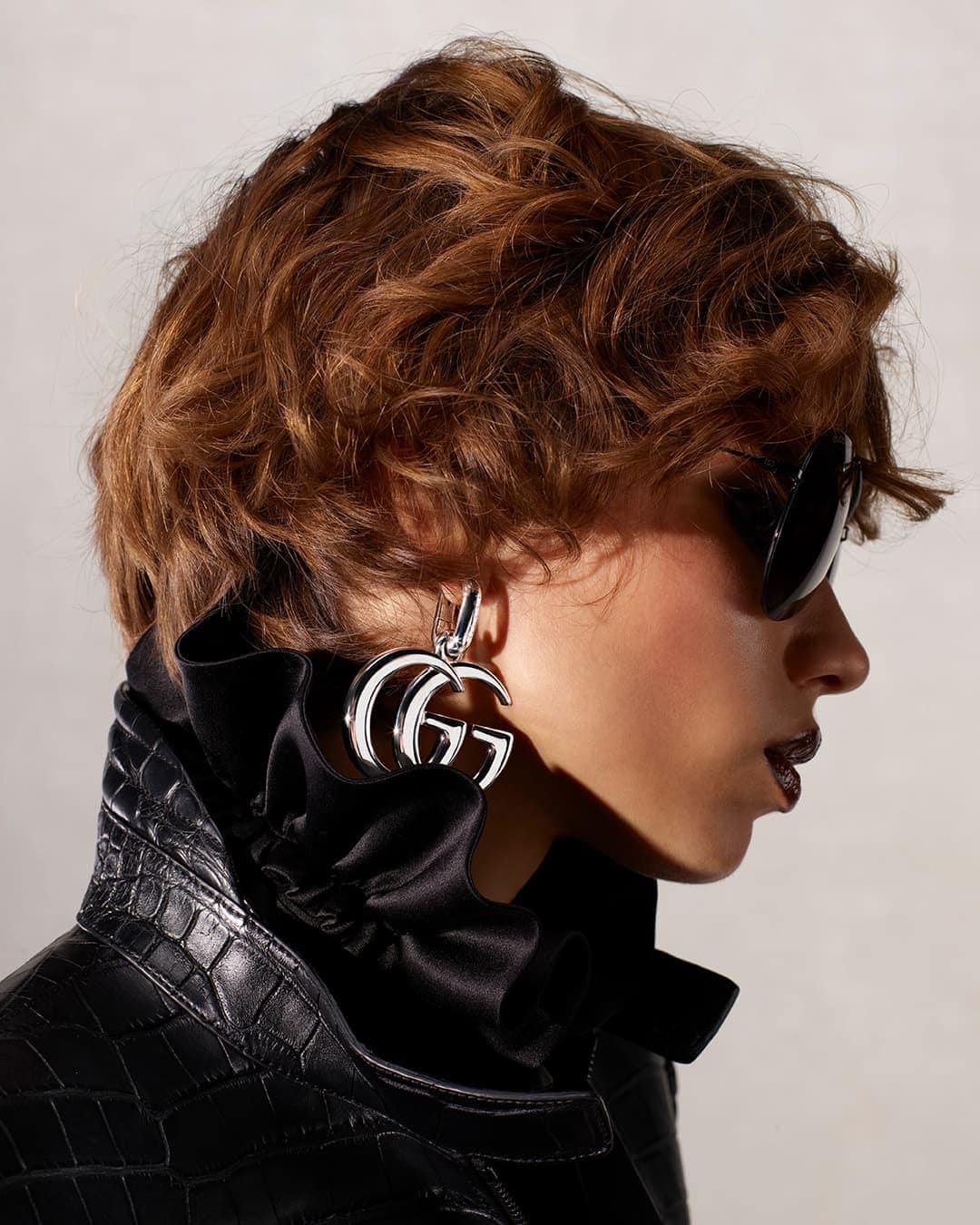
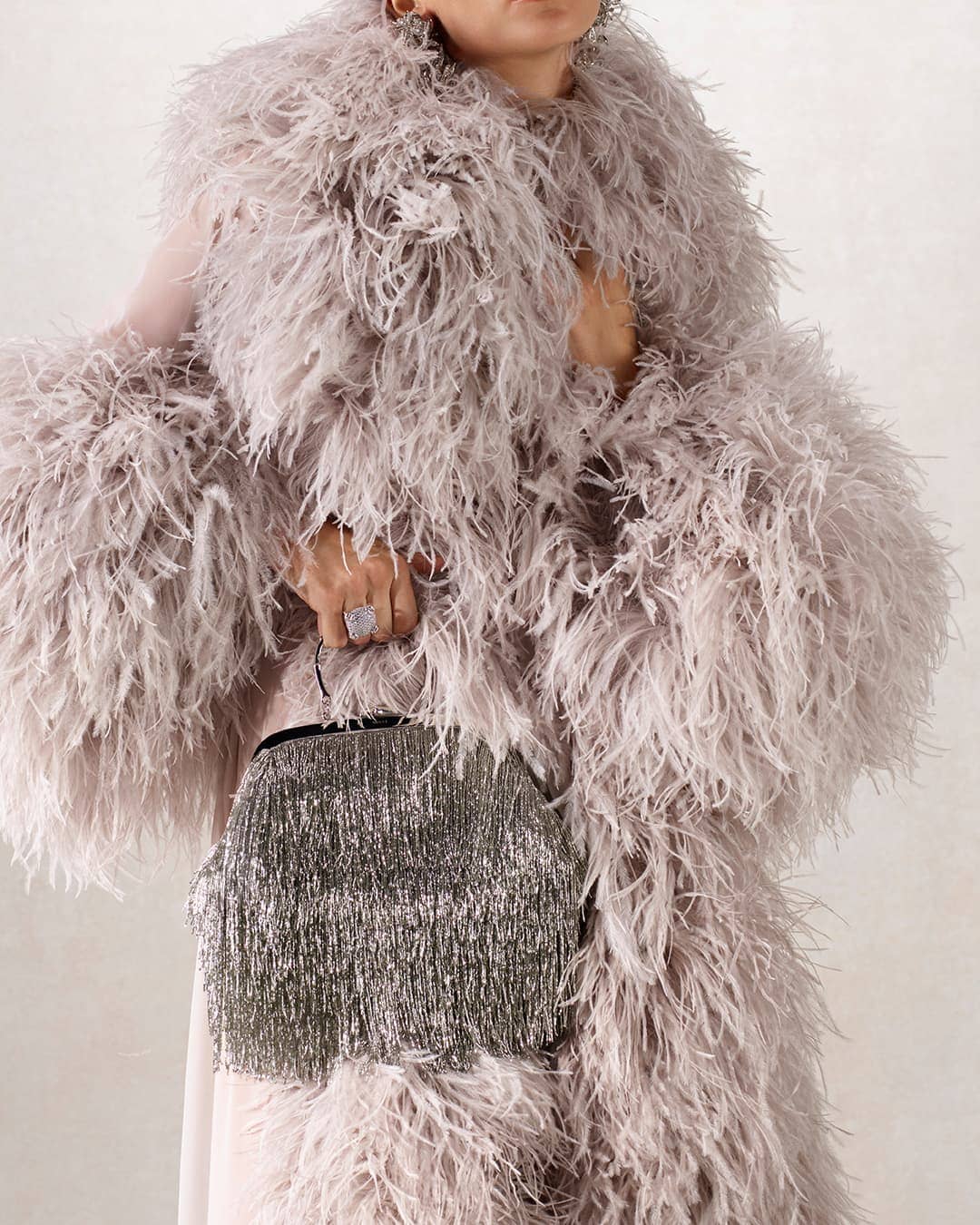
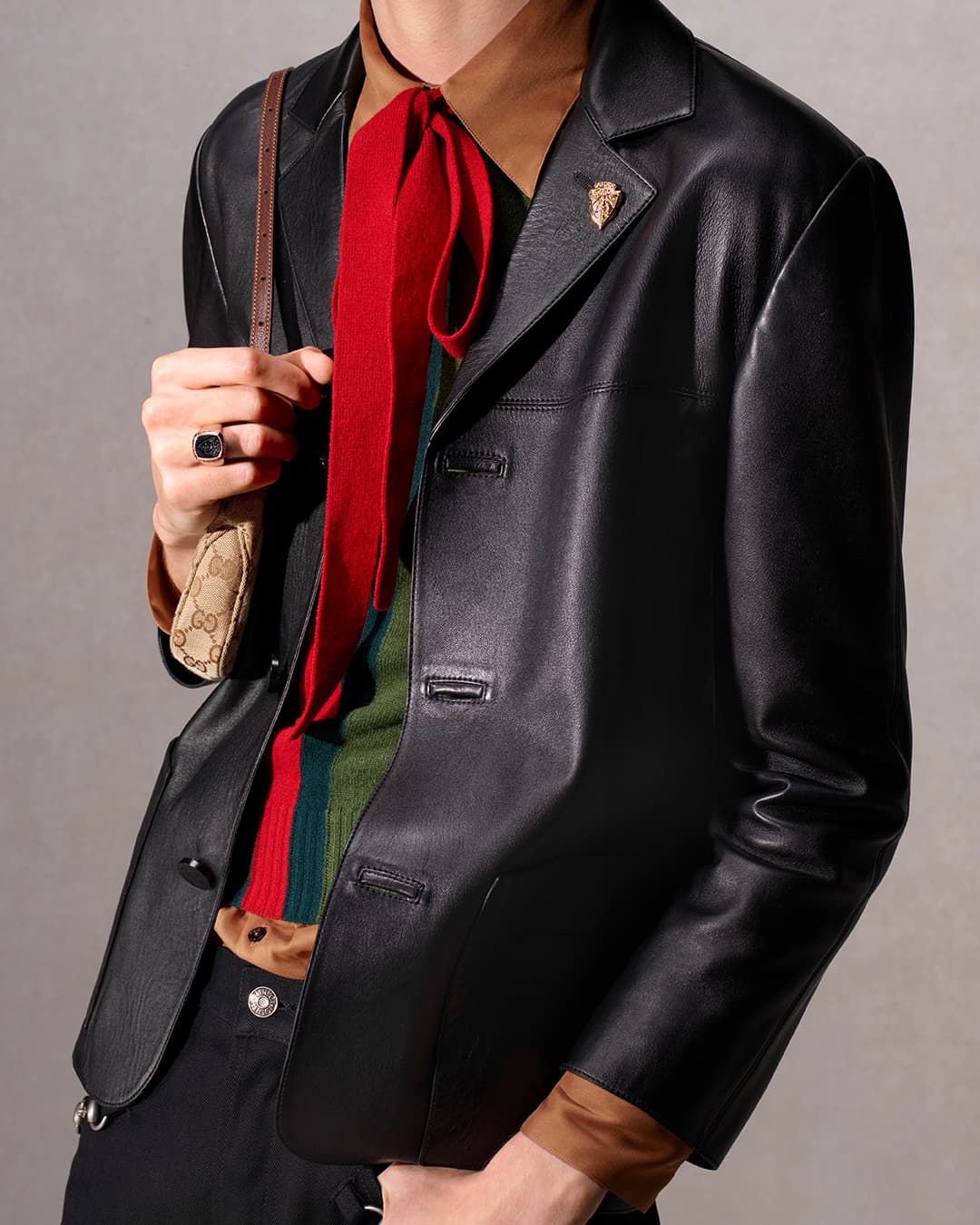
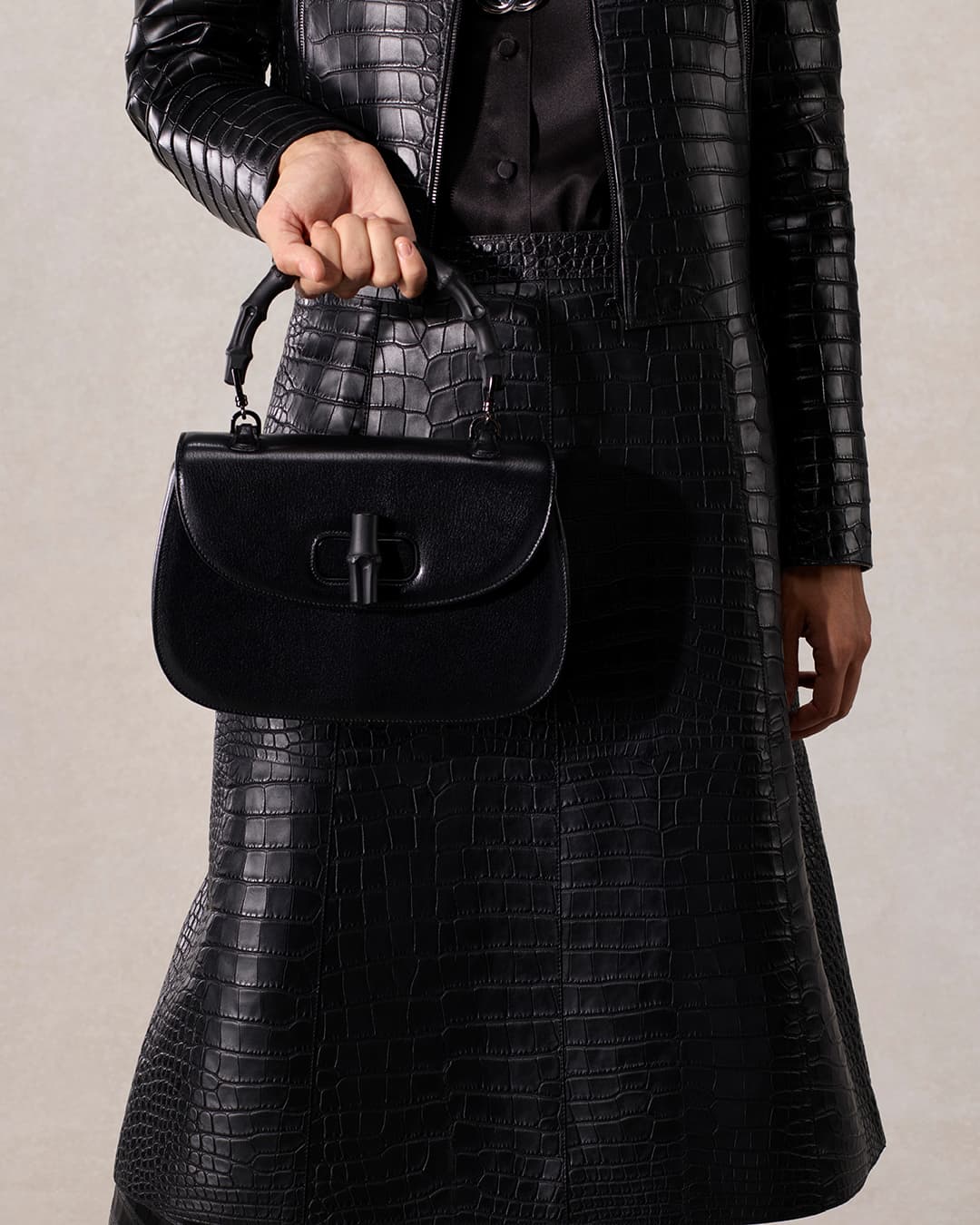
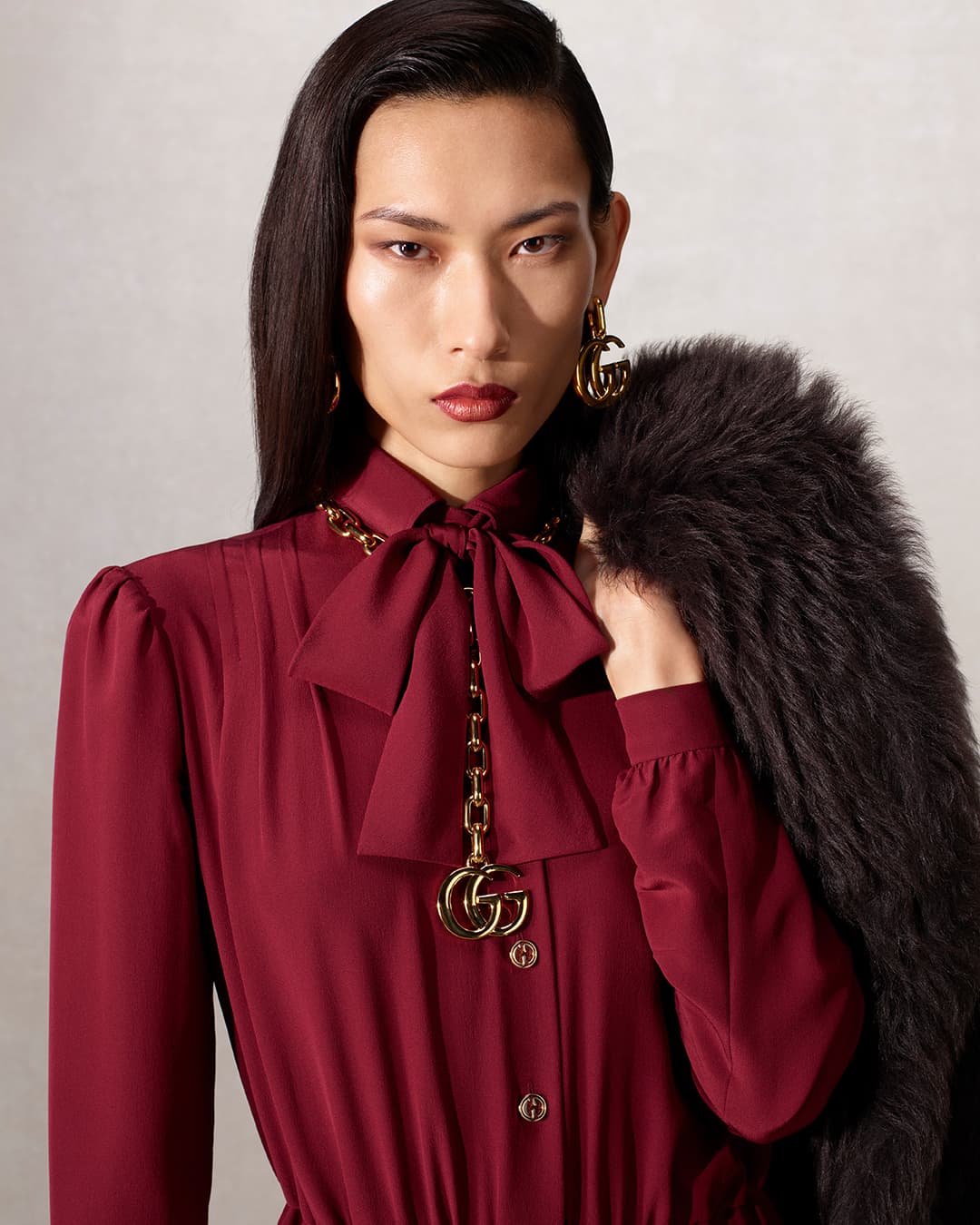
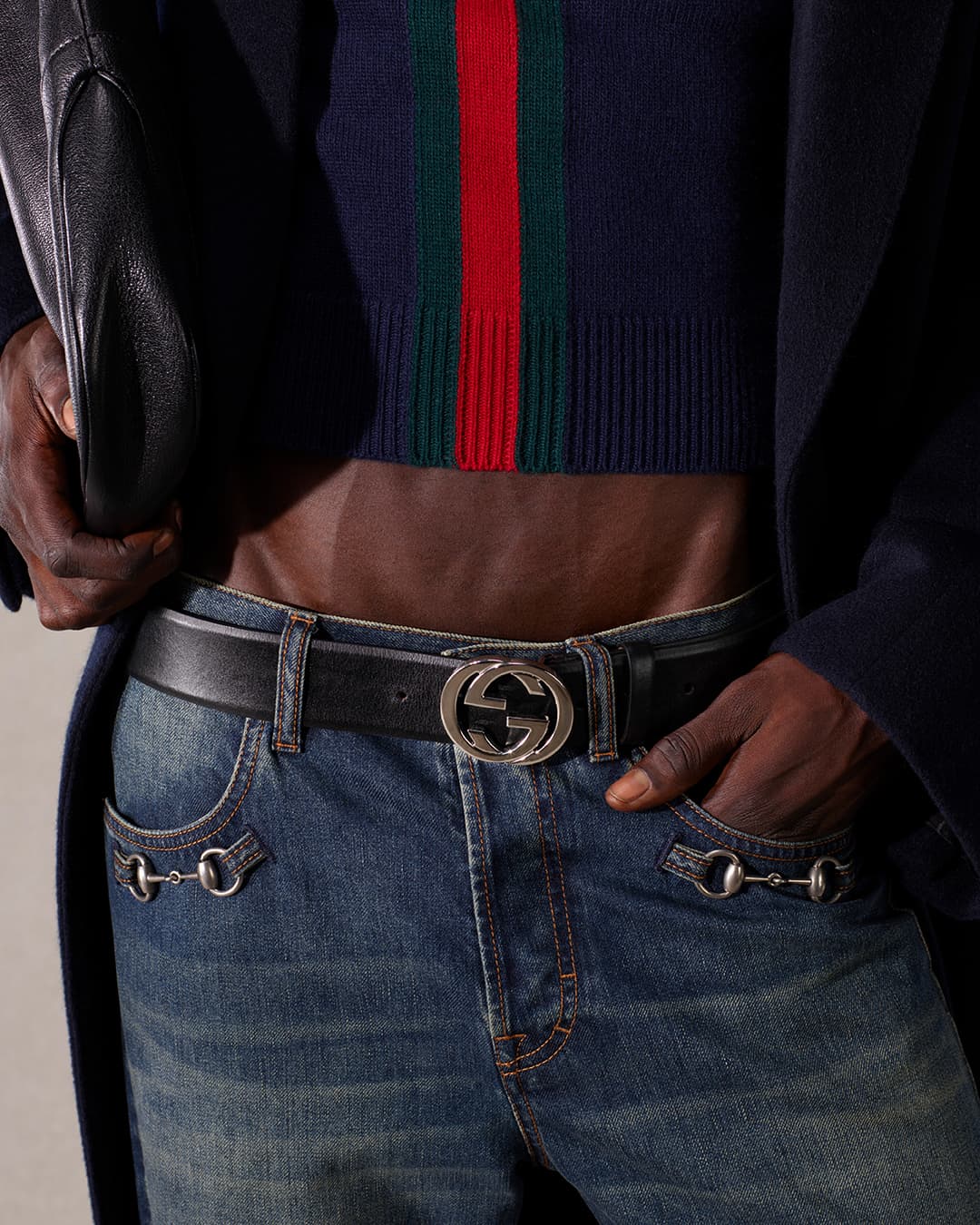
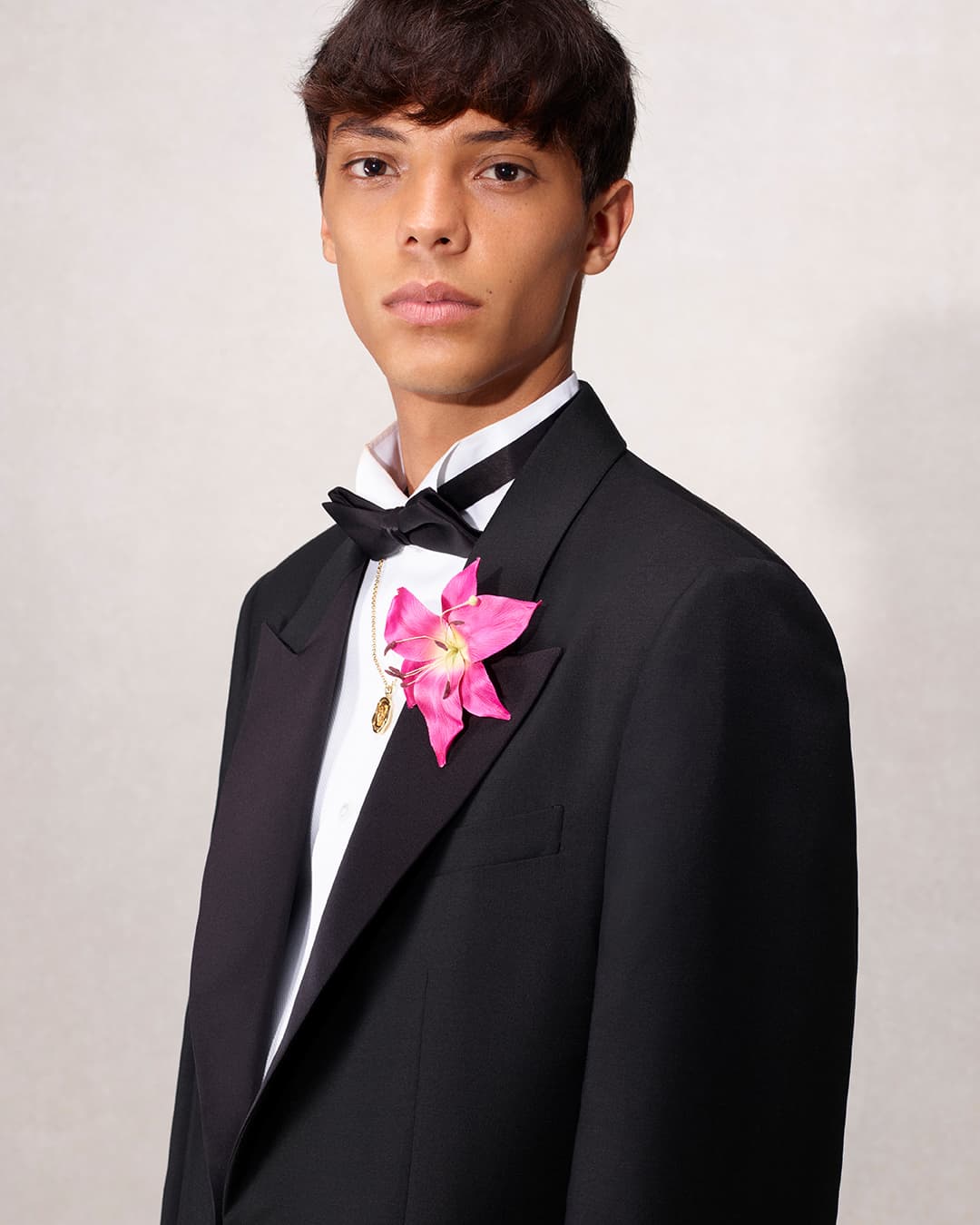
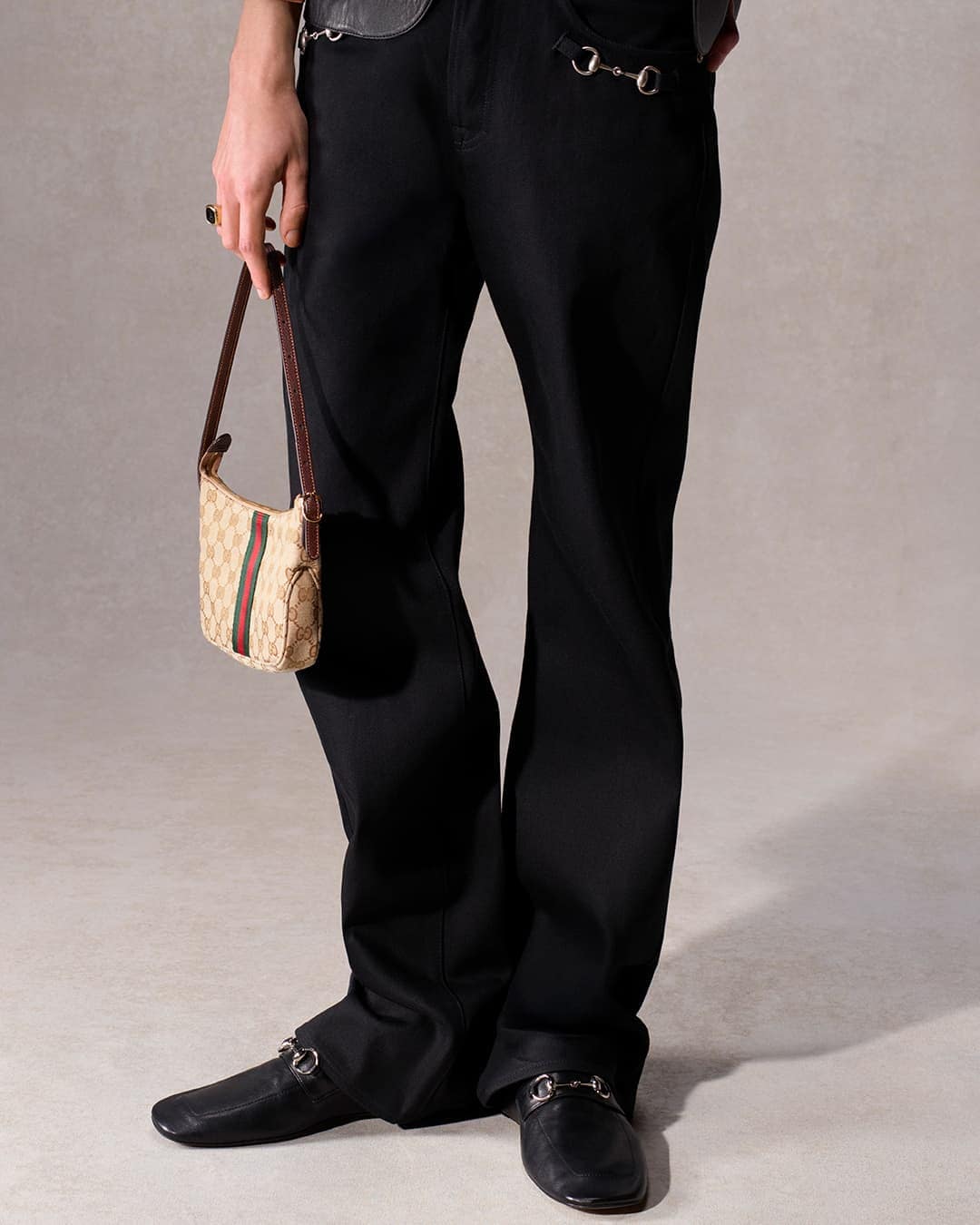
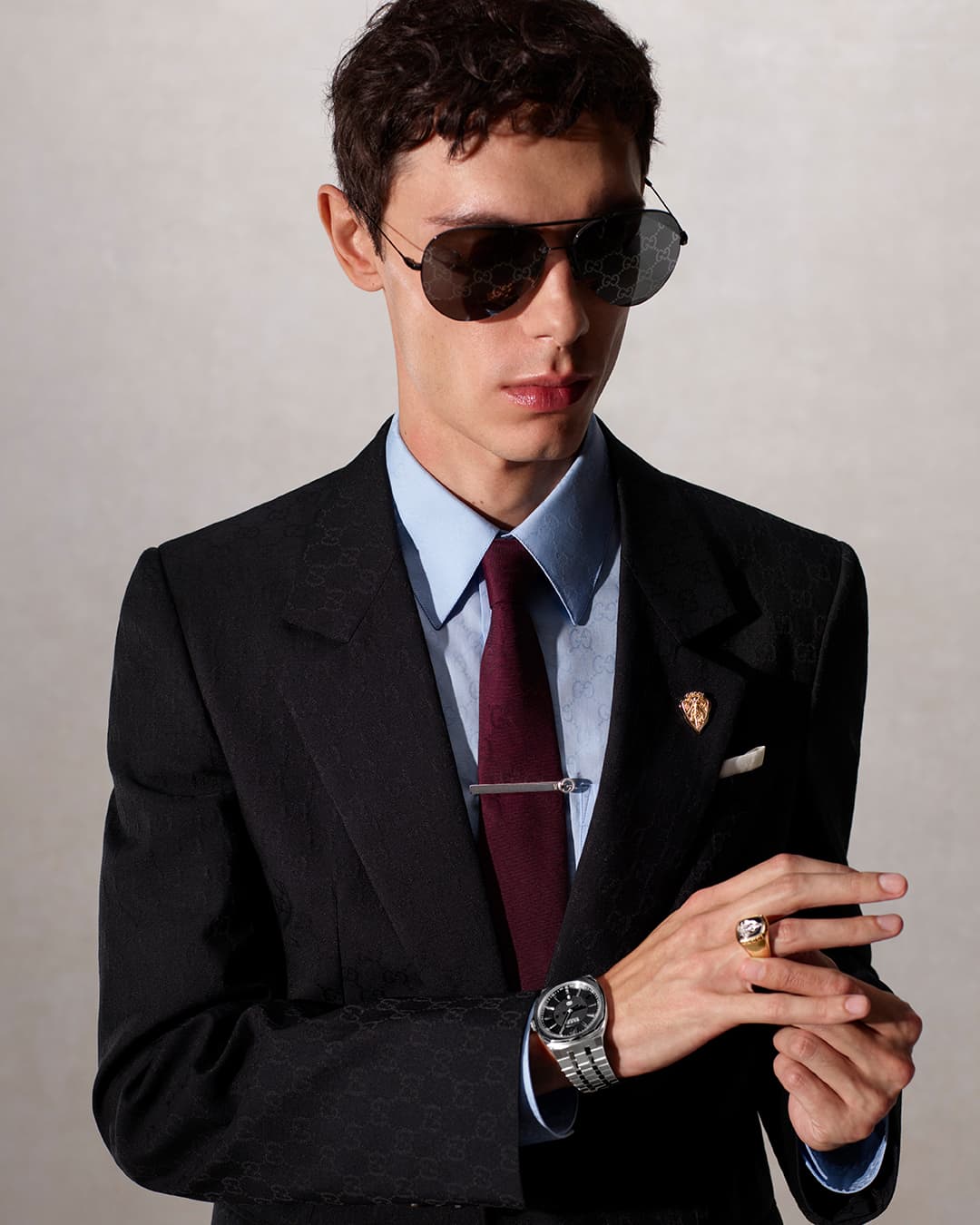
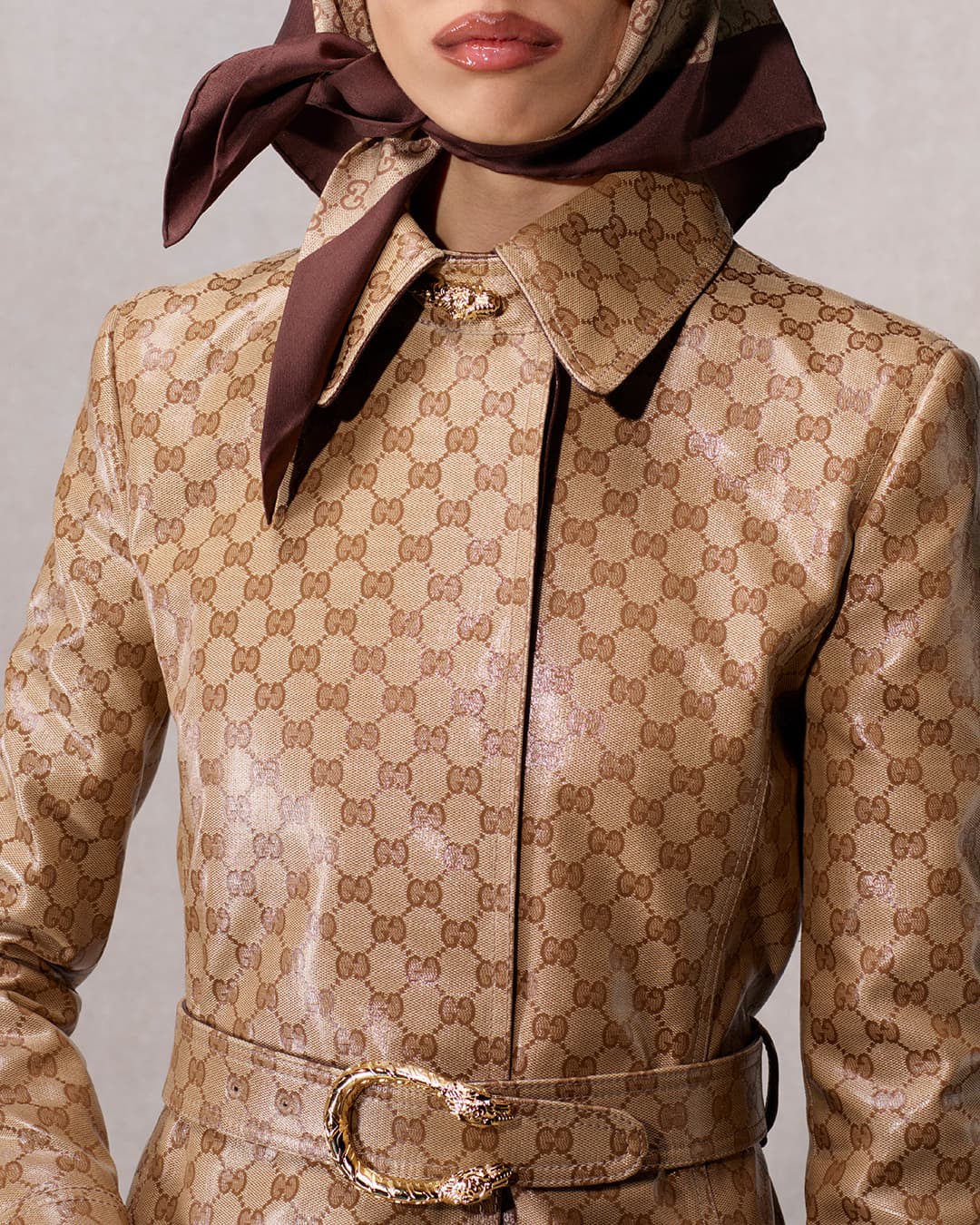
The imagery leans into restraint. Clean backdrops, frontal poses, a studied neutrality that lets clothes and attitude do the work. Each figure reads as a type, styled to signal temperament and status, the red coat with a flare of temperament, the black tailoring anchored by the Bamboo 1947, denim and leather carrying a certain practiced ease. Opie’s lens brings clarity and seriousness, a quiet authority that resists theatrics. It’s handsome, assured, and very controlled.
That control, though, is where the campaign begins to feel hemmed in. The visual language tracks closely with the lookbook that preceded it, echoing silhouettes, attitudes, and framing. Instead of expanding the idea introduced in the debut film, the campaign consolidates it. The result feels competent and polished, yet curiously static. Character is present, story less so. The idea of famiglia promises interrelation, friction, shared history. What we see instead is a lineup, each individual compelling, the collective stopping short of becoming a world.
There’s also an unmistakable gravitational pull toward a Tom Ford–era sexiness, sleek, adult, self-possessed. That direction makes sense, and it suits Demna’s interest in attitude over ornament. Yet Ford’s tenure was defined as much by the campaigns as by the clothes, images that didn’t just present desire, they staged it. Here, desire is implied, not dramatized. The house seems to be circling a voice rather than declaring one, which is understandable in a period of transition, though it does leave the campaign feeling like a bridge rather than a destination.
One can sense the pressures of pace. Gucci hasn’t had the luxury of a prolonged visual reset, and La Famiglia carries the weight of continuity as much as invention. Still, by this point, a stronger narrative spine would help anchor the shift. World-building doesn’t require excess, it requires conviction. A place, a mood, a tension that lingers beyond the frame. Those elements feel within reach here, just not fully seized.
La Famiglia ultimately reads as a holding pattern with style. It affirms direction, signals taste, and maintains momentum. What it withholds is immersion. As Demna continues to shape his Gucci, the next chapter will benefit from letting the camera wander a little further, from turning these characters into participants in a story rather than witnesses to a moment. The family is assembled. Now it needs somewhere to live.
Gucci Creative Director | Demna
Creative Director | Mau Morgó
Photographer | Catherine Opie
Models | Alex Consani, Cheng Xu, Dongliang He, Francois Deaconu, Henry Rank, Keygon Baxter, Khadim Sock, Kit Butler, Lila Moss, Loic Paulmier, Maartje Convens, Mariacarla Boscono, Mathilda Gvarliani, Michael Oder, Moutti Khatri Foltz
Manicurist | Elena Stepaniuk