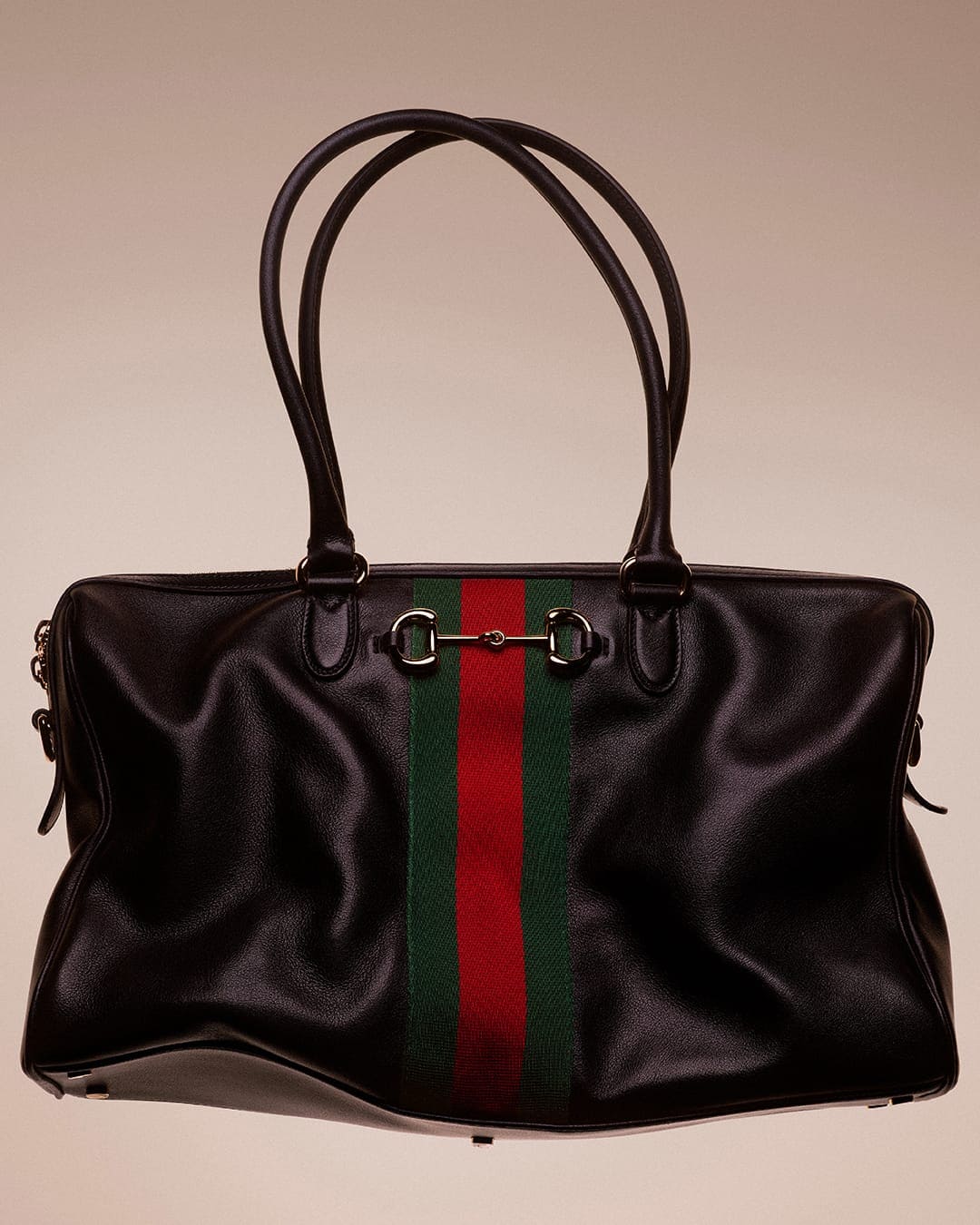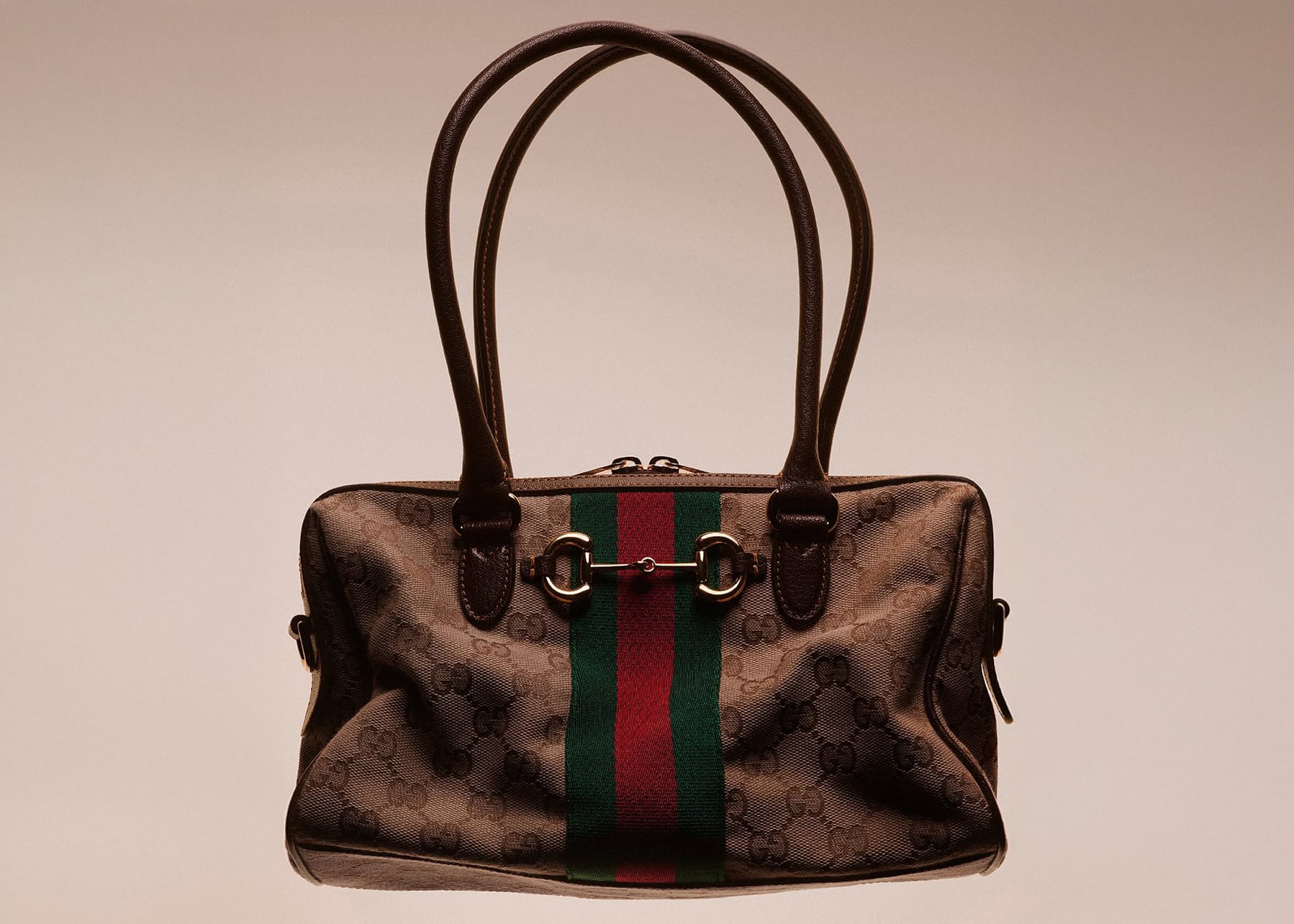
Gucci’s new Borsetto handbag reframes the Horsebit as a daily design anchor, signaling a shift toward ease, longevity, and modern icon management
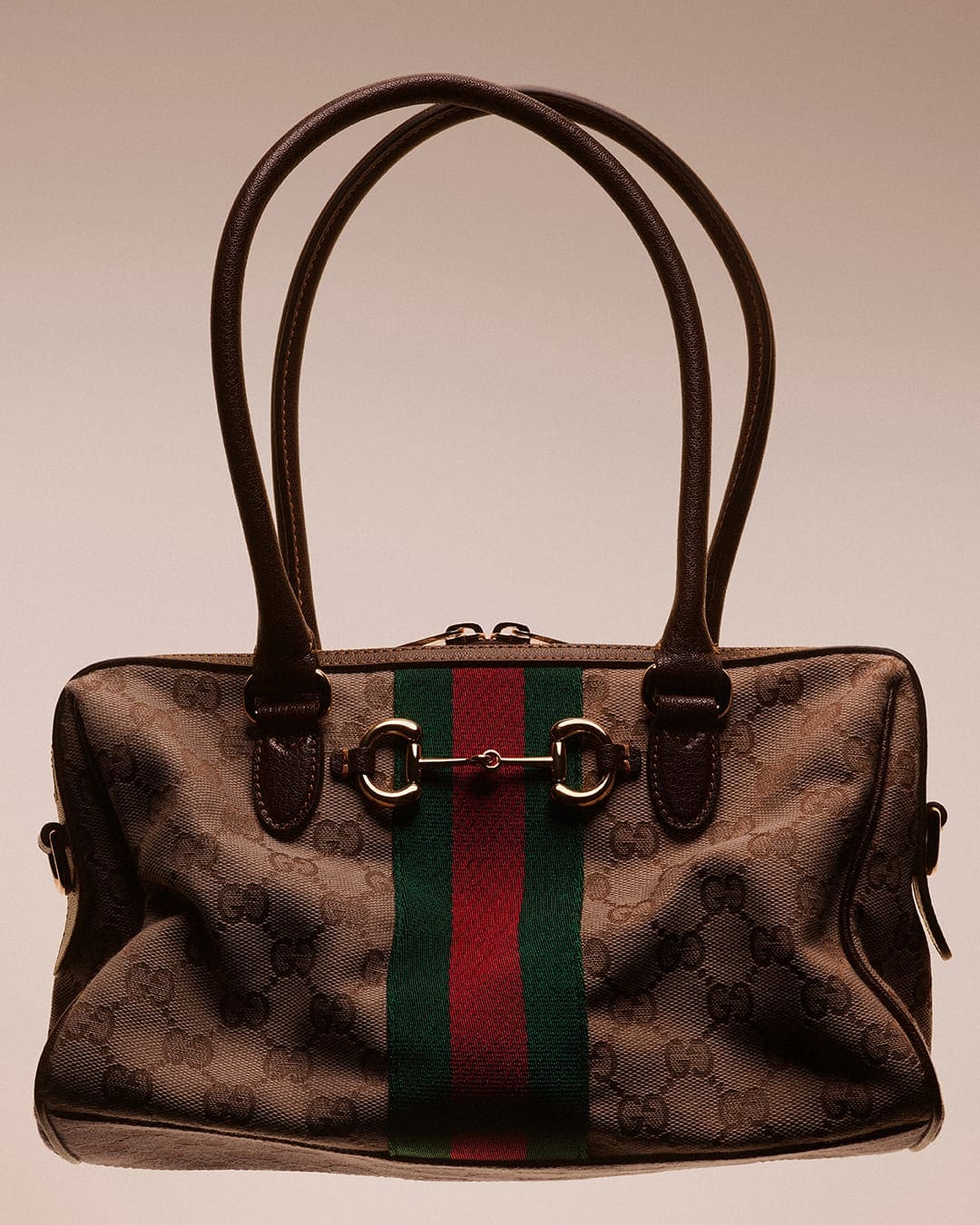
At Gucci, heritage continues to be one of the House’s most valuable currencies—yet how that heritage is deployed has become increasingly precise. The introduction of the Borsetto handbag marks a quiet recalibration of the Horsebit, repositioning the emblem away from statement-making flourish and toward daily function.
Long associated with Gucci’s equestrian roots, the Horsebit has historically operated as a highly legible symbol of the House. First appearing in the late 1940s, it quickly became one of Gucci’s most recognizable signatures. In Borsetto, that symbol remains intact, yet its role has shifted. Here, the Horsebit acts as a structural constant rather than a decorative headline, grounding a silhouette designed for ease, repetition, and long-term wardrobe integration.

This emphasis on wearability feels deliberate. The Borsetto’s relaxed proportions, elongated handle, and detachable strap reflect a broader understanding of how luxury consumers are engaging with product today. As purchasing behavior continues to tilt toward longevity and versatility, Gucci appears focused on creating objects that sustain relevance through use rather than novelty. Available in medium and large sizes, and offered in materials ranging from suede and leather to GG Monogram canvas, the bag reinforces familiarity without pushing for reinvention.
Even the naming underscores this approach. “Borsetto”—a linguistic blend of borsa and morsetto—compresses heritage and modernity into a single, intuitive gesture. It reflects a brand language that favors clarity and recognition over layered storytelling, allowing form and symbol to carry the narrative weight.
For a C-suite audience, the significance lies in what Borsetto represents strategically. The bag signals Gucci’s prioritization of repeat wear and daily relevance, positioning heritage as infrastructure rather than ornament. In a market increasingly defined by restraint and discernment, the Horsebit’s recalibration suggests a confidence in consistency—and a belief that icons, when handled with precision, can continue to drive scale without dilution.