Regimented Restraint
Review of Hermès Fall 2026 Fashion Show
By Angela Baidoo
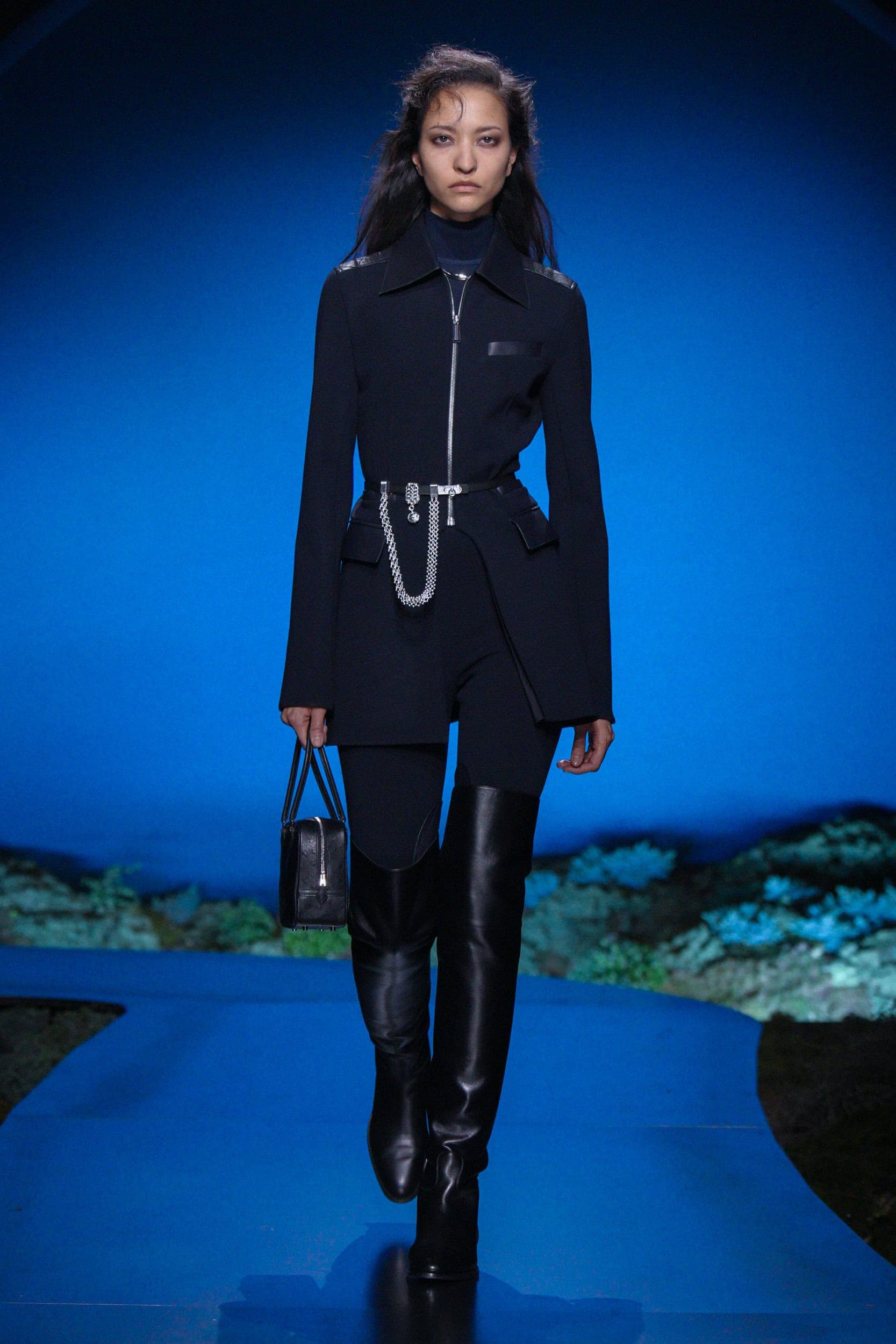
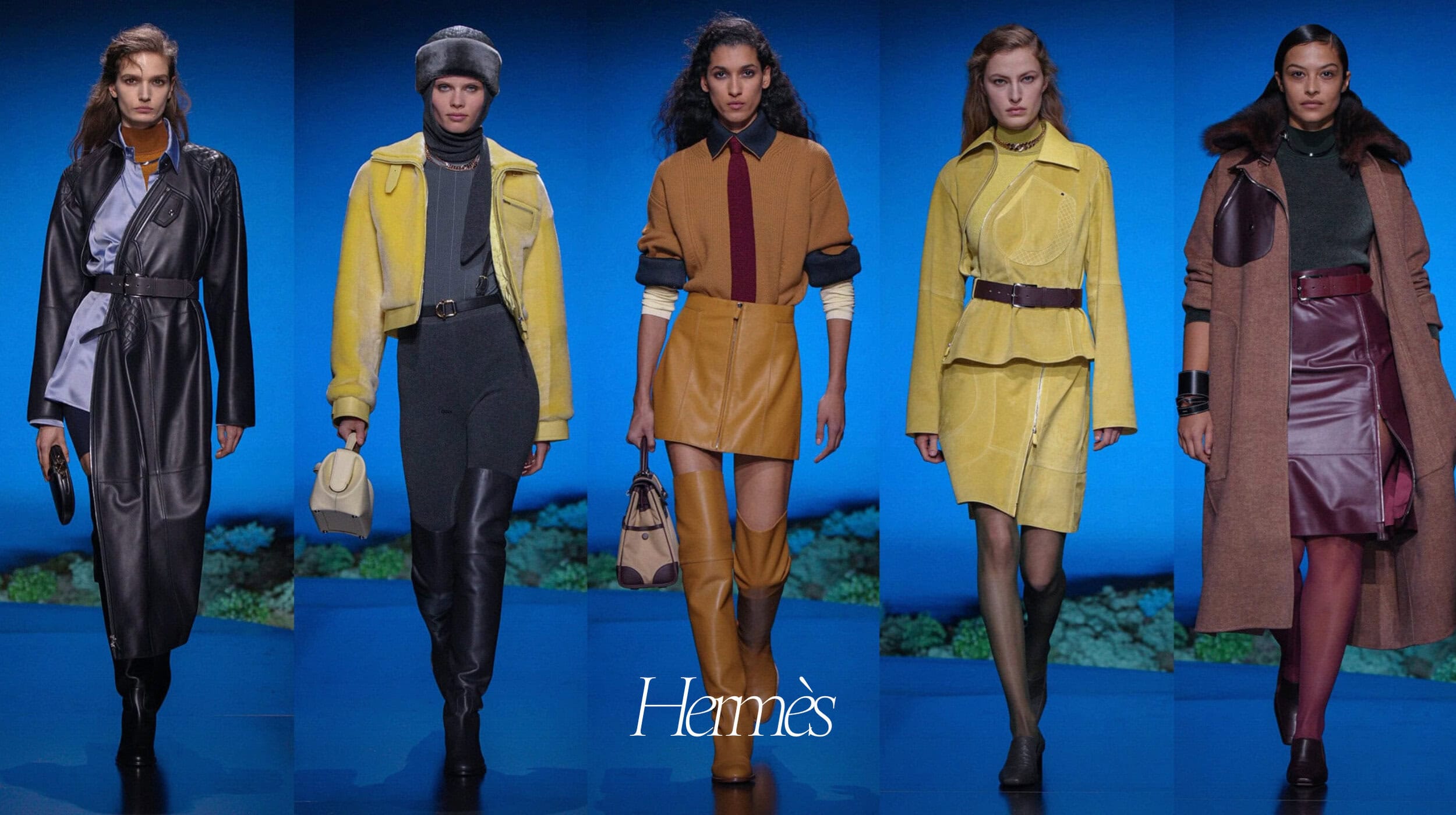
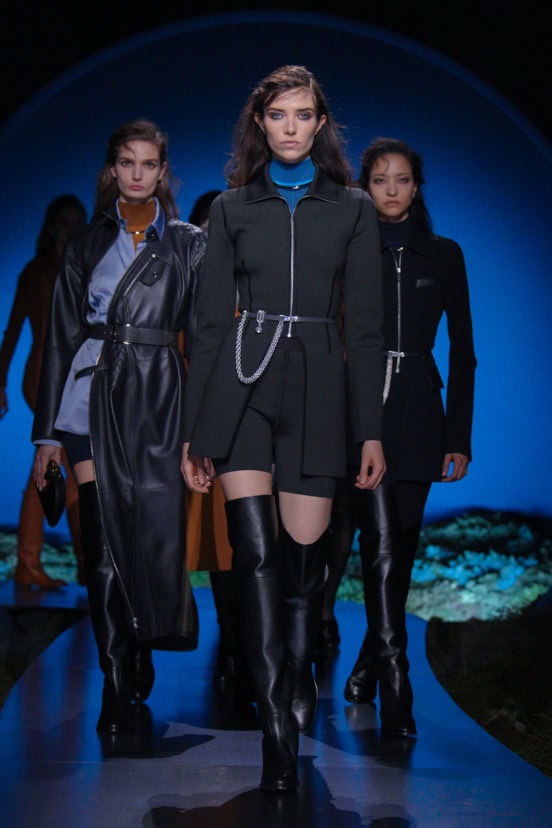
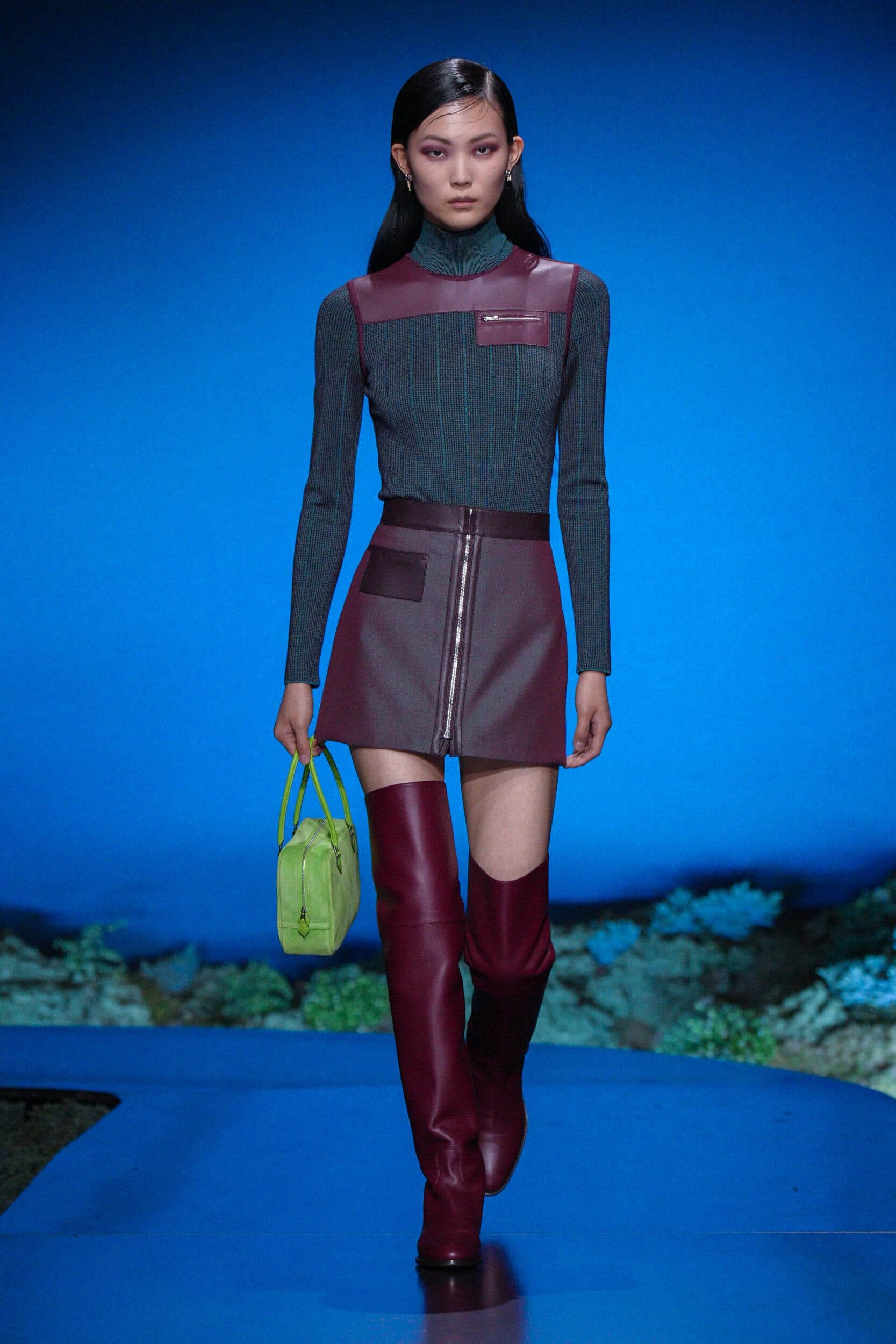
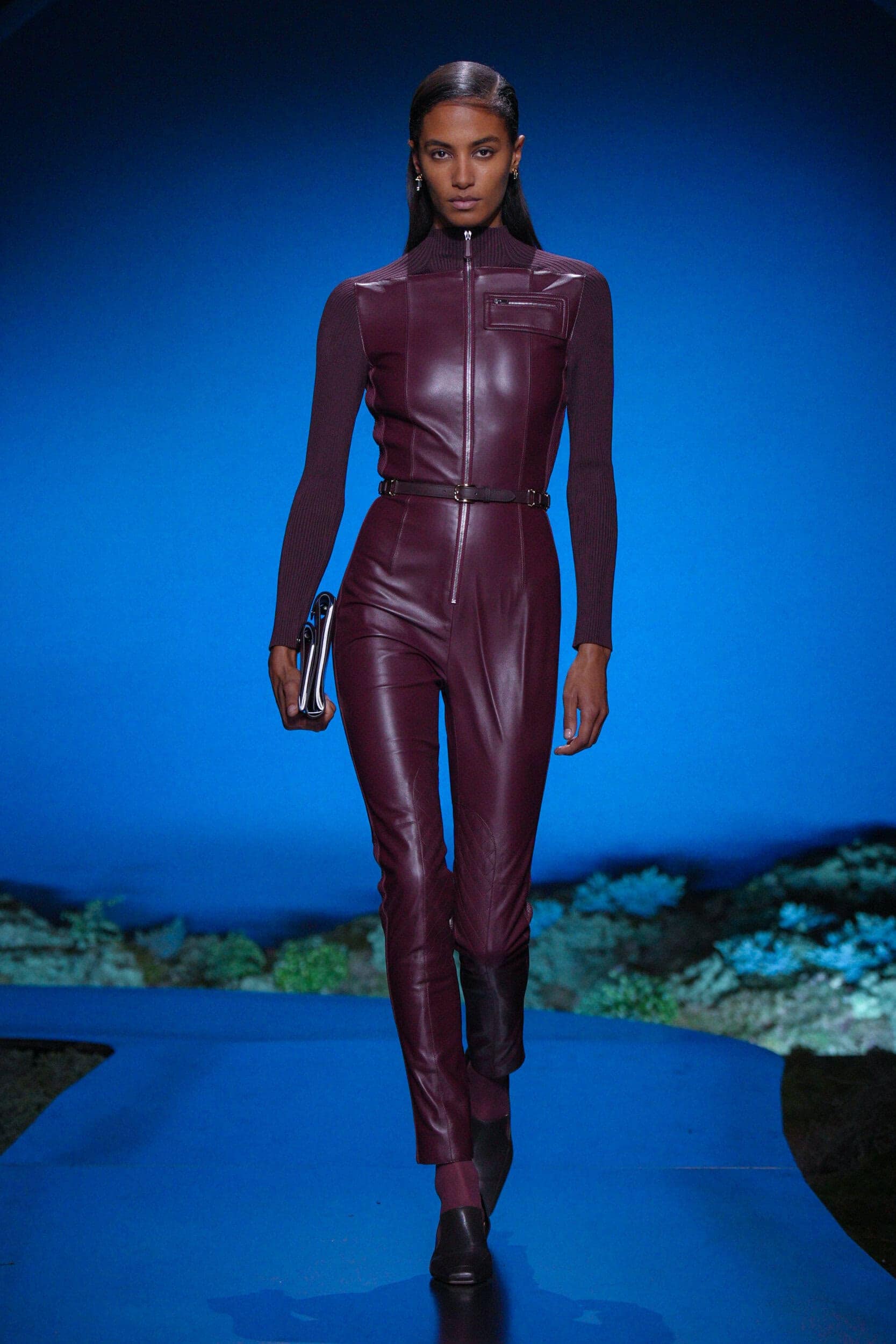
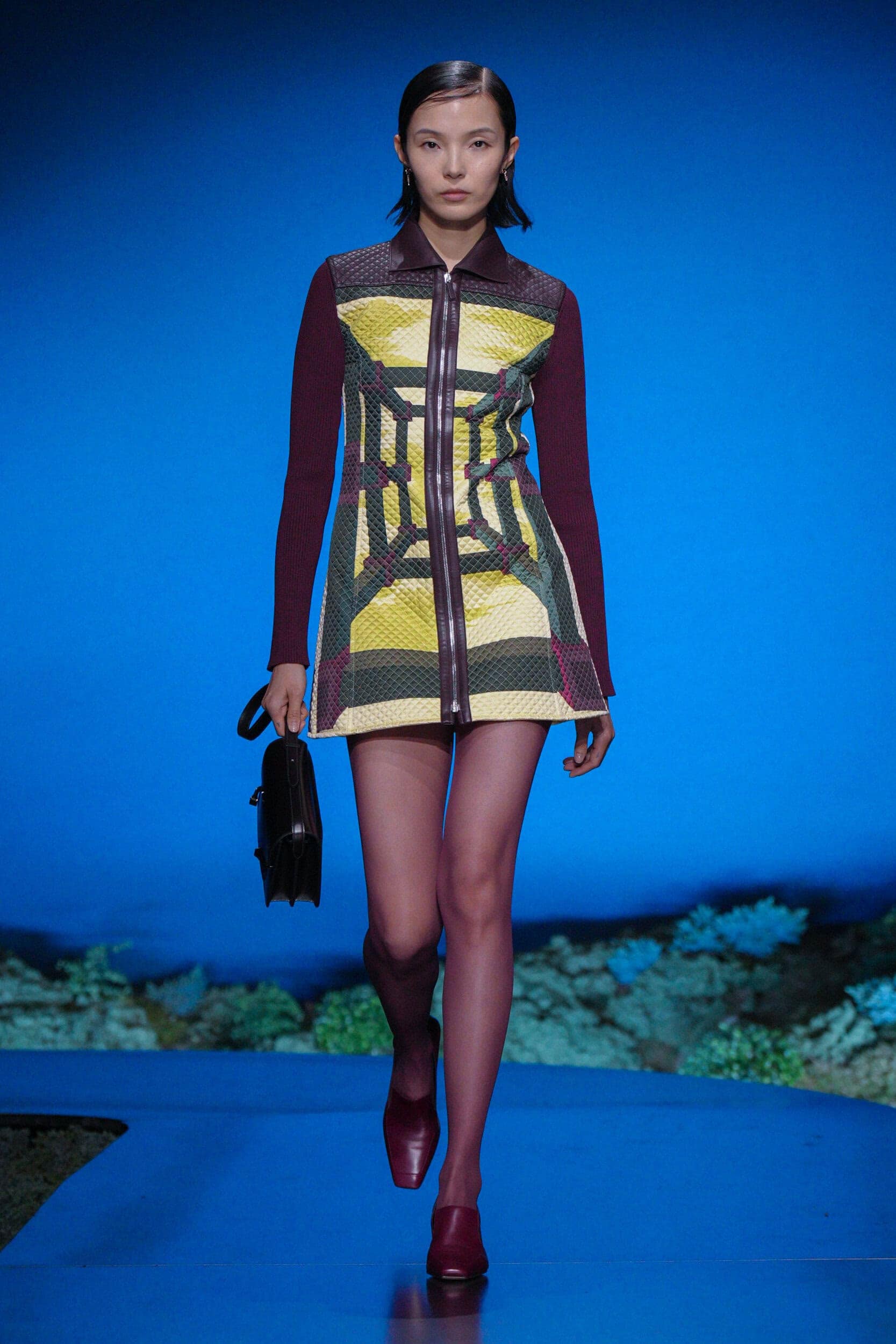
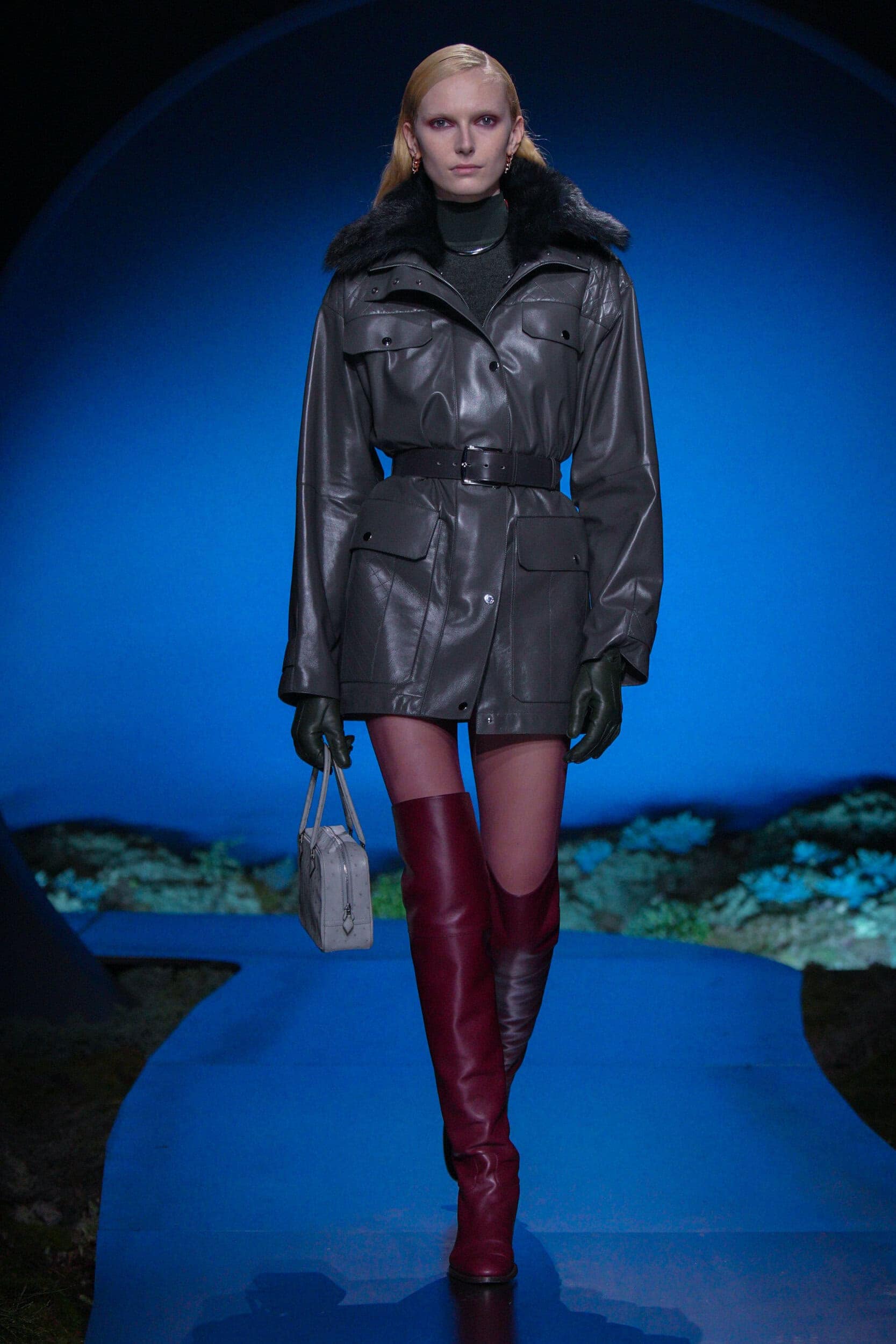
Hermès looked inward, into its own regimental past, to reconsider the equestrian codes that have long defined the house. Artistic director Nadège Vanhée-Cybulski merged military precision with everyday practicality, presenting a collection that reflected the mood of an increasingly uncertain world.
THE COLLECTION
THE VIBE
Regimented, Structured Softness, Commanding Attention
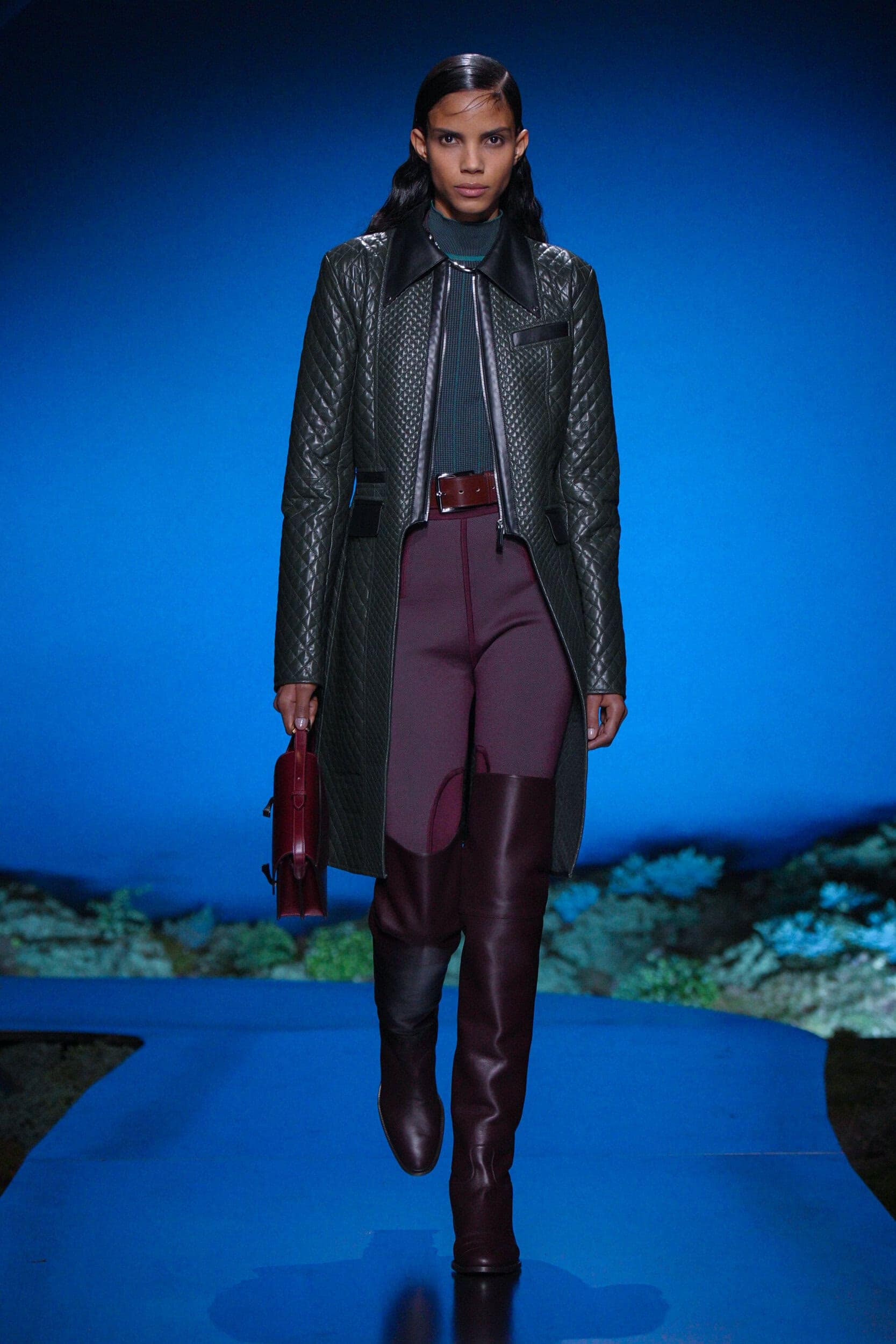
A military undertone accompanied Nadège Vanhée’s fall collection for Hermès. Not surprising as with each 24-hour cycle there is a report of a new global conflict, many questionable, yet justified by the so-called noble cause of bringing peace to regions with totalitarian regimes. Finding the need to consider practicality – and unnervingly, a sense of constant readiness – designers have turned to the utilitarian to demonstrate how fashion plays a key part in current affairs.
Hermès is a house known for its long history of military ties. It’s equestrian craftsmanship capabilities supplied saddles to the French cavalry during World War I. Its distinctive orange packaging, that is now eternally associated with the brand, was a result of material shortages during the occupation of France by Germany in 1942 – leaving orange cardboard as the only available colour. Still in production today the Poste et Cavalerie (or Post and Cavalry) silk scarf designed by Joachim Metz in 1986 was inspired by an officers saber bag and depicts regimental crests.
The representation of military codes in this fall collection could have fallen victim to assisting the 1% in playing dress up. When the actuality of war has been a reality for many, for more than half a decade now. But as is likely, the brands customers won’t need, nor want, a reminder of these facts. Which explains the subtlety in Vanhée’s application for her fall show.
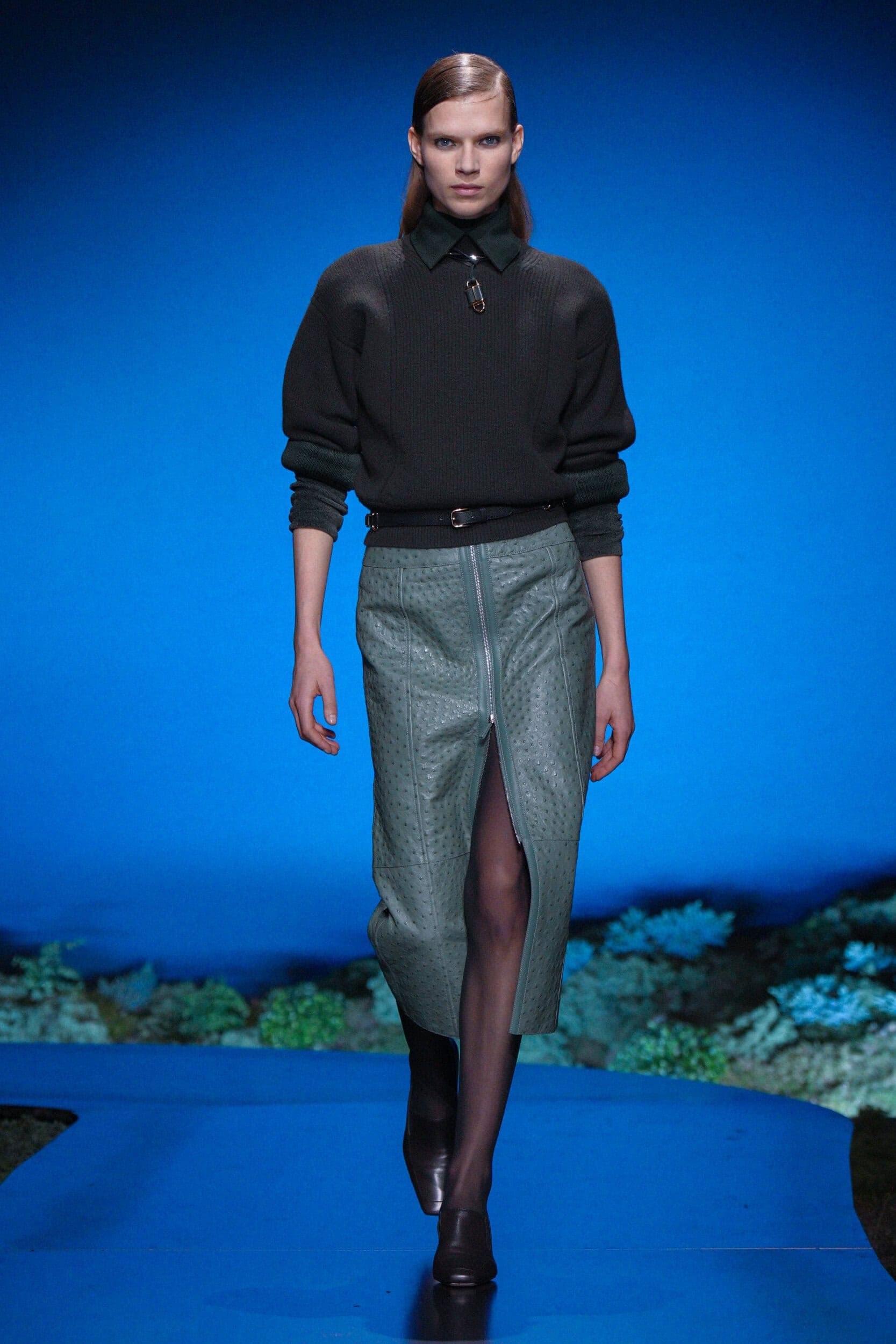
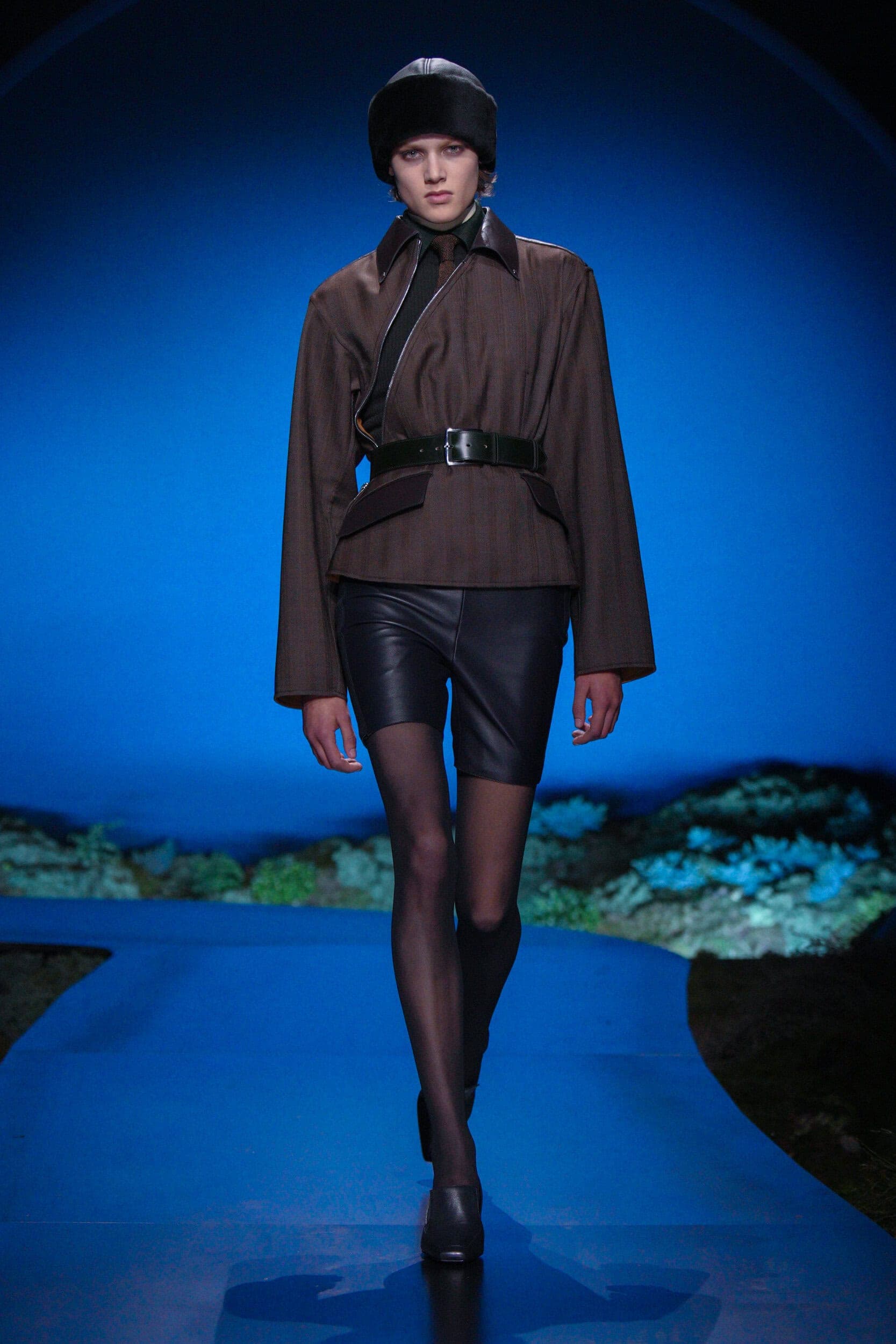
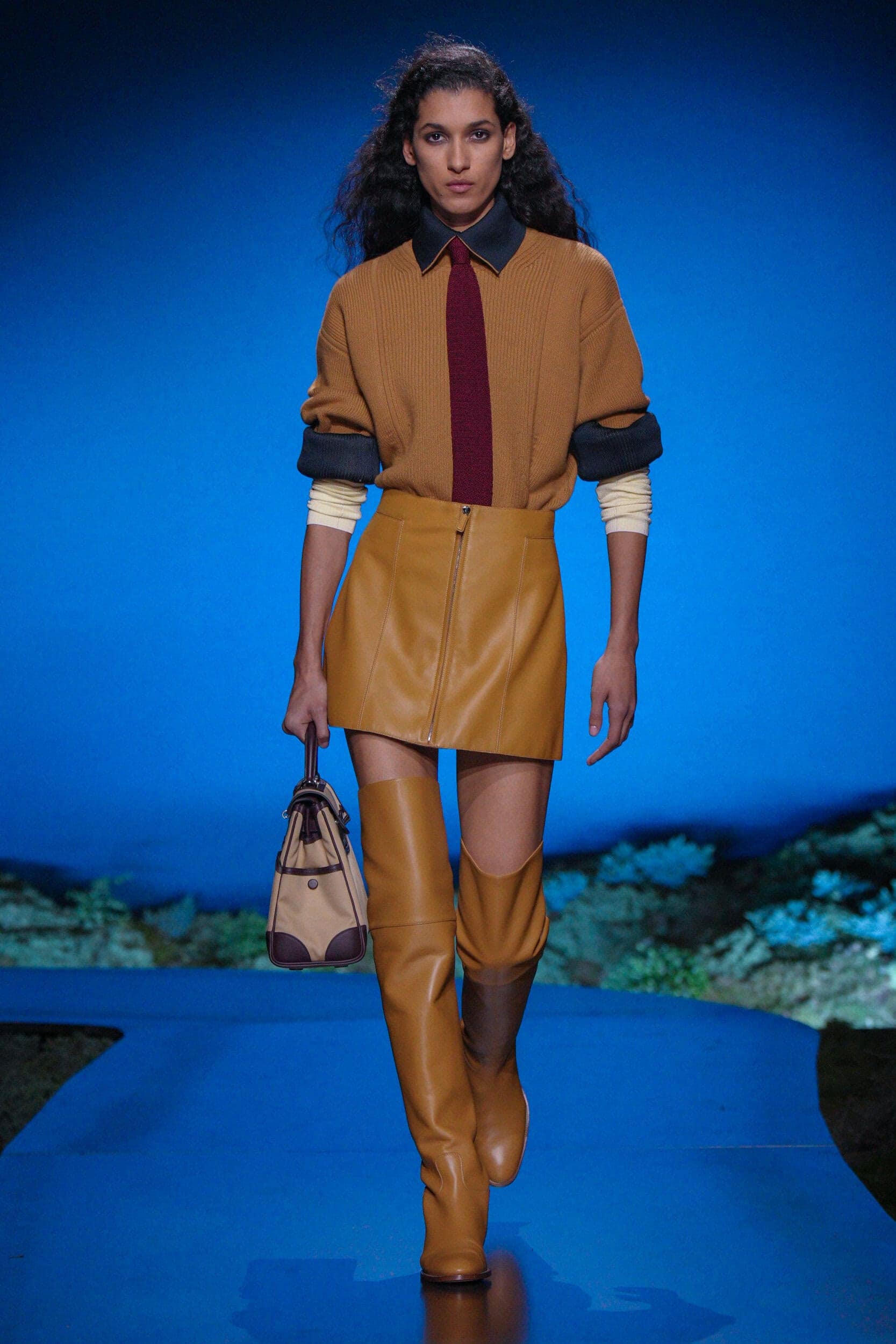
Other updated uniform elements felt like a breakaway and an inviting in of a younger customer – whether it was the leather cycling shorts or ostrich leather/knit hybrid jumpsuit. Elsewhere the collection could have benefitted from a lighter touch from the woven tops category. Especially considering the number of designers who have taken to weaving silk scarves into their collections as skirts, dresses, and occasion wear. This felt like a missed opportunity seeing as the house owns the silk scarf and could have made a statement section from a modernised deconstruction of their signature accessory.
THE WRAP UP
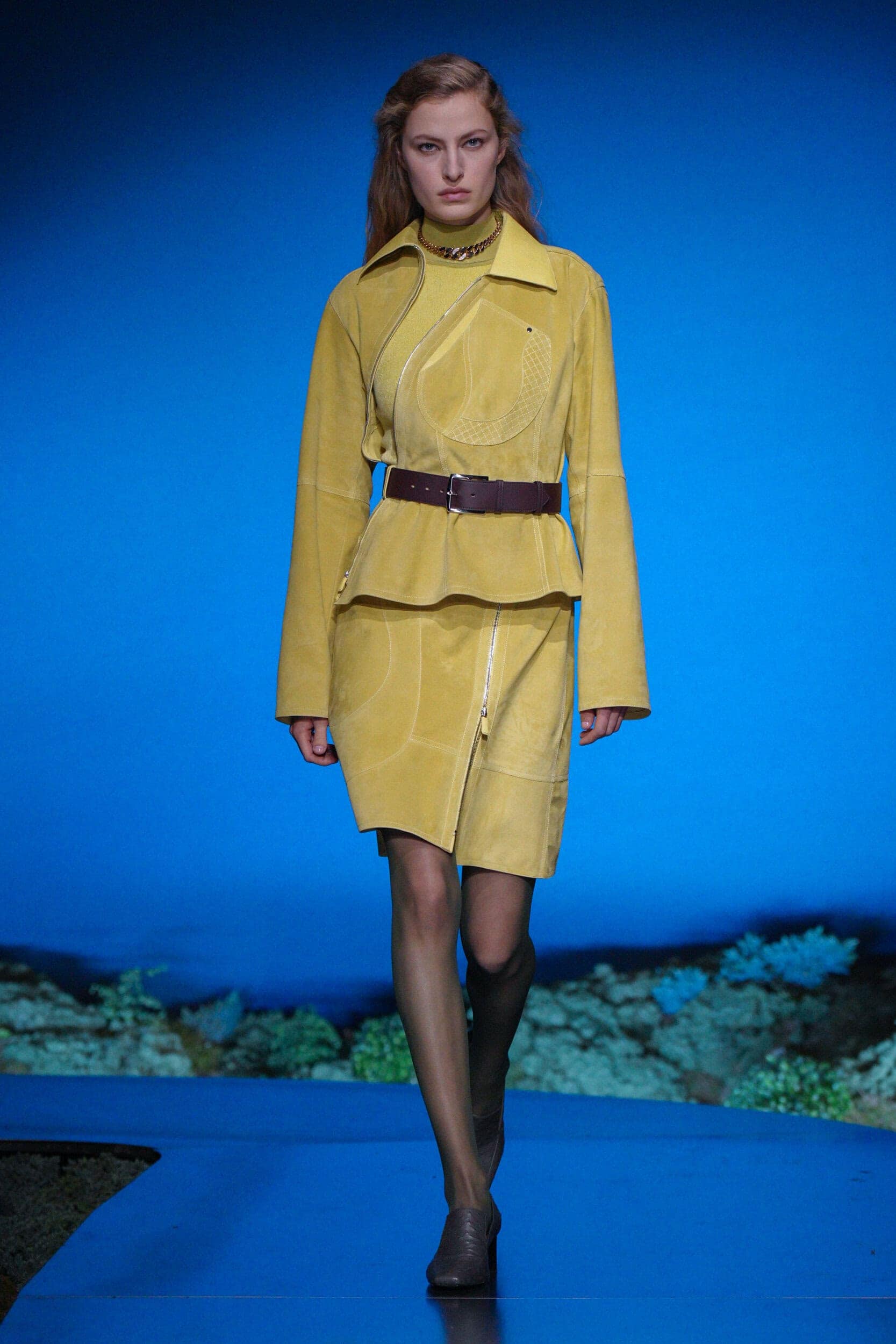
True to the ethos of Hermès, Vanhée allowed military references to permeate as subtle references rather than strict uniform codes. Structured outerwear, leather cycling shorts, and hybrid knits suggested a modern retelling of the codes of the house.
If the collection missed the chance to reinterpret Hermès’ famed silk heritage – with opportunity lying in the transformative potential of its scarves – what it did was reaffirm the artistic directors strengths in her slow evolution of the house.