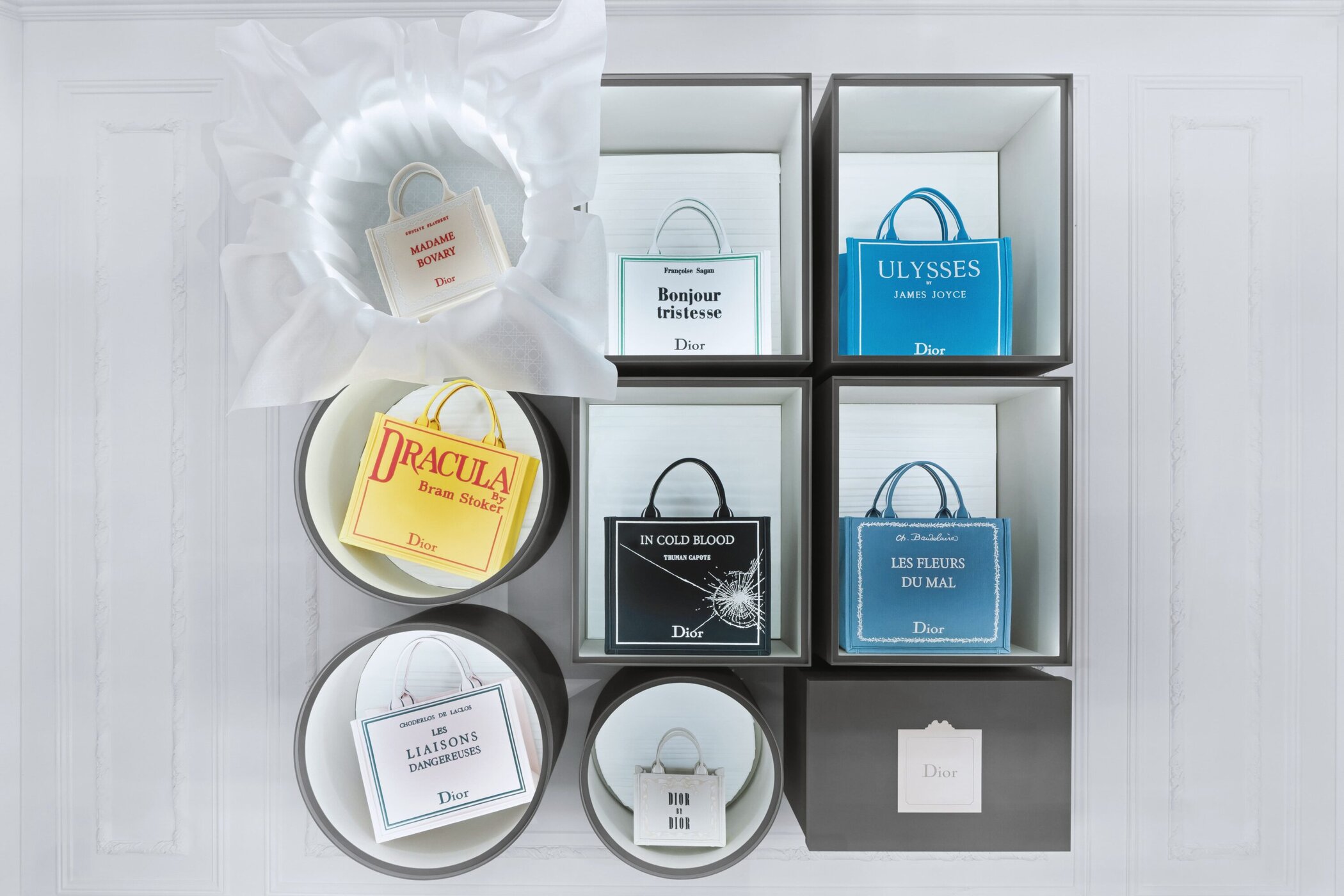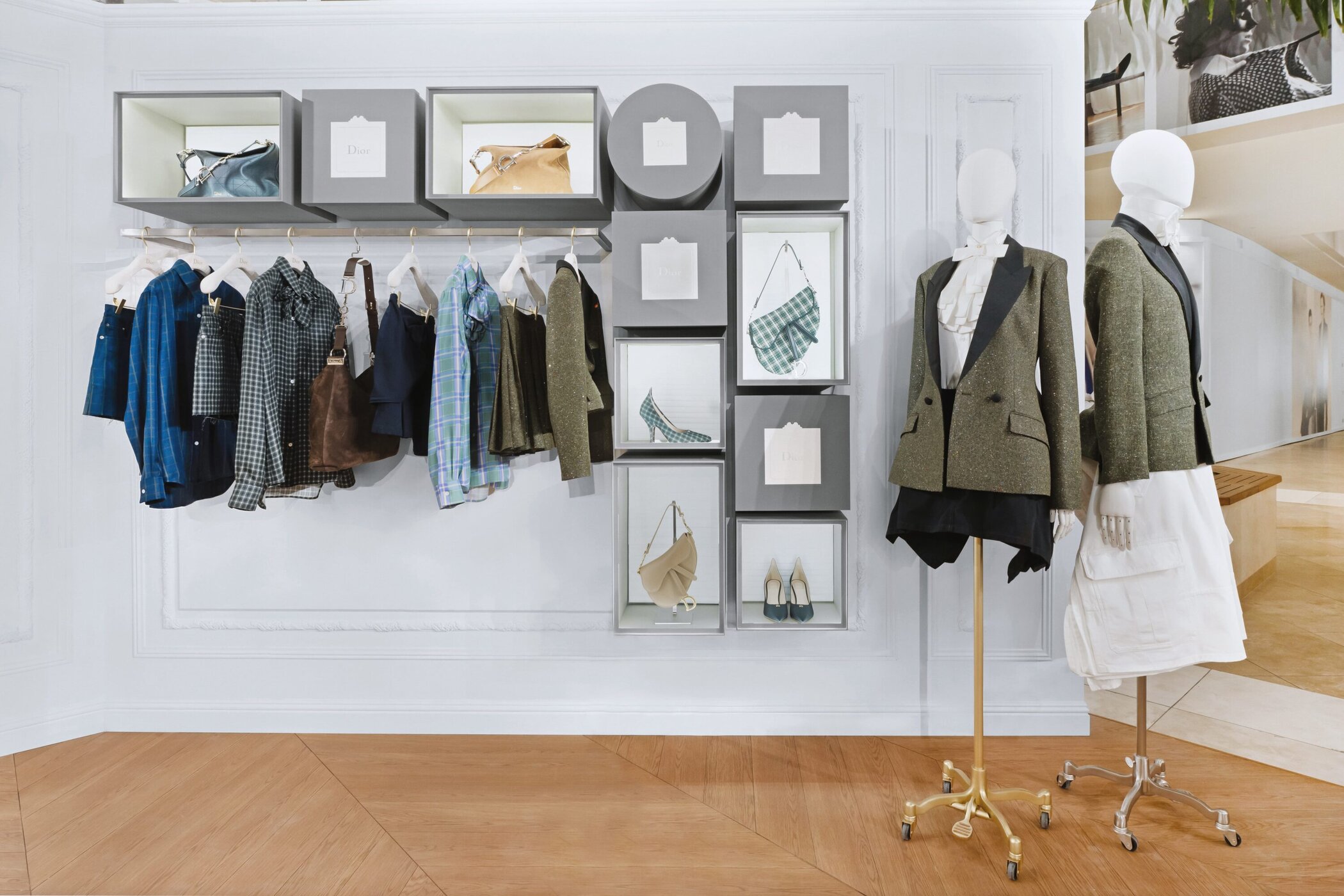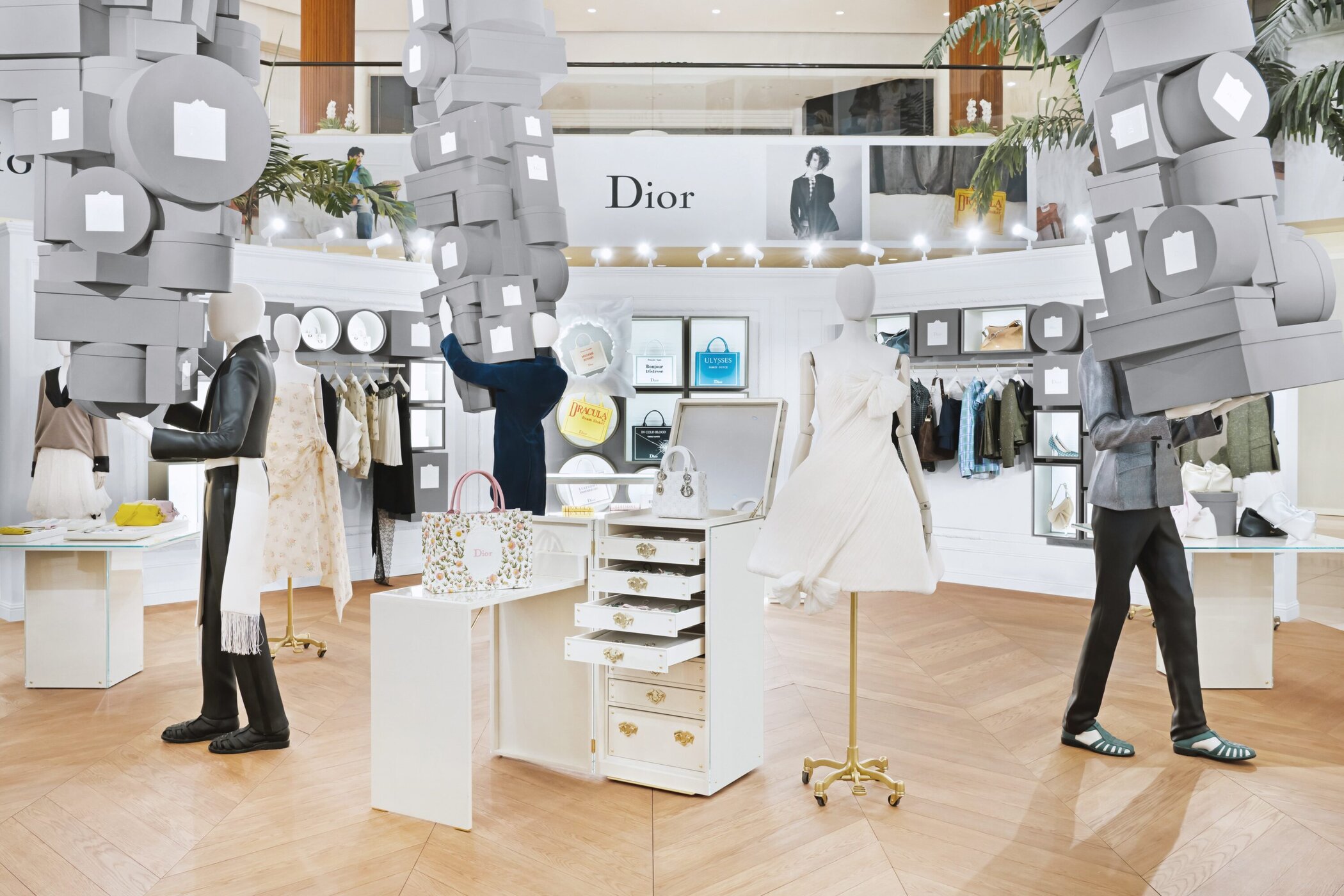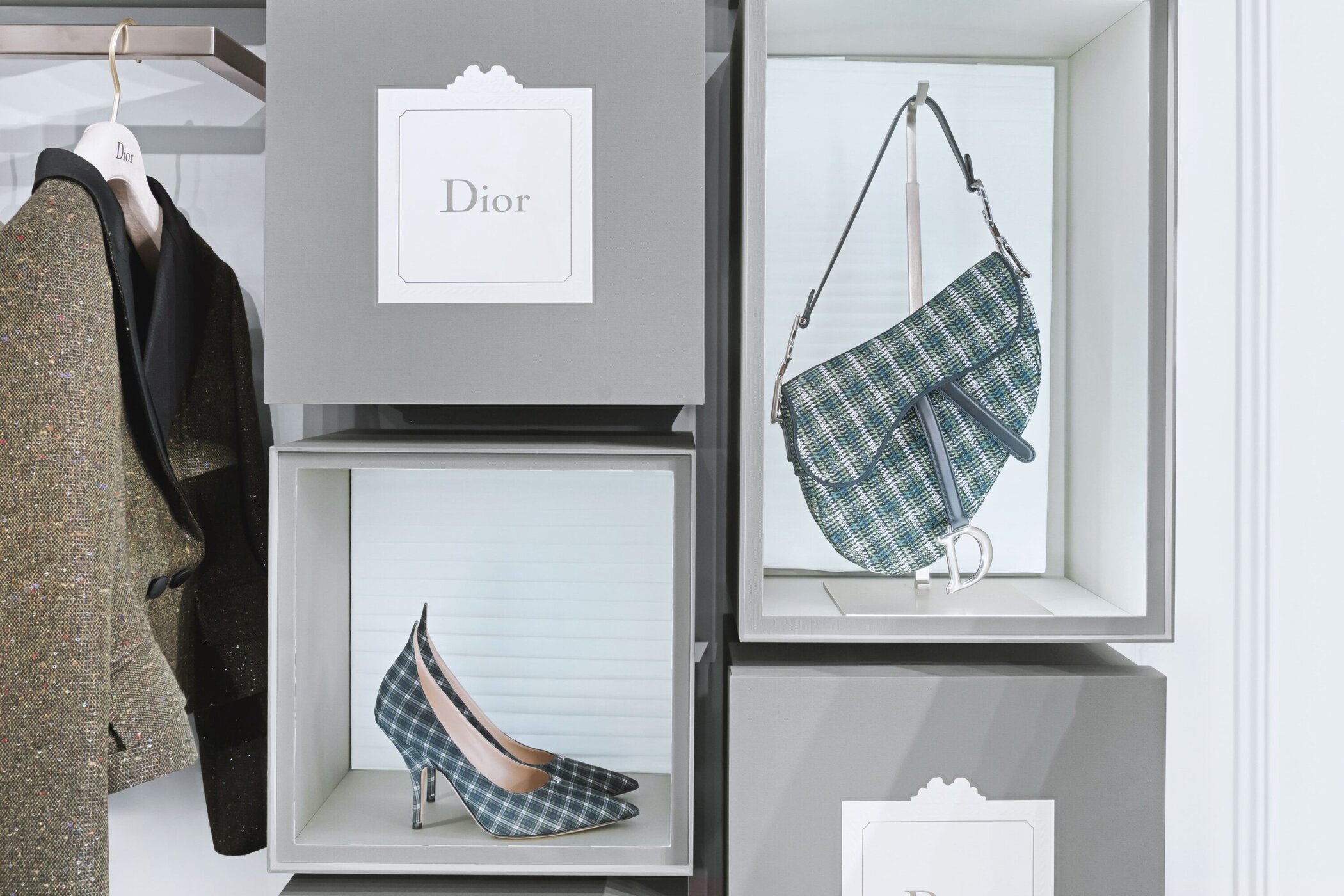
A playful pop-up in Jewel Court reimagines heritage through a contemporary lens
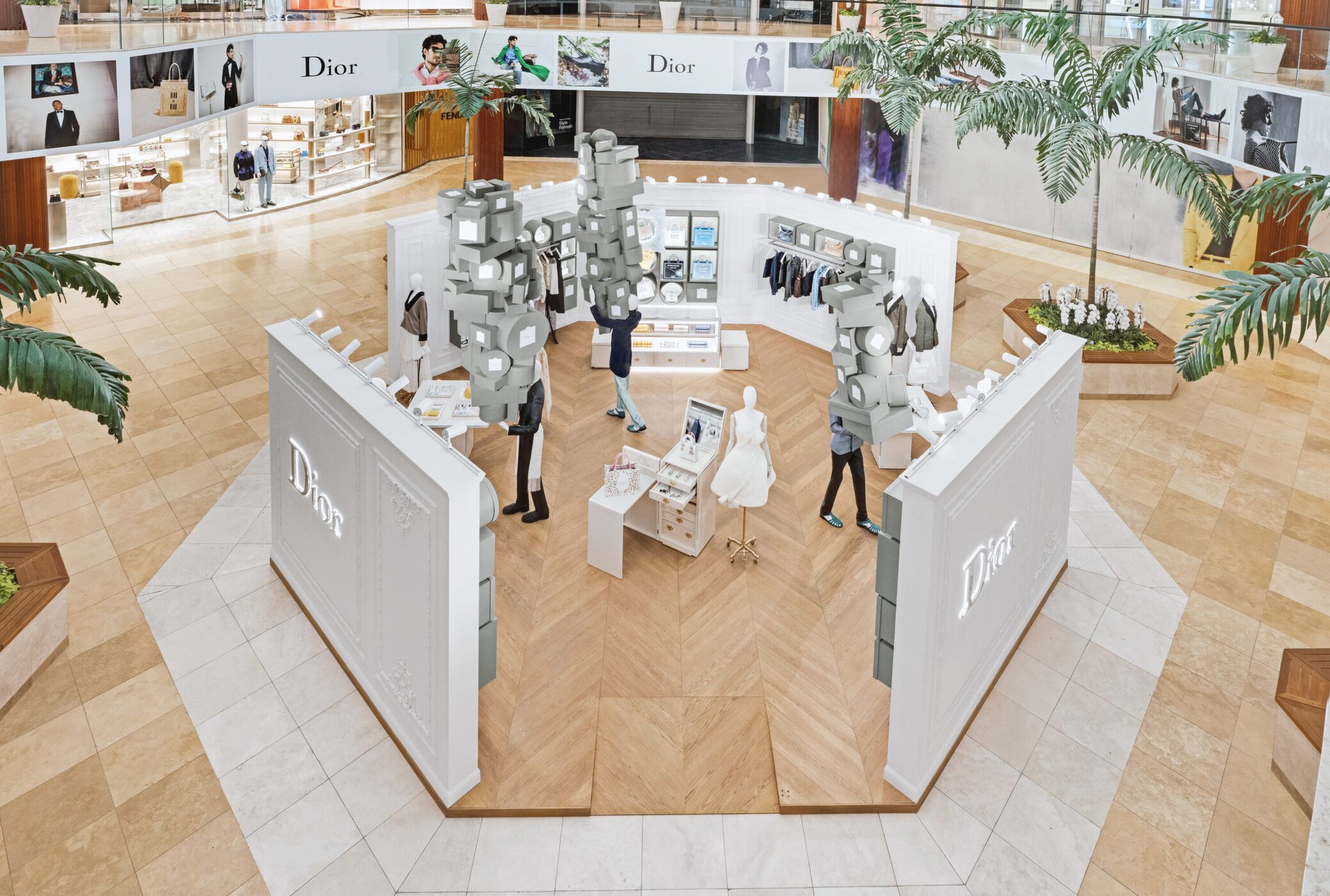
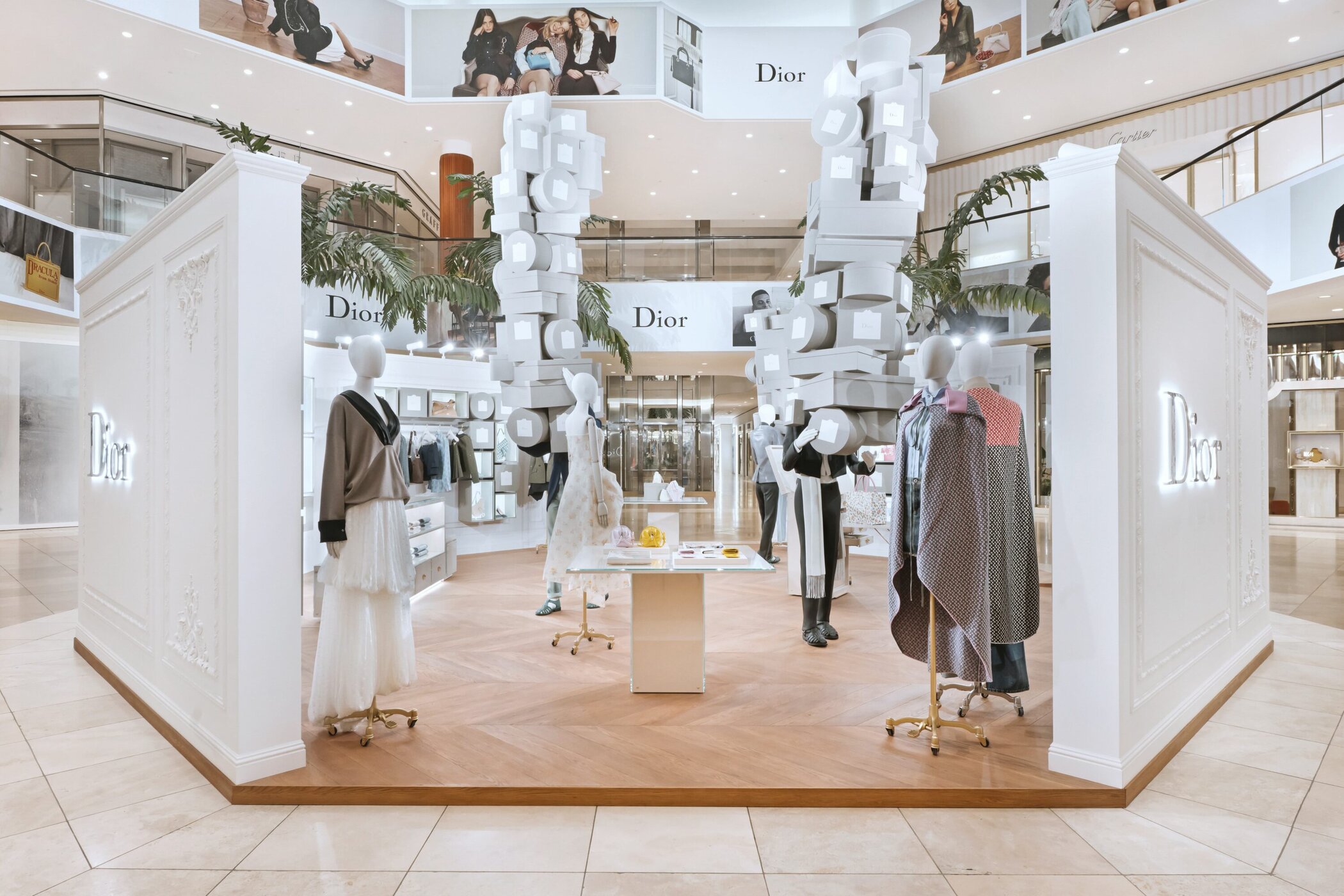
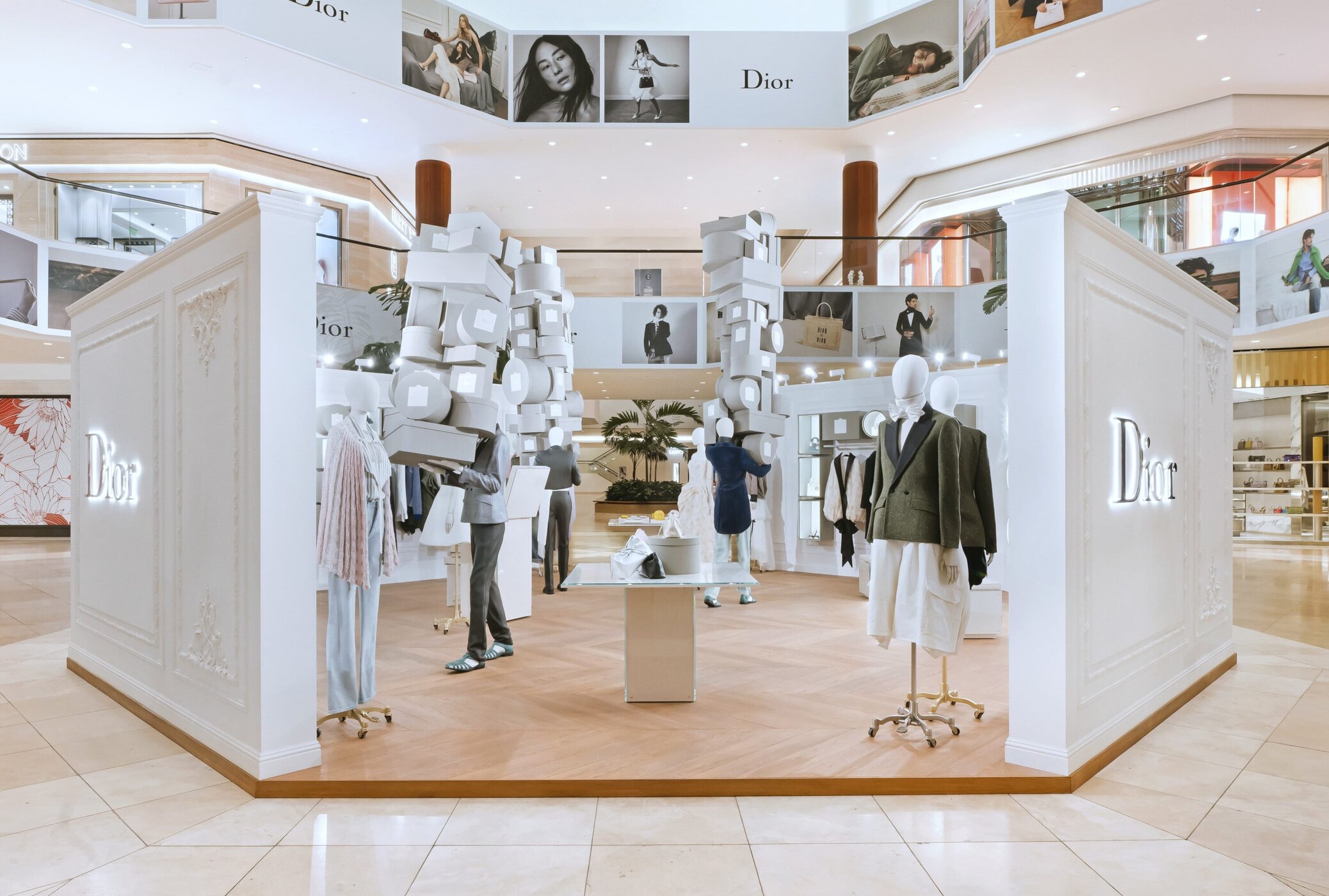
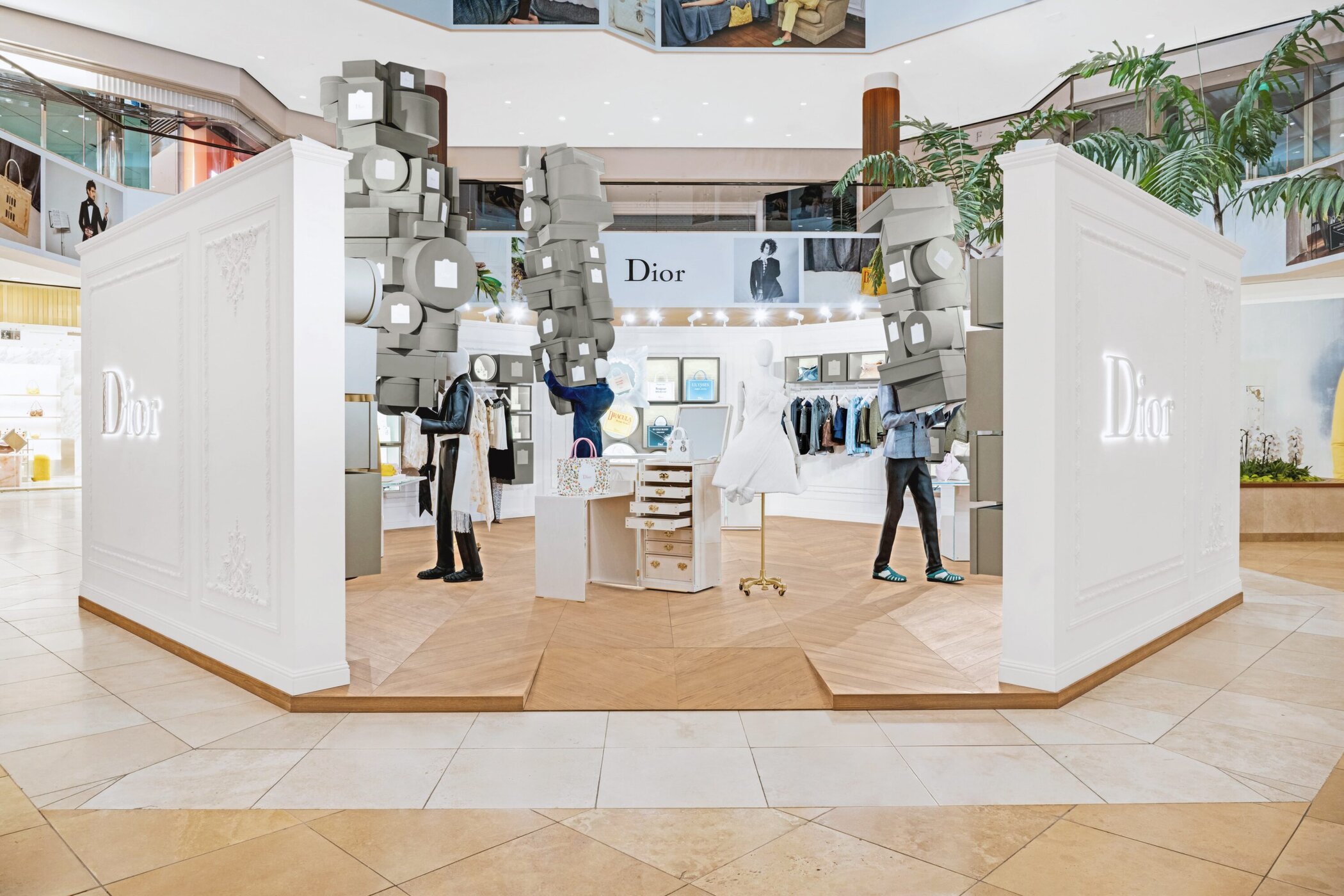
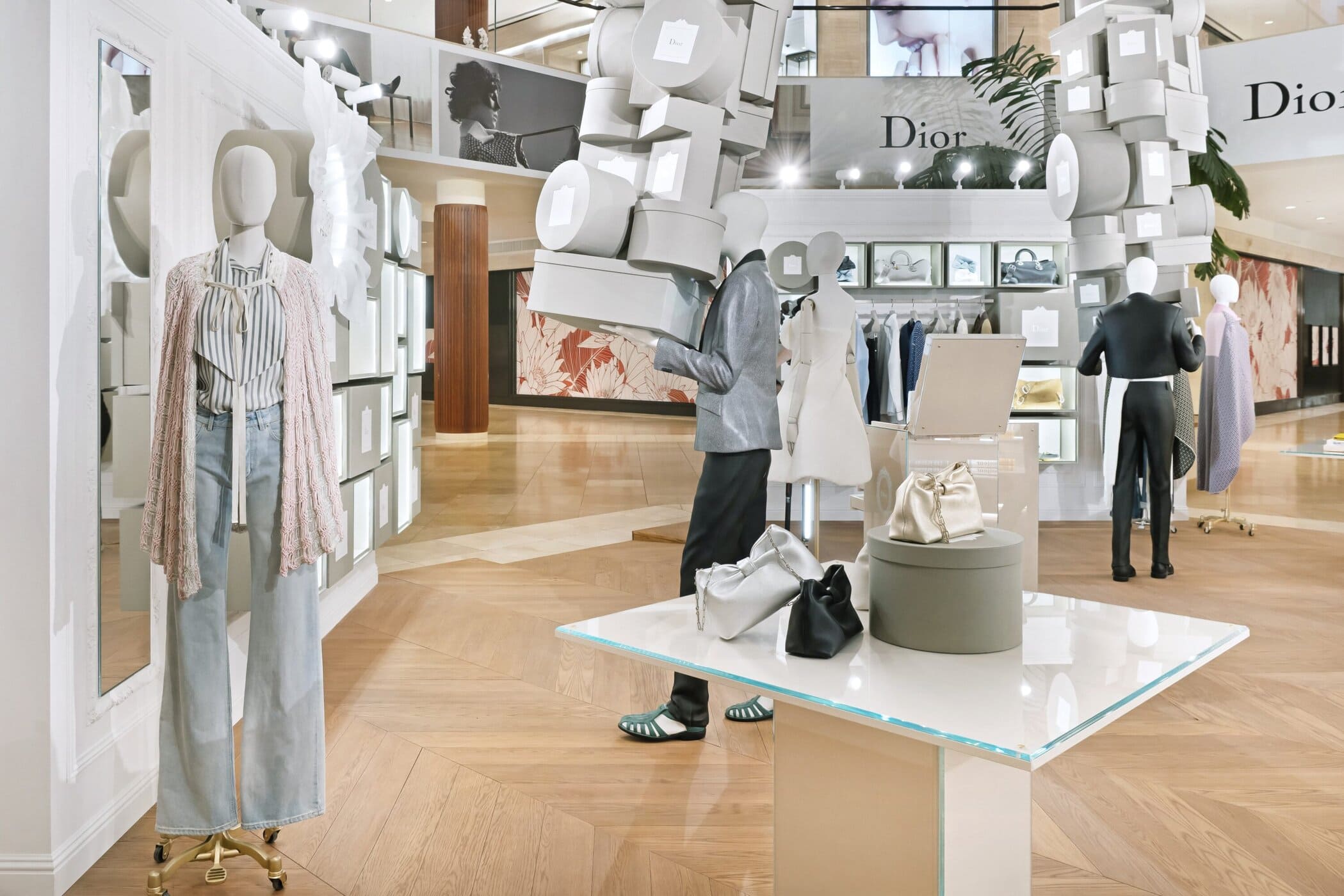
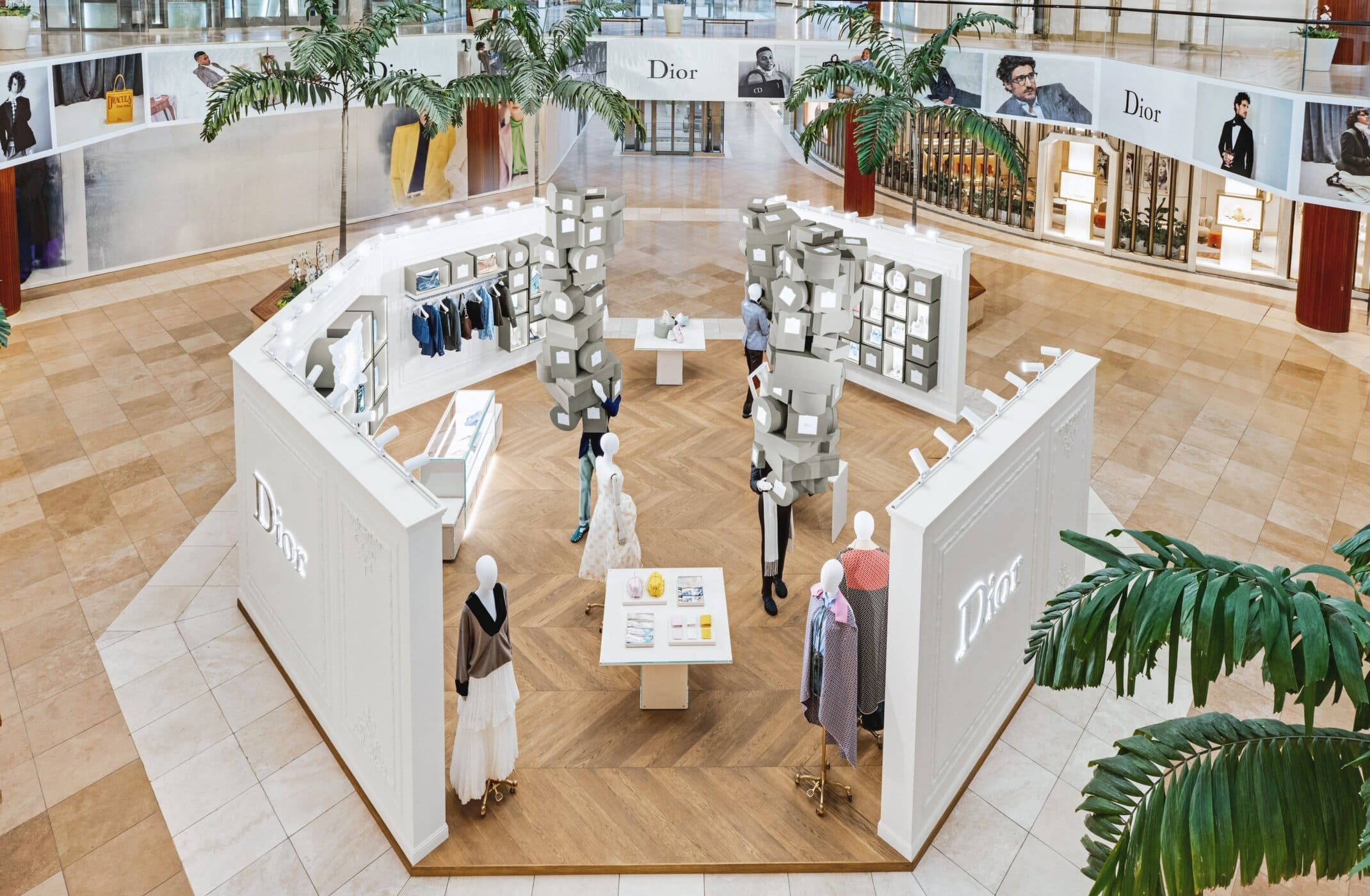
Jonathan Anderson’s first collections for Dior arrive not only on the runway, but as an immersive retail experience at South Coast Plaza. For Spring 2026, the brand transforms Jewel Court into a striking visual installation—part archive, part playground—marking a debut that feels as much about environment as it is about clothing. The gesture is deliberate: rather than simply presenting a new chapter, Dior invites its audience to step inside it.
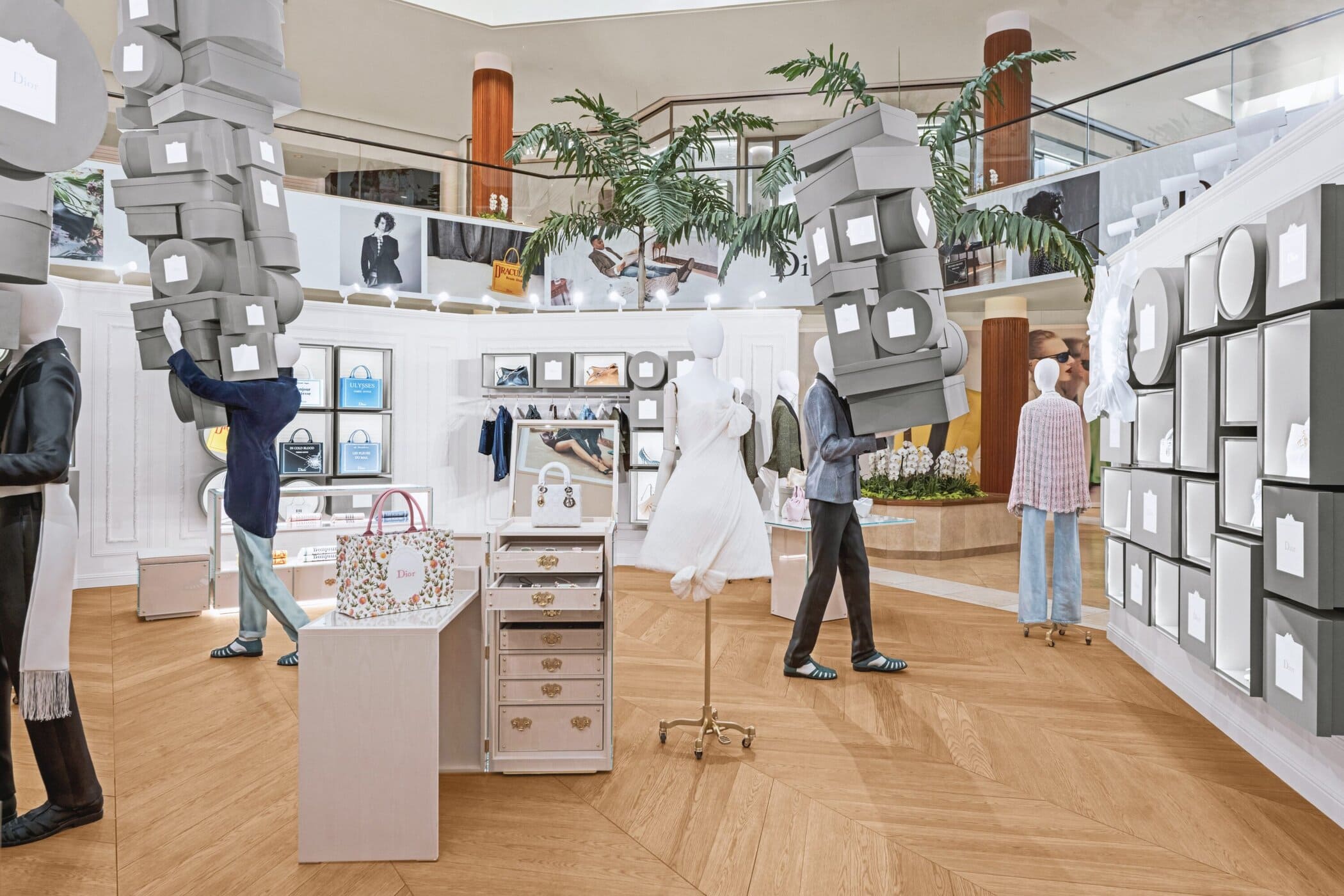
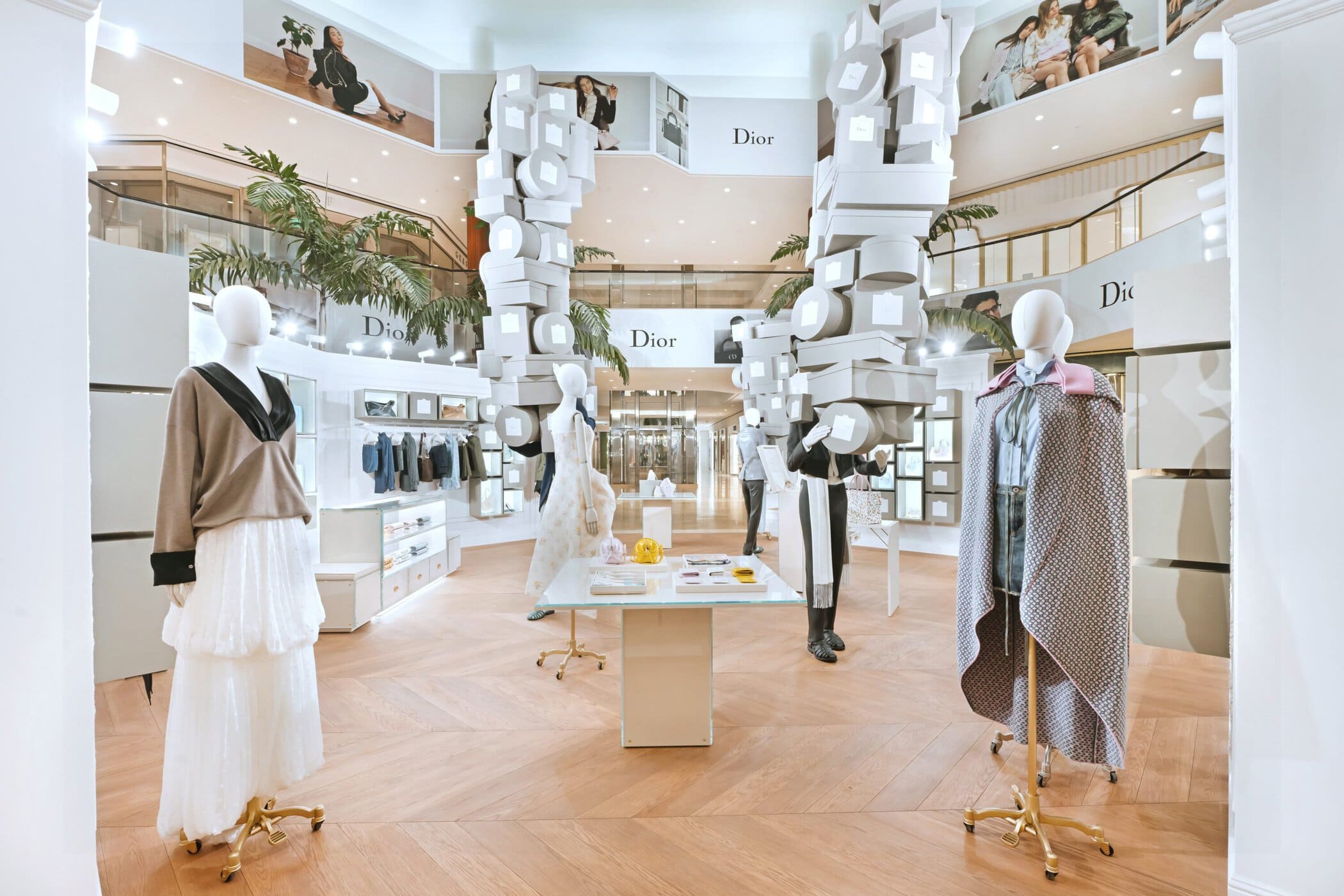
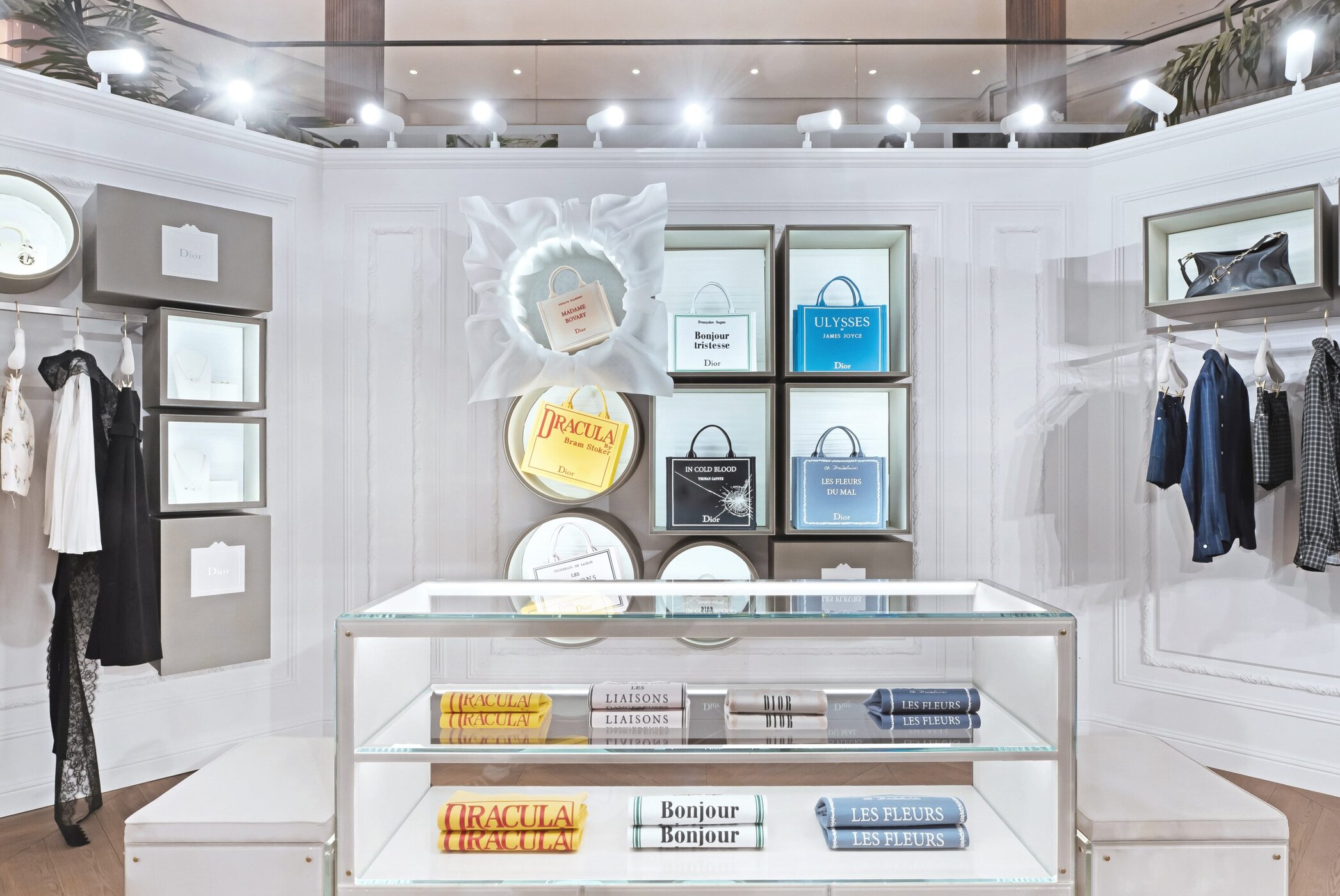
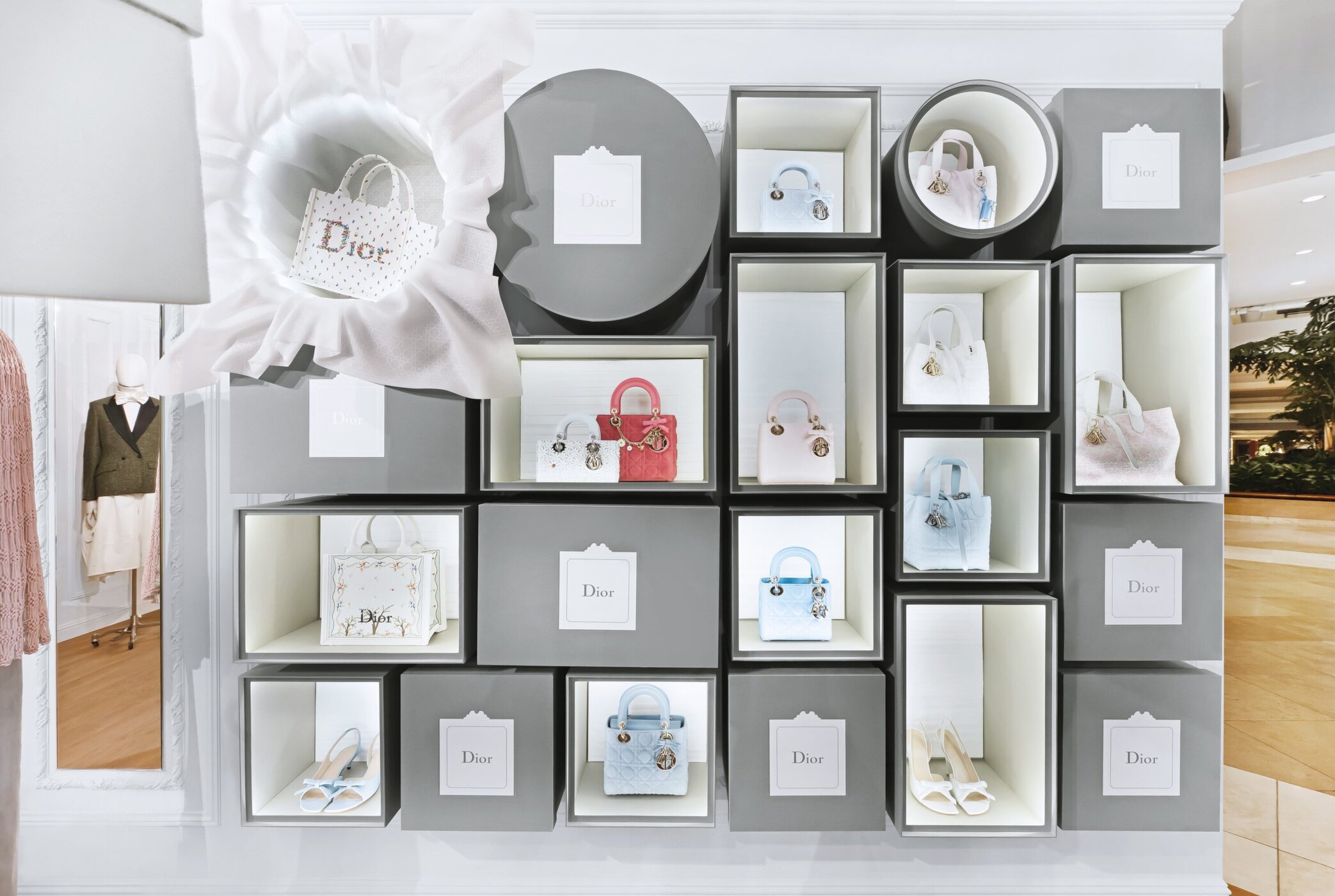
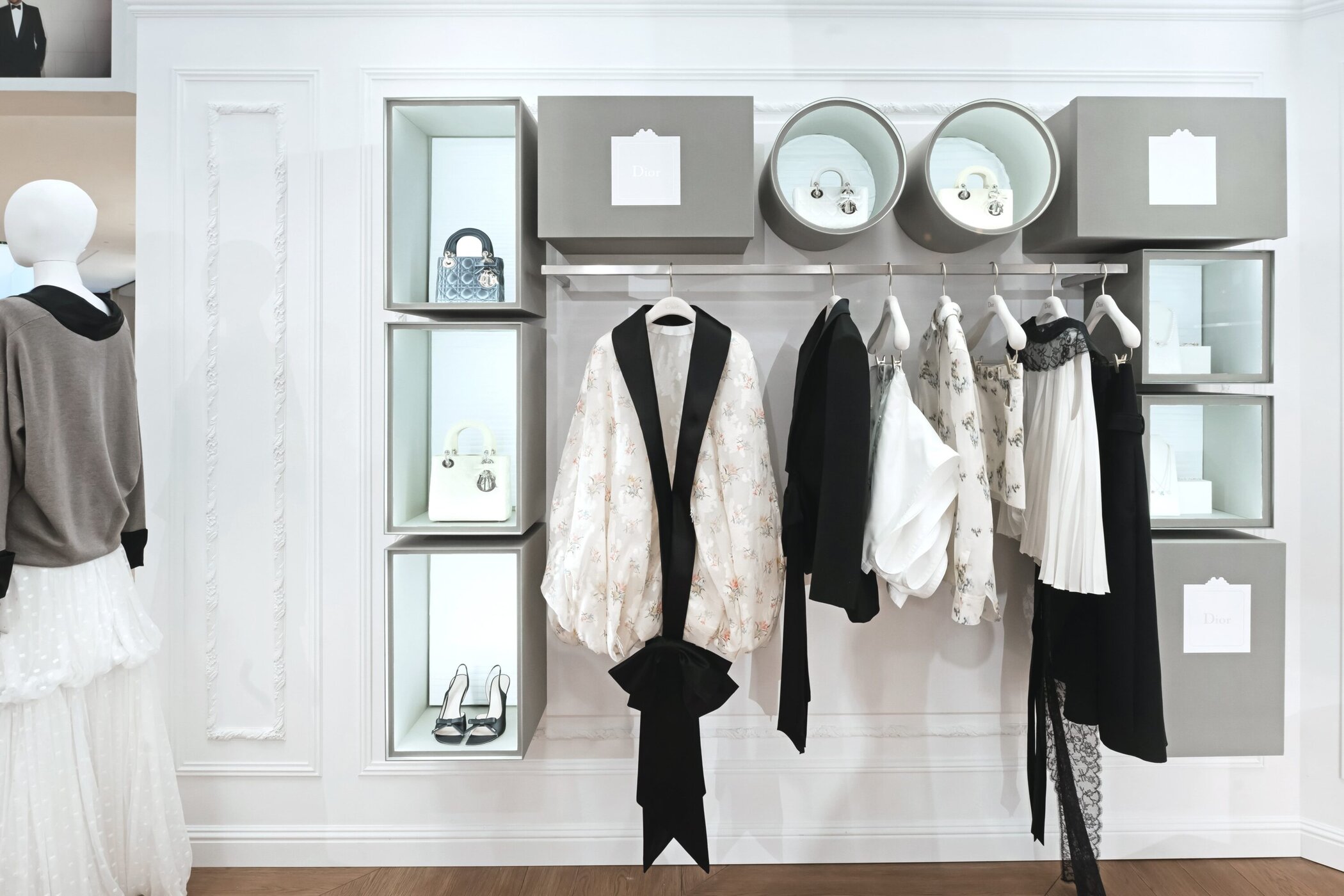
The scenography draws directly from the house’s earliest retail codes, reinterpreting the “Colifichets” boxes of its first boutique into towering, sculptural forms. Rendered in Dior’s signature gray—an homage to 30 Montaigne—the installation envelops the space in a monochromatic calm that feels both architectural and quietly theatrical. Within this setting, Anderson’s vision begins to take shape: a merging of past and future, where the Women’s and Men’s collections coexist fluidly, dissolving traditional boundaries in favor of a more holistic narrative.
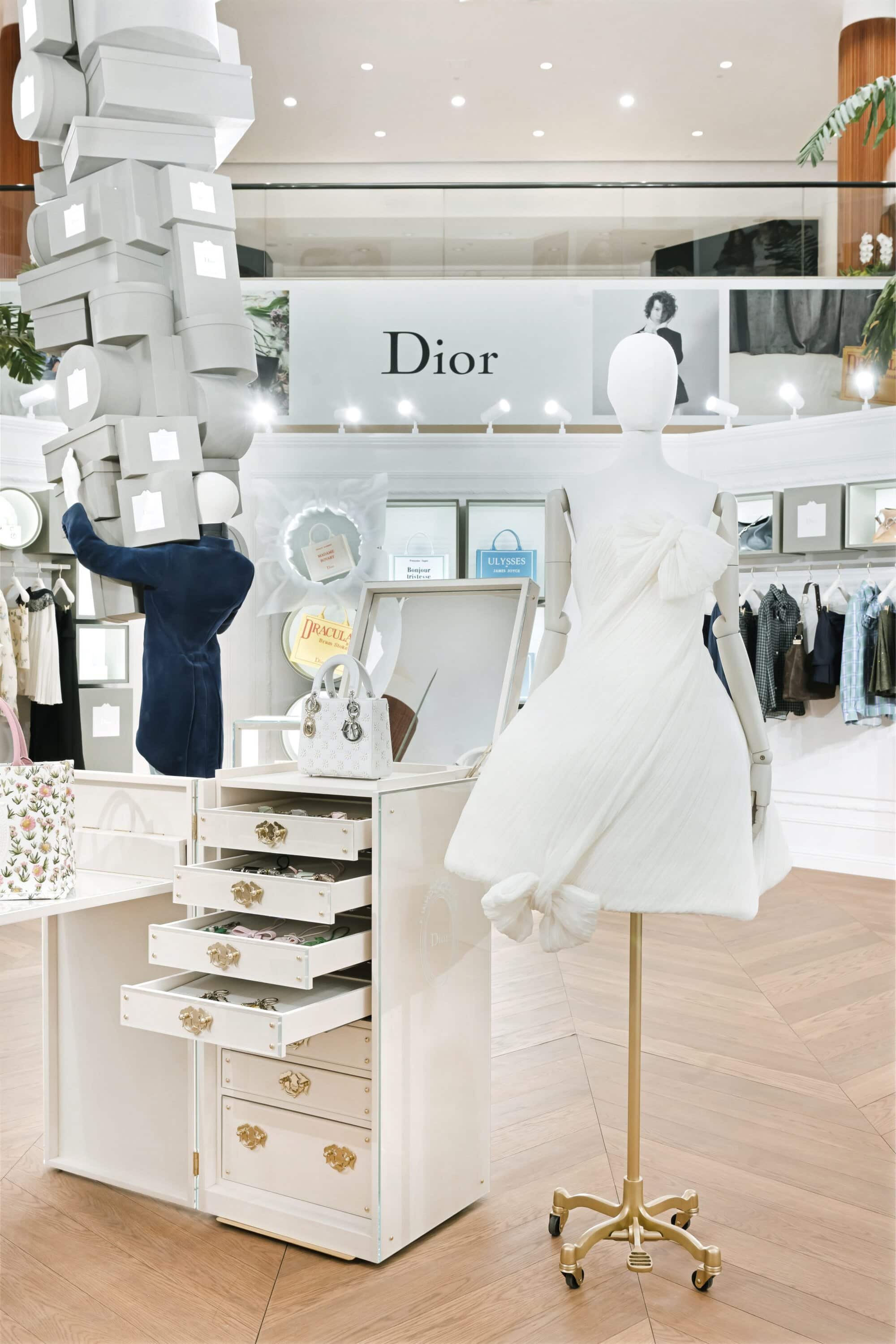
What distinguishes the experience is its attention to intimacy. Beyond the visual spectacle, Dior introduces a series of personalized gestures—customizable objects such as perfumed ceramics, miniature notebooks, and bookmarks—available by appointment within the Women’s Boutique. These small, tactile moments echo Anderson’s sensitivity to craft and storytelling, translating the collection’s ideas into keepsakes that feel both ephemeral and enduring. It’s a subtle but effective way of extending the runway into the everyday.
In many ways, the installation succeeds by resisting excess. It is playful without becoming overwhelming, referential without feeling nostalgic. If anything, one might wonder whether the experience could push further into disruption, matching the full potential of a debut moment. Yet there is confidence in this restraint. Anderson’s Dior does not demand attention—it draws you in, quietly, thoughtfully. And in doing so, it suggests that the future of Dior may not be about reinvention alone, but about re-seeing what has always been there.