
A Designer Reflects On Nostalgia, Knitwear, And The Courage To Leave Home
By Kenneth Richard
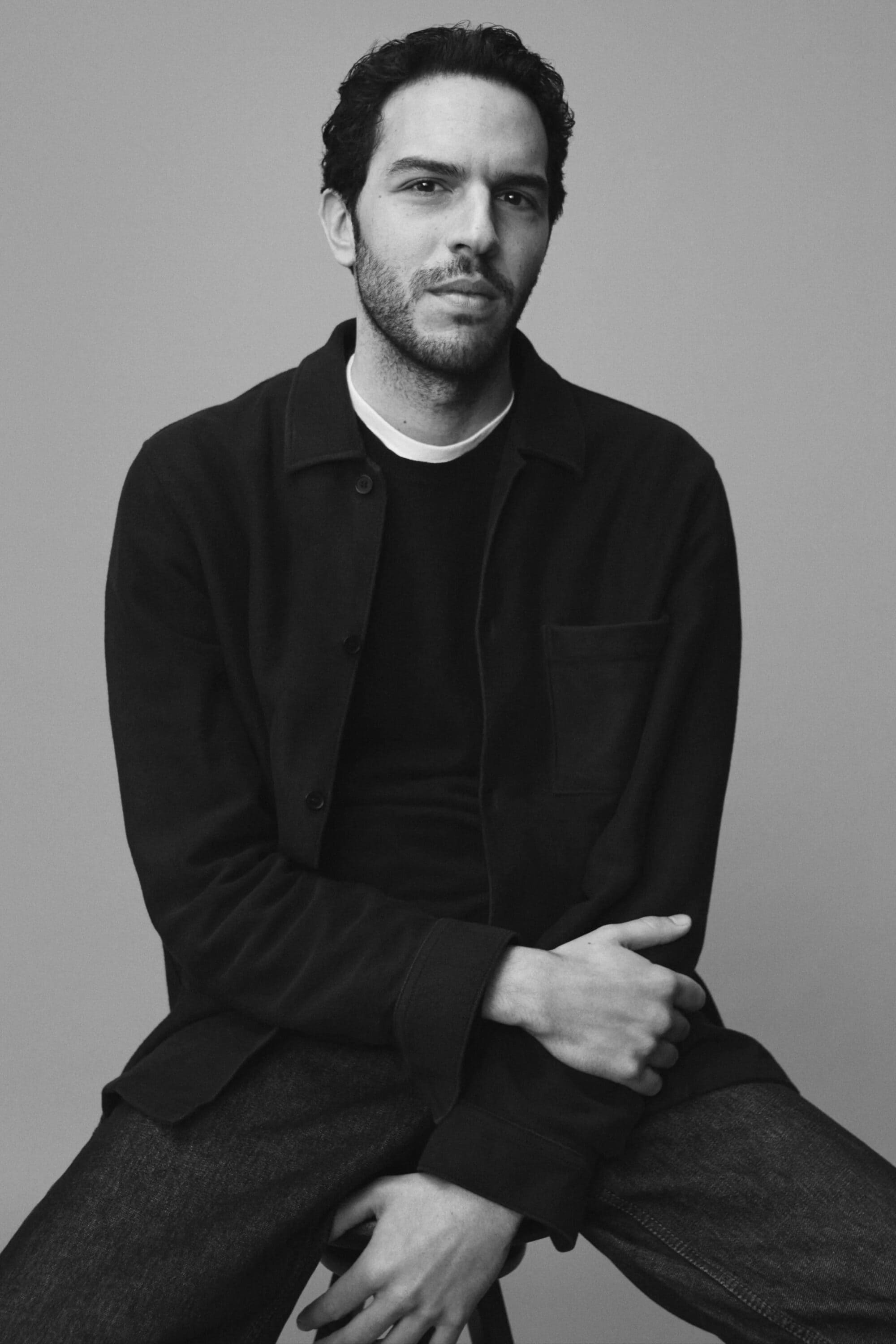
For Fall 2026, Julian Klausner sent his Dries Van Noten models down the runway wrapped in warmth—emotional as much as sartorial. The collection, deeply personal in tone, explored the idea of coming of age: the charged moment between adolescence and adulthood, when one leaves the comfort of home but carries its tokens forward.
“It’s this special moment between being a teenager and becoming an adult,” Klausner explained. “You’re packing your bags with the things you love.”
That sentiment was woven—often literally—throughout the collection. Patchwork knitwear, collage-style layering, and removable color accents suggested not just styling tricks but storytelling devices. “I was drawn to quilting and knitwear because they feel like heritage objects,” he said. “You bring your history with you. That’s what makes them comforting.” The comfort of clothes became a central thesis: not just in silhouette and fabrication, but in emotional resonance. “Everyone has that one sweater they always reach for. It protects you. That’s the feeling I wanted.”
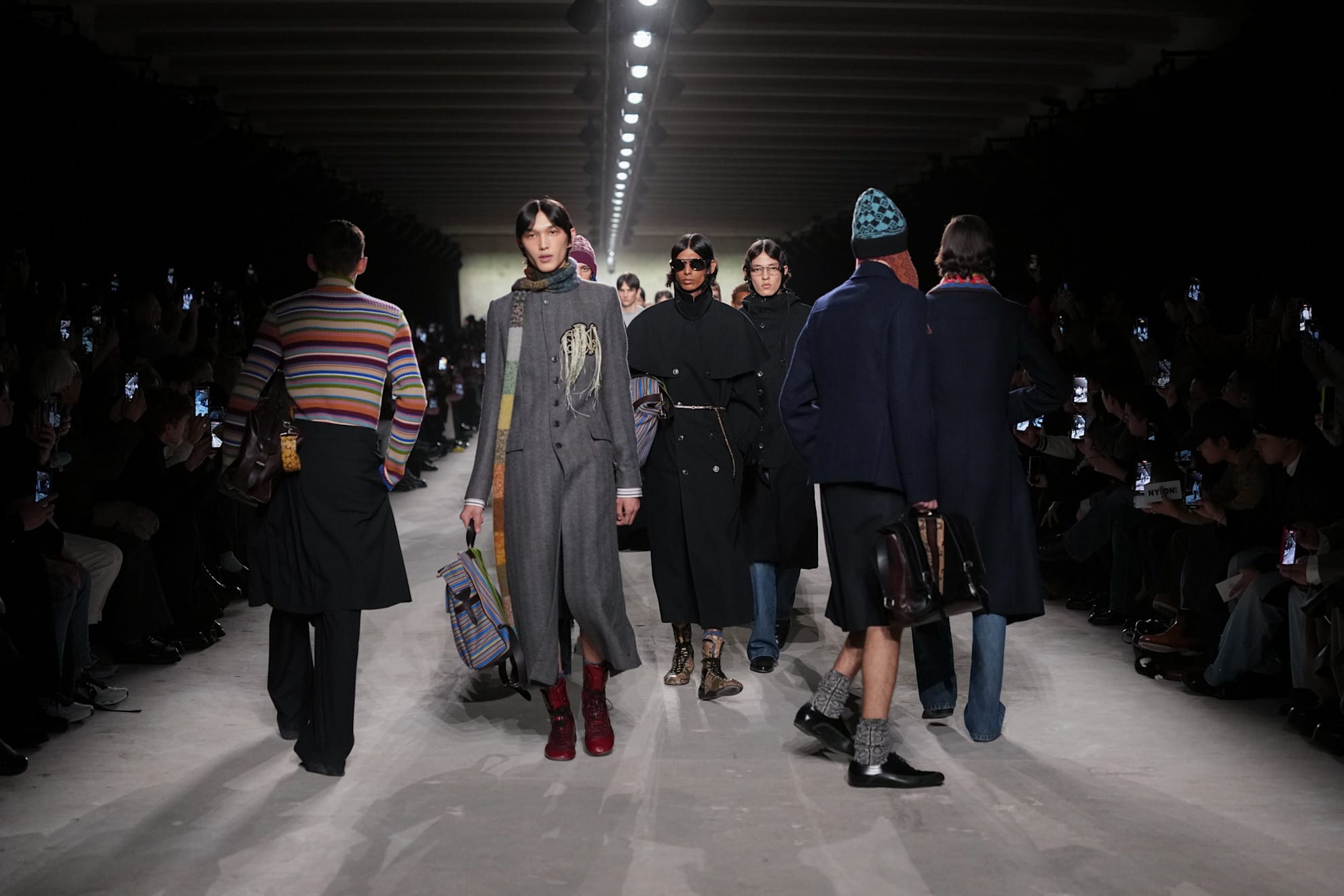
This season marked a return to knitwear as a cornerstone of the house. Klausner celebrated the artisans behind it, many of whom have worked on the knitwear teams for over three decades. “It’s a huge privilege to have their knowledge and experience,” he said. “We really had fun with it this season—experimenting with weight, texture, layering.” Ribbed knit trousers, frutella-colored long johns, and capes designed to cocoon the body offered a versatile wardrobe for what Klausner called “the character of the collection”—a studious soul, curious and slightly romantic, open to the world yet comforted by their roots.
There were nods to Victorian symbolism—repeated buttons, trinket jewelry, and heritage wools that evoked hunting and countryside traditions—as well as a quiet sense of futurism. The palette drifted from collegiate neutrals to faded pastels. Accessories, from soft-soled shoes to quirky socks and hats, gave each look a tactile, lived-in charm. “If you buy the socks and the hat, you become the character,” Klausner said, laughing. “And that’s the point. These are clothes you wear your own way.”
The emotional arc of the collection was underscored by a haunting soundtrack: When Dawn Breaks, a 1959 Japanese jazz track by Maki Asakawa. In it, the singer dreams of leaving a small town to chase the unknown. “She says, ‘I’m packing my bags and going to the city. Sayonara,’” Klausner said. “I found the track while in Japan, and it immediately clicked with the story we were telling. It’s about departure, but also discovery.”
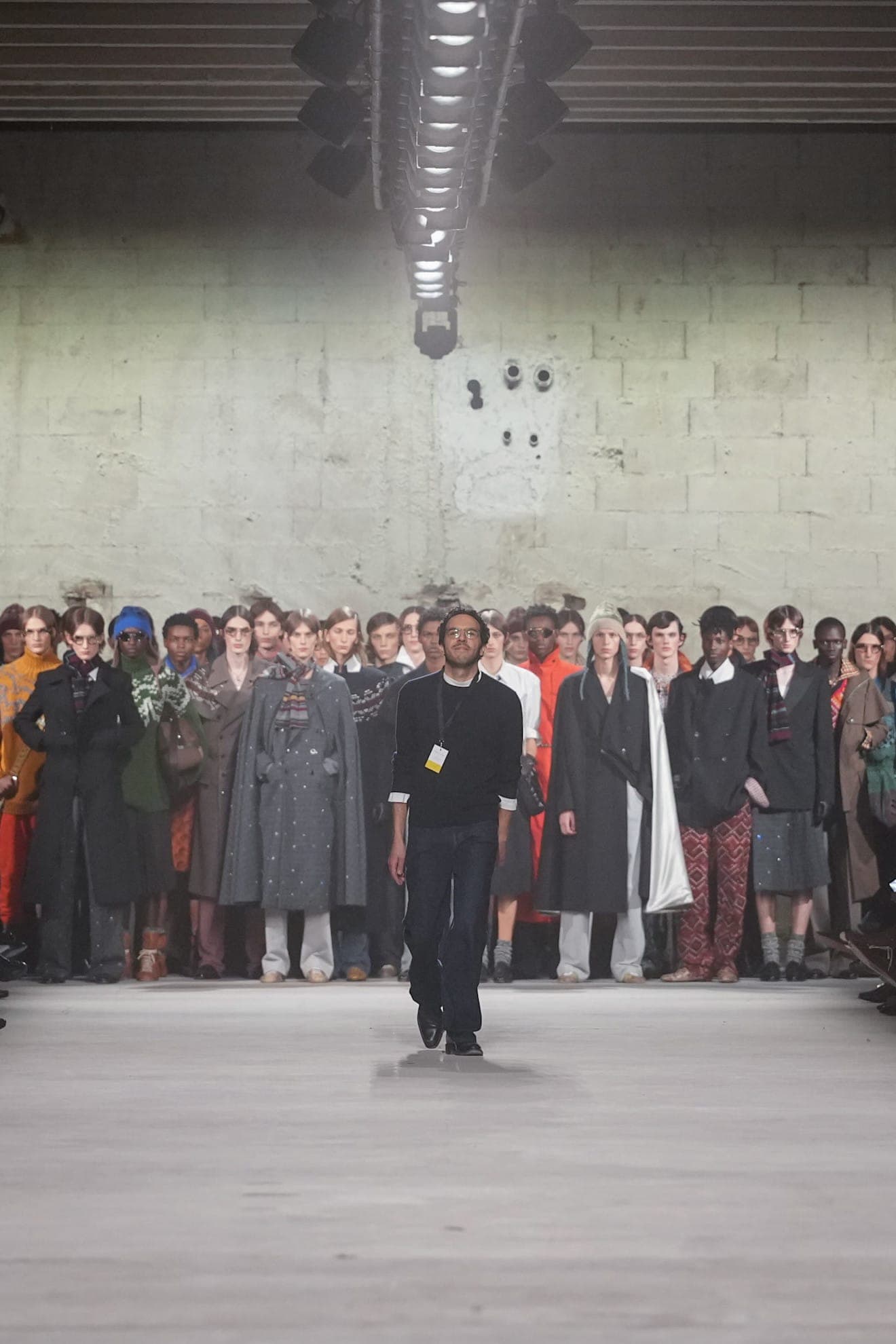
That poetic sensibility ran through the entire show. While Klausner’s craft is precise, his vision is quietly radical: fashion as a form of emotional translation, not just expression.
“It’s about the clothes you love and keep wearing,” he said. “If someone tells me they’ve worn a pair of our trousers for years—that’s the best compliment I can get.”
With this collection, Klausner invites his audience to journey forward with their past intact, stitched into every fiber. And like all great coming-of-age stories, this one leaves you feeling a little more seen.