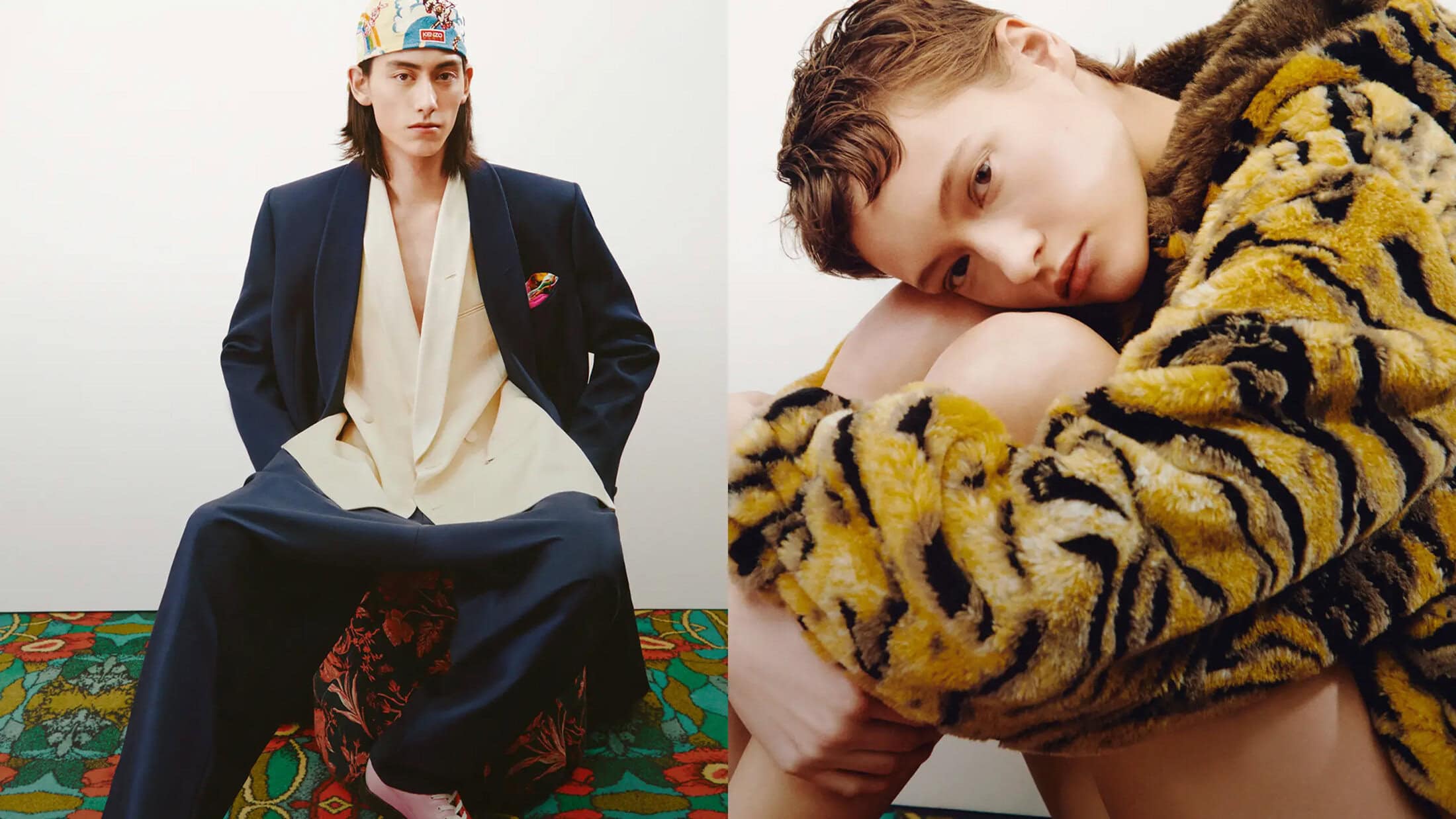
Review of Kenzo Spring 2026 Ad Campaign by Creative Director of Agency Kitten Production with Photographer Enrique Villaluenga with models Bukwop Kir, Naoki Jansen-Kanado, Daria Zolotova, Wendy Huangwy
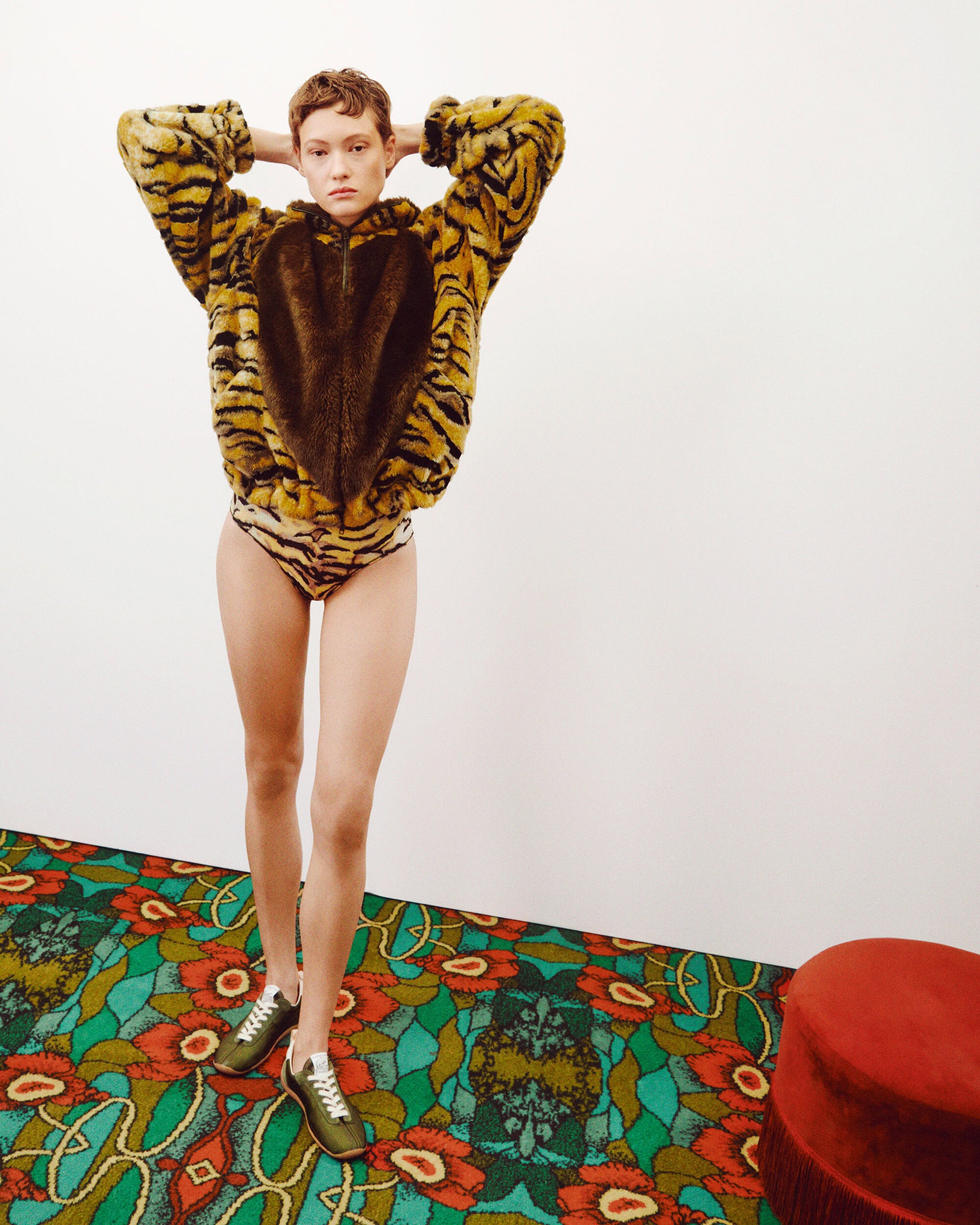
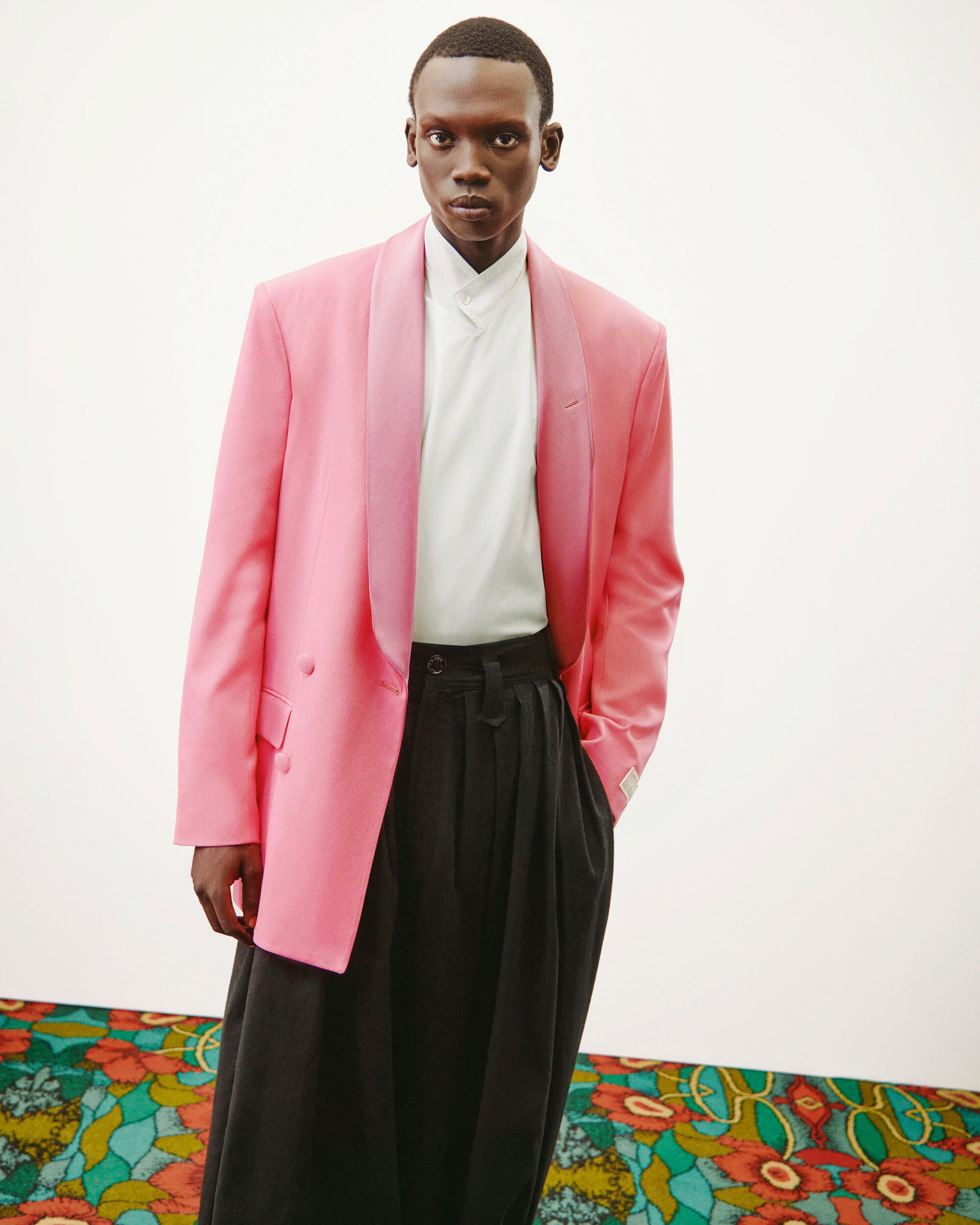
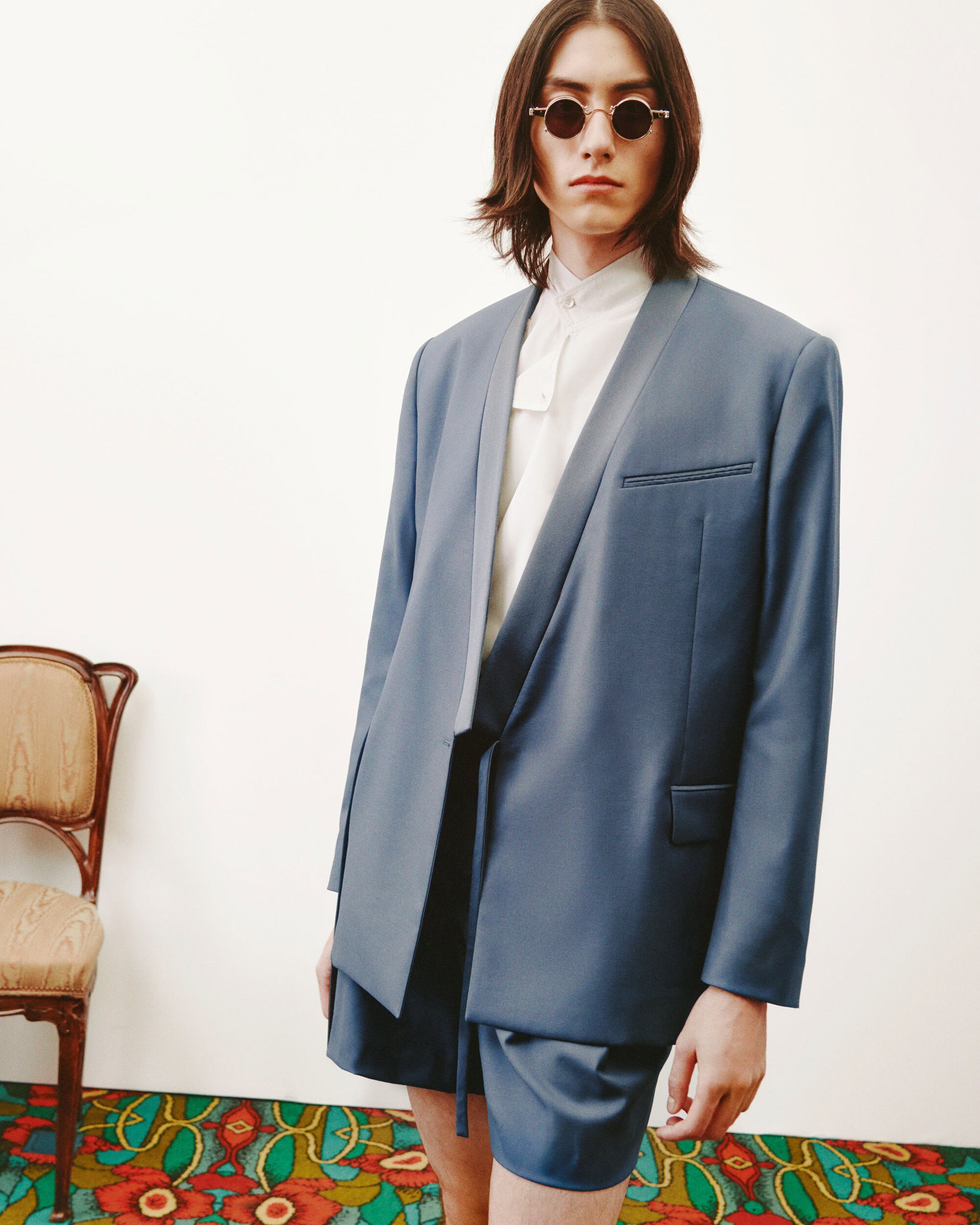
Kenzo’s Spring 2026 campaign returns to the storied walls of Maxim’s — not to revel in excess, but to distill it. Shot and directed by Victor Brun, the campaign frames Nigo’s collection within a stark, architectural intervention that slices through the venue’s gilded interior, turning the legendary nightclub into a kind of conceptual stage. It’s a clever tension: a place once synonymous with spectacle rendered almost monastic, as if the party hasn’t begun yet — or perhaps has just ended. That suspended moment becomes the hook of the campaign, a quiet intake of breath before the room fills with music, champagne, and intrigue.
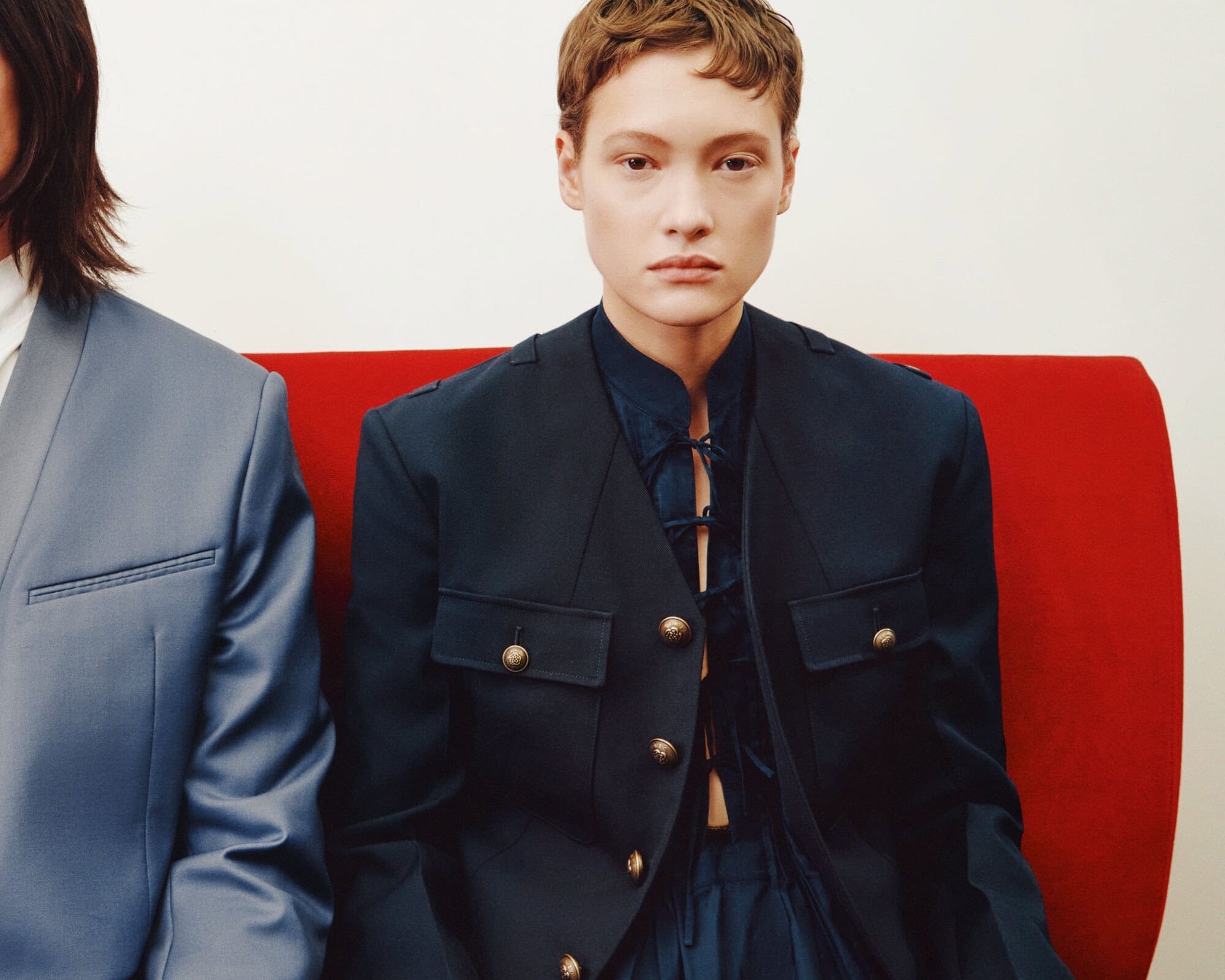
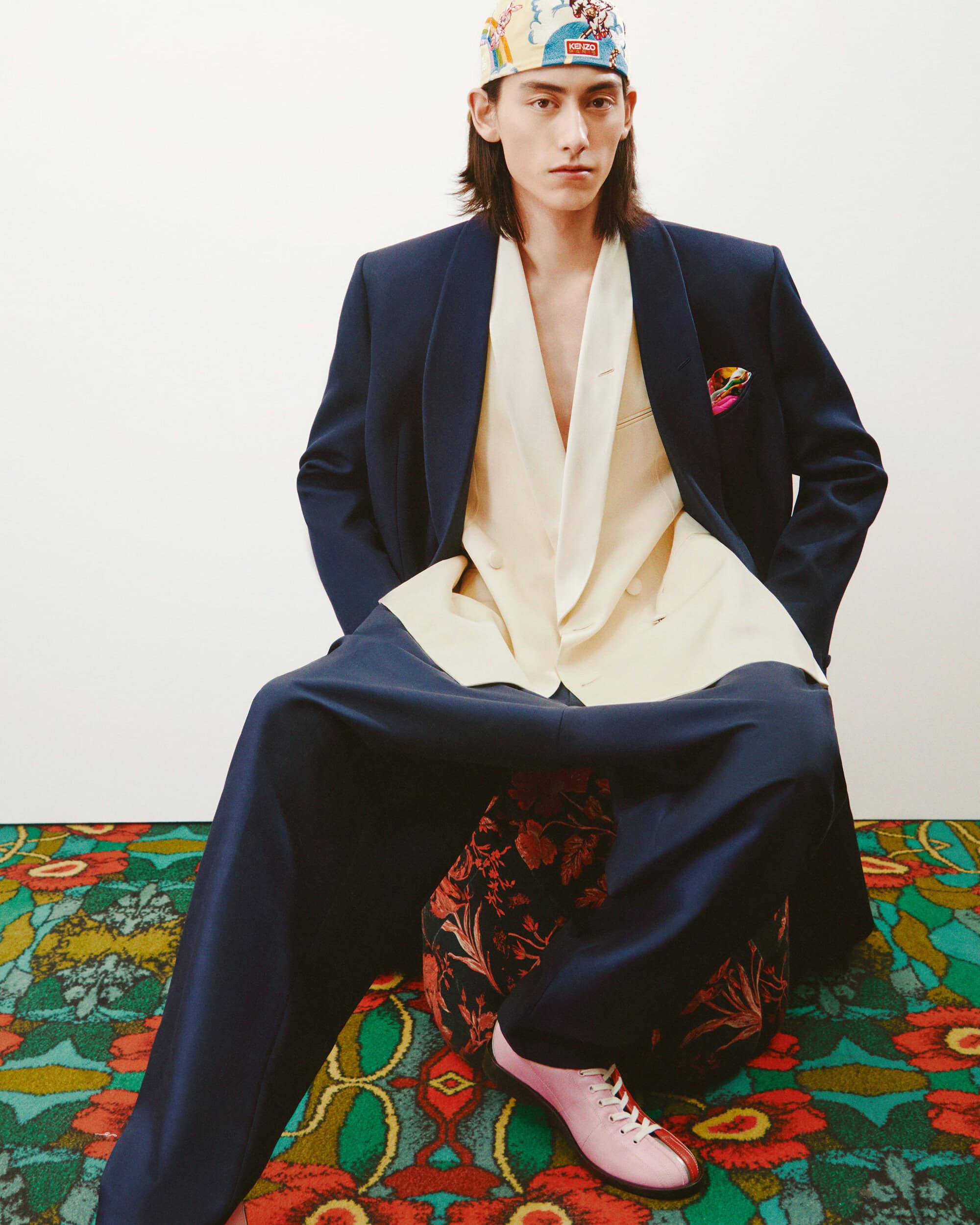
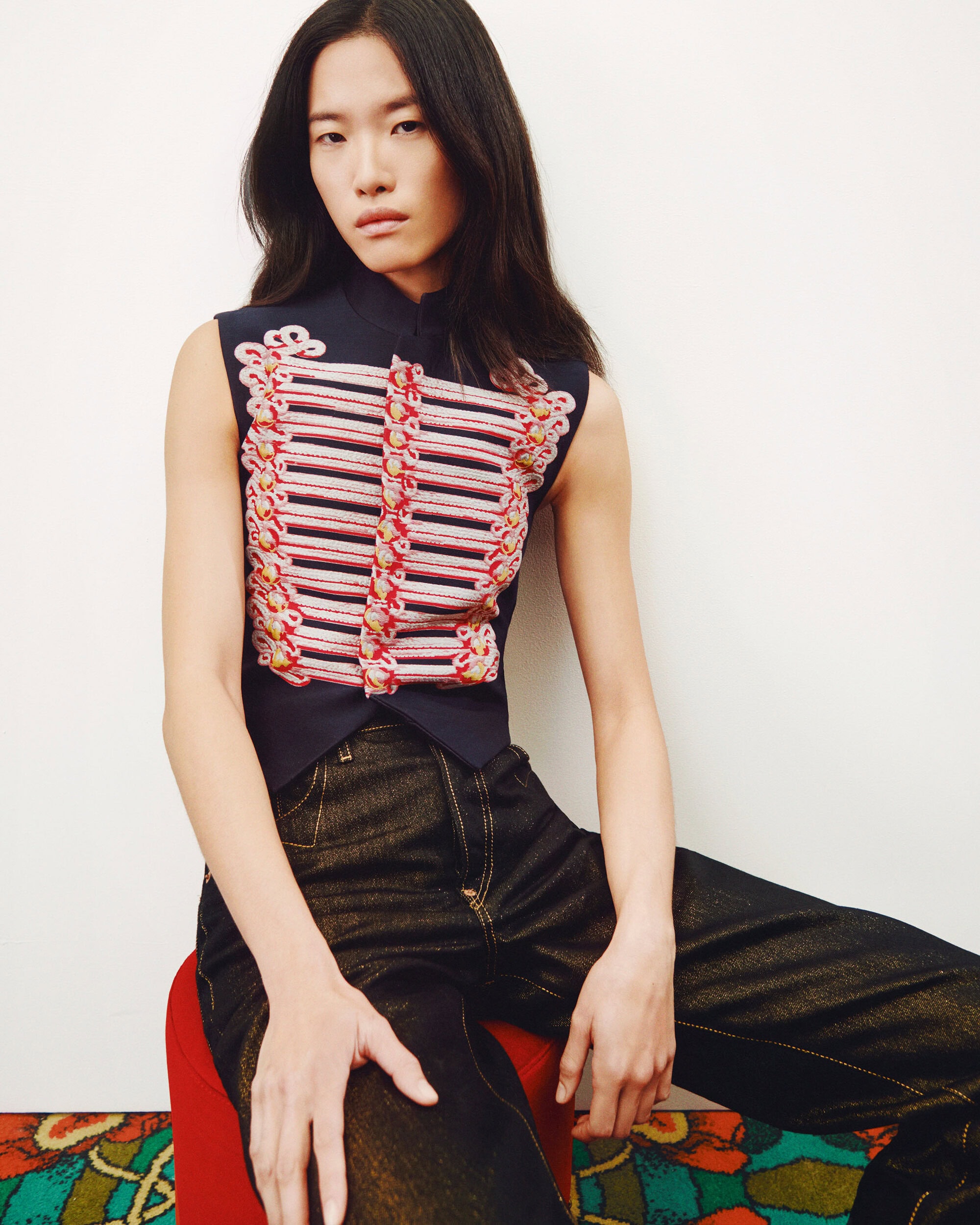
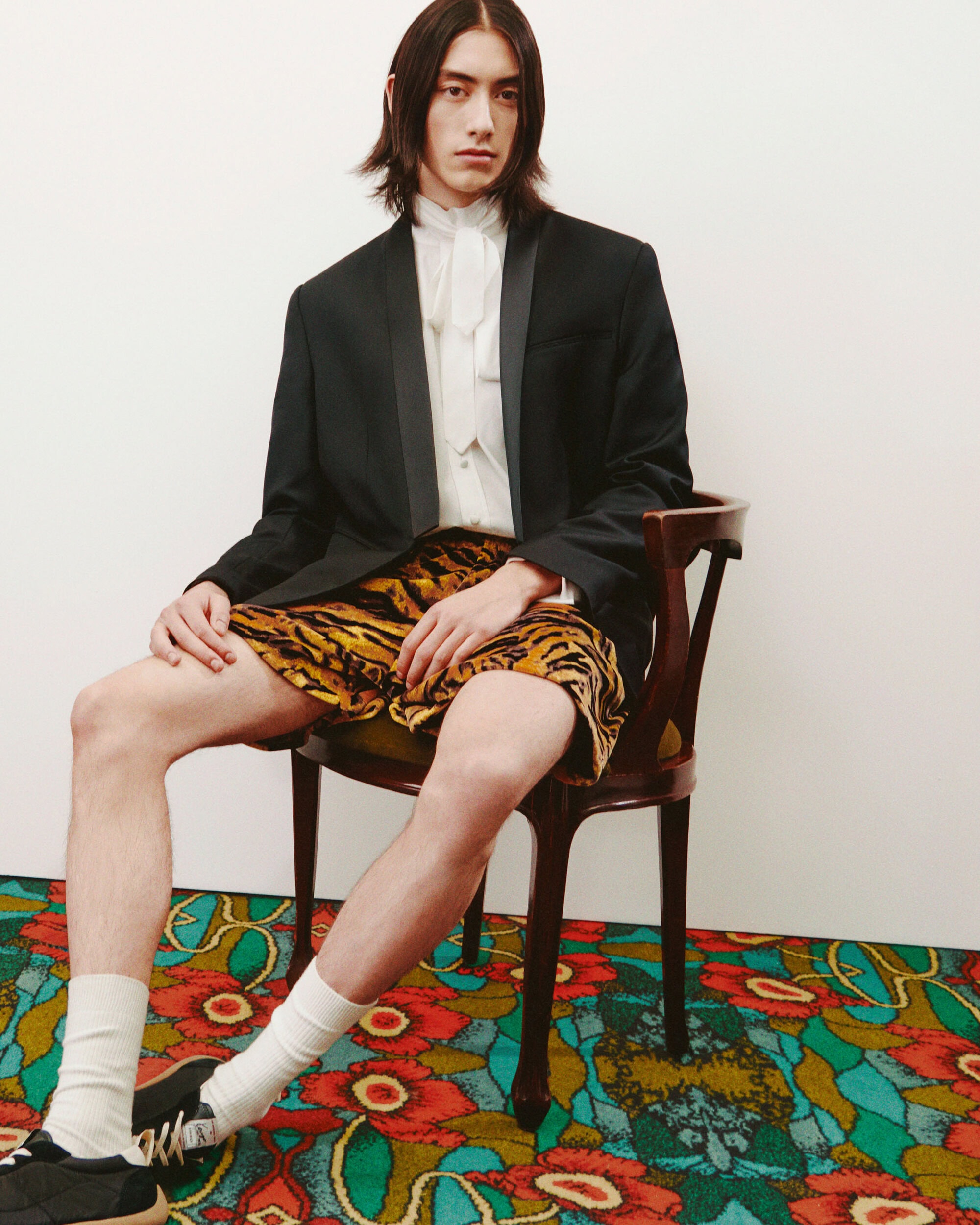
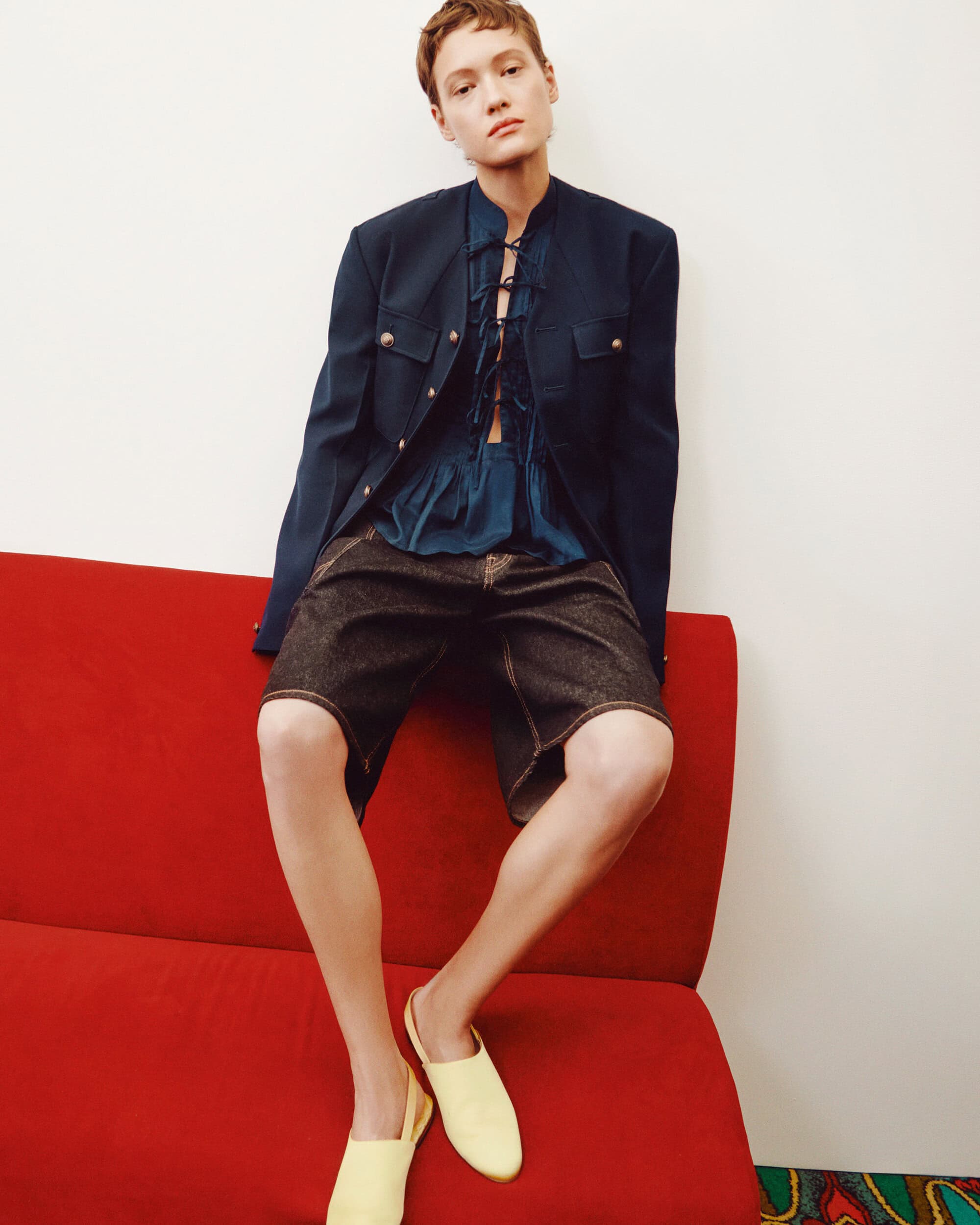
Brun’s imagery leans into clarity and composition, reducing gesture to simple, deliberate poses and emphasizing the gravity of tailoring against the pale plane of the inserted white wall. The stillness heightens the anticipation. Opulence lingers in the periphery — mirrors, ornament, history — but the clothes occupy the foreground with confident restraint. In this setting, Nigo’s reinterpretation of Kenzo Takada’s kimono-inflected tailoring reads as both homage and evolution, especially in the satin and velvet shawl lapels that glide across menswear and womenswear silhouettes. The mood is disciplined, cinematic, almost studio-like, yet the undercurrent of nightlife remains — the sense that the city is waiting just beyond the frame.
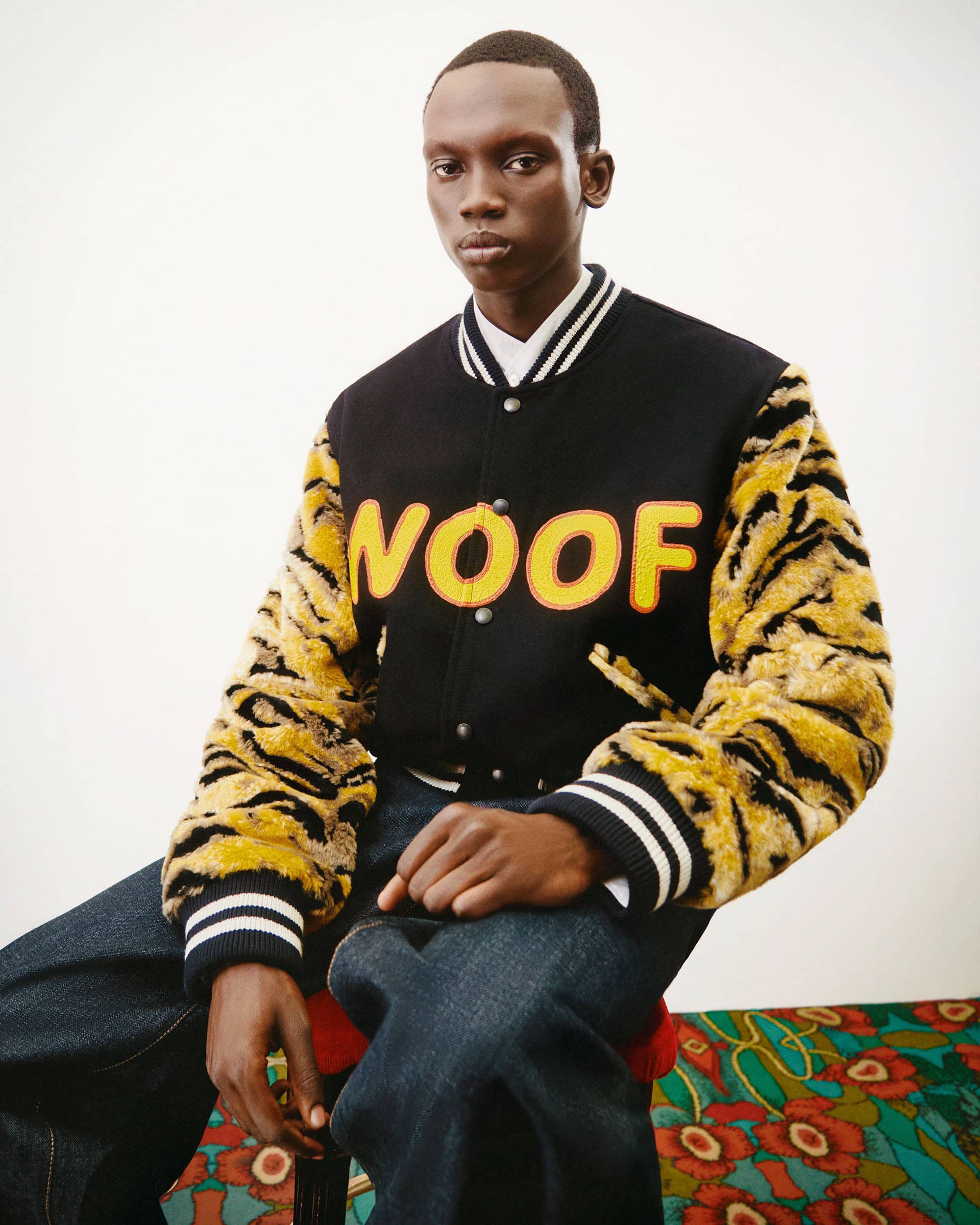
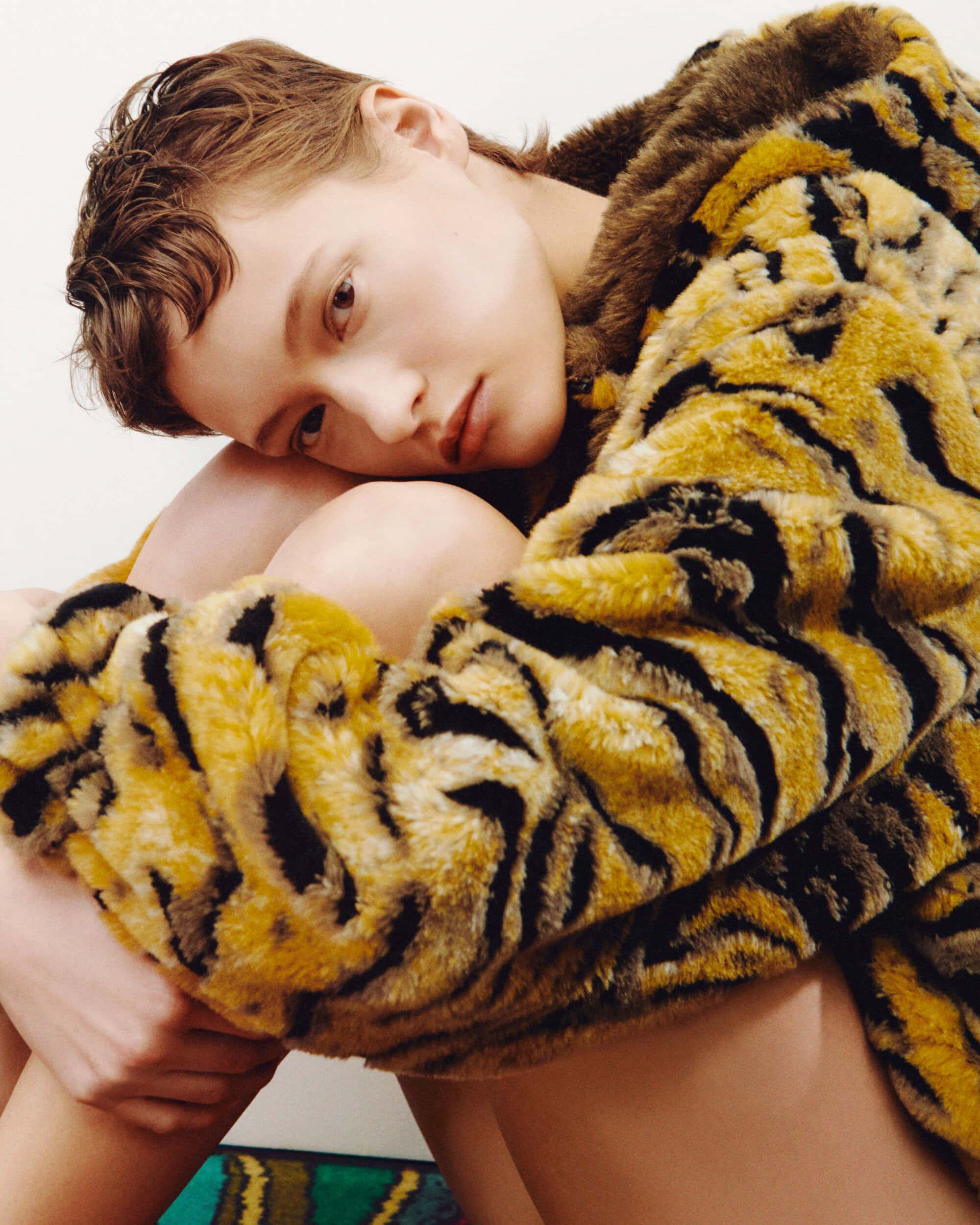
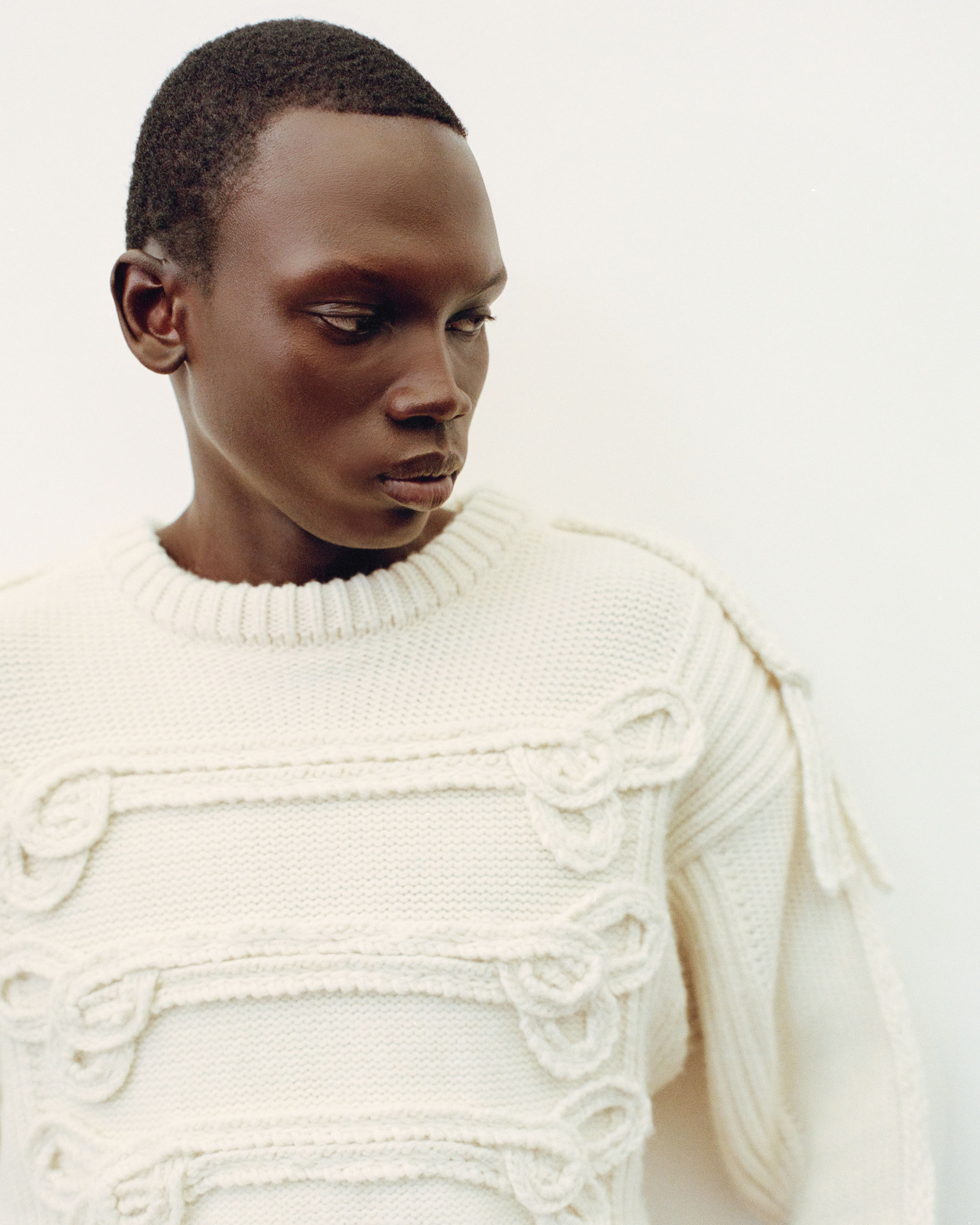
The collection’s graphic language threads itself through these quiet scenes. The Kenzo Tiger — revived from the Fall 1998 archives — prowls across jacquards and prints with renewed sharpness, while a trompe-l’œil artwork from a 1972 knit injects a note of play into knitwear and outerwear. Military references from the Fall 1978 collection add structure and purpose: Brandenburg details, metal buttons, and generous pockets give the looks a utilitarian cadence that counters the softness of the tailoring. It is in these contrasts — discipline and decadence, reduction and ornament — that the campaign finds its narrative.
As an exercise in visual storytelling, the restraint is one of its greatest strengths. By stripping Maxim’s to a graphic core, the campaign invites the viewer to read the garments with greater intimacy — to notice proportion, texture, and construction rather than theatrics. At moments, that restraint borders on severity; some viewers may long for a touch more atmosphere or emotional looseness to echo the cultural dynamism that inspired the collection, from Studio 54 to the creative communities orbiting Nigo today. Yet the decision to hold back feels intentional, even reflective — a meditation on how nightlife myth becomes memory, and how fashion translates that legacy into modern presence.
Ultimately, Kenzo’s Spring outing is less about the riot of the night and more about the architecture of anticipation — the pause where identity, community, and style quietly assemble before stepping into motion. It’s a campaign that trusts its audience to lean in, to listen to the silence between beats — and at Maxim’s, that silence proves surprisingly eloquent.
Kenzo Creative Director | Nigo (Tomoaki Nagao)
Agency | Kitten Production
Creative Director | Victor Brun
Photographer | Enrique Villaluenga
Models | Bukwop Kir, Naoki Jansen-Kanado, Daria Zolotova, Wendy Huangwy
Stylist | Marq Rise
Hair | Christian Eberhard
Makeup | Thierry Do Nascimento R.