A Performance Review
Review of Lemaire Fall 2026 Men’s Fashion Show
By Angela Baidoo
Fashion as theatre, that was the re-formatted fall 2026 proposal from Lemaire. In collaboration with choreographer Nathalie Béasse, models took to the stage (i.e. runway) in small groups to show how the clothes were kinetically aligned as a group, and while those in the audience witnessed a breaking of the rules to test the waters of something new without the full accompanying film being made available to the brands wider audience (timed to coincide with the release of the stills) there was a disconnect in the communication of this new way of working.
THE COLLECTION
THE VIBE
A Departure, Moody Utility, West and East
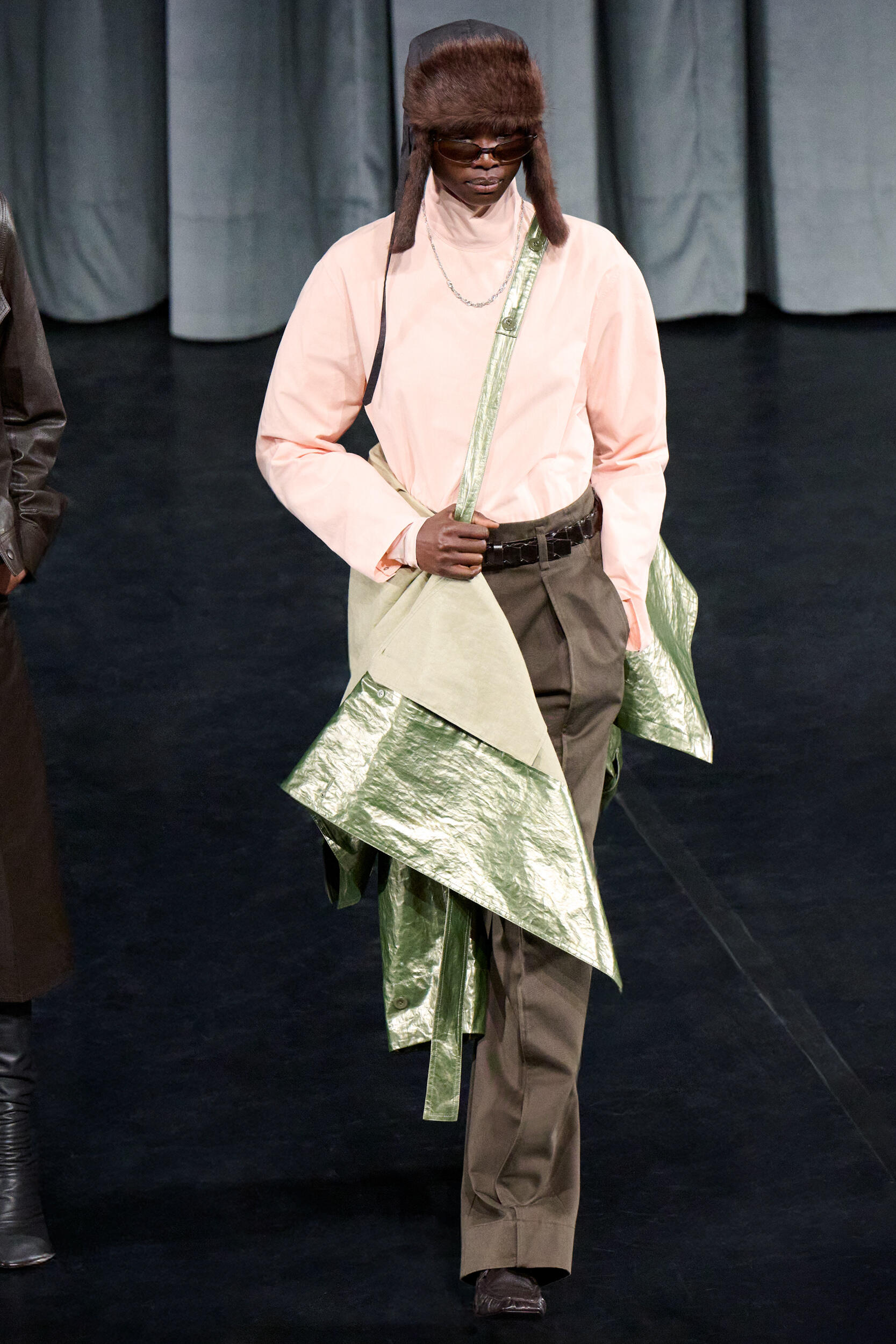
When designers decide to incorporate any element of performance into their shows we have to interrogate the purpose. Especially if there is no intention of releasing a short film to accompany the show, as a deeper layer of storytelling. Or to present the unconventional medium as a preview of an upcoming costume collaboration (designers from Christian Lacroix to Jean Paul Gaultier and Erdem have all created costumes for theatre productions and dance companies). The effort can be lost in translation for a wider audience who will only ever view the clothes as a collection of stills.
To suggest a new way of doing things without fully committing feels counterproductive. The fact that the collection will be viewed as static images, no different to any other show on the schedule also does a disservice to the brand and the artist.
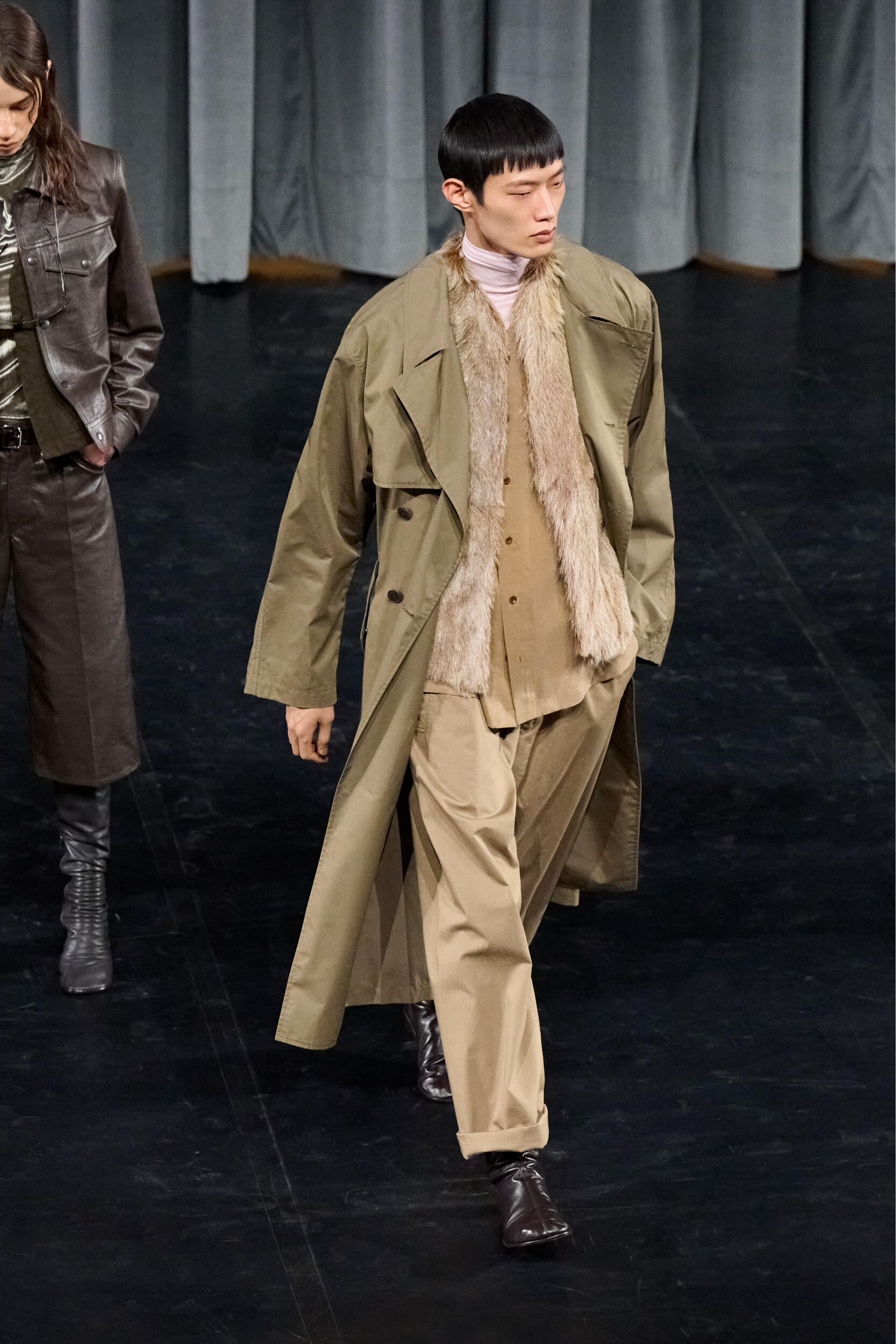
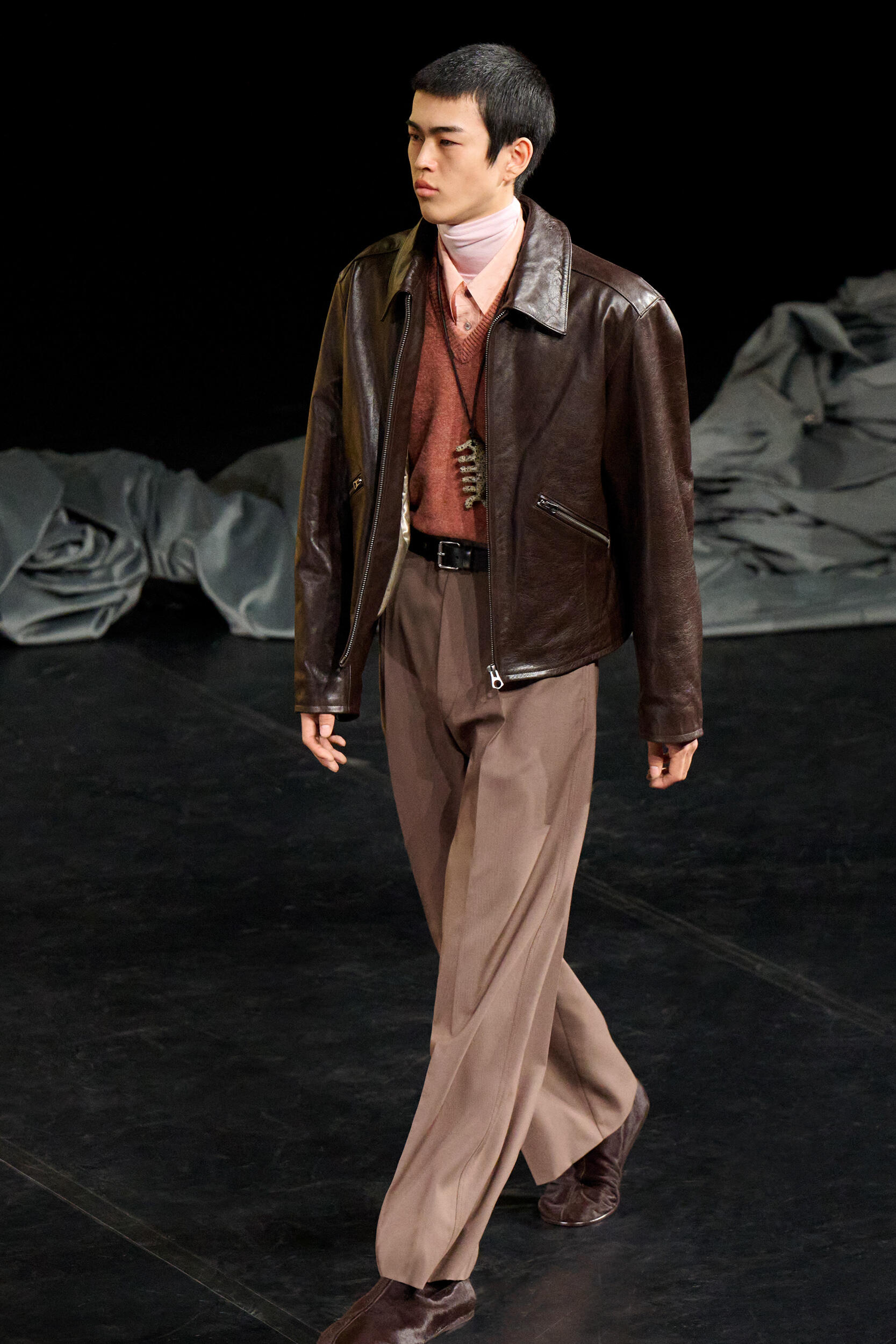
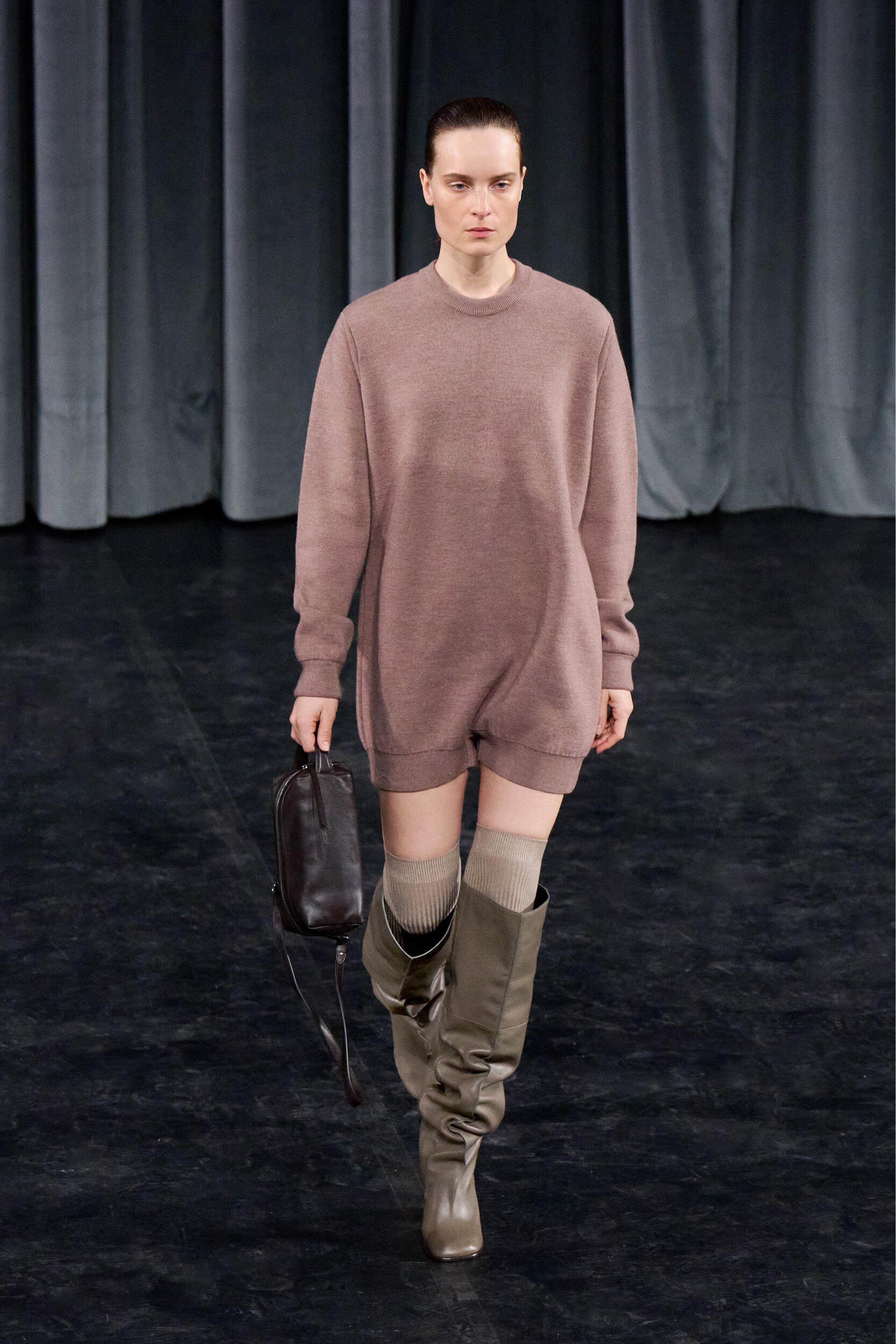
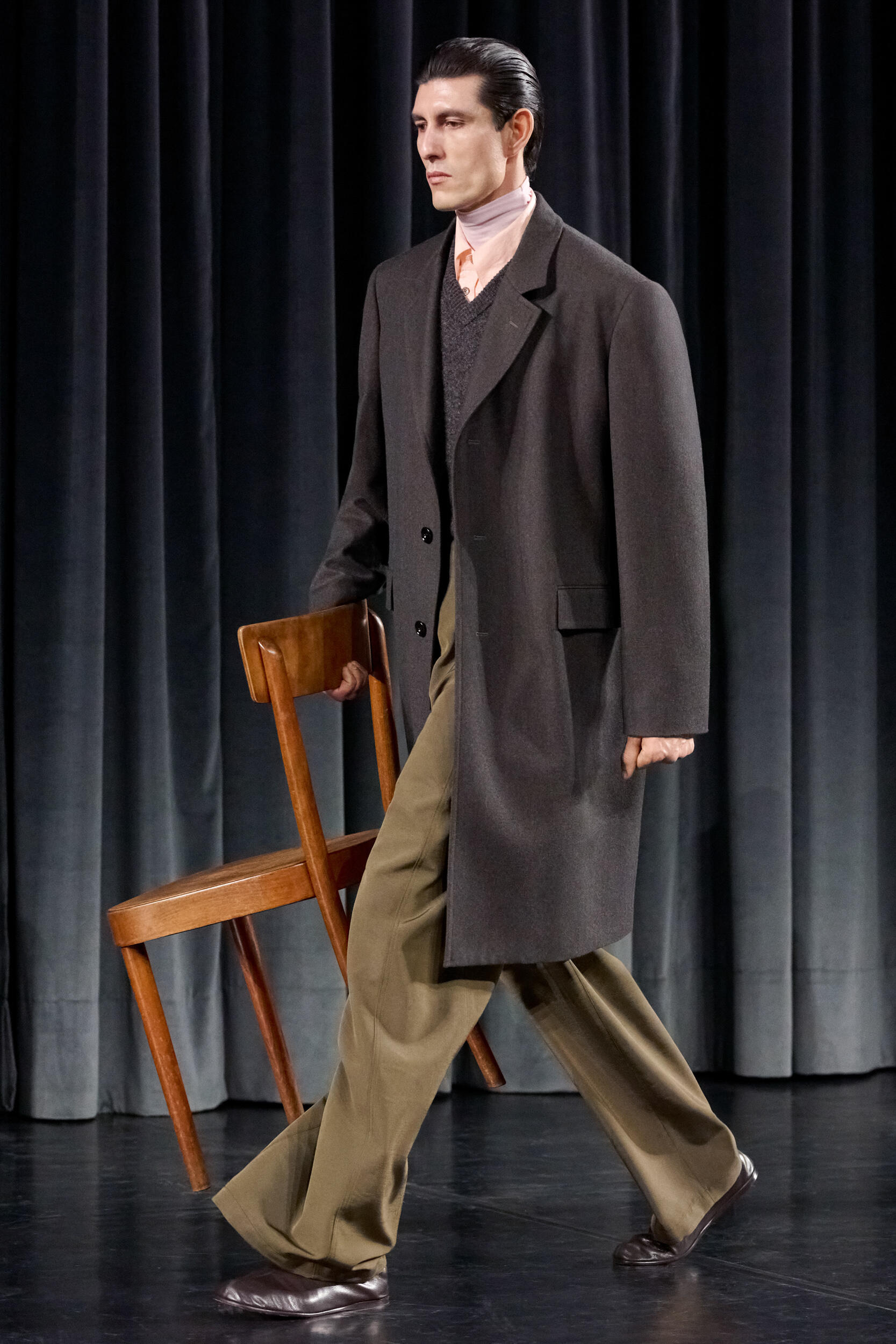
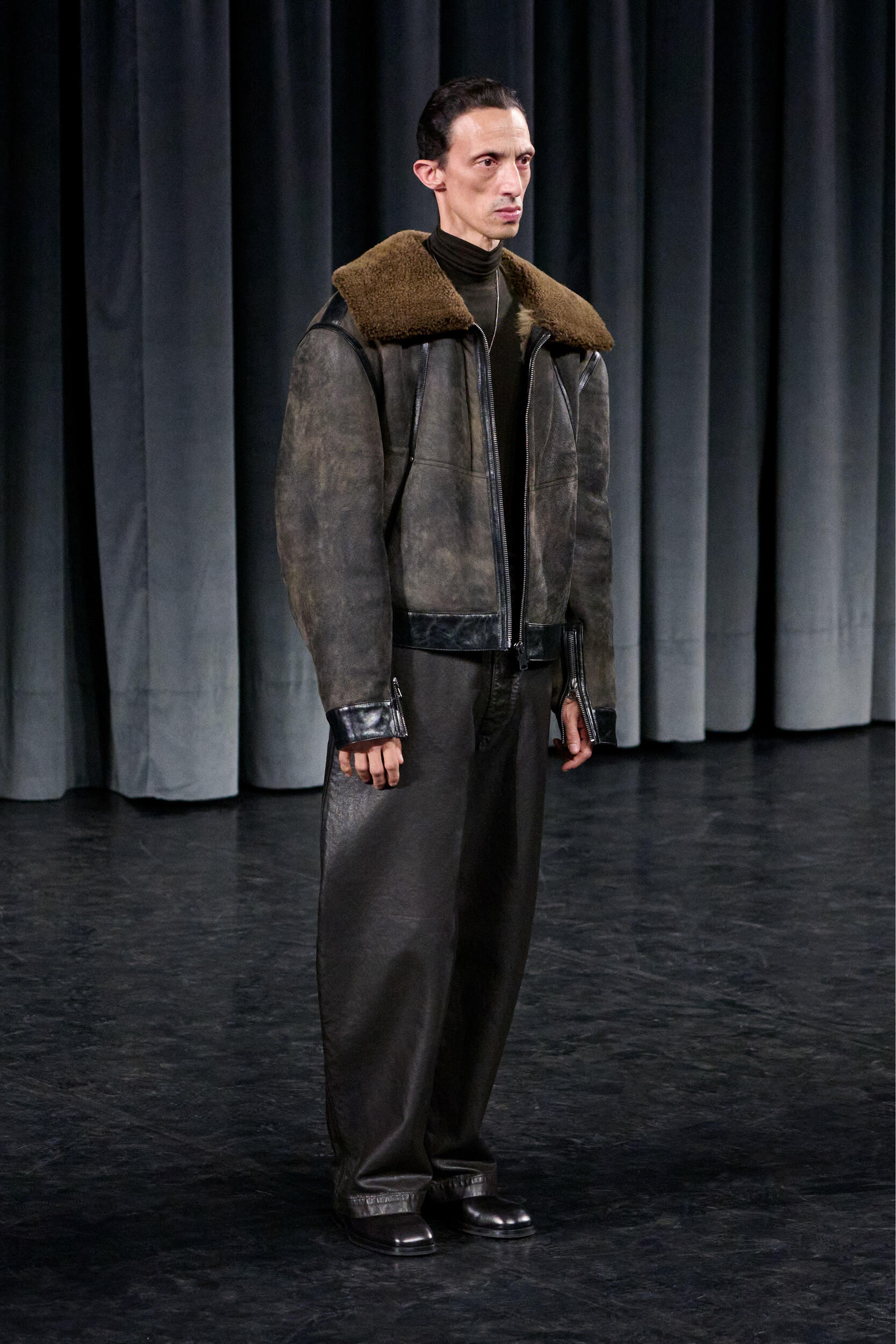
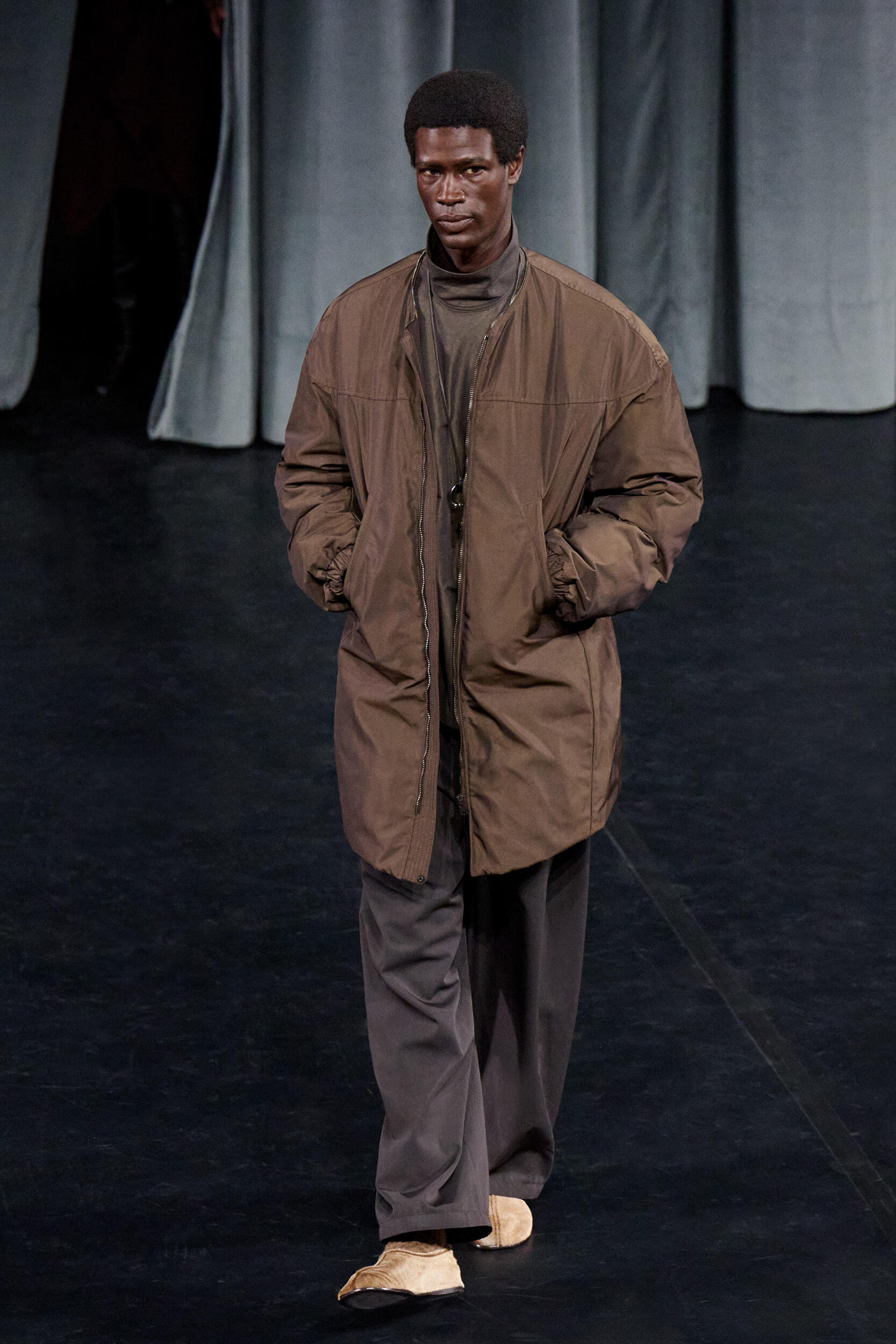
The Lemaire fall collection marks an uneasy evolution of their design language. Where once there were light-infused utilitarian layers, fluid separates and dresses you could spend all day in, have now been seemingly replaced with one too many ideas. The team behind the brand described it as ‘an encounter between domesticity and sophistication’. Slippers were worn to soften tailoring and the adult-sized knitted rompers worn with thigh-high boots felt gimmicky and not in keeping with their wearable ethos.
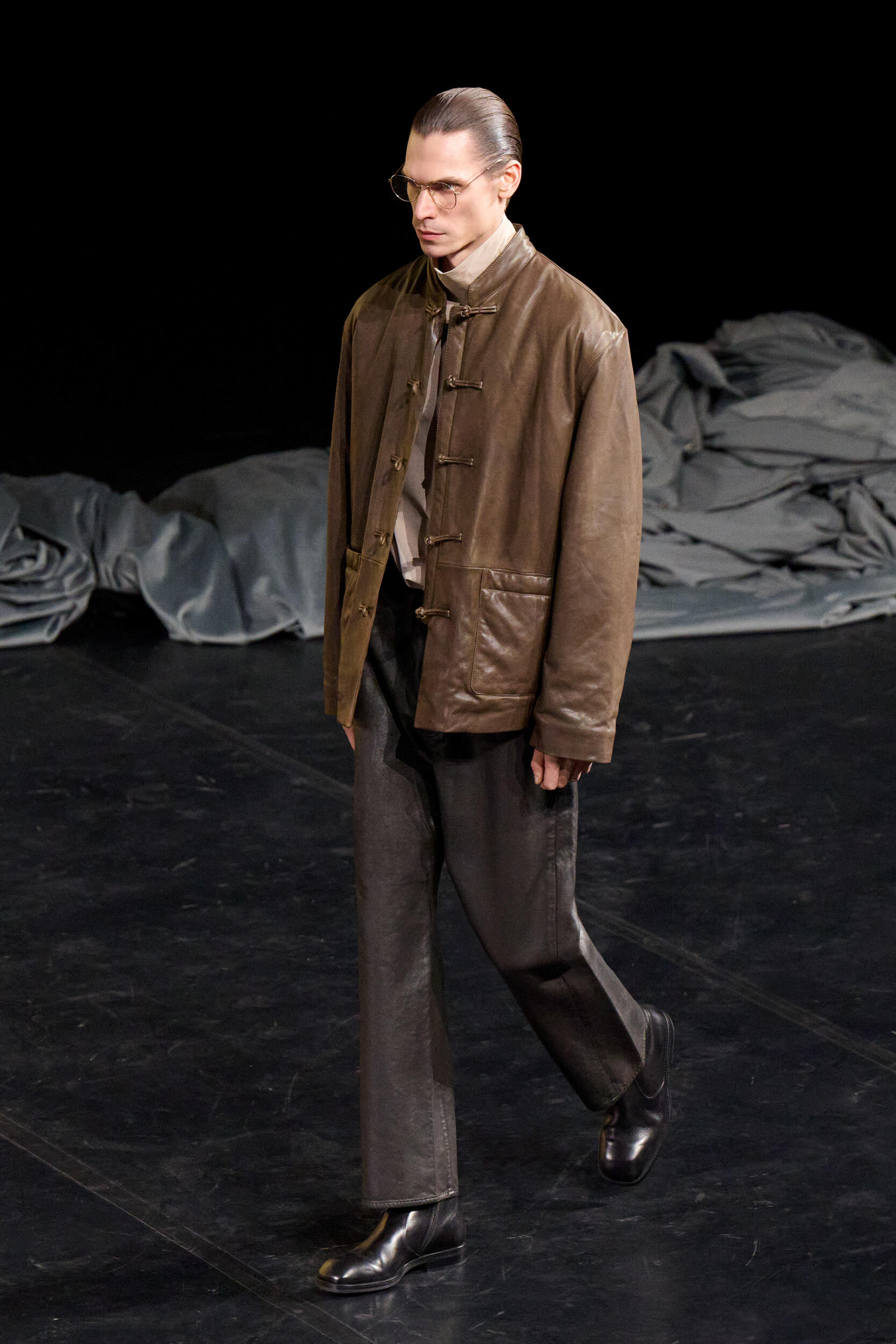
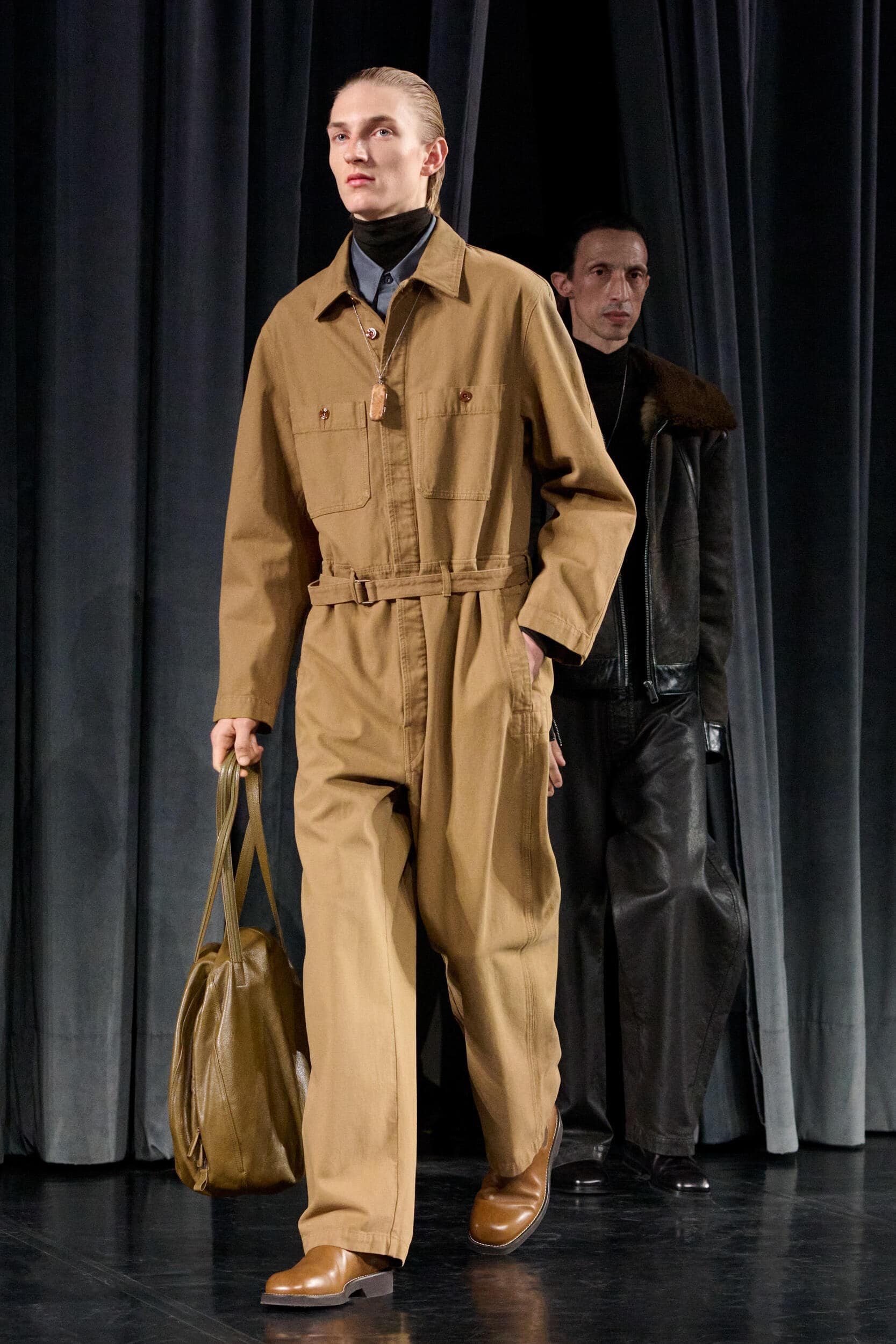
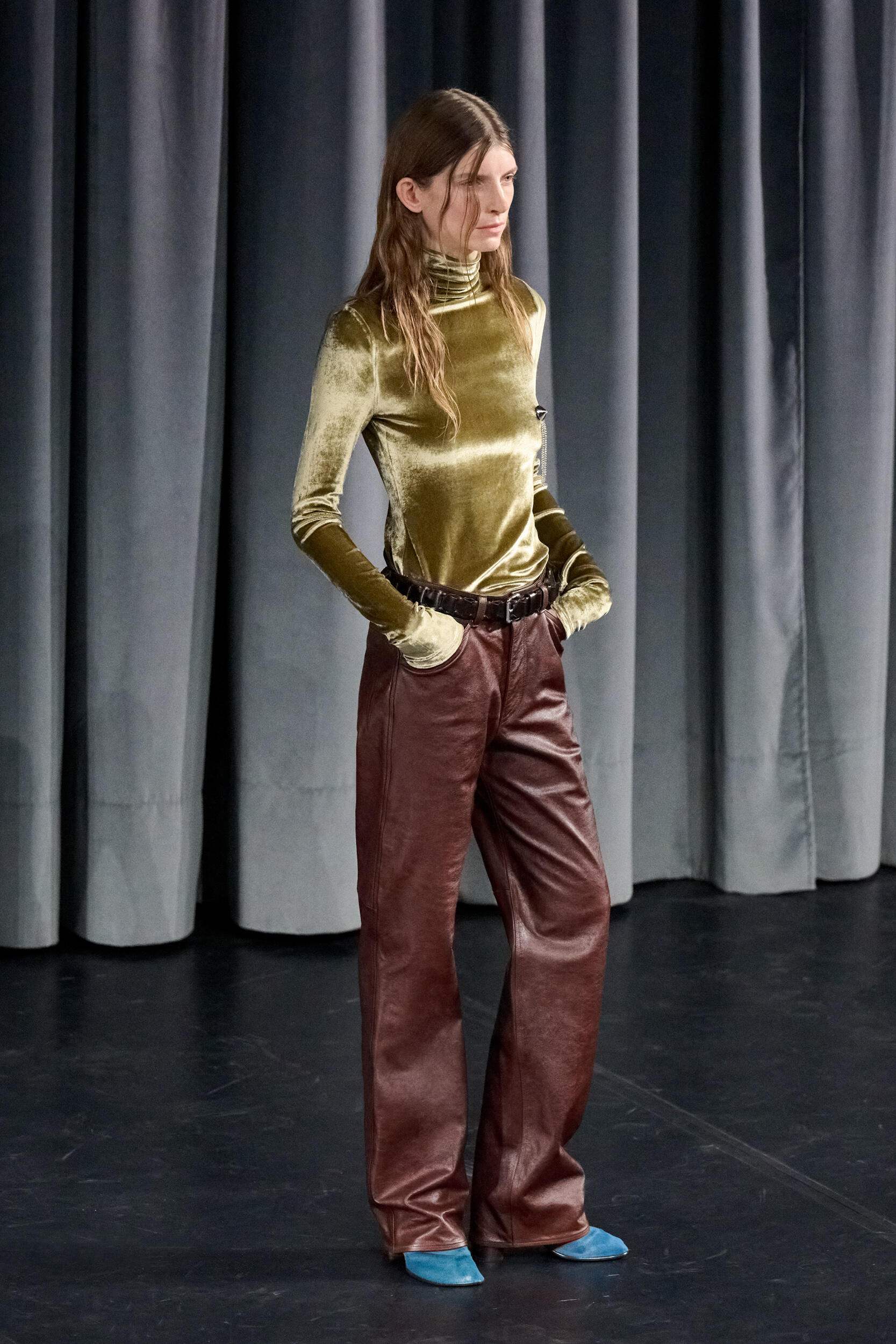
There was also a perceived struggle between East and West. Classic western tropes of shearling jackets and wool tailoring buffeted up against Mandarin jackets reimagined in leather. An attempt to woo a younger customer could go some way towards explaining the velvet second-skin tops and leather pants, but this read as flying to close to those other well-known French brands who inhabit the €300 and under contemporary luxury space. If this is the direction Lemaire wish to travel in for the foreseeable future then a slower transition needs to be adopted. As the Lemaire die-hards, who come to the brand for their utilitarian flair, meticulous craftsmanship and finger-on-the-pulse vision of clothes that come in draped suede, dry silks, and ruched silk chiffon won’t take to kindly to their wardrobe staples being phased out, stage left.
THE DIRECTION
THE WRAP UP
Lemaire has always been relied upon to follow its own path, presenting clothes that you would buy season-after-season, even if you were already the proud owner of several of their voluminous trench coats in a full neutral palette. Yet this departure – in format and design – may leave much to be desired from their core customer base.