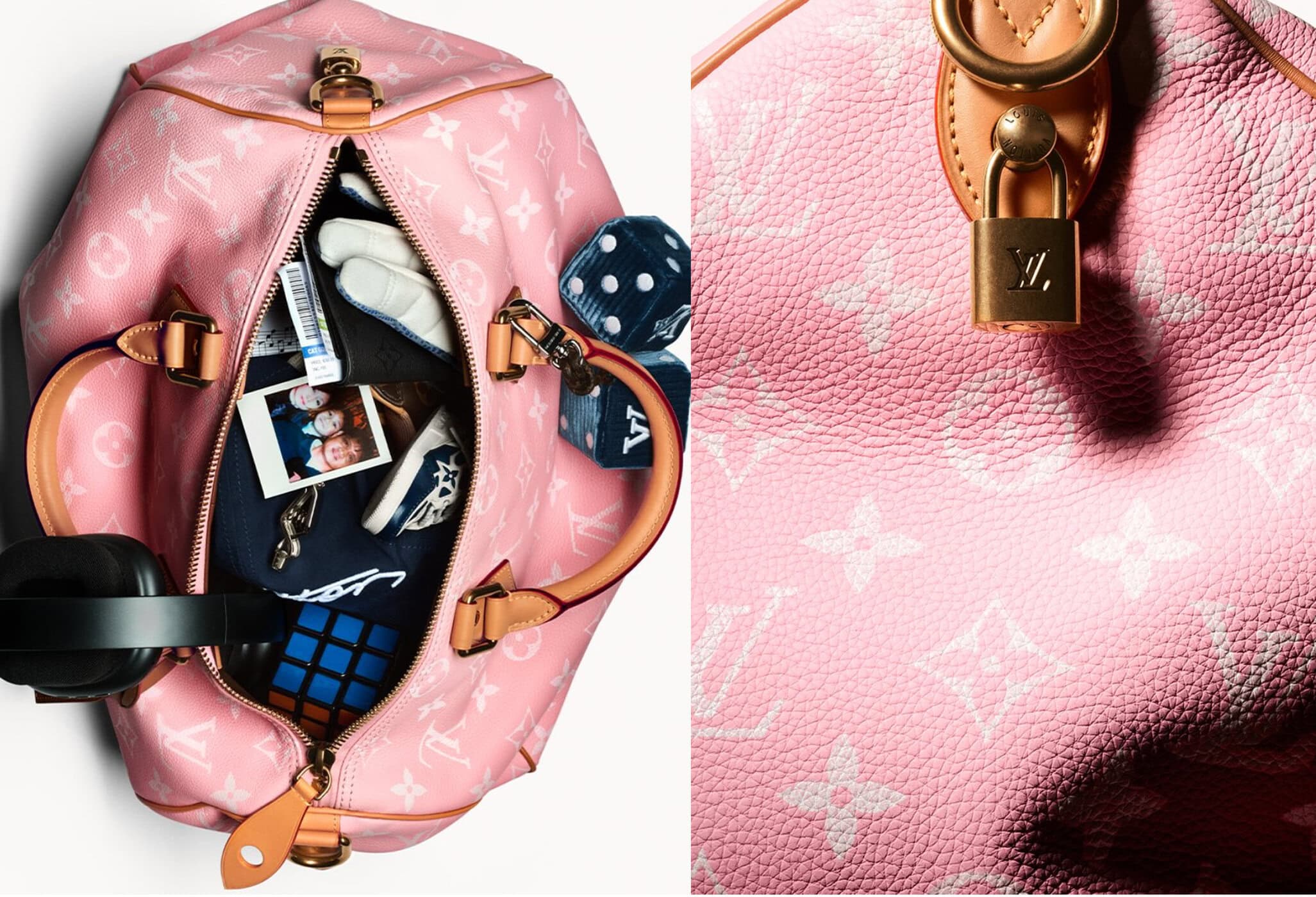
Review of Louis Vuitton “In My Bag” 2026 Ad Campaign by Creative Director Pharrell Williams with Photographer Thomas Lagrange with models Jeremy Allen White, Jude Bellingham, Future, LeBron James, Jackson Wang, and Victor Wembanyama
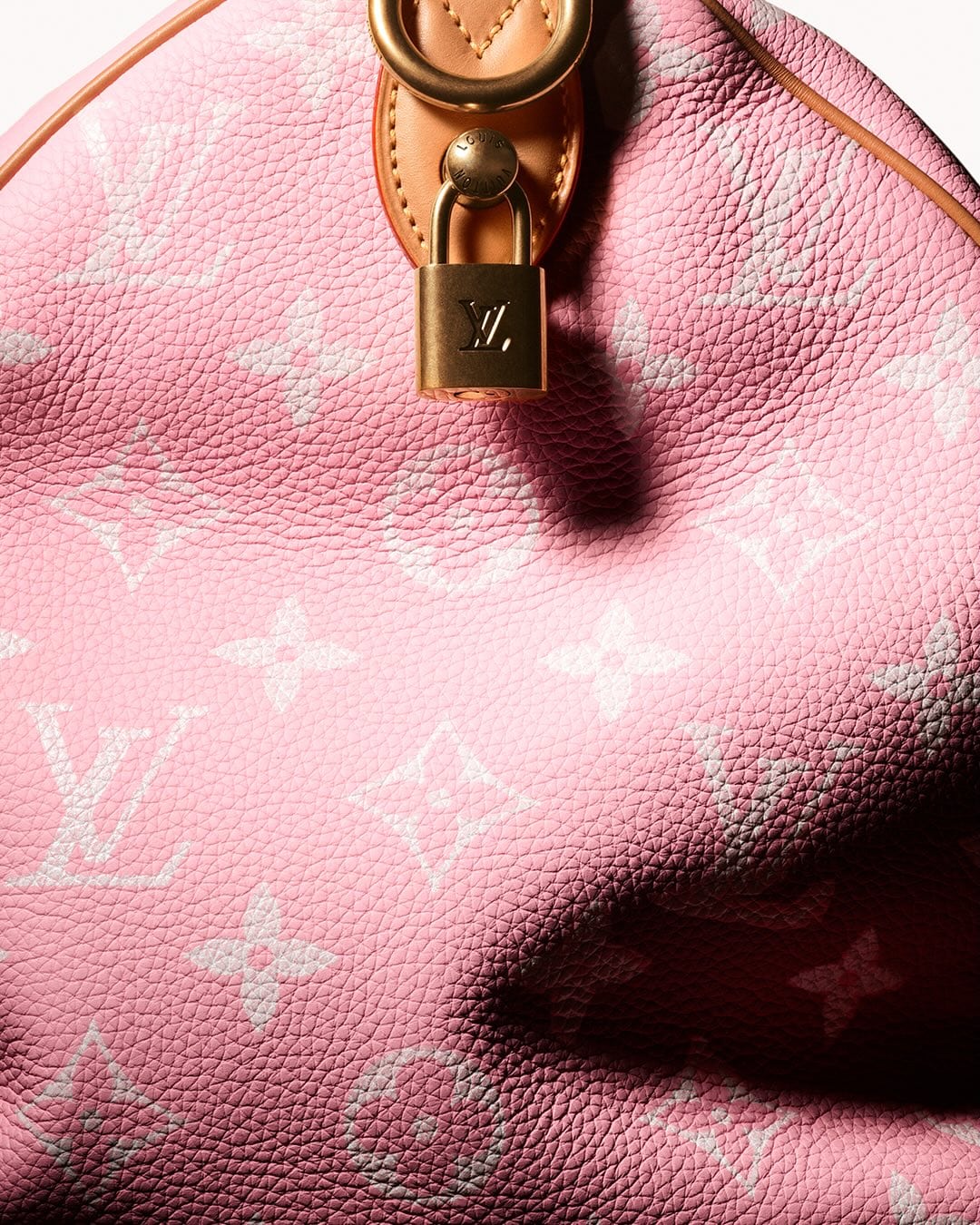
Louis Vuitton’s latest Speedy P9 campaign understands a simple truth: ownership may be shared, but identity is always personal.
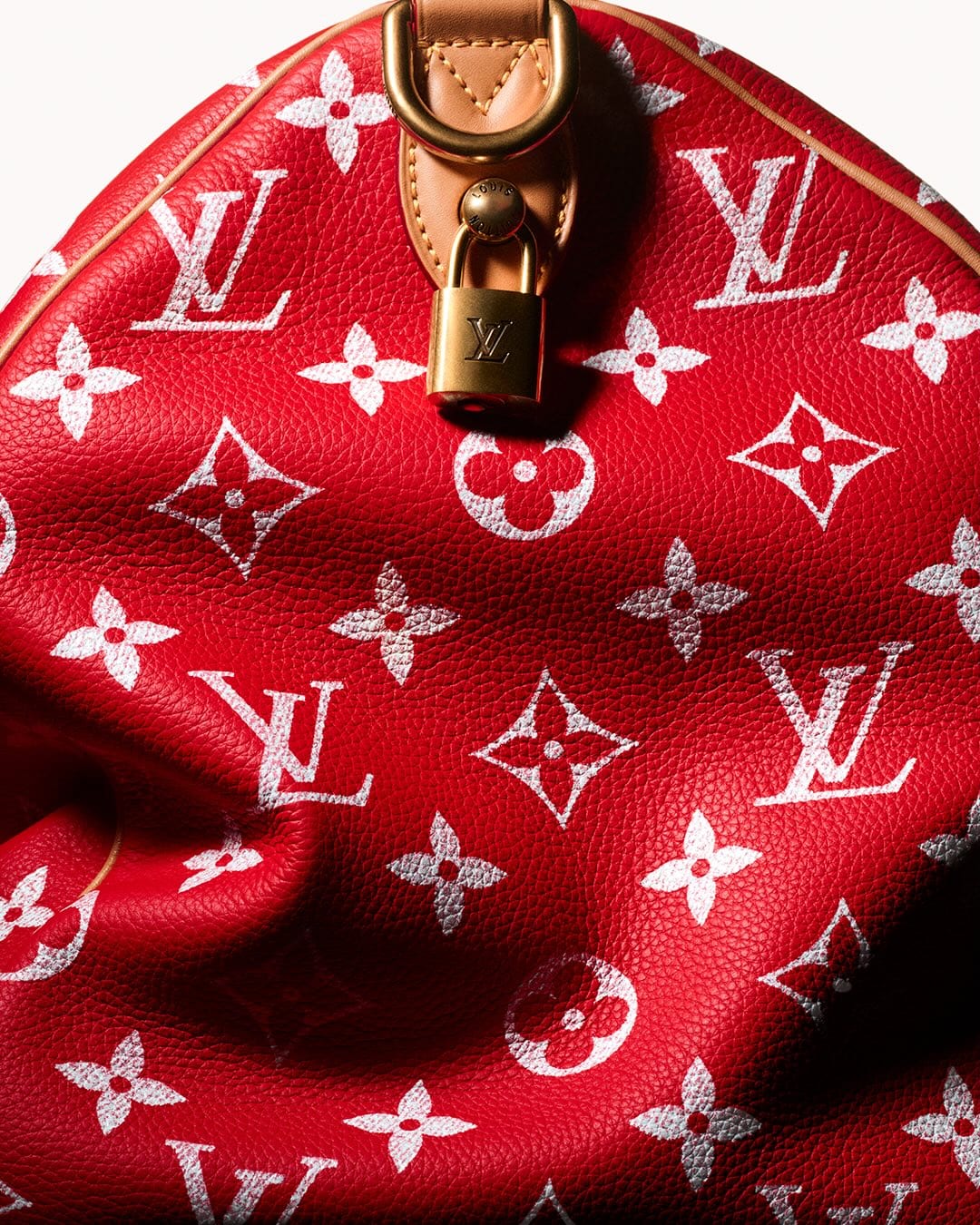
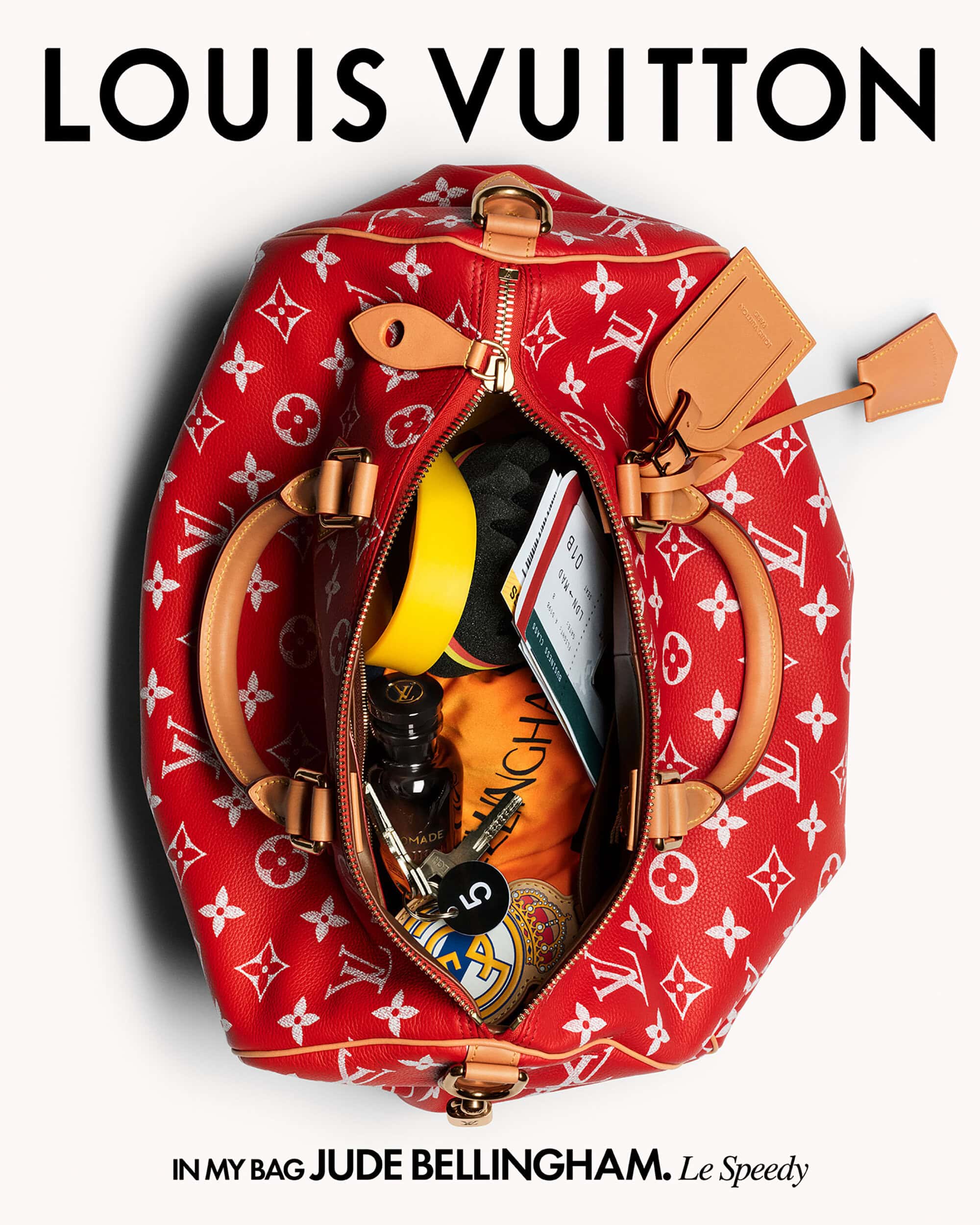
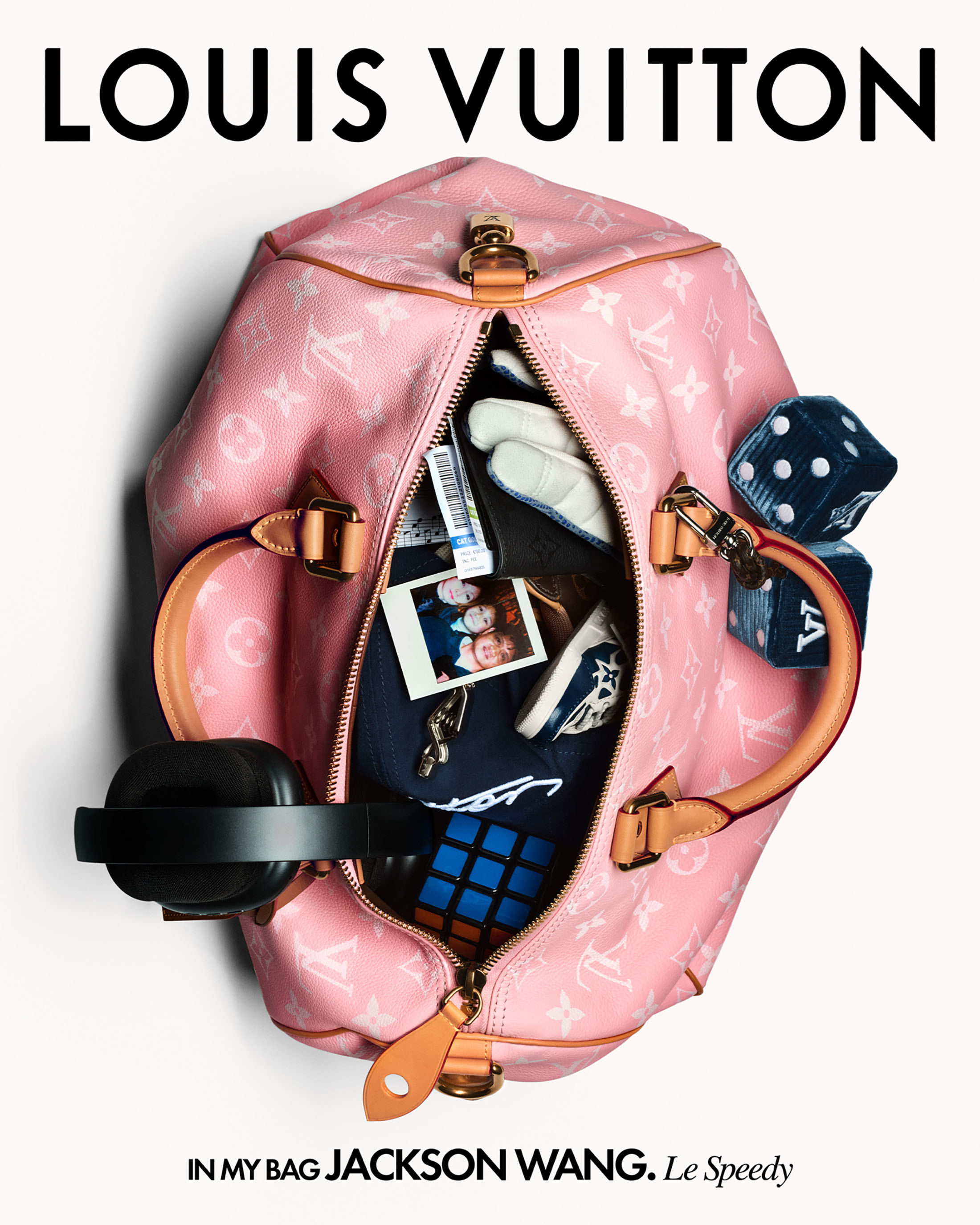
At a moment when personality is often performed outwardly, the house turns inward. The concept is disarmingly simple: the Speedy P9 remains constant, while what it carries becomes the point of distinction. The hook lands quickly, but its implications linger. What defines identity now – the object, or what we choose to place inside it?
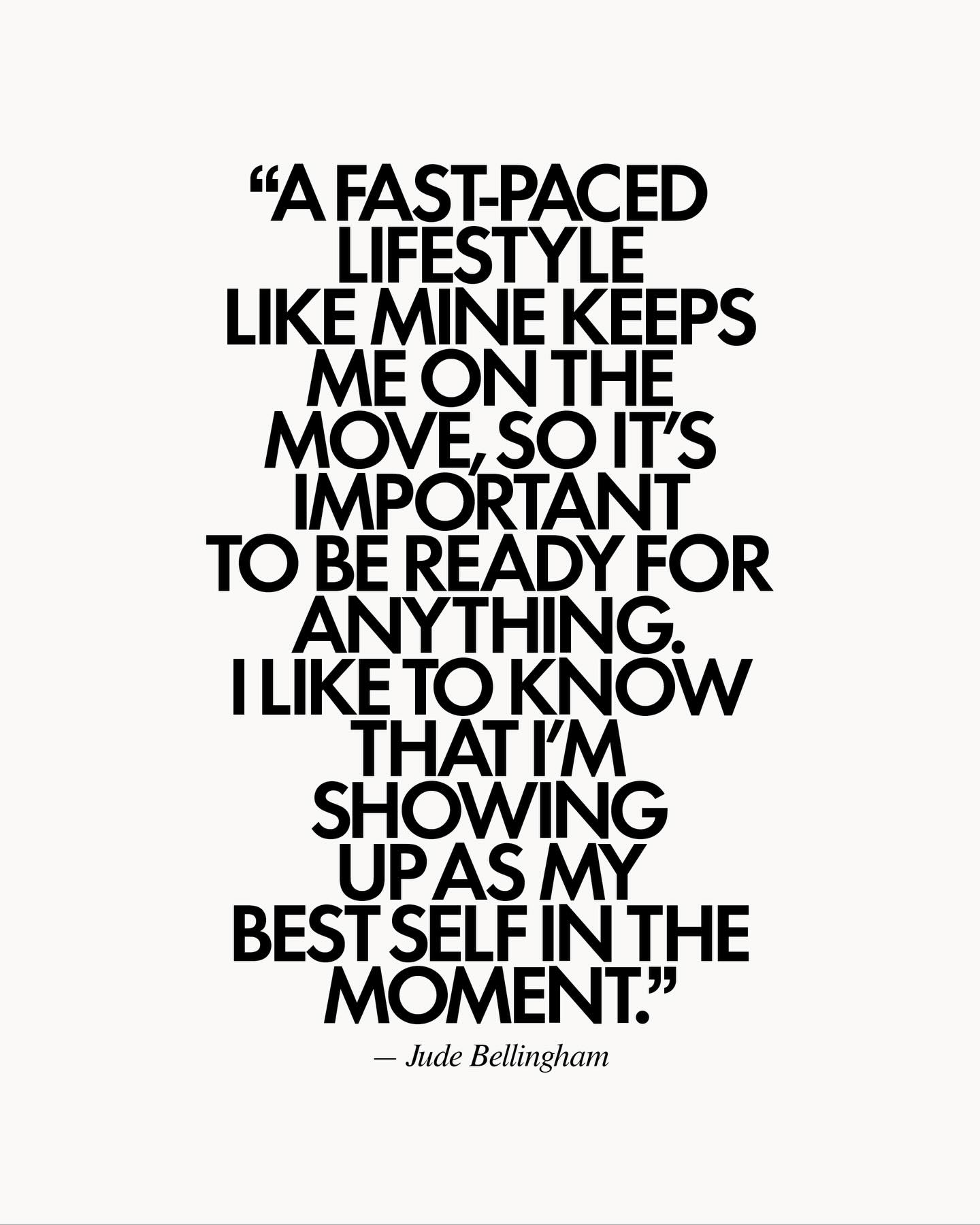
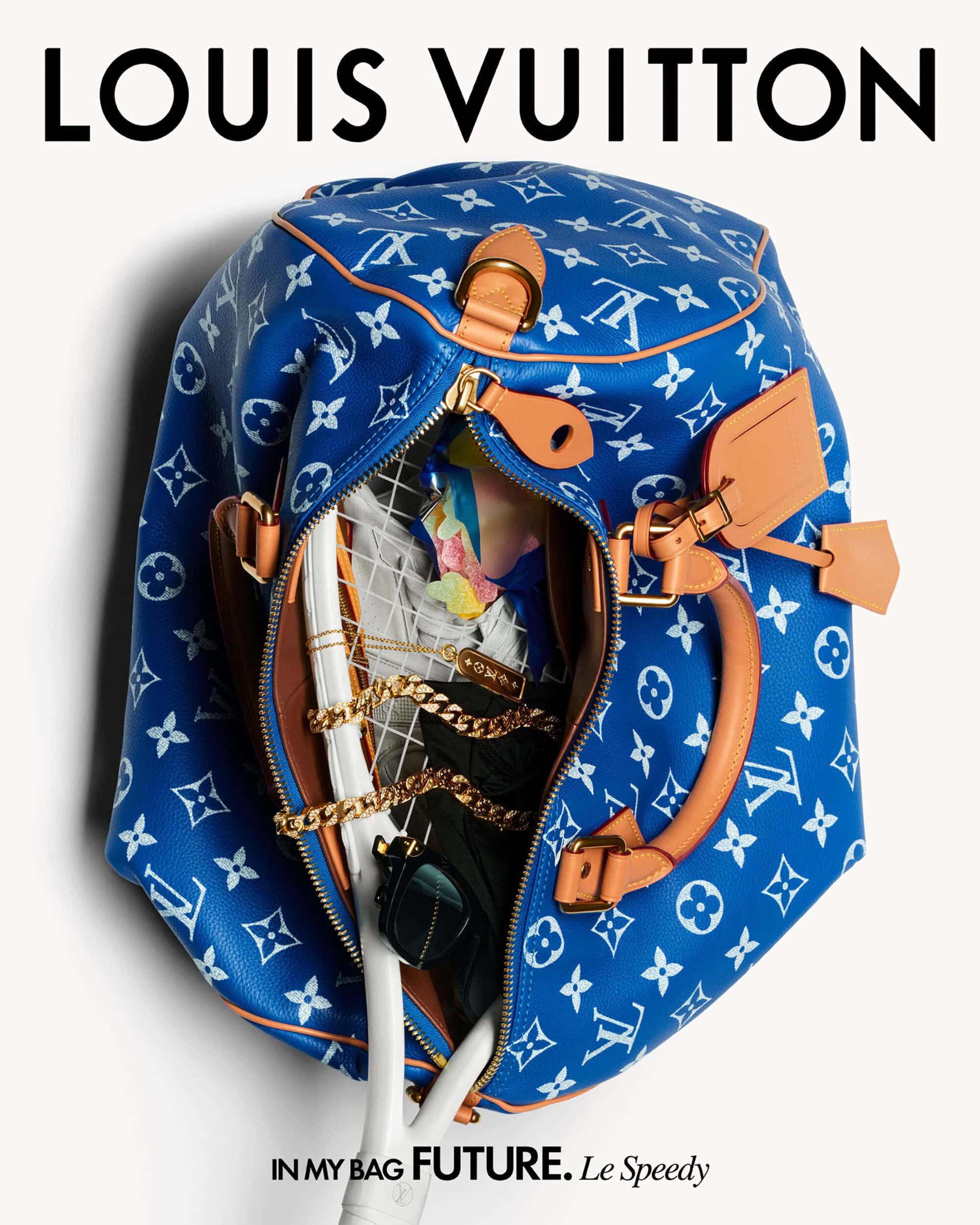
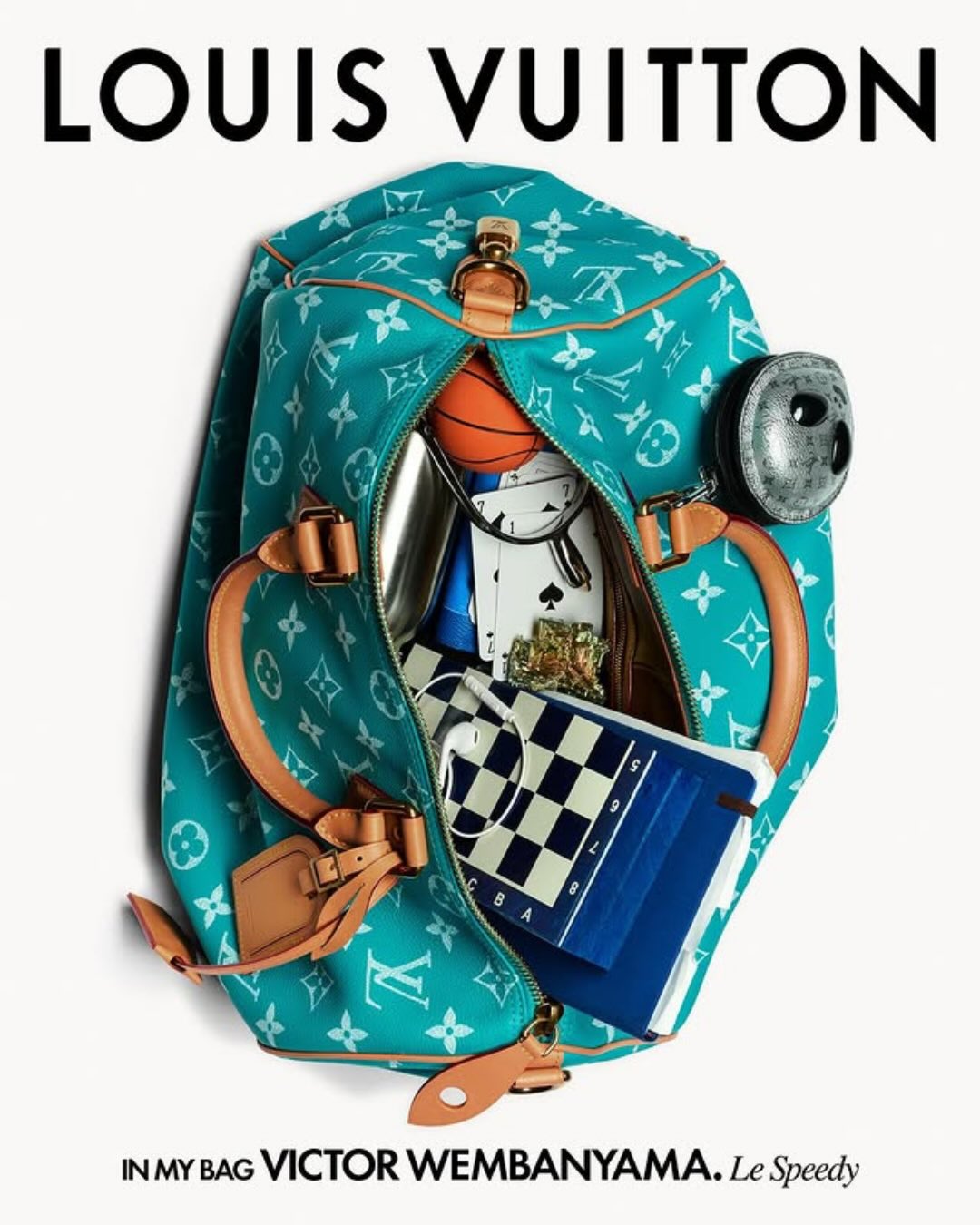
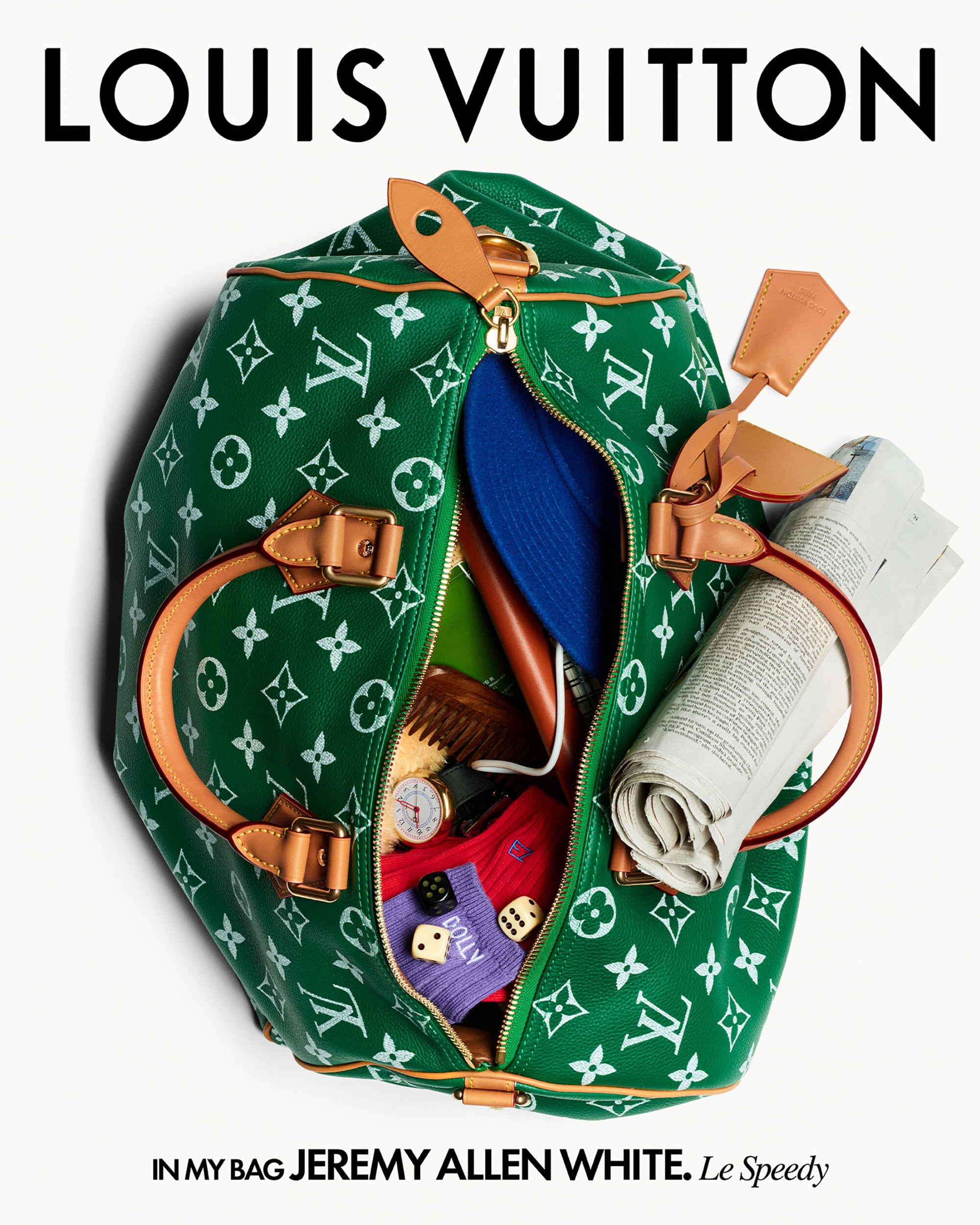
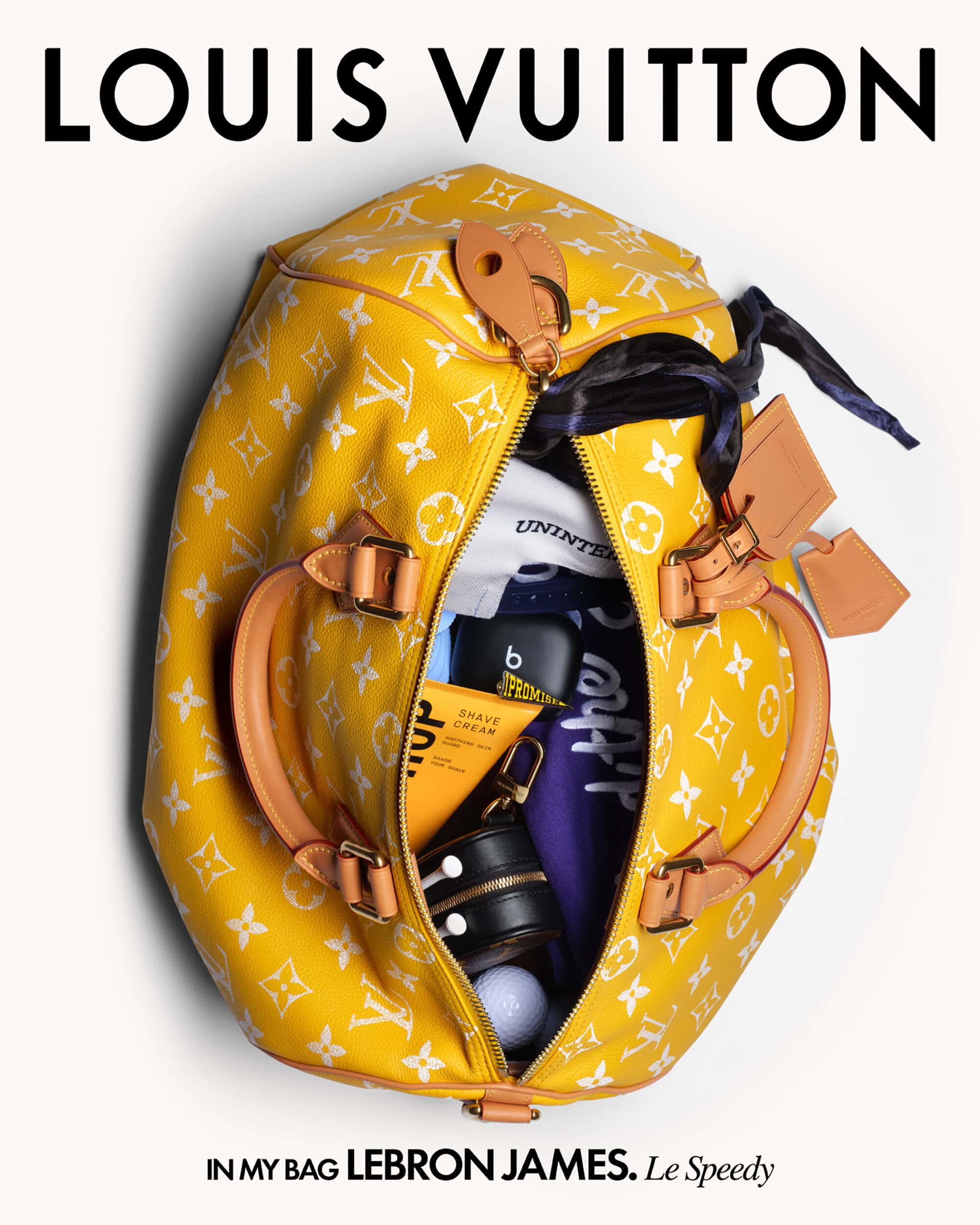
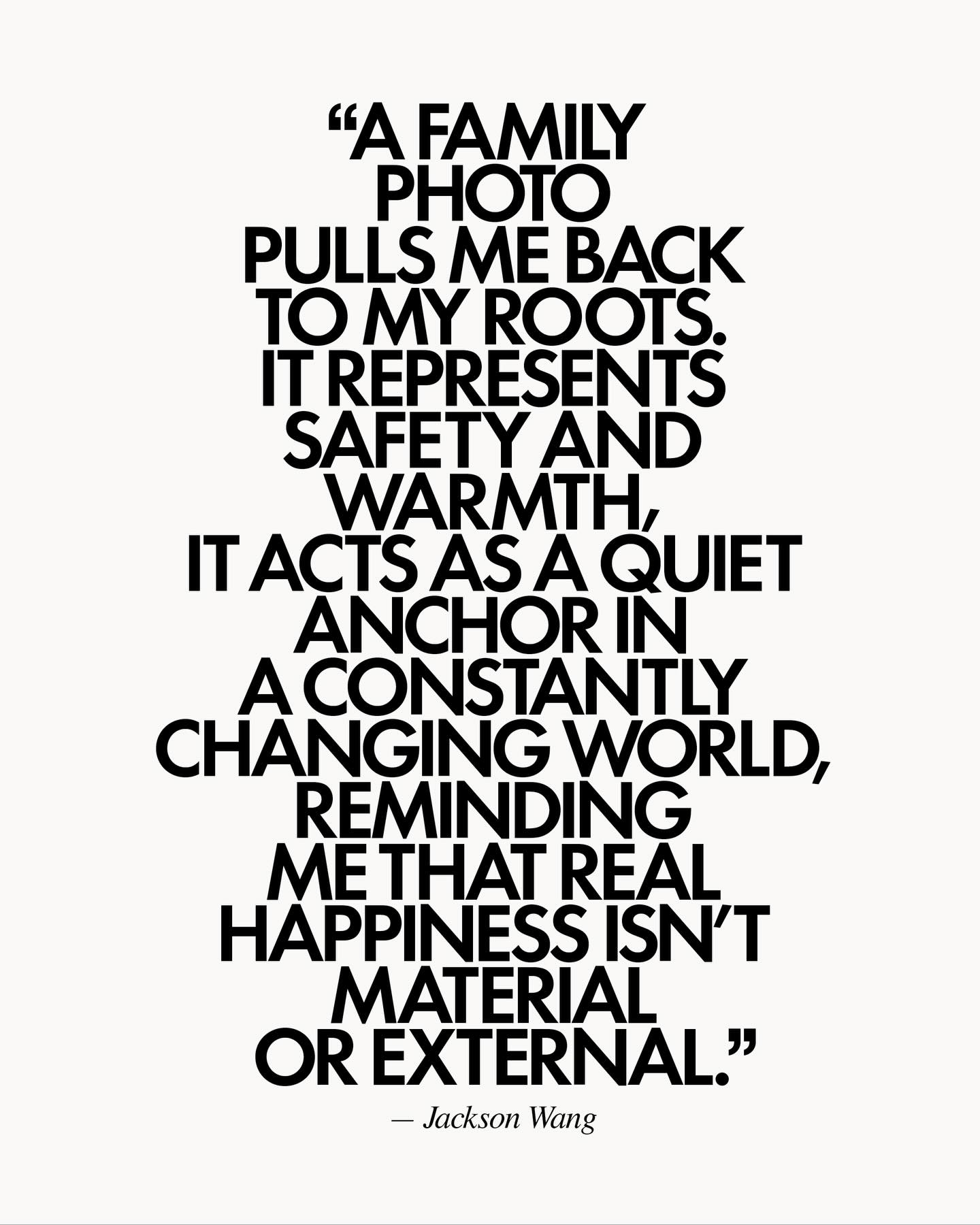
Photographed by Thomas Lagrange under the creative direction of Pharrell Williams, the campaign plays a clever game with celebrity. Jeremy Allen White, Jude Bellingham, Future, LeBron James, Jackson Wang, and Victor Wembanyama are all present, but not in the expected way. Their faces fall away in favor of what they carry. It’s a reframing that feels instinctive, particularly coming from Pharrell, who understands that fascination today often lives in the details that make a public figure feel specific rather than simply visible. In that sense, the campaign quietly underscores the logic behind his appointment. He treats celebrity as material, something to shape and redirect, rather than something to simply display.
This is where the campaign feels particularly attuned to its moment. It mirrors the social ritual of “what’s in my bag” while elevating it through craft and composition. There is a democratic familiarity to the idea – anyone can own the same bag – but the differentiation lies in the details. A pair of dice, a notebook, a Polaroid, a tennis racquet. Small objects that suggest larger lives. The Speedy P9 becomes less a status symbol and more a container of narrative.
What works is the restraint. The campaign doesn’t over-explain. It trusts that the viewer will read between the objects, constructing a sense of character without being told explicitly who these individuals are. That distance creates a kind of intrigue. It allows the house to celebrate its cast without relying on recognizability alone.
And yet, that same minimalism sets a boundary. The concept is strong, the execution precise, but the emotional register remains light. If the goal is immediate social impact, the campaign may not land with the same force it might have had if the faces behind the bags were foregrounded more directly. A fast scroll does not always reward nuance. Some viewers may miss the names entirely, or move past the image before the concept has time to unfold. That is the trade-off here.
At the same time, that restraint is part of what makes the campaign interesting. It asks a little more of the viewer. Rather than relying on instant recognition, it rewards a second look, a closer read, a deeper consideration of the relationship between bag and owner. In that sense, Louis Vuitton is betting on thoughtfulness over immediacy. You may carry the same Speedy. What matters is what you carry within it.
Louis Vuitton Creative Director | Pharrell Williams
Photographer | Thomas Lagrange
Models | Jeremy Allen White, Jude Bellingham, Future, LeBron James, Jackson Wang, and Victor Wembanyama