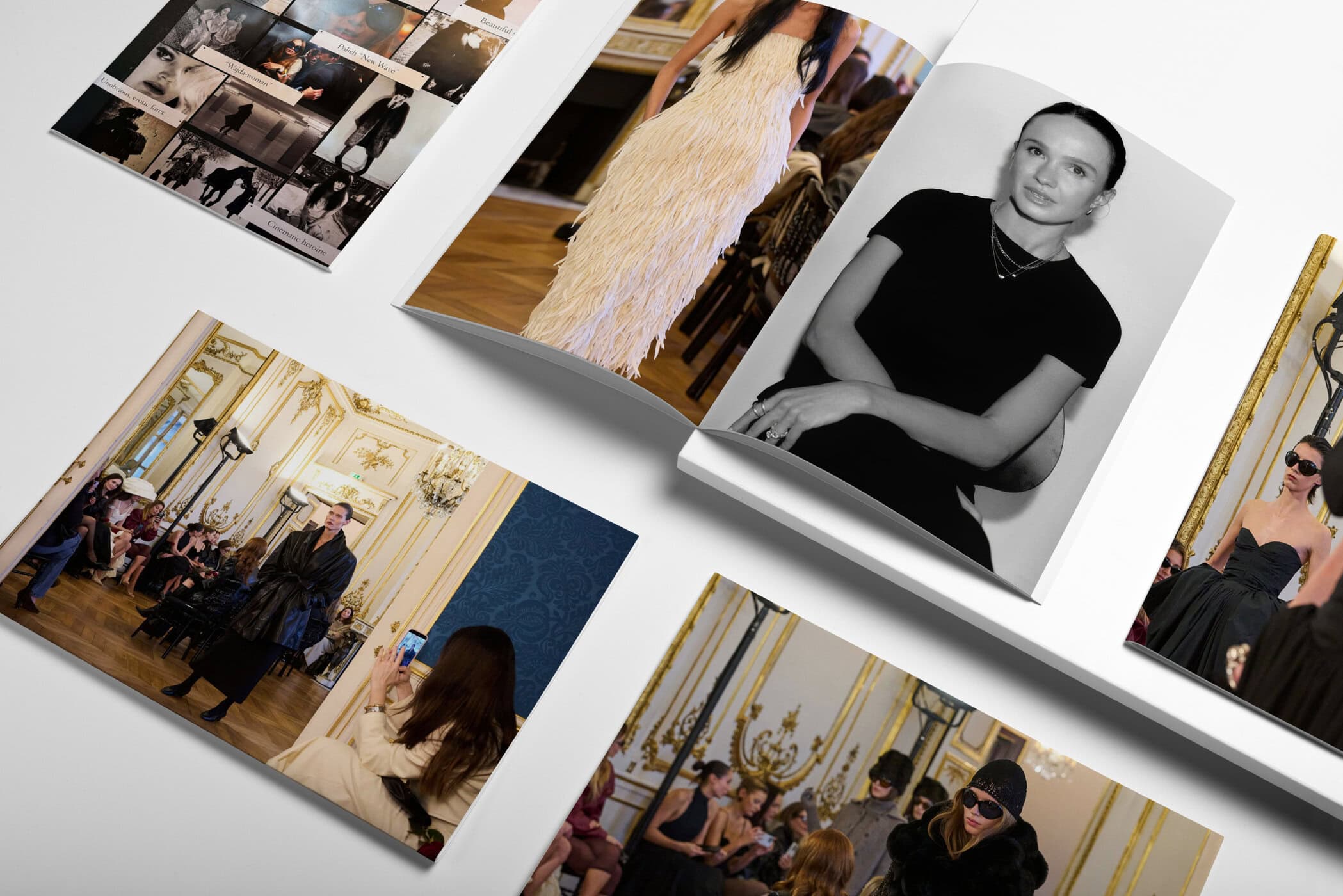
The Polish Designer Draws From Memory, Cinema, And Lived Femininity To Shape A Quietly Evolving Wardrobe
By Kenneth Richard
Winter, in Magda Butrym’s imagination, begins with a memory. Snow falling heavily across the Polish countryside. Women walking through the cold wrapped in long coats. A quiet kind of romance shaped by cinema, nostalgia, and the practical rituals of dressing for the season.
For Fall 2026, the designer translated that memory into Zima—the Polish word for winter—a collection rooted in texture, layering, and the understated sensuality that has become her signature.
This is how the Polish winter looked like when I remember when I was a kid. There was a lot of snow. I have this warm feeling about it. So I thought I will go into layers, like coats and really what women like to wear.
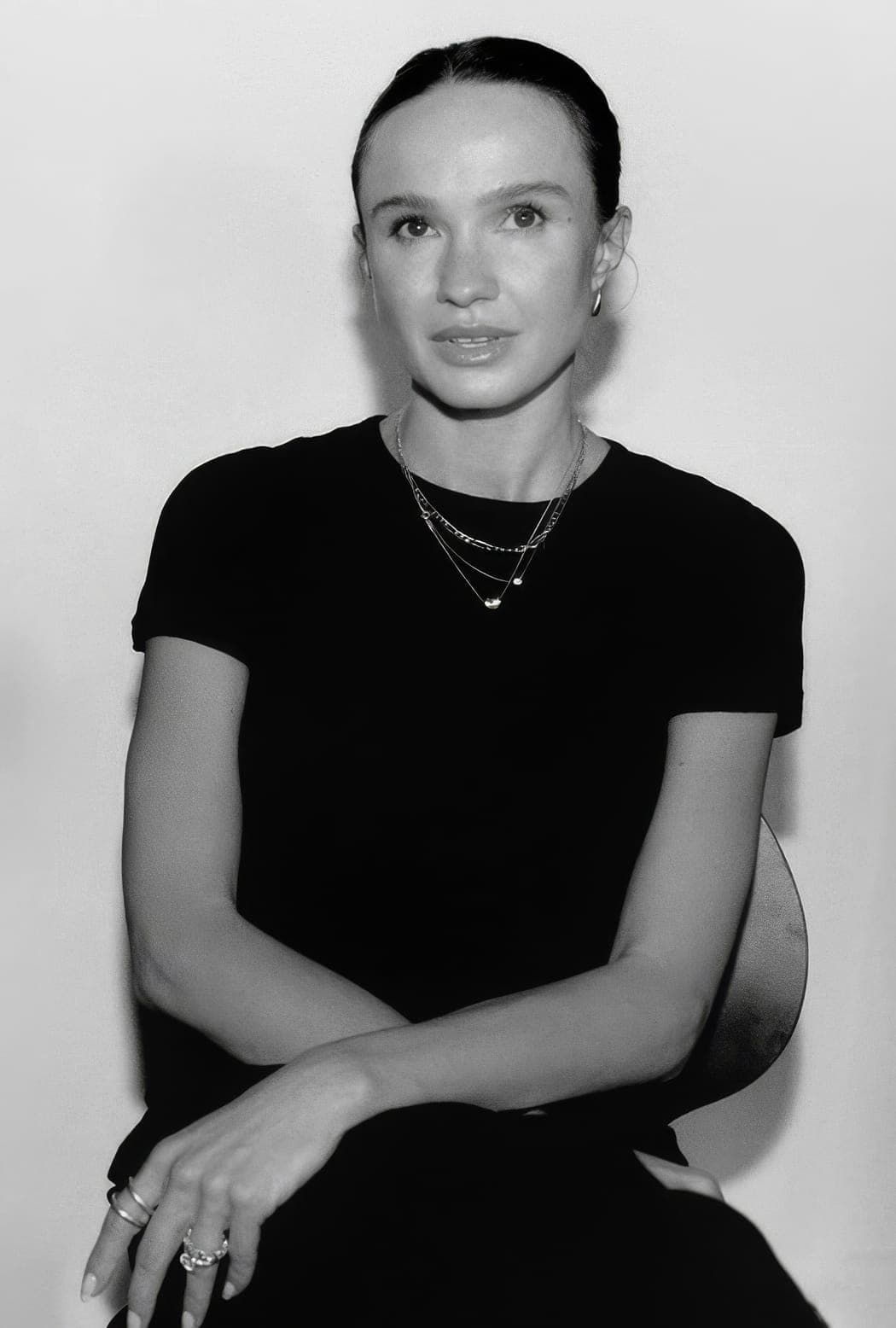
The result was a collection built around coats, texture, and proportion. Rather than chasing novelty, Butrym approached the season as a continuation of the language she has been refining over the past decade—one defined by strong shoulders, sculpted silhouettes, and a balance between romance and practicality.
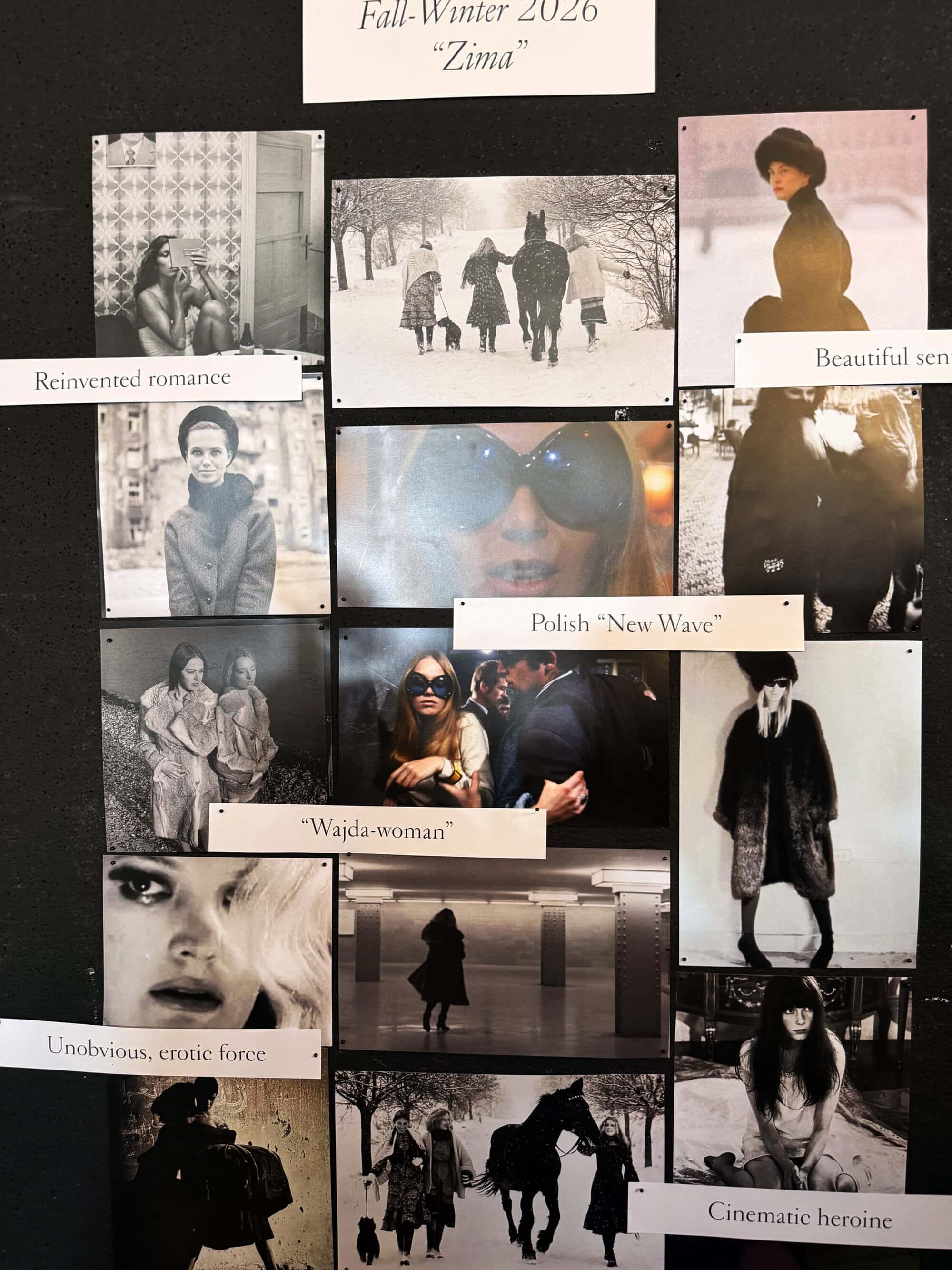
Her mood board revealed the emotional terrain. Black-and-white photographs of women walking through snowy landscapes appeared alongside stills from Polish cinema and portraits of enigmatic heroines from the 1960s. Words pinned among them—reinvented romance, cinematic heroine, unobvious erotic force. The references suggested a woman who moves through winter with confidence and restraint, sensuality revealed not through spectacle but through presence.
Polish cinema played a central role in shaping that character. Butrym looked to legendary director Andrzej Wajda and the actress Małgorzata Braunek, whose performance in Wajda’s 1969 film Hunting Flies captured a particular kind of modern femininity emerging in Poland during the era of the Polish New Wave. Braunek’s calm, quietly magnetic screen presence became a touchstone for the designer’s vision.
“I thought she looks so modern and present, still from the 60s,” Butrym said. “She lived a life like this woman. So I wanted something more coats, little heel, more comfortable, more sexy, more like feeling yourself.”
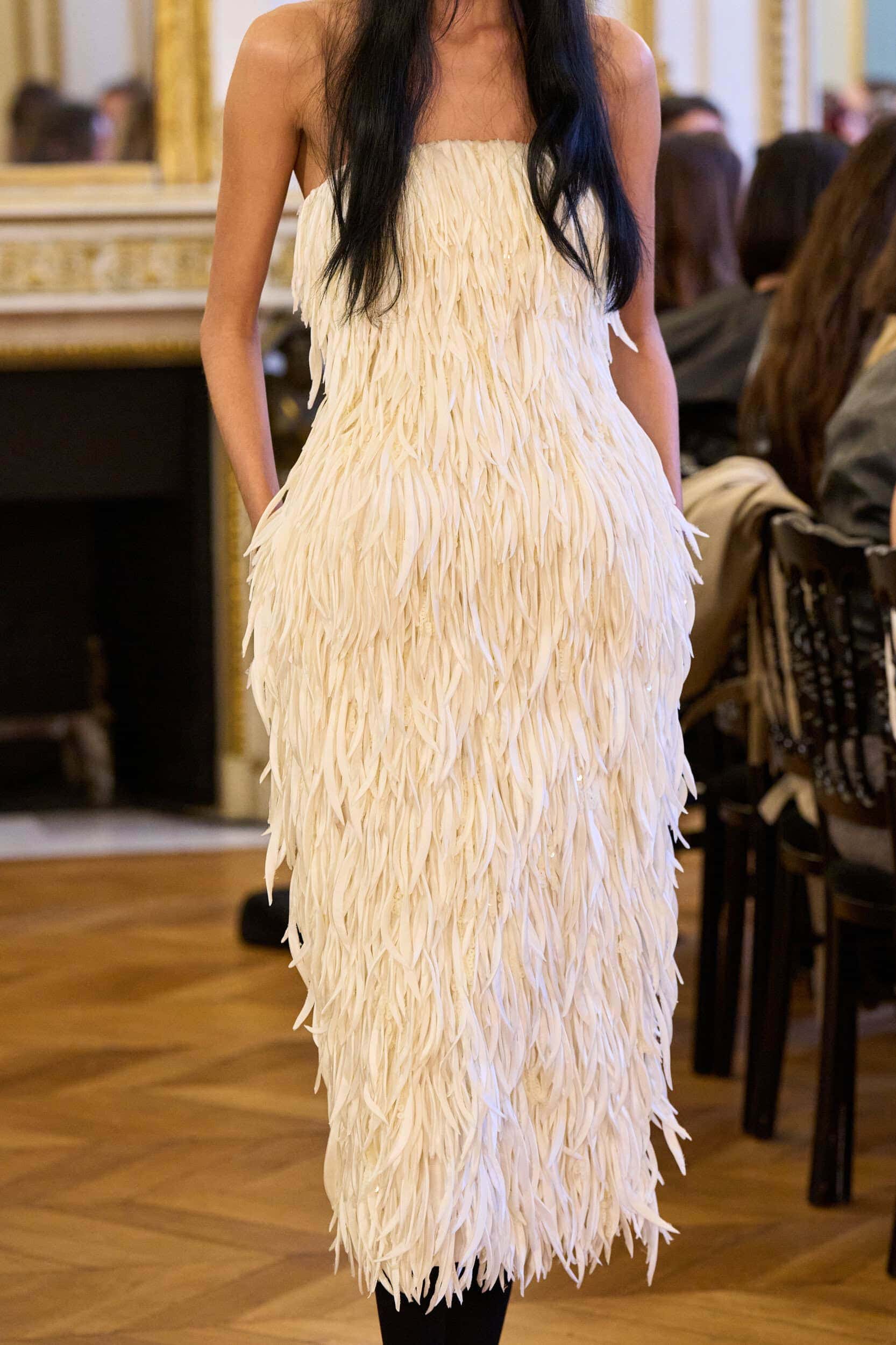
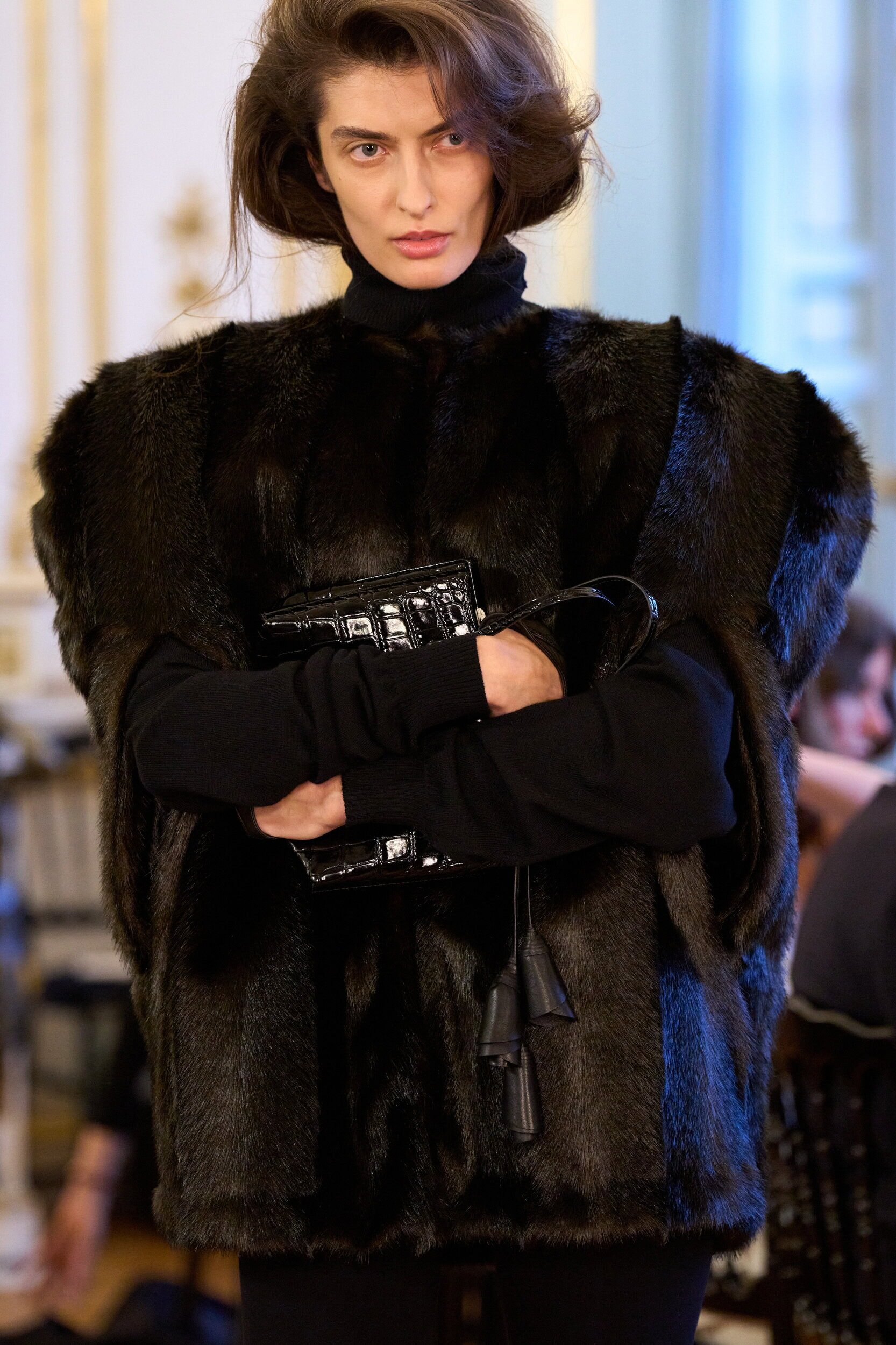
That sensibility translated into a collection that felt grounded yet cinematic. Oversized leather coats wrapped the body with protective ease. Knit turtlenecks were paired with sculptural skirts that ballooned softly before tapering cleanly toward the knee. A feathered strapless dress moved with delicate rhythm, while long coats and structured jackets framed the silhouette with authority.
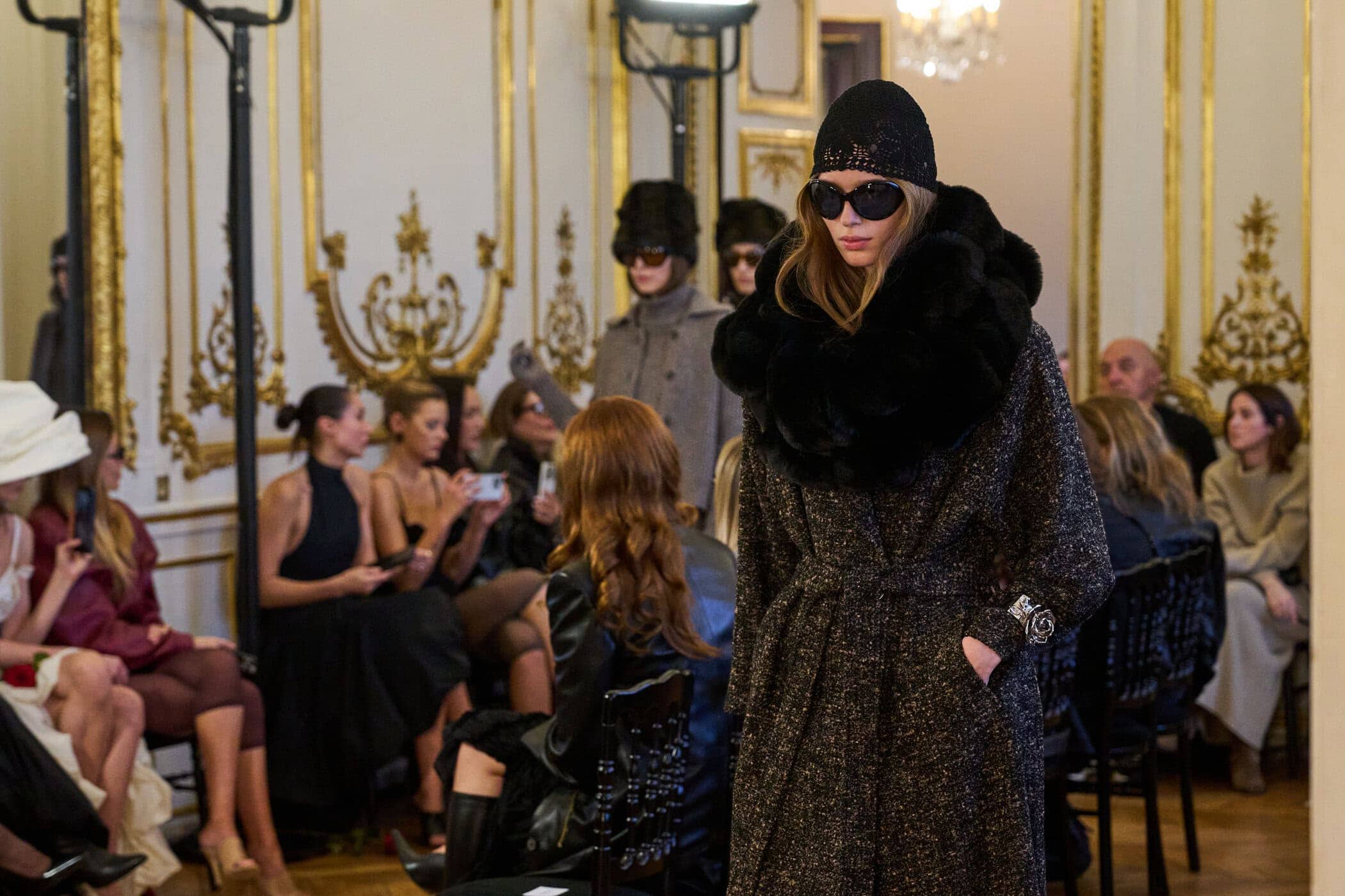
One of the most notable shifts was the move toward length. In recent seasons the brand explored shorter hemlines—mini skirts and capri-length trousers. This season extended those proportions into longer skirts and coats, creating a silhouette that feels more composed and deliberate.
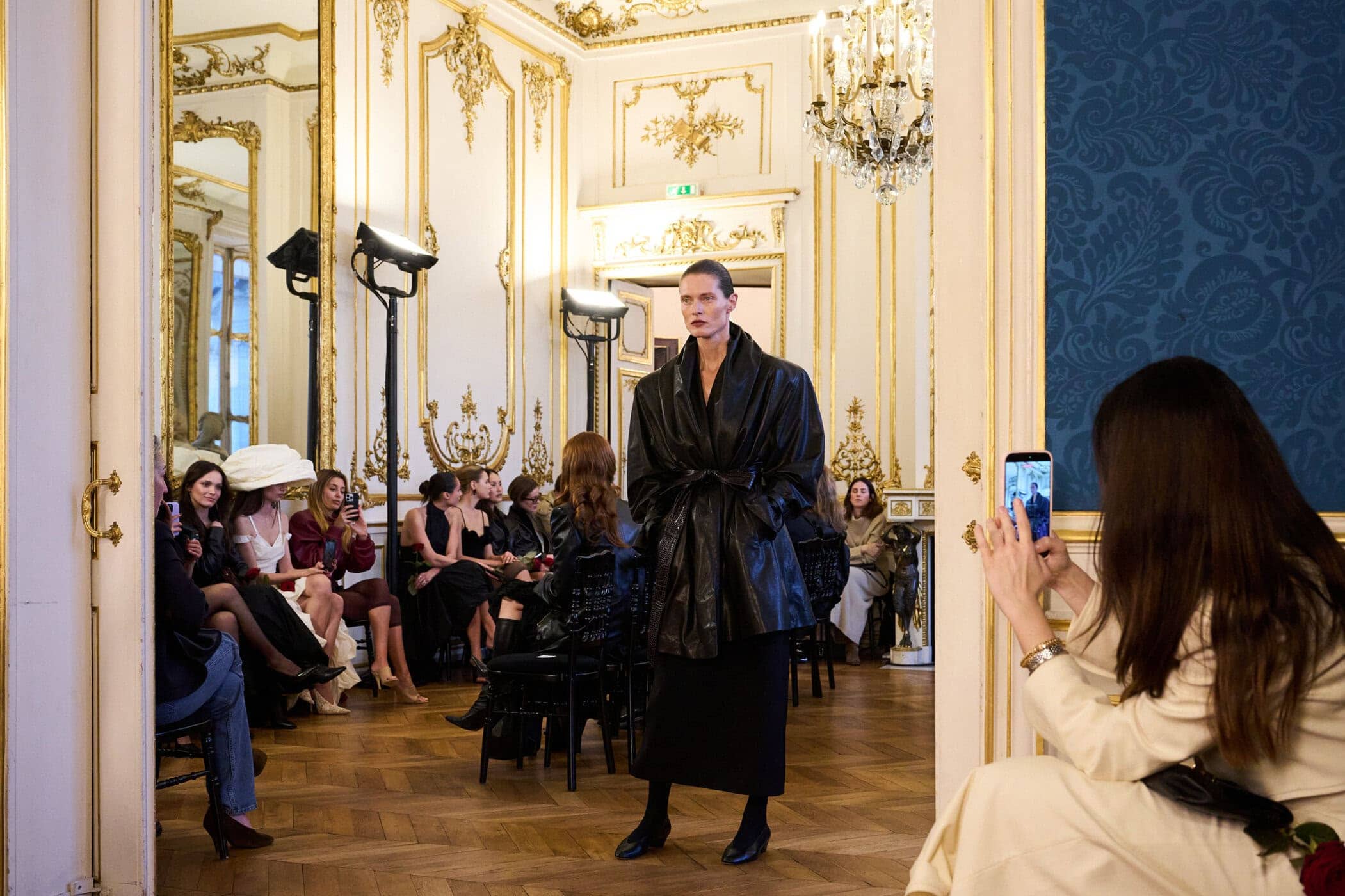
“Last few seasons were like more mini skirts, Capri pants,” Butrym said. “This time we did longer skirts, longer coats. It’s quite new for us.”
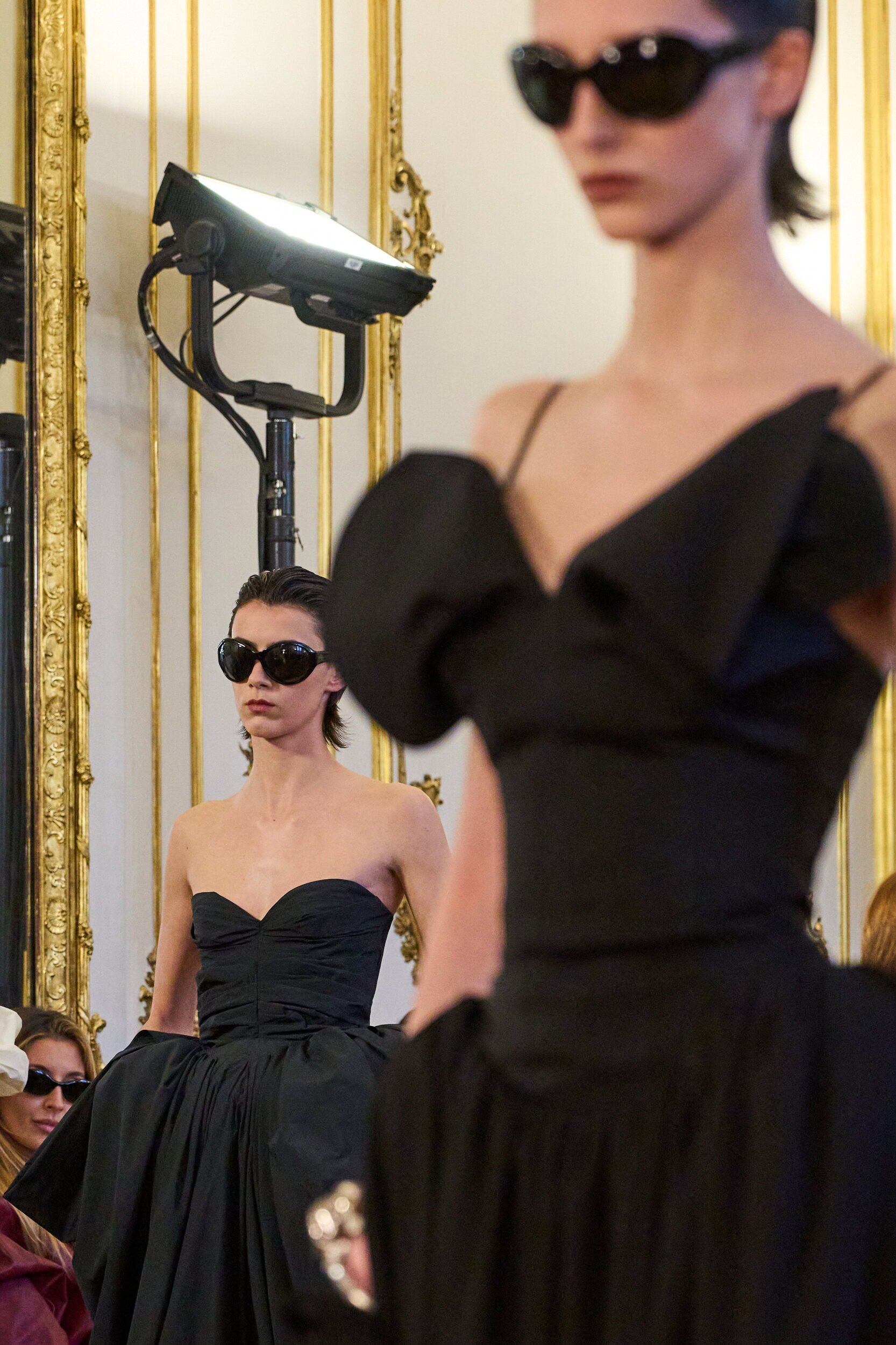
The designer also experimented with proportion by shifting visual emphasis forward in the silhouette. Embroidery, pleats, and construction details were placed at the front of garments, subtly altering how the body is perceived in motion.
“I pushed all the waist of the thing in the front,” she explained. “Even the embroideries, the pleats, were in the front. So they had a different proportion of the silhouette.”
Texture became another avenue of exploration. As the brand approaches its tenth anniversary, Butrym described herself as still learning, using each season to expand the vocabulary of the house. This season she leaned more deeply into knitwear, bouclé fabrics, and tactile surfaces that transformed familiar shapes.
“Sometimes we leave the jacket that we have like so many seasons and we change just the fabric for bouclé or something not that obvious,” she said. “It’s a completely different thing. And I feel like clients like the evolution, not that much the revolution.”
That philosophy—evolution rather than reinvention—has quietly defined the brand’s growth. The Butrym woman recognizes her coat, her shoulder, her silhouette from season to season, even as the details shift subtly.
Perhaps most crucially, Butrym designs with the perspective of someone who lives in the clothes she creates. As one of the relatively few designers who consistently wears her own designs, she brings a practical understanding of dressing to the studio.
“Sometimes the guys in the studio design something super beautiful,” she said with a smile. “And then I say, where would you wear a bra?”
That lived understanding informs countless decisions, from the placement of seams to the comfort of outerwear. Many of the oversized jackets and coats are designed to elevate whatever lies beneath—whether a dress or something far more casual.
“You take the coat and it’s fine,” she said. “It’s designed to put it together. You feel special and still you have track pants underneath. I try to make this like a woman who lives life.”
Craftsmanship remains another defining thread. Butrym collaborated with Polish artisans on handwoven fabrics and crochet techniques, weaving elements of traditional craft into modern tailoring. Shoes incorporated felt textures produced on hand looms in Poland before being finished by Italian shoemakers.
“That’s also the thing that I always try,” she said. “I don’t think it’s always Polish in the whole silhouette. I think it’s in details, in some romanticism.”
Yet even as the brand grows internationally, its emotional center remains firmly rooted in Poland—its winters, its cinema, its quiet romanticism.
“I still want that it’s a modern woman,” Butrym reflected.
In Zima, winter becomes less a season than a state of feeling: reflective, layered, protective, and quietly sensual. Through coats, textures, and carefully evolved silhouettes, Magda Butrym continues to refine a world where romance lives not in spectacle, but in the everyday rituals of dressing—and in the quiet confidence of a woman moving through the cold entirely on her own terms.