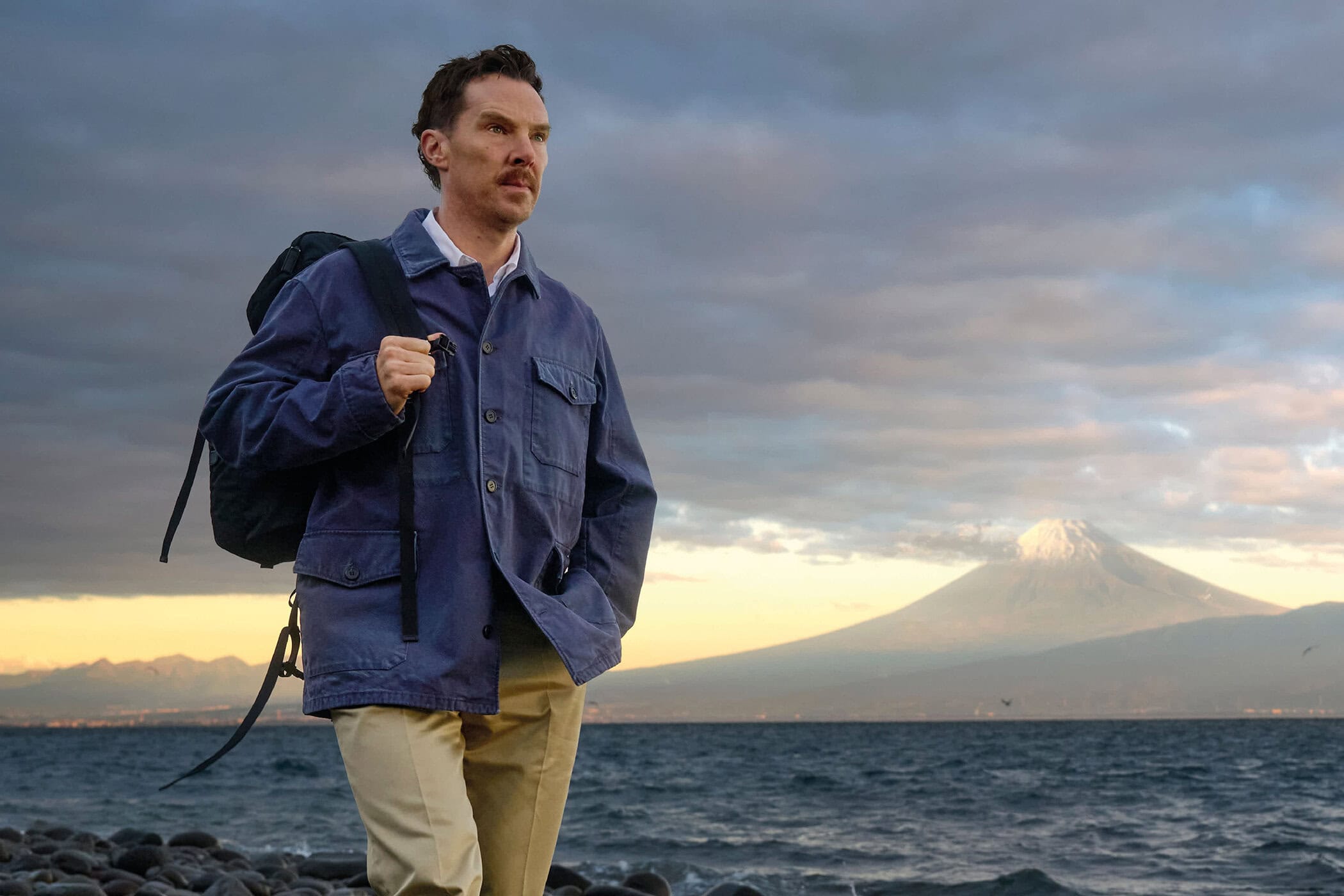
Review of Prada ‘Re-Nylon’ Spring 2026 Ad Campaign with Talent Benedict Cumberbatch & Letitia Wright
There is something quietly inevitable about Prada turning its gaze toward the ocean—vast, layered, and increasingly vulnerable. For Spring 2026, the house extends its sustainability narrative through Stewards of the Ocean: Japan, a cinematic continuation of its partnership with National Geographic CreativeWorks. Starring Benedict Cumberbatch and Letitia Wright across both film and imagery, the project builds on Prada’s Re-Nylon initiative and SEA BEYOND platform, approached here with a quieter, more human lens. The underlying question feels less stated than sensed: when fashion begins to tell stories about the future, can it also take part in shaping it?
Set along the Izu Peninsula, the film leans away from traditional campaign structure and toward something more observational. Cumberbatch moves through the landscape not as a figure of authority, but as a presence—watching, learning, absorbing. Alongside photojournalist Elisabetta Zavoli, and drawing on the influence of Sakana-kun, the narrative unfolds through small, attentive moments: marine life beneath the surface, children engaging with ocean education, a shared sensitivity to place. The pacing resists urgency. It allows the viewer to sit with what’s being shown rather than be guided through it.
What Prada does particularly well here is reposition luxury as participation rather than projection. Re-Nylon and SEA BEYOND are not treated as abstract ideals, but as systems—education, funding, long-term engagement. The focus on youth adds a layer of sincerity that feels earned rather than constructed. Even the role of product is notably restrained. The clothing exists within the environment, but never competes with it. The message holds the foreground.
Still, that same restraint introduces a subtle tension. The documentary tone lends credibility, but it also softens Prada’s distinct visual edge. The house is known for a certain intellectual sharpness, a point of view that cuts through. Here, that language is deliberately muted. One wonders what might happen if that clarity were reintroduced—not to overpower the message, but to give it a more defined emotional contour. As it stands, the film chooses discipline over distinction.
And yet, the effect lingers. Stewards of the Ocean: Japan does not rely on spectacle. It builds through attention, through care, through a sense of shared responsibility. Prada positions itself not above the conversation, but within it. The result is less about declaring intent and more about inviting reflection—leaving behind a question that feels increasingly difficult to ignore: if we are all stewards of something, what, exactly, are we choosing to carry forward?
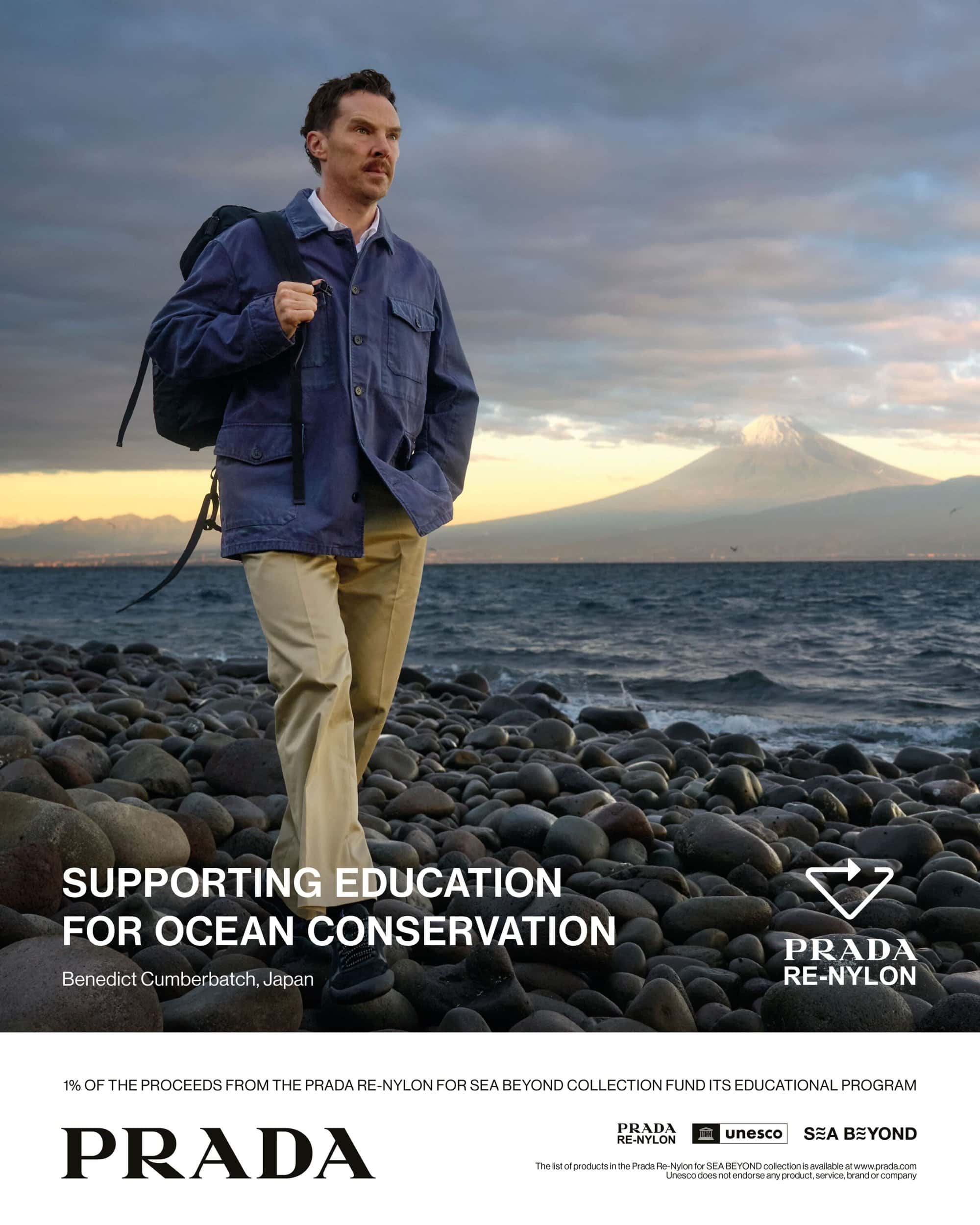




Talent | Benedict Cumberbatch, Letitia Wright
Location | Izu Peninsula, Japan