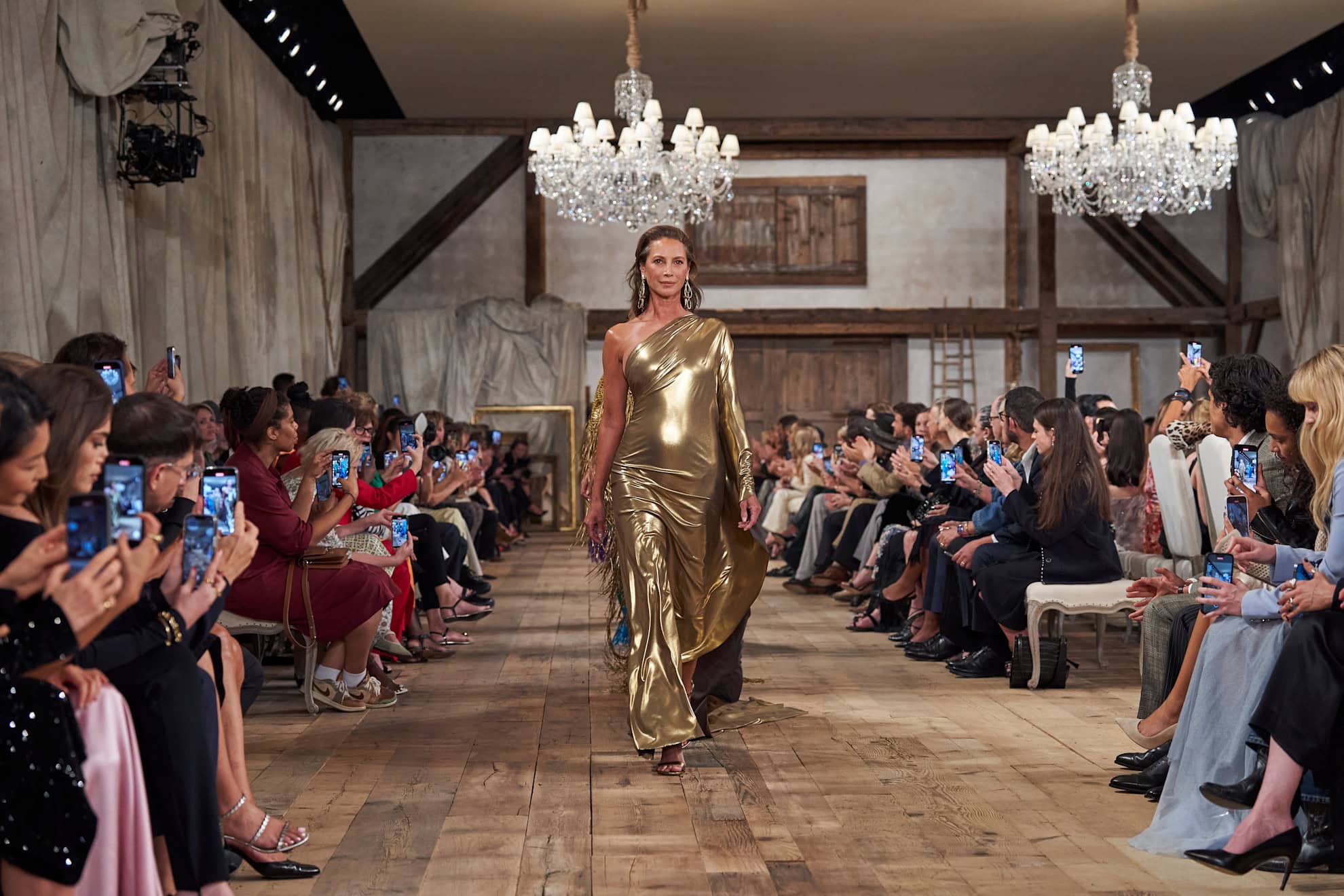
The designer returns to the Milan runway after two decades, as the week signals strategic shifts and Olympic tie-ins
Ralph Lauren will headline Milan Men’s Fashion Week with a runway show on January 16, marking his return to the Milan schedule after more than two decades. Scheduled at the house’s Via San Barnaba headquarters, the Fall 2026 presentation will showcase both Purple Label and Polo Ralph Lauren, signaling a renewed commitment to runway after years of more intimate showings. The move stands in contrast to the current tide of European houses heading stateside, as Lauren makes the opposite journey.
The calendar, released by Camera Nazionale della Moda Italiana, positions Lauren as a high-profile opener in a week filled with evolving strategies. Giorgio Armani is set to close the week with a double show on January 19, while Emporio Armani shifts to a coed format during women’s weeks starting next season. EA7 will remain active this month with a dedicated Olympic-themed event, capitalizing on its role outfitting Italy’s team for the Milano Cortina 2026 Winter Games.
That alignment with the Olympics is a broader theme across the week. The January shows are officially part of the Cultural Olympiad—a platform for multidisciplinary events promoting Olympic values—and will feature activations such as K-Way’s “Montagna Milano,” a two-day experiential project in lieu of its usual show. The citywide campaign includes visual references to the Winter Games and archival items from Lausanne’s Olympic Museum.
Emerging names also gain traction on this season’s calendar. First-time presentations from Plās Collective and Bottega Bernard join runway additions like Domenico Orefice and Victor Hart, while the final day is dedicated entirely to digital showcases. The week comes amid cautious optimism: the Italian fashion sector shrank 3% in 2025 but showed signs of late-year recovery. Exports to China remain challenged, but modest gains in the U.S. and stable performance in France suggest a slow path forward, with 2026 projected as a potential turning point.