London Exhibition Traces Elsa Schiaparelli’s Legacy From Surrealist Pioneer To Daniel Roseberry’s Modern Revival
“For me, dress designing is not a profession but an art,” declared Elsa Schiaparelli — a philosophy that anchors Schiaparelli: Fashion Becomes Art, opening March 28, 2026 at the Victoria and Albert Museum. The exhibition marks the first UK show dedicated to Maison Schiaparelli, spanning the 1920s to the present and charting the evolution of one of fashion’s most radical and interdisciplinary voices, from its founding to its contemporary reinvention under creative director Daniel Roseberry.
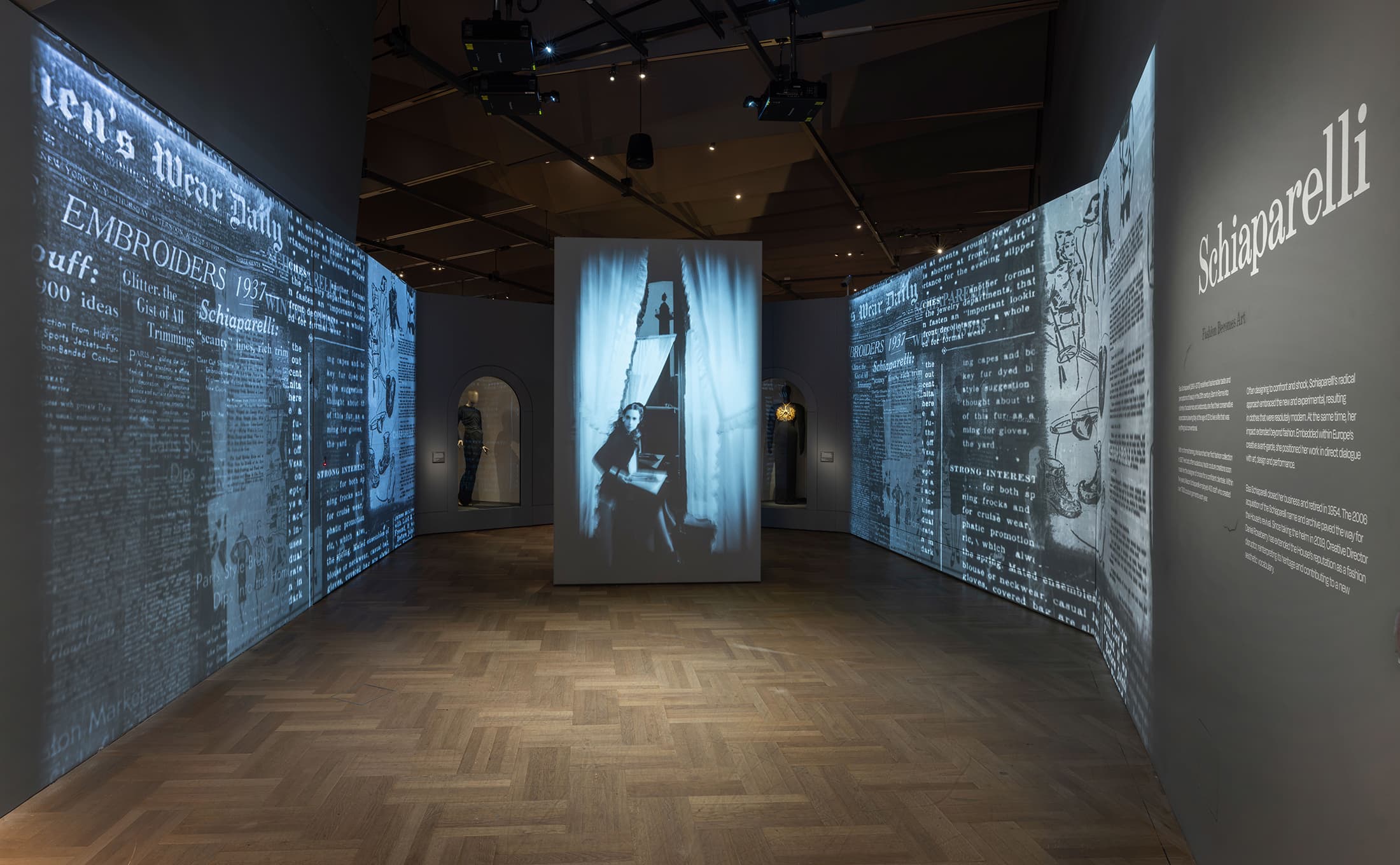
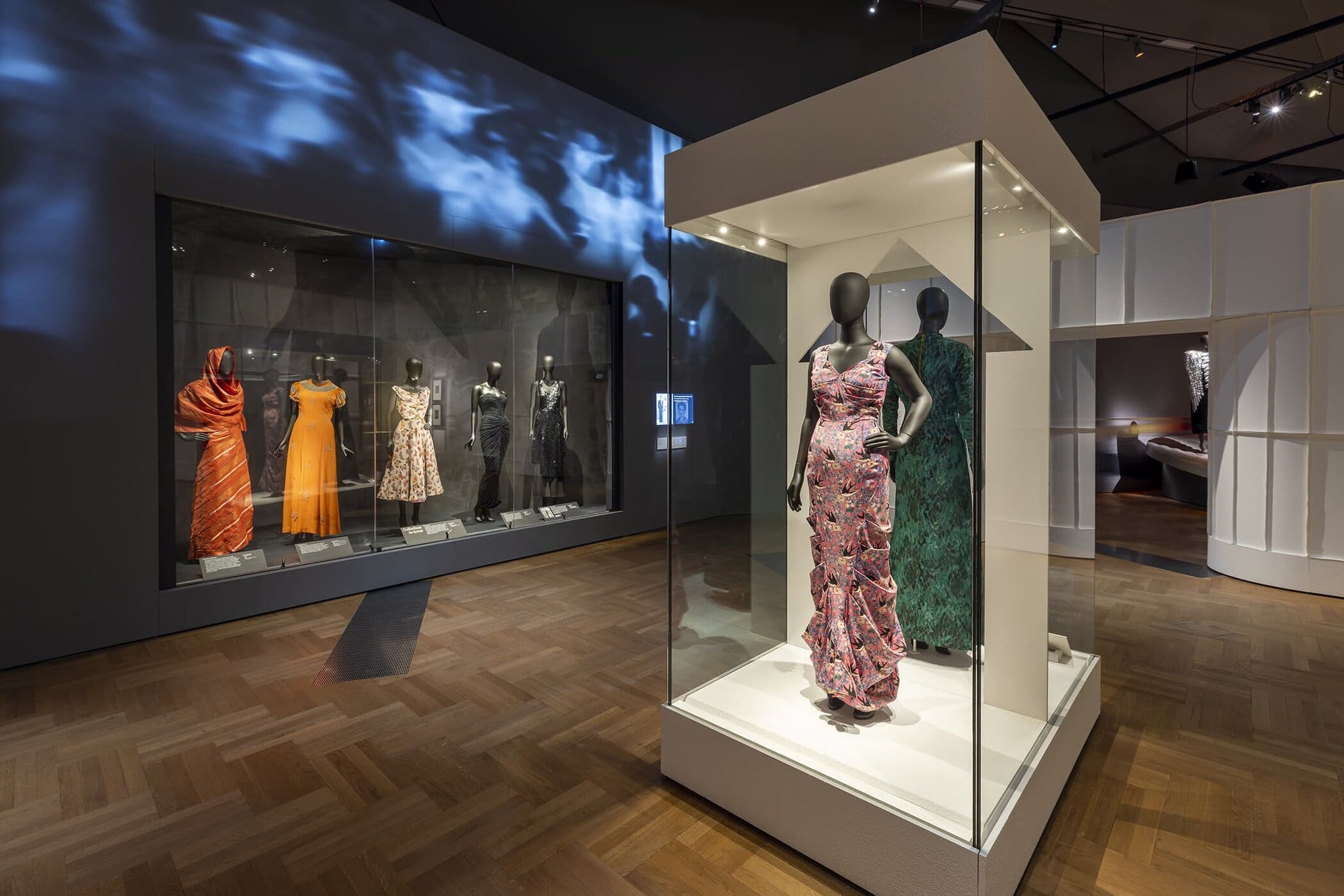
Drawing on new research by art and fashion curators, the exhibition positions Schiaparelli as a central innovator across fashion, art, and performance in the interwar years, tracing her influence across Paris, London, and New York. At once a designer and a female entrepreneur, Schiaparelli emerges as both a creative force and a cultural strategist, with the exhibition bringing renewed attention to her lesser-known ventures — including the London branch of her house, its independent clientele, and her active role in shaping its identity.
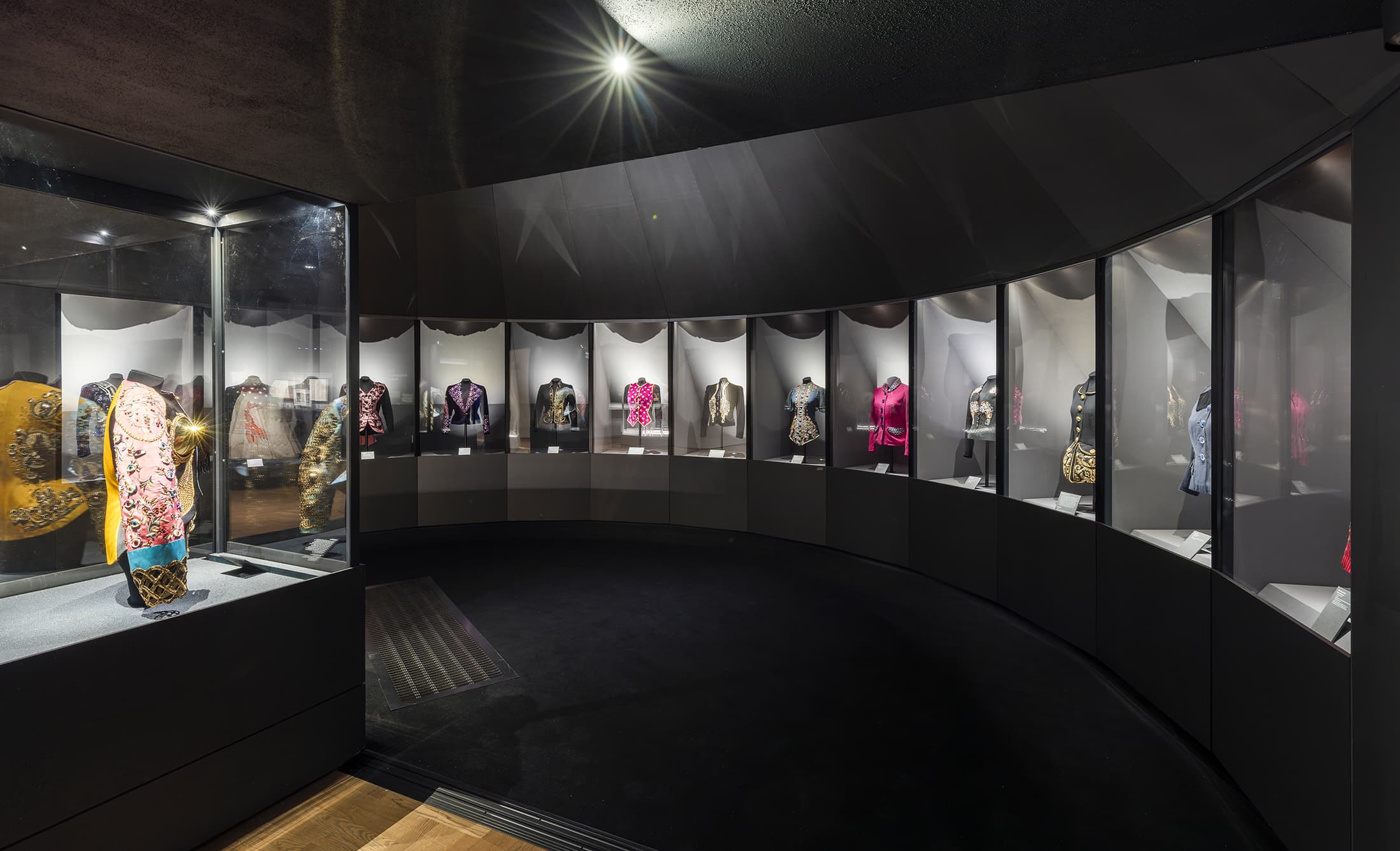
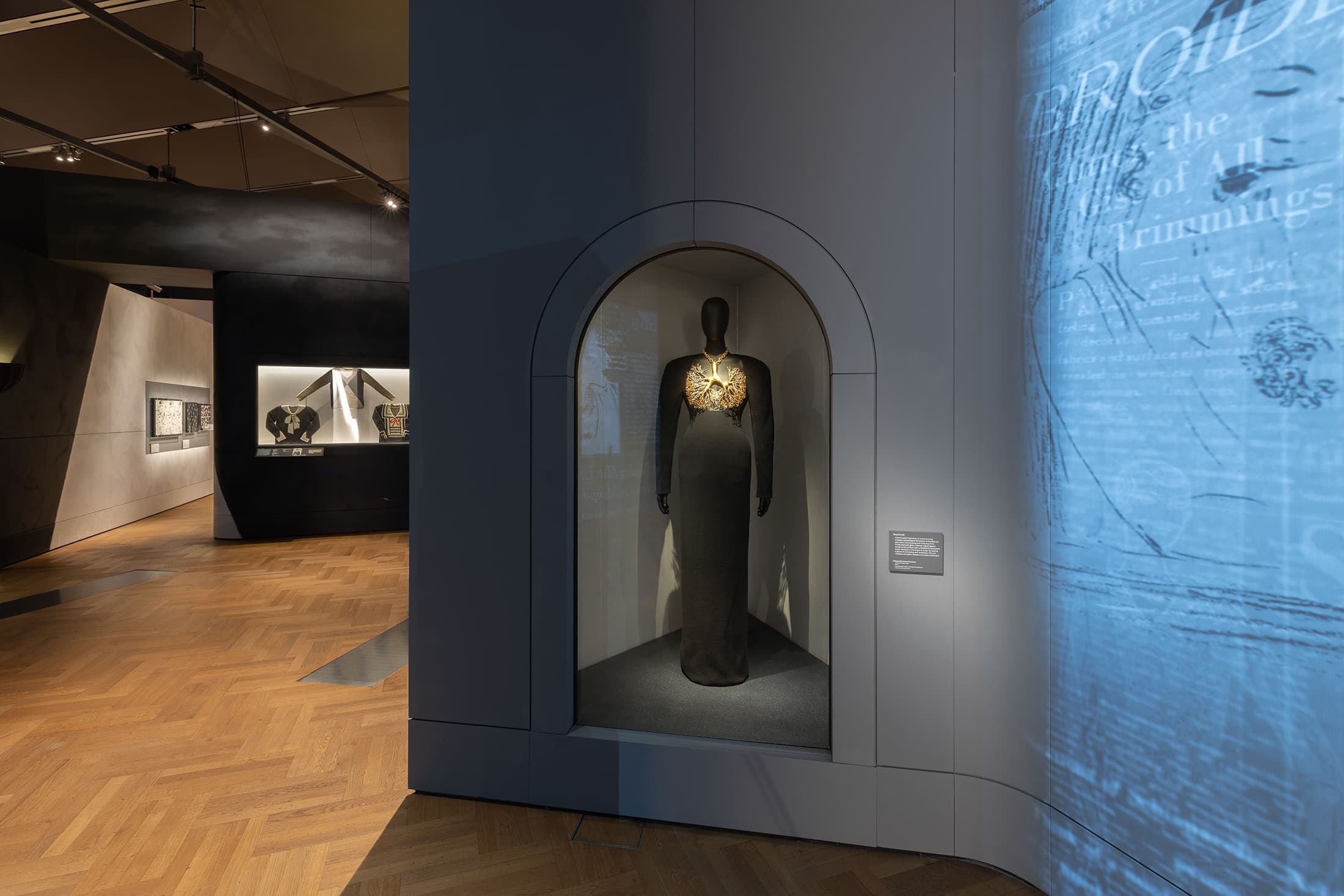
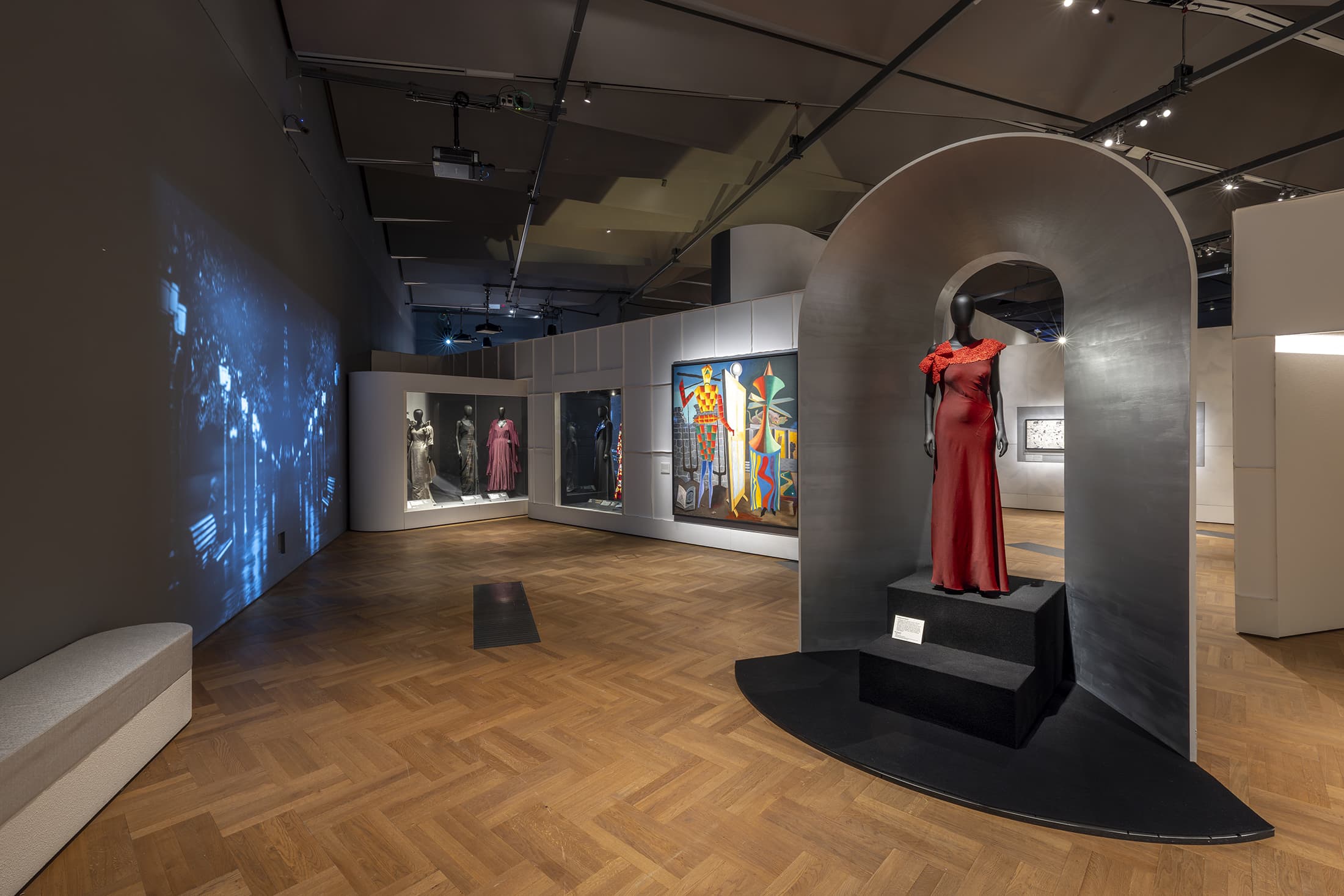
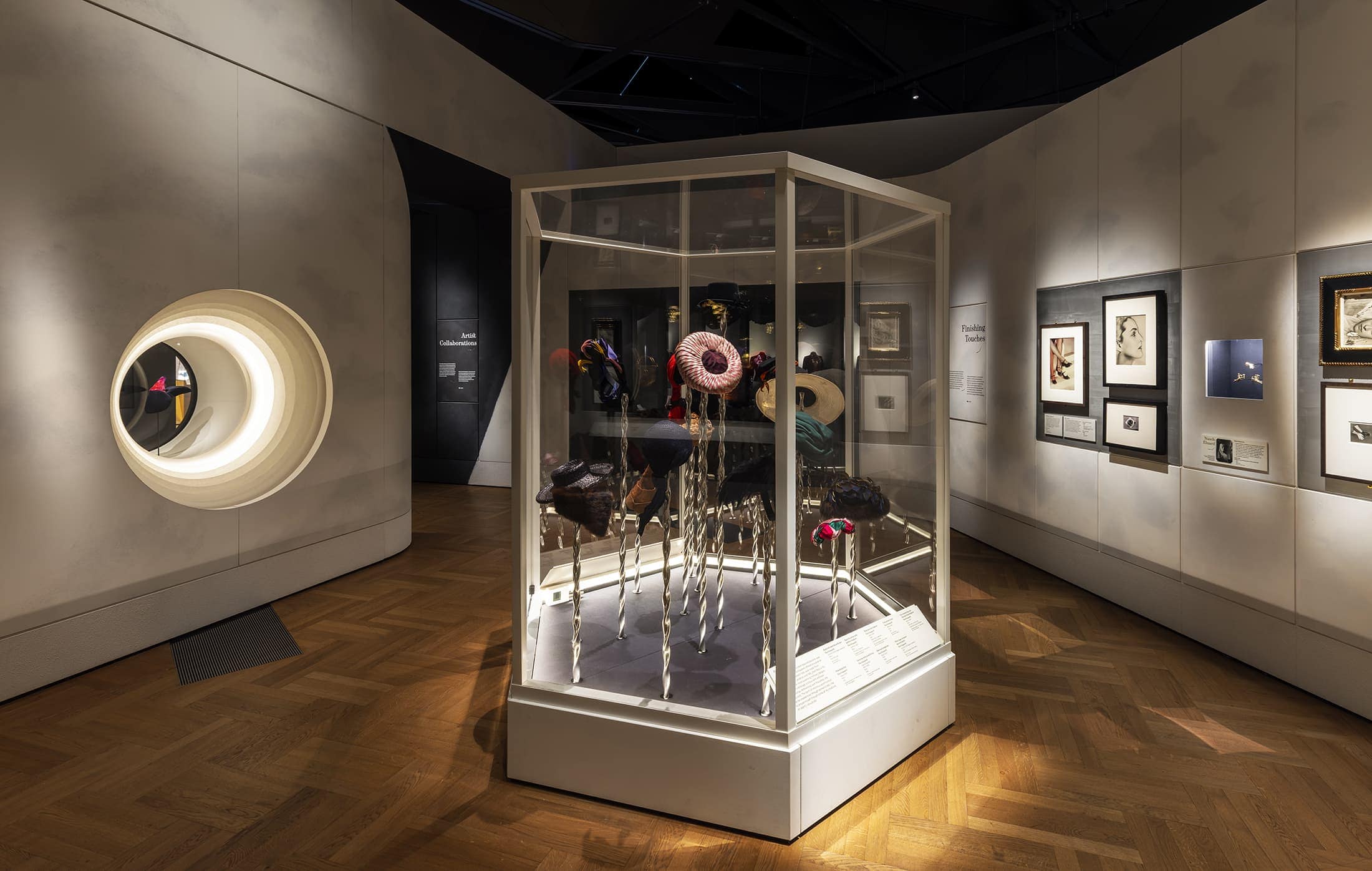
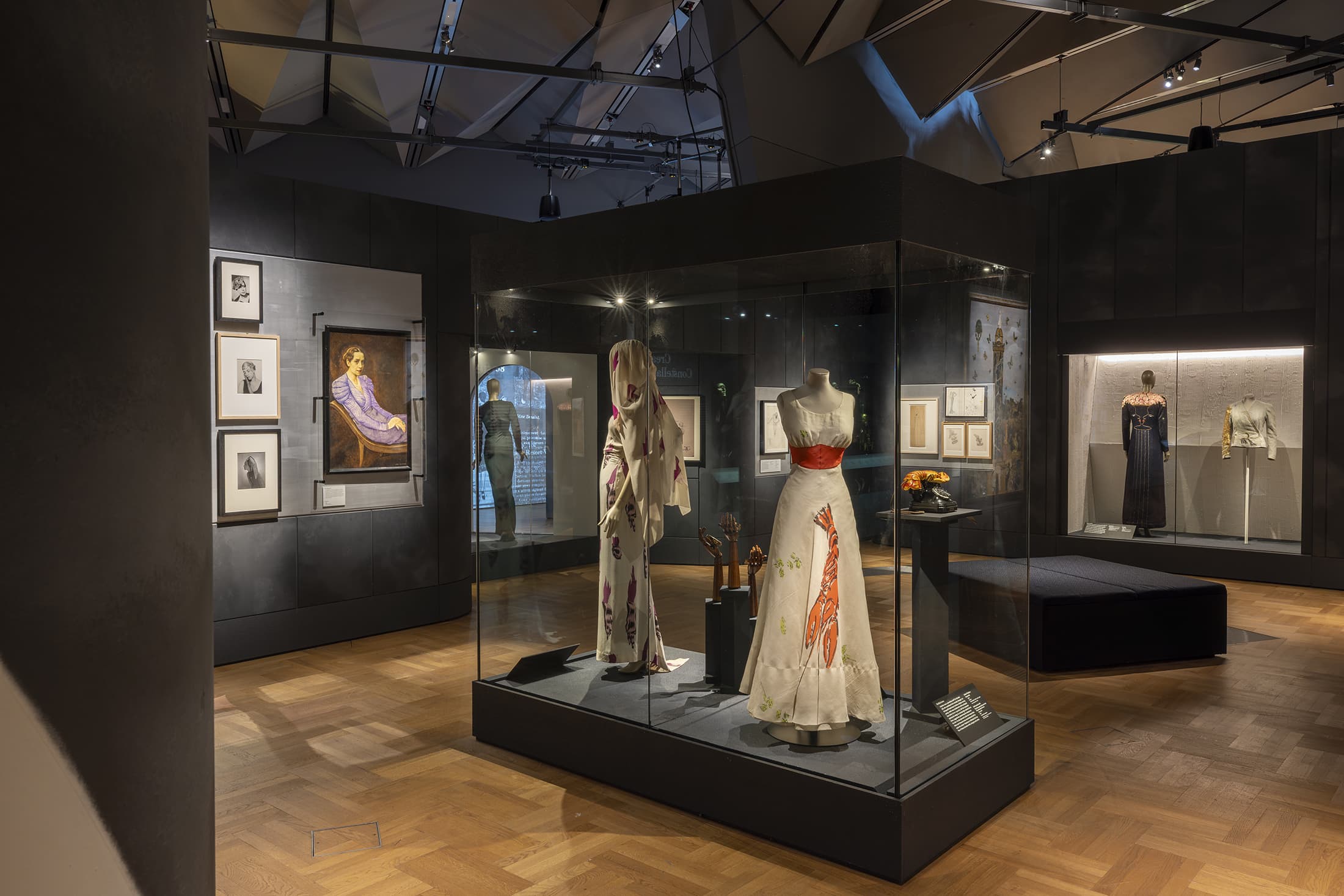
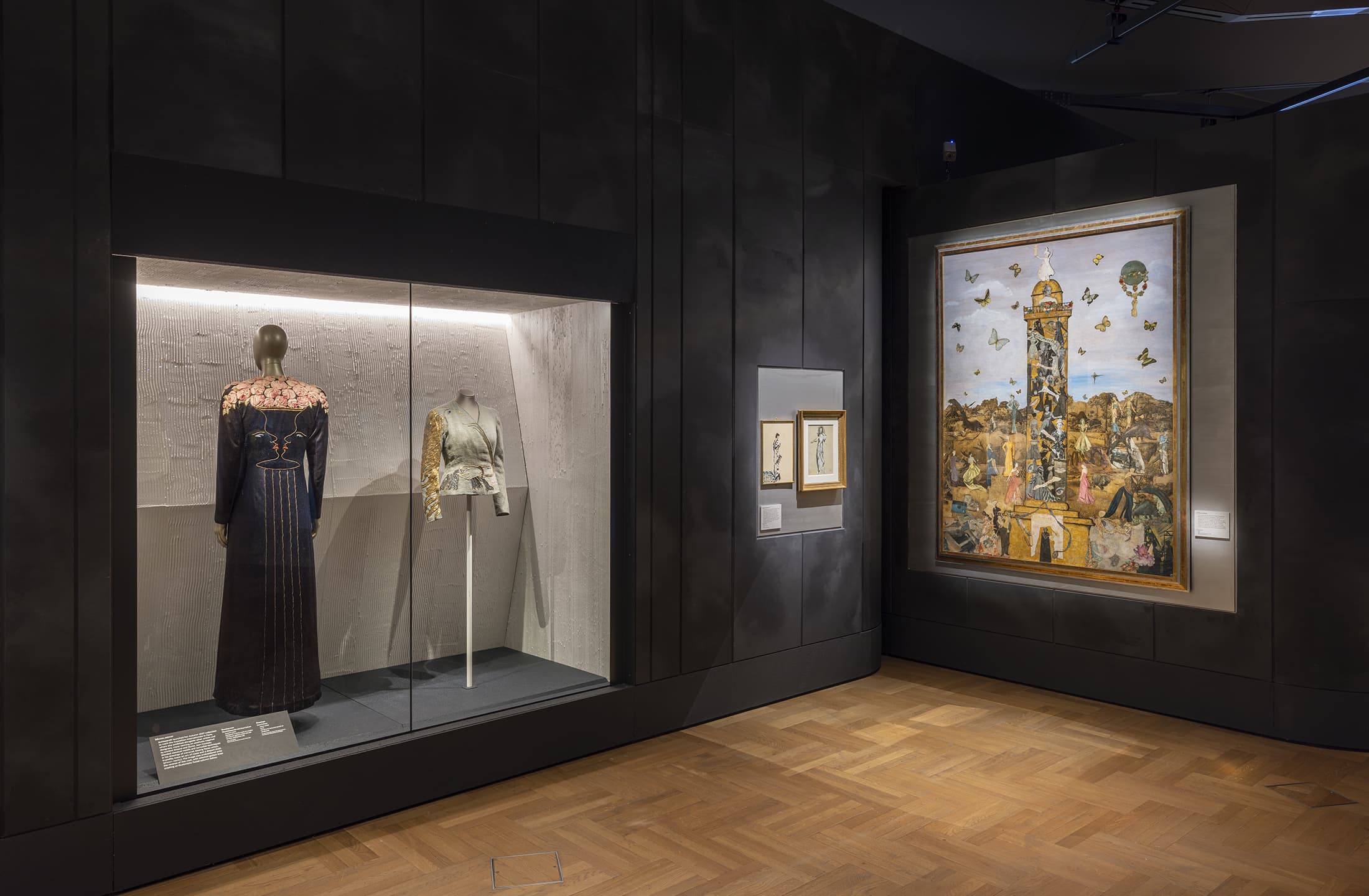
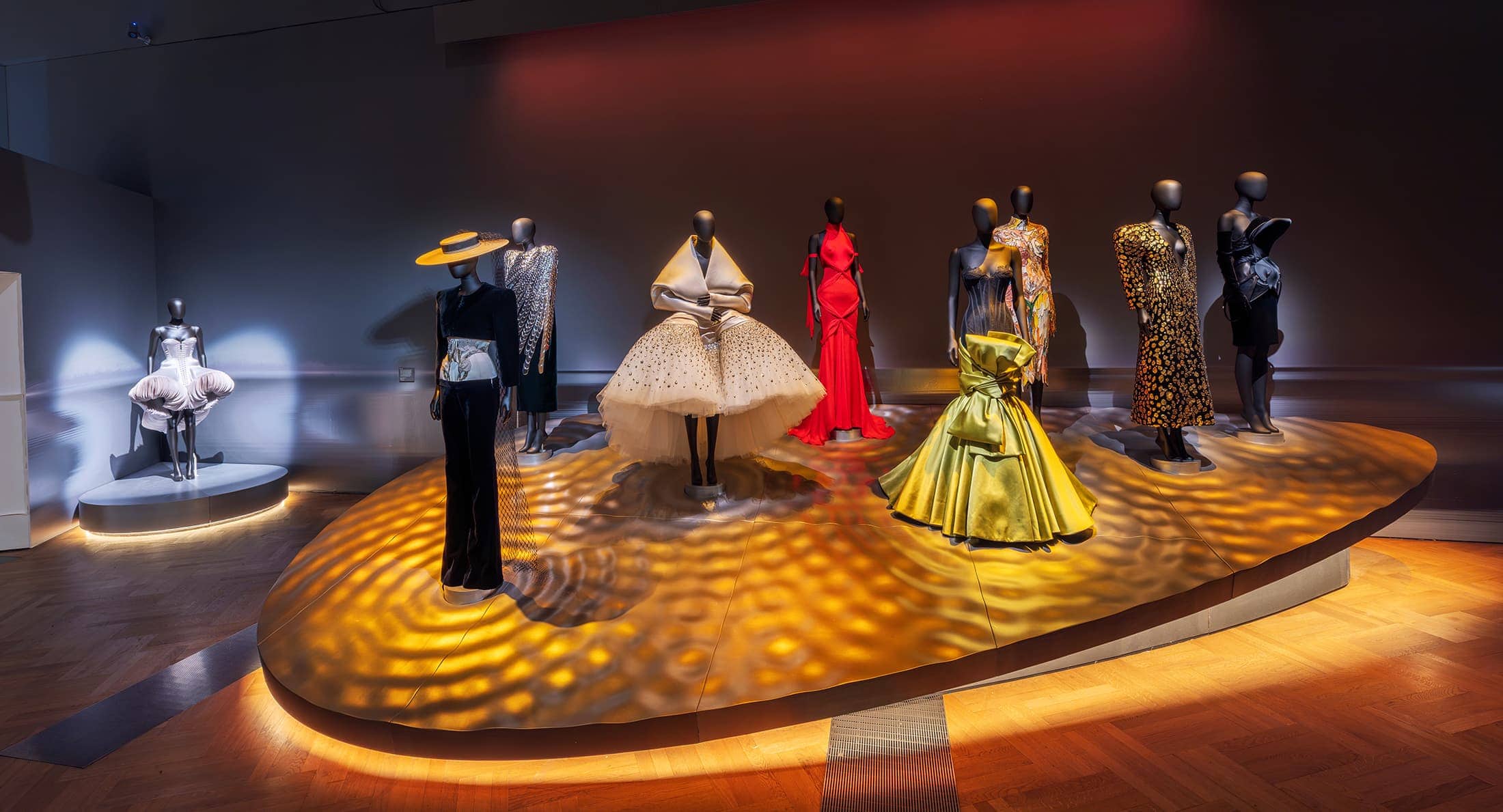
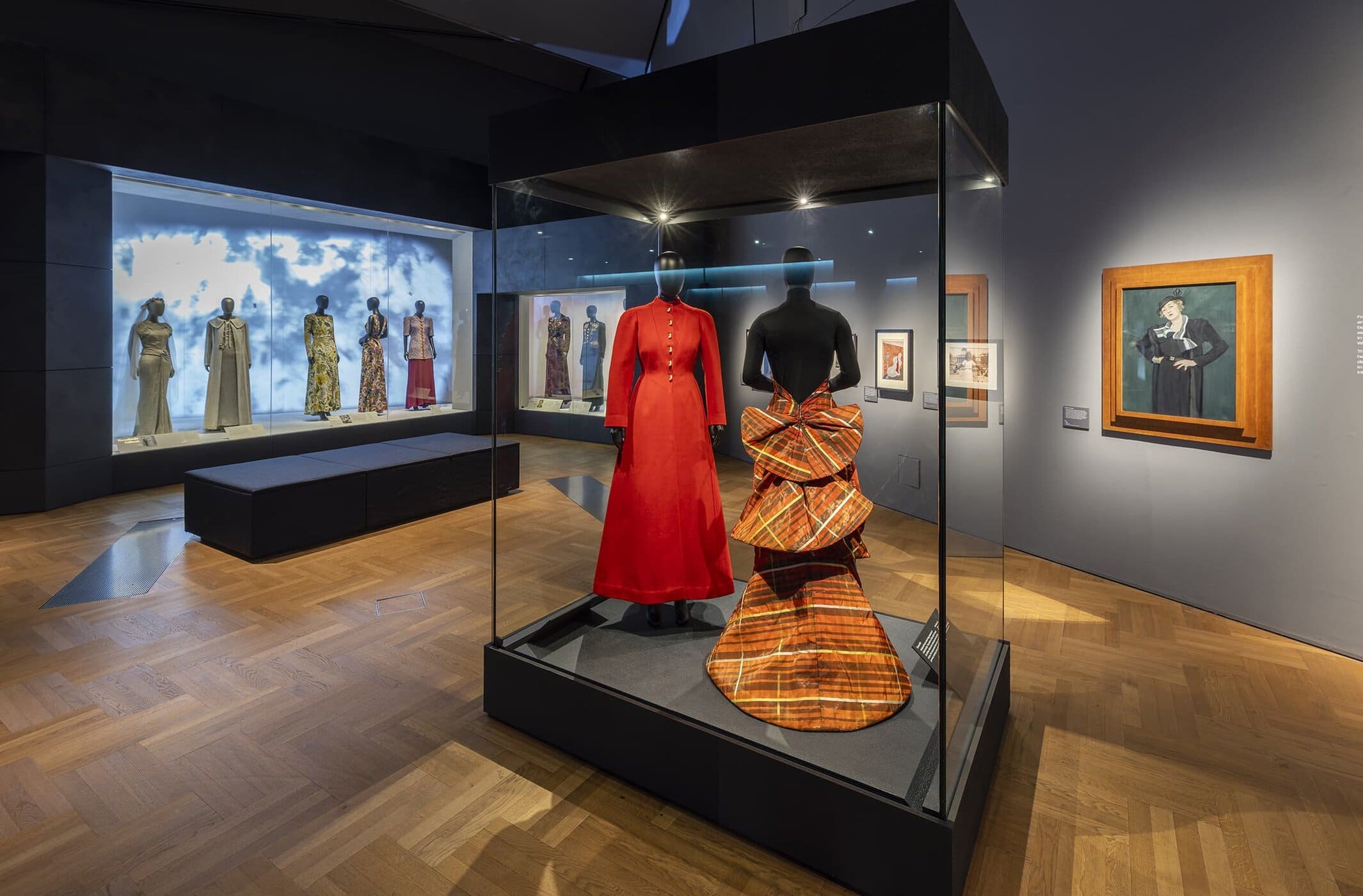
Comprising more than 400 objects — including 100 ensembles and 50 artworks — the exhibition unfolds across garments, accessories, jewelry, paintings, photographs, furniture, perfumes, and archival material. Among its highlights are the 1938 Skeleton dress, the only surviving example and part of the V&A’s permanent collection, and the Tears dress from the same year, alongside the iconic shoe hat created in collaboration with Salvador Dalí. These works sit within a broader constellation of artistic exchange, with contributions from Pablo Picasso, Jean Cocteau, Man Ray, and Eileen Agar, underscoring the designer’s enduring dialogue with the avant-garde.
Schiaparelli’s practice extended beyond couture into costume design for film and theatre, as well as into the construction of image and identity through advertising and portraiture. She commissioned artists to create works for her boutiques and campaigns, while her personal relationships inspired portraits by figures such as Man Ray and Cecil Beaton. Collaborations with Alberto Giacometti, Leonor Fini, Meret Oppenheim, Elsa Triolet, and Jean Schlumberger further defined her legacy, even as contemporaries like Coco Chanel dismissed her as “that Italian artist who’s making clothes” — a critique that would ultimately underscore the originality of her art-driven approach.
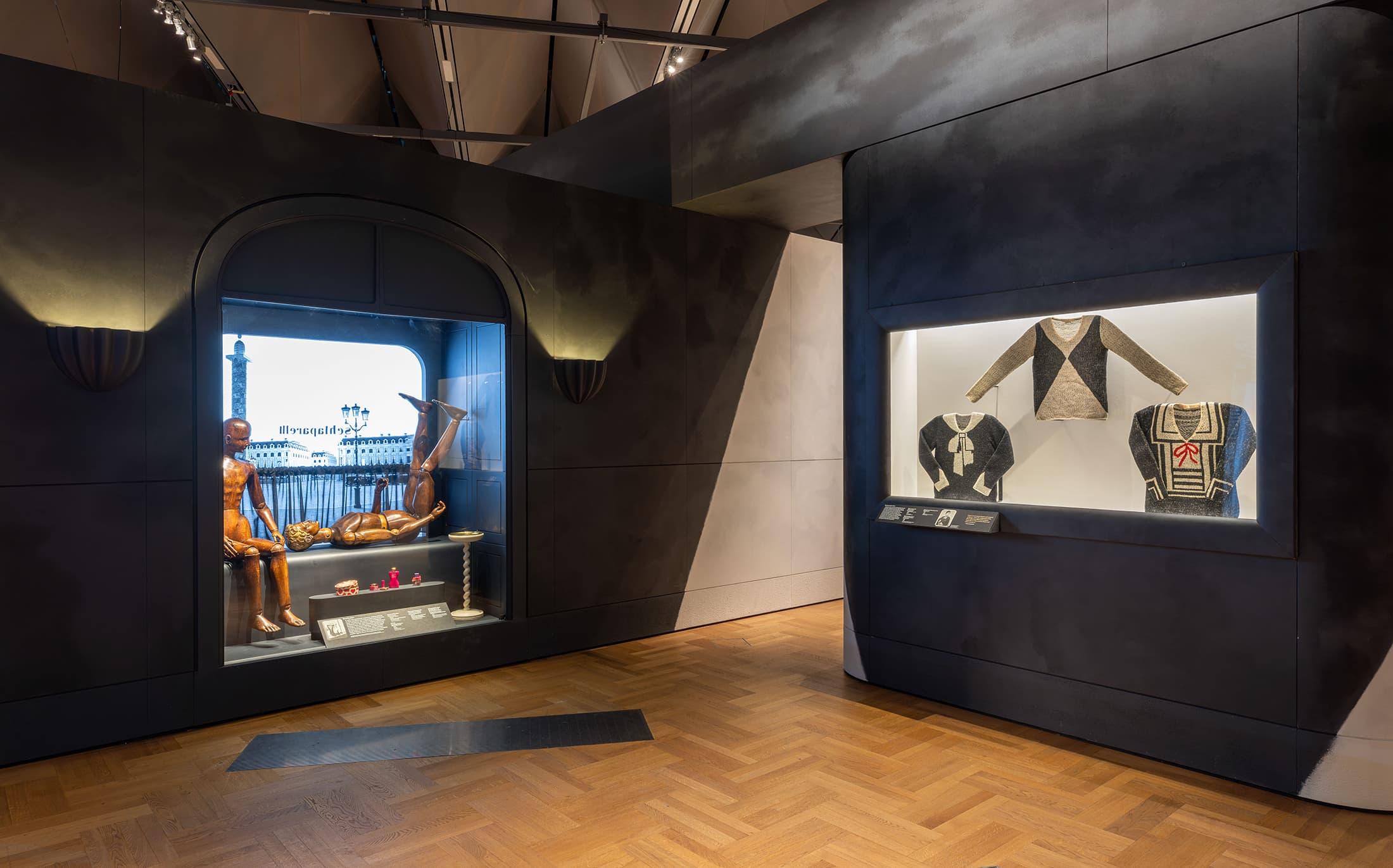
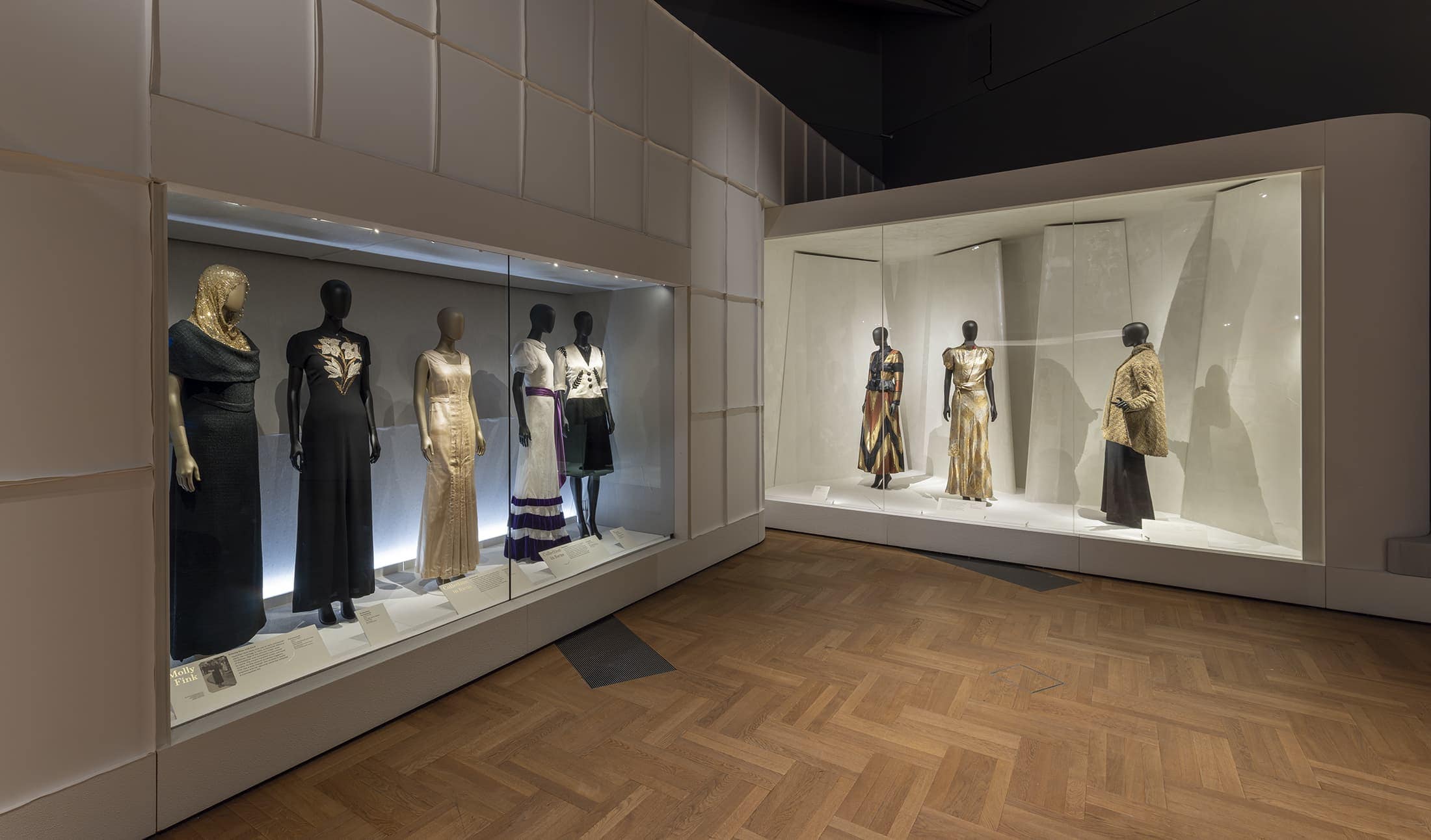
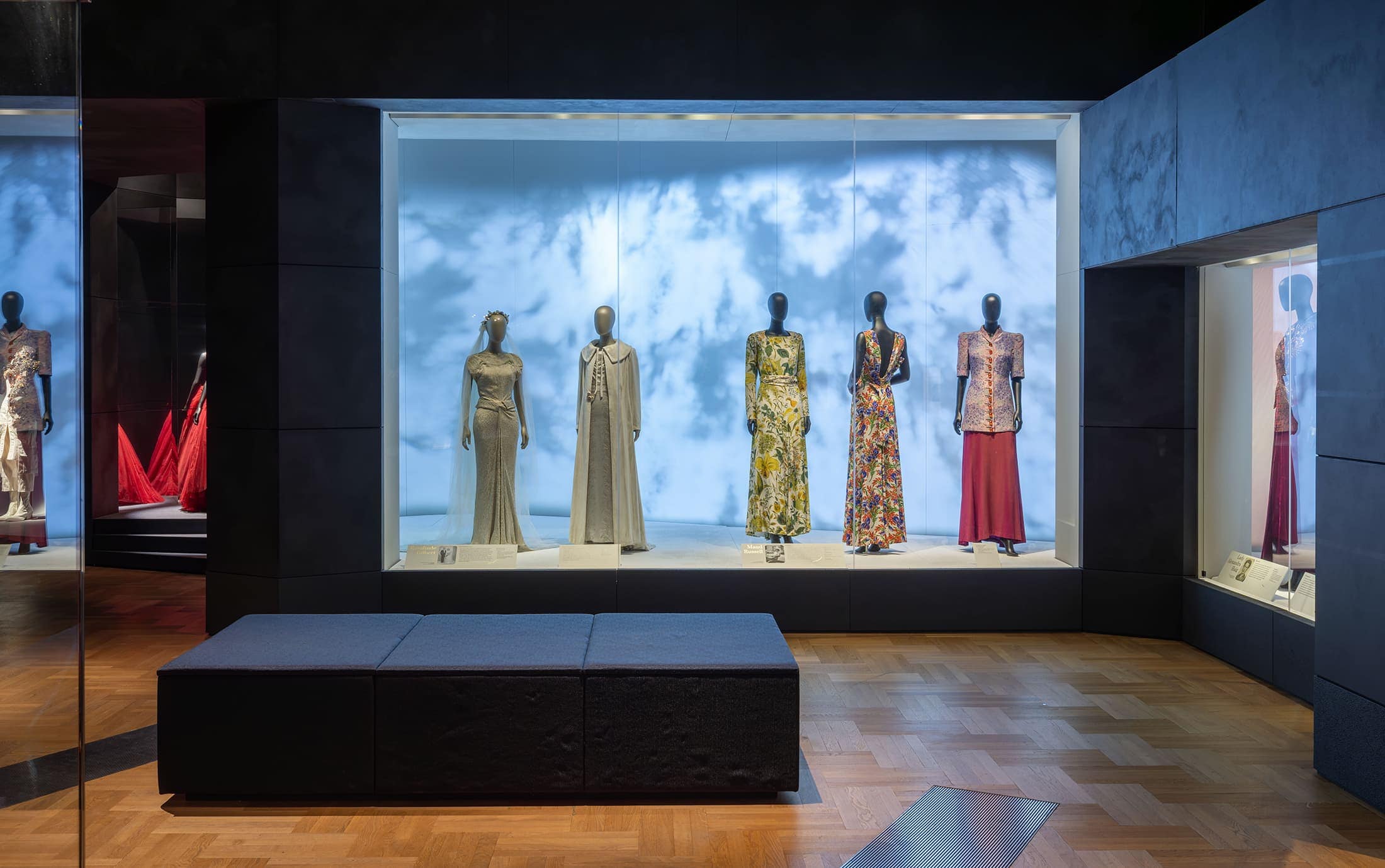
Beyond Paris, the exhibition examines how Schiaparelli cultivated an international presence. The opening of her London salon in Mayfair in 1933 marked a significant expansion, contributing to the emergence of British surrealism while attracting a distinct clientele. On display are rare garments bearing the Schiaparelli London label, including a burgundy velvet suit with elaborate gold embroidery, a dress and coat worn to the 1937 coronation of King George VI, and a portrait by Gluck of Lady Mount Temple in Schiaparelli. Also featured is the only known surviving Schiaparelli wedding dress, worn by Rosalinde Gilbert at London’s Golders Green Synagogue, alongside costumes created for stage and screen, including a design for Mae West in Every Day’s a Holiday (1937). Schiaparelli’s sharply tailored suits also became a signature for performers such as Marlene Dietrich, reinforcing her influence across both fashion and performance.
“Schiaparelli: Fashion Becomes Art celebrates one of the most ingenious and daring designers in fashion history,” said Tristram Hunt, Director of the V&A. “Schiaparelli’s collaboration with artists and with the world of performance make the Maison and its founder an ideal subject for a spectacular exhibition at the V&A.”
“Elsa Schiaparelli’s fearless imagination and radical vision redefined the boundaries between fashion and art,” added Delphine Bellini, CEO of Schiaparelli. “This exhibition celebrates her enduring influence through iconic collaborations with 20th-century masters and a pioneering fusion of creativity and commerce. With its unparalleled collections, expertise in fashion and design, cultural reach, and ability to bridge tradition and innovation, the Victoria and Albert Museum offers the perfect setting to showcase her legacy alongside Daniel Roseberry’s creations.”
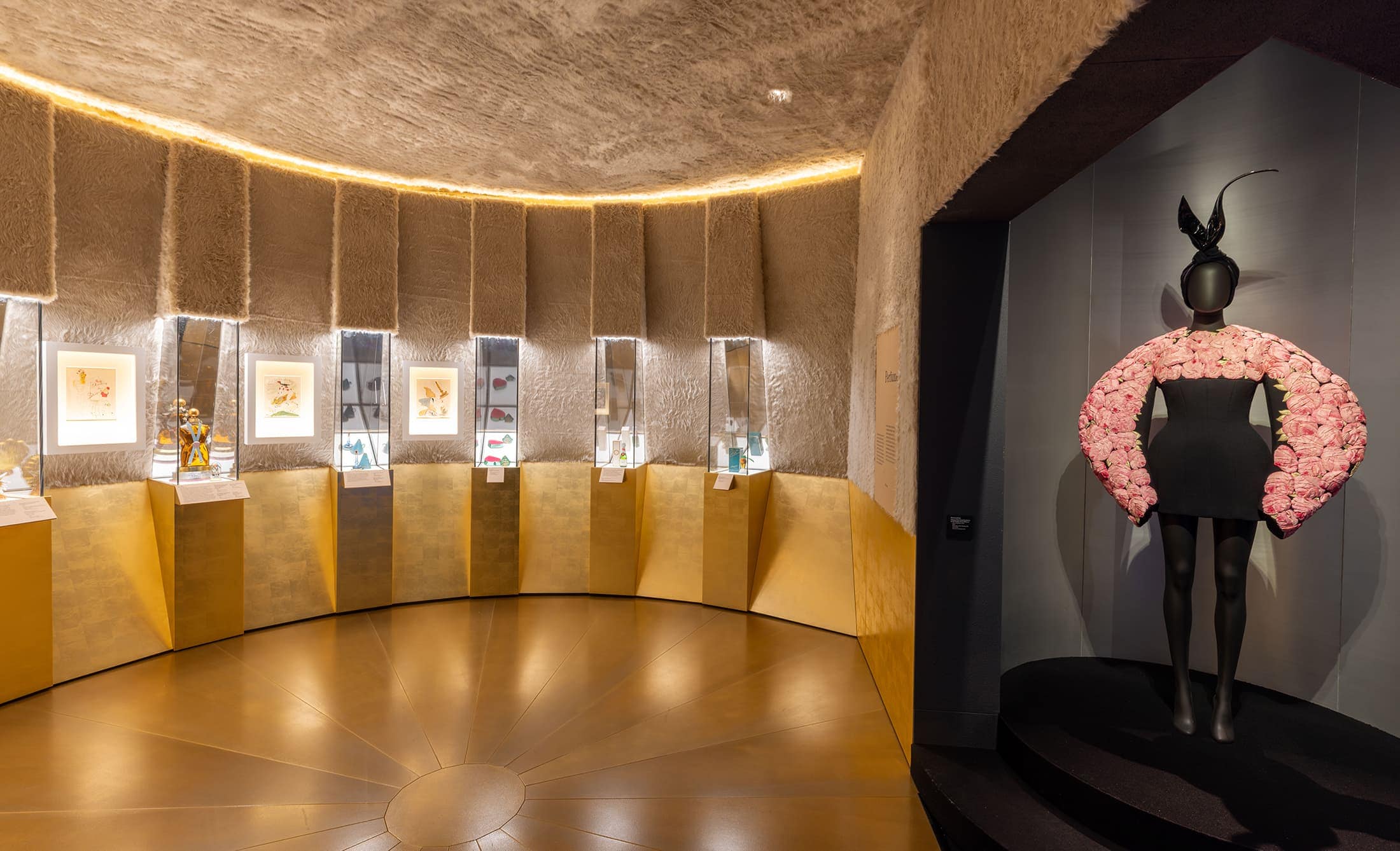
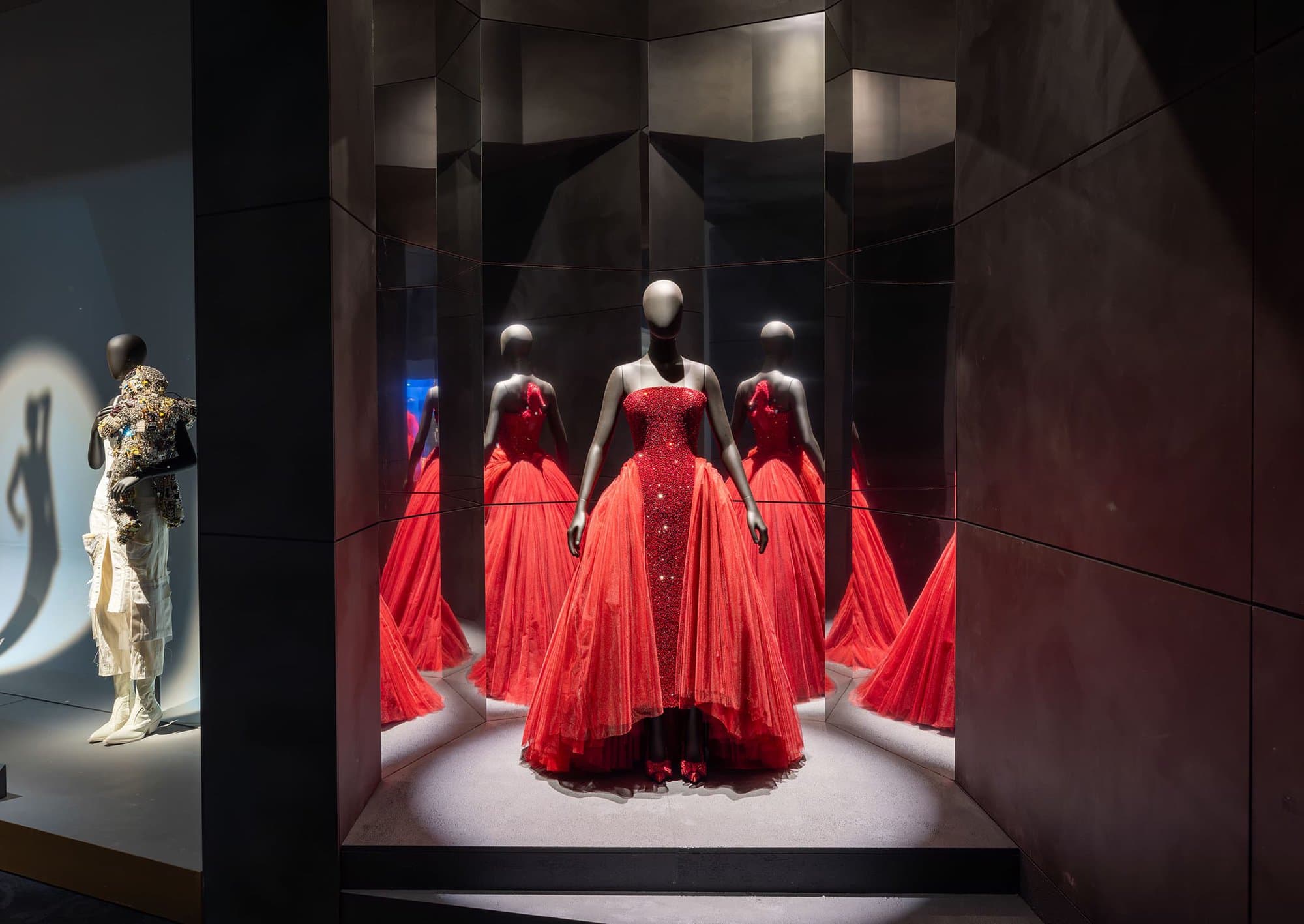
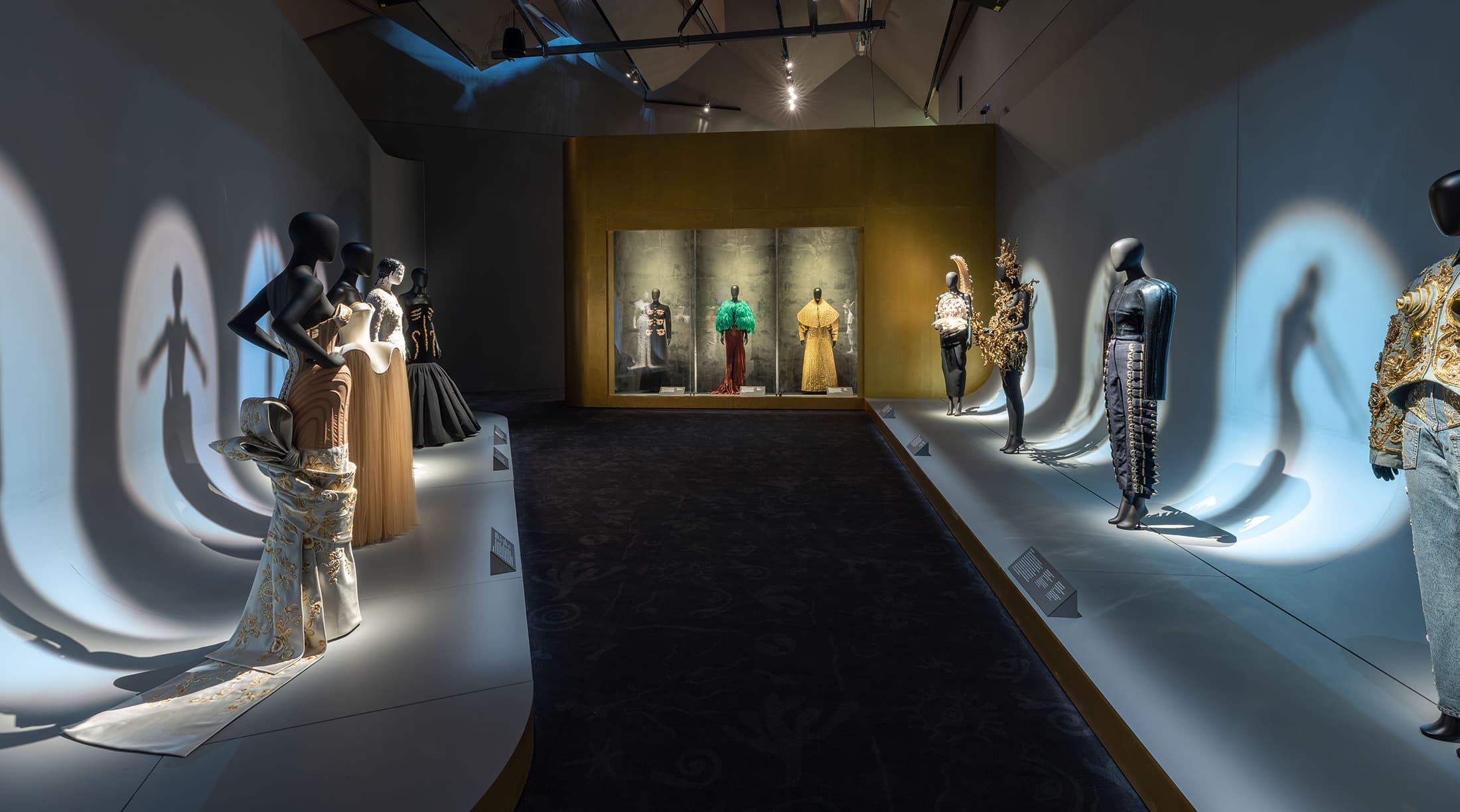
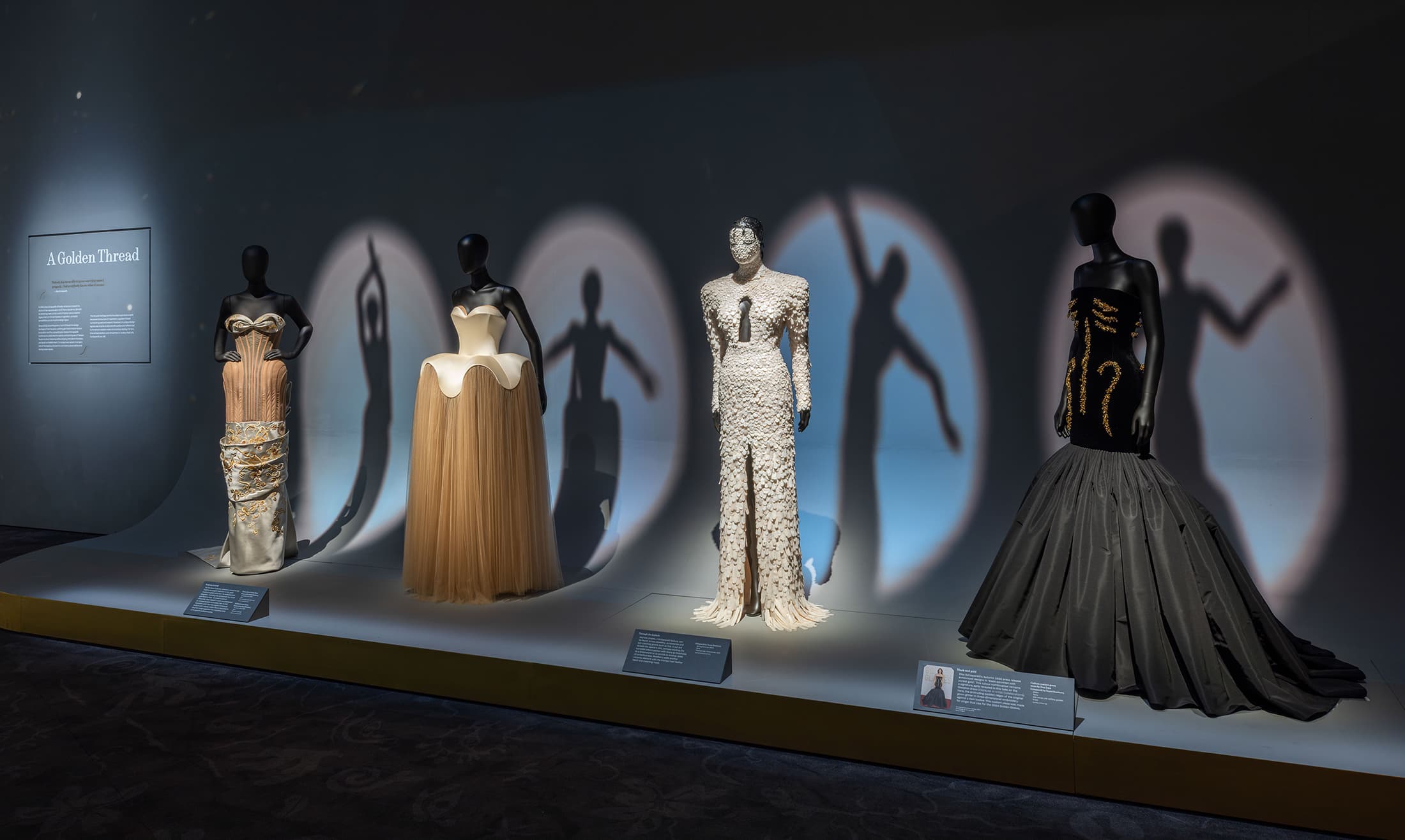
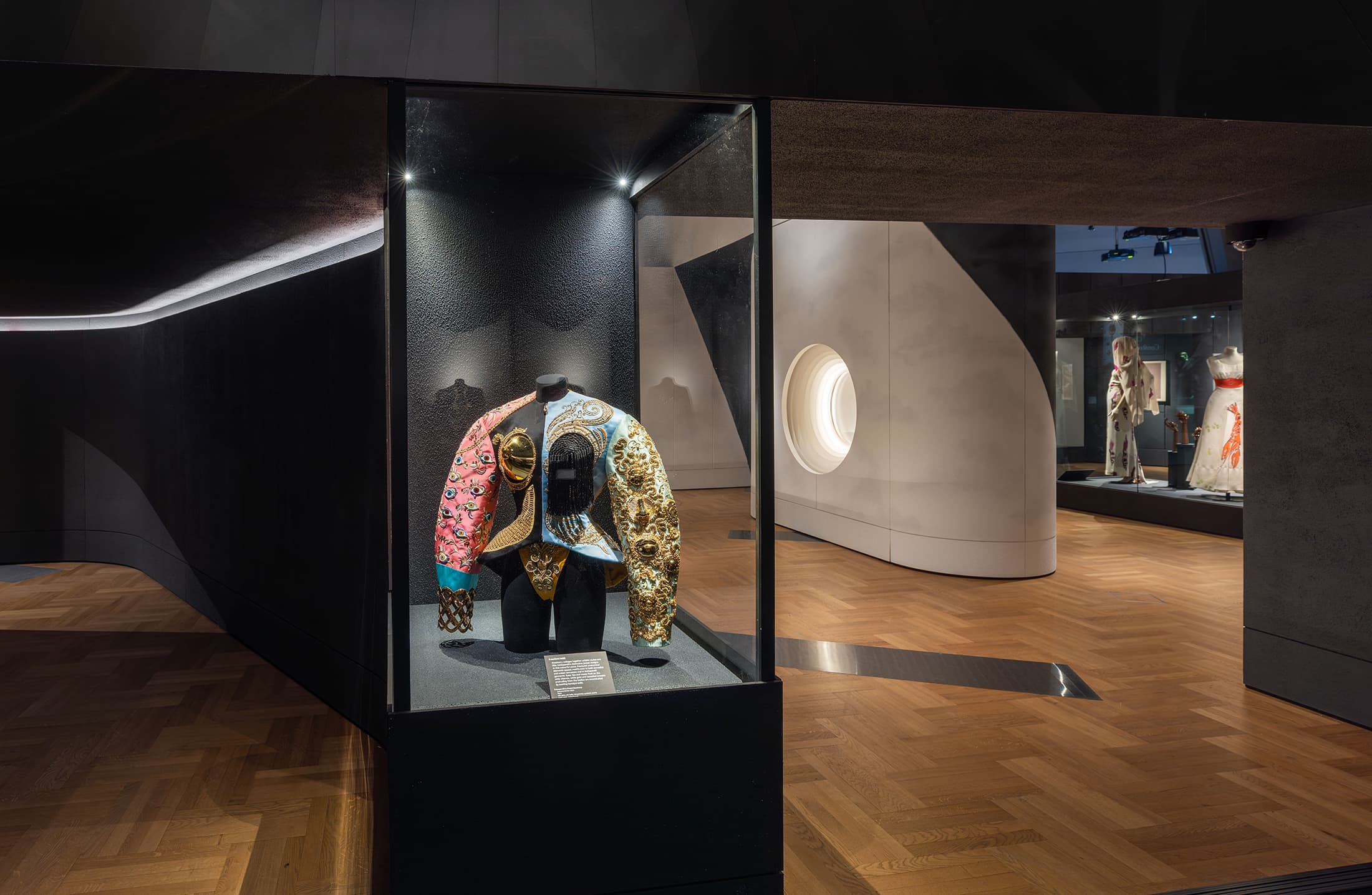
The exhibition concludes with A Golden Thread, a section dedicated to Schiaparelli’s lasting influence and its contemporary expression under Daniel Roseberry. Since 2019, Roseberry has advanced the house’s heritage through a language of sculptural silhouettes, intricate embroidery, and unexpected references, including nods to American western wear. His work repositions Schiaparelli as a wardrobe for performers and cultural figures today, with designs worn by Ariana Grande, Dua Lipa, and others forming part of the display. Among the featured looks are the white vest and cargo trousers paired with a bejeweled robot baby from the Haute Couture Spring Summer 2024 collection, the gown worn by Grande at the 2025 Oscars, and a modern reinterpretation of the Skeleton dress created for Dua Lipa at the 2024 Golden Globes.
From its historic home at 21 Place Vendôme, the house continues to evolve while maintaining a direct dialogue with its founder’s vision. As the exhibition suggests, Schiaparelli’s legacy is not confined to the past but remains an active, generative force — a continuous thread linking surrealism, craftsmanship, and creative freedom across generations.