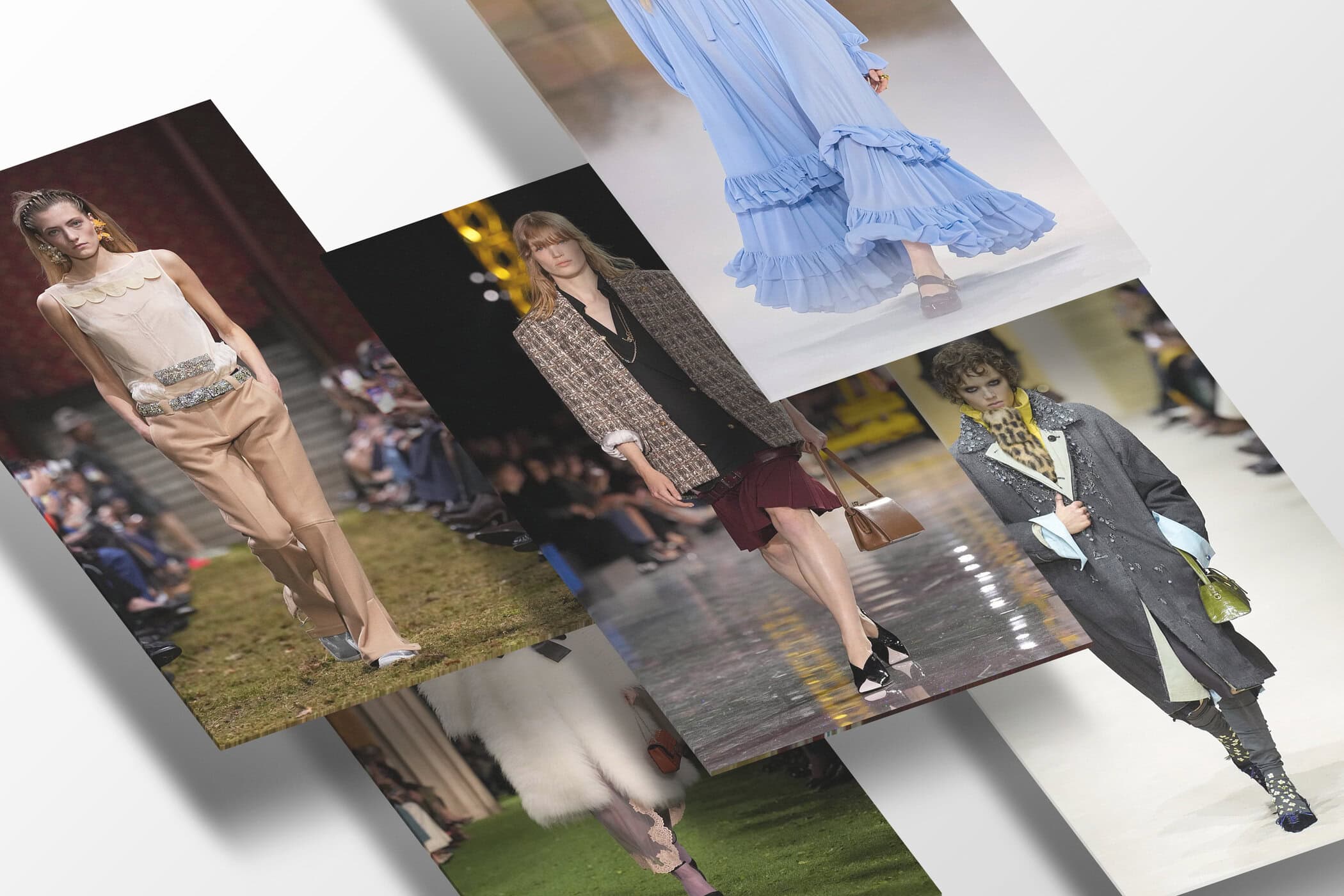
By Mackenzie Richard Zuckerman
1. Romantic Drama
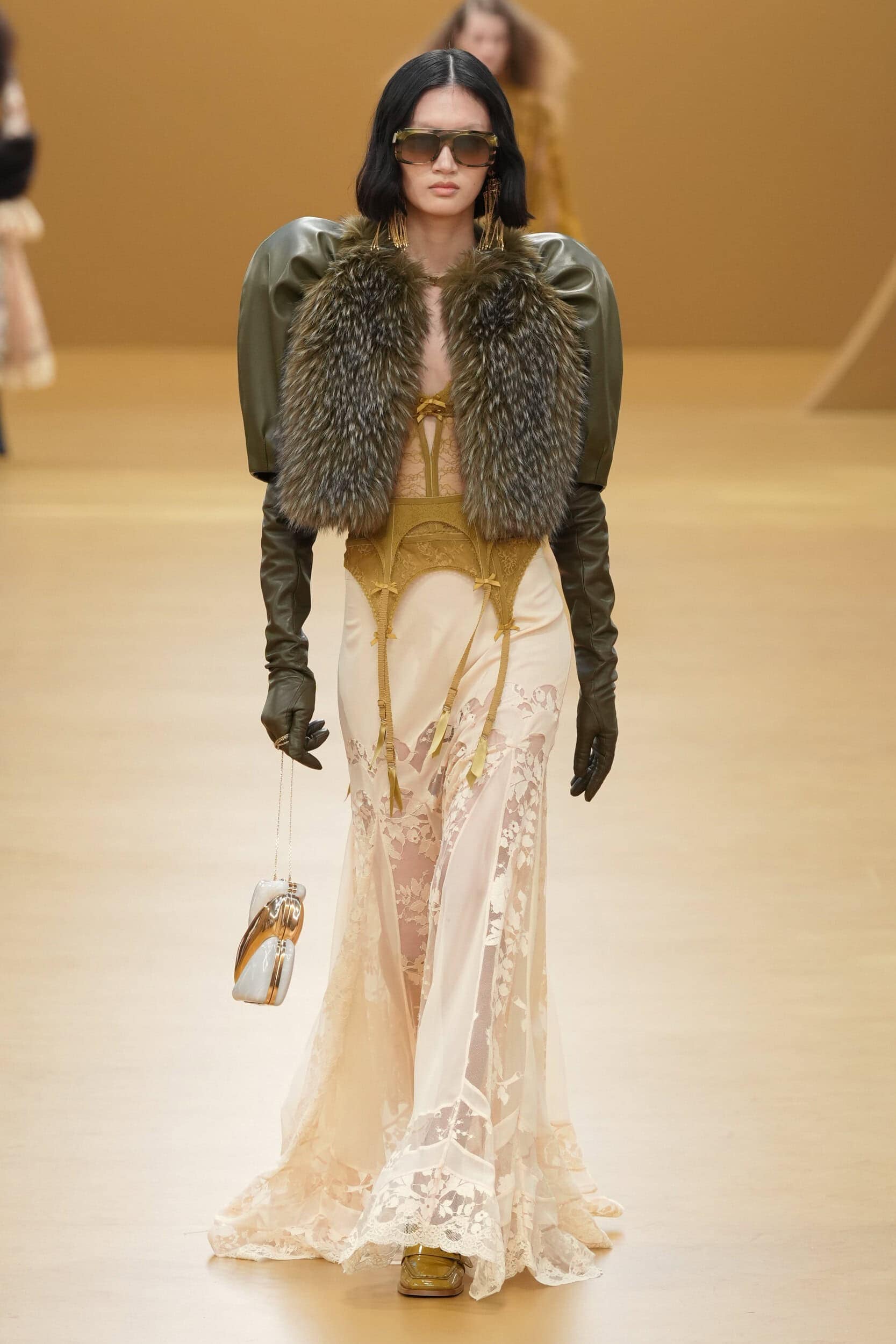
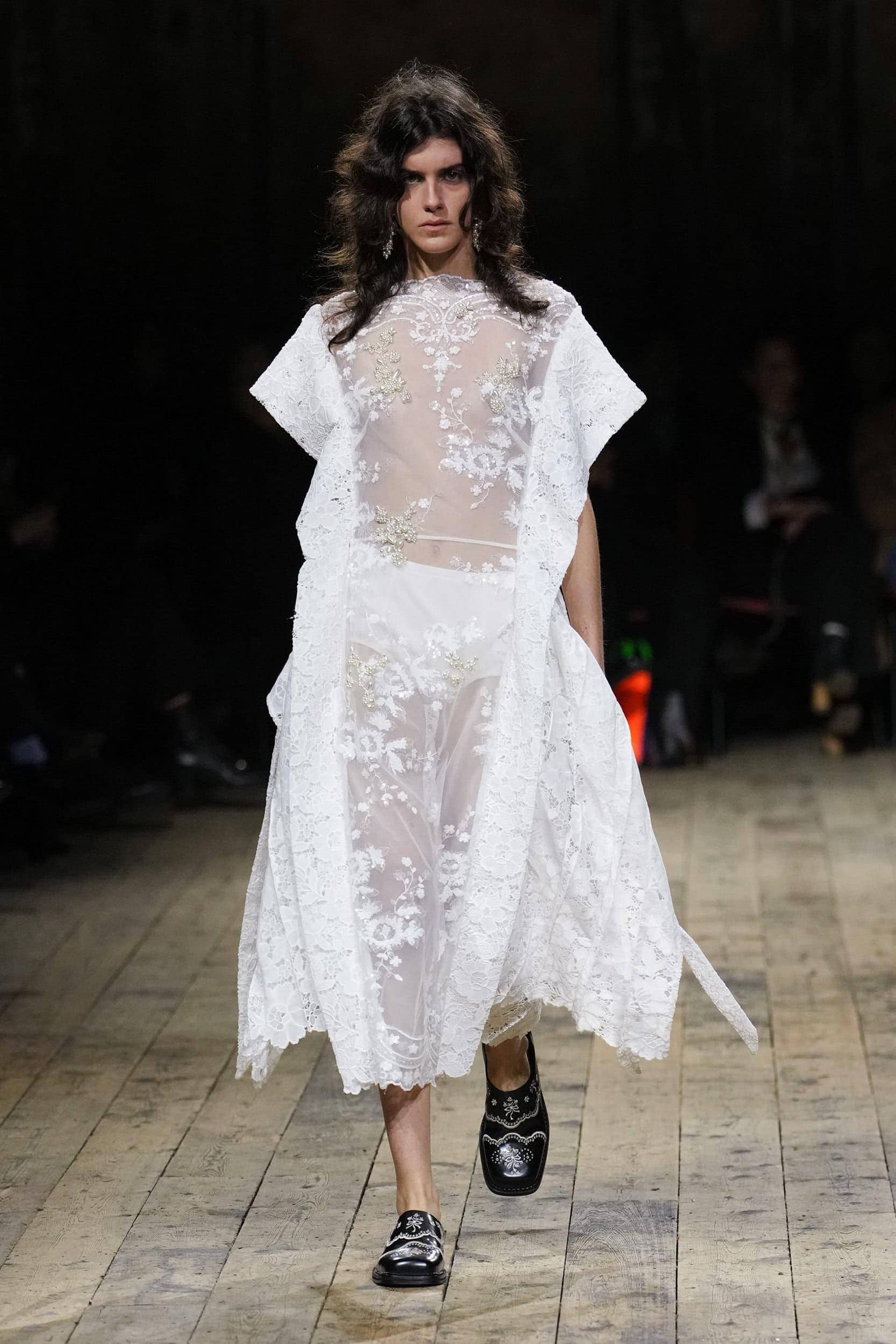
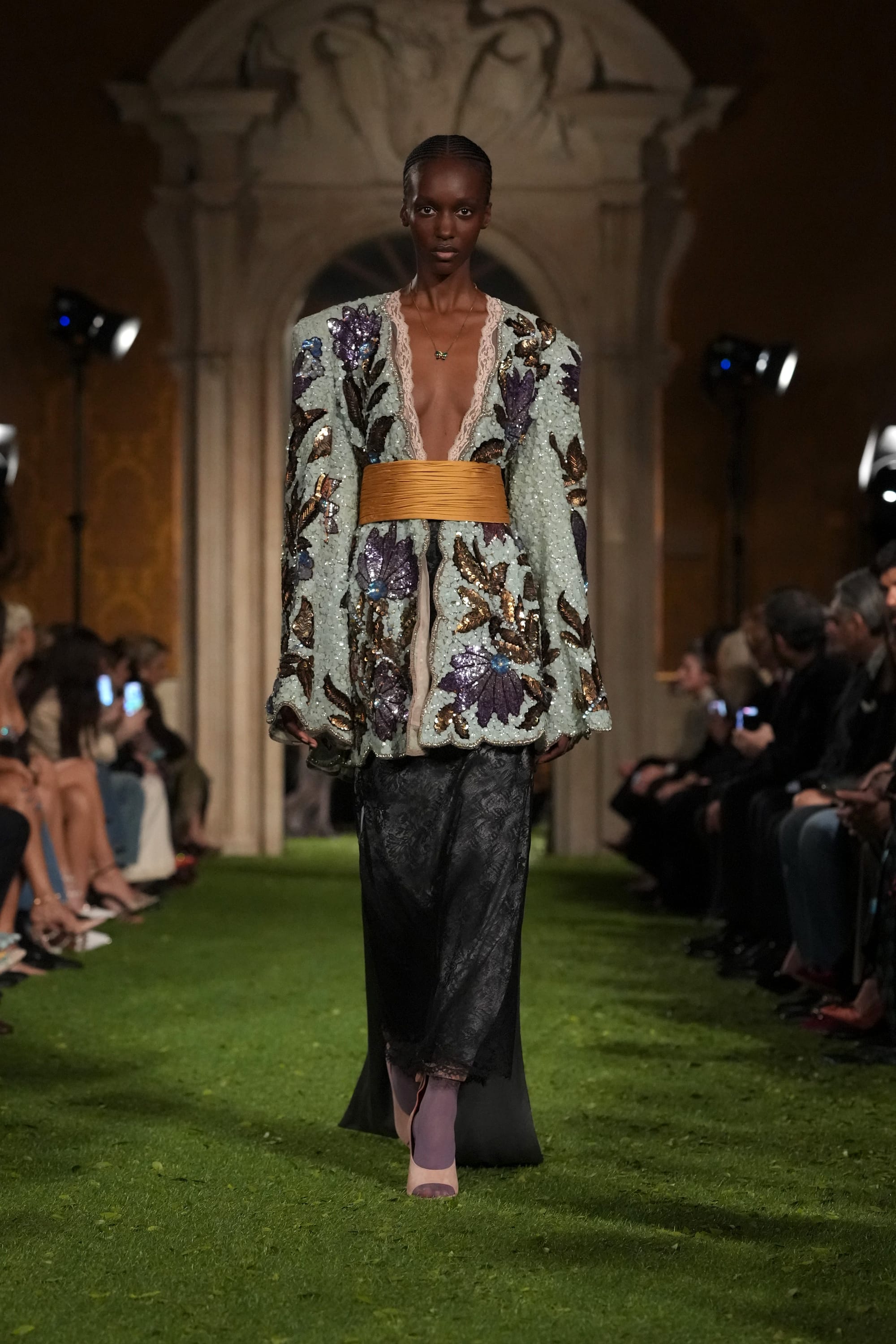
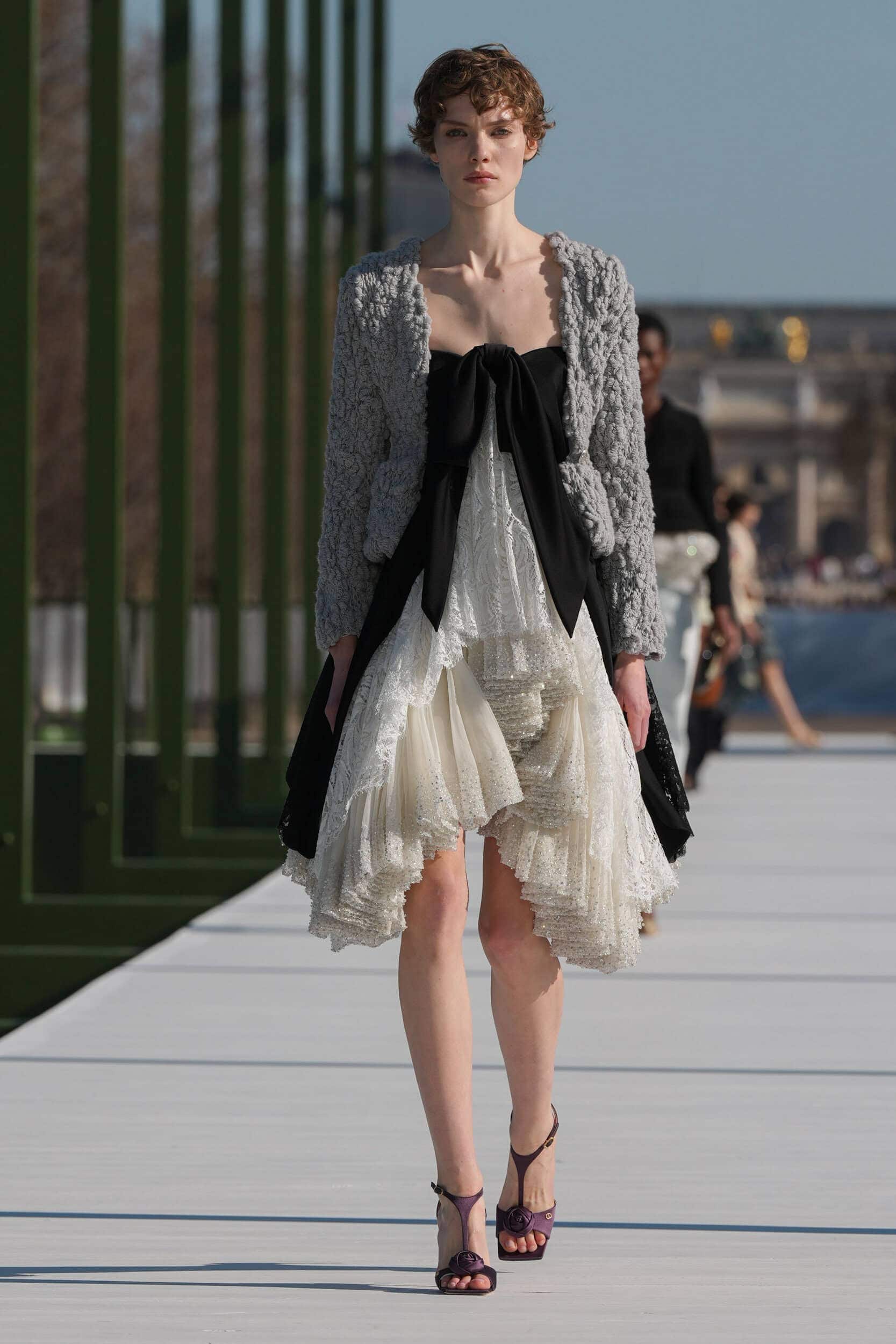
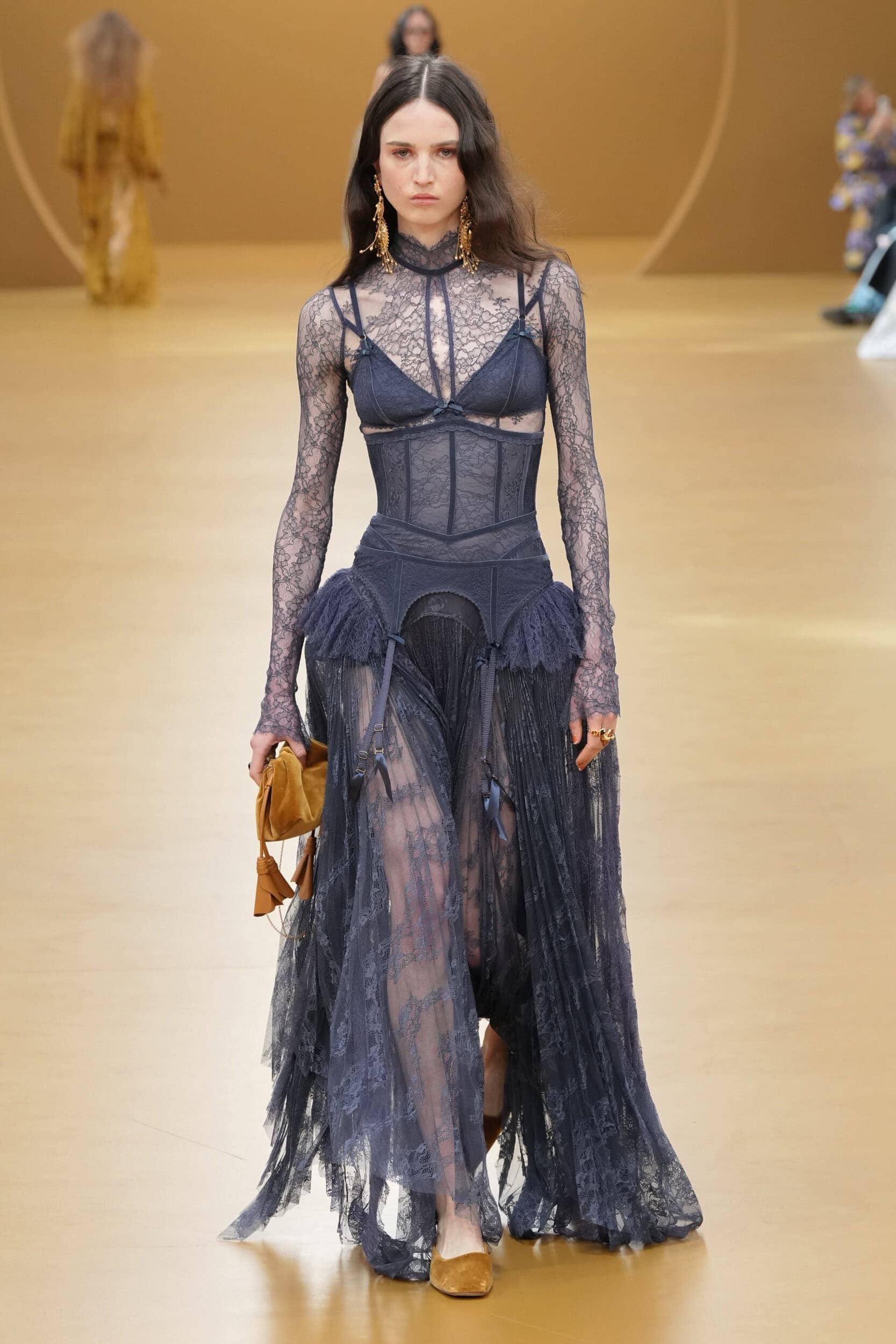
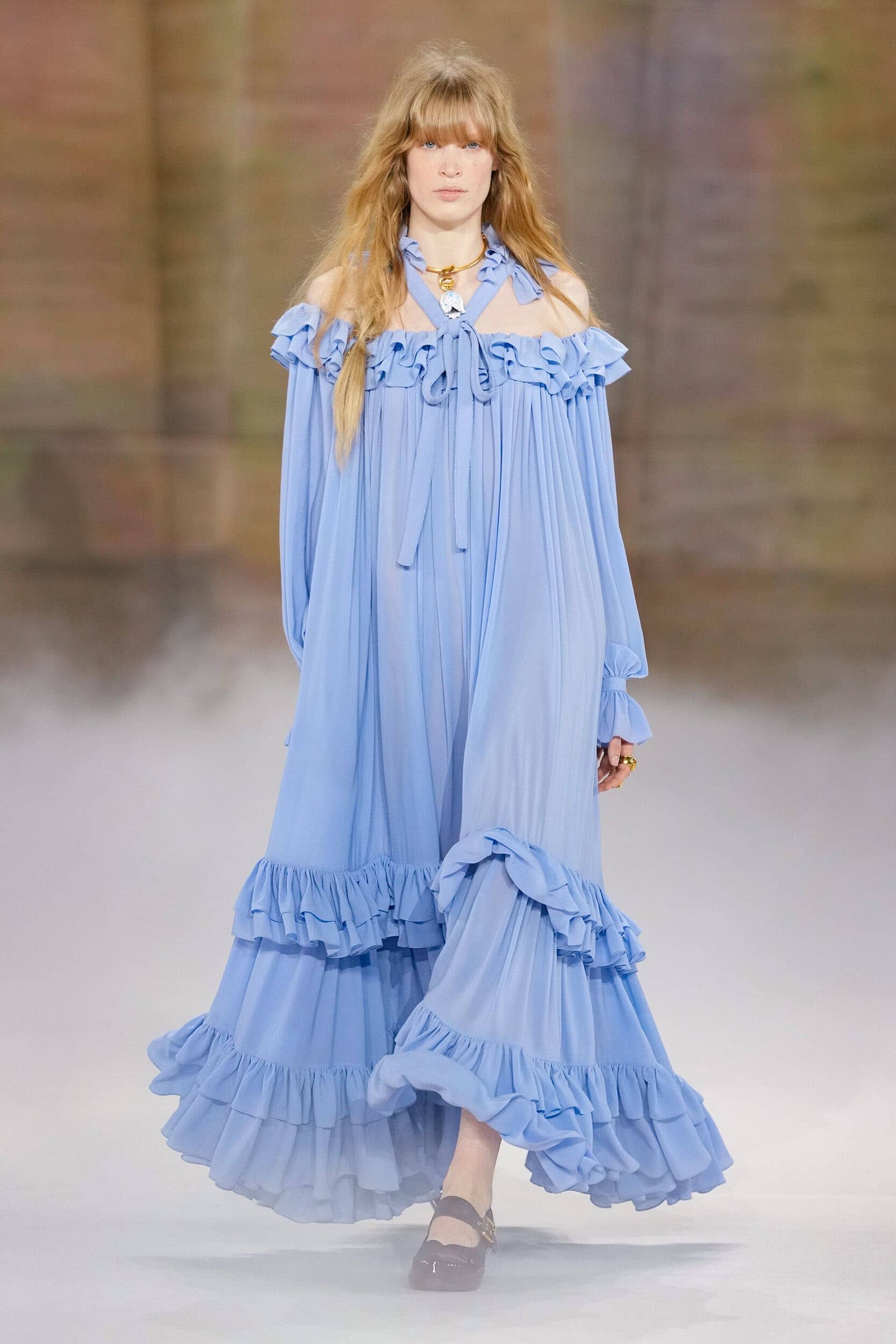
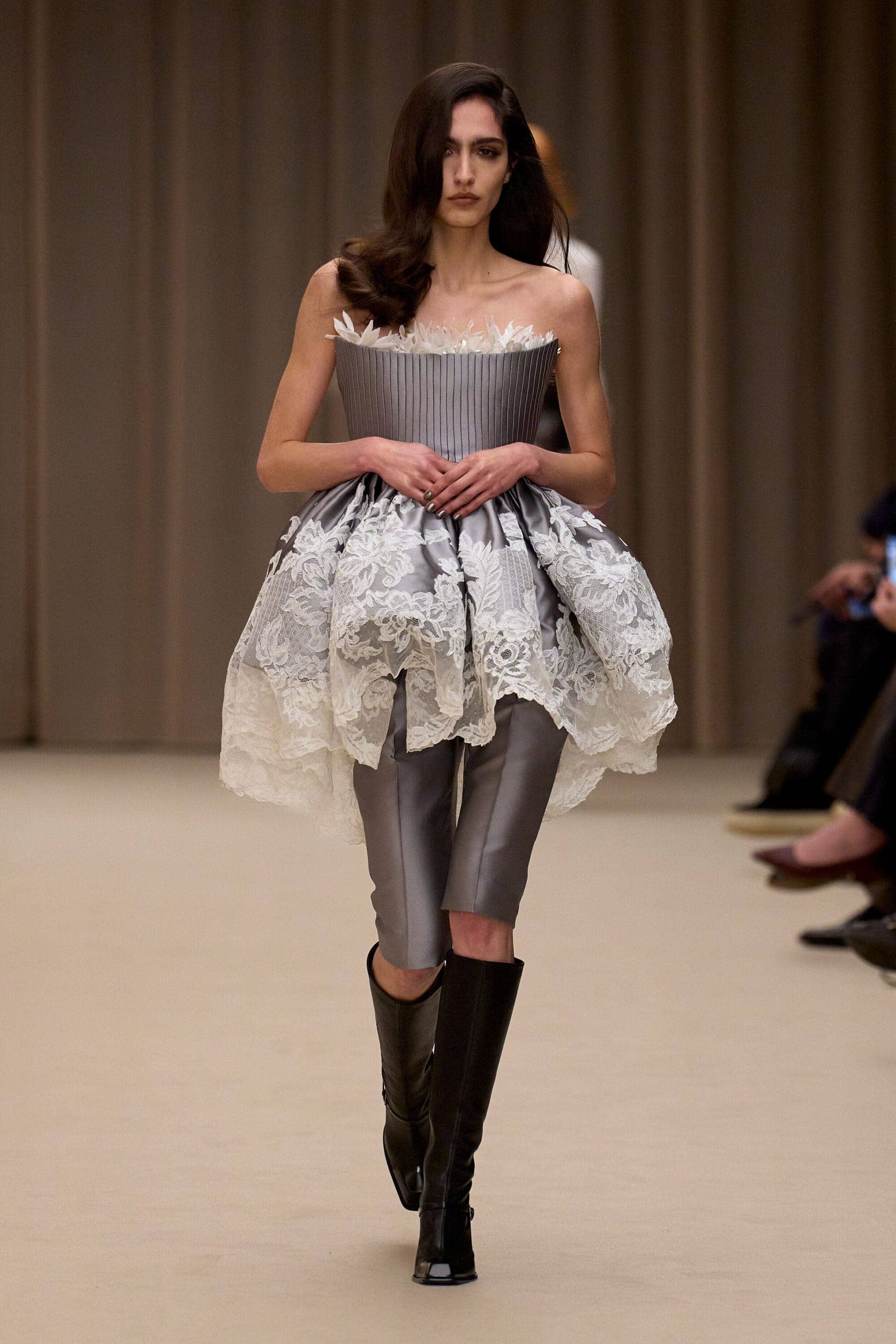
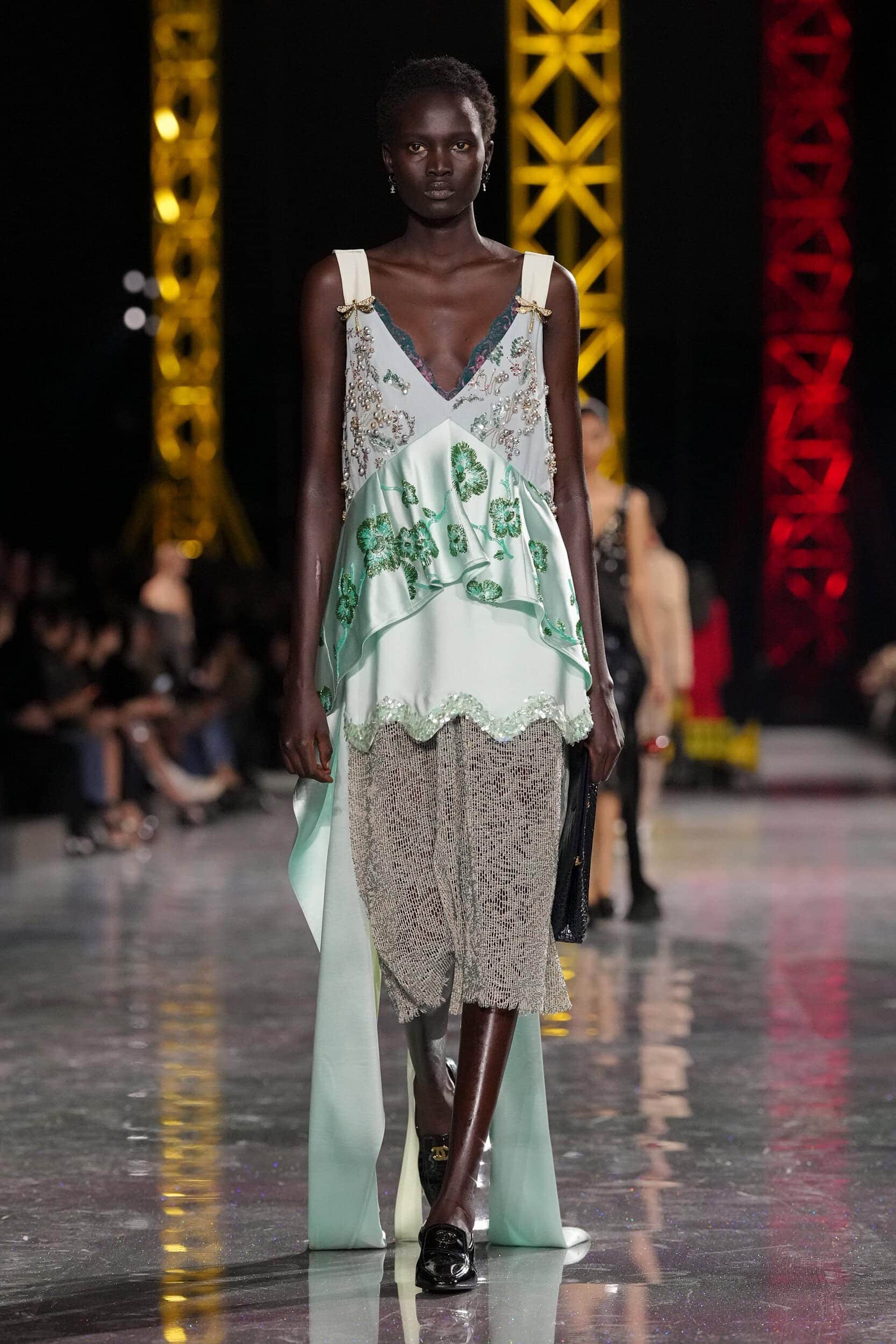
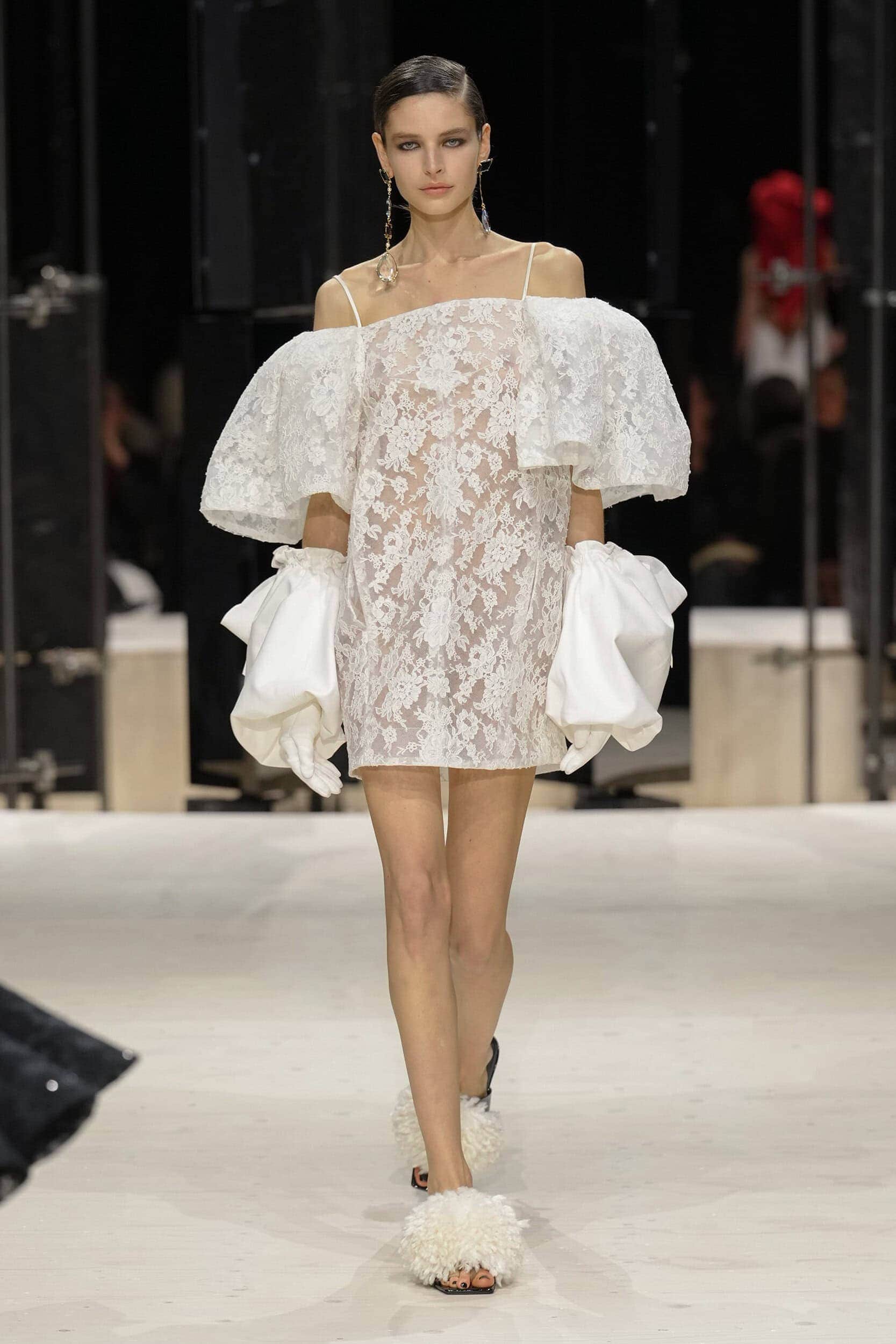
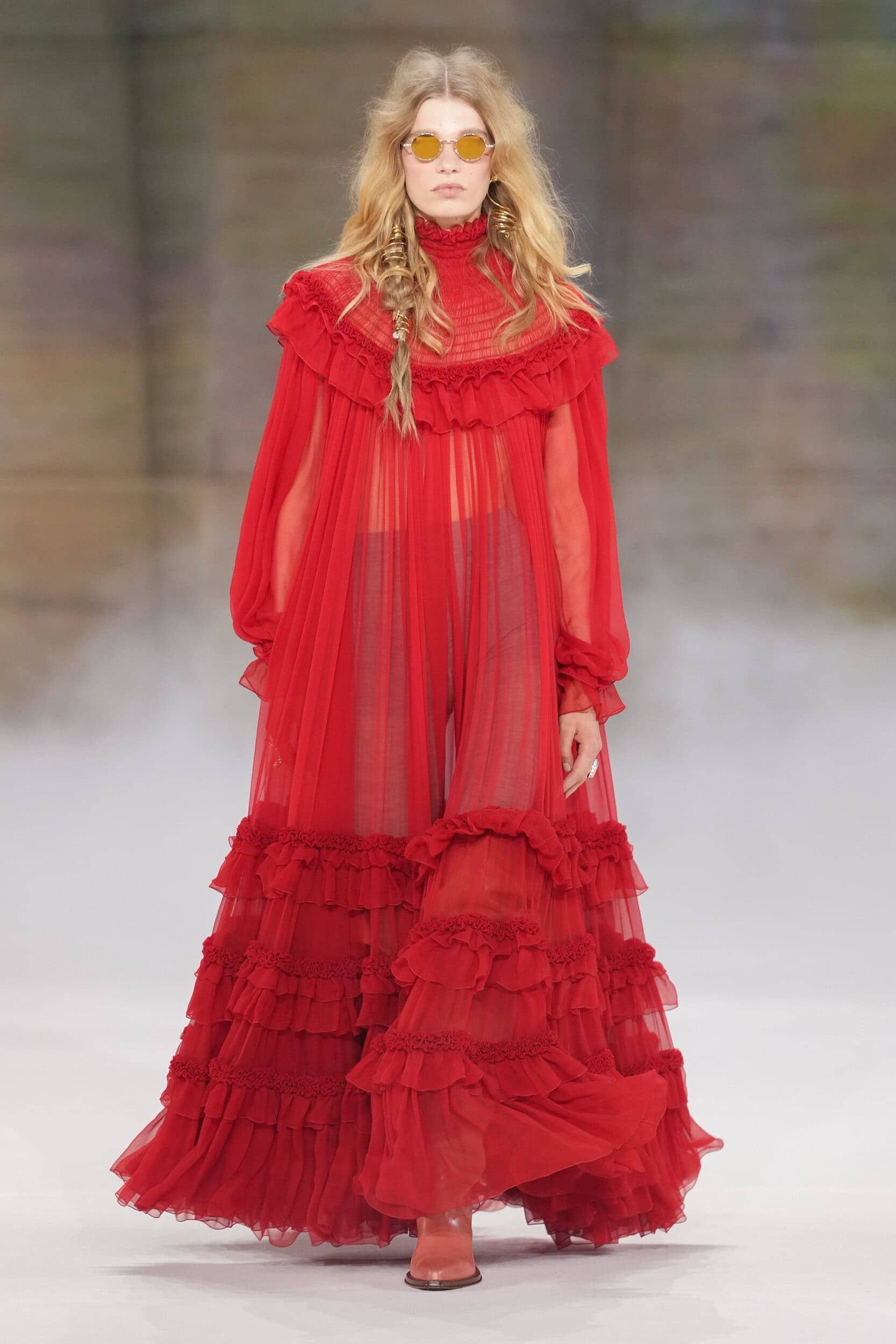
The clearest current running through Fall 2026 was romance — though in a more architectural and atmospheric register than a simply decorative one. Trains, lace, bustles, peplums, softened volume, dropped waists, and flourishes borrowed from older modes of dress gave the season its emotional charge. These gestures carried a sense of ceremony, as though getting dressed had regained some of its theatrical intelligence.
What made the trend compelling was its range. At one end, romance arrived through overt volume and heightened femininity. Elsewhere, it appeared in subtler inflections: a lingering hemline, a gathered sleeve, a silhouette that seemed to hold memory in its shape. There was something faintly literary in the air — fashion returning to the pleasures of suggestion, gesture, and atmosphere. The effect could feel wistful, occasionally indulgent, though at its best it restored a sense of occasion that the market has arguably been missing.
2. The Return of Structured Power
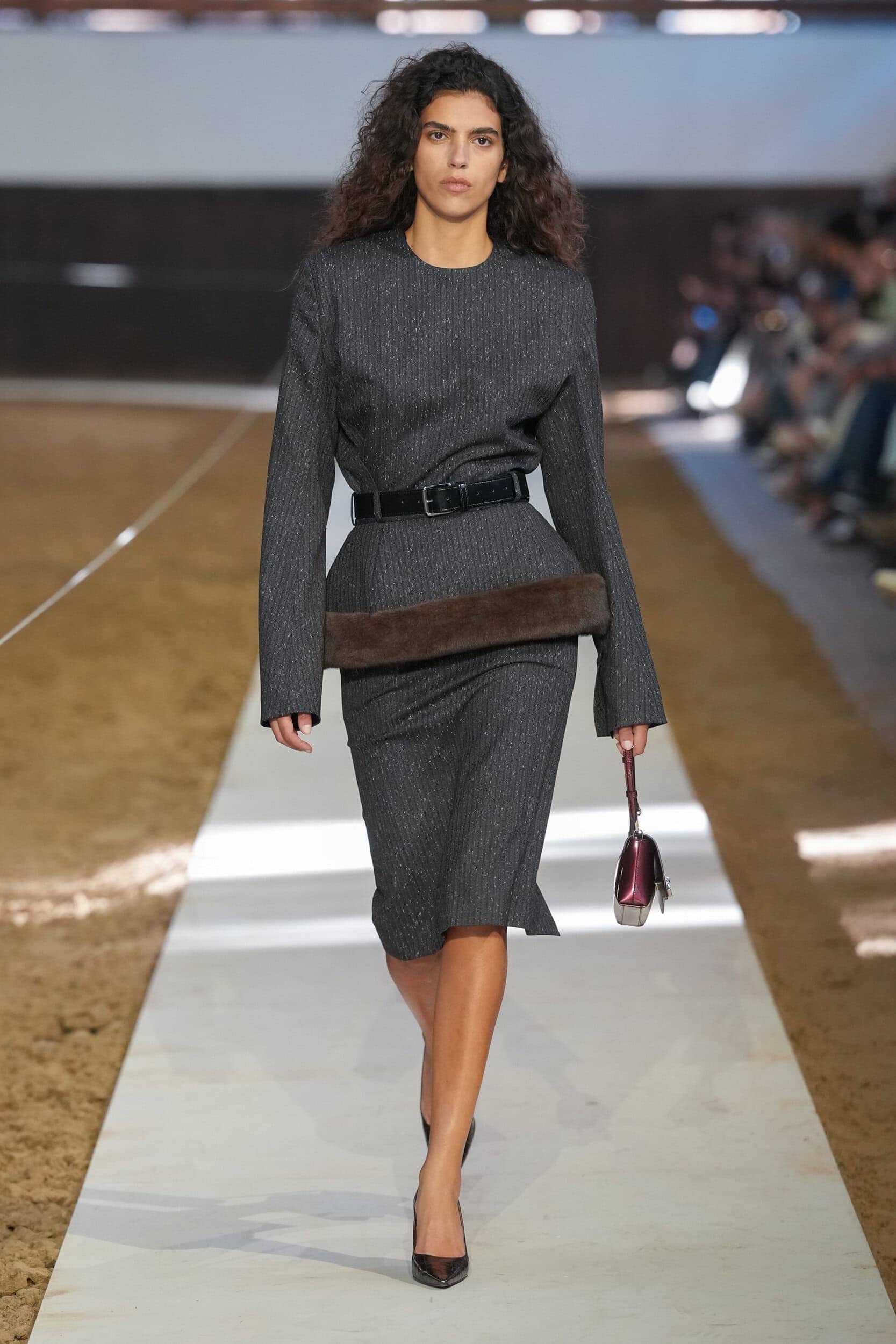
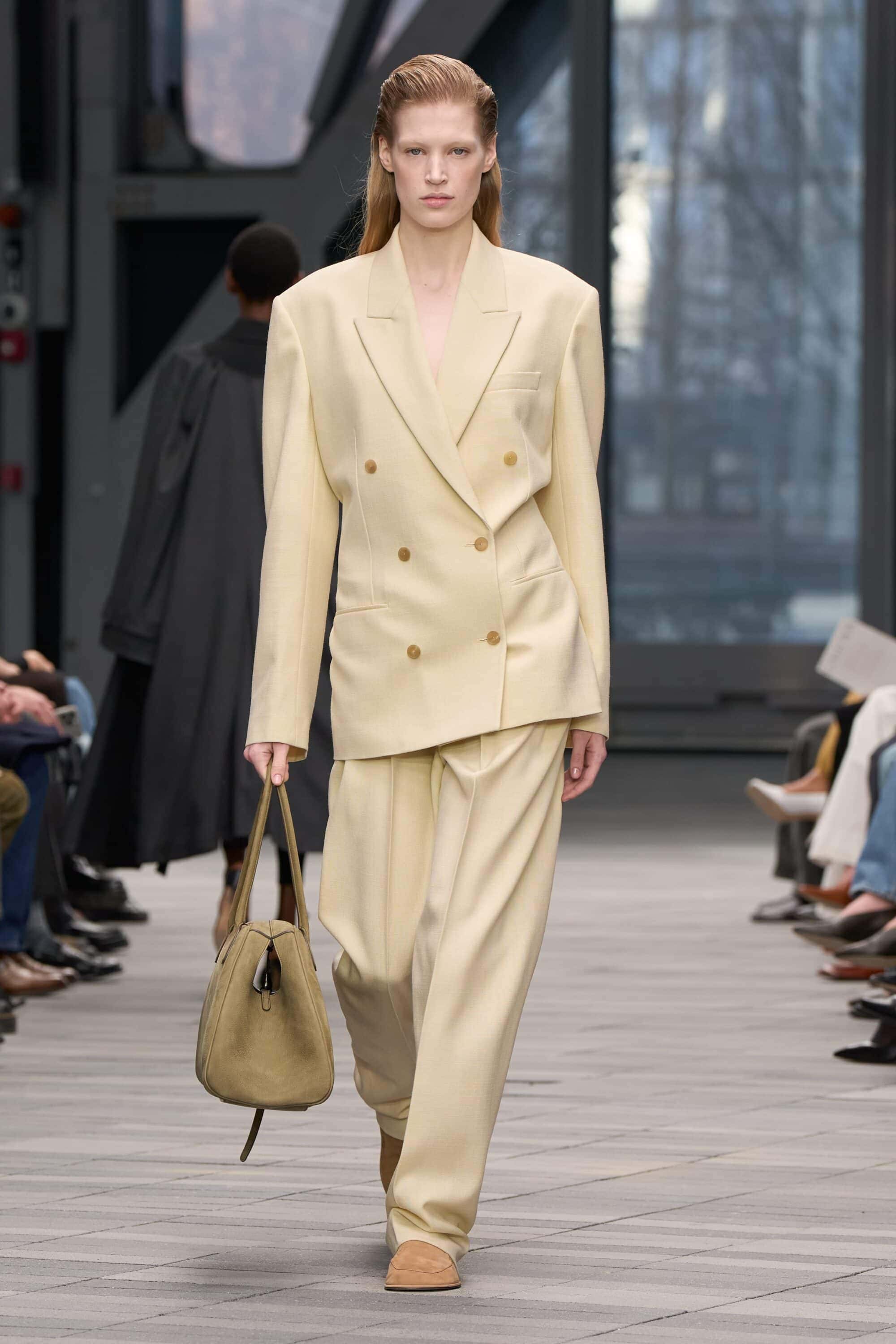
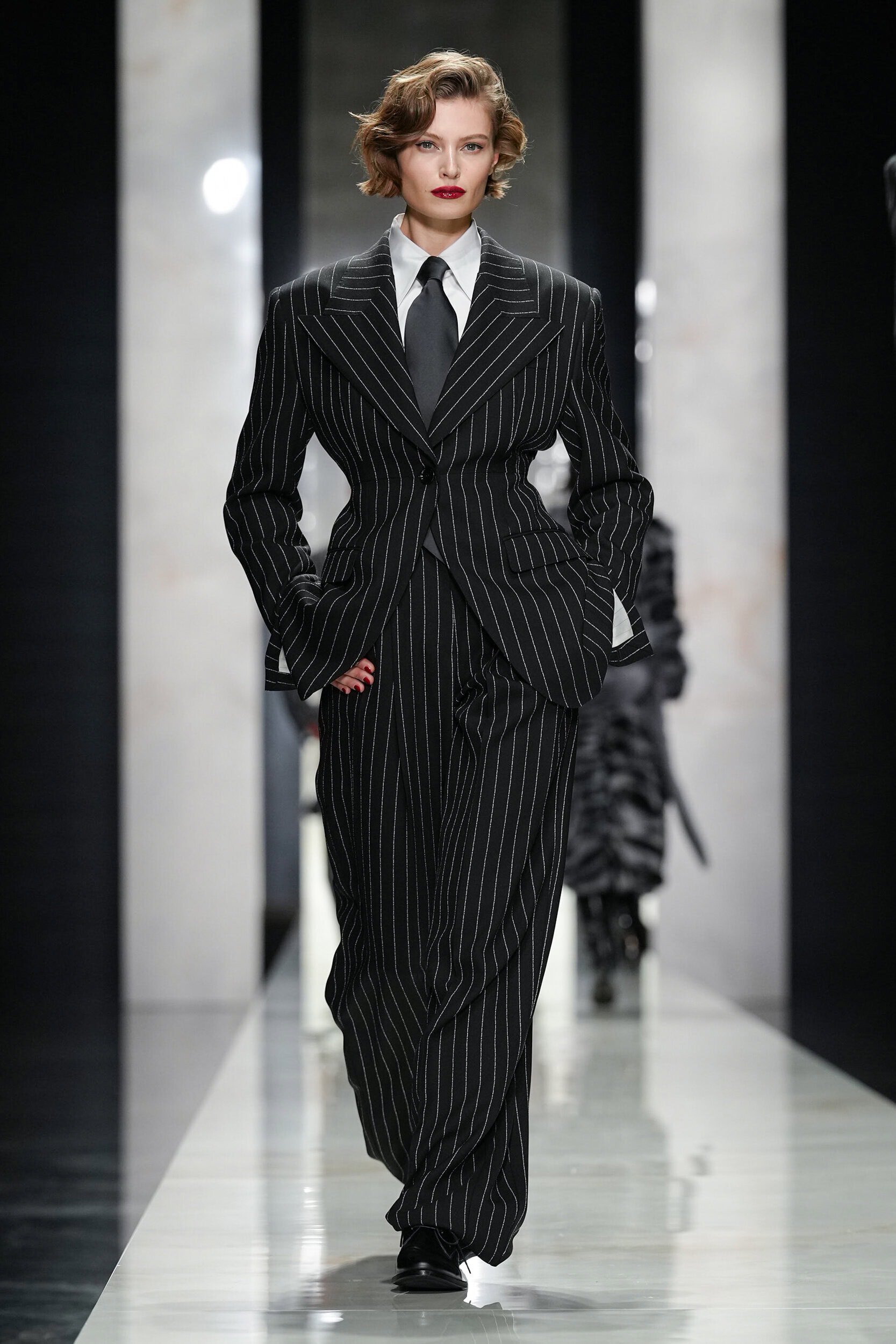
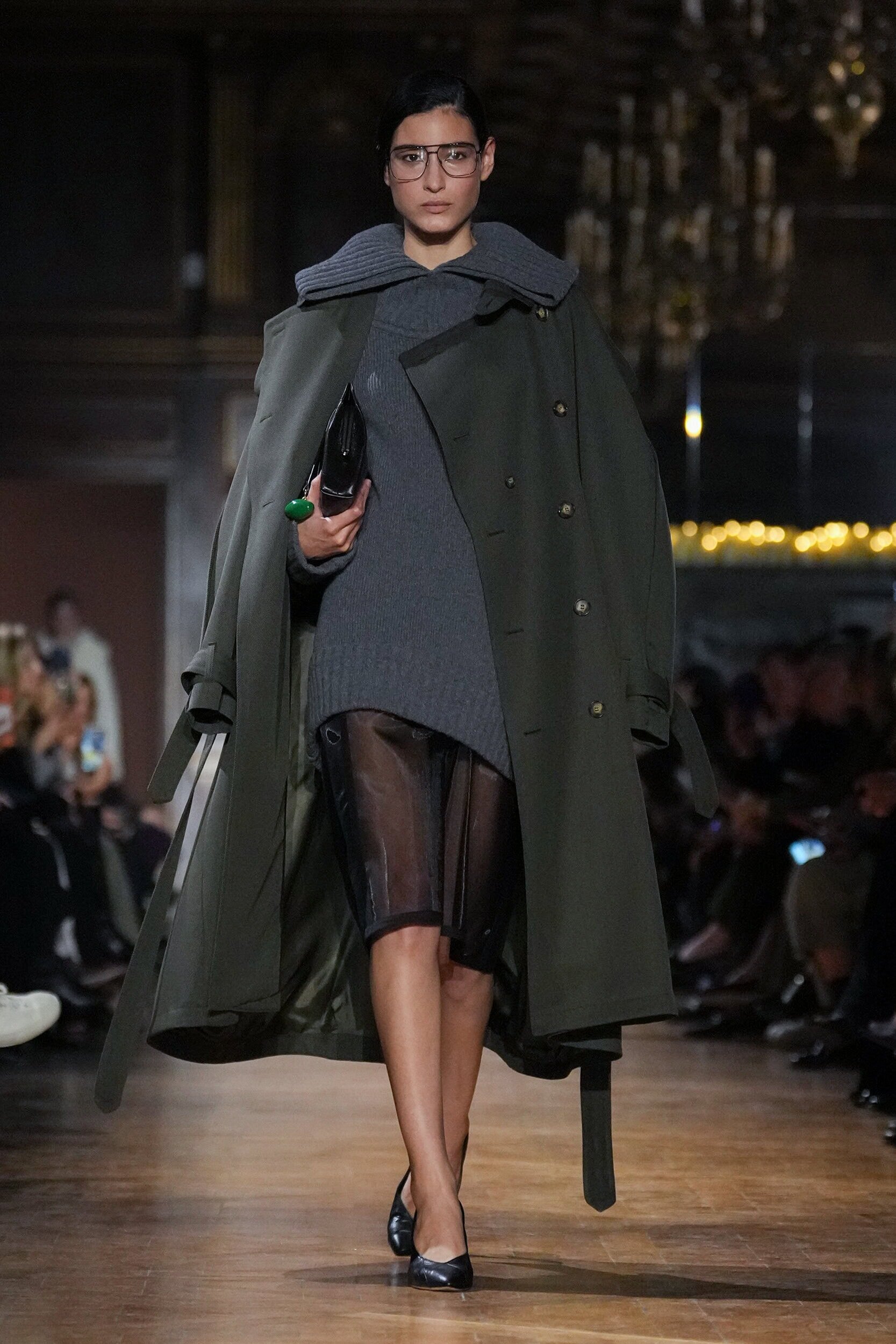
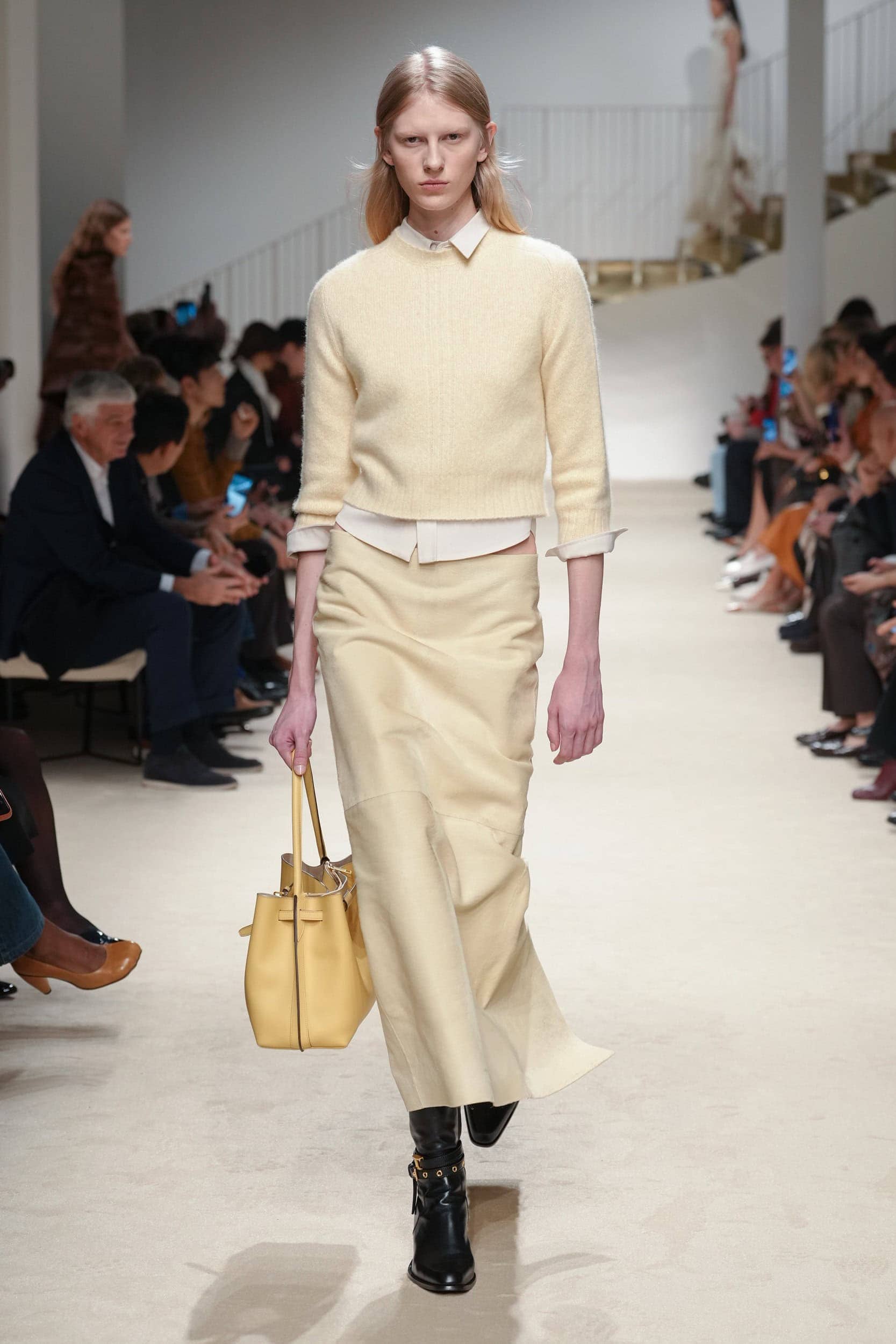
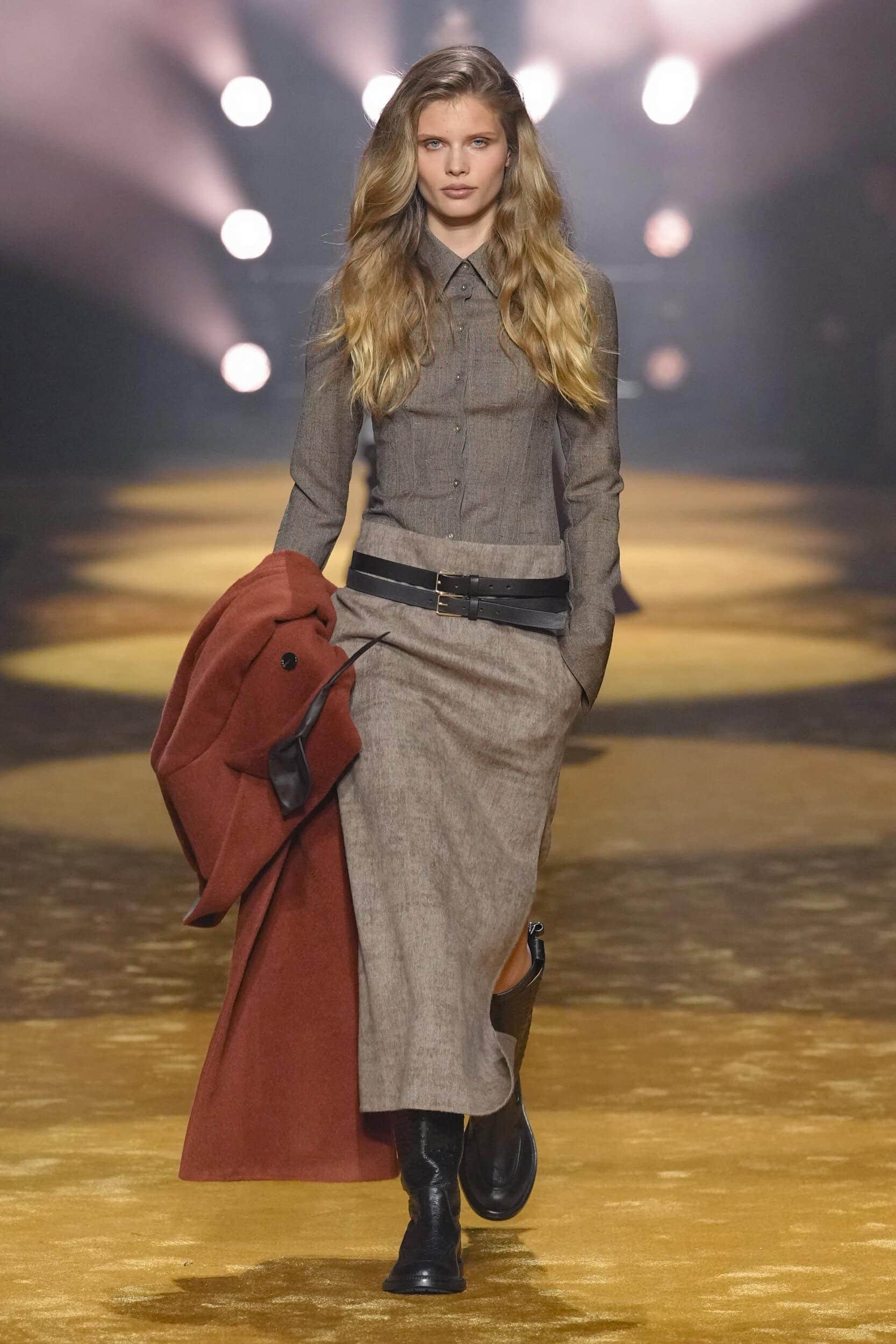
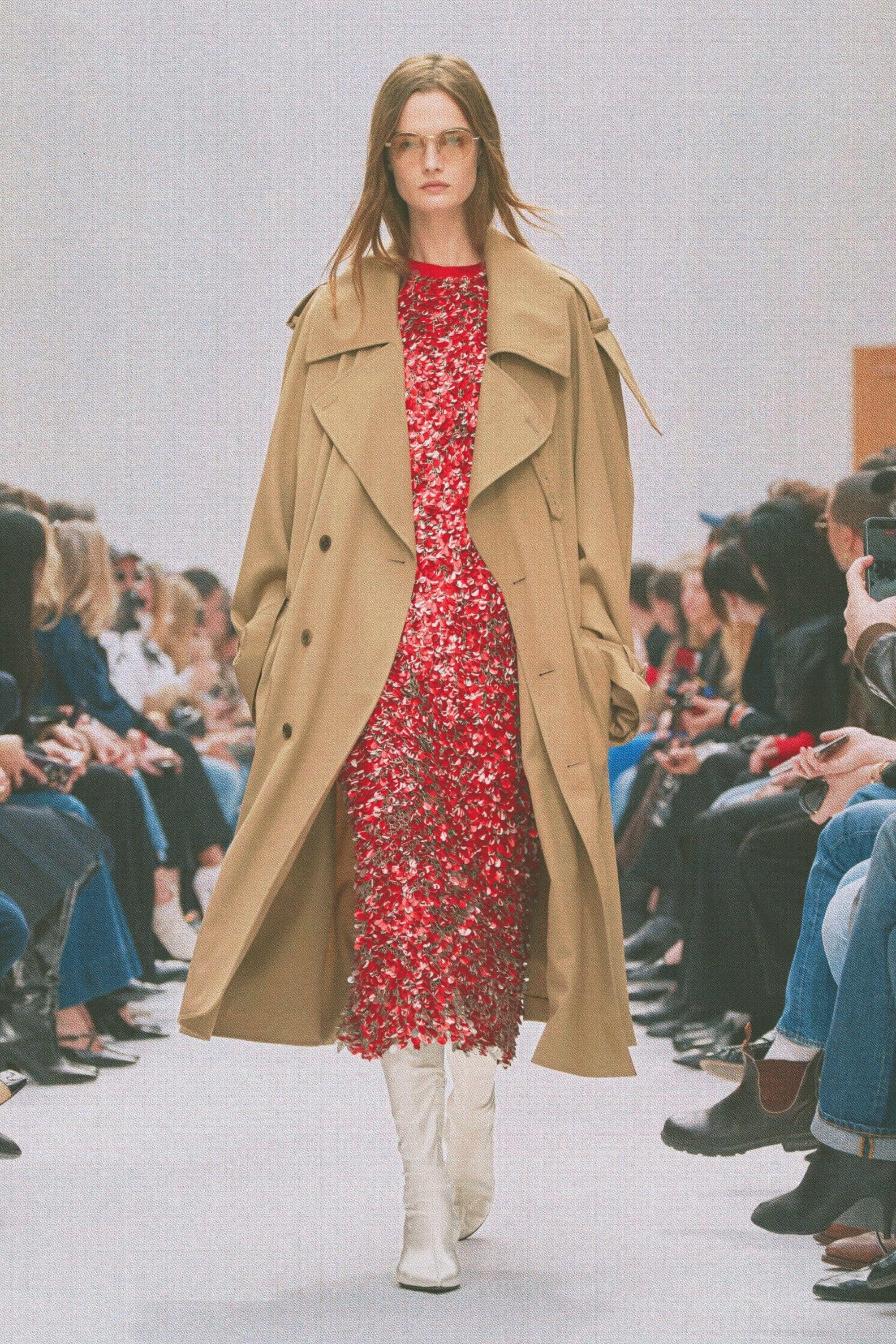
Tailoring reasserted itself with real authority this season, especially through skirt suits, strong outerwear, crisp shirting, and a broader return to composed dressing. The mood here was polished, though hardly static. Many designers approached structure with a lighter hand, allowing movement, proportion, and styling to keep the clothes from feeling overdetermined.
That shift matters. Power dressing today carries different expectations than it once did. The interest lies less in armor than in articulation — clothes that help define a presence, sharpen a stance, and signal intent. Fall 2026 reflected that evolution well. The strongest examples treated tailoring as a living language, one capable of elegance, pragmatism, and seduction all at once. Some interpretations felt more dutiful than inspired, though the larger message still came through clearly: the wardrobe has regained its backbone.
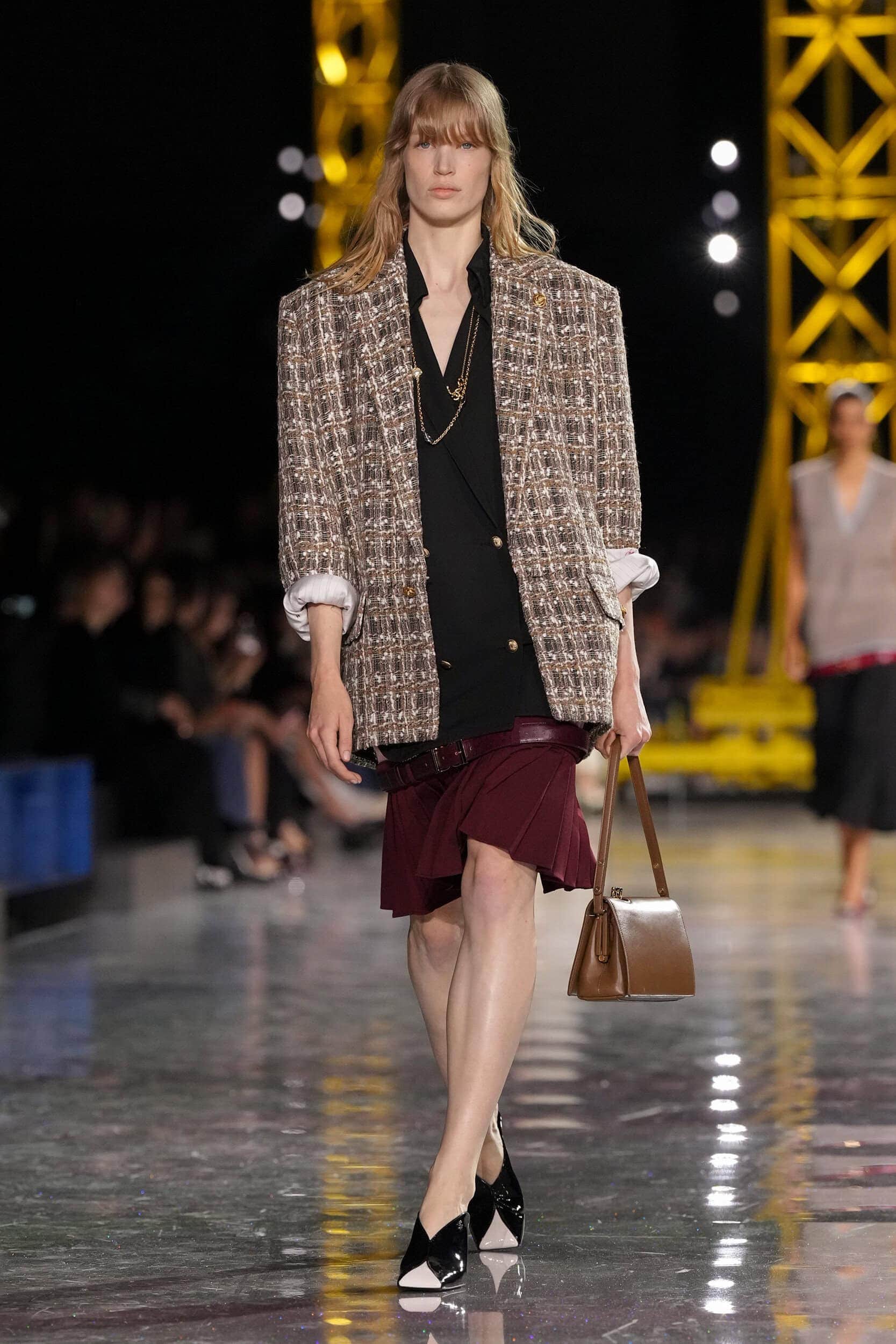
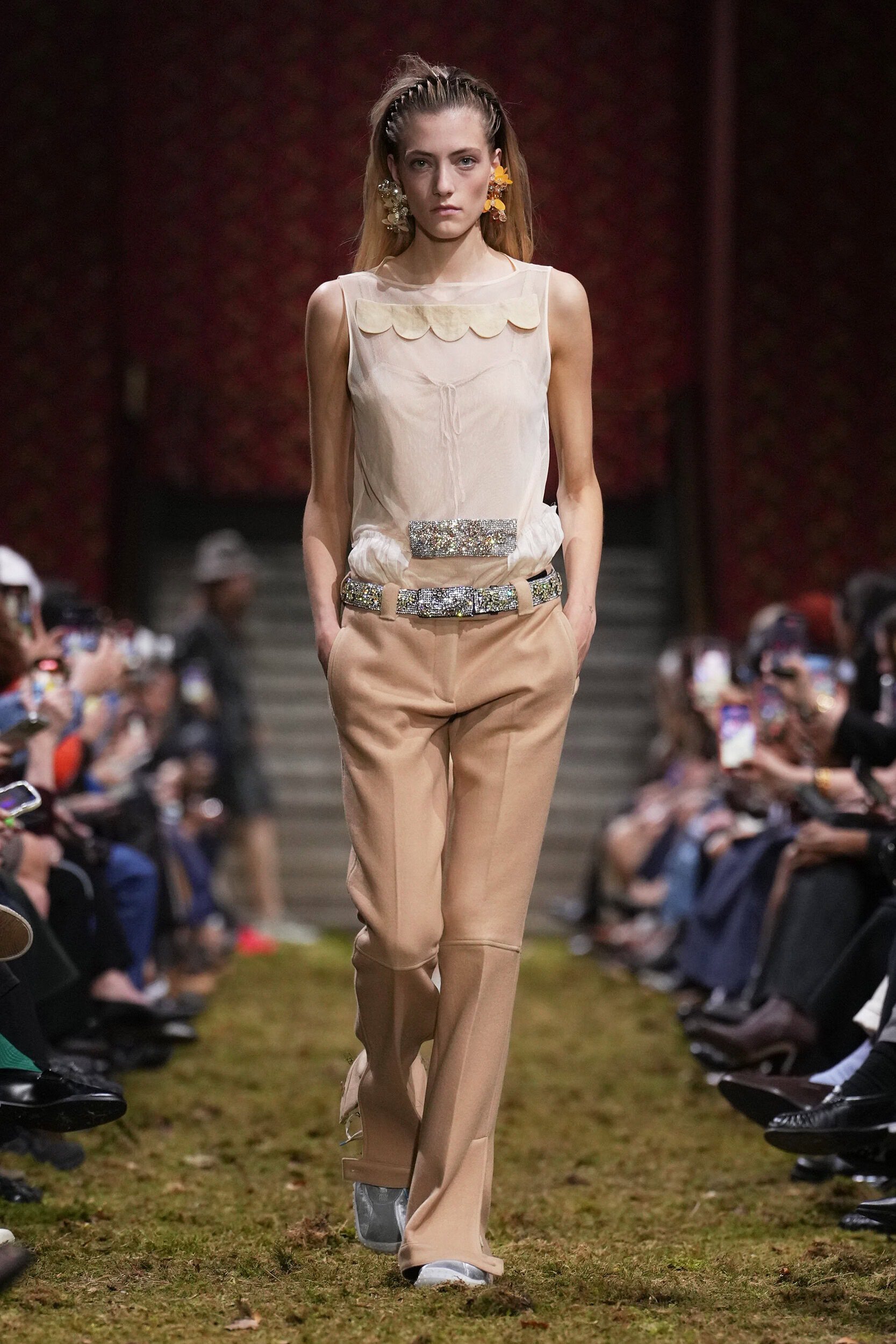
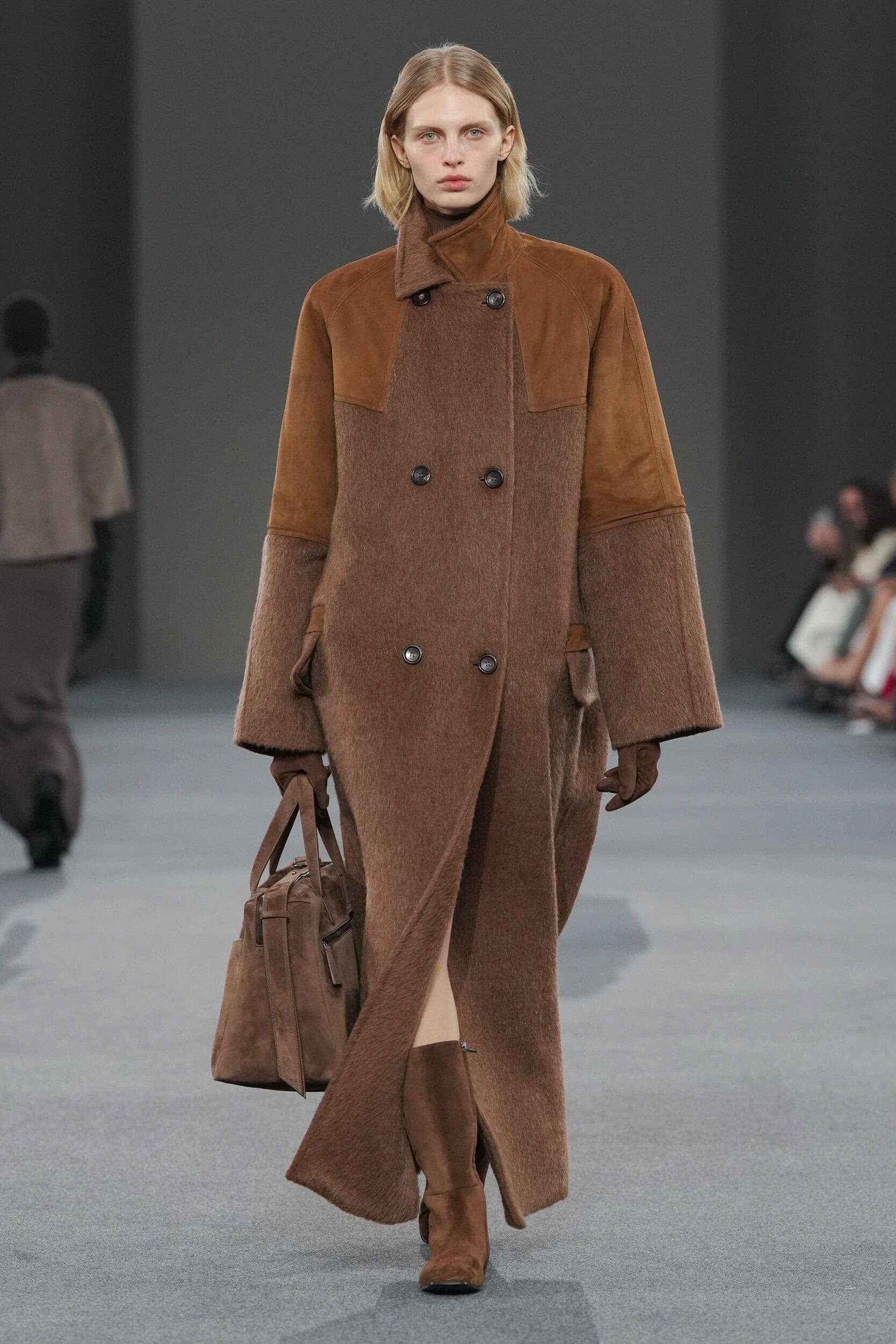
3. Surface as Statement
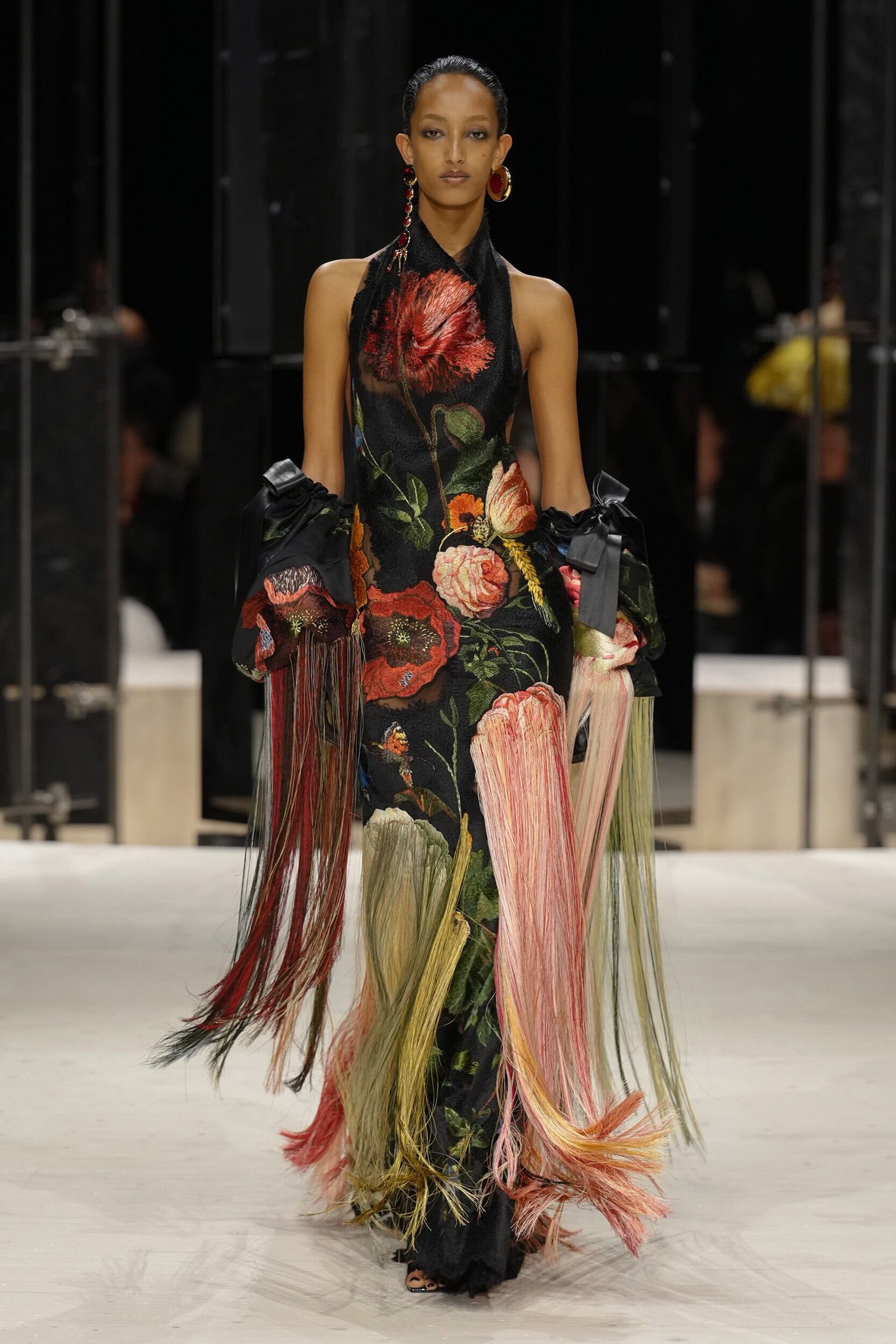
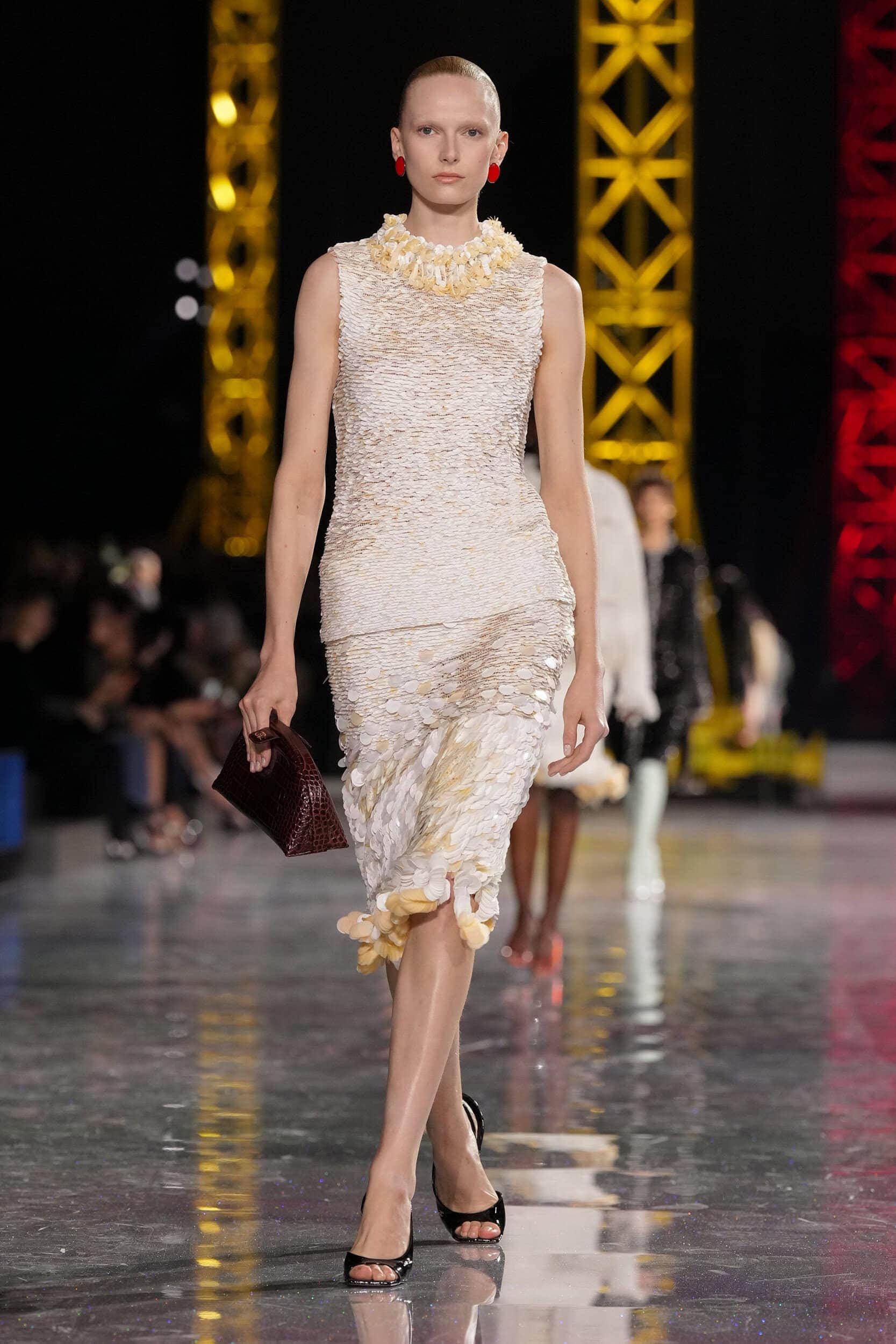
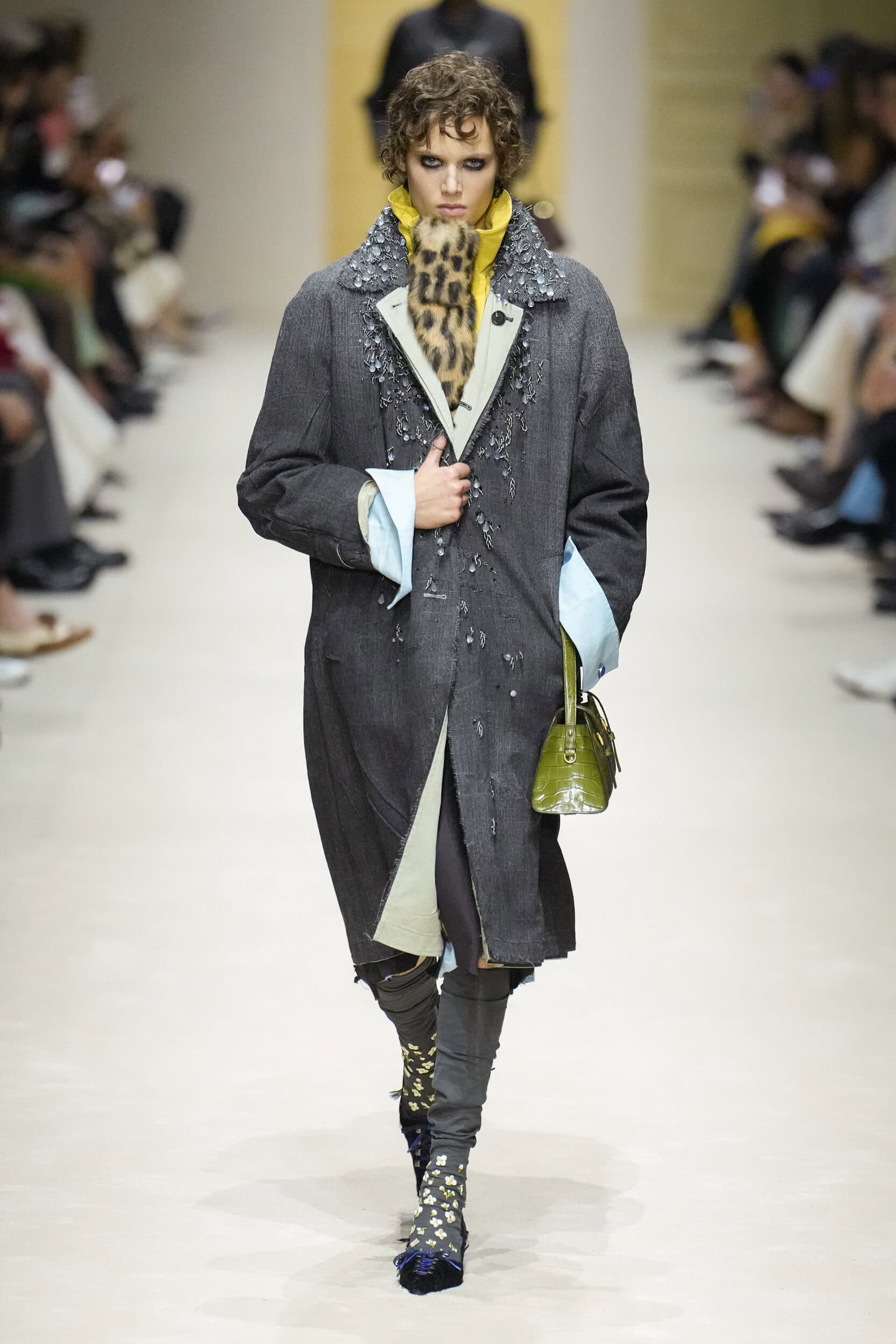
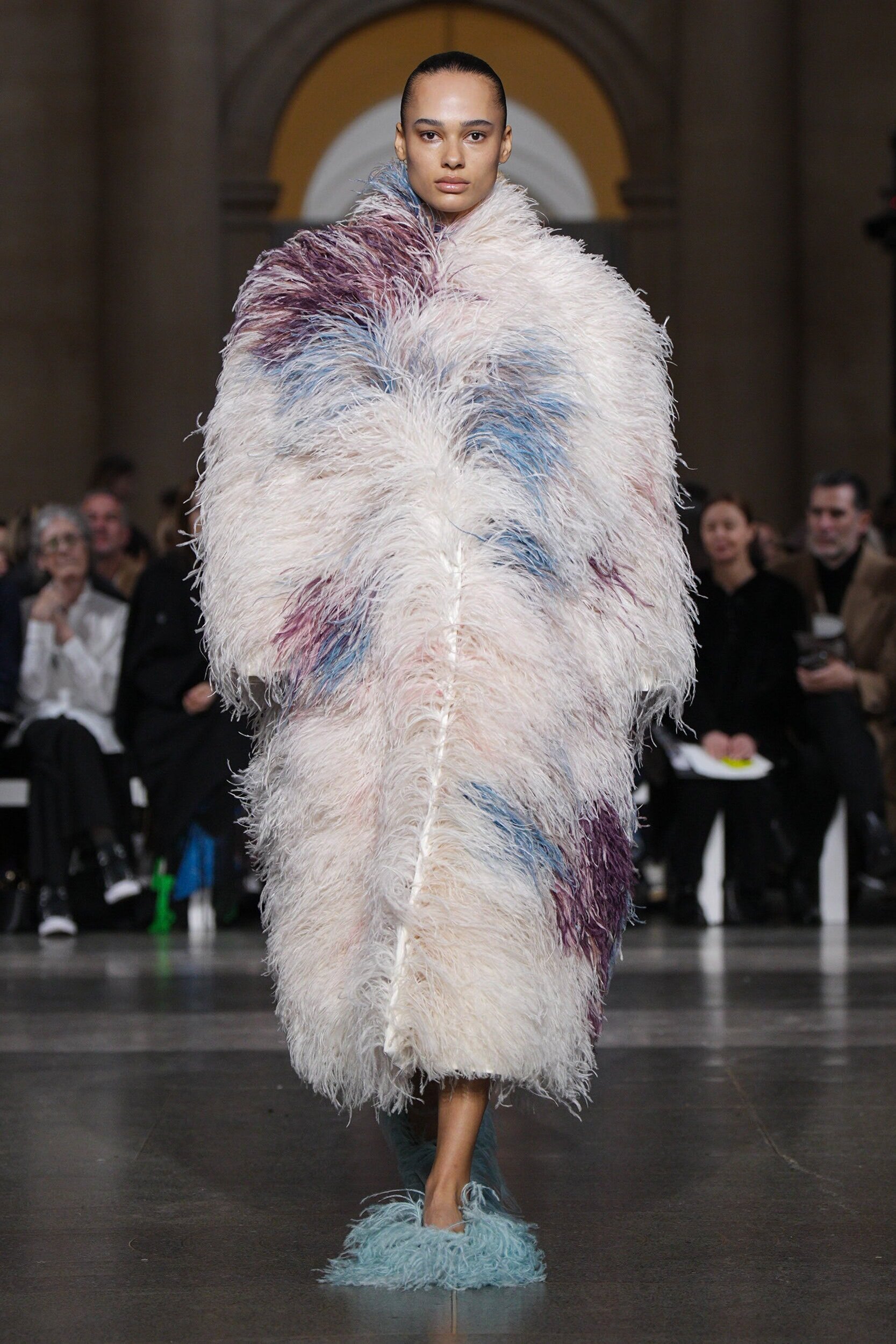
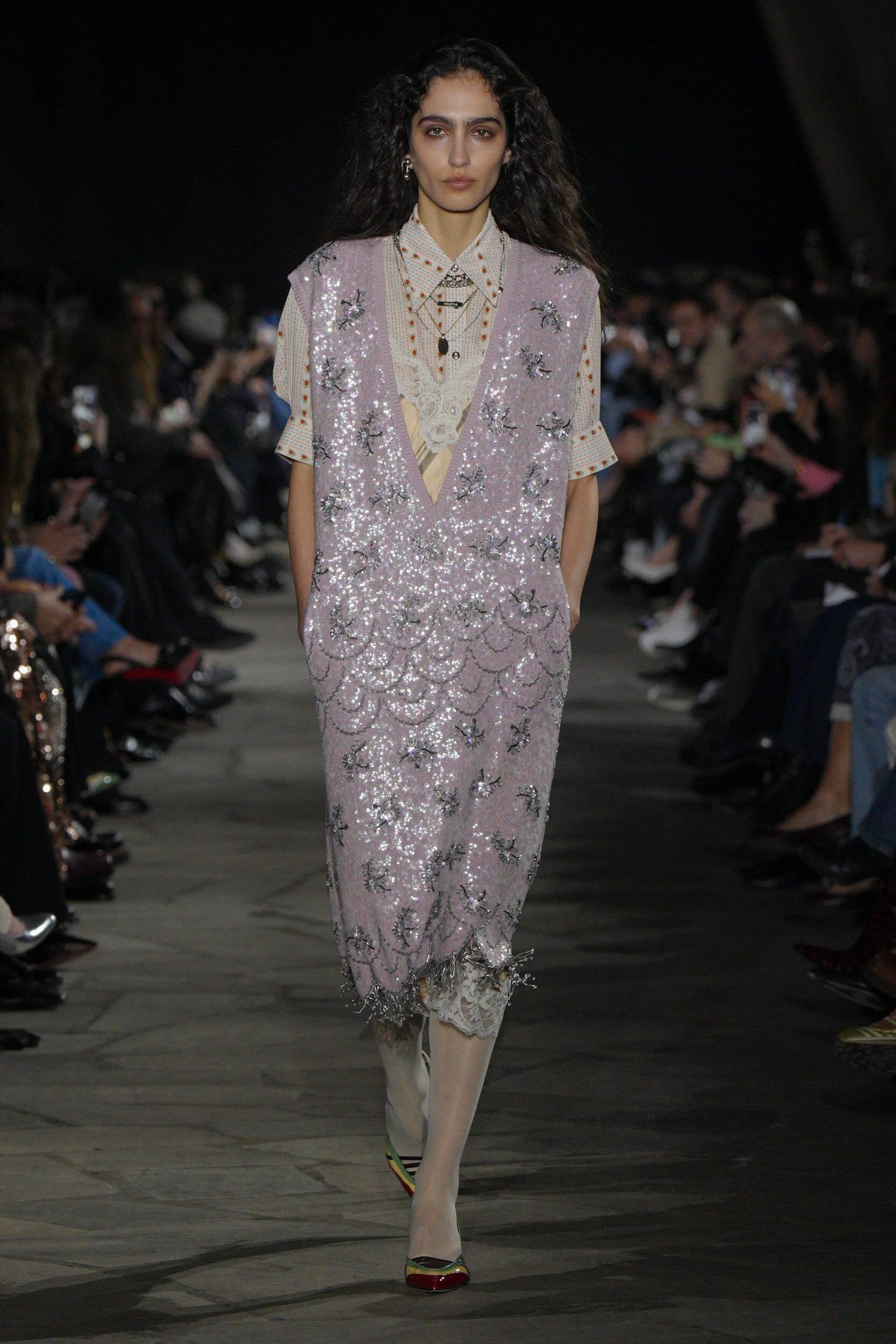
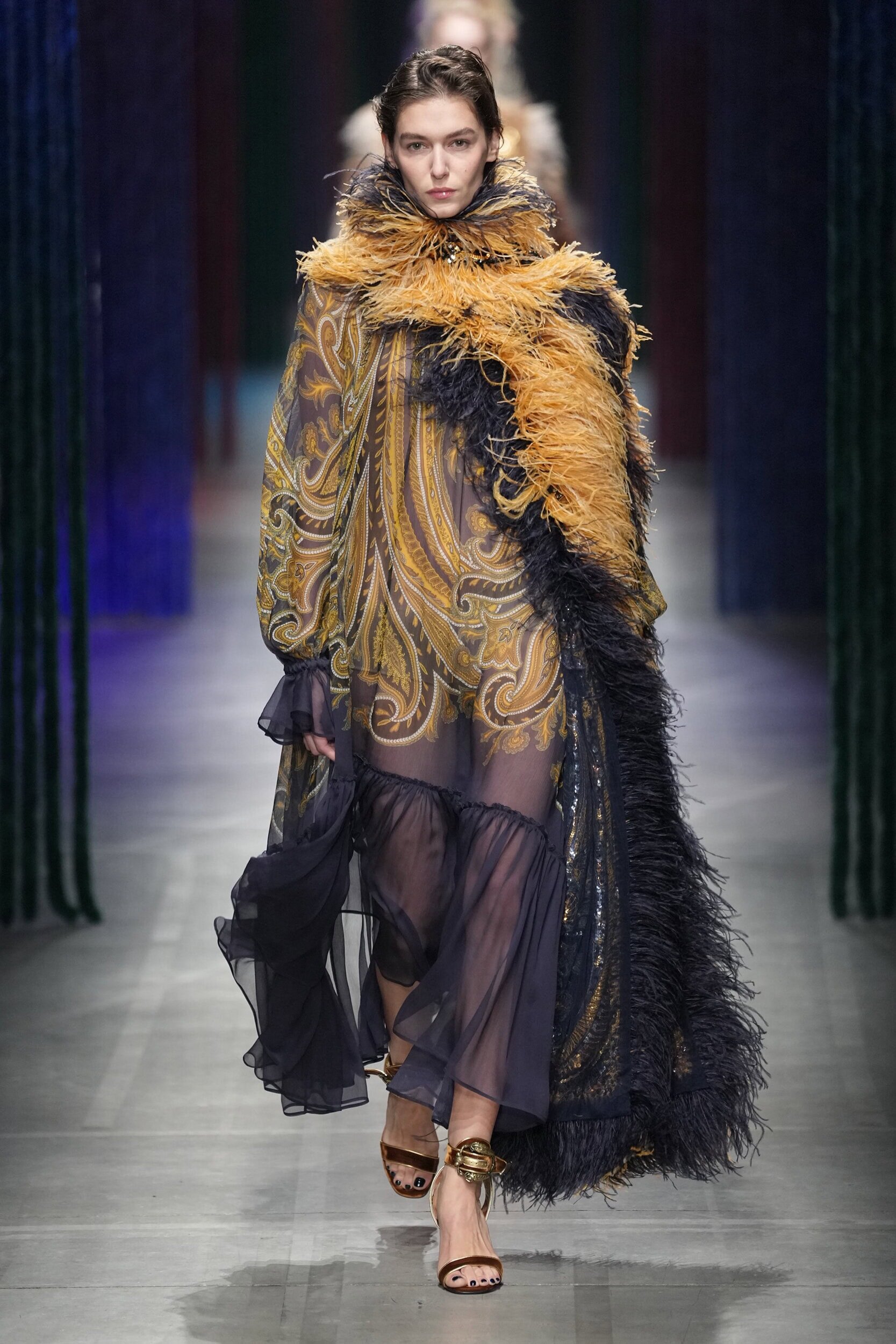
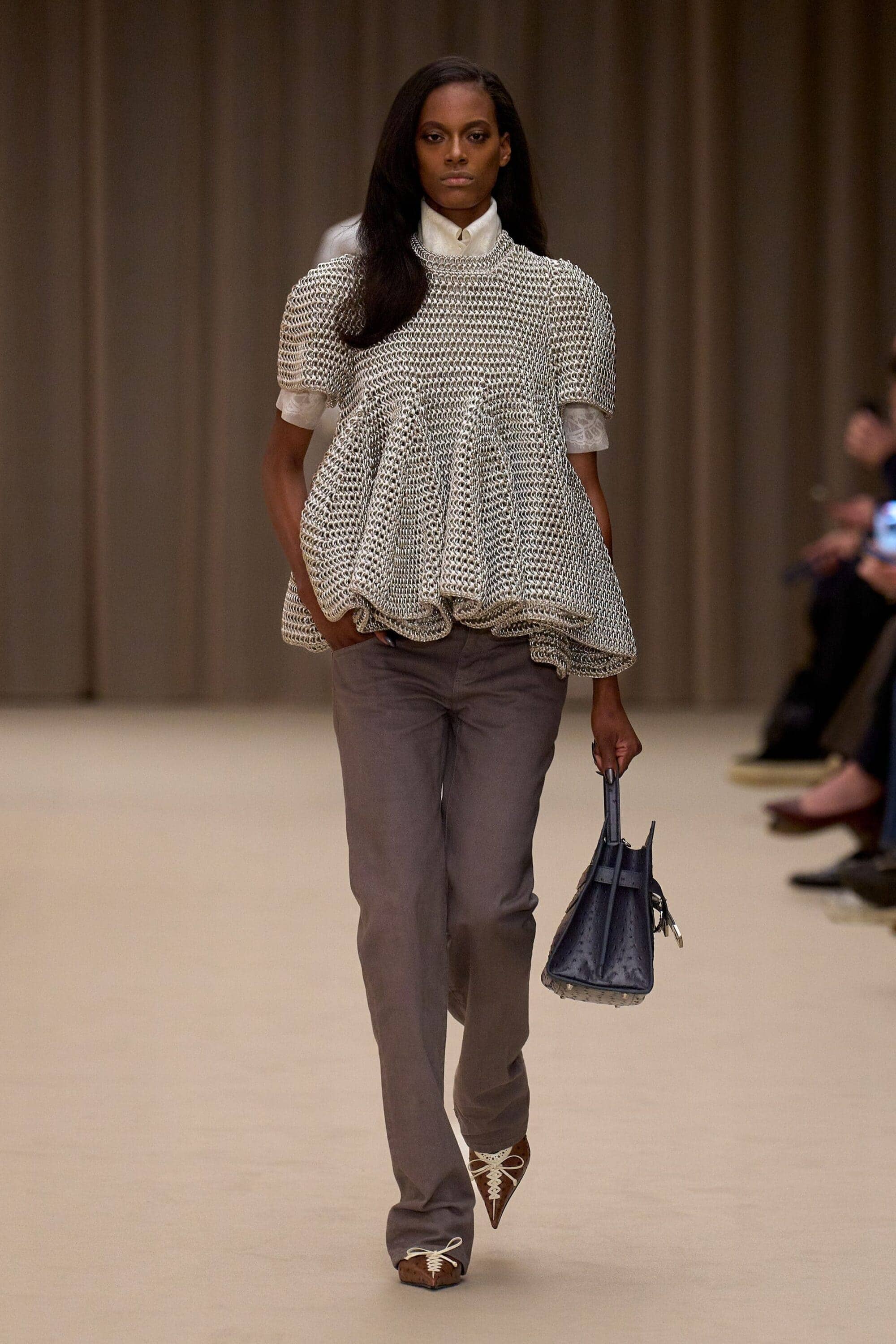
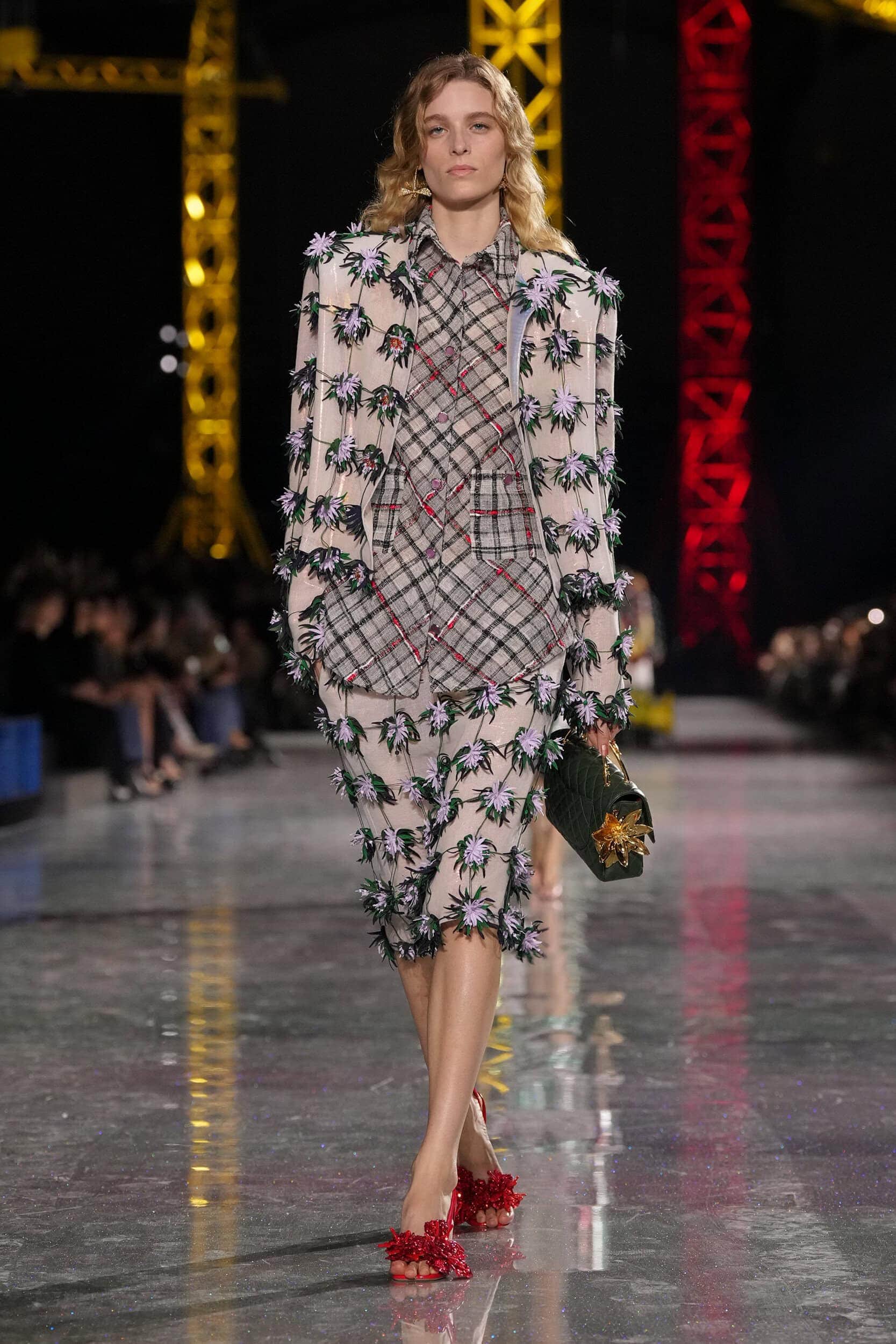
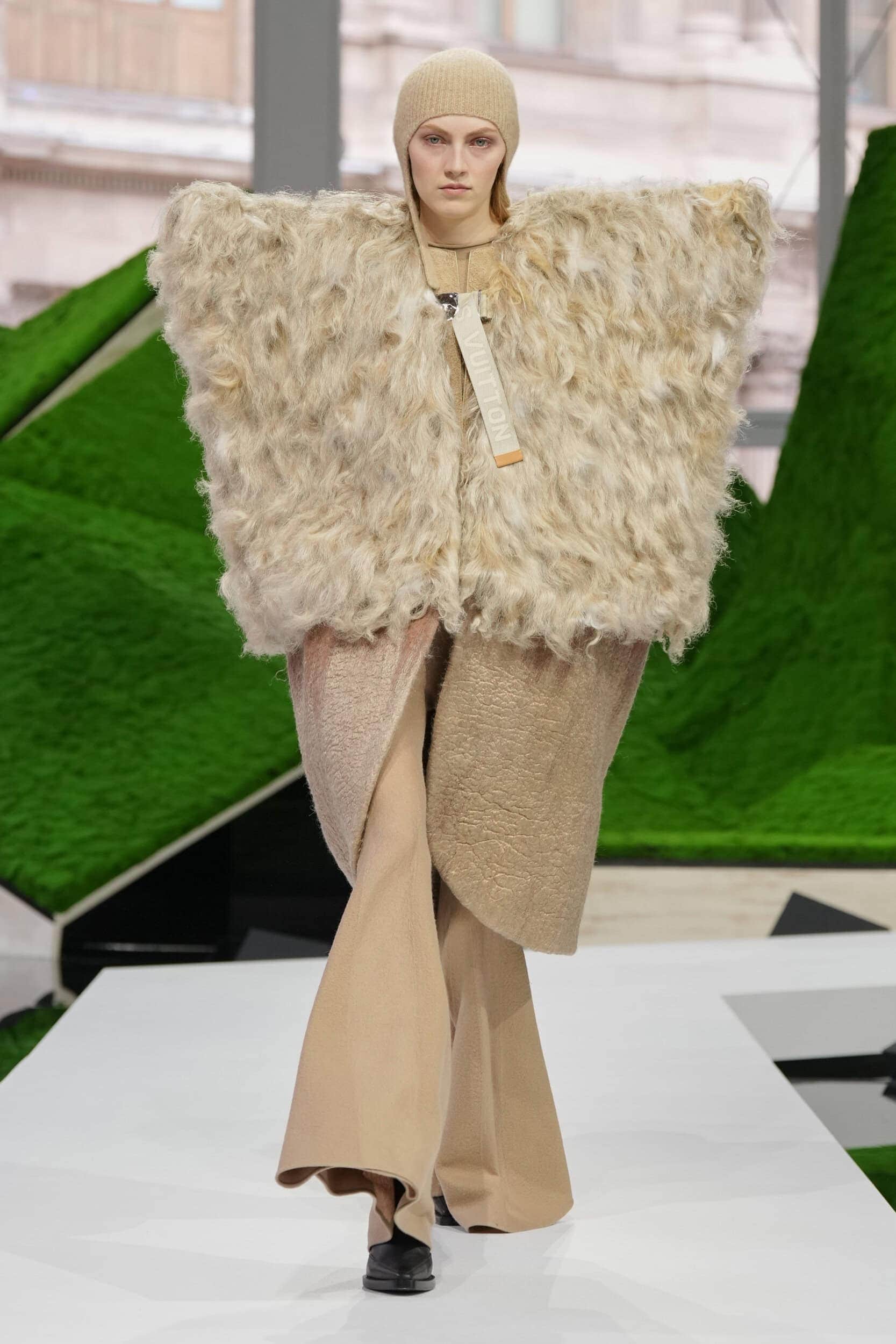
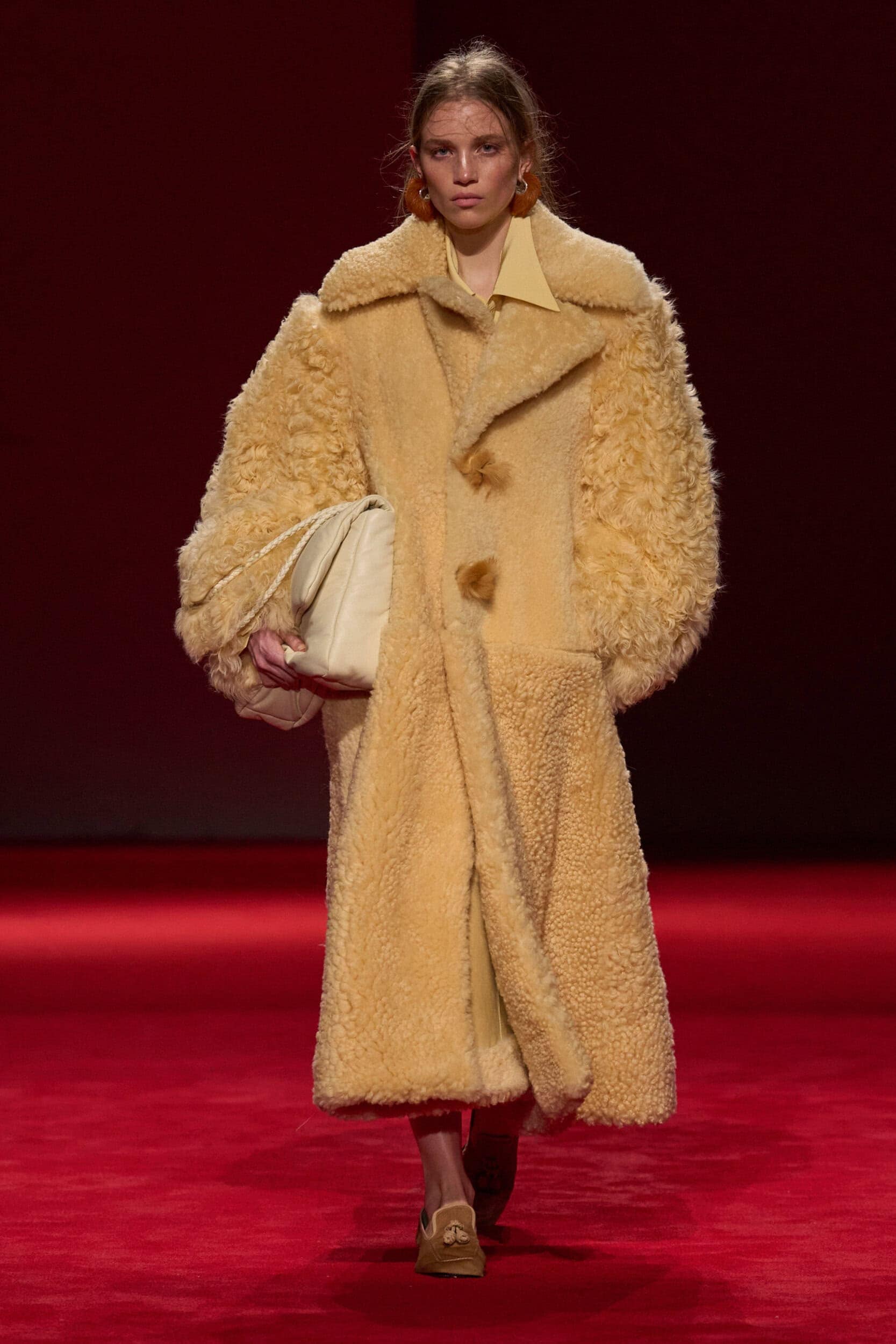
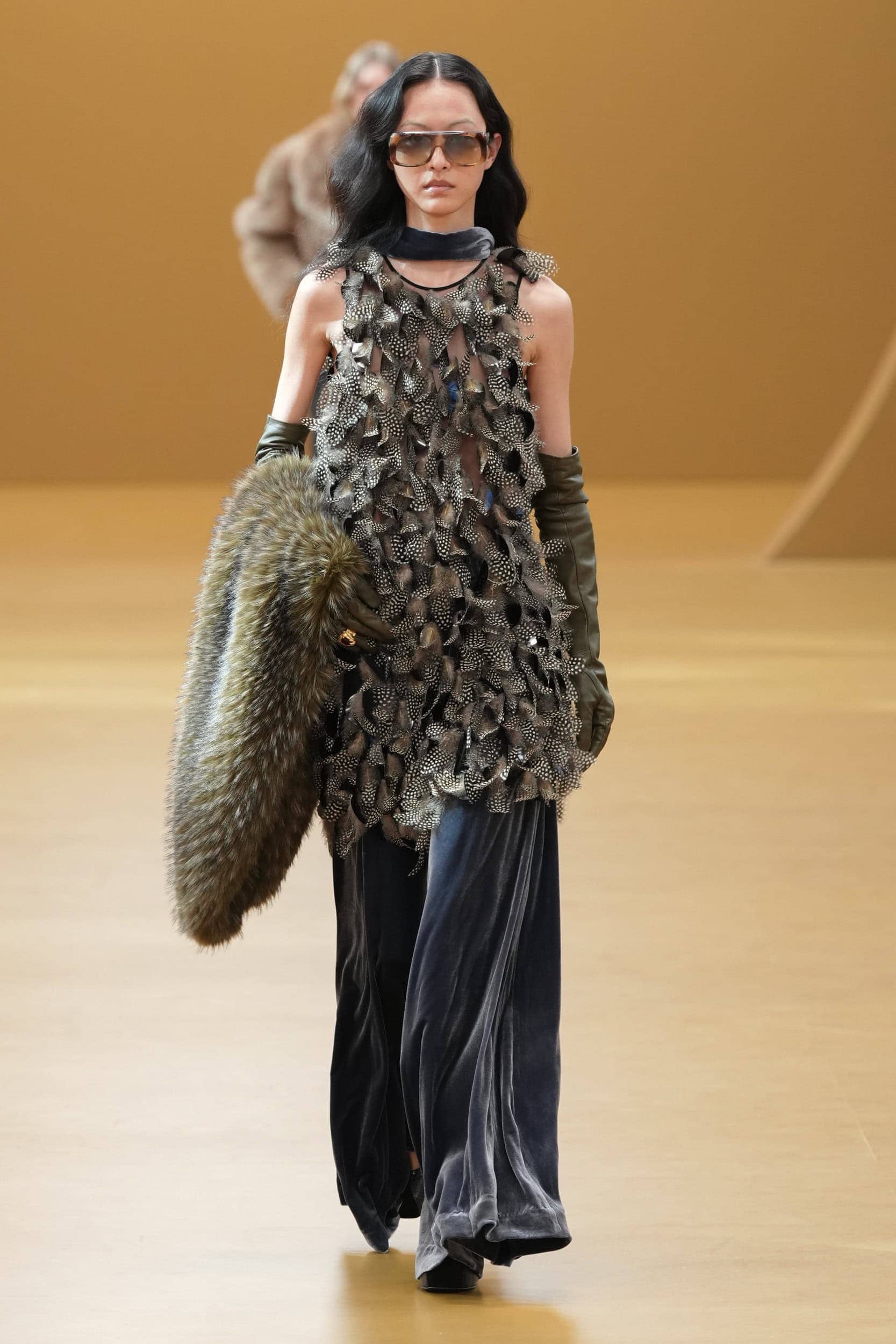
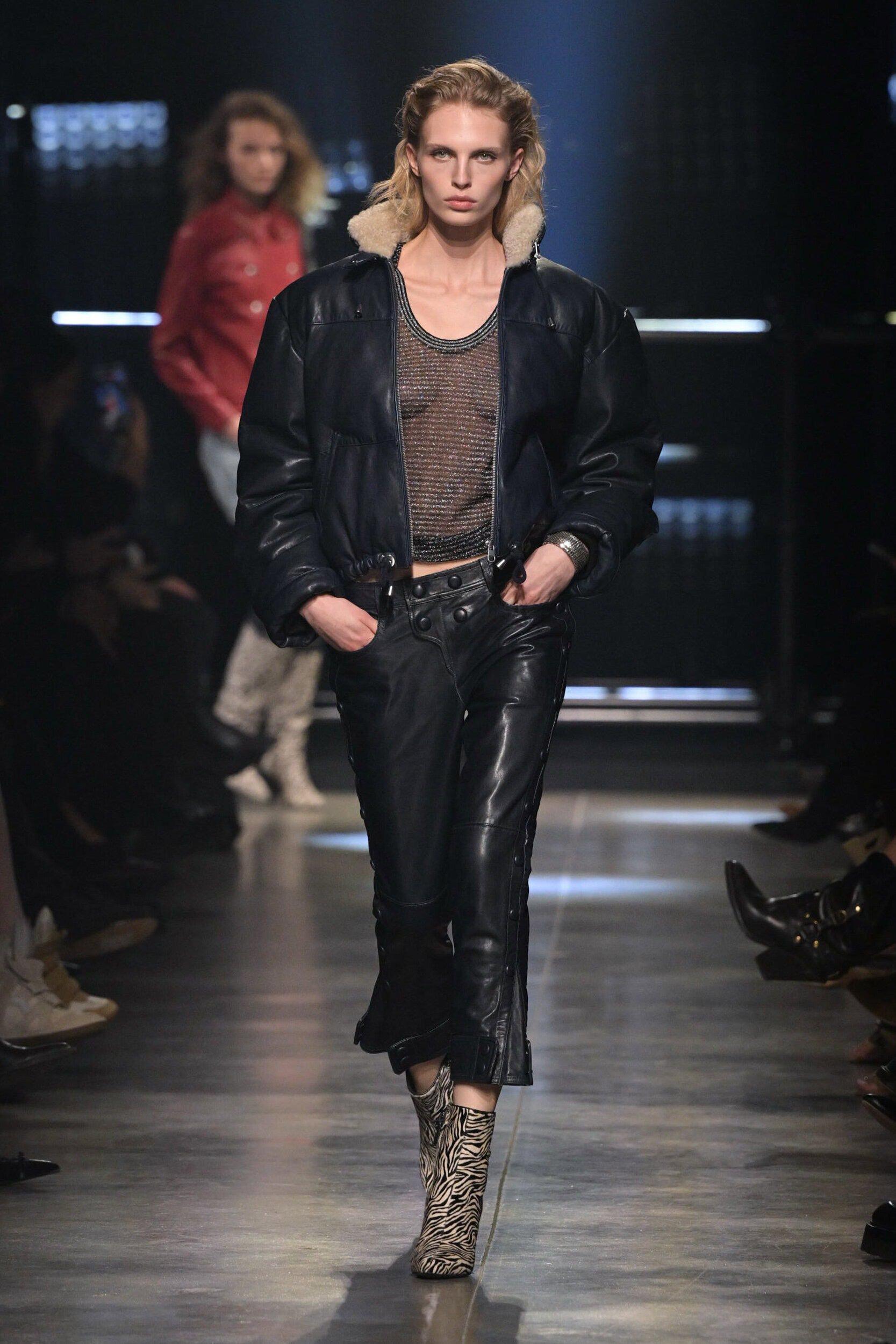
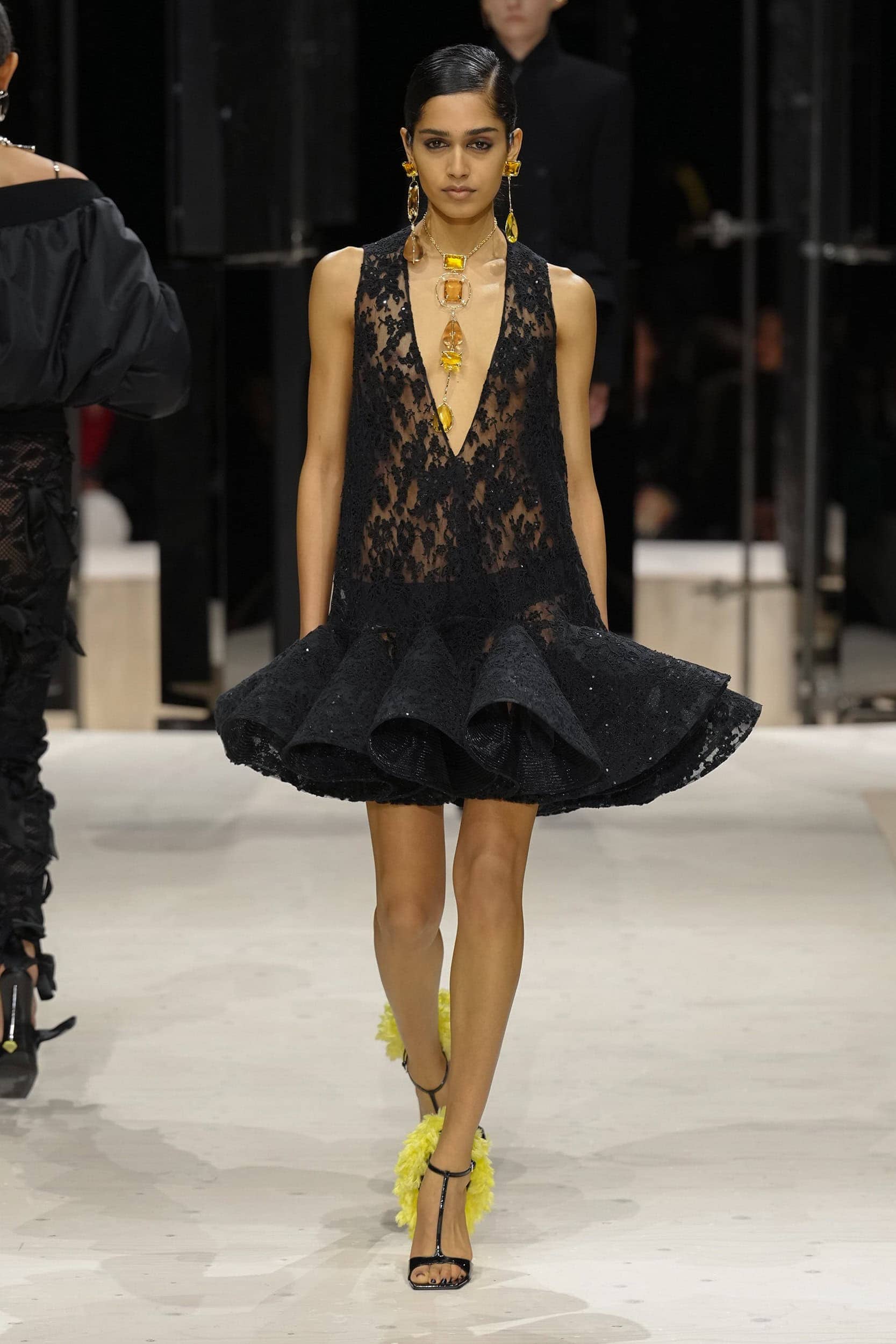
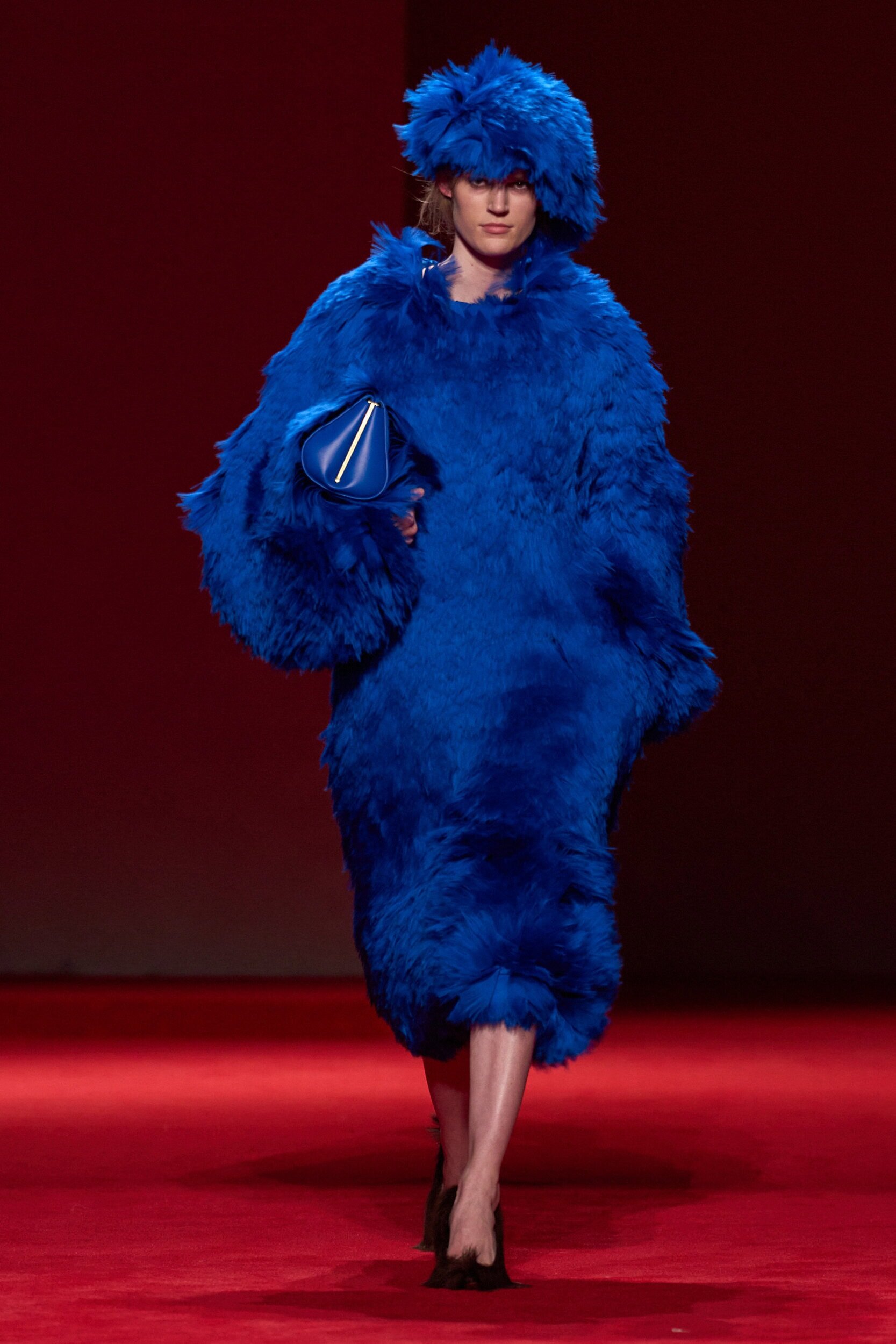
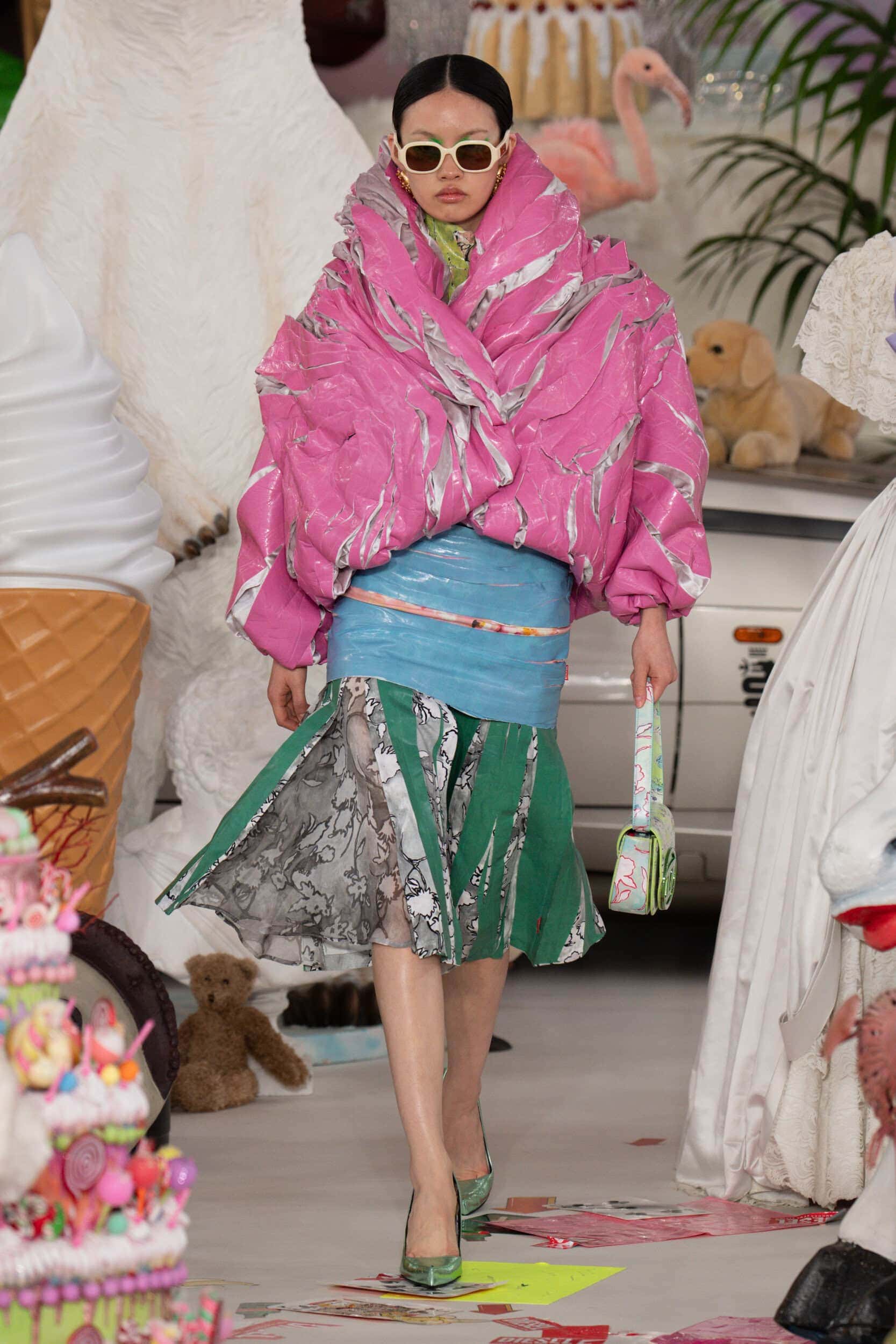
If one wanted proof that texture can carry narrative, Fall 2026 provided it in abundance. Fringe, faux fur, lace, paillettes, velvet, animal pattern, mesh, glossy finishes, and densely worked surfaces appeared across the season with unusual consistency. Material interest was doing far more than embellishing a silhouette; it was often the very thing giving it its force.
There was a tactile intelligence to this emphasis. In a crowded visual culture, surface offers immediacy. It registers in an instant, then reveals complexity on a second look. Many designers seemed fully aware of that dynamic, building collections that played with light, movement, and touch in ways that felt sensorial and strategic. At times, these effects tipped toward excess. Still, even that tension felt instructive. The season made a strong case for richness — and for the enduring pleasure of clothes that ask to be looked at twice.
4. Controlled Sensuality
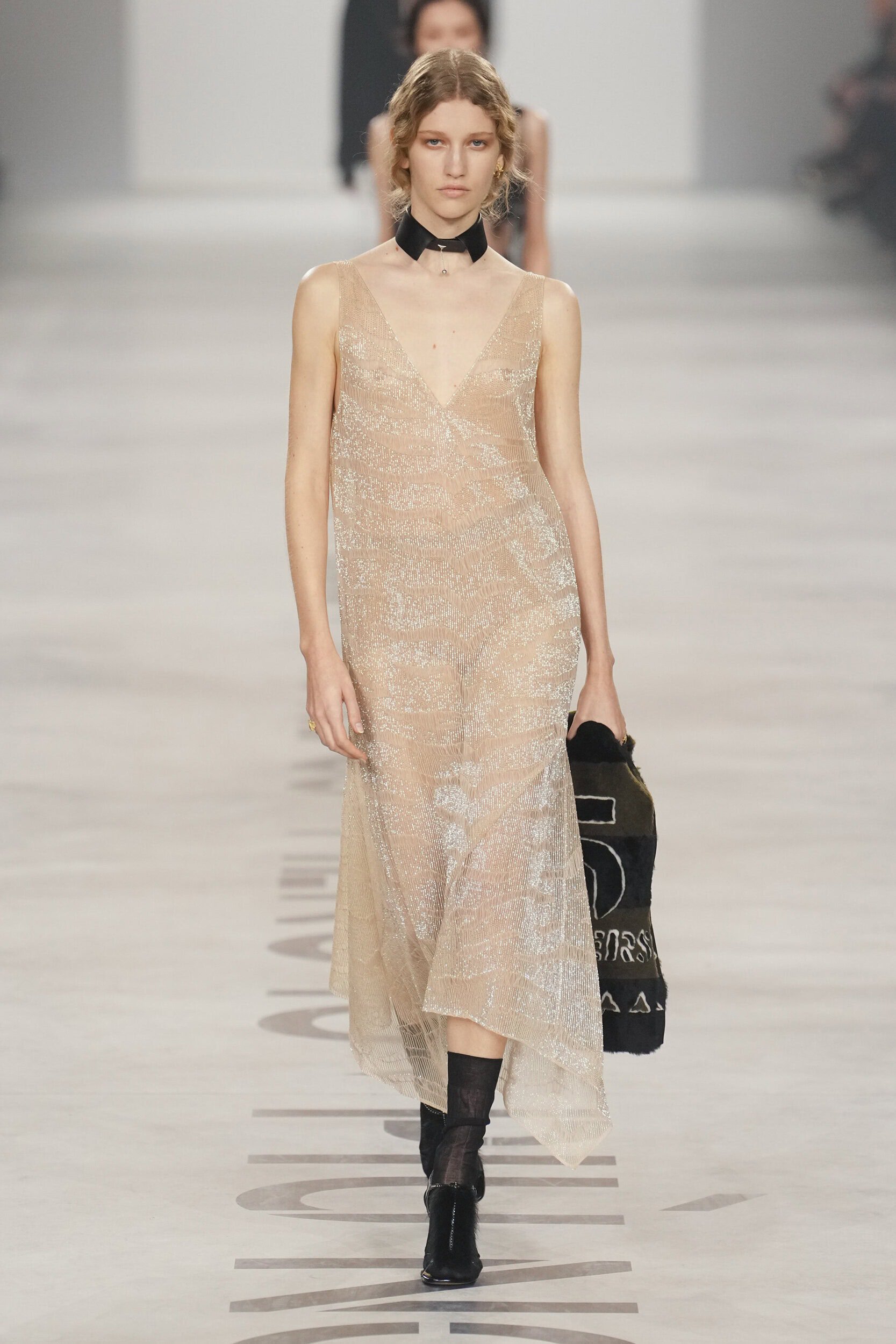
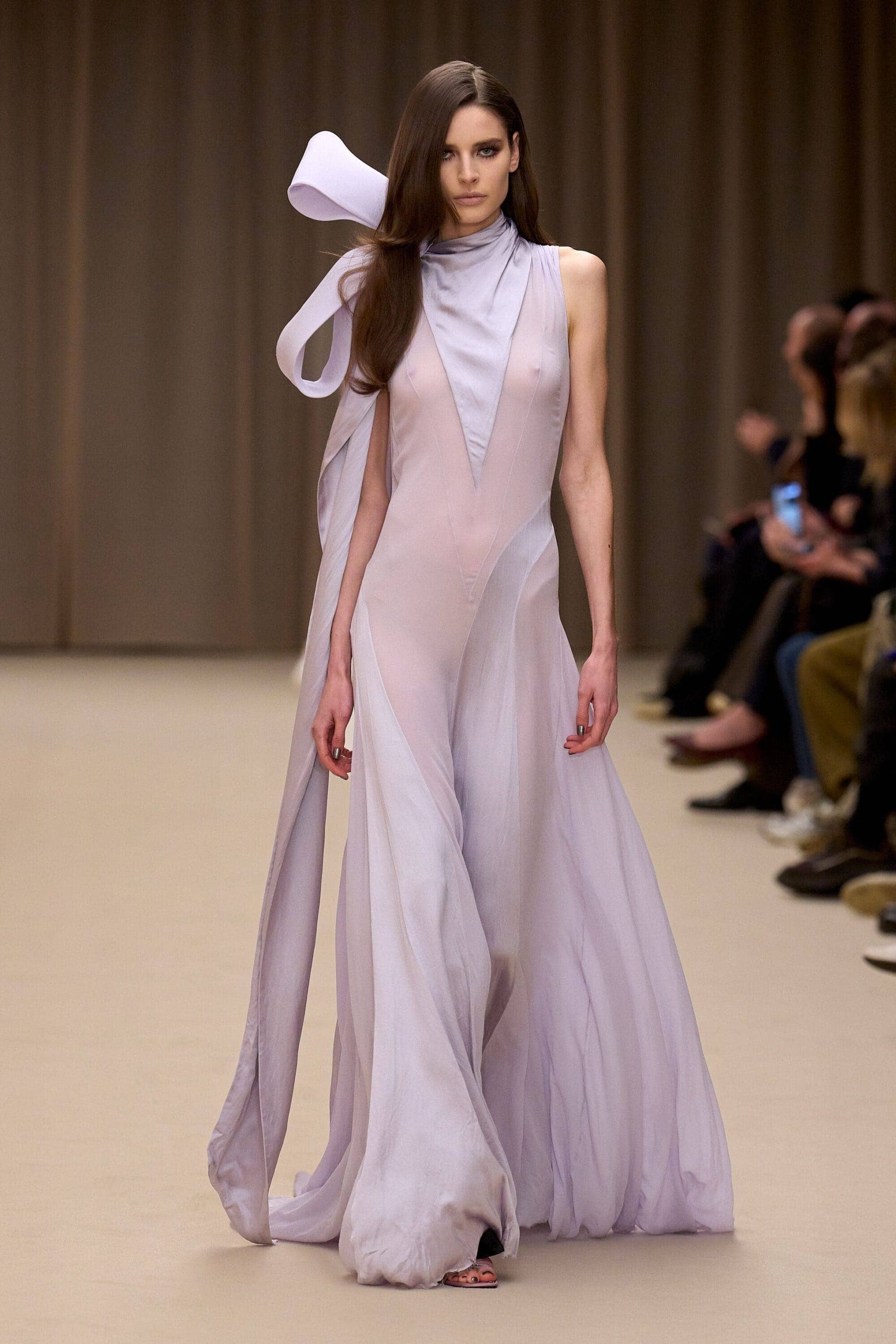
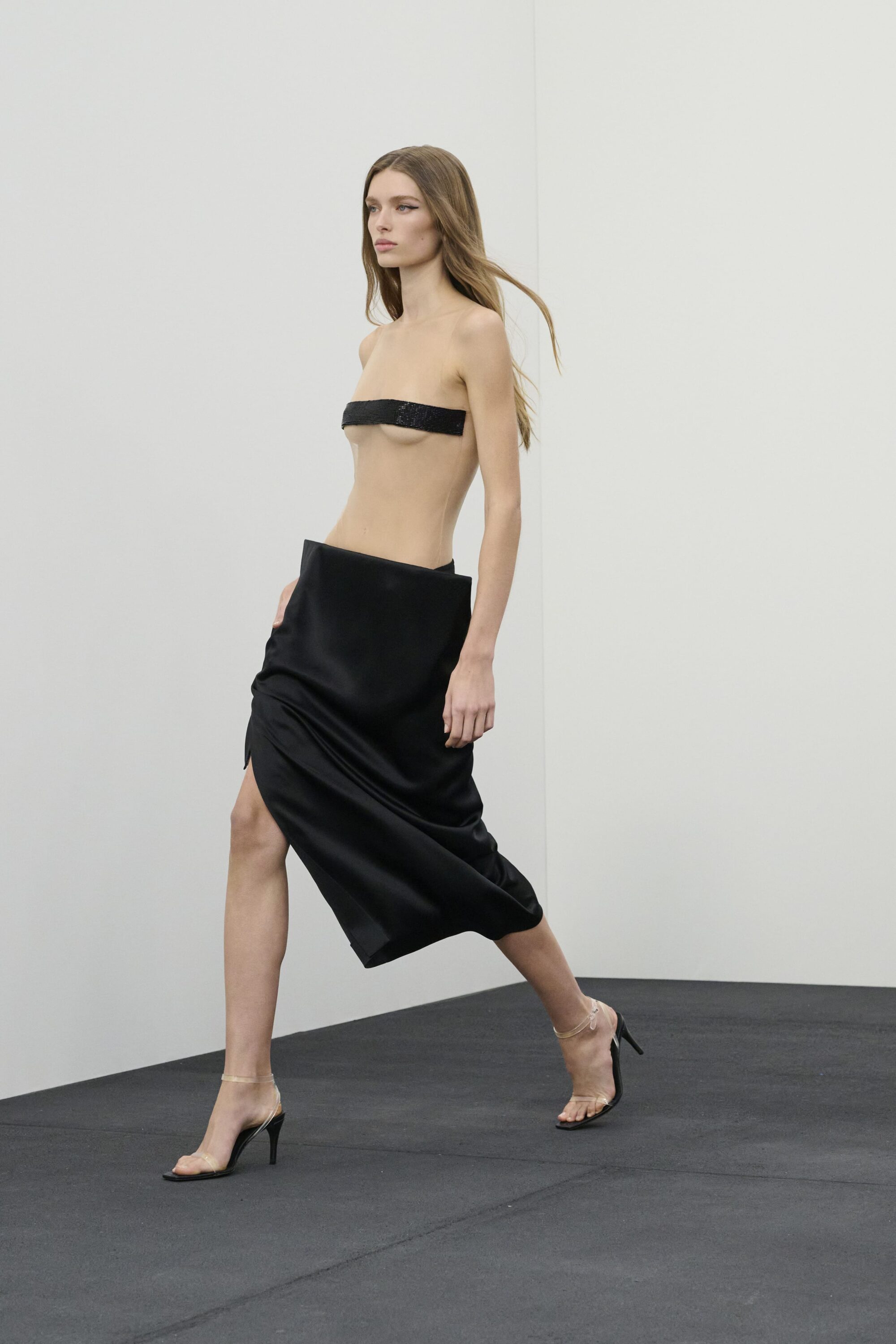
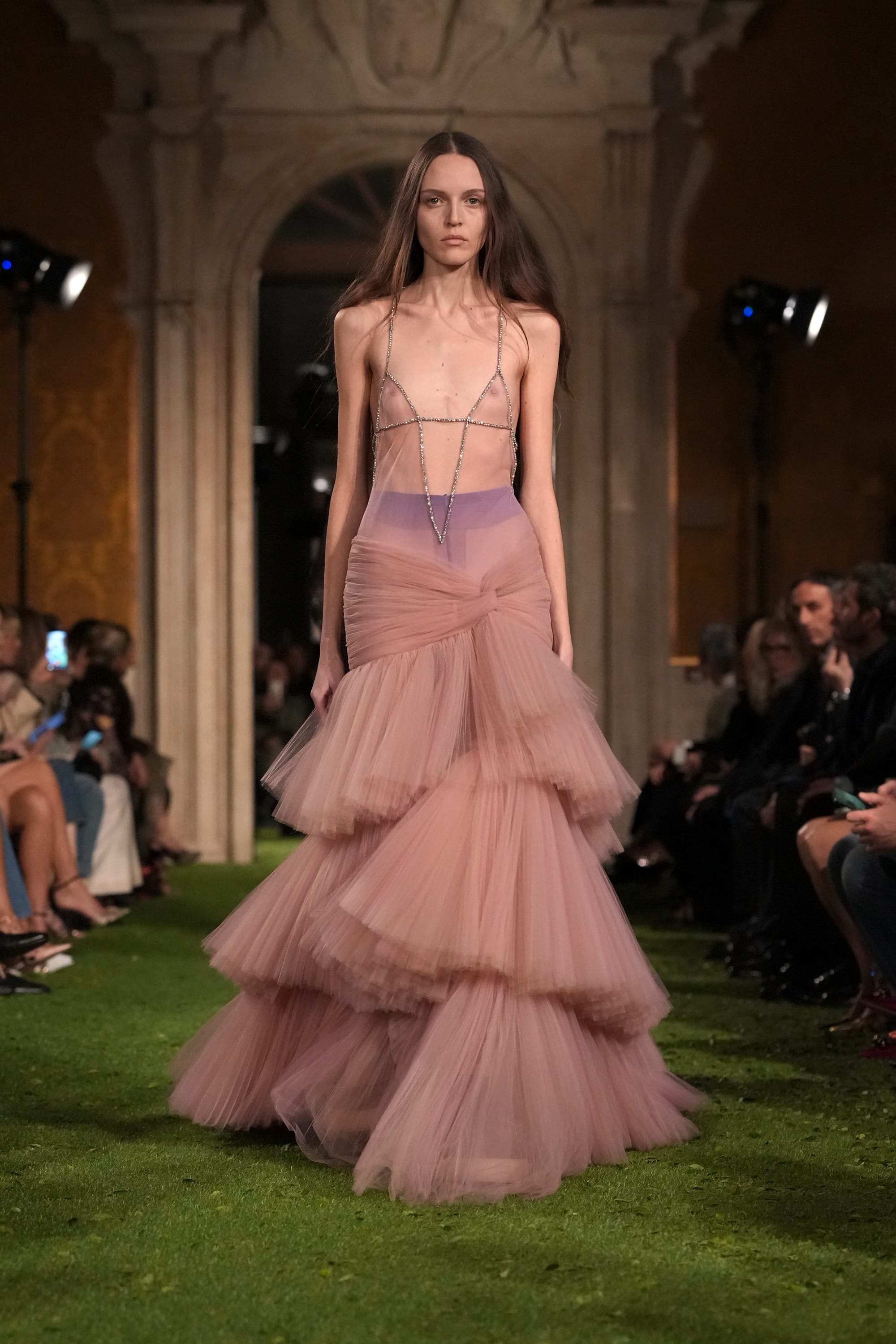
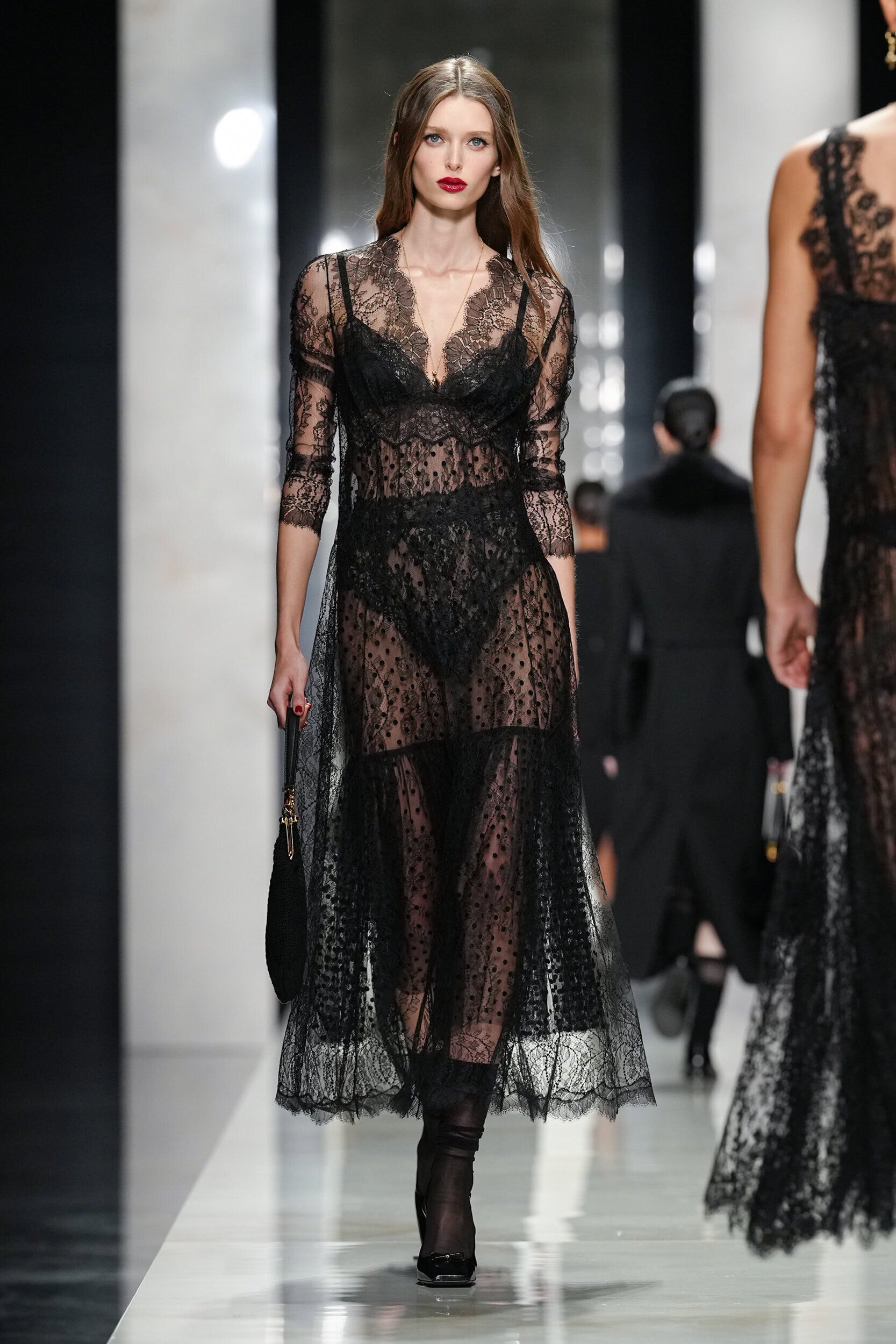
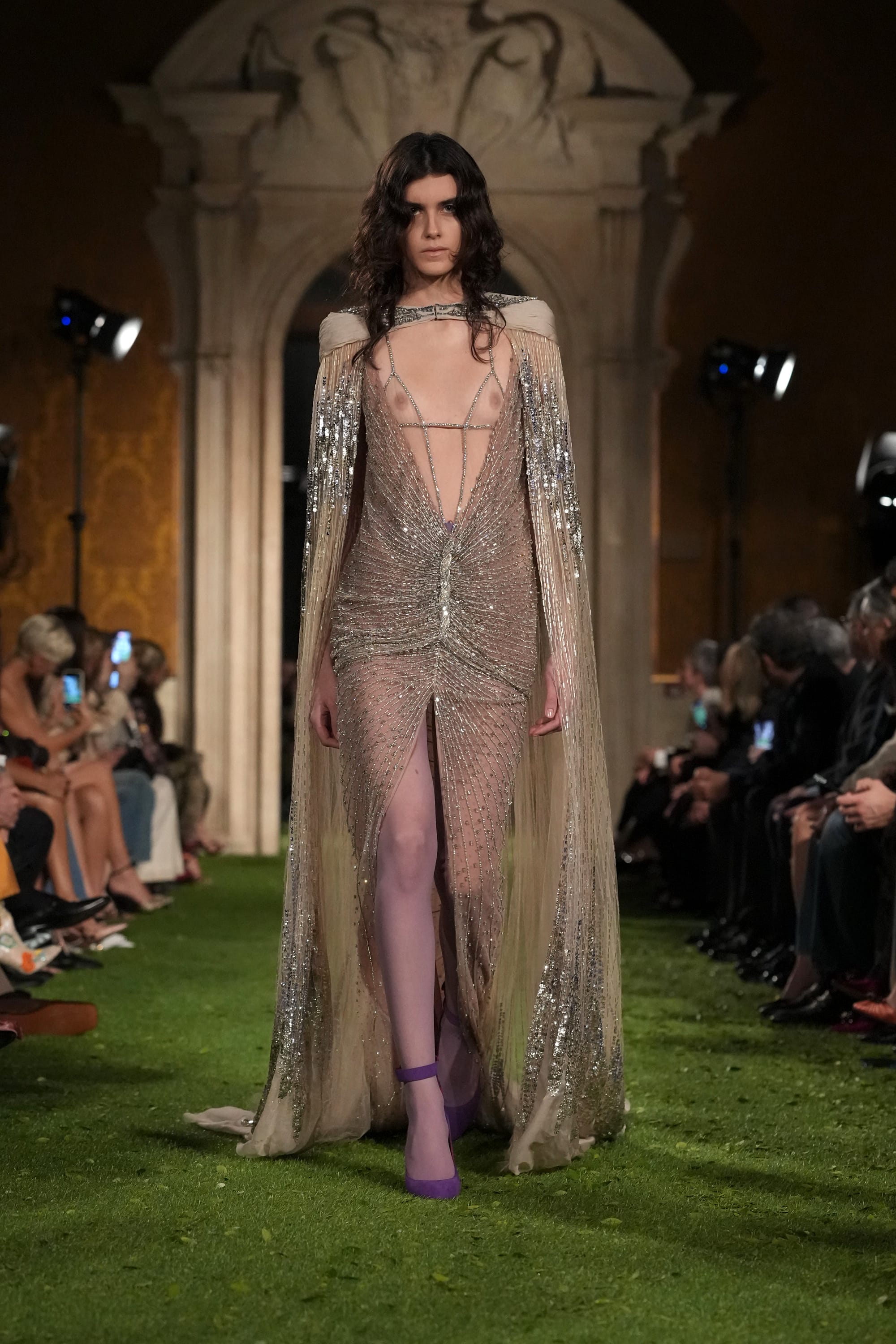
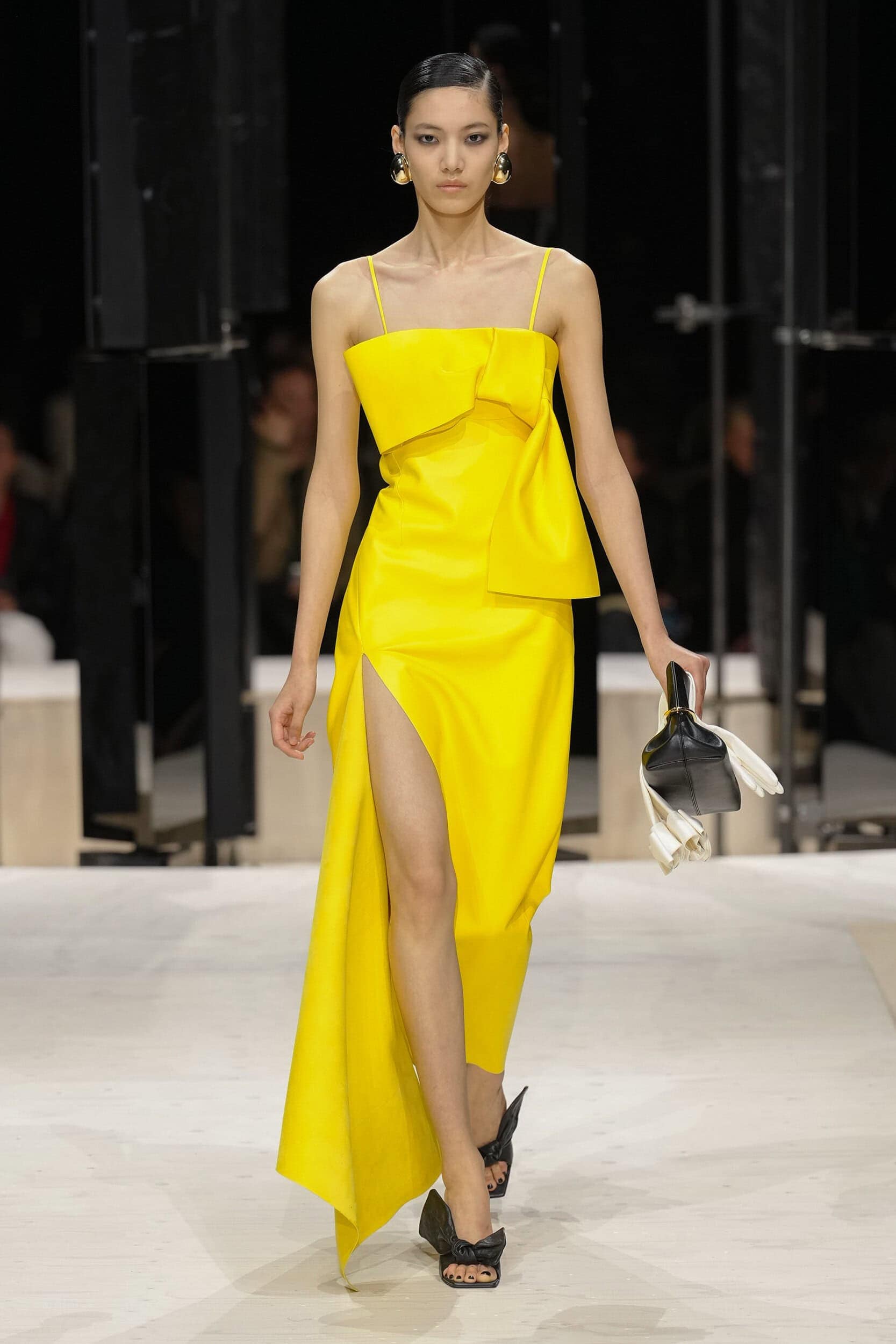
The body returned to the center of the conversation, though with greater subtlety than in flashier cycles of the past. Transparency, cling, slashing, exposed skin, and body-conscious lines appeared frequently, yet the season’s sensuality often felt filtered through intelligence and restraint. Suggestion carried more power than revelation.
That distinction gave the trend its sophistication. Designers seemed interested in the body as a point of tension: revealed, obscured, framed, elongated, or gently provoked into view. In stronger collections, sensuality was embedded in construction and proportion rather than dependent on sheer shock value. A dress could feel erotic because of where it moved, how it skimmed, or what it chose to leave unresolved. That kind of control gave the season a welcome maturity. The message was clear enough without ever needing to shout.
5. Color with Conviction
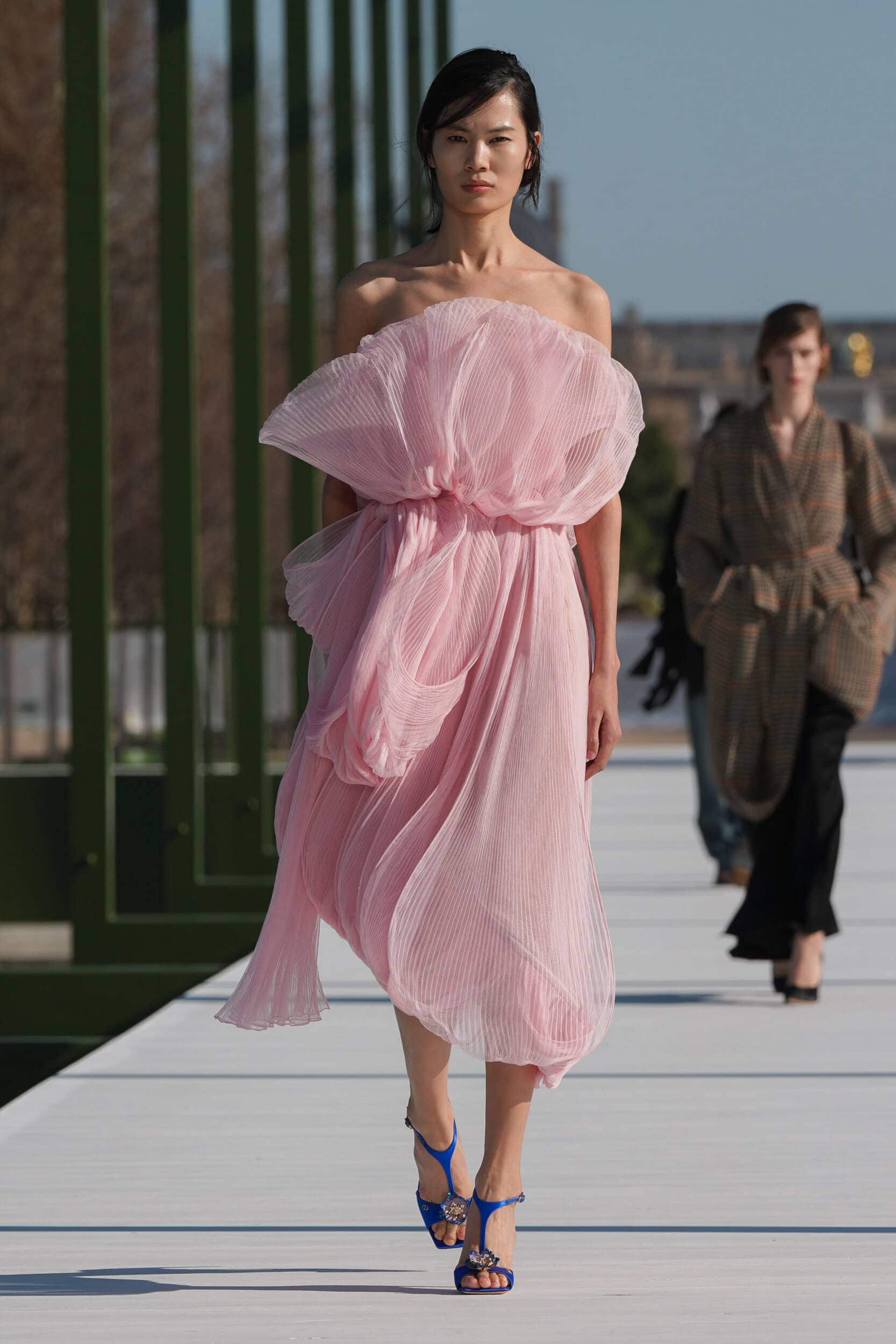
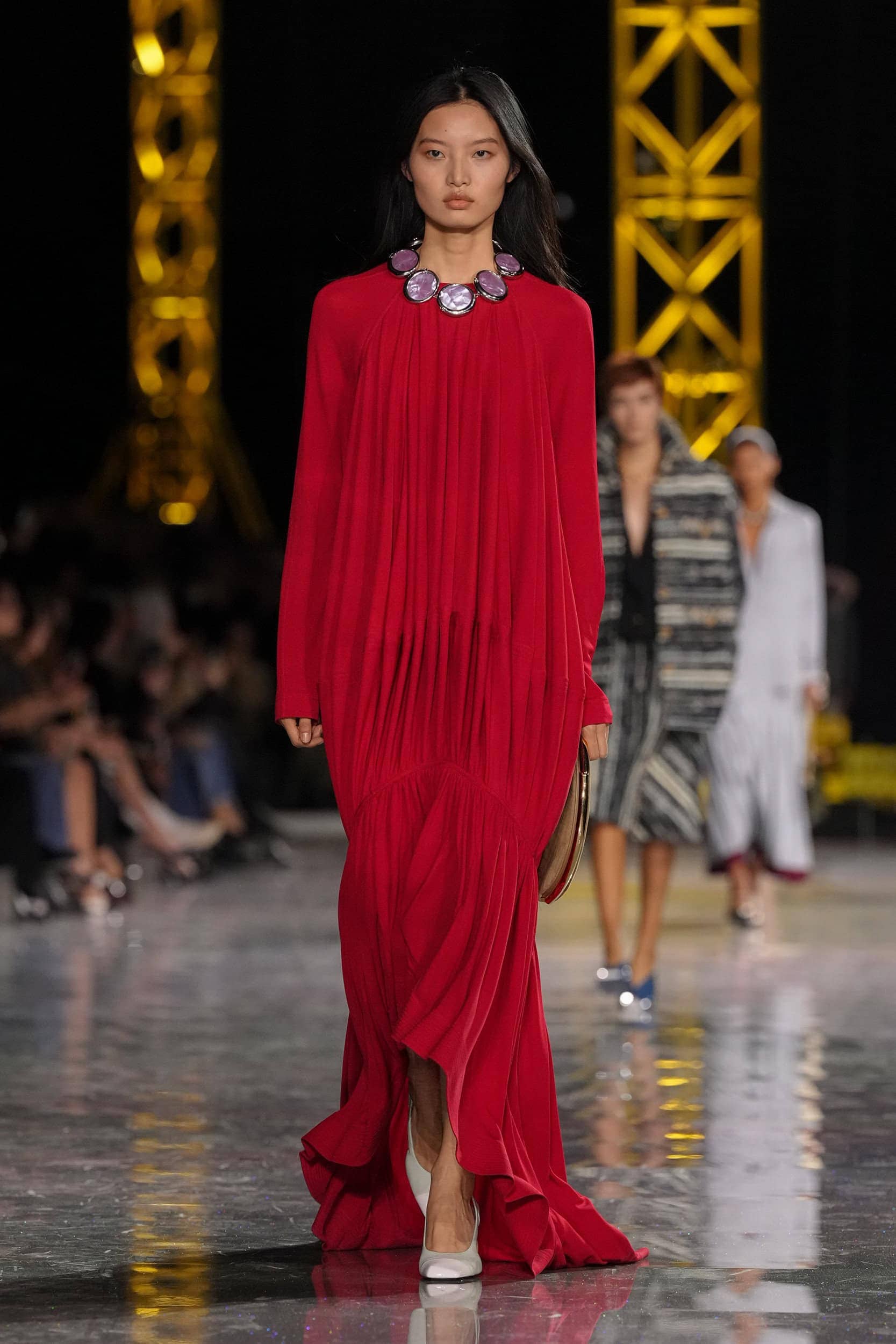
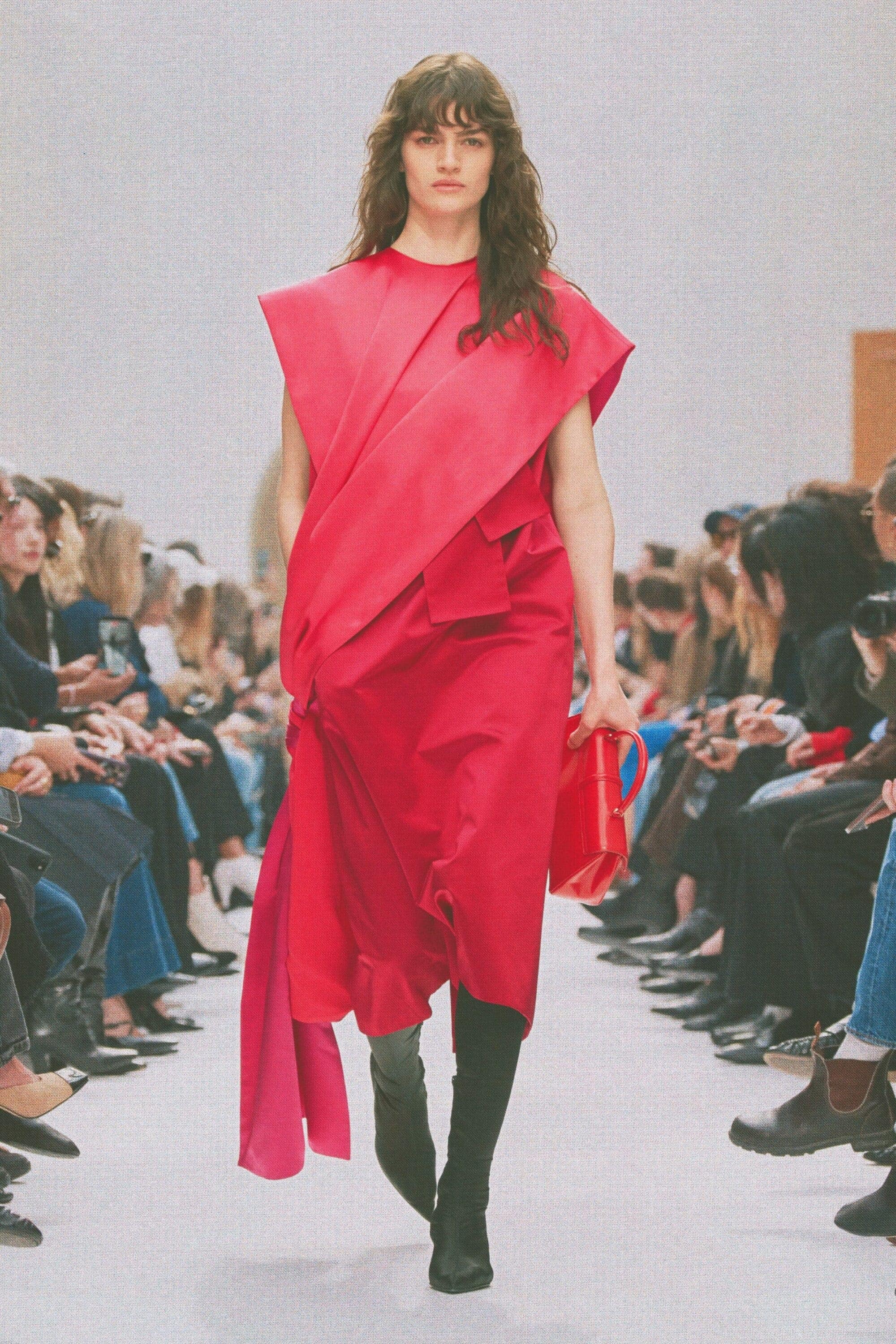
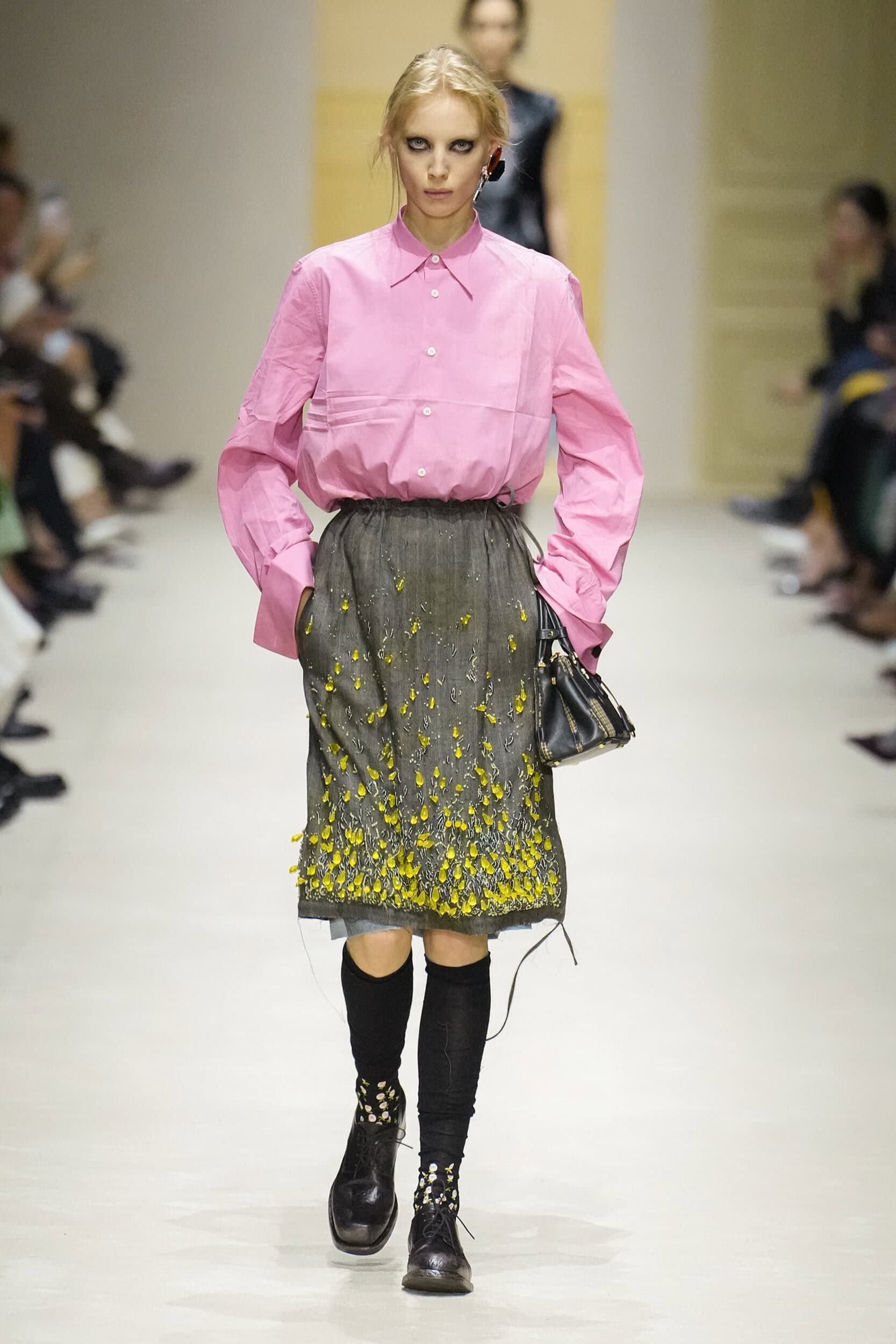
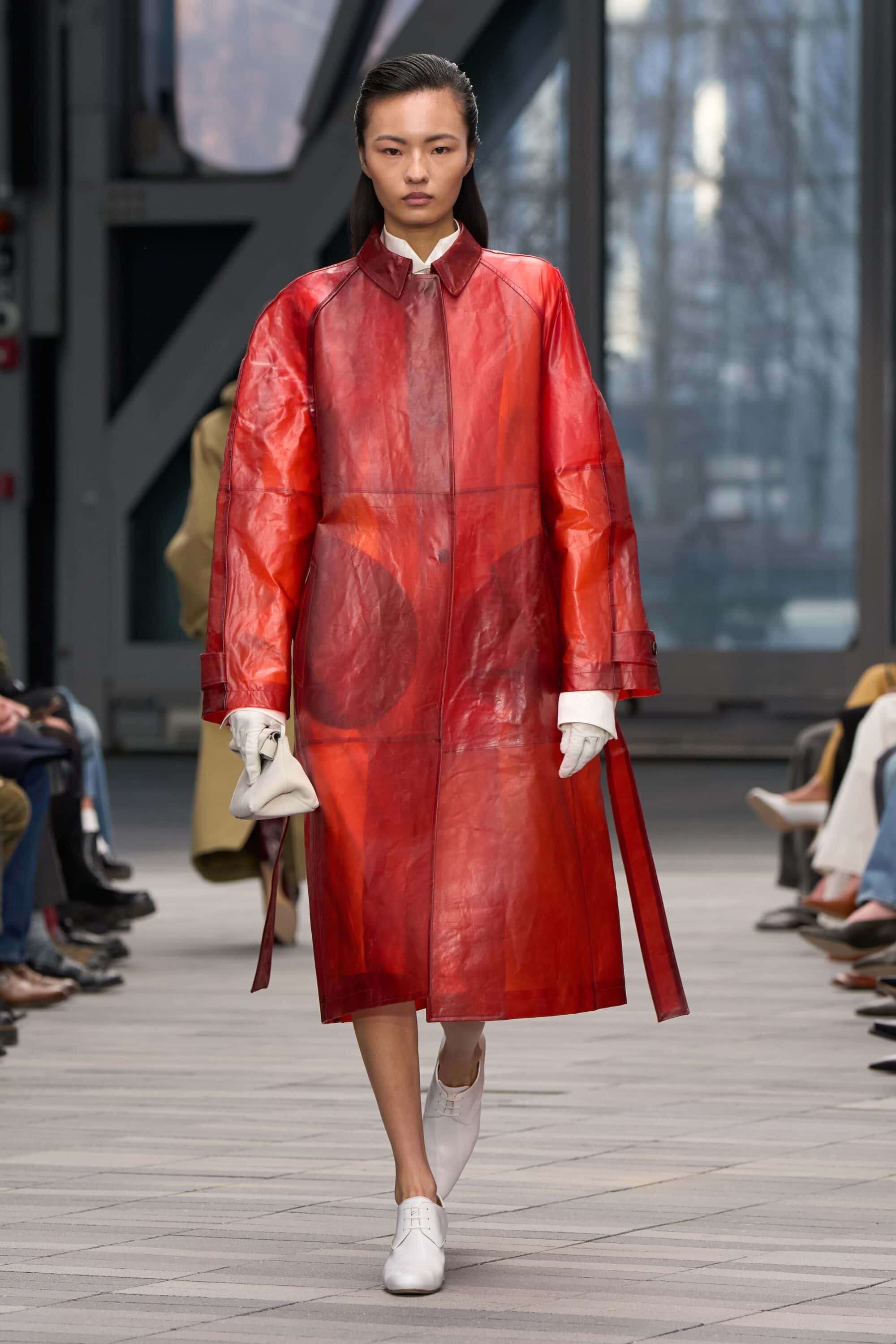
After an extended period in which neutral dressing dominated the luxury conversation, Fall 2026 made a persuasive case for color’s return to emotional significance. Pinks and reds stood out most strongly, though the broader point was one of renewed chromatic confidence. Color came back into the room with purpose.
This mattered precisely because it altered the emotional temperature of the season. Red carries urgency, appetite, danger, glamour; pink can move from innocence to irony to force depending on the hand that shapes it. Designers drew on that expressive range with varying degrees of success, though even the more straightforward uses helped puncture the monotony of muted palettes. In a season so invested in mood, color became one of its most efficient instruments.
What lingers from Fall 2026 is a sense of fashion becoming more legible again in its desires. The season favored romance, structure, tactility, sensuality, and color — five ideas that each, in their own way, restore emphasis. They ask clothes to do more than sit politely within a wardrobe. They ask them to communicate.
That, perhaps, is the larger significance of the season. Fall 2026 suggested a market and a creative culture newly receptive to conviction. The strongest runways understood that fashion still thrives on tension: discipline alongside fantasy, polish alongside personality, control alongside feeling. When those elements came into balance, the results felt persuasive. When they did not, the effort was still revealing. Either way, the season gave us a clearer picture of where fashion’s appetite currently lies — and it appears to be hungry for presence again.