From fastvertising to value, how brands can connect with a generation shaped by uncertainty
By Steven Faerm
As the fashion industry prepares for 2026, the only certainty we have is that things are – and will continue to be – uncertain. Global change is a constant, whether we’re talking about tariffs, politics, or the rise of Gen Z as a financial force to be reckoned with.
Gen Z may be enigmatic, which has only intensified the industry’s need to understand what truly motivates them. Before they spend money on your brand, they need to be convinced. Which marketing tactics are most impactful for this rising generation? How can you use them to build brand loyalty and convince them to buy from you? What’s the best way to navigate Gen Z’s sometimes paradoxical priorities? Here are some strategies that work.
Tip #1: Keep up with the culture
The days of months-long planning for marketing campaigns are gone. Today, culture moves at the speed of light and if your brand doesn’t keep up, you’ll be out of the zeitgeist before you know it.
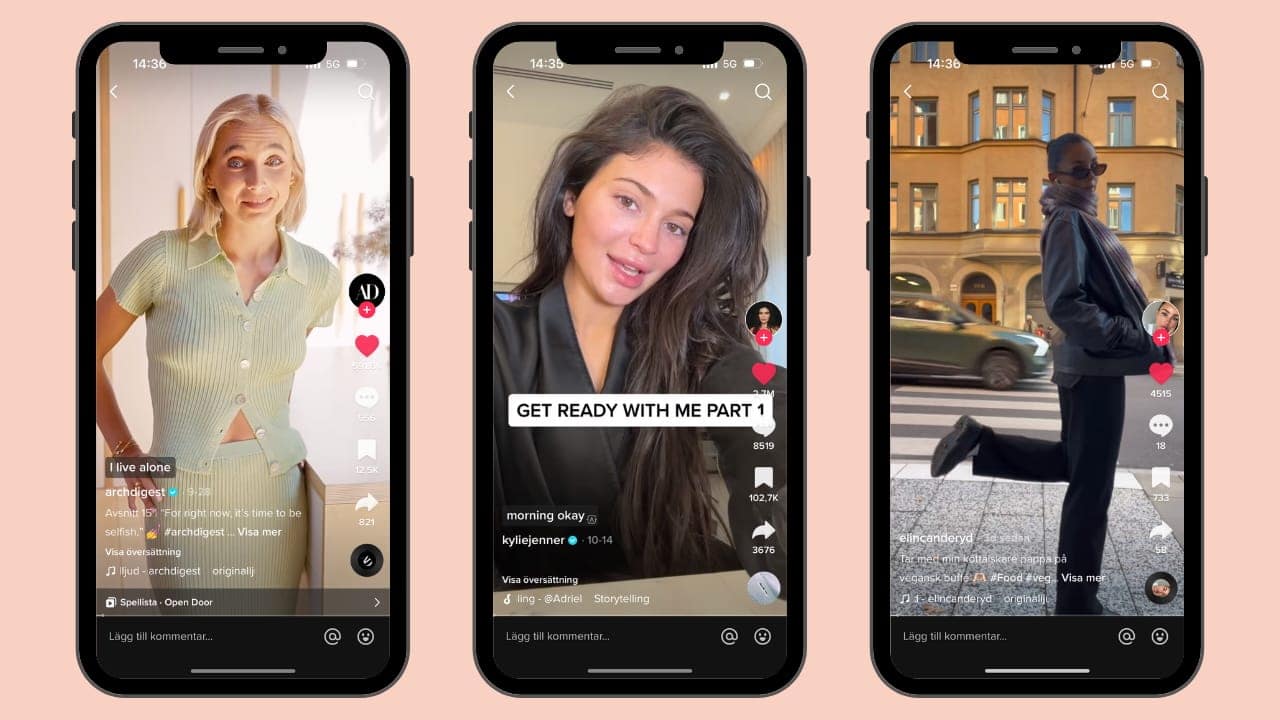
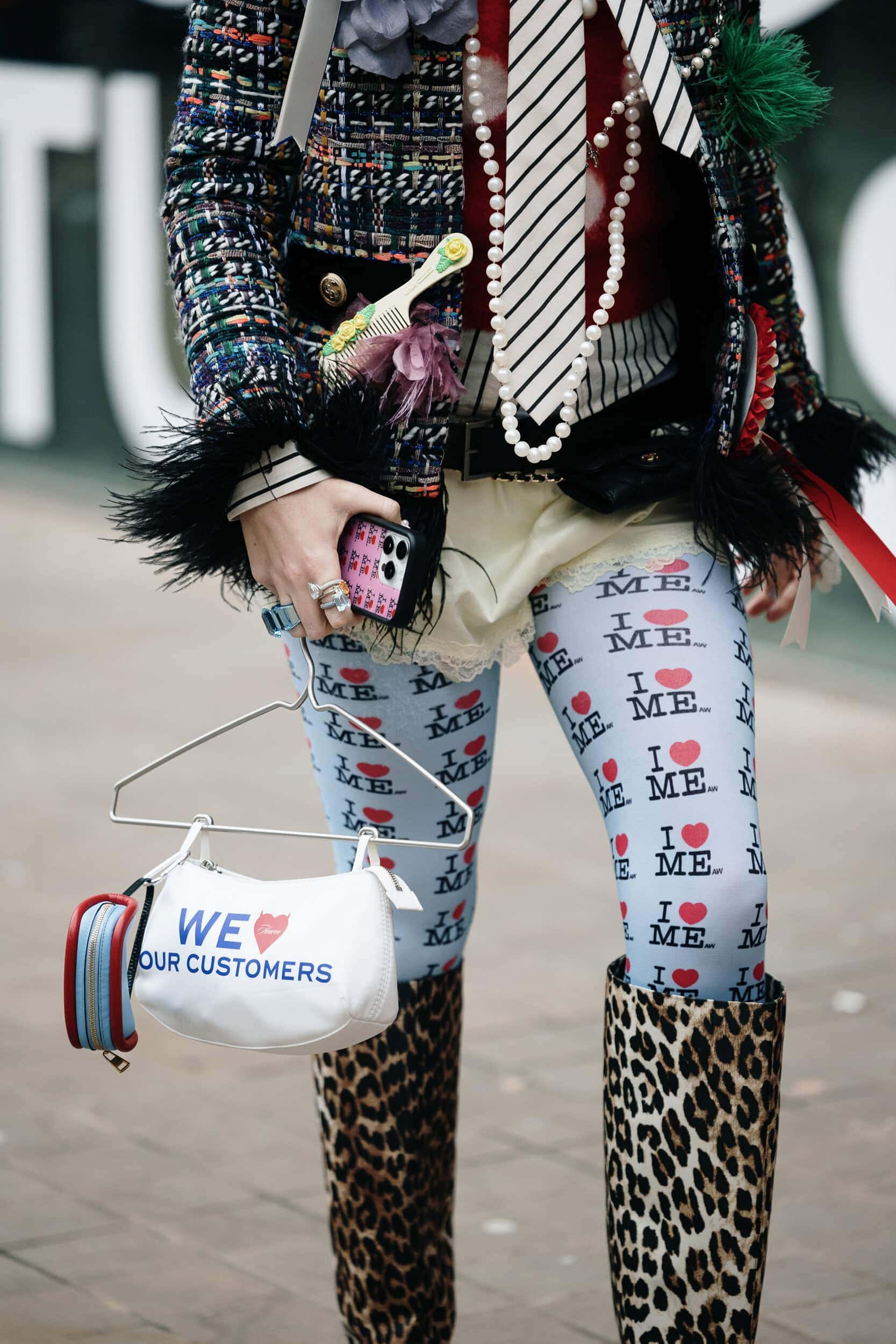
The key is something Harvard Business Review has dubbed fastvertising: marketing that arises from the ever-evolving culture around fashion and turns audience participation into branding, whether that’s responding to TikTok micro-trends or participating in cultural moments in real time.
Speed and relevance matter if you want to create shared experiences that elevate your brand. We’re living in vulnerable times, so sharing content with some humility and humor can help you connect with your customers and speak directly to what they’re feeling.
Tip #2: Tap into Gen Z’s generational anxiety
There’s no denying that Gen Z has been shaped by the world around them. These are young people who experienced The Great Recession of 2008 and COVID-19 in their formative years. They know what it is to be uncertain, and that’s made them anxious and hyper-focused at the same time.
On the one hand, financial anxiety might lead to reduced spending and a desire to save for the inevitable “rainy day” of a future recession or economic downturn. Gen Z is still willing to spend money on things that matter to them, and that’s where fashion brands can meet them in the middle. For brands, this means positioning fashion not as impulse spending, but as an intentional purchase tied to identity, longevity, or emotional payoff.


Tip #3: Recognize Gen Z’s ambition

There’s a tendency, particularly among those of us who have been in the fashion industry for a long time, to view younger generations as being lazier or less ambitious than we were. When it comes to Gen Z, that generalization couldn’t be further from the truth.
I’m seeing a sense of renewed ambition in my undergraduates these days. They know they can’t count on economic stability, so they’re creative and focused on making their own luck. Brands can tap into these feelings by turning fashion into something dependable and escapist at the same time by offering reliability in quality while still providing emotional escape.
On a related note, we can also look at fashion as an opportunity to assist Gen Z with their ambitious goals. Fashion has always been aspirational, and Gen Z is an ideal market for fashion that speaks to what they hope to be.
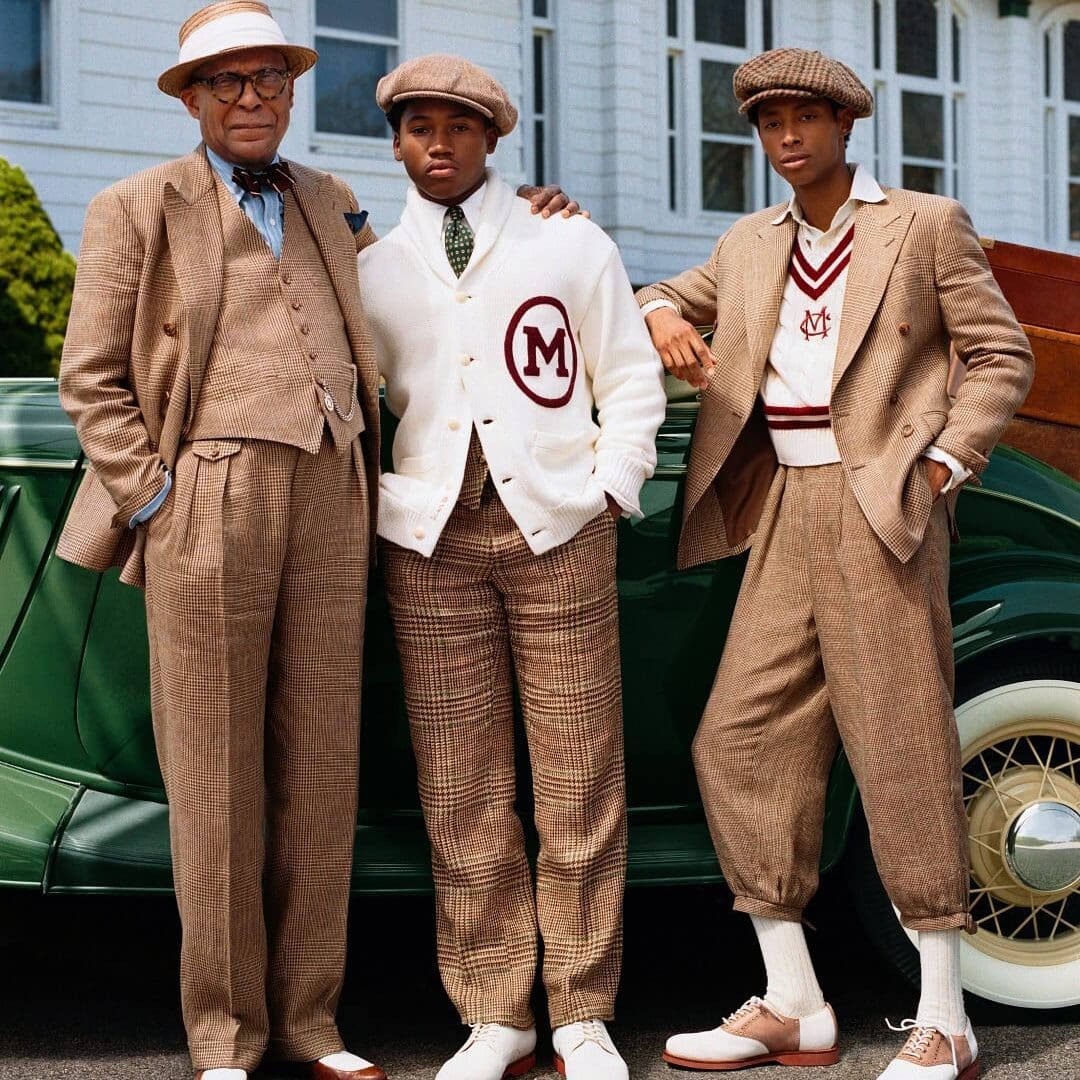
Tip #4: Embrace Gen Z’s longing for simpler times
Tip #5: Focus on providing value

Tip #6: Create meaning and sales will follow
One thing we’ve learned about Gen Z is that, while they may be financially conservative in some ways, they’re still willing to splurge at times. A PwC study revealed that Gen Z has cut back their spending on everyday items but will spend more for luxury items that feel meaningful to them.
Likewise, they’re more likely than older generations to search for coupons and discount codes and to wait for items to go on sale before they purchase. The key for those of us in the industry is to create meaning when we can to engage Gen Z shoppers. Meaning, not discounts alone, is what ultimately converts Gen Z interest into long-term loyalty.
Teaching Gen Z fashion students has given me a front-row seat to the concerns, ambitions, and preferences shaping a new generation of consumers. While much about fashion marketing remains the same, selling to Gen Z requires a recalibrated approach—one grounded in cultural fluency, emotional relevance, and a deep understanding of how to earn trust. Brands that recognize these shifts, connect meaningfully with young consumers, and deliver value beyond price are far better positioned to build long-lasting loyalty in an increasingly uncertain marketplace.