As the Fall 2026 season comes to a close, a clear pattern emerges. The collections that resonated most were those grounded in identity, authorship, and the evolving language of the houses themselves. Rather than chasing spectacle, designers focused on building wardrobes that could live convincingly in the real world.
The season’s standout shows did not necessarily shout the loudest. Instead, they articulated a vision—of femininity, craft, and modern dressing—that felt both intellectually grounded and emotionally persuasive. From Paris to Milan, the most compelling work suggested a renewed interest in systems of dress that women can inhabit over time rather than fleeting novelty.
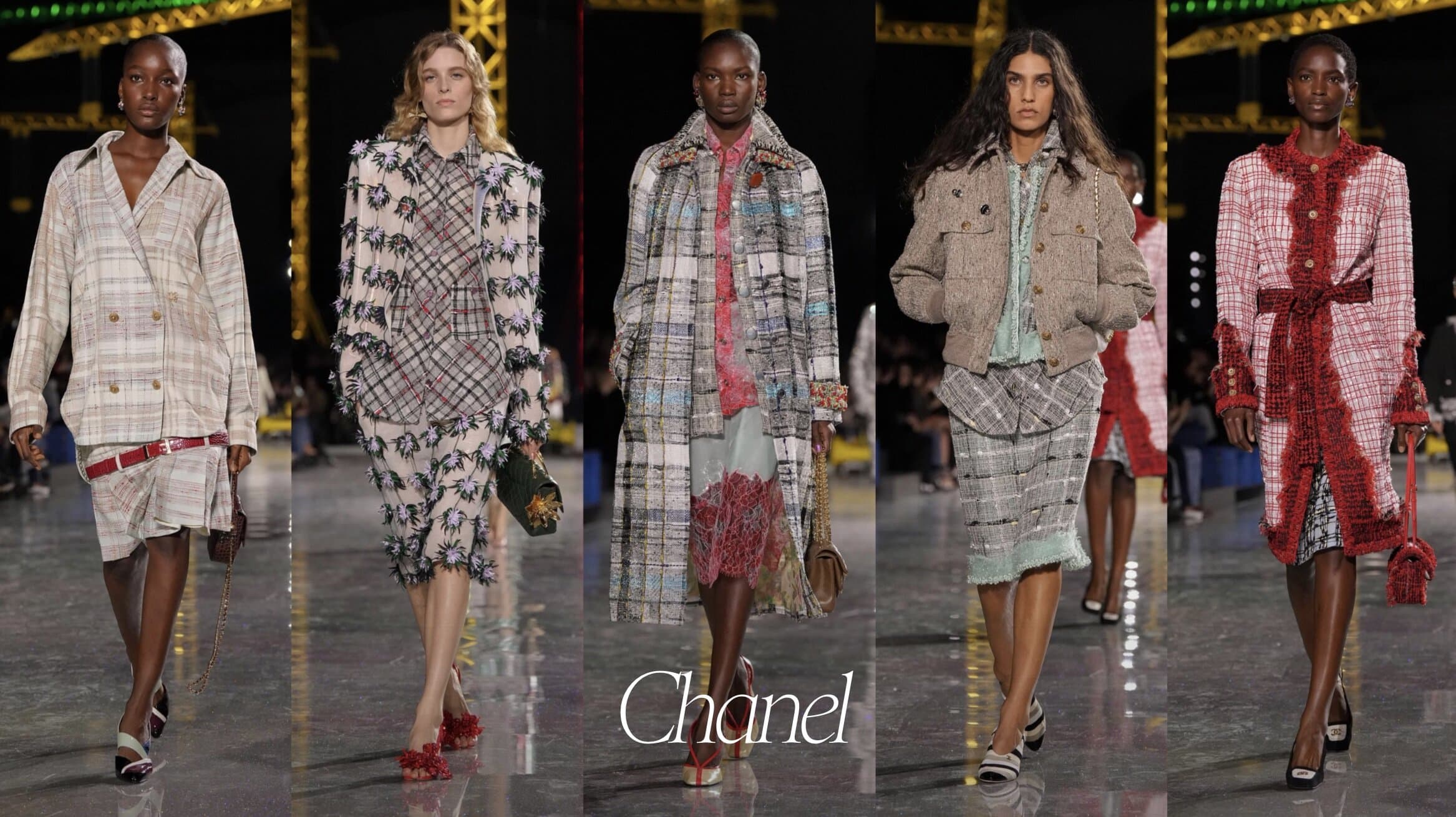
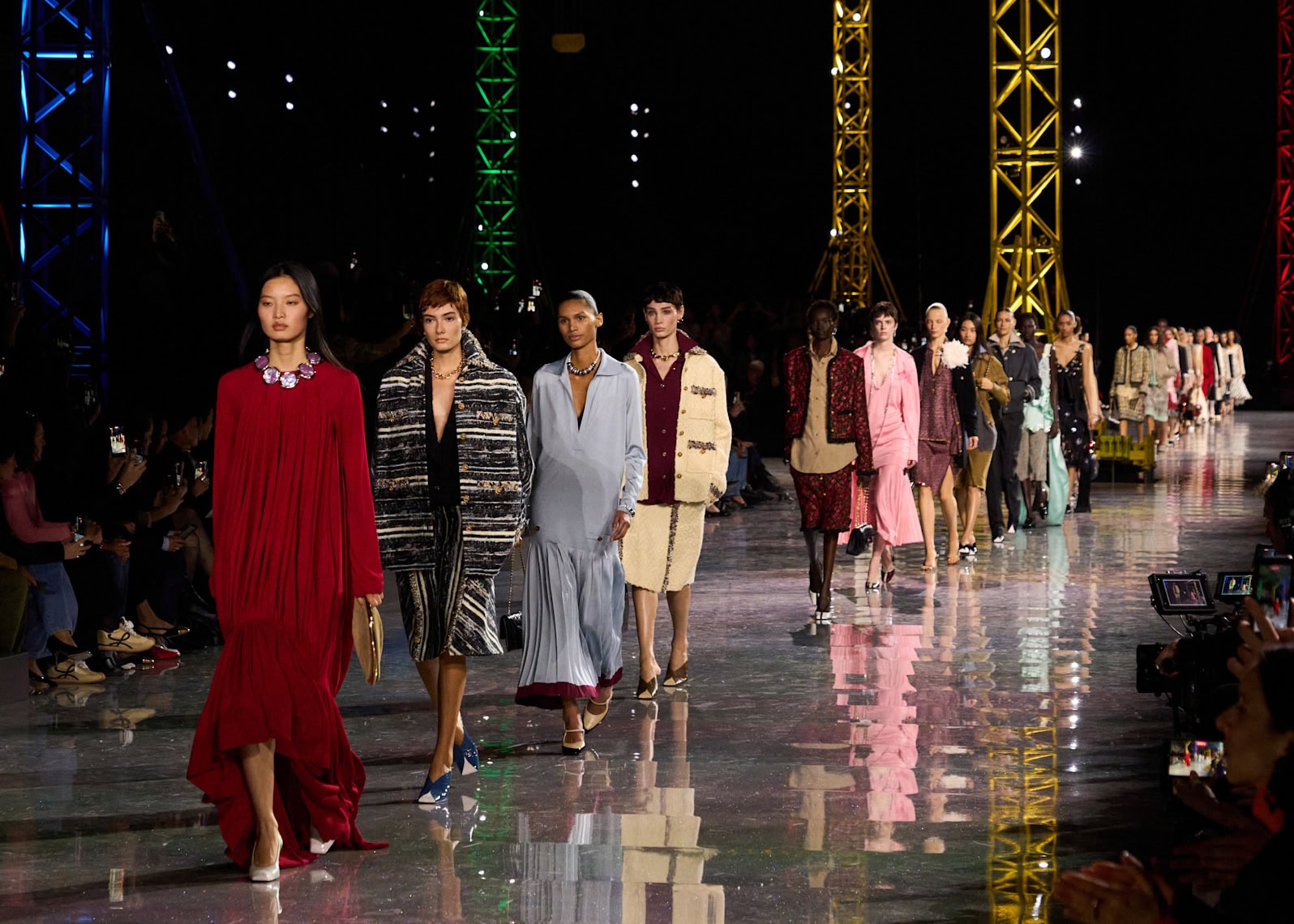
At the top of the list sits Chanel, where Matthieu Blazy delivered a collection that suggested a house actively constructing its future rather than simply resting on its legacy. Presented beneath towering construction cranes inside the Grand Palais, the show framed Chanel as a maison in motion. Blazy’s reinvigorated approach to tweed and his emphasis on craft introduced a renewed vitality to the house codes, balancing reverence with a sense of forward momentum.
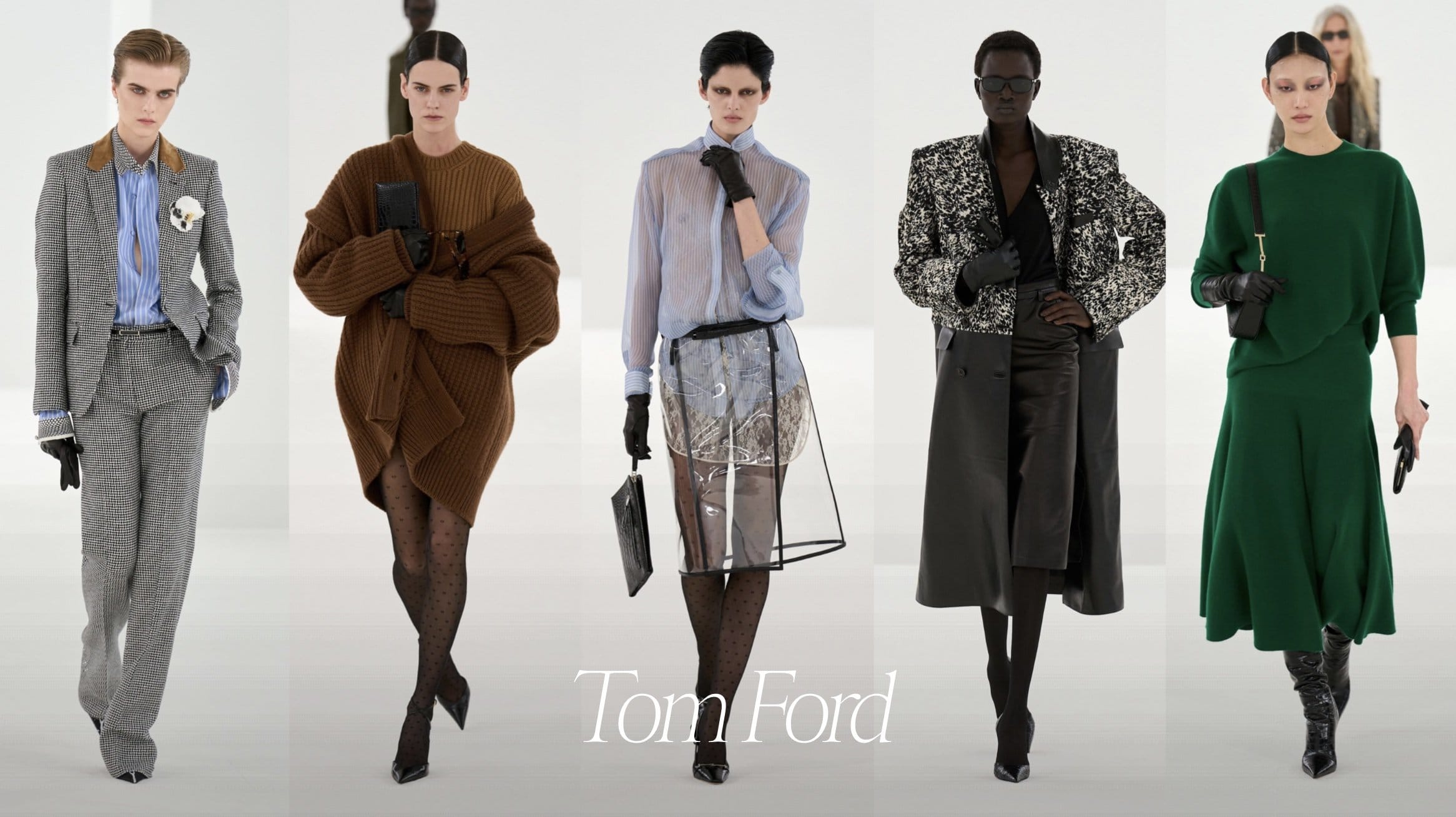
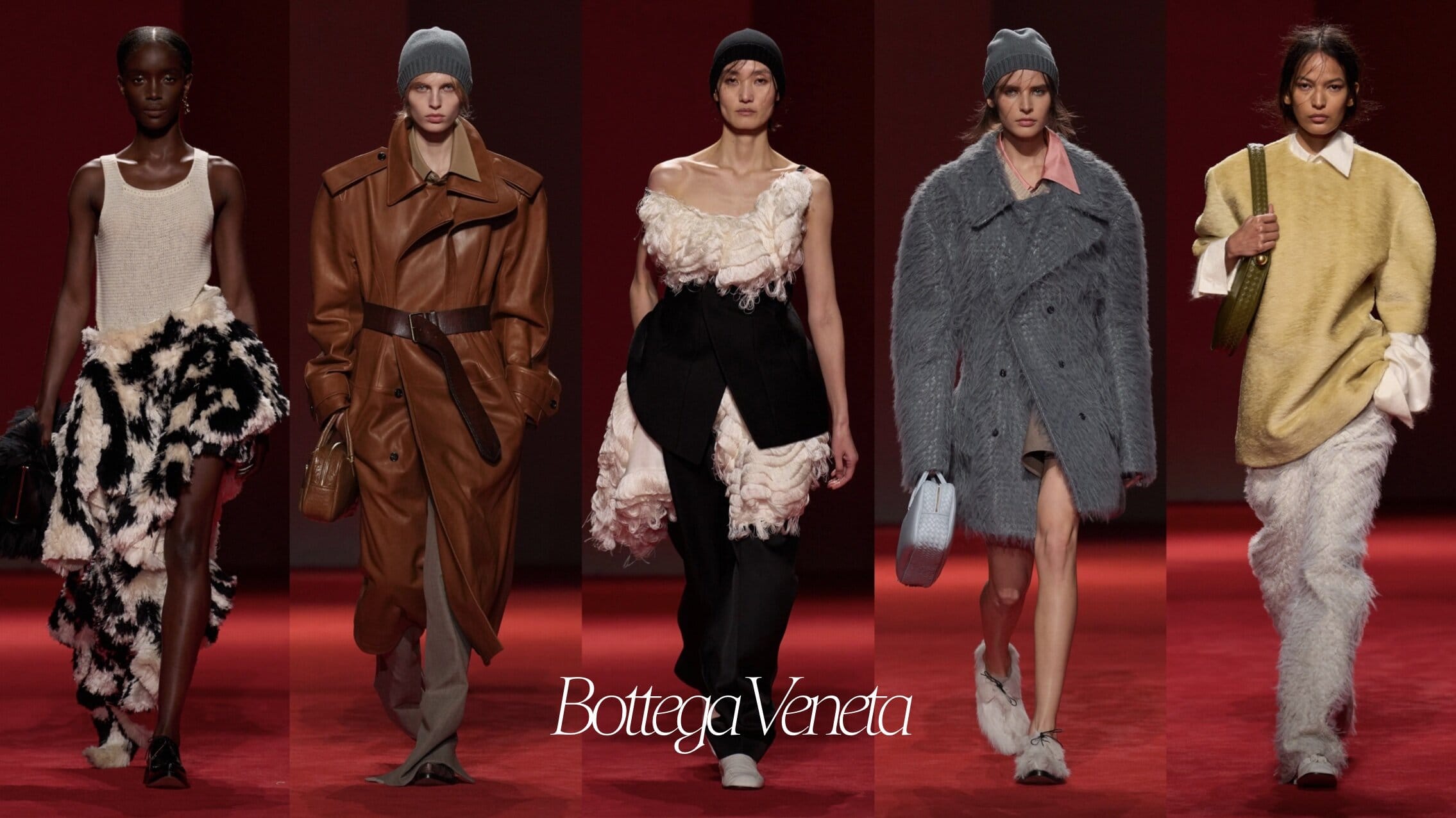
Just behind Chanel, a tie emerges between two houses approaching the modern wardrobe from different but equally compelling directions. At Bottega Veneta, Louise Trotter continued to build upon the house’s language with a collection rooted firmly in the female gaze. While maintaining continuity with the codes established by her predecessors, Trotter’s work subtly reframed the house around a woman-centered perspective—one attentive to the realities of how women move through the world. Meanwhile, Tom Ford delivered one of the season’s most electric statements. Under the direction of Haider Ackermann, the house embraced a sensual, confident vision that felt both contemporary and unmistakably aligned with Ford’s legacy of seductive glamour. Ackermann’s interpretation brought a sharp clarity to the brand’s identity while pushing its language into new territory.
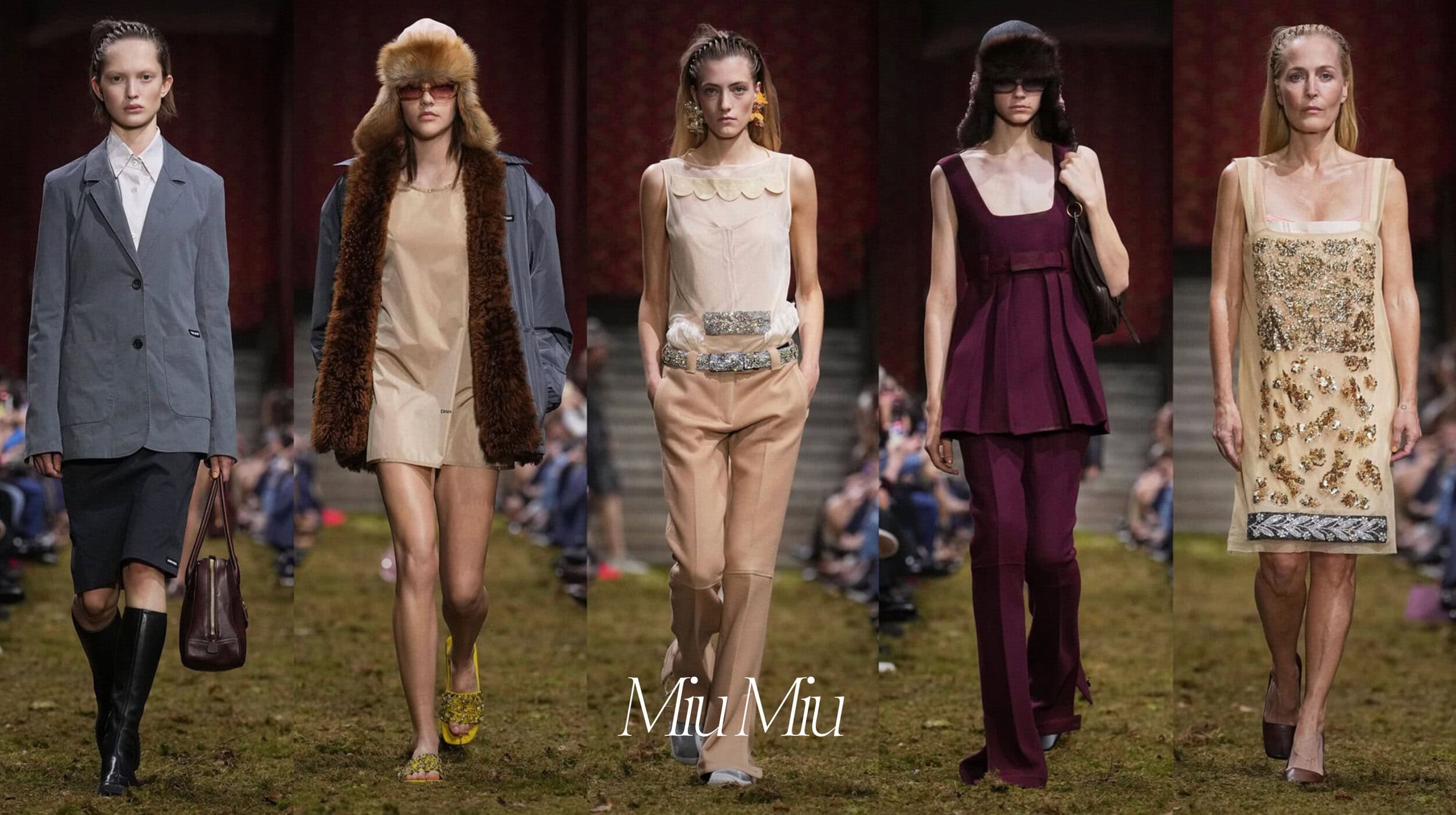
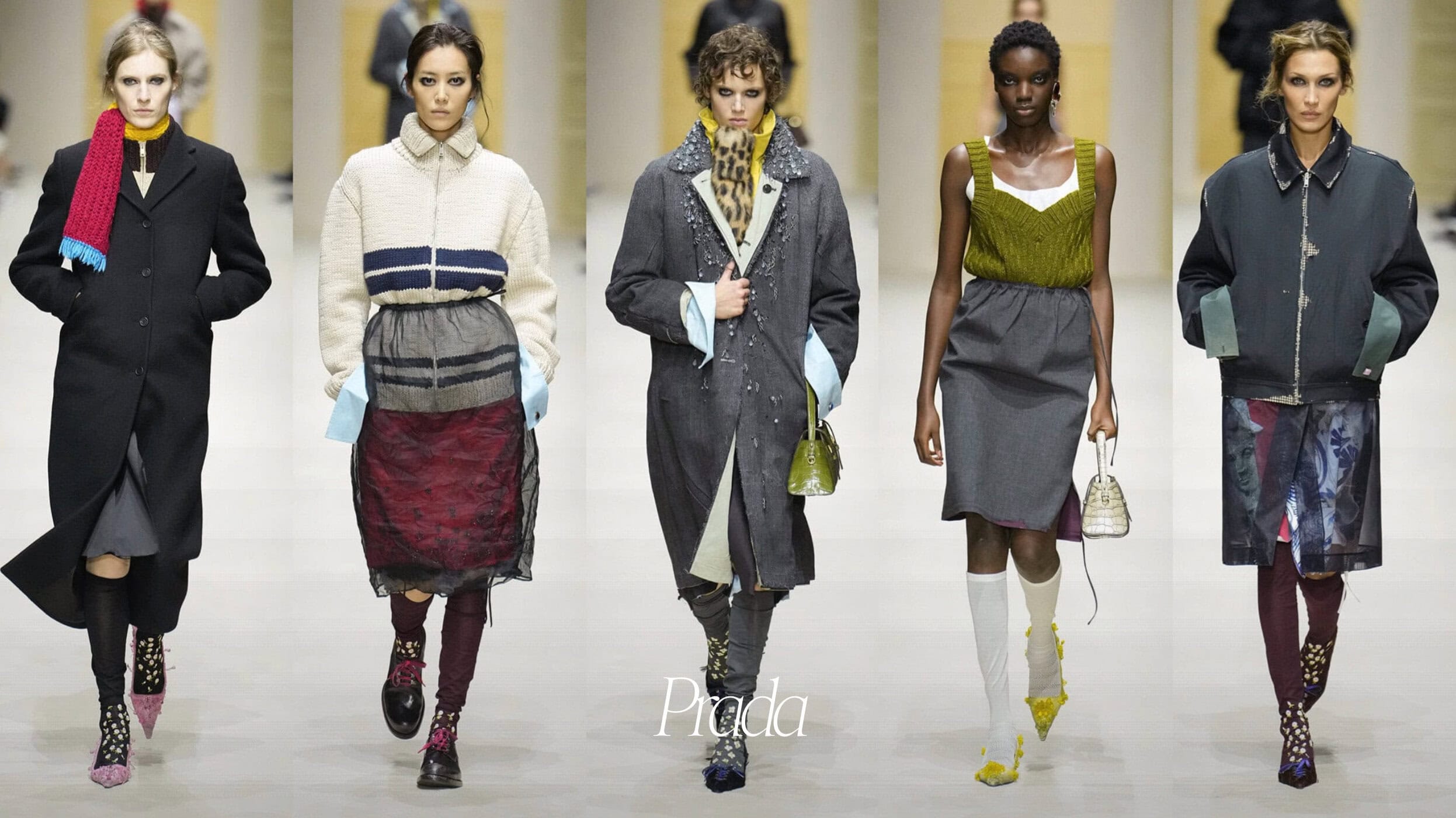
Prada, under the direction of Miuccia Prada and Raf Simons, delivered one of the season’s most intellectually engaging collections. Through a presentation in which looks gradually evolved as layers were removed and styling shifted, the show offered a nuanced exploration of contemporary dressing—mirroring the adaptable, layered way wardrobes function today. At Miu Miu, meanwhile, Miuccia Prada returned to one of her most enduring themes: the human body in relation to the vastness of the world around it. There, the clothes moved toward simplicity and intimacy, proposing a wardrobe that foregrounded the quiet significance of the individual rather than spectacle.
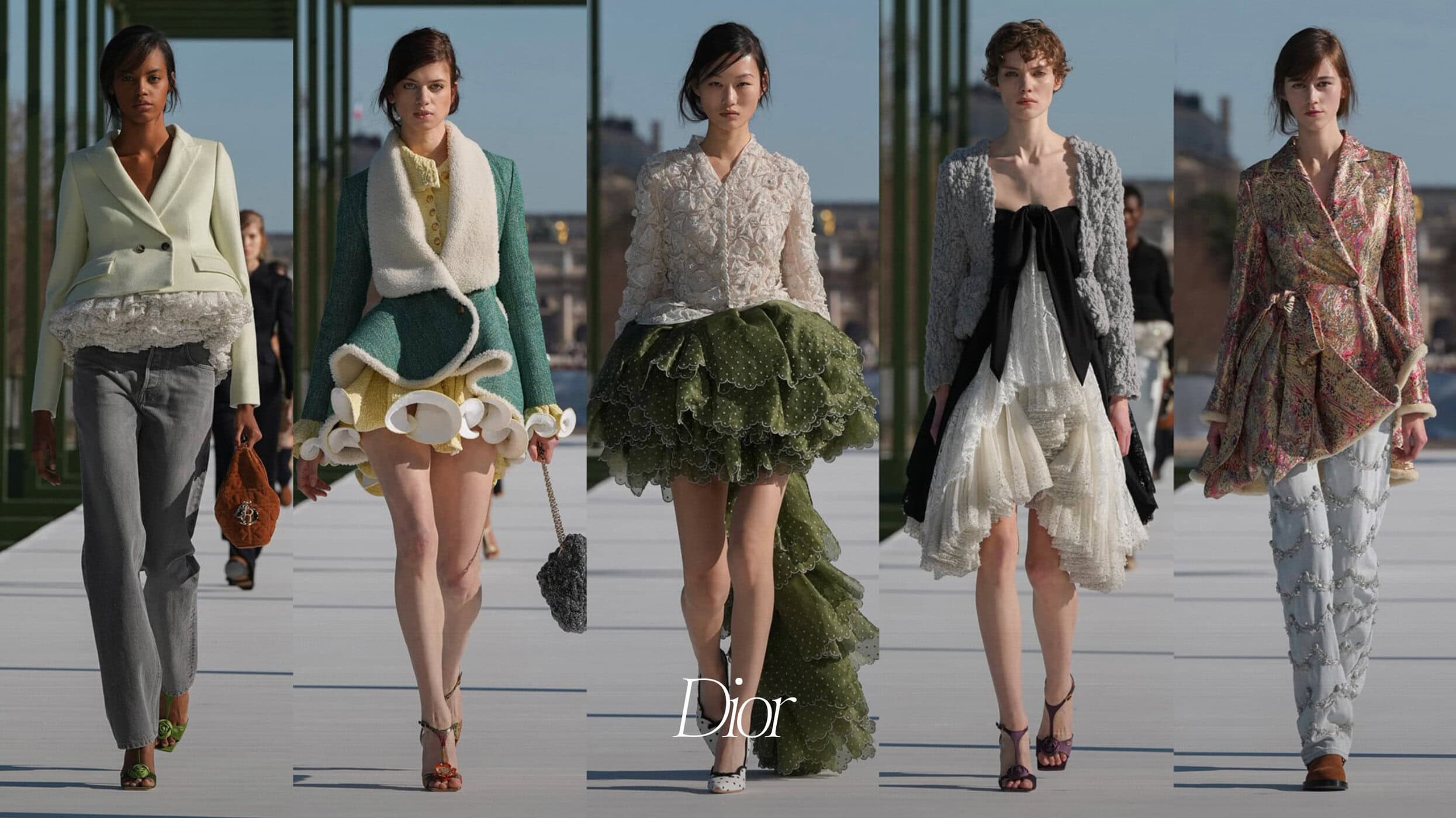
Several of the season’s most compelling collections came from designers settling more firmly into their roles. At Dior, Jonathan Anderson continued to demonstrate why the house remains one of fashion’s most influential engines of style. Balancing whimsy, precision, and commercial instinct, his collection offered a sophisticated blueprint for how women may dress in the seasons ahead. Few houses possess Dior’s ability to translate runway ideas into broader cultural impact, and Anderson’s work reinforced that authority.
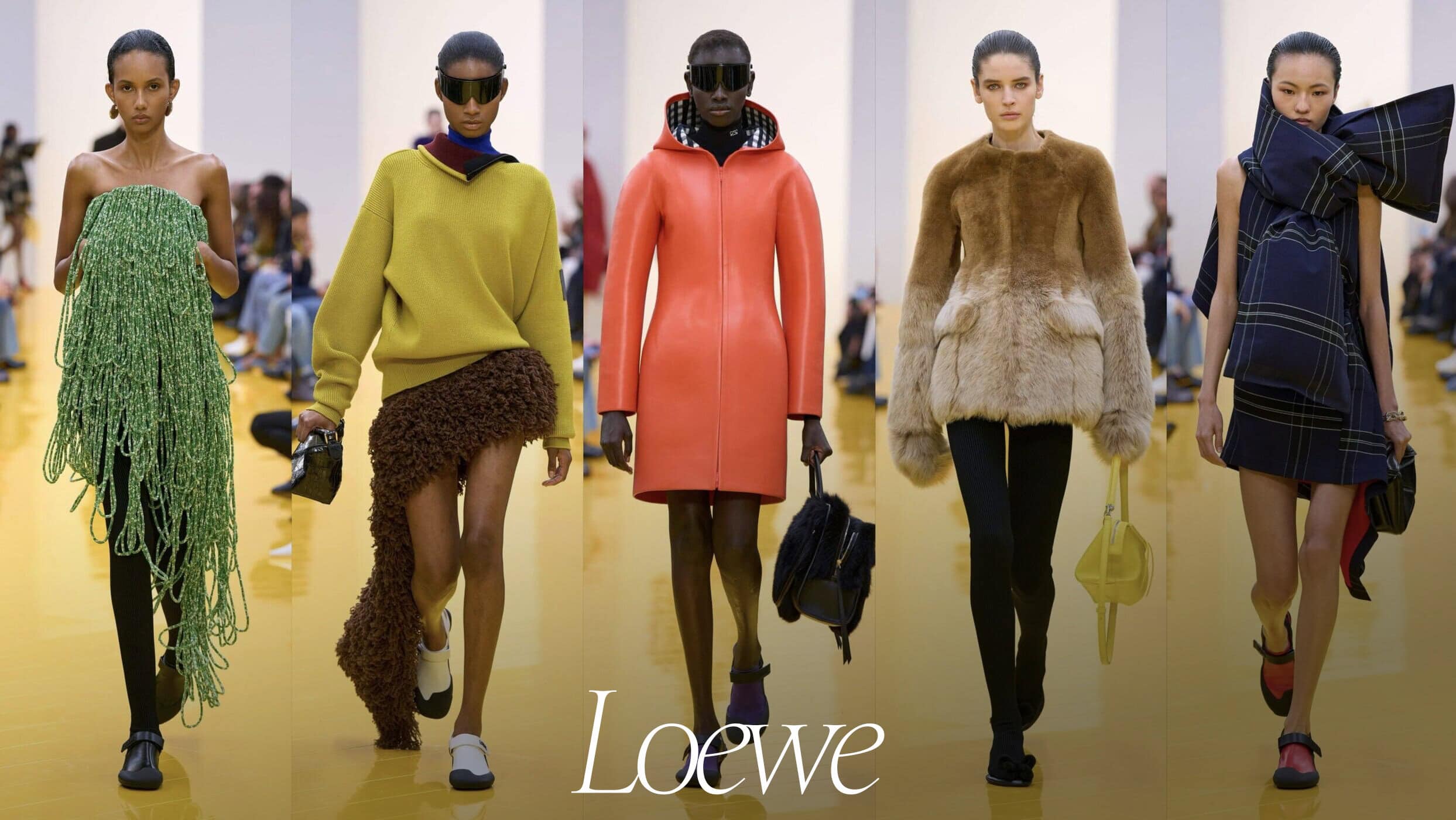
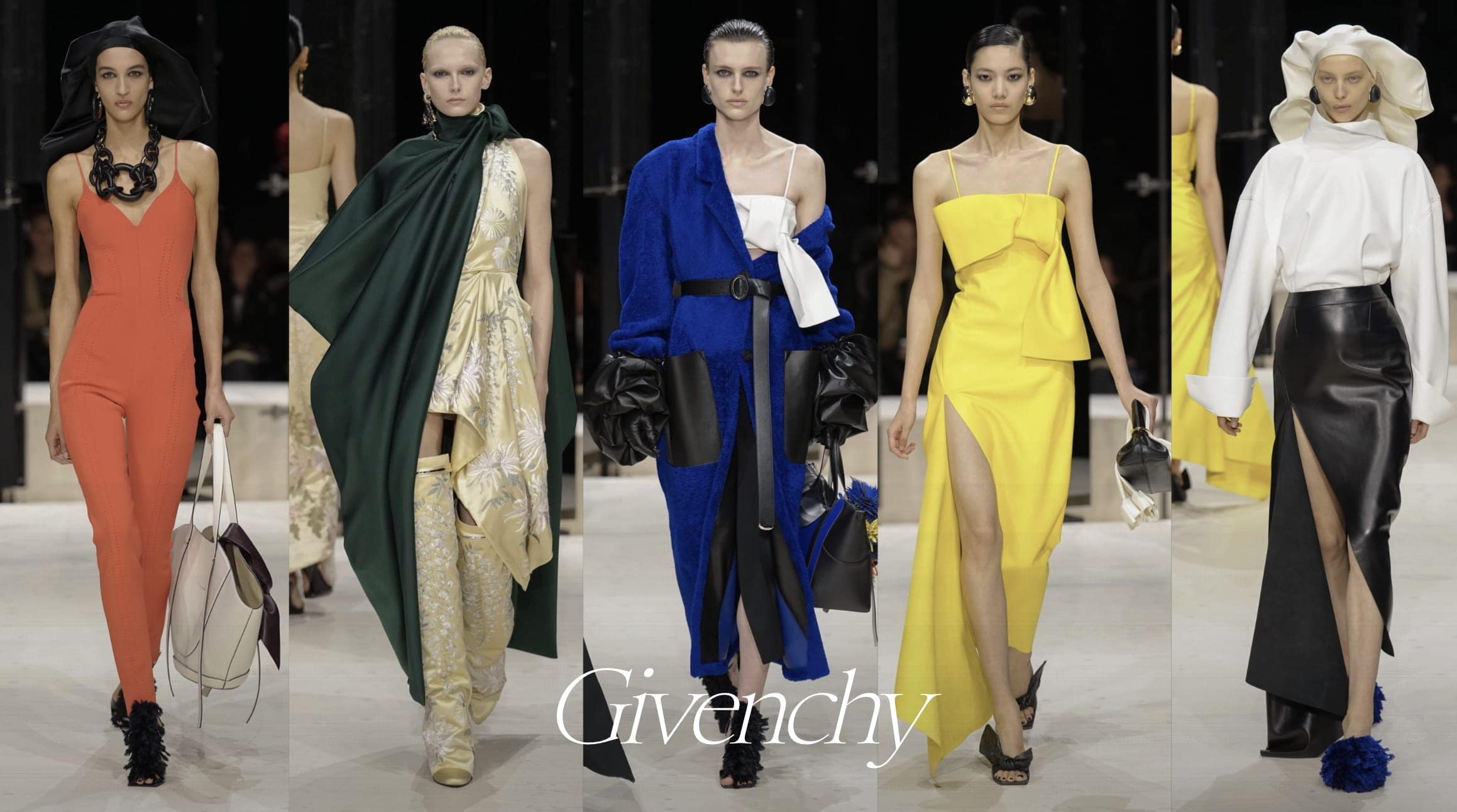
A similar sense of momentum could be felt elsewhere in Paris. At Givenchy, Sarah Burton delivered one of the most widely celebrated debuts of the season, striking a thoughtful balance between honoring the house’s legacy and introducing her own vision for its future. The result was a poised and confident statement that positioned Burton as a formidable new steward of the maison. Meanwhile at Loewe, Jack McCollough and Lazaro Hernandez continued to shape the house in their sophomore outing, further embracing its playful spirit and deep commitment to craft while refining a language that feels increasingly assured.
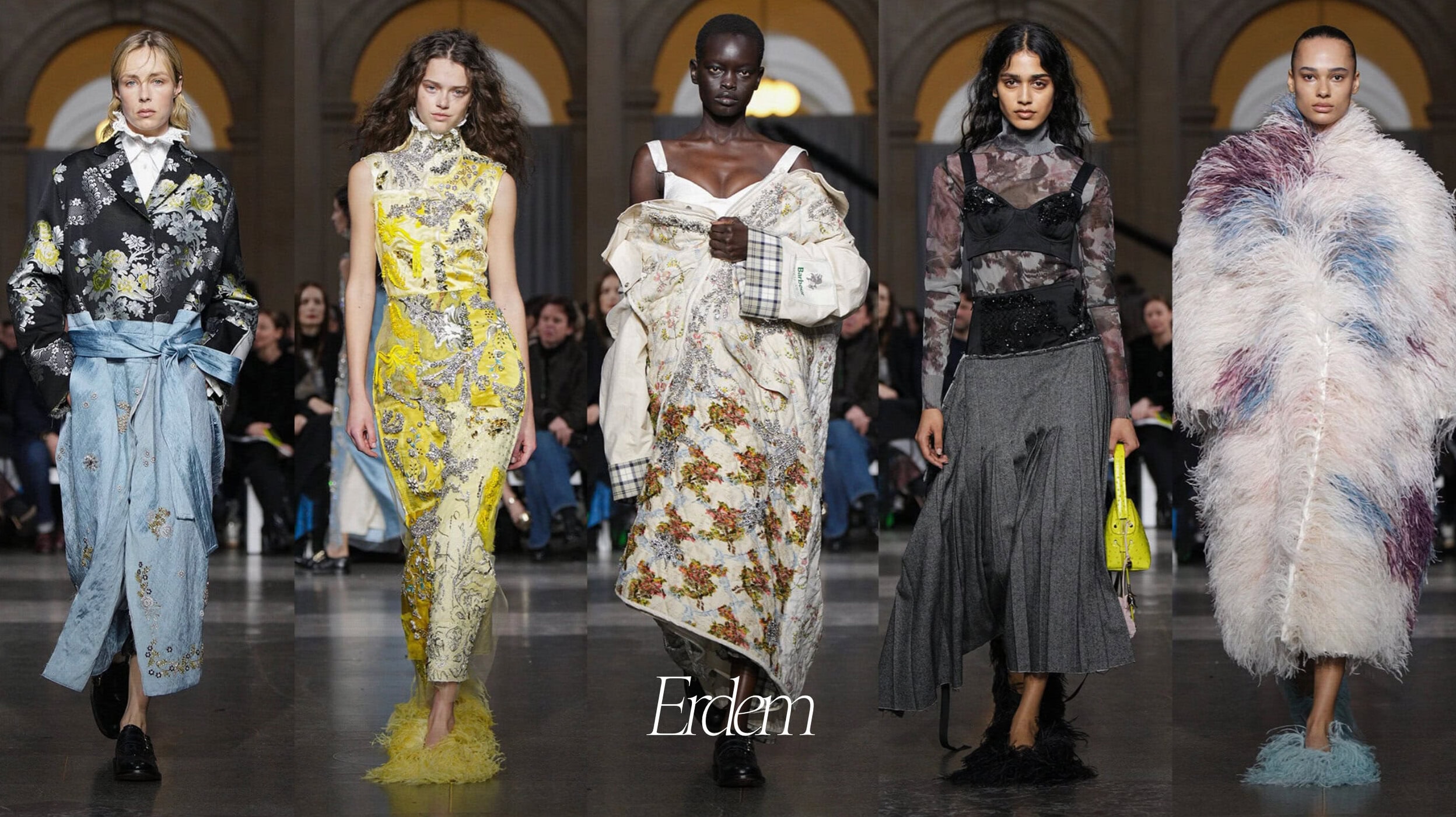
British designer Erdem Moralıoğlu continued to refine his distinctive vision of femininity at Erdem, offering a collection that balanced tradition with contemporary nuance. His work remains rooted in romance and craft, yet the silhouettes and sensibility feel increasingly attuned to the present moment.
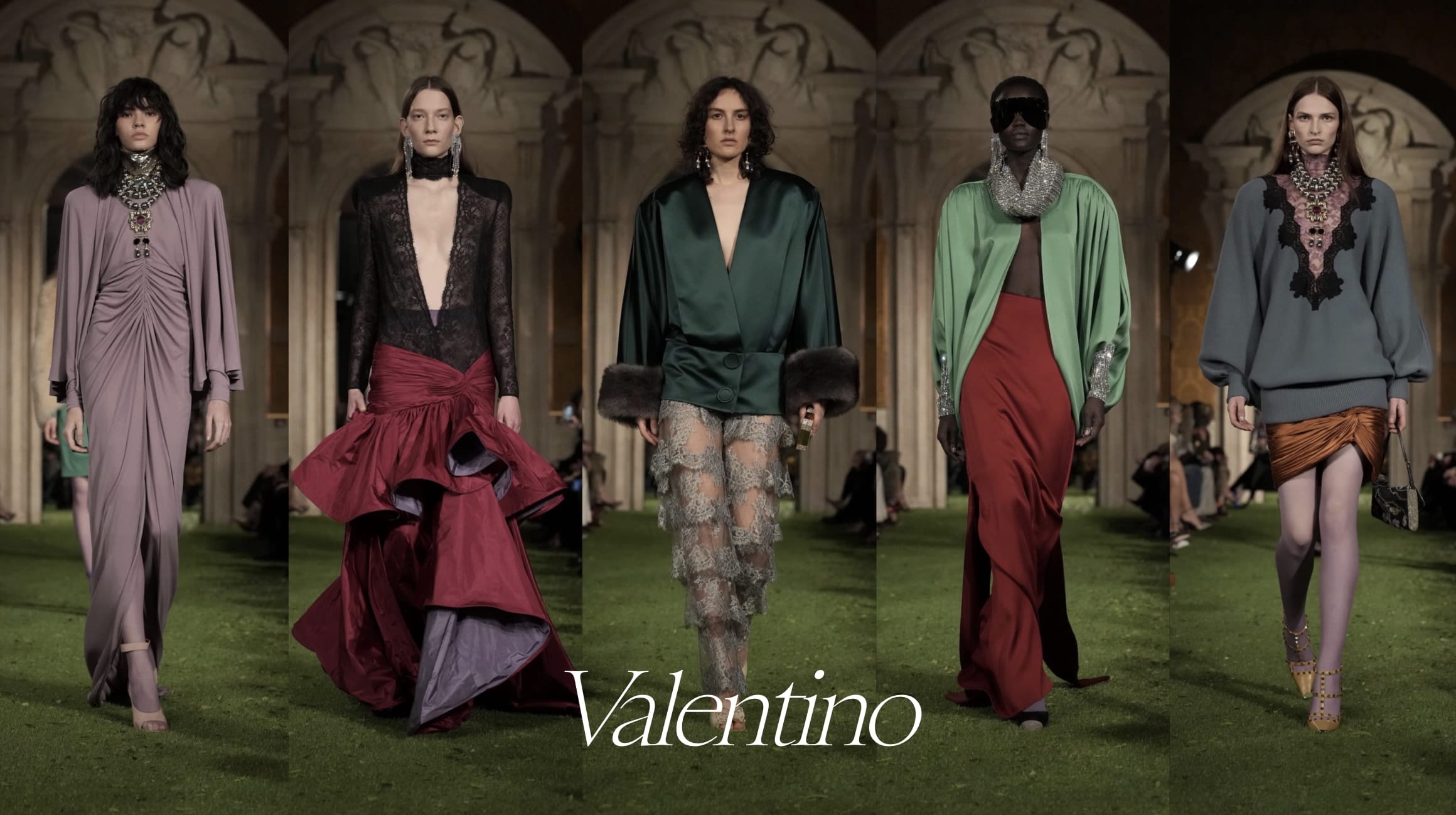
Rounding out the list is Valentino, which presented its collection in Rome. Under Alessandro Michele, the house appears to be entering a new phase—one defined less by the designer’s singular aesthetic and more by a dialogue between Michele’s vision and Valentino’s enduring identity. That growing balance suggests a designer increasingly attuned to the spirit of the maison.
Taken together, these collections reveal a season defined not by one dominant aesthetic, but by a renewed emphasis on clarity of voice. In a moment when fashion is reconsidering its purpose and direction, the designers who stood out were those able to articulate not only how women might dress—but why those clothes matter.
10 – Valentino
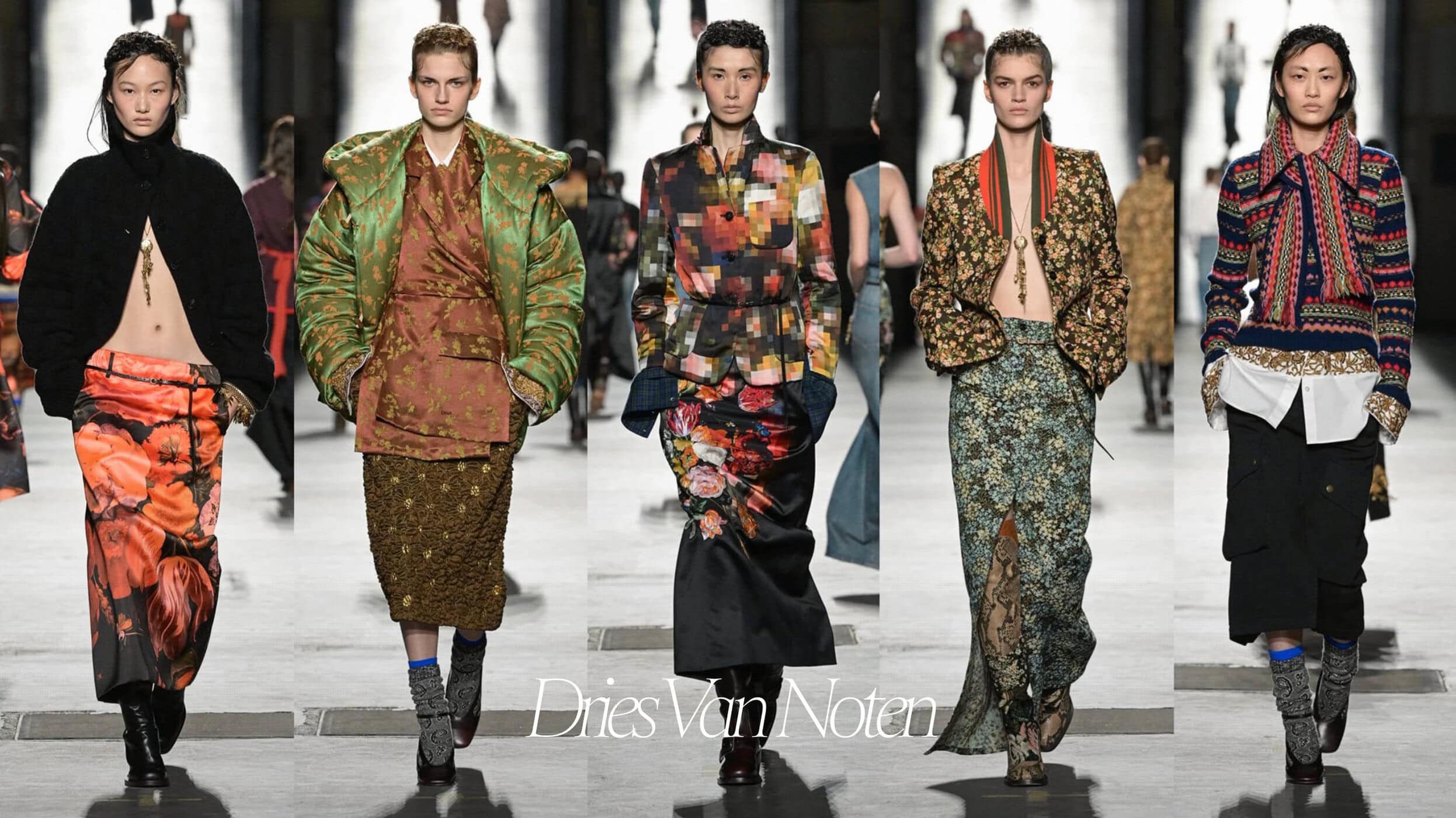
9 – Dries Van Noten
8 – Loewe
7 – Miu Miu
6 – Erdem
5 – Givenchy
4 – Prada
3 – Dior
2 (tie) – Tom Ford
2 (tie) – Bottega Veneta
1 – Chanel