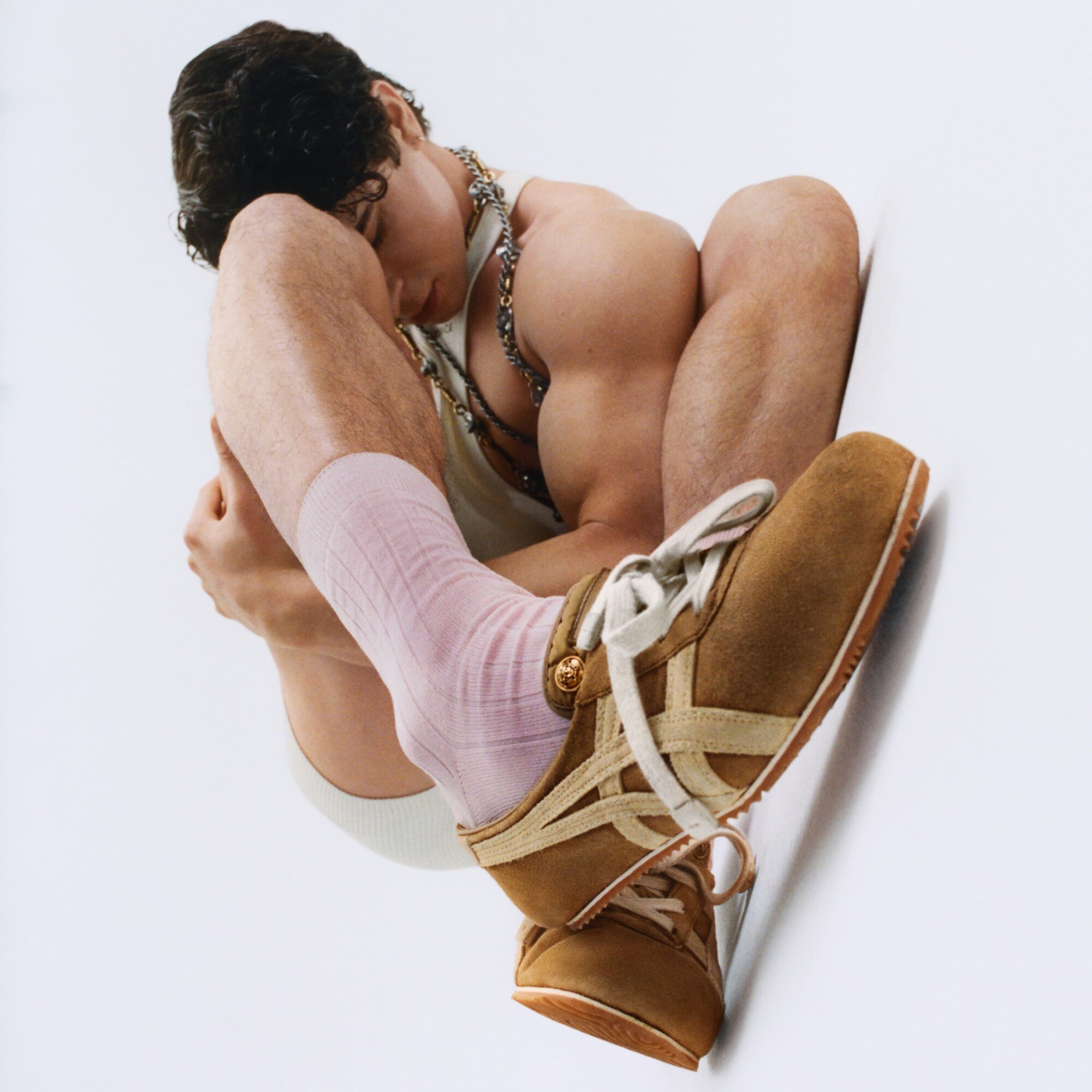
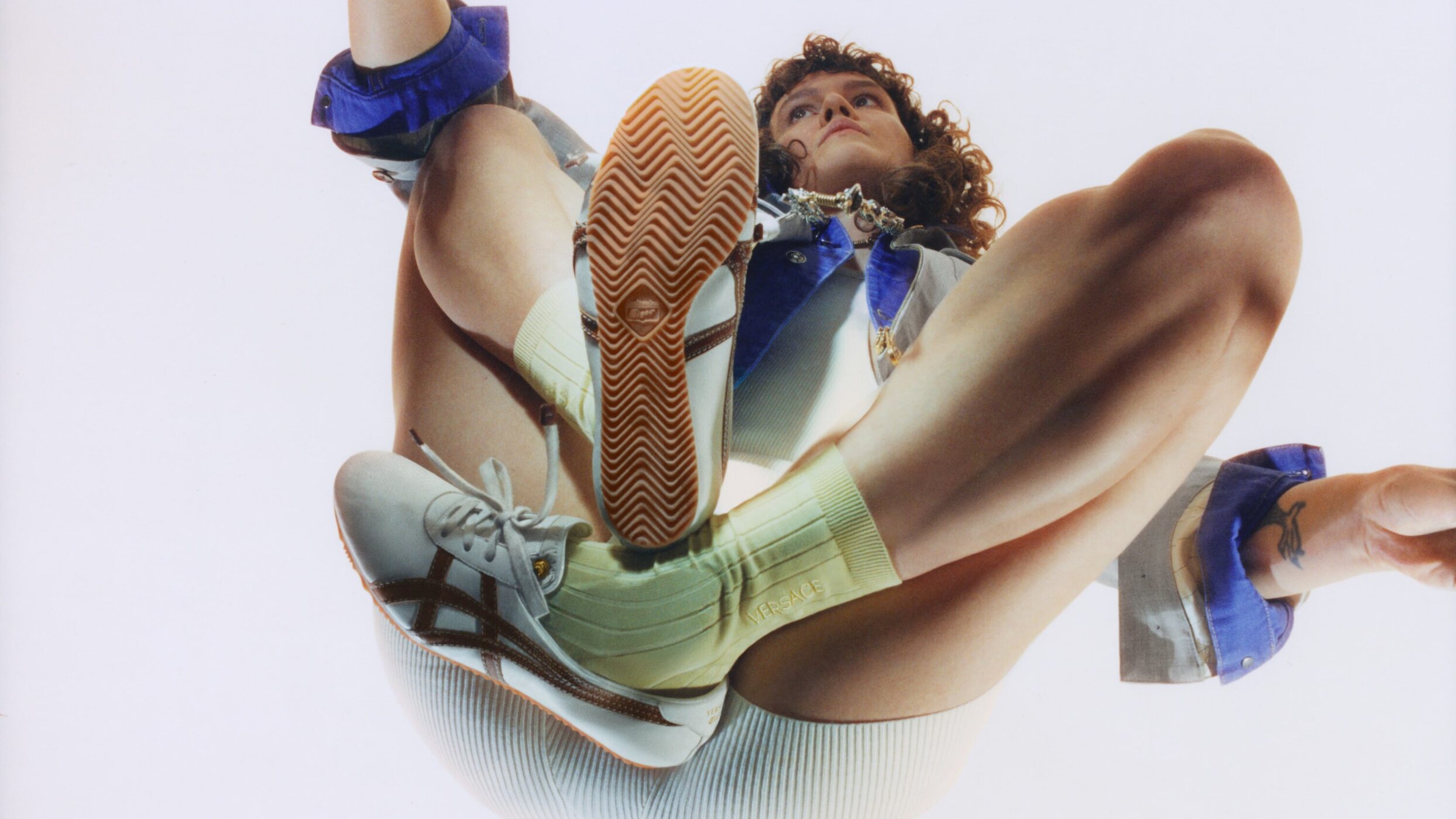
A Study In Motion And Duality, The Collaboration Reframes Athletic Heritage Through A Distinctly Sensual, High-Fashion Lens
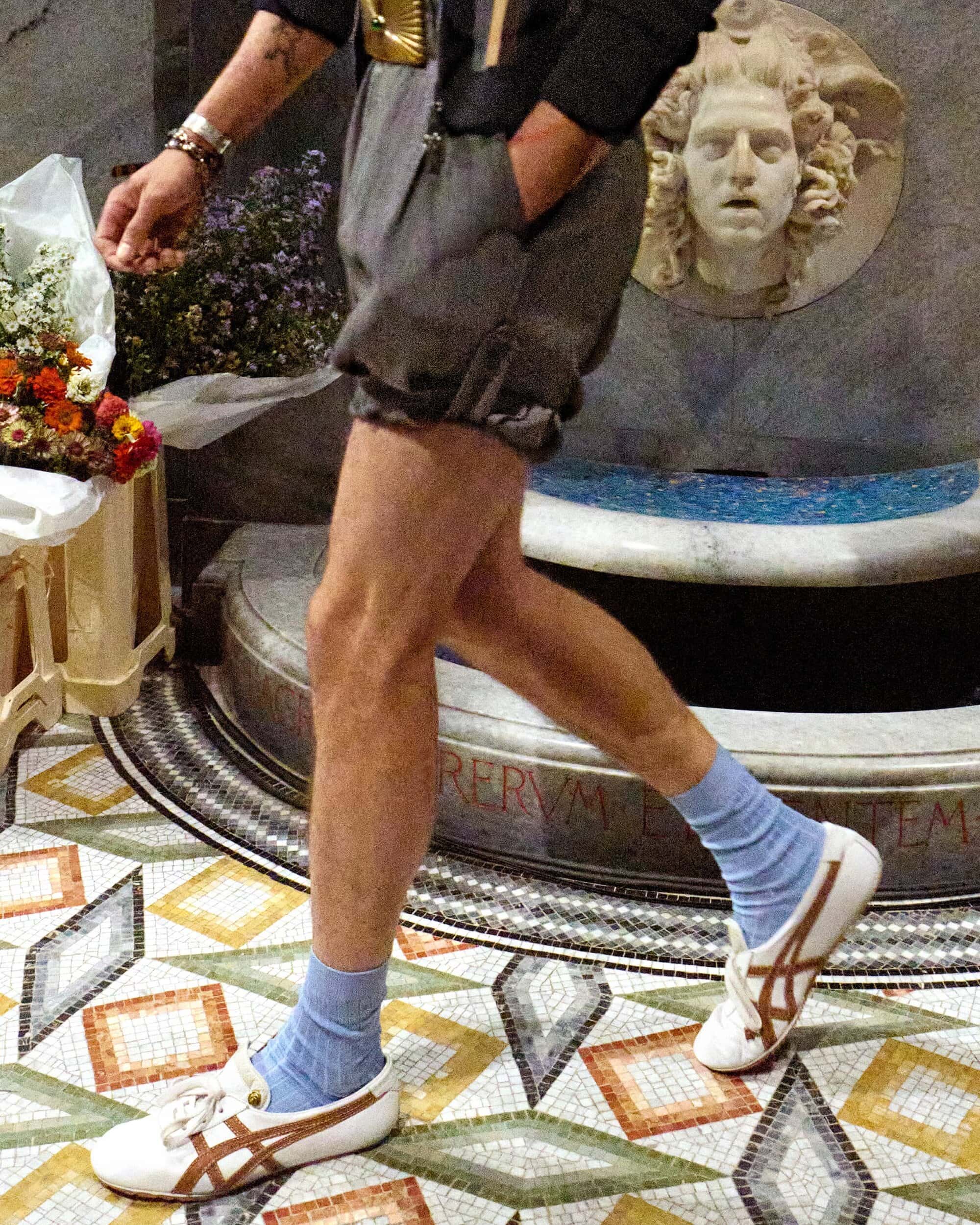
Versace enters new terrain with its latest collaboration alongside Onitsuka Tiger, a partnership that feels less like a crossover and more like a convergence of philosophies. Captured through the kinetic eye of Frank Lebon, the campaign positions the body not simply as a canvas, but as an active force—charged, expressive, and in constant motion. If Versace has long celebrated the power of presence, here it explores what happens when that presence refuses to stand still.
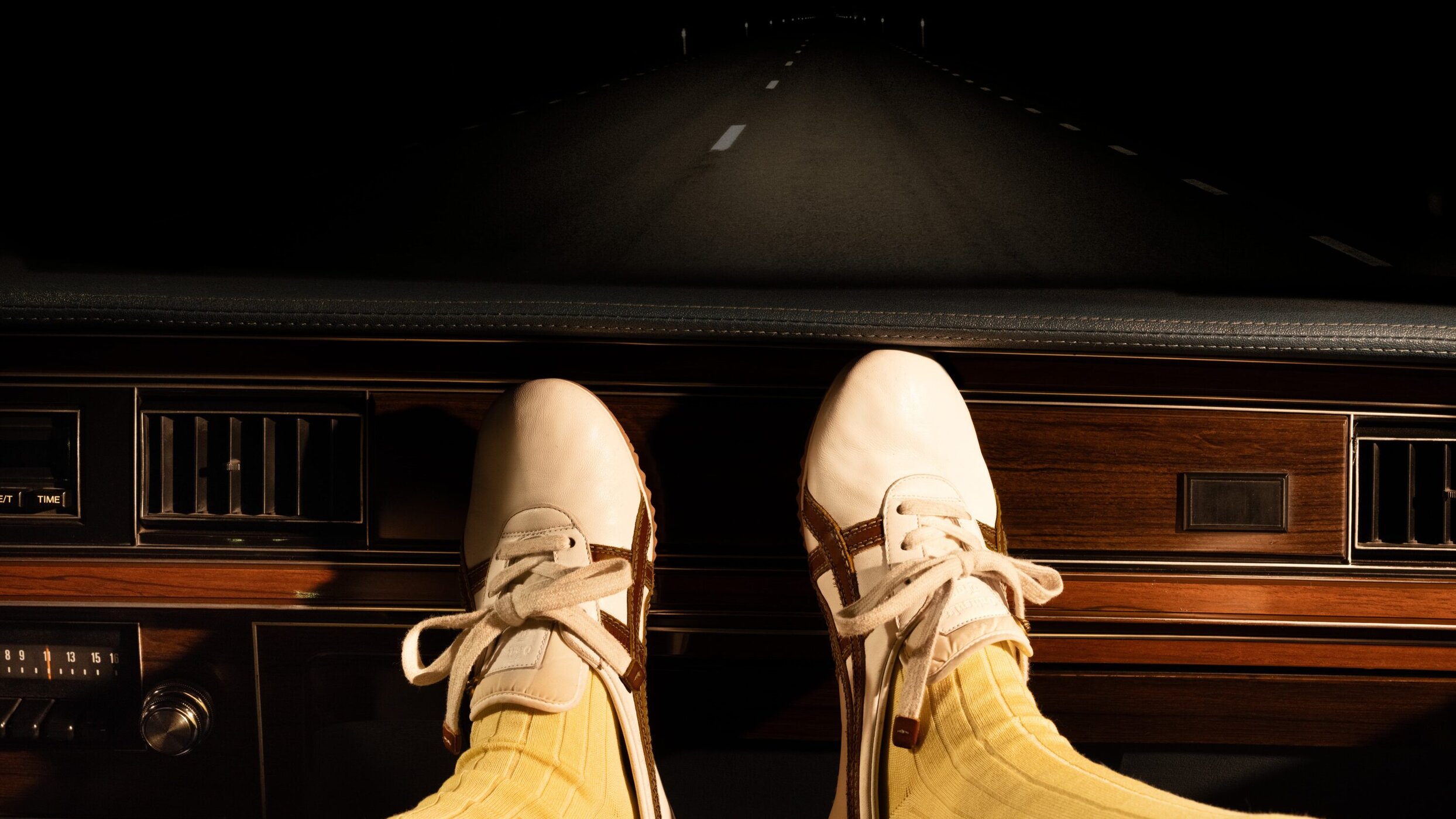
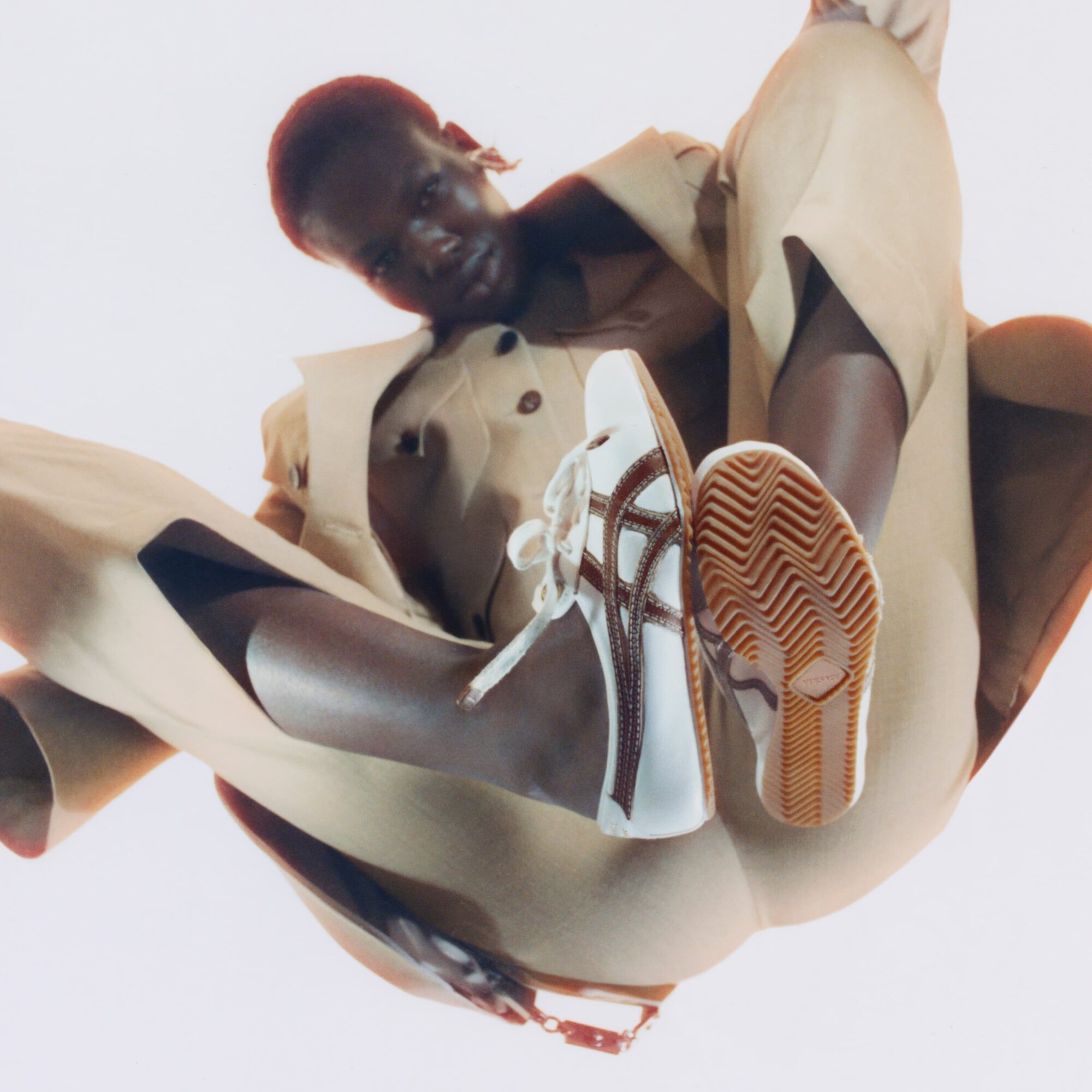
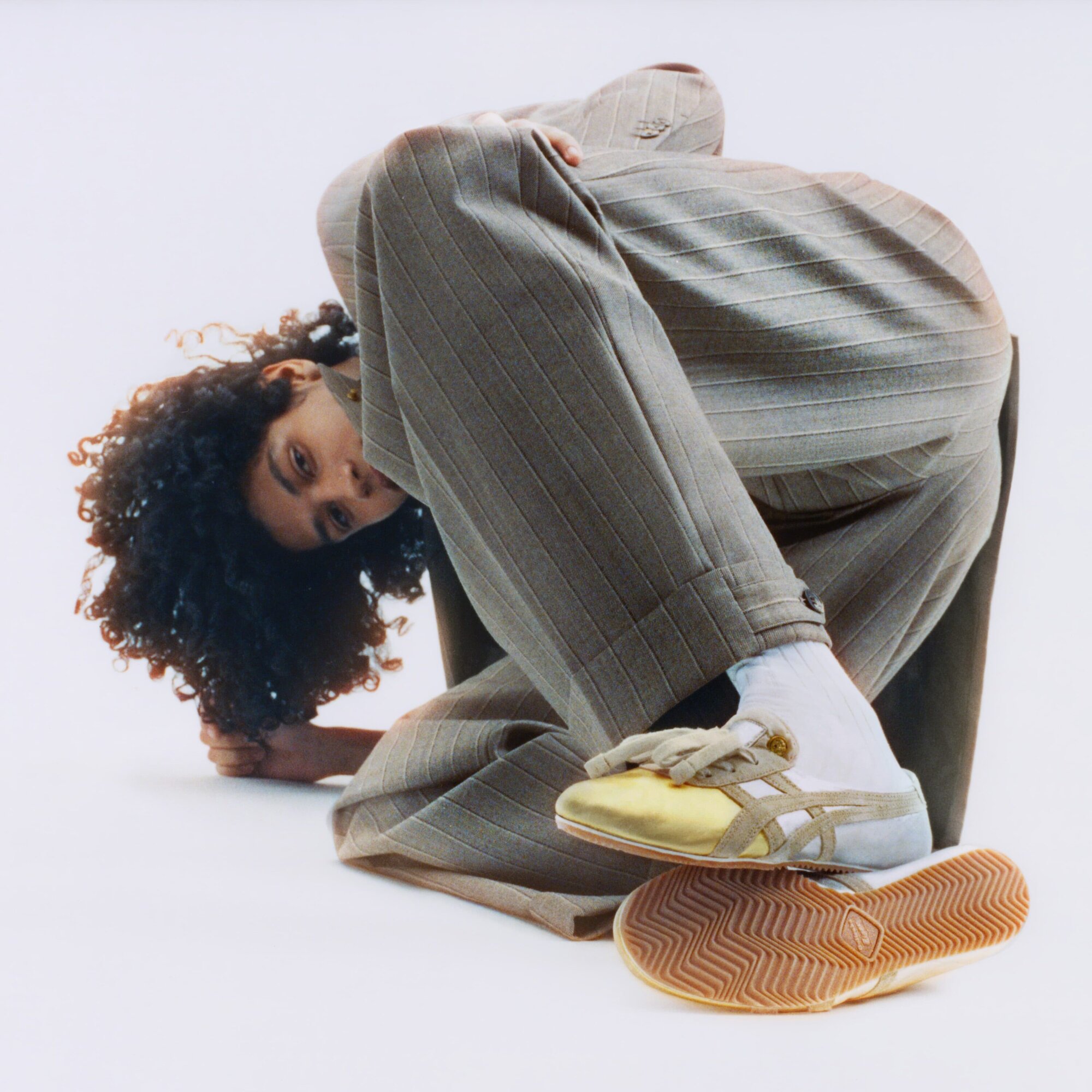
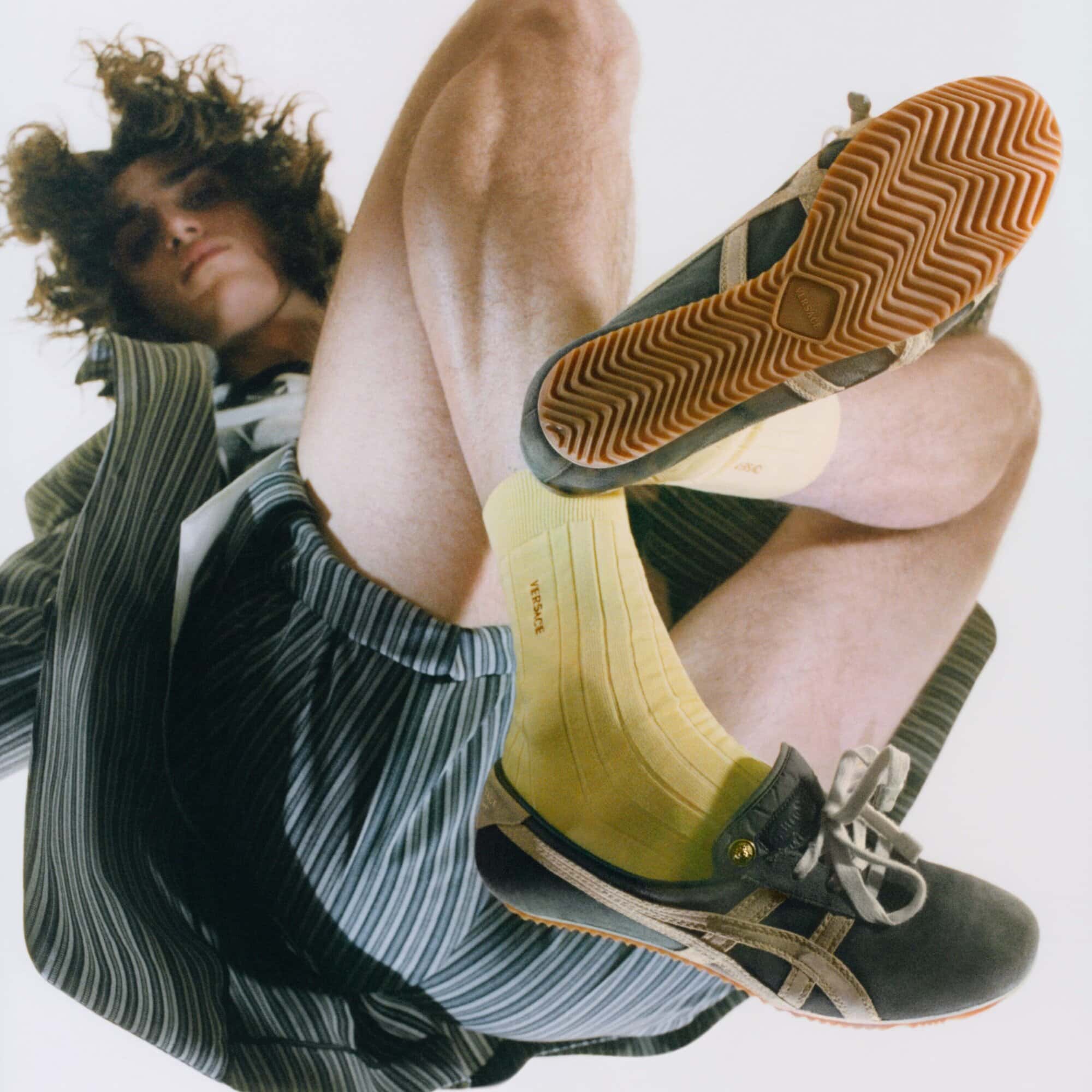
The imagery pulses with energy. Figures twist, leap, and stretch across the frame, their movements caught mid-intention rather than resolution. There is a raw physicality at play, yet it is carefully composed—Lebon’s lens balancing spontaneity with control. The environment feels almost secondary, dissolving into a backdrop that amplifies the body’s dynamism. At the center is the TAI-CHI Sakura sneaker, a reworking of Onitsuka Tiger’s archival design, which appears less as product placement and more as an extension of the body itself—fluid, responsive, and integral to the narrative.
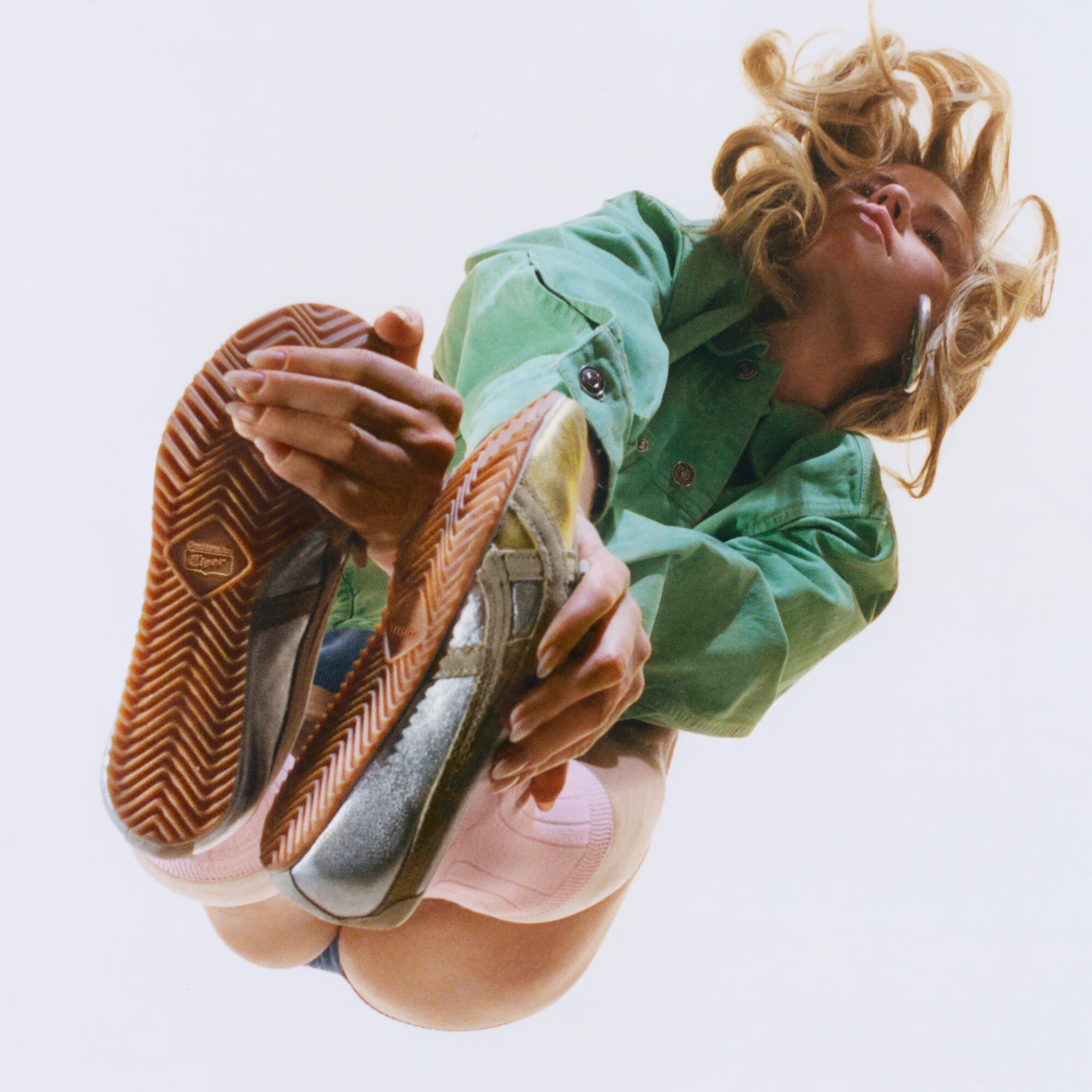
What resonates most is the clarity of concept. Both houses share a commitment to discipline—whether through the rigor of Japanese craftsmanship or the sculptural sensuality of Italian design—and this alignment comes through with precision. The campaign’s strength lies in its refusal to over-explain; it trusts movement to communicate meaning. At times, however, that same abstraction risks flattening distinction. The collective energy is compelling, but individual identities blur into a singular rhythm, leaving less room for personal nuance to emerge.
Still, the collaboration succeeds in articulating a shared language of form and force. It is a reminder that fashion, at its most compelling, is not static but lived—activated through gesture, posture, and presence. Versace and Onitsuka Tiger meet in that space between tension and release, where control gives way to instinct. And in doing so, they suggest that true power in fashion may not lie in standing out, but in knowing exactly how to move.