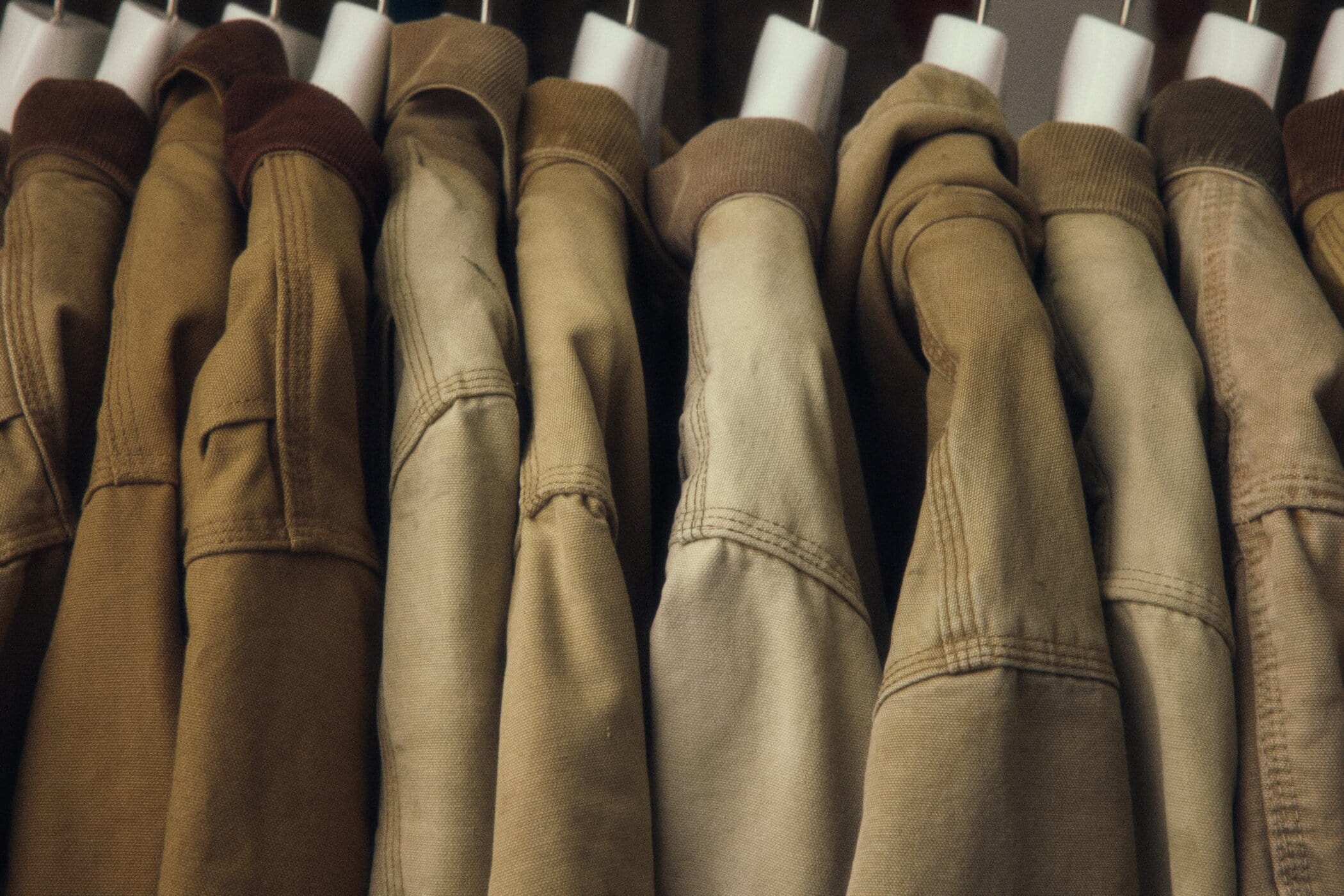
A Detroit-born label reframes heritage workwear through restoration, memory, and modern longevity
Emerging from Detroit with a philosophy that feels both deeply rooted and quietly radical, Wylie Welling makes its debut with a clear point of view: time is not something to resist, but something to design with. Founded by Gretchen R. Valade, the brand draws from a lineage tied to American workwear history, yet resists nostalgia in favor of continuation. At its core, Wylie Welling proposes a different kind of luxury—one shaped not by newness, but by endurance.
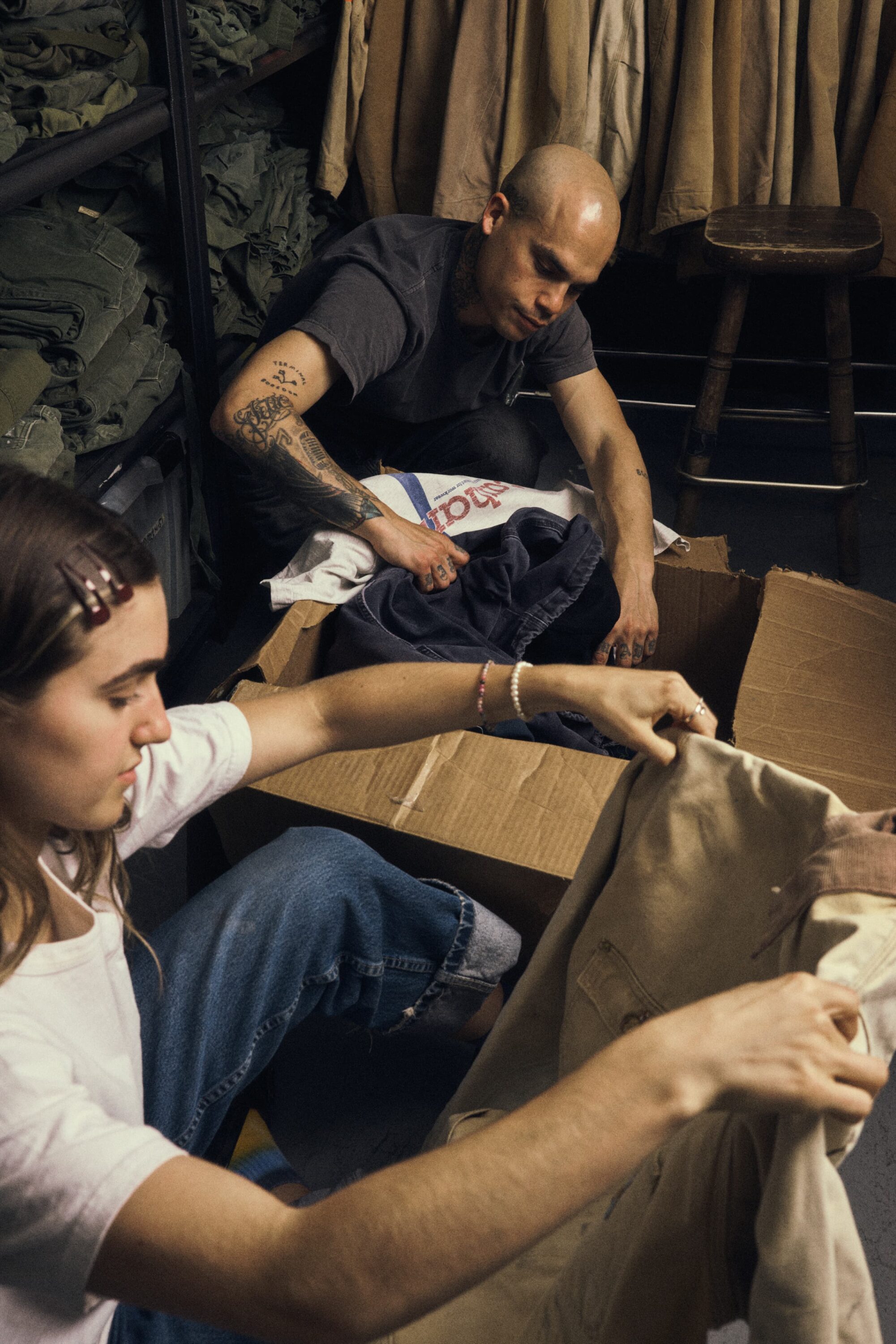
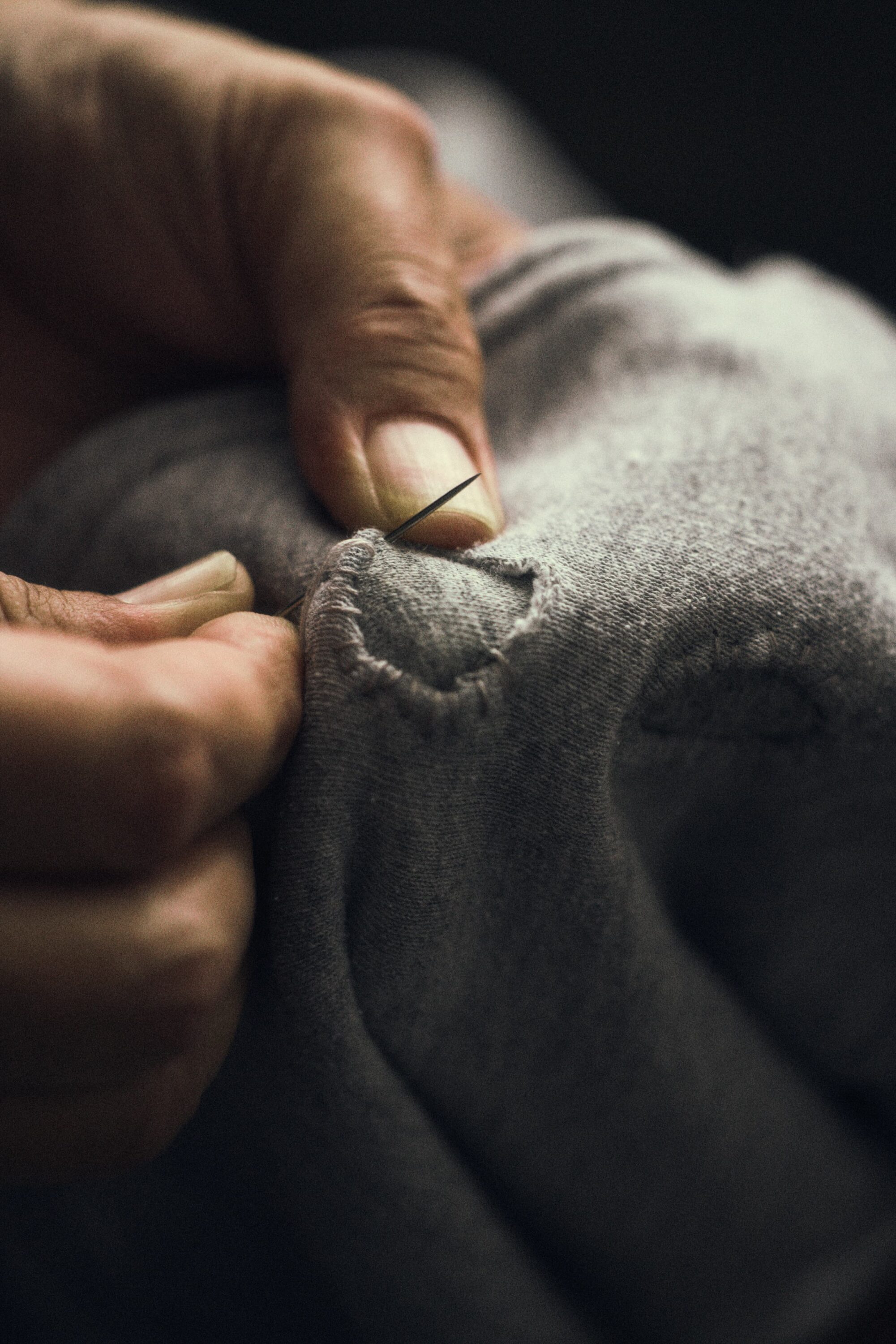
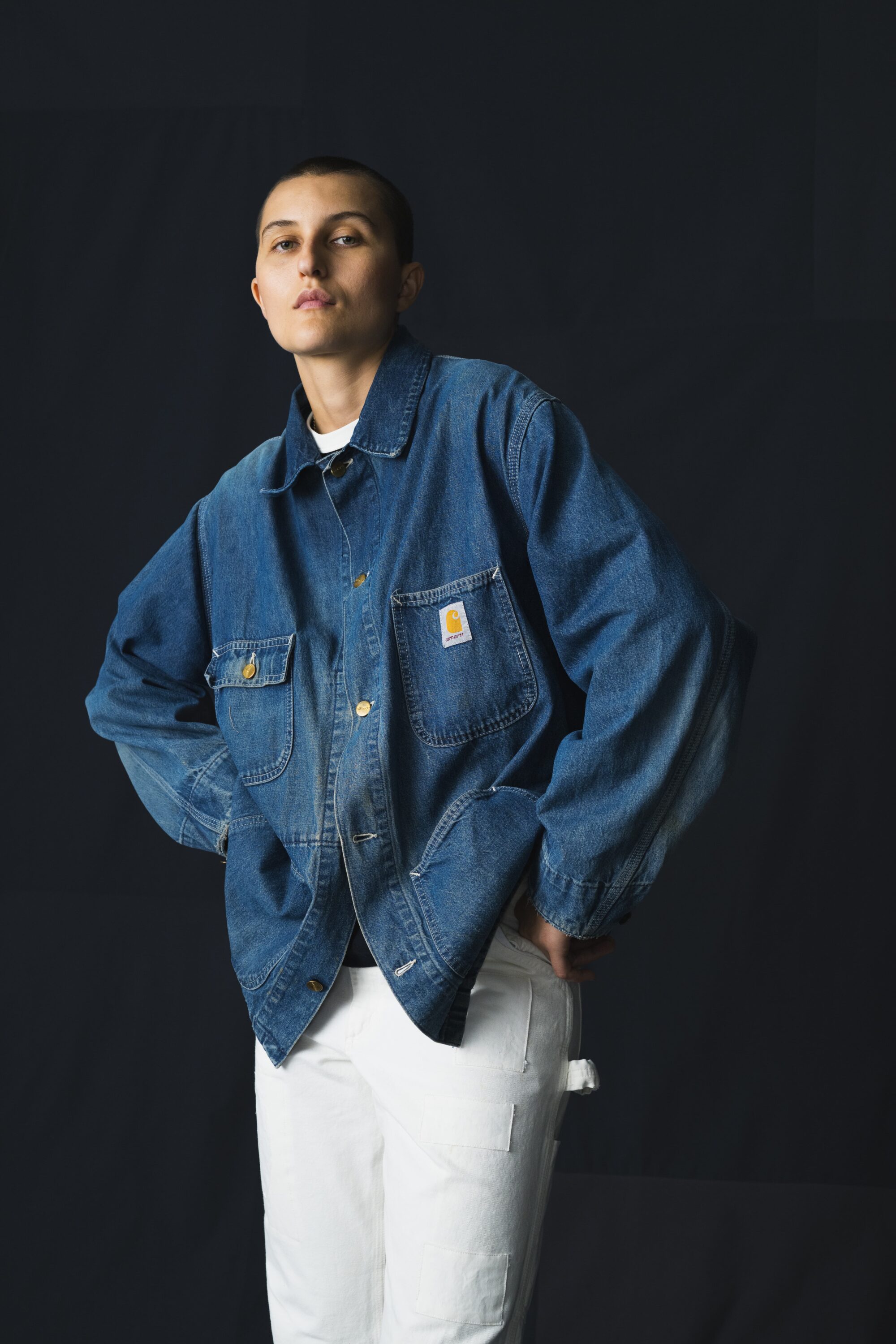
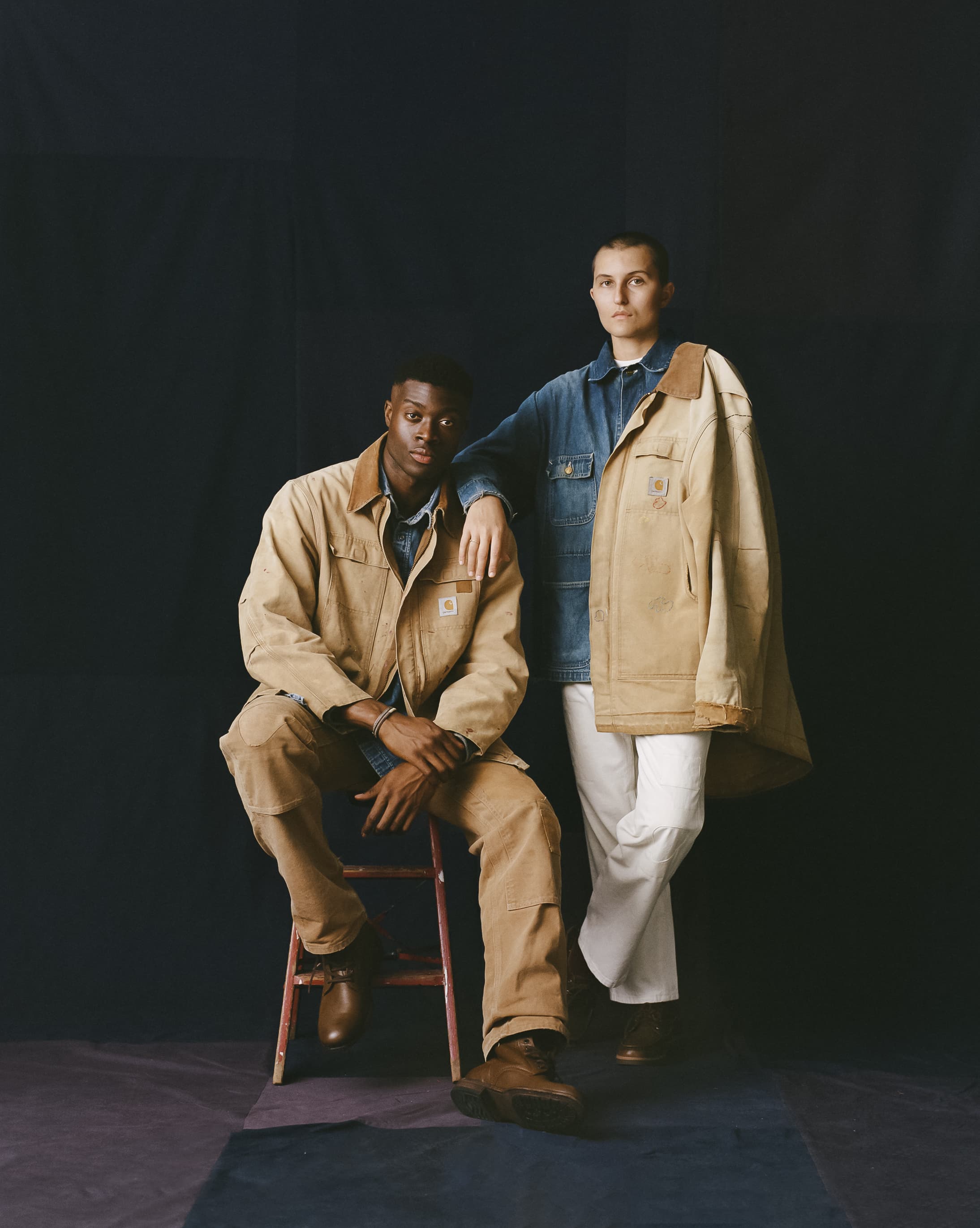
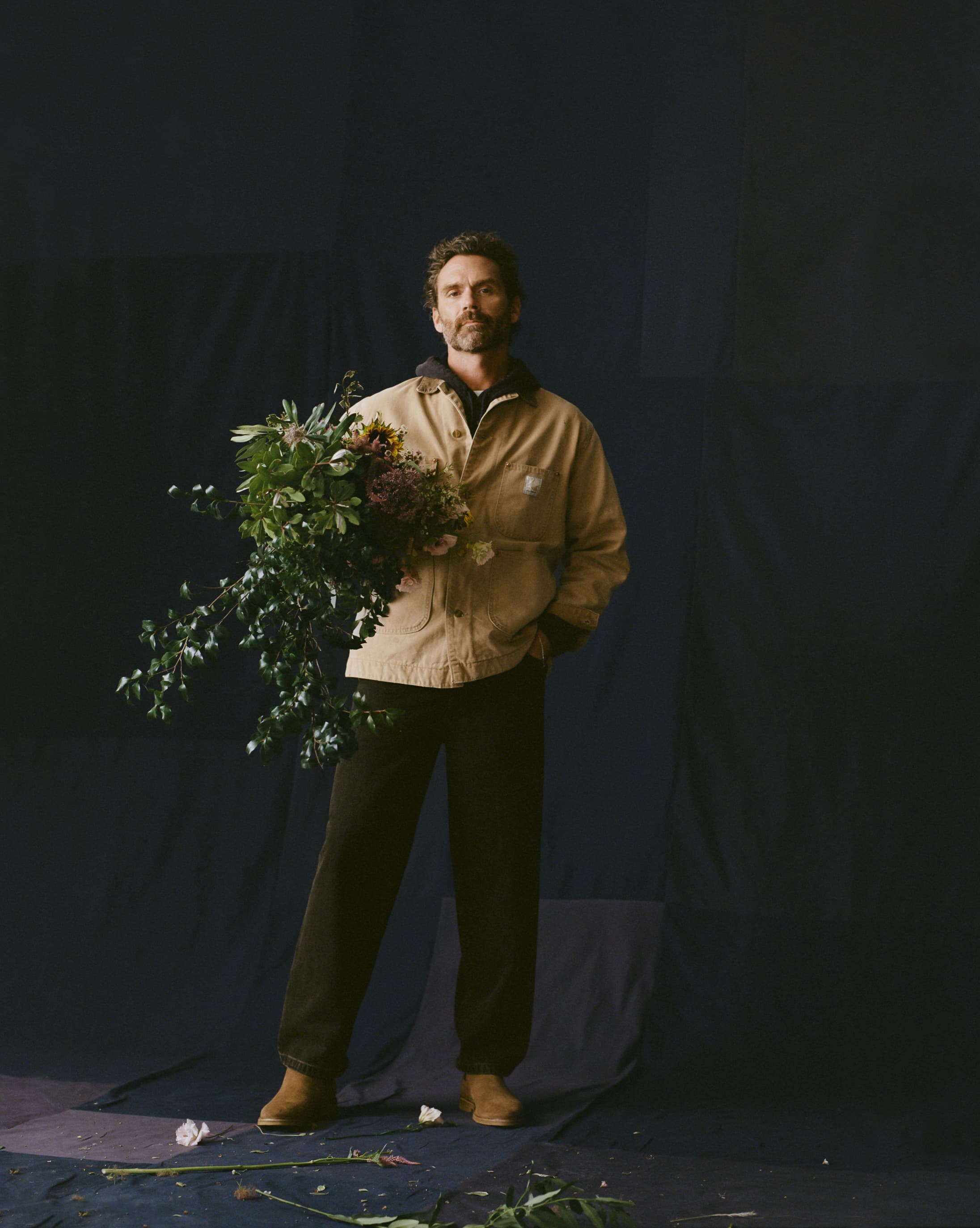
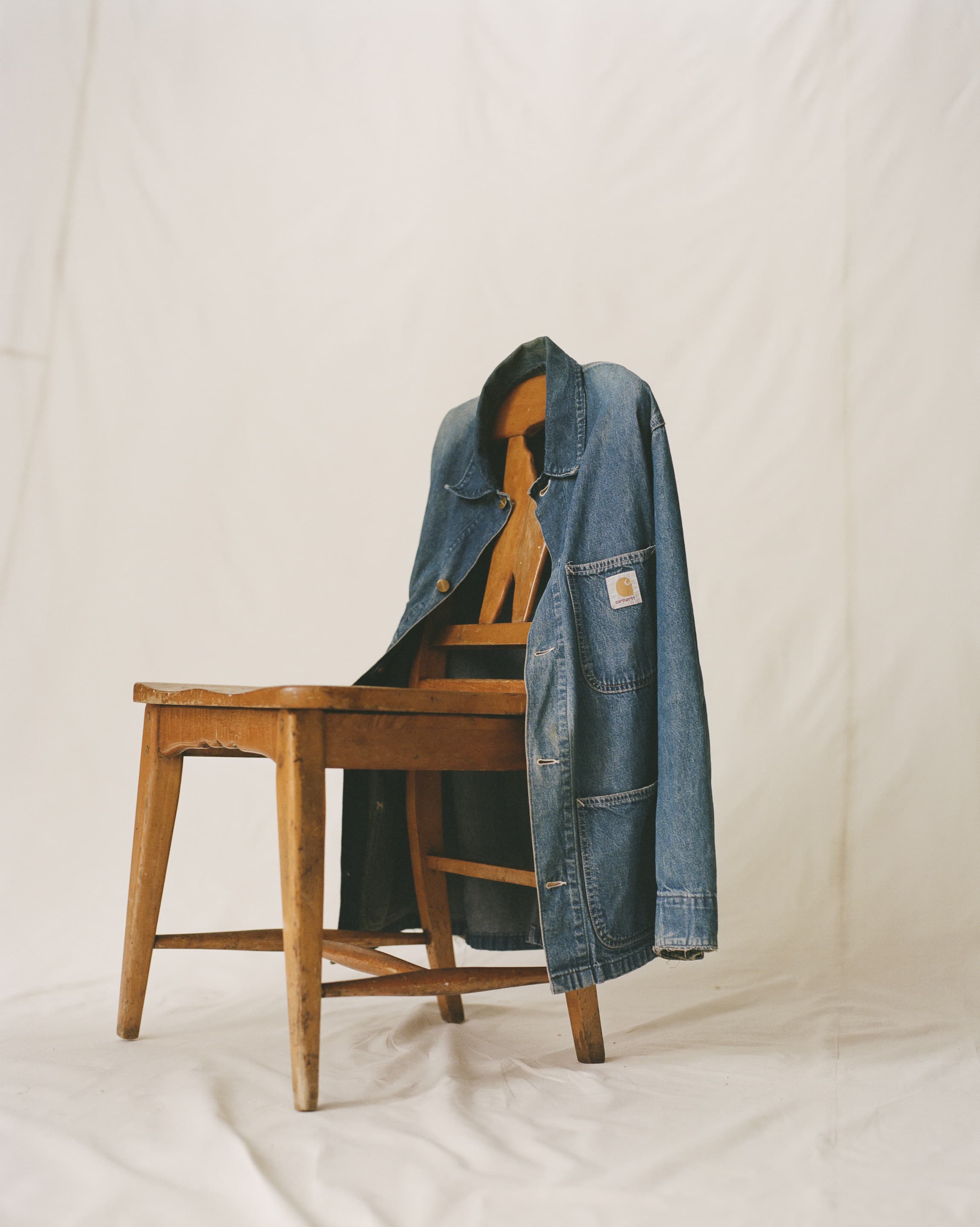
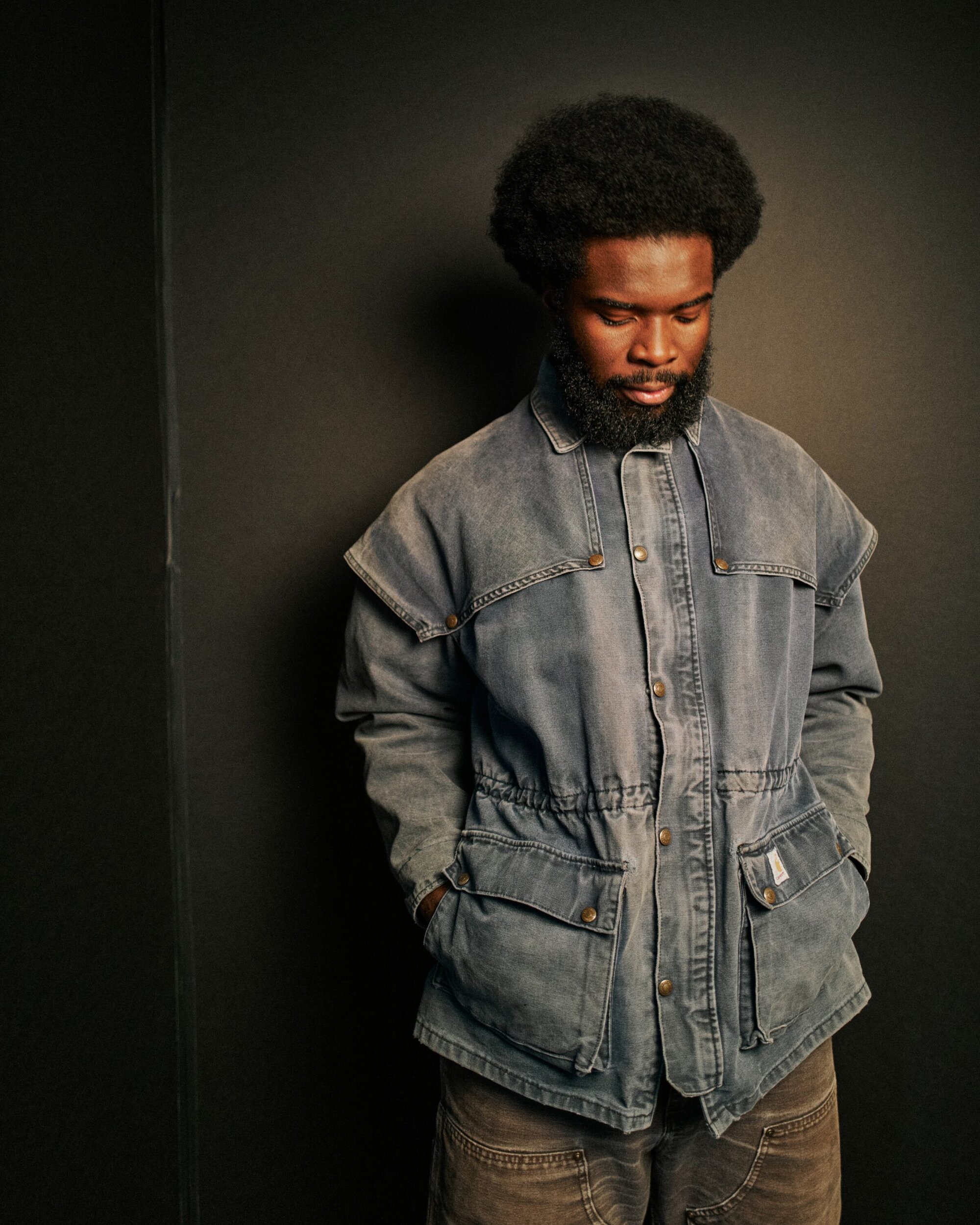
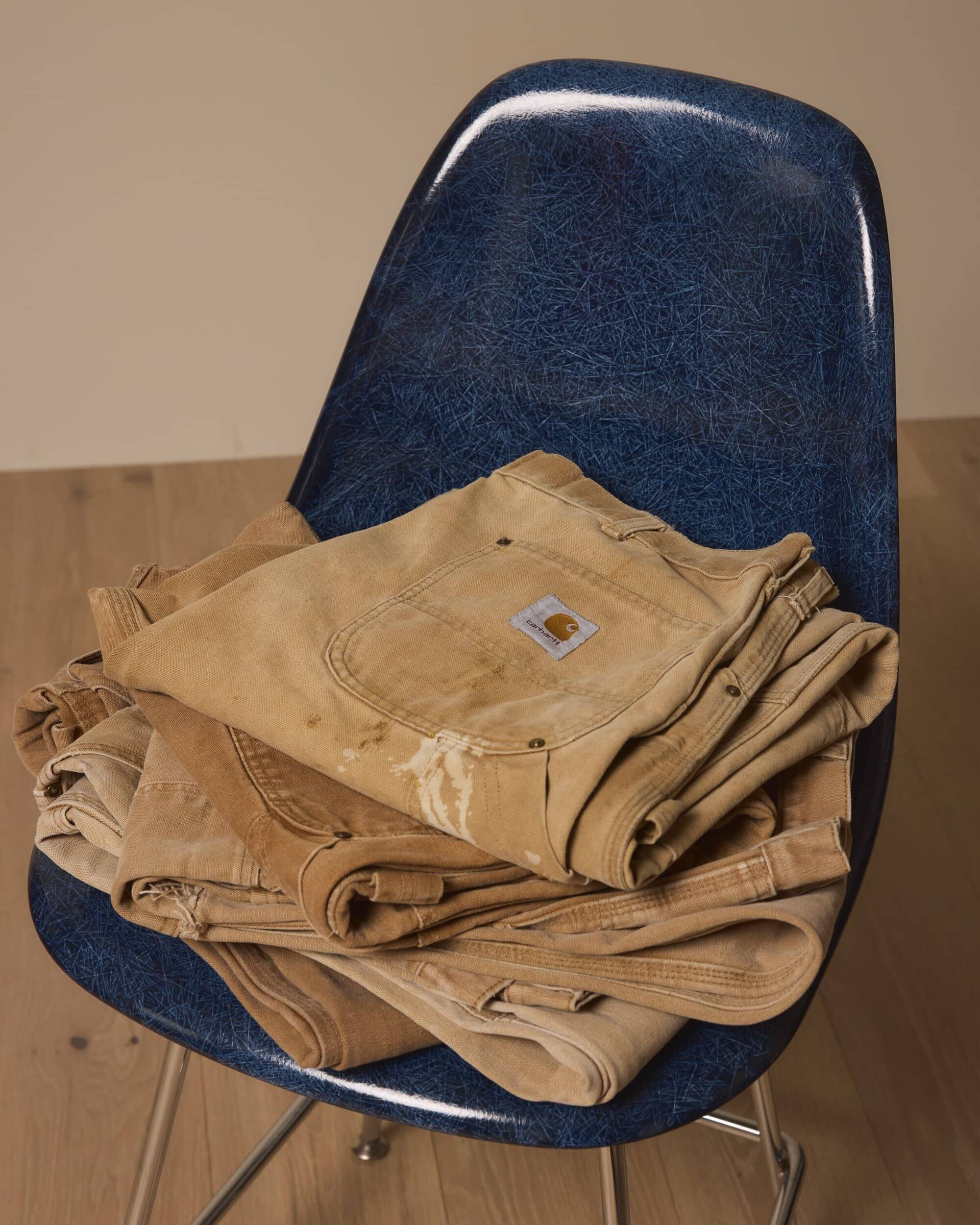
The collection centers on reinterpreted Carhartt garments, each piece carrying traces of its previous life while being carefully reworked for the present. Rather than polishing away wear, the brand leans into it, allowing fading, mending, and material shifts to remain visible. There is a tactile honesty here, where garments feel less like finished products and more like evolving objects. The silhouettes retain their utilitarian backbone, but are subtly reshaped, suggesting a dialogue between past function and present form.
What distinguishes Wylie Welling is its commitment to process as narrative. Craftsmanship is not positioned as perfection, but as preservation through transformation. This approach resonates within a broader cultural shift toward circularity, yet the brand avoids the language of trend, instead grounding itself in something more personal and enduring. The idea that a garment can move across time—through different owners, contexts, and interpretations—adds a quiet emotional depth that feels increasingly rare.
As the brand prepares to launch both digitally and physically in Detroit, it enters the landscape with a sense of restraint and clarity. There is no urgency here, no push for immediacy. Instead, Wylie Welling offers a slower proposition: that style is something accumulated, not declared. In a market often preoccupied with the next new thing, its perspective feels almost subversive—proof that sometimes, the most forward-thinking ideas are the ones willing to look back, and then gently move forward.