Portraits of Modern Femininity
Review of Givenchy Fall 2026 Fashion Show
By Mackenzie Richard Zuckerman
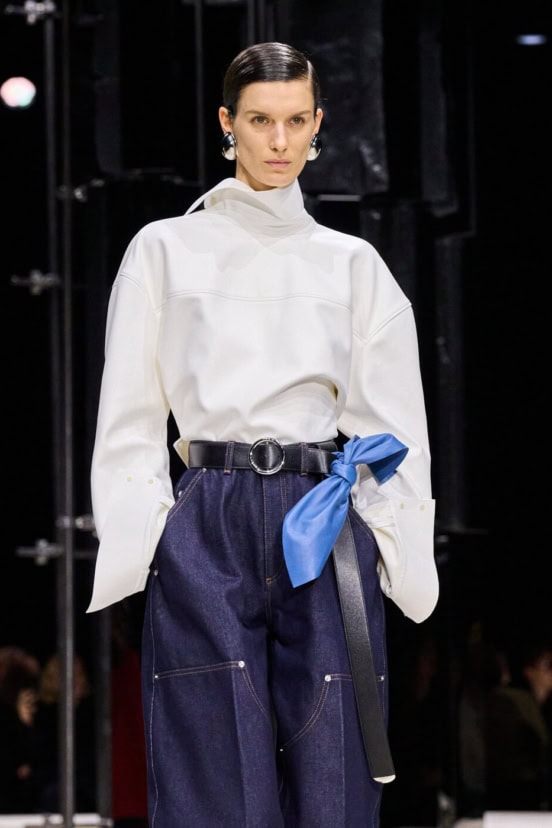
For her third collection at Givenchy, Sarah Burton continues the careful work of rebuilding the house from its foundations. When she arrived, her priority was clear – establish the silhouette, refine the codes, and restore a sense of discipline rooted in tailoring and structure.
This season, Burton approached that foundation from a more introspective place. Rather than constructing a rigid narrative, she explored what she described backstage as the way women put themselves together in the world today – navigating lives that are multifaceted, contradictory, and constantly shifting.
It’s a premise that quietly shaped the collection. Burton looked toward fragments of history – Old Master paintings, Art Deco imagery, and the language of classical portraiture – not as literal references, but as emotional echoes that could be translated into a modern wardrobe.
The result felt less like a singular statement and more like a gallery of possibilities.
THE COLLECTION
THE VIBE
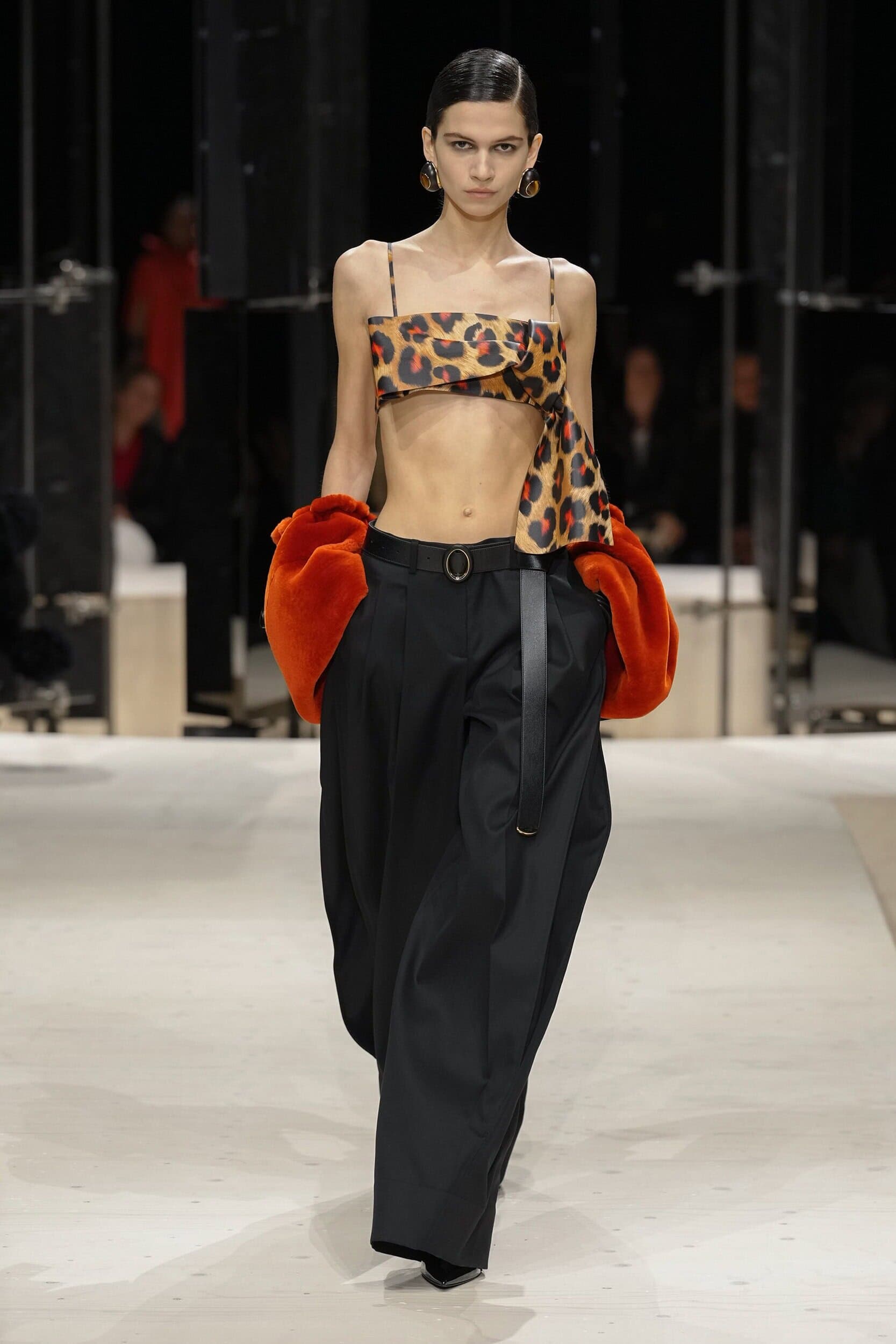
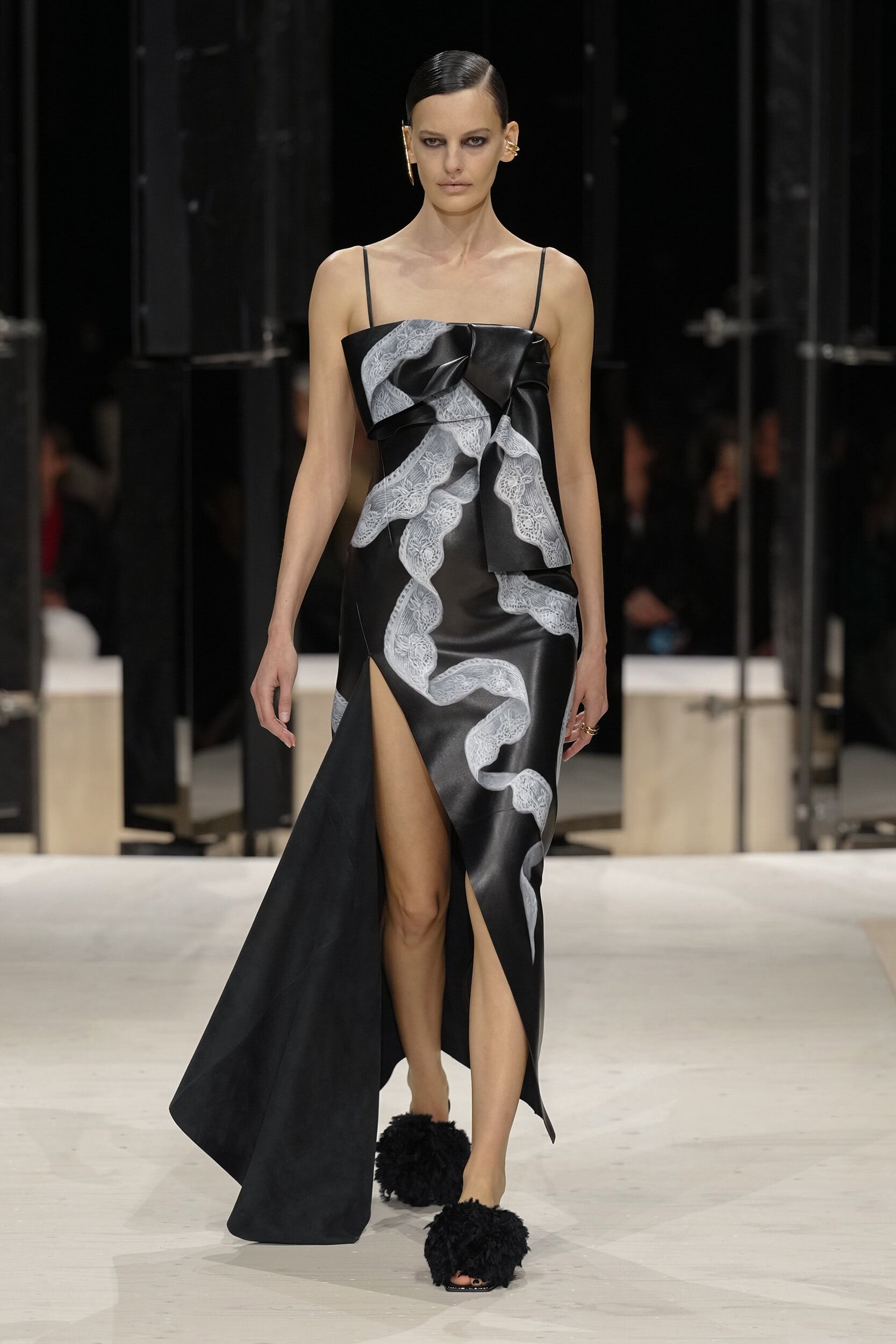
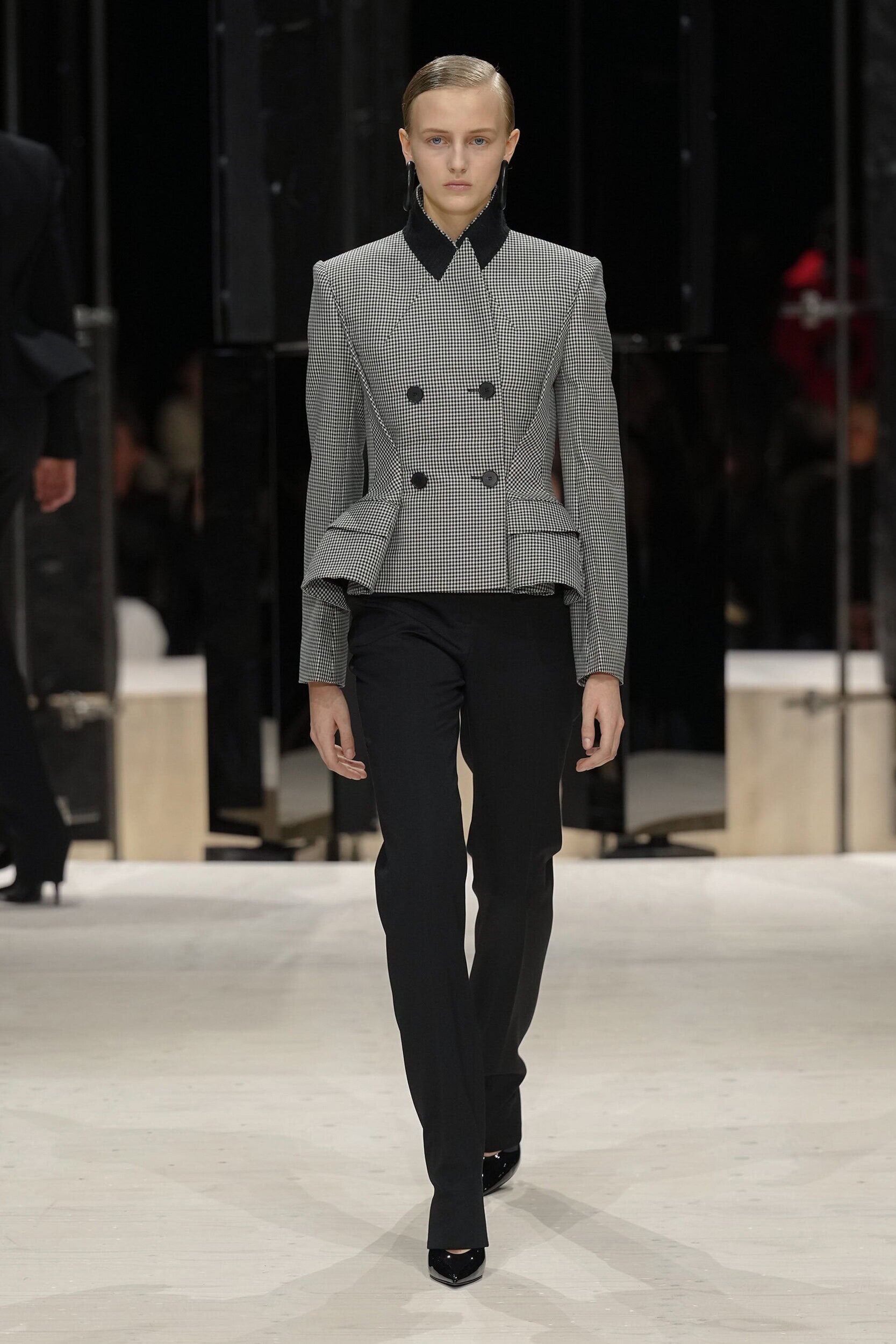
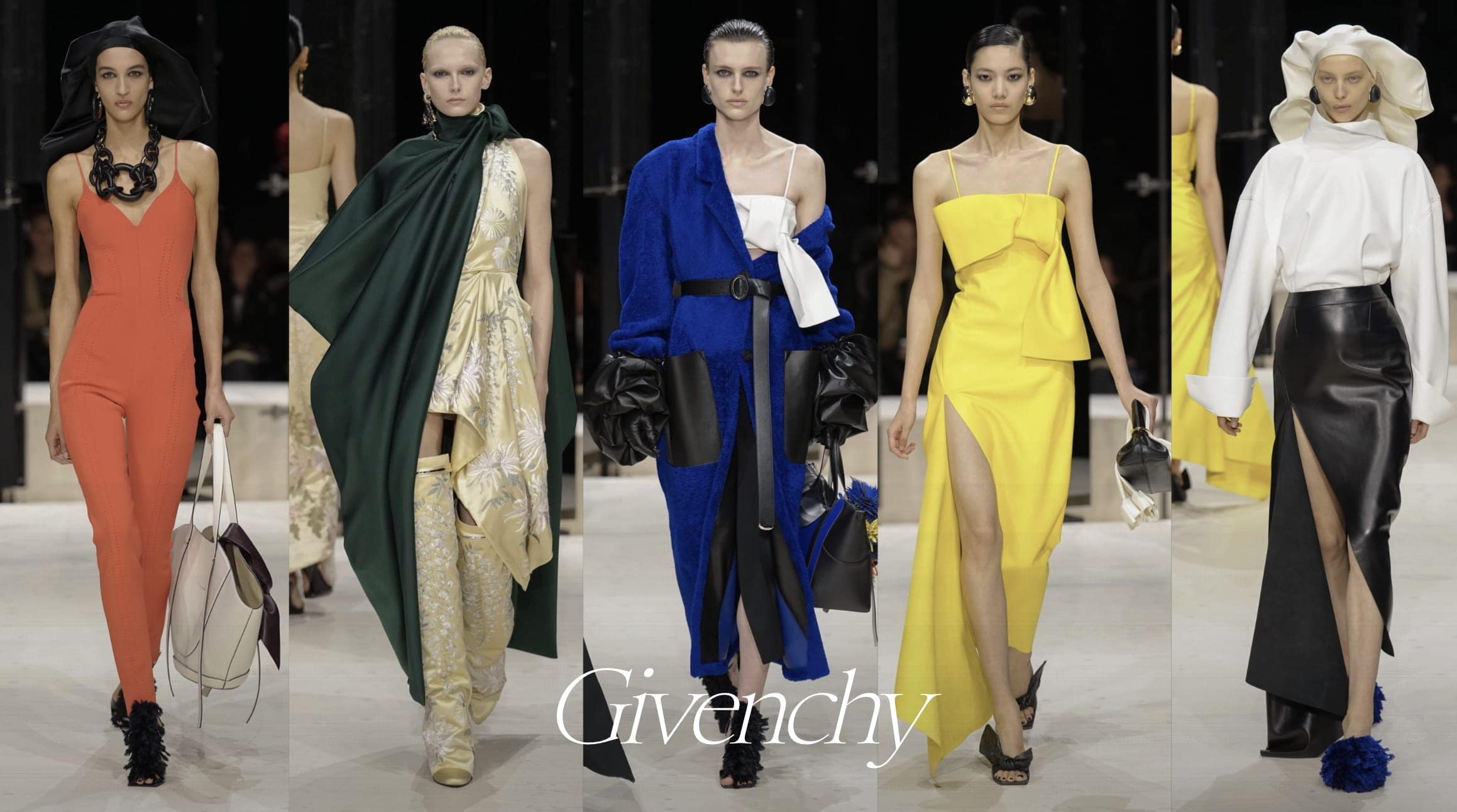
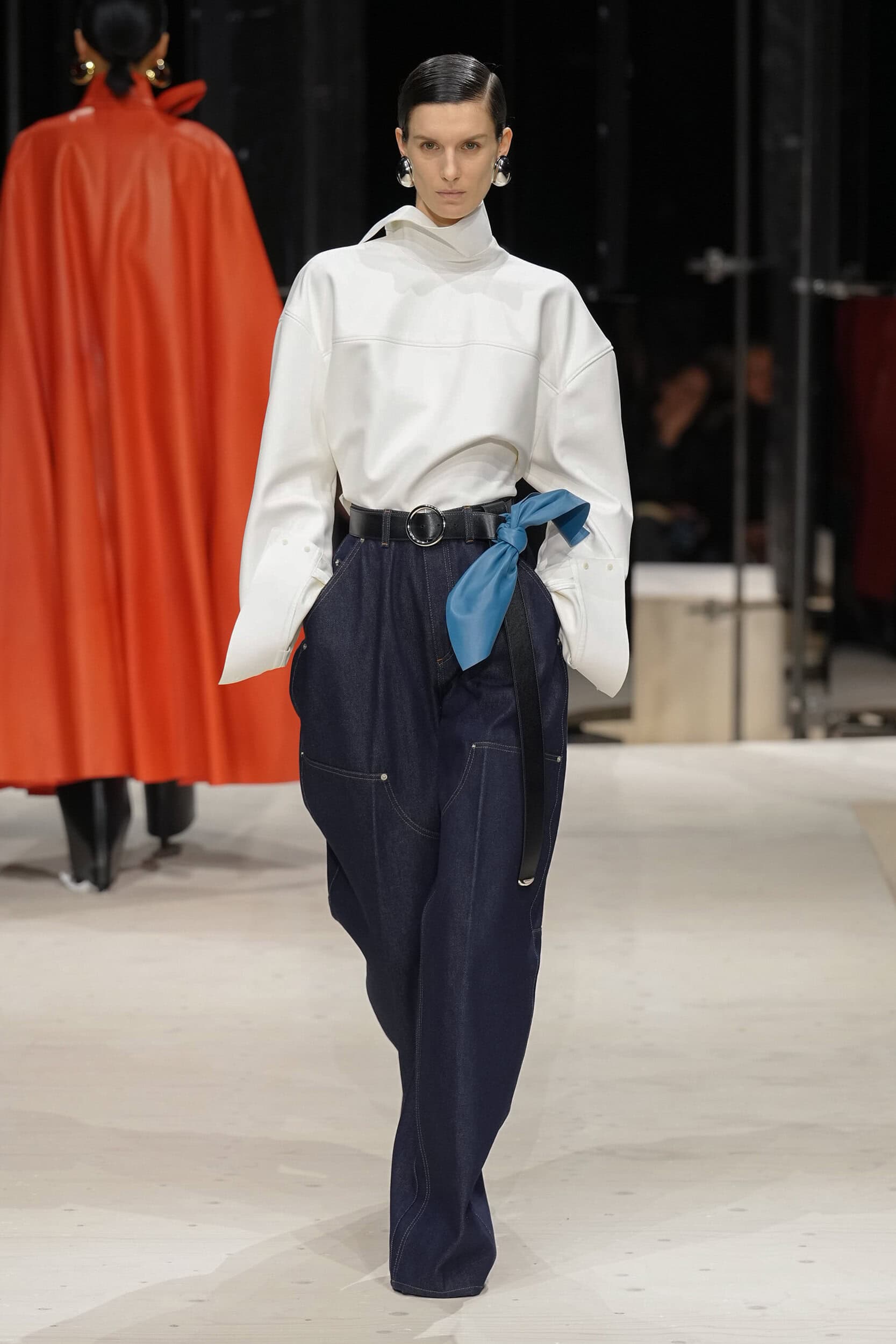
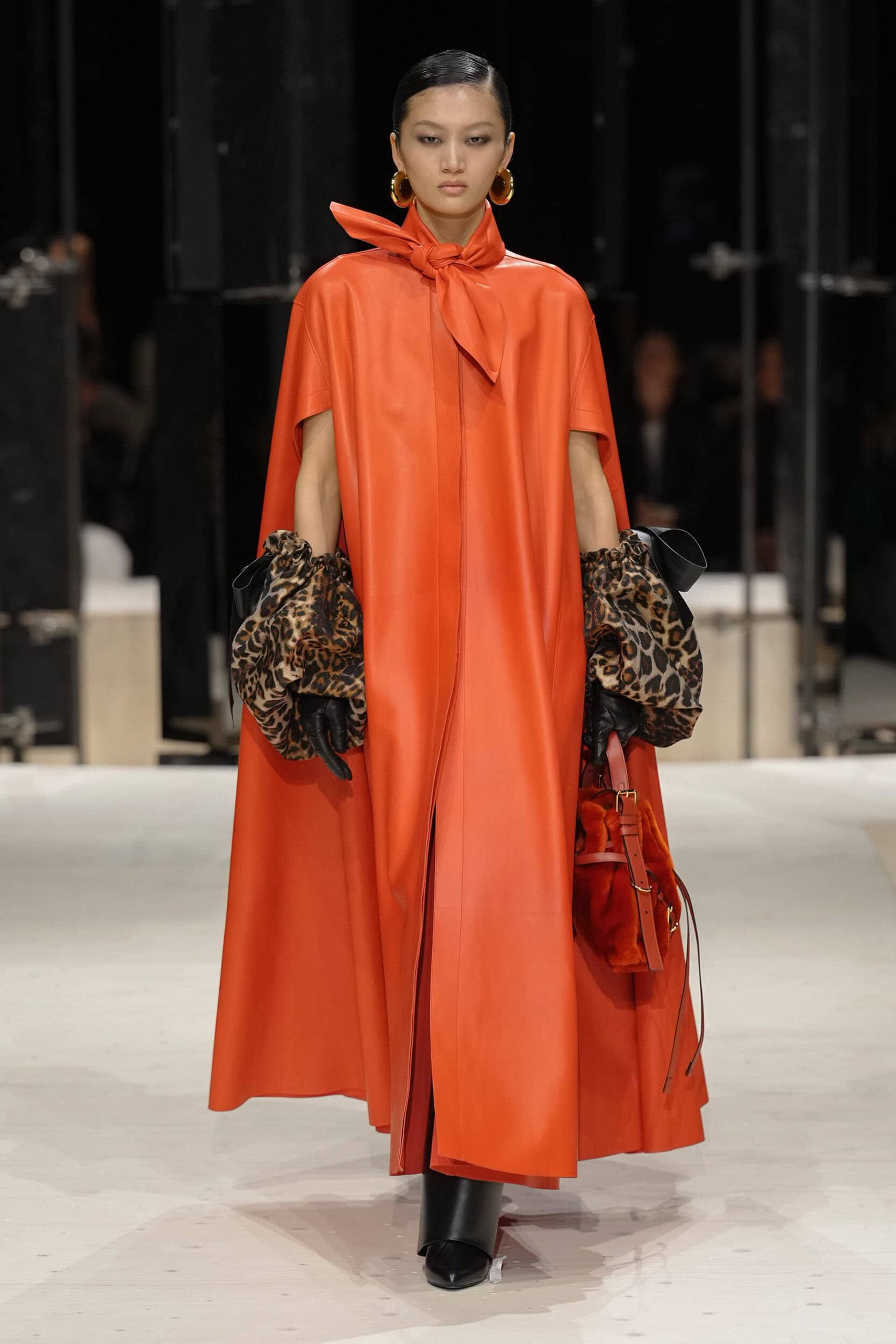
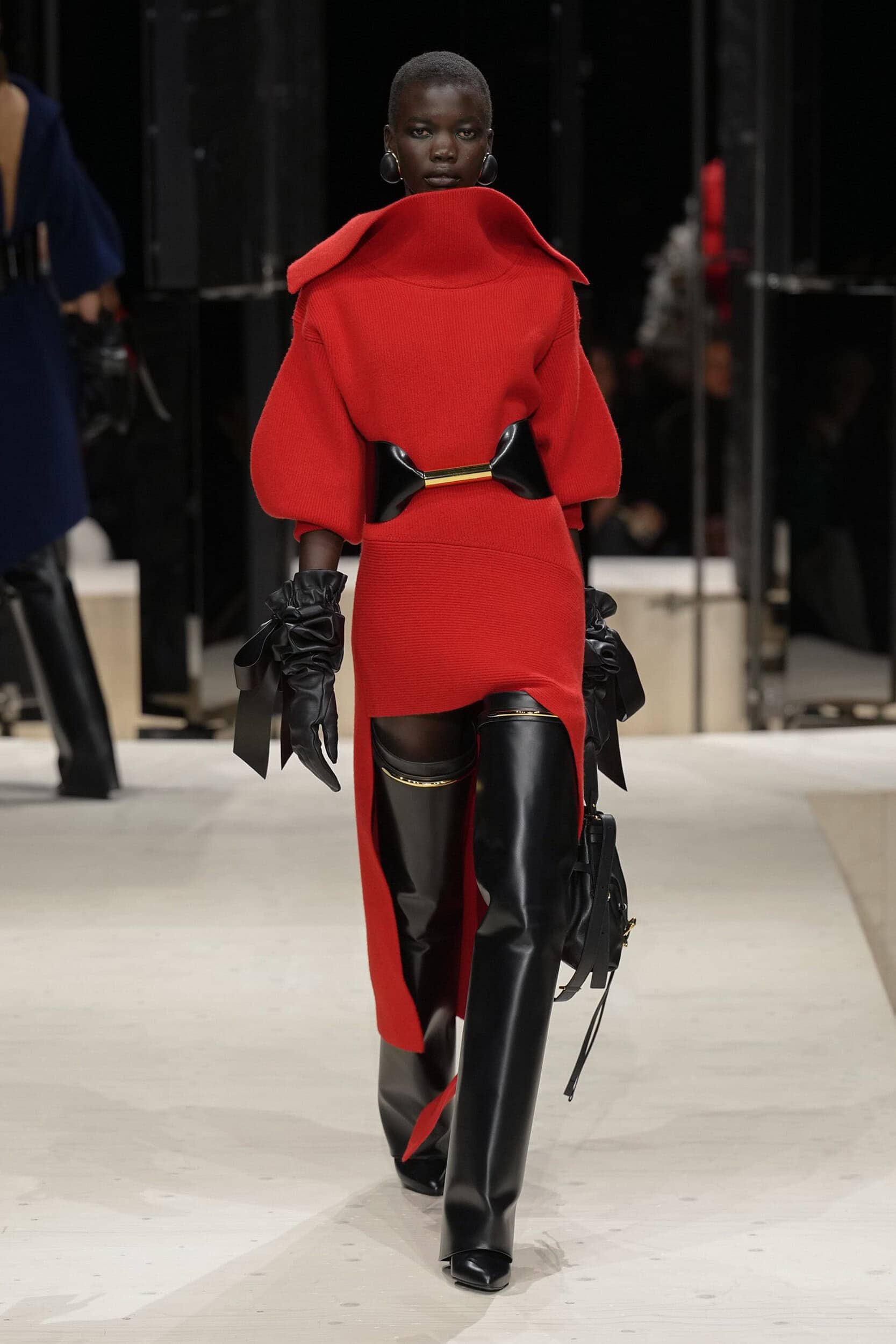
Tailoring remains the backbone of Burton’s Givenchy. Jackets were cut with remarkable precision, constructed with a menswear hand yet shaped to skim the body with unmistakable femininity. Peplumed jackets, sculptural coats, and double-breasted suits created silhouettes that felt architectural but never rigid.
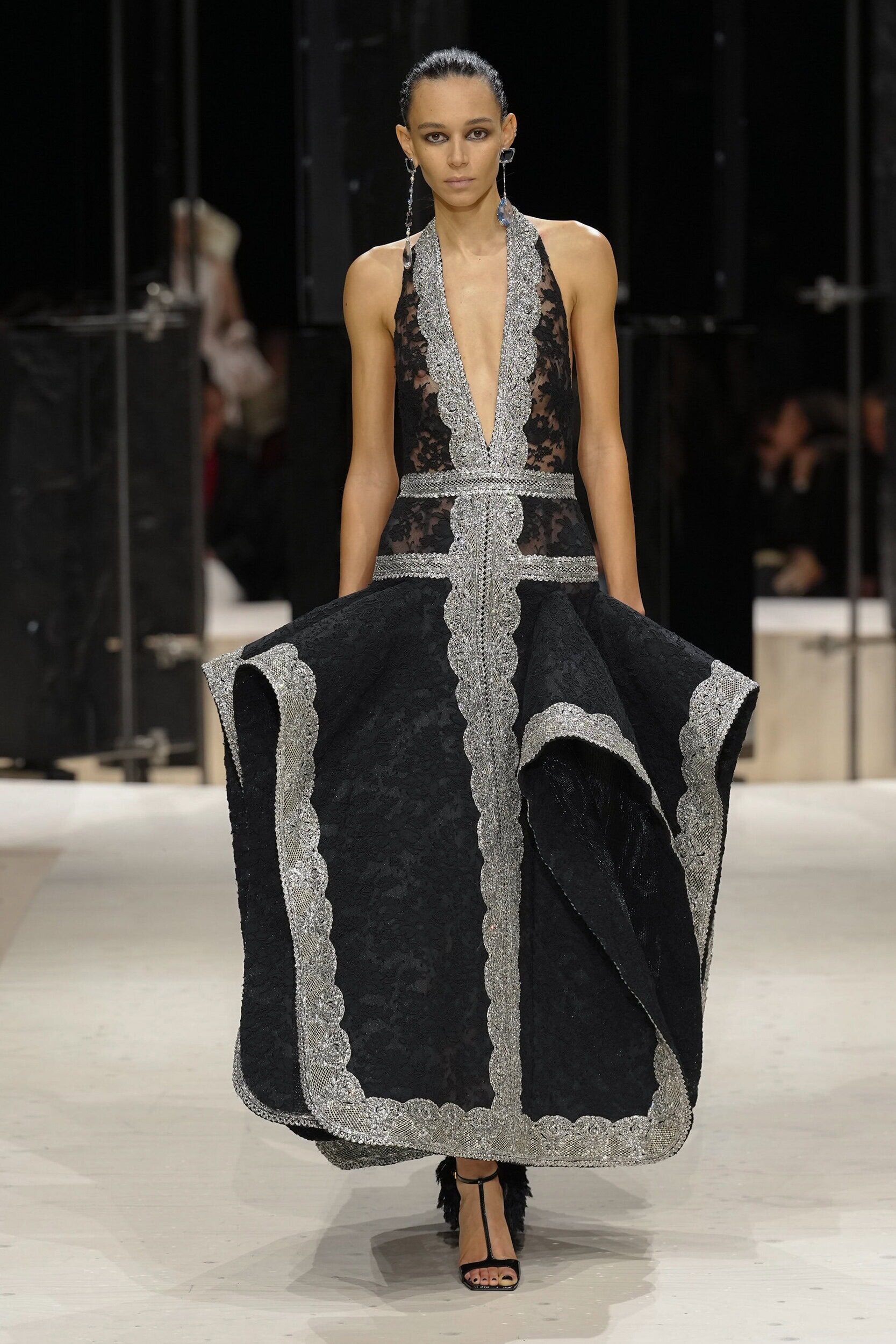
Around this structure, Burton allowed softness and sensuality to emerge. Lace dresses flared outward in sculptural forms, satin pieces draped around the body with an almost painterly ease, and slip dresses appeared tied simply at the back. The balance between discipline and fluidity created a tension that ran throughout the collection.
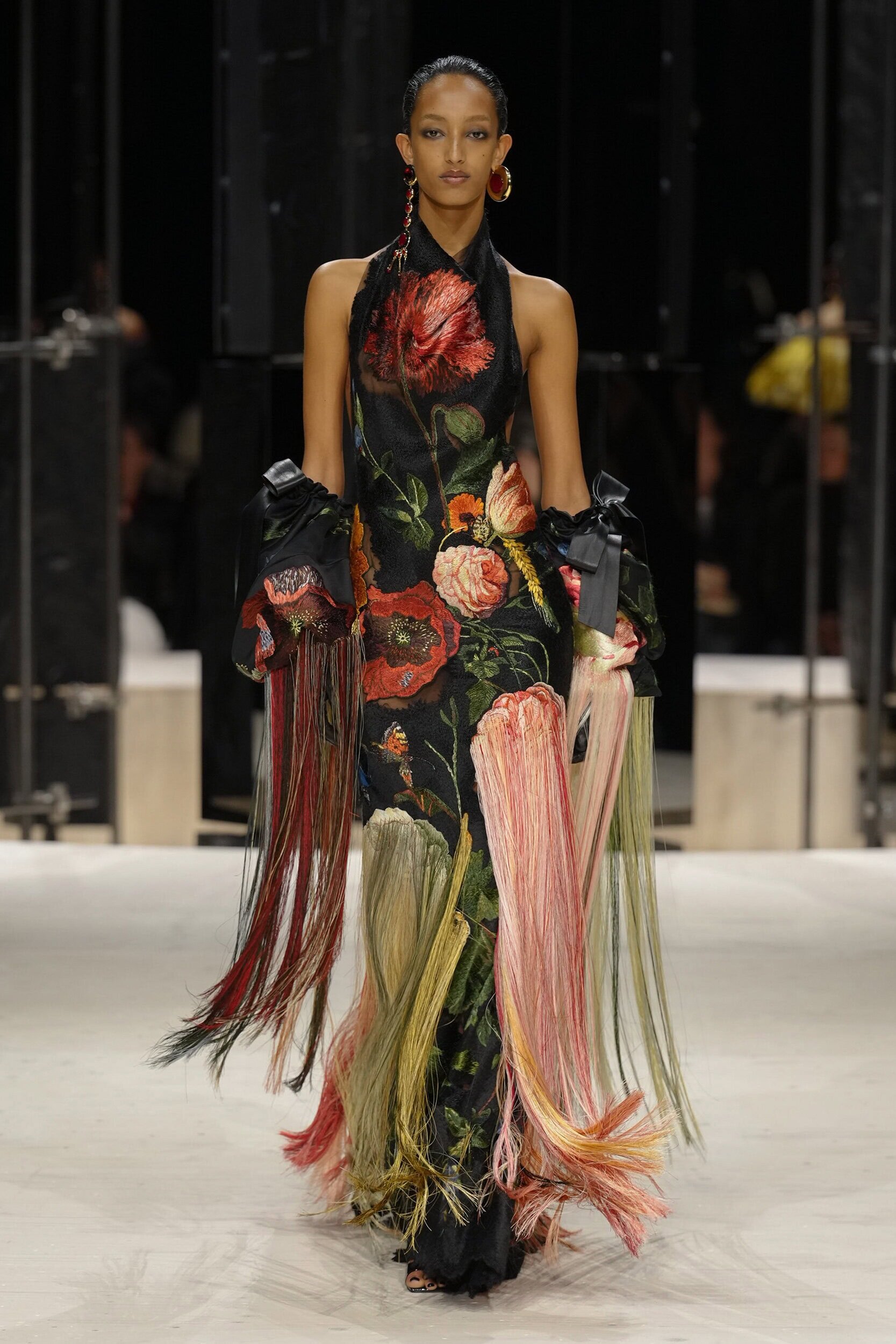
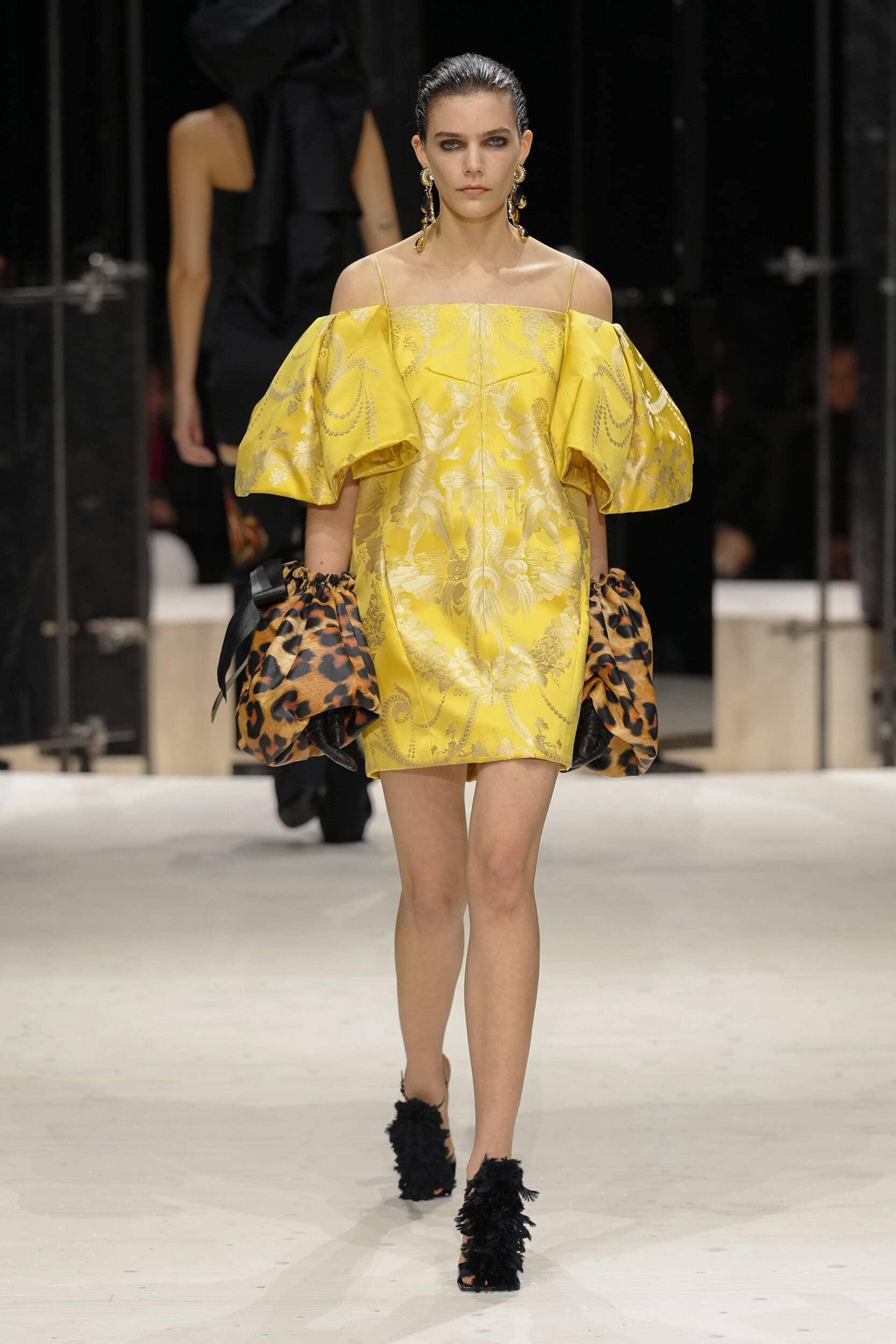
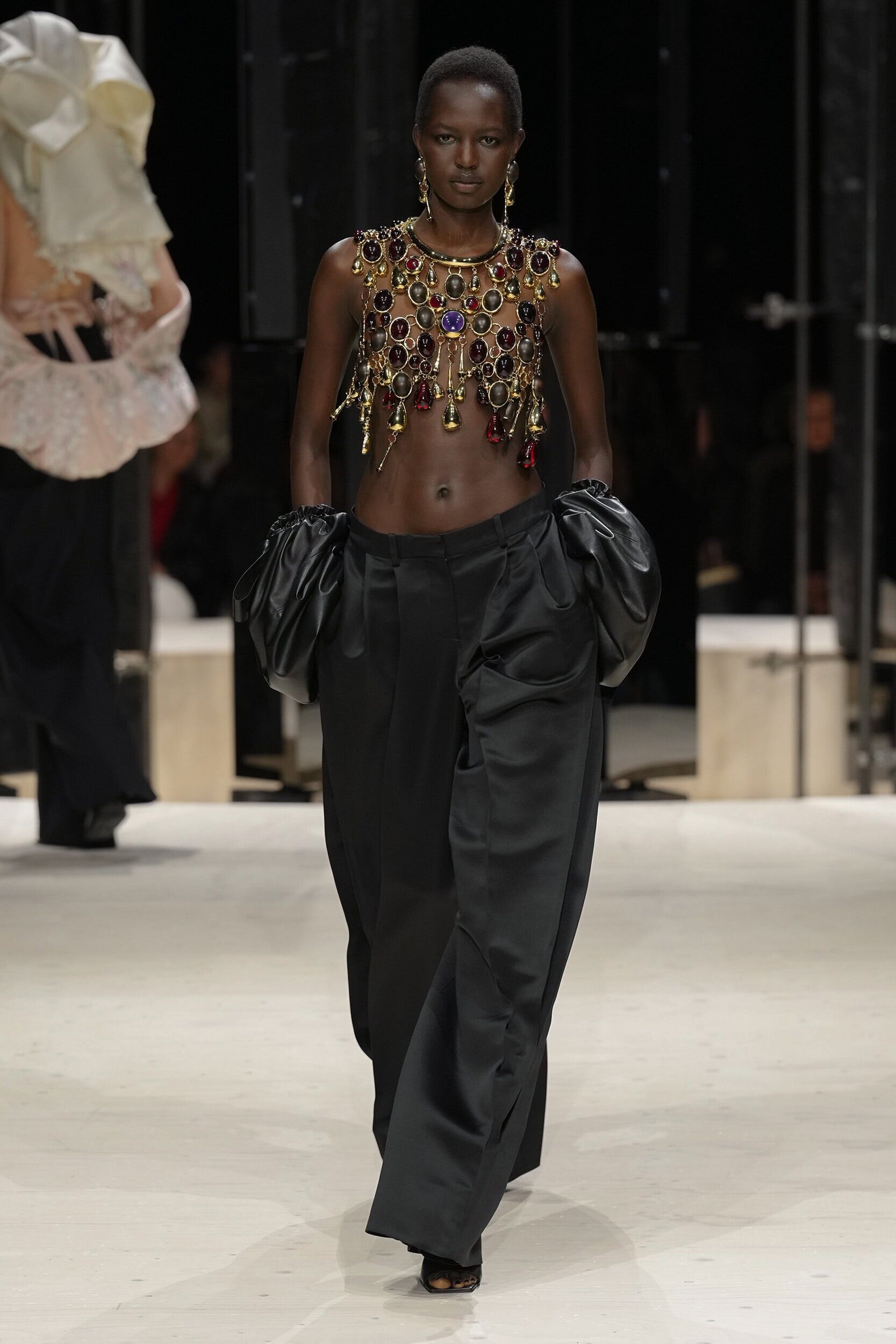
Historical references appeared in fragments. Embroidered florals recalled antique textiles, jacquards evoked the richness of classical interiors, and dramatic jewelry framed the face in a way reminiscent of painted portraiture. Rather than recreating historical dress, Burton allowed these elements to surface instinctively – small gestures embedded within contemporary silhouettes.
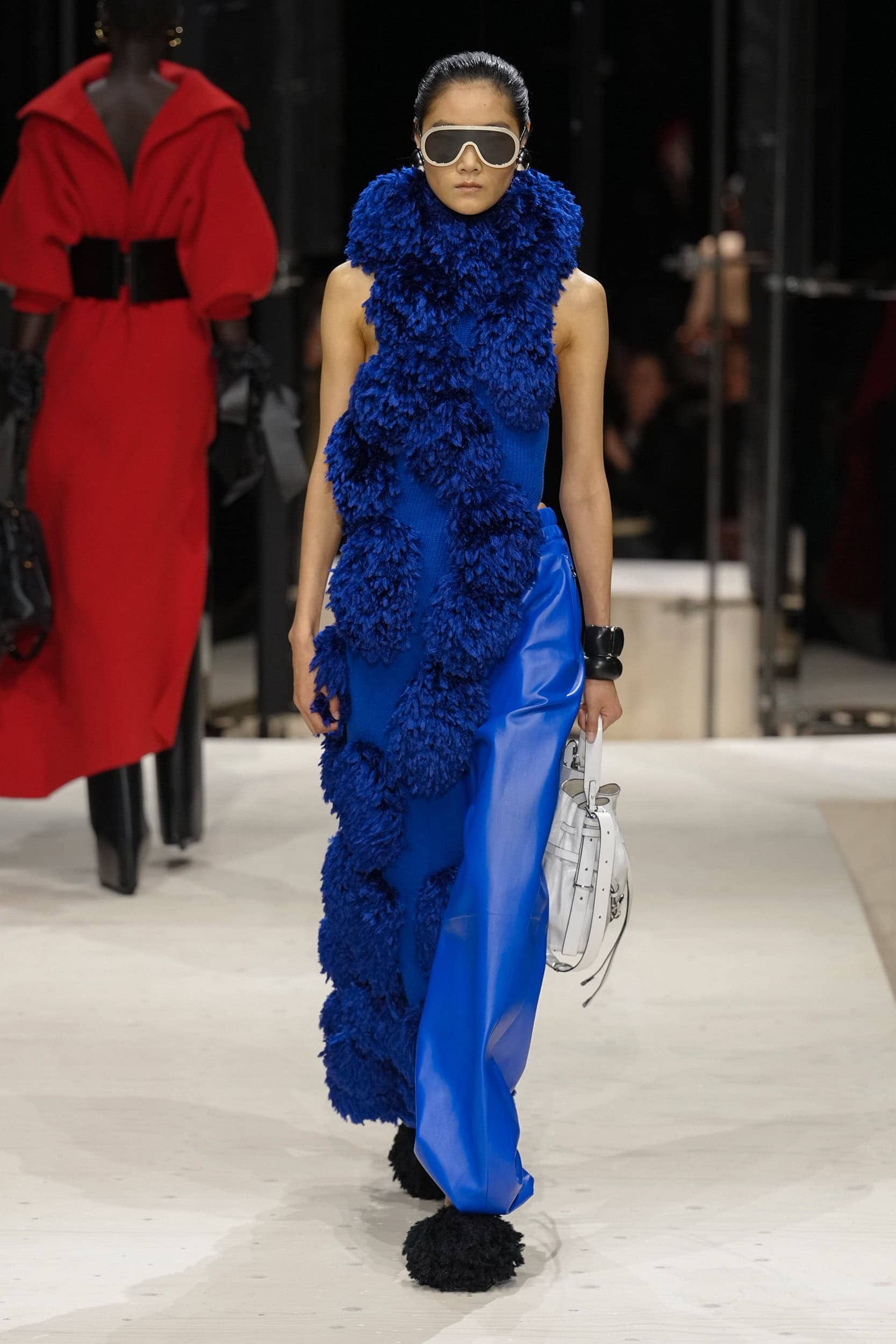
The styling reinforced this sense of multiplicity. Oversized jewelry and sculptural accessories gave certain looks a sense of aristocratic drama, while sharply tailored suits projected authority and control. Elsewhere, unexpected details – including Stephen Jones’ sculptural head wraps formed from twisted T-shirts – introduced a touch of modern irreverence.
Seen together, the collection read as a series of characters rather than a single archetype. Some women appeared severe and commanding, others romantic and fluid, while others embraced bold experimentation through texture and proportion.
THE QUOTE
I always think of women as a collective – I don’t really think in terms of ‘Who is your type of woman?’ There are many facets to a woman’s life. One day you want to feel one way, another day something different. I like the balance between softness and construction.”
– Sarah Burton
THE WRAP UP
What Burton ultimately proposes is not a singular vision of femininity but a layered one.
Throughout fashion history, women have often been represented through fixed archetypes – the romantic muse, the aristocratic lady, the disciplined professional. Burton seems less interested in choosing between these identities than in allowing them to coexist.
By anchoring the collection in the rigor of tailoring while weaving in fragments of historical elegance and emotional softness, she constructs a wardrobe that reflects the complexity of modern life.
In doing so, Burton continues to shape Givenchy into a house grounded in craft, precision, and emotional nuance – one where femininity is not defined by a single idea, but by the freedom to move between many.