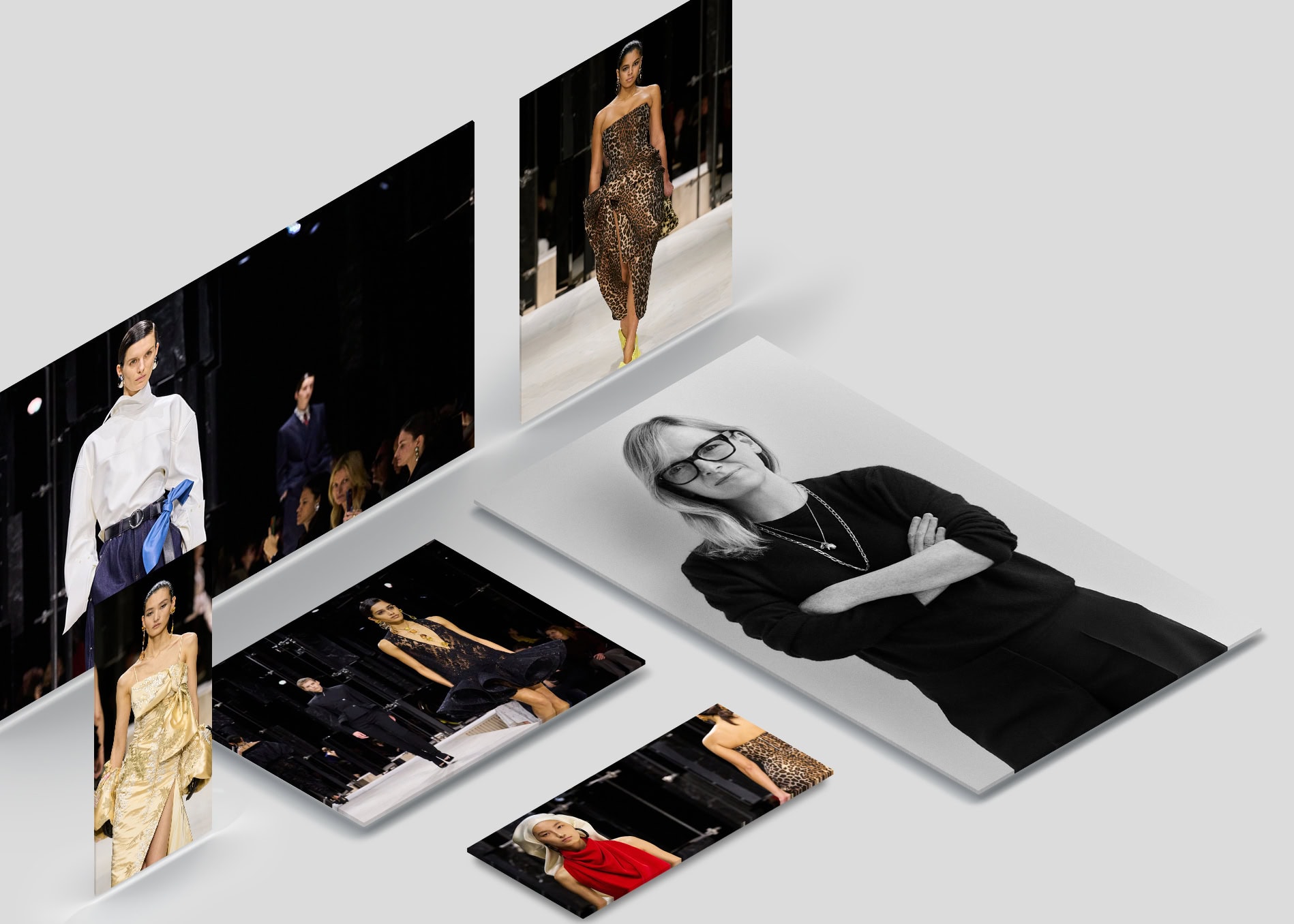
A Thoughtful Vision Of Tailoring, Sensuality, And Individuality Shaped Around How Women Put Themselves Together Today
By Kenneth Richard
In fashion, there are designers who chase attention, and there are those who quietly shape how women see themselves in the world. Sarah Burton has always belonged to the latter.
Her work moves with a rare combination of intellect and empathy. Thoughtful, warm, and deeply attentive to the emotional language of clothing, Burton designs not simply garments but possibilities—clothes that acknowledge the complexity of women’s lives and give form to the many identities they carry. At Givenchy, she approaches the house with the same sense of purpose: not to impose a singular idea of womanhood, but to build a wardrobe that allows women to express themselves fully.
Her latest collection begins with a deceptively simple question: how do women put themselves together in the world we live in today?
“It started with the idea of how women put themselves together,” Burton explains.
Women live these multi-faceted, complicated lives today, and I wanted to think about how those different moments come together. There are different facets to a woman’s life—how memory and history inform how we move forward, and how those fragmented moments become part of the future.
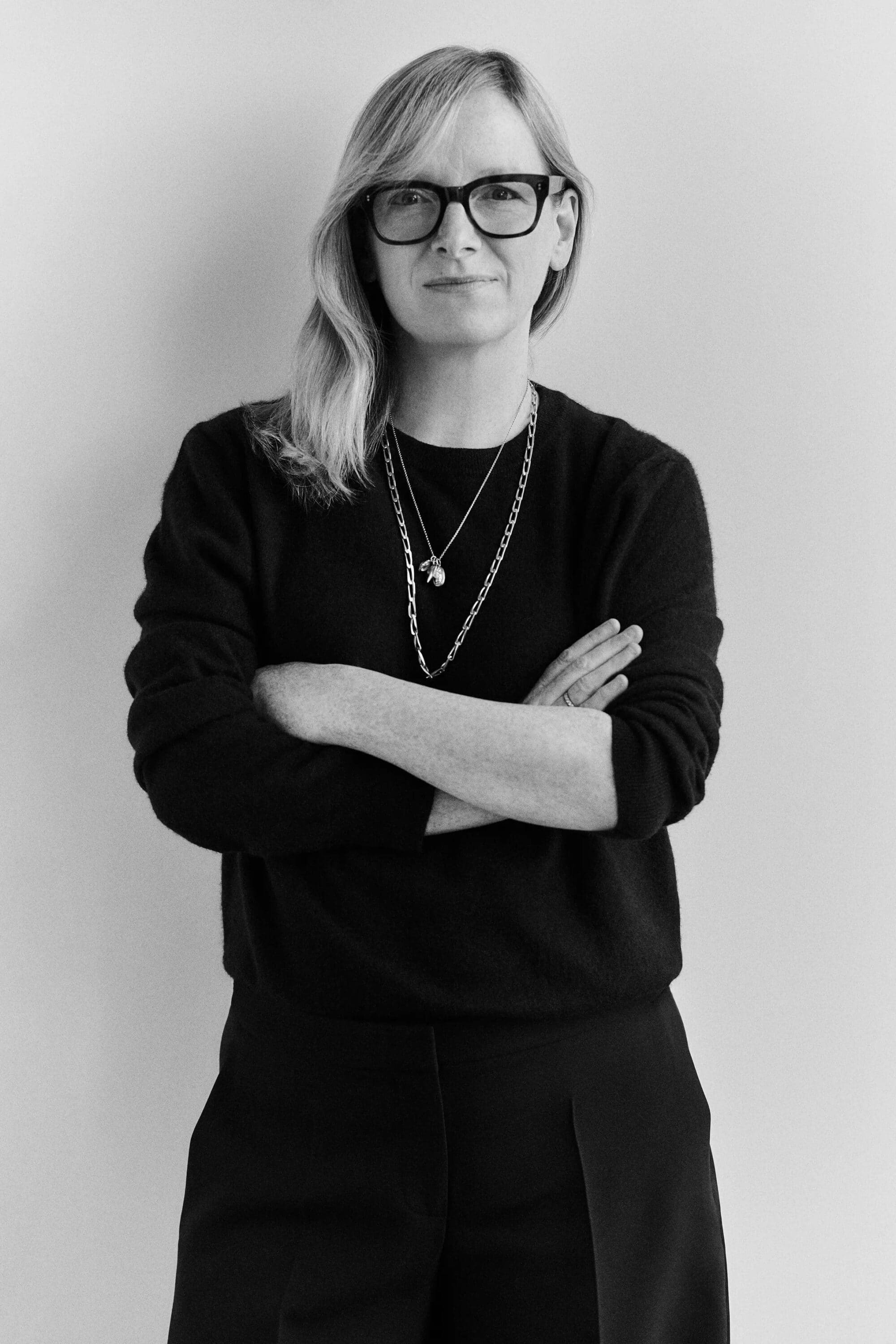
Rather than reducing that complexity, Burton embraces it. The collection unfolds as a wardrobe for the many lives a woman inhabits—professional and personal, sensual and intellectual, structured and fluid. Burton resists the notion of designing for a single archetype. Instead, she speaks of women collectively, each bringing her own perspective to the act of dressing.
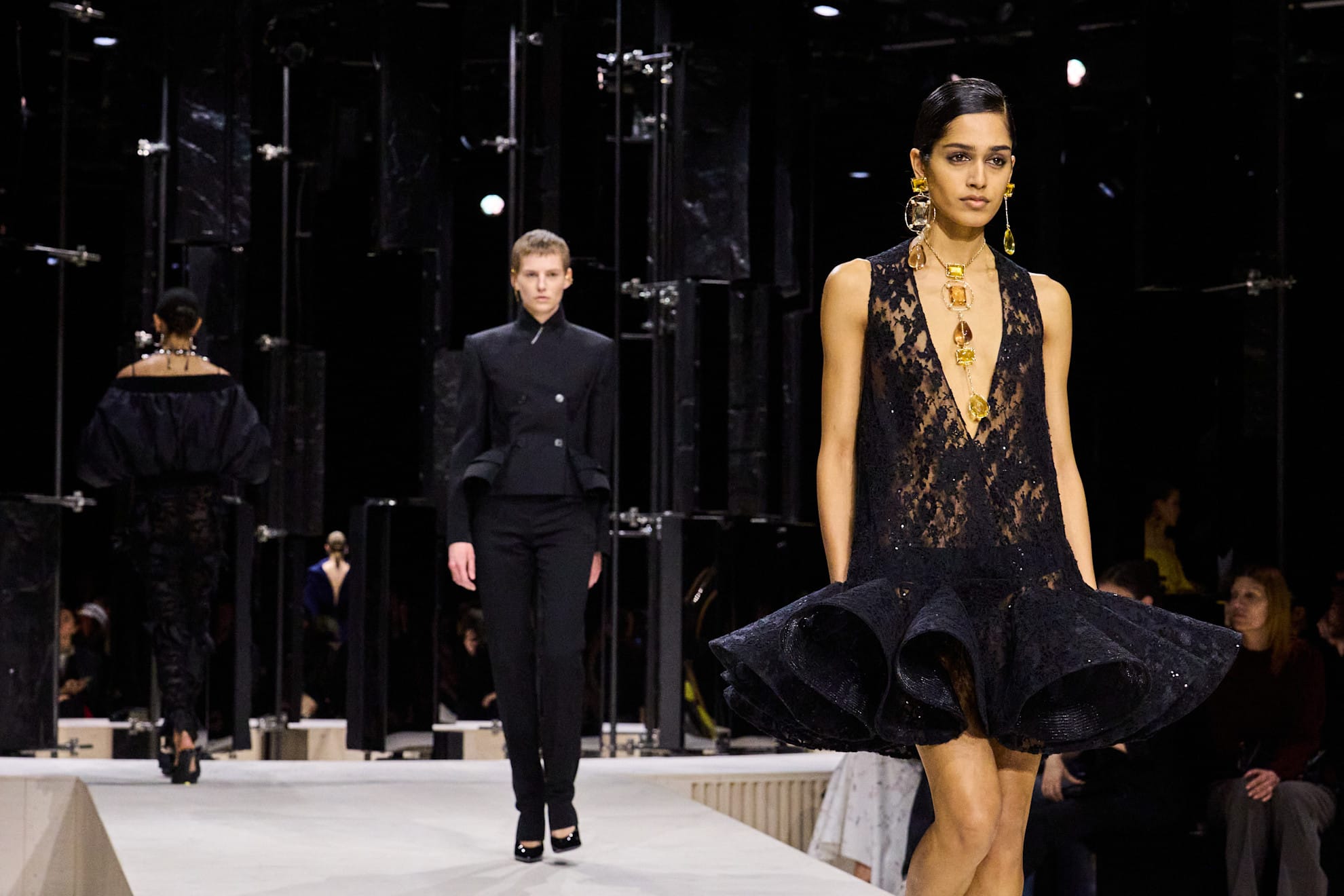
Tailoring forms the backbone of the collection. Jackets skim the body with quiet precision, sharp yet light, structured yet never restrictive. Burton develops the patterns within the womenswear atelier but constructs them with the rigor of menswear tailoring, allowing the garments to maintain both femininity and architectural clarity.
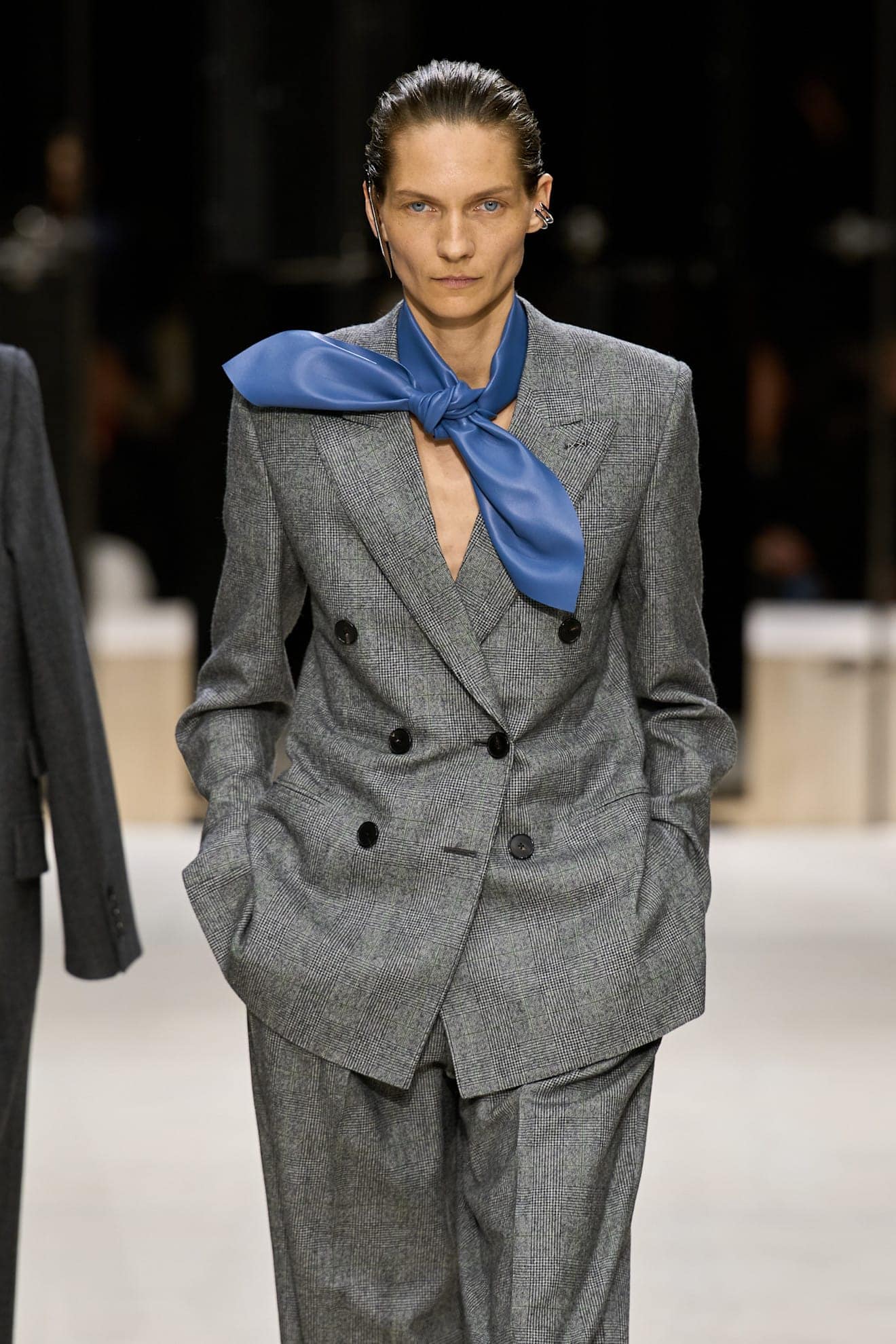
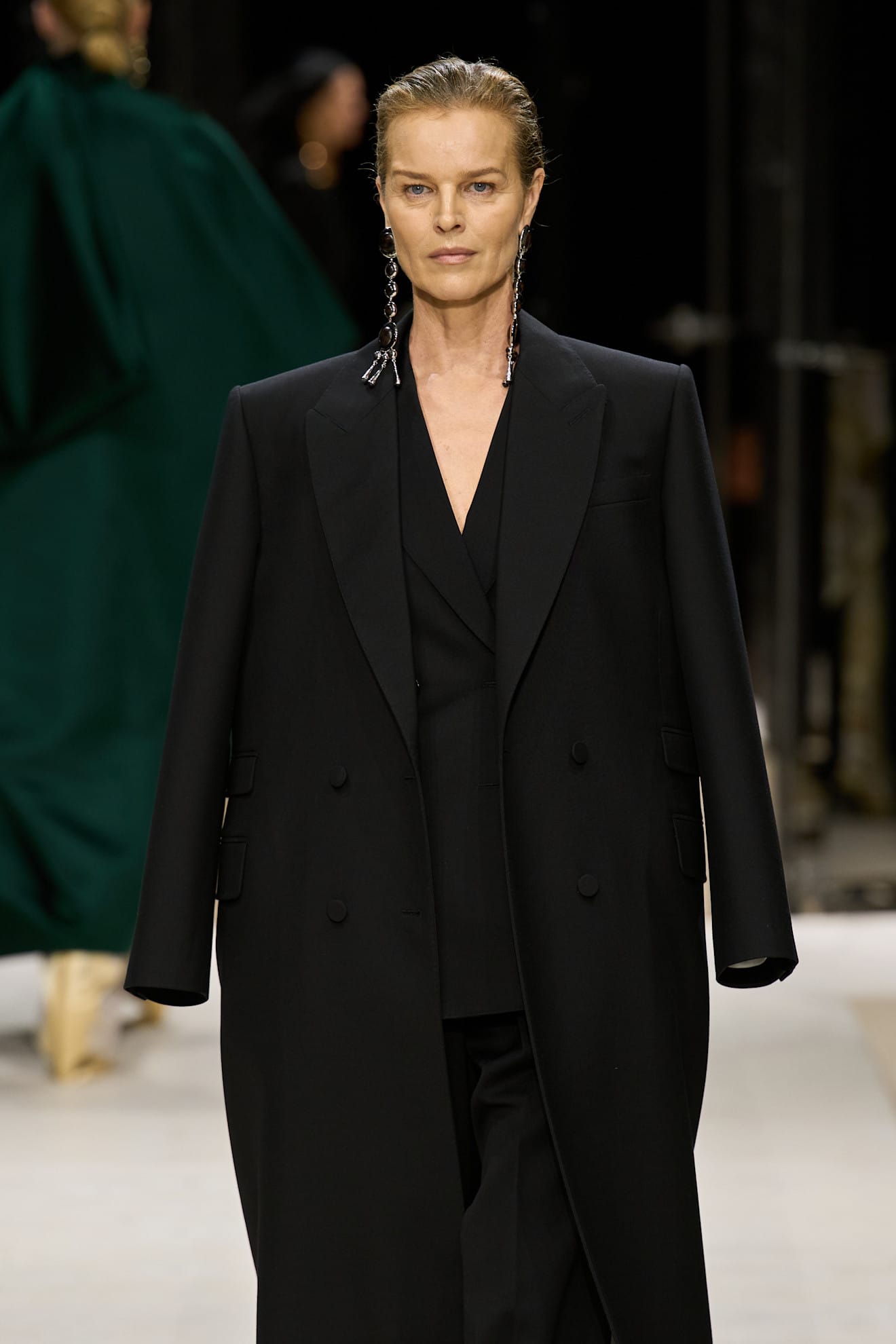
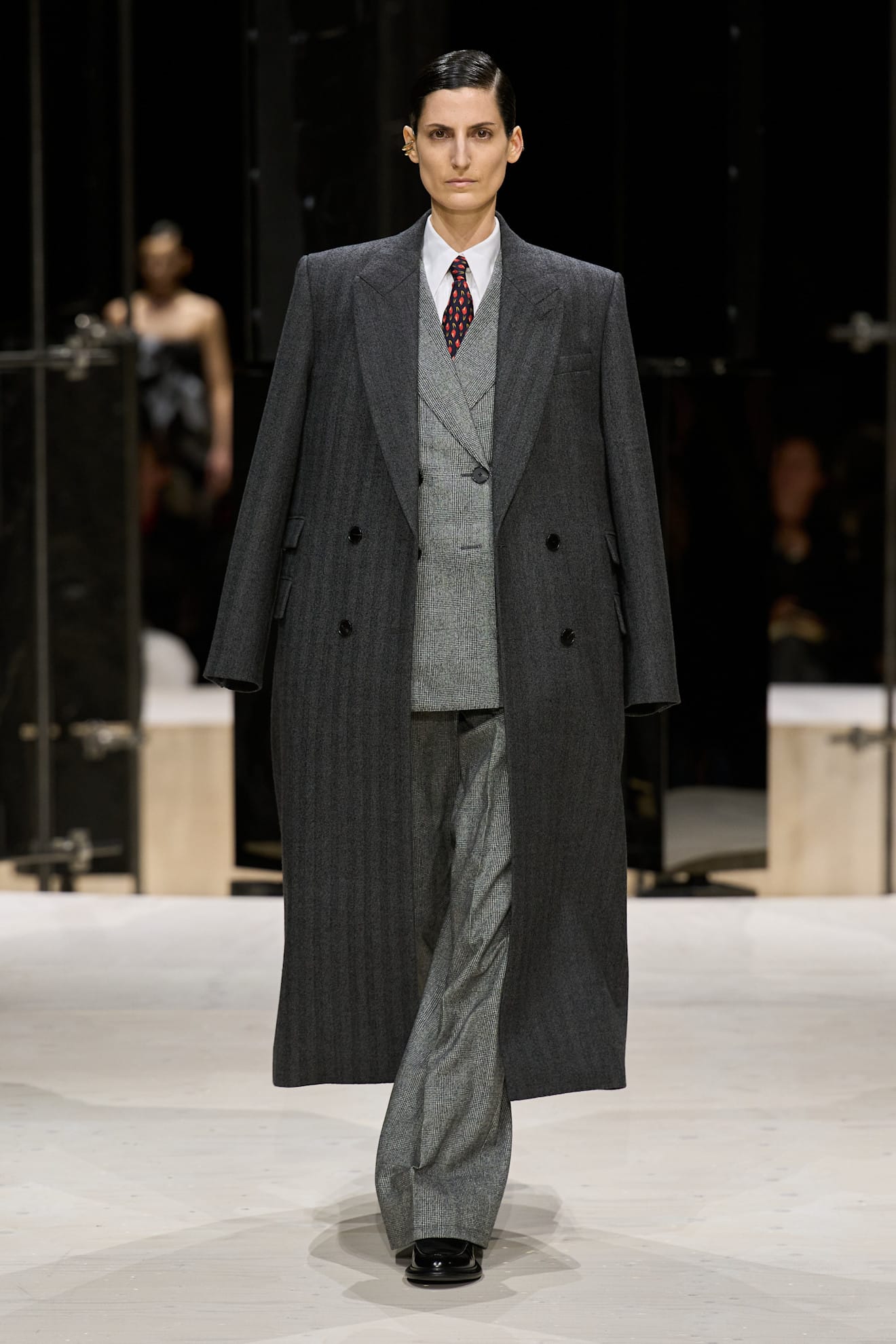
“You get the feminine shape of the jacket so it skims the body and doesn’t constrict it,” she explains. “But it’s made with the menswear atelier, with the same canvassing, so it has that very sharp, clean line.”
This balance between softness and discipline has long defined Burton’s work. At Givenchy it becomes something deeper—a reflection of the modern woman herself, moving fluidly between strength and vulnerability, precision and instinct.
Yet Burton’s intellect never translates into severity. There is always a sense of curiosity and imagination at work. Her creative process, she explains, rarely begins with a rigid theme. Instead it evolves organically, guided by a stream of references that surface as the collection takes shape.
“I was thinking about Velázquez paintings,” she says. “Then Vermeer. Then I remembered a drawing of an Erté catsuit that inspired this whole Art Deco animal feeling.”
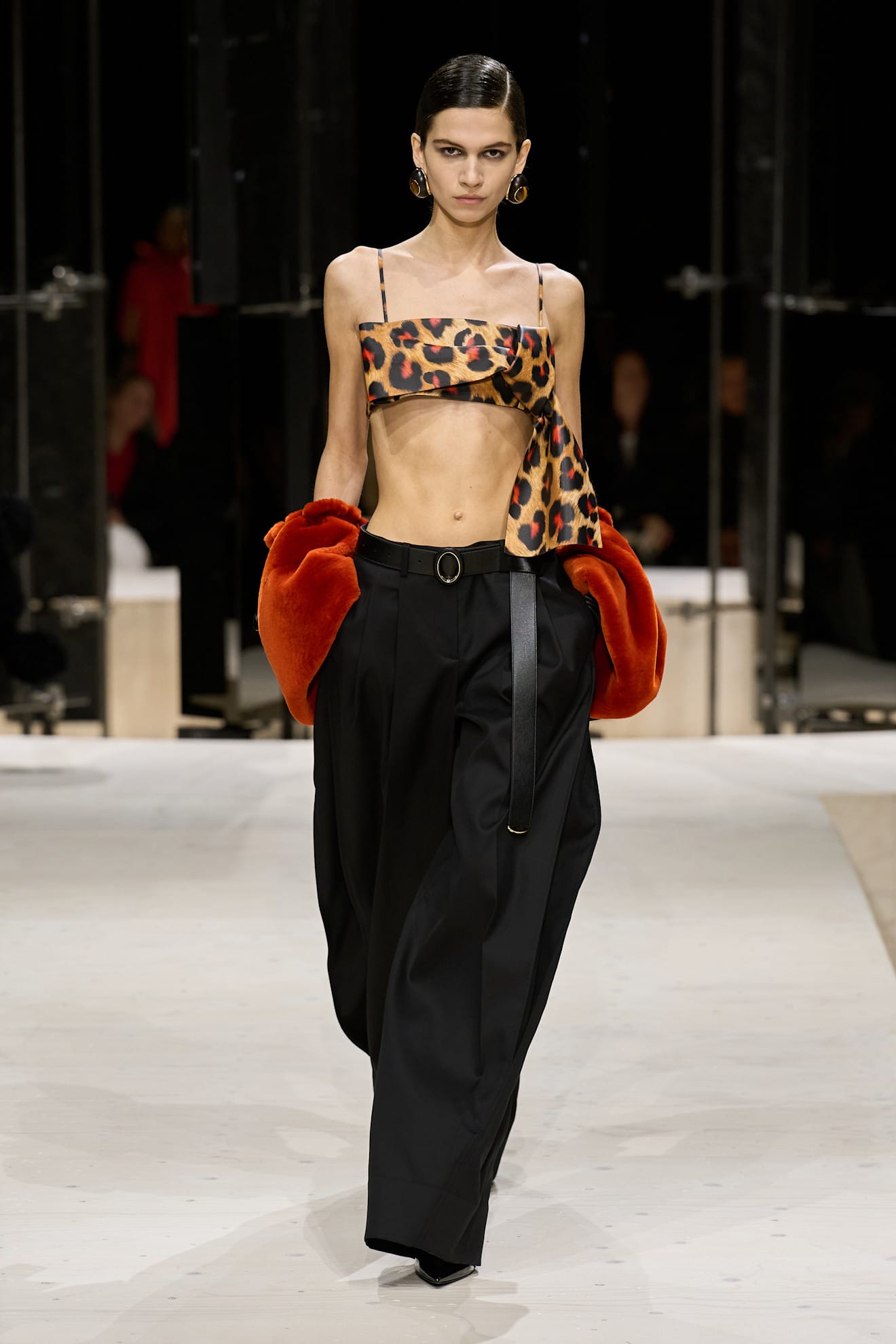
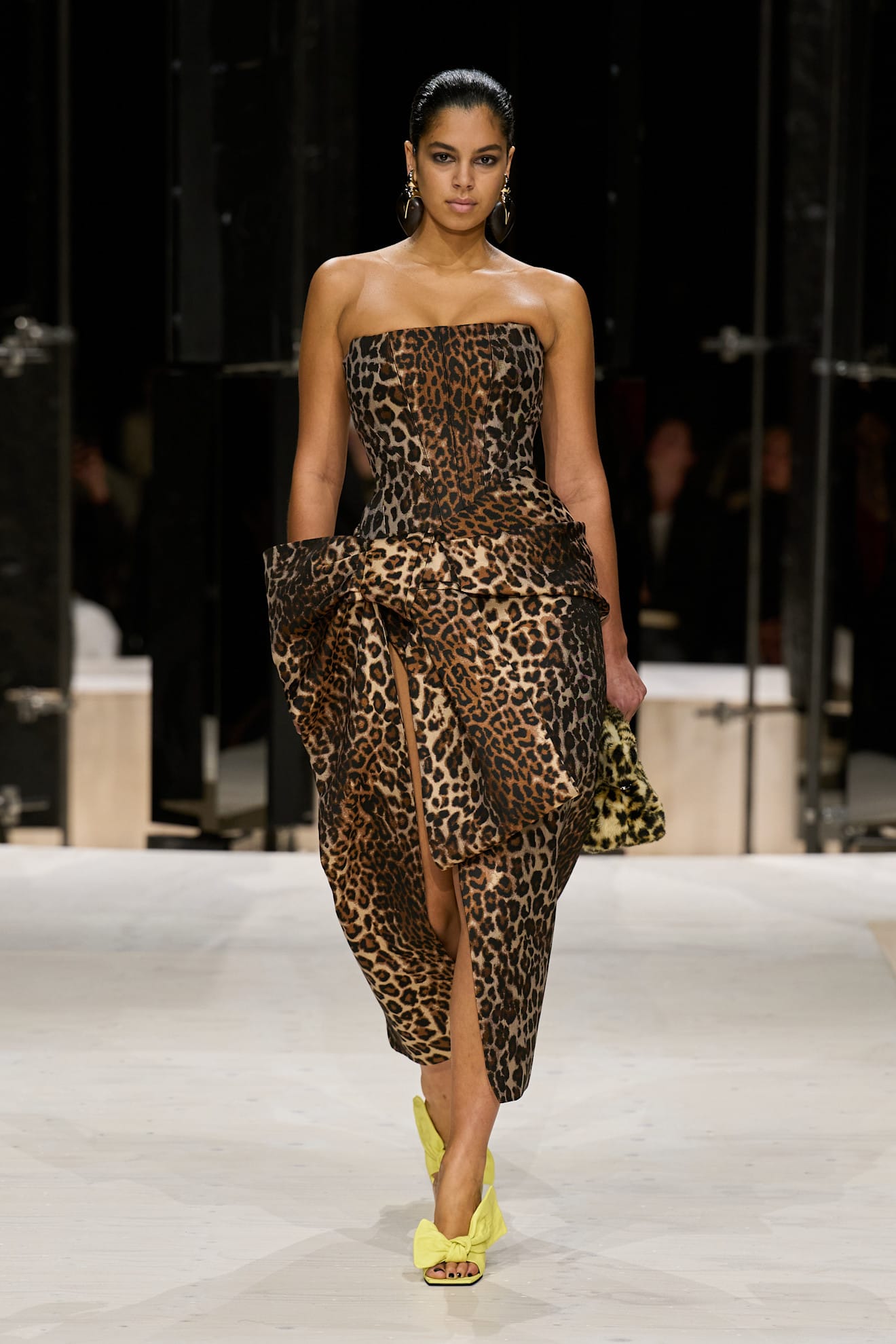
The references are never literal. Instead they surface in gestures—a ribbon of lace twisting across velvet, embroidery that recalls the softness of a painted portrait, silhouettes that evoke art history without ever directly quoting it. Burton prefers suggestion to replication, allowing clothing to carry the emotional resonance of art rather than its imagery.
There is also an ease that runs throughout the collection. Dresses appear as fragments rather than formal statements: slips tied lightly with ribbons, garments that feel intuitive rather than engineered.
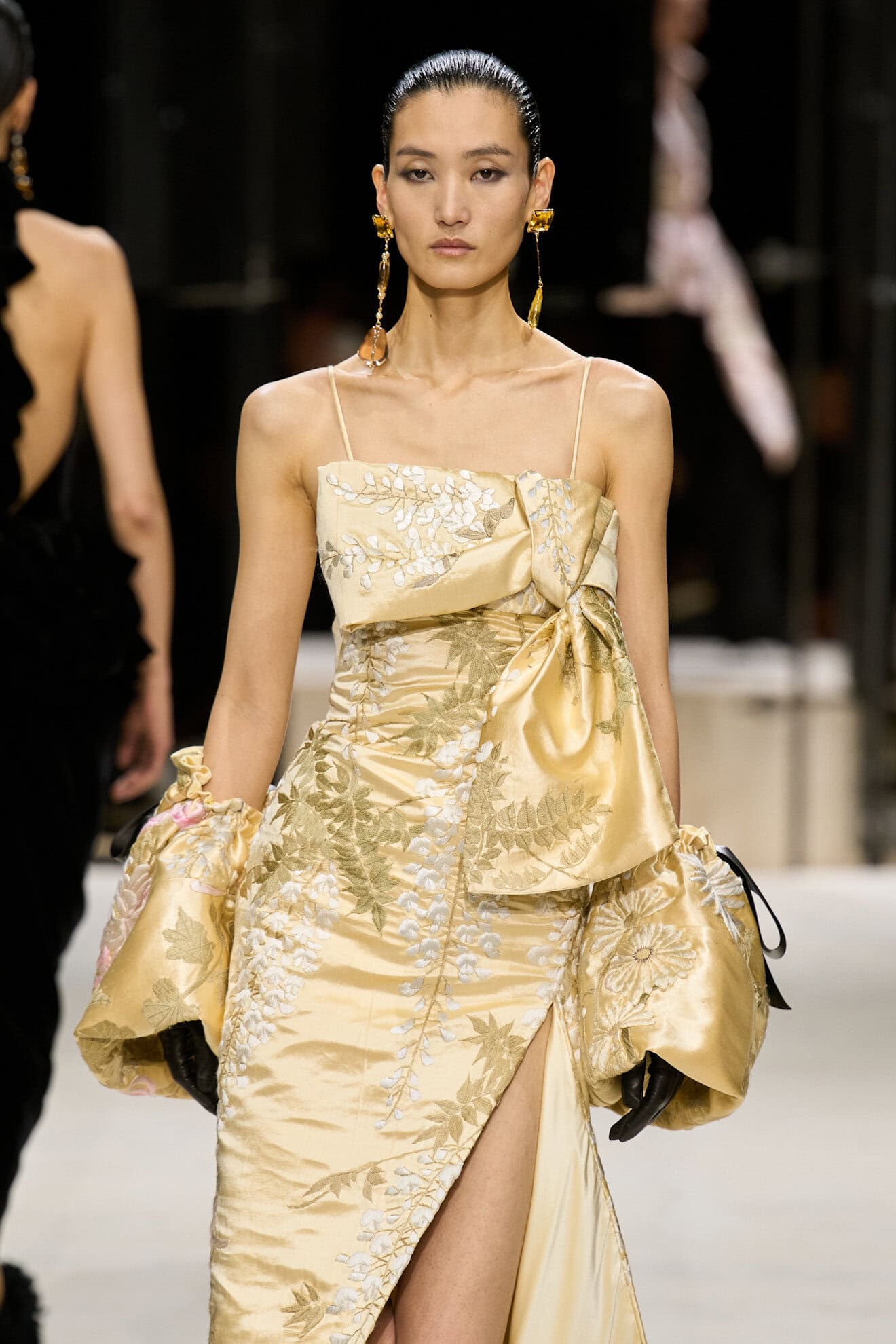
“I love the idea of dresses being elements of dresses,” Burton says. “A slip tied with a ribbon at the back. An effortlessness to it.”
That sense of instinctive dressing extends to the details. In one moment during the development process, Burton recalls draping a jacket and slicing off the sleeves. The remnants fell naturally around the arm, creating a playful new gesture.
“She was wearing a glove anyway,” Burton says with a smile. “So it looked like a pom-pom, like a remnant of a jacket. Almost like treasures or found things that come together.”
Throughout the collection, garments feel assembled with a sense of discovery. Pieces seem to gather memories, textures, and references the way a woman’s wardrobe might accumulate over time.
Even the hats carry this quiet poetry. Created with Stephen Jones, they resemble sculptural headpieces at first glance, yet their origin is surprisingly humble.
“They’re actually T-shirts,” Burton reveals.
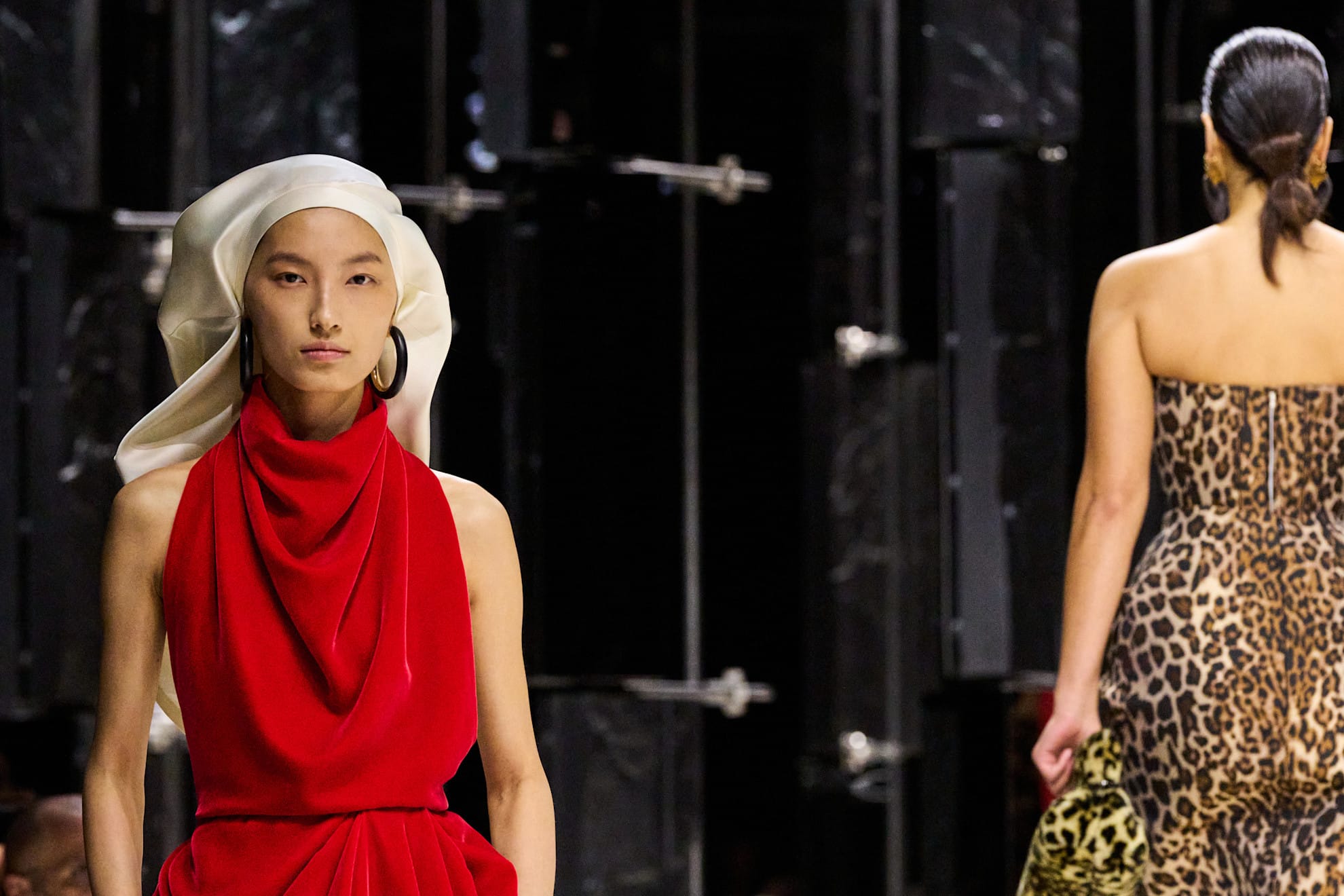
The transformation is deliberate. The T-shirt—perhaps the most democratic object in any wardrobe—becomes something elevated and painterly. It reflects Burton’s fascination with the everyday rituals of dressing, the simple gestures through which identity takes shape each morning.
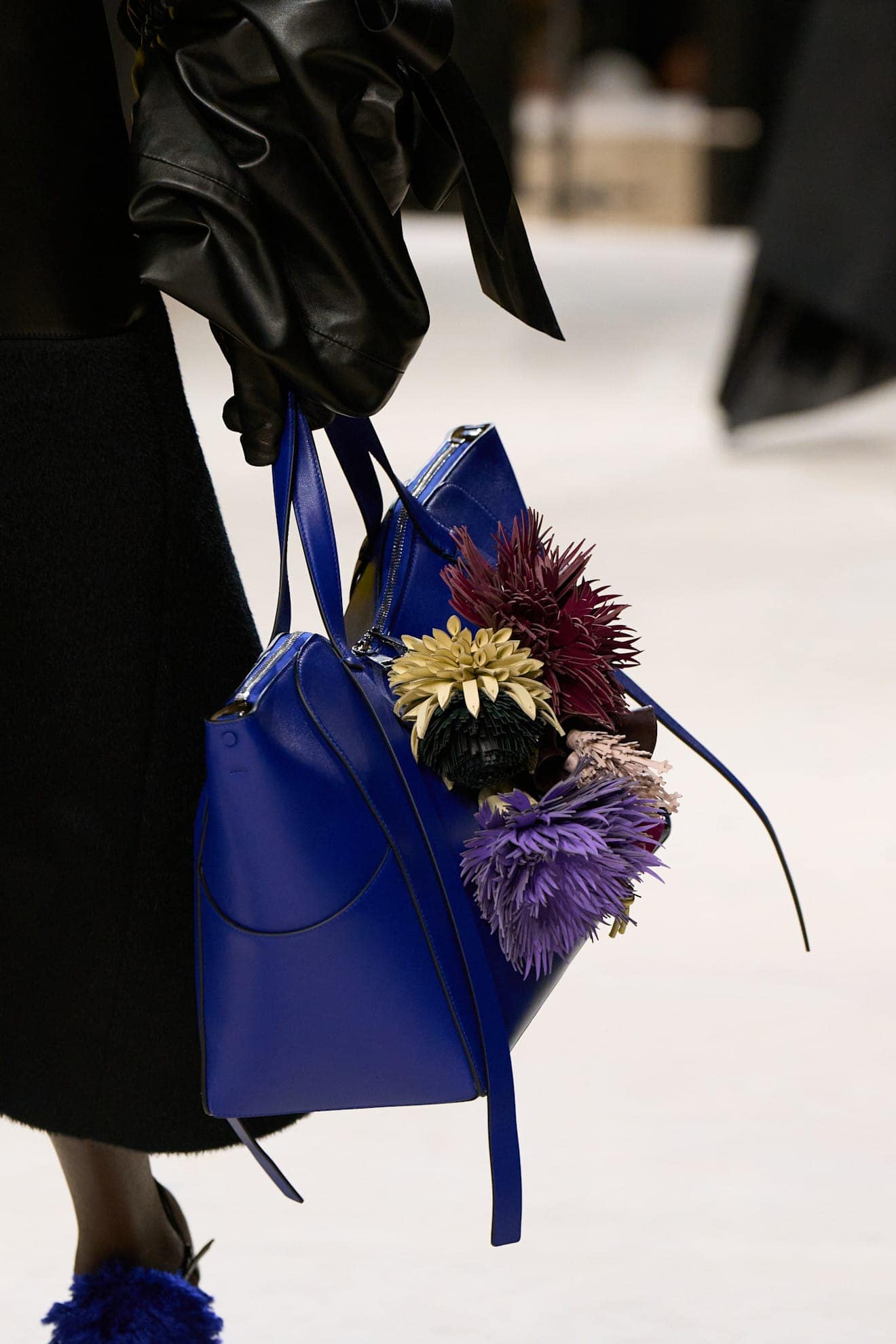
Accessories play an equally personal role. Burton speaks about each look almost as though it were a character, considering the bag she might carry or the jewelry she might choose.
“With each character in the collection, it’s like asking what bag she would wear, what jewelry she would have,” Burton explains. “How would she personalize it?”
Jewelry references range widely: a ring once given to Elizabeth I by her mother might sit beside a stone inspired by the Amazon. These combinations are intentional, reflecting Burton’s belief that inspiration rarely comes from a single source.
“It’s a stream of consciousness,” she says.
Even sensuality is approached with the same thoughtful independence. Burton rejects the idea that seduction exists for the benefit of someone else. For her, the sensuality of clothing belongs first and foremost to the woman wearing it.
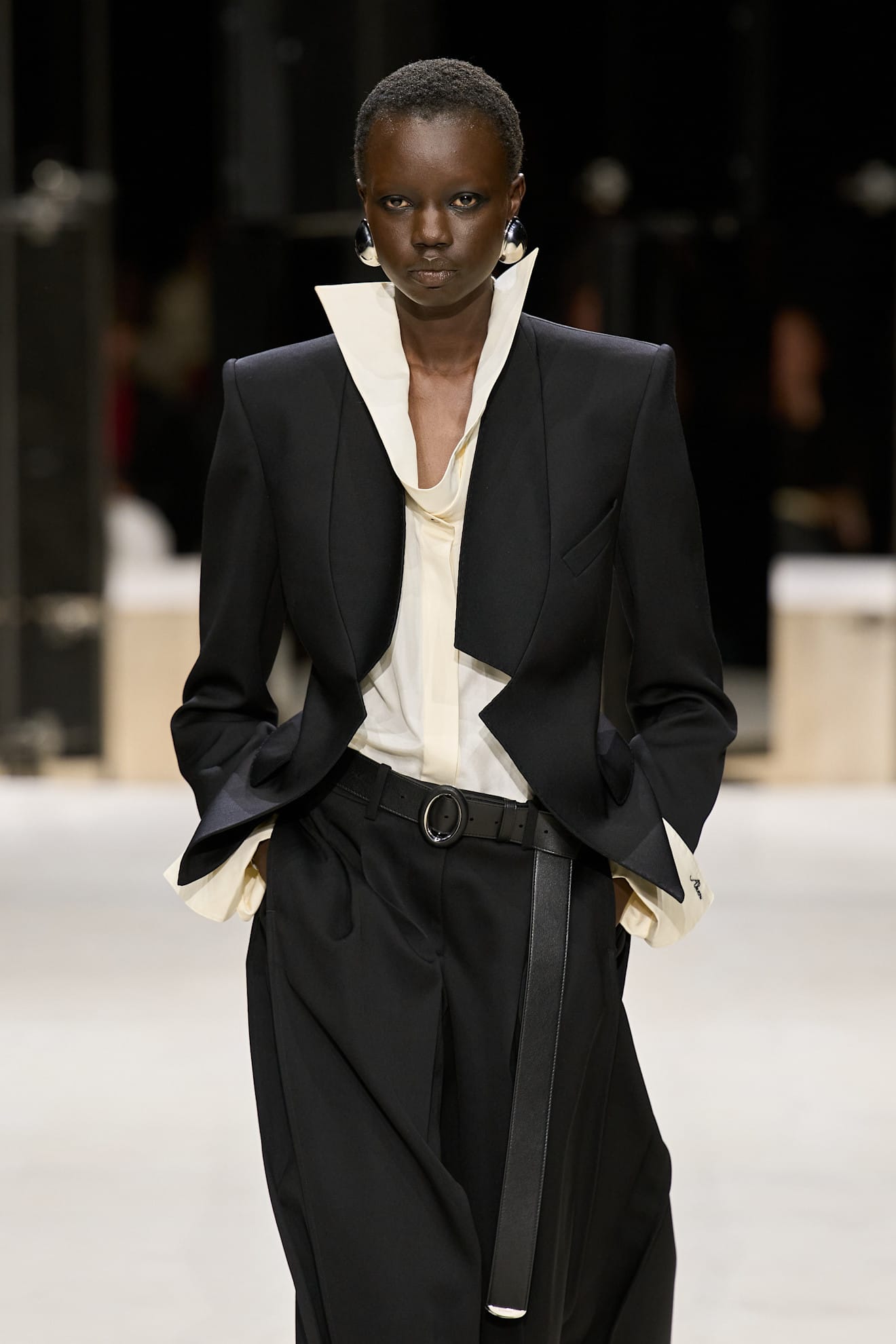
“I think a lot of women want to feel sexy or seductive for themselves,” she says. “They want to feel beautiful. There’s a way of showing skin that feels sensual, and it’s not necessarily for somebody else.”
That philosophy gives Burton’s work its emotional depth. Her collections are never about spectacle alone; they are about the inner experience of dressing, about the quiet confidence that clothing can offer when it truly reflects the person wearing it.
In an era when fashion often rushes toward the next headline, Burton moves with patience and clarity. She builds thoughtfully, piece by piece, silhouette by silhouette, constructing a vocabulary that women can inhabit in their own way.
At Givenchy, she is not simply designing clothes. She is creating space—for individuality, for expression, for the many ways women choose to put themselves together each day.
And in doing so, Sarah Burton reminds us that the most powerful fashion does not dictate who a woman should be. It simply gives her the tools to become herself.