Dior Makeup’s Peter Philips on crafting the fresh-faced runway beauty for the Dior Autumn Winter 2026-2027 Show by Jonathan Anderson – where Parisian ease meets London cool – and restraint becomes the statement.
By Mackenzie Richard Zuckerman
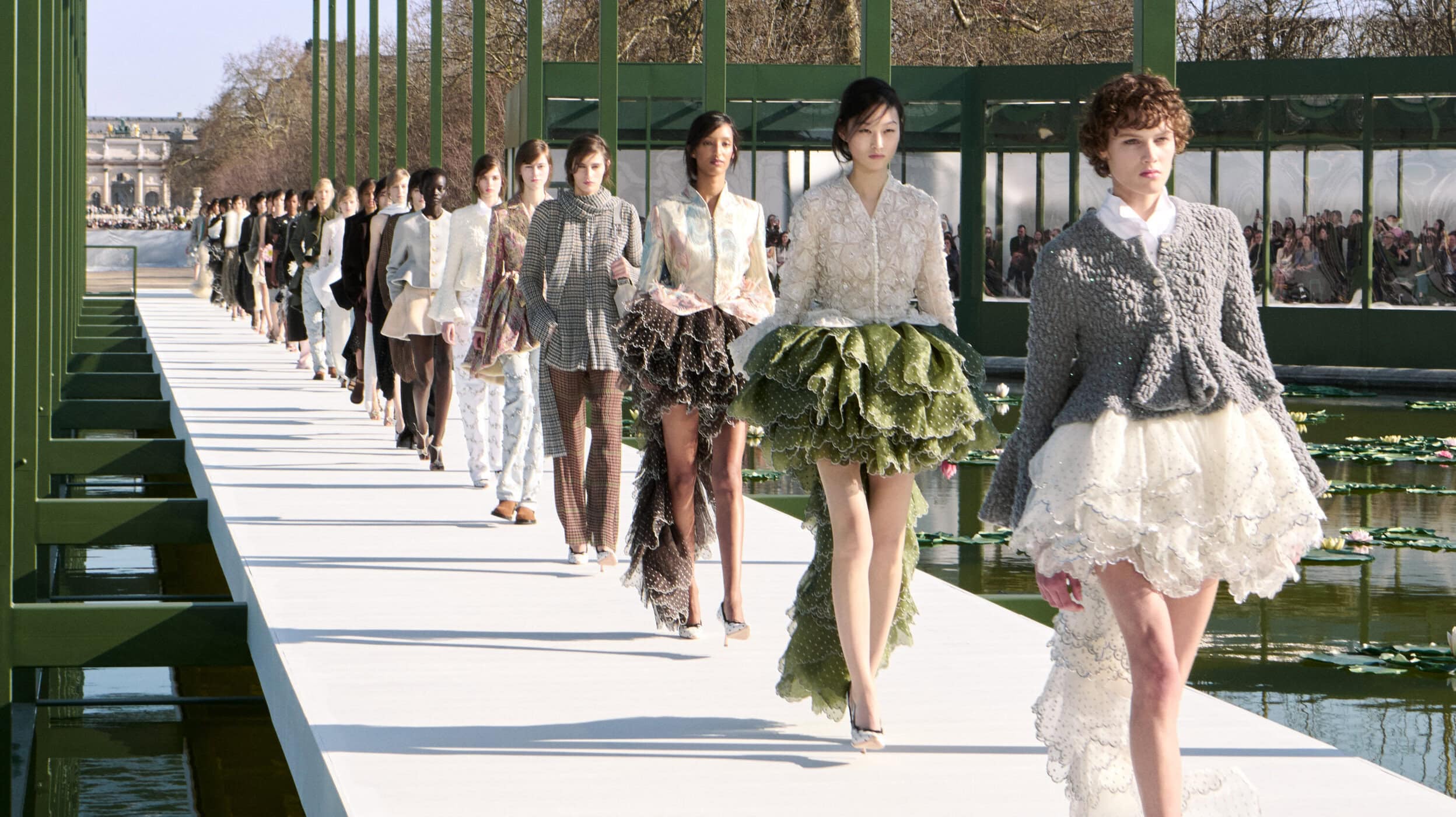
For Dior’s latest runway presentation in the Jardin des Tuileries, beauty played a subtle but deliberate role in shaping the atmosphere of the show. Set within one of Paris’s most historic public gardens – a place long associated with the rituals of seeing and being seen – the collection unfolded in natural daylight, where clothing, setting, and beauty were designed to feel quietly intertwined.
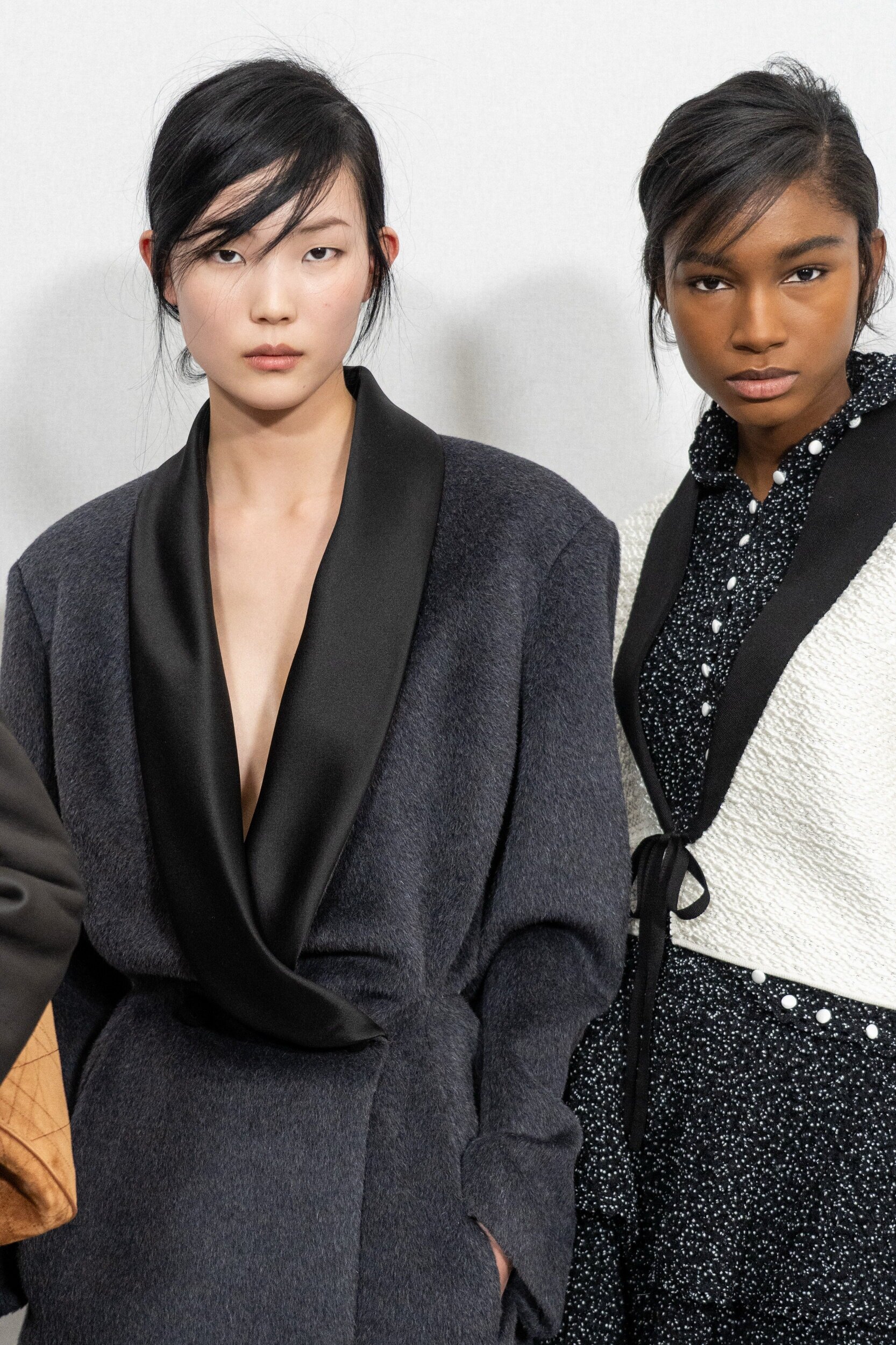
For Peter Philips, Creative and Image Director for Dior Makeup, the brief was less about transformation than about attitude. Developed through conversations during fittings with Jonathan Anderson and hairstylist Guido Palau, the beauty direction emerged gradually: a meeting point between the understated polish of a Parisian girl and the slightly undone nonchalance of a London girl.
The result was a look built on luminous skin, minimal intervention, and a deliberate sense of effortlessness – one that reflects a broader shift in runway beauty. Where once Dior shows might have presented theatrical, fully realized characters, today’s approach invites something more relatable: a foundation that allows individuality to take shape.
Speaking with The Impression following the show, Philips discussed the thinking behind the look, the hero products that anchored it, and why restraint often proves to be the most powerful creative choice.
What was the starting point for the beauty look this season?
The starting point really came during the fittings when we began discussing the collection and the venue. The show took place in the Tuileries garden, which historically was a place where people went to see and be seen. Centuries ago, people would walk there wearing their best outfits – it was almost like a social catwalk.
Even today, when you step into the Tuileries, the atmosphere changes. Paris is hectic, but the garden feels calm. You see people of all ages and backgrounds walking, meeting friends, observing each other.
From there the conversation turned to the idea of the Parisian girl – fresh skin, minimal makeup, something effortless and natural. Then during the hair conversation someone mentioned a London girl, something a little Kate Moss–like, slightly undone. That combination – Parisian girl meets London girl – became the story behind the look.
What were the hero products behind the look?
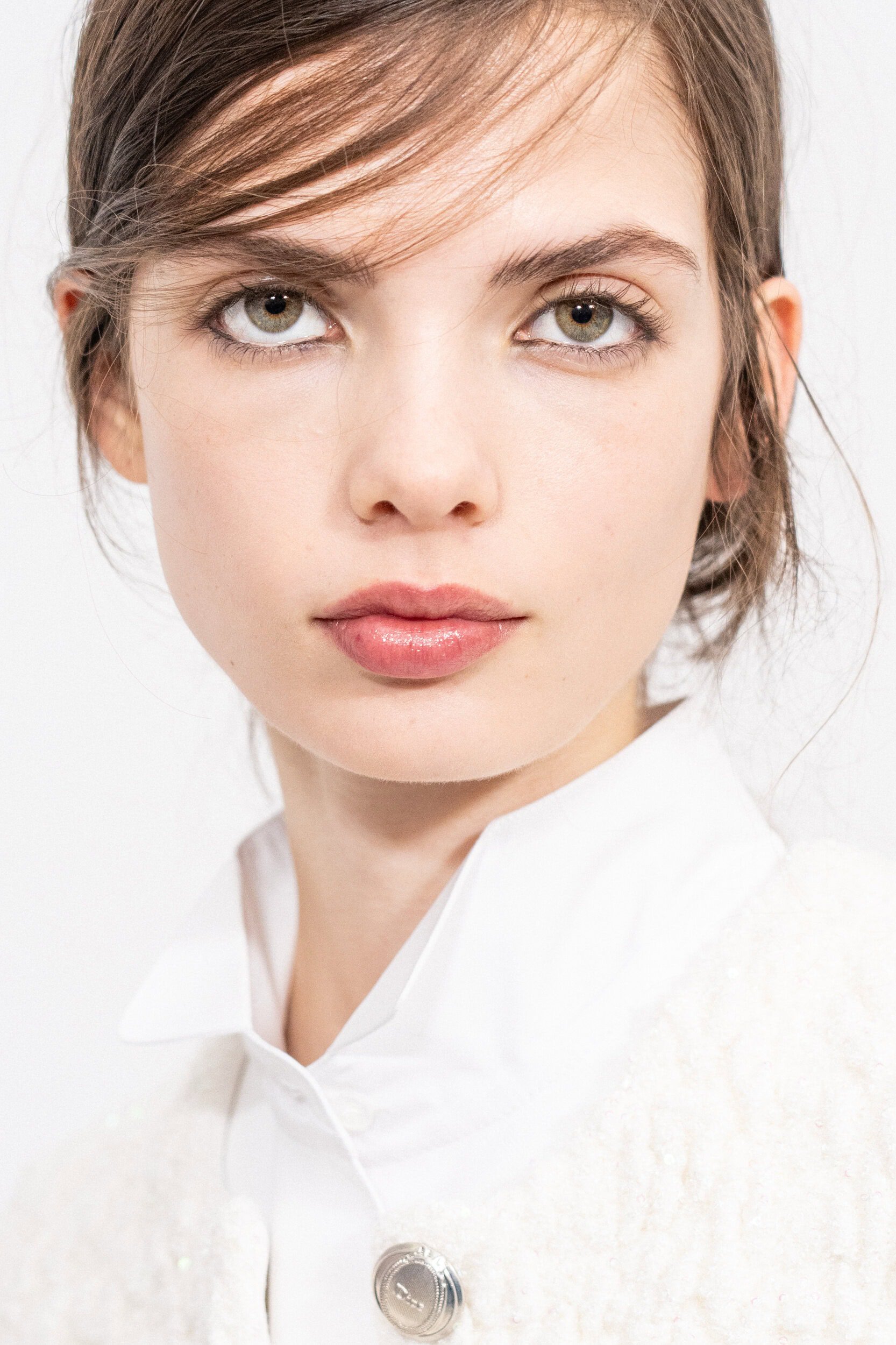
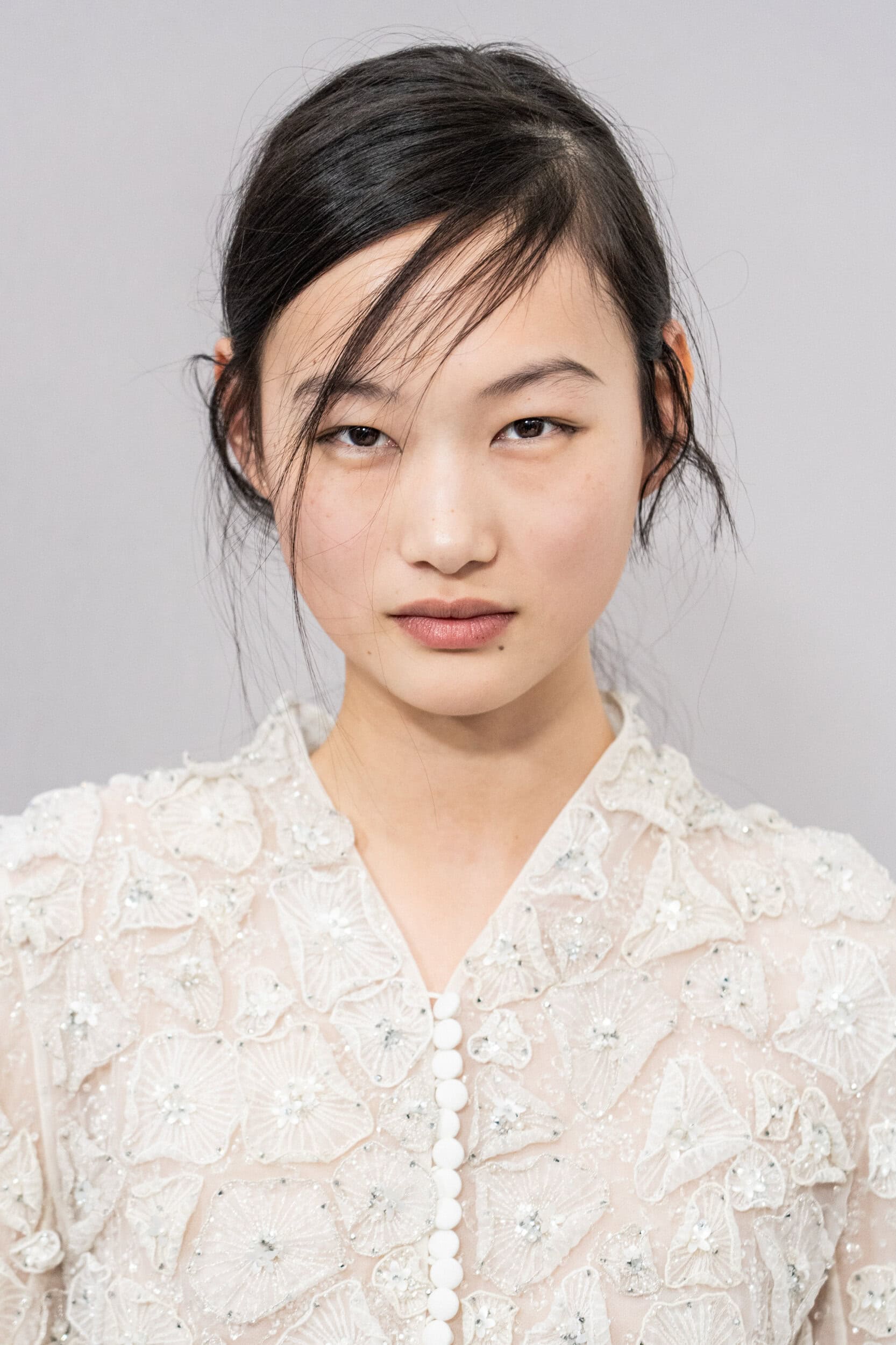
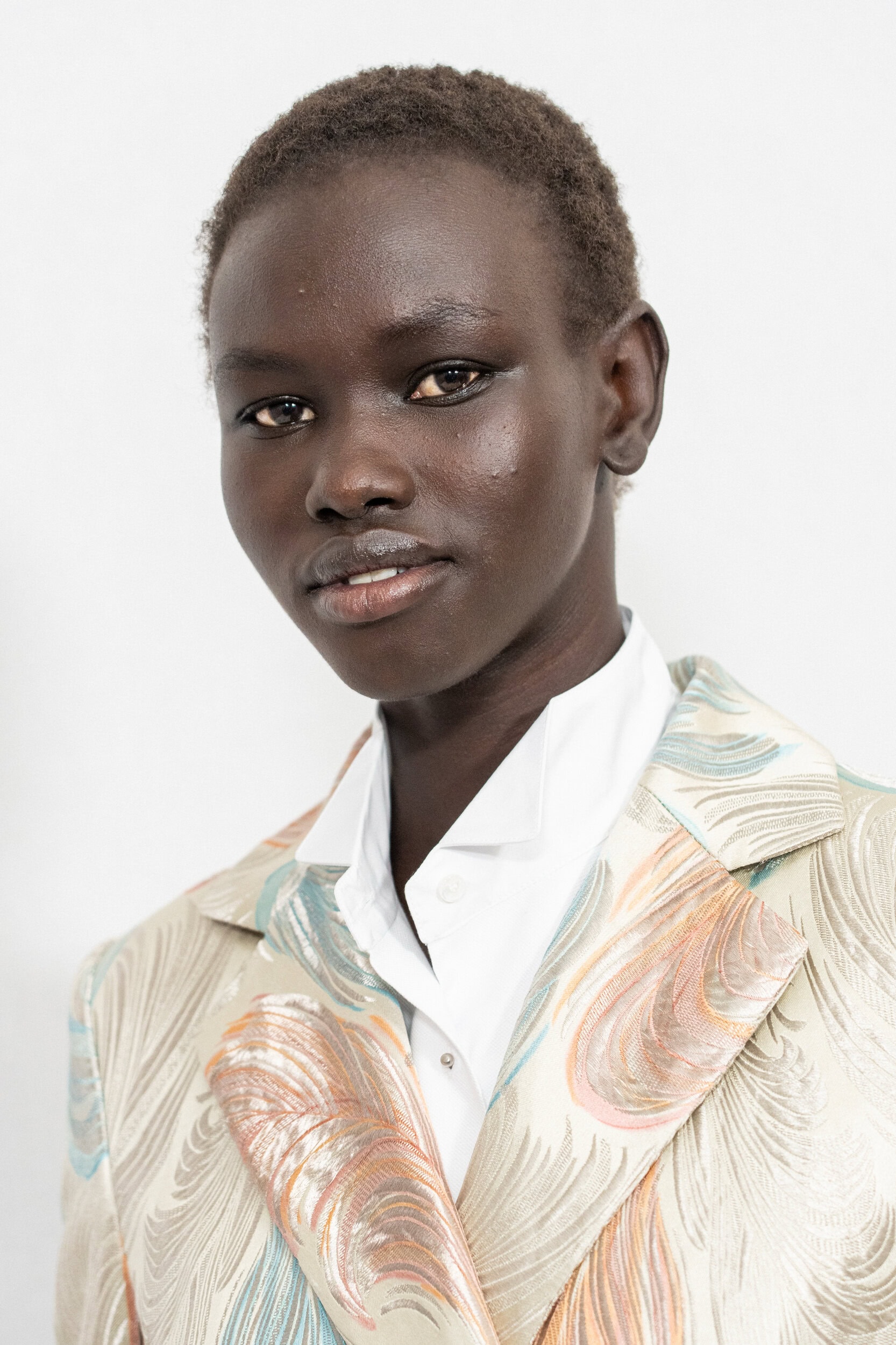
The key product was really the Dior Forever Foundation, especially the new Glow finish, which gives luminous, healthy-looking skin. Because the formula already contains many skincare ingredients, we didn’t need heavy preparation – just a light skincare routine to create a clean base.
For the eyes I used the Diorshow On Stage Crayon, a waterproof kohl pencil. Instead of drawing a precise line, I applied it to the upper waterline, then asked the models to squeeze their eyes together. That creates a soft imprint of color on the lower lash line – almost like leftover eyeliner from the night before.
The lips were kept very natural using Dior Lip Maximizer, but blotted down so there was hydration without visible gloss or color.
The idea was beautiful skin and minimal intervention.
If you had to describe the mood of the makeup in three words, what would they be?
Fresh, luminous, effortless.
The focus was really the skin, and everything else was very minimal.
Jonathan Anderson mentioned water lilies as part of the inspiration for the show. Did that influence the beauty direction?
He didn’t mention it literally for makeup, but during the fittings we saw some of the accessories and the venue plans, and there were references to water lilies throughout the setting.
Of course you automatically think of the famous Monet paintings, but I didn’t want to interpret that too literally. When beauty becomes too literal, it can feel like costume.
Instead, I treated it more as a mood – something natural, fresh, luminous. It reinforced the garden atmosphere and the sense of natural ease that the look was meant to convey.
How did your conversations with Jonathan shape the beauty direction for the show?
The process is very conversational. There weren’t mood boards or strict references. Guido Palau and I are present at the fittings, we see the clothes, the shoes, the bags, and Jonathan talks about the venue and the feeling of the show.
Sometimes I ask practical questions – like whether there might be a particular color direction – because I need to order products for the show. But generally the idea develops naturally during the fittings.
At first the conversation was almost abstract. Then the idea of the Parisian girl came in, followed by the London girl, and gradually the direction became clear.
It’s a very relaxed and collaborative process.
When do you decide that a runway look should be restrained rather than bold?
For me it always depends on the story of the collection.
As soon as you add elements like strong mascara, heavy contouring, or bold color, you introduce another layer – something more seductive or dramatic. Sometimes that’s right, but this time the narrative was about freshness and naturalness.
The show was also outdoors, with beautiful daylight. When you have natural light like that, too many makeup elements can look heavy. Keeping the face clean allowed the sunlight itself to enhance the skin.
So restraint is not about doing less – it’s about doing exactly what the story requires.
Runway beauty today often feels more minimal than in the past. How has the philosophy changed?
When I was younger and watched John Galliano’s Dior shows, the makeup was a full narrative. It was theatrical, dreamlike – you admired the character on the runway.
Today the approach is different. The girl walking the runway should feel relatable. You don’t just admire her – you want to be her. You want her shoes, her bag, her jacket.
So the makeup becomes more like a base. It’s something you can personalize yourself – add mascara, a lip color, a blush. It’s not about dressing someone up in a fixed look anymore.
That shift reflects how people experience fashion now. It’s about interpretation rather than imitation.