Designer Will Reinterpret The Brand’s Archives Through Seasonal Collections As Zara Continues Its Shift Toward Elevated Positioning
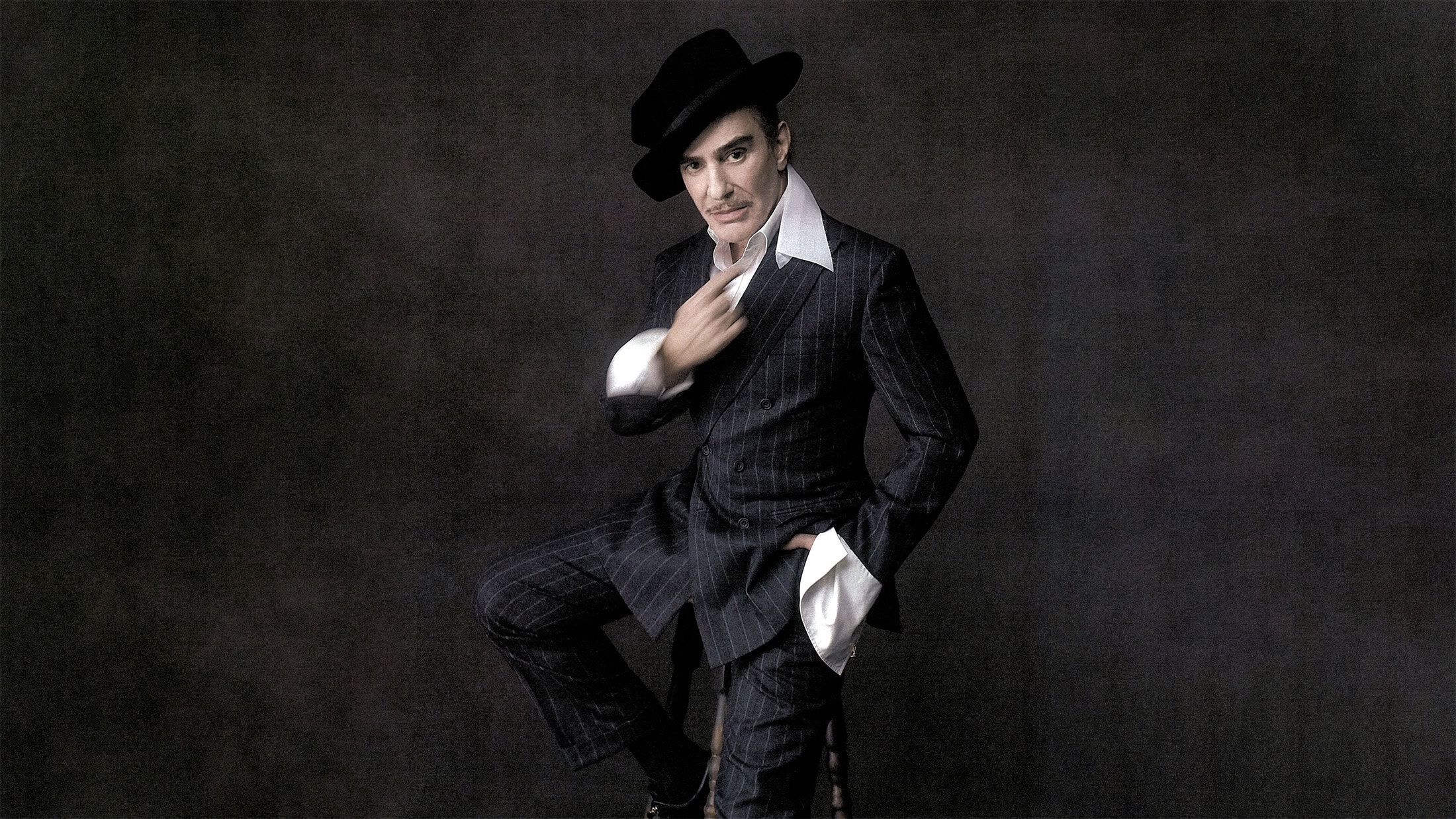
John Galliano is returning to fashion with a new role at Zara, entering a two-year creative partnership that will see him reinterpret the brand’s archives through a series of seasonal collections. The collaboration positions the couturier within a growing strategy by the retailer to align itself more closely with contemporary luxury talent.
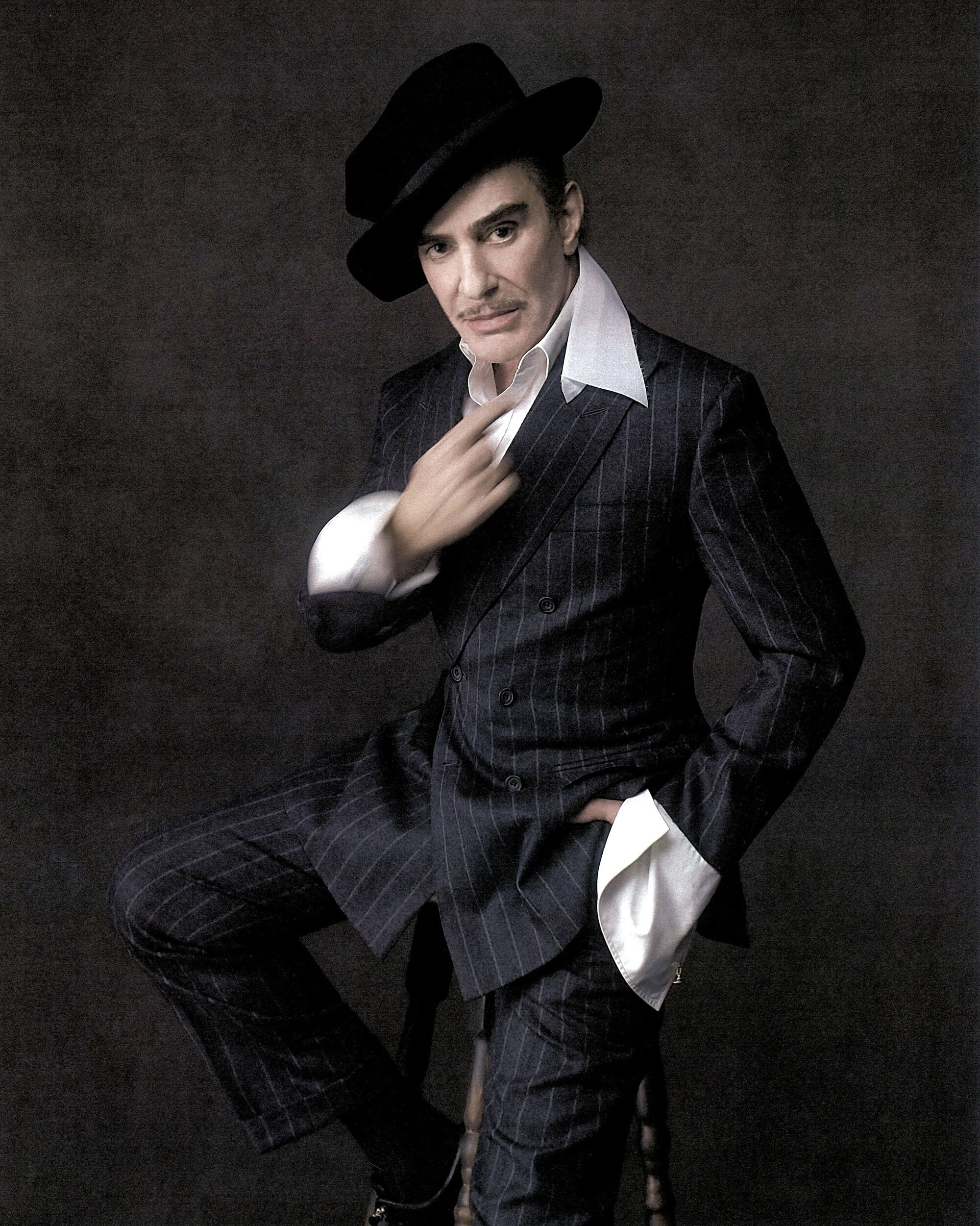
Described as a “creative partnership,” the project will involve Galliano working directly with garments from Zara’s past collections, “deconstructing and reconfiguring them into new seasonal expressions and creations,” according to a joint statement. “Guided by a couture process and authorship, the collections will be released seasonally,” beginning in September 2026, with further details to be disclosed at a later stage.
The initiative is expected to go beyond archival reissues. Sources indicate Galliano will develop new toiles informed by Zara’s existing pieces, introducing updated shapes, materials, and construction techniques that carry his signature approach to cut and form.
The appointment marks Galliano’s first major project since departing Maison Margiela, where he spent a decade reshaping the house both creatively and commercially. During his tenure, Margiela’s business expanded significantly, with sales reaching an estimated $500 million, while his collections—particularly the Spring 2024 Artisanal show—demonstrated continued experimentation with fabrication, surface, and silhouette.
Galliano’s absence from the industry has been relatively quiet but visible. He appeared earlier this year at Jonathan Anderson’s debut haute couture show for Dior and has remained a reference point in the secondary market, where his archival work continues to attract attention. Bonhams New York is currently offering a series of his late-1990s Dior designs in an online sale, including a red damask gown from his first ready-to-wear collection for the house.
The designer’s career has long been defined by both creative influence and controversy. After rising to prominence at Dior in the late 1990s, where he became known for historically driven collections and theatrical presentations, he was dismissed in 2011 following widely reported incidents that led to his removal from both Dior and his own label. His return to fashion began in 2013 with a short residency at Oscar de la Renta, followed by his appointment at Maison Margiela under Renzo Rosso, a role that marked a sustained period of rehabilitation and renewed output.
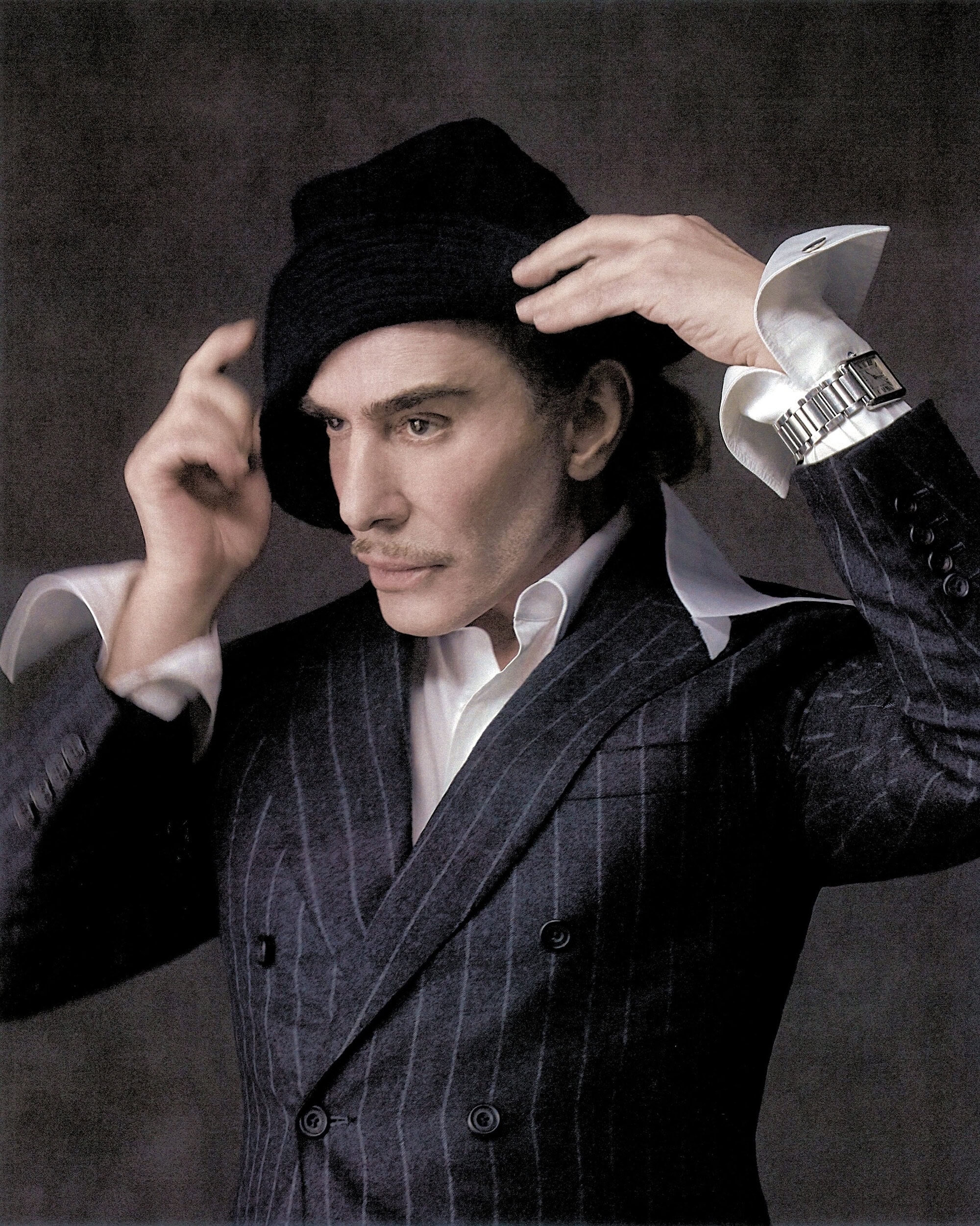
At Zara, Galliano becomes the latest in a series of collaborators brought in to elevate the brand’s creative positioning. Previous partnerships have included Stefano Pilati, Narciso Rodriguez, Samuel Ross, and Ludovic de Saint Sernin. More broadly, Zara has engaged figures such as Steven Meisel, Pierpaolo Piccioli, and Pieter Mulier for its 50th anniversary projects, signaling a shift away from its traditional fast-fashion associations.
This direction has been closely associated with Inditex chair Marta Ortega Perez, who has worked to reposition Zara through cultural initiatives and creative partnerships. Under her leadership, the brand has expanded into adjacent categories and experiences, including its long-running fragrance collaboration with Jo Malone and the introduction of Zacaffè, a retail café concept developed with Ramdane Touhami. Architectural and design input from Vincent Van Duysen has also contributed to a more cohesive visual identity across Zara Home and select retail spaces.
Ortega Perez has also built a cultural platform through the MOP Foundation in A Coruña, hosting exhibitions dedicated to fashion photography. Recent shows have featured Annie Leibovitz, alongside earlier exhibitions of Peter Lindbergh, Steven Meisel, Helmut Newton, Irving Penn, and David Bailey, reinforcing Zara’s connection to image-making beyond product.
Galliano’s appointment reflects a broader industry pattern, where established designers increasingly engage with high street brands. Clare Waight Keller at Uniqlo, Jonathan Saunders at & Other Stories, Zac Posen at Gap, and Aaron Esh at AllSaints are part of a shift that blurs the distinction between luxury and mass market.
Galliano’s role at Zara signals both a continuation of his own trajectory and a further step in the retailer’s evolution. The collaboration suggests a convergence between archival reinterpretation, designer authorship, and accessible distribution—an approach that reflects broader shifts in how fashion is produced, positioned, and consumed.