The house marks two decades at its Ebisu flagship with an archival project, limited-edition zine, and installation exploring its relationship with Japanese culture
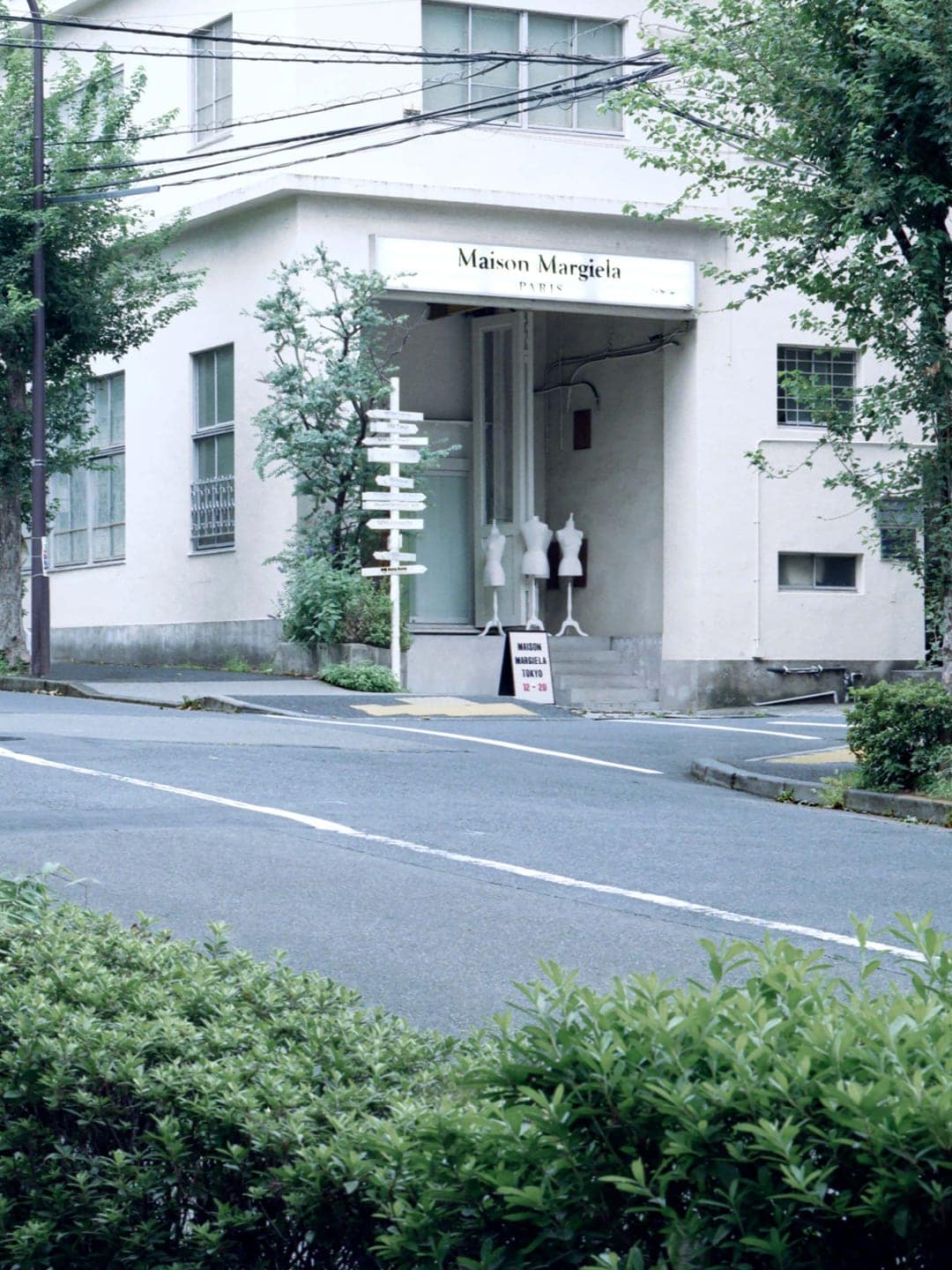
Maison Margiela is marking the 20th anniversary of its Tokyo flagship in the Ebisu district with a research and documentation project exploring the store’s history, its architectural identity, and the house’s longstanding relationship with Japanese culture. Titled Maison Margiela/folders, the initiative brings together archival materials, personal accounts, a limited-edition publication, and an artistic installation, tracing the evolution of a location that has embodied the house’s unconventional approach to fashion and retail for more than two decades.
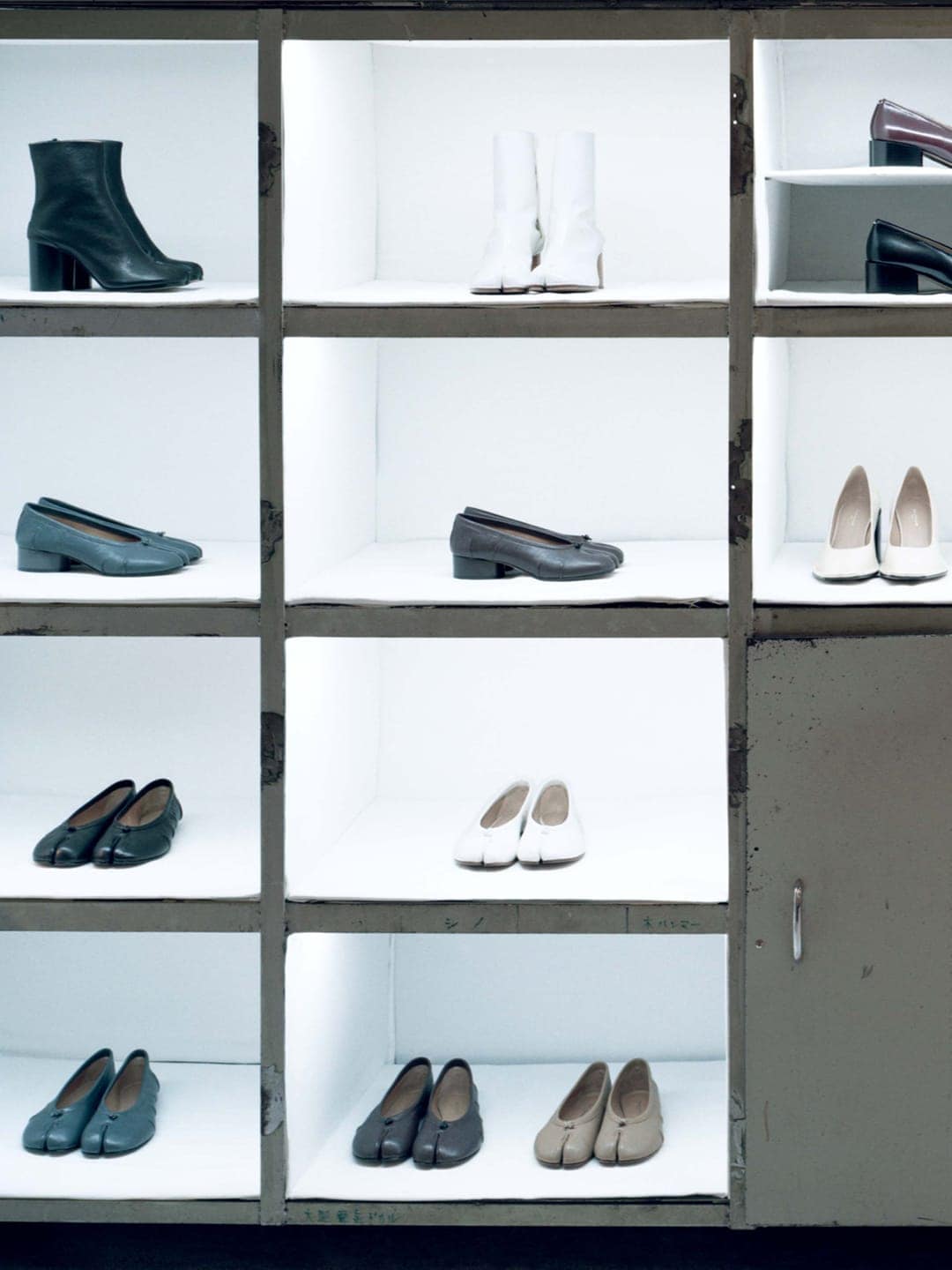
The story begins in September 2000, when Maison Margiela opened its first-ever retail store in Tokyo, rather than Paris, where the house was founded, or Belgium, the home country of founder Martin Margiela. While luxury brands typically gravitated toward established shopping districts such as Ginza and Omotesando, Margiela was drawn to a traditional Japanese residence in the quieter neighborhood of Ebisu. Located at 3-3-3 Ebisu Minami, the 1940s wooden house became an unexpected setting for the label’s first boutique, reflecting its preference for repurposing existing spaces rather than adhering to conventional luxury retail environments. The decision also reflected the designer’s longstanding fascination with Japan, where encounters with traditional jika-tabi footwear had inspired the split-toe Tabi boots introduced in his debut Spring 1989 collection.
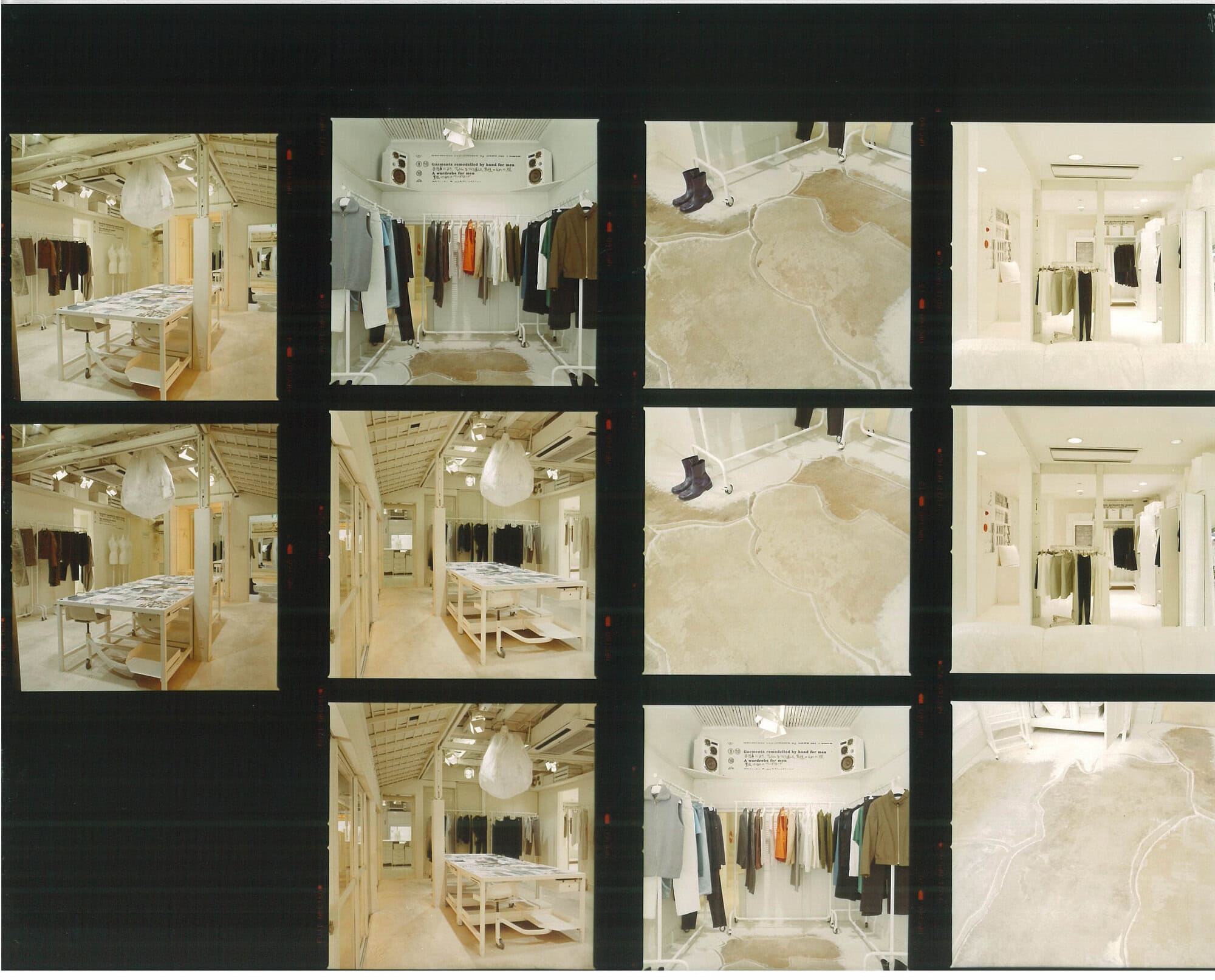
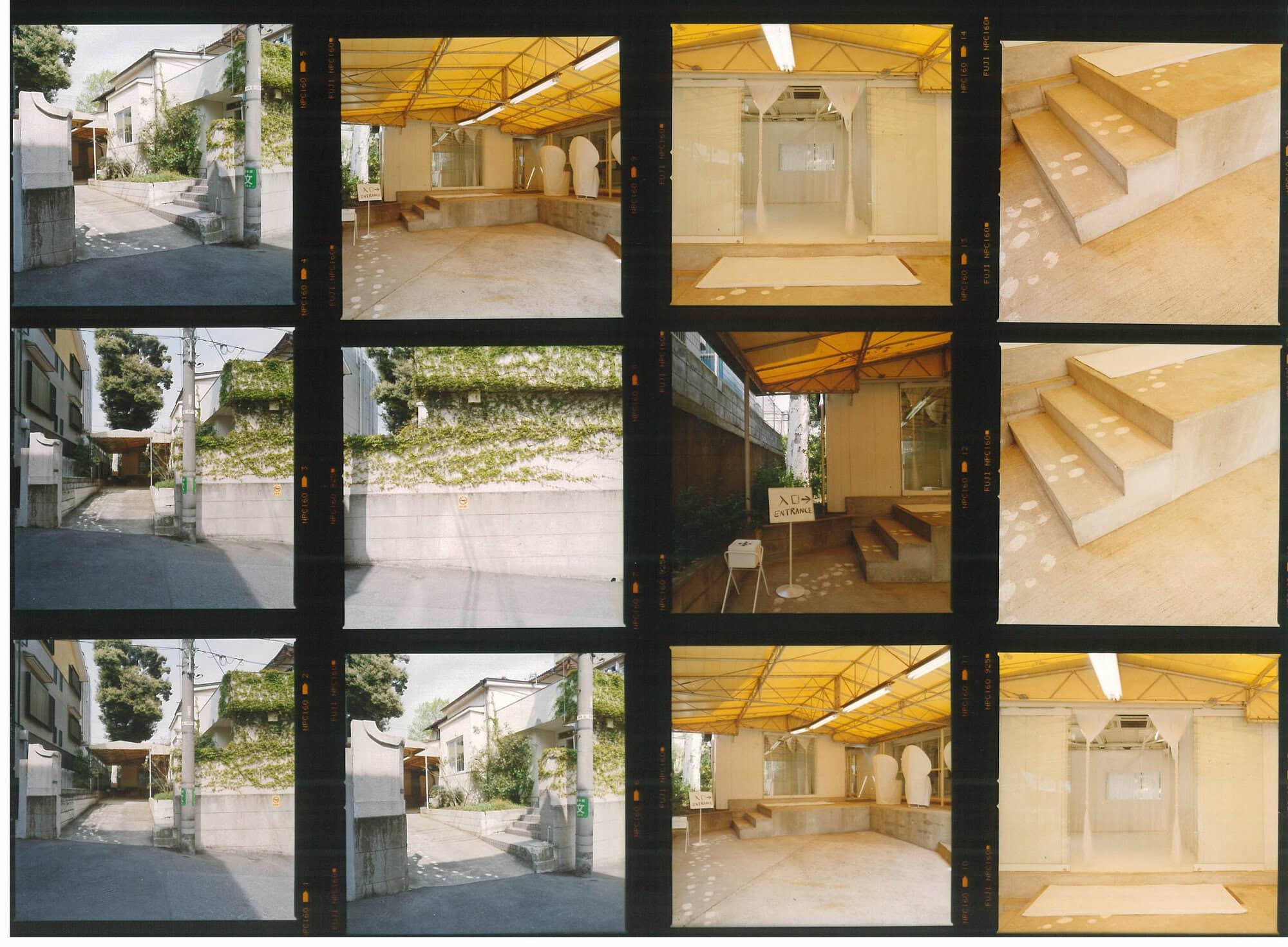

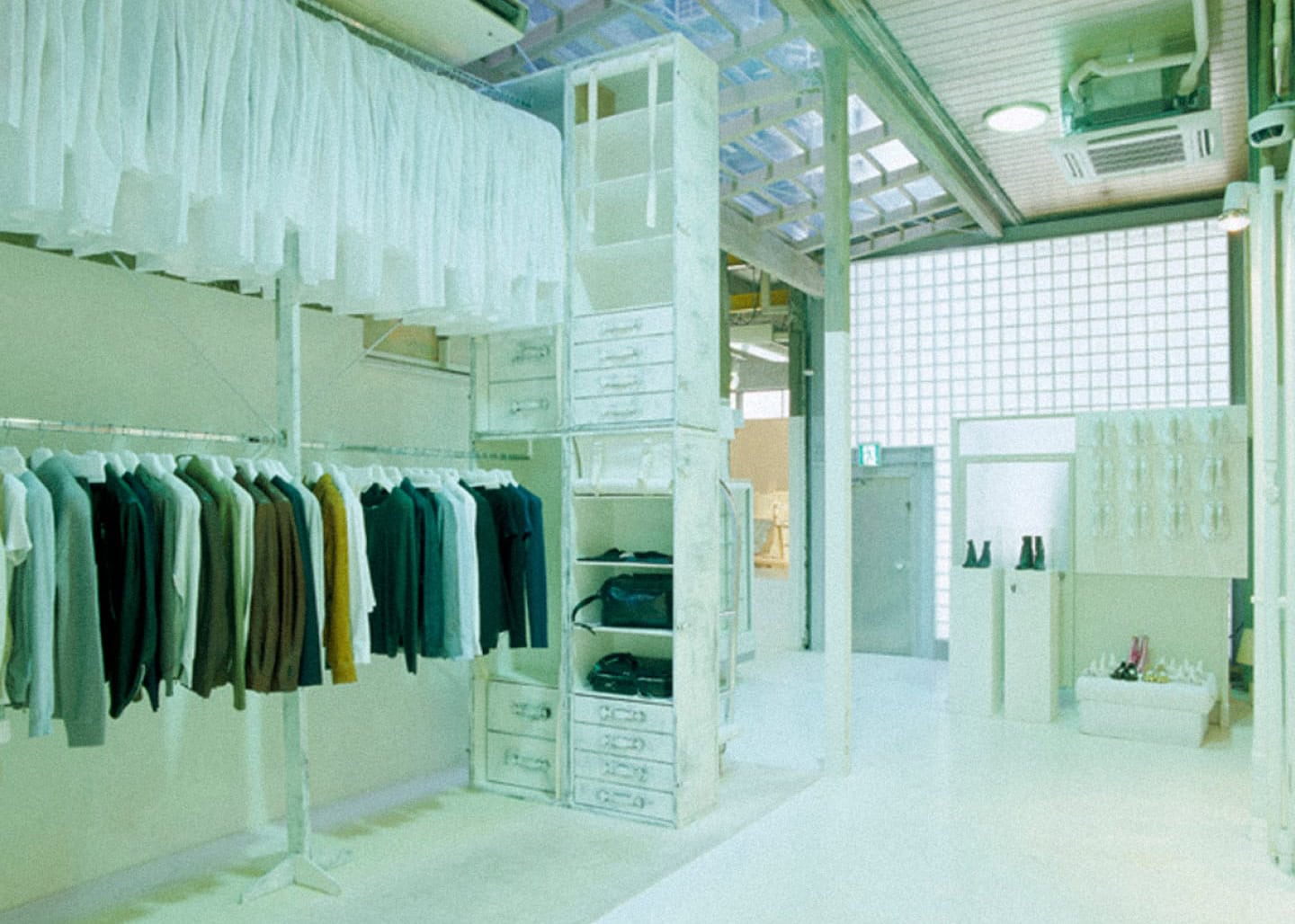
The original boutique translated Maison Margiela’s distinctive visual language into an immersive retail environment. Drawing on the house’s practice of Bianchetto, the application of white paint to existing objects and surfaces, the interiors retained the residence’s original architectural features, including its bathroom and communal spaces, while transforming them through a uniform white palette. Plastic-wrapped mannequins referenced earlier presentations, repurposed furnishings reinforced the house’s interest in transformation, and Tabi-shaped footprints traced a path through the rooms, recalling the red-painted soles that left their mark on Margiela’s first runway. The result was a retail space that functioned as an extension of the house’s creative philosophy, treating the architecture itself as part of the presentation.
When the boutique relocated in 2006, Maison Margiela chose to remain in Ebisu, moving just five minutes away to a former electrical equipment factory at 2-8-13 Ebisu Minami. Rather than abandoning the character of the original store, the house incorporated elements of its previous interior into the industrial building, including the original bathroom. Existing factory features were similarly reimagined: a freight elevator became fitting rooms, a shipping container housed the men’s collection, and a corridor constructed from used shoeboxes led visitors toward the footwear selection. Salvaged furnishings and a small cinema featuring repurposed theater seats further established the space as an environment for experimentation, while the building’s exterior signage was painted white in keeping with the house’s preference for anonymity.
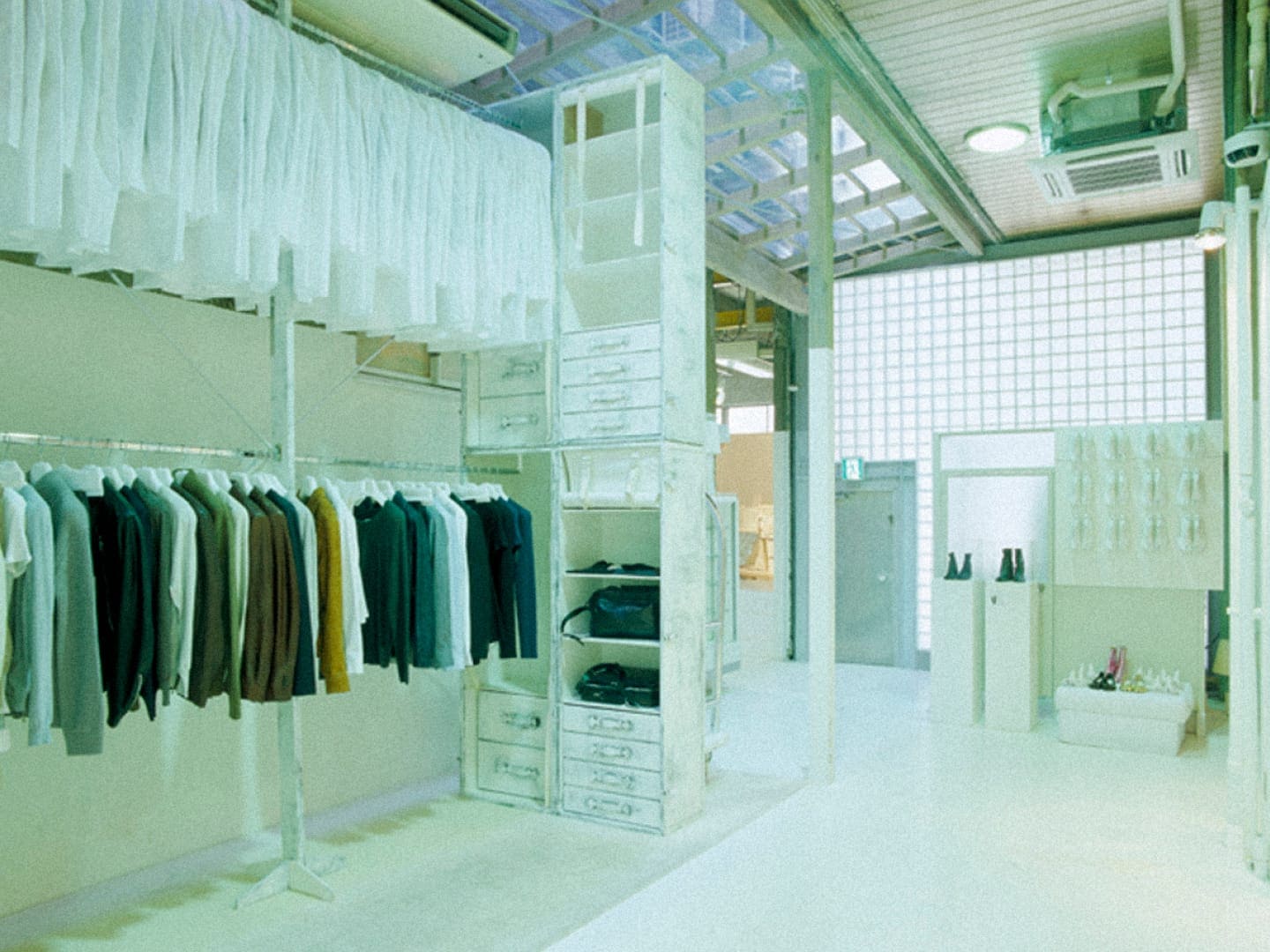
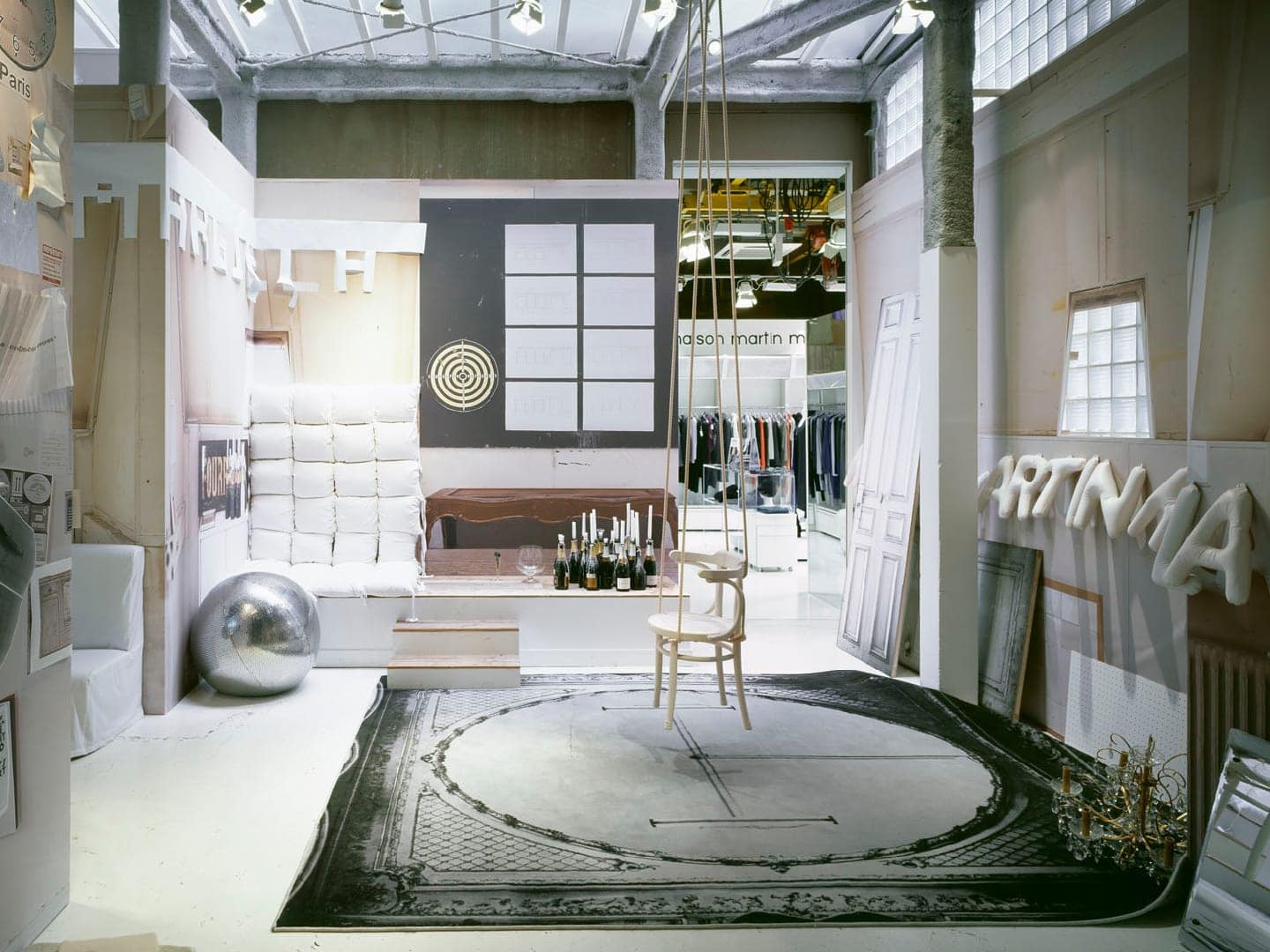
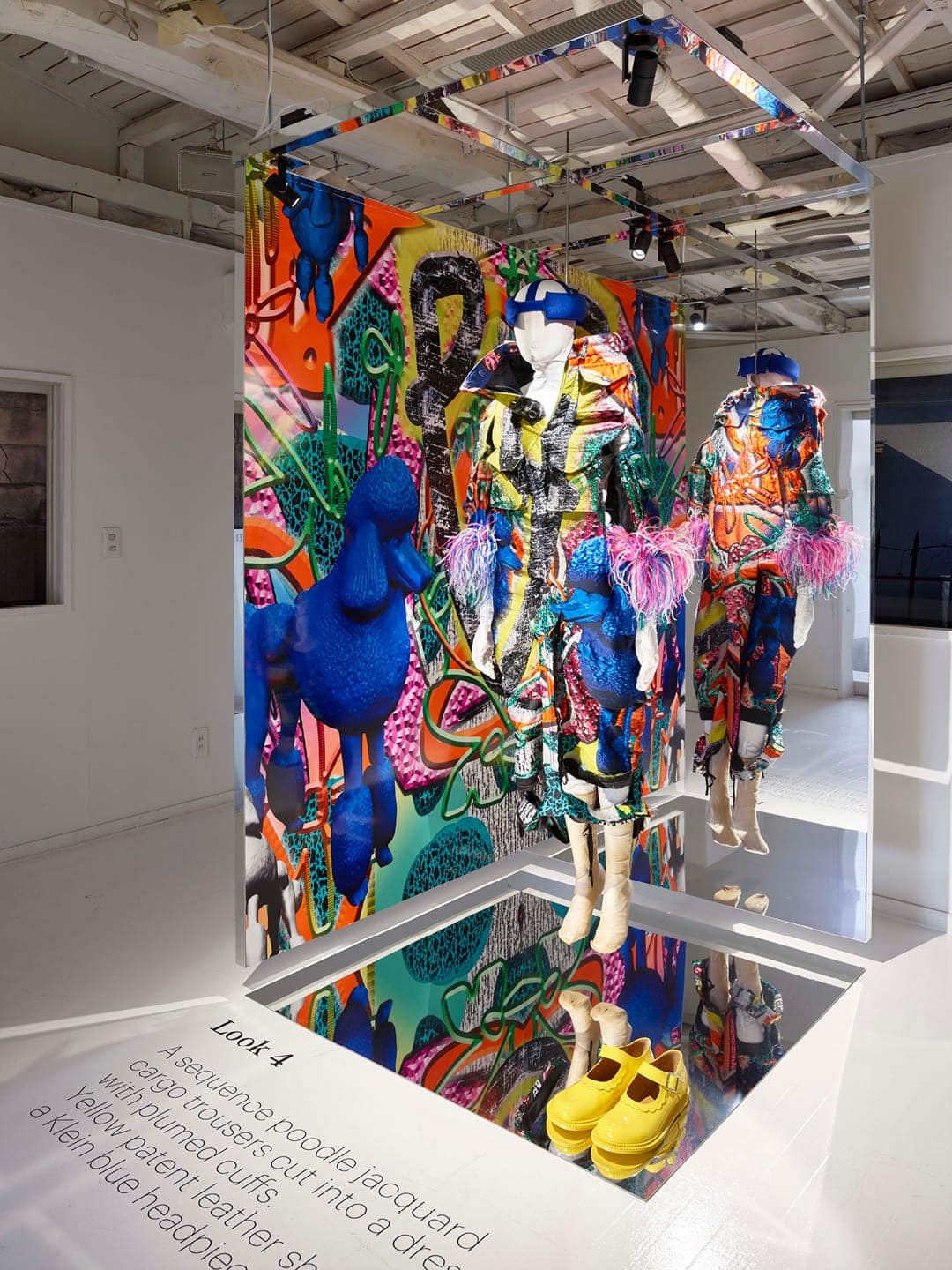
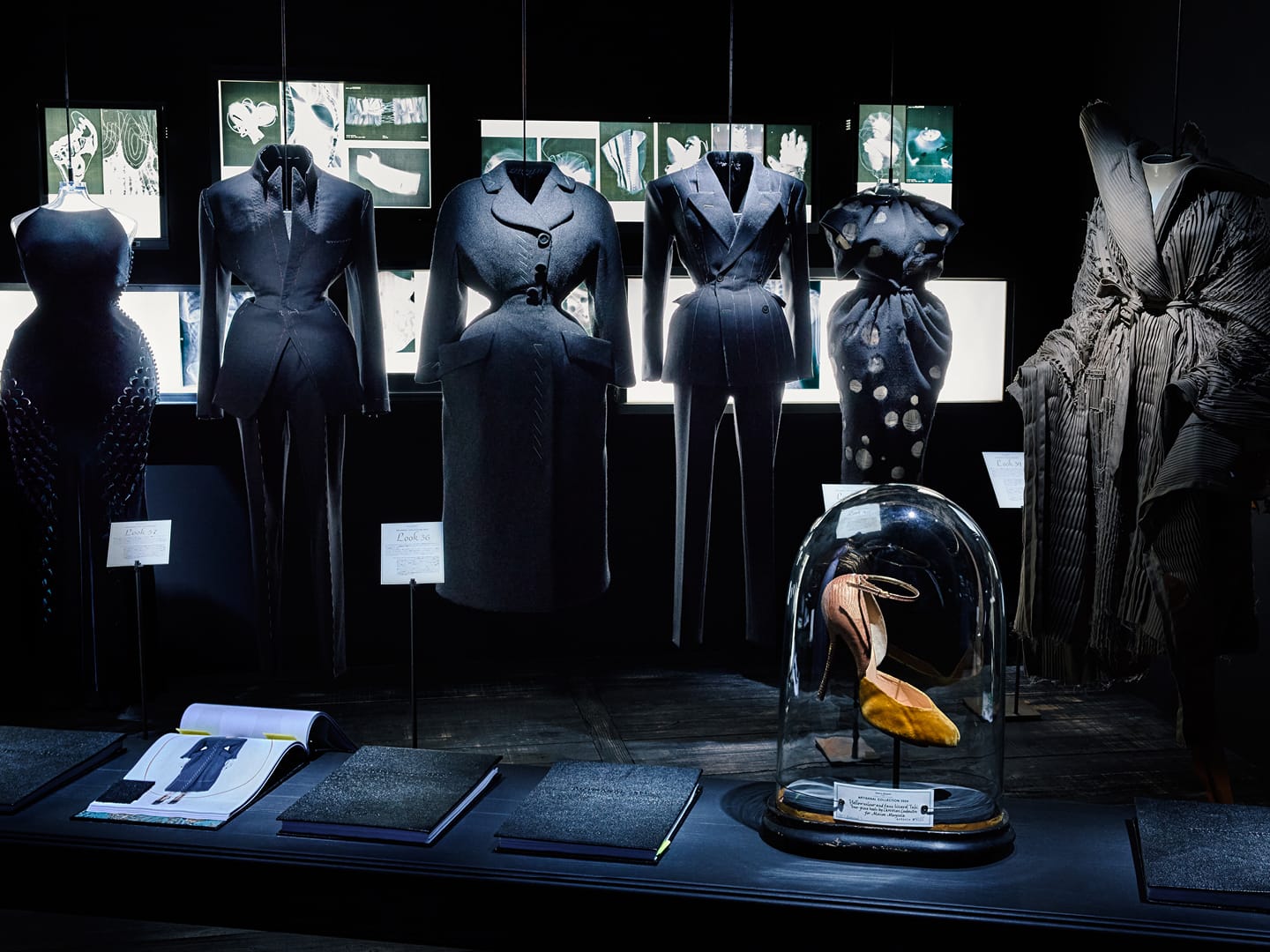
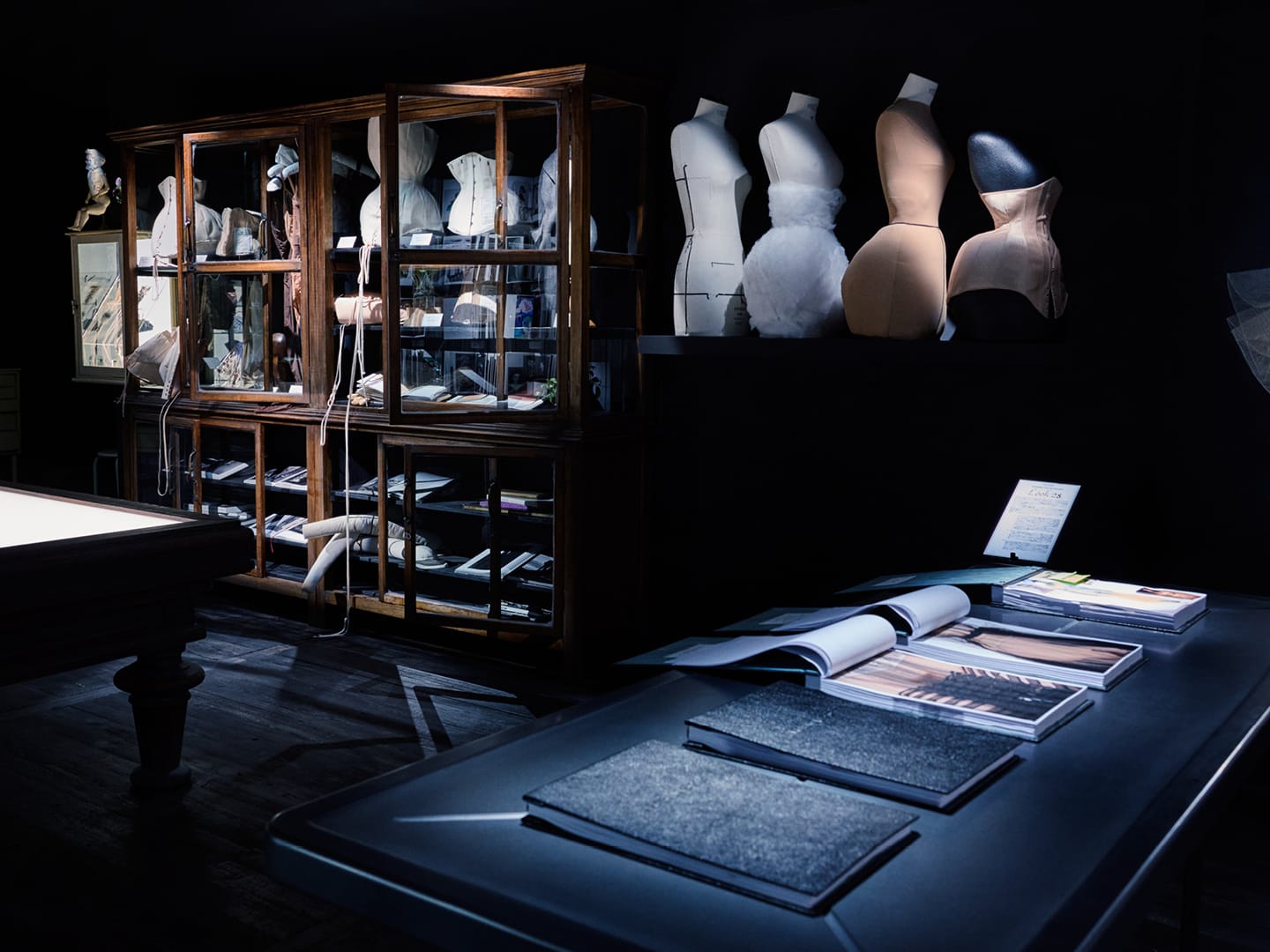
Over the following two decades, the Ebisu flagship became a setting for exhibitions and cultural initiatives reflecting important moments in Maison Margiela’s creative history. In 2009, the store presented a reinterpretation of Mat, Satiné, Brillant, an installation originally introduced at Milan’s Salone del Mobile that explored the house’s approach to furniture, objects, and interior design. A 2019 exhibition highlighted the craftsmanship of its Artisanal collections, while a 2024 presentation showcased John Galliano’s final Artisanal collection for the house. These projects reinforced the boutique’s role as a space for artistic expression beyond conventional retail, connecting the house’s evolving creative direction with its longstanding Japanese audience.
The Maison Margiela/folders initiative revisits this history through the memories of employees, collectors, and members of the surrounding community, including staff who have remained with the store since its earliest years. Particular attention is given to the Tabi, whose origins in Japanese footwear traditions represent one of the house’s most recognizable cultural connections. Through interviews and archival documentation, the project examines how the design has developed a devoted following while exploring the relationship between Maison Margiela and the neighborhood that has shaped its presence in Japan.
The anniversary program begins October 20 with the release of historical materials through the house’s Dropbox archive. On November 5, a limited-edition zine documenting the store’s history and community will be distributed exclusively throughout Ebisu and at the flagship, with a digital edition also available. The celebration will additionally include a November 4 anniversary gathering, revisiting the sake ceremony held during the store’s 2006 opening.
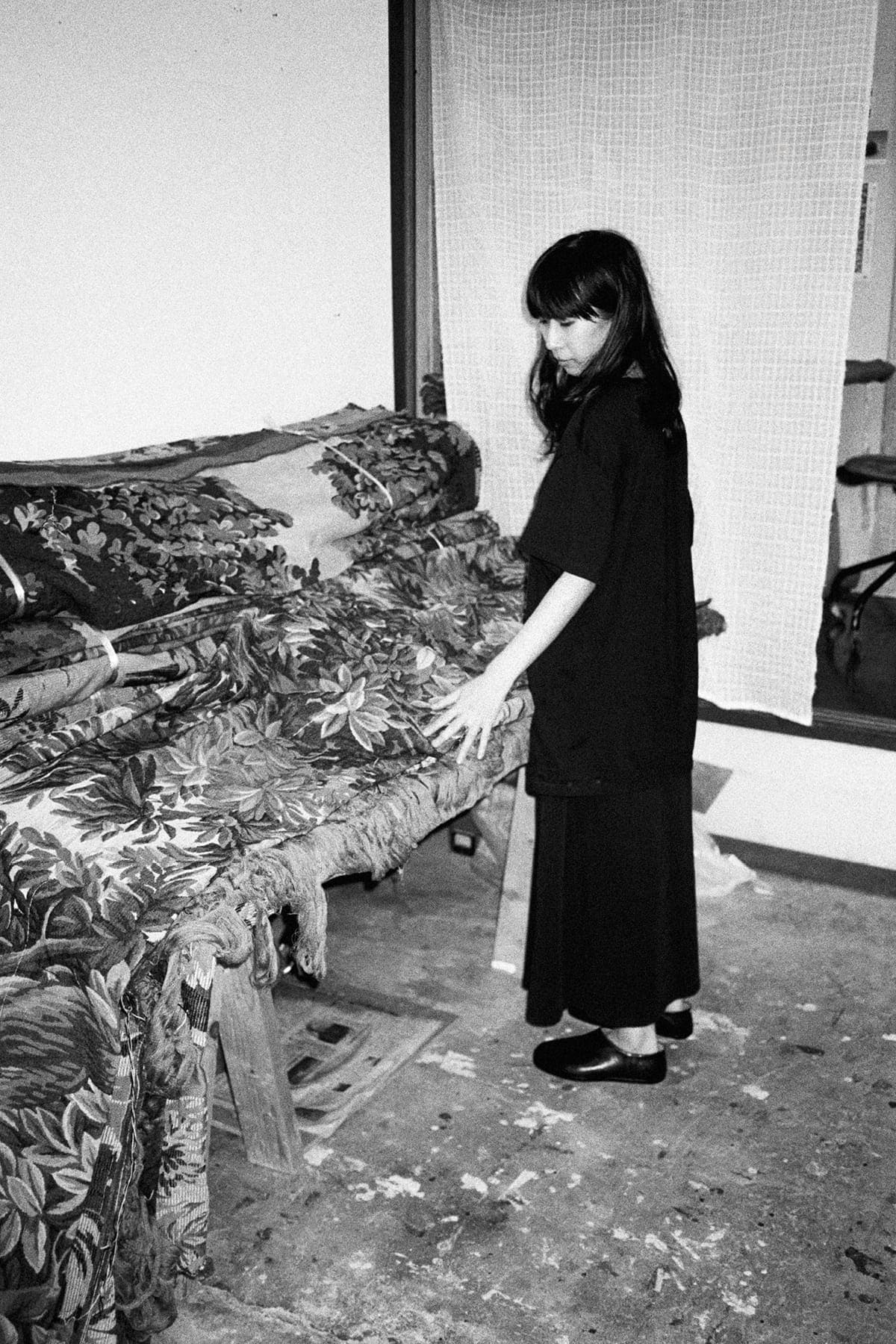
An artistic installation developed through Maison Margiela’s Line 2 cultural dialogue will also open November 5. Created by Tokyo-based artist Mio Suzuki, selected by art historian Yuko Hasegawa, in collaboration with Les Manufactures Nationales – Sèvres & Mobilier National, the project explores memory and transformation through historic French tapestries. Suzuki’s installation involves unraveling and reweaving 59 tapestries transported from France to Tokyo, extending the house’s interest in reclassification, preservation, and the creative possibilities of existing materials. The work will remain on view at the Ebisu store through November 15.
Twenty years after its relocation, Maison Margiela’s Tokyo flagship remains a reflection of the principles that have shaped the house since its founding: anonymity, experimentation, and the transformation of familiar objects into something unexpected. By revisiting the architectural decisions, creative milestones, and personal relationships that have defined the space, the anniversary positions the boutique as more than a retail destination. It is a living record of Maison Margiela’s history, where preservation and reinvention continue to inform one another.