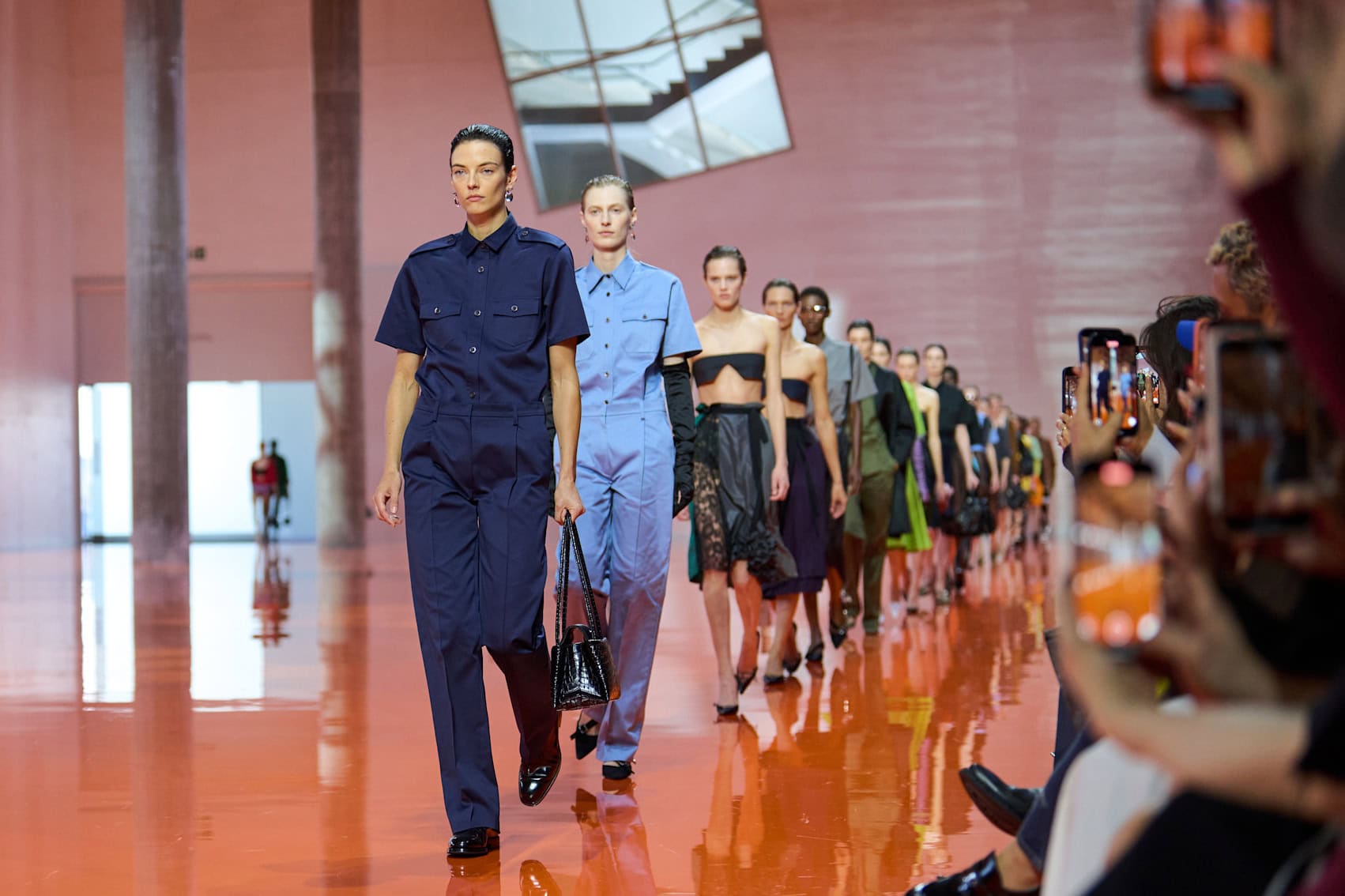
With the €1.25B acquisition closed, Prada inherits one of fashion’s most iconic and most troubled houses—launching a high-stakes revival effort
The Prada Group has officially taken control of Versace, closing a €1.25 billion acquisition first announced in April. The transaction, cleared by regulators and finalized on December 2—coinciding with Gianni Versace’s birthday—marks a significant expansion of Prada’s ambitions in the luxury sector.
While the deal delivers one of Italy’s most recognizable fashion names into Prada’s portfolio, it also brings a long list of structural challenges. Versace’s business, which struggled under Capri Holdings since its 2018 acquisition, faces a demanding turnaround effort. Revenues have declined sharply in recent years, and the brand ended its last fiscal cycle with an operating loss—underperforming even its early pandemic figures.
The acquisition introduces a new leadership structure. Lorenzo Bertelli, son of Patrizio Bertelli and Miuccia Prada, will become executive chairman of Versace, signaling the family’s long-term commitment to repositioning the house. Bertelli has framed the acquisition as a strategic complement to Prada’s existing brands—including Miu Miu, Car Shoe, and Church’s—noting that Versace’s distinctive aesthetic and global brand awareness offer white space in the group’s portfolio.
Creative direction has already shifted. Donatella Versace stepped down earlier this year after nearly three decades at the helm, taking on the role of brand ambassador. Her successor, Dario Vitale—formerly of Miu Miu—made his runway debut in September to strong editorial and buyer response. His colorful, audacious collection leaned into the archival boldness of Gianni Versace’s legacy while attempting to reset the narrative for a new chapter. Donatella did not attend the show and has remained publicly quiet since the transition.
Prada CEO Andrea Guerra has warned against expecting quick results. “The journey will be long and will require disciplined execution and patience,” he said recently, acknowledging both the scale of the challenge and the necessity of stability during the handover. Analysts agree that Versace’s heavy reliance on outlet channels, inconsistent retail execution, and lack of operational focus under previous ownership have eroded its luxury positioning.
Still, the brand retains powerful cultural capital. Versace remains a top-tier name in fashion’s public imagination, reinforced by decades of celebrity association and visual identity. Prada aims to restore that cachet through operational rigor, improved governance, and platform synergies across supply chain, merchandising, and retail. Whether that promise translates into profitability remains to be seen.
The next 12 months will be critical. Cutting back on discount-driven sales channels may hurt short-term revenue, but it will be necessary to rebuild brand equity. Prada’s past M&A efforts—including failed attempts with Helmut Lang and Jil Sander—cast a long shadow. But recent moves suggest a more cautious, deliberate approach under new leadership.
For Versace, long defined by its founder’s mythos and the glamour of its past, the challenge now is clarity—finding a future that isn’t just built on legacy but earns relevance in a competitive, values-driven luxury landscape. Prada has placed its bet. The industry is watching.