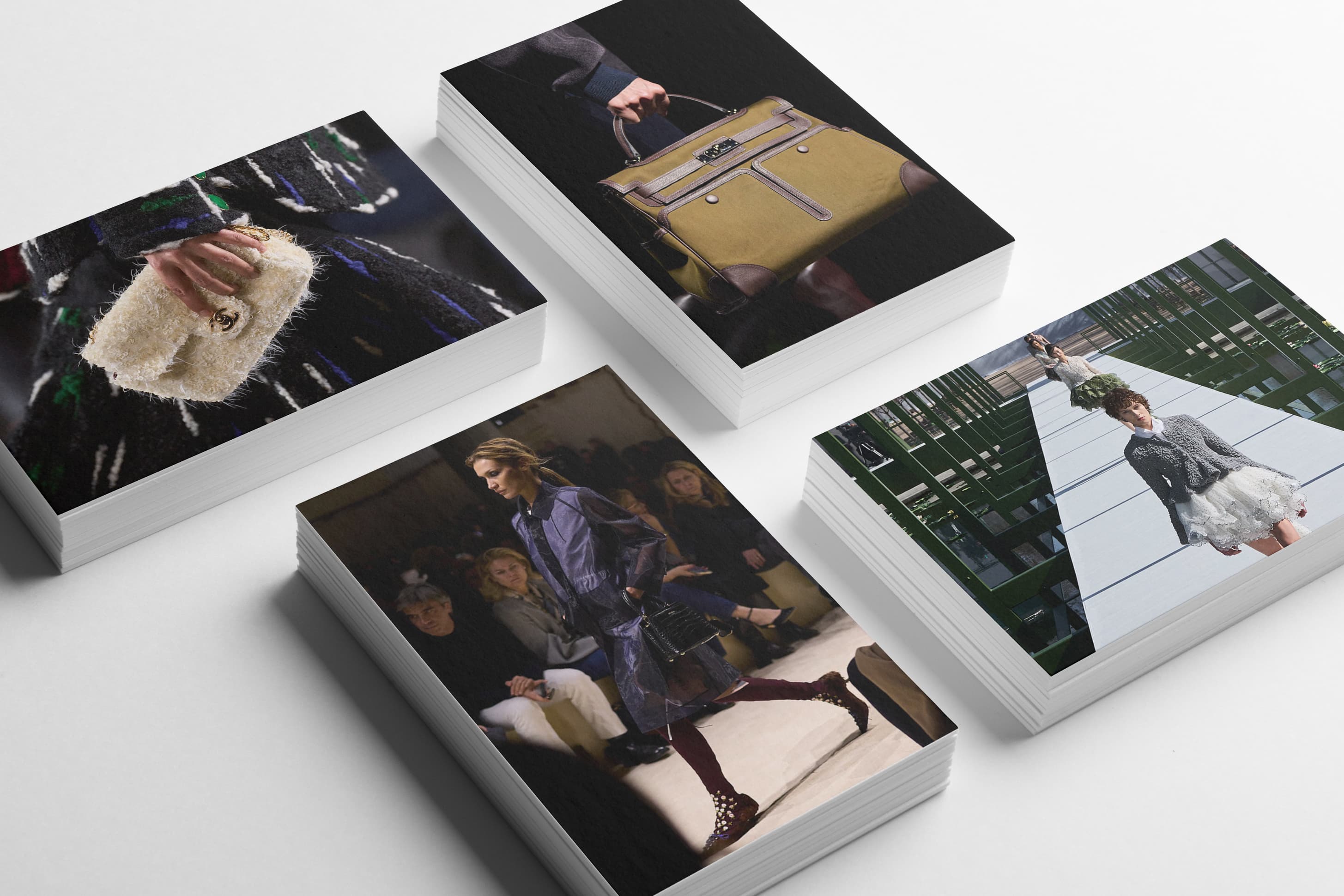
A Season Of Sharper Collections, Steadier Pricing, And Renewed Demand Suggests The Luxury Sector May Be Quietly Finding Its Footing Once More
By Kenneth Richard
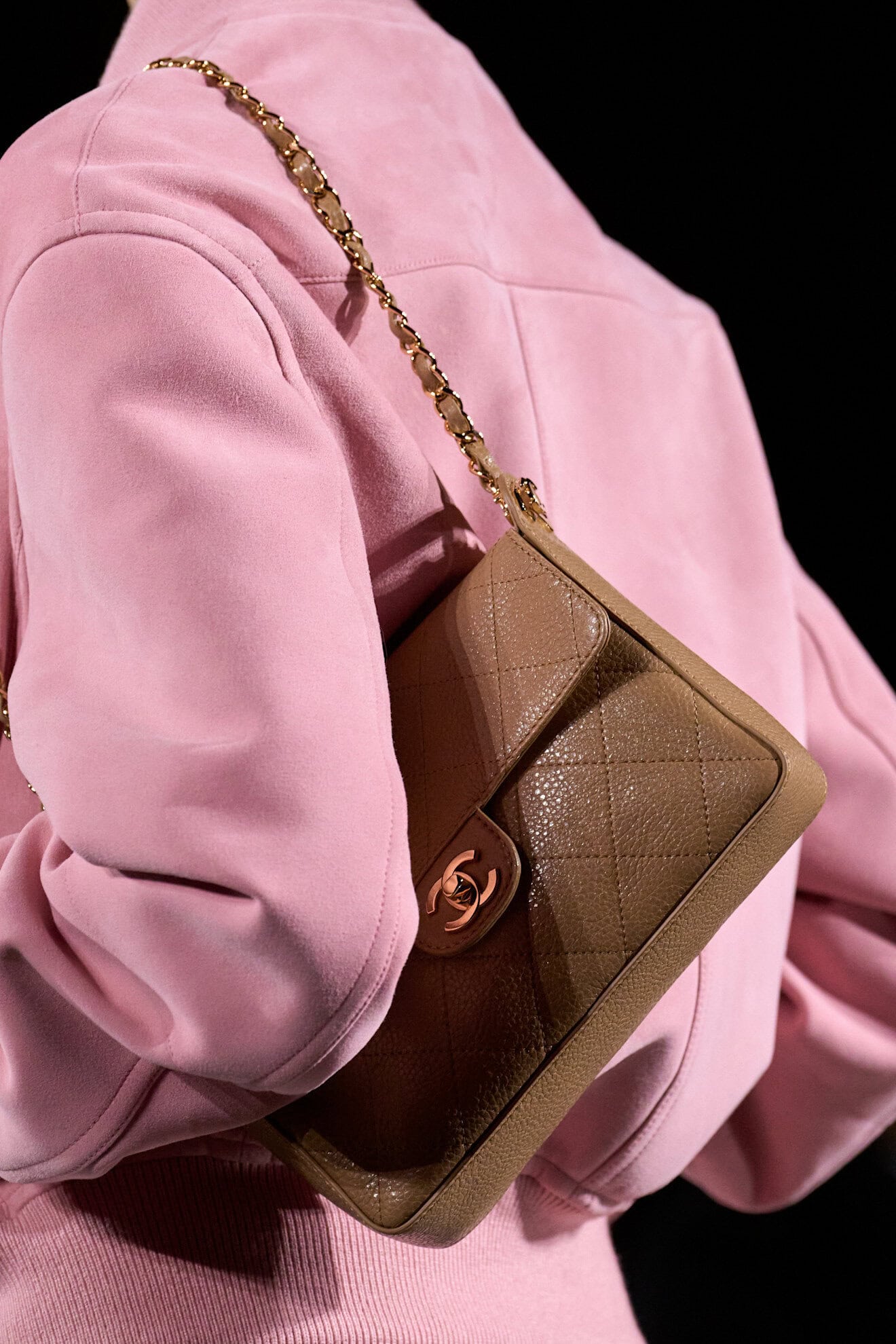
There’s something about a full month of shows that tells you more than any earnings call ever could. You see it in the clothes, yes, but also in the mood. The urgency. The restraint. The quiet confidence, or lack thereof. Fall 2026 didn’t feel like a victory lap, but it didn’t feel like a crisis either. It felt like an industry taking a breath, looking at itself honestly, and deciding to move forward with a bit more intention.
And just as the last show lights dimmed, the financial world chimed in with its own perspective. HSBC, in a notably upbeat report, suggested that the worst of luxury’s recent slowdown may already be behind us. “After very weak sales in 2024 and 2025, we see sales rebounding this year for the sector,” the bank noted. After two years that tested even the strongest houses, the idea of a rebound doesn’t feel like wishful thinking. It feels grounded in what we’re already beginning to see.
The bank’s argument is refreshingly direct.
The slowdown wasn’t just about macro pressure. It was, in part, self-inflicted. Pricing moved too quickly, while product and storytelling didn’t always keep pace.
That imbalance showed up in consumer hesitation. But now, as HSBC puts it, “the reboot is about to deliver for the sector.” Pricing is becoming more considered, product is improving, and the industry is beginning to look outward again rather than inward.
HSBC is forecasting around 7 percent organic growth in 2026, driven largely by volume rather than price. It’s a subtle but important shift. When growth comes from people wanting to buy again, rather than feeling pushed to, it tends to last.
The United States is emerging as the quiet driver behind the next phase of growth. HSBC places unusual emphasis here, pointing to the tight relationship between equity markets and luxury spending. When portfolios rise, confidence follows. “The U.S. [is] the strongest contributor to growth,” the report notes, with expectations of high single-digit demand increases. You can feel that shift already. Stores are livelier, conversations are more engaged, and clients seem more willing to explore again rather than hesitate.
China, meanwhile, is less dramatic than headlines might suggest, but no less important. Rather than a sharp rebound, the market is settling into a steadier rhythm. HSBC suggests investors may have been overly pessimistic, with demand stabilizing, particularly among higher-income consumers. New product initiatives and more thoughtful retail strategies are beginning to resonate again. It’s not about sudden acceleration, but about consistency returning—and that may ultimately prove more valuable.
HSBC Bets
LVMH remains the sector’s anchor, and HSBC continues to lean into its strength. The bank noted, “We like the stock for the visible acceleration of sales growth we expect to see, notably in its key fashion and leather goods division, thanks in part to the comeback of Dior. We also believe that cost discipline and the potential for portfolio pruning can help. Our slight increase of estimates is linked to stronger growth for the fashion division this year. Bear cases remain mostly on valuation and succession planning.” HSBC maintained its Buy rating and raised its target price to €705, reflecting growing confidence in the group’s ability to regain momentum.
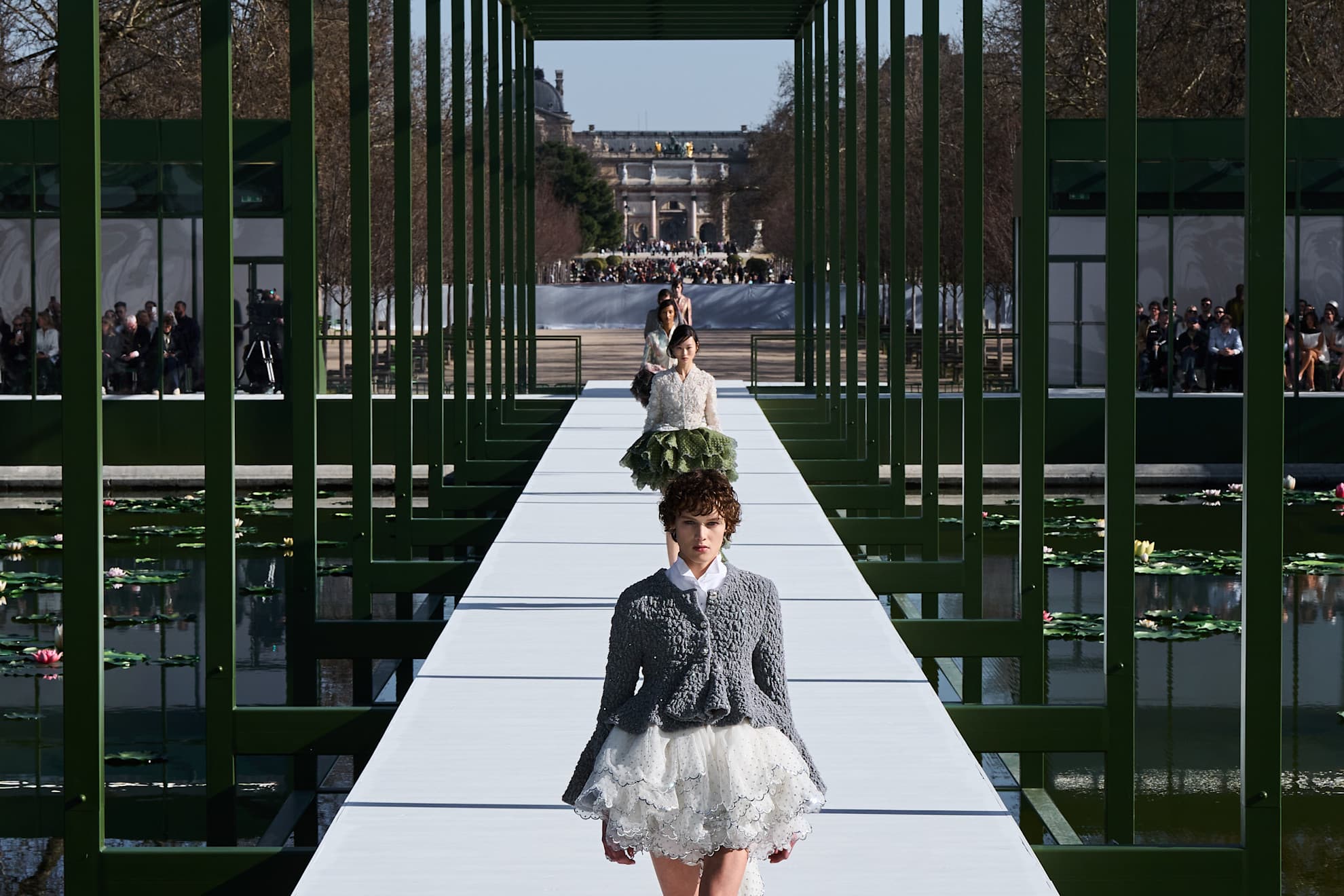
Kering’s recovery is expected to take a bit more time, but HSBC sees encouraging signs beneath the surface. The group’s broader portfolio is beginning to show more promise, even as Gucci continues its gradual reset. There is a sense that the work being done now—refining operations, strengthening brand positioning, and rebalancing the portfolio—may not be immediately visible, but is necessary for longer-term stability. The outlook is more measured, but no less constructive.
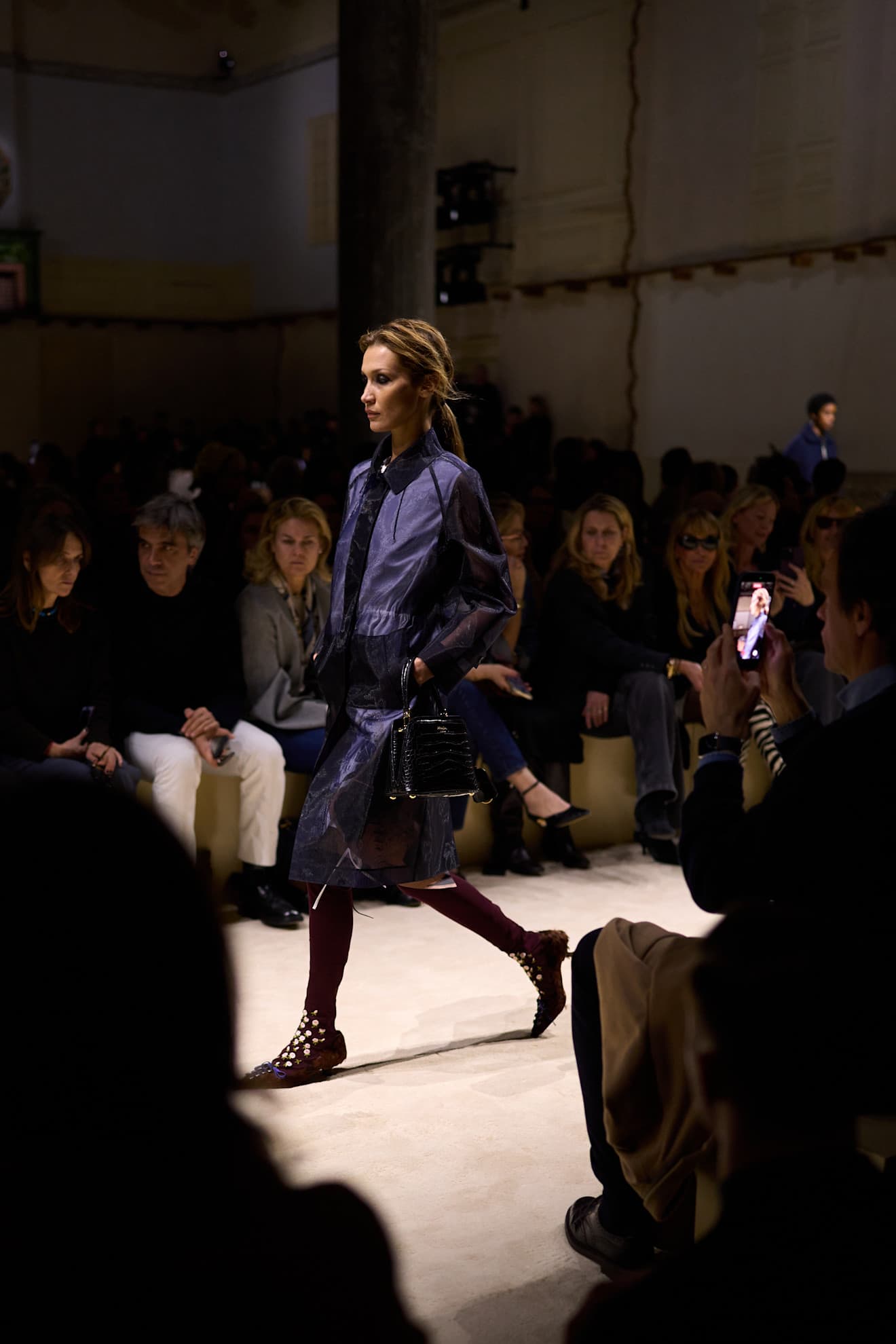
Prada sits in a more complex position, where market perception hasn’t quite caught up with underlying potential. HSBC noted, “The value stock in our coverage likely continues to be hit by limited liquidity, being listed in Hong Kong, misplaced concerns on the Versace acquisition, fears of a Miu Miu steep slowdown and management exodus. Shares are compellingly cheap still to us even if we cut estimates on slower growth.” Despite trimming forecasts, HSBC maintained its Buy rating, while lowering its target price to HK$59. It’s a case where patience may be required, but the underlying value remains compelling.
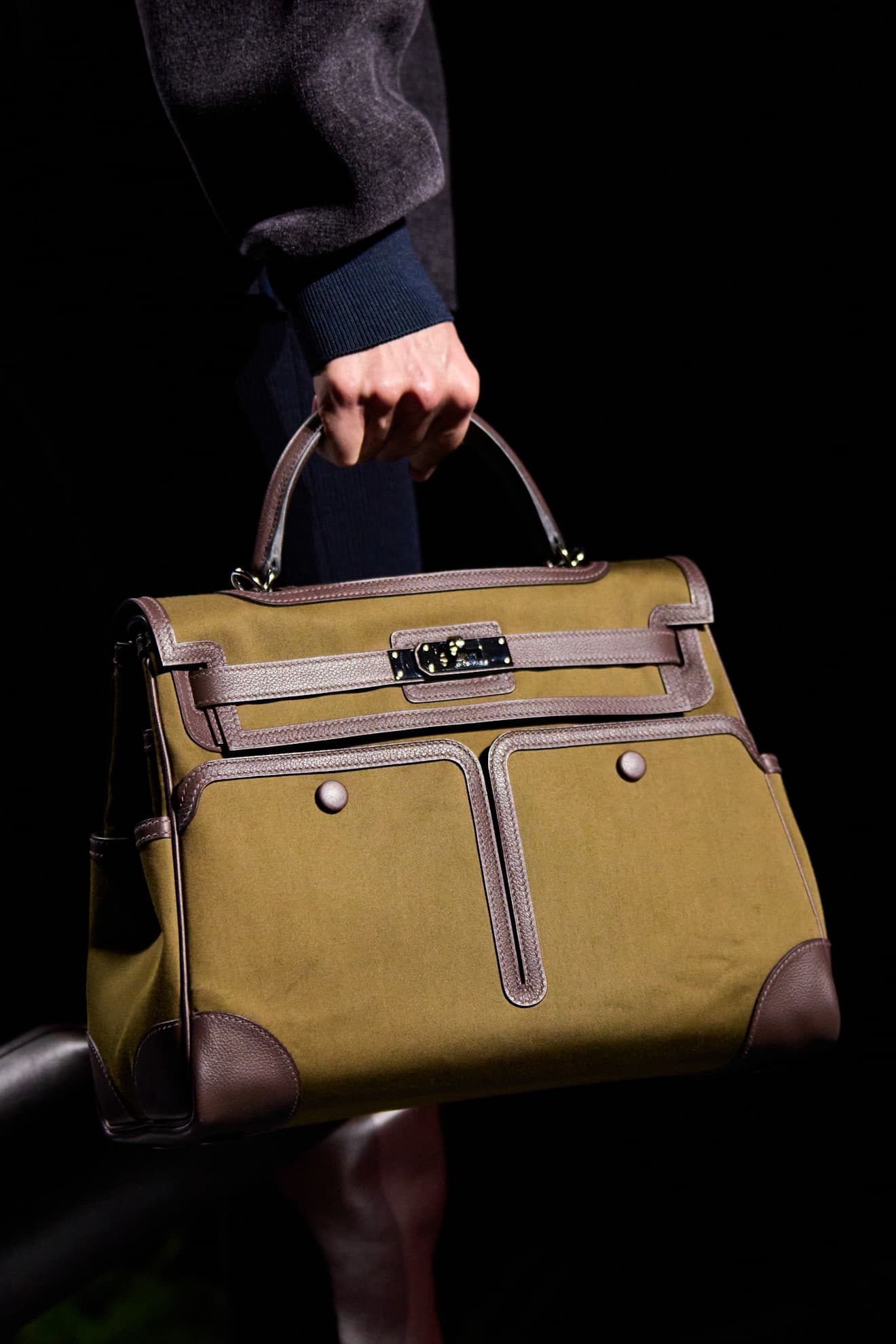
Hermès continues to operate in a category of its own. HSBC still sees the house as one of the few capable of delivering consistent double-digit growth, noting that sales are “likely going to end up being stronger than what we previously anticipated….[First quarter] 2025 having been artificially soft in sales on low inventories, we believe the group should start 2026 on a high note.” There’s a steadiness here that feels increasingly rare—growth that comes not from urgency, but from discipline. Hermès has been upgraded to buy from hold, with a target price 2,350 euros, up from 2,250.
Burberry’s repositioning is beginning to take hold. HSBC observed that the shift “has started to deliver. We don’t think this is the end of the story just yet as operating leverage should kick in over the next two years,” while also noting that “after the group reports fiscal year 2026 results, catalysts might lack though as the first half ending September does not generate much profit historically.” The recovery is expected to be gradual, but the foundation now feels more stable than it has in recent years.
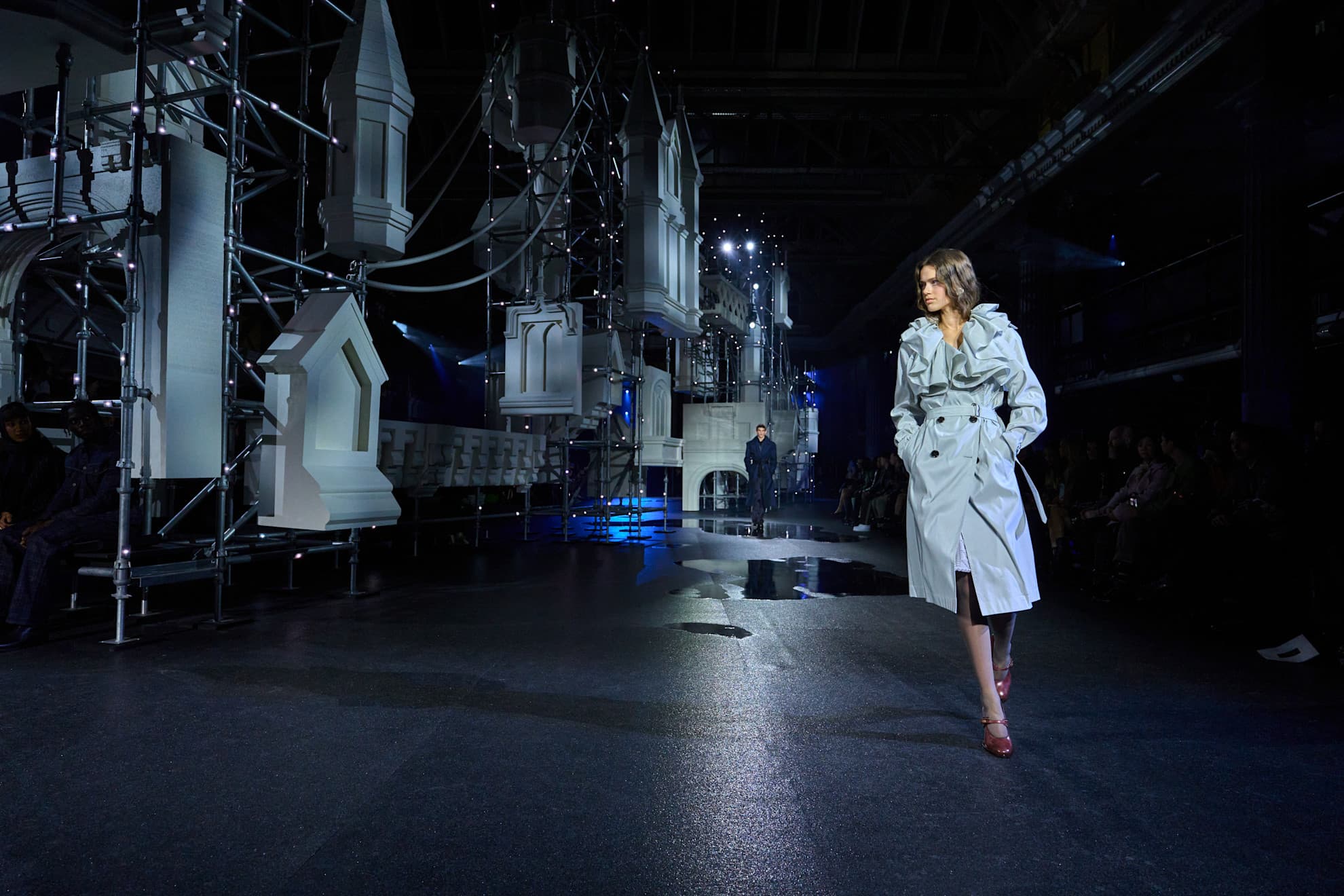
Moncler, by contrast, is seen as one of the more clearly defined growth stories. HSBC wrote, “The group has a convincing plan for growth and a thoughtful management structure for the long term. Besides, caution on China and fear of substitutes have been clearly misplaced. We expect the group’s eponymous brand to grow at the fastest rate in the industry — plus 10 percent.” The bank upgraded the stock to Buy and lifted its target price to €72, signaling strong confidence in its trajectory.
What makes this moment particularly interesting is the timing. HSBC points out that just as evidence of improvement begins to surface, the sector has “been somewhat abandoned again.” In their view, that disconnect creates opportunity.
Luxury doesn’t need reinvention. It needs attention—to product, to client, to purpose.
After a season that felt more grounded and a report that suggests demand is returning, the industry looks less uncertain than it did just a few months ago.
Not perfect. Not without challenges. But moving forward, with a bit more clarity.
And sometimes, that’s exactly when things begin again.