How Experiential, Evolving Kpis, And Focused Retail Activation Are Reshaping Luxury’s Approach To Growth
By Kenneth Richard
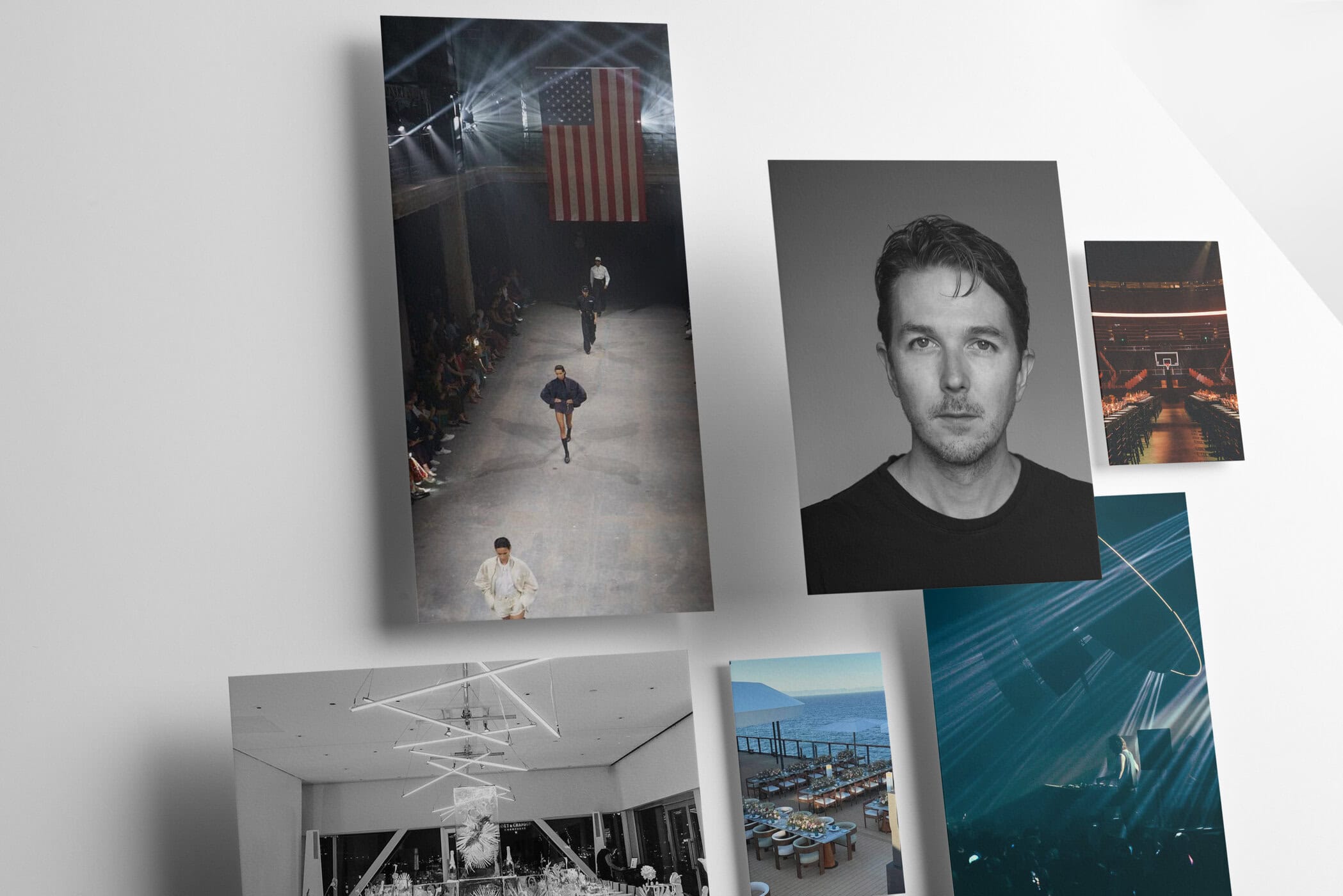
For more than a decade, Matte Projects has operated at the intersection of culture and commerce, shaping how brands engage audiences in ways that extend far beyond traditional campaigns. Founded in New York, the agency has built a reputation not through visibility alone, but through influence—embedding itself within music, fashion, and entertainment to create work that resonates both in real life and across digital ecosystems.
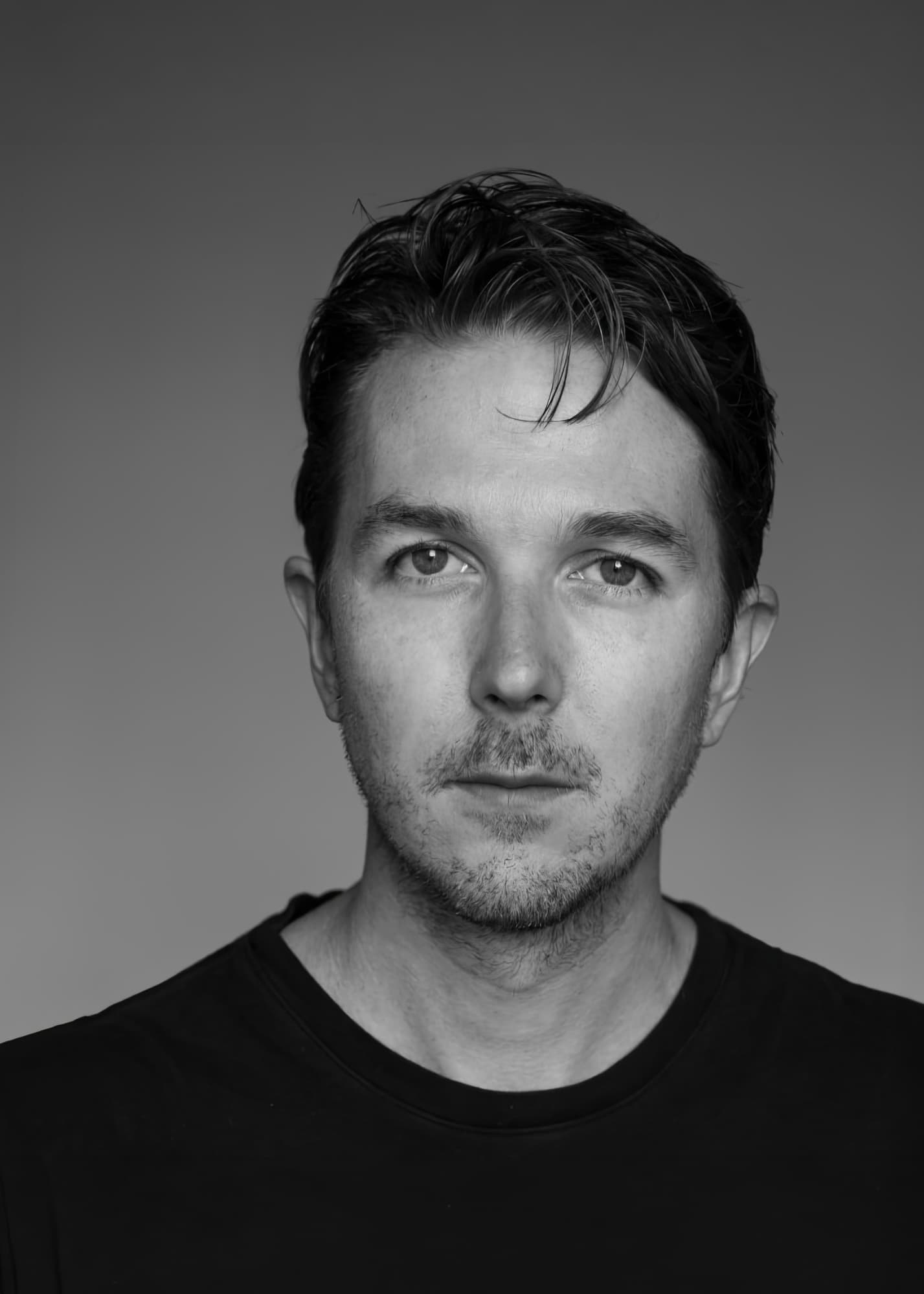
At the center of that evolution is Matt Rowean, Partner and Chief Creative Officer, who oversees the agency’s creative direction across strategy, design, production, and storytelling. With over 15 years of experience, Rowean has guided Matte from its early days as an events-driven collective into a multidisciplinary creative partner for brands including Chanel, Google, LVMH, Prada, Fendi, and Pernod Ricard.
What distinguishes Matte is not simply its client roster, but the structure of its business. The company operates as an integrated ecosystem—blending creative services, entertainment production, and strategic partnerships into a single offering designed for what Rowean describes as “today’s cultural consumer.” Strategy, design, experiential, and content production sit alongside concerts, festivals, and original IP, allowing Matte to move fluidly between brand building and cultural participation.
“We’re mature enough at this point that we’re not the young kids at the table anymore,” Rowean says. “But the challenge is maintaining the spirit that defined us—our cultural fluency, our connection to music and events—while scaling into a business that can service Fortune 100 brands.”
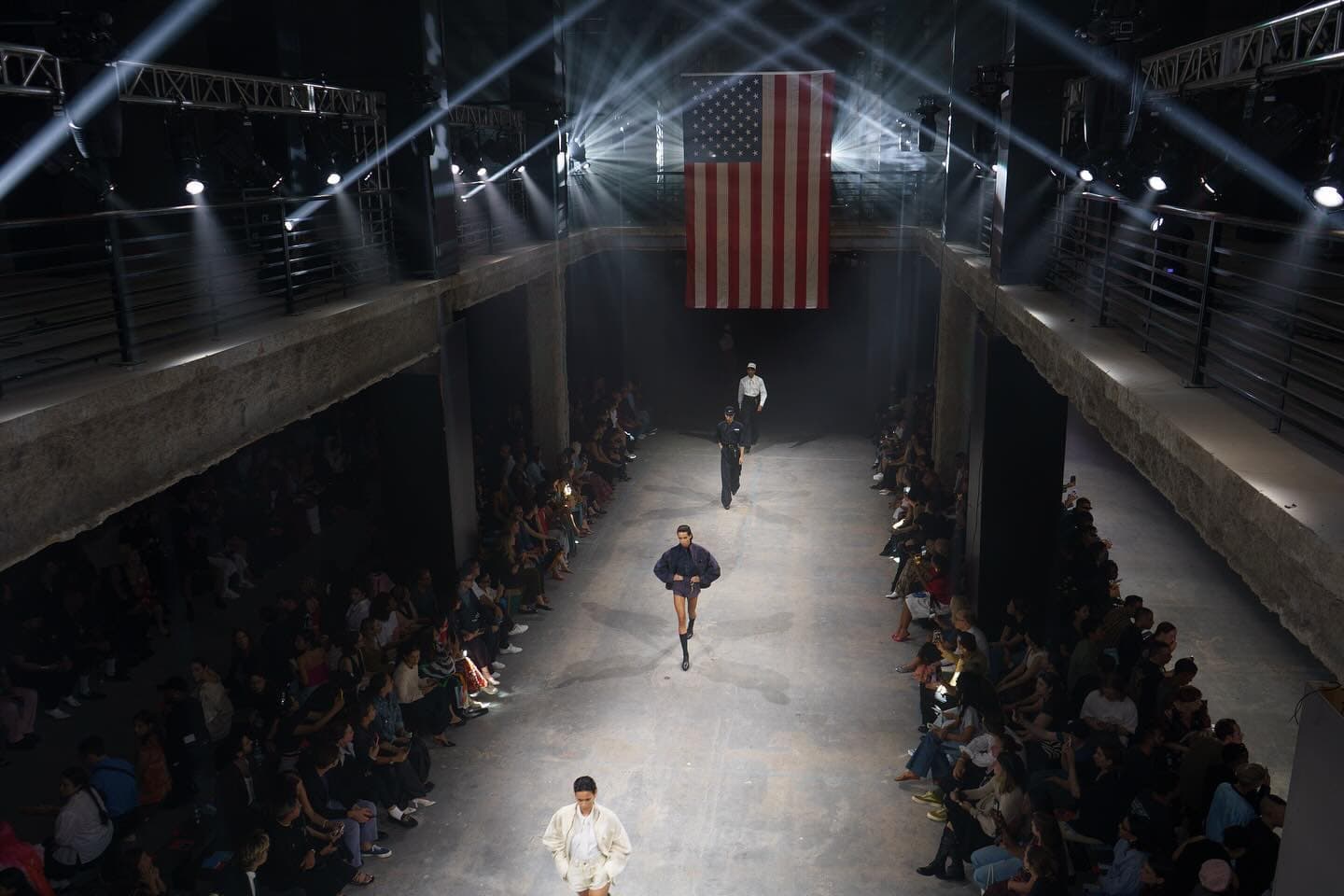
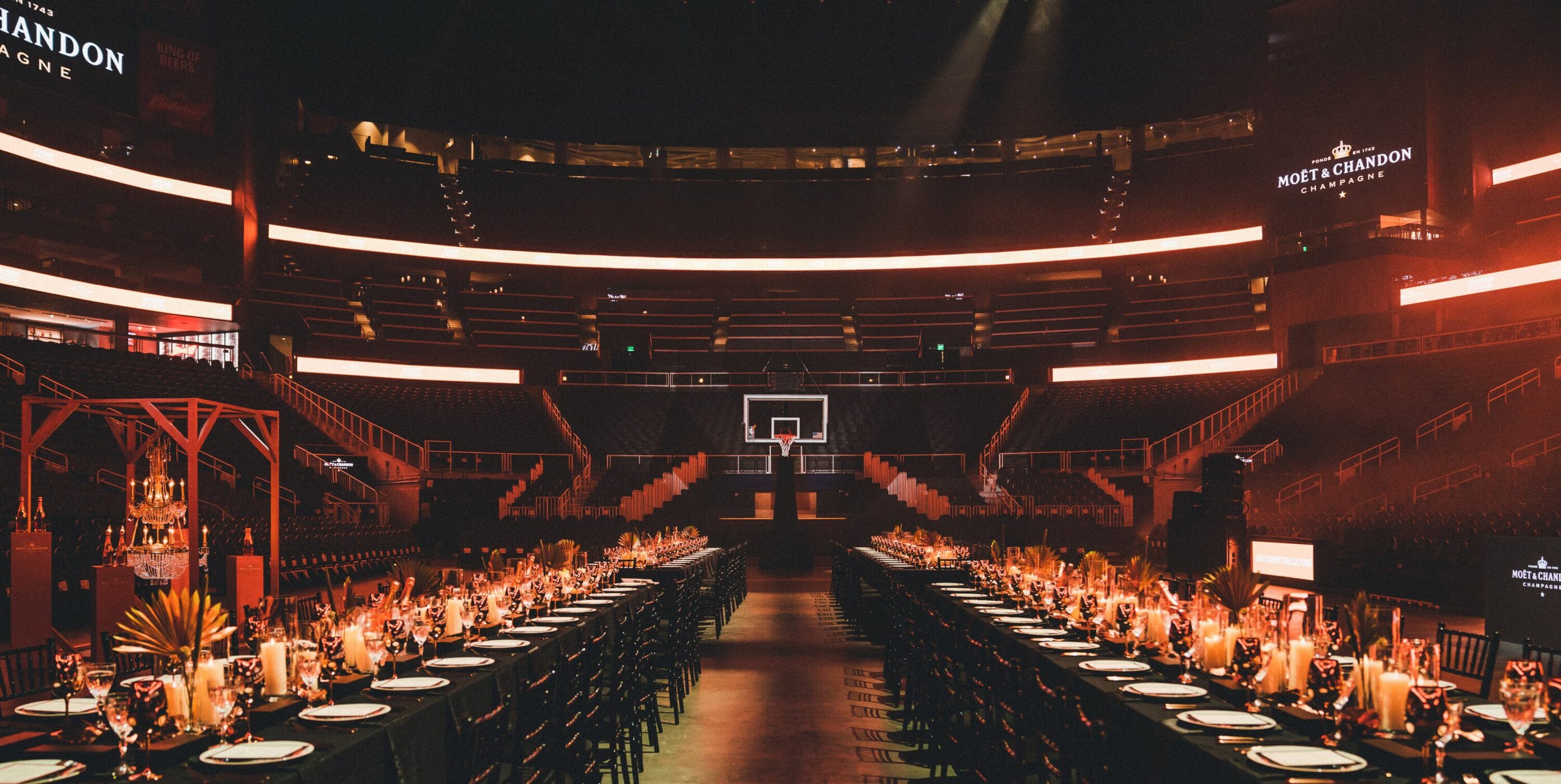
That tension—between scale and soul—defines Matte’s current position. Now operating with close to 100 employees, the company has formalized its capabilities while working to preserve the cultural credibility that first attracted luxury clients. Experiential, once a point of entry, has become the dominant force within the business, now accounting for the majority of its revenue.
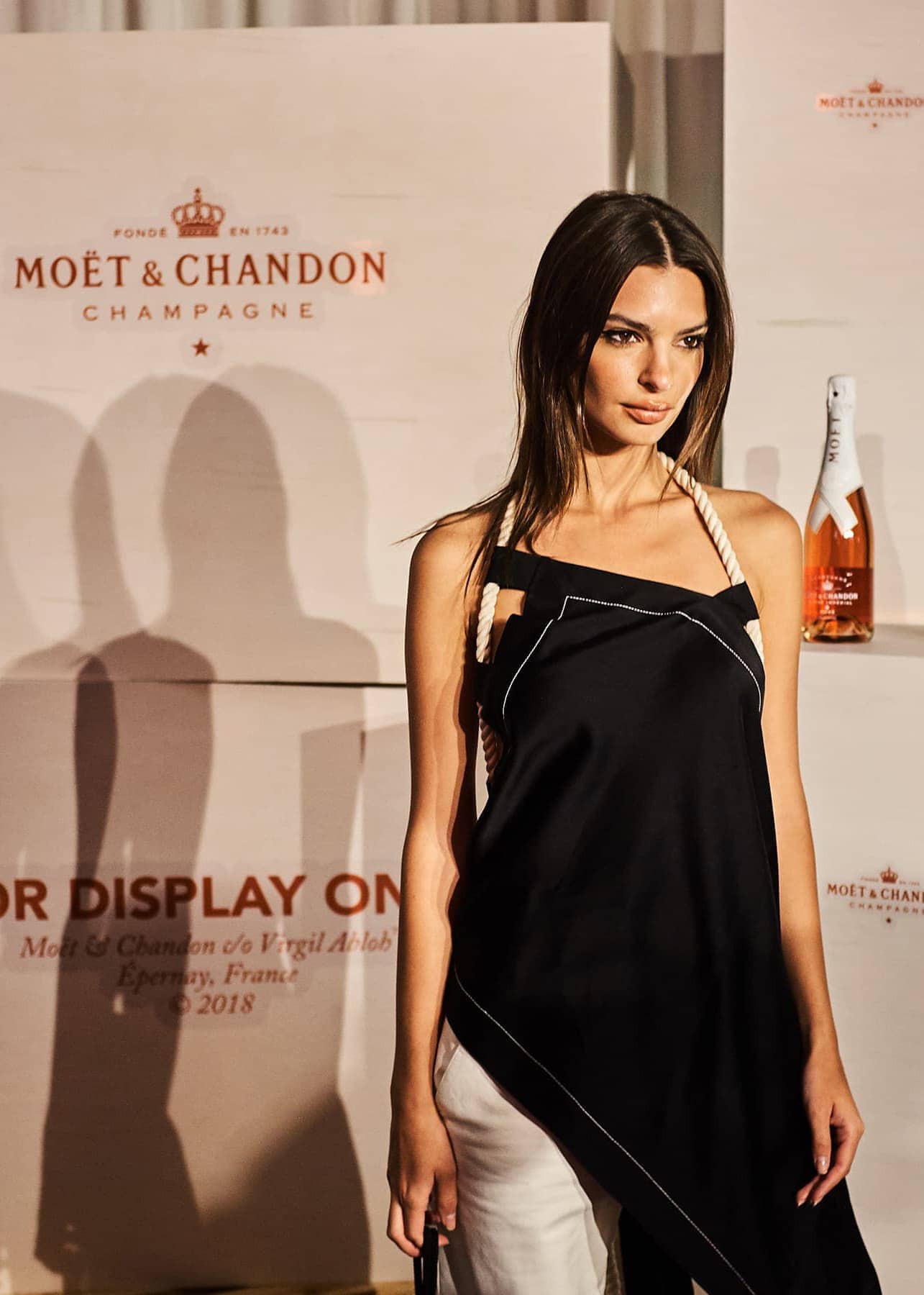
“Experiential is making up 60 to 70 percent of what we do,” Rowean explains. “And almost every brief we receive has a live component. That’s always been core to our philosophy—but now the market is catching up.”
The shift reflects a broader recalibration across the industry. As brands face increasing pressure on production budgets, the expectations placed on content have expanded exponentially. Where campaigns once delivered a handful of hero images, clients now expect hundreds of assets, optimized for every platform and format.
“There’s massive downward pressure in the storytelling side of the business,” Rowean says. “Five years ago, it was disruptive to say you’d get 30 assets instead of six. Now clients want 200 to 300. The expectation has completely changed.”
We went through a phase where UGC really became the dominant format. Highly produced work started to feel less relevant on social, and we had to adapt to that. But I think we’re now at the end of that cycle.
For a generation raised almost entirely on lo-fi, creator-driven content, the pendulum is beginning to swing back. “There’s an appreciation coming back for craft,” Rowean adds. “For well-thought-out, visually compelling work. And that’s exciting for us, because that’s always been core to how we approach storytelling.”
For Matte, that reality has forced a recalibration—not just in execution, but in where value is created. While content remains essential, Rowean sees experiential as both more resilient and more strategically potent in this new landscape.
Content is under pressure, but people still want to come together. And experiential is less threatened by AI or production efficiencies. If brands find savings in content workflows, that money doesn’t disappear—it shifts into real-world experiences.
Those experiences, however, are no longer viewed as isolated moments. For the most forward-thinking brands, they function as platforms—generating both immediate impact and sustained output across channels.
The smartest brands understand the power of experiential as a storytelling engine. You might have 300 to 600 people in a room, but if you approach it strategically, that moment can drive millions of impressions. It’s about planning the full lifecycle—what happens before, during, and after.
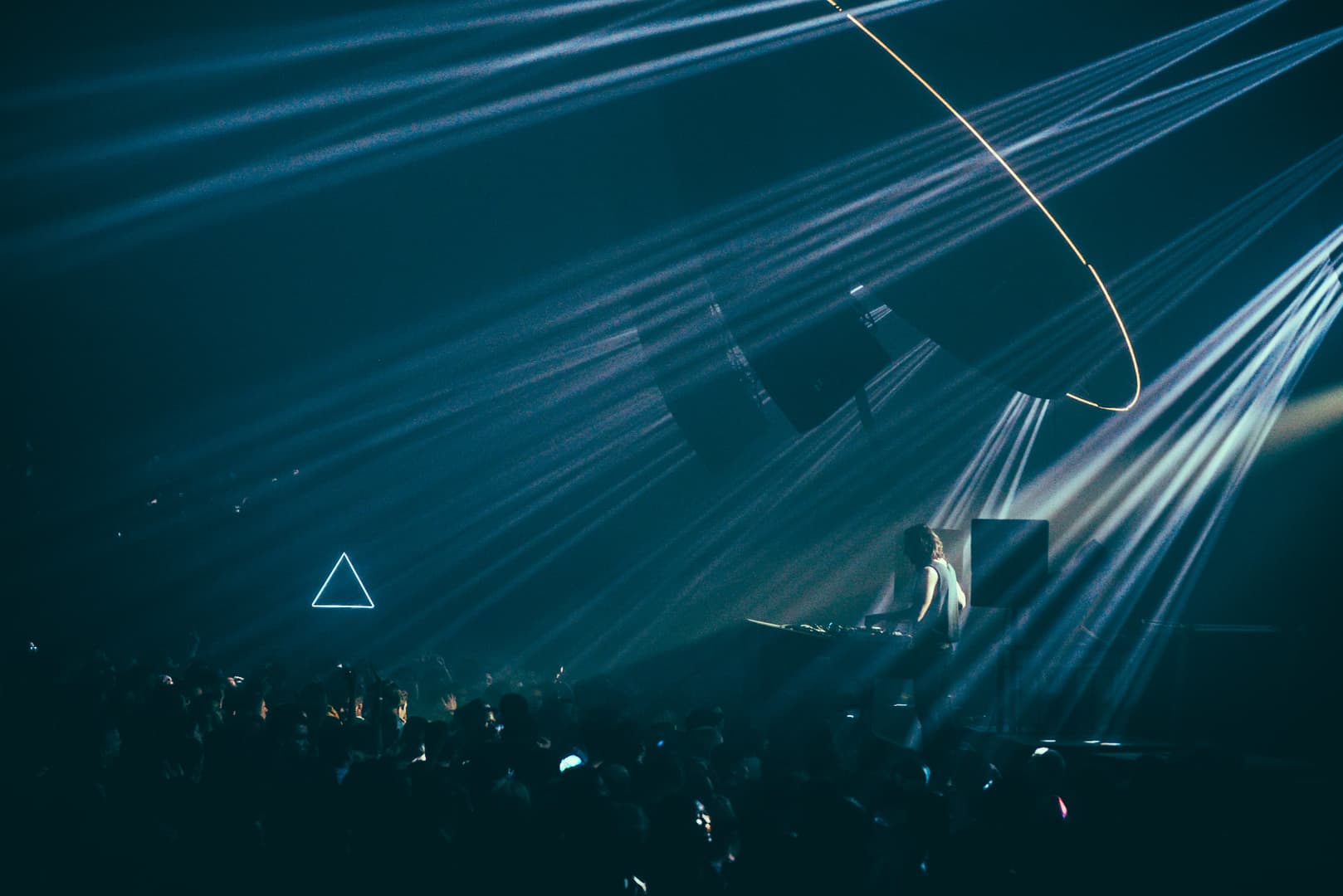
This is where KPIs have evolved. Success is no longer measured solely by attendance or visibility, but by the ability to extend a single investment into a prolonged cultural conversation.
How do you create a month’s worth of content and engagement from one moment?That’s the mindset. It’s not just about the event—it’s about the system around it.
That systems thinking increasingly extends into retail, where Matte has been advising brands to move away from scale for its own sake, and toward depth of experience. Rather than expanding through hundreds of doors, Rowean points to a more focused approach built around key locations that function as cultural hubs.
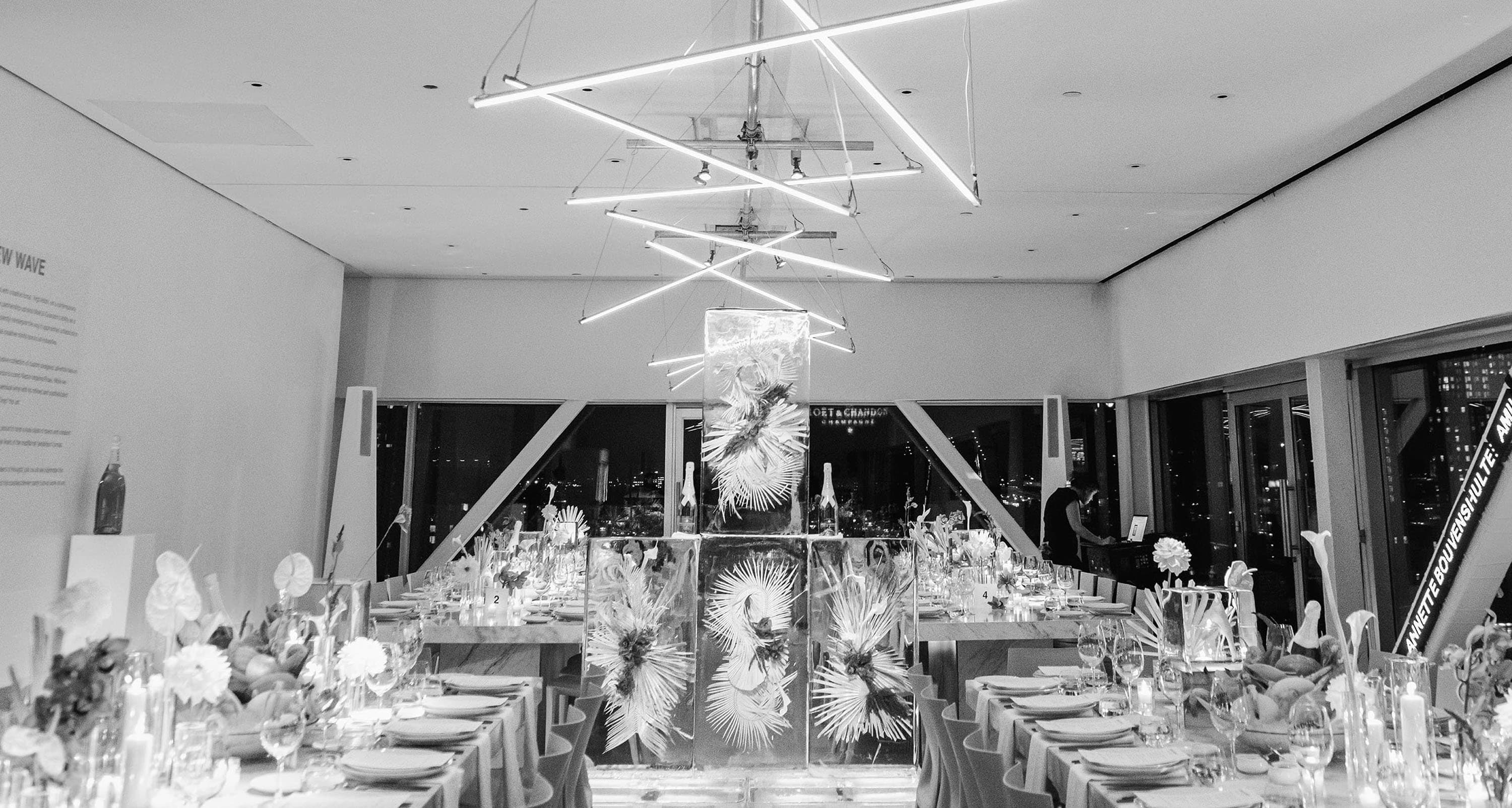
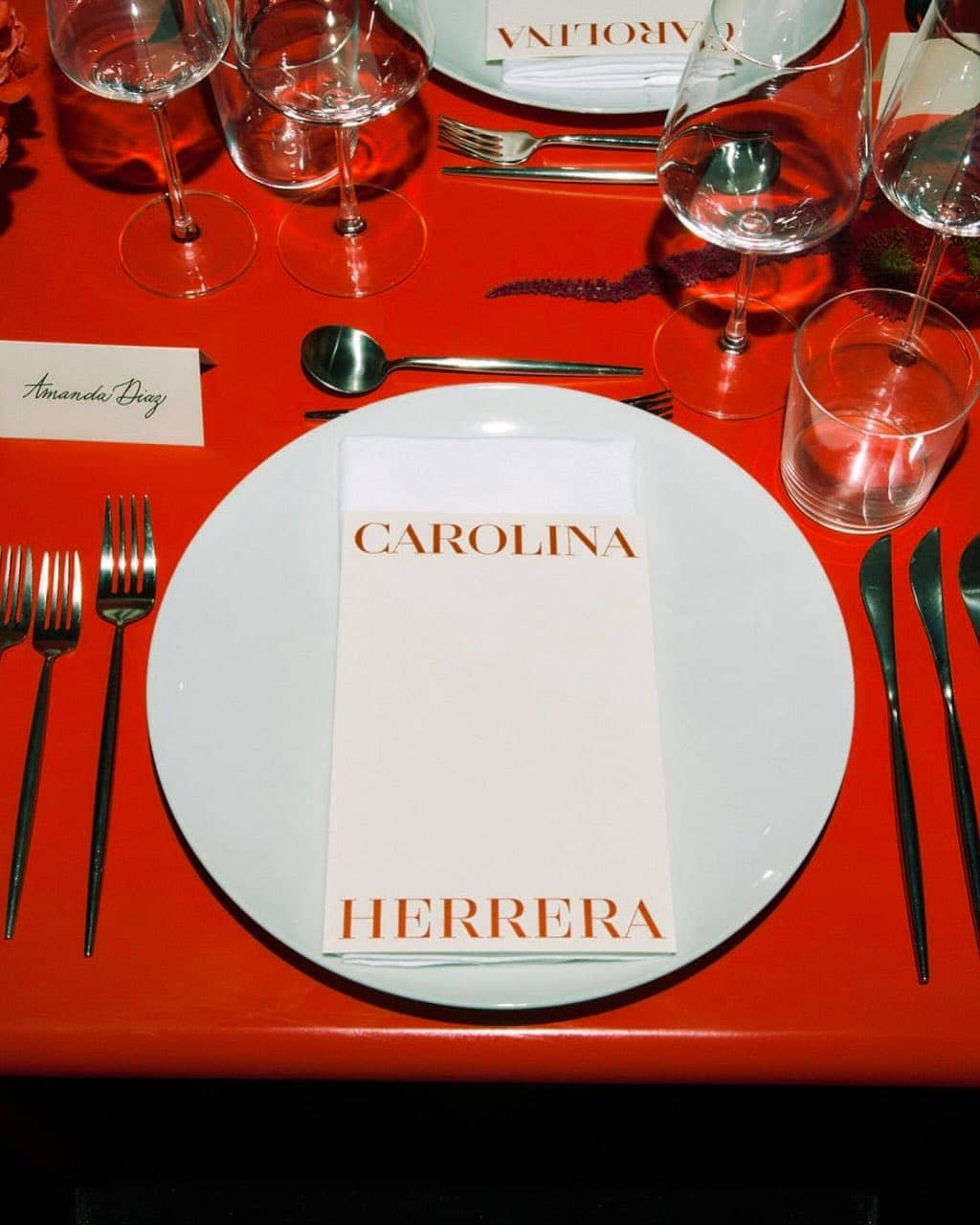
“It may not be 300 stores anymore,” he says. “It might be five or ten flagships that really embody the brand—places that go beyond transaction and become destinations.”
In this model, retail becomes a platform for ongoing activation—programming, community engagement, and entertainment layered onto the physical space to create repeat interaction and emotional connection.
“Those environments should feel like the heart and soul of the brand,” Rowean adds. “And they should be programmed in a way that keeps people coming back.”
This shift also reflects a broader change in how luxury brands approach visibility. While the traditional fashion calendar remains important, Rowean suggests that some of the most effective brands are beginning to think beyond it—creating moments outside of shows and seasonal cycles to maintain relevance year-round.
There’s so much change happening in how brands show up. Some of the smartest ones are creating their own moments, off-cycle, that feel more intentional and more connected to their audience.
Underlying Matte’s perspective is its continued connection to music and entertainment, which remains a defining advantage. Unlike many agencies that interpret culture from the outside, Matte participates in it—producing concerts, working with artists, and maintaining relationships that inform its work in real time.
“Our clients don’t need help booking the biggest names,” Rowean says. “They can do that themselves. What they value is understanding who’s coming next—who’s going to matter in two years—and building relationships early in a way that feels authentic.”
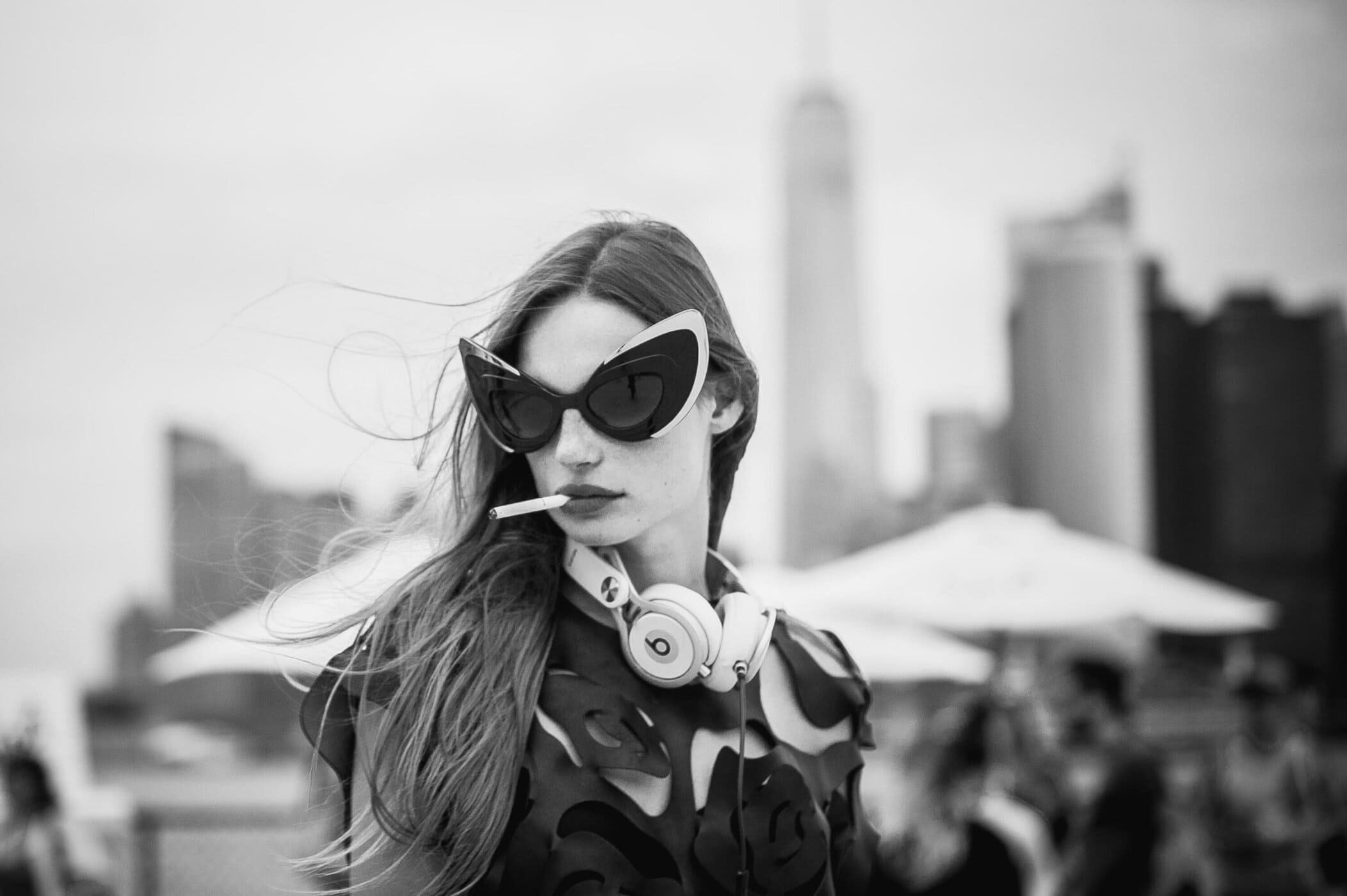
That ability to anticipate, rather than react, is central to Matte’s positioning as a long-term partner rather than a project-based vendor. It also informs how the agency approaches risk—encouraging brands to push beyond their comfort zones, but within a framework of strategic rigor.
“We’ve always believed that culture takes risk,” Rowean says. “But it has to be calculated. The best work comes from pushing boundaries in a way that’s thoughtful and grounded in insight.”
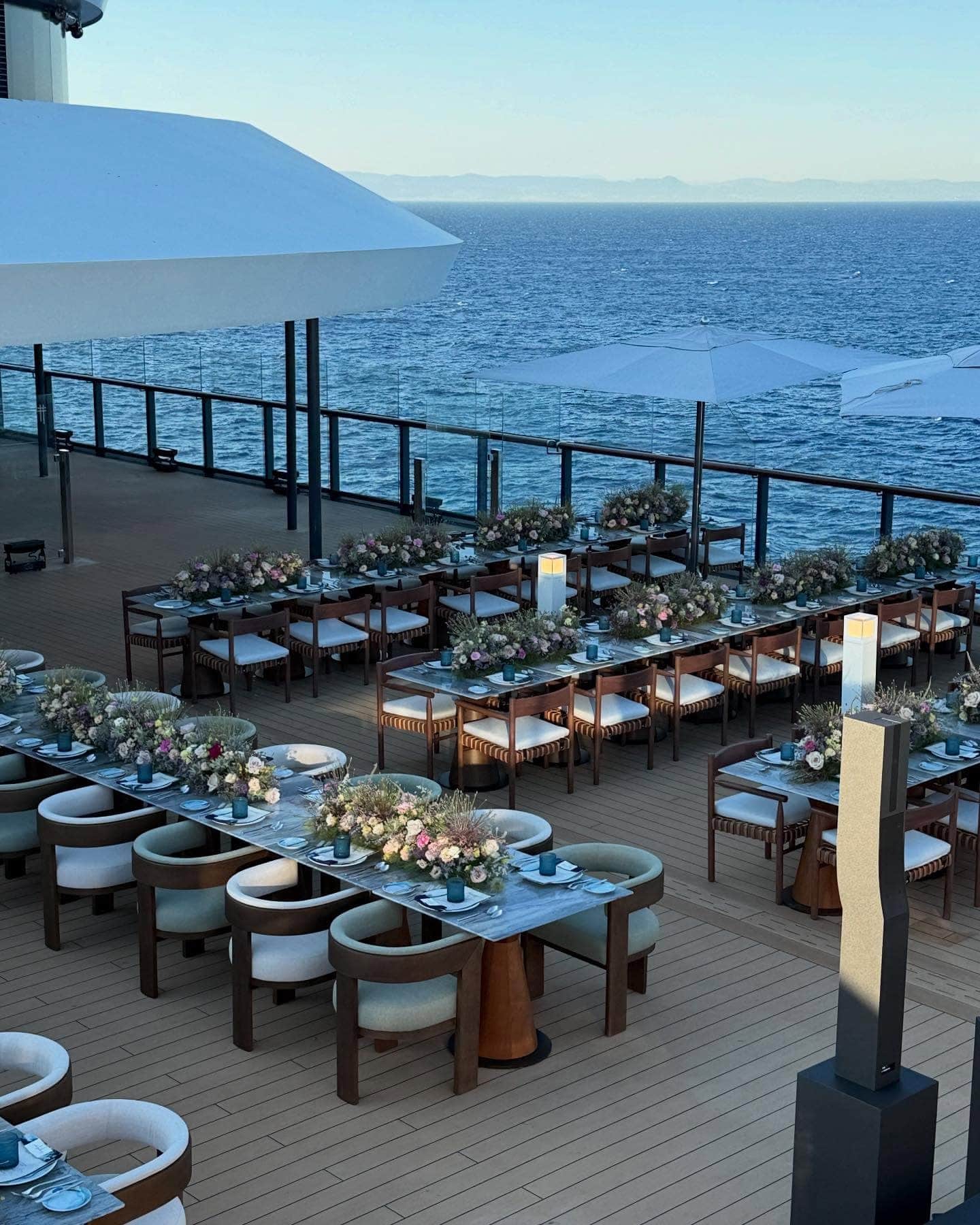
As luxury continues to evolve, Rowean sees the category expanding beyond product into a broader lifestyle proposition—one that encompasses hospitality, entertainment, and ongoing engagement with consumers across multiple touchpoints.
The future of luxury is about extending the relationship. It’s not just about selling a product—it’s about creating a world that people want to be part of.
For Matte, that vision is already well underway. What was once perceived as an events company—or, separately, a content studio—has matured into a fully integrated creative partner capable of operating across strategy, campaigns, and experiences at scale.
“A lot of people still see us through one lens,” Rowean says. “But the reality is, we’ve built something that can service our partners across the full spectrum. It’s about showing that we’re not just one thing—we’re a creative force across everything.”