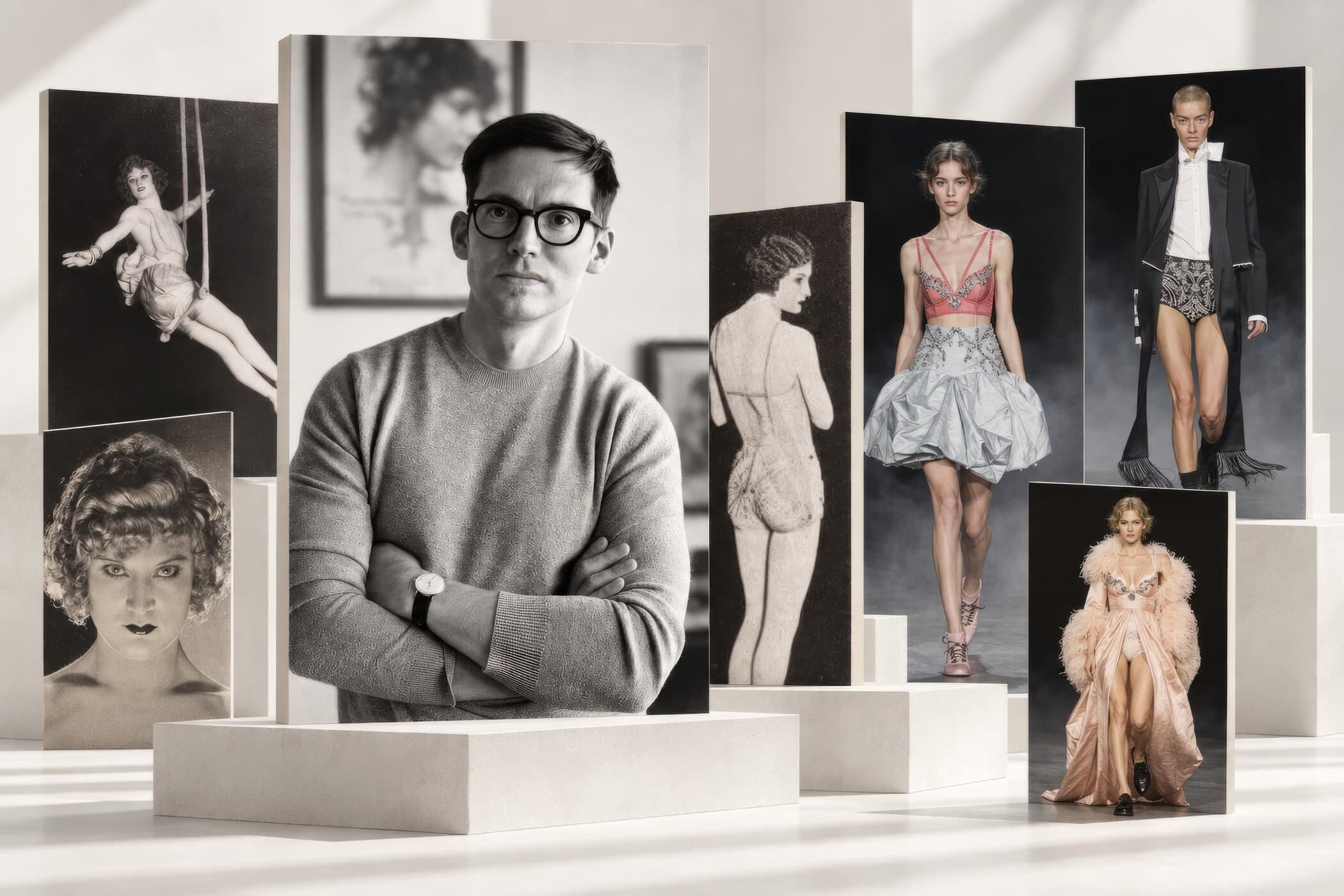
For Spring 2027, Erdem Moralioglu Looks To The Extraordinary Life Of Aerialist Barbette, Finding In A Nearly Century-Old Story Of Performance, Gender, And Transformation An Unexpectedly Urgent Reflection Of The Present
By Angela Baidoo
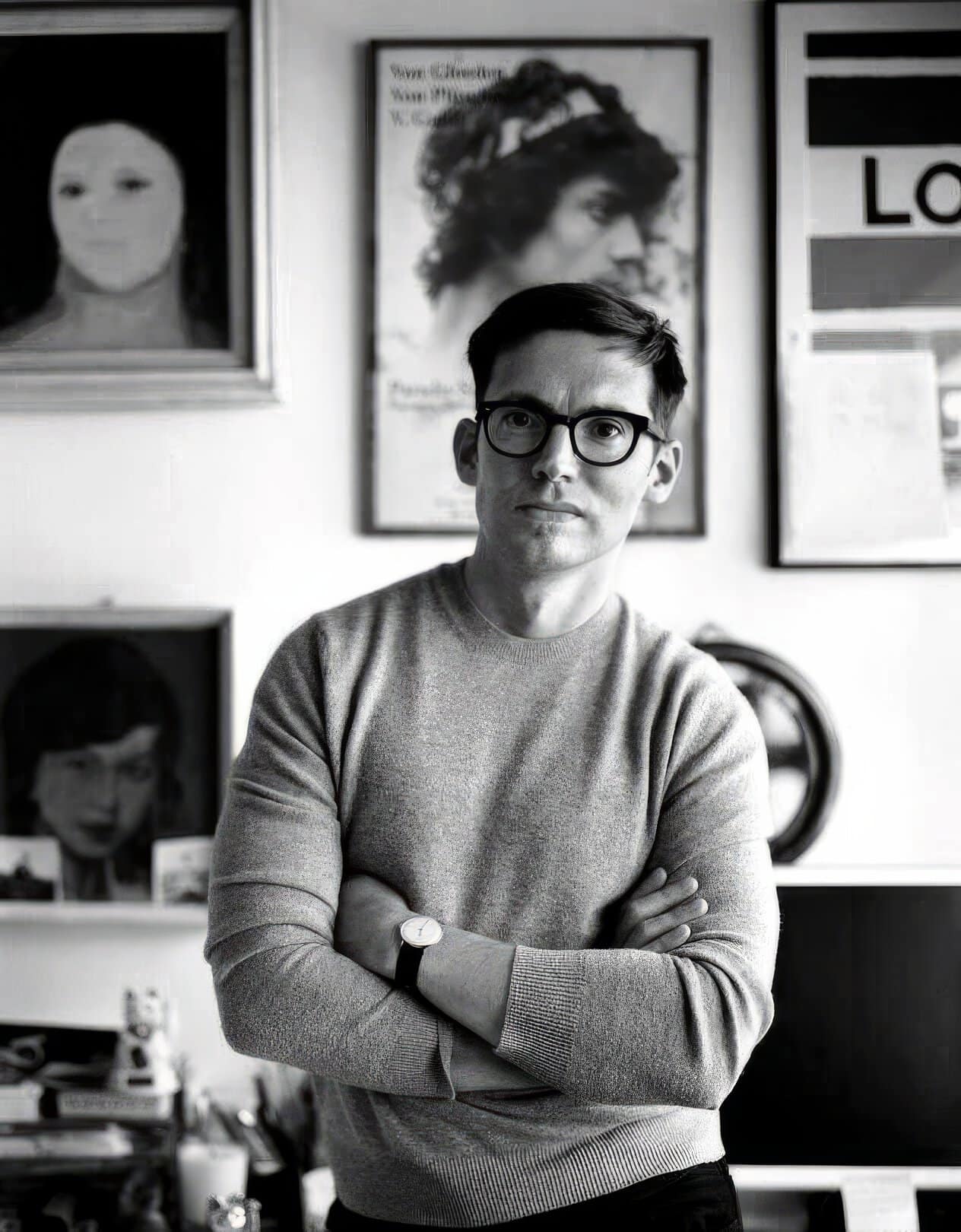
There is a particular energy that takes hold of Erdem Moralioglu when he has found a story worth following. Research has long been fundamental to the way he works, but certain subjects seem to pull him further in, sending him through photographs, films, archives, textiles, and fragments of lives that history has allowed to drift toward its edges. For Spring 2027, that person is Barbette.
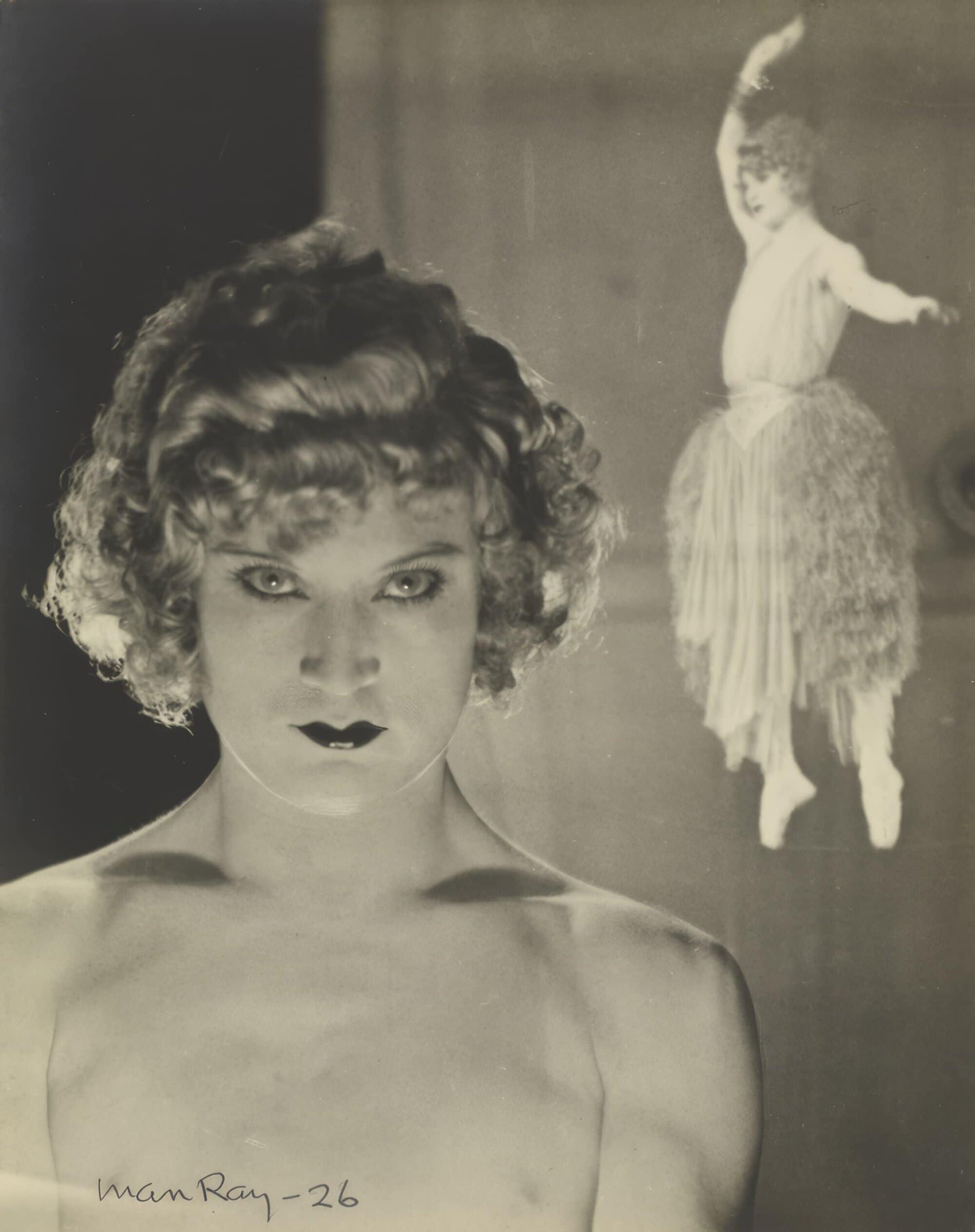
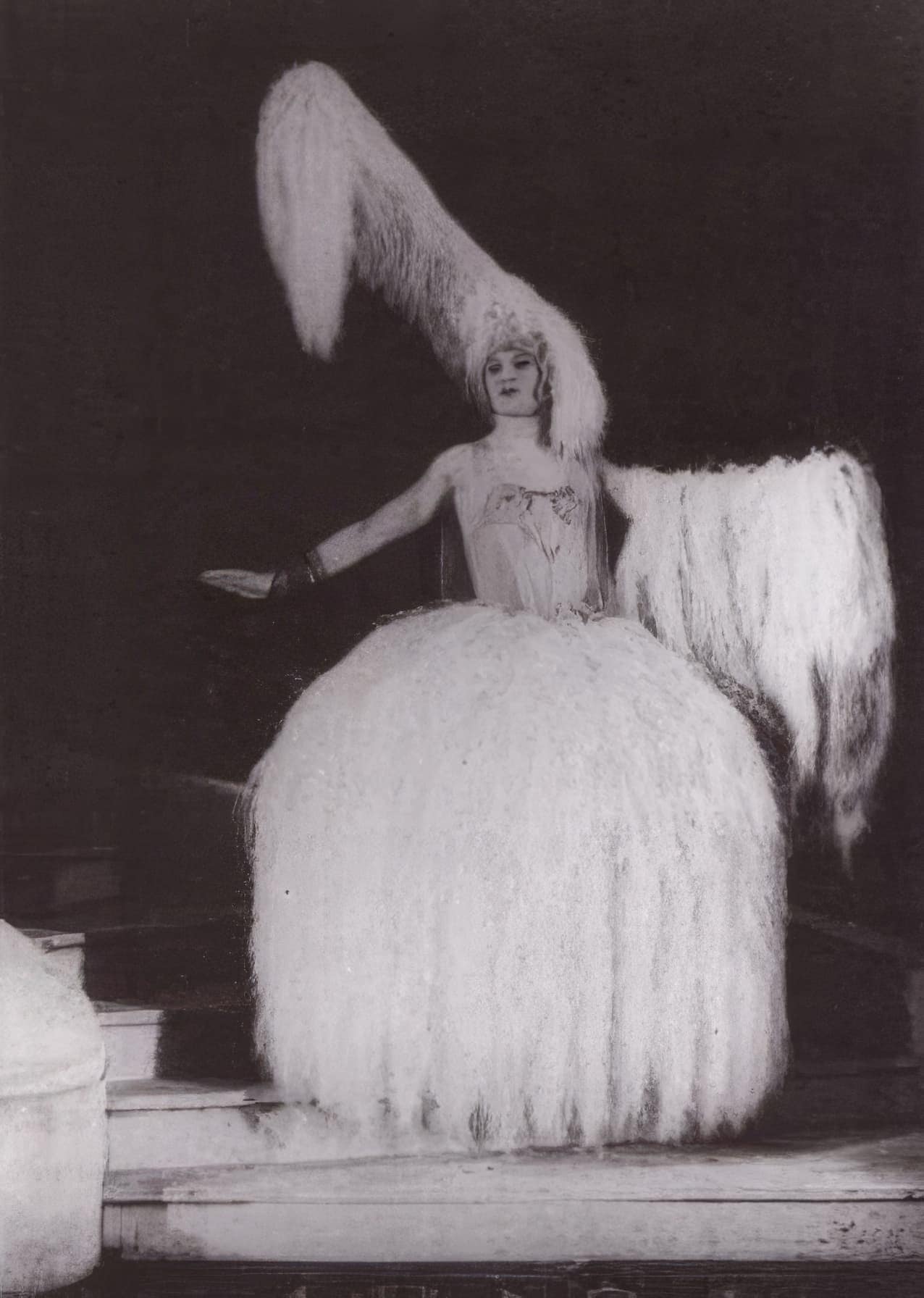
Speaking on the collection, Moralioglu is visibly excited by what he has uncovered. Around him, the research builds its own world: photographs of aerialists and bodies in motion, images of Barbette in masculine dress and transformed for the stage, feathers, lingerie, drawings, period ephemera, and Man Ray’s extraordinary studies of a performer who seemed capable of moving between identities with the same control required to move through the air.
What begins as historical research, however, quickly becomes something more personal to Moralioglu’s thinking about clothes. Barbette’s story gave him a way to consider balance—not equilibrium as something static or perfectly resolved, but the beauty that can emerge when seemingly opposing ideas are allowed to coexist.
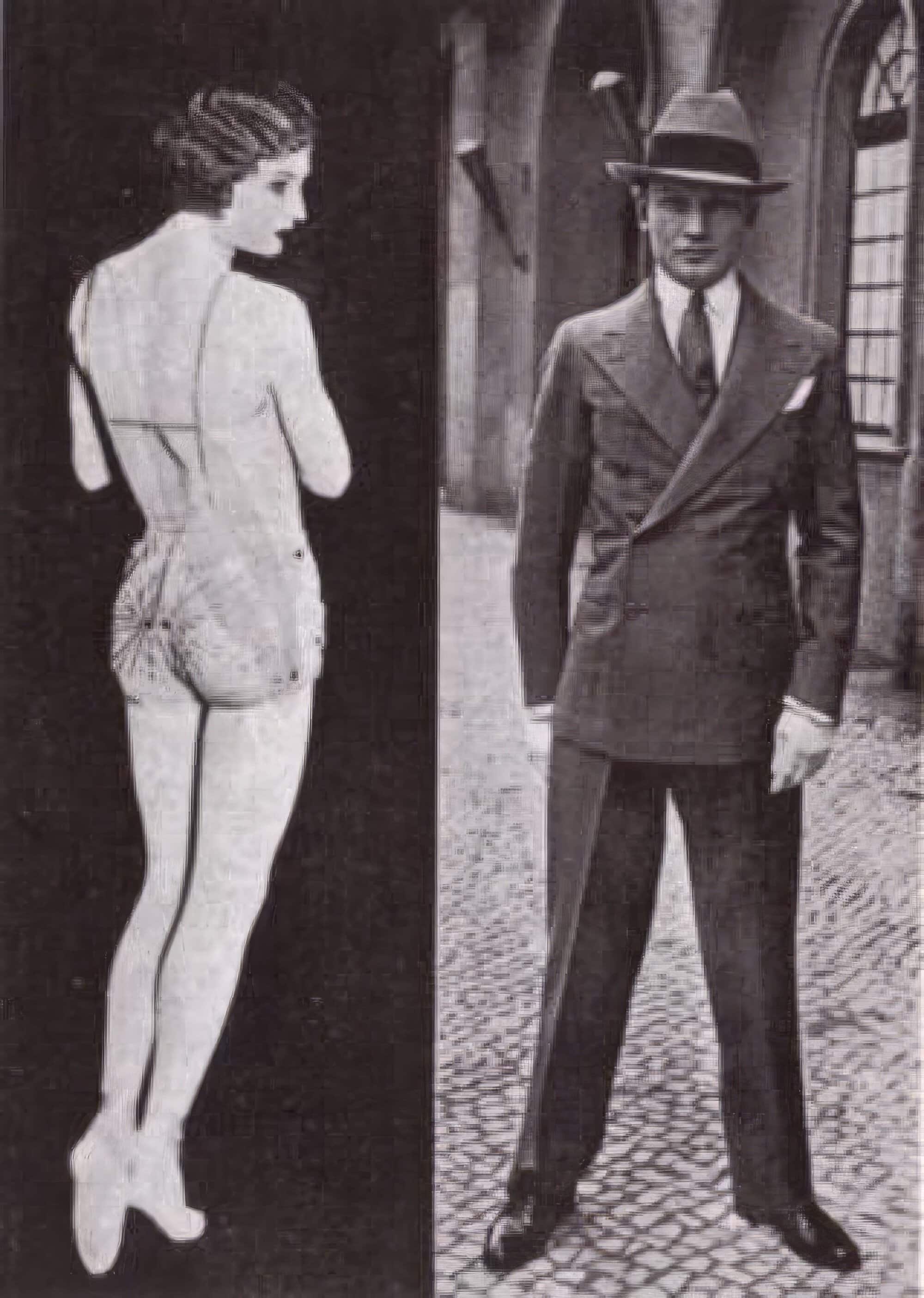
“I found myself just staring at this image the whole season of that duality,” Moralioglu says. “It wasn’t almost like he was trying to be a woman or a man. You can see that quite clearly in the images that Man Ray took. It was really truly about this kind of androgyny in the purest sense.”
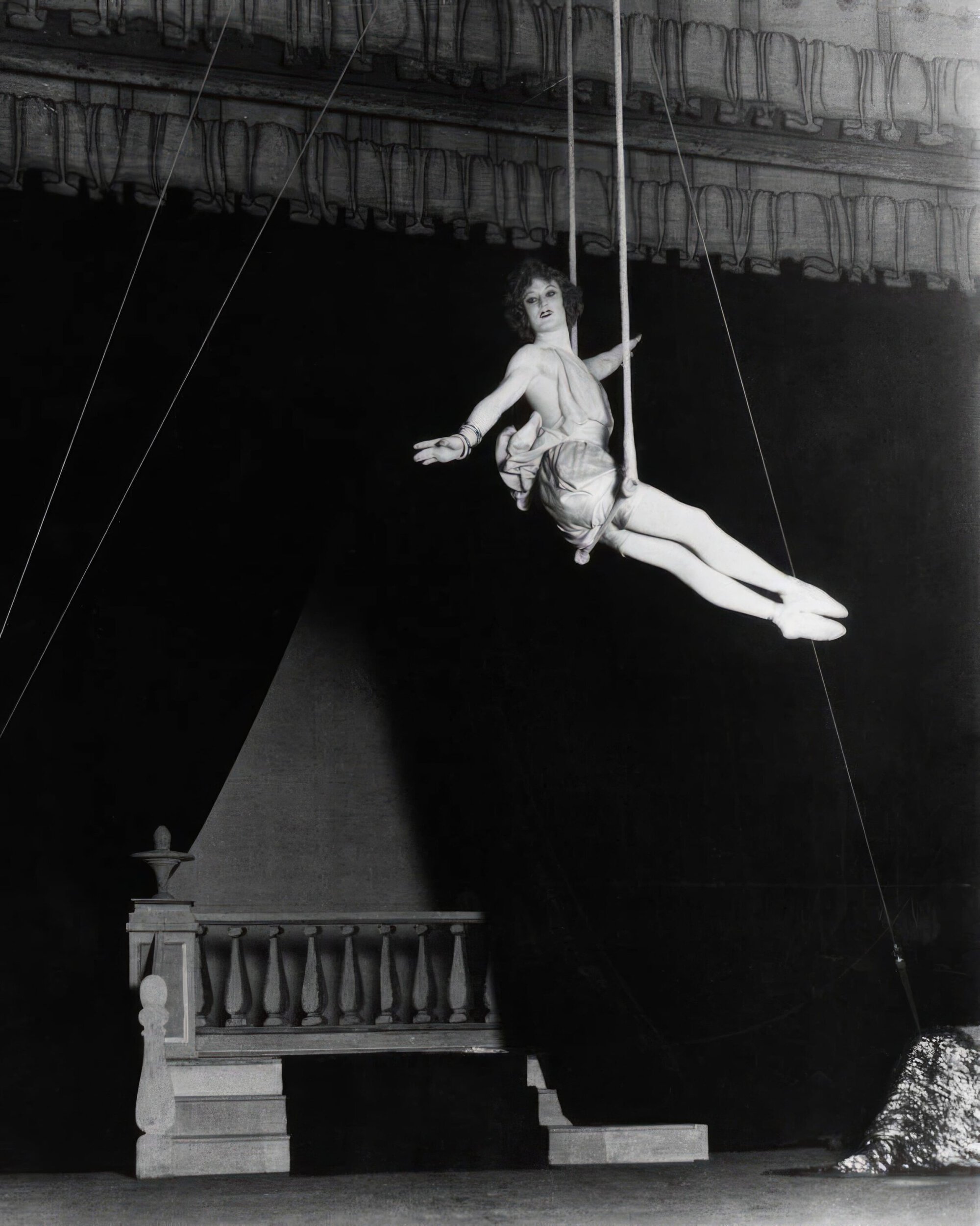
Born Vander Clyde Broadway in Texas, Barbette began performing as a teenager, eventually developing an aerial act built around both breathtaking physical skill and transformation. He made his way to London and Paris, where he entered the orbit of the European avant-garde and became closely associated with Jean Cocteau and Man Ray. Cocteau wrote about him; Man Ray photographed him. Barbette became a figure who fascinated artists precisely because he seemed to exist beyond the conventional boundaries of masculine and feminine.
For Moralioglu, there is something irresistible about the distance Barbette traveled—not simply geographically, from Texas to London and Paris, but imaginatively. Here was someone who emerged from a world far removed from the European avant-garde and ultimately became a muse to it.
“There was something very interesting of someone coming from somewhere, from Austin, Texas, to become something and to become this kind of muse of the surreal,” he says.
That act of becoming is important, but so is the refusal to arrive at a single fixed answer. Moralioglu is less interested in treating Barbette as a historical symbol than in understanding the ambiguity that made the performer so compelling in the first place. In the photographs that absorbed the designer throughout the season, masculinity and femininity appear less like opposite destinations than two forces capable of occupying the same body.
It was really truly about this kind of androgyny in the purest sense.
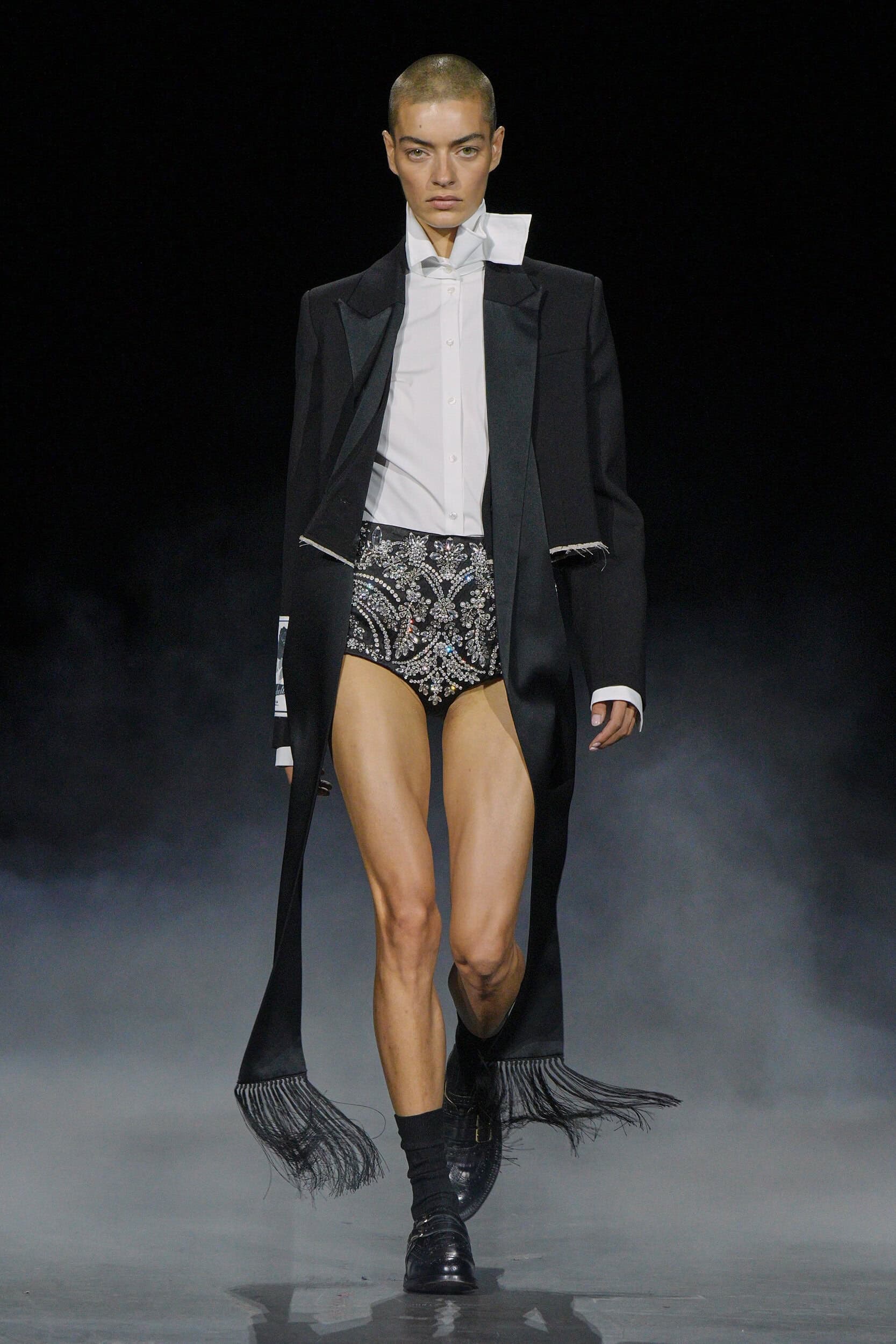
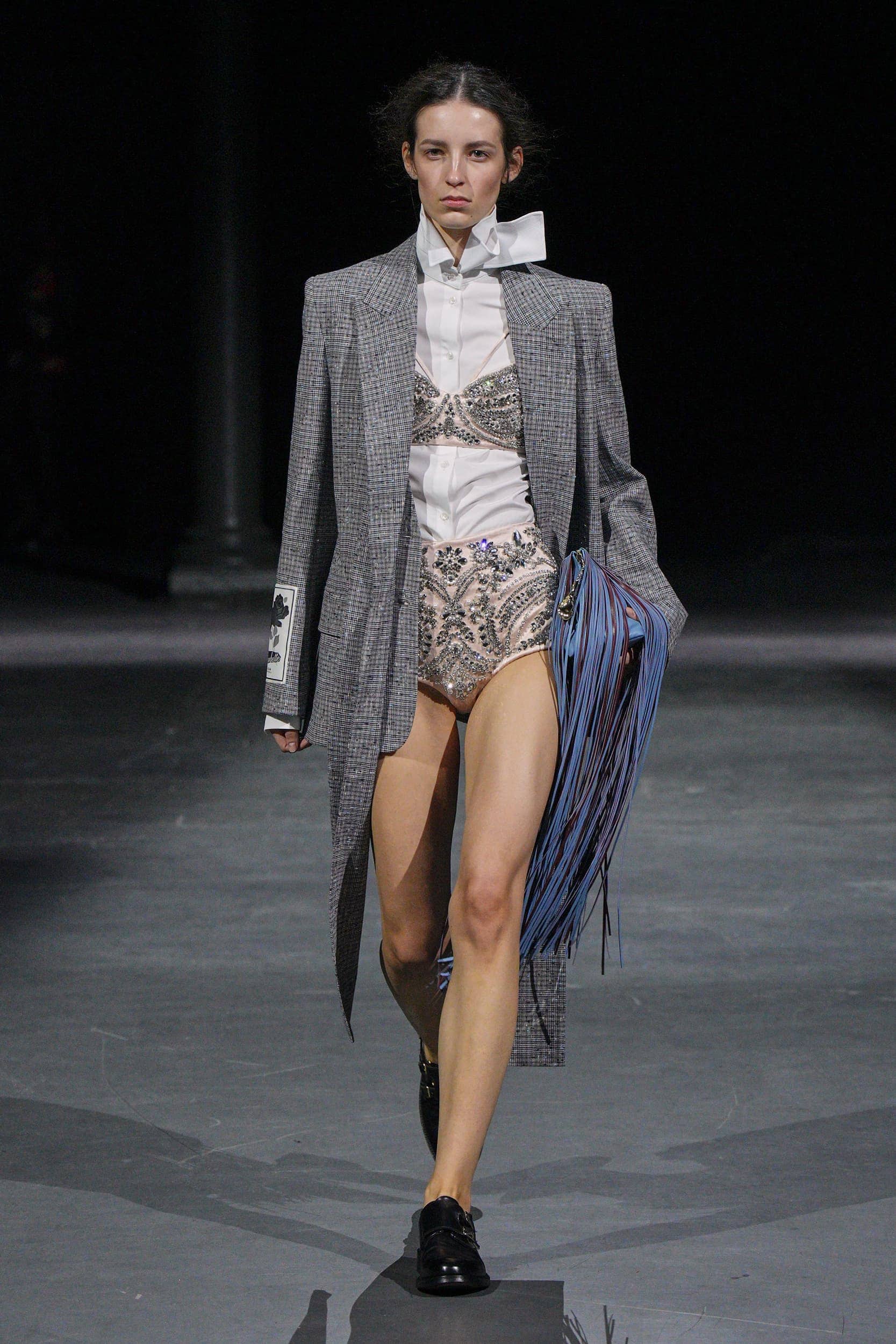
That tension becomes the language of the collection. Moralioglu began looking at some of the most explicitly feminine garments possible—bras, briefs, lingerie—and placing them against elements with a much more traditionally masculine weight. Waxed cotton outerwear meets tiny pants. French jacquards are spliced against utilitarian surfaces. The intimacy and exposure of underwear encounter the protective quality of outerwear. Neither side is allowed to completely overwhelm the other.
Even proportion begins to shift under this push and pull. Moralioglu became fascinated by what happens to the body when clothes become extremely abbreviated and how that exposure changes the perceived architecture of an entire look. Elsewhere, more sculptural silhouettes carry echoes of the 1920s, but nostalgia is never really the objective. Historical shapes are distorted, shortened, layered, and pushed into a different context.
It was all about a kind of tension between male and female,
It is a deceptively simple description for a collection whose thinking extends beyond a binary opposition. What Moralioglu appears interested in is the territory created between those two poles. The masculine makes the feminine feel different; delicacy changes when it is placed against utility; exposure becomes more provocative when balanced by protection. The collection finds its character in the friction.
This is also where Barbette’s aerialism becomes more than biography. An aerialist understands balance as an active state. It is not stillness, but the constant negotiation of opposing forces: weight and lift, strength and grace, danger and control. Moralioglu’s clothes operate within a similar tension.
The feathers are perhaps the most immediate expression of that idea. Looking at images of Barbette’s costumes, Moralioglu became absorbed by their extravagance and by the possibility of constructing skirts from plumes and plumage. There is something wonderfully excessive about them, particularly when placed against the collection’s harder and more pragmatic elements.
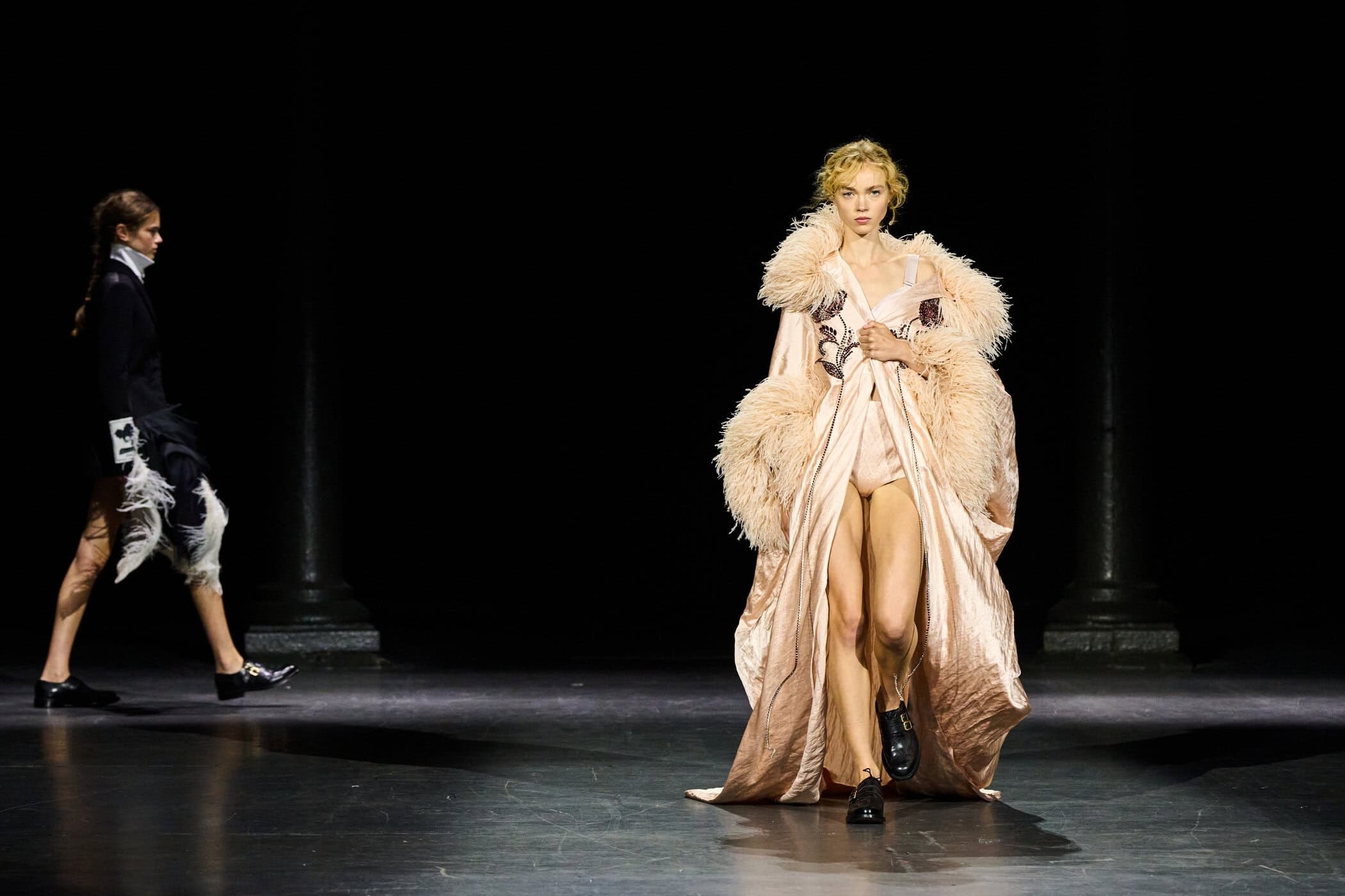
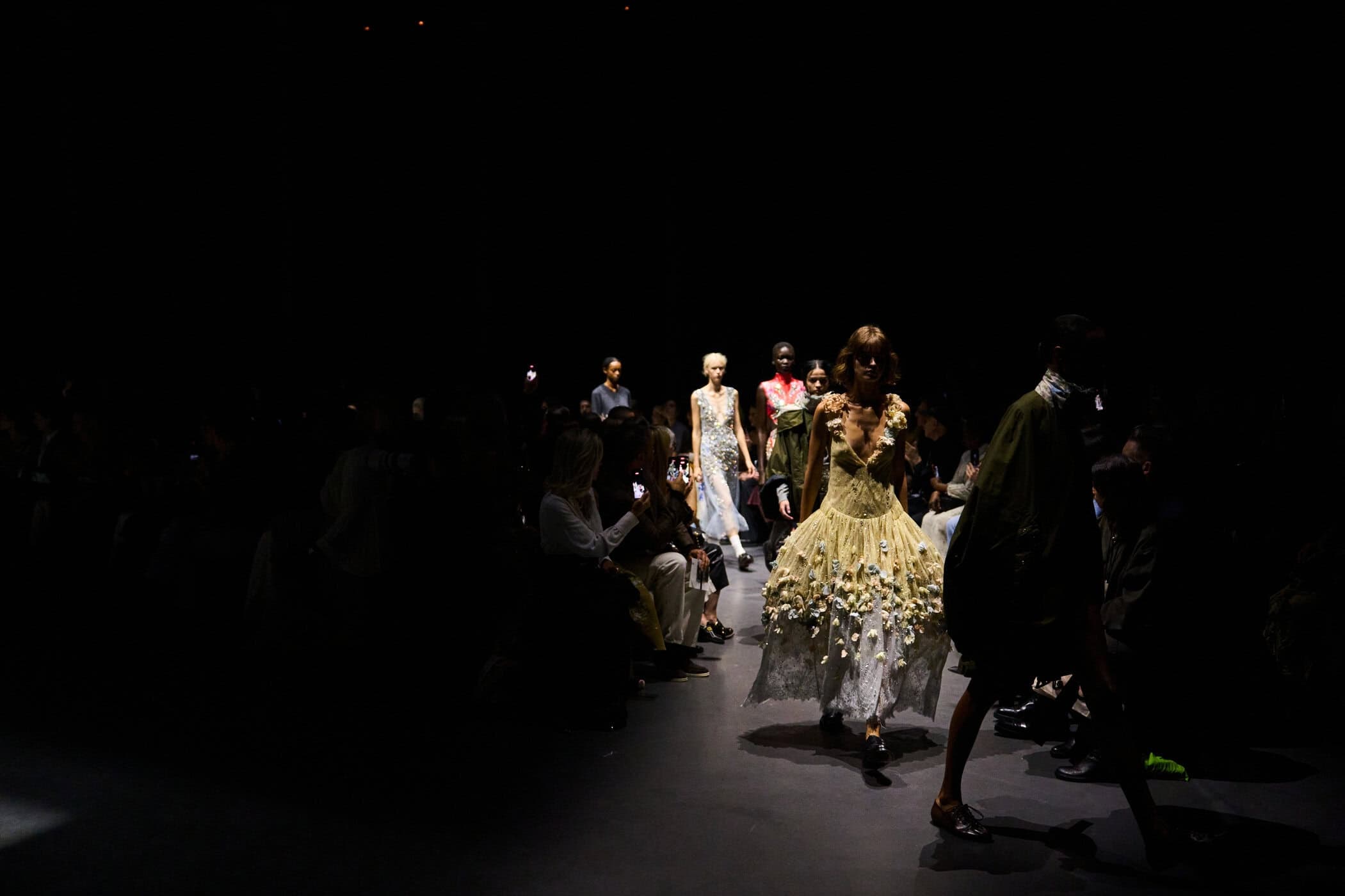
Moralioglu’s decision to show at London’s Roundhouse adds another layer. He chose the venue intentionally, finding in its circular architecture and history as a performance space an appropriate home for a collection rooted in a performer who made the body itself into spectacle. Here, the relationship between clothes, body, audience, and performance can be felt rather than simply referenced.
Yet for all the historical material surrounding the collection, Moralioglu does not speak about Barbette as though he belongs safely to the past. The deeper he went into the research, the more contemporary the story began to feel.
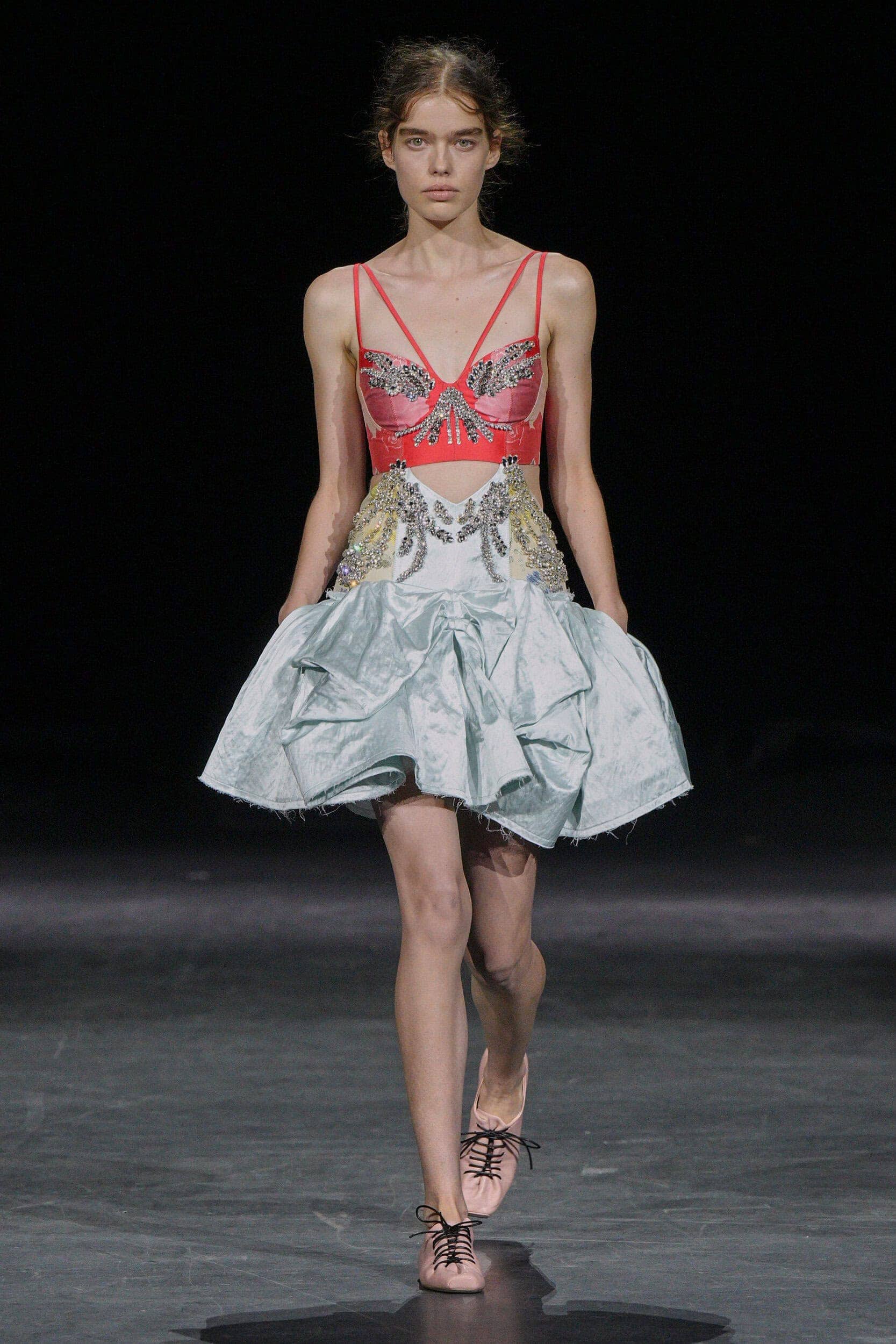
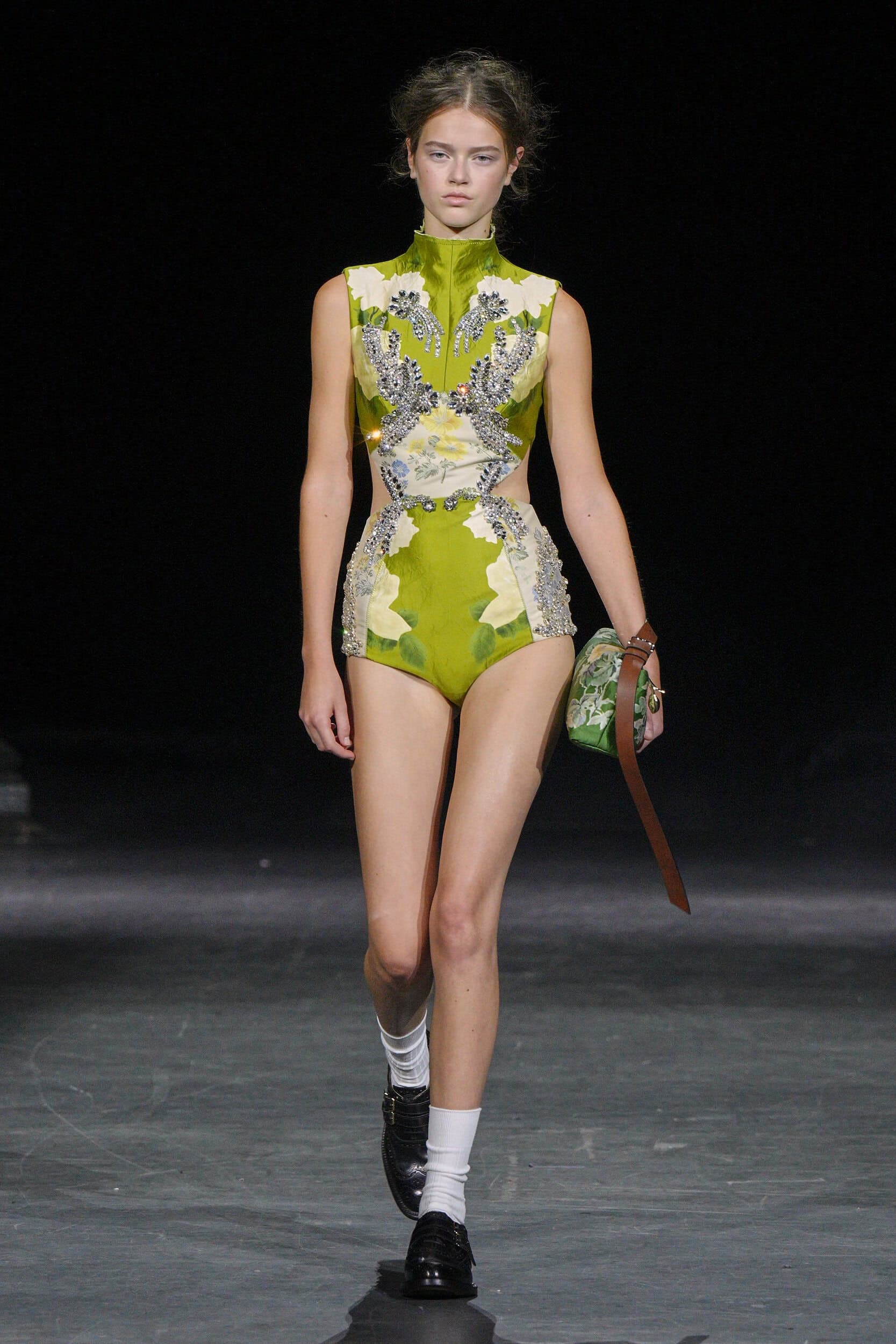
Almost a century separates Barbette’s Paris from the world in which Moralioglu is designing, and yet the questions raised by his life—gender, self-invention, visibility, and the freedom to occupy the space between prescribed identities—have hardly receded.
“It also felt like it was interesting to explore a subject in America as well,” Moralioglu says. “That idea of gender and in this time that we live in, I found it very urgently relevant.”
That idea of gender and in this time that we live in, I found it very urgently relevant.
There is no need for the collection to turn that relevance into a slogan. Its strength lies in Moralioglu approaching the subject through clothes, history, beauty, and the specificity of one extraordinary life. Barbette existed before the contemporary vocabulary now used to discuss gender had taken shape, and Moralioglu seems fascinated by the freedom that comes from resisting easy categorization.
What is equally striking is how joyful he seems about the process. For a collection dealing with identity, obscurity, and a life lived against convention, there is little heaviness in the way he describes making it. Instead, he repeatedly returns to pleasure: the pleasure of discovering an image, following an unexpected historical thread, colliding fabrics that should not necessarily belong together, and watching a new proportion emerge.
“We so enjoyed making it,” he says. “It felt like a kind of joyful moment.”
Perhaps that joy comes from what Barbette ultimately offered him: permission to resist resolution.
Fashion often speaks about opposites as though the objective were to reconcile them. Moralioglu seems more interested in allowing them to remain visible. Masculine does not have to disappear for feminine to emerge. Strength need not cancel delicacy. The past can remain unmistakably the past while still illuminating something about the present.
Barbette spent his career suspended above an audience, maintaining an illusion while performing feats that required extraordinary physical discipline. The beauty was not simply in one identity or another. It was in the movement between them, and in the control required to hold seemingly contradictory things together.
Nearly a century later, Erdem Moralioglu has found something equally compelling in that suspended space. For Spring 2027, balance isn’t the point at which opposing forces disappear. It is where the beauty begins.