Inside Its Polish Distillery, Belvedere Connects The Craft Of Vodka With Fashion’s Growing Appetite For Provenance And Cultural Relevance
by Angela Baidoo
Provenance has always been an intrinsic part of how luxury has communicated its value. Origin stories built over decades, even centuries, through world-building and the hands of skilled artisans create products unmistakably linked to the name engraved on the door. Now, with the expansion of luxury fashion into adjacent markets (hospitality, sport, wellness), conveying that lore to increasingly nuanced audiences has become an even more demanding task. As the industry seeks ever-more elaborate ways to engage and educate the consumer, it could look to the world of ultra-premium spirit brand Belvedere for how to authentically hack convention, while remaining true to tradition.
Though several countries may challenge the claim – owing to a Polish manuscript that first referenced vodka in 1405 – Poland is considered the birthplace of the spirit. That gives the country more than 600 years of vodka-making culture and heritage, something the brand tries to capture in every bottle leaving its distillery. Over the years that heritage has also been honoured and upgraded through the decision to use only 100% organic Polish rye and invest in sustainable production methods, harnessing a reputation for boundary-pushing that is only bound by their organic certification.
As Gemma Parkinson, Chief Marketing Officer at Belvedere, explained: “As you can imagine, the processes here at Belvedere are next level. Everything you would expect from an LVMH brand, but we go a bit beyond that. It’s more than just the liquid, it’s an attitude, and an approach to trying things differently.”
From its start in 1993 to today, Belvedere has strived to change the game in vodka production, luxury nightlife and cocktail culture without losing its dedication to its origins. And from a single field of Polish rye to Formula 1 and after-hours at fashion week, they are demonstrating how provenance, slow innovation and cultural relevance can coexist – and why luxury’s next generation of craftspeople may be found much further upstream.
A Field-to-Front-Row Approach to Innovation
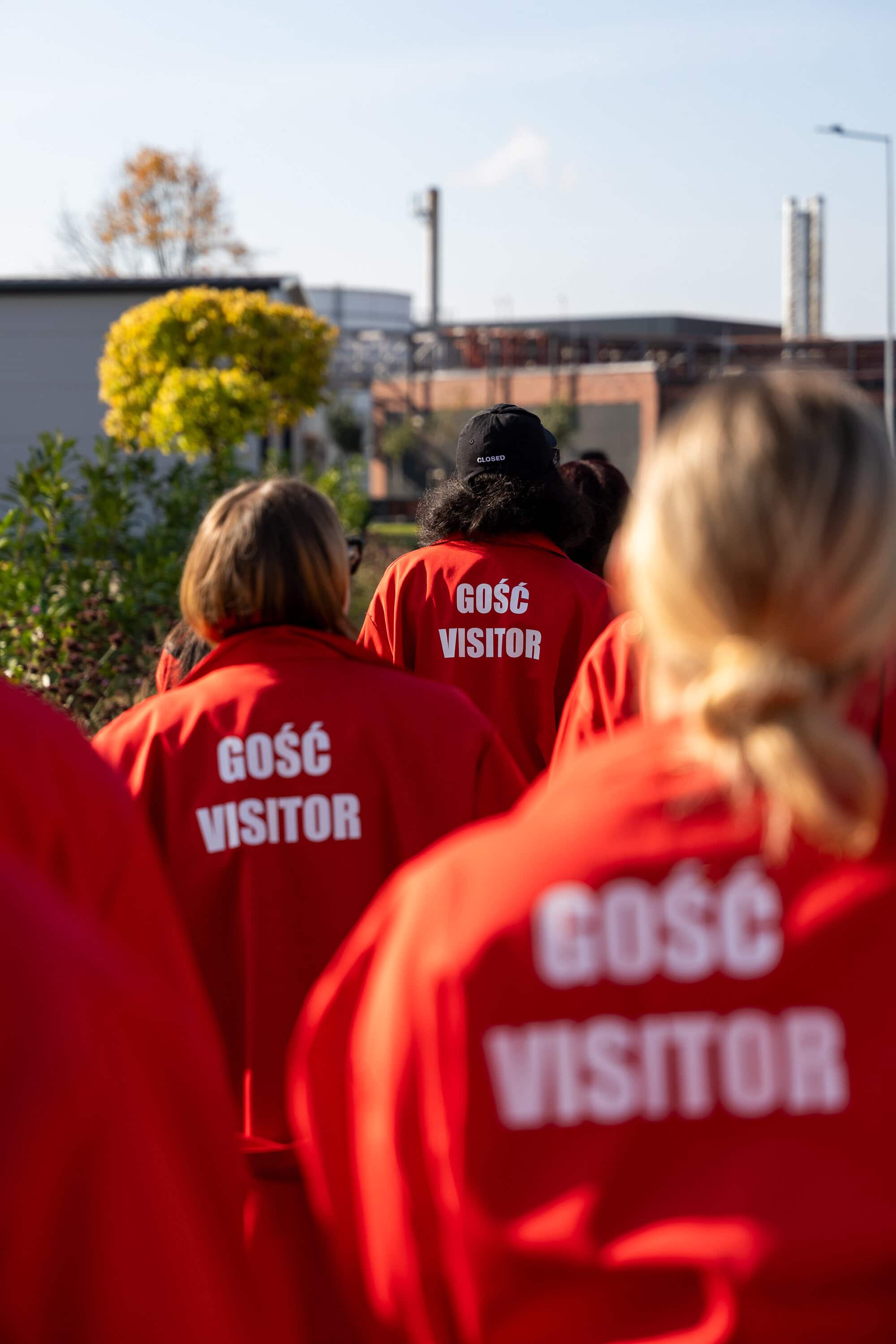
What does a farmer have in common with a couturier? It was a question that arose after hearing from Belvedere’s President and CEO François-Xavier Desplancke during a visit to Żyrardów to discover how Belvedere vodka is made, :

When I joined 5 years ago, I presented a vision to the group of innovating to the future, but when you start to innovate to the future you have to know where you are coming from, especially for a luxury brand.”
– François-Xavier Desplancke, President and CEO, Belvedere
Tasking his team with a brief to be “bold, creative, innovative,” they looked to the archive to craft recipes derived from the original 1910 formula yet fused with modernity and the advanced technology at their disposal.
Considering how luxury fashion has become enmeshed across a broad range of categories, reshaping how we experience food, film and technology, another possibility arose: in the future, could agriculture and distilling naturally sit among the skilled professions the LVMH group, and the luxury industry at large, chooses to elevate and preserve?

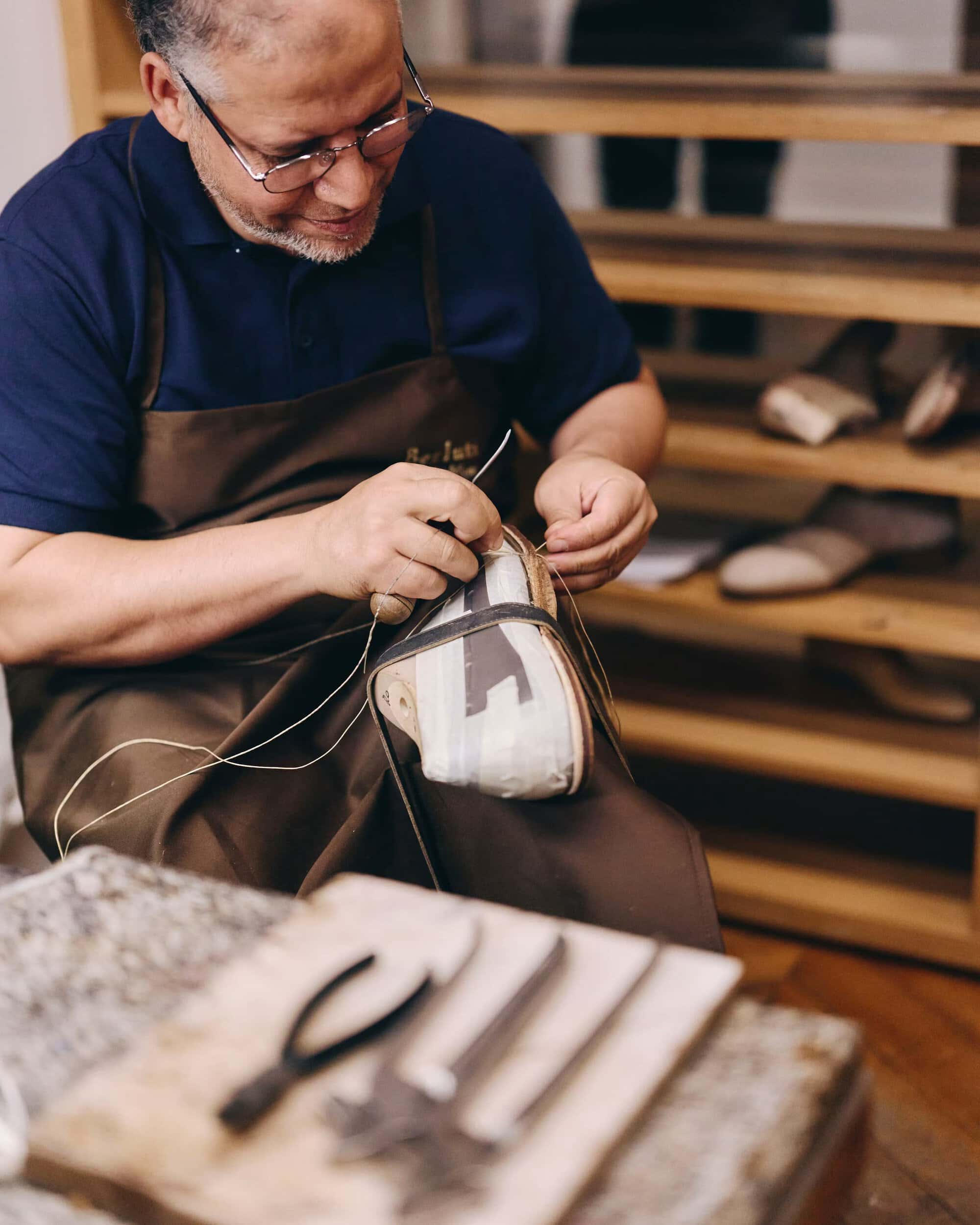
LVMH’s Métiers d’Excellence currently encompasses more than 280 professions across ‘creation, craft and client experience,’ guarded as skills indispensable to the success of the Group and its Maisons. They range from couturier, leatherworker and embroiderer to perfumer, cosmetic formulator, sommelier and, importantly, land-based professions including viticulture – the practice of cultivating grapevines.
It is not so far-fetched to envision that, as part of their annual open-house event Les Journées Particulières, a visit to discover the farm where the rare Dankowskie Diamond Rye (used to create Belvedere 10) is grown could become as coveted as a visit to the terroir of Château Galoupet on the French Riviera or the Loro Piana Knitwear Centre of Excellence, where linking, mending and finishing techniques have been “passed down from generation to generation.”
The question, then, isn’t whether agriculture belongs within luxury. Wine settled that argument centuries ago. It is whether the farmer growing rye or the distiller determining its final character could one day be afforded the same cultural prestige as the craftspeople whose hands create a handbag, watch or haute couture gown. With what Belvedere are cultivating – both in the field and at the distillery – that possibility becomes increasingly persuasive.
Luxury Is Moving Upstream
Luxury has spent much of the last decade expanding outwards as a way to increase its influence, brand authority and revenue streams. It is a shift we have been tracking as the industry attempts to build resilience through degrowth and a new vocabulary that is increasingly encompassing wellness, sport, travel and hospitality. LVMH itself now spans more than 75 Maisons across six major luxury sectors, from wine and spirits, fashion and cosmetics, watches, retail, hospitality and media.
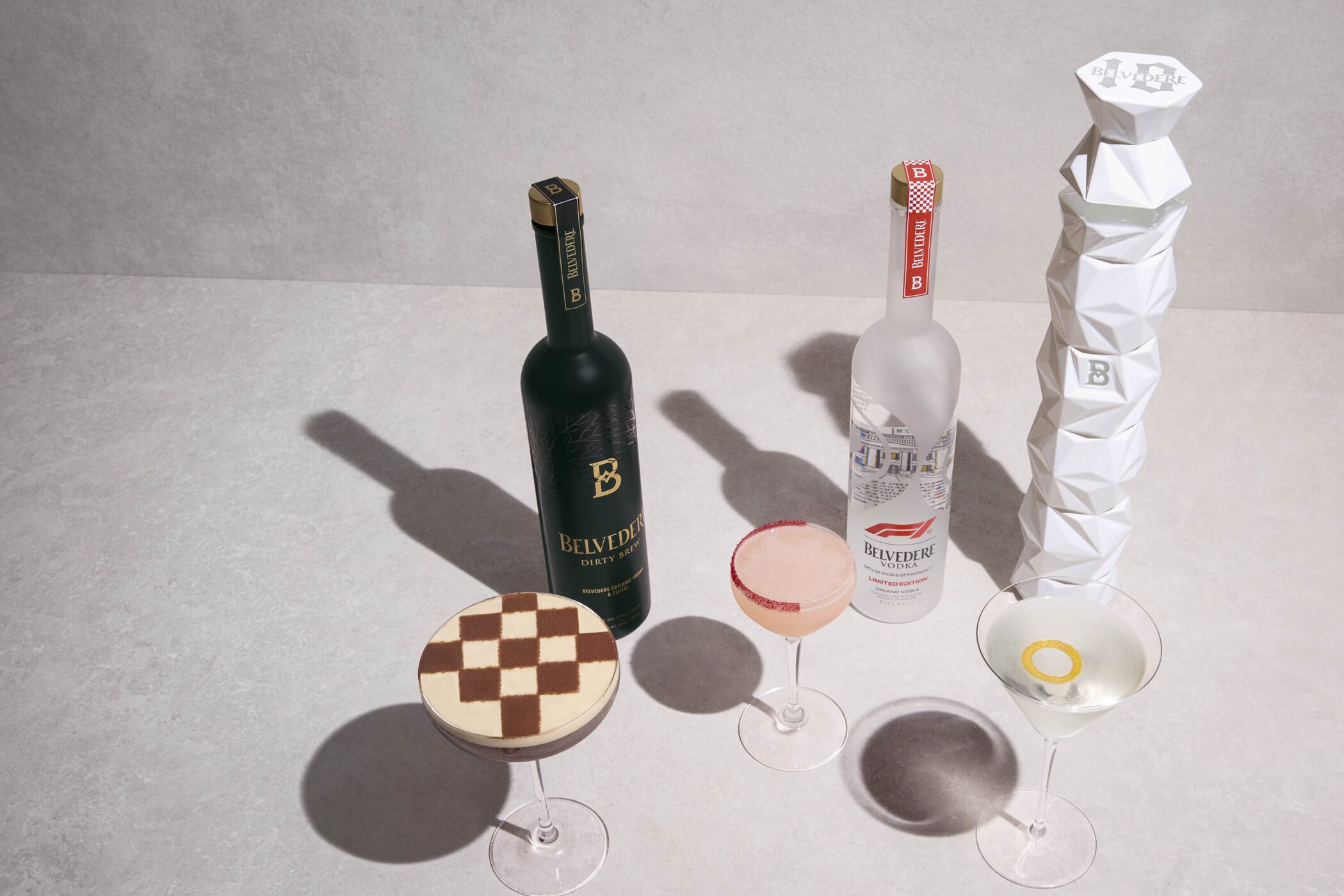
But another expansion is happening in the opposite direction. Luxury is moving backwards through its supply chain, and at Belvedere this starts with just three ingredients: rye, fire and water. The brand’s vodka is produced using 100% certified organic Polish rye and purified water. Belvedere 10 goes further: its Dankowskie Diamond Rye comes from a single annual harvest grown in one specific field in Poland before undergoing a ten-stage production process and resting for ten months. Those numbers were also instrumental in the design of the Belvedere 10 bottle, constructed across ten levels to represent each stage of the making process.
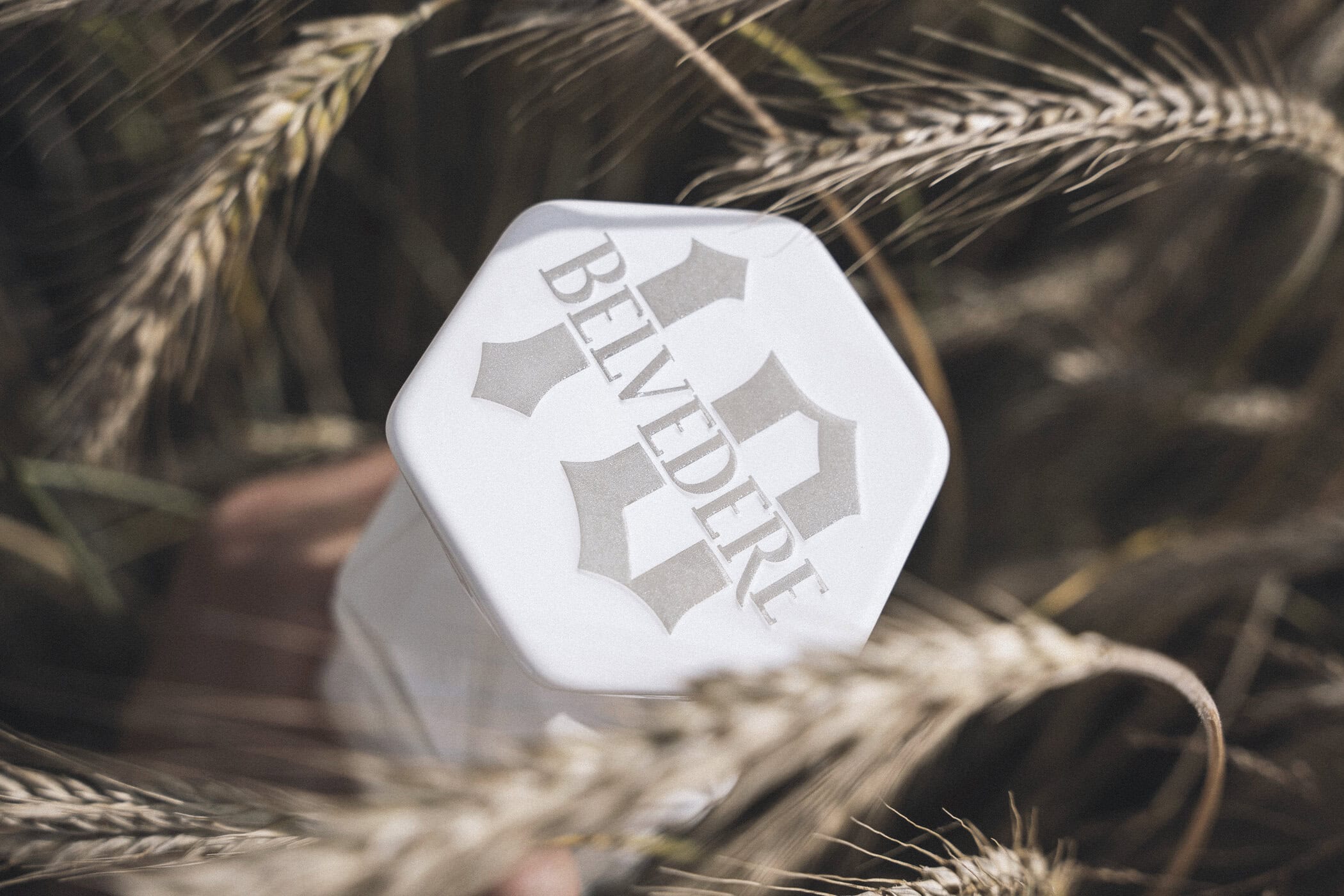
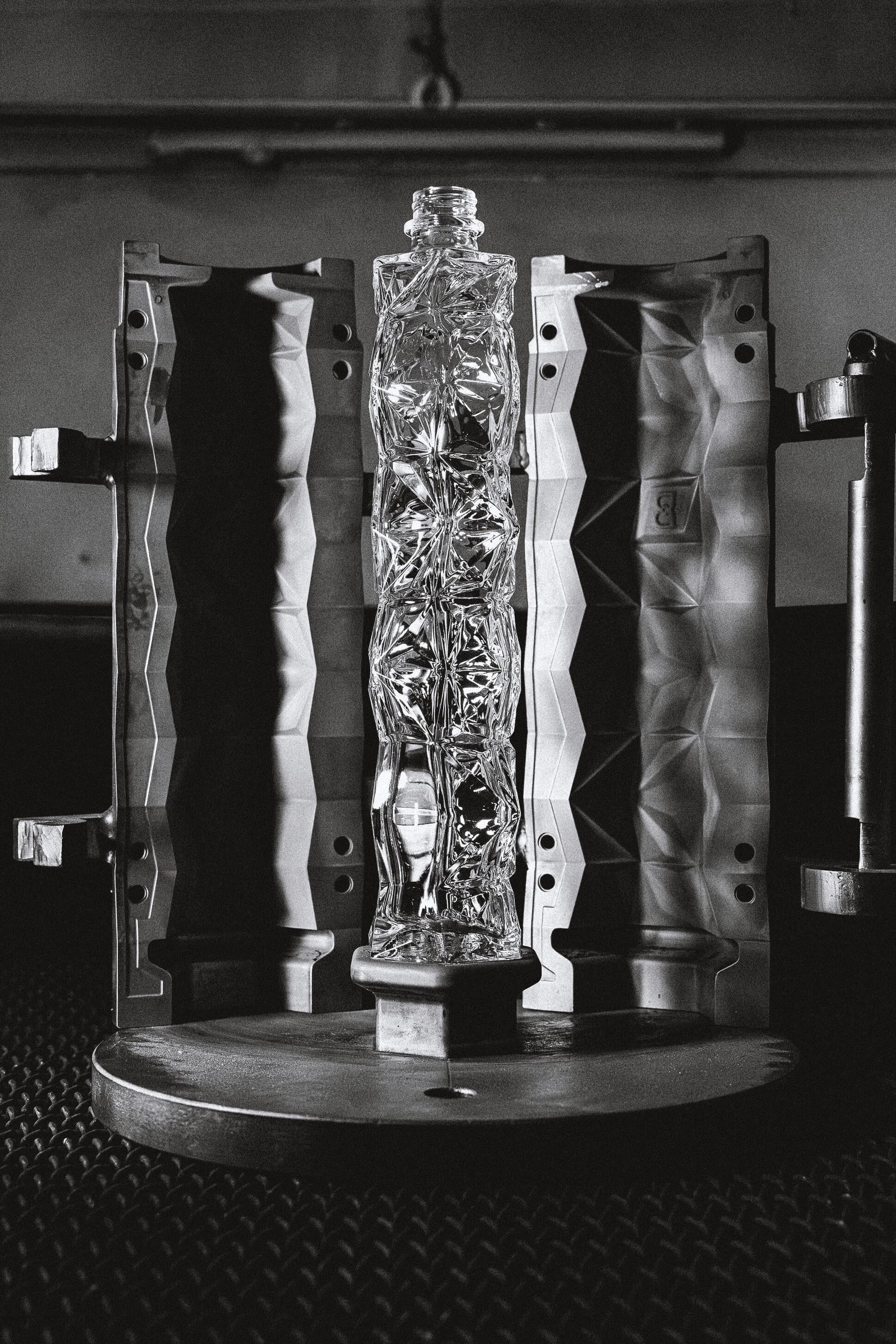
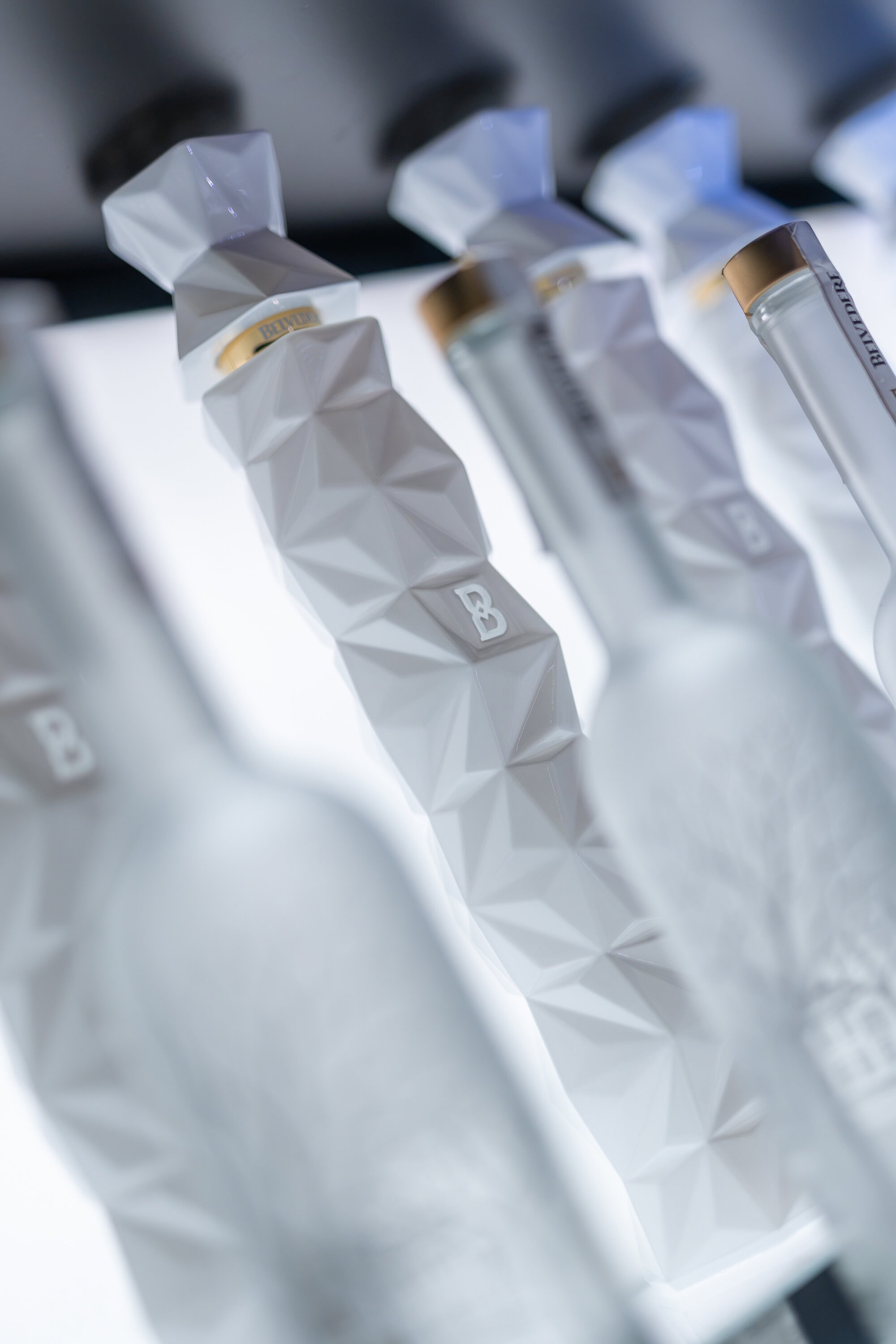
The investment in ingredients makes the comparison with fashion all the more obvious. Traceability – of both material and maker – has become one of luxury’s most persuasive ways of communicating value. Following increased scrutiny in recent years, many houses have returned to the source, taking customers on the journey to prove provenance. Just as the origin of leather, cashmere or a gemstone will matter more as prices climb, Belvedere is attempting to prove that its six centuries of inherited heritage and pursuit of the perfect 10 need not remain anonymous.
Research and development have consequently moved closer to agriculture. Beginning their experiments with organic rye in 2019, Belvedere worked directly with farming partners to understand how changing cultivation would affect the quality of the liquid. Achieving an indistinguishable recipe was imperative when persuading consumers away from the conventional towards a better method of making, leading to their organic production methods eventually becoming central to the distillery’s story.
When Fashion Speed Meets Slow Innovation
Innovating within premium spirits requires a slower speed than luxury has become accustomed to. A dilemma that emerged repeatedly during my conversation with Matt Pomeroy, Belvedere’s Global Director of Liquid Development, Education, Advocacy and Hospitality, and Aga Dyrala, Head of Spirit Creation and Master Rye Distiller. “For the last five years, the brand decided to engage more in a fashion way of thinking,” they explained.
Fashion offered a lesson in moving at the speed of culture – drops, pop-ups and ideas that generate immediate engagement – but vodka has the opposite problem. “It can take two years” to develop a liquid, Pomeroy noted, by which point a trend may have disappeared. The solution was not to rush the process, but to rethink how the brand could identify what might matter next. Belvedere now holds around six innovation labs each year and has developed a library of roughly 500 experimental liquids, spanning low and no-alcohol ideas, herbs, fruits and concepts informed by perfume and cosmetics.
When we started to play with the idea, we knew that coffee couture was on fire, but as spirit creators and trade experts, we look at forecasts and try to predict the future [by asking] what are people going to drink in two, three years’ time. We then try and meet at a crossroads with trends.”
– Matt Pomeroy, Global Director of Liquid Development, Education, Advocacy and Hospitality, Belvedere
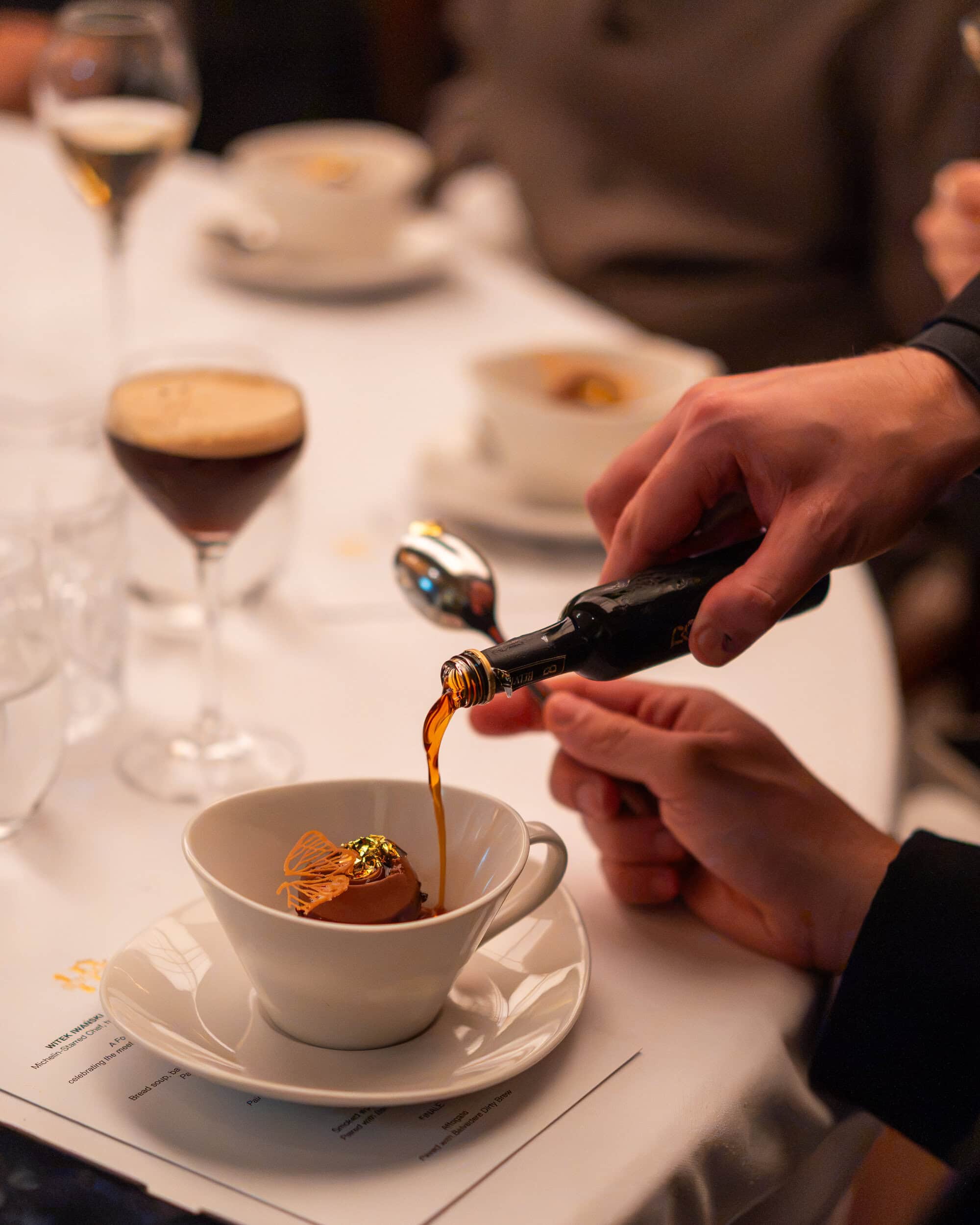
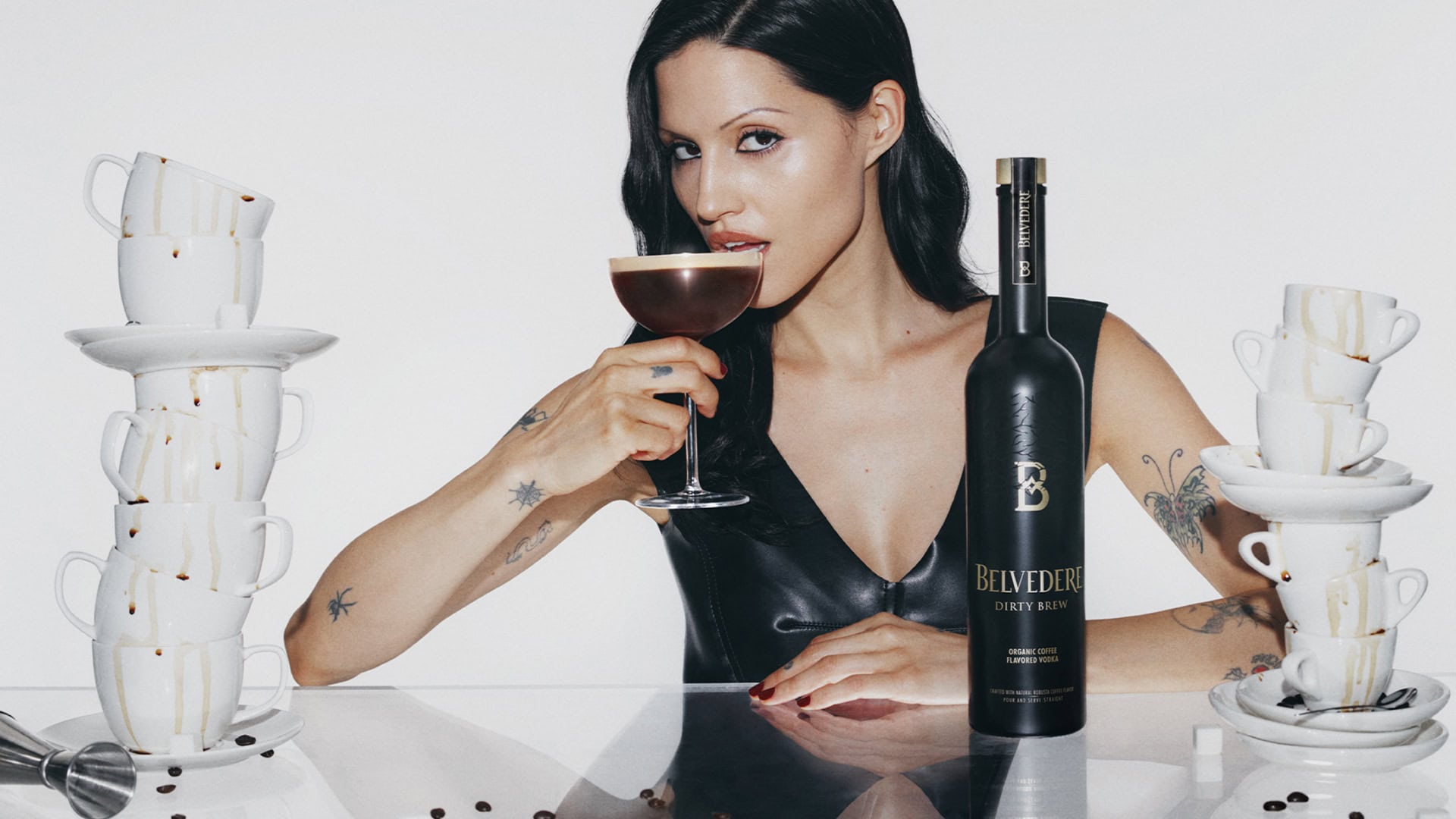
Dirty Brew emerged from this long-standing system of experimentation. Rather than reverse-engineering the espresso martini, Belvedere had already been exploring expressions that infused the smooth character of coffee with the equally viscose nature of vodka served over ice. Eventually selecting robusta over the conventionally more prestigious arabica. Going against the grain and opting for the smokier, grittier profile better suited to the concept of the ‘Dirty Brew.’
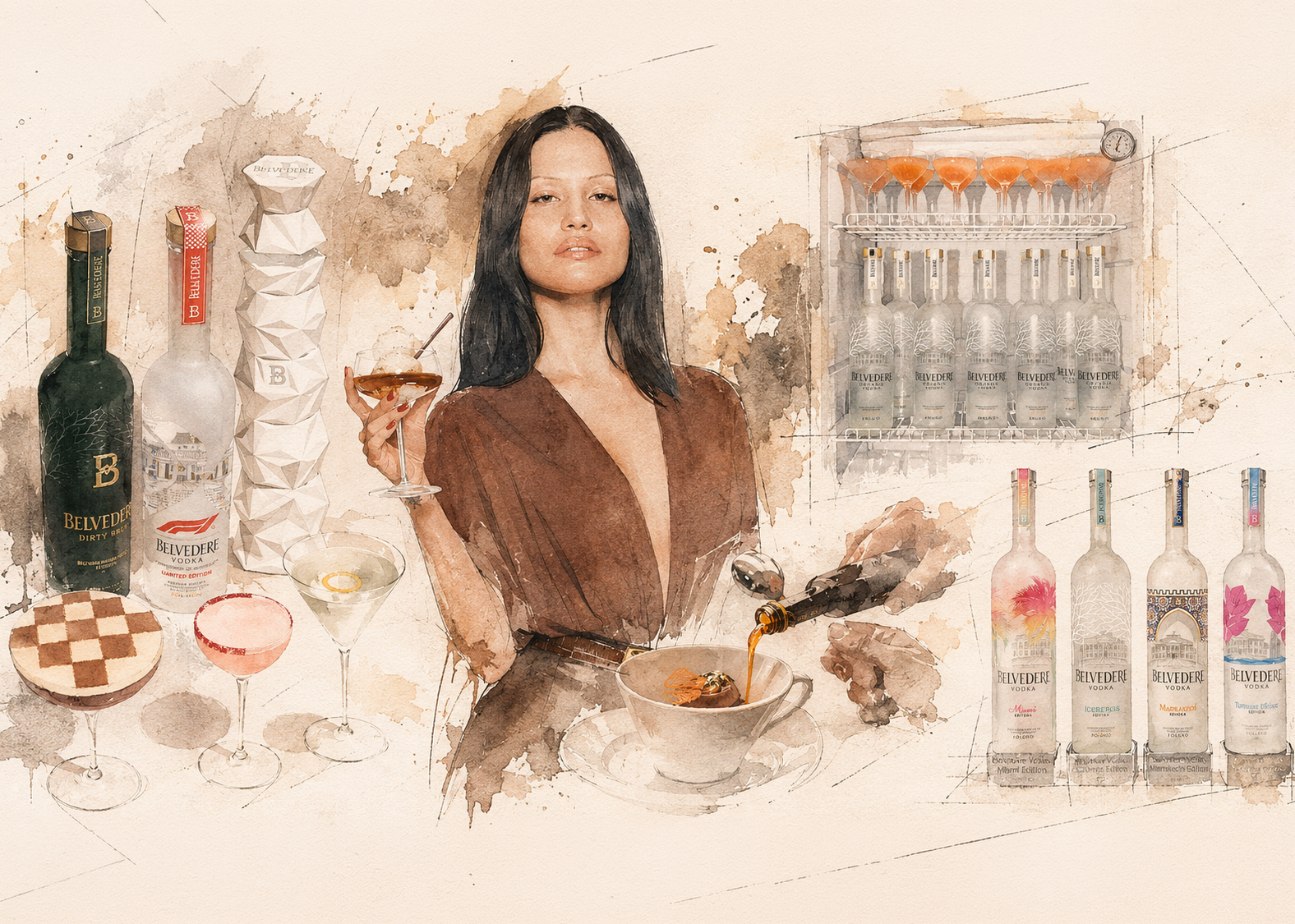
“Our brief to ourselves was [to imagine] putting your head in a bowl of coffee, then we stumbled upon a formula and thought wow we could make a coffee liquid that was really coffee forward,” Pomeroy said. The ingredient also had to meet Belvedere’s wider organic philosophy. Its robusta comes from Laos through a partner with a sustainability programme investing in coffee-producing families giving them the tools, education and training to grow organic berries. It gives Dirty Brew considerably more substance than its fashion-led campaign might initially suggest. With its provenance established, the It-girl, artist and model Gabbriette allowed the product to move at the speed of culture despite the liquid taking the slower route.
“From a creative perspective we asked how can fashion help us move quicker? Become more exciting, engaging, and of the moment. So, I think that’s where we have tried to reflect the fashion world.” Pomeroy confirmed, and Dirty Brew also helps the brand tap into a shift among younger, more discerning drinkers who, as with fashion, are trading up when investing in premium products connected to their social experiences.
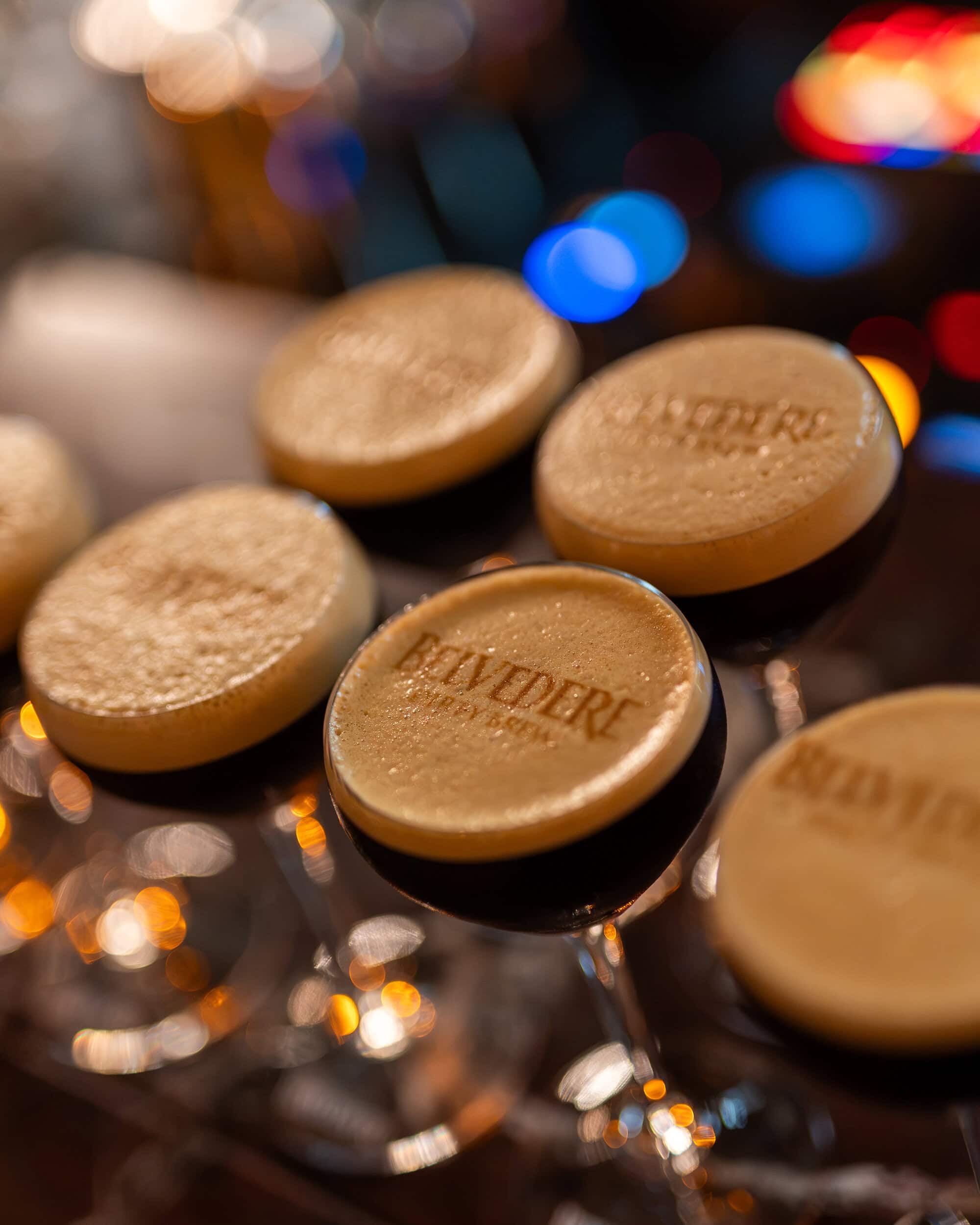
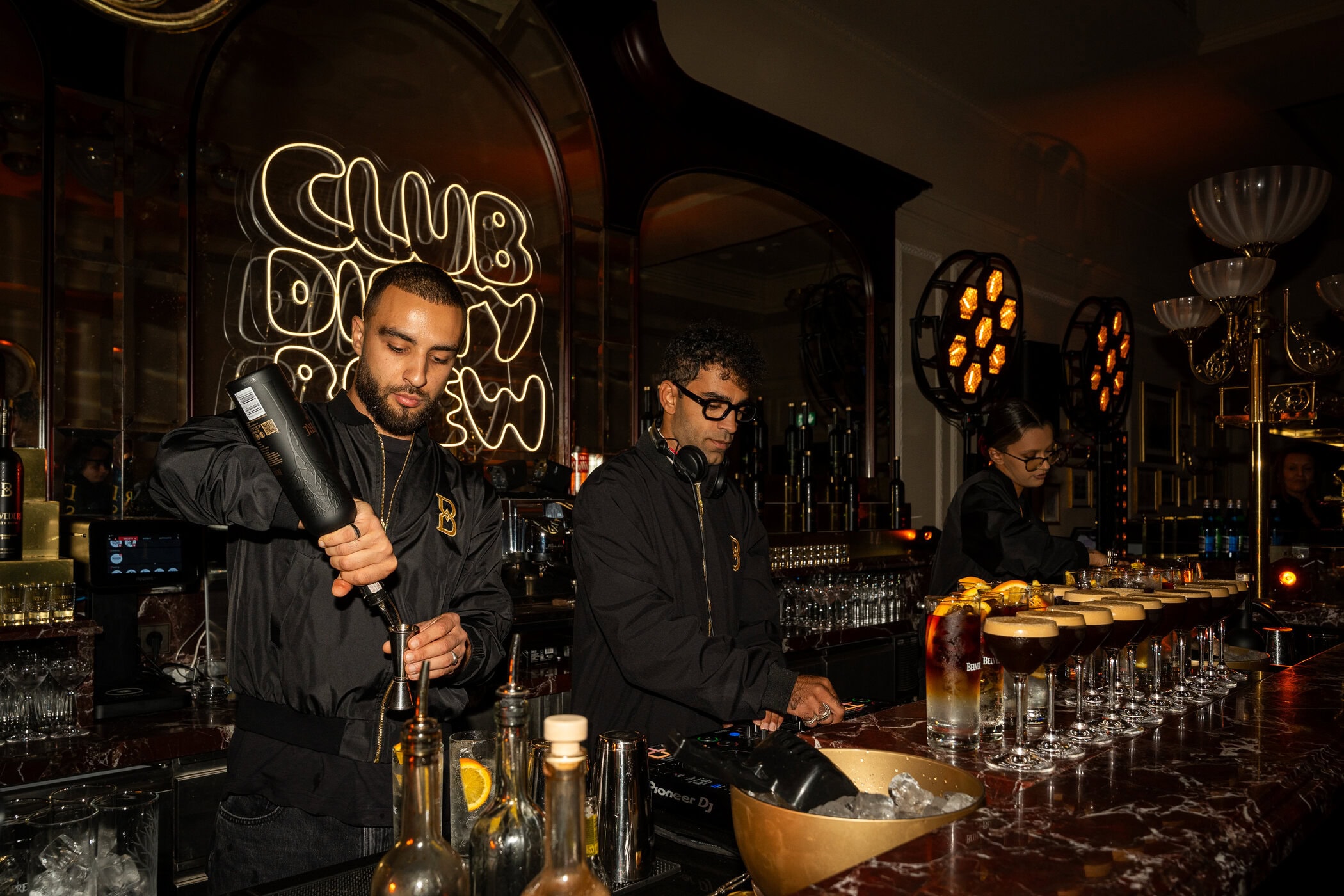
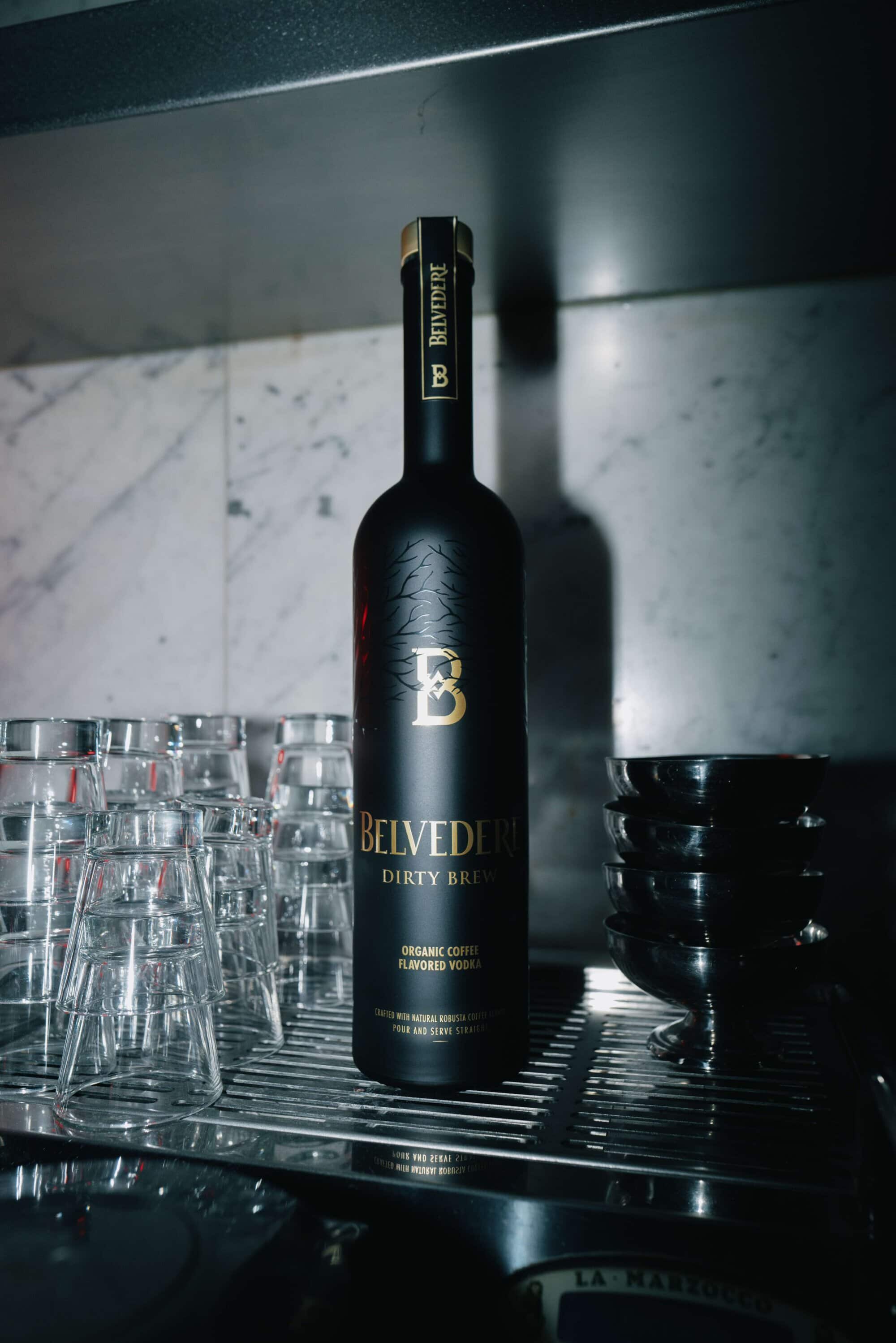
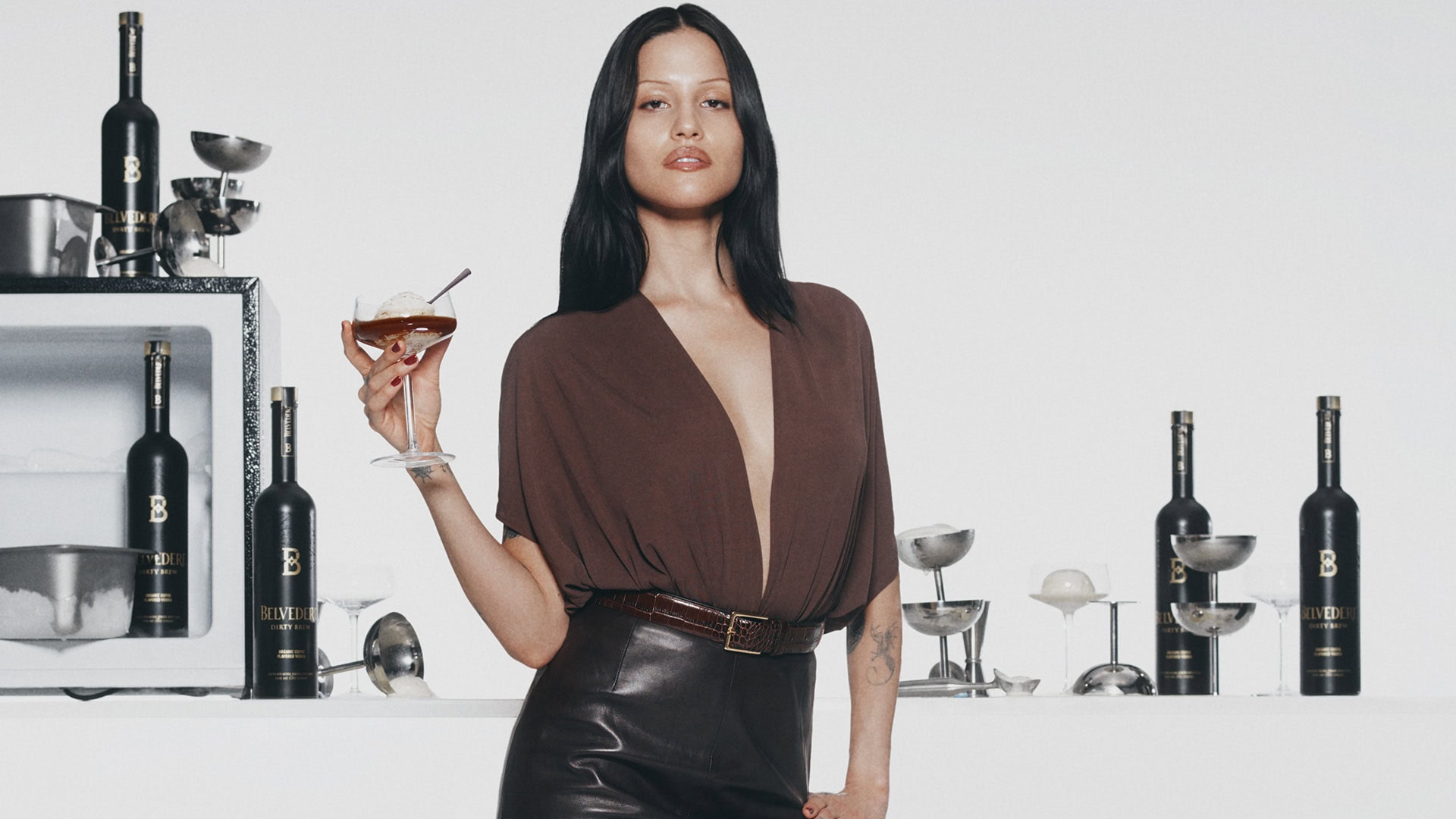
For its ‘Dirty Hour’ campaign, Belvedere cast Gabbriette, whose appeal sits somewhere between fashion muse, musician, beauty reference, and poster-girl for the revival of gothic glamour (she wore Matières Fécales to marry Matty Healy in July), to introduce a blend positioned as ‘Not quite vodka. Not quite coffee. Not what you were expecting.’ The campaign pushes vodka beyond its traditional after-dark territory towards the coffee shop, dessert menu and everyday rituals that have become valuable lifestyle and cultural spaces for consumers. Dirty Brew’s multi-generational appeal is that it can become a Dirty Espresso Martini, Dirty Affogato, or Dirty Latte with oat milk and ice.
As with everything they do, simple ingredients maintain the commitment to refinement, even when things get a little messy. And the choice of a modern-day fashion disruptor to front the campaign reflects the brands approach to looking at familiar things from a different angle.
The New Luxury Flex Is Specificity
As premium spirits confront the same value crisis affecting the wider luxury market – consumers demanding genuine rarity, liquid quality, verifiable provenance and a rational reason to pay more – Belvedere’s response has often come down to specificity. It can mean one rye variety, from one field, harvested once a year, as with Belvedere 10. Or it can mean bottles designed for individual markets, demonstrating that global luxury no longer has to mean global sameness.
In recent years the brand has produced editions connected to Miami, Dubai, Singapore, Mykonos, Marrakech and Bali, working with regional marketing teams to interpret each destination through the bottle. Dubai famously requested that its matte-gold 2023 bottle be made even more gold, reflecting the city’s reputation for untamed opulence, and was only satisfied when it was “gold enough.” Crucially, many editions can only be purchased in the locations they represent.
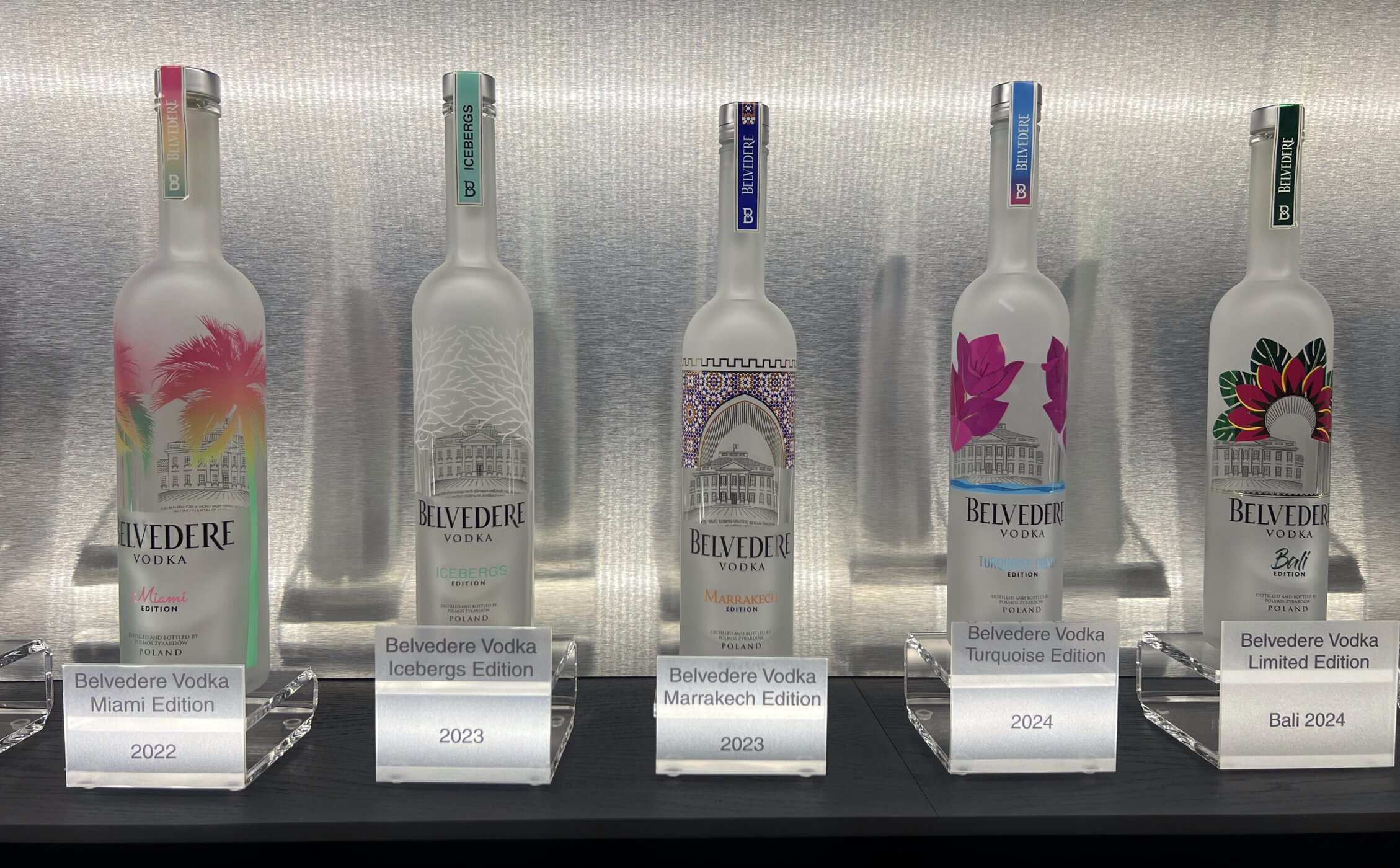
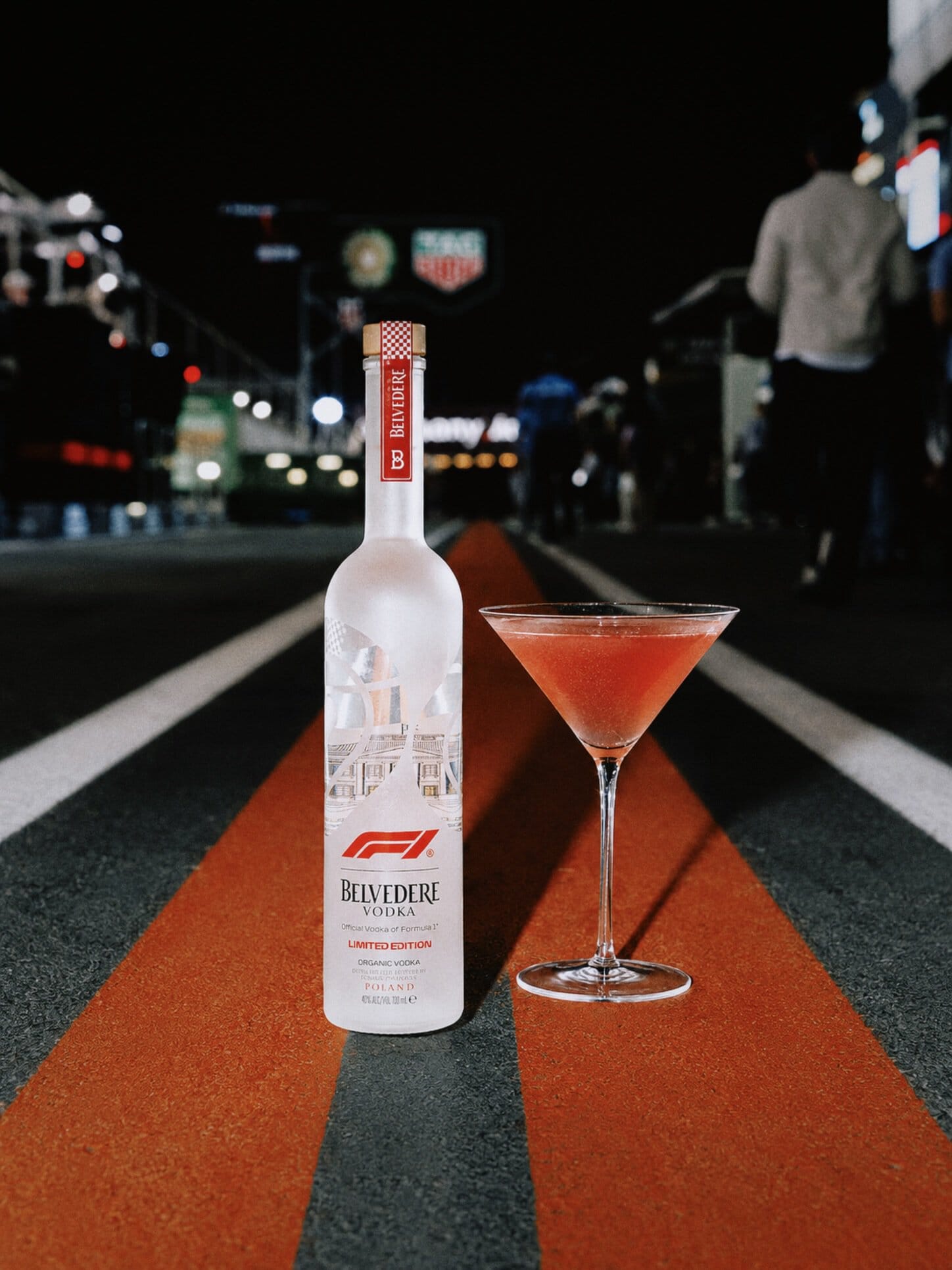
Where luxury leads, others inevitably follow, and the partnership with Formula 1 takes fashion’s integration into sport further – another luxury shift we have been tracking as audiences interest broaden and become more culturally engaged. Belvedere became Formula 1’s first official vodka partner in 2025 as part of LVMH’s ten-year global partnership with the sport. Across the wider partnership, the Group crafts the official monogrammed trophy trunks, while Belvedere appears within hospitality spaces including the Paddock Club and F1 Garage and sponsors the official after-parties. As with its city editions, Belvedere’s bottle designed specifically for F1 are limited to markets that host a Grand Prix, including Las Vegas, Doha, Mexico City, Melbourne and Miami.
It turned what could easily have become another branded collaboration into something closer to a collectible, as acquiring the bottle requires travelling to where the cultural moment is happening. A model fashion has already mastered through location-specific products, exclusive drops and capsule collections tied to particular events. Belvedere is applying the same playbook, demonstrating how vodka, like fashion, can create ‘elevated yet effortless’ moments across culture, sport and the arts.
Provenance Becomes the Product
At Żyrardów, every Belvedere bottle destined for markets around the world passes through the same production site. Bottling lines process tens of thousands of bottles per shift, with each rinsed using a special Belvedere blend rather than water. That liquid is subsequently redistilled for reuse.
Traceability sits alongside a commitment to sustainability that extends beyond packaging. According to the brand, around 98% of the distillery’s thermal energy in 2024 and 2025 came from renewable biomass, while its electricity consumption was 100% renewable. Heat is recovered and reused, bottles have been redesigned to reduce glass, and a new boiler has been engineered to turn waste alcohol by-products from production into energy.
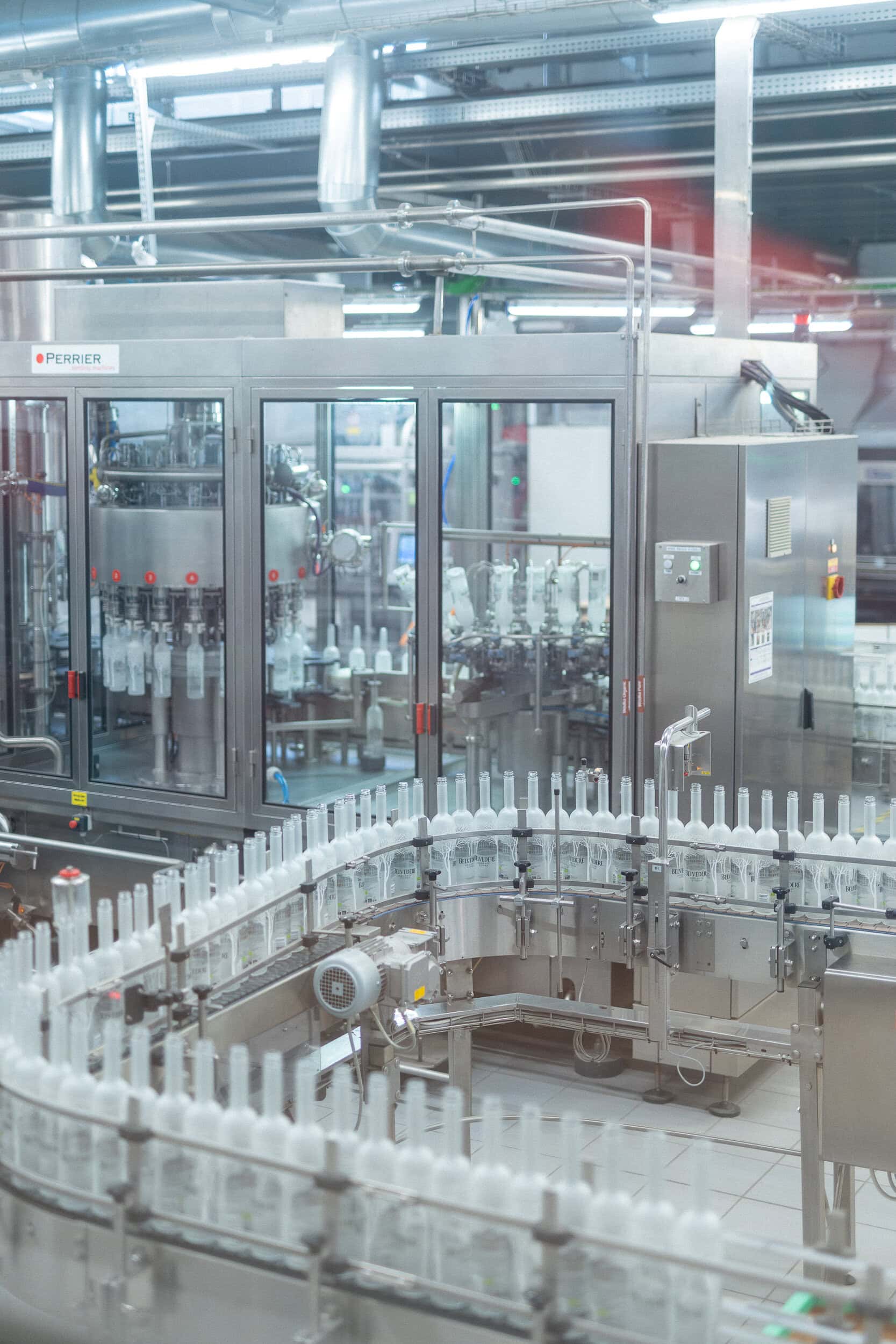
Belvedere has become exceptionally good at communicating why their products have earned their reputation of excellence. By making what happens before bottling increasingly visible, they positioned provenance as a value driver rather than simply an origin story. Parkinson described the brand’s ambition as challenging expectations of what a vodka company can be.
We don’t want to be the biggest. We want to be the best.”
– Gemma Parkinson, Chief Marketing Officer, Belvedere
And that begins in the field. Which brings the question of the luxury métier back into focus. It is easy to understand why an embroiderer, perfumer or leatherworker represents an artisanal skill worth protecting. But as luxury’s boundaries continue to expand, the person cultivating the raw material or controlling the distillation process may also deserve the same consideration – the organic given as much reverence as the tangible.
The future of luxury craft may therefore look considerably less glamorous than its past. It could wear the muddy boots of a Diamond Rye farmer or the lab coat of a Belvedere master distiller.