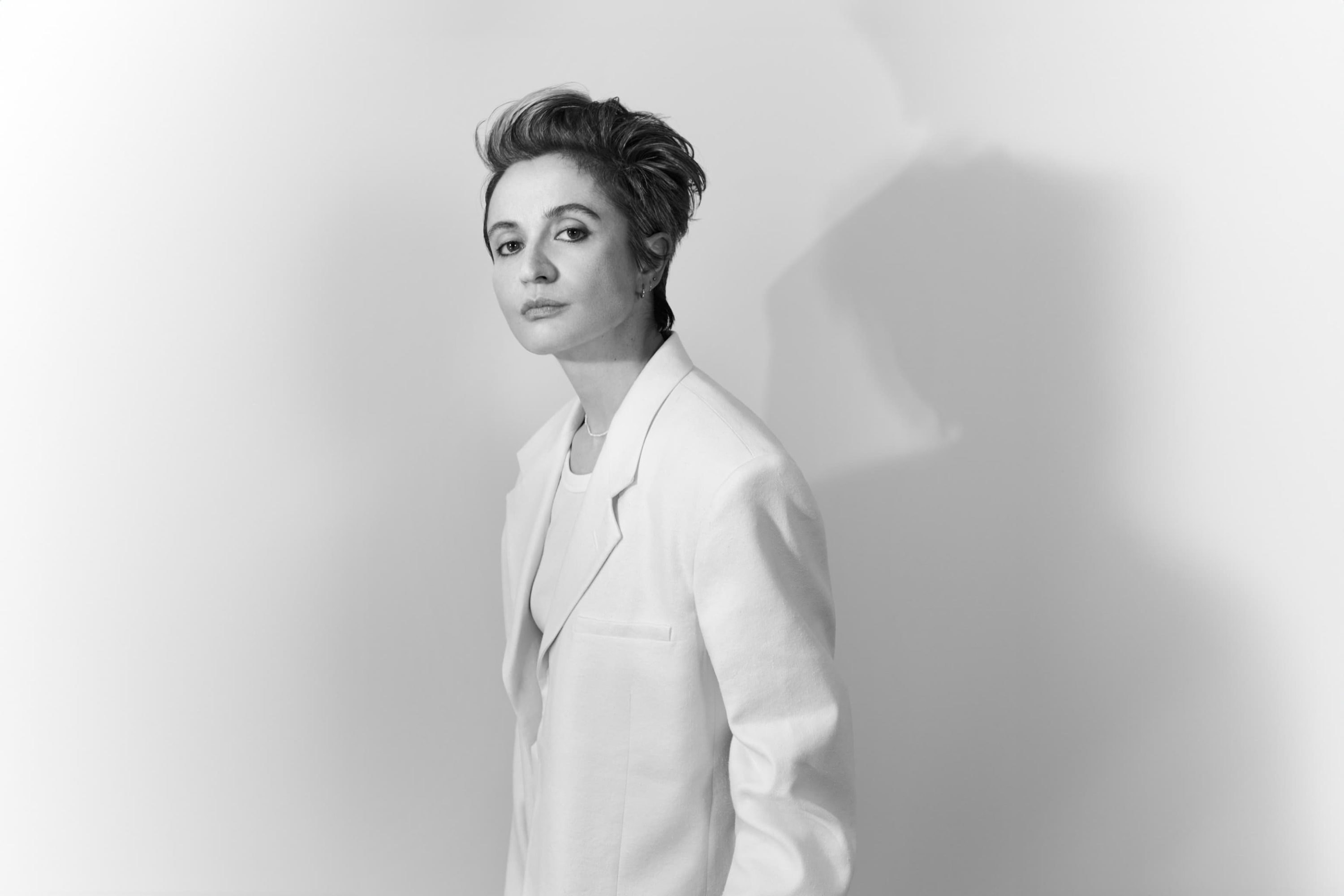
After four seasons, Veronica Leoni is departing as Calvin Klein maintains its commitment to Collection and prepares for new creative leadership.
Veronica Leoni will leave Calvin Klein Collection at the end of her current contract, concluding a four-season tenure that brought the American brand back to the runway. Announced on October 15, the departure opens another creative transition for Calvin Klein as it continues to define the relationship between its luxury collections and its global lifestyle business.

The company has reaffirmed Collection’s place in its long-term strategy, with new creative leadership to be announced. Global brand president David Savman credited Leoni with rebuilding the line’s fashion presence and generating attention around its shows. Her successor has yet to be named.
That commitment gives the departure a particular significance. Calvin Klein intends to continue developing its runway identity; the next appointment will help determine how that identity evolves and how effectively it connects with the broader brand.
Leoni joined in May 2024 with experience at Jil Sander, Céline, Moncler and The Row, alongside her own label, Quira. A 2023 LVMH Prize finalist, she arrived with a background in tailoring and an understanding of the restrained design language associated with Calvin Klein. Her brief extended beyond the collections themselves: the company explicitly positioned her work as a source of inspiration for its mainline portfolio and red-carpet presence.
Her February 2025 debut restored Calvin Klein to New York Fashion Week following its absence from the runway after Raf Simons’s departure in 2018. The Spring 2027 collection, presented in September, became her fourth and final show.
There were signs of growing visibility. According to social analytics firm ListenFirst, Calvin Klein led social engagement during the Spring 2027 New York Fashion Week season, with a score of 15.3 million, up 552% from its February show. That measure captures attention around the brand and its presentation; its commercial significance depends on how that interest translates into product demand.
The financial backdrop requires similar precision. In the second quarter ended August 2, Calvin Klein revenue fell 7% to $913.3 million. Parent company PVH attributed approximately four percentage points of that decline to the timing of wholesale shipments in the Americas, which shifted into the second half of the year. The release reports performance across Calvin Klein’s business without separately disclosing Collection revenue. Those figures therefore offer limited evidence about the runway line’s individual commercial performance.
For fashion executives, the transition highlights the demands placed on a luxury collection within a much broader consumer brand. Collection’s original mandate combined design leadership, cultural visibility and influence across other product categories. Assessing that ambition requires a view of how runway ideas reach stores, campaigns and customers over successive seasons.
Leoni’s departure leaves Calvin Klein with an established runway platform and an unresolved creative direction. The next leadership decision will indicate how the company intends to build continuity around that platform—and how closely its most elevated fashion expression will inform the clothes and imagery through which customers encounter Calvin Klein every day.