A Novel Approach
Review of Dior Book Cover Collection Fall 2026 Ad Campaign by Photographer Joseph Molines with model Florence Hunt
Dior celebrates the enduring romance of literature with its Book Cover Collection campaign, transforming beloved classics into wearable expressions of personal style. Photographed by Joseph Molines and styled by Azza Yousif, the series brings a literary sensibility to the house’s signature accessories, featuring book-inspired totes alongside understated wardrobe staples. With its relaxed portraiture and charming narrative details, the campaign offers a thoughtful intersection of fashion, storytelling, and the simple pleasure of getting lost in a good book.
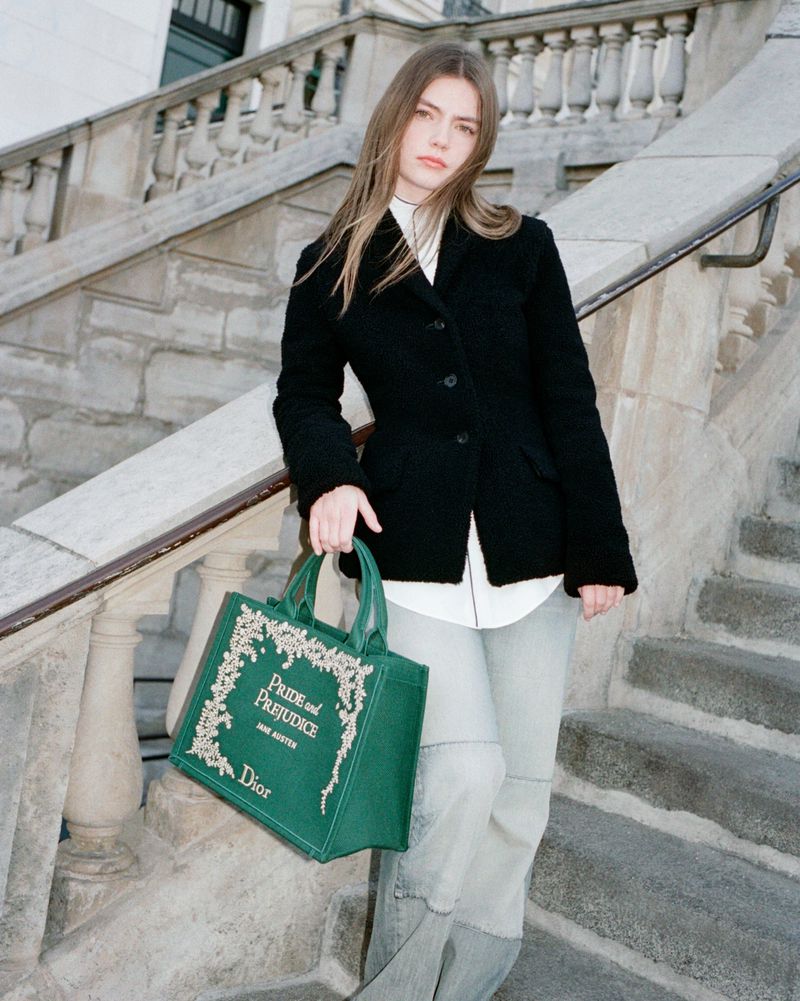
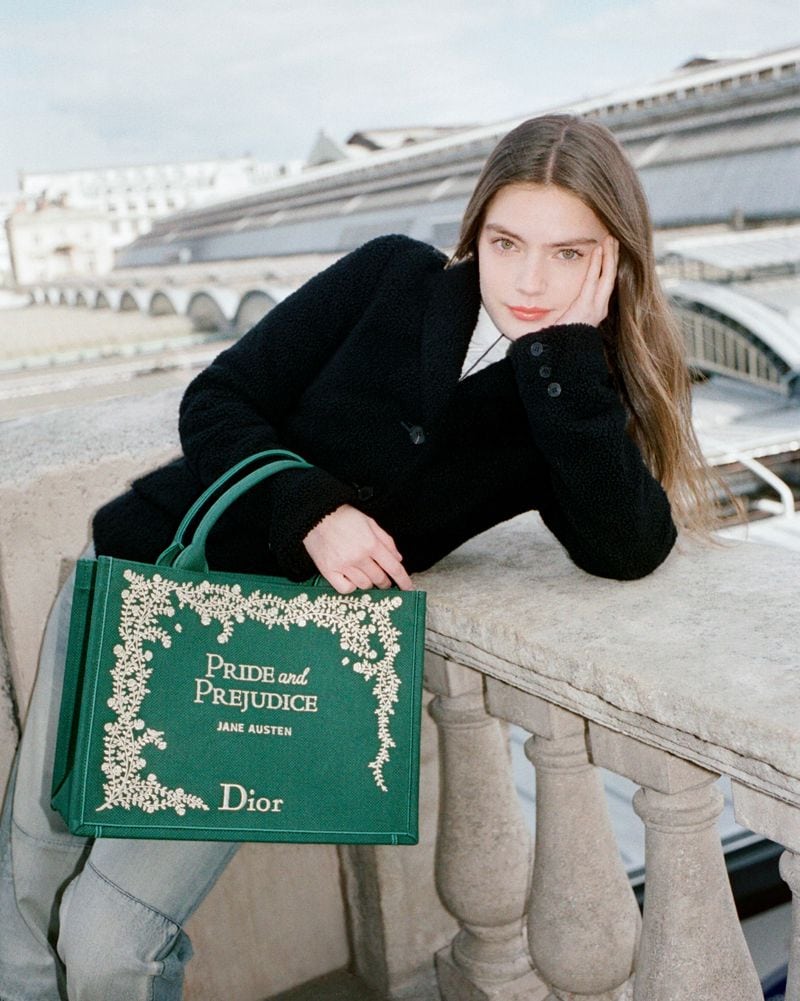
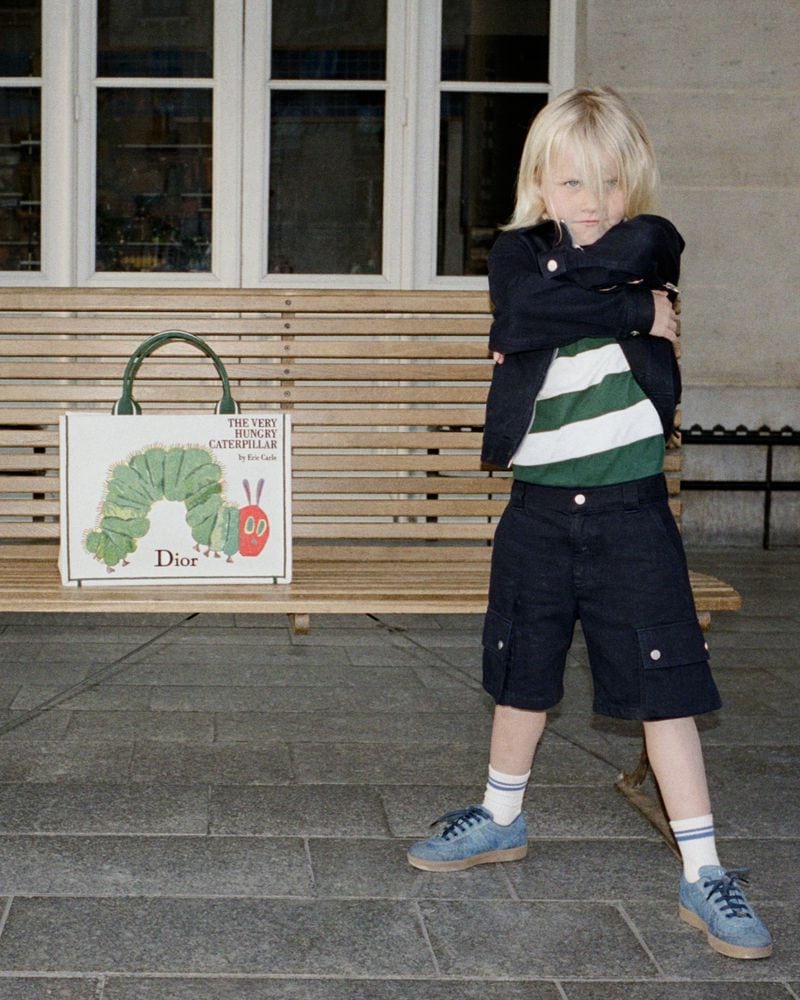
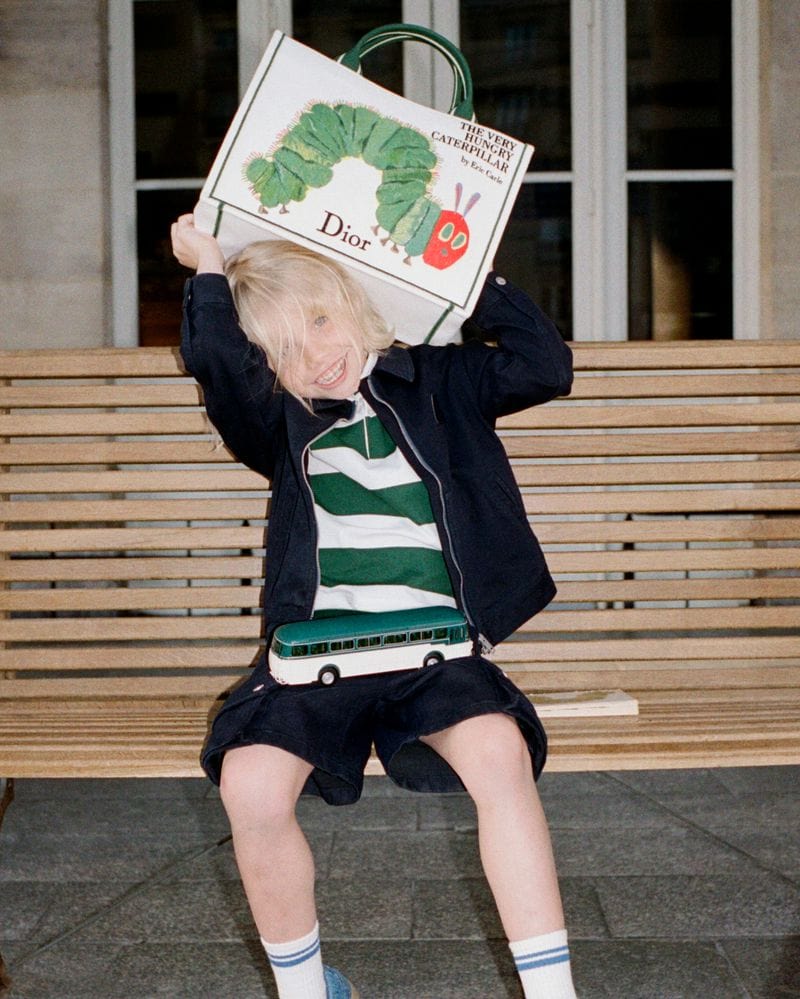
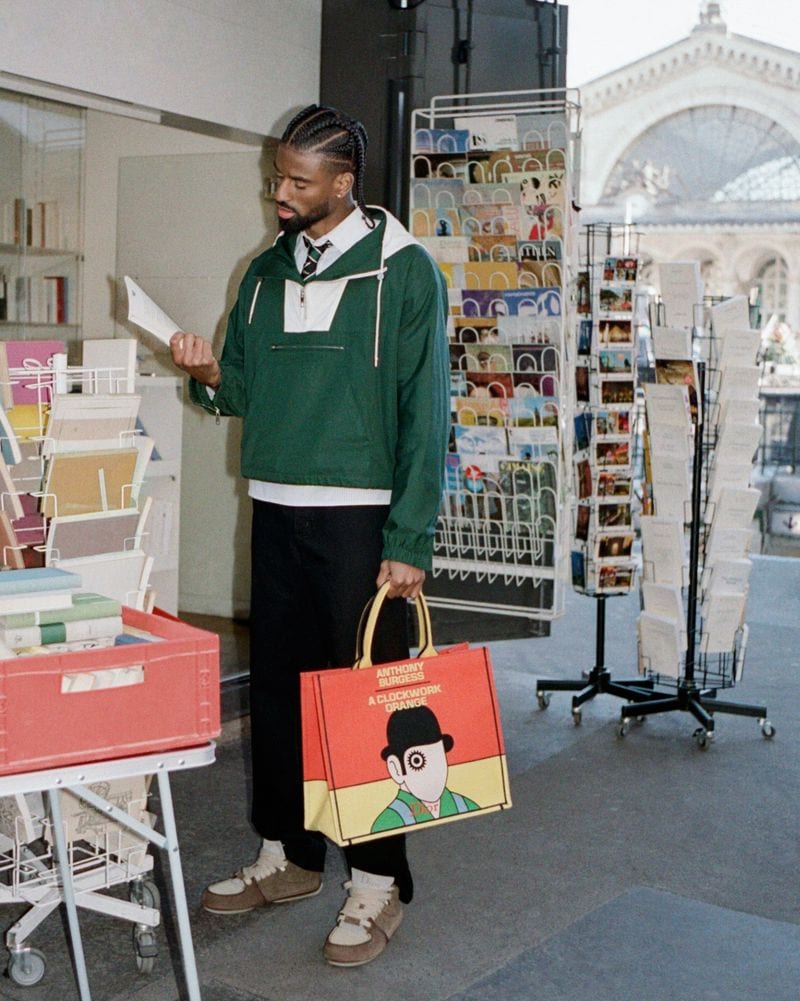
The collection draws inspiration from recognizable literary covers, including Jane Austen’s Pride and Prejudice, Eric Carle’s The Very Hungry Caterpillar, Anthony Burgess’s A Clockwork Orange, and Jules Verne’s Around the World in Eighty Days. Each design translates the familiar visual language of a book jacket into the structured silhouette of a Dior tote, retaining the typography, illustrations, and colors that make these works instantly identifiable. The concept is playful without feeling gimmicky, allowing the books’ distinct identities to become an extension of the wearer’s own tastes and interests. It is a clever reinterpretation of the house’s established Book Tote, giving its name a particularly literal and satisfying new meaning.
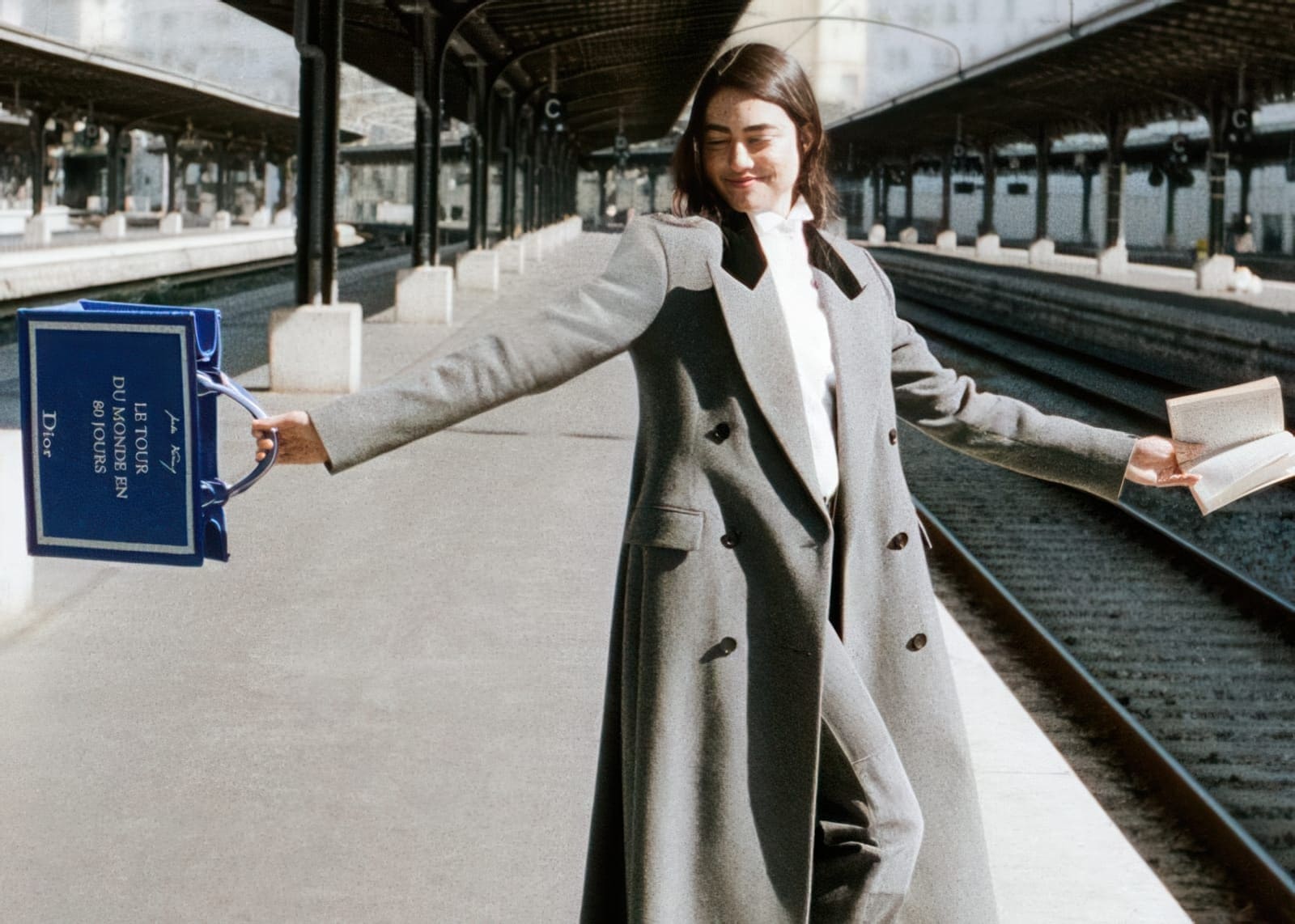
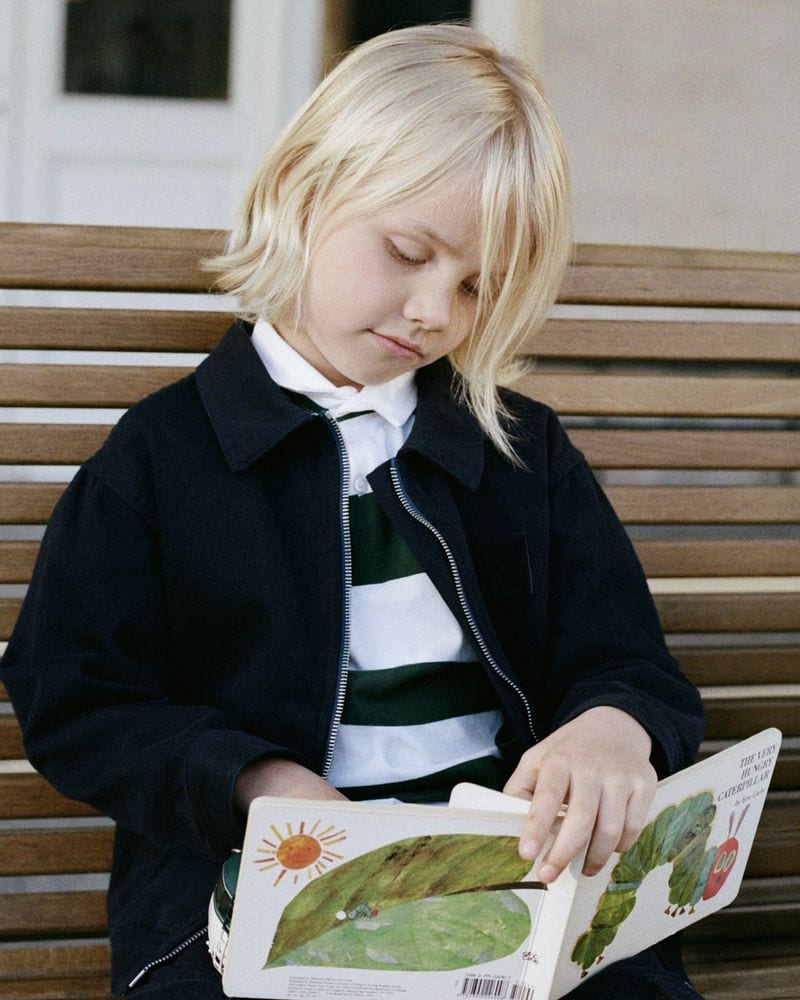
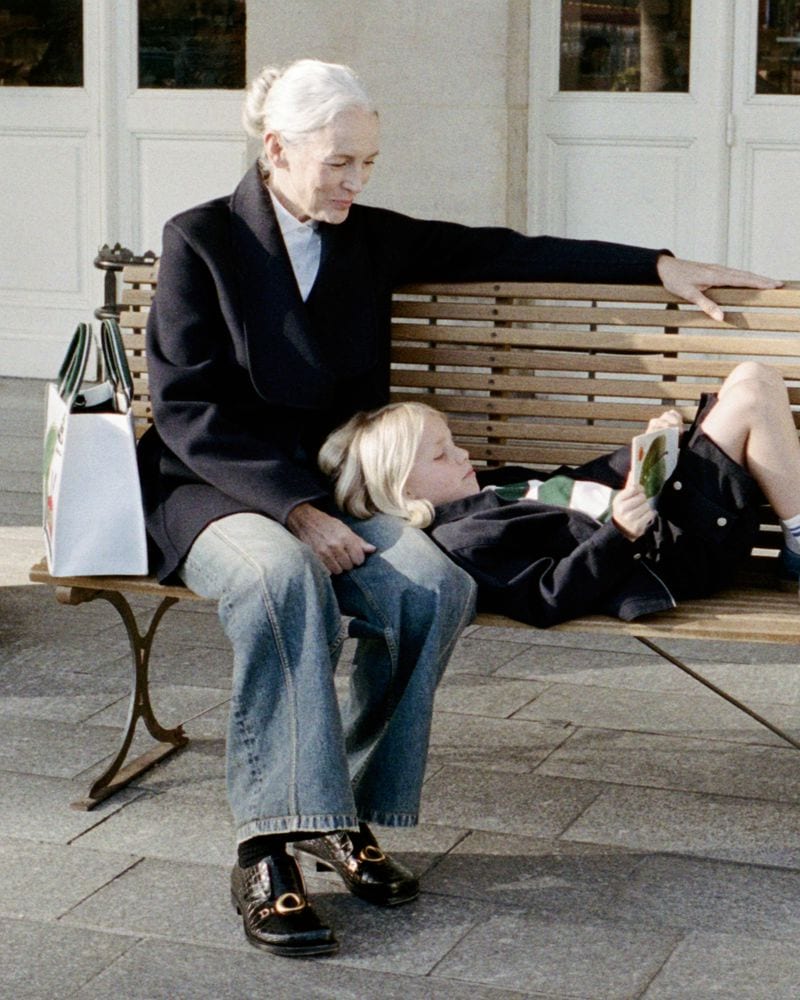
Molines approaches the imagery with an intimate, documentary-inspired sensibility, favoring natural light, unguarded expressions, and familiar public spaces. Stone staircases, wooden benches, bookstores, and railway platforms become settings for small moments of discovery and reflection. Actor Florence Hunt appears with the emerald-green Pride and Prejudice tote, its ornate design providing a vivid counterpoint to her restrained black tailoring and relaxed denim. Elsewhere, a young reader enthusiastically lifts a Very Hungry Caterpillar bag overhead before settling into a book, capturing the unselfconscious delight that makes the campaign’s literary theme feel genuinely affectionate.
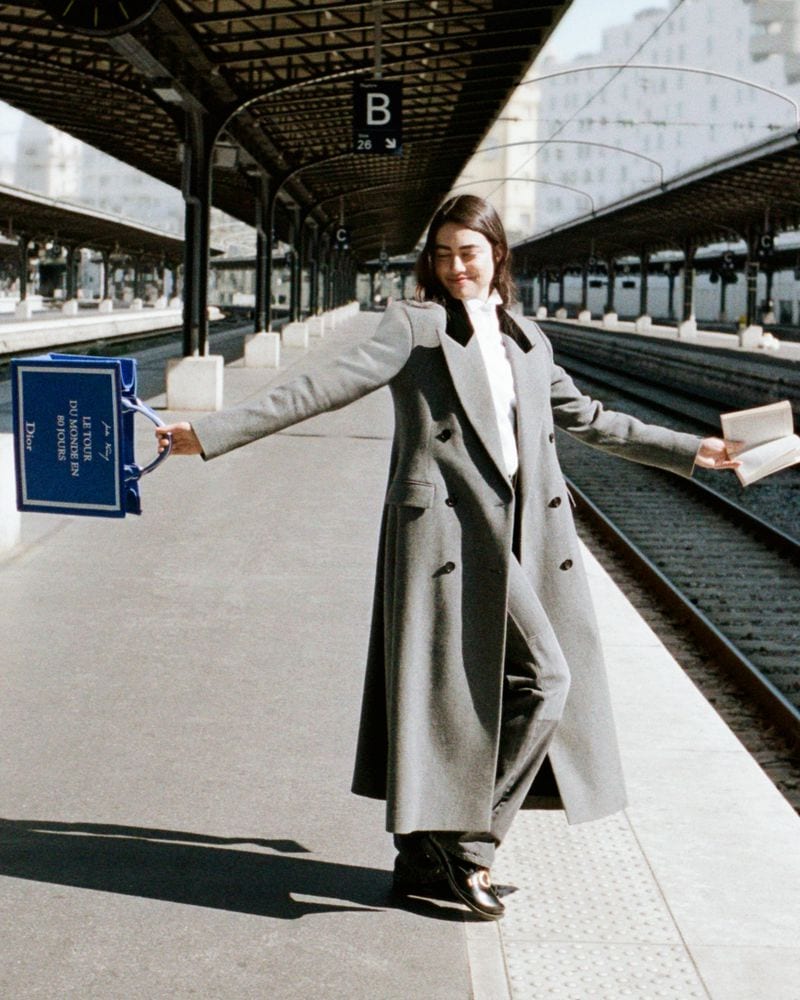
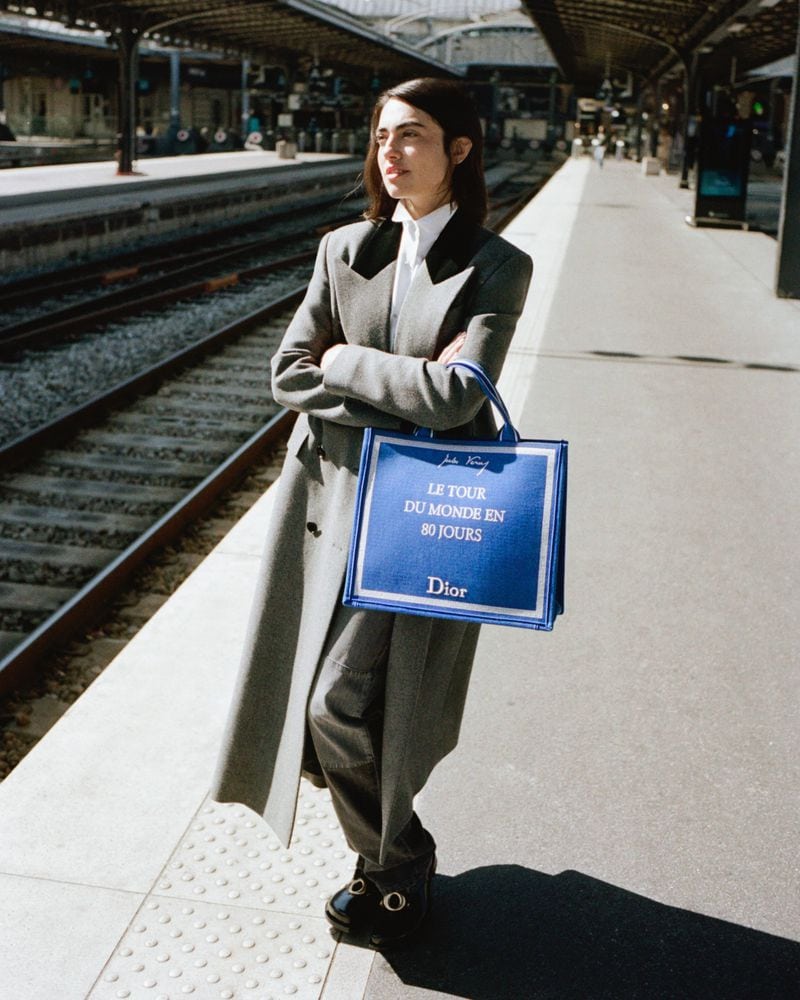
The styling reinforces this accessible, lived-in atmosphere. Oversized jackets, crisp shirting, rugby stripes, and softly tailored outerwear create a wardrobe that feels considered but never overly precious. The bags remain the visual focal points, their graphic surfaces standing out against a muted palette of charcoal, navy, cream, and forest green. Particularly effective is the pairing of the cobalt-blue Jules Verne tote with gray tailoring on a sunlit railway platform, where the setting subtly echoes the book’s spirit of travel and adventure. These connections between product, place, and literary reference give the campaign a pleasing sense of cohesion without relying on elaborate staging.
There is also something refreshing about the campaign’s intergenerational perspective. By incorporating subjects of different ages and books associated with different stages of life, Dior presents reading as a shared cultural experience rather than an exclusive intellectual pursuit. The imagery moves easily between childhood curiosity, youthful self-expression, and quieter moments of contemplation. While the visual approach is relatively straightforward, its simplicity works in the collection’s favor, allowing the emotional associations of the books themselves to carry much of the storytelling.
Ultimately, Dior’s Book Cover Collection campaign succeeds by finding personality within an established house icon. Its combination of recognizable literary imagery, approachable styling, and understated photographic charm gives the Book Tote a fresh narrative dimension while preserving its familiar appeal. In celebrating the stories we carry with us, Dior makes a persuasive case for judging a bag by its cover.

Dior Creative Director | Jonathan Anderson
Photographer | Joseph Molines
Model | Florence Hunt
Stylist | Azza Yousif
Hair | Alexandre Gloaguen