A Woman’s World
Review of AVAVAV Fall 2026 Ad Campaign by Creative Director Beate Karlsson and Photographer Emanuel Koroly with models Juli Nordling, Junni Wennergren, and Young
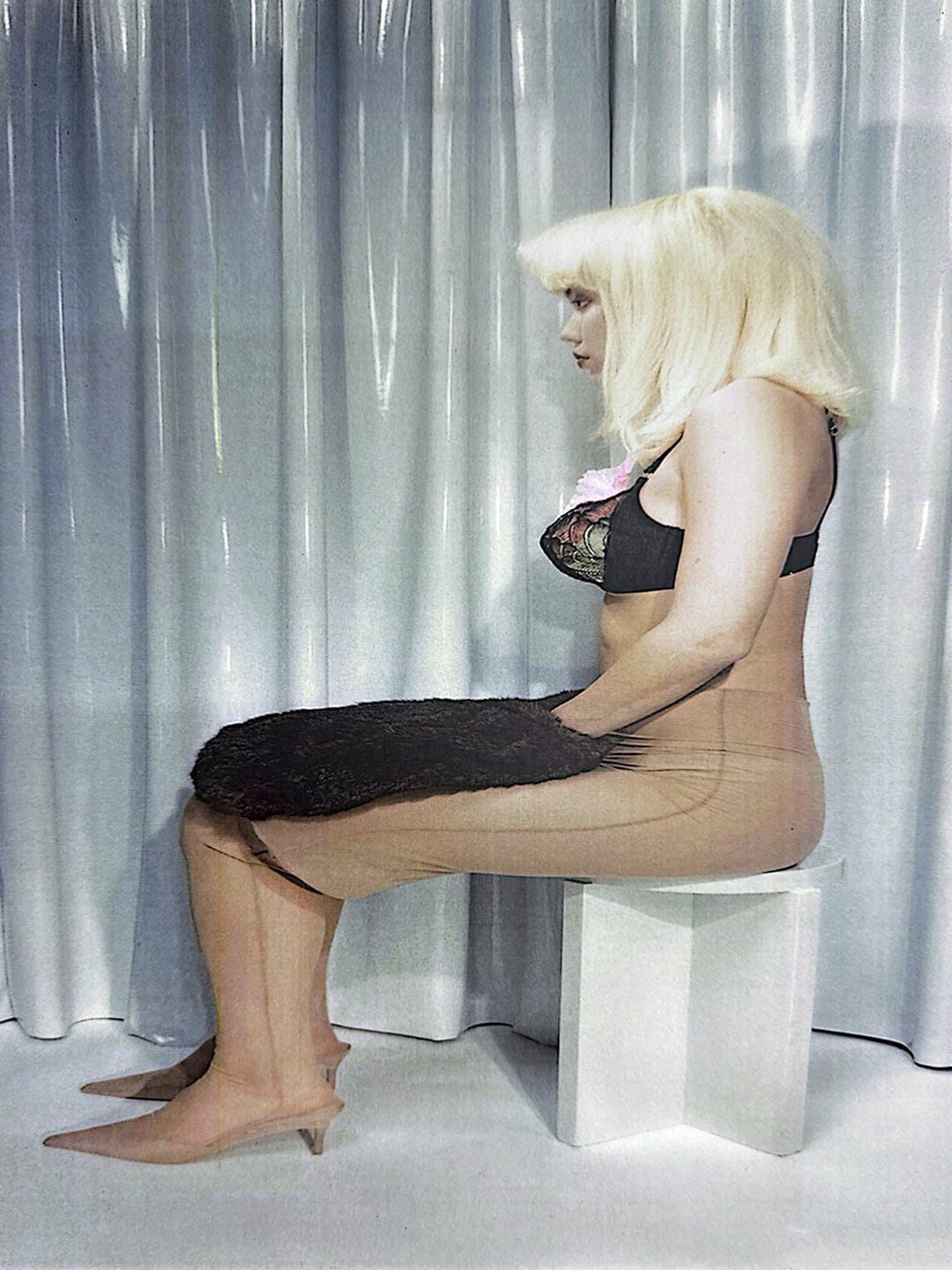
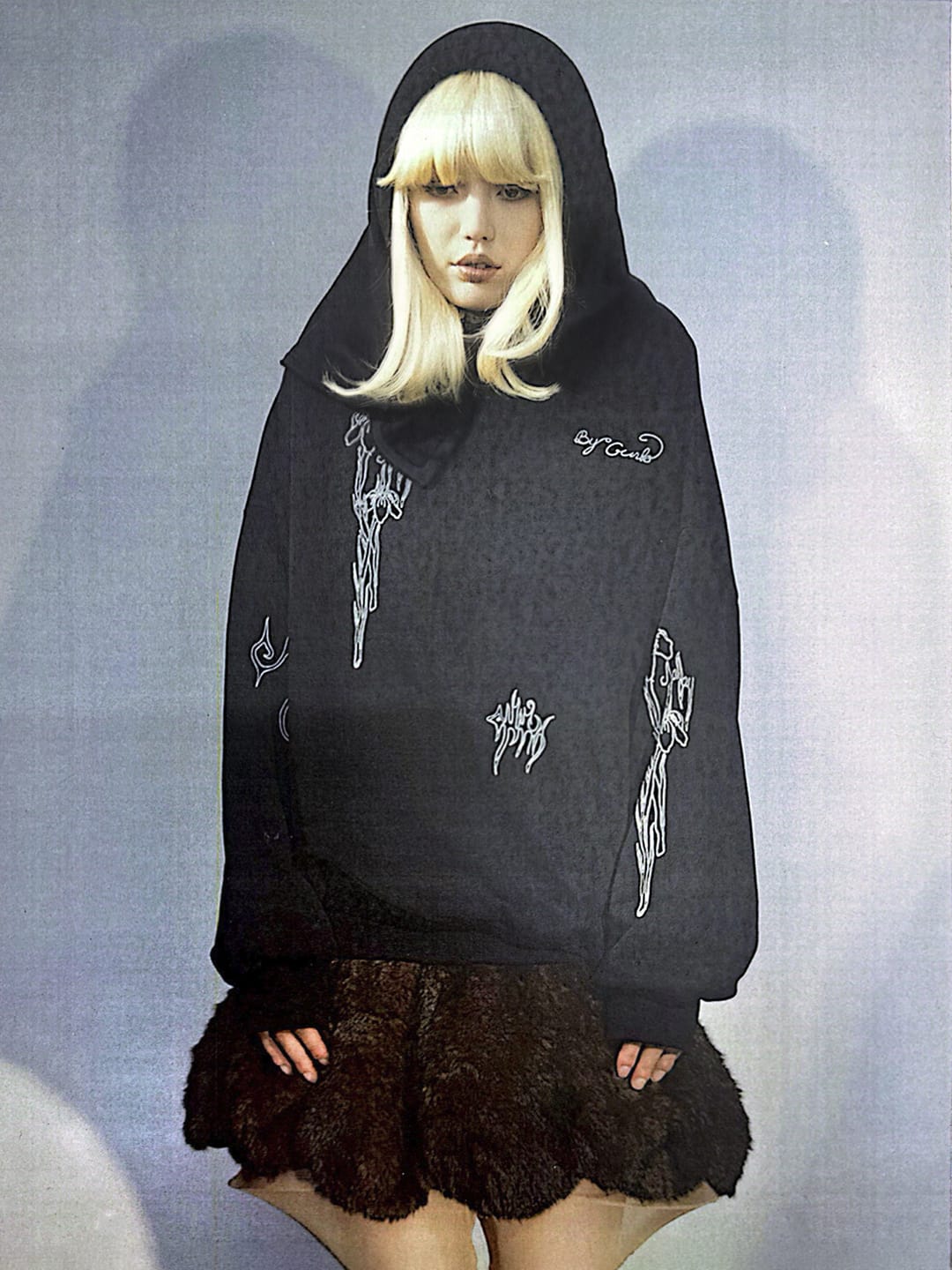
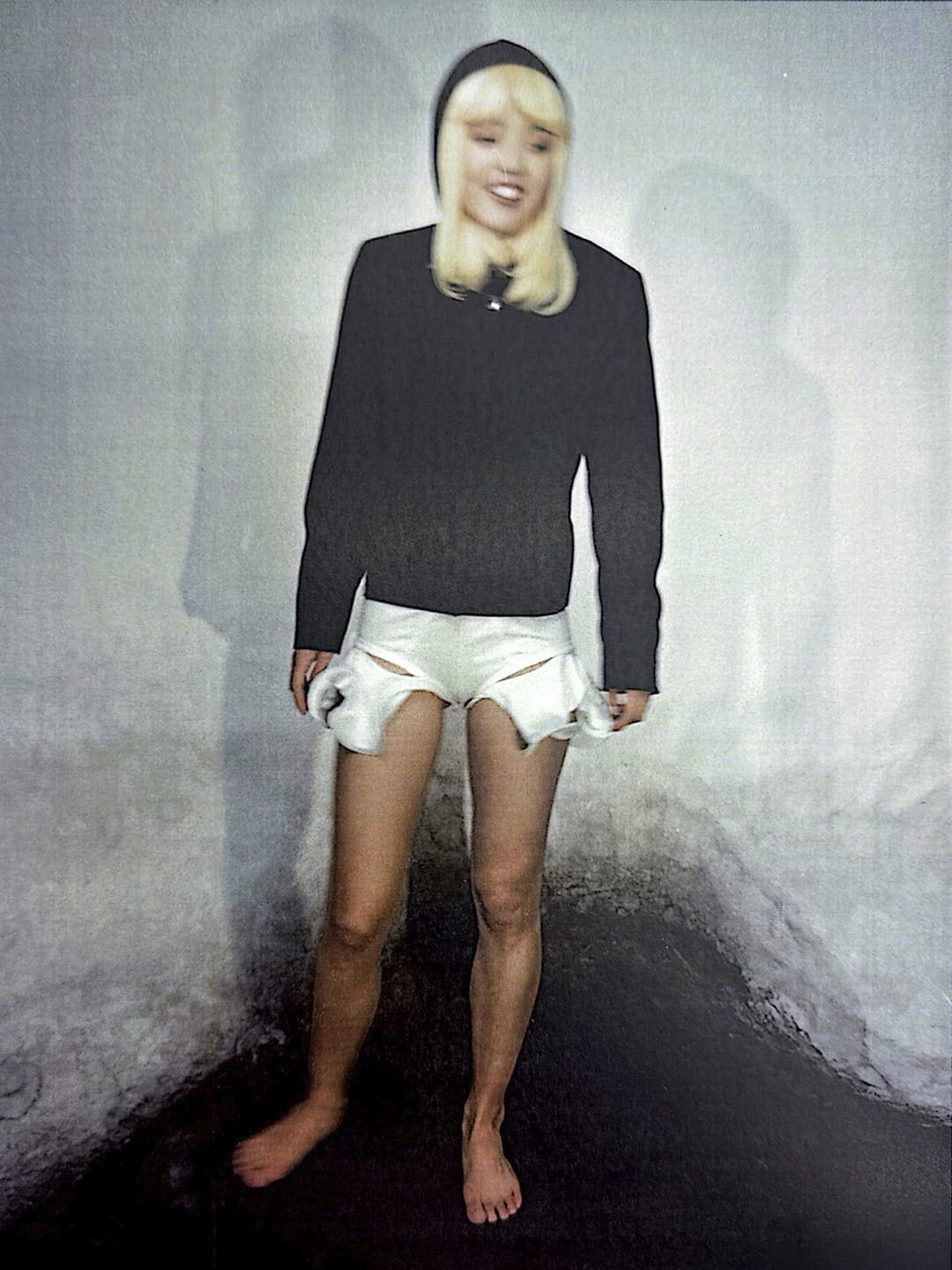
AVAVAV explores the contradictions of femininity with its Fall 2026 campaign, “Women,” a quietly provocative continuation of the collection titled “The Female Gaze.” Photographed by Emanuel Koroly, the campaign brings together three generations of women from the same family to portray a single female identity across different stages of life. Under the creative direction of Beate Karlsson, the imagery turns the familiar rituals of getting dressed into a meditation on self-perception, generational experience, and the complicated business of becoming a woman.
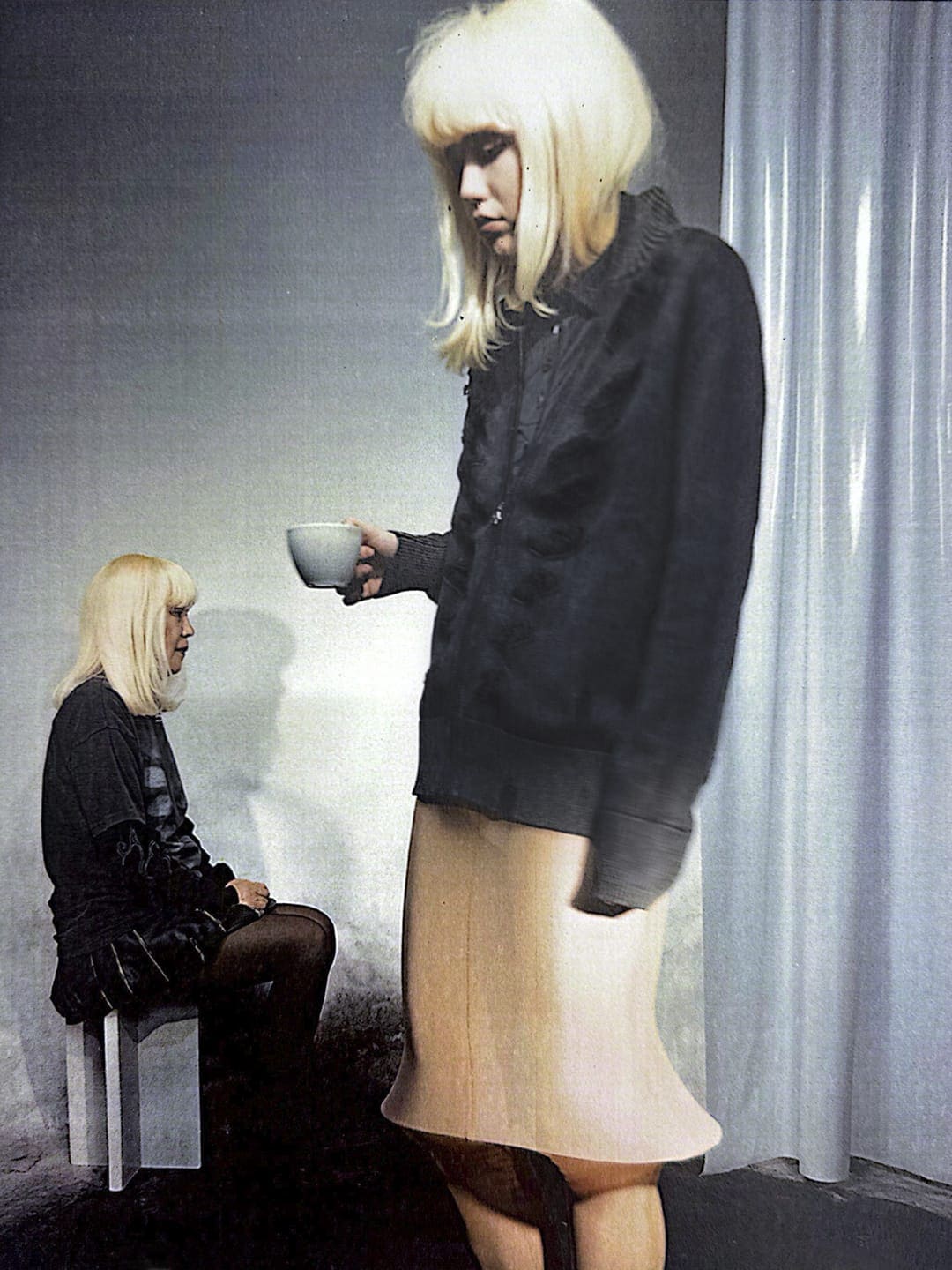
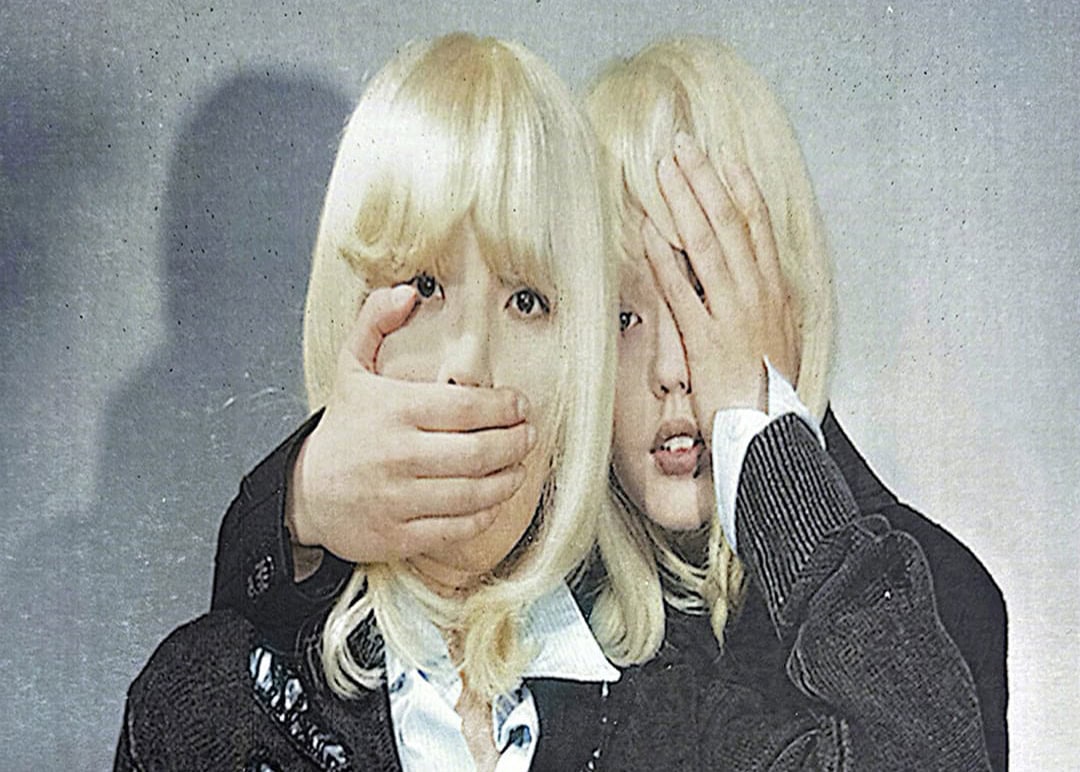
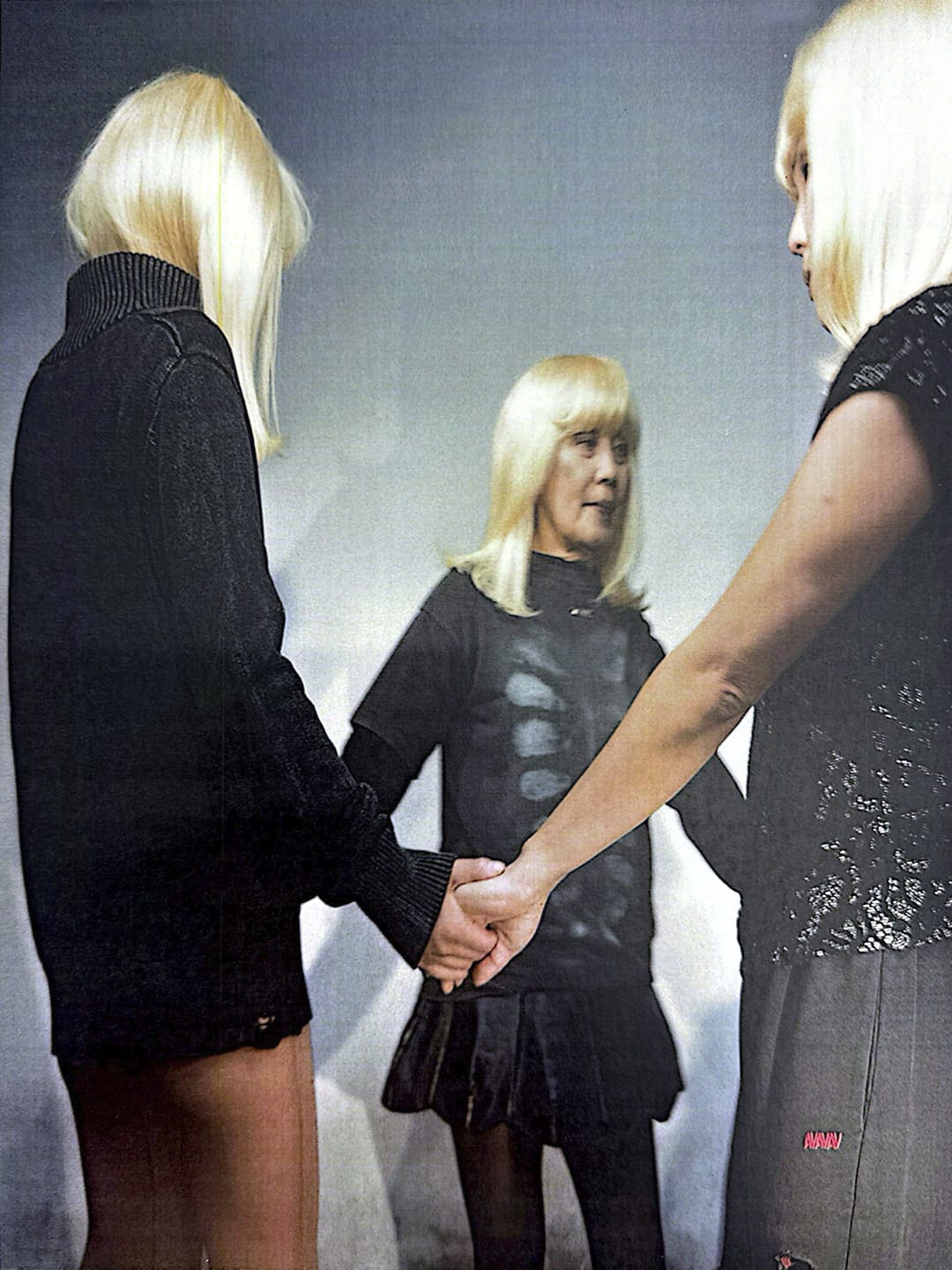
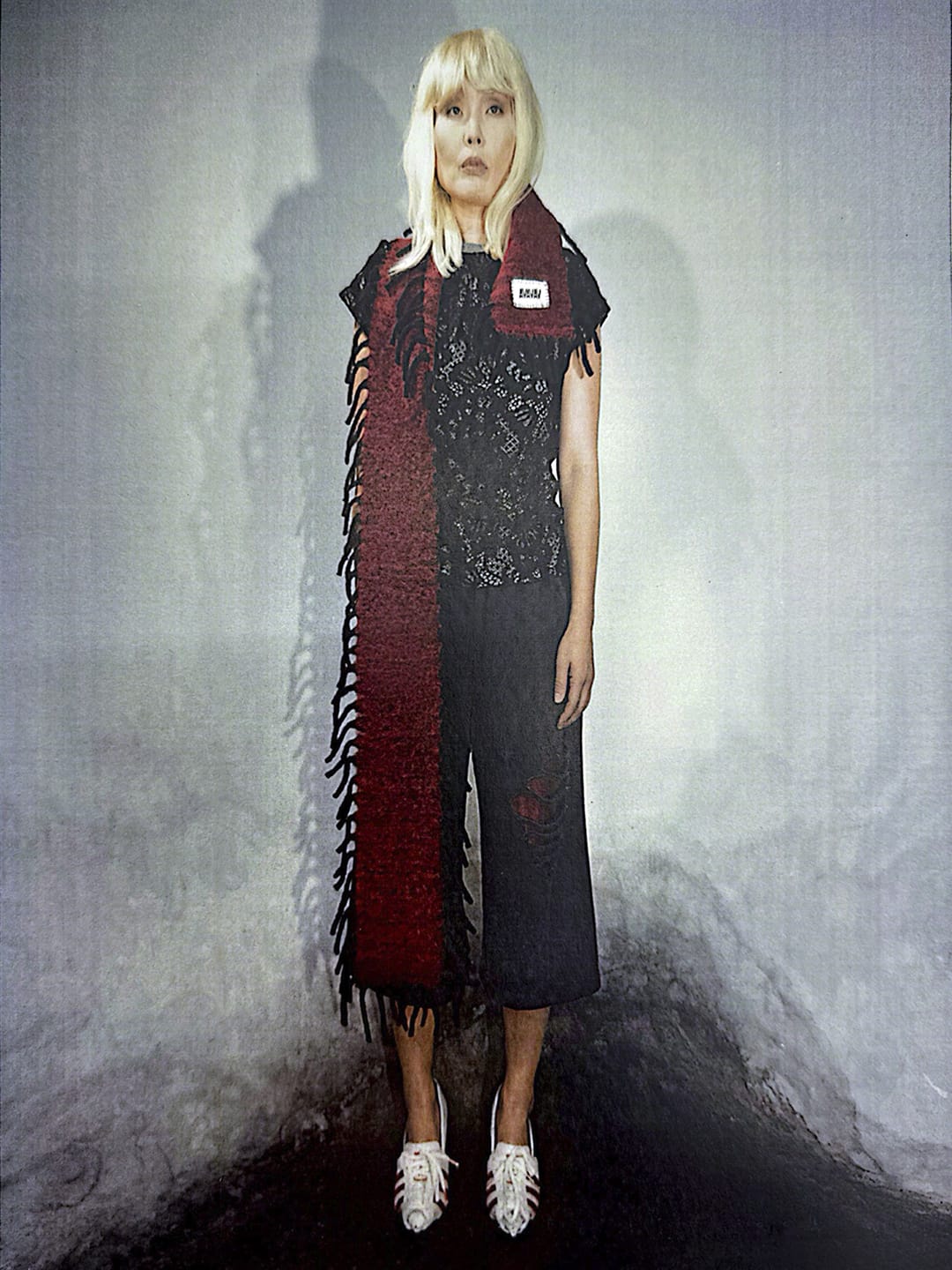
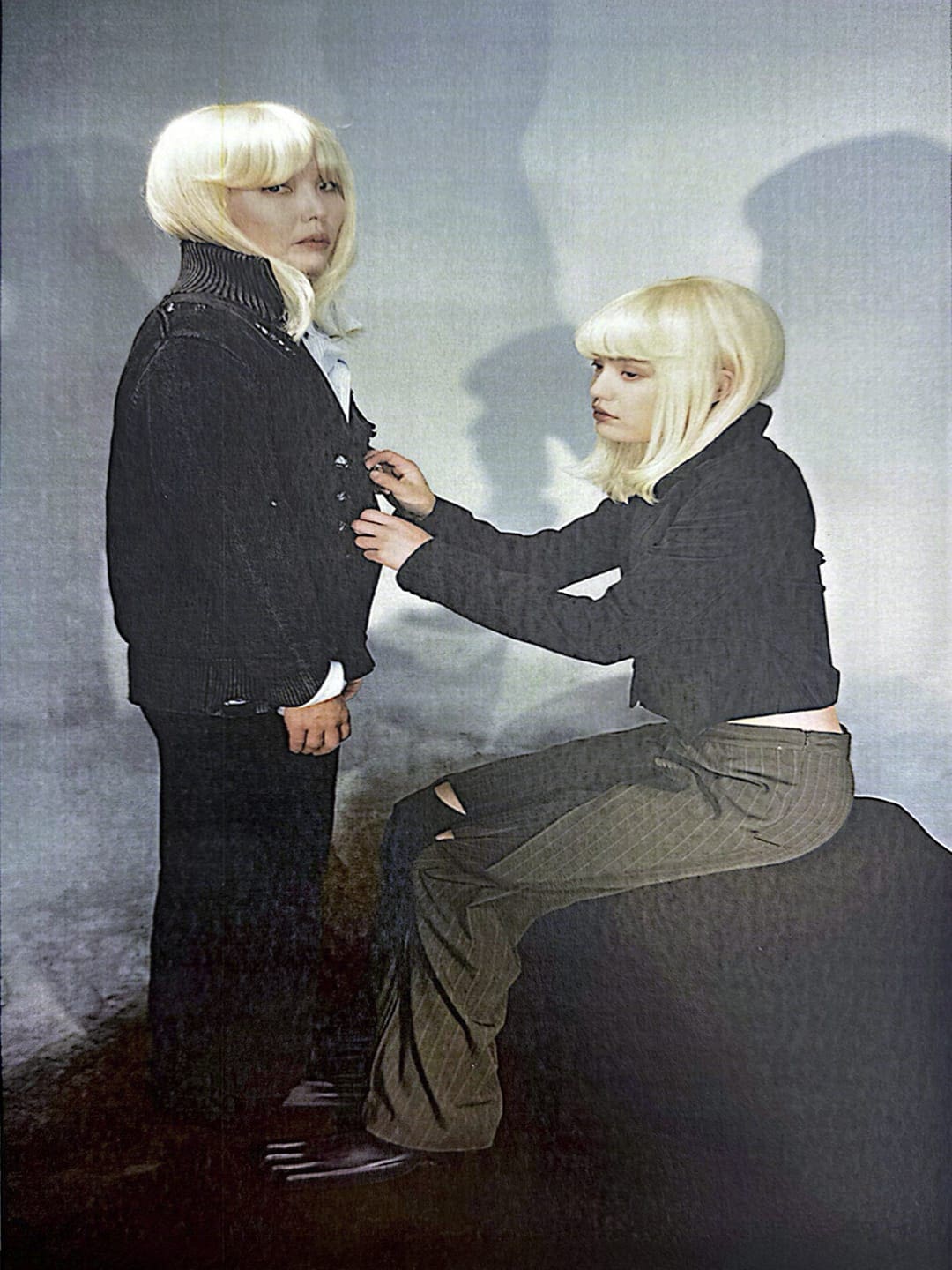
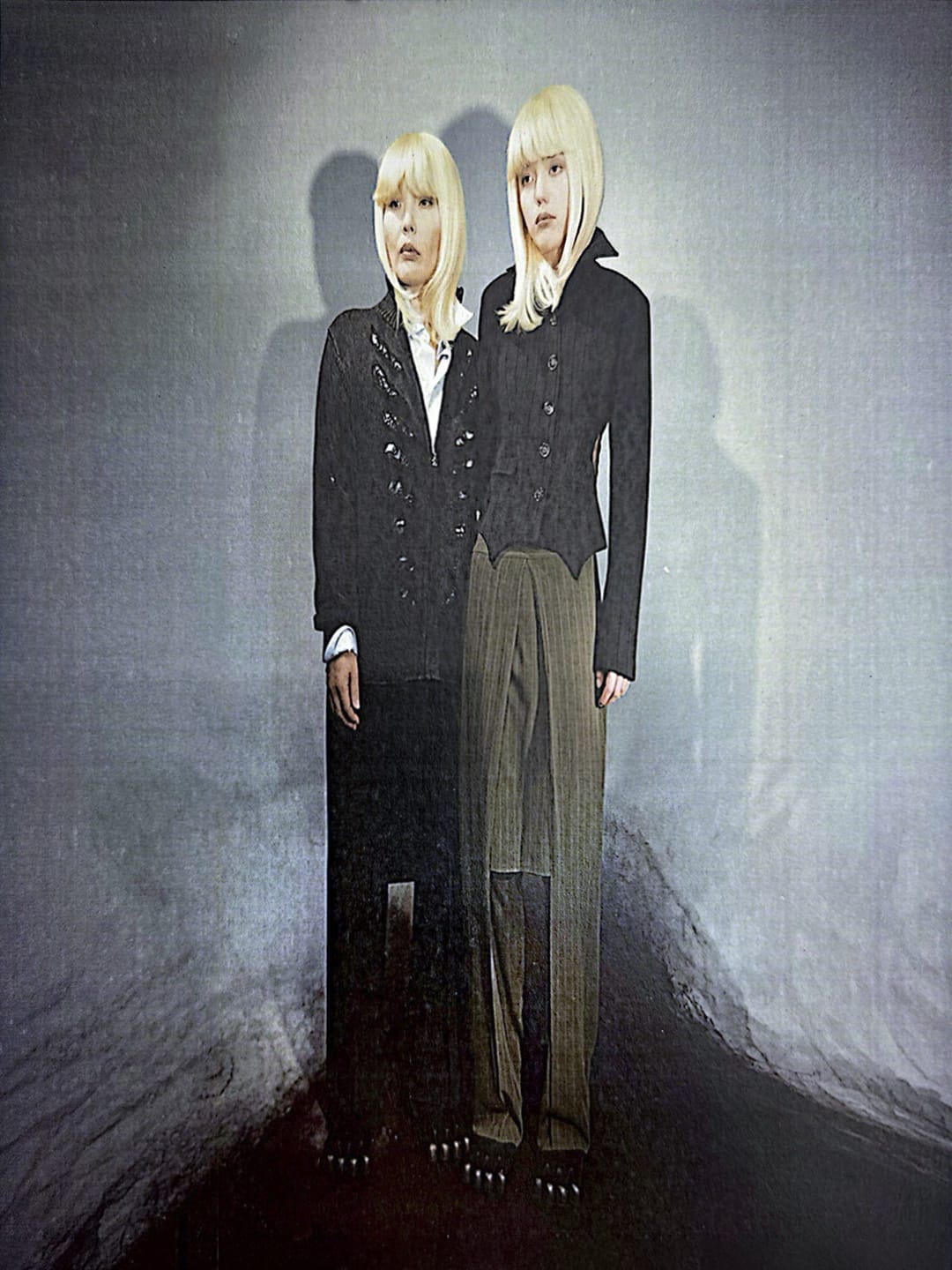
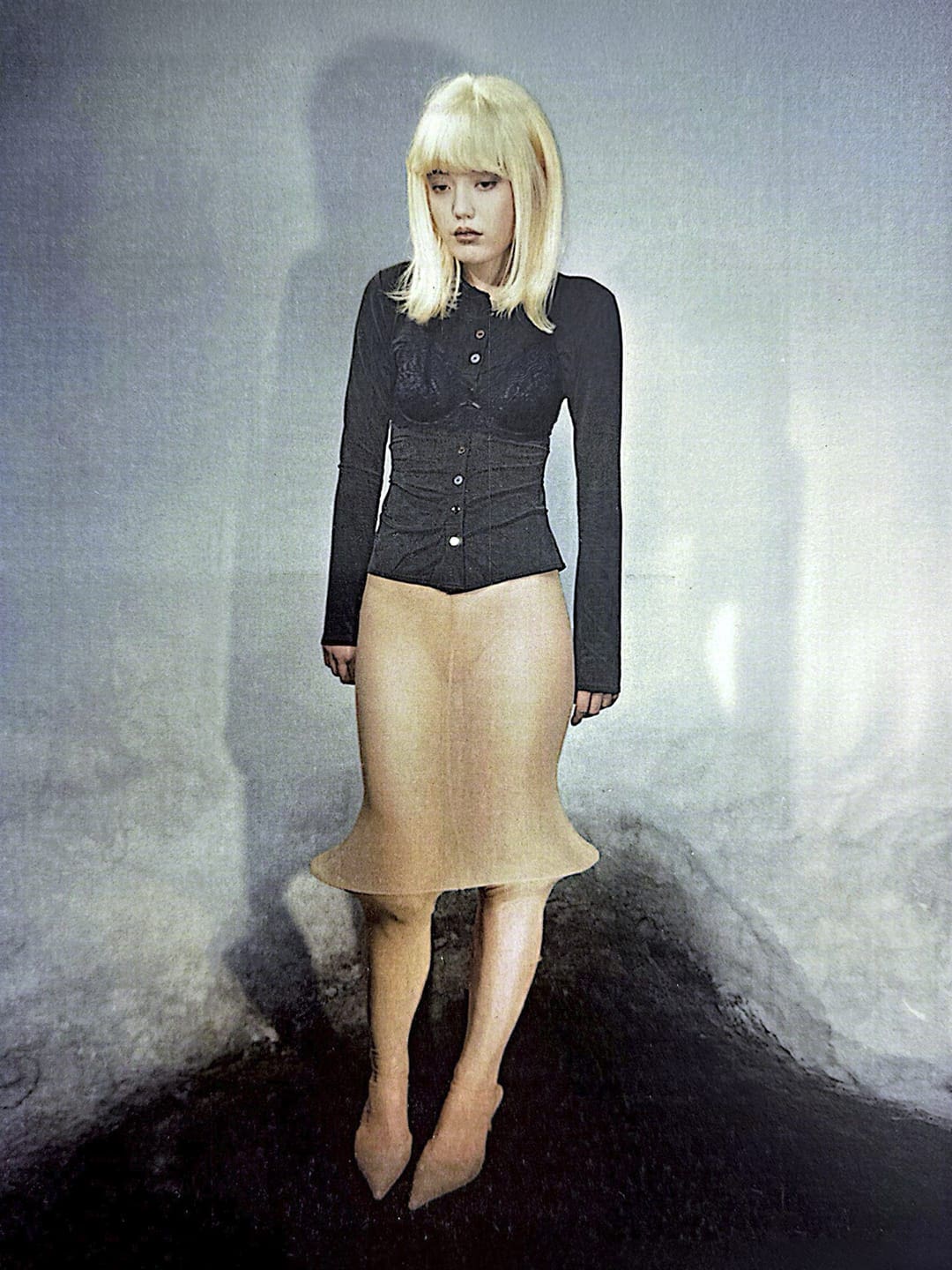
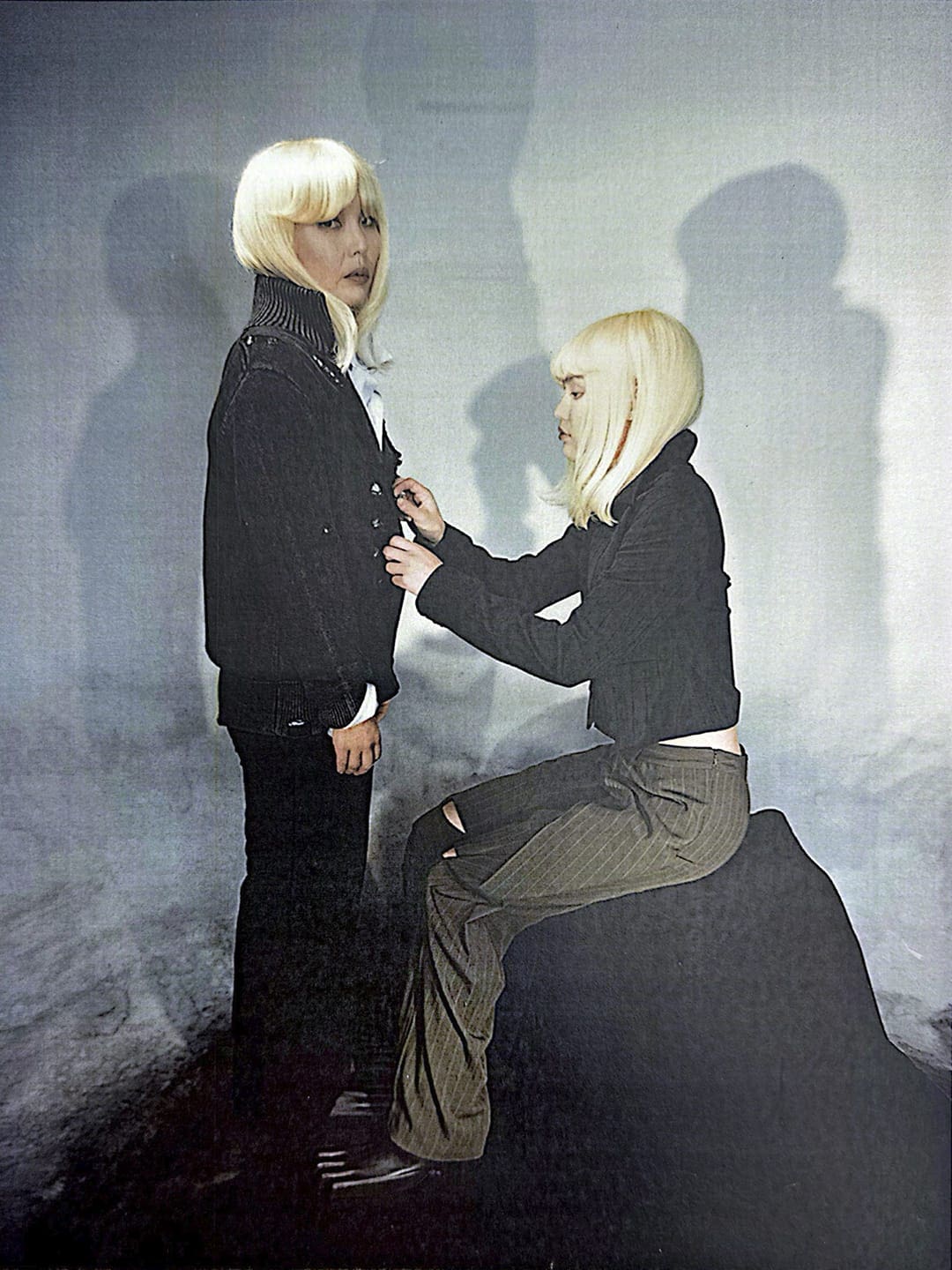
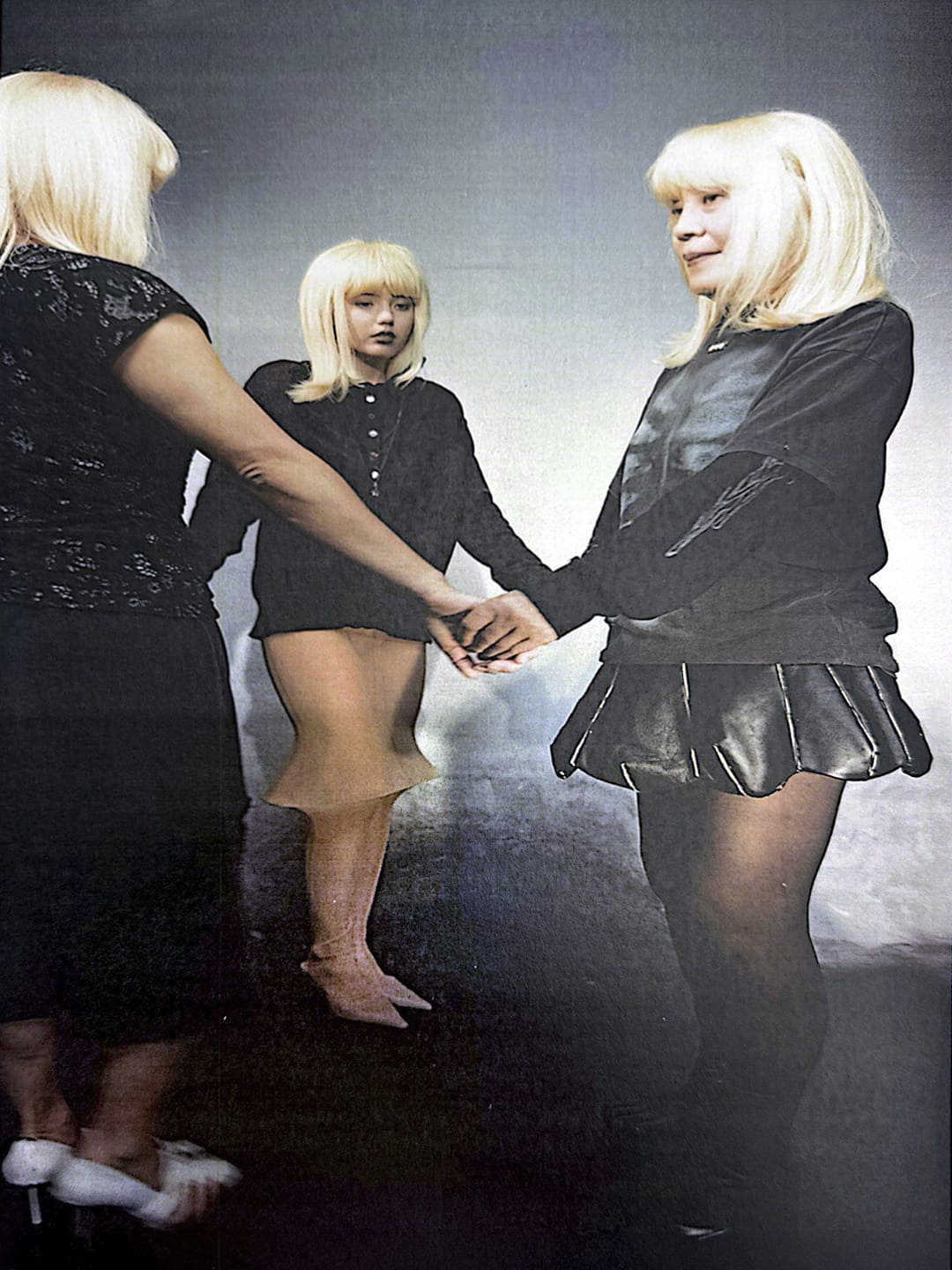
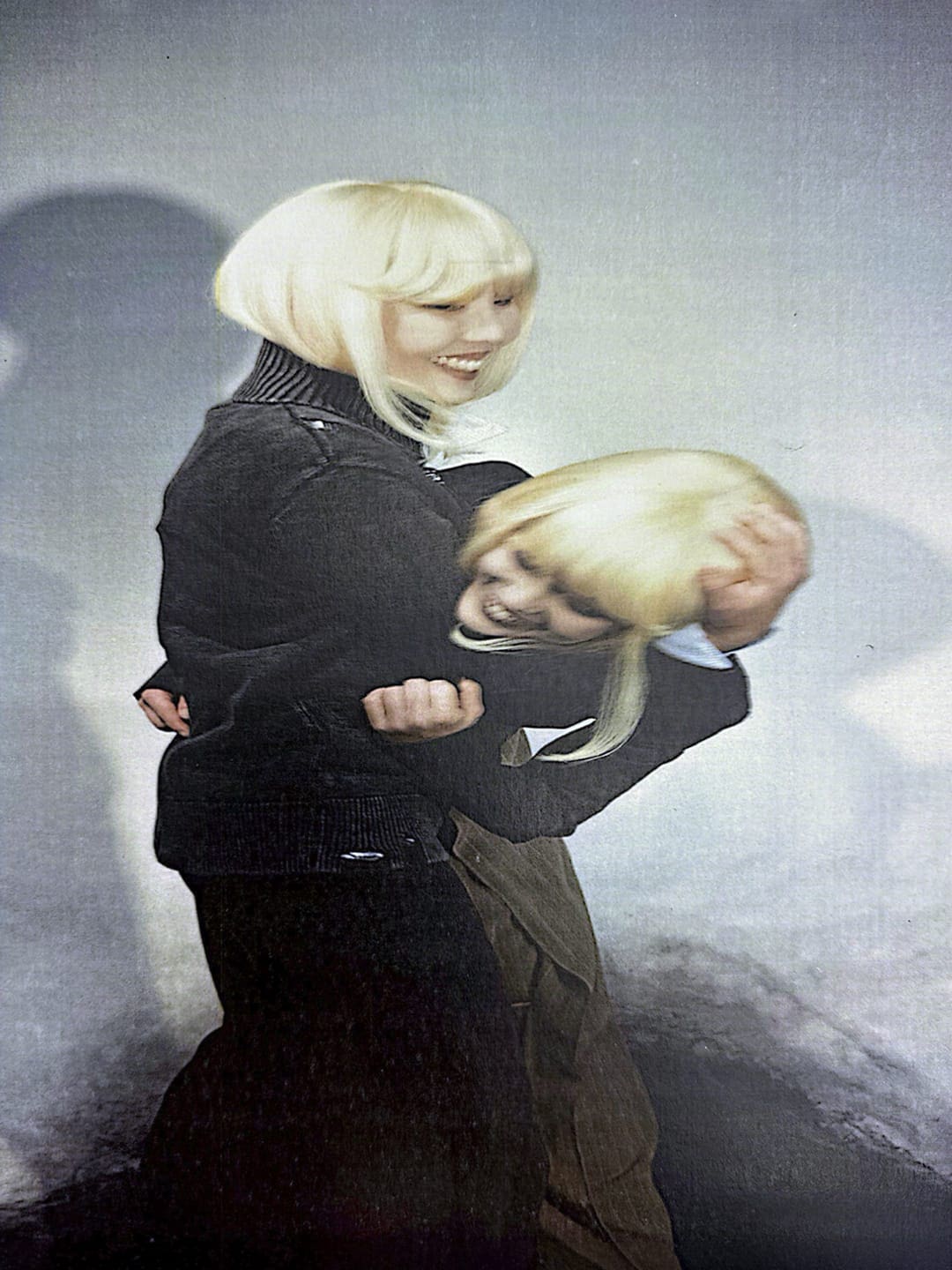
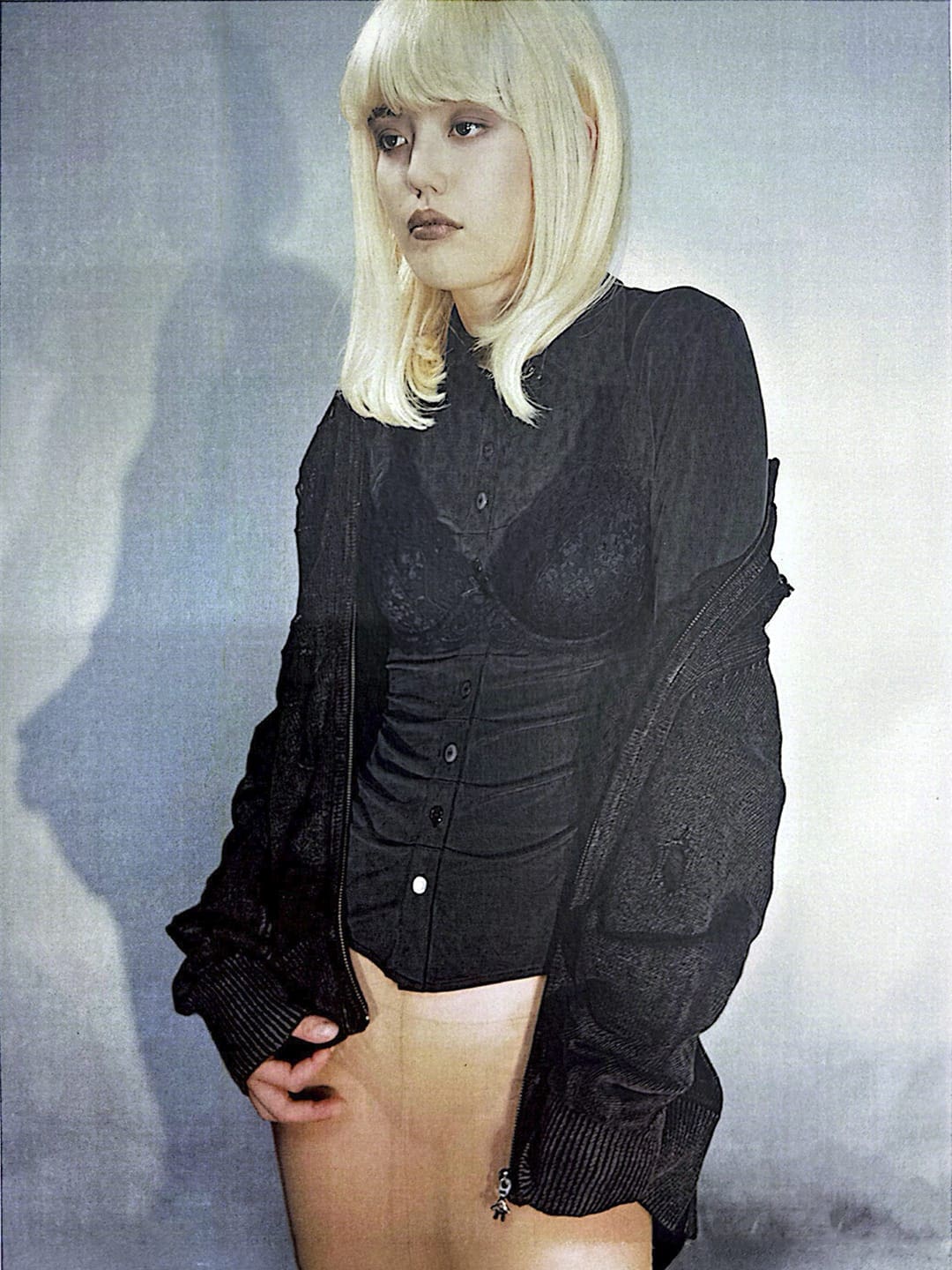
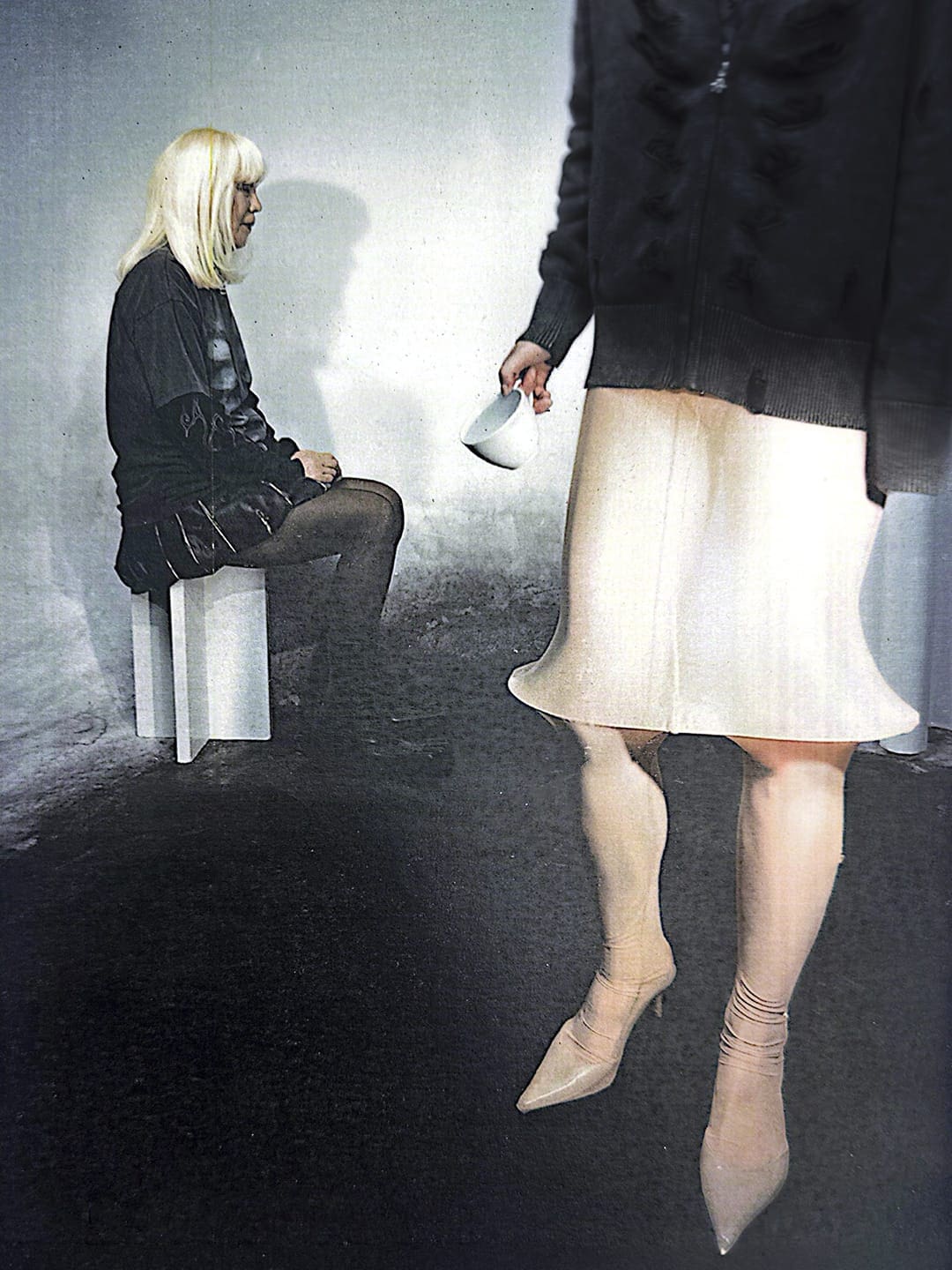
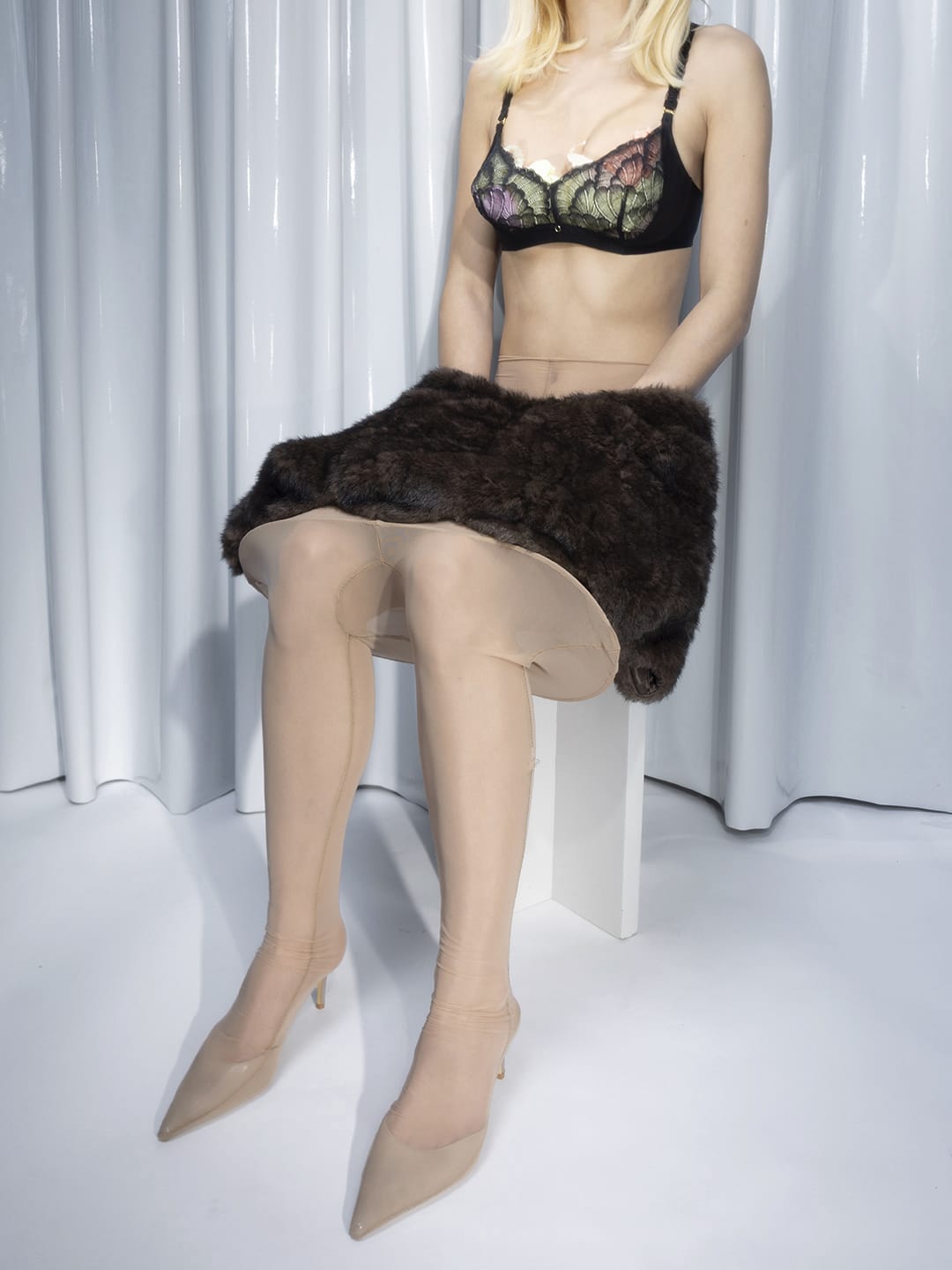
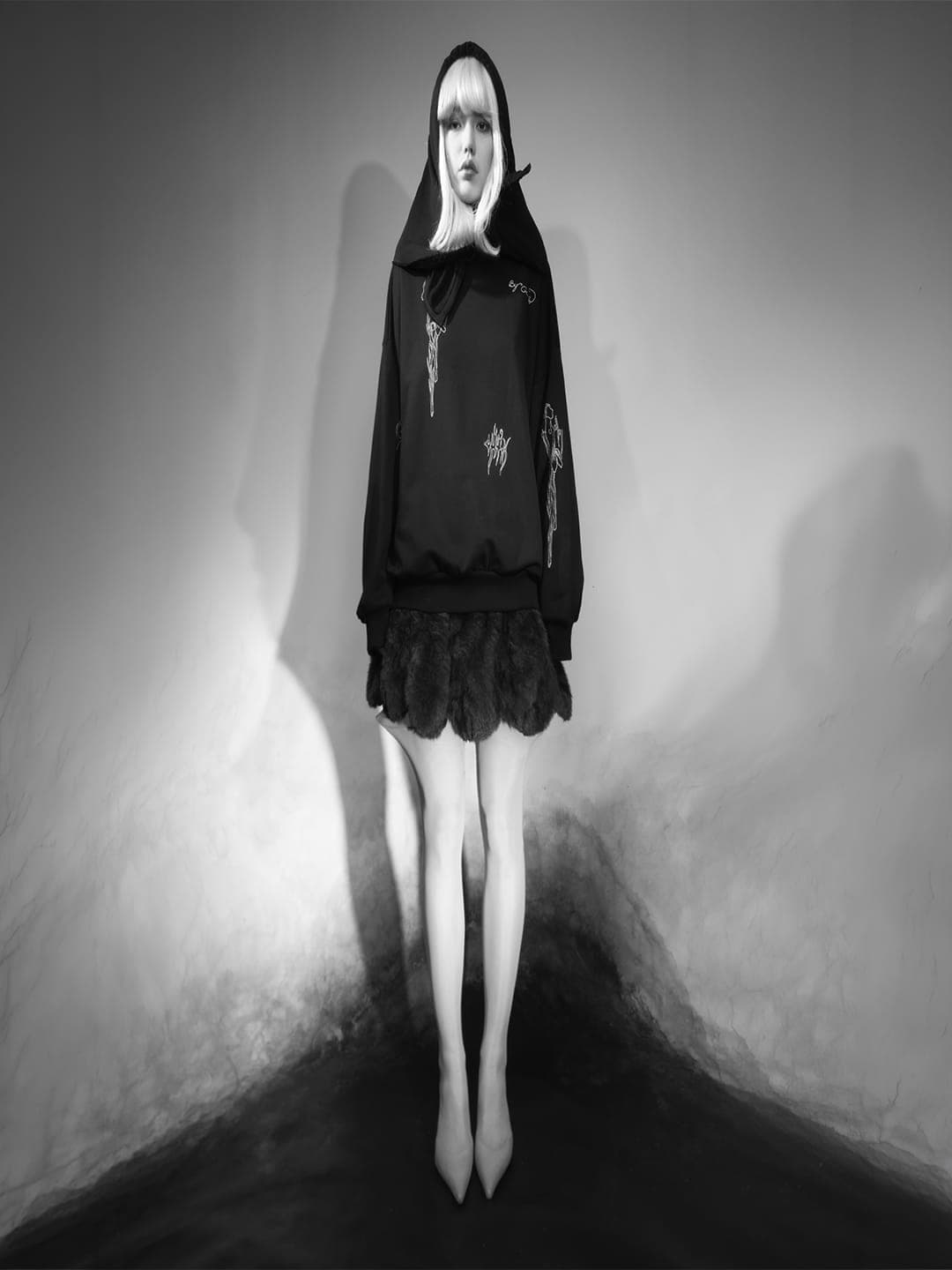
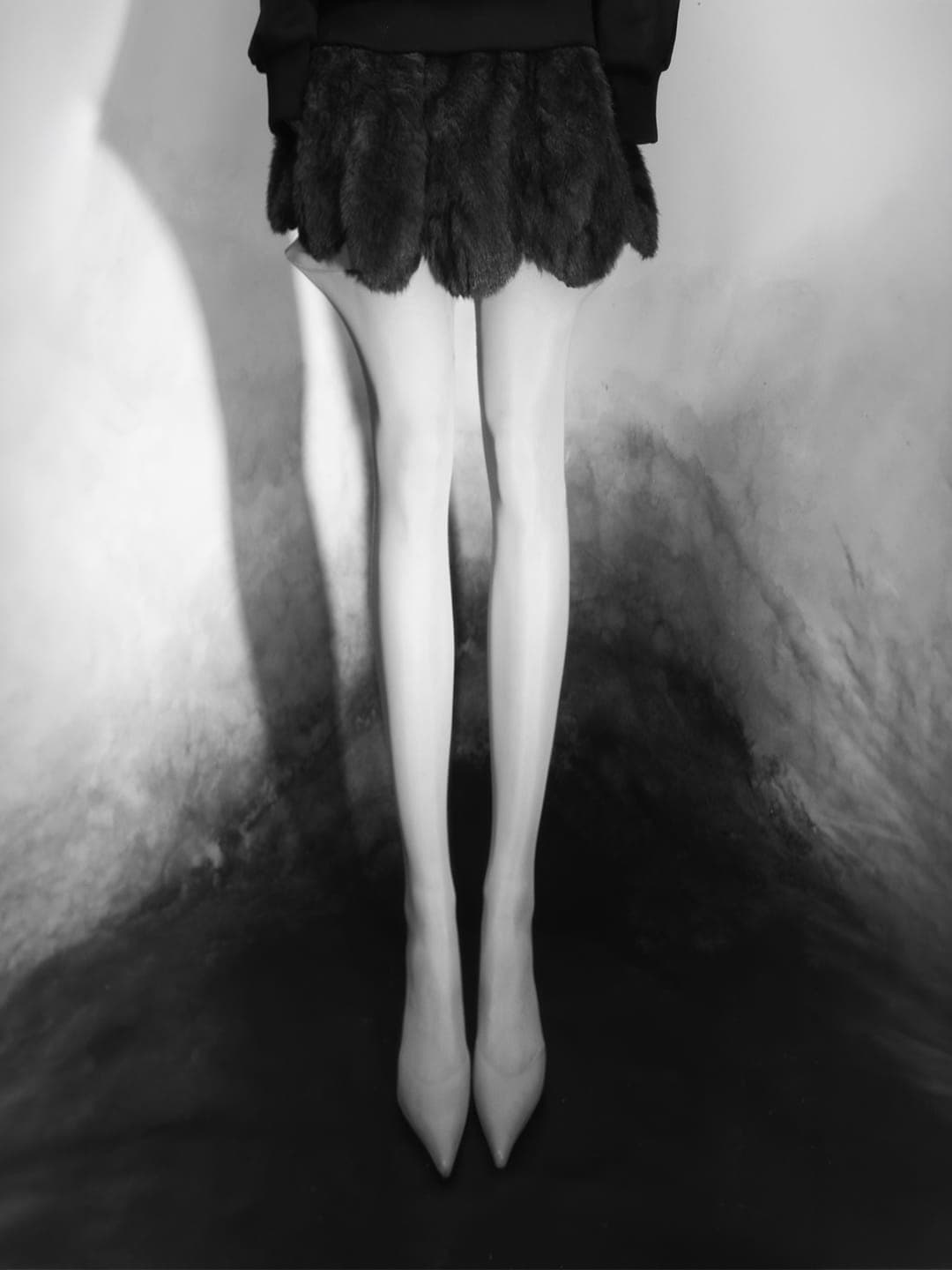
The campaign unfolds in a spare, almost claustrophobic interior, where textured gray walls and metallic curtains establish an atmosphere somewhere between a domestic space and an experimental theater. Koroly’s grainy, desaturated photography lends the images an archival quality, as though documenting a family history that has been subtly rearranged. The women appear alone, in pairs, and occasionally together, their interactions ranging from affectionate to faintly unsettling. In one image, two figures cover each other’s mouths and eyes; in another, one adjusts the other’s clothing. These gestures introduce questions of visibility, control, and intimacy, suggesting how femininity is shaped not only by personal experience but also through observation and inheritance.
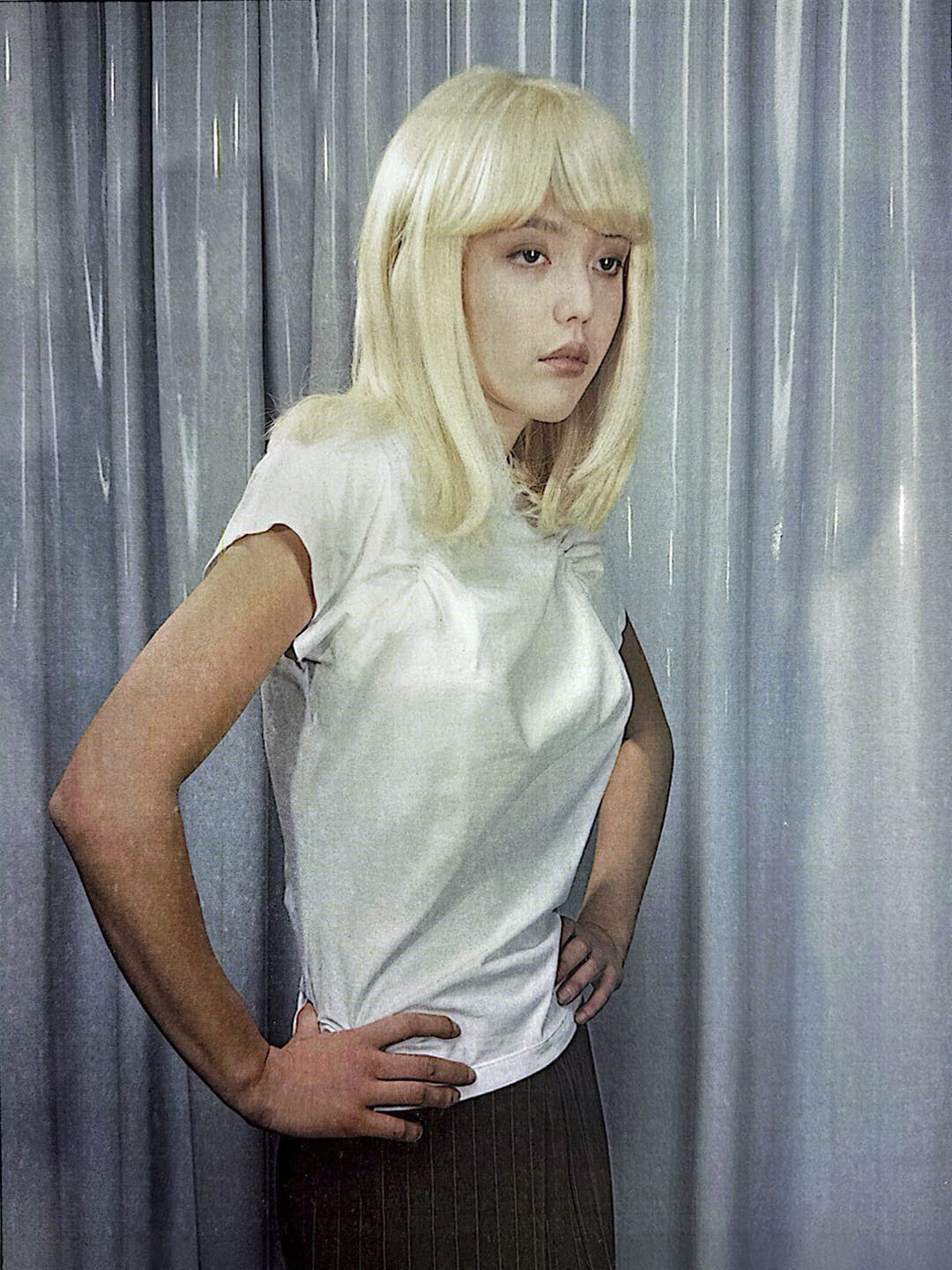
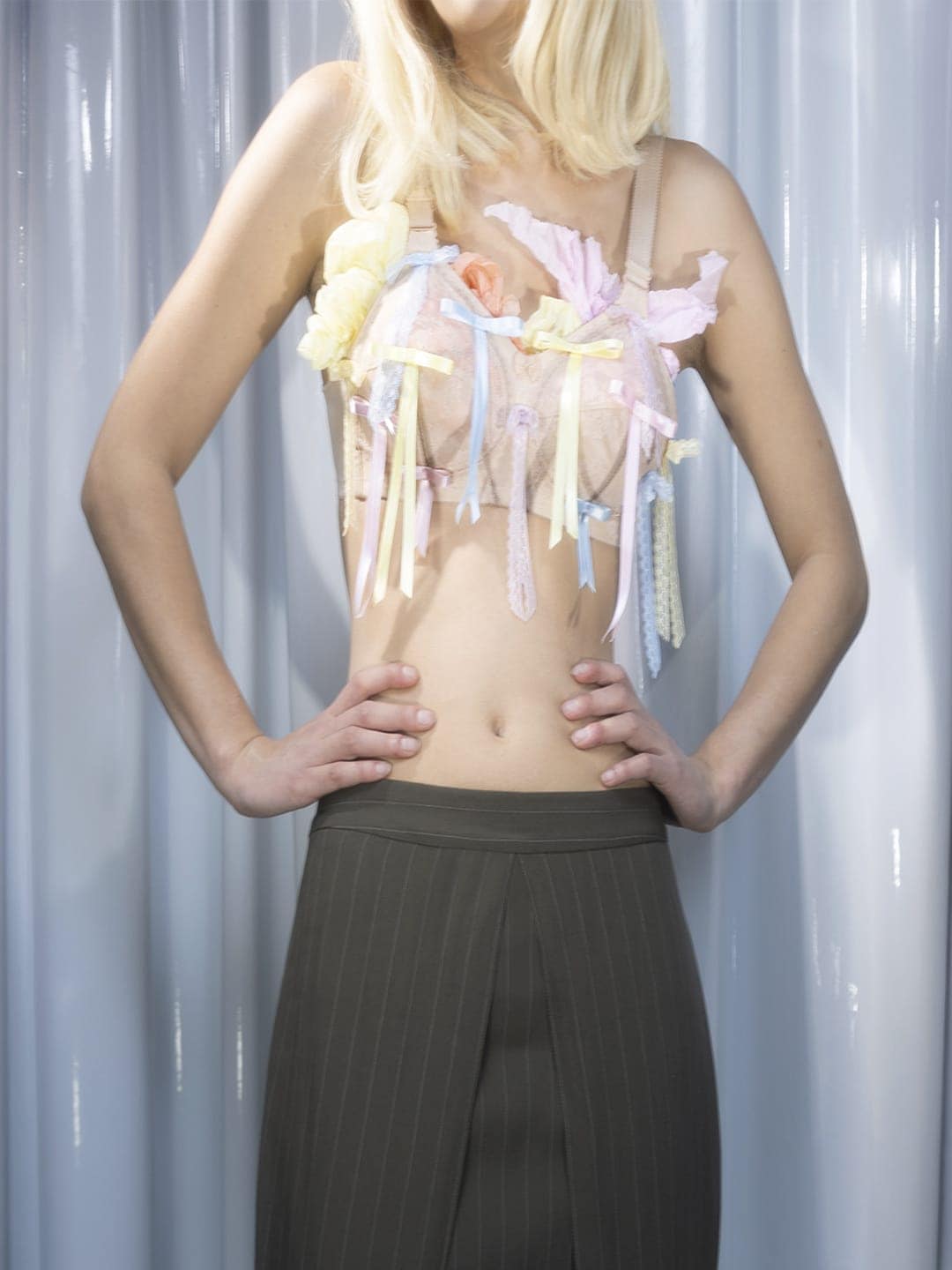
Karlsson’s characteristically subversive design language gives these ideas a tangible form. Tailored jackets, distressed knitwear, pinstriped trousers, and exaggerated silhouettes create a wardrobe that moves between conventional markers of femininity and their deliberate disruption. A particularly striking recurring element is the padded, flesh-toned skirt-like silhouette, which distorts the body’s proportions into something simultaneously familiar and alien. Elsewhere, a bra stuffed with tissue paper recalls an adolescent attempt to approximate an adult body, transforming an ordinary private gesture into a pointed reflection on the distance between appearing feminine and feeling comfortable within that identity. The clothes become more than costumes for the campaign’s characters; they are instruments through which expectations are rehearsed, resisted, and occasionally made absurd.
The casting is central to the campaign’s success. Rather than relying on the conventional distance between model and viewer, the familial relationship between the three women lends the images an unusual emotional immediacy. Their matching platinum-blonde hair creates a visual continuity that reinforces the idea of a single identity moving through time, while their differing ages and expressions resist any suggestion of a fixed definition of womanhood. Stylist Naomi Itkes builds on this tension through looks that feel alternately protective, restrictive, and playful. The campaign’s strongest moments emerge when these carefully constructed visual relationships are allowed to speak for themselves, balancing AVAVAV’s taste for provocation with an unexpectedly intimate sensibility.
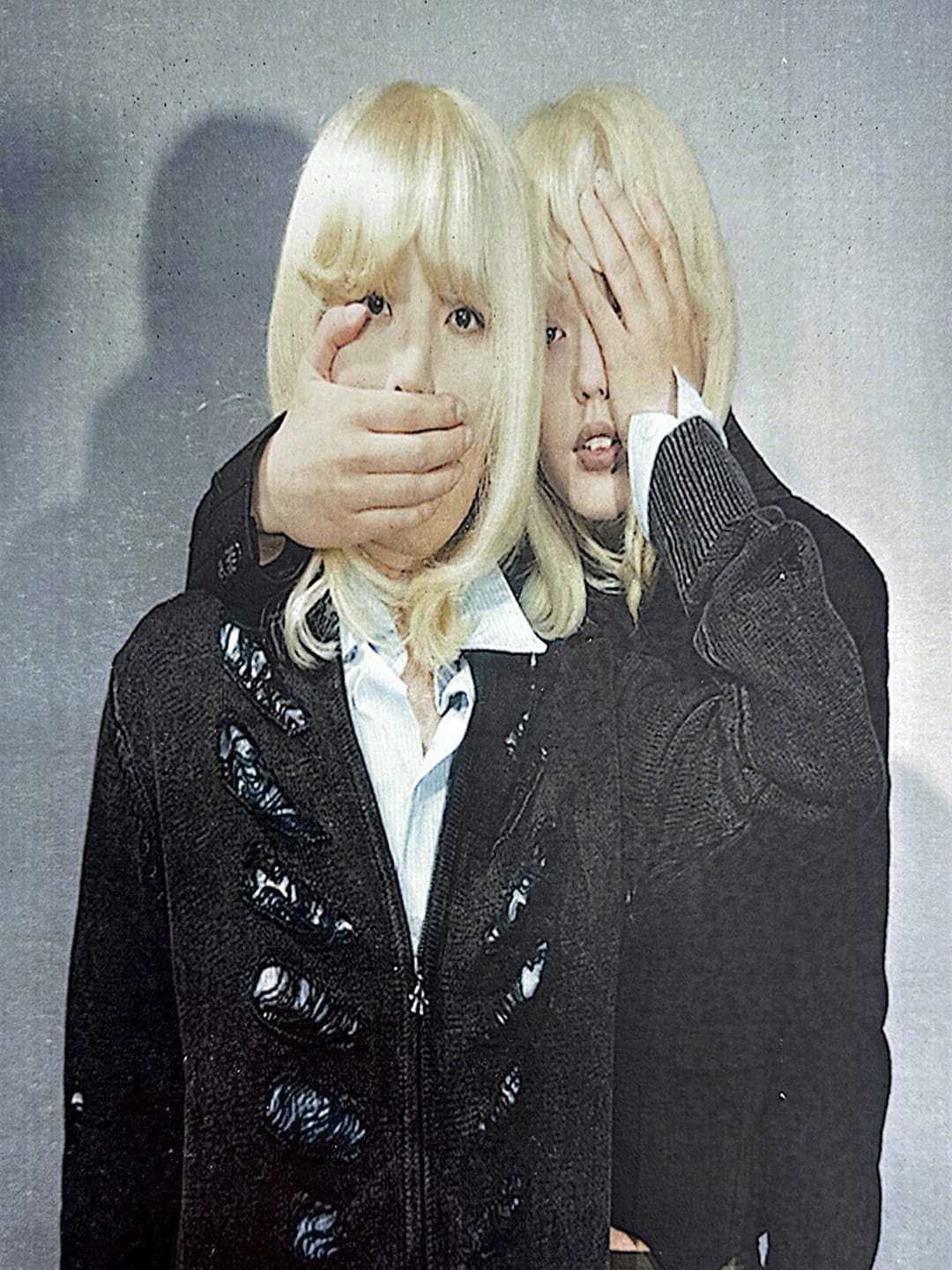
There is a productive tension between the campaign’s conceptual ambition and its deliberately rough visual execution. The subdued palette, imperfect photographic texture, and restrained setting give the imagery a sense of psychological unease, although the repeated compositions occasionally make its central metaphor feel more explicit than necessary. Still, the decision to approach femininity through shared gestures and intergenerational relationships offers a compelling extension of the collection’s original premise. Rather than presenting the female gaze as a straightforward reversal of the male gaze, Karlsson considers how women see themselves, one another, and the versions of themselves they have been or might become.
With “Women,” AVAVAV finds a more introspective expression of its irreverent identity. The campaign retains the label’s instinct for bodily distortion and visual discomfort, but grounds those provocations in an exploration of identity that feels both personal and widely recognizable. In the end, becoming a woman is presented not as a single transformation but as an ongoing negotiation between the body, the self, and the expectations passed down through generations.
AVAVAV Creative Director | Beate Karlsson
Photographer | Emanuel Koroly
Models | Juli Nordling, Junni Wennergren, and Young
Stylist | Naomi Itkes
Hair | Sofia Geideby
Makeup | Tereza Luyirika